Photo credit: sootch00/YouTube
Some guns don’t look all that special sitting in the safe. They don’t have the flashiest finish, the newest optic cut, or some long list of features that looks good in a catalog. They’re just the ones that work, fit right, carry easy, shoot clean, and keep proving their worth in ways owners don’t always notice at first.
Then they sell one, trade one, or let it sit too long, and suddenly every “better” replacement starts coming up short. These are the firearms that seemed ordinary until owners tried living without them.
Ruger 10/22

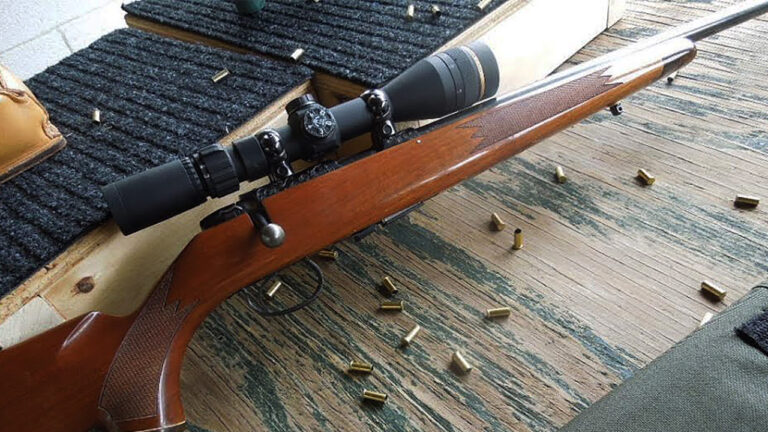
The Ruger 10/22 is one of those rifles people take for granted because it has been around forever. It’s common, affordable, easy to find parts for, and simple enough that new shooters can learn on it without feeling overwhelmed. That ordinary reputation is exactly why some owners don’t realize what they had until they move on to something fussier, heavier, or less reliable.
A good 10/22 fills a lot of roles without making a big production out of it. It works for plinking, small-game hunting, farm use, teaching kids, and cheap range practice. The aftermarket support is massive, but the rifle doesn’t need a pile of upgrades to be useful. Once someone gets rid of one, it usually doesn’t take long before they start missing that easy little rifle they never had to think too hard about.
Remington 870 Wingmaster

The Remington 870 Wingmaster doesn’t always get appreciated when it’s sitting next to newer tactical shotguns or cheaper pump guns. It looks like a plain old pump shotgun to a lot of people, especially if they grew up seeing them in duck blinds, police racks, and closets across the country. But there’s a reason so many older Wingmasters still feel slick after decades of use.
The action on a broken-in Wingmaster has a feel that many newer shotguns never quite match. It points naturally, cycles smoothly, and carries the kind of build quality that becomes obvious once you spend time with rougher replacements. Plenty of folks sold one thinking any pump gun would do the same job, then found out the hard way that not every shotgun has that same balance, finish, and long-term dependability.
Glock 19 Gen 3
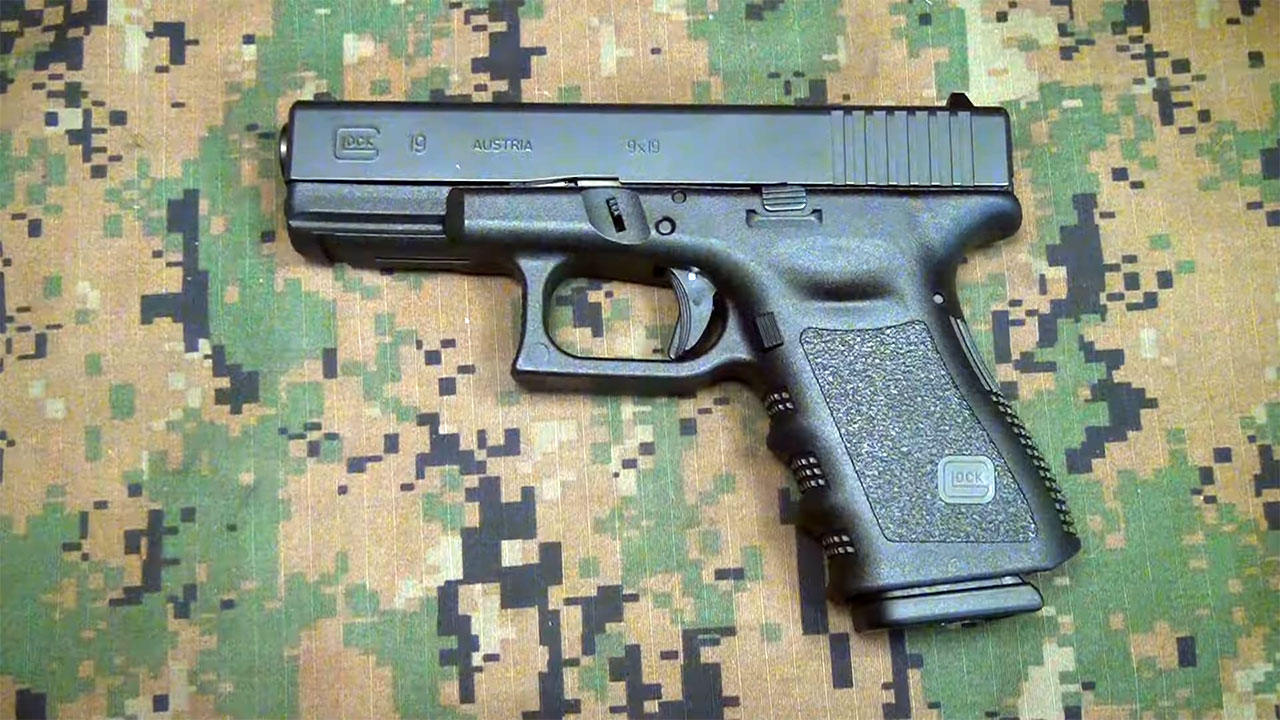
The Glock 19 Gen 3 has been called boring so many times that people forget boring can be a compliment. It’s not fancy, and it doesn’t try to win people over with looks. It just shoots well, carries well, takes abuse, and keeps running with very little drama. That kind of consistency gets overlooked until someone replaces it with something trendier that doesn’t fit quite right.
A lot of compact pistols promise to do what the Glock 19 does, but many of them give up something in the process. Some are snappier, some are pickier, and some just don’t have the same track record. The Gen 3 especially has that older, proven feel that makes it easy to trust. Owners who sell one often end up circling back because it handled the boring work better than they realized.
Marlin 336

The Marlin 336 is easy to underestimate because lever-actions have a way of looking old-fashioned next to modern bolt guns and AR-style rifles. But in the deer woods, especially in thick timber or brush country, the 336 still makes a lot of sense. It carries well, shoulders fast, and gives hunters enough rifle without making things complicated.
Owners who move away from one often miss the way it handles more than anything. A scoped bolt gun might stretch farther, but it doesn’t always feel better in tight woods or from a quick stand setup. The 336 in .30-30 has taken an awful lot of deer because it is simple, handy, and easy to shoot under real hunting conditions. That doesn’t sound exciting until you no longer have one.
Smith & Wesson Model 10

The Smith & Wesson Model 10 is about as plain as a revolver gets, and that’s part of why it gets overlooked. Fixed sights, .38 Special chambering, modest finish, and a long history as a duty gun don’t exactly scream excitement to modern buyers. But the Model 10 has a way of reminding people that practical design ages better than most trends.
It balances well, points naturally, and teaches trigger control better than almost anything else. A clean Model 10 can still be one of the most enjoyable handguns on the range, especially for shooters who appreciate a smooth double-action trigger. Owners who let one go often realize later that they replaced a useful, accurate, easy-shooting revolver with something louder, sharper, or less pleasant to practice with.
Winchester Model 70

The Winchester Model 70 has worn a lot of labels over the years, but at its core it’s still a rifle that feels right to hunters who care about handling and confidence. It doesn’t need to look flashy to earn respect. The better ones have a controlled, solid feel that many newer rifles try to imitate but don’t always capture.
A Model 70 becomes easier to appreciate after you’ve carried cheaper rifles that feel hollow or rough. The safety, bolt throw, stock shape, and overall balance all add up in ways that matter in the field. Plenty of hunters have sold one thinking they could replace it with something lighter or newer, only to realize the old rifle had a steadiness that wasn’t easy to buy back.
Beretta 92FS

The Beretta 92FS has always had its critics. Some call it too large, too heavy, or too old-school compared with today’s striker-fired pistols. Those complaints are not completely baseless, but they also miss what the 92FS does well. It shoots soft, tracks smoothly, and rewards anyone who spends time learning the platform.
A lot of owners don’t fully appreciate the 92FS until they trade it away for something smaller and snappier. The weight and size that seem like drawbacks on paper make it easy to shoot well on the range. The open-slide design, smooth recoil impulse, and long sight radius all help it feel settled in the hand. It may not be the trendiest pistol anymore, but it’s one of those guns people often miss once it’s gone.
Ruger GP100

The Ruger GP100 doesn’t have the refined feel of some older Smith & Wesson revolvers, and it’s not exactly lightweight. That can make it seem a little ordinary, especially to someone shopping by finish and trigger feel alone. But the GP100 earns its place by being tough, shootable, and built for people who actually plan to run .357 Magnum through it.
Owners who sell one often miss the confidence it gave them. The weight tames recoil, the frame feels solid, and the gun doesn’t seem delicate in the least. It’s the kind of revolver you can take to the range, carry in the woods, keep around the house, and not worry about babying. Plenty of prettier revolvers exist, but the GP100 has a way of proving that rugged counts for a lot.
Browning BAR Mark II

The Browning BAR Mark II is one of those hunting rifles that doesn’t always get talked about enough until someone has used one for years. It looks like a standard semi-auto hunting rifle, but the appeal comes from how well it handles follow-up shots while still feeling like a serious field gun. For hunters in thick country, that matters.
People who move away from the BAR often miss how steady and familiar it felt in real hunting situations. It gives you quicker second-shot capability without feeling like a tactical rifle shoved into the deer woods. Chambered in proven hunting rounds, it has filled freezers for decades. It may not be the lightest rifle on the rack, but once you’ve trusted one through several seasons, it’s hard to replace cleanly.
CZ 75B
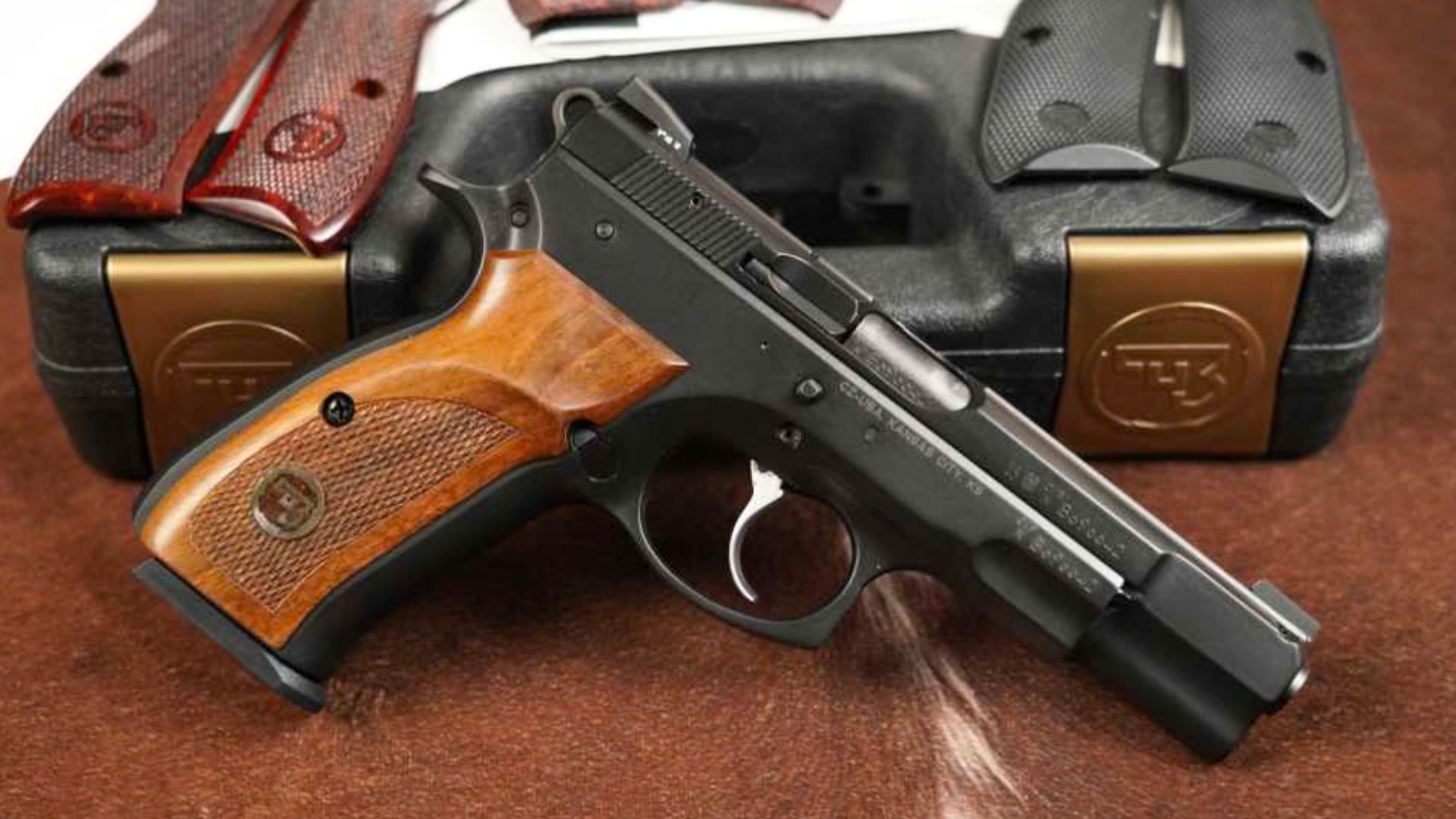
The CZ 75B has never needed much flash to win people over. At first glance, it can look like a heavy, old-school steel pistol in a market obsessed with polymer frames and optic-ready slides. But once someone shoots it well, the appeal gets pretty obvious. The grip shape, low bore axis, and smooth recoil impulse make it feel steady and natural.
Owners who part with a CZ 75B often regret it after trying pistols that look better on a spec sheet but don’t shoot as comfortably. The weight helps, but the ergonomics are the real hook. It settles into the hand in a way many pistols don’t. For range work, home defense, and plain old enjoyable shooting, it’s one of those handguns that feels more useful the longer you spend with it.
Savage Model 99

The Savage Model 99 doesn’t look ordinary to collectors now, but there was a time when plenty of hunters treated it like a normal old deer rifle. It was practical, common enough in hunting camps, and not always seen as anything fancy. That changed once people started realizing how clever and capable the design really was.
The rotary magazine, strong action, and ability to handle pointed bullets gave it a different kind of usefulness compared with many lever guns. It carried well, shot well, and brought real hunting practicality to a design that still feels unique today. Owners who sold one years ago often find out later that replacing it is neither cheap nor easy. The Model 99 is a classic example of a gun people appreciated too late.
Mossberg 500

The Mossberg 500 is so common that some owners forget how useful it really is. It doesn’t carry the same polished reputation as a higher-end shotgun, but it has earned trust the honest way. It works, it’s easy to maintain, parts are everywhere, and it can handle hunting, home defense, farm use, and rough weather without acting fragile.
A lot of shooters only miss the 500 after they replace it with something more expensive that doesn’t actually do more for them. The tang safety is easy to use, the controls make sense, and the gun is light enough to carry without feeling flimsy. It’s not fancy, but it’s dependable. That kind of shotgun tends to become more valuable in your mind after you’ve owned one long enough to rely on it.
Smith & Wesson 686

The Smith & Wesson 686 may seem like a normal stainless .357 revolver until you try living without one. It has the right mix of strength, balance, accuracy, and shootability. It’s tougher than the old K-frame magnums, but it still handles well enough to enjoy at the range. That combination is harder to replace than some owners expect.
People who sell a 686 often miss how versatile it was. It can shoot soft .38 Specials all day, then handle .357 Magnum when you want more power. It works for range use, woods carry, home defense, and general revolver practice. A good 686 doesn’t need much explaining once you shoot it. It’s the kind of handgun that quietly becomes the standard you compare other revolvers against.
Tikka T3 Lite

The Tikka T3 Lite seemed ordinary to a lot of hunters when it first started showing up more often in American deer camps. It looked like another lightweight synthetic-stocked bolt gun, and the price made some people assume it was just a practical budget-minded option. Then shooters started noticing how smooth the bolt felt and how well many of them shot right out of the box.
Owners who move on from a Tikka often miss the no-drama accuracy. The rifle is light, simple, and easy to carry, but it doesn’t feel cheap where it matters most. The trigger is good, the action is slick, and the rifles have a reputation for punching above their price. A lot of newer hunting rifles try to sell personality. The Tikka just keeps making clean hits.
Colt Government Model 1911
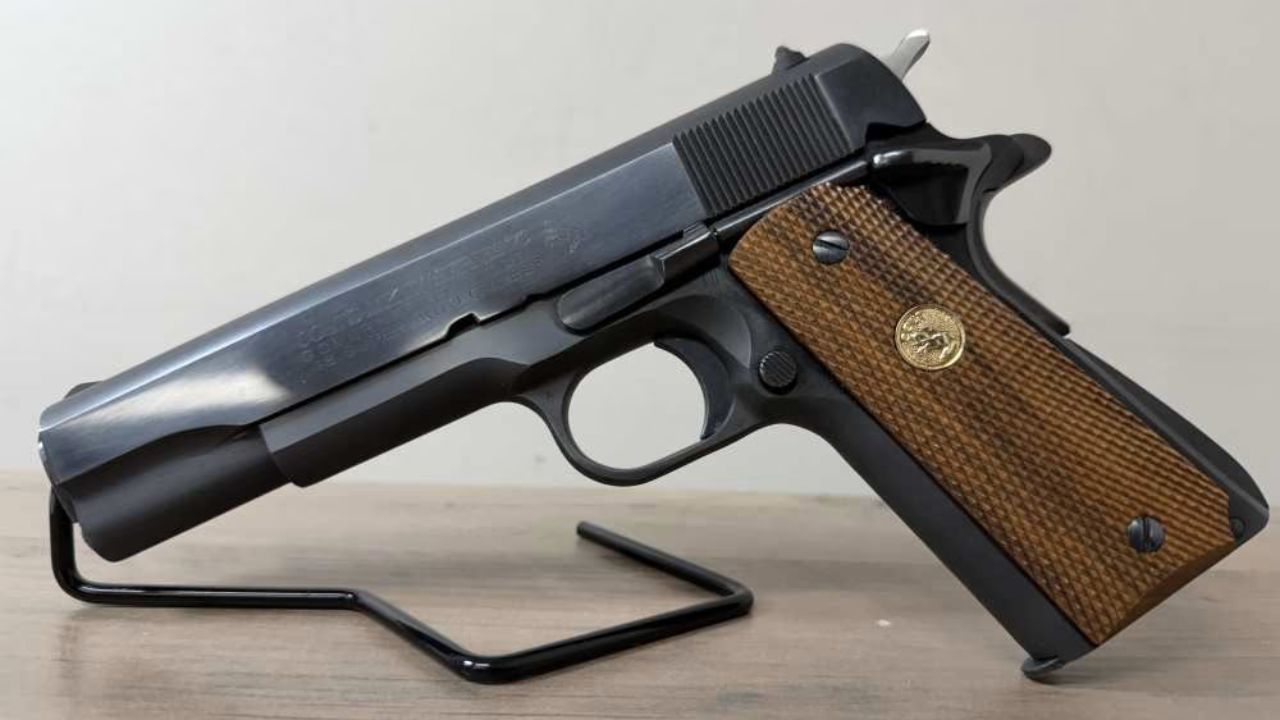
The Colt Government Model 1911 is easy to dismiss if you only look at capacity, weight, and modern carry trends. It’s big, heavy, and old compared with today’s double-stack pistols. But the people who sell a good one often realize later that they gave up something that newer pistols don’t always replace: shootability, feel, and a trigger that makes accurate shooting easier.
A proper Government Model has a balance and recoil impulse that still feels right after more than a century of competition. It points naturally for many shooters and rewards good fundamentals. No, it isn’t the answer to every modern pistol question. But owners who spend years with one understand why the design stayed relevant. Sometimes ordinary on paper feels a whole lot different when the target tells the truth.
Like The Avid Outdoorsman’s content? Subscribe to our newsletter so you never miss an article.
Here’s more from us: