Photo credit: Guy J. Sagi/Shutterstock.com
This one is usually painful because it messes with your confidence. Your buddy runs the same pistol and it never hiccups. The guy next to you says, “Mine’s been flawless.” Then you shoot yours and it turns into stovepipes, failures to lock back, weird feeding issues, or random malfunctions that make you feel like you’re cursed. Most of the time, the pistol isn’t actually “reliable for everyone else.” It’s just more sensitive to grip, thumb placement, maintenance, magazines, or ammo than you realized—and your specific habits are hitting the exact trigger points.
Here are 15 pistols that are often rock solid…until a specific shooter’s technique or setup makes them look unreliable.
SIG Sauer P365

The P365 runs great for a ton of people, but it’s a micro gun and it doesn’t forgive sloppy grip pressure the same way a bigger pistol does. If you’re limp-wristing even a little, or your support hand isn’t giving the gun a stable platform, you can induce stovepipes and weak ejection. Add in a high thumb riding the slide stop and you may also stop getting lockback, which makes you think the gun is “acting weird.”
If your P365 hates you, start with the basics: lock the wrists, crush the grip, and keep thumbs clear of the slide stop. Then test with known good mags and decent ammo. Micro pistols amplify shooter inputs. When you clean up the grip and run the slide like you mean it, the “unreliable for me” problem often disappears fast.
Springfield Hellcat

The Hellcat is another pistol that can be boringly reliable—until your hands and your habits clash with its size. Some shooters ride the slide stop without realizing it, especially with a high thumbs-forward grip, and then they blame the gun for not locking back. Others have a grip that allows the gun to move a little in recoil, which can turn into weak ejection and occasional stovepipes with certain ammo.
If it only malfunctions for you, pay attention to what the gun is telling you. If failures happen late in a range session when you’re tired, it’s probably grip consistency. Also keep the pistol lubricated; small guns can feel “dry sensitive.” Run it with firm, repeatable technique and don’t be afraid to adjust your thumb placement slightly. Some guns demand small changes.
Glock 43

The G43 is dependable, but it’s also snappy enough that it exposes grip issues. Some shooters have a grip that lets the gun recoil and twist just enough to cause inconsistent extraction/ejection behavior. On top of that, the short grip makes it easier to shift your hand during recoil without noticing. That’s when you see stovepipes or brass doing weird things and you blame the gun.
If your G43 only malfunctions for you, have someone else shoot your exact mag and ammo. If it runs for them, it’s almost always grip and wrist lock. The fix isn’t complicated, but it’s real: tighter support hand, better wrist lock, and don’t try to “soft shoot” a small pistol. The G43 isn’t fragile. It just doesn’t hide technique flaws.
Glock 19
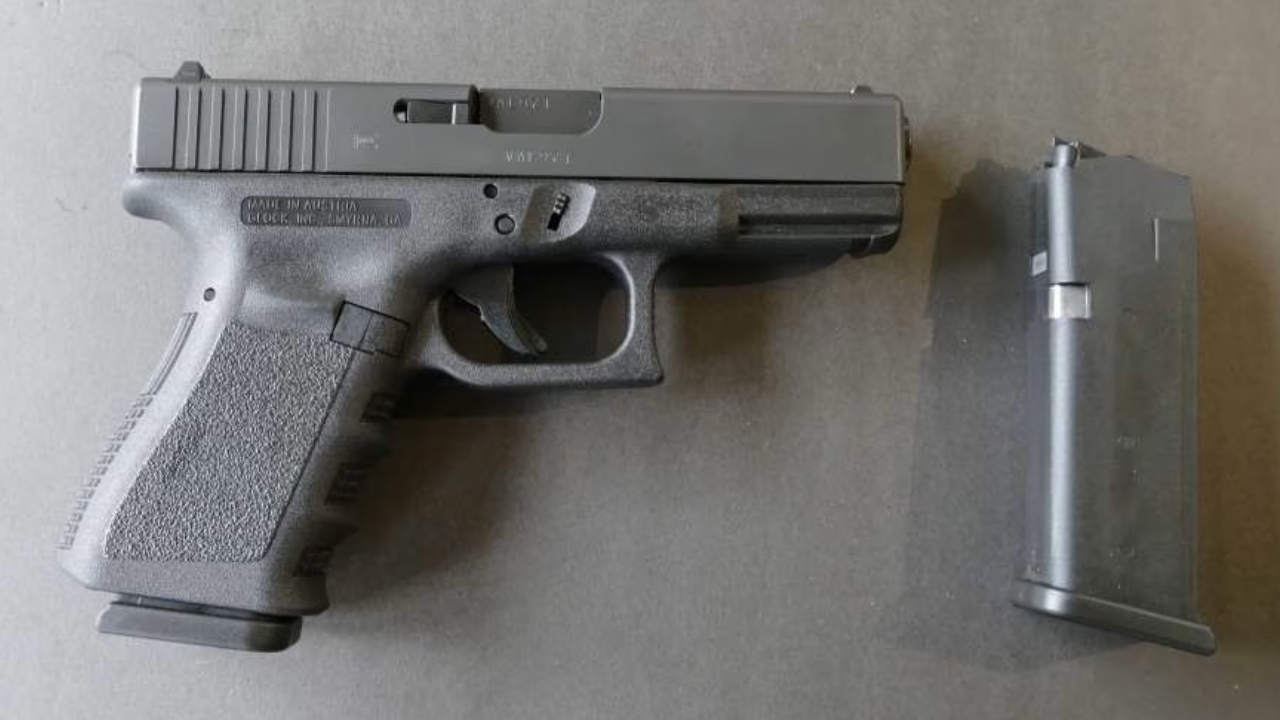
The Glock 19 is the classic “everybody says it’s perfect” pistol—so when it malfunctions for you, it feels personal. Most of the time, it’s not the pistol. It’s magazines, ammo, a weak grip late in the day, or a shooter riding the slide stop and preventing lockback. Another big one is people “helping” the slide forward during administrative loading. Glocks want the slide released cleanly, with full spring force.
If your G19 is only unreliable in your hands, test the boring stuff: swap mags, run hotter ammo, keep it lubed, and let the slide run hard. Then video your grip. Many shooters unknowingly induce issues by having a loose wrist or letting the pistol shift. The G19 usually runs. When it doesn’t, something external is usually the culprit.
S&W M&P Shield Plus

The Shield Plus can be extremely reliable, but the thin grip and high grip style can cause shooters to unintentionally ride controls. A common one is inconsistent lockback because the shooter’s thumb is contacting the slide stop. Another is feed issues tied to magazine seating—especially when people don’t seat a full mag firmly. Slim guns punish half-committed reloads more than compacts do.
If it runs for your buddy but not for you, focus on repeatability. Seat the mag hard, tug it, then run the slide with authority. Grip the gun like you mean it. Also try a different mag. A single magazine can create a “this gun hates me” story all by itself. Don’t diagnose a pistol off one suspect mag and one weird range day.
Walther PDP

The PDP is a strong shooter, but some people struggle with how it tracks in recoil and that can lead to inconsistent grip pressure and occasional user-induced stoppages. If you’re not controlling the gun well, you can end up with grip changes shot to shot, which can alter how the slide cycles. It’s not that the PDP is finicky—it’s that a lively recoil impulse can cause inconsistent technique if you’re not locked in.
If it only malfunctions for you, slow down and rebuild your grip. Make sure you’re not limp-wristing and that your support hand is doing most of the work. Also verify you aren’t riding the slide stop. Some pistols put that lever right where certain thumbs want to live. A minor grip adjustment can turn a “problem gun” into a boring reliable one.
CZ P-10 C

The P-10 C is generally reliable, but some shooters with a very high grip can contact the slide stop or apply side pressure that changes how the gun behaves. The P-10 also has a different feel than a Glock in the way it returns in recoil, and some shooters fight that and end up with inconsistent grip tension.
If it’s only you having issues, try one simple experiment: shoot it one-handed with a locked wrist and see if the behavior changes. Then shoot it with a deliberately lower thumb position. If the problem disappears, you’ve found your culprit. Also, don’t ignore magazines. A single bad mag can make you think you’re cursed. The P-10 C is usually boringly reliable when the basics are squared away.
SIG Sauer P320
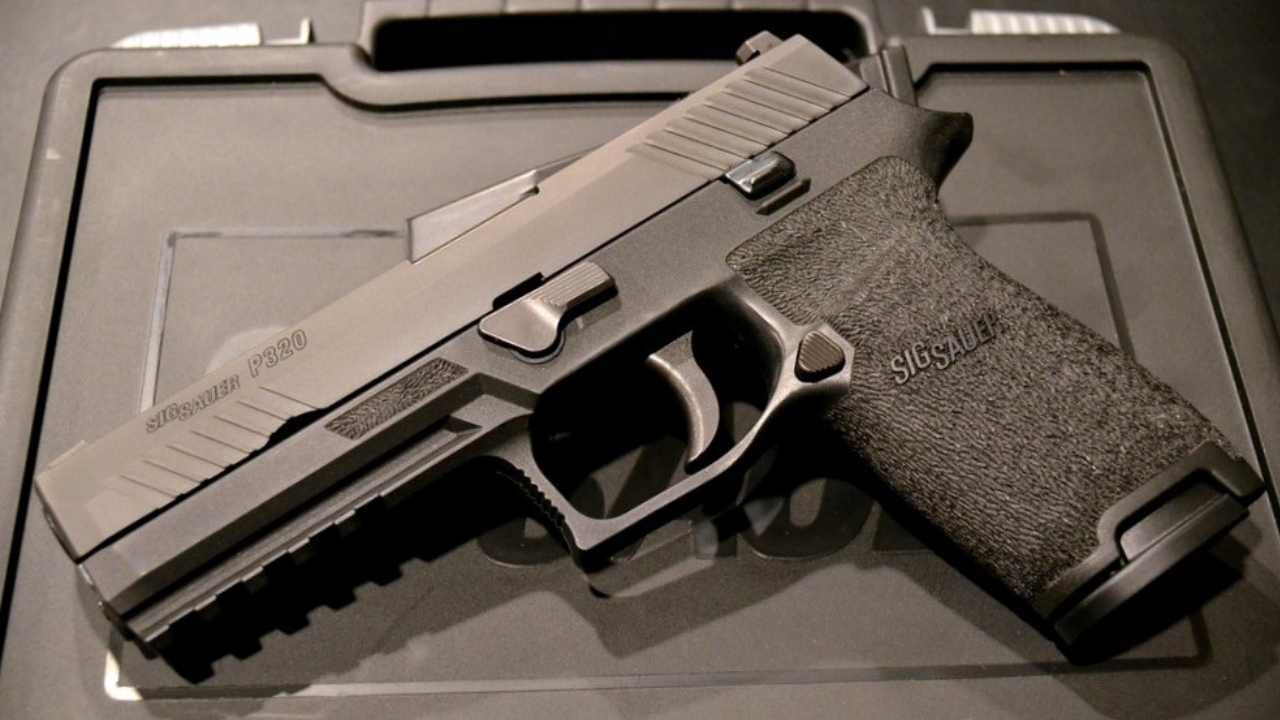
The P320 can be extremely reliable, but grip module size and your hand placement can make it feel inconsistent if you’re not controlling it well. Some shooters also report inconsistent lockback depending on thumb placement. The P320’s modular nature means people mix parts, mags, and setups, and then blame the pistol when the real issue is a mismatch somewhere in the system.
If yours runs for others but not for you, strip it down to “known good.” Use OEM mags, run quality ammo, and confirm the grip module actually fits your hand. Then focus on grip consistency and thumb placement. The P320 tends to reward a strong support-hand grip. If you’re a shooter who grips lightly, the gun may feel more erratic than it does for someone who clamps down.
Ruger LCP Max
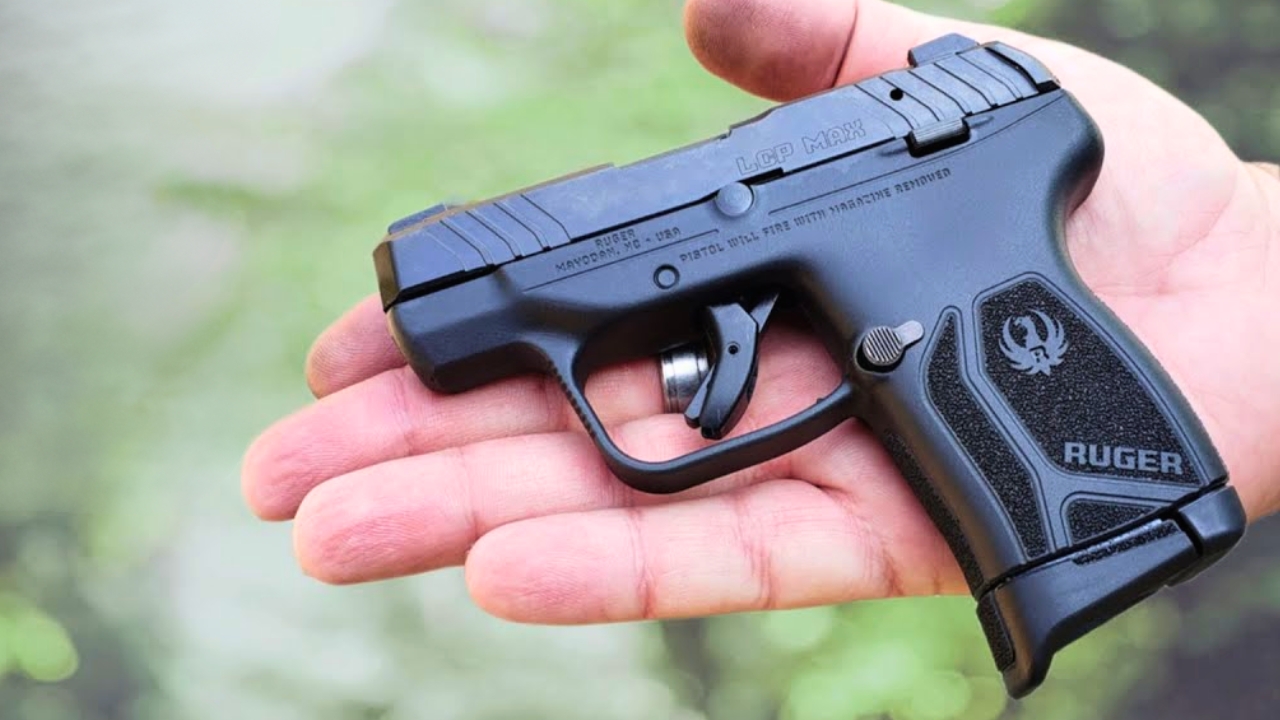
Pocket guns can run great, but they can also be brutally honest about technique. The LCP Max is light, small, and snappy for what it is. If your grip is soft or your wrist isn’t locked, you can induce stovepipes and failures that make you swear the gun is unreliable. Meanwhile, the next guy with a death grip runs it fine and tells you it’s flawless.
Also, pocket carry brings lint and grime. If your gun is full of pocket crud, the pistol can start acting sluggish and that gets blamed on the design. If it only fails for you, clean it thoroughly, lube it lightly, and then grip it hard. And be realistic: a pocket gun requires more discipline than a compact. If you don’t enjoy shooting it, you won’t practice enough to stay consistent.
Kahr CM9 / PM9

Kahrs can be dependable, but they tend to like a firm grip and a clean, well-lubed system. Some shooters also manipulate the slide gently because the recoil spring is stout and the gun feels tight. If you ride the slide or don’t let it slam forward, you can create feeding problems that look like “the gun hates me.”
If the gun runs for others, change your loading method: lock the slide back, seat the mag firmly, then release the slide cleanly. Don’t baby it. Also, keep your mags clean—small single-stack mags can get dirty and cause presentation issues. A Kahr that’s set up right can be boring. A Kahr that’s treated gently and run dirty can become a headache fast.
1911 (any brand, especially tighter production guns)
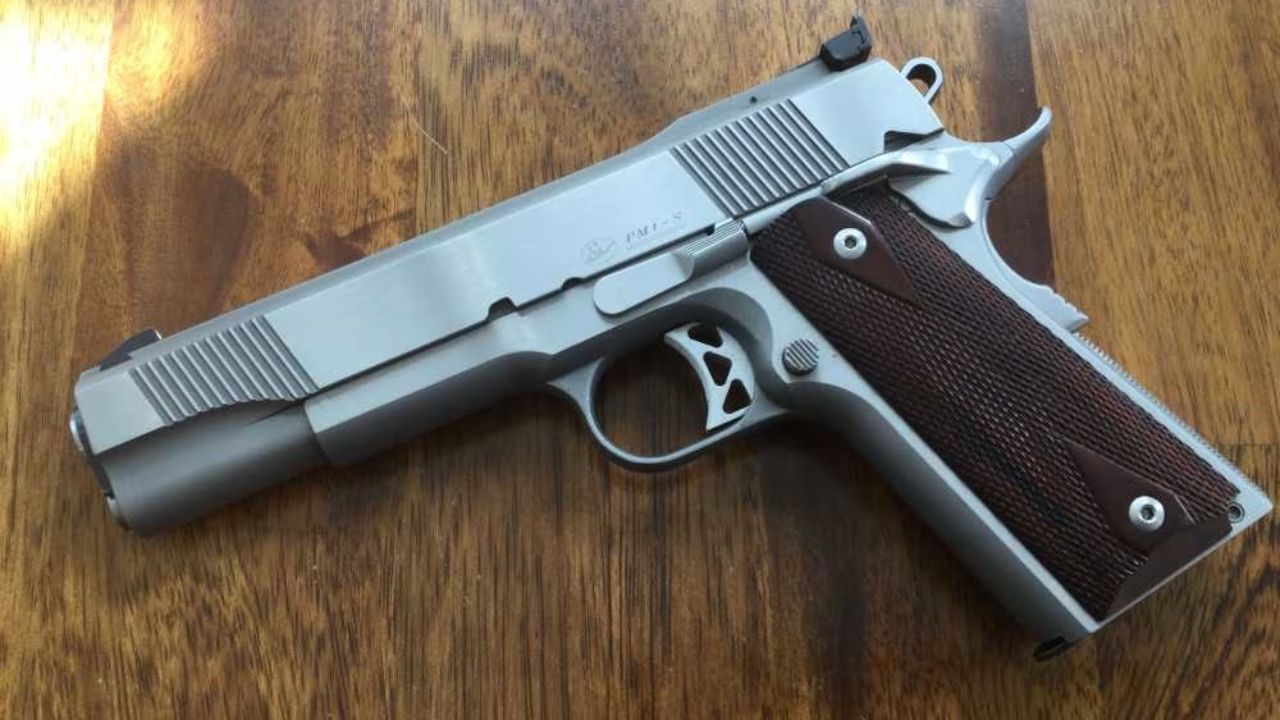
A 1911 that runs for one shooter can choke for another because the platform is more sensitive to grip and maintenance than modern striker guns. Limp-wristing can matter more. Magazine choice can matter a lot. Extractor tension matters. Ammo shape matters. Then you add shooter technique with safeties and grip pressure and it’s easy to create a “this thing hates me” story.
If your buddy’s 1911 runs and yours doesn’t, don’t start with internet arguments. Start with proven magazines, consistent lubrication, and ammo the gun feeds well. Then check your grip—firm, high, and consistent. A 1911 can be reliable, but it doesn’t reward casual ownership the way a Glock does. If you want low-maintenance reliability, be honest about whether the platform fits your lifestyle.
S&W J-Frame (642/442)

A revolver can be “reliable for everyone except you” in a different way: it’s reliable mechanically, but people struggle to shoot it well and then blame the gun. The heavy trigger and small sights make it easy to throw shots, and the recoil makes some shooters loosen grip pressure mid-string. Then the shooter says, “I can’t hit anything with this thing,” and calls it unreliable as a defensive tool.
If you struggle with a J-frame, it’s usually training—not the gun. Dry fire a lot, learn the trigger, and test grips that fit your hand. Also choose ammo that you can control. A J-frame is a serious tool, but it’s not an easy tool. If it’s “reliable for everyone else,” it’s often because they’ve put the reps in.
Ruger LCR

Same category as the J-frame: it can run fine, but it can expose shooter issues hard. The LCR trigger feels different, and some shooters either love it or can’t time it. If you can’t press the trigger straight without moving the gun, your performance falls apart quickly. Then you start blaming the platform.
If the LCR is “great for everyone else,” watch how they grip it. Most successful small-revolver shooters lock the wrist, grip hard, and accept that it’s a deliberate trigger press. If you try to shoot it like a striker pistol, you’ll struggle. The revolver isn’t malfunctioning—you’re just not running the tool the way it needs to be run.
Beretta Nano

The Nano is one of those pistols that some shooters run fine and others never click with. Grip and manipulation style matter. If you’re easing the slide forward, if you’re not seating mags hard, or if your grip is inconsistent, you can create feeding/extraction issues that make it feel like the gun is cursed in your hands. Meanwhile, the next guy who runs it aggressively sees no problems.
If it’s only unreliable for you, tighten up your process. Clean, lube, quality mags, firm seating, and don’t baby the slide. Then test multiple ammo types. The Nano can be more particular than the most mainstream carry guns, so it rewards a disciplined setup. If you’re not willing to do that, it may not be the best platform for you.
Taurus G3C / G2C

These pistols can run well, but they’re also sensitive to magazines and ammo in a way that can create “only me” reliability stories. One shooter uses one mag and one ammo type and has no problems. Another shooter mixes mags, runs cheap ammo, rides the slide, and suddenly the gun is “junk.” It’s not always the pistol—it’s often the combination of variables.
If the gun runs for others, isolate your variables. Use one known-good magazine, one quality ammo load, and run the gun firmly. If the malfunctions vanish, your issue was the stack of small factors. If the malfunctions persist with a known-good setup, then you’ve got a legitimate gun or mag problem. Don’t diagnose based on chaos.
Glock 44 (.22)

Rimfire is notorious for making people think a gun “hates them.” The Glock 44 can run fine, but bulk .22 ammo varies a lot. Some shooters also limp-wrist .22 pistols because recoil is mild and they get lazy, which can cause cycling issues. Then they blame the gun when the real culprit is ammo inconsistency plus soft technique.
If it’s reliable for everyone else, change your ammo first. Then clean it. Rimfire gets dirty fast. Also grip it like it’s a centerfire—firm wrist, consistent support. A .22 that runs for one shooter and not another is often showing you the difference between disciplined technique and casual plinking habits.
Like The Avid Outdoorsman’s content? Be sure to follow us.
Here’s more from us: