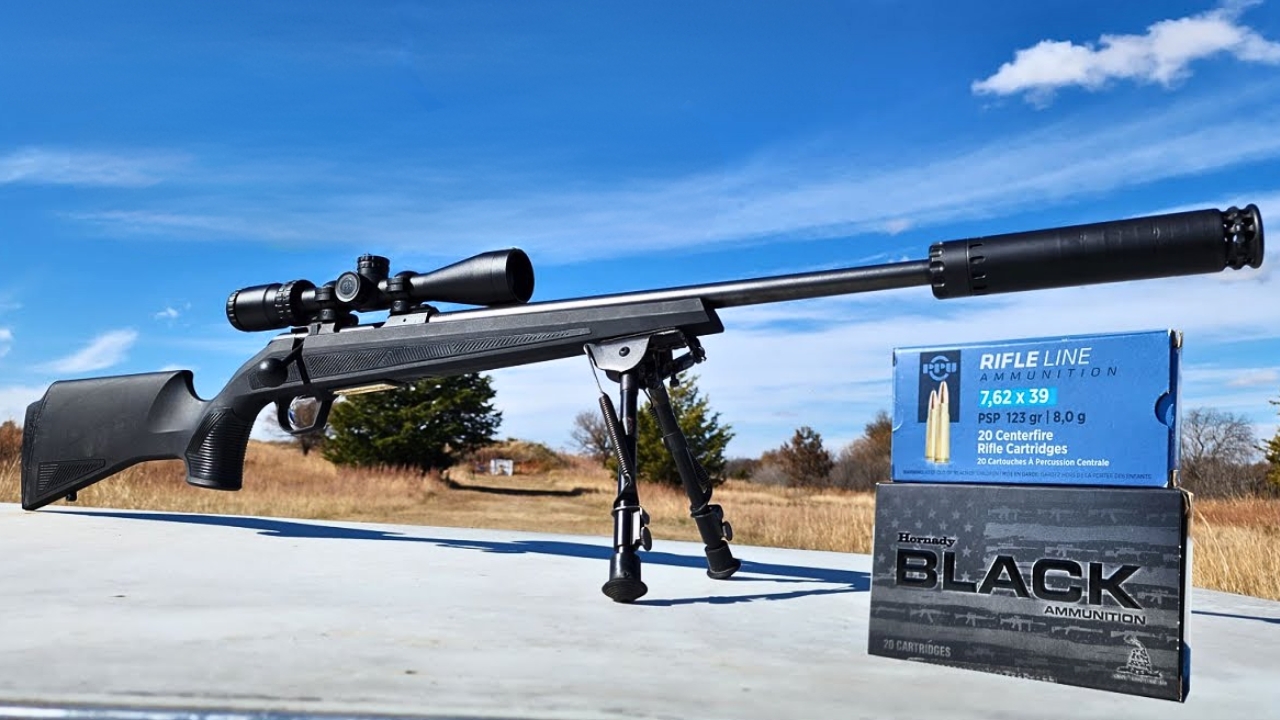
Photo credit: The Hooligan Outdoors/YouTube
Some rifles look like a million bucks on the rack. Nice finish, good branding, slick ads, “precision” language everywhere…then you get to the range and it shoots like a basic entry gun with a loose scope mount. Most of the time, the problem isn’t that the rifle is incapable. It’s that the factory stock/bedding is mediocre, the barrel is inconsistent from sample to sample, the trigger isn’t as clean as the marketing suggests, or the rifle is picky about ammo and torque specs. Guys buy the name and assume accuracy is automatic.
Here are 15 rifles that can look premium but can shoot disappointingly if you get a mediocre sample or you don’t set them up right.
Remington 700 SPS

The 700 action has a long reputation, but the SPS package is where a lot of guys get let down. That factory stock flexes, and it can put weird pressure on the barrel or shift how the action sits. You’ll see rifles that stack shots fine one day, then open up or walk around when you change position, add a bipod, or even just torque the screws slightly differently. That doesn’t feel “premium,” even if the rifle wears a name people trust.
If a 700 SPS shoots like a bargain rifle, it’s usually the stock/bedding interface, not magic. Torque the action screws consistently, confirm the barrel is truly free-floated under pressure, and don’t be afraid to admit the factory stock is the weak link. A better stock and proper bedding can turn it into what people expected in the first place.
Winchester Model 70 (some modern production samples)

Model 70s should shoot well. When they don’t, it’s extra frustrating because you paid for the reputation. The issue I’ve seen is that some samples just aren’t consistent until you find the right load, and the factory bedding/stock fit isn’t always as “perfect” as the price suggests. A hunting rifle that prints 2–3 MOA with multiple loads feels like a budget rifle wearing a tuxedo.
This isn’t a blanket slam on the Model 70. It’s a reminder that “classic premium” doesn’t guarantee modern consistency across every unit. If it disappoints, check scope mounting, ring alignment, action screw torque, and stock contact points. Then test ammo that actually matches the twist rate. Some Model 70s are hammers. Some need help.
Browning X-Bolt (lightweight hunting versions)

X-Bolts feel refined—nice bolt lift, good fit, good finish. But the lightweight hunting variants can shoot worse than expected if the stock and bedding aren’t doing you any favors. Light rifles also exaggerate shooter input. A gun that’s easy to carry can be harder to shoot consistently off the bench, especially if the recoil impulse makes you flinch or you can’t get repeatable support.
If your X-Bolt isn’t living up to the hype, don’t assume the barrel is trash on day one. Verify the scope setup, check screw torque, and try a couple different bullet weights. Some of these rifles are picky. Also, be honest about your shooting position. A featherweight rifle that “shoots bad” on the bench might do fine as a practical hunting gun from field positions—if you do your part.
Weatherby Vanguard

Vanguards have a “premium” vibe and a loyal following, but the synthetic-stock packages can sometimes feel like they shoot no better than a basic entry rifle. The culprit is usually stock rigidity and how the action interfaces with it. If you load a bipod or rest the forend differently, the rifle can shift impact. That makes groups look inconsistent, and it makes guys start chasing their scope like it’s the problem.
A Vanguard that’s disappointing often becomes a different rifle with a stiffer stock and consistent torque. Also, don’t overlook ammo matching. Some Vanguards love one load and hate another. If you bought it expecting “any ammo shoots tiny groups,” you’re setting yourself up for frustration. Premium feel doesn’t mean the rifle ignores setup fundamentals.
Tikka T3x (certain light sporter barrels)

Tikkas usually shoot, but the light sporter barrels can heat up fast. That’s where guys get fooled: first three shots look great, then the group opens when the barrel warms, and the shooter calls it “budget junk.” A light hunting barrel is not a heavy varmint tube. It’s built for carrying and cold shots, not long strings.
If your T3x seems inconsistent, slow down and shoot it like a hunting rifle. Let it cool, keep your support consistent, and don’t crank on the forend with a bipod if you’re running a flexible stock. Also verify you’re not over-torquing rings or pinching the scope tube. A Tikka that “won’t group” is often a heat/technique/expectations mismatch rather than an actual dud—but it can sure feel like a premium disappointment when you’re chasing tight bench groups.
Kimber Mountain Ascent
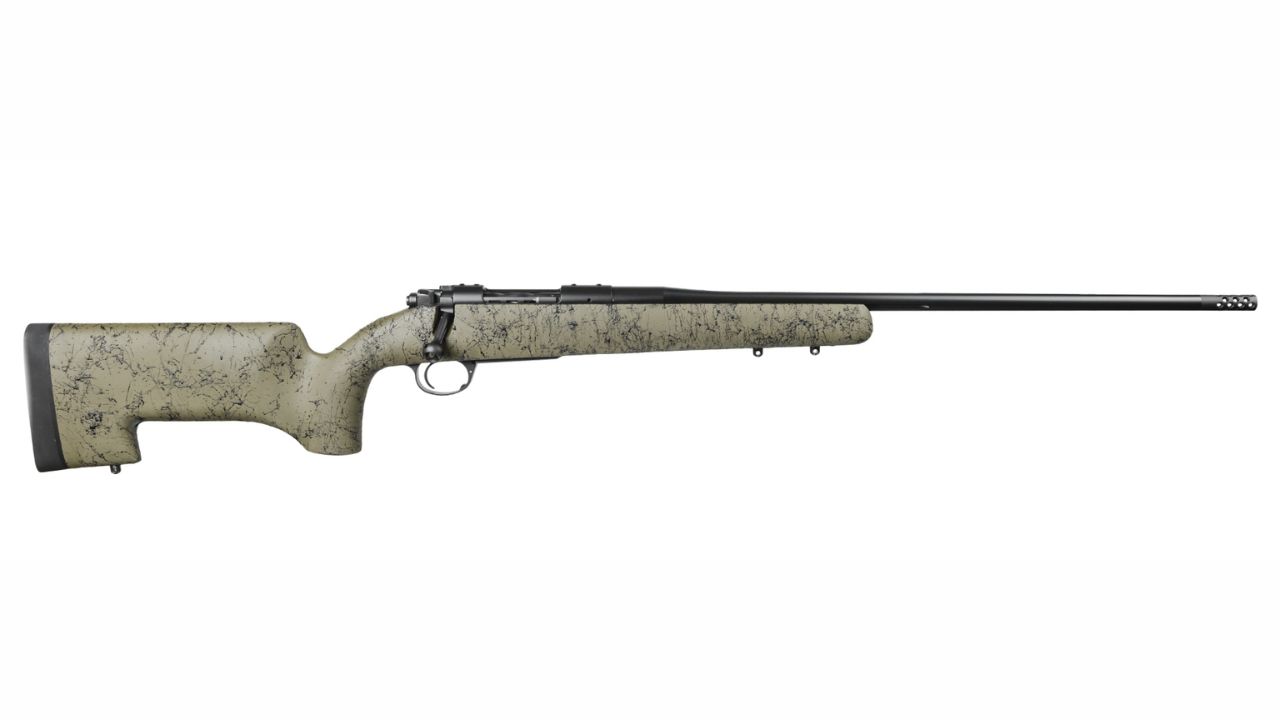
Kimber’s mountain rifles look and feel expensive, and they carry like a dream. The problem is that ultralight rifles magnify every little variable—ammo choice, bedding consistency, shooter recoil management, and barrel heat. When a rifle that costs real money prints 2 MOA groups and strings shots as it warms, it feels like you paid for branding, not performance.
A lot of guys would be happier if they judged it by the right standard: cold-bore repeatability and practical hunting accuracy. If it still won’t behave, the usual culprits are bedding/stock fit and load preference. You may have to do more “tuning” than you expected at that price point, and that’s what makes it feel like budget behavior in a premium package.
Christensen Arms Ridgeline

Christensen rifles look premium as it gets, and some shoot fantastic. Others have a reputation for being inconsistent depending on the sample. When they disappoint, it often shows up as unexplained flyers, groups that won’t tighten no matter the load, or a rifle that seems sensitive to torque and support pressure. That’s the worst kind of “budget junk” feeling—because you did everything right and it still won’t settle down.
Carbon barrels can be great, but they don’t automatically mean accuracy. If one isn’t shooting, verify the basics (scope mount integrity, ring alignment, action screw torque), then try known accurate ammo and a couple bullet weights. If it still won’t perform, you may be dealing with a lemon barrel or a bedding issue. The “premium look” doesn’t protect you from QC variance.
Ruger Hawkeye (some chamberings)
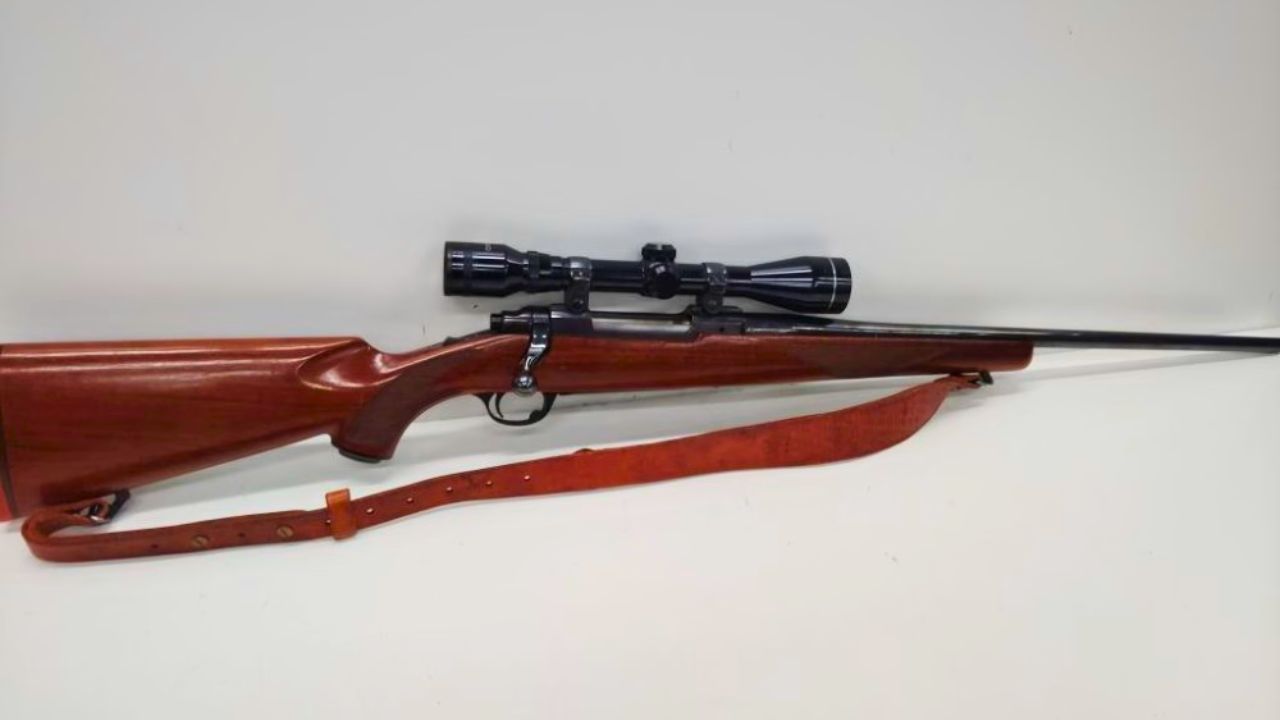
The Hawkeye looks like a classic premium hunting rifle—nice lines, strong action, good feel. But some samples can be stubborn about group size, especially if the stock contact points and bedding aren’t consistent. Ruger’s controlled-round-feed setup is robust, but robust doesn’t always equal “easy button” accuracy when you’re chasing tight groups.
If a Hawkeye shoots like a budget rifle, it’s often worth checking for stock pressure on the barrel, inconsistent torque, or a scope setup that’s shifting. Also, don’t ignore that some chamberings are easier to make “shoot tiny” than others. A Hawkeye that holds hunting accuracy reliably might still disappoint a guy expecting half-MOA bragging groups. That expectation gap is where the “premium but junk” feeling is born.
CZ 600 series

CZ makes good rifles, but some 600s have left owners frustrated when groups weren’t matching the “precision” vibe. In a lot of cases, it comes down to setup: scope mounting issues, torque specs not being followed, or the rifle being picky about ammo. People buy the look and reputation and assume it’s going to hammer any factory load right away.
If your CZ 600 isn’t grouping, don’t skip the boring checks. Confirm ring alignment, confirm the optic isn’t slipping, and torque everything to spec. Then test ammo methodically. A rifle that looks premium can still demand a premium owner approach—meaning you have to control variables. When guys don’t, the rifle gets labeled “junk,” and sometimes it’s the process that’s junk, not the gun.
Savage 110 High Country

Savage can shoot, and that’s the whole reason people buy them. But some of the “premium trim” packages can still shoot like a basic Savage if the stock and bedding aren’t delivering consistency. It’s especially noticeable if you load a bipod and the forend flexes or the action shifts slightly. The rifle looks like a step up, but the groups don’t match the price tag.
Also, Savage accuracy can be very ammo-dependent. Some rifles love one load and are average with everything else. If you expected “premium” to mean “not picky,” you’ll be annoyed fast. The fix is usually tightening the system—proper torque, consistent support, and sometimes a stiffer stock. When set up right, they can shoot. When not, they can feel like lipstick on a budget gun.
Bergara B-14

Bergara has a strong reputation, and many B-14s are legit shooters. But because the hype is high, the disappointment feels bigger when you get a sample that only shoots “okay.” People expect every B-14 to stack holes, and when it prints 1.5–2 MOA with several loads, it feels like you got tricked—even if that’s still fine for hunting.
When a B-14 underperforms, I look at scope mounting, ammo matching, and shooter technique first. Then I look at bedding contact and torque. The rifle is often capable, but the system isn’t optimized. The “premium junk” label usually comes from expectation overload more than actual junk, but the frustration is real when the rifle doesn’t meet the internet standard.
Springfield Waypoint

The Waypoint looks high-end and is priced like it. When one doesn’t shoot, owners feel personally offended. The common complaints are inconsistency, unexplained flyers, and a rifle that doesn’t live up to the marketing language. That’s where the “premium but budget” comparison comes from—because you expected it to be easy and it isn’t.
If a Waypoint isn’t performing, treat it like a precision setup, not a hunting toy. Check scope and rings first (no exceptions), torque to spec, and test known good match loads. If it still refuses, then you’re into barrel or bedding territory, and at that price point you should expect the manufacturer to make it right. Premium price is supposed to buy premium consistency, not excuses.
Seekins Havak

Seekins rifles look and feel premium, and many are excellent. But I’ve seen shooters get “budget results” when they don’t match the rifle’s preferences—especially with load selection and shooting support. Some people will shoot great with it. Others will fight it and swear it’s overrated. That doesn’t always mean the rifle is bad. It often means the system and shooter aren’t synced.
If your Havak isn’t grouping, slow down and isolate variables. Confirm your optic and rings are rock solid, then test ammo methodically. If you’re trying to wring tiny groups out of a light-ish hunting build, manage heat and support pressure. A premium rifle still needs a premium process. Without that, it can look expensive and still print like a cheaper gun.
Marlin 336

A lever gun can look premium and still not shoot like a bolt gun. That’s where the disappointment comes from. New buyers see the finish and the brand story and expect tight groups with modern optics. But lever guns, especially traditional designs, can be more sensitive to ammo, sights, and barrel harmonics. Also, many aren’t designed around precision optics mounting the way bolt guns are.
If you buy a 336 expecting bolt-gun precision, you’ll call it “budget junk.” If you buy it for what it is—a practical woods rifle that hits where you point it inside realistic distances—you’ll be happy. The “premium look” tricks people into the wrong expectations. Shoot it for its role, and it makes more sense.
Henry Big Boy

Henry makes nice-looking rifles. The fit and finish can be excellent. But accuracy expectations get weird with lever guns. People want a pretty lever gun that also shoots tiny groups like a heavy bolt gun. Many Big Boys will do fine, but some won’t impress the guy trying to shoot small targets at 200 like he’s running a precision rig.
The takeaway is simple: if you’re buying a lever gun for “premium accuracy,” shoot one first and be realistic about the platform. Check your ammo choice, confirm your optics mount is solid, and accept that lever guns can vary more than folks want to admit. A lever gun can be premium in build quality and still not be a precision tool.
Like The Avid Outdoorsman’s content? Subscribe to our newsletter so you never miss an article.
Here’s more from us: