Photo credit: WHO_TEE_WHO/YouTube
There’s a point where “more recoil” stops buying you much. You get louder blast, slower follow-up shots, and a rifle or handgun you don’t practice with as much as you should. The smarter play is finding cartridges that give you real-world performance—penetration, good bullet weight, and dependable terminal behavior—without beating you up every time you touch one off.
Most of the time, that means skipping the biggest magnums and leaning into efficient designs that carry momentum, hold together on impact, and stay easy to shoot well. If you can spot your hits, run the bolt fast, or get a clean second shot without thinking about it, you’re going to be more effective in the field and more confident on the range. These calibers hit hard where it counts, while keeping recoil in a range you can live with.
6.5 Creedmoor

The 6.5 Creedmoor earns its keep because it gives you serious downrange performance without hammering your shoulder. With modern hunting bullets, it holds velocity well and penetrates deeper than many people expect for its diameter. On deer and similar-sized game, it’s a clean-killing cartridge when you put the bullet where it belongs, and it doesn’t punish you for practicing.
The other benefit is what it lets you do as a shooter. You can stay on the gun, call your shots, and run quick follow-ups without getting rattled. In a well-set-up rifle, the recoil feels more like a firm shove than a slap, which makes long range sessions productive instead of exhausting. For a lot of hunters, that’s the real advantage.
7mm-08 Remington
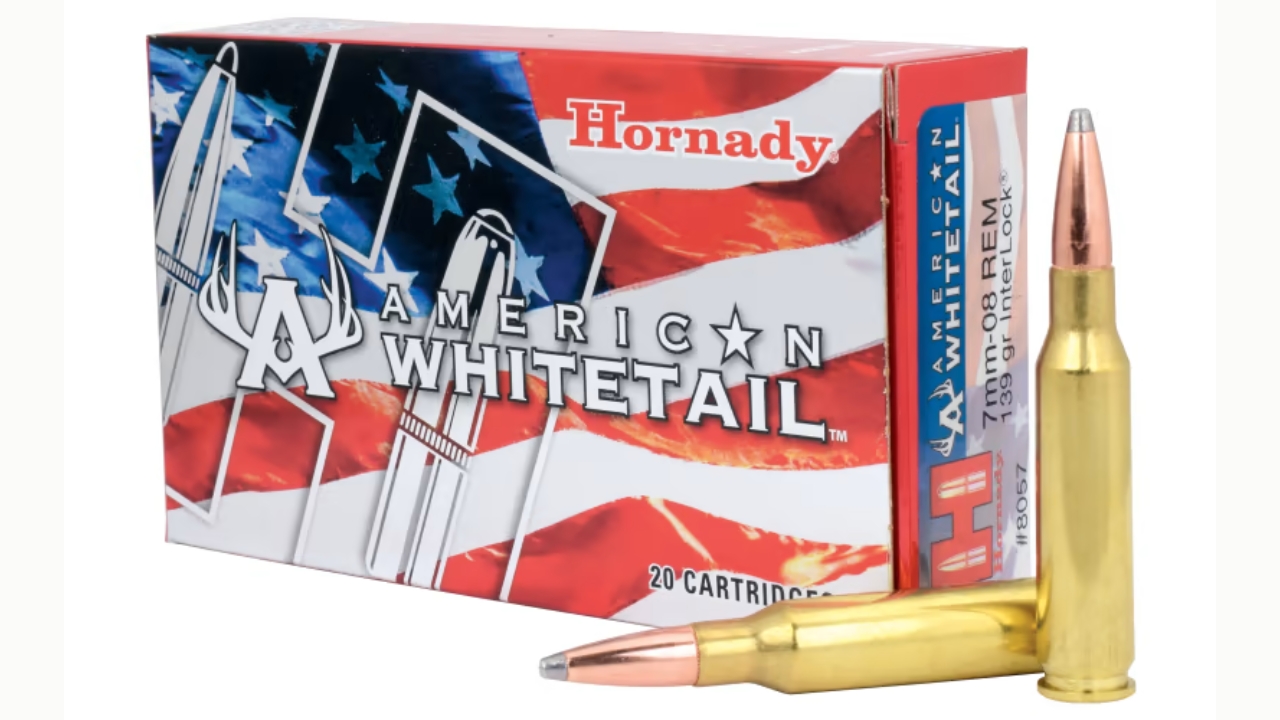
The 7mm-08 is one of the best examples of “enough gun” done right. It throws a heavier bullet than the 6.5 crowd while staying mild compared to the magnums people buy and then flinch through. With good 140-grain class bullets, it hits with authority on deer, hogs, and even elk in capable hands, especially inside sane hunting distances.
What you notice first is how controllable it is. The recoil has weight to it, but it doesn’t feel violent, and that keeps your shooting honest. You’re more likely to take a careful shot and be ready for a second one quickly. It’s also forgiving in short, handy rifles where bigger cartridges can turn into a blast-and-bruises experience.
.308 Winchester

The .308 has been putting meat in freezers and filling match scorecards for a long time because it balances power and shootability better than most. It carries enough bullet weight to break shoulders and drive deep, and it does it with recoil that stays manageable in typical hunting rifles. You’re not giving up real capability for the sake of comfort.
The .308 also shines in how flexible it is. You can pick lighter bullets for deer and flatter trajectories, or step up to heavier options when you want more penetration. The recoil is there, no sugarcoating it, but it’s predictable and not punishing in most setups. That predictability matters when you’re tired, cold, or shooting from a weird field position.
.270 Winchester

The .270 Winchester is still a killer choice for hunters who want reach and punch without stepping into heavy recoil territory. It shoots flat, hits deer-sized game hard, and with the right bullets it holds together well enough for tough angles. It’s a cartridge that rewards good shot placement and doesn’t make you pay for every practice round.
In the shoulder, the .270 tends to feel sharper than a mild 6.5, but it’s not the kind of recoil that ruins your day. In an average sporter rifle, you can shoot it well, stay focused, and keep your fundamentals intact. It’s also a round that performs in real hunting conditions—wind, distance, and imperfect rests—without turning into a specialty tool.
.30-30 Winchester

Inside its comfort zone, the .30-30 hits harder than people give it credit for. With modern loads, it’s a reliable deer and hog round that punches deep and does real work in timber, brush, and short-to-midrange country. It’s not a long-range option, but it doesn’t pretend to be one.
Recoil is part of why the .30-30 keeps getting handed down and kept in trucks. In a lever gun, it’s a friendly cartridge that still delivers a solid thump on target. You can practice a lot without developing bad habits, and you can run the gun fast for follow-up shots. When you want practical power without drama, the .30-30 stays relevant.
6.5 Grendel

The 6.5 Grendel is proof you don’t need big recoil to get useful performance, especially in a lighter, handier rifle. It delivers better downrange energy and penetration than many small-cartridge options, and it does it in platforms where heavier rounds can feel harsh. For deer and hogs at reasonable distances, it can be surprisingly effective with the right hunting bullets.
The recoil is mild enough that you can spot impacts and keep your sight picture through the shot in many setups. That makes it a great cartridge for shooters who want to train more and flinch less, or for anyone running a compact rifle with a suppressor. It’s also a solid choice when you want efficiency—good performance without needing a heavy rifle to tolerate it.
.300 Blackout (supersonic)

Supersonic .300 Blackout is a short-range hammer that stays easy on your shoulder. It throws .30-caliber bullets with enough weight to hit hard up close, and it’s well suited for thick cover, short barrels, and compact rifles. With proper hunting bullets, it can be a very practical deer and hog cartridge inside the distances where it belongs.
What makes it appealing is how shootable it is. Recoil is mild, the blast can be controlled well with a suppressor, and fast follow-up shots feel natural. You can run it in lightweight rifles without getting punished, which is not true of many traditional hunting cartridges in short barrels. Treat it like a close-to-midrange tool and it performs the way you need it to.
350 Legend

The 350 Legend was built around a real need—straight-wall performance with manageable recoil—and it delivers. It hits with more authority than many people expect, especially on deer and hogs at typical woods ranges. It’s also a cartridge that tends to shoot cleanly in handy rifles, which is why it’s become popular in states with straight-wall rules.
Recoil stays comfortable, even in lighter rifles, and that makes practice easier. You can get behind the gun, stay steady, and shoot well without feeling like every shot is a penalty. It also offers bullet weights that carry momentum through tissue, which is what you want when angles aren’t perfect. For a lot of hunters, it’s a practical balance of punch and control.
7.62×39

The 7.62×39 has fed a lot of rifles and done a lot of work because it’s effective without being abusive. With quality soft-point or purpose-built hunting loads, it becomes a legitimate short-range deer and hog option. It hits harder than the small-bore crowd, yet recoil stays mild enough that most shooters can run it quickly and accurately.
The real advantage is how easy it is to shoot well in lightweight rifles. The recoil impulse is modest, and you can stay on target for fast follow-ups. In brush and thick cover, that matters because animals don’t always give you a perfect, slow-motion shot. It’s not a distance cartridge, but it’s a strong “inside 200 and honest” round that keeps you comfortable behind the trigger.
.243 Winchester

The .243 Winchester surprises people because it kills cleanly without feeling like much in the shoulder. With modern controlled-expansion bullets, it can put deer down fast while keeping recoil low enough for long practice sessions. It’s a cartridge that encourages good shooting habits because it doesn’t punish mistakes with pain or anticipation.
It’s not a universal answer for every animal and every angle, and it shouldn’t be treated like one. But for deer, antelope, and similar game, it hits plenty hard when you choose the right bullet and place it well. The mild recoil also makes it easier to spot impacts, correct quickly, and stay calm. If you want an efficient round that keeps you shooting accurately, the .243 remains a smart pick.
.257 Roberts

The .257 Roberts is one of those cartridges that feels like it was designed by someone who cared about real hunting, not loud marketing. It pushes medium-weight bullets fast enough to be flat-shooting, and it hits deer-sized game with authority while keeping recoil in a comfortable range. It’s a classic example of efficiency paying off.
In practical terms, it’s easy to shoot well. You don’t get the sharp punishment of many overbore speedsters, and you still get great field performance with modern bullets. The cartridge also tends to be pleasant in trim rifles, where heavier recoiling rounds can turn miserable. If you like the idea of a capable deer round that stays calm on the shoulder, the .257 Roberts deserves more attention than it gets.
.260 Remington

The .260 Remington lives in the same neighborhood as the 6.5 Creedmoor, and it offers that same blend of penetration, mild recoil, and good ballistics. With modern 6.5 bullets, it carries energy well and performs reliably on deer and hogs, and it can handle elk with appropriate bullets and responsible shot selection.
The recoil profile is friendly, which matters when you’re shooting in field positions and trying to keep your sight picture. It’s the kind of cartridge that lets you practice more, stay accurate longer, and avoid the creeping flinch that bigger rounds can build. It also works well in shorter actions and lighter rifles without turning them into shoulder-thumpers. When you want real performance without punishment, the .260 fits.
.45 ACP

In handguns, “hits hard” isn’t only about numbers—it’s also about controllability and bullet weight. The .45 ACP has a reputation for a reason: it delivers a heavy, slow bullet with a recoil feel that’s more of a push than a sharp snap in many full-size pistols. That can make it easier to shoot well than some faster, snappier options.
The tradeoff is capacity and sometimes speed, but the cartridge itself is very manageable in the right gun. With modern defensive loads, it performs consistently without requiring brutal recoil. You can run quick follow-up shots if your fundamentals are solid, and the gun stays trackable. If you’re chasing a hard-hitting carry cartridge that doesn’t punish you, .45 ACP remains a practical choice.
.44 Special

The .44 Special is an old-school answer that still makes sense when you want a serious bullet without the harsh recoil of full-house magnums. In a solid revolver, it throws a wide, heavy projectile at sensible speeds, and the recoil stays controllable for most shooters. It’s a cartridge that can hit hard without feeling like it’s trying to tear the gun out of your hands.
What makes it useful is the balance. You get a big-bore hole, good penetration with the right load, and a recoil impulse that’s more manageable than the magnum versions many people buy and then avoid shooting. It’s also a round you can practice with more regularly, which is the whole point. Power that you can’t control is wasted power.
.45 Colt (standard pressure)

The .45 Colt can be a handful in heavy “hot” loads, but standard-pressure .45 Colt is a different animal. It gives you a large-diameter bullet at moderate velocity, and in a steel revolver it can be very controllable. It’s the kind of recoil that feels like a firm roll rather than a violent smack, and that matters when you want fast recovery and repeatable shooting.
In the field, it’s a practical close-range cartridge with real authority. It’s been taking game for a long time, and modern loads can be very effective without turning recoil into an endurance test. The key is staying honest about load selection and platform weight. With a sensible setup, you get big-bore performance you can shoot well, and that’s the whole point of this category.
Like The Avid Outdoorsman’s content? Subscribe to our newsletter so you never miss an article.
Here’s more from us: