Photo credit: Banana Ballistics/YouTube
Deer don’t care about internet hype, and they sure don’t grade you on muzzle velocity. What matters is a bullet that reaches the vitals, expands the way it should, and lands where you aimed—especially when you’re breathing hard, shooting from a weird angle, or wearing gloves in November wind.
That’s why the “no magnum needed” cartridges keep winning seasons year after year. They’re accurate, easy to practice with, and they don’t beat you up so badly that you start flinching or avoiding range time. You can shoot them well from real hunting positions, not just off a bench. If you want clean kills without paying for it in recoil, these are the deer rounds that keep proving you don’t need a cannon to fill a tag.
.243 Winchester

If you shoot a .243 well, it will put venison in the freezer as reliably as anything. Recoil stays mild enough that you can practice a lot, and that matters more than people want to admit. When the rifle doesn’t punch you, you stay honest on trigger press and follow-through, and your groups show it.
Keep it realistic and it shines. Use a quality deer bullet, put it through the ribs, and don’t treat it like a shoulder-smashing hammer at bad angles. The .243 is at its best when you take the shot you’d be proud of in daylight, not the one you talk yourself into at last light. Do that, and it hits way harder than its reputation suggests.
.257 Roberts

The .257 Roberts is one of those cartridges that makes you wonder why more people don’t run it. It’s flat enough for normal deer distances, it carries a deer-appropriate bullet, and it doesn’t rattle your fillings. You can shoot it from field positions without feeling like every shot is a penalty.
Where it really earns its keep is confidence. It’s easy to zero, easy to keep zeroed, and easy to shoot well when your heart rate is up. Pair it with a well-constructed hunting bullet and it does clean work on whitetails and mule deer. It’s not trying to impress anyone at the range. It’s trying to make your shot placement boring, and that’s a compliment.
6.5 Creedmoor
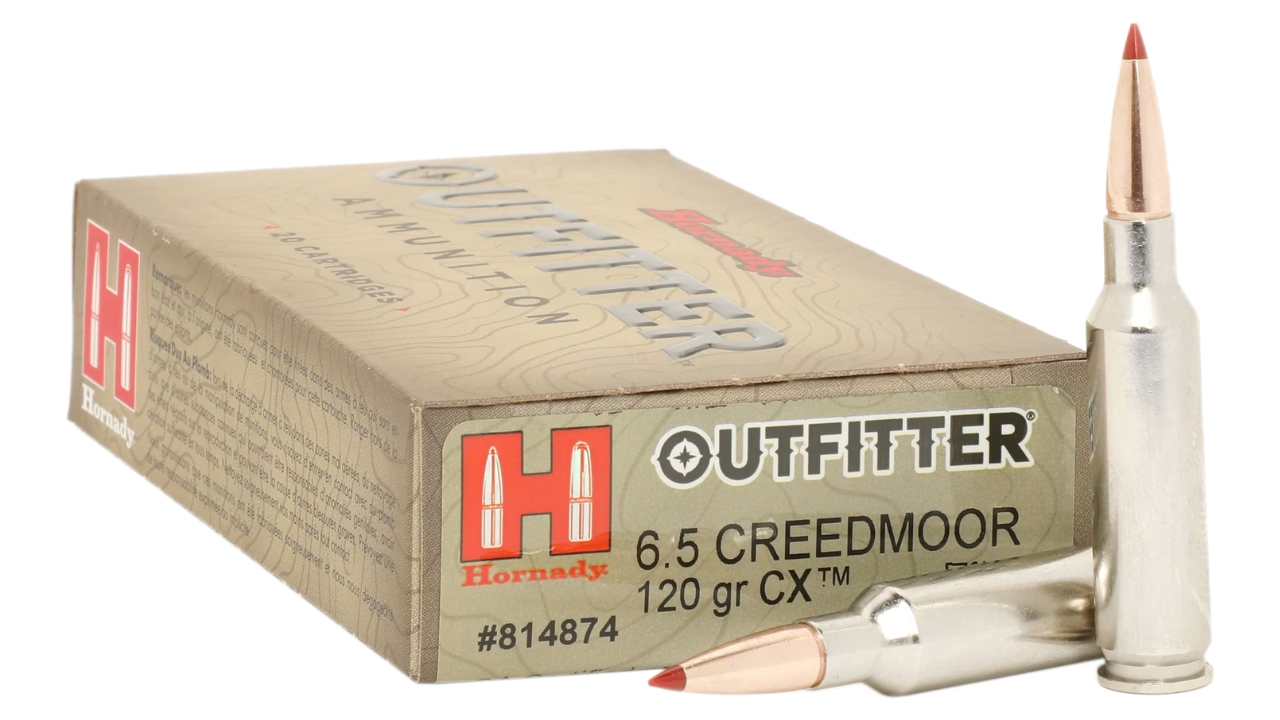
The 6.5 Creedmoor gets talked to death, but there’s a reason it stuck. It’s accurate in a wide range of rifles, recoil is friendly, and it gives you enough bullet performance to handle deer cleanly without needing magnum speed. You can practice without dread, and that’s the real advantage.
On deer, it’s a put-it-in-the-right-place cartridge. Choose a hunting bullet that’s built for impact speeds you’ll actually see, then shoot through the ribs and let it do its job. It doesn’t need drama to work. The Creedmoor also makes wind calls less punishing than some lighter options, which helps when you’re hunting open country and your “perfect” shot isn’t perfectly calm.
6.5×55 Swedish

The 6.5×55 has been killing deer-sized game for a long time, and it didn’t need modern marketing to do it. It pushes a sleek, moderate-weight bullet with recoil that stays comfortable, even in a lightweight hunting rifle. You can shoot it all day and still feel steady behind the gun.
It’s a cartridge that rewards patience and precision. With a good hunting bullet, it penetrates well and holds together when it needs to. You don’t have to chase max velocity to get results, and you don’t have to brace for every shot. If you’re the kind of hunter who cares more about where the bullet goes than what the box says, the Swede will feel like coming home.
.260 Remington

The .260 Remington is basically a common-sense deer round that never got as loud as it deserved. It gives you 6.5mm bullet options, good accuracy, and recoil that stays easy to manage. It’s the kind of cartridge that makes you a better shot because it doesn’t punish mistakes the way harder kickers do.
In the field, it’s steady and predictable. It shoots flat enough for normal deer ranges, and it carries enough bullet to get through ribs and reach the vitals with authority. Pick a proven hunting bullet, confirm your zero, and focus on shot placement. The .260 doesn’t need to be trendy to work. It needs you to put the bullet where it belongs, and it will do the rest.
7mm-08 Remington

The 7mm-08 is one of the easiest deer cartridges to recommend to almost anyone. It hits with more authority than the small bores, it stays mild enough to practice with, and it shoots accurately in a lot of rifles. It’s a balanced round that doesn’t have to shout.
It also handles real hunting angles well. With the right bullet, you get solid penetration and reliable expansion without requiring big recoil or long barrels. It’s great for woods hunting, great for field edges, and it doesn’t punish you in a lightweight rifle. If you’ve ever watched a hunter start flinching after a summer of magnum bench sessions, you understand why the 7mm-08 keeps producing clean kills year after year.
.308 Winchester

If you want “works anywhere, anytime,” the .308 is hard to beat. It’s not a magnum, but it hits deer with authority, and ammo and bullets are everywhere. Recoil is present, but it’s the kind of push most shooters can manage well with good fundamentals and a decent stock fit.
The .308’s real strength is that it doesn’t require heroics. You can pick a classic deer bullet, sight in, and trust it. It’s forgiving of imperfect field positions because it’s accurate and consistent. Keep your shots sensible, put it through the lungs, and you’ll get fast recoveries without feeling like you’re wrestling the rifle. For a lot of hunters, .308 is the line between comfort and capability.
.30-30 Winchester

The .30-30 has filled more deer tags than most modern cartridges ever will, and it does it without beating you up. Recoil is mild, rifles tend to carry easy, and at typical woods distances it hits like it means it. You don’t need speed when you’re threading a shot through branches at 60 yards.
The key is staying honest about range. Inside its comfort zone, the .30-30 is dependable and quick. Use a good deer load, sight it in with the ammo you’ll hunt, and don’t stretch it just because you can see farther. In thick cover, it’s one of the cleanest ways to hunt deer because you’re carrying a rifle that points naturally and doesn’t make you dread practice.
.35 Remington

The .35 Remington is a classic “woods hammer” that doesn’t need magnum recoil to be effective. It throws a heavier bullet at moderate speed, and inside normal hunting ranges it delivers a decisive hit. Recoil stays comfortable, especially compared to the big magnums people buy for bragging rights.
It’s also a cartridge that makes sense for real deer hunting in cover. You get penetration and a wide wound channel without having to crank velocity. If you hunt timber, creek bottoms, and brushy edges, .35 Rem feels like it was built for that job. Keep your shots within the ranges you can place them well, and it’s a cartridge that drops deer with a kind of old-school certainty.
.300 Savage
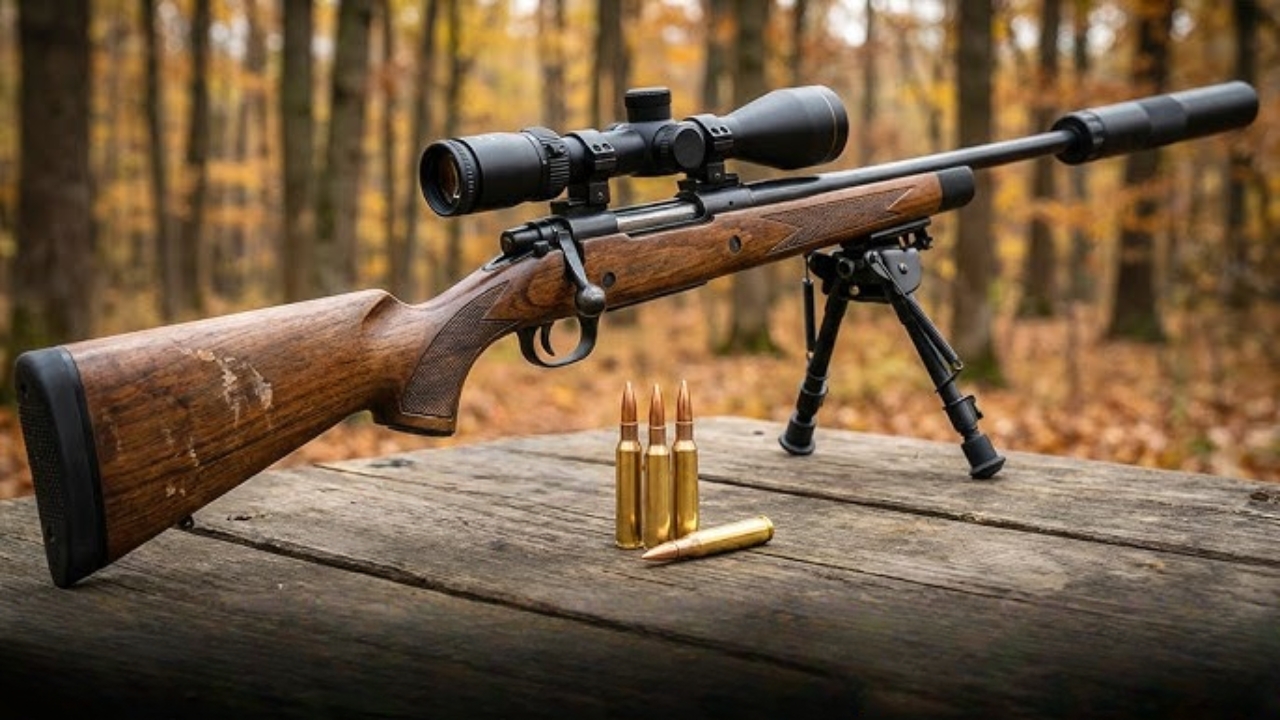
The .300 Savage is proof you don’t need modern case design to get modern results on deer. It’s efficient, accurate, and it hits harder than you’d guess from the recoil. In many rifles it feels quick and lively, which matters when a buck appears and you don’t have time to settle into a perfect benchrest pose.
It’s also a cartridge that rewards careful sight-in and steady shooting. With good hunting ammo, it’s fully capable for deer at normal distances, and it won’t make you flinch if you actually practice. The .300 Savage has a loyal following for a reason: it offers .30-caliber performance in a package that stays easy to live with. It’s practical, and it still gets results.
.270 Winchester

The .270 Winchester sits in that sweet spot where recoil stays manageable but performance stays strong. It shoots flat enough for open country deer hunting, and it carries plenty of energy for clean kills without stepping into magnum territory. You can practice with it without feeling like you’re paying a recoil tax.
Where it shines is consistency. A good .270 load shoots predictably, and that confidence shows up when you’re holding on hair instead of paper. Use a proven deer bullet, keep your zero confirmed, and it will do the same job season after season. The .270 isn’t trendy, but it’s steady. If you want a cartridge that makes longish shots feel simpler without making your shoulder hate you, it’s still a smart pick.
.280 Remington

The .280 Remington is one of the most underappreciated “do it all” deer cartridges that still stays comfortable to shoot. It gives you good bullet options, a flat enough trajectory for real hunting, and recoil that doesn’t feel like punishment. It’s a cartridge for hunters who want performance without the drama.
In the field, it’s effective across a wide range of deer situations. It carries well in a standard hunting rifle, and it hits with authority when you put the bullet through the ribs. You don’t need to push it to extremes, and you don’t need to chase exotic loads. The .280 is about shooting well and killing clean, and it lets you focus on the part that matters—shot placement—without bracing for impact.
.25-06 Remington

The .25-06 is a flat-shooting deer cartridge that still stays easy on the shooter. Recoil is mild enough that you’ll actually practice, but it carries enough speed and bullet performance to put deer down cleanly when you do your part. It’s a great option for hunters who want reach without a magnum’s kick.
It’s also a cartridge that fits open fields and longer sight lines. You can hold steady, make a good call, and place a bullet exactly where it belongs without feeling rushed. Use a true deer bullet, not a fragile varmint option, and it performs the way you want. The .25-06 doesn’t need a big boom to be effective. It needs you to shoot straight, and it gives you every reason to do that.
.44 Magnum

In a rifle, .44 Magnum is a different animal than it is in a revolver. You get a lot more control, recoil is more of a shove than a snap, and it hits deer hard at sensible ranges. It’s not a long-range cartridge, but it doesn’t pretend to be, and that honesty is part of why it works.
For thick woods and short-to-mid range shots, it can be a real hammer without beating you up. Pick a proven deer load, sight it in carefully, and keep your shots within the distance you can place them well. The payoff is quick, decisive performance and a rifle you can carry all day. If you hunt cover where shots happen fast and close, .44 Mag can make a lot of sense without any magnum rifle recoil.
.45-70 Government

People hear .45-70 and assume it’s going to be brutal, but it doesn’t have to be. In a properly set up rifle with standard loads, it’s more of a heavy push than a sharp hit, and it’s incredibly effective on deer at woods distances. You don’t need high-pressure “hot” loads to get the job done.
What you get is penetration and authority, especially when angles aren’t perfect. It’s a cartridge that forgives a little more than the lighter rounds when you hit a rib or clip heavier tissue. Keep it within realistic ranges, choose a good hunting load, and focus on clean shot placement. The .45-70 is old for a reason—it works—and you can run it without signing up for magnum-level punishment.
.357 Magnum

A .357 Magnum rifle is one of the most practical “low recoil, real results” deer setups out there at close range. Recoil is light, you can shoot it a lot, and in the distances where it belongs it’s surprisingly effective. It’s also a setup that makes you practice more, because it’s genuinely fun to shoot.
The key is being honest about distance and using the right load. In a rifle, .357 gains velocity and performance, but it still isn’t a long-range deer cartridge. Inside its lane, though, it can put deer down cleanly with good shot placement. For new hunters, recoil-sensitive shooters, or anyone who hunts thick timber, a .357 lever gun or carbine can be a smart way to hunt without flinching.
Like The Avid Outdoorsman’s content? Subscribe to our newsletter so you never miss an article.
Here’s more from us: