Photo credit: Lena Miculek – Trigger Tribe/Youtube
I like getting new shooters behind a gun that builds confidence, not bad habits. The first range day should be about safe handling, a steady stance, and learning what a good trigger press feels like. It should not be an equipment fight where the gun is unreliable, uncomfortable, or so specialized that the shooter can’t figure out what “normal” feels like.
This isn’t a list of “worst guns ever.” A couple of these can be made to run, and a few have niche uses. But if you’re new, these are the ones I steer you away from because they create frustration, cost more in the long run, or teach you the wrong lessons.
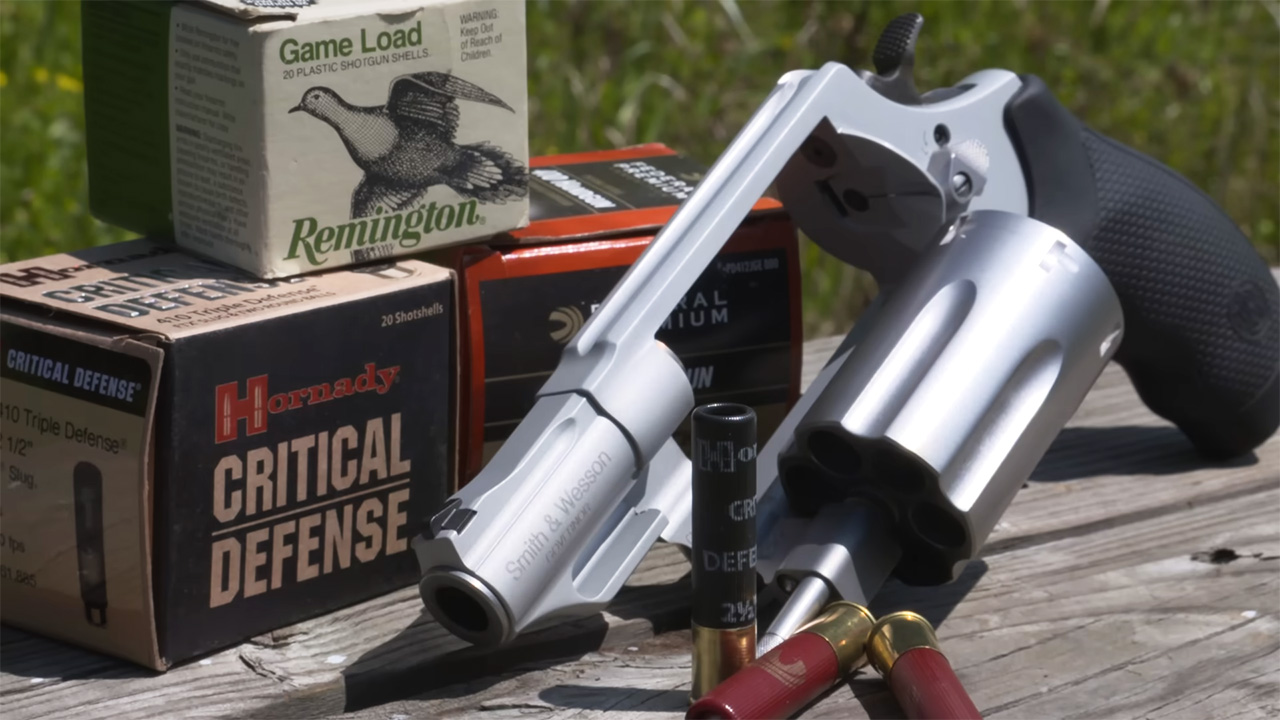
1. Taurus Judge (and similar .410 revolver concepts)
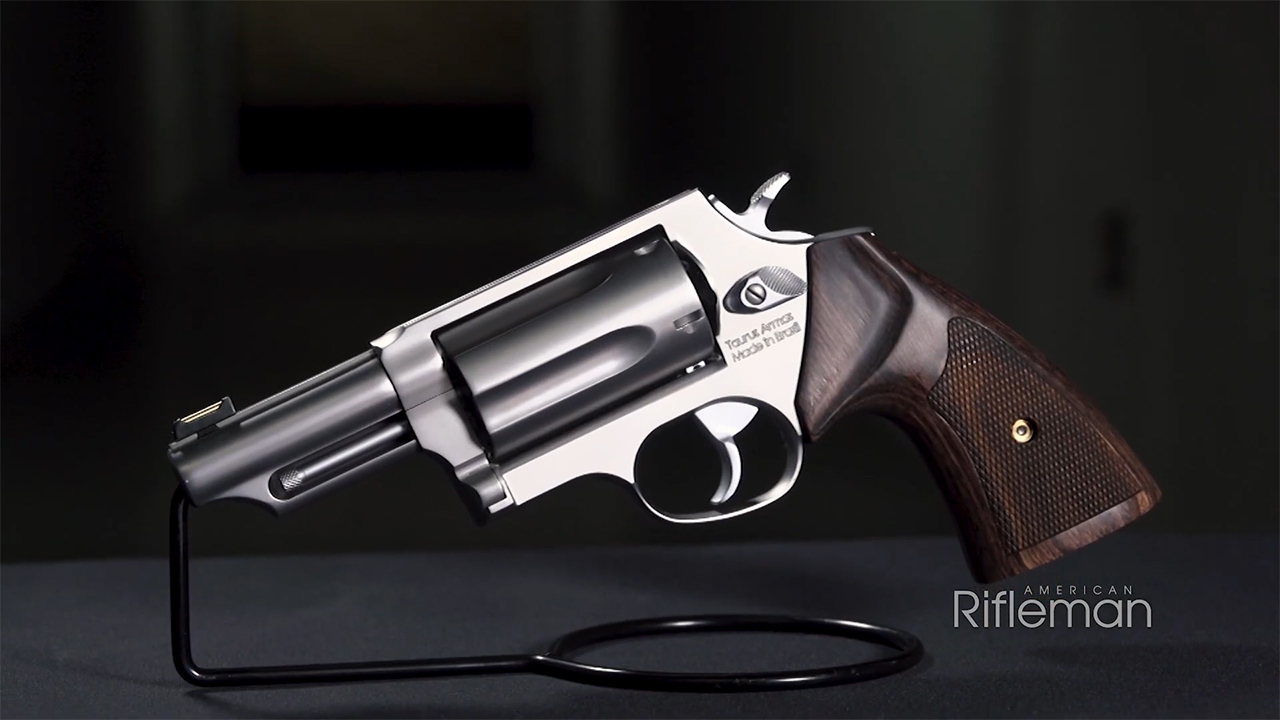
Every new shooter thinks a .410 revolver sounds like the ultimate do-it-all. Then they touch one off and realize the recoil is sharp, the grip is awkward, and the trigger pull on most examples feels like dragging a cinder block through gravel.
Patterning with .410 out of a short revolver barrel is usually disappointing, and .45 Colt in a lightweight wheelgun isn’t exactly friendly either. For a beginner, it’s a loud, flashy detour when a plain 9mm or a modest .38 revolver would actually teach fundamentals.
2. S&W Governor
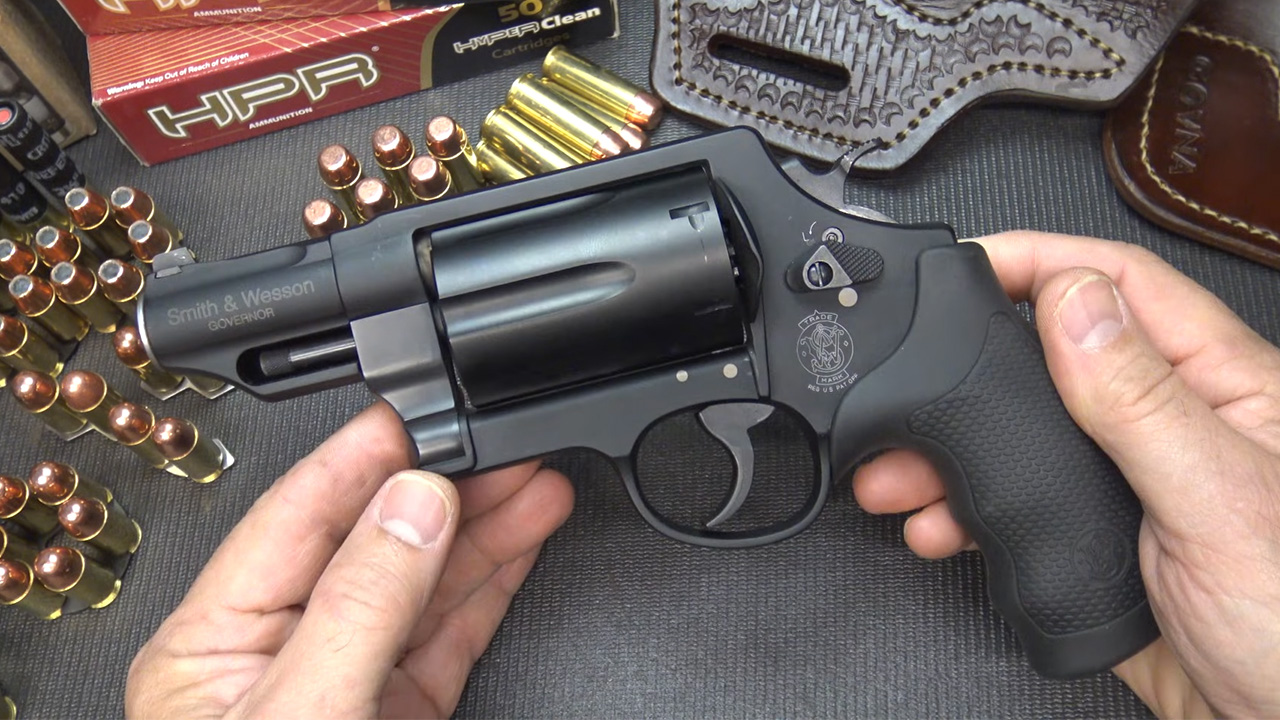
Same idea as above, just wearing a different badge. They’re big, they’re not cheap, and they’re often bought by folks who don’t yet know what they really need.
If someone’s goal is home defense, I’d rather see them with a simple, proven pistol and a light, or a basic shotgun they can actually run. The Governor tends to be a solution in search of a problem.
3. Heritage Rough Rider (as a first handgun)
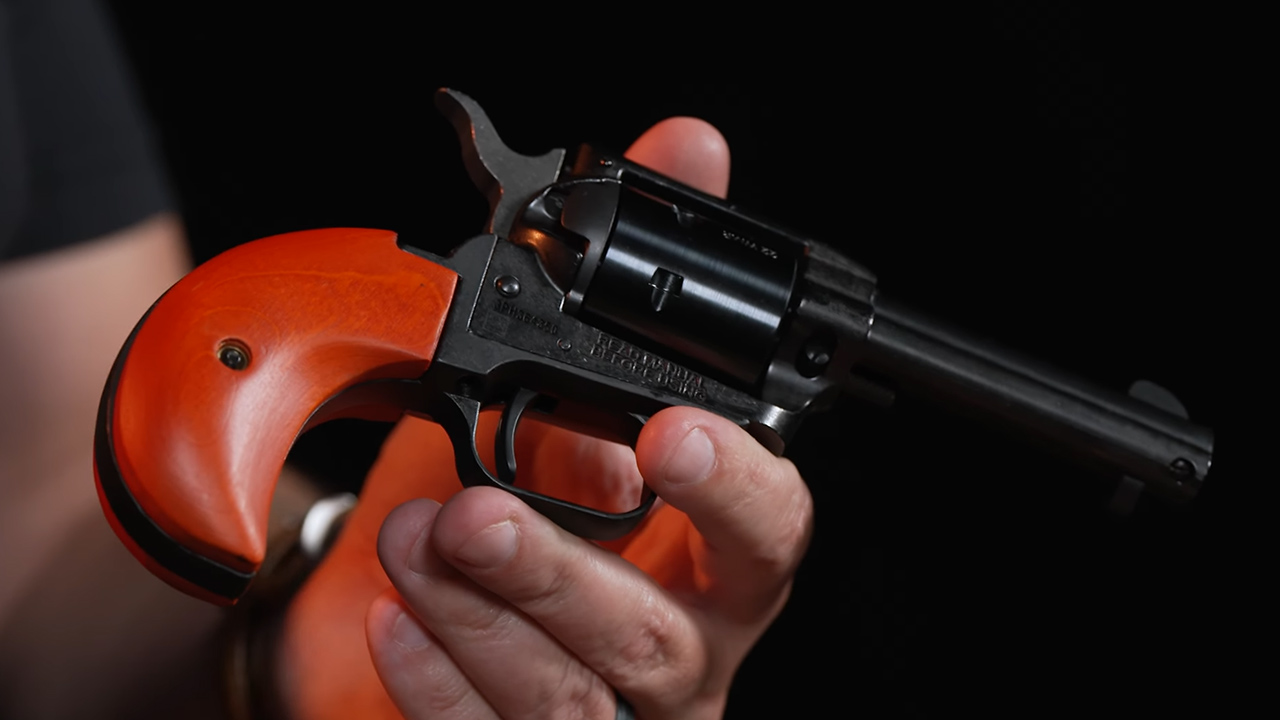
I like .22s for training. I don’t like starting a brand-new shooter on a bargain single-action revolver with a manual safety and a loading routine that feels like a history lesson. It’s not that they’re “bad,” it’s that they can be a distraction.
New shooters need repetitions: load, shoot, unload, repeat. A decent .22 semi-auto pistol or a .22 rifle gets them there with less fumbling and fewer opportunities to point a muzzle somewhere it shouldn’t go.
4. Taurus G2C / G3C (for the truly new shooter)

These sell because they’re affordable and small. The problem is small pistols with budget triggers and snappy recoil aren’t beginner-friendly. They can be perfectly serviceable for some owners, but they’re not the easy button.
When a new shooter starts “milking” the grip or anticipating recoil, a short, light gun amplifies those errors. I’d rather them start with a mid-size 9mm from a major maker and then go smaller later if they need to.
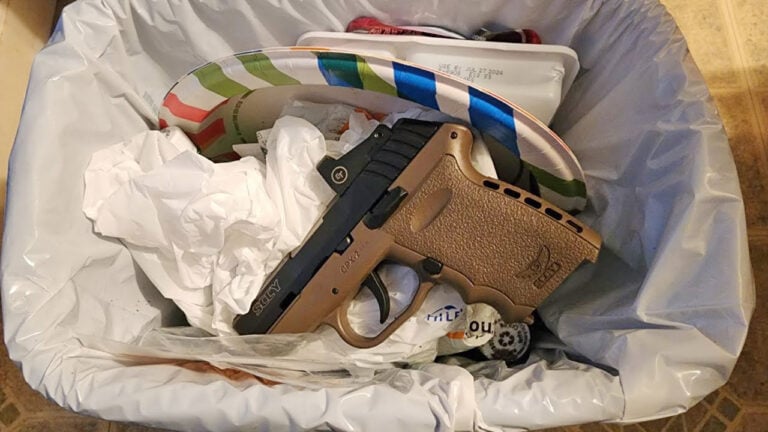
5. Kel-Tec PF-9

I’ve watched more than one new shooter show up with one of these because it was thin and cheap and “easy to carry.” Then the first magazine turns into a flinch factory. It’s a lot of recoil in a very small package.
Also, the feel of the gun doesn’t encourage good shooting. If you’re learning, pick something you can shoot for an hour without hating life.
6. Ruger LCP (as a first pistol)
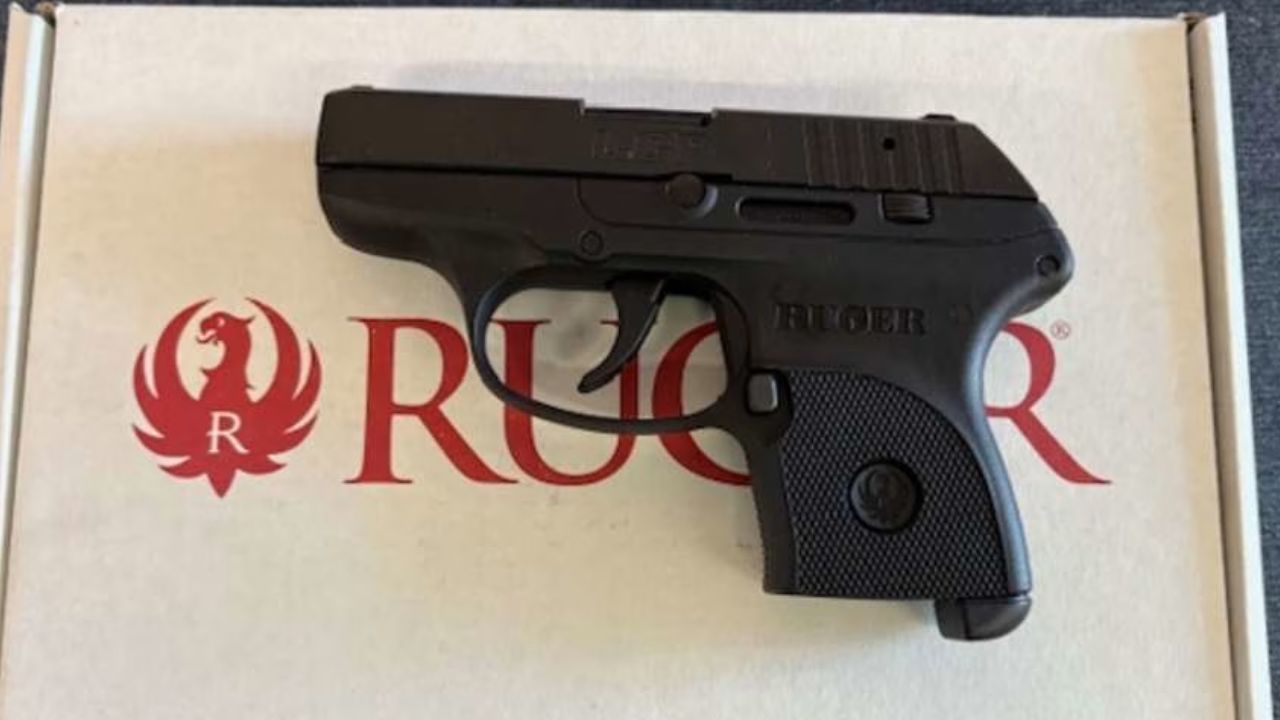
The LCP is a legitimate tool for deep concealment. It is not a beginner pistol. Tiny sights, tiny grip, long trigger, and .380 recoil that surprises people who think “smaller caliber equals easy.”
If a brand-new shooter learns on an LCP, they usually learn to shoot poorly. A compact or full-size 9mm makes the whole process make sense.
7. Kahr CM9/PM9 (for new shooters)

Kahr triggers are their own thing. Smooth, long, and different. Some folks shoot them great, but beginners often struggle because they haven’t learned what a good press feels like yet.
On top of that, the smaller models can be finicky if you don’t grip them like you mean it. That’s not the lesson I want someone learning on day one.
8. SIG Sauer P365 (as a first handgun)

This one always makes people mad because the P365 is a good gun. The issue is that it’s small, high-capacity, and easy to carry, so beginners jump straight to it before they can shoot consistently.
If your first pistol is something tiny that you can’t comfortably practice with, you won’t practice. Learn on a slightly larger gun, then “graduate” to the micro-compact when you can run it clean.
9. Glock 43 (as a first handgun)

Same category as the P365, just a different flavor. The Glock 43 is reliable and simple, but it’s also slim and snappy. New shooters tend to struggle with the short grip and controlling muzzle rise.
I like Glocks for beginners—just usually not the smallest ones. A Glock 19-sized gun makes life easier and builds skill faster.
10. .357 Magnum snub-nose revolvers
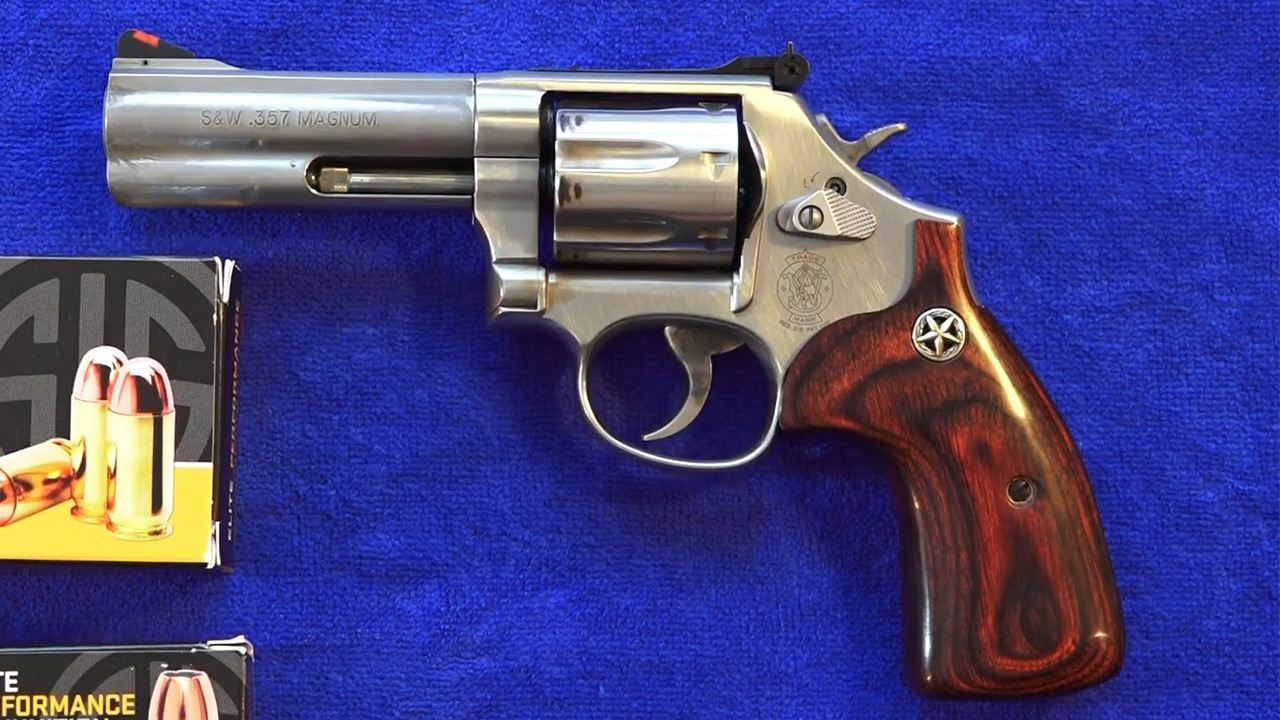
Every gun counter has a lightweight .357 snub that looks perfect for “truck gun,” “camp gun,” “carry gun,” and “everything gun.” Then the first cylinder of full-power loads changes the mood. That recoil is violent in a small frame, and the blast is rough.
Beginners end up either flinching badly or downgrading to .38 Special anyway. If you want a snub, fine—start with .38 in a gun that isn’t built like a feather.
11. Ultra-light .38 Special revolvers (polymer/aluminum pocket models)
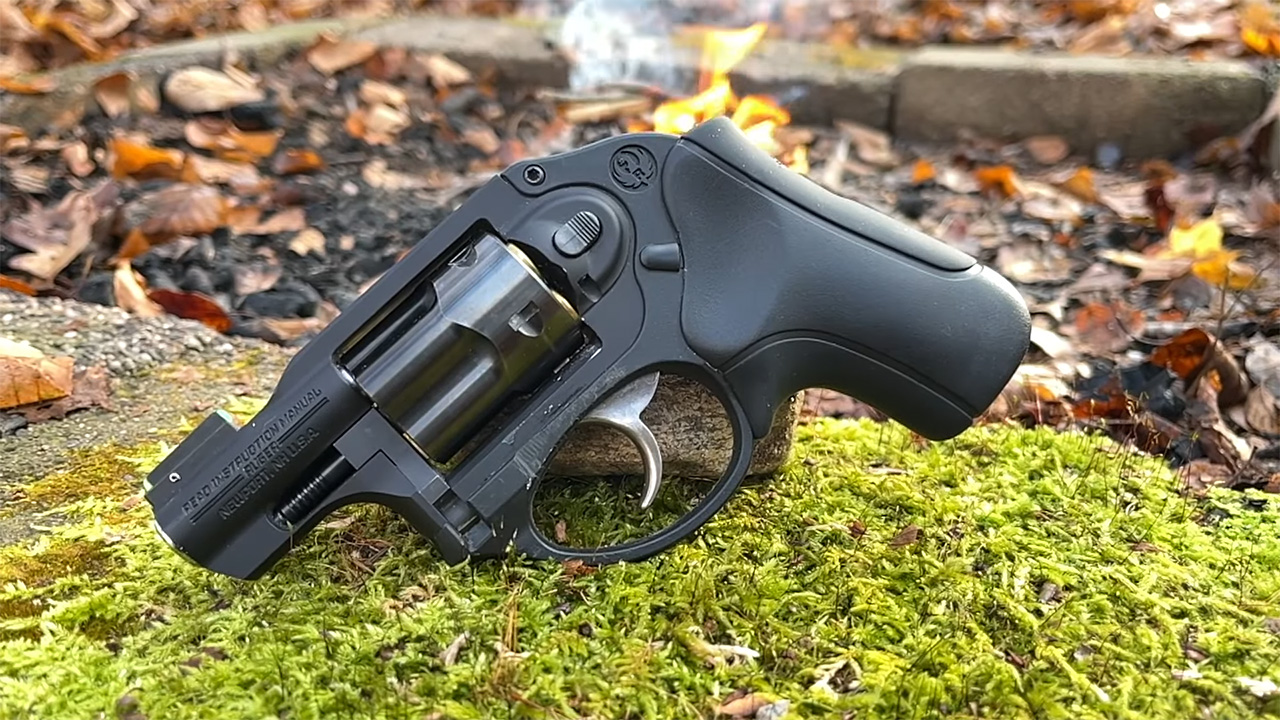
I get why these exist. They carry like nothing. But for a new shooter, they shoot like a hammer. The grips are short, the sight radius is tiny, and the recoil is sharp even with standard .38.
They’re also not forgiving of sloppy trigger work. It’s hard to learn good double-action control when the gun is trying to jump out of your hand.
12. Remington 742/7400 (used) in common hunting calibers
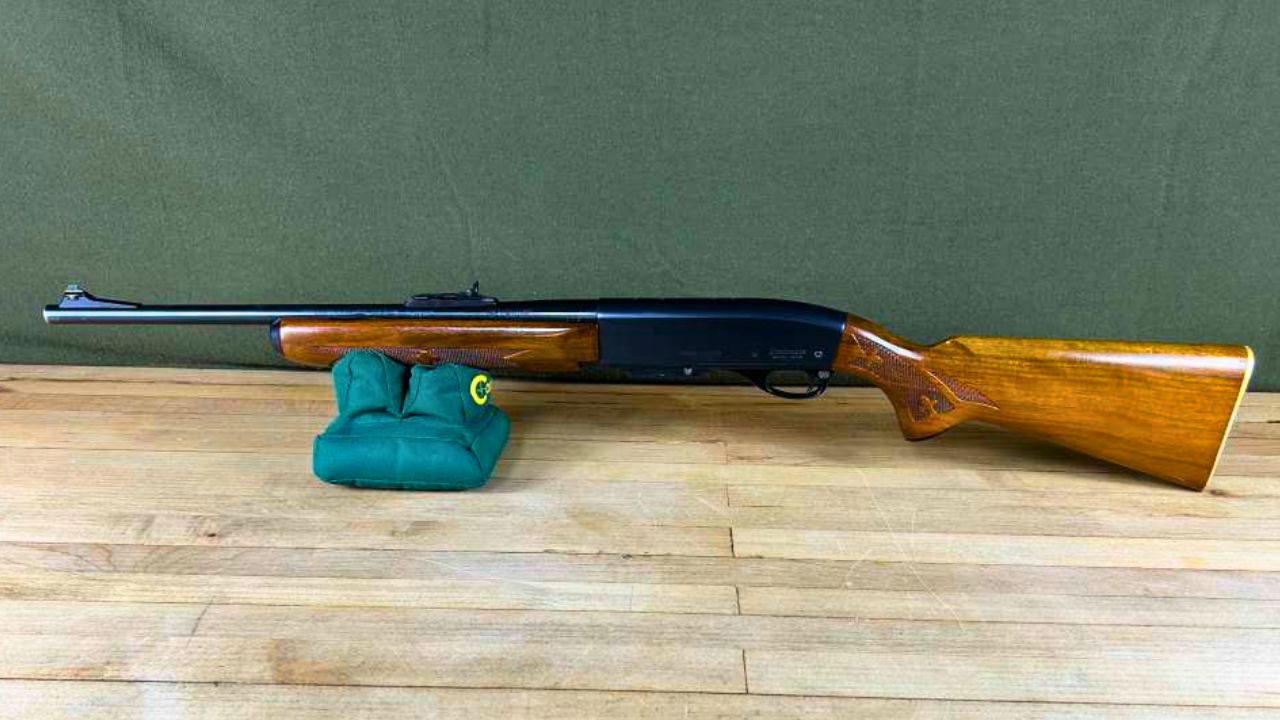
These old semi-auto deer rifles are still floating around pawn shops and grandpa closets. When they run, they’re handy in the woods. When they don’t, you’re suddenly chasing extraction issues and parts that aren’t as easy to come by as you’d like.
For a new hunter, a bolt-action is boring, reliable, and easier to maintain. A finicky used semi-auto is a rough way to start a season.
13. Remington 770
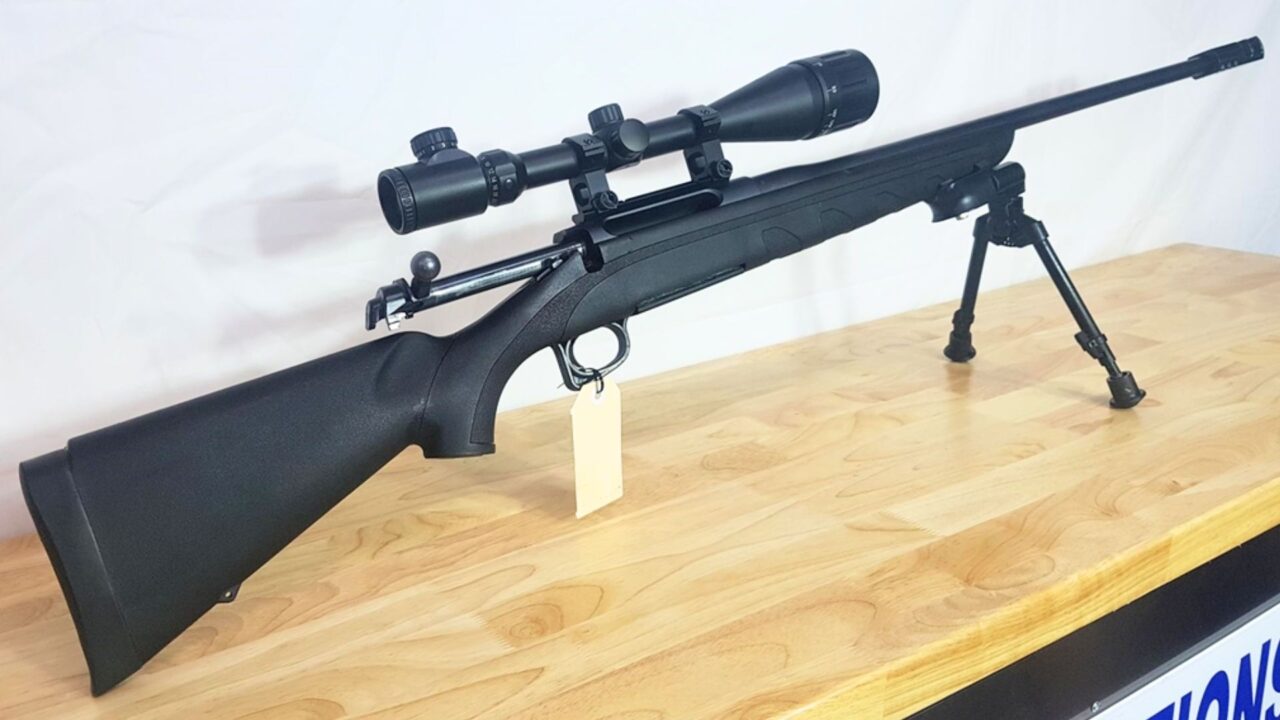
They were marketed as budget-friendly starter rifles, and I’ve seen enough of them with rough bolts, creepy triggers, and accuracy that’s all over the map. Some shoot fine. Too many don’t.
What hurts is the money spent trying to “fix” a rifle that was never great to begin with. For not much more, you can get into a better entry-level bolt gun that you’ll keep for years.
14. Remington 710
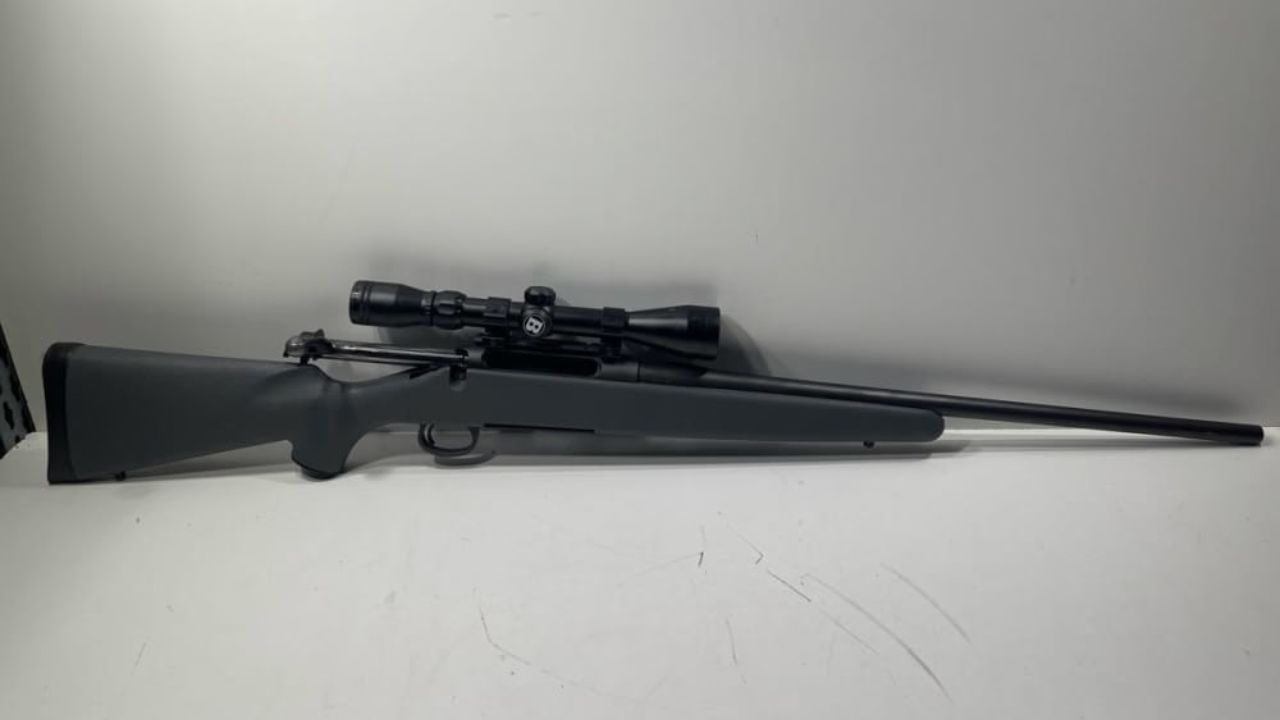
Ask any group of range regulars and you’ll hear the same groan. The 710 is one of those rifles that can sour a new shooter on bolt guns because the action feels cheap and the overall setup just isn’t pleasant.
New shooters need a rifle that cycles smoothly and encourages them to get behind it. Fighting a clunky bolt and questionable consistency isn’t it.
15. Mossberg 500 with the “combo of everything” bargain accessories (for a first shotgun)

I like the Mossberg 500 platform. What I don’t like is when a new shooter buys a package that includes a pistol-grip-only setup, a cheap side saddle, a bargain optic, and a pile of stuff they don’t need.
Start with a basic stock, a bead or simple sights, and learn to mount the gun properly. A shotgun is already a lot to manage. Turning it into a gimmick wagon slows learning and can get unsafe fast.
16. Pistol-grip-only 12 gauge “cruiser” shotguns
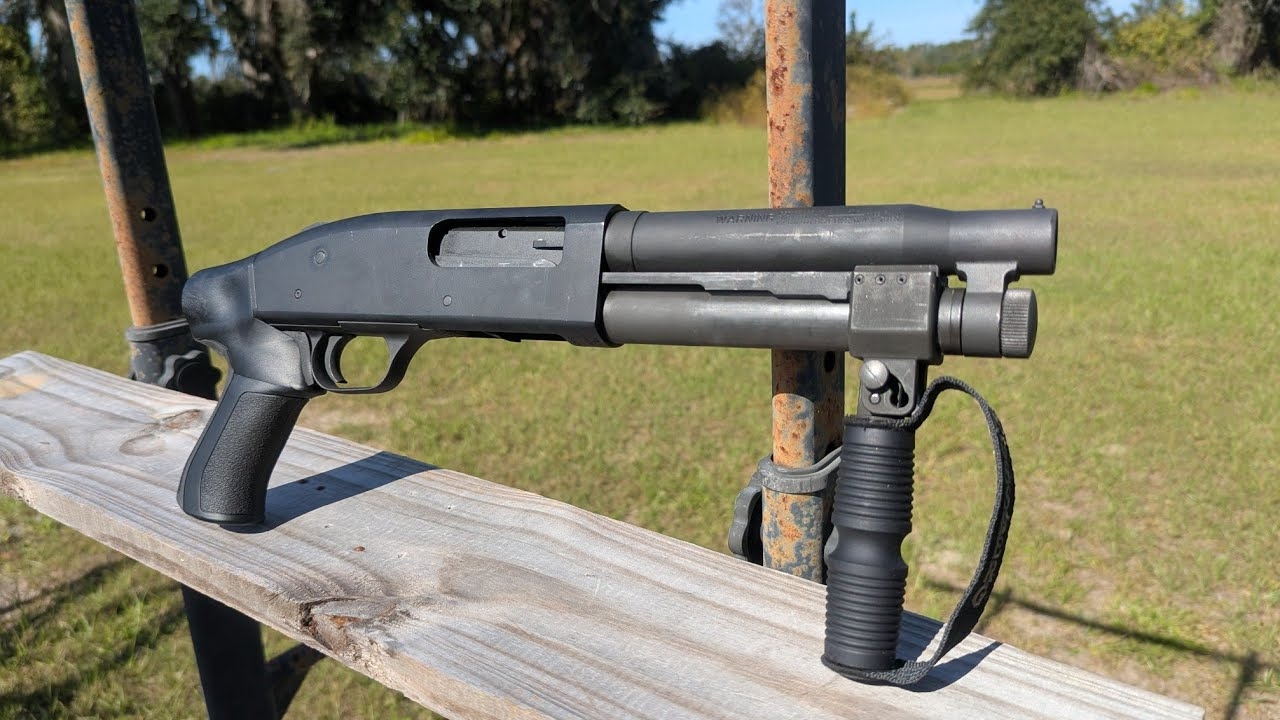
These look tough on the rack. On the range, they’re usually a mess. Without a real stock, most new shooters can’t control recoil, can’t aim consistently, and start breaking every good habit we’re trying to build.
There are specialized roles for them, but “first shotgun” is not one of them. A stocked 12 gauge, or even a 20 gauge, is a better teacher.
17. Turkish budget semi-auto shotguns (random import brands)
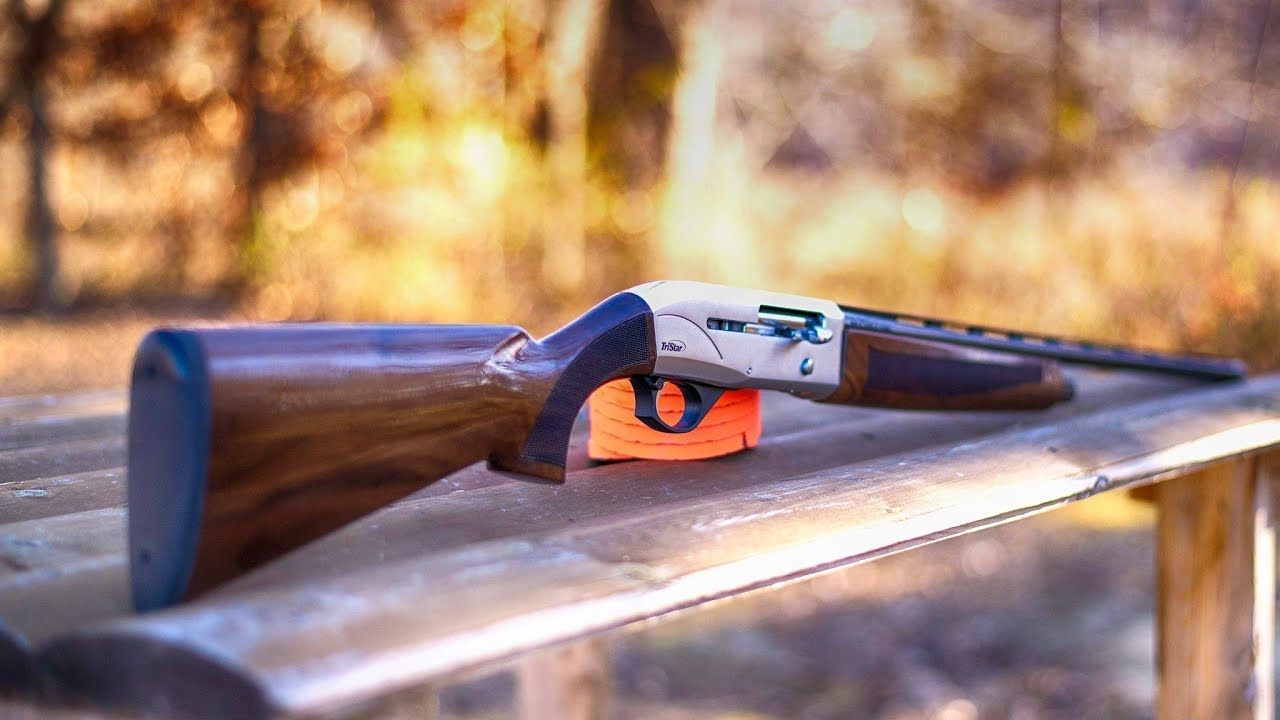
This is where I’ve watched the most money get wasted. They’re tempting: they look like higher-end tactical or sporting semi-autos for half the cost. Then the cycling problems start, the gas system gets picky, and magazines or parts are a scavenger hunt.
If a beginner wants a semi-auto shotgun, save for a proven model from a maker with real support. Otherwise, buy a pump and spend the difference on ammo and range time.
18. Rossi Circuit Judge
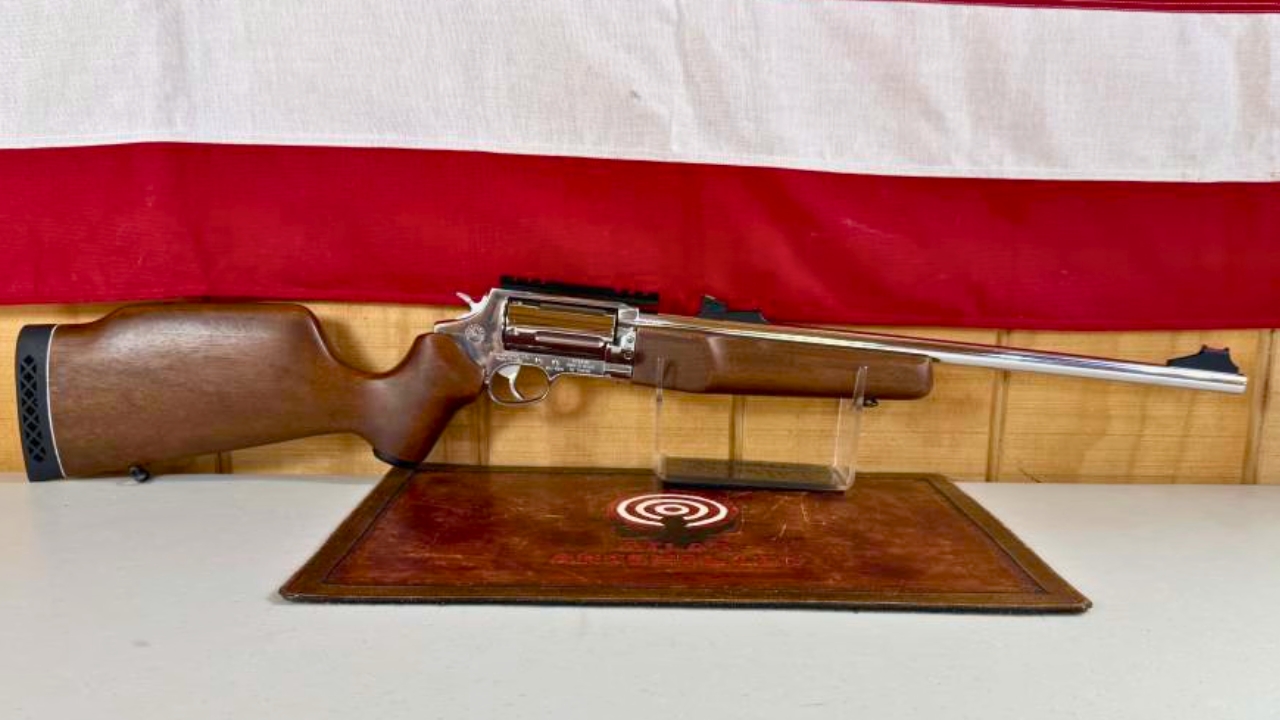
A .410/.45 Colt carbine sounds like a fun woods gun. In reality, it’s a compromise stacked on a compromise. The sights and ergonomics aren’t always great, and the ammo choices can confuse a new shooter fast.
It’s also one of those guns that gets bought on a whim and then sits. For a first long gun, a .22 rifle or a simple lever gun in a straightforward caliber makes more sense.
19. .300 Remington Ultra Magnum (as a first hunting rifle)
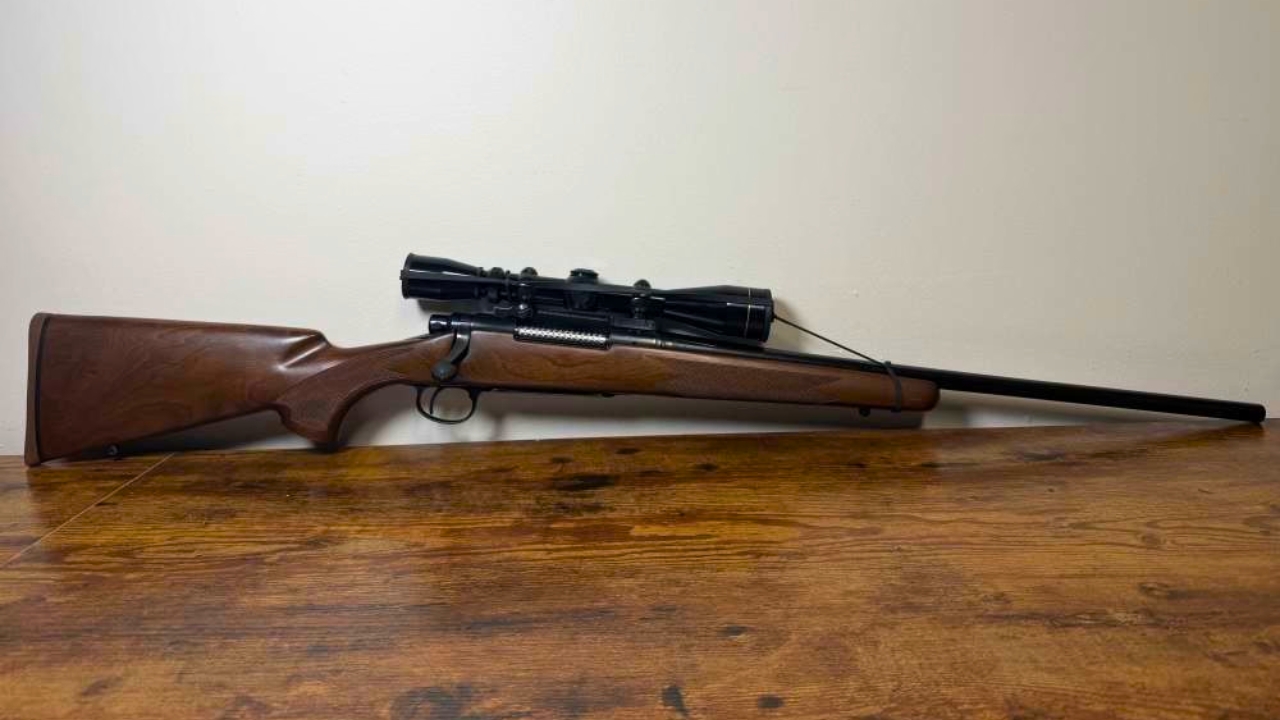
Big magnums sell dreams. They also sell flinches. I’ve watched new hunters develop a nasty jerk on the trigger after just a few rounds because the rifle hits like a truck and the muzzle blast is punishing.
Unless you have a real need for extreme range and heavy bullets—and most beginners don’t—you’ll learn faster and shoot better with something like .308, .270, or .30-06 in a well-fit rifle.
20. 10mm pistols (as a first handgun)

10mm has its place in the woods, especially when folks want a semi-auto option for critter country. But as a first pistol, it’s usually too much. Recoil is stout, ammo is expensive, and the learning curve gets steeper than it needs to be.
If you’re brand new, start with 9mm and get good. If you still want 10mm later for a specific reason, you’ll be in a much better spot to run it well.
A first gun should be easy to run, easy to feed, and forgiving enough that you can tell the difference between your mistakes and the gun’s limitations. Once you’ve got a few range trips under your belt and you know what you actually enjoy shooting, then it’s time to experiment with the oddballs and the specialized stuff. Until then, boring and reliable wins every time.
Like The Avid Outdoorsman’s content? Subscribe to our newsletter so you never miss an article.
Here’s more from us: