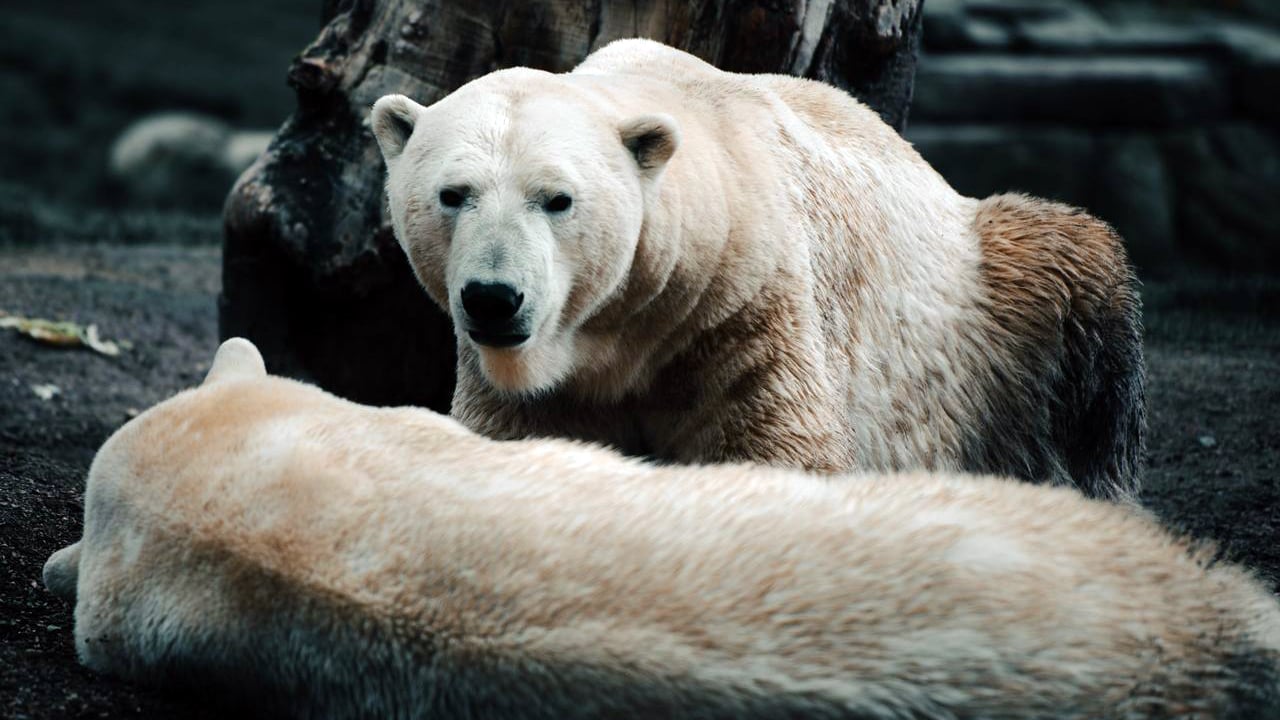
Photo credit: Flo Photography/Youtube
Most wild animals want distance from people. They may look dangerous, but they usually prefer to avoid a fight unless they’re cornered, protecting young, injured, starving, sick, or already conditioned to see humans as a source of food. That’s why people sometimes get careless. They assume every animal will run.
Some predators do run. Others don’t scare easy once they decide you’re the threat, the meal, or the thing standing between them and what they want. These animals deserve respect because when the situation turns wrong, yelling, waving, or trying to look big may not be enough to change their mind.
Polar Bear
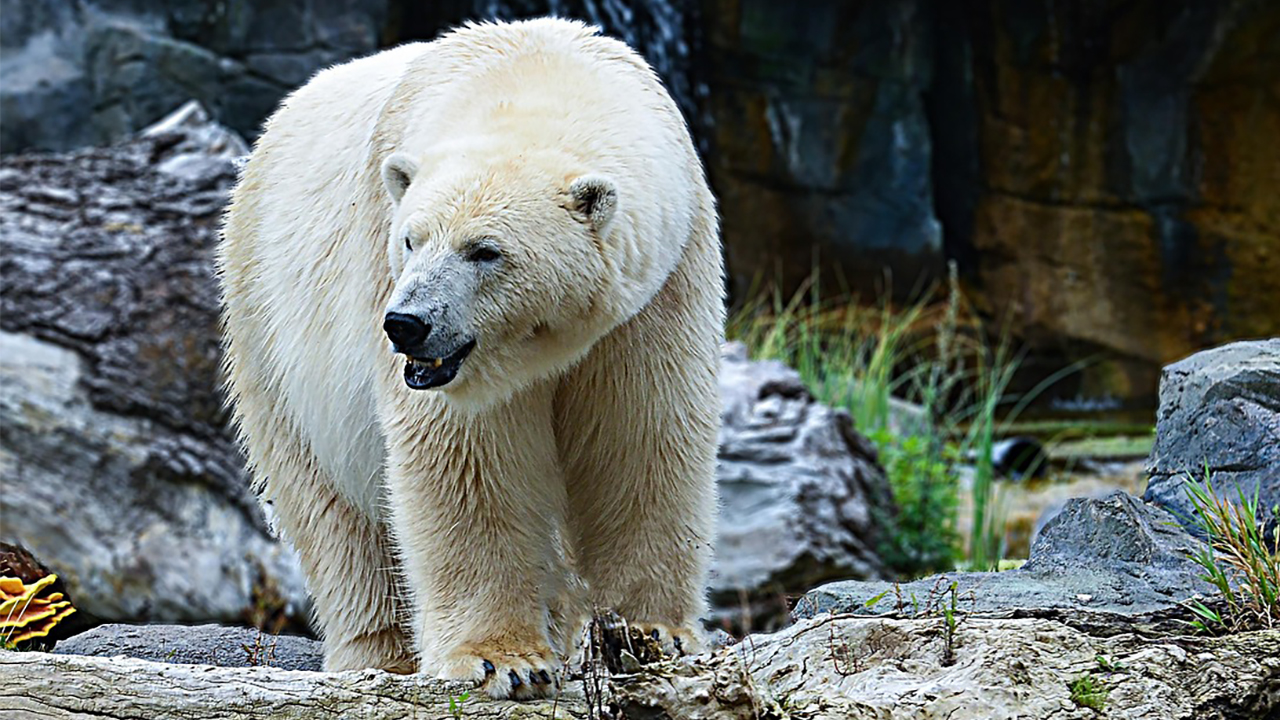
A polar bear is one of the few predators that can look at a human and see food instead of trouble. That alone puts it in a different category from most North American wildlife. Many predators attack defensively or by accident. A hungry polar bear may stalk with intent.
That’s what makes encounters so serious. Polar bears are massive, powerful, and built for a landscape where calories are hard to come by. They don’t always have the same fear of humans that animals in more populated areas develop, and their hunting style can make them dangerously patient. If a polar bear decides a person is worth pursuing, bluffing and noise may not solve the problem. This is an animal people should avoid long before it gets close.
Grizzly Bear
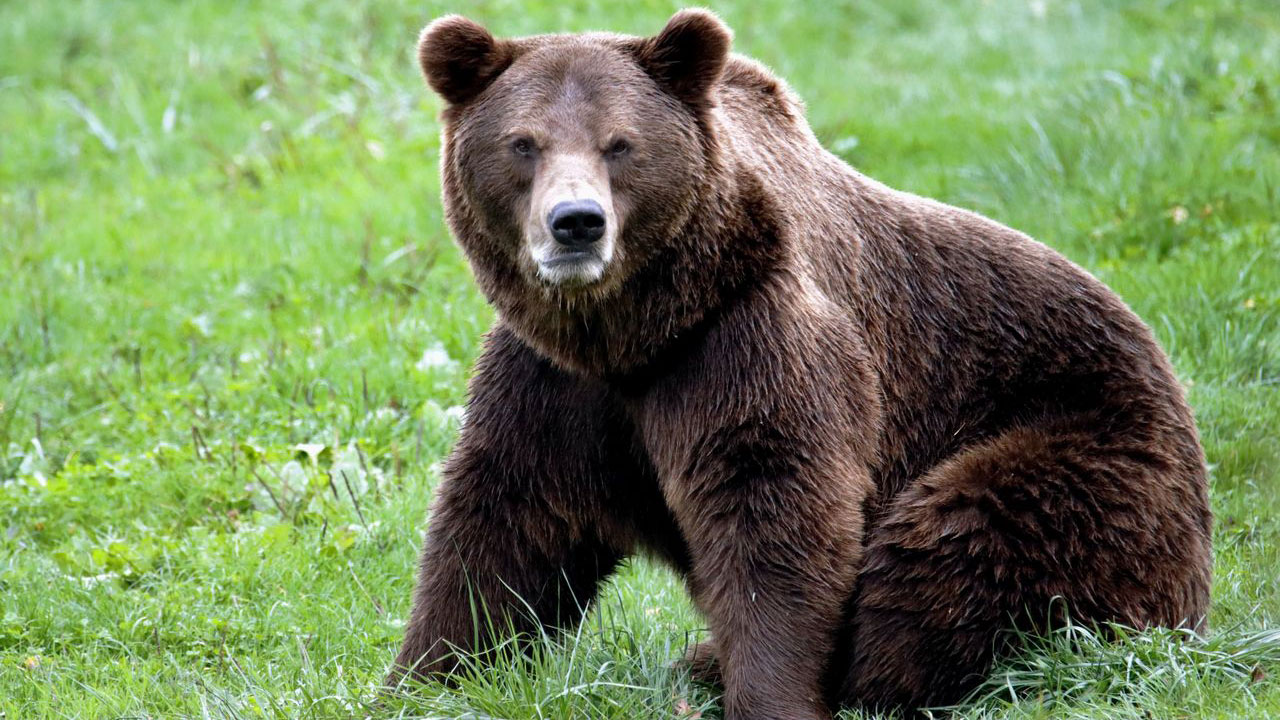
Grizzly bears don’t need to be hunting a person to become one of the most dangerous animals on the landscape. Many bad encounters happen because a bear is surprised, guarding cubs, protecting a carcass, or defending space. Once that defensive switch flips, the bear may close distance with terrifying speed.
What makes grizzlies especially intimidating is that they don’t always scare off the way people hope. A black bear may often retreat when confronted, depending on the situation. A grizzly may not. If it sees a person as a threat, it can charge, swat, bite, and keep coming even through yelling or movement. The safest strategy is not testing its nerve. It’s giving grizzlies space, making noise in bear country, carrying proper deterrents, and never getting between a bear and what it’s protecting.
Mountain Lion
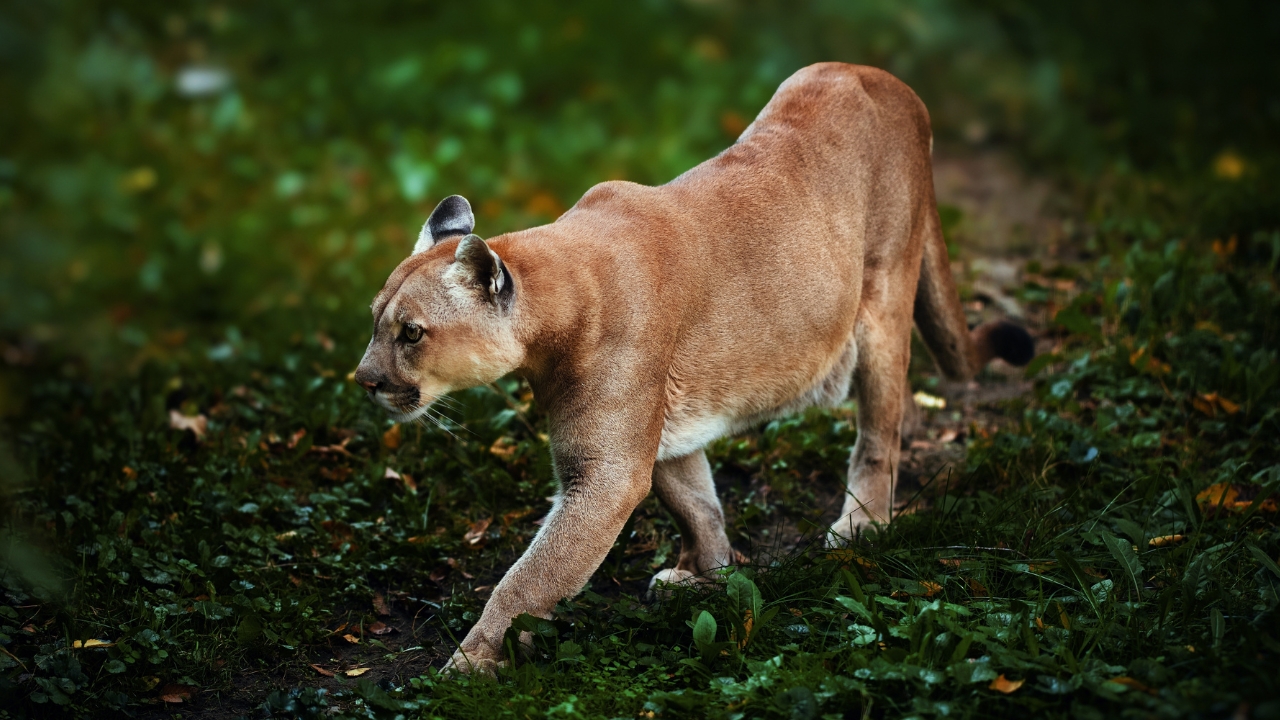
Mountain lions are usually secretive, and most people will never know when one is nearby. That quiet nature can make them seem less dangerous than they are. The problem is that a mountain lion does not fight like a bluffing animal when it commits. It ambushes.
A lion that decides to attack may come from behind, aim for the head or neck, and try to end the fight quickly. That’s why running is such a bad idea around one. It can trigger pursuit and makes a person look more like prey. Most mountain lions avoid people, but the rare ones that don’t can be terrifying because they are silent, fast, and powerful for their size. Once a lion has decided a human is prey, scaring it off may take a real fight.
African Lion
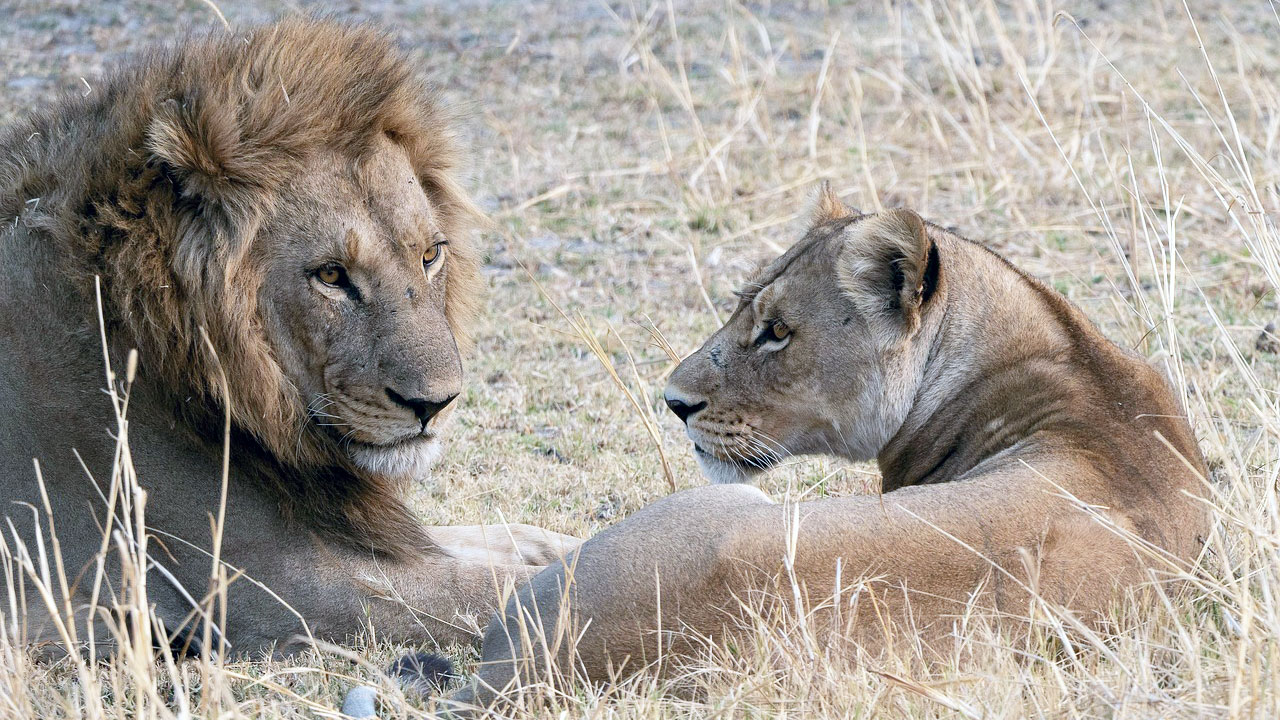
African lions are social predators, and that alone changes the danger. A person may not be dealing with one animal. They may be dealing with a pride, young males, or a lion that has already learned humans are vulnerable. Unlike many predators that avoid people by default, lions in certain situations have a long history of becoming man-eaters.
A lion that does not fear people is a nightmare. It has size, strength, speed, and group behavior on its side. It may stalk camps, test boundaries, and attack with confidence. The most dangerous lions are often injured, old, hungry, or experienced around humans, but even a healthy lion has no reason to be intimidated once it decides to close the gap. This is not an animal people talk down or scare off casually.
Tiger

Tigers are solitary ambush predators with enough power to take down large prey alone. That makes them especially dangerous when they lose fear of people or begin hunting humans. A tiger does not need help from a pack. It is built to stalk, rush, and overpower.
The frightening part is how deliberate a tiger can be. It may follow quietly, approach from cover, and wait for the perfect moment. In areas where human-tiger conflict happens, people often fear the animal they never see until it is too late. A tiger that has decided a person is prey may not be easily deterred by noise or numbers. It is one of the clearest reminders that some predators are not just dangerous because they are strong. They are dangerous because they are patient.
Leopard

Leopards are smaller than lions and tigers, but that can make people underestimate them. They are incredibly strong for their size, secretive, agile, and comfortable moving near human settlements in some parts of the world. A leopard can vanish into cover, climb with ease, and attack before anyone has time to react.
What makes a determined leopard so dangerous is its boldness when it commits. Leopards have been known to enter villages, attack from close cover, and drag prey into trees. An injured or cornered leopard can also be ferocious, launching at the face and upper body with explosive speed. It may not have the size of a tiger, but it does not need it. A leopard that decides to fight is not an animal to take lightly.
Spotted Hyena

Spotted hyenas get treated like scavengers in popular imagination, but that is a serious misunderstanding. They are powerful predators with crushing jaws, high endurance, and strong social structure. A clan of hyenas can overwhelm animals much larger than a human.
A lone hyena is already dangerous. A group is much worse. Hyenas can become bold around camps, livestock, or communities, especially when food sources draw them close to people. They are not easily scared once they are confident, and their bite strength makes even a short encounter devastating. People who dismiss hyenas because they don’t fit the sleek “big cat” image are missing the point. They are tough, intelligent, and very capable predators.
Gray Wolf

Wolves usually avoid humans, and attacks are rare compared with the fear they inspire. But a wolf that has lost fear of people, is sick, starving, habituated, or operating in a bold pack can become a serious threat. The danger comes less from one dramatic charge and more from pressure, testing, and numbers.
A pack can circle, follow, and probe for weakness. Wolves are endurance hunters, not just quick ambush animals. If they decide something is prey, they can keep pressure on it in a way that wears it down. Most wolf encounters do not become attacks, but people should not mistake avoidance for cowardice. A wolf that is bold enough to approach closely is already behaving outside the comfort zone, and that deserves immediate respect.
Coyote
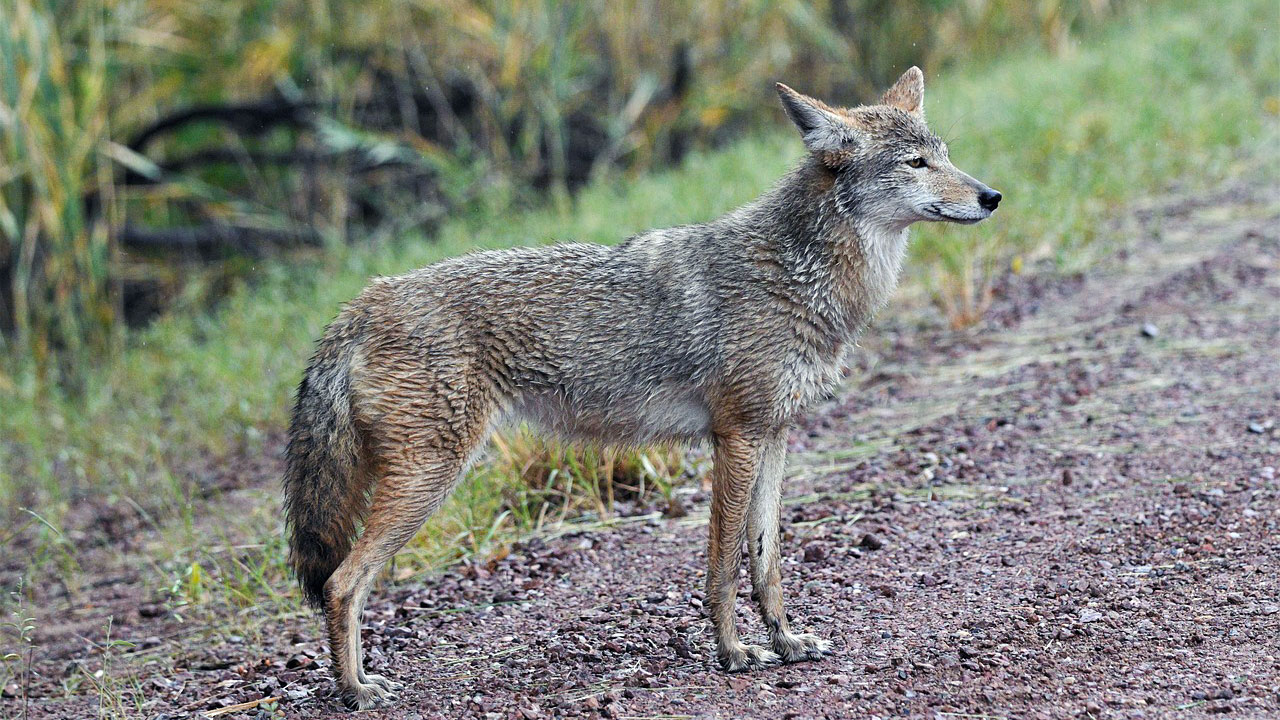
Coyotes are often seen as skittish, and many are. But coyotes are also adaptable, clever, and increasingly comfortable living near people. The ones that become dangerous are usually habituated, food-conditioned, sick, or operating around pets and children.
A coyote does not need to be huge to be a problem. It only needs to be bold. Once a coyote stops fearing people, it may test yards, follow walkers, stalk pets, or approach in daylight. Groups can be more intimidating, especially when they are defending dens or moving through neighborhoods. Most adults can scare off a normal coyote, but a coyote that keeps coming back is telling you something. It no longer sees people as a strong enough reason to leave.
Bobcat
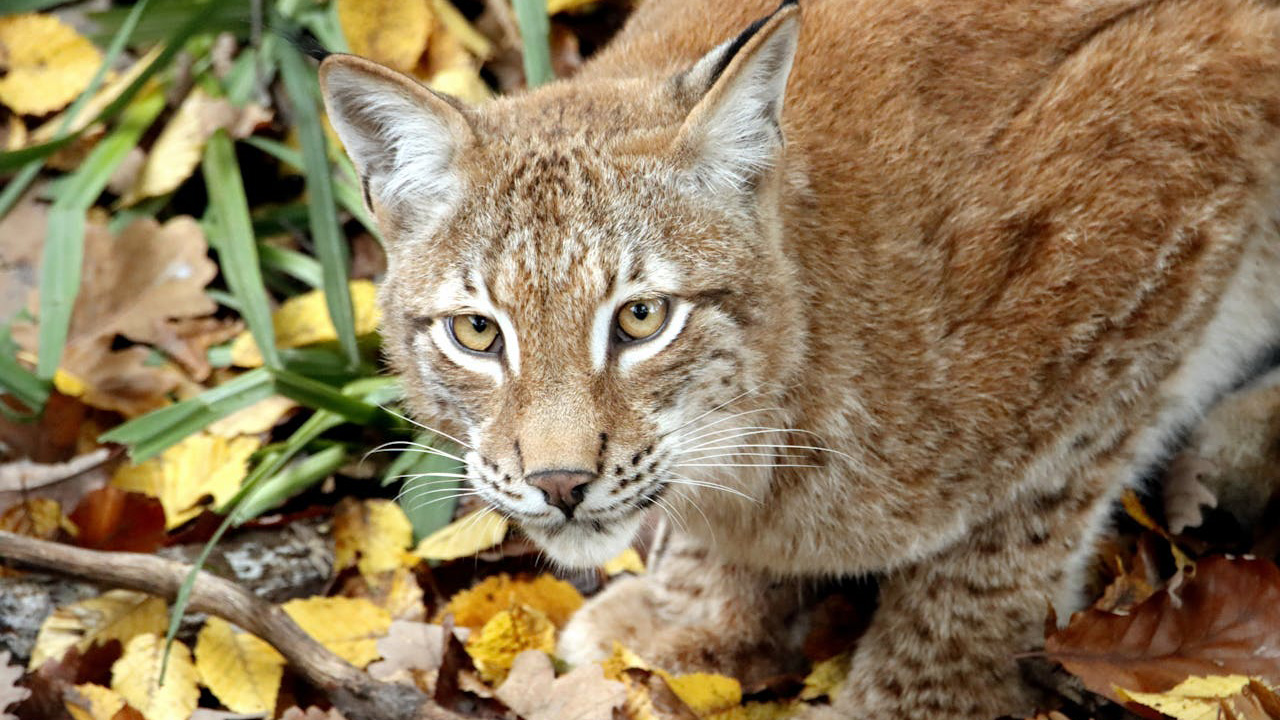
Bobcats usually avoid humans and are not large enough to be viewed like mountain lions or wolves. That’s exactly why people sometimes get too casual when one appears close to a home, barn, or trail. Most bobcats want nothing to do with people, but a sick, cornered, or defensive bobcat can be shockingly aggressive.
The danger is speed and claws. A bobcat can launch, scratch, bite, and create serious injuries before a person has time to process what happened. Rabid bobcats are especially concerning because they may act strangely bold or aggressive. A healthy bobcat at a distance is usually not a reason to panic. A bobcat that approaches, refuses to leave, or acts disoriented is a different story. Small predator does not mean harmless predator.
Wild Boar

Wild boar are not classic predators in the same way big cats or wolves are, but they absolutely belong in any discussion of animals that don’t scare easy. A boar does not have to see a person as prey to become dangerous. It only has to feel cornered, wounded, threatened, or determined to break through.
A charging boar can be incredibly destructive. Tusks can cut deeply, and the animal’s low, powerful body makes it hard to stop once it commits. Hunters know wounded hogs can be especially dangerous, but even non-hunters can run into trouble around dense cover, sows with young, or animals accustomed to people. A boar may run away. It may also come straight through whatever is in front of it. That uncertainty is what makes it so serious.
American Alligator

An alligator usually avoids conflict on land, but around water it becomes a different kind of danger. It does not need to chase a person across a field. It only needs one explosive moment at the edge of a pond, canal, marsh, or lake.
Alligators are ambush predators. They wait, strike fast, and pull prey into the water where the fight changes completely. The scariest encounters often happen because people get too comfortable near shorelines, let pets walk close to water, or assume a visible gator is the only one nearby. An alligator that has been fed by people can become especially bold. Once it associates humans with food, fear drops and danger rises. Around water, distance is everything.
Nile Crocodile

The Nile crocodile is one of the most dangerous predators in the world because it combines size, patience, and ambush power. Like an alligator, it does not need a long chase to win. It waits at the water’s edge and attacks when a person or animal gets too close.
What makes Nile crocodiles especially frightening is their willingness and ability to take large prey, including humans. In areas where people rely on rivers and lakes for washing, fishing, or travel, the risk can be constant. The crocodile may be invisible until it strikes. Once it has a grip, the water gives it the advantage. This is not a predator that needs to be provoked. Getting too close to its hunting zone can be enough.
Komodo Dragon

The Komodo dragon looks slow until it isn’t. It is a massive monitor lizard with a powerful bite, sharp teeth, strong claws, and enough confidence to approach animals much larger than itself. It does not scare the way many smaller reptiles do.
Komodo dragons are opportunistic predators, and they can be dangerously bold around humans. Their hunting style can include ambush, biting, following, and waiting for prey to weaken. A bite can cause severe damage, and their size gives them a strength people often underestimate. They are not animals to crowd for a photo or treat like oversized lizards at a zoo exhibit. When a Komodo dragon decides something is worth investigating as food, personal space matters immediately.
Wolverine

The wolverine is not the biggest predator on this list, but it may be one of the least intimidated for its size. It has a reputation for ferocity because it is built like a compact survival machine: powerful jaws, strong claws, thick body, and a willingness to challenge animals much larger than itself.
A wolverine is unlikely to hunt a human as prey, but that does not mean it is safe to crowd, corner, or underestimate one. It may defend food, territory, or itself with shocking intensity. The animal’s whole life is built around surviving harsh country where hesitation can cost it a meal. That makes it bold in a way people remember. A wolverine does not need to be huge to make a person regret getting too close.
Like The Avid Outdoorsman’s content? Be sure to follow us.
Here’s more from us: