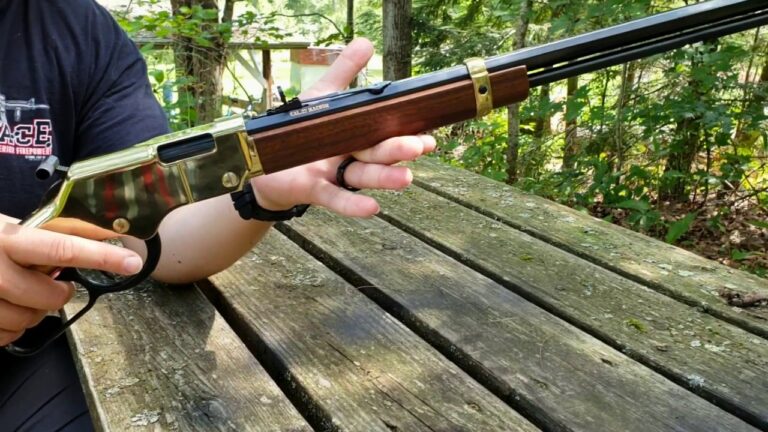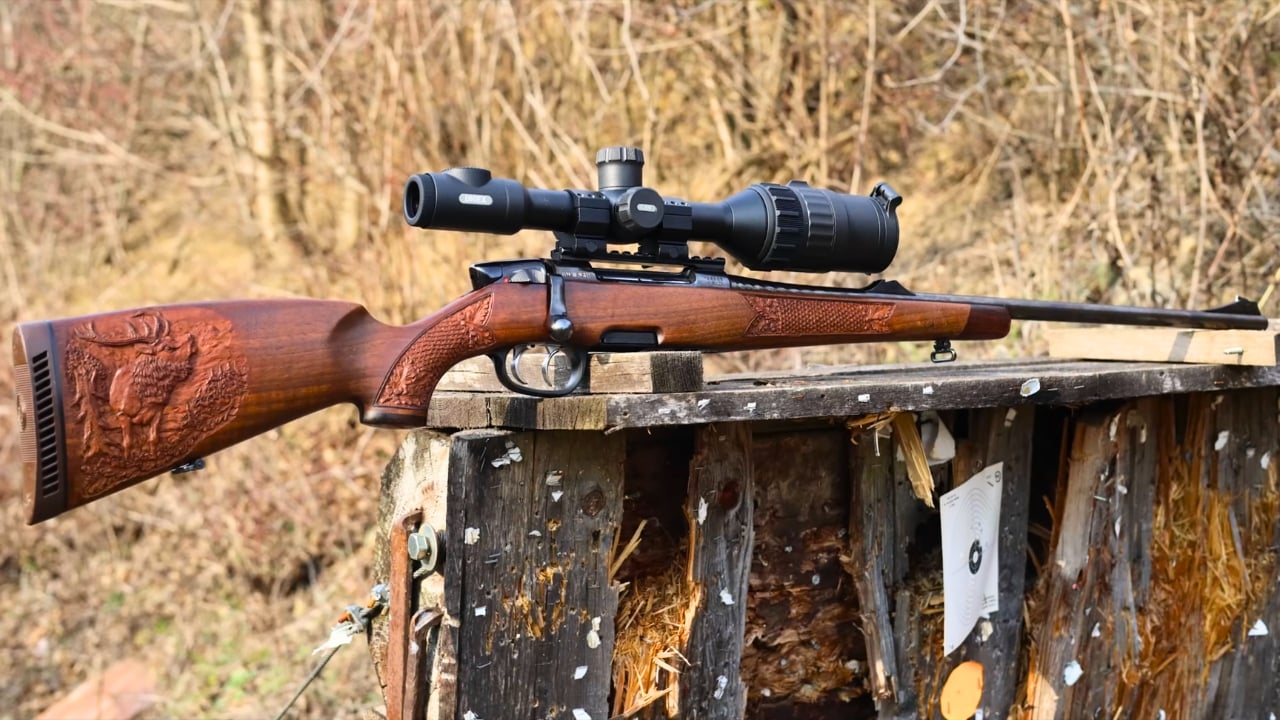
Photo credit: VS Shooting Channel/YouTube
Some rifles are easy to replace. You sell one, decide you miss it, and a nearly identical example is sitting on another rack a week later. Other bolt actions do not work that way. Maybe the model was discontinued, the stock had unusually good wood, or the rifle simply shot far better than anyone expected. By the time the former owner decides he wants it back, finding the same combination can become frustratingly difficult.
That is why experienced hunters tend to get cautious about selling certain bolt guns. Accuracy can be replaced on paper, but familiarity is harder to buy. A rifle that has already survived years of deer seasons, proven exactly what ammunition it likes, and developed a perfectly smooth action often becomes worth more than whatever trade-in price someone offers. These are 20 bolt-action rifles I would think very carefully about selling, because replacing the exact rifle later may be harder than expected.
Remington Model Seven

The Model Seven is the kind of rifle people often sell because it looks redundant beside a full-size bolt gun. Then deer season arrives and they remember how convenient that short, lightweight rifle was in a treestand or thick timber. Remington built the Model Seven around compact proportions, and versions in cartridges such as .243 Winchester, 7mm-08, and .308 Winchester made it far more capable than the small package suggested.
The problem comes when someone decides he wants another one. Older configurations, desirable chamberings, and especially clean walnut-stocked examples do not necessarily appear on demand. A proven Model Seven that already shoots a preferred hunting load well can be much harder to replace than the owner realized. I would rather keep one that has already earned my confidence than start hunting for its twin years later.
Sako L579 Forester

The L579 Forester represents the kind of older Sako that owners usually appreciate more after they have spent time with it. The action is beautifully smooth, the machining is excellent, and the rifle has the refined proportions of a traditional European sporting bolt gun. Chamberings such as .243 Winchester and .308 Winchester made it especially useful for deer-sized game.
Selling one can look sensible if it spends more time in the safe than in the woods. Regret usually arrives when the former owner handles newer rifles and realizes they may be lighter or more adjustable without feeling anything like the old Sako. Good wood and original condition make the replacement problem worse. A rifle with a particularly smooth action and strong accuracy is not something I would assume I could simply buy back later.
Winchester Model 70 Classic

The controlled-round-feed Model 70 Classic brought back much of what hunters loved about earlier Winchester bolt rifles while remaining practical enough to use hard. For years, owners viewed them primarily as working rifles rather than something worth preserving, especially in common chamberings such as .270 Winchester and .30-06.
That is exactly why good examples tend to become missed once sold. A Model 70 Classic that feeds smoothly, groups well, and already wears the right scope can become one of those rifles that quietly handles every deer season without giving the owner a reason to think about replacing it. Selling it may fund something lighter or newer, but the replacement often lacks the same familiarity. Once someone has carried a Model 70 for years, another bolt action can feel technically excellent and still somehow wrong.
Browning A-Bolt Medallion
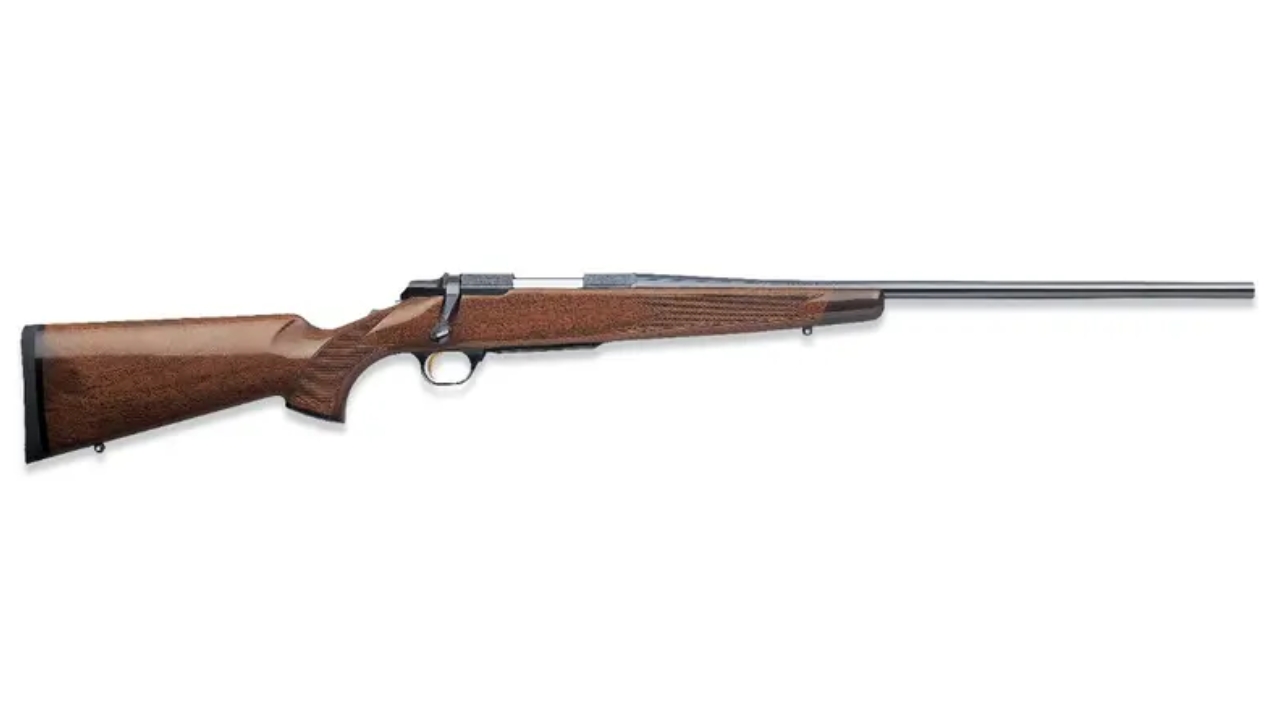
The A-Bolt Medallion is the sort of rifle that often gets sold because the owner wants something more modern and weather resistant. The glossy walnut and polished metal can seem almost too nice once synthetic stocks and matte finishes take over the hunting market. That decision can look smart until the old Browning is gone.
A good Medallion has a combination of smooth operation, attractive wood, and classic hunting-rifle styling that is surprisingly hard to replace. Many were carried for decades, which means high-condition examples with beautiful stocks are not something I expect to find everywhere. If mine shot well and had particularly nice wood, I would think hard before trading it toward another anonymous synthetic bolt rifle. Accuracy may be replaceable. Character is not always so easy.
Ruger M77 Mark II
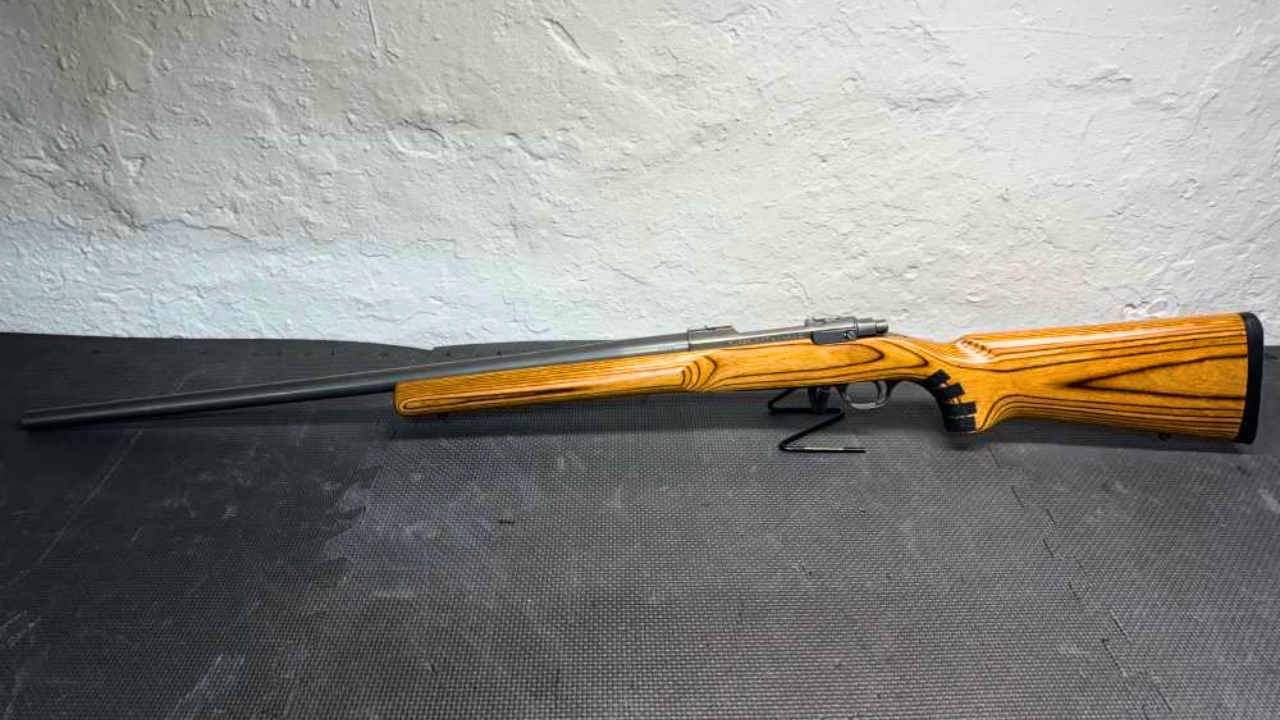
The M77 Mark II earned loyalty by being straightforward and rugged. Its controlled-feed action, integral scope-mounting system, and sturdy construction gave hunters a rifle they could carry hard without worrying about whether it was fashionable. Some examples are heavier than current lightweight designs, but that weight can become reassuring when shooting from field positions.
Owners sometimes sell them because newer Rugers are cheaper, lighter, or easier to customize. The regret sets in when they realize the old Mark II had already proven itself. Certain chamberings, stainless versions, and walnut-stocked rifles can be particularly hard to replace in the exact configuration someone remembers. If a rifle has already survived twenty deer seasons and still puts the first shot exactly where it belongs, I see little reason to gamble on finding something better.
Tikka M695
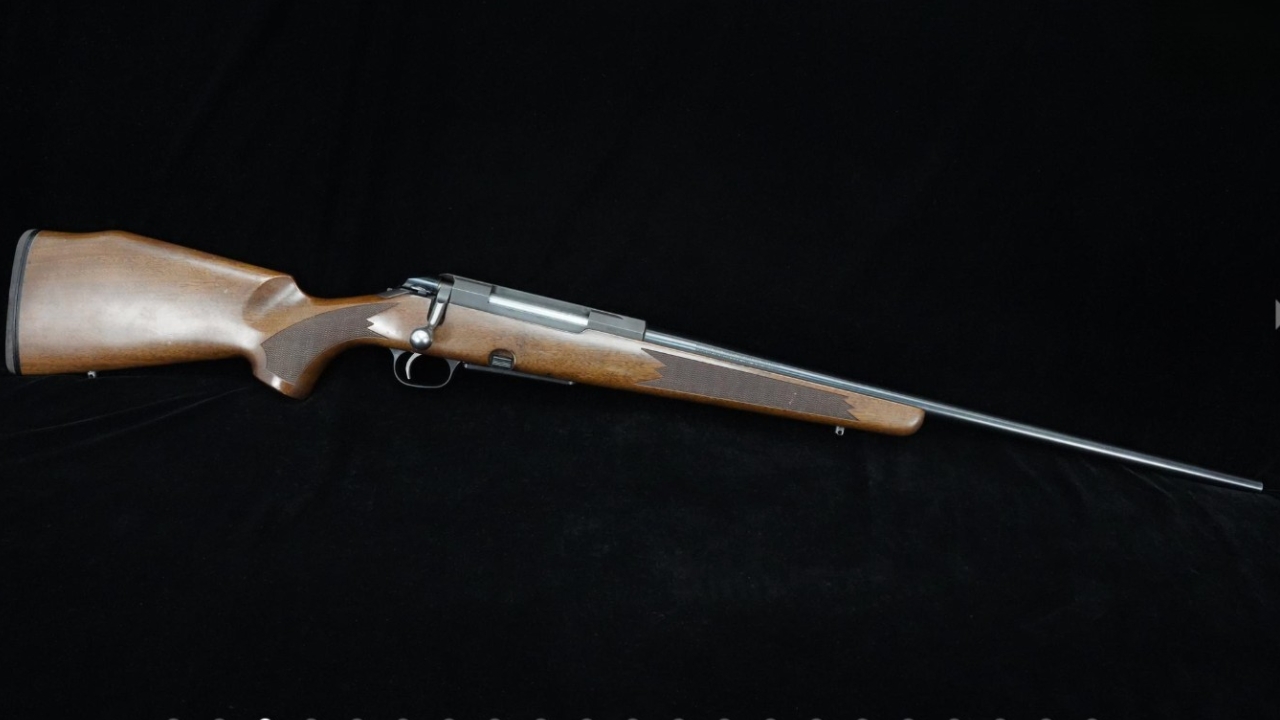
The M695 came before the T3 series that made Tikka one of the biggest names in affordable accurate hunting rifles. Owners who still have an M695 often understand why earlier Tikkas developed such a strong reputation. The action is exceptionally smooth, the trigger is excellent, and the rifles frequently shoot far better than their understated appearance suggests.
Selling one can become frustrating because the replacement is not simply another current Tikka. The M695 has its own feel, dimensions, and production-era character. Magazines and other model-specific parts can also matter more once the rifle is no longer being built. If I already owned one that grouped beautifully with a hunting load, I would not sell it casually. Accurate rifles are common. Rifles that feel familiar after years of use are not.
Remington Model 700 Mountain Rifle
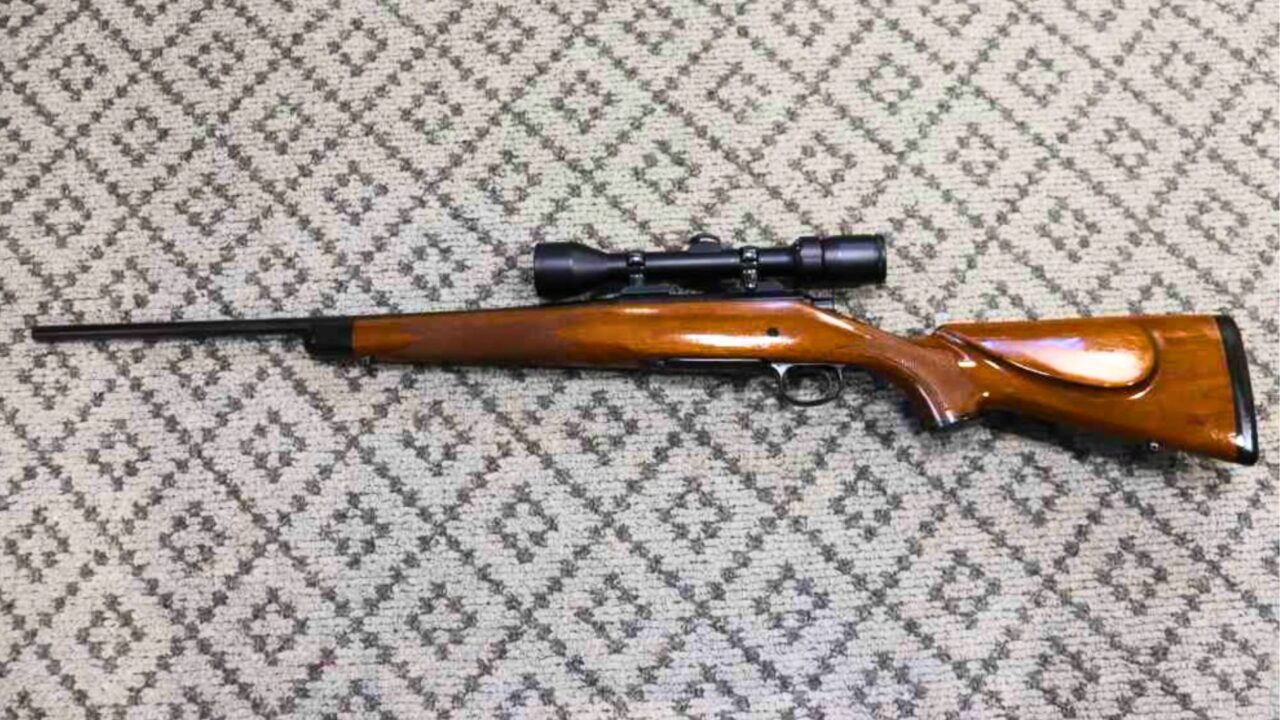
The Model 700 Mountain Rifle appealed to hunters who wanted the familiar Remington action without hauling a heavy sporter through the woods. The lighter barrel and trim stock made it easier to carry while retaining the traditional lines that gave older Model 700s so much appeal.
That same combination is why former owners often want one back. The Mountain Rifle was not just another 700 with a different stock. In chamberings such as 7mm-08, .260 Remington, and .270 Winchester, it could become a nearly ideal deer rifle. Once sold, finding the exact chambering and production version again can take patience. I would be especially reluctant to let go of one that consistently grouped well despite the lighter barrel, because not every lightweight rifle is equally forgiving.
CZ 527 American
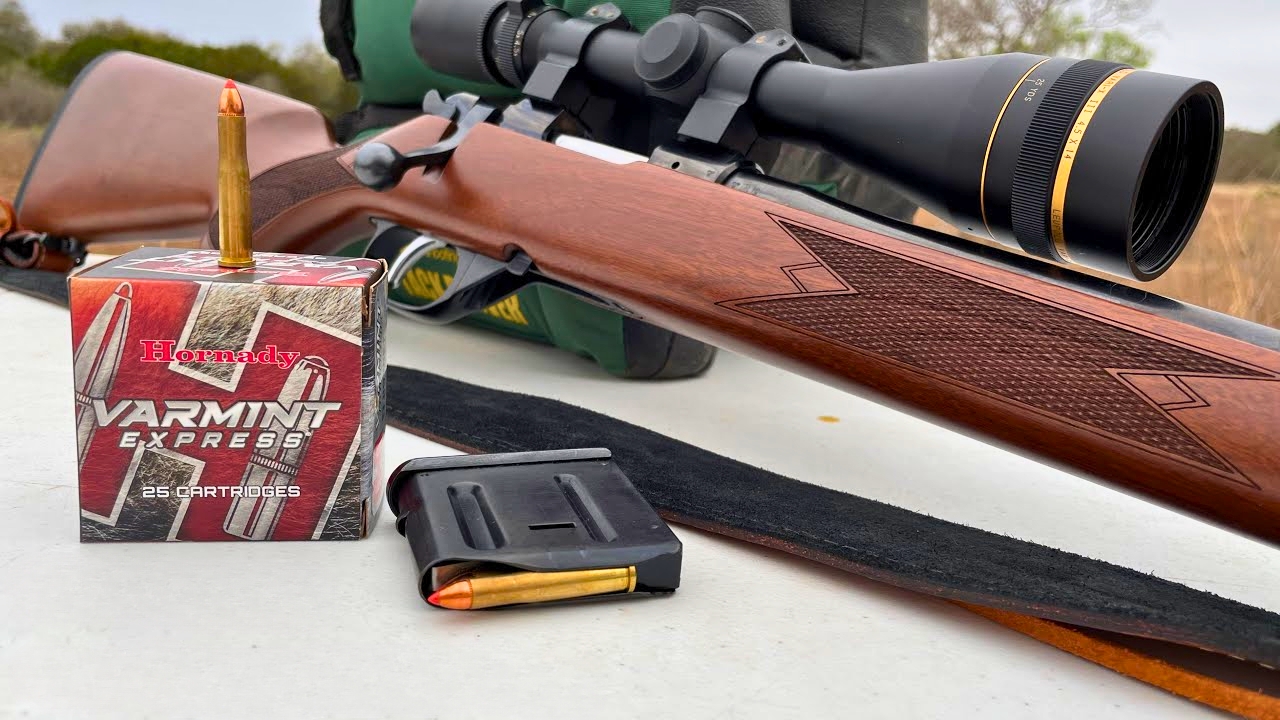
The CZ 527 American is the little bolt gun owners tend to miss after they discover how unusual its combination really was. A true mini-sized action, detachable magazine, walnut stock, and chamberings such as .223 Remington gave it an old-school sporting feel without carrying unnecessary weight.
A newer rifle may shoot just as accurately, but there are relatively few compact centerfire bolt actions that feel like the 527. The controlled-feed-style action and distinctive trigger system also gave the rifle personality. Once production ended, owners suddenly had to consider whether selling one was actually reversible. I would think especially hard before letting go of a clean example with attractive wood. Small centerfire rifles tend to become favorites precisely because they are so easy to carry and shoot.
Kimber 84M Classic

The Kimber 84M Classic was built around the idea that a short-action hunting rifle should actually use a trim short action rather than a larger receiver adapted to smaller cartridges. That kept the rifle light and elegant while giving it the feel of a much more expensive custom sporter.
Owners sometimes sell them because lightweight rifles can be finicky or because newer platforms offer more adjustability. A good 84M, though, can be very hard to replace once it is gone. If the individual rifle happens to shoot well and has an attractive stock, I would be especially hesitant. Lightweight bolt guns vary enough from example to example that I would rather keep one I already understand than spend months trying to find another that behaves exactly the same.
Weatherby Mark V Fibermark
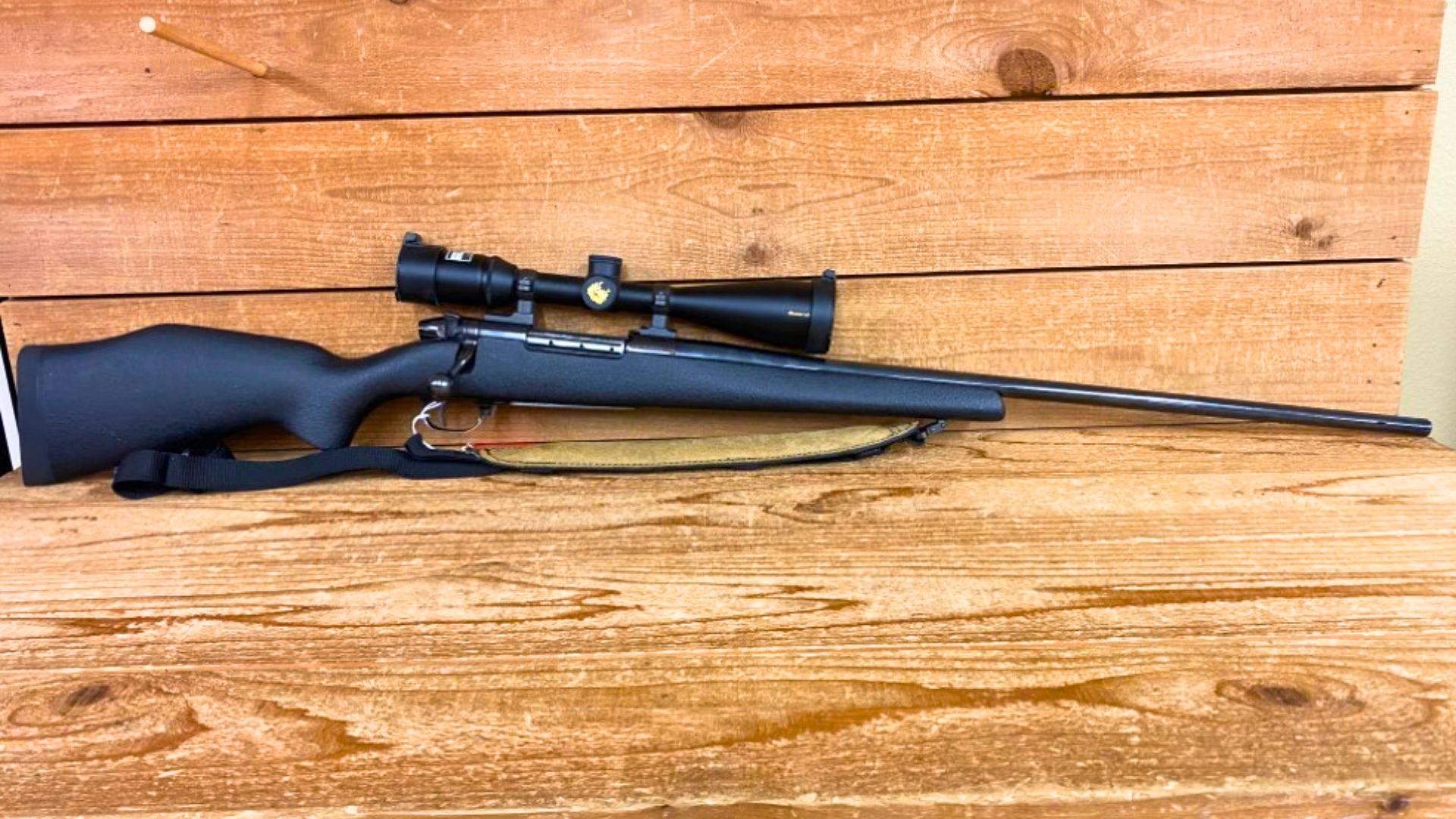
The Mark V Fibermark was built for hunters who wanted Weatherby’s strong action without worrying about scratching an expensive Deluxe stock. The synthetic stock and durable finish made it a genuine working rifle, while the nine-lug action on appropriate models retained the mechanical character Weatherby owners expected.
These rifles can become difficult to replace emotionally because they tend to be tied to serious hunting use. Someone might carry one for years on elk, mule deer, or whitetail hunts and then sell it when a lighter rifle catches his attention. Later, the old Weatherby starts looking pretty good again. If it already shoots a favored load accurately and the owner knows the trigger and safety without thinking, the extra pound or two suddenly seems less important than the familiarity that disappeared with the rifle.
Steyr Mannlicher Model M

A Steyr Mannlicher Model M is one of those rifles that often becomes more appreciated the longer an owner has it. The smooth action, European stock styling, rotary magazine system, and distinctive overall feel separate it from almost every mainstream American bolt gun.
That uniqueness makes selling risky. You can replace a .270 or .30-06 chambering easily enough, but replacing the mechanical experience of the Steyr is another matter. Older European rifles also vary tremendously in stock dimensions and condition, so another example may not fit nearly as well. A good one tends to become the rifle someone remembers long after more ordinary bolt guns have been forgotten. If it already shoots well, I would treat any offer with serious skepticism.
Husqvarna Model 1640
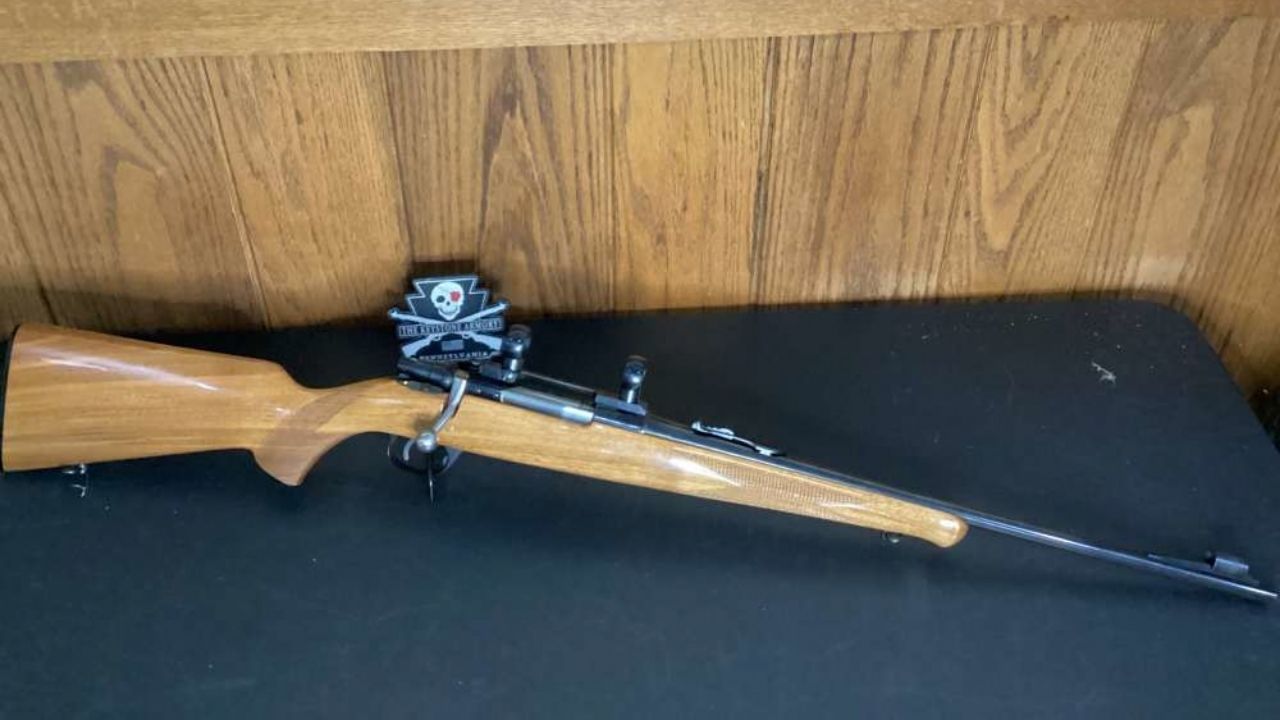
The Husqvarna 1640 is a rifle that can slip under the radar because the name does not have the same American collector recognition as Winchester or Remington. That works in favor of buyers who discover one before everybody else realizes how pleasant these rifles can be.
They are generally light, traditionally styled, and built around a strong European sporting action. Many also have excellent walnut for rifles that were historically viewed as utilitarian hunting tools. Owners who sell one often discover that replacing it means searching through a much smaller pool than they expected. I would be especially reluctant to move a 1640 that balanced perfectly and had already proven accurate. Some older hunting rifles simply feel right in a way that is difficult to reproduce with modern production methods.
Savage Model 99C Bolt? No—Savage Model 110E

The Model 110E was never the glamorous Savage. It was built to be affordable and functional, which meant plain stocks, basic finishes, and very little collector prestige. That lack of glamour is exactly why good examples sometimes become deeply personal working rifles.
A hunter may spend years using the same 110E because it shoots far better than its original price ever suggested. Eventually he sells it, assuming another inexpensive bolt gun will do the same job. That is when regret appears. The new rifle may be lighter or prettier, but it may not put three shots into the same familiar group or carry the memories attached to the old Savage.
I would not keep every 110E forever. I would keep the one that had already proven it was an unusually good shooter.
Remington Model 721

The Model 721 is one of those older hunting rifles that owners sometimes sell because it looks plain beside later Model 700s. The stock is straightforward, the action is utilitarian, and the entire rifle was designed around producing a strong, accurate hunting gun without unnecessary decoration.
That simplicity ages well. Many 721s shoot extremely well, and chamberings such as .270 Winchester and .30-06 still make perfect sense for deer. The issue is that decades of hunting use have left many examples modified, restocked, or heavily worn. A clean rifle with strong accuracy and original furniture is therefore not something I would dismiss casually. Once sold, the owner may discover that replacing the rifle’s exact combination of age, condition, and performance is much harder than replacing the cartridge stamped on the barrel.
Howa 1500 Mini Action
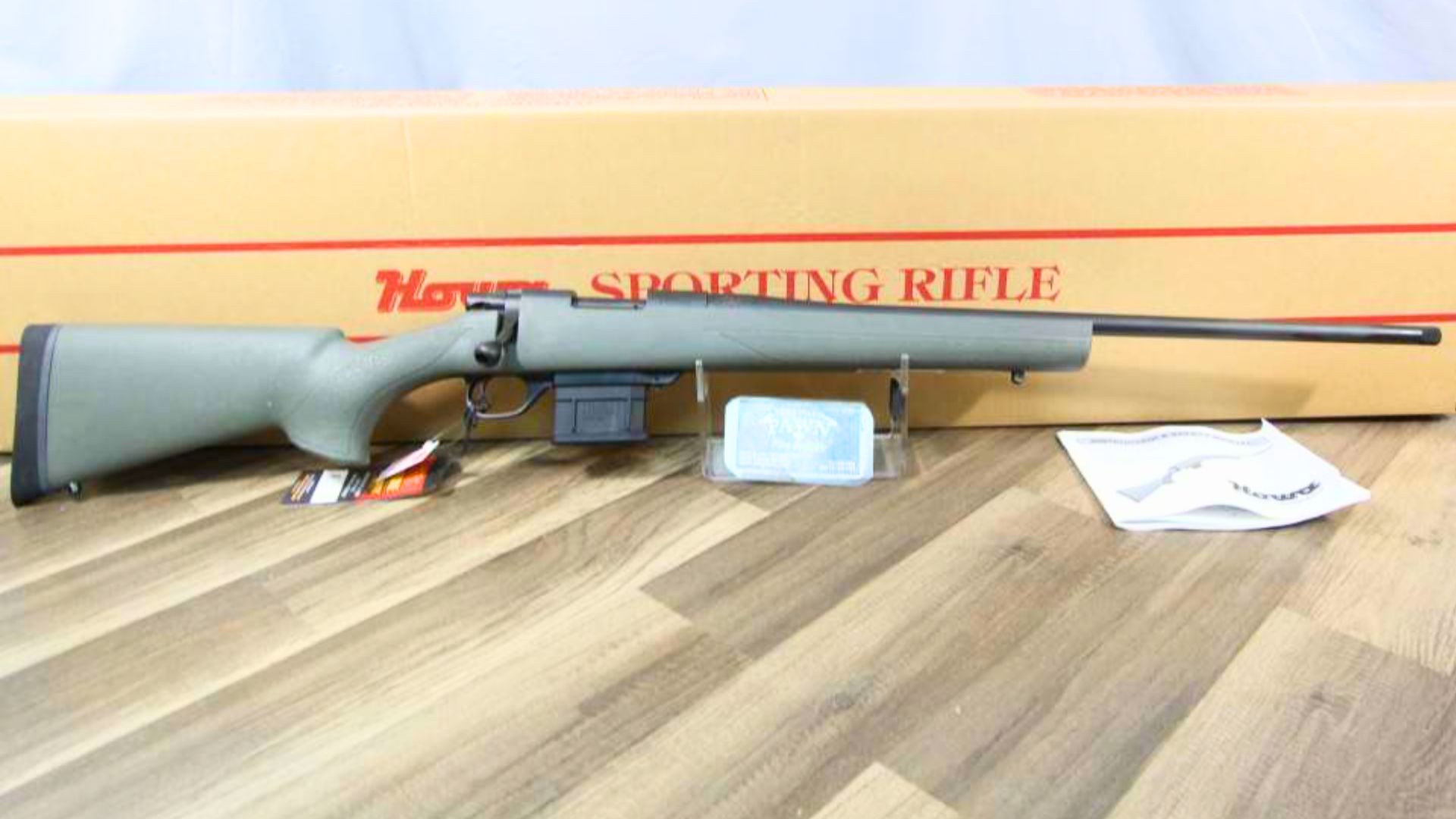
The Howa Mini Action is newer than most of the rifles on this list, but I can already see why owners become attached. The smaller action makes sense with compact cartridges such as .223 Remington, 6.5 Grendel, and other short rounds, keeping the rifle light and handy without simply shortening a standard receiver.
That matters in actual use. A compact bolt rifle that carries easily around rural property or through deer woods tends to get chosen more often than heavier rifles sitting beside it. Once an owner finds a Mini Action that shoots particularly well, selling it can seem harmless because another one can theoretically be purchased. The problem is that individual rifles develop their own preferred loads and feel. I would keep the proven shooter rather than assume the next rifle will behave identically.
Sako AII

The Sako AII is another older Finnish bolt action that owners often refuse to part with once they understand what they have. It combines a compact action with traditional sporting-rifle dimensions and the level of machining that helped build Sako’s reputation among serious hunters.
Selling one for a newer rifle may look sensible on paper because modern stocks, detachable magazines, and optics systems are easier to work with. The old Sako fights back with feel. The bolt operation, trigger, stock shape, and balance can make a newer rifle seem almost sterile by comparison.
If I owned one with excellent wood and a barrel that still shot beautifully, I would keep it. A good AII is not impossible to find, but an identical replacement is another matter entirely.
Winchester Model 54
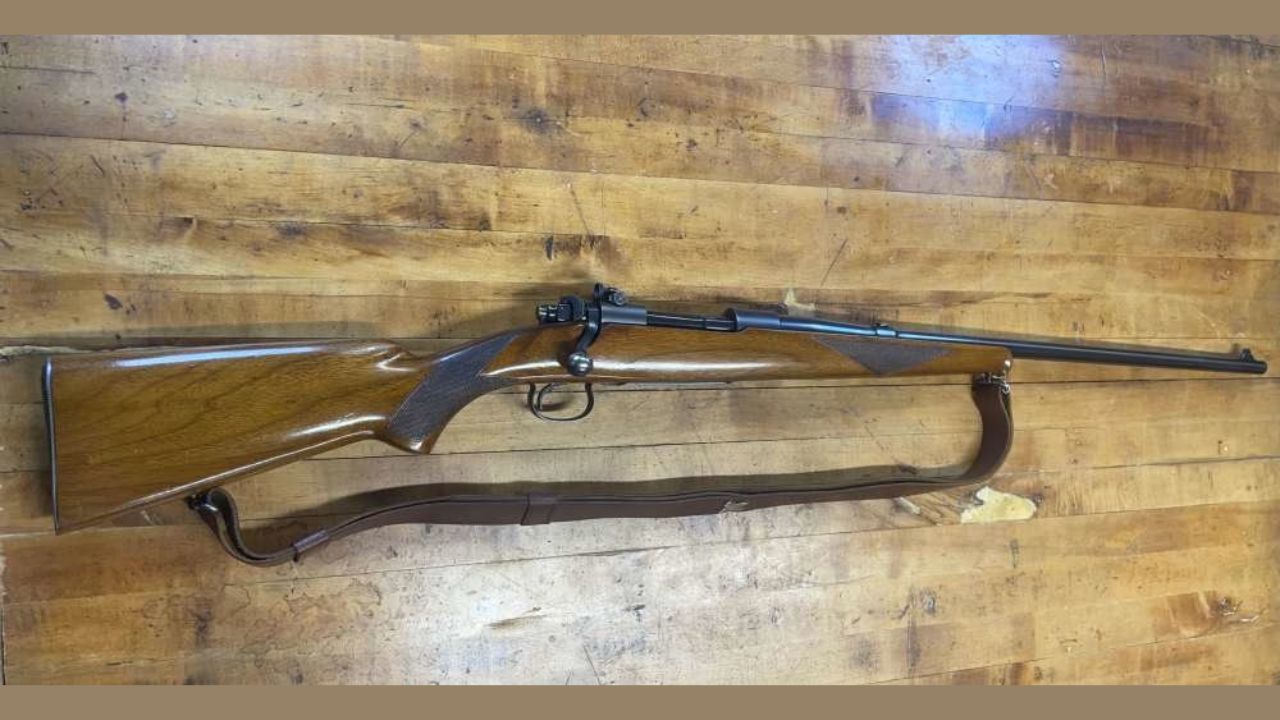
The Model 54 tends to get overshadowed because it came before the famous Model 70. That is exactly why I would hesitate to sell a good one. It represents the development stage that helped Winchester arrive at what eventually became one of America’s most famous bolt-action rifles.
These were hunting rifles first, so many surviving examples were drilled, restocked, refinished, or simply worn hard. An original rifle therefore carries more appeal than the model’s lower public profile might suggest. I would especially value an example with a strong bore and original stock. Selling one because it is not a Model 70 misses the point. Sometimes the predecessor is more interesting precisely because fewer people recognized its significance while it was common.
Browning Safari Grade Mauser
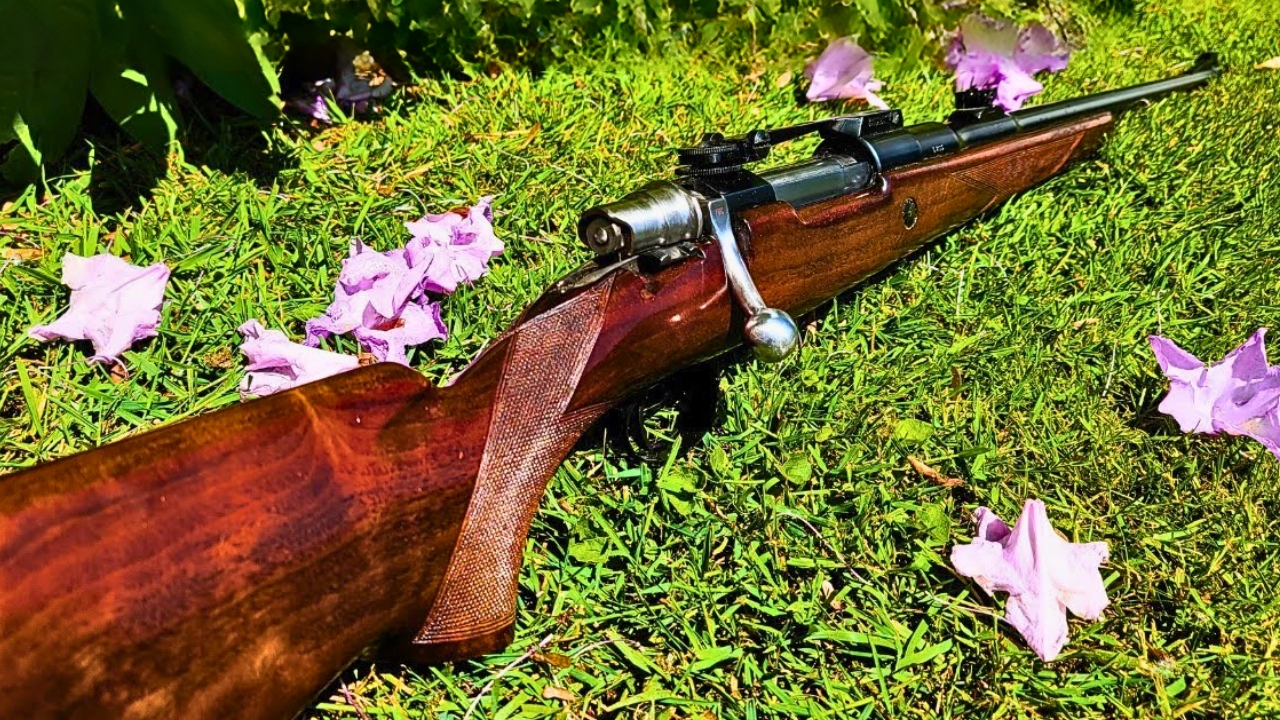
Older Browning Safari Grade rifles built on Mauser actions are the kind of bolt guns that become difficult to replace once someone sells a particularly nice example. They combine controlled-feed actions, traditional walnut stocks, and the polished sporting-rifle appearance associated with mid-century hunting.
Individual wood can be the deciding factor. Two rifles with the same model and chambering may look completely different because one has ordinary grain and another has spectacular figure. If mine had unusually good wood and strong original blueing, I would not assume a future replacement could duplicate that combination.
These rifles also belong to an era when substantial machining and hand finishing were still normal at production-rifle prices. Once you sell that kind of gun, finding the exact same feel again can be surprisingly expensive.
Parker-Hale Model 1200
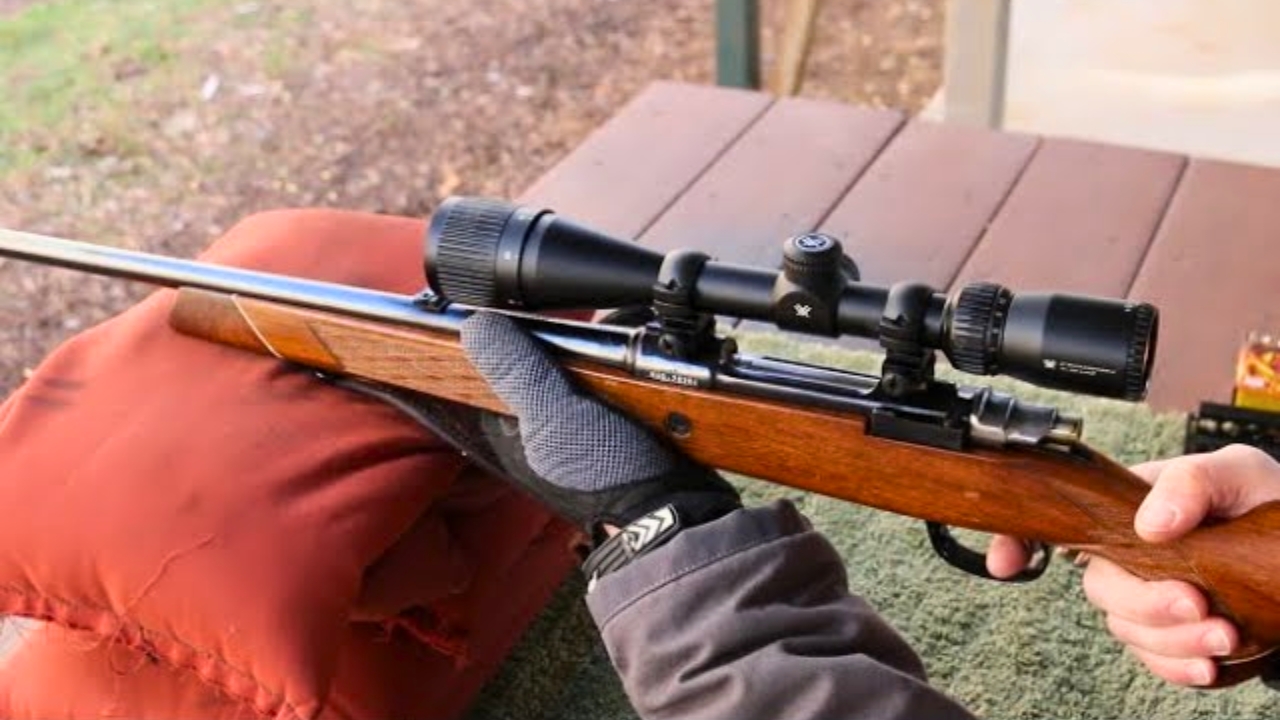
Parker-Hale sporting rifles were once affordable enough that many American hunters treated them as practical imports rather than future collectibles. The Model 1200 used proven Mauser-style architecture and traditional hunting stocks, giving buyers a lot of rifle without the prestige pricing attached to some European competitors.
That understated reputation is exactly why owners can regret selling. A good Parker-Hale may have exceptionally smooth operation and very respectable accuracy, yet replacing it is not as easy as buying another current production rifle. The original company is gone, and the surviving rifles vary significantly in condition.
If I had one with attractive wood, a clean bore, and a load it clearly preferred, I would keep it. Some rifles are undervalued right up until you need another one.
Cooper Model 54
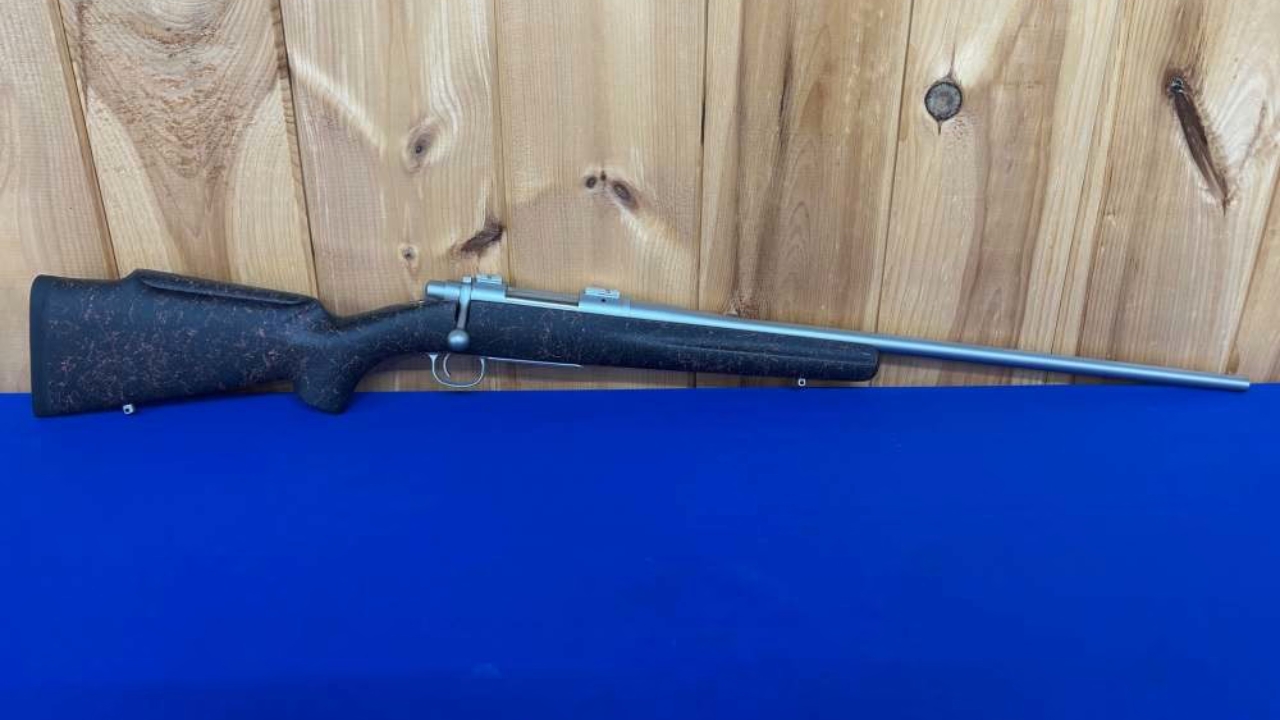
The Cooper Model 54 is the sort of rifle owners usually buy after they already know what they like in a hunting bolt gun. Excellent stocks, careful fitting, and strong accuracy give it more of a semi-custom feel than an ordinary production rifle.
That makes selling one especially risky. A replacement might be another Cooper, but it will not have the same wood or necessarily shoot the same load as well. The owner has usually spent enough money and range time getting everything exactly right that starting over becomes hard to justify.
I would be especially reluctant to sell a Model 54 that had already proven itself through several seasons. At that point, the rifle has moved beyond being equipment. It has become a known quantity, and known quantities are exactly what hunters tend to miss after they trade them away.
Like The Avid Outdoorsman’s content? Be sure to follow us.
Here’s more from us: