Photo credit: abyss1232/YouTube
Gun-store owners get to see something the average buyer does not: hundreds or thousands of used handguns passing through the same counter. After enough years, patterns become obvious. Certain guns that customers barely notice are becoming harder to replace, while others disappear almost immediately whenever a clean example comes through the door. The person behind the counter often recognizes what is interesting before the casual shopper does.
That does not mean dealers everywhere are literally hiding the same pistols in the back room. The point is that experienced gun people know which trade-ins deserve a second look. Discontinued metal pistols, unusual chamberings, short-production variants, and exceptionally clean service guns can be much more interesting than another brand-new polymer pistol. These are the 20 handguns I would expect knowledgeable shop owners to have the hardest time putting back in the display case.
Smith & Wesson 3913

The 3913 is the kind of pistol that looked ordinary when compact metal-framed service pistols were everywhere. It is a slim single-stack 9mm built around Smith & Wesson’s third-generation semiautomatic system, and its aluminum frame keeps it considerably lighter than the company’s big stainless duty guns. For years, buyers looking for maximum capacity walked straight past these because eight rounds of 9mm did not sound particularly exciting.
Today, that slim profile is exactly what makes the 3913 attractive. It carries beautifully, feels exceptionally thin through the grip, and belongs to a generation of American service pistols that is no longer being manufactured. A clean example with original grips and magazines would be one of the first used pistols I looked at twice before pricing it for the case.
CZ 2075 RAMI
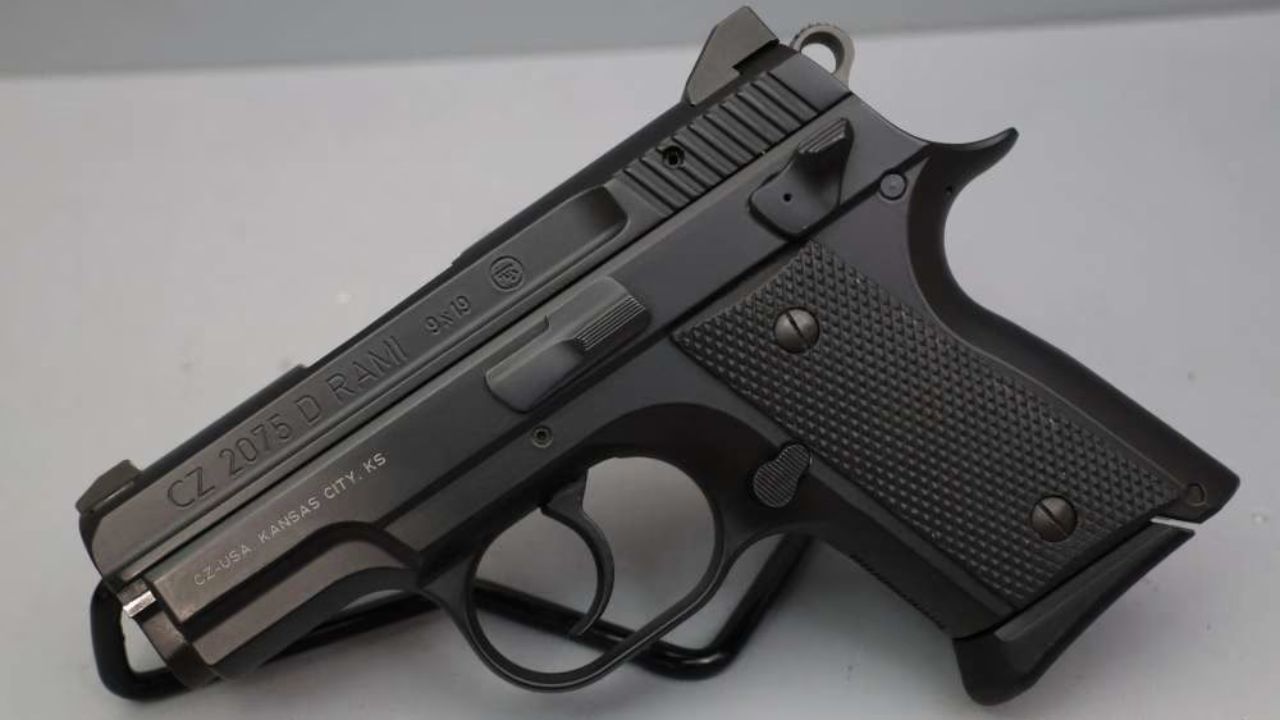
The RAMI was CZ’s attempt to shrink the basic personality of the CZ 75 family into a genuinely compact handgun. That produced a short, chunky little pistol that never became as common as the larger CZs surrounding it. Some shooters thought it was too thick, while others could not understand why they would choose it over one of the newer polymer subcompacts.
That criticism makes clean RAMIs particularly interesting now. There are countless tiny striker-fired pistols available, but relatively few compact metal-framed hammer guns with the RAMI’s unmistakable CZ feel. Magazines and specific configurations are also worth paying attention to because these guns are no longer something I assume will always be sitting in a distributor warehouse. A shop owner who knows how quickly good examples disappear might have a hard time letting the nicest one reach the case.
SIG Sauer P239
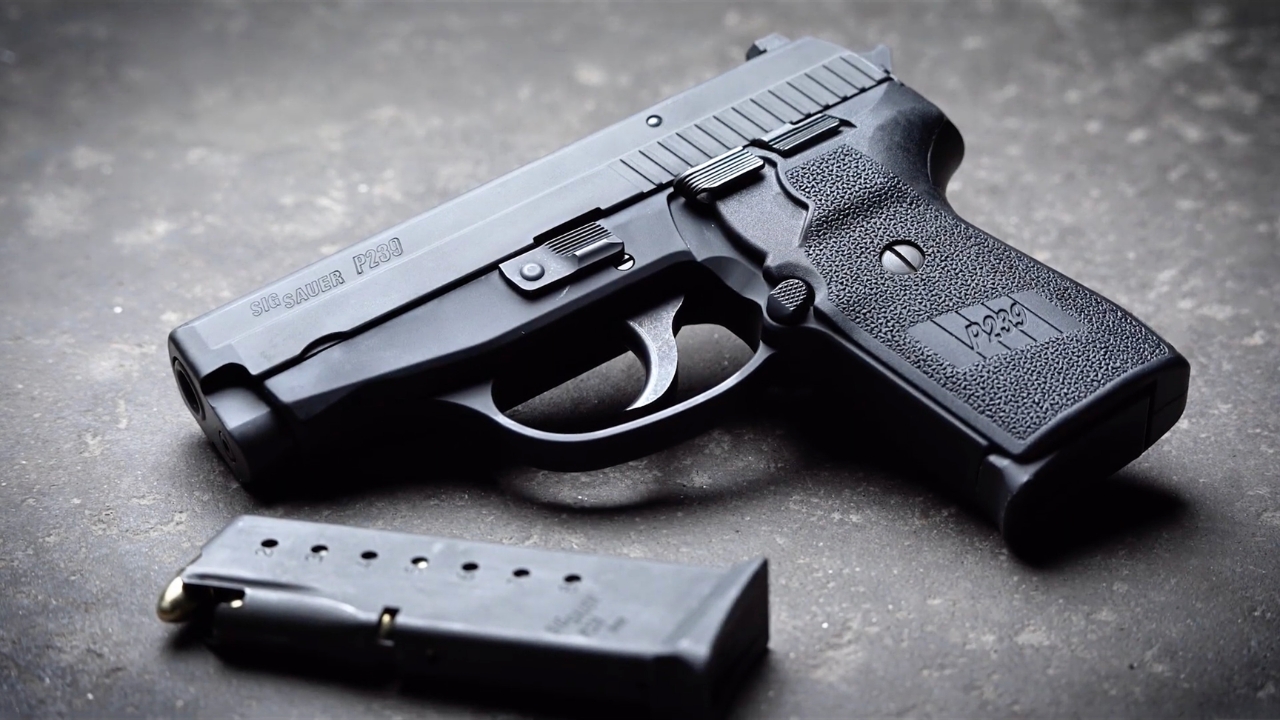
The P239 arrived during a period when slim single-stack service pistols still made perfect sense. SIG gave it the familiar metal-frame, hammer-fired operating system of its larger duty guns but packaged everything into a pistol that was far easier to conceal. It was available in several defensive chamberings and developed a particularly loyal following among shooters who wanted classic SIG quality without carrying a P226.
Capacity eventually worked against it. Once compact double-stack and micro-compact pistols became common, the P239 looked inefficient on paper. I think that misses what makes the gun appealing now. It is slim, beautifully made, and from an era of SIG production collectors are increasingly appreciating. If a clean P239 came across the counter with its original magazines, I would not assume another equally good example was right behind it.
Walther P5
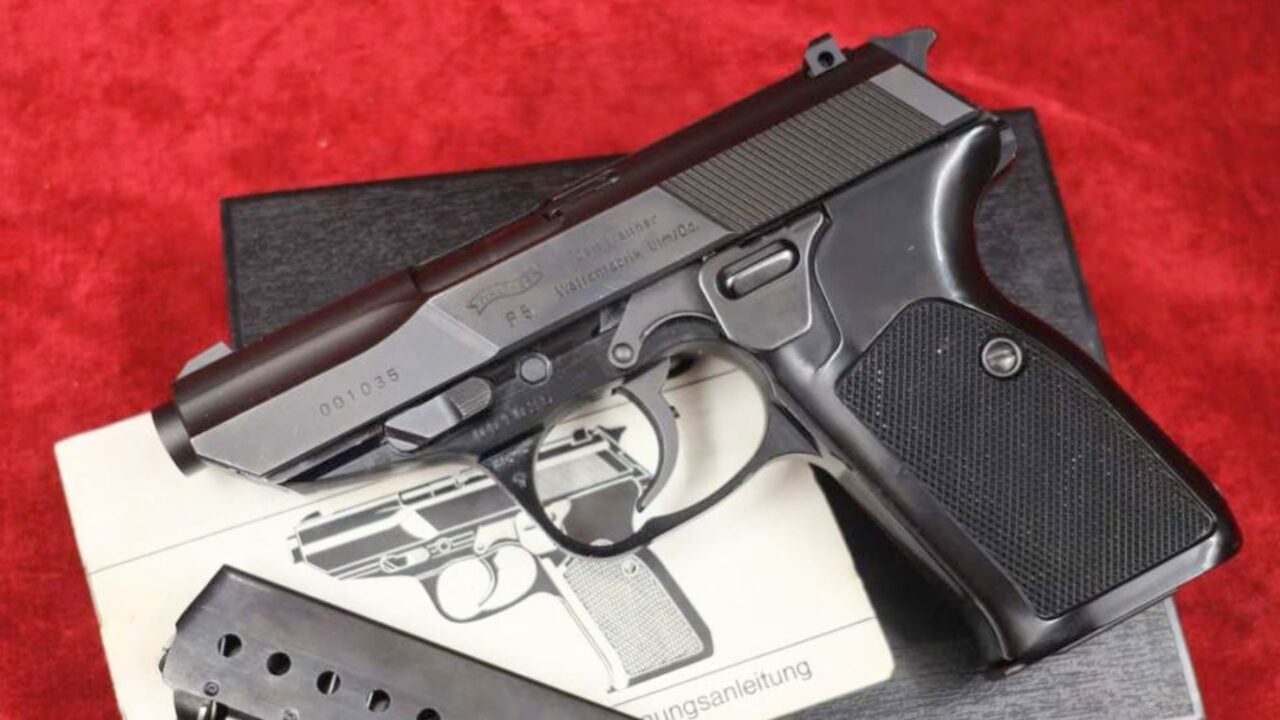
The Walther P5 is exactly the kind of handgun an experienced dealer notices while everyone else asks what it is. It came from the same broad German service-pistol lineage as the P38 and P1 but used a much more compact and refined design. The left-side ejection is particularly unusual and makes the pistol instantly recognizable once you know what you are looking at.
Because the P5 never became a mainstream American handgun, it can still appear almost anonymous beside more familiar SIGs and Berettas. That anonymity is what makes a clean example so tempting. German police history, unconventional engineering, and comparatively limited American exposure give it several things collectors tend to appreciate more over time. I would be much more reluctant to sell a sharp P5 than an ordinary modern pistol I could reorder next week.
Smith & Wesson 1006
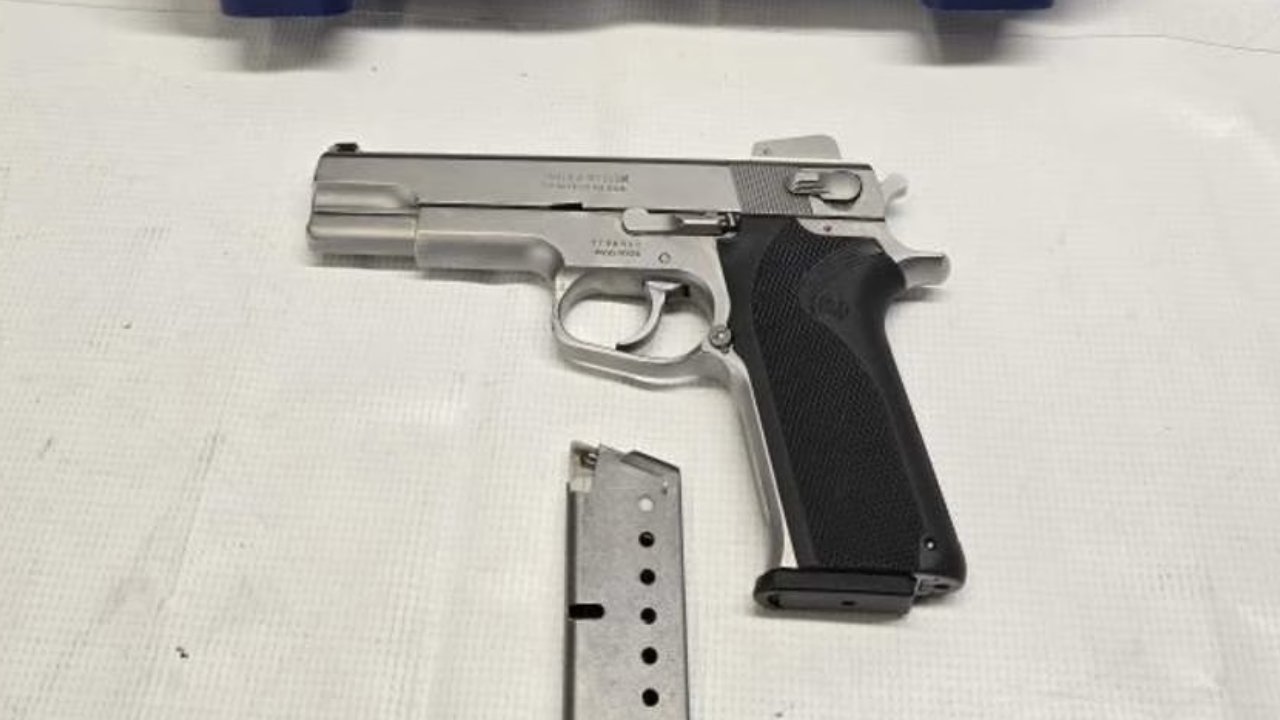
The 1006 represents Smith & Wesson’s third-generation service-pistol era at its most excessive. It is a large stainless-steel semiautomatic chambered in 10mm Auto, giving it considerable weight and a cartridge powerful enough to justify that weight. When polymer pistols took over, guns like the 1006 seemed unnecessarily massive.
Now that 10mm has returned to mainstream popularity, the 1006 looks much more interesting. It is not merely another modern 10mm stuffed into a polymer frame. It comes from the period when manufacturers built service handguns almost like industrial machinery. Many were used hard, and magazines are worth having with the gun. If an unusually clean 1006 walked into a store, I would expect anyone familiar with Smith’s older autos to understand immediately why letting it go cheaply might be a mistake.
CZ 97B
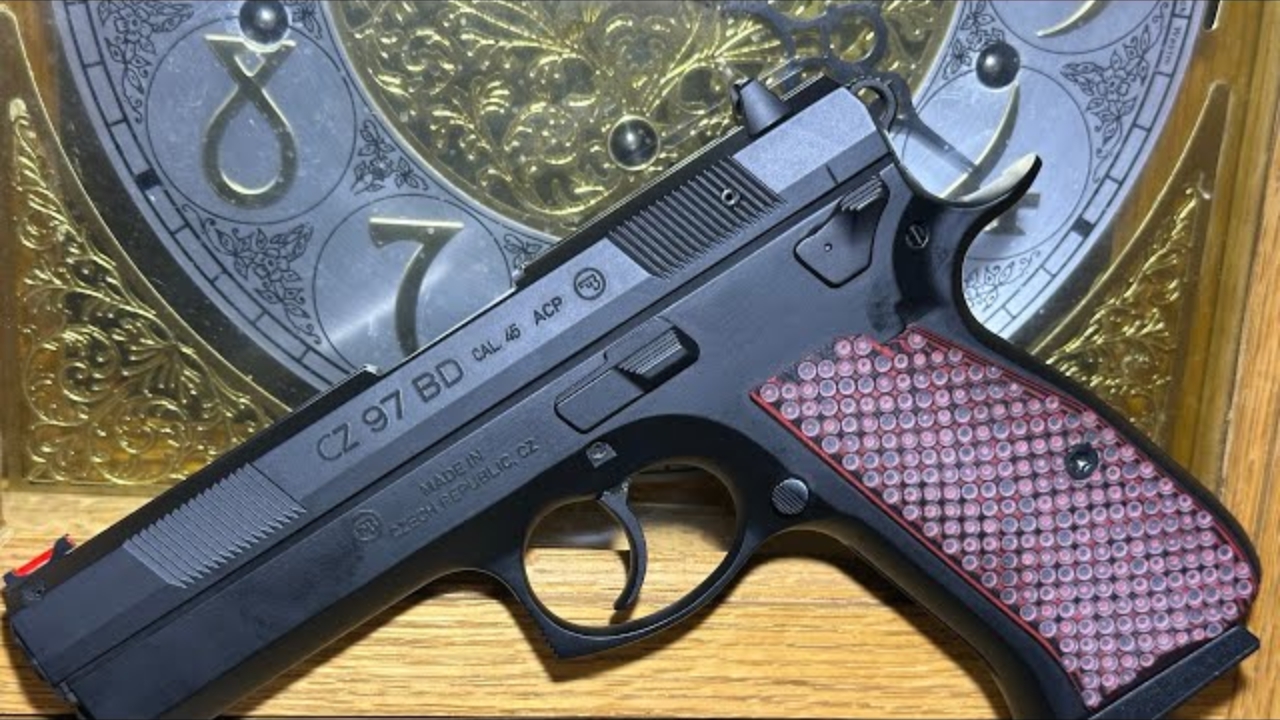
The CZ 97B is essentially what happens when the basic CZ 75 philosophy is scaled around .45 ACP. It is large, heavy, steel-framed, and built for shooters who do not mind carrying a substantial handgun in exchange for mild recoil and an exceptionally stable shooting platform. It never had the enormous American following of the CZ 75, partly because the grip and overall dimensions make it more specialized.
That specialization is exactly what makes the pistol interesting today. There are plenty of polymer .45s and 1911s, but relatively few double-stack steel .45s with CZ ergonomics. A clean 97B also feels like something from another era once you compare it with the lighter pistols dominating current counters. If one came in with the box, magazines, and minimal wear, I would understand why the person doing the trade paperwork might start thinking about taking it home.
Beretta 87 Cheetah
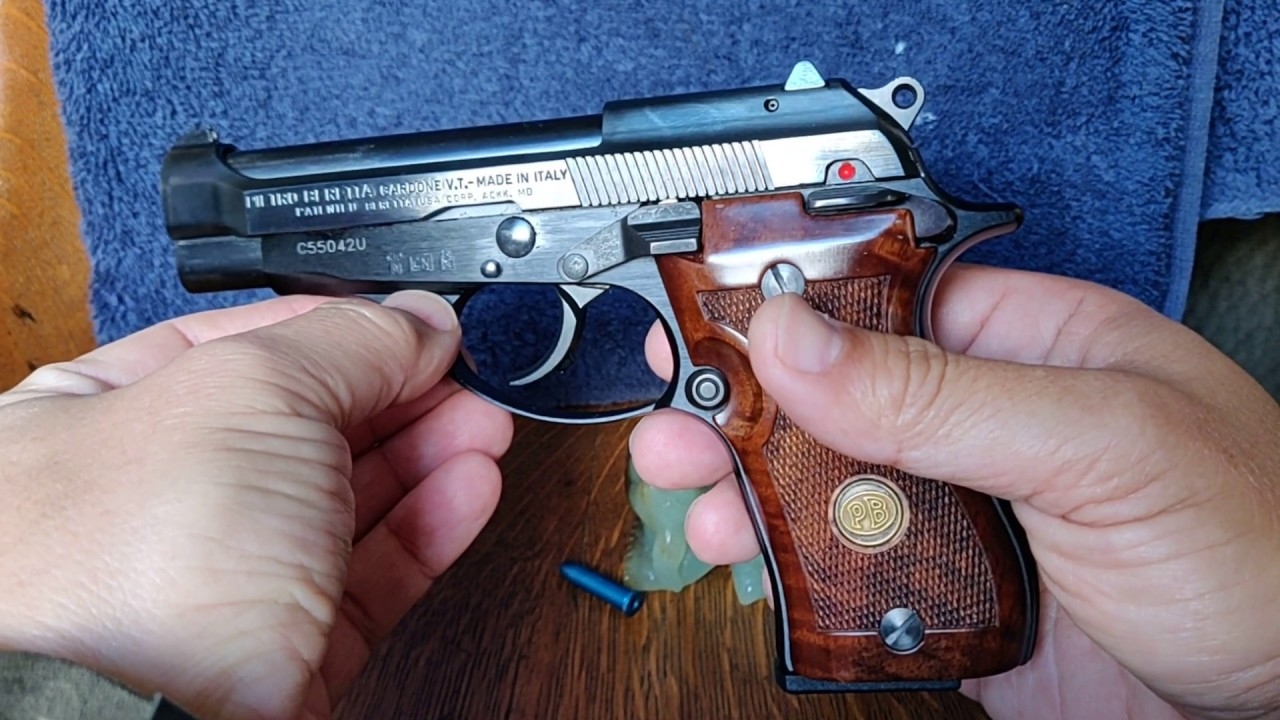
The Beretta 87 is one of the most appealing members of the older Cheetah family because it combines the compact metal-frame Beretta format with .22 LR. That gives it a very different personality from ordinary polymer rimfire pistols. It looks and feels like a serious centerfire handgun that just happens to be inexpensive and pleasant to shoot.
For years, the .22 chambering probably worked against collector interest. People wanted the larger-caliber Cheetahs and regarded the 87 mainly as a range pistol. I think that is changing as shooters rediscover older all-metal rimfires. A clean 87 gives you Beretta styling, excellent handling, and a production style that is becoming less common. This is exactly the sort of pistol somebody behind the counter might recognize as much harder to replace than its small caliber suggests.
Smith & Wesson Model 940
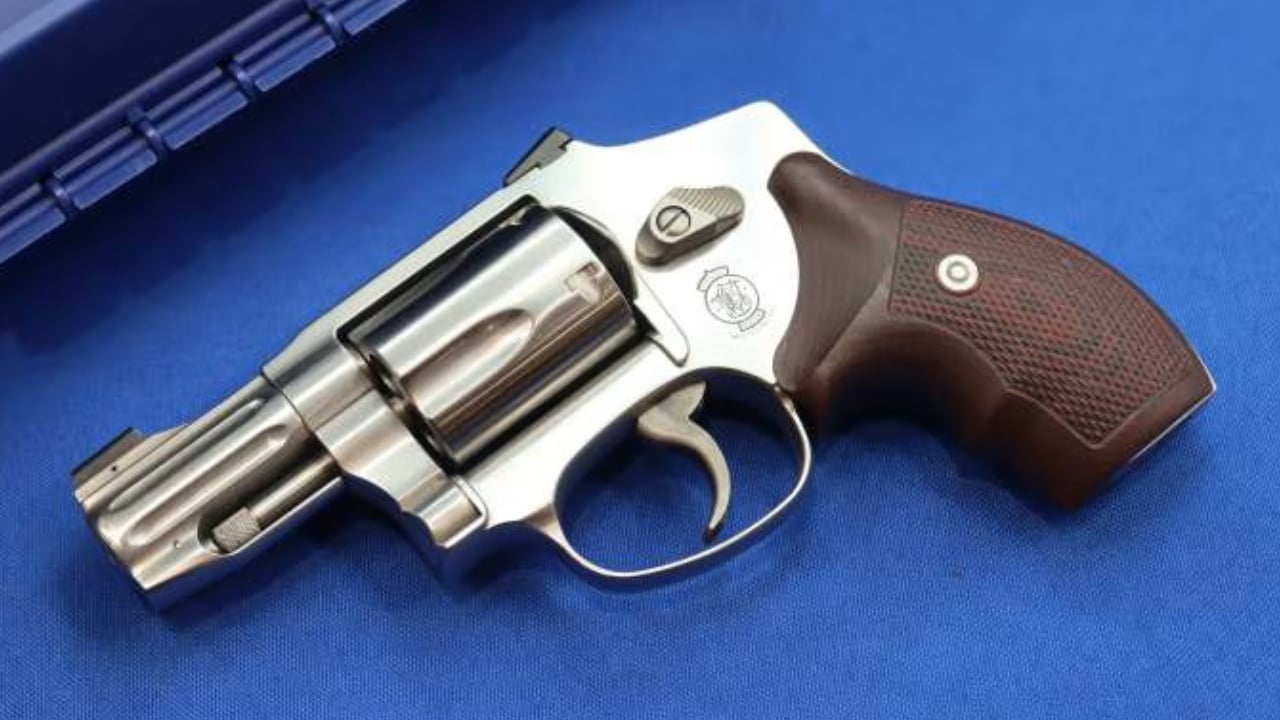
The Model 940 is the kind of revolver that looks almost ordinary until you notice what is stamped on it. It is a compact Centennial-style Smith & Wesson chambered in 9mm, giving shooters a rimless automatic-pistol cartridge in a small double-action-only revolver. That unusual combination was never destined to become as common as a conventional .38 Special J-frame.
Years later, that is precisely why knowledgeable revolver people pay attention. Smith has made plenty of small revolvers, but specific discontinued chamberings can become difficult to locate once collectors decide they want one. A 940 that has avoided heavy carry wear and amateur modifications is not something I would toss into the used case without thinking. There are endless small .38s. There are far fewer original 9mm Centennial revolvers.
Ruger P345
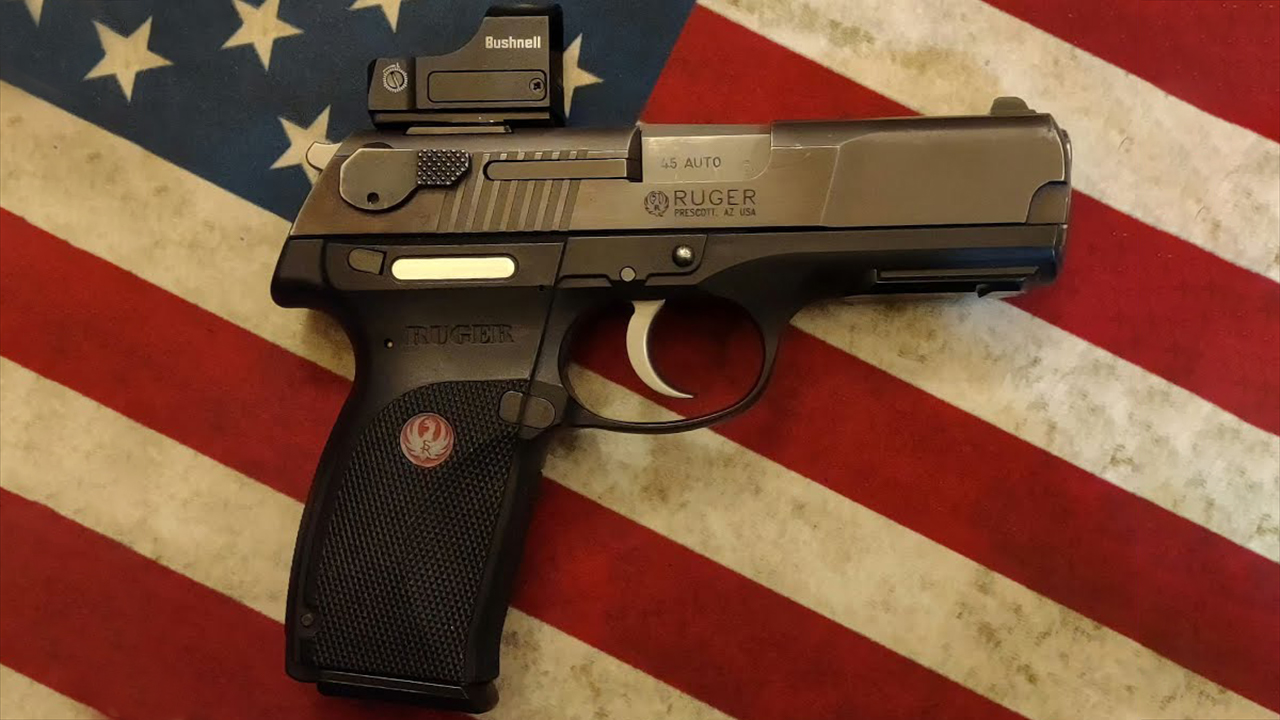
The P345 came near the end of Ruger’s old P-series era and represented a much slimmer, more refined direction than the brick-like pistols that came before it. Chambered in .45 ACP, it gave shooters Ruger durability in a package that actually felt relatively comfortable and modern. Unfortunately for the P345, polymer striker-fired pistols were taking over rapidly, and the model never achieved the cultural footprint of Ruger’s earlier P89 or P95.
That makes it more interesting now. The P345 is tied directly to the end of a major chapter in Ruger’s handgun history, and owners increasingly realize the company is unlikely to revisit that exact concept. It is not a high-dollar collectible, but a clean example is distinctive enough that I would not dismiss it. End-of-the-line models often become more interesting after everyone realizes the line really did end.
Star Firestar M43
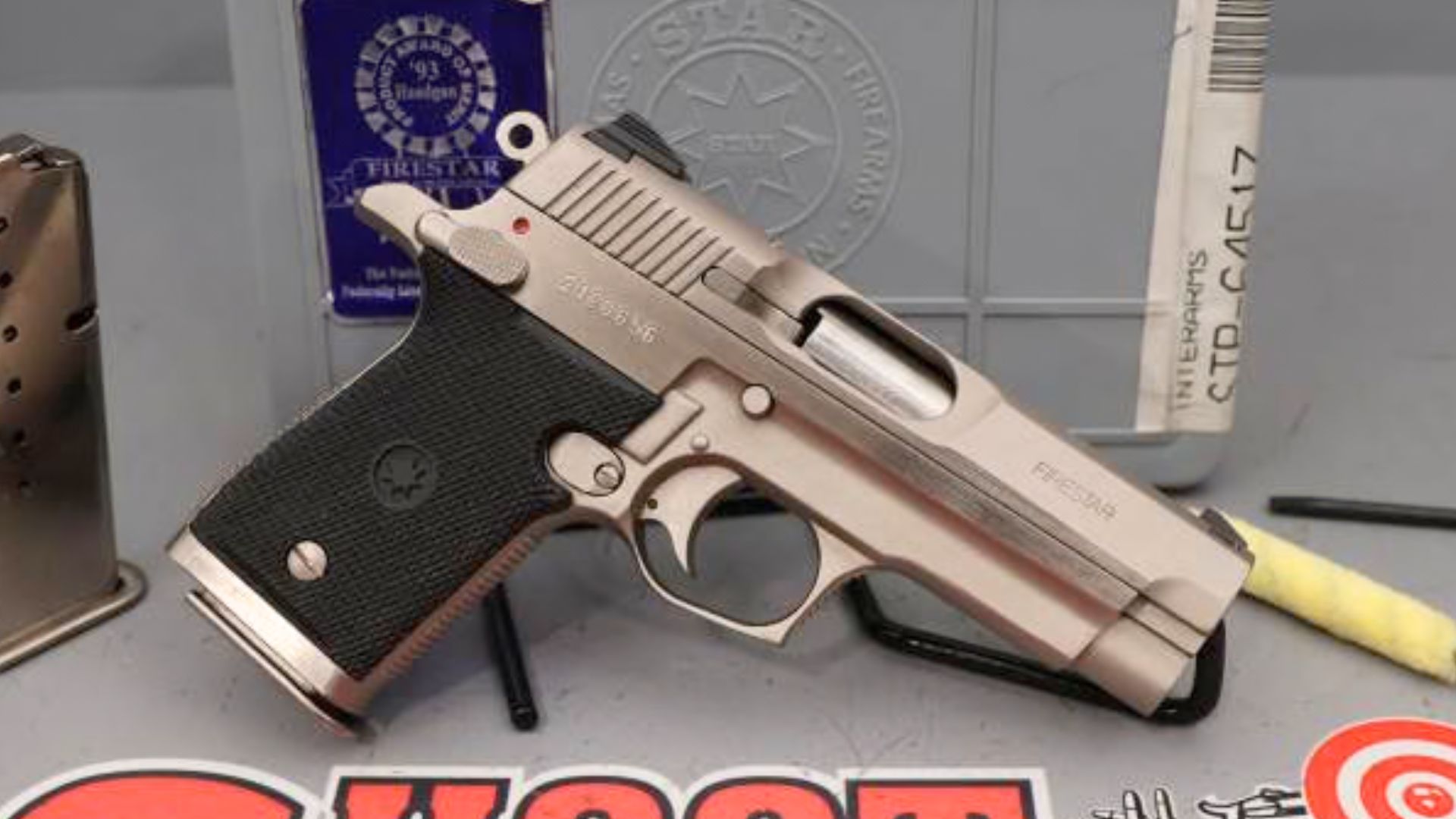
The Firestar M43 looks almost comically heavy compared with modern compact 9mm pistols. It is an all-steel single-stack design from Spain, which means you get relatively modest capacity in a pistol that weighs more than many larger polymer handguns. That equation made the Firestar easy to leave behind once lighter carry pistols became available.
Pick one up today and the same qualities can be appealing. The little gun feels solid, the single-action trigger can be very good, and the compact steel construction gives it a personality almost nothing new duplicates. Star itself is long gone, so there will never be another factory run filling dealer shelves. A clean M43 with original magazines would be the kind of inexpensive-looking used pistol I would inspect very carefully before deciding what it was really worth to me.
Beretta 8000 Cougar
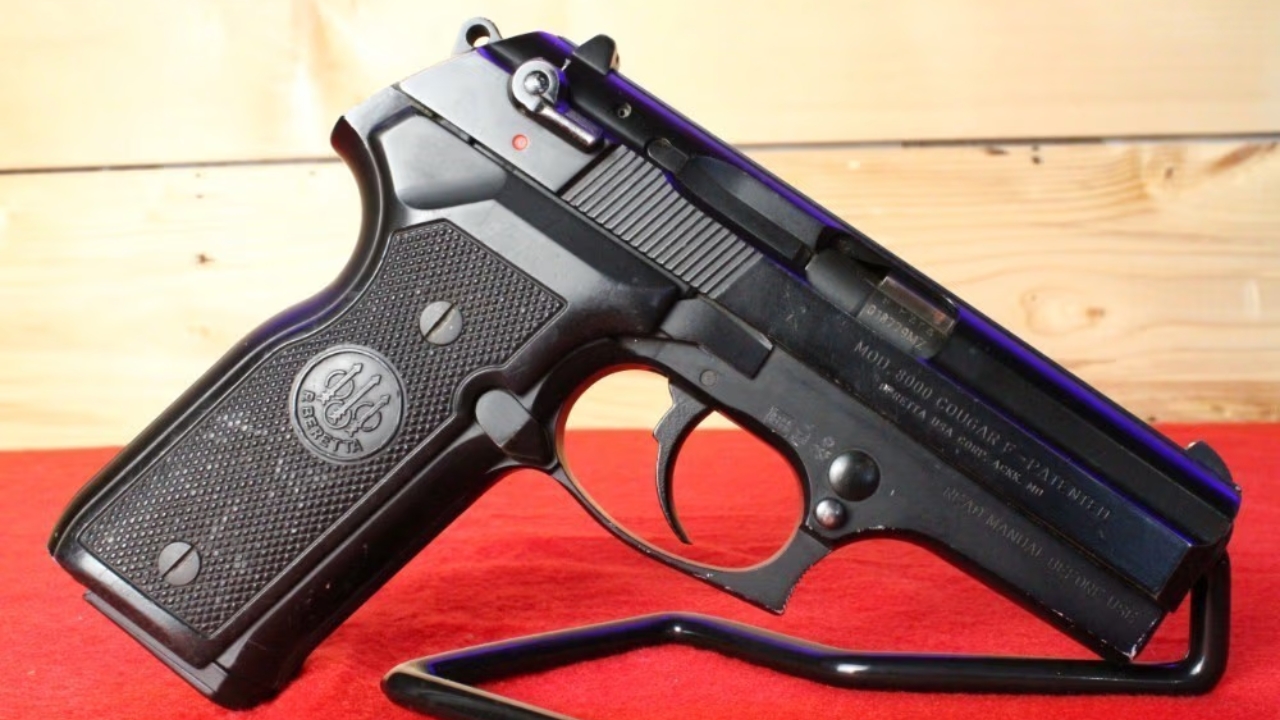
The original Italian-made Cougar is another handgun that became easy to underestimate after polymer frames took over. Beretta used a rotating-barrel system in a compact metal-framed pistol, creating something mechanically different from the much more famous 92 series. For years, however, buyers simply saw the Cougar as the Beretta you bought when you did not want the full-size 92.
That is exactly the sort of reputation that creates overlooked used guns. The Italian-made 8000 combines a distinctive operating system, quality construction, and styling that immediately places it in a particular Beretta era. I would especially notice one with minimal slide wear and original magazines. Plenty of pistols can duplicate its basic defensive role, but very few duplicate the experience. That is usually where collector interest starts.
Walther P99 AS

The P99 was genuinely forward-thinking when it arrived. Interchangeable backstraps, a striker-fired system, and modern ergonomics appeared before many of those features became standard across the industry. The AS trigger system also gave it a unique operating feel that separated it from the countless partially pre-cocked striker pistols that followed.
For a long time, the P99 simply looked like yesterday’s polymer duty gun. I think that perception is fading. Walther’s later pistols moved in another direction, which makes the original P99 family increasingly easy to recognize as its own distinct chapter. A clean German-made P99 AS, particularly with the correct magazines and accessories, would be difficult for me to view as just another used polymer pistol. History has a way of making once-modern designs interesting again.
Colt Officer’s ACP
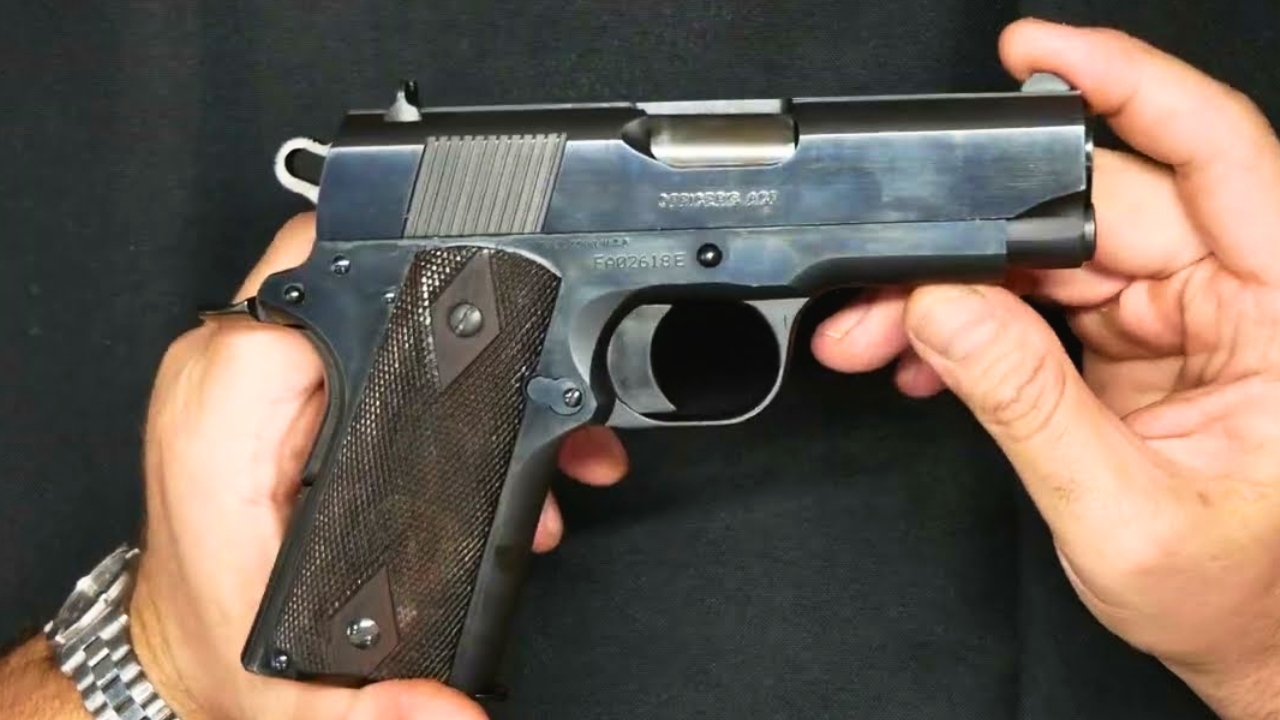
The Officer’s ACP is from an era when chopping down the 1911 platform was still a relatively big deal. Colt shortened both the slide and grip to create a genuinely compact .45 ACP pistol, and the result became hugely influential even though newer compact 1911s eventually refined the concept further.
Older examples are interesting because many were actually carried and modified. Owners changed sights, triggers, grips, recoil systems, and other parts without thinking about preserving factory originality. That makes a clean Colt-marked Officer’s ACP much more appealing than an anonymous customized gun assembled from generations of parts.
A dealer who sees enough 1911s learns quickly that originality can be harder to find than mechanical function. I would be reluctant to let a particularly crisp Officer’s ACP disappear for ordinary used-1911 money.
Smith & Wesson 4566
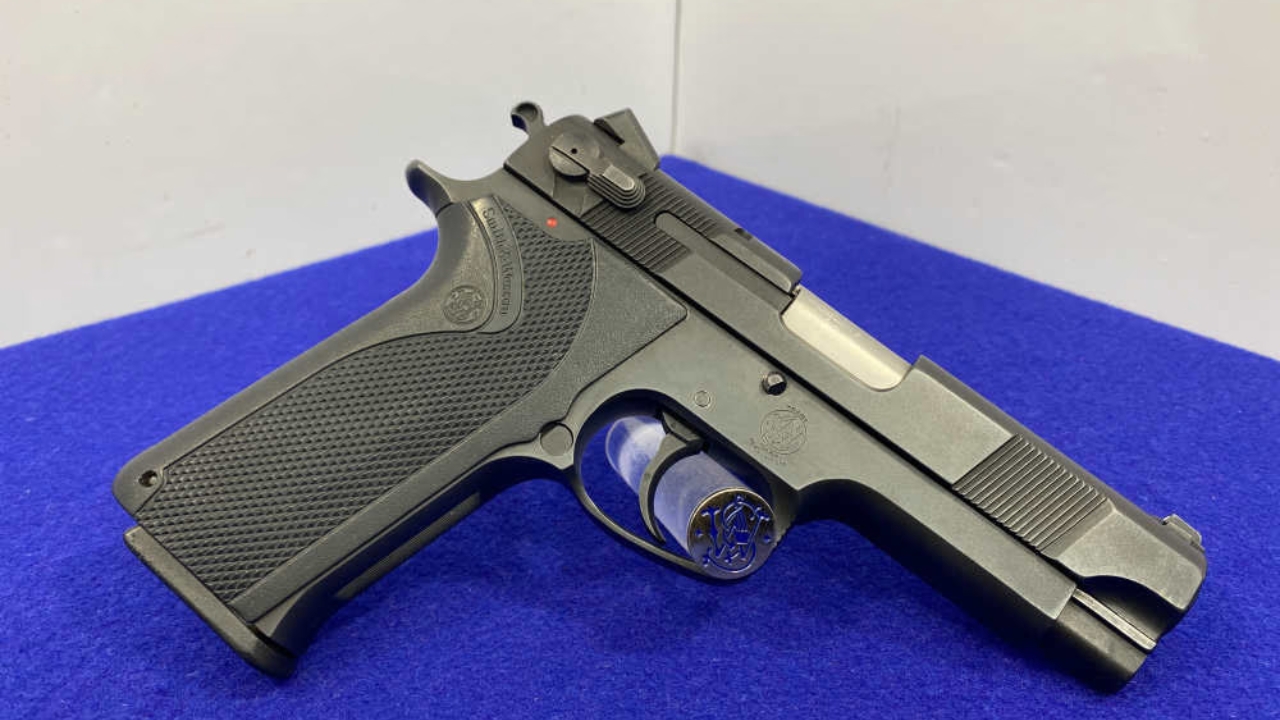
The 4566 is a perfect example of the large stainless service pistols Smith & Wesson once produced by the truckload. Chambered in .45 ACP and built around the company’s third-generation action, it was made for serious duty rather than comfortable concealed carry. Its weight alone makes many modern buyers shake their heads.
That is exactly why I like it. Nobody is building mainstream service pistols quite this way anymore. Police use also means many examples show heavy holster wear, department markings, or years of qualification use. When a clean 4566 appears, it immediately becomes more interesting than the average trade-in.
I would especially value a pistol with original magazines and no questionable trigger work. There are lighter .45s everywhere, but once this generation of Smith disappears into collections, recreating the experience with something new will not be possible.
CZ 40B
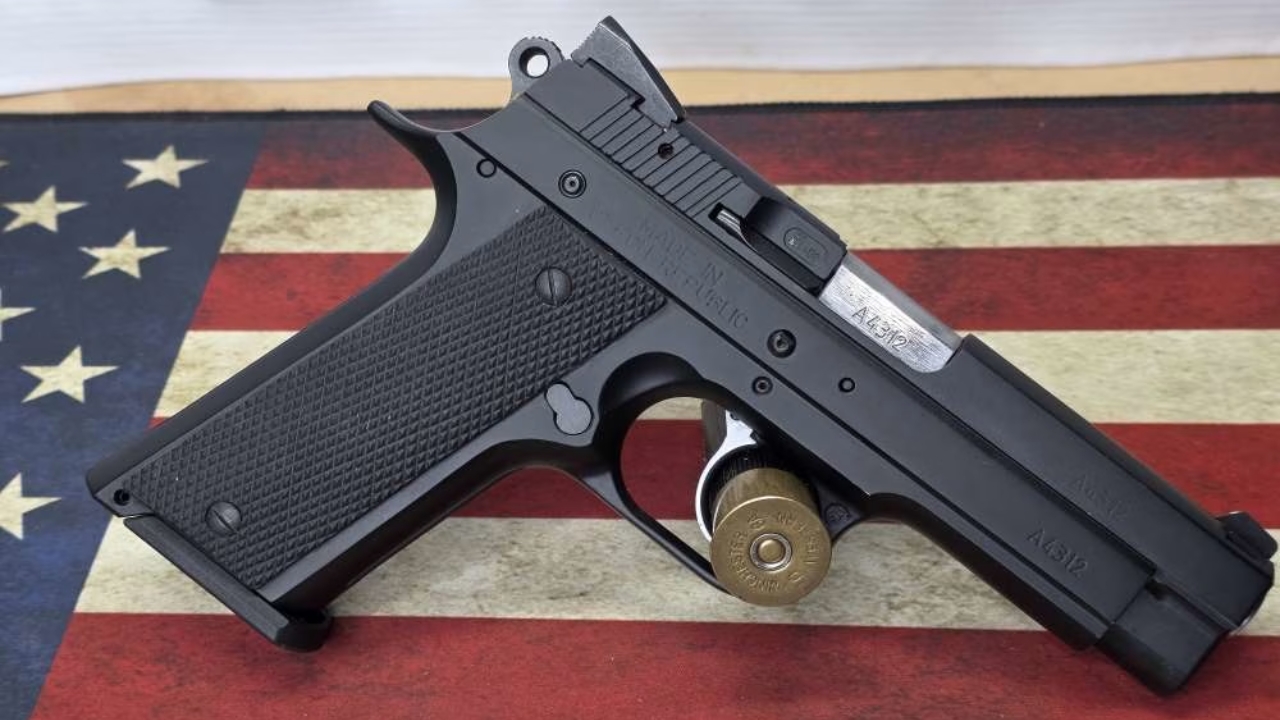
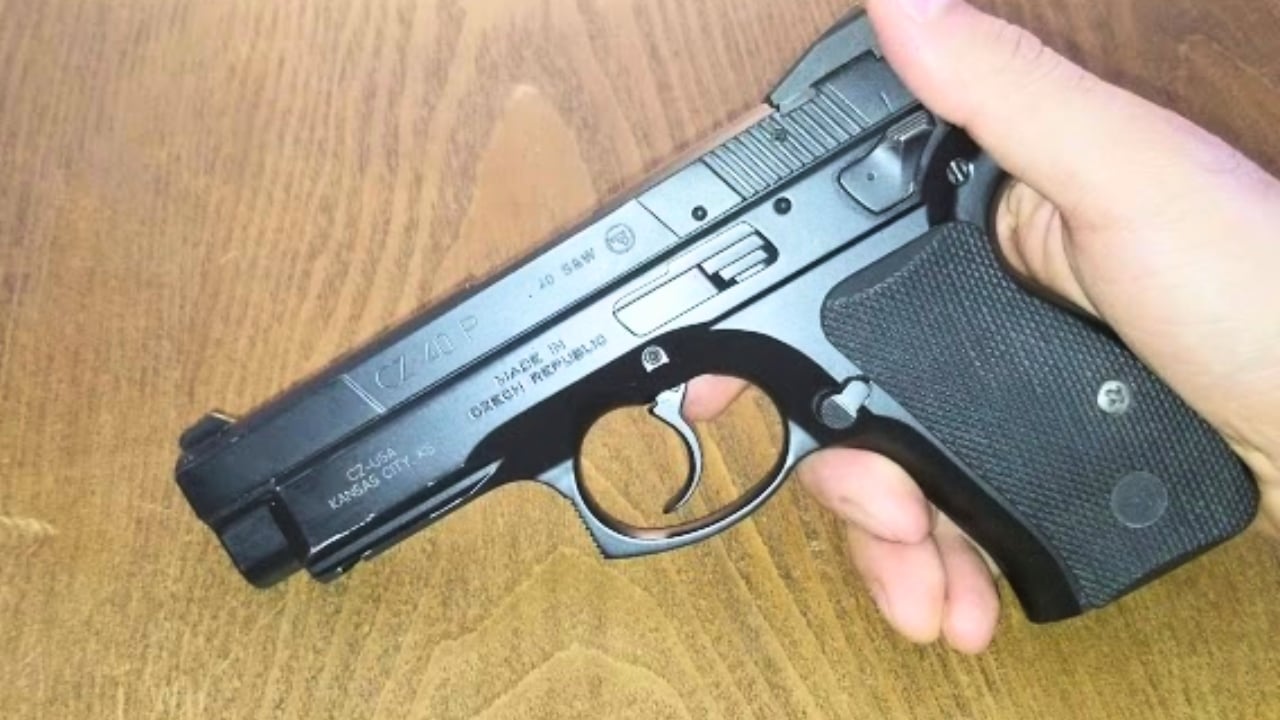
The CZ 40B is one of those guns that knowledgeable people enjoy explaining to everyone else. Developed from a collaboration involving Colt and CZ, it has an unusual frame shape and operating system that distinguishes it immediately from the better-known CZ 75 family. It never became a major commercial success, which is exactly what makes it worth noticing years later.
Short-lived products can be frustrating when parts or magazines become scarce, but they can also become fascinating collectibles because they represent a path the manufacturer did not continue. The 40B fits that description perfectly.
If a clean one arrived with its original magazines and little wear, I would not assume I could replace it whenever I wanted. The handgun market is full of successful designs. Sometimes the failures and near-misses are considerably more interesting.
Smith & Wesson Model 547
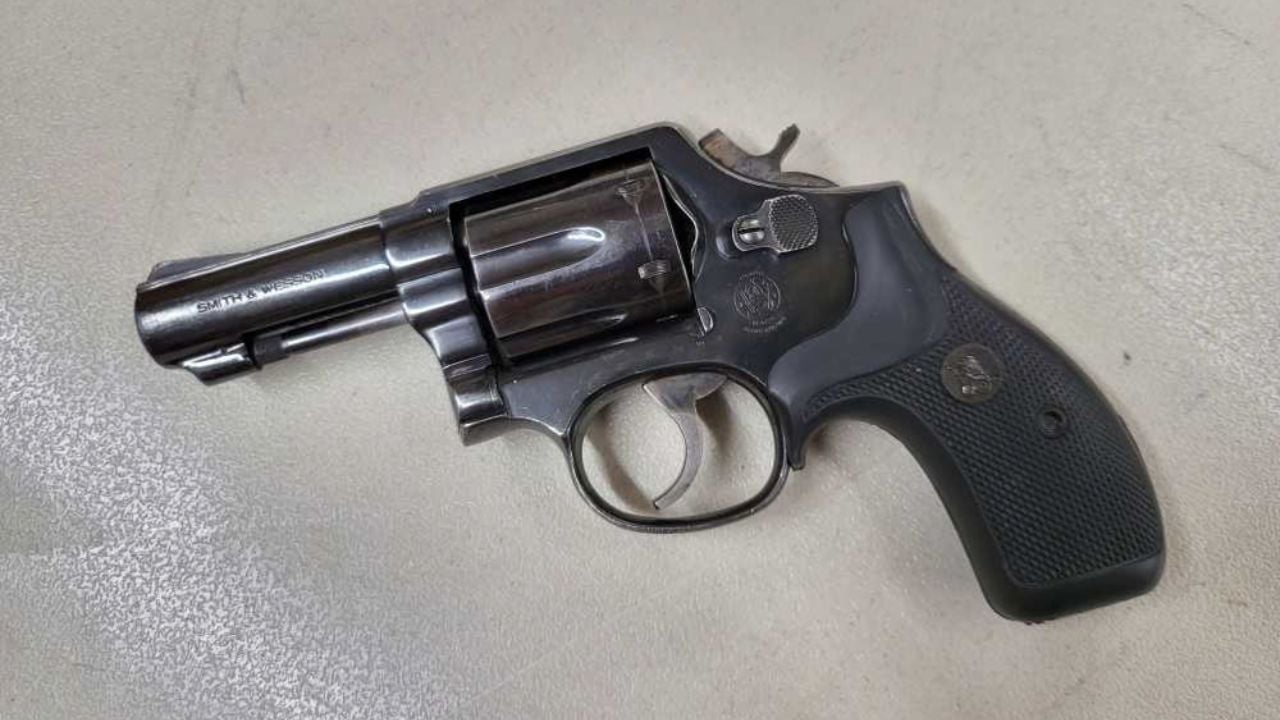
The Model 547 is one of Smith & Wesson’s strangest K-frame revolvers because it was designed to fire 9mm ammunition without requiring conventional moon clips. That required an unusual extraction system, making the revolver mechanically interesting before collector scarcity even enters the conversation.
It was never produced in the enormous quantities associated with Smith’s ordinary .38 and .357 K-frames. That means a Model 547 can look deceptively familiar sitting in a used case until somebody notices the chambering. Experienced Smith collectors usually know exactly what they are seeing.
A clean example would be extremely difficult for me to price casually. The combination of uncommon chambering, unusual engineering, and traditional K-frame proportions gives it several reasons to remain desirable. This is precisely the sort of handgun a shop owner might recognize before the customer browsing beside it does.
Beretta 92 Compact Type M
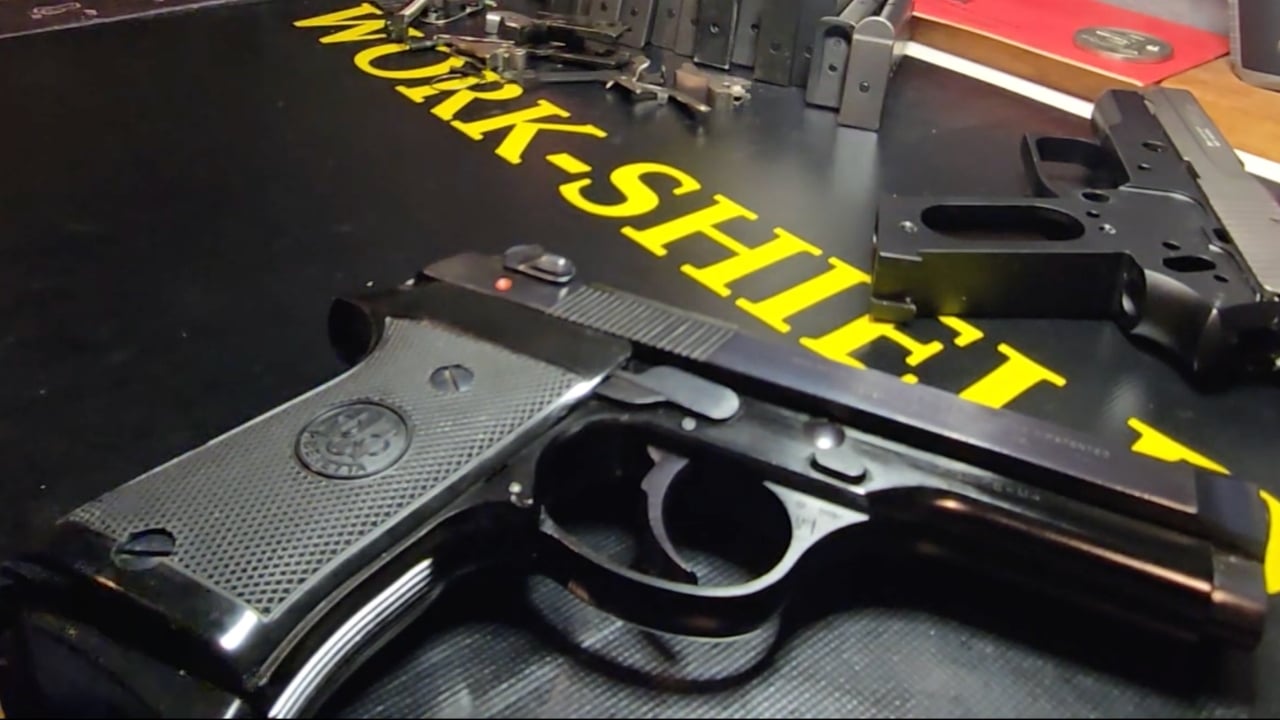
The 92 Compact Type M is an easy gun to overlook because it resembles another shortened Beretta 92 until you examine the grip. Instead of the usual double-stack magazine arrangement, the Type M uses a slimmer single-stack format, giving the already distinctive compact 92 a noticeably different feel.
That configuration never became the standard direction for Beretta, which is exactly what makes surviving examples interesting. Plenty of people own 92s. Far fewer have handled the Type M, and that difference matters once collectors start drilling into individual variants instead of merely buying the basic model.
If a clean Type M came across the counter, I would want to know whether it still had its correct magazines before doing anything else. A gun this configuration-specific becomes considerably less appealing once important original pieces disappear.
Browning Challenger II
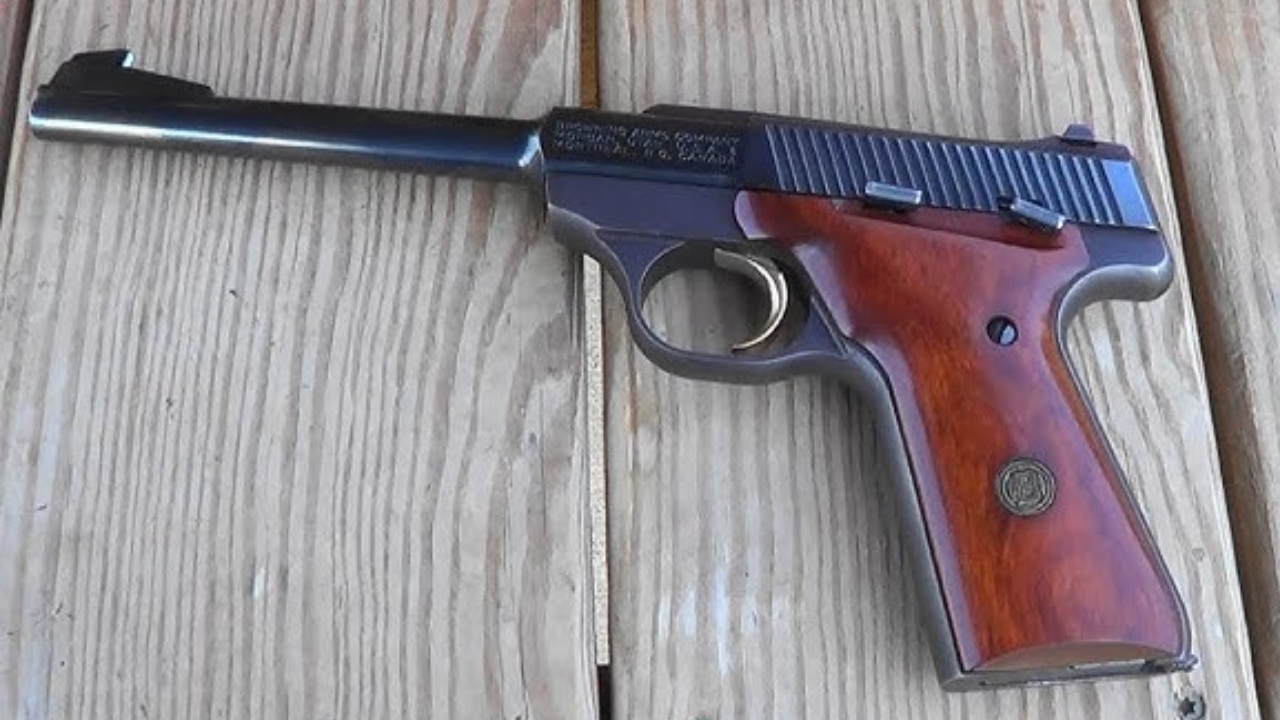
The Challenger II is one of the older Browning rimfire pistols that can easily get lost behind the company’s more famous Buck Mark line. It is a steel-and-alloy target-oriented .22 from a period when recreational rimfire pistols were expected to have the same handsome lines and substantial feel as centerfire handguns.
That kind of construction has become increasingly attractive as shooters rediscover older target .22s. Many Challengers were fired heavily, though, because nobody bought an accurate rimfire with the intention of leaving it untouched. Finish wear and altered grips are therefore common.
A clean Challenger II with the right magazine and original furniture is exactly the sort of handgun I would hesitate to put back out immediately. Rimfire pistols rarely look scarce until you decide you want one particular discontinued model in genuinely excellent condition.
Colt Lawman Mk III
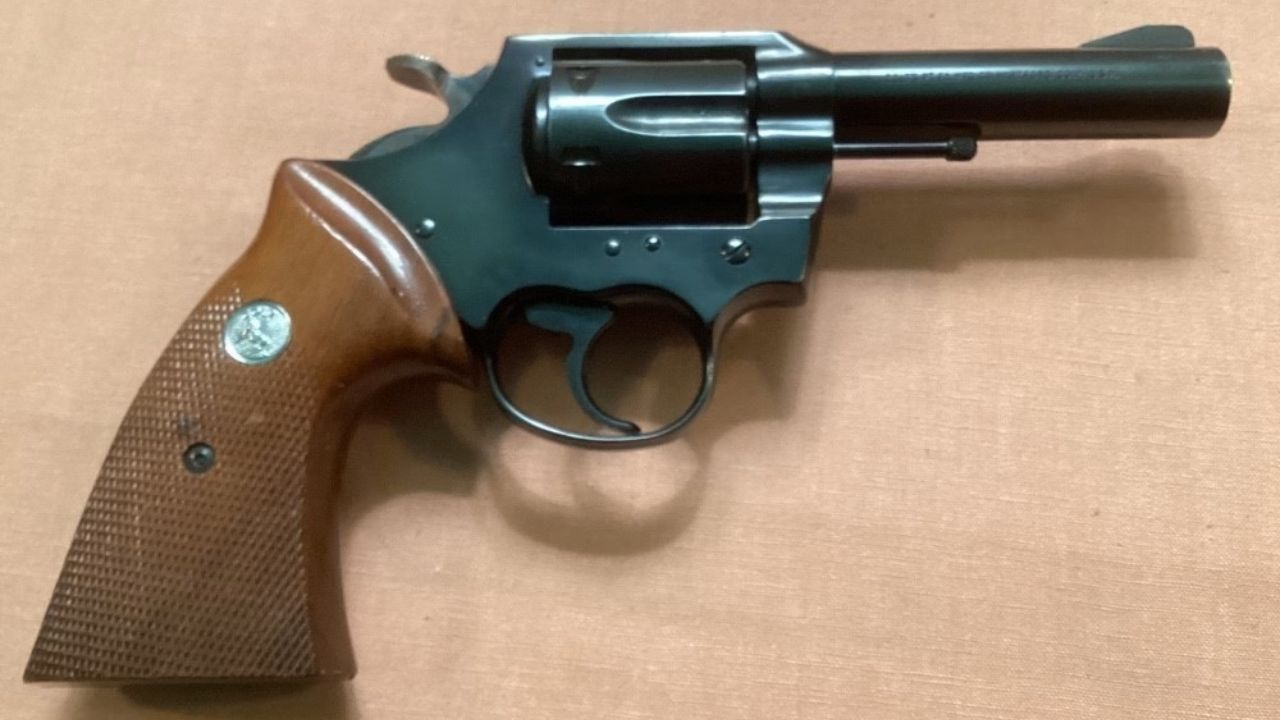
The Lawman Mk III spent most of its life being overshadowed by more prestigious Colt revolvers. It was a practical .357 Magnum aimed at duty and defensive use rather than the premium image surrounding the Python. That kept it within reach of owners who wanted a strong Colt without paying for the company’s fanciest finish.
For collectors today, that lower status is actually part of the appeal. Many Lawmen were carried and shot hard, while buyers carefully preserved the expensive snake guns. A clean Lawman therefore represents the working side of Colt’s double-action revolver history.
I would especially notice a shorter-barreled example with original grips and strong finish. The Python will always get more attention at first glance, but experienced revolver people know that the less glamorous Colts can be the ones you wait much longer to find.
SIG Sauer P220 Carry
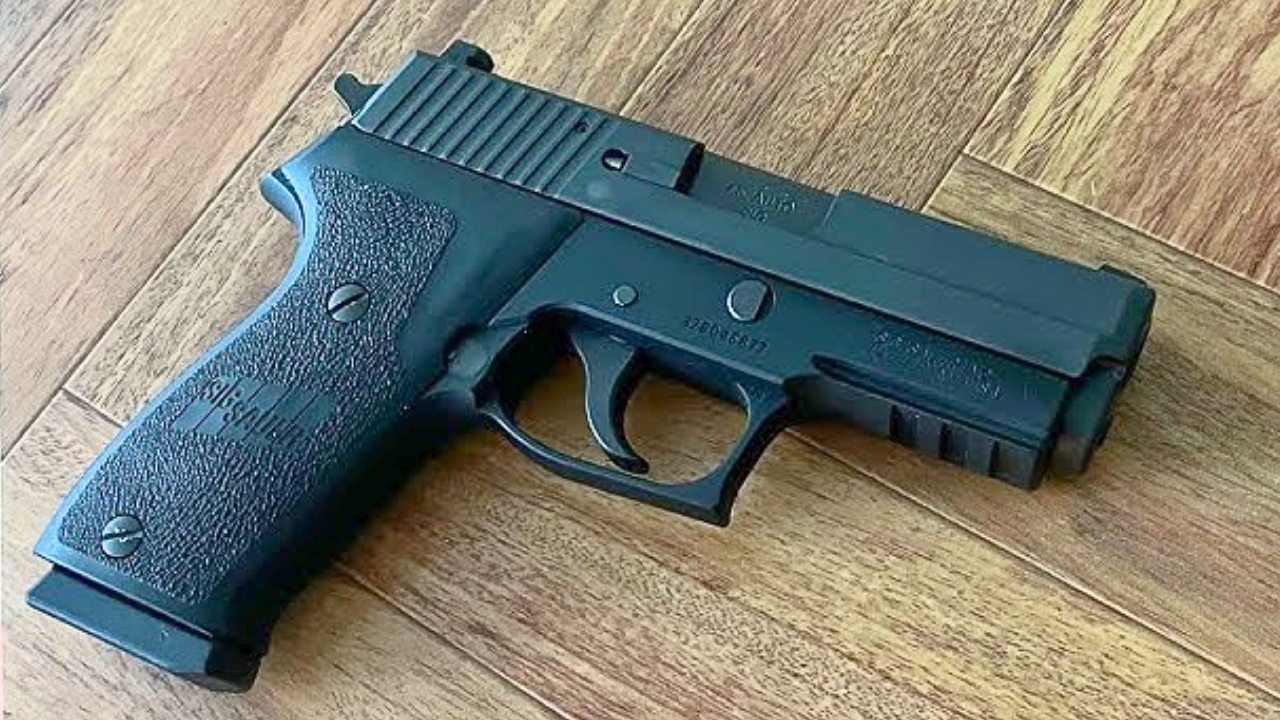
The P220 Carry takes one of SIG’s classic full-size .45 ACP pistols and trims the slide and barrel into a handier package without abandoning the traditional metal-frame, hammer-fired system. It never became as ubiquitous as the regular P220, which gives it more appeal whenever a particularly clean one turns up.
The pistol makes even more sense to me now that so many manufacturers have abandoned compact metal-frame .45s entirely. A P220 Carry feels like a product from the last period when companies still expected serious numbers of buyers to want that exact combination.
I would not set aside every worn example that came through the door. A clean pistol with original magazines and minimal modifications would be different. When an uncommon variation of a proven platform disappears, knowledgeable owners usually recognize what happened before the wider market does.
Like The Avid Outdoorsman’s content? Be sure to follow us.
Here’s more from us: