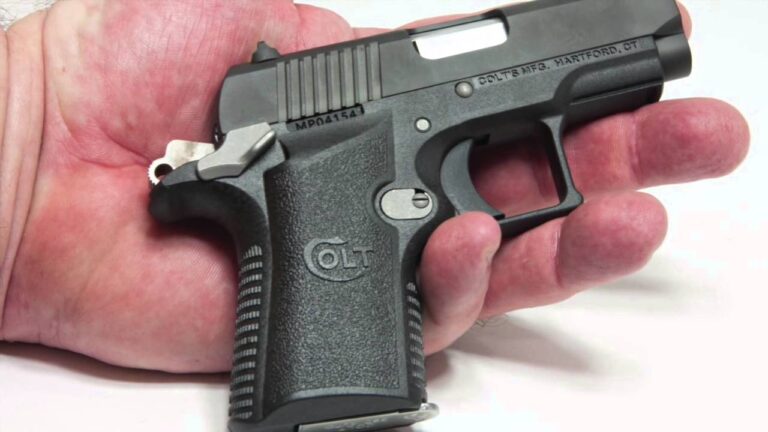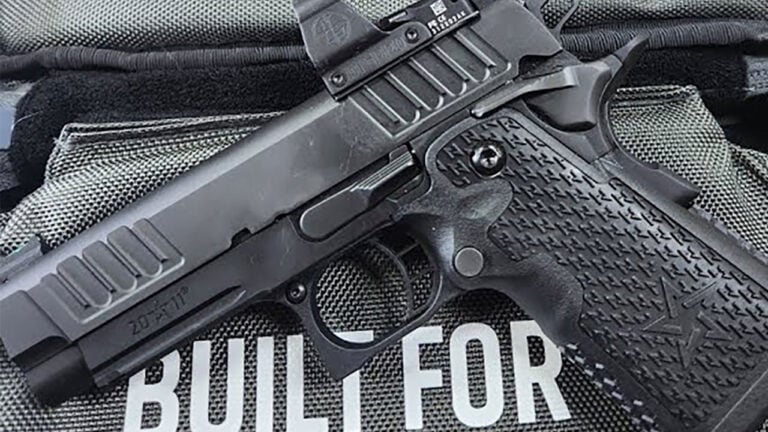
Photo credit: Stillkickin357/Youtube
You can learn a lot about carry guns by watching what gets recommended in comment sections. The internet will swear a pistol is “the one” right up until somebody actually tries to carry it all day in summer clothes, or runs a couple hundred rounds through it without babying it.
Printing and jamming are two different problems, but they tend to ride in the same truck. The smaller a gun gets, the pickier it can be. The lighter it gets, the harder it can be to shoot well. And the more “clever” the design, the more likely it is to do something odd when it’s dirty, dry, or fed the wrong ammo. Here are 20 carry guns I keep seeing recommended online even though they’re known to print, choke, or both.
1. SIG Sauer P365 (early production)
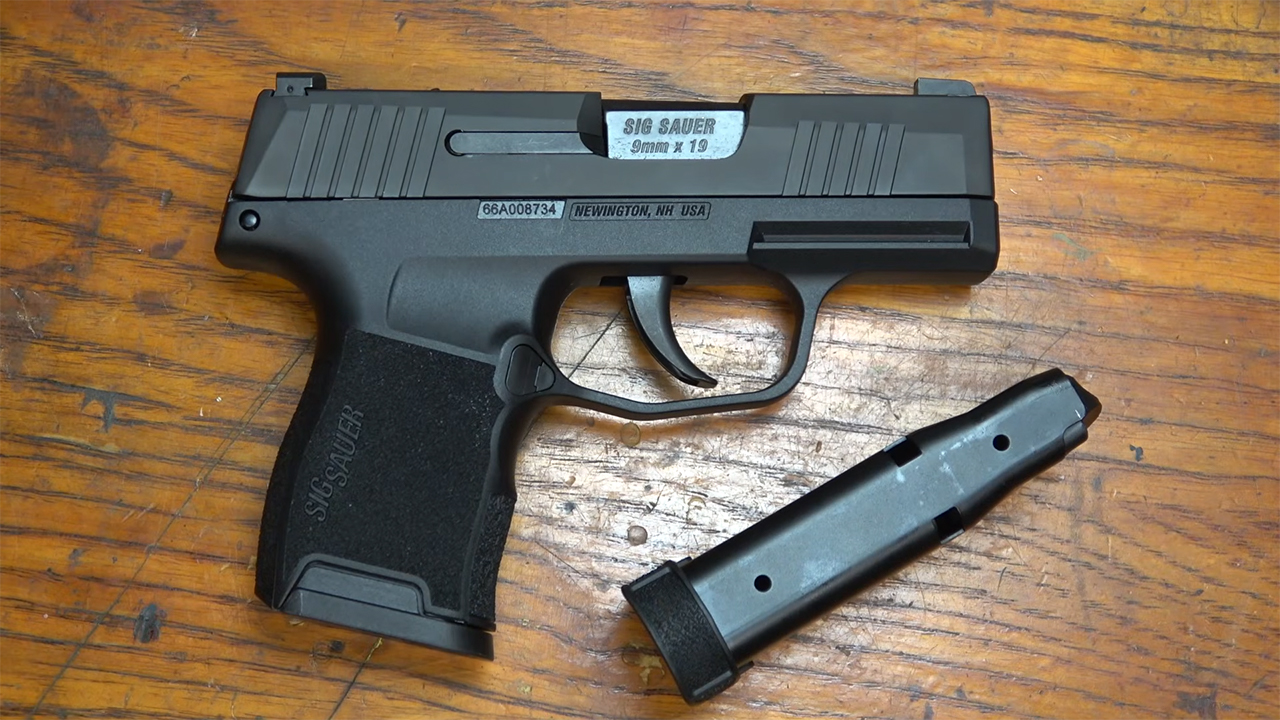
The P365 earned its place, no doubt. But the early guns built the platform’s reputation and also built a pile of internet arguments about extraction and striker issues. If you bought one from the first wave and never verified it with your carry ammo, you were trusting hype more than function.
On the printing side, the short grip is good, but plenty of folks add pinky extensions or longer mags and turn it right back into a “compact” that wants to show through a T-shirt. The gun can be excellent, but it’s not magic—especially when you start bolting on capacity with grip length.
2. Springfield Armory Hellcat (with extended mags)

The Hellcat carries slim, points quick, and it’s easy to recommend because it checks boxes on paper. Then the extensions happen. A lot of guys buy it to disappear, then carry it with the 13- or 15-round magazine and wonder why their cover garment suddenly feels too short.
Reliability is usually fine, but the platform can be more sensitive to limp-wristing than people want to admit, especially when they’re shooting fast with that short little grip. If you’re going to carry a micro, you’ve got to actually train with it.
3. Glock 43X (with Shield Arms S15 magazines)
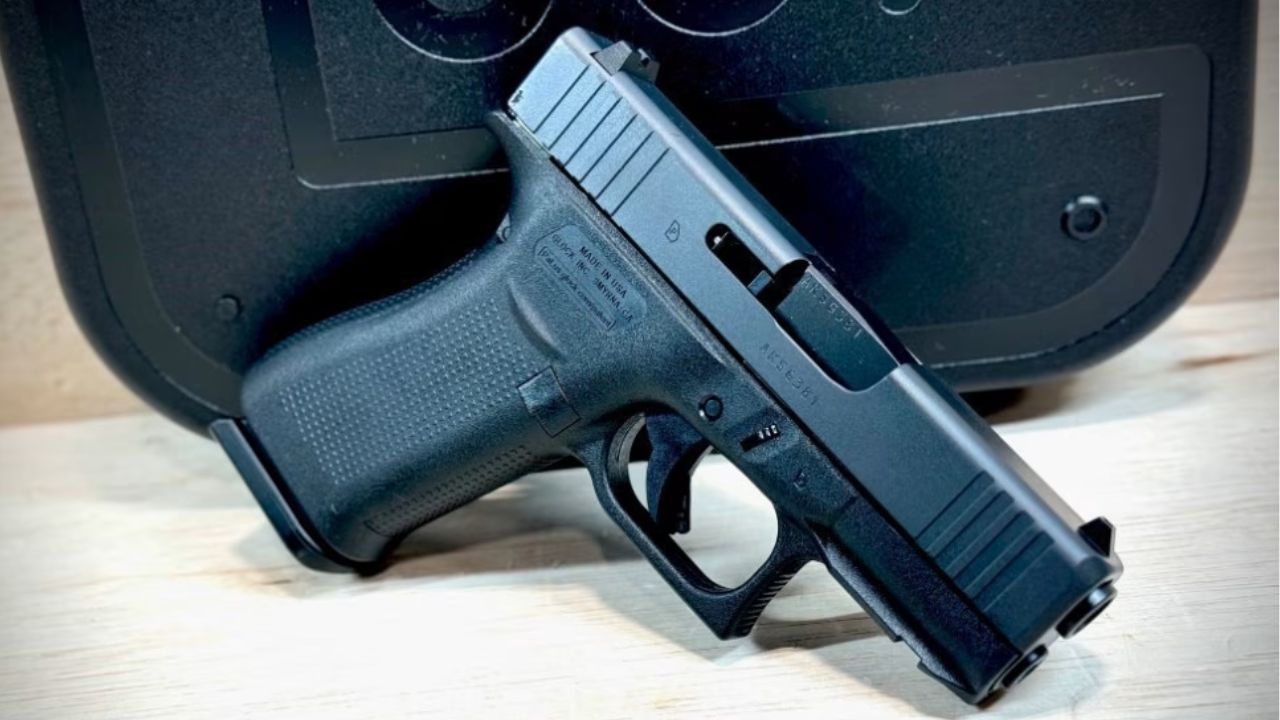
The 43X is one of the best “do most things” carry guns going. Then the internet shows up with metal aftermarket magazines and tells everybody to turn it into a 15-round gun. Sometimes it works. Sometimes it turns a boring-reliable pistol into a troubleshooting hobby.
Printing is also real here. The slide is slim, but the grip is longer than a Glock 43, and that’s usually what prints. If your belt and holster aren’t solid, the 43X will tell on you.
4. Glock 48 (comfort carry that still prints)
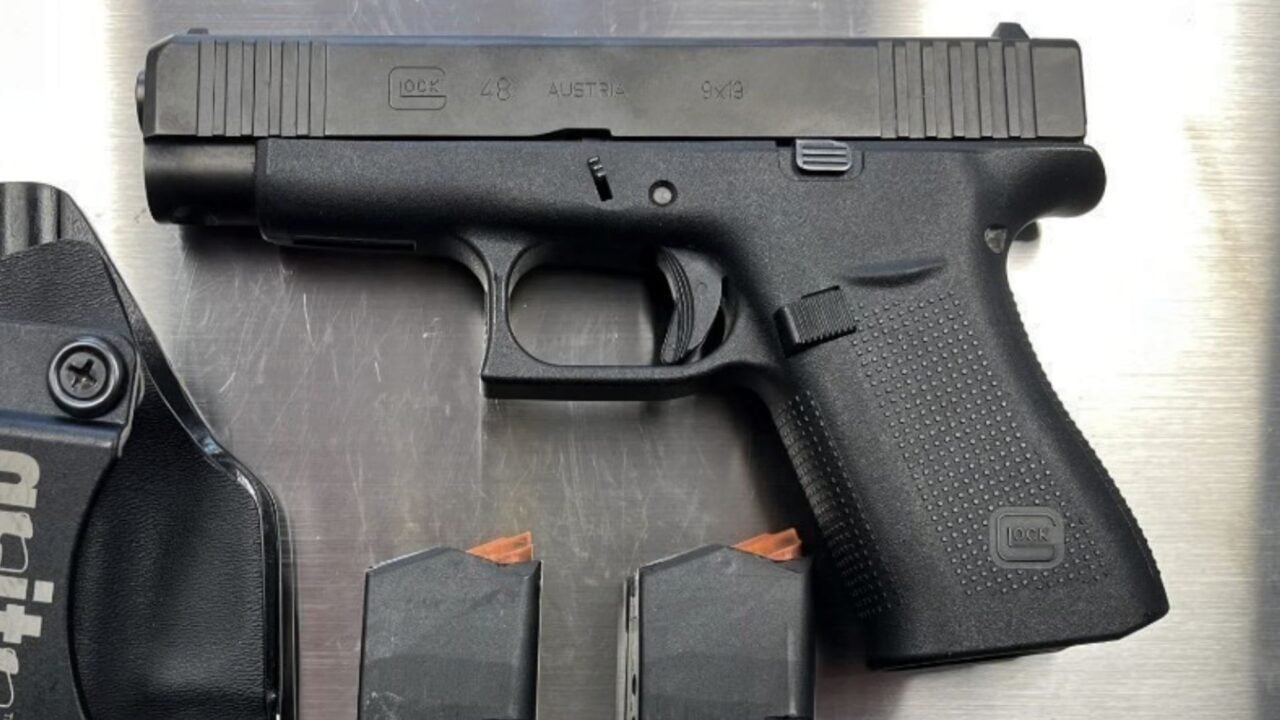
The Glock 48 is easy to shoot for a slim gun. That longer slide helps. But the grip is basically the same story as the 43X, and that’s what sticks out when you bend, reach, or sit. I’ve watched guys fight printing for months and finally admit they needed a different cover garment, not a different gun.
It’s not a jammer in factory form. Most of the drama comes from trying to push it into roles it wasn’t built for with questionable mags or too-light springs.
5. Smith & Wesson M&P Shield Plus (snappy micro problems)

The Shield Plus is a great answer for a lot of folks, but it’s still a small, light 9mm. If your grip is sloppy, you can induce stoppages, and it’ll make you think the gun is “unreliable” when the real issue is control.
On printing, the Shield’s thin slide helps, but the grip shape can still show depending on holster cant and how you’re built. Shorter mags hide better, but most people carry the extended one… because the extended one feels better. That tradeoff never goes away.
6. Ruger LCP (tiny .380 that can be ammo picky)
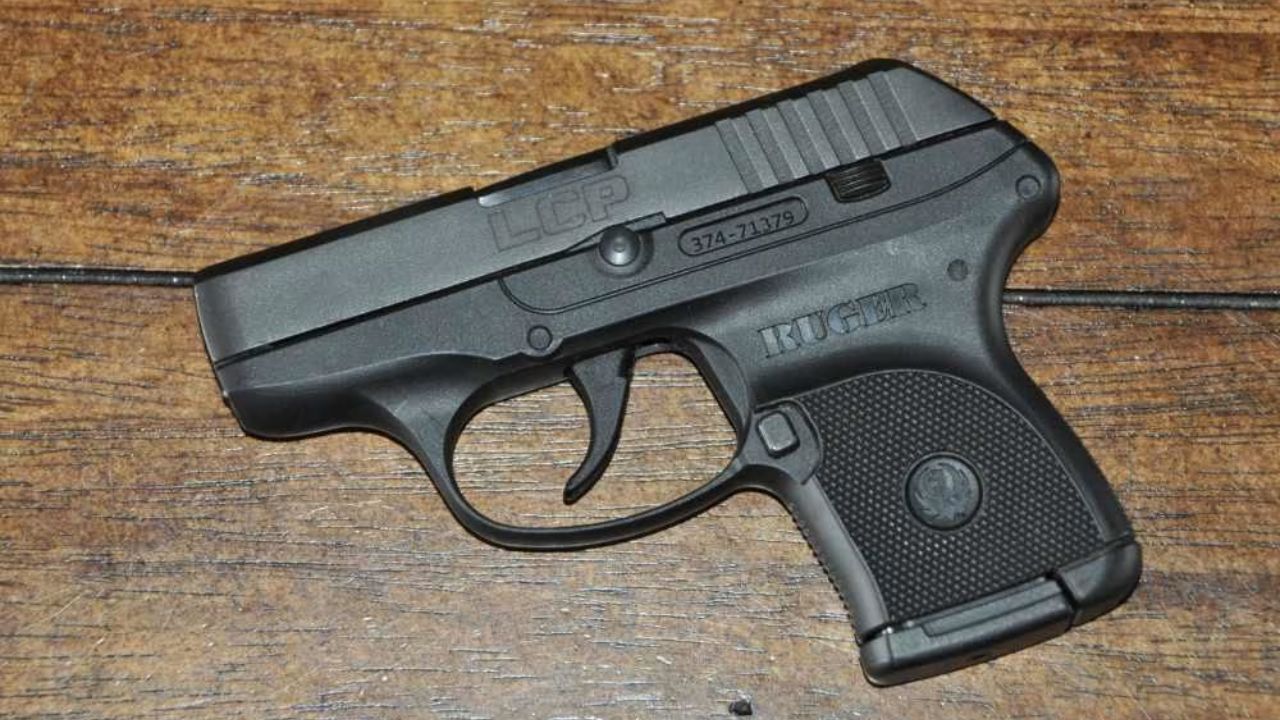
The LCP is the definition of “better than nothing,” and I mean that as a compliment. It’s a pocket gun that actually gets carried. But tiny .380s can be picky about ammo and grip, and the LCP is not the gun I hand to somebody who never practices.
Printing is mostly about the pocket holster and the pants. In thin summer shorts, it can look like a brick in your pocket. In real jeans with a good holster, it disappears like it’s supposed to.
7. Ruger LCP II (better trigger, same small-gun quirks)

The LCP II improved shootability, but it didn’t rewrite physics. It’s still light, short, and easy to short-stroke with a weak grip. That’s where the “it jammed on me” stories usually start.
It gets recommended because it’s affordable and easy to carry. Those are real benefits. Just don’t let “easy to carry” turn into “never test it.” Ask me how I know.
8. SIG Sauer P238 (pretty, small, and sometimes finicky)
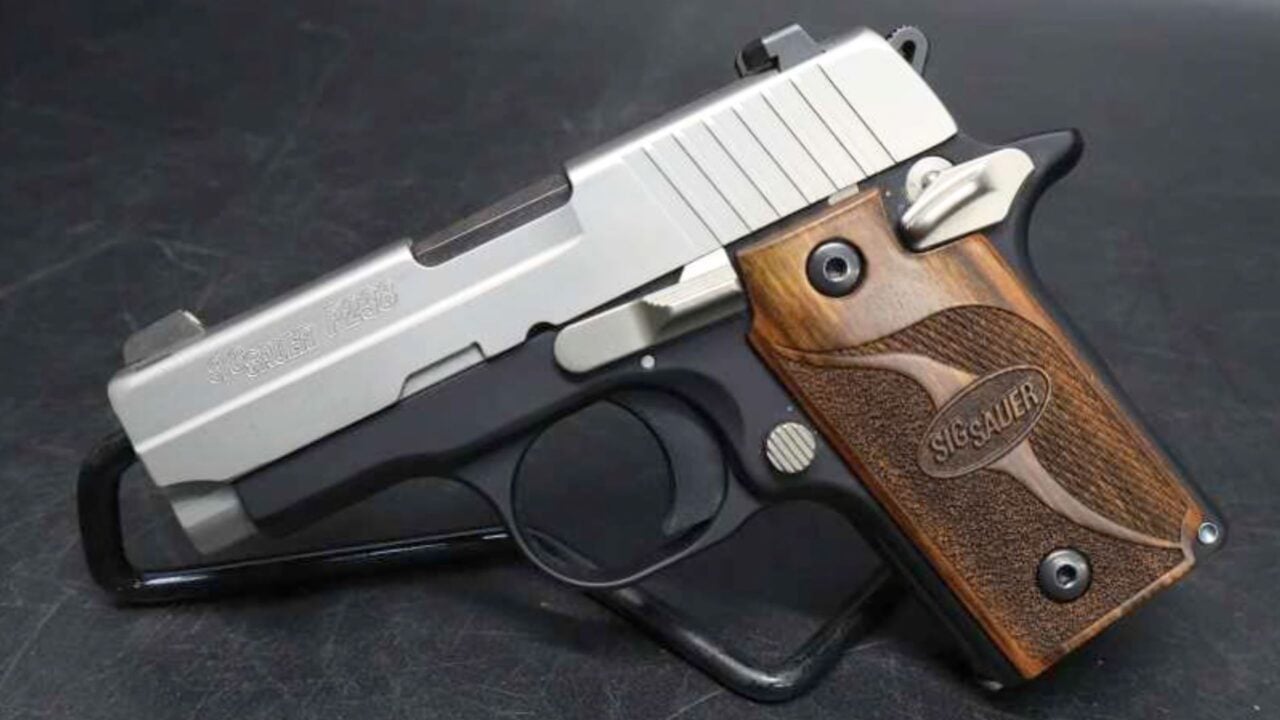
The P238 is one of those guns that makes you smile—good sights, nice trigger, easy to shoot for a .380. It also has enough variations and enough magazine variables that you’ll run into the occasional “won’t feed hollow points” complaint.
It can print in a pocket because it’s heavier and more angular than the polymer .380s. In a waistband holster it can carry great, but the little beavertail and controls can rub if your setup is cheap.
9. SIG Sauer P938 (micro 9mm with attitude)

The P938 is the P238’s 9mm sibling, and it shoots bigger than it looks. It also reminds you you’re shooting a micro 9mm, especially if you try to run it fast. Some guns run forever, others get picky with mags or certain loads.
If you carry with an extended magazine for better control, you’ve increased the chance of printing. If you carry the flush mag to hide it, you’ve made it harder to shoot. That’s the micro-gun bargain.
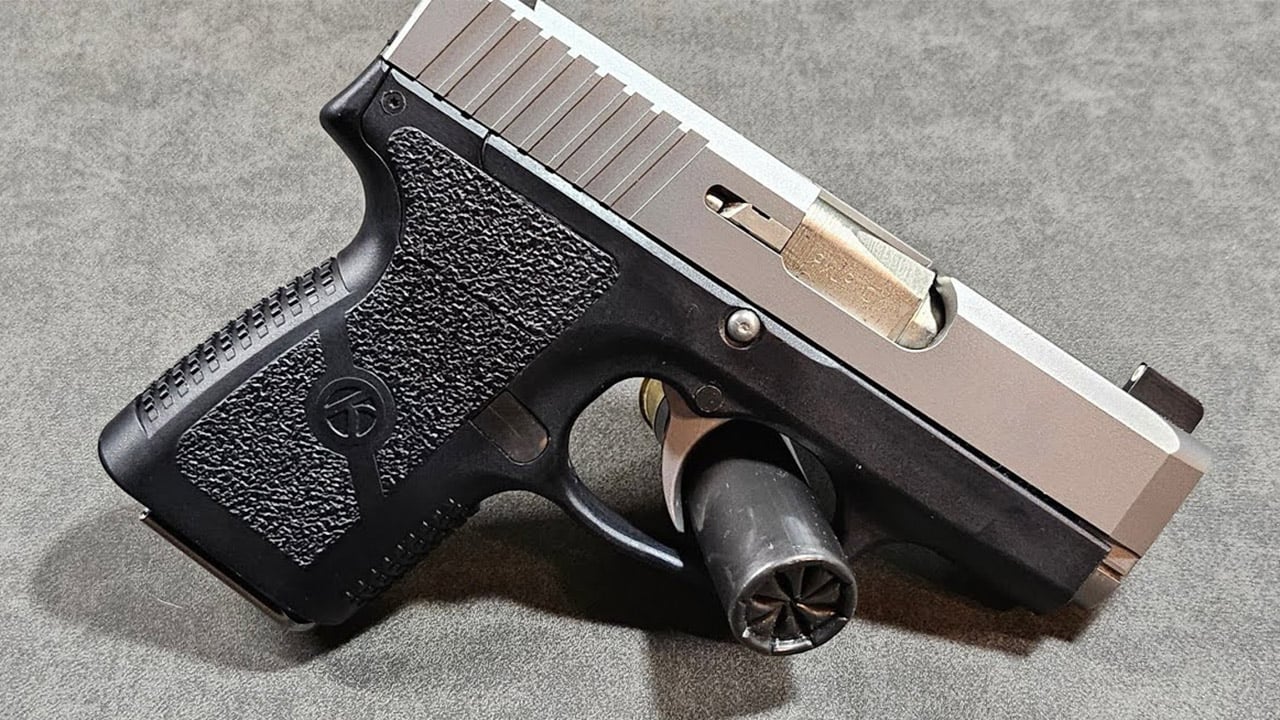
10. Kimber Solo (slick idea, picky reality)

The Solo is one of the best examples of a carry gun that looks perfect in the display case. Slim, good sights, nice feel. Then real life shows up with ammo sensitivity, short-stroking, and the kind of reliability reputation that won’t die.
It still gets recommended because the idea of it is so good, and because some individual pistols run fine. If you own one that runs, hang onto it. If you’re buying one on a recommendation alone, you better budget for real testing.
11. Kimber Micro 9 (good-looking, sometimes rough running)
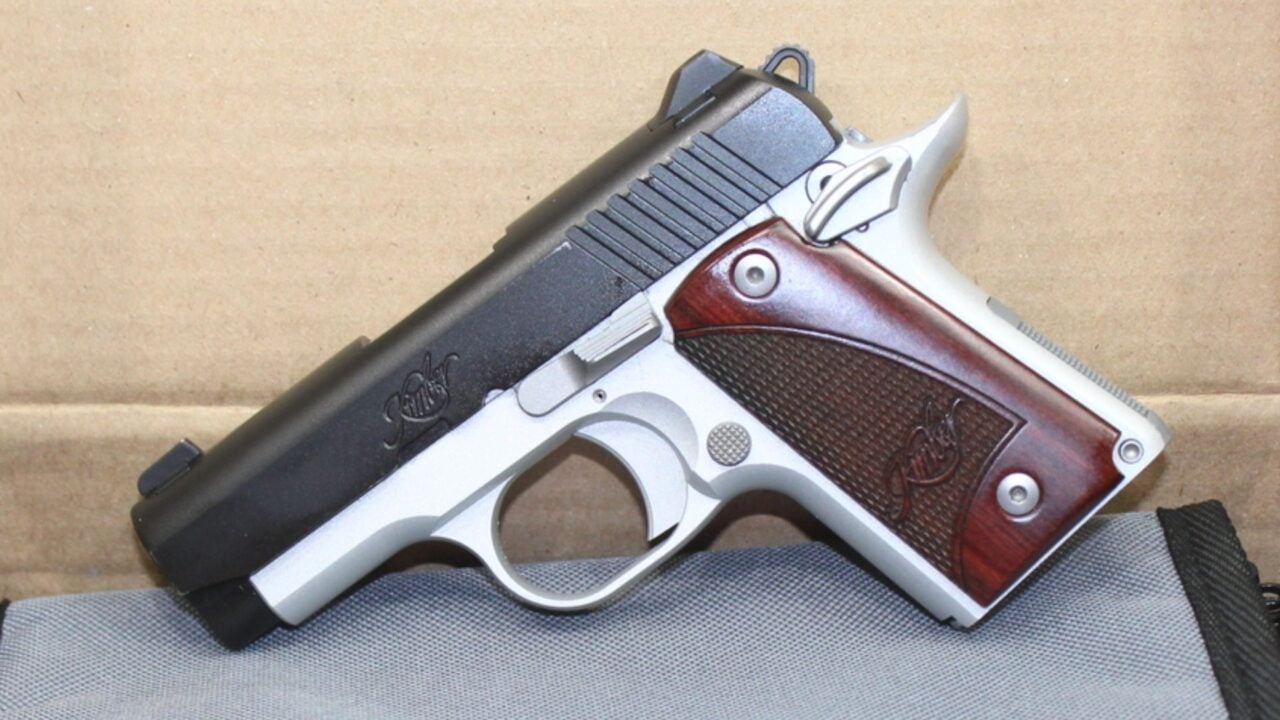
The Micro 9 is another “I want a small 1911-style 9mm” answer. Some are solid, some are temperamental, and plenty of folks end up doing the two-step of changing mags, changing ammo, and polishing their confidence back up.
Printing isn’t terrible, but it’s not as flat as folks think once you add extended magazines. A thin gun can still print if the grip is long enough to lever out from your body.
12. Kahr CM9 (compact that can need a break-in)
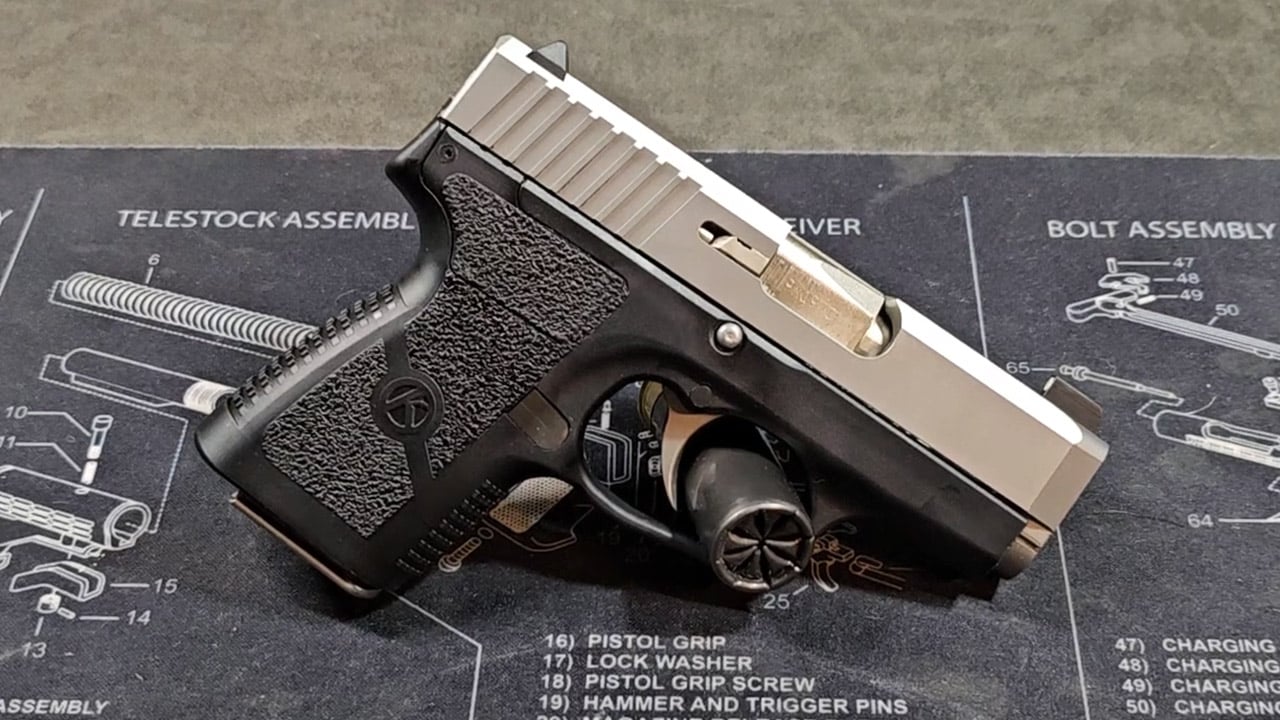
Kahr pistols have a loyal following, and I get it. The CM9 carries easy and has a smooth trigger. But the platform is known for needing a real break-in, and if somebody buys one and immediately declares it “carry ready” after one box of ammo, they might get humbled.
When they run, they run. When they don’t, it’s usually magazine-related or spring-related. Parts and mags are out there, but you need to be a little more hands-on than the average striker gun owner wants to be.
13. Kahr PM9 (small, sharp recoil, easy to short-stroke)
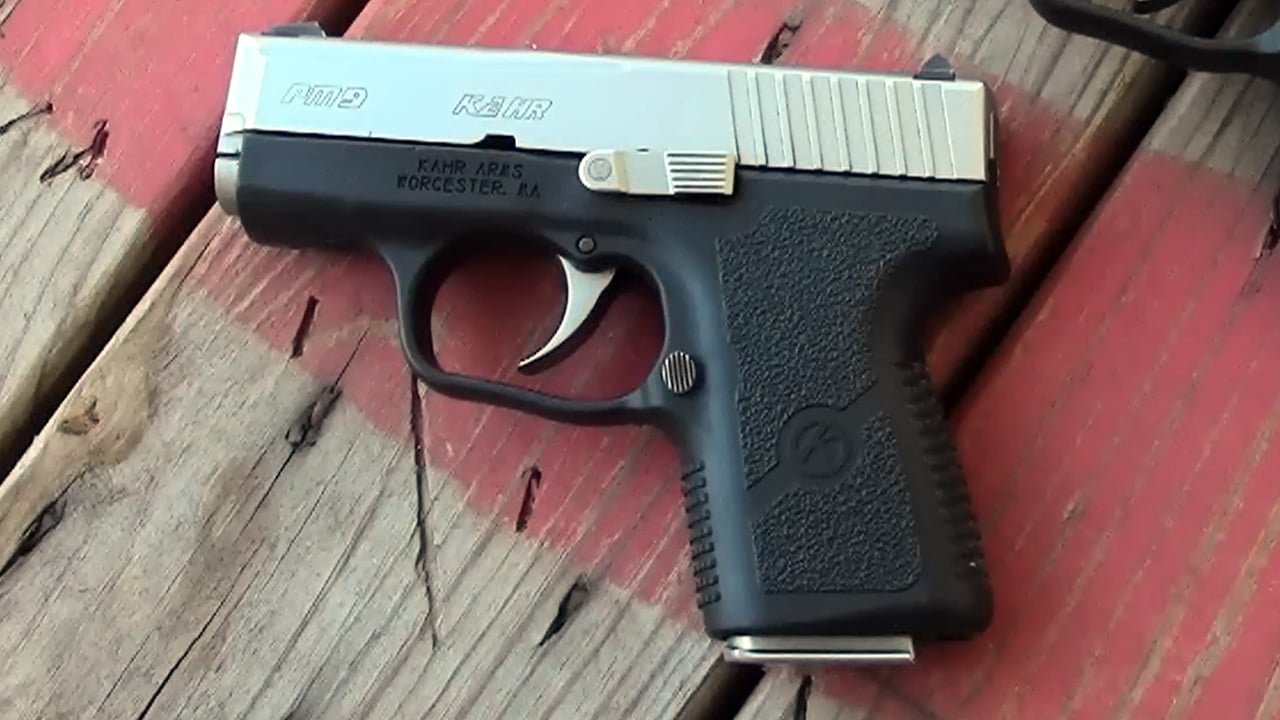
The PM9 shrinks things further, and that’s where the “jammed on me” comments start stacking up. Not always because the gun is bad—because micro guns punish sloppy fundamentals. Short grip, short slide travel, and a light frame don’t forgive much.
It gets recommended because it’s genuinely easy to conceal. And it is. But if it’s your only gun, you’d better put real time behind it so you don’t find out the hard way that it’s not a range toy.
14. SCCY CPX-2 (budget carry with a mixed reputation)

SCCY pistols get pushed hard in budget conversations. They’re affordable, simple, and a lot of them work fine. The problem is the inconsistency—one guy’s CPX-2 runs, the next guy’s turns into stovepipes and frustration.
They’re a little bulkier than people expect for the capacity, too, which can make printing worse than a slightly larger but better-designed pistol. Cheap doesn’t always mean “easy to live with.”
15. Taurus GX4 (good size, occasional early hiccups)
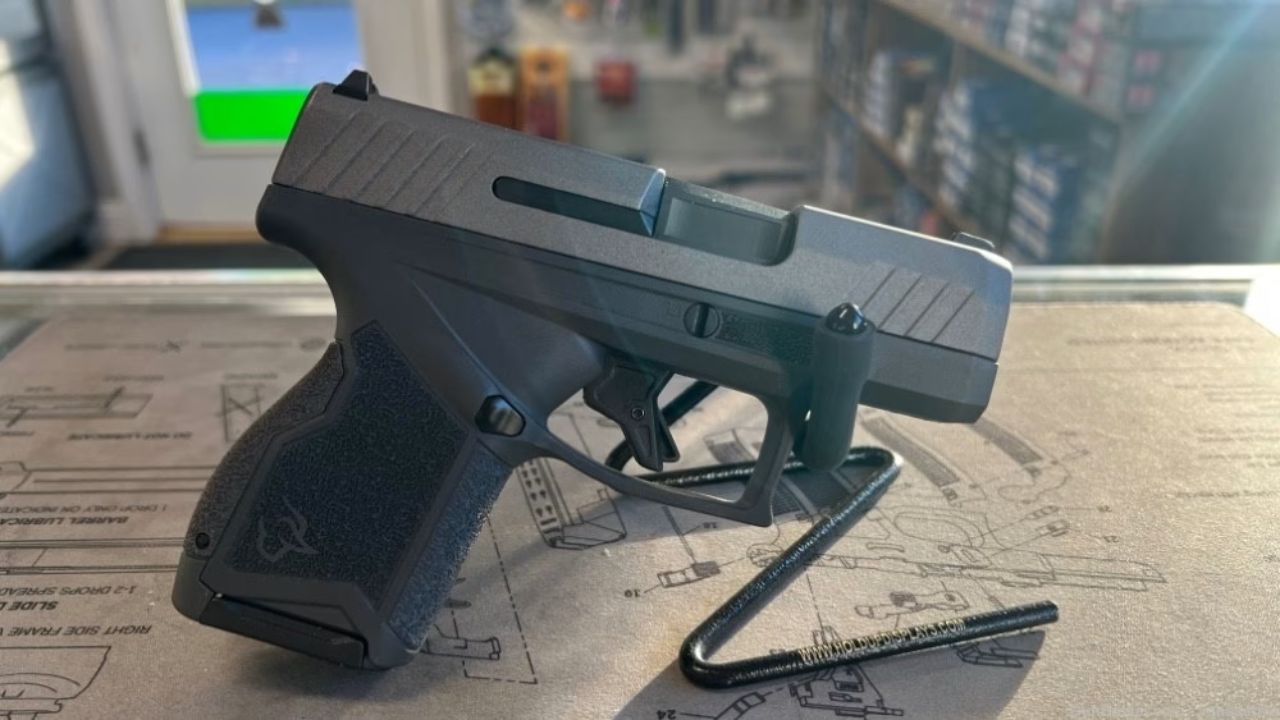
The GX4 is one of Taurus’s better-sized carry ideas, and when they’re right, they’re a lot of gun for the money. But the early chatter about trigger and striker-related issues made plenty of shooters cautious, and for good reason.
Printing depends on the mag choice, like most micros. The gun is short enough to hide, but once you add extension for control, you’re back in the same fight against grip length.
16. Taurus G3c (popular, but not always boring-reliable)
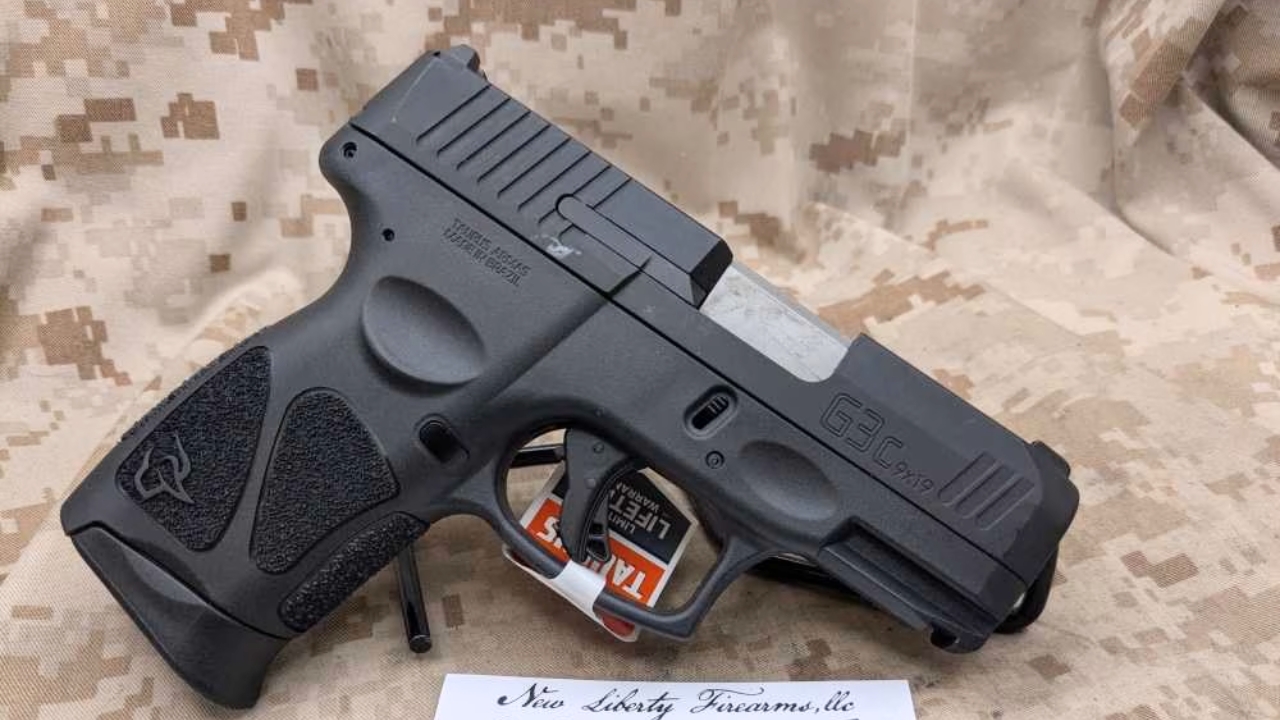
The G3c gets recommended because it’s accessible. It’s in the case at the local shop, it’s priced for regular working folks, and it feels “compact enough.” The downside is you’ll hear more failure-to-feed and magazine complaints than you do with the mainstream duty brands.
It can also be thicker than people want for inside-the-waistband comfort, which leads to holster compromises. A bad holster makes a decent gun feel like a mistake.
17. Remington RM380 (smooth shooter, magazine quirks)

The RM380 is a sleeper .380 that can shoot very nicely. It’s heavier than the ultra-light pocket guns, which helps recoil, but it also means it can print more in a pocket and drag your shorts down like an anchor.
Some of the reliability complaints track back to magazines and the usual small-gun sensitivity. It’s a gun that rewards good maintenance and good mags, and punishes neglect.
18. Beretta Nano (carry-friendly, not always user-friendly)

The Nano got attention because it’s slick and snag-free. That’s great for carry. It’s less great when you want fast, confident manipulation under stress, especially with the minimal controls and the way some shooters struggle with the feel.
Plenty run fine, but the trigger feel and ergonomics turn some folks into inconsistent shooters, and that can look like “the gun is unreliable” when the real issue is the human interface.
19. Walther PPS M2 (good pistol, grip length tells on you)

The PPS M2 is a solid single-stack-ish carry gun that shoots better than many micros. The catch is grip length with the better magazines. The short mag hides, the extended mag shoots, and most of us want the one that shoots.
Reliability is generally strong, which is why it still gets recommended. But if you’re chasing deep concealment, it can print just enough to be annoying unless your holster ride height and cant are dialed.
20. Smith & Wesson Bodyguard 380 (the classic pocket compromise)
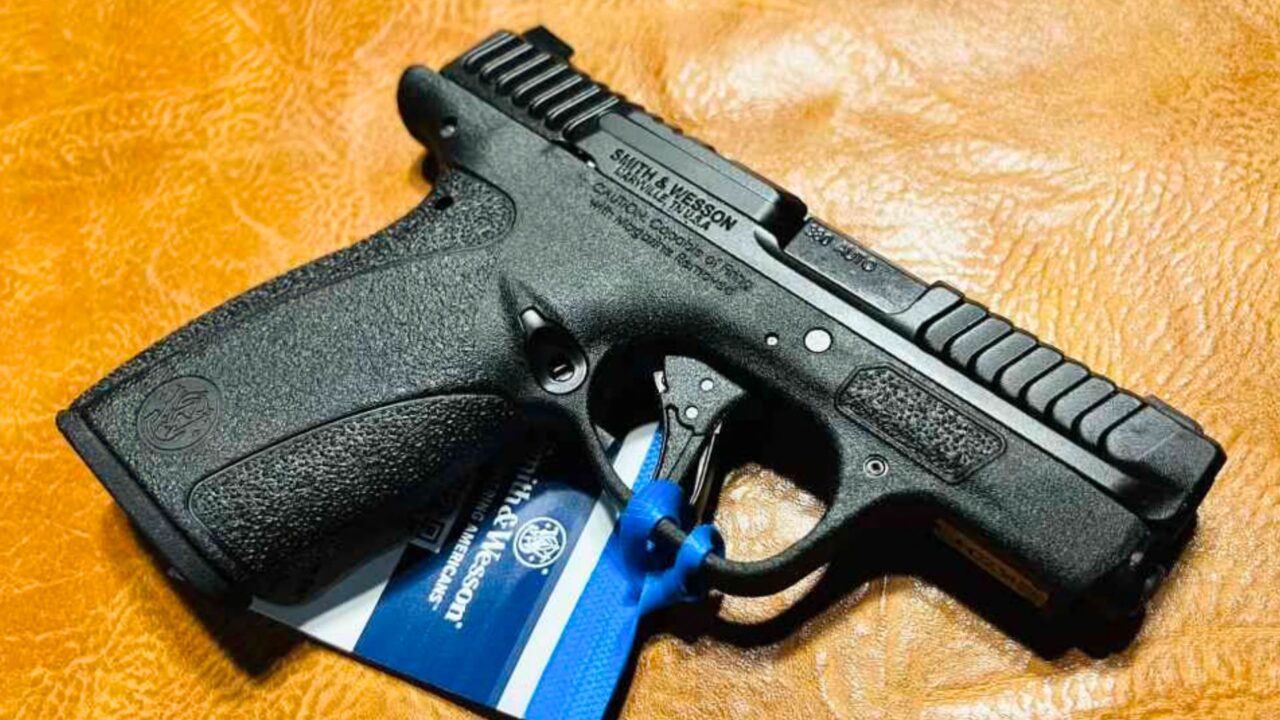
The Bodyguard 380 is another one that stays in the conversation because it actually gets carried. It’s small, it’s light, and it’s usually affordable. It also has a long, heavy trigger that can make accurate practice work feel like a chore.
Jams tend to show up when shooters don’t get a solid grip or they run ammo it doesn’t like. If you treat it like a tool and vet it properly, it can fill a real niche. If you treat it like a talisman you never test, you’re gambling.
The common thread here isn’t that every one of these guns is “bad.” It’s that online recommendations often skip the boring part: your holster, your belt, your wardrobe, your grip, your magazines, and your ammo choice. If you want a carry gun that stays hidden and runs every time, you’ve got to do the unglamorous work—carry it for real, shoot it enough to trust it, and be honest about what you can actually control under pressure.
Like The Avid Outdoorsman’s content? Subscribe to our newsletter so you never miss an article.
Here’s more from us: