Photo credit: Impact Guns/Youtube
Every year the industry show circuit hands out shiny plaques like candy. “Best new handgun.” “Editor’s choice.” “Innovation award.” And then six months later you see the same pistol sitting in the used case with two mags and a box of bargain hollow points, tagged “like new,” because the owner got tired of fighting it.
Awards don’t mean a pistol is bad. They usually mean it’s new, clever, photo-friendly, and it ran fine for a few magazines on a clean range with a rep hovering nearby. Actual shooters do unglamorous stuff: carry in sweat and lint, shoot cheap practice ammo, swap holsters, run drills when they’re tired, and expect the thing to work without drama. Here are 20 pistols that can impress at a booth and still leave real-world owners feeling let down.
1. Remington RP9
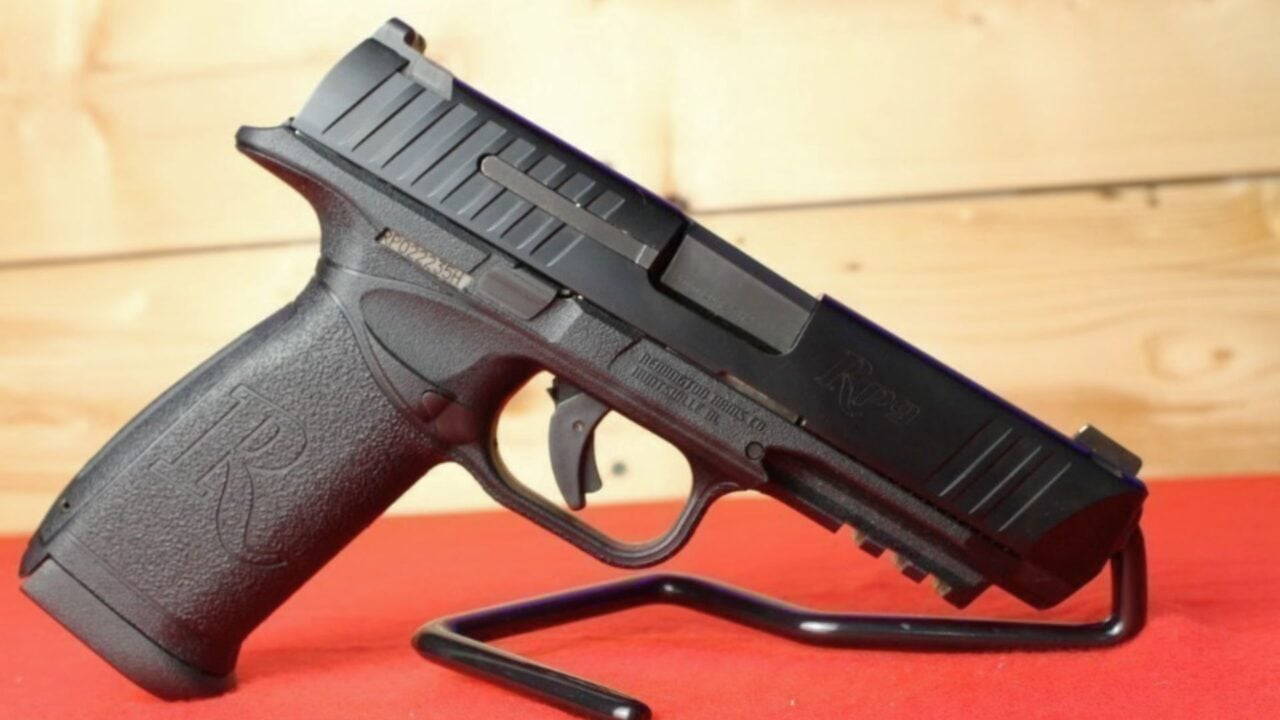
This one looked like a solid, American-made striker pistol that would compete with the big names. In the hand it points fine, and on a table it photographs like a serious duty gun. The problem is it never built the reputation for long-term reliability or support that makes a “serious duty gun” actually serious.
When parts, magazines, and factory help get thin, little problems turn into safe-queen problems. Plenty of shooters ended up moving on simply because they didn’t want a defensive pistol that felt like an orphan.
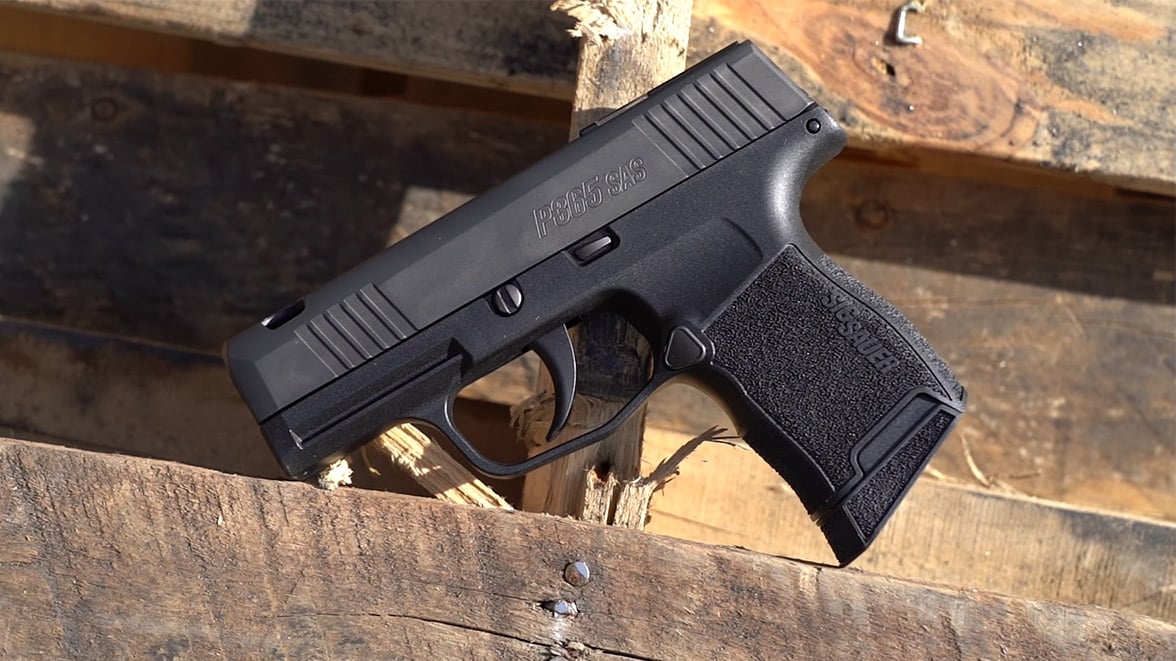
2. SIG Sauer P365 SAS
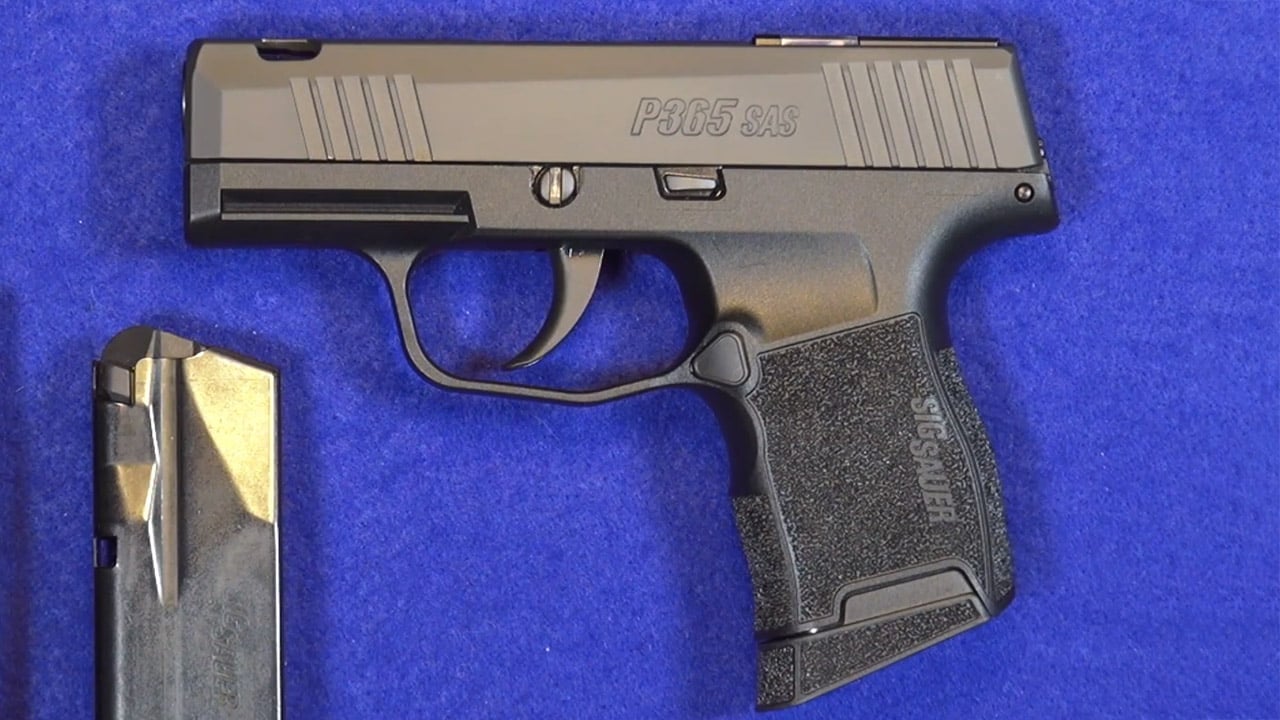
I wanted to like it. The snag-free idea makes sense for pocket carry, and the flush “bullseye” sight is a cool show-floor trick. Under real shooting, especially when you’re trying to go faster than slow-fire, the sighting system can become a frustration machine.
It’s also not everyone’s favorite in mixed lighting, and it can be harder to verify your sight picture at odd angles. Neat concept. For a lot of folks, it’s a concept that didn’t earn its keep.
3. Kimber K6s (2-inch models)
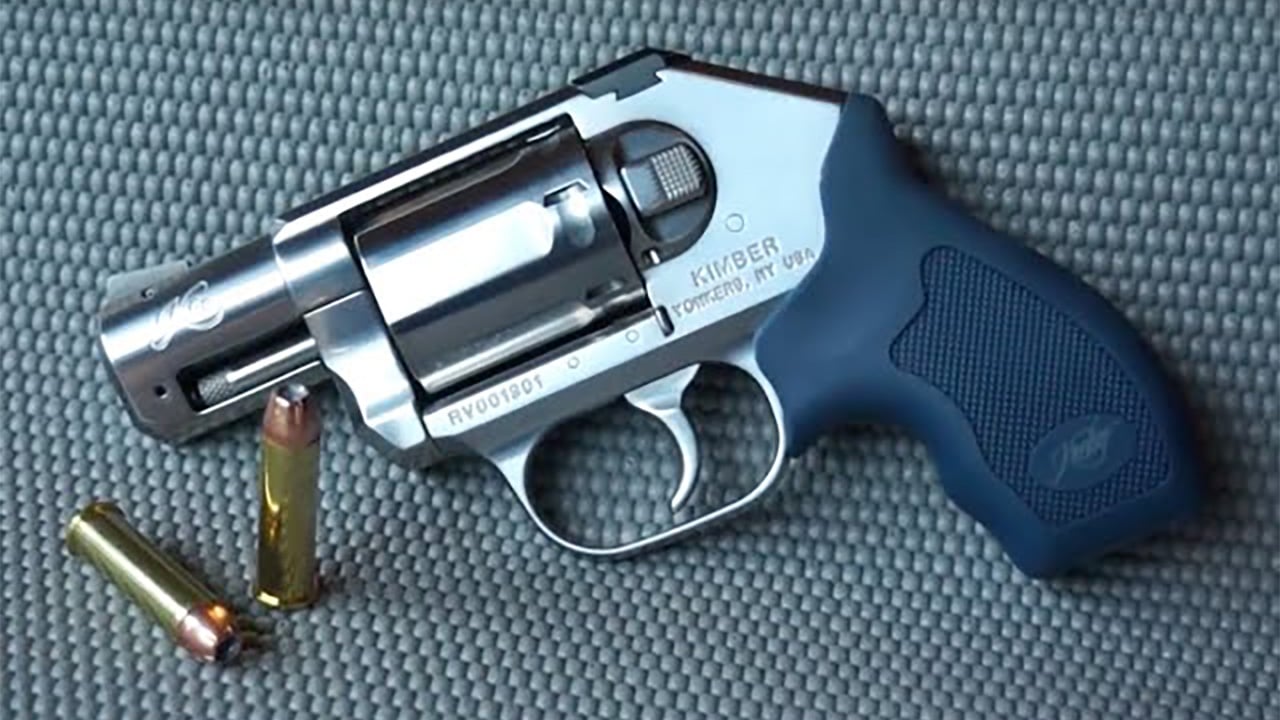
Kimber did a lot right with the K6s line: size, trigger, smooth edges, and a cylinder that holds six. On paper, that’s a real upgrade in a small revolver. In the real world, the tiny, light snub version is still a snub.
Short sight radius, brisk recoil with defensive loads, and the reality of shooting a small revolver well make it a tougher sell once the new-gun glow fades. Folks who don’t practice enough end up disappointed and go back to a small 9mm.
4. Colt Cobra (2017 reintroduction)
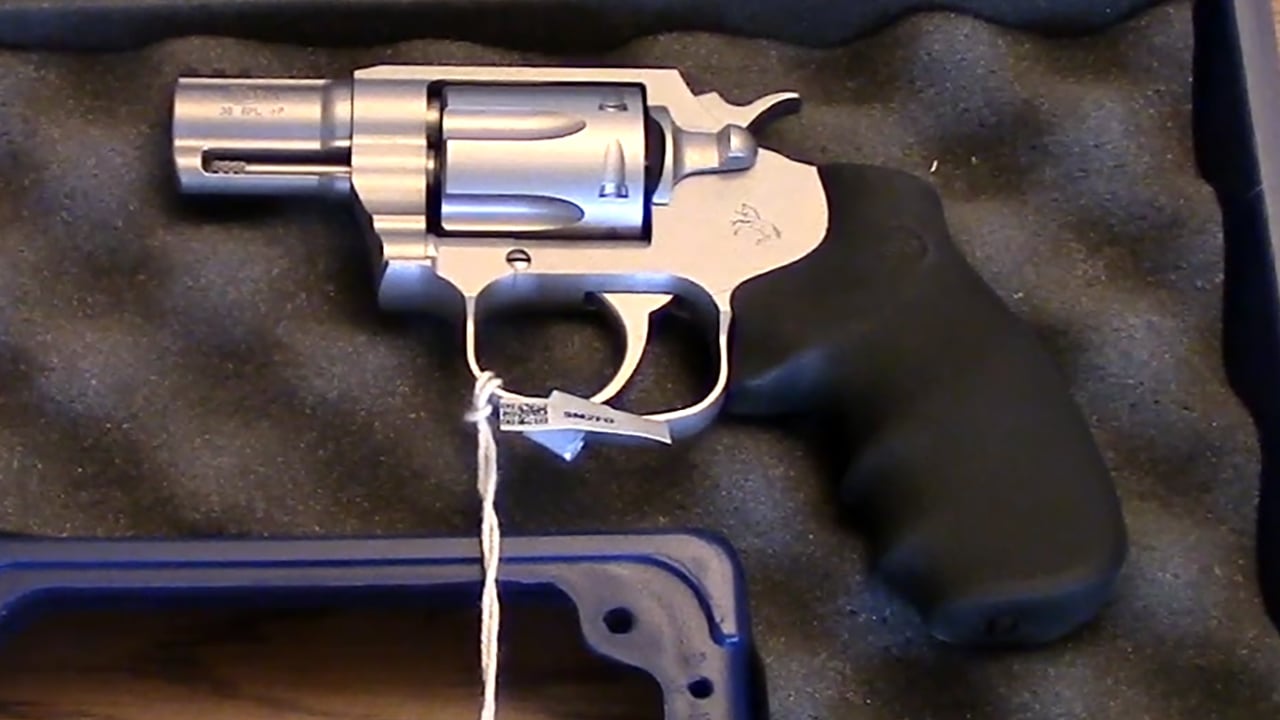
The name “Cobra” hits a lot of us right in the nostalgia. The new one is nicely finished and feels like a proper Colt. Then you shoot it with real carry ammo and remember why lightweight .38 revolvers are love-or-hate.
Some owners also expected a “tank” because of the price and the name, then got a revolver that still needs the usual revolver care and a steady hand. Pretty gun. Not always a practical one for the buyer who wanted easy.
5. Springfield Armory XD-S Mod.2 (especially .45 ACP)
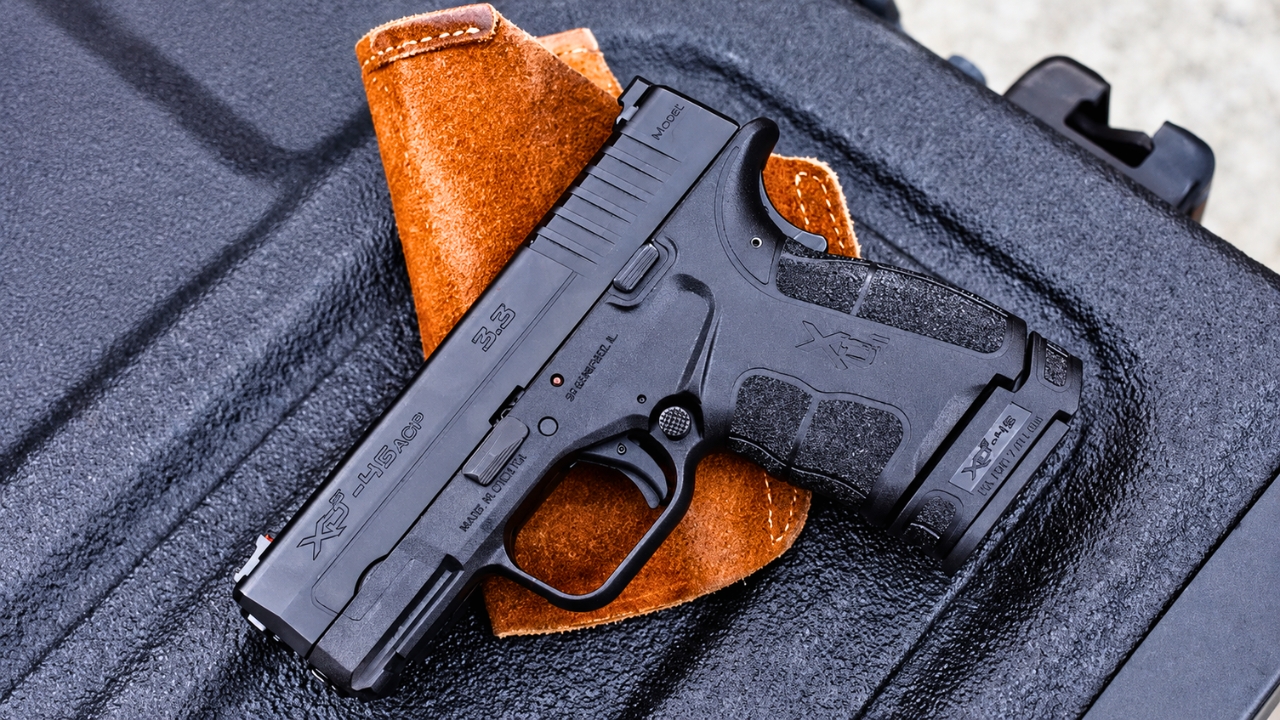
In the display case it screams “concealed carry.” Thin, grippy, and with a big-name logo. But the reality is the .45 version can be a handful, and the grip safety isn’t everybody’s favorite once you start shooting from imperfect grips.
When you’re sweaty, cold, or shooting from awkward positions, anything that adds a “maybe” to the gun going bang starts bothering people. Plenty of shooters ended up preferring a slightly thicker 9mm that’s easier to run.
6. Walther CCP (M2)
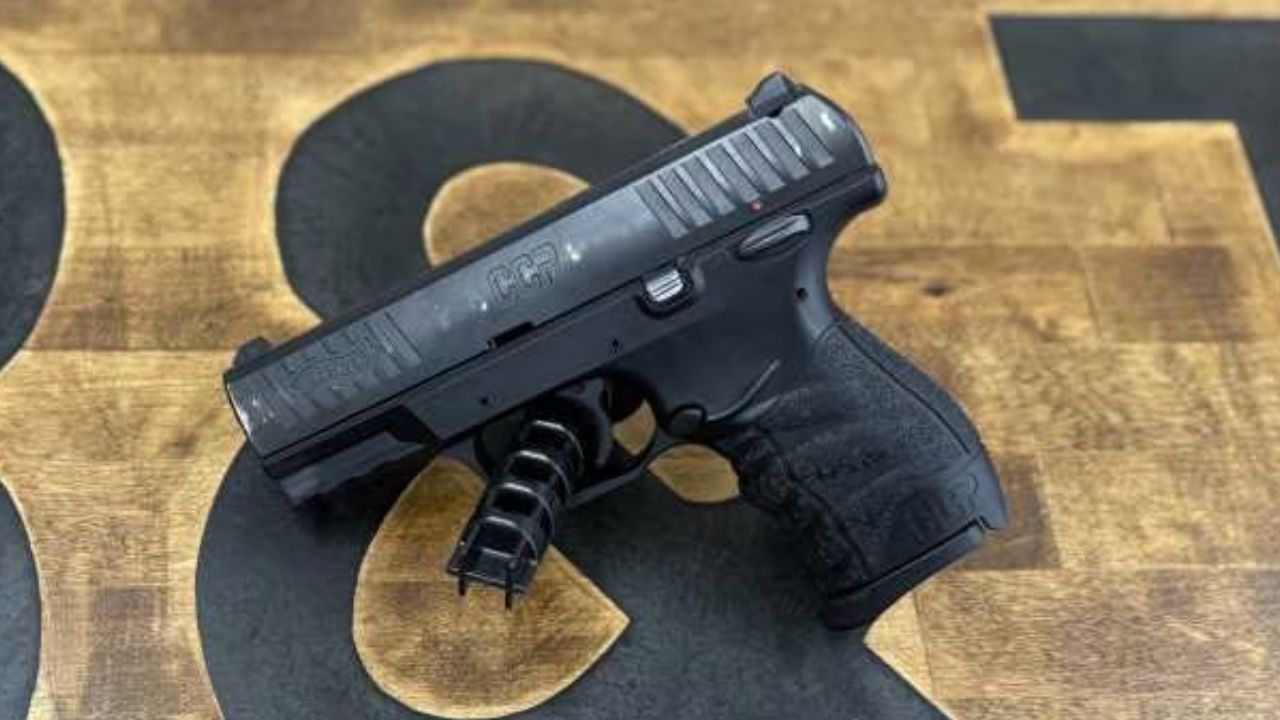
The CCP got attention for being soft-shooting and easy to rack, which is a real need for some shooters. The trouble is the gas-delayed system adds its own maintenance reality. If you’re the type who cleans when you feel like it, it can bite you.
Also, once you compare it side-by-side with other easy-racking compacts, the CCP’s benefits don’t always outweigh the extra complexity. Good niche idea, but the niche is smaller than the awards make it look.
7. Hudson H9
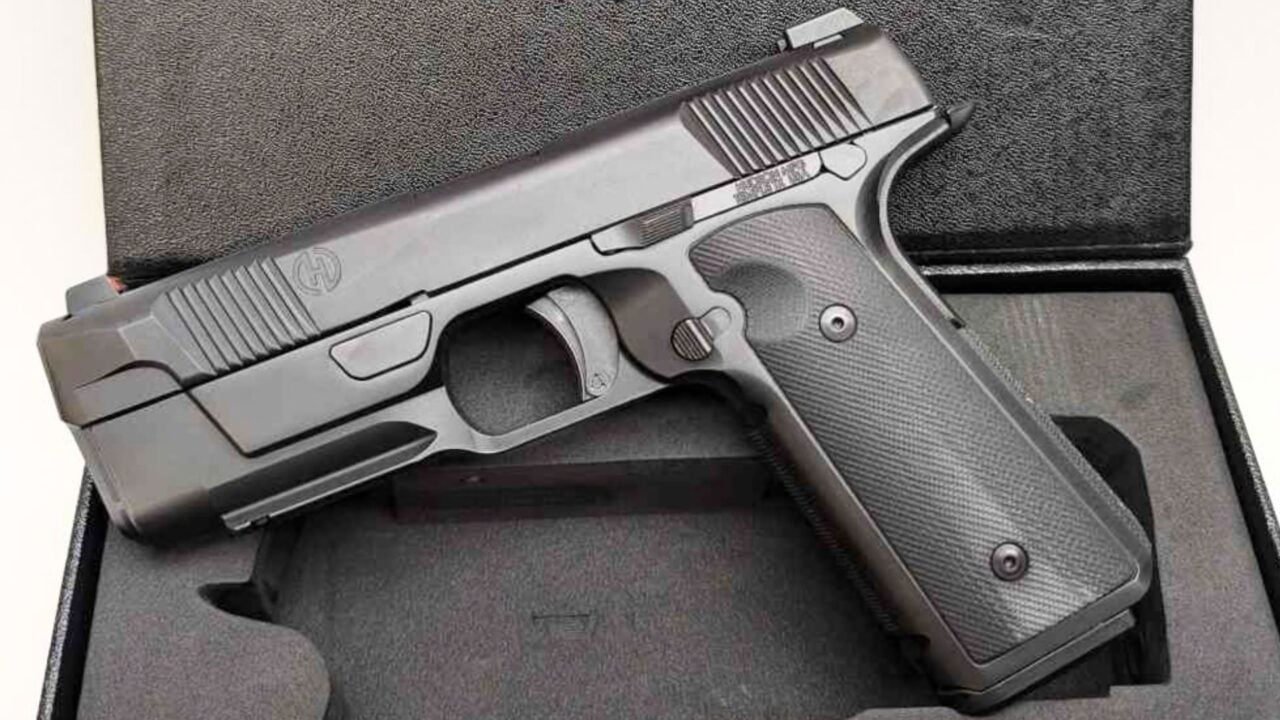
The H9 was the kind of pistol that made people stop walking and lean in. Low bore axis, slick looks, “1911-ish” feel in a striker-ish package. It was a show darling for a reason.
Then reality showed up: spotty support, limited parts, and a company situation that made owners nervous. A pistol can shoot great, but if you can’t get mags, springs, or service without hunting the internet, it stops being a practical choice.
8. STI/Staccato C (single-stack 2011 carry models)
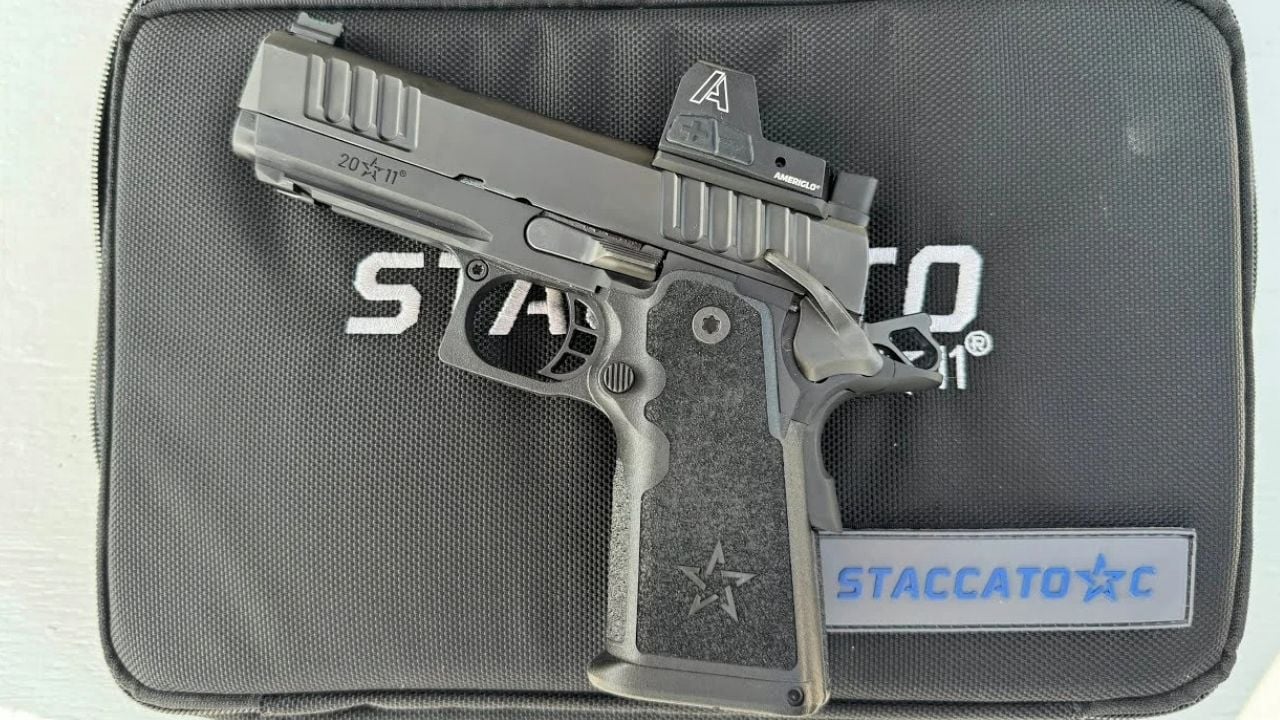
These were hot for a while because they carried flatter than a double-stack and still had that 2011 trigger feel. On the range, they can be very good. In daily carry, the shorter, tighter guns can be pickier about magazines and maintenance than folks expect at the price point.
It’s not that they’re junk. It’s that many buyers wanted “Glock simple” with “race gun nice,” and that combo doesn’t always exist in the real world.
9. FN FNS-9 (early production)
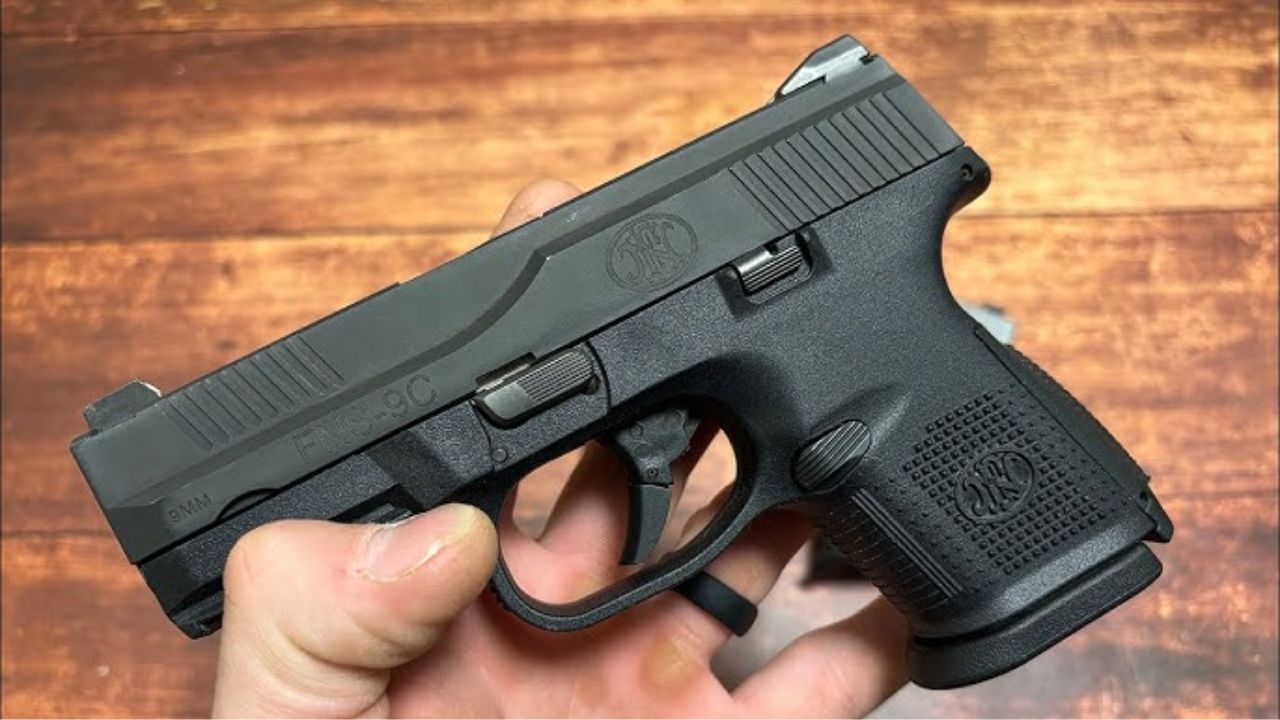
FN makes serious gear, so when the FNS-9 hit, it got plenty of attention. The ergonomics are decent and it feels like a duty pistol. The disappointment usually comes from triggers that vary a lot gun-to-gun and an aftermarket that never got as deep as the big competitors.
When holsters, sights, and small parts are harder to source, owners get tired of working around the ecosystem. It’s a solid pistol for some, but a lot of buyers expected it to take over their rotation and it didn’t.
10. Ruger LCP (original, .380)
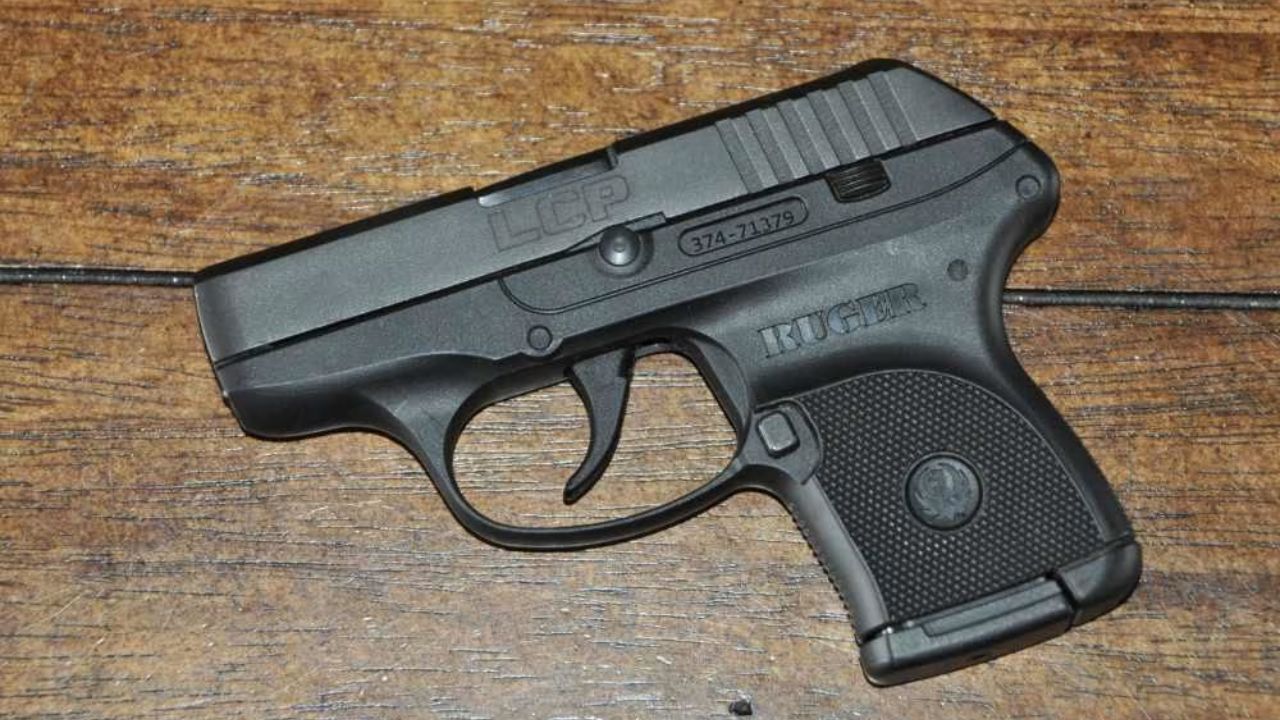
This pistol won the “finally, a real pocket gun” moment for a lot of people. It disappears in a front pocket and it’s light enough you’ll actually carry it. Then you try to shoot it like a normal pistol and realize it’s more like a noisy staple gun with sights.
Snappy recoil, tiny grip, and minimal sights make range days short. Plenty of folks buy one, shoot a box, and decide they’d rather carry something a little bigger that they can actually practice with.
11. Smith & Wesson M&P Shield .40
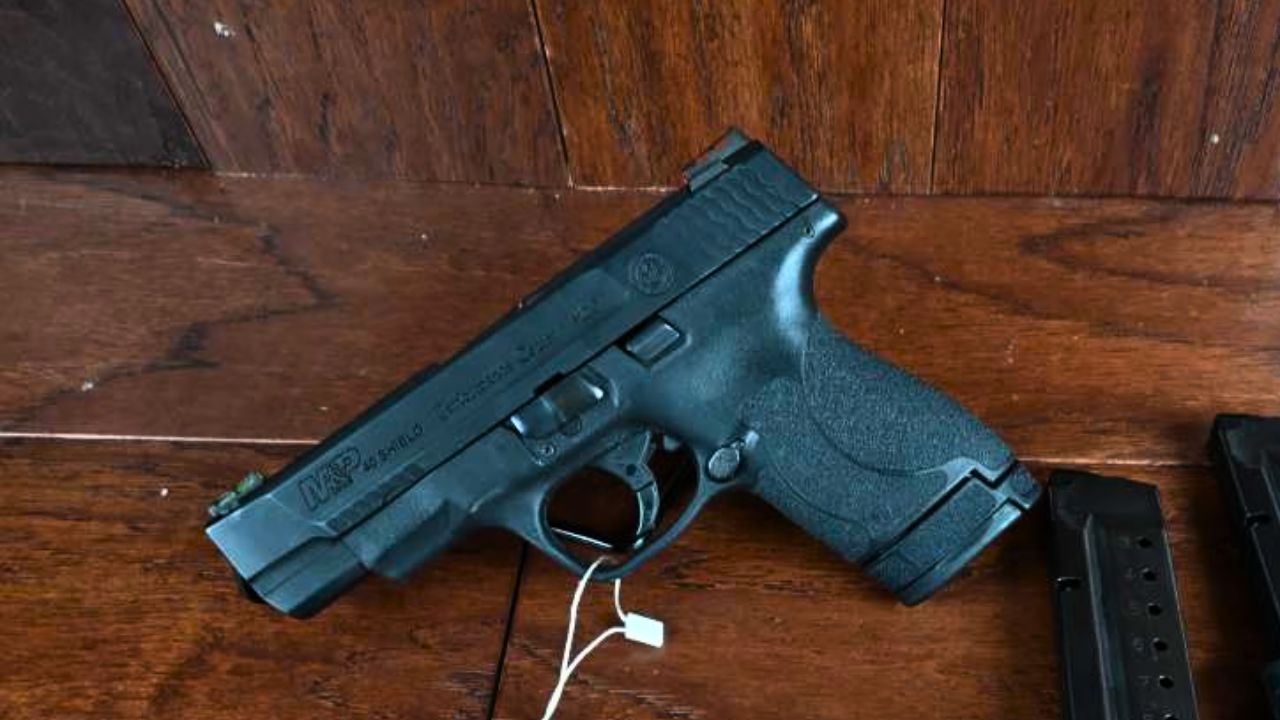
The Shield line earned its place, but the .40 in a thin, light gun can be a rude surprise. It sounds fine at a counter: more power, same size. The timer and your hands tell a different story.
Follow-up shots are slower for many shooters, and practice becomes less fun. A lot of Shield .40s end up traded for 9mm versions because consistency beats theory.
12. Taurus Judge (2.5-inch and lightweight models)
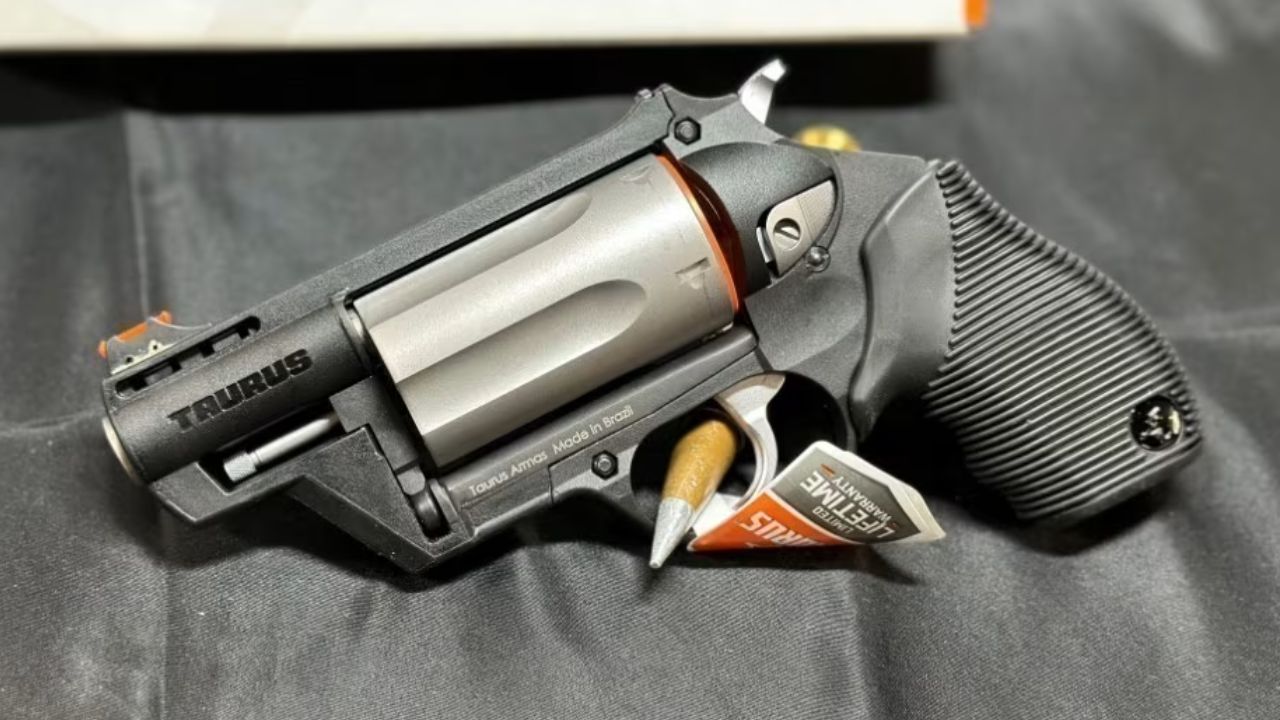
The Judge is a booth magnet. Everybody wants to open the cylinder and talk about .410 shells. In the real world, it’s big, it’s heavy for what it does, and it’s not the magic solution some buyers imagine.
Patterning can be underwhelming, recoil can be unpleasant with certain loads, and the size makes carry awkward. It’s a “cool idea” gun that too often becomes a “what was I thinking” gun.
13. Magnum Research Desert Eagle (big-bore models)

If there was an award for getting attention, this thing would win every time. It’s iconic, it’s loud, and it makes grown men grin at the range. Then the owner figures out ammo costs, weight, and the fact that it’s not exactly a practical woods sidearm for most folks.
It also asks for a certain level of discipline with ammo selection and grip technique to run happily. As a specialty pistol, it’s fine. As a purchase justified as “home defense” or “bear gun,” it’s usually a disappointment.
14. Heckler & Koch VP70
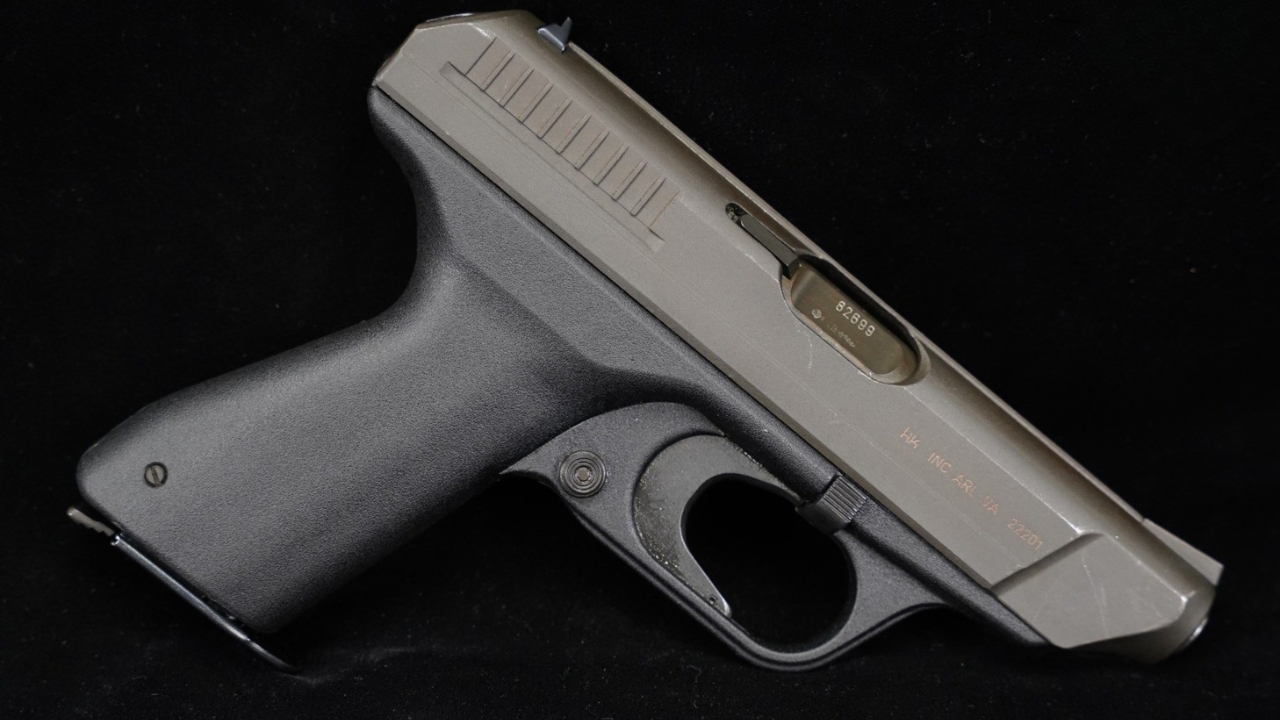
The VP70 was “innovative” before innovative was cool, and it still gets talked about like a museum piece that belongs in every serious collection. But shoot one and you’ll understand the buyer’s remorse. The trigger is famously rough, and the gun feels like a brick with a grip angle argument.
Collectors may love it. Shooters often don’t. It’s one of those pistols that wins points for history and loses points for actually firing it.
15. Glock 44

A .22 trainer that feels like a Glock should be a slam dunk. It got plenty of hype because it fills a real role: cheap practice with familiar controls. The disappointment comes from picky behavior with certain ammo and expectations that it should run like a centerfire Glock no matter what you feed it.
Yes, .22s are ammo-sensitive in general. But when you slap “Glock” on the slide, folks expect boring reliability. When it isn’t boring, it gets traded.
16. Beretta APX Carry
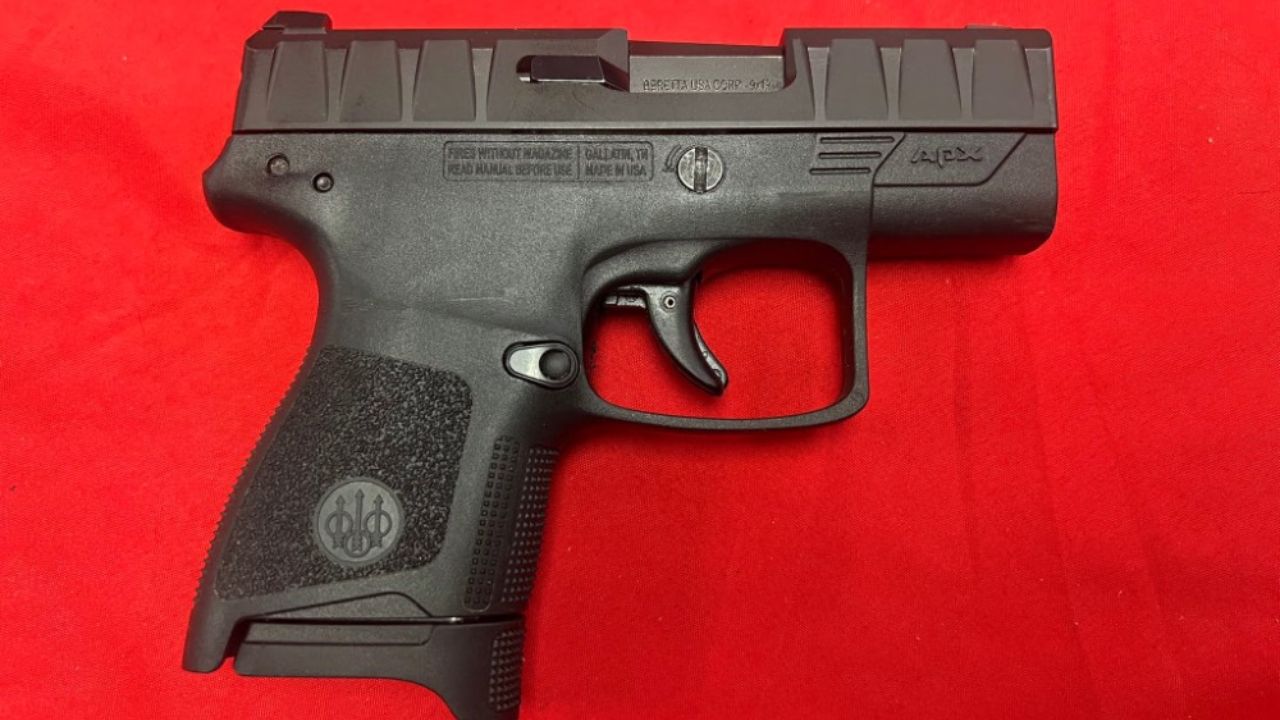
The APX line looks tough and modern, and the name Beretta carries weight. The Carry version, though, hasn’t won many hearts. Triggers, shootability, and general “feel” just don’t always match what buyers hope for in a slim carry pistol.
It’s not the worst gun in the world, but it’s a classic case of a big brand putting out a small gun that doesn’t beat the established small-gun kings. People handle it, buy it, then later admit they should’ve rented more options.
17. Springfield Armory Hellcat RDP
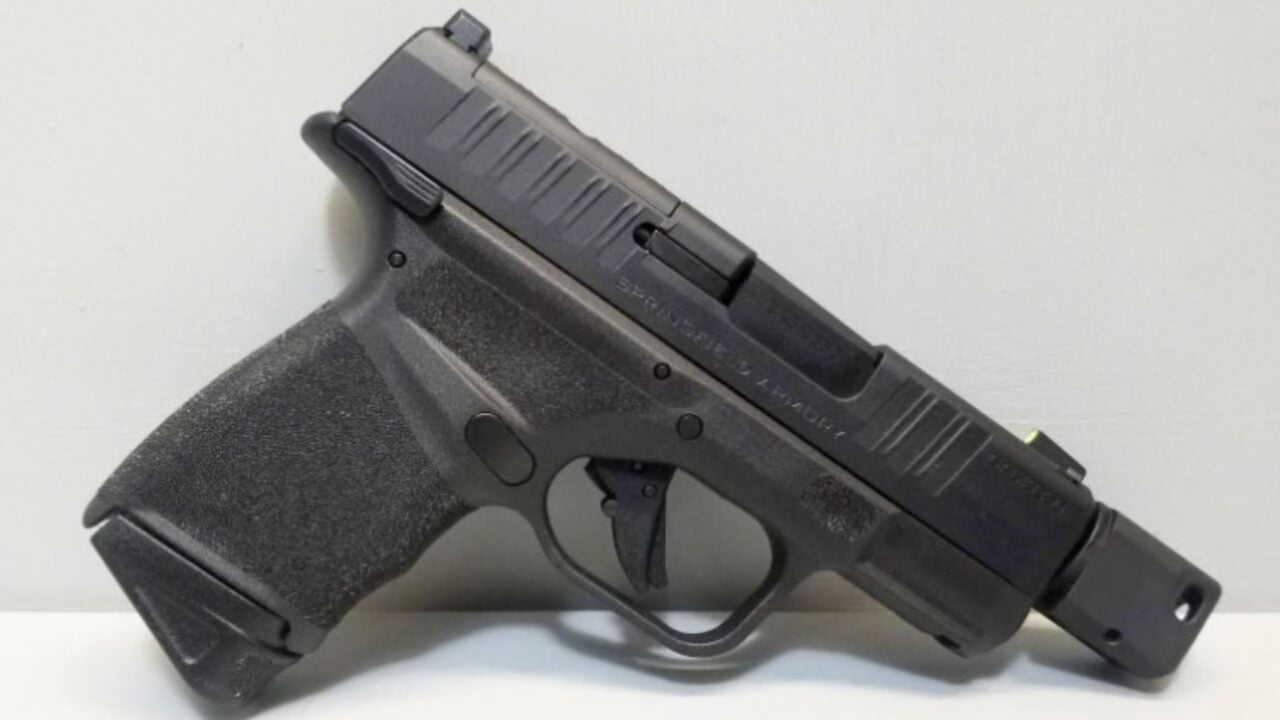
The Hellcat is a strong micro-9, no doubt. The RDP package—with comp and fancy setup—looks like the ultimate answer to small-gun snappiness. In practice, it can add cost, length, and extra fuss for benefits that some shooters barely notice under normal carry distances.
It’s also one more setup to keep track of when you’re choosing holsters and carry gear. For some, the plain version would’ve done the job with less complication.
18. SIG Sauer P320 (early drop-safety controversy era)
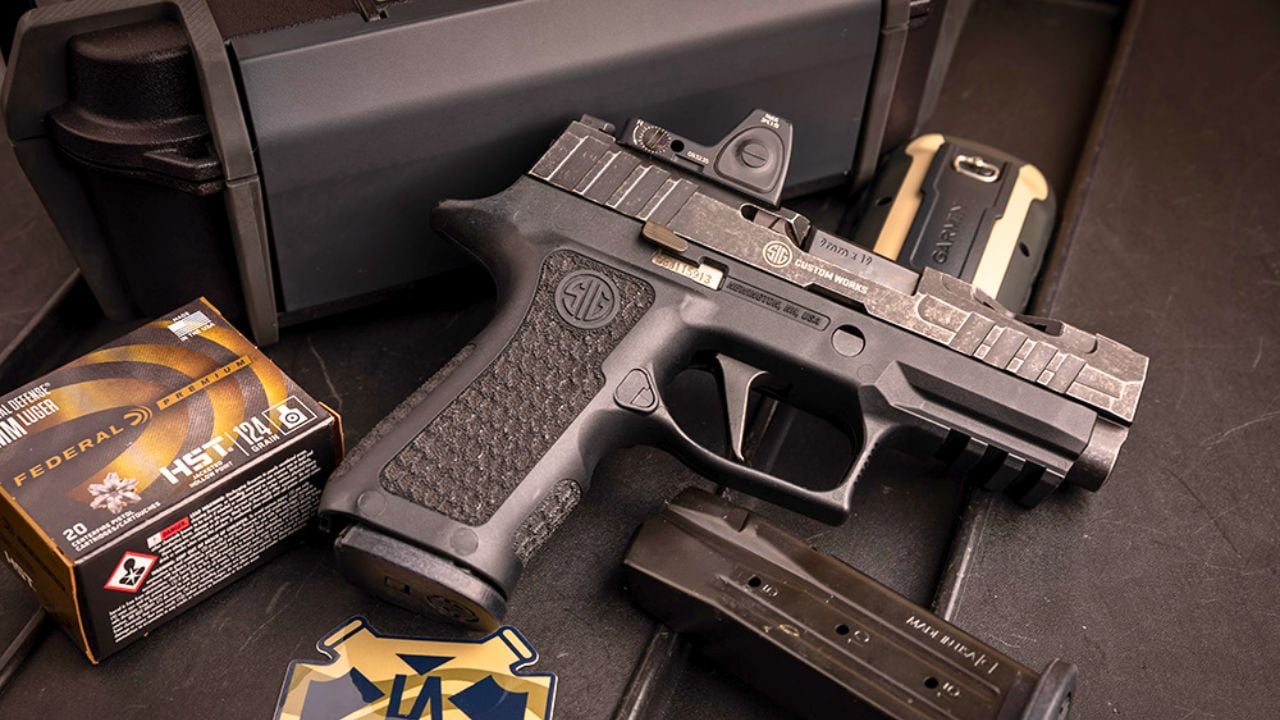
The P320 platform has proven itself in a lot of hands, and it’s incredibly modular. But you can’t pretend the early safety controversy didn’t sour plenty of regular shooters. Even when fixes and upgrades exist, trust is a real part of “does this work for me.”
Some owners simply didn’t want the mental baggage. Others got tired of chasing the latest variation of grip module, trigger, and slide cut instead of just shooting the thing.
19. CZ P-10 C (early production)

The P-10 C arrived with serious hype because it felt like CZ finally threw a punch in the striker world. Many of them are excellent shooters. The early complaints that stuck were about stiff magazines, some teething issues, and an aftermarket that took time to catch up.
If you bought early and expected a perfect “Glock killer” out of the box, you might’ve walked away unimpressed. Later guns have a better reputation, but first impressions can be expensive.
20. IWI Masada
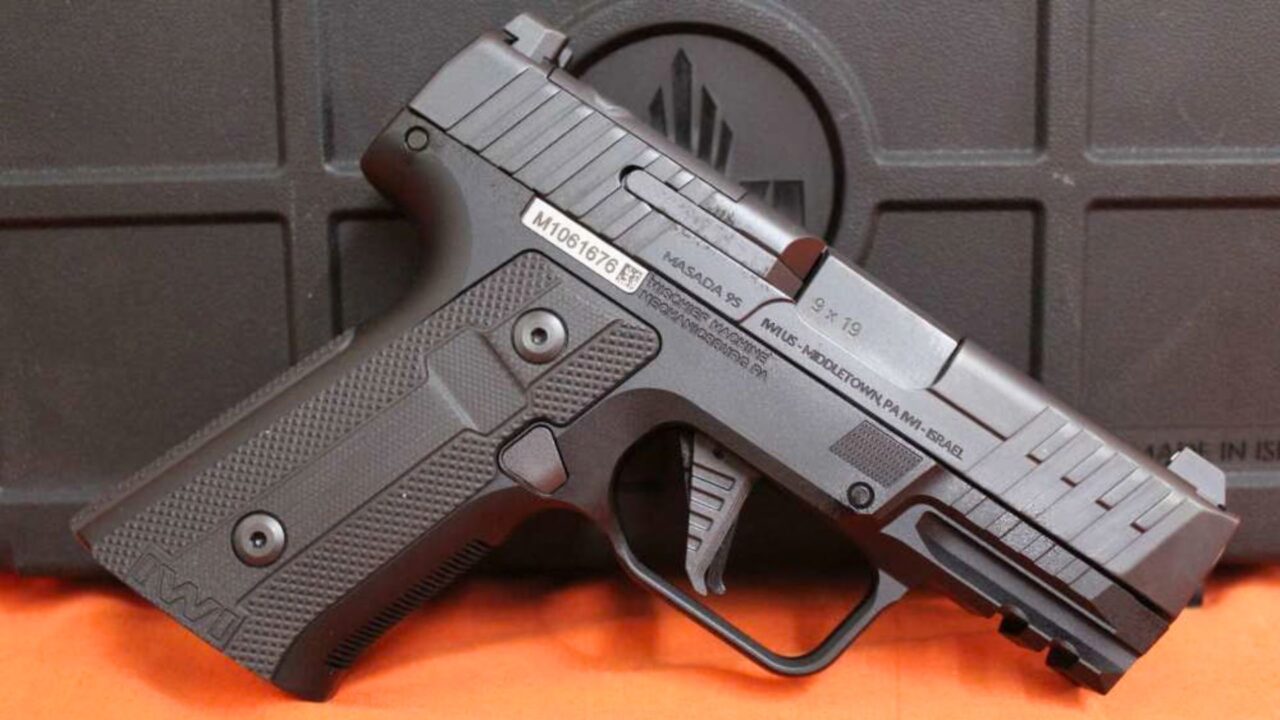
The Masada has a lot going for it: optics-ready mindset, decent ergonomics, and a price that undercuts some competitors. It also tends to win points with reviewers who like its feature list. The letdown shows up when owners realize the feature list isn’t the same thing as a mature ecosystem.
Holsters, sights, small parts, and “everyone at the range knows how to help you” matter more than people admit. If a pistol makes you work harder to keep it running and outfitted, it often gets replaced by something more common.
Industry awards tend to reward novelty and features. Real shooters reward boring stuff: common magazines, easy holster options, sights you can replace anywhere, and a gun that runs dirty on regular range ammo without being babied. If you’re shopping, rent before you buy, be honest about what you’ll actually practice, and don’t confuse “cool at the counter” with “good after 1,000 rounds and a sweaty summer.”
Like The Avid Outdoorsman’s content? Subscribe to our newsletter so you never miss an article.
Here’s more from us: