Photo credit: TinkerTalksGuns/YouTube
Every now and then I’ll see a plain-Jane service pistol in a used gun case with honest holster wear, dinged sights, and a rack number lightly electro-penciled somewhere it shouldn’t be. Nothing about it screams “collector.” And yet the tag is higher than it has any right to be. That’s how it goes when a gun spent its life doing a job and then quietly turned into a piece of history.
Standard-issue pistols were built to be issued, carried, shot, cleaned, and shoved back in an armory. They weren’t built for velvet-lined display boxes. But nostalgia is powerful, surplus dries up, and “boring” becomes rare faster than you think. Here are 20 duty pistols that were never supposed to be collectible… and somehow ended up that way anyway.
1. Colt M1911A1 (U.S. military issue)

A real, honest M1911A1 is the definition of a working pistol that accidentally became a prized artifact. Most of them were rebuilt, refinished, and mixed-and-matched across depots for decades, which is why truly correct examples bring serious money. The worn ones with mismatched parts can still be great shooters, but collectors chase the markings and original finish.
Outdoorsmen like them because they still carry well in a good belt rig and point naturally. The downside is parts and mags are easy, but “original” parts are not. If you’ve got one with legitimate service provenance, it’s not the gun you loan out at deer camp.
2. Beretta M9 / 92FS (U.S. service pattern)

The 92FS was everywhere for a long time, so it felt too common to ever be “special.” Now the military-era markings, early Italian-made guns, and true contract variants get attention. Folks who carried one tend to want the exact one they qualified with, right down to the clunky safety/decocker.
They’re still fantastic range pistols: soft shooting, reliable with good mags, and accurate enough to embarrass some newer guns. They’re also big. If you’re buying one for field carry, accept the size or look at the compact variants and enjoy the same feel in a handier package.
3. SIG Sauer P226 (service and contract guns)

The P226 has that “bank vault” slide feel when it cycles, and plenty of agencies and units leaned on it hard. It was a tool, not a safe queen, but the older German-frame guns and certain contract runs have a following now. Even beat duty trade-ins get scooped up quick if the price is right.
From a practical standpoint, it’s a phenomenal pistol if you don’t mind weight. DA/SA isn’t trendy, but for cold hands and gloves in the fall, that heavier first pull has its own kind of comfort once you’re trained on it.
4. SIG Sauer P228 (the compact classic)

The P228 is one of those pistols guys regret selling because it carried better than a full-size and shot bigger than it looked. It served in enough official roles that the “real” ones—especially older German-marked examples—have gotten collectible. It’s not rare in the grand scheme, just loved.
Parts and mags are doable, but you’ll notice prices creeping up compared to a decade ago. If you find one that hasn’t been butchered with home stippling or questionable refinish work, it’s worth a long look.
5. Heckler & Koch USP (agency issue era)

The USP was built like somebody at HK got told, “Make it survive everything,” and they took it personally. Police trade-in USPs used to be the sleeper buy—big, blocky, and dead reliable. Now certain variants, especially early production and uncommon calibers, are treated like collectibles.
It’s not a dainty pistol. It’s more “truck glovebox” than “summer carry,” depending on your build and holster. But if you want a service gun that shrugs off neglect better than most, the USP earned that reputation the hard way.
6. Heckler & Koch P7 (PSP/M8 police surplus)

This is the one that still makes me shake my head. The P7 was a police pistol, a weird one at that, and it was never supposed to be a money pit for collectors. Then the surplus supply dried up and prices went through the roof.
It’s accurate and flat and points like your finger, but it heats up fast with extended shooting. If you own one, it’s a “couple mags at a time” gun at the range, not a 300-round class gun. Treat it nice and it’ll keep getting nicer in value whether you care or not.
7. Walther P38 (WWII and post-war service)

The P38 is a piece of history you can still shoot without feeling like you’re dragging a museum exhibit into the woods. It was adopted to solve real wartime needs, and it shows—simple, rugged, and meant for mass issue. Collectors chase codes, dates, and wartime details.
As a shooter, it’s a mixed bag. Some run great, some are finicky with modern ammo, and parts can be a pain. If you want one for the story, buy with your eyes open and don’t expect modern ergonomics.
8. Walther P1 (Bundeswehr-era alloy-frame P38 evolution)
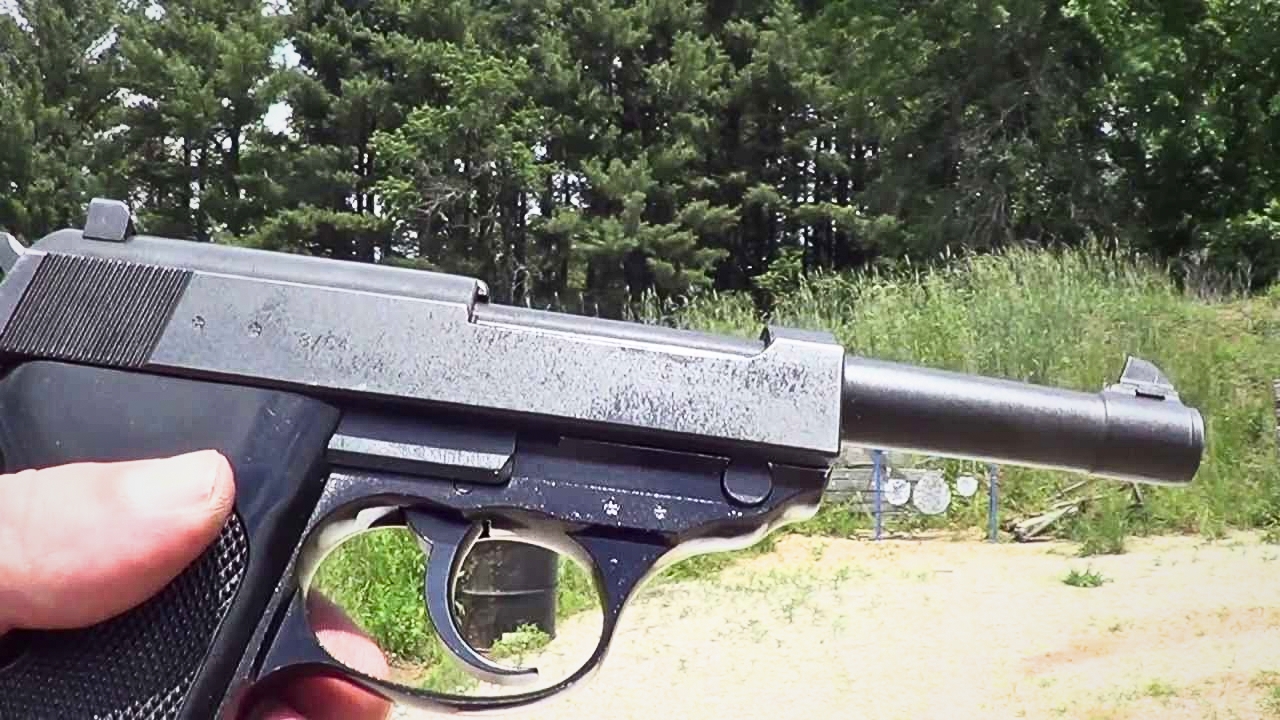
For years the P1 was the “cheap P38,” the one guys bought because it was affordable and they wanted the look. Then people started realizing the West German service history mattered, and clean examples quit being cheap. It’s still not as glamorous as wartime P38s, but that’s changing.
They’re light for their size, which makes recoil snappier than you’d guess. Great conversation piece, decent shooter if you find a good one, and a reminder that yesterday’s surplus bargain becomes tomorrow’s collectible.
9. Browning Hi-Power (military and police service worldwide)

If you’ve carried a Hi-Power, you get it. Slim in the hand, points naturally, and balances like it was designed by somebody who actually shoots. It served all over the world, which means there are a lot of variants—and collectors love variants.
The practical catch is the older guns may have small sights and a heavy trigger, especially with certain factory safety setups. Still, it’s one of the few “classic” service pistols that feels just as right on the belt today as it did decades ago.
10. CZ 75 (service roots and Cold War mystique)
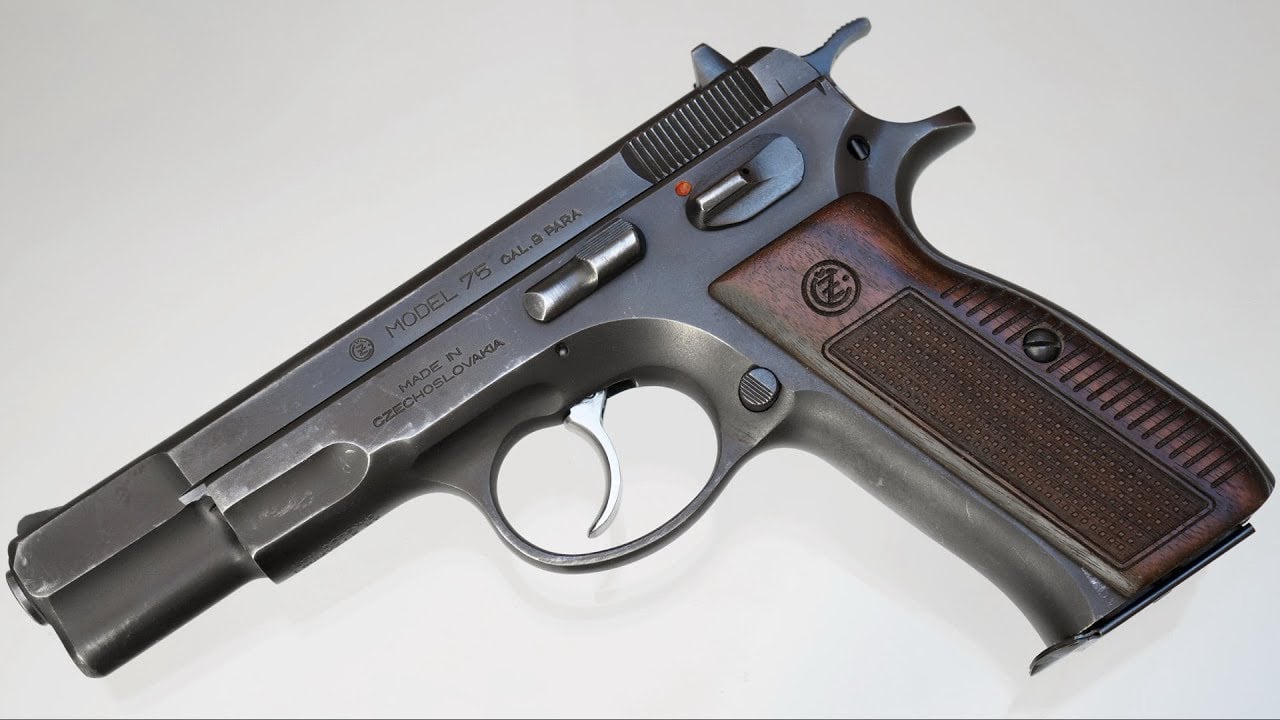
The CZ 75 wasn’t a U.S. military issue gun, but it lived a real service life in plenty of places and built a reputation the old-fashioned way. The early pre-B and original pattern guns have become collectible because they represent that Cold War era of “serious steel.”
They shoot well, soak up recoil, and feel planted. The only downside is that once you get attached to an older CZ with character, you’ll start noticing how many “collector” listings have replaced the reasonable used-gun listings.
11. CZ 82 / CZ 83 (police and military surplus in 9×18 and .380)
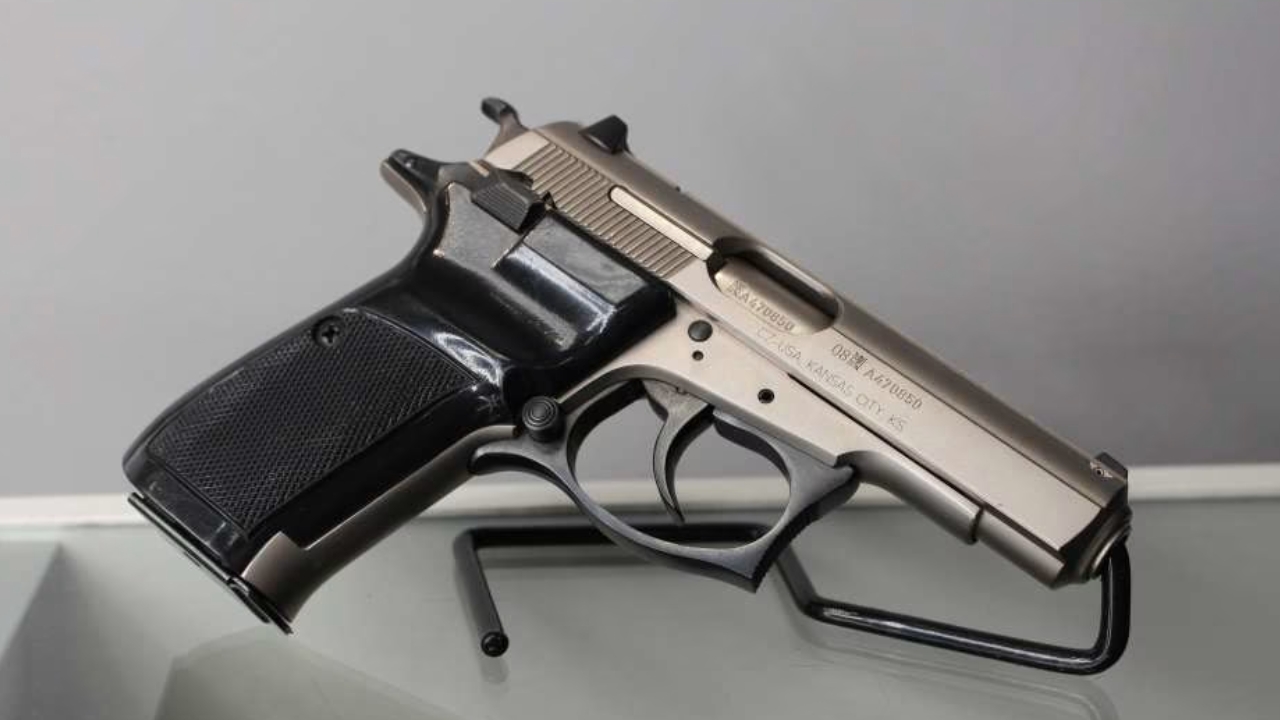
The CZ 82 wave was one of the best surplus deals we’ve seen in a while, and for a moment it felt like they’d be cheap forever. They weren’t. A lot of them got bought up as “just a fun plinker,” and now the clean ones get snapped up quick.
They carry surprisingly well for a double-stack, and the ergonomics are excellent. The caliber debate never ends, but for what these are—compact service pistols with history—they’re hard not to like.
12. Makarov PM (Soviet-pattern service pistol)
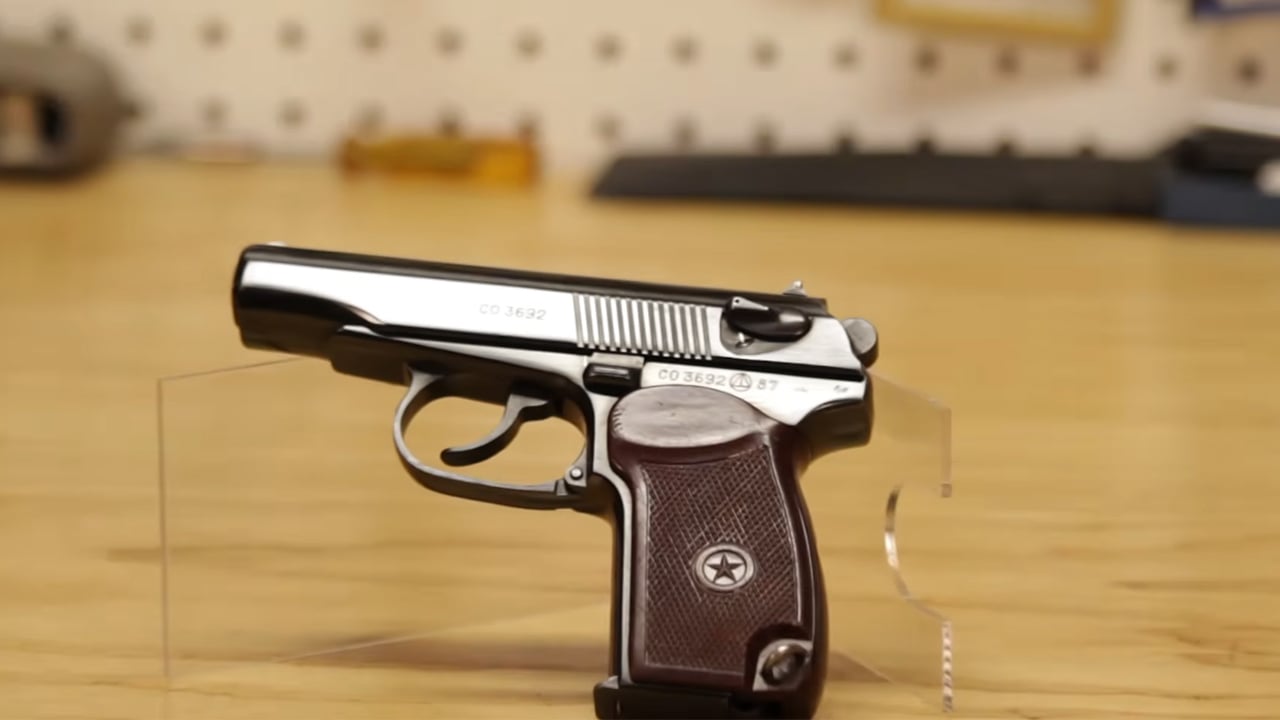
The Makarov was built for issue use by people who needed simple, dependable, and easy to maintain. It’s not fancy. It’s not ergonomic. It just works, and that’s why they got carried everywhere.
Now the country-of-origin markings matter, certain production runs bring premiums, and even well-used examples have climbed. If you own one with original mags and holster, hang onto them. The accessories disappear first.
13. Tokarev TT-33 (Soviet and clone service pistols)

These were the kind of pistols that got tossed in a drawer, brought out for qualification, and tossed back. They’re thin, powerful for their size, and built like they expected hard use. The originals and certain arsenal marks have become very collectible.
As shooters, they’re loud, they throw fire, and the ergonomics feel dated. Also, be picky about safety features on imports—some were added later in ways that aren’t exactly elegant. Buy for history and function, not comfort.
14. FN FNP-9 / FNX-9 (agency adoption era)
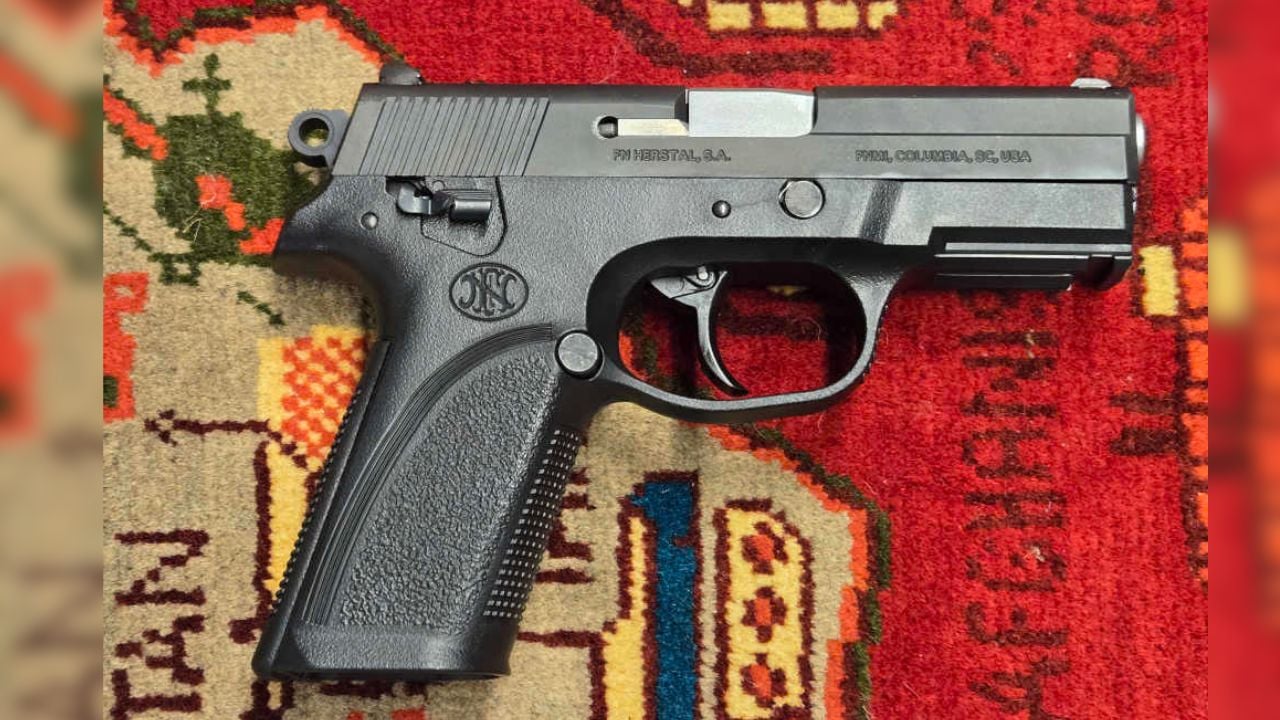
This one is a sleeper. FN’s polymer duty pistols were issued and carried by various agencies, then traded off when the next procurement cycle hit. They didn’t have the “cool factor” of some competitors, which is exactly why clean examples are starting to stand out now.
They’re solid shooters with good capacity, and many have a very usable DA/SA setup. Mag availability can be the sticking point depending on the exact model, so if you buy one, grab mags while they’re still reasonable.
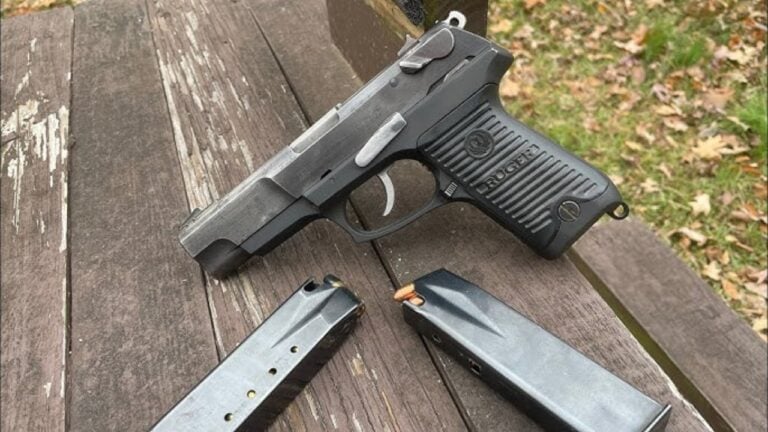
15. Ruger P89 (police trade-in workhorse)
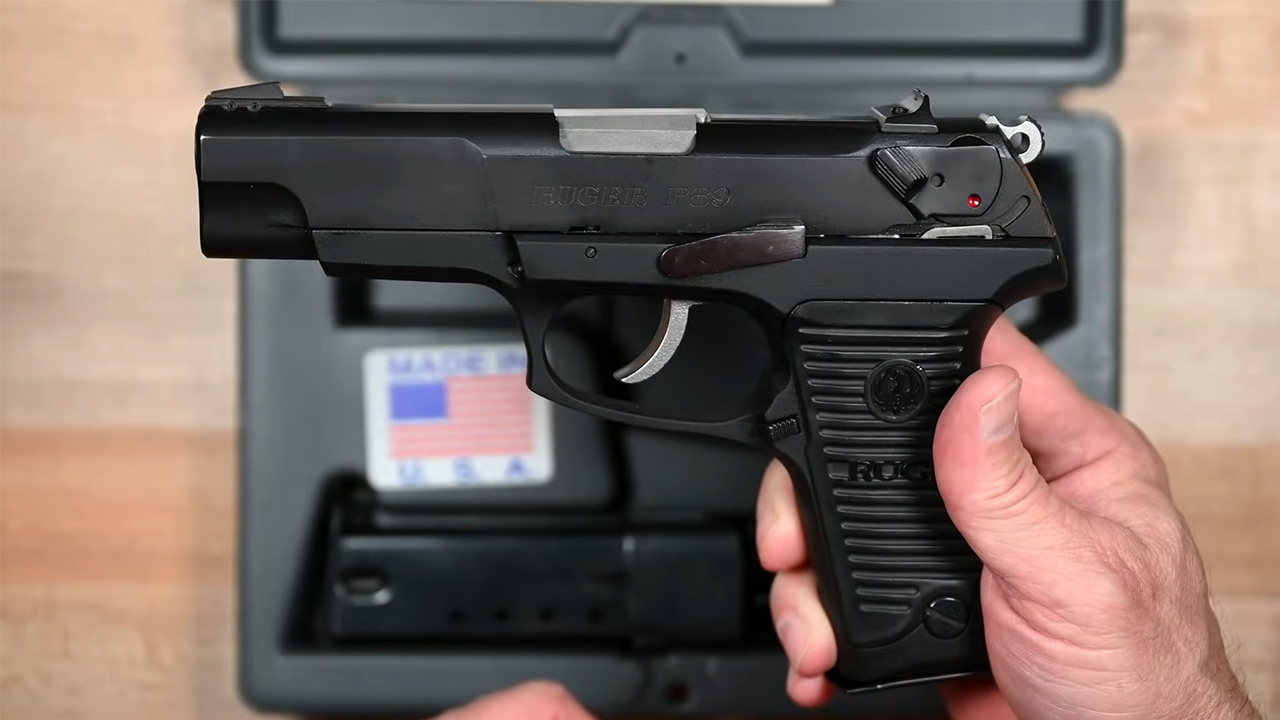
Ruger P-series pistols were never pretty. They were the service pistols your buddy’s department issued because they were tough and priced right. The P89 in particular has that “brick with a trigger” feel, and it’ll run when cleaner pistols start getting picky.
Collectors are waking up to them, not because they’re rare, but because they represent a real era of American duty guns. If you’ve got one with department markings, don’t be surprised when it draws more interest than it used to.
16. Smith & Wesson Model 5906 (third-gen duty gun)
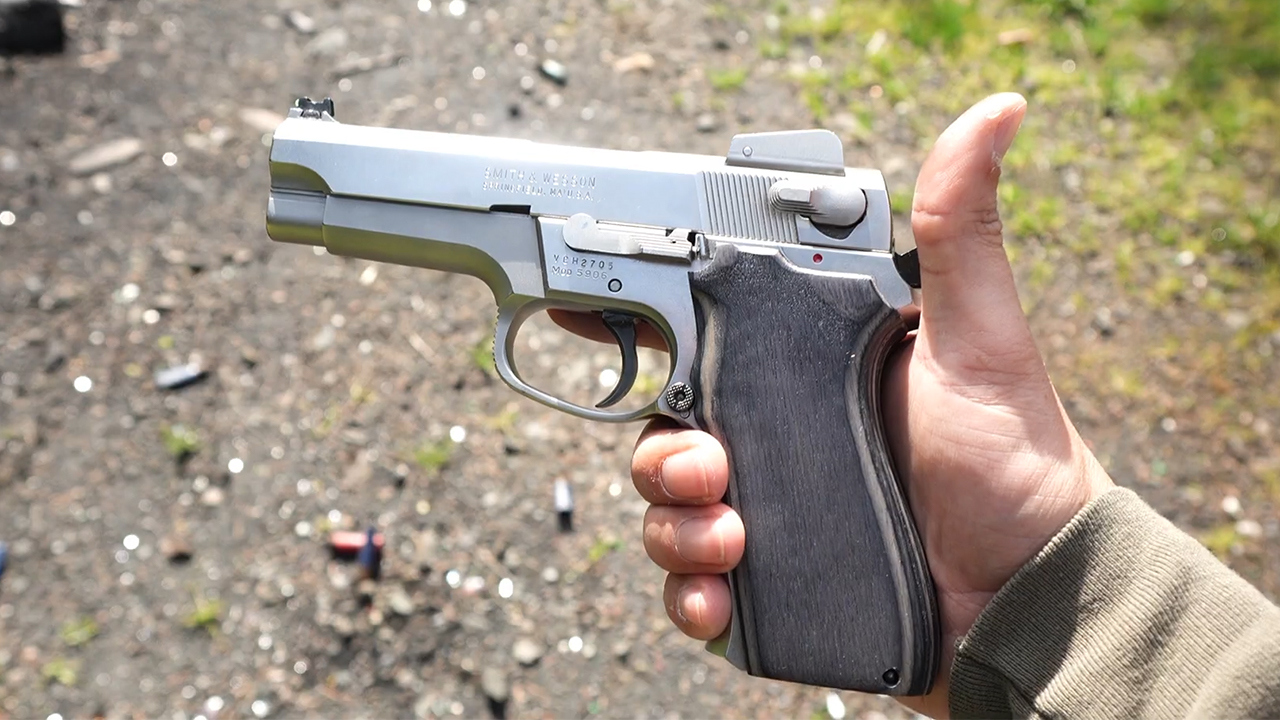
The 5906 was carried hard by a lot of departments, and it shows in the holster wear on trade-ins. For years they were the best kept secret in used pistols: stainless, reliable, accurate, and usually cheaper than they deserved to be. Those days are fading.
They’re heavy, no doubt. But for a range gun, a glovebox gun (secured properly), or just a solid piece of American service history, they’re hard to beat. Good mags are out there, and the trigger smooths out with use in a way polymer guns don’t.
17. Smith & Wesson Model 39-2 (early American 9mm service influence)

The 39-series sits in that spot where “old” becomes “important.” It’s a slim, single-stack 9mm with real historical weight behind it. It wasn’t built to be collectible; it was built to modernize the idea of a service autopistol in America.
They’re pleasant to carry and shoot, but you’re buying into older design choices. Sights are smaller, and parts aren’t as universal as a Glock. Still, if you find one in nice shape, it’s hard not to appreciate what it represents.
18. Glock 17 (early Gen 1/Gen 2 and marked duty guns)

The Glock 17 is the ultimate “tool” pistol. For a long time, the idea that any Glock would be collectible sounded silly. Then the early generations, unusual markings, and true issued guns started drawing attention, especially as departments rotated stock and the early stuff vanished.
Functionally, they’re still what they’ve always been: simple, reliable, and easy to keep running. The collector side is mostly about condition and specifics—box, papers, early features—so if you have an older one that’s still original, don’t rush to “upgrade” parts unless it’s a dedicated shooter.
19. Beretta 1951 “Brigadier” (Italian service pistol roots)
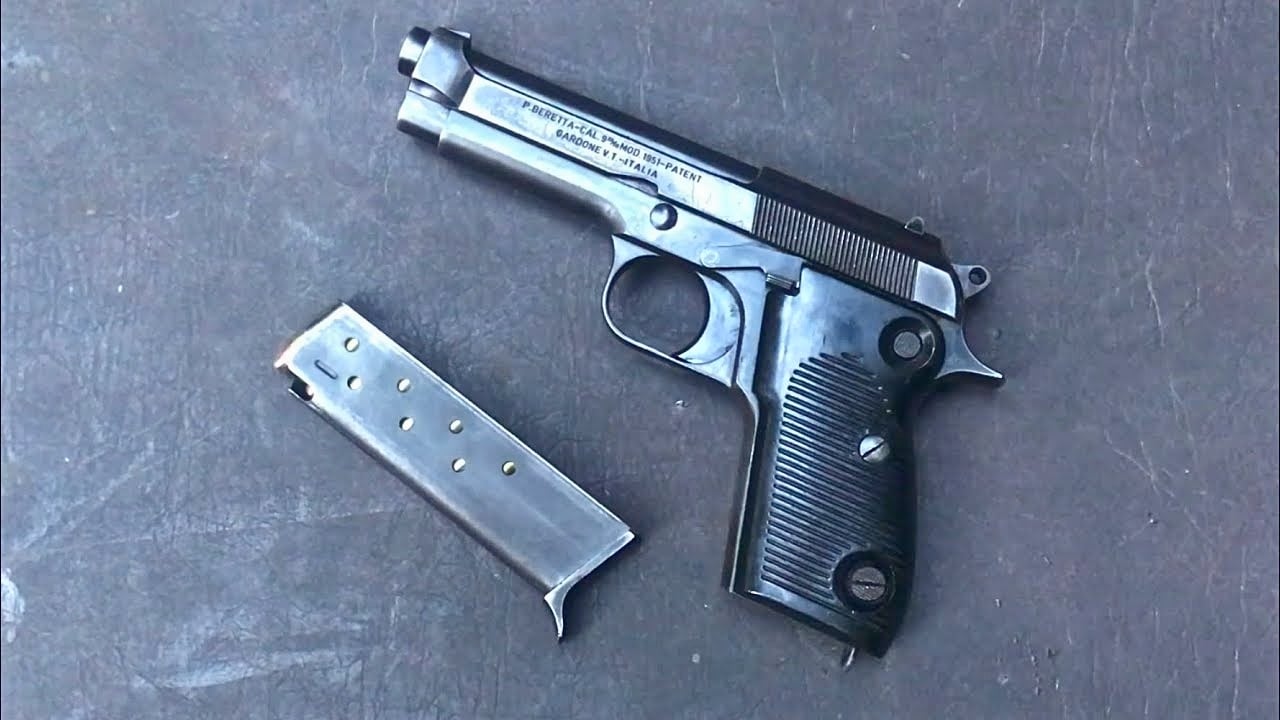
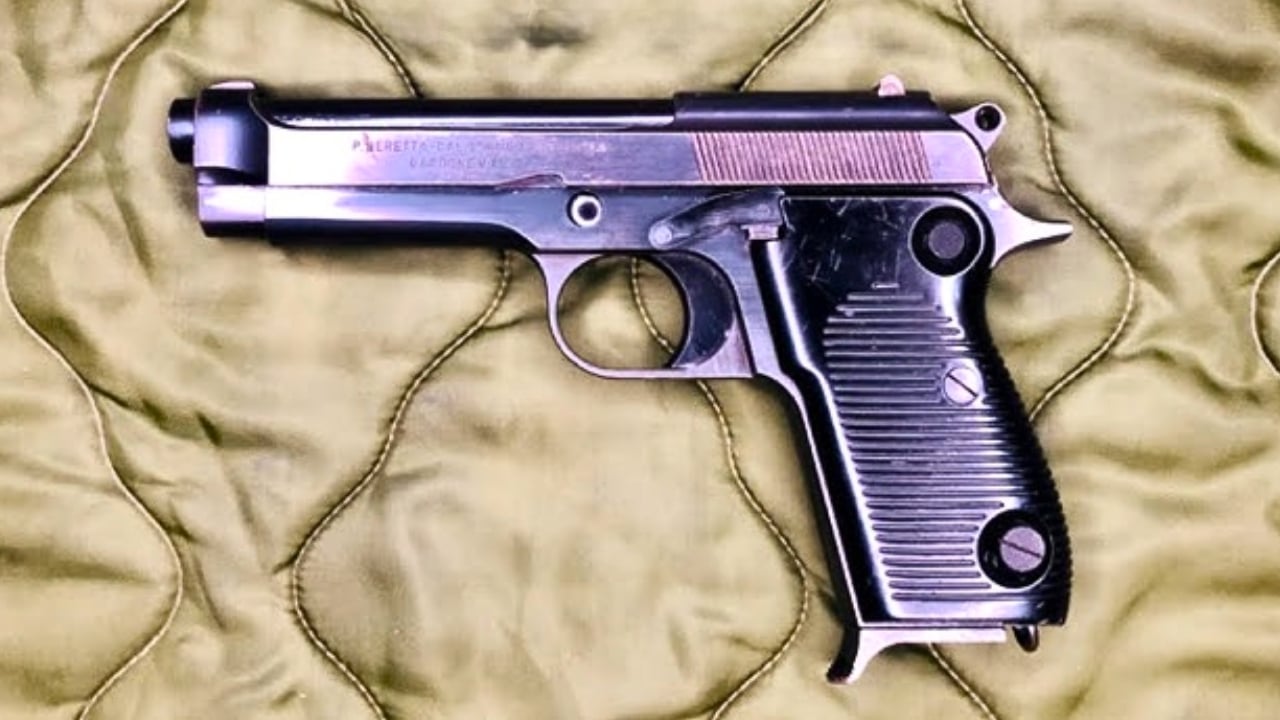
The 1951 doesn’t get talked about like the 92 series, but it’s got that classic Beretta feel and real service background. It’s one of those pistols that used to be “cheap surplus cool,” until enough people realized they weren’t making any more of them.
They’re slim and point well, and they scratch that itch if you like steel pistols with history. The challenge is finding clean magazines and verifying exactly what variant you’re looking at, because small details change value fast.
20. Mauser C96 “Broomhandle” (military use and surplus legend)
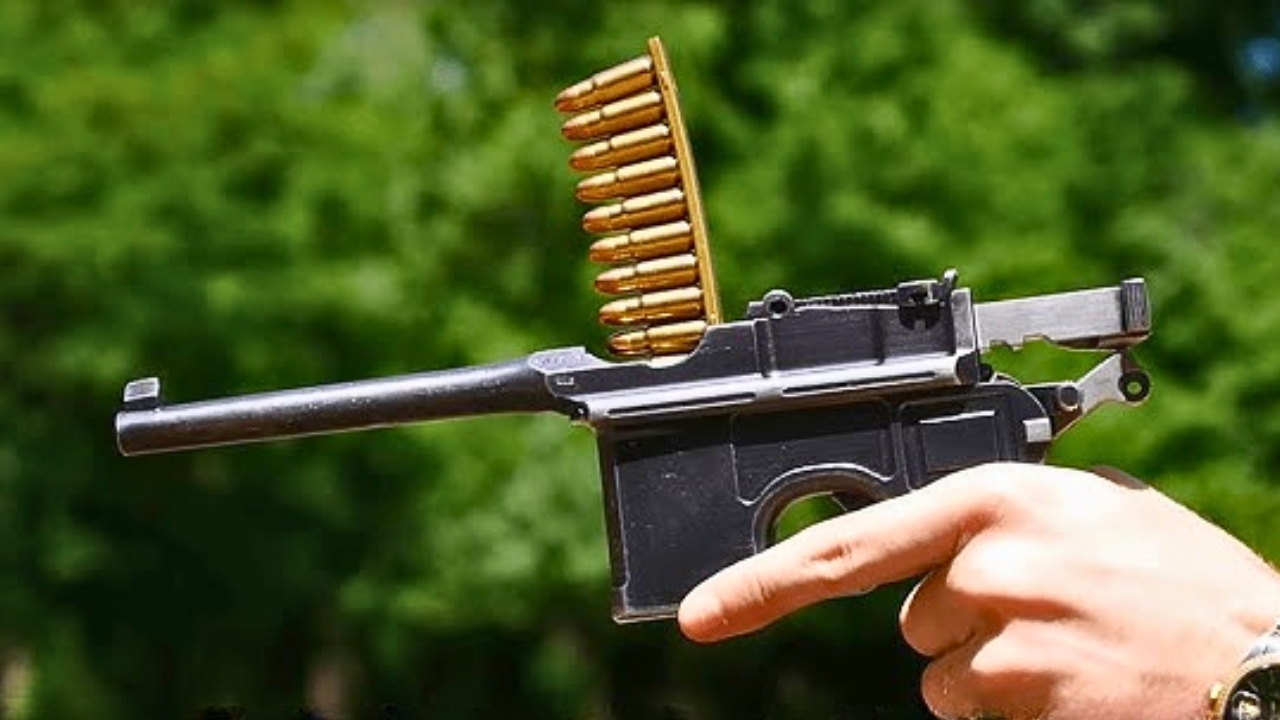
The C96 is a strange duck that somehow ends up in every gun guy’s mental scrapbook. It was used in various military contexts, carried in odd ways, and it’s been romanticized ever since. It was never meant to be a collector darling; it just became one by being iconic.
As a shooter, it can be a handful, and you need to be careful about correct ammo for the specific gun. But if you ever handle a real one with a tight action and decent bore, you understand why they don’t sit long when they show up.
None of these pistols were built to be babied. They were built to ride in holsters, get sweat on them, get banged into door frames, and still fire when somebody’s heart rate was up. That’s why they matter. If you’ve got one tucked away, maybe it’s worth less as a quick sale and more as a keep—because the older I get, the more I value the guns that were proven the hard way.
Like The Avid Outdoorsman’s content? Subscribe to our newsletter so you never miss an article.
Here’s more from us: