Photo credit: WHO_TEE_WHO/YouTube
Opening day has a way of exposing whether a rifle is actually ready for hunting or whether it only looked good on a bench. Once the weather turns, the walks get longer, and the first real shot opportunity shows up, weight, balance, trigger feel, reliability, and confidence start mattering a lot more than whatever sounded impressive in the catalog.
That is why I would rather own a deer rifle with a clear purpose than one loaded with features I do not need. Some of these are better for thick timber. Others make more sense across fields or broken western country. A few are older designs that still do the job as well as anything current. If opening day was around the corner, these are 20 rifles I would be perfectly comfortable getting zeroed and taking into the woods.
Remington 700 CDL .30-06
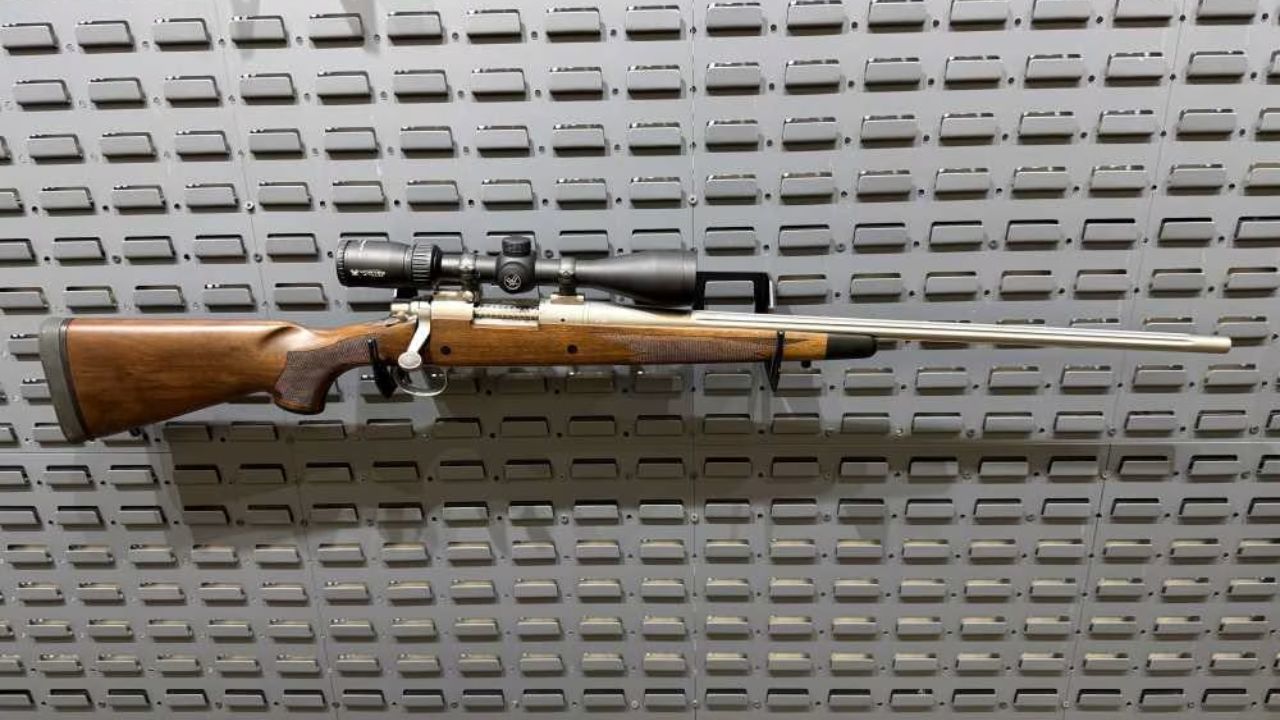
The 700 CDL is the kind of deer rifle that still feels right even as the market moves toward carbon stocks and short barrels. The walnut stock, traditional lines, and familiar 700 action give it the feel of a rifle built for hunting first. In .30-06, it also gives you enough cartridge for nearly any deer hunting situation while keeping ammunition easy to find and bullet selection broad. The rifle is not especially light, but it carries well enough and has enough weight to settle down quickly from a stand or shooting rail.
If I wanted one deer rifle that could stay in the family for decades, the CDL would be easy to justify. It does not need to be fashionable when the basic combination still works this well.
Sako 90 Hunter .308 Winchester

The Sako 90 Hunter is the kind of rifle I would choose if I wanted a traditional hunting rifle with more refinement than the average production gun. The action is smooth, the stock geometry is excellent, and the trigger gives you the kind of control that becomes noticeable when a shot opportunity is brief. In .308, the rifle stays compact and efficient without giving up meaningful deer-hunting capability.
This is not the cheapest route to a deer rifle, but it is the kind of gun that can eliminate the urge to keep upgrading. If it fits you correctly and shoots the load you want, there is very little left to fix before season.
Seekins Havak Element .6.5 PRC

The Havak Element makes sense for hunters who spend more time walking than sitting. The rifle is light enough to matter in steep or open country, but it still has enough structure and quality to avoid feeling flimsy. Chambered in 6.5 PRC, it gives you a flatter-shooting option for longer deer shots without jumping straight into the recoil of larger magnums.
I would choose it for western terrain, big fields, or anywhere I expected to cover ground and still wanted enough cartridge for distance. It is more specialized than a basic .308, but in the right country that specialization earns its keep.
Nosler Model 21 .280 Ackley Improved

The Model 21 is a serious hunting rifle built around a smooth action, good trigger, and a stock designed for field use rather than bench shooting. In .280 Ackley Improved, it gives you excellent downrange performance with a wide range of hunting bullets while remaining manageable enough that practice does not become punishment.
This is the sort of rifle I would want when deer season might include longer shots but I still had to carry the gun all day. It has enough capability to stretch out when conditions demand it without becoming a dedicated long-range rifle that feels awkward everywhere else.
Springfield Model 2020 Redline .308 Winchester

The Model 2020 Redline gives you a modern lightweight hunting package without forcing you into an extreme mountain-rifle setup. The carbon-fiber barrel helps keep weight down, the stock is built around practical field positions, and the short overall format makes the rifle easy to carry through thick terrain. In .308, the cartridge keeps the rifle versatile and easy to feed.
This is exactly the kind of setup I would like for a deer hunter who walks ridges, climbs stands, and spends more time carrying than shooting. The rifle does not need to weigh eight or nine pounds to be useful.
Christensen Arms Ridgeline FFT .7mm-08

The Ridgeline FFT is aimed at hunters who care about weight without wanting to give up the stability of a serious centerfire rifle. The carbon barrel and lightweight stock trim ounces where they matter, while 7mm-08 keeps recoil comfortable enough for regular practice. That combination is especially attractive for whitetail hunters who want more reach than a straight-wall cartridge without stepping into magnum territory.
I like 7mm-08 here because it matches the rifle. Mild recoil, efficient performance, and a lightweight platform all work together instead of fighting one another.
Steyr Monobloc .308 Winchester
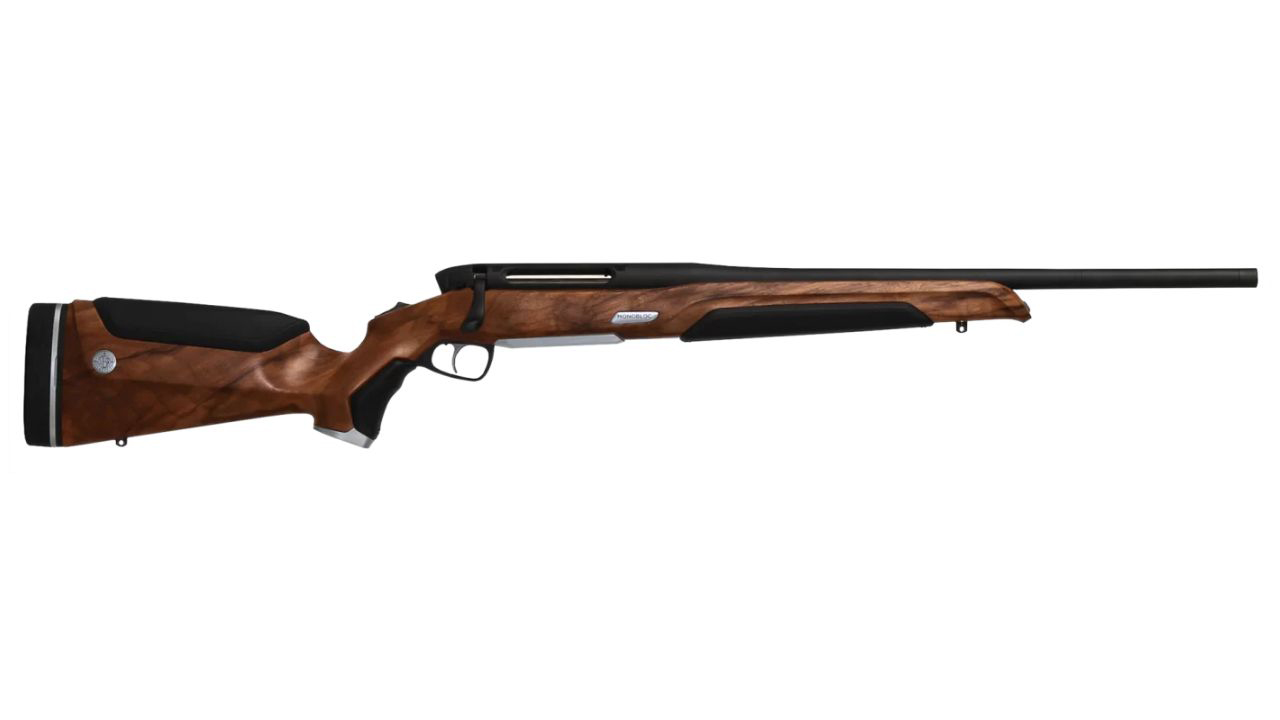
The Monobloc takes a much more refined approach than the average deer rifle. The action and barrel system are engineered with an emphasis on rigidity and consistency, while the stock and balance keep the rifle from feeling like a pure target gun. In .308, it remains practical enough for ordinary deer hunting despite the premium construction.
This is the rifle I would consider if I wanted something different from the usual American bolt guns without giving up field usefulness. It is expensive, but the machining and mechanical feel are part of the reason to own one.
Sauer 505 .30-06
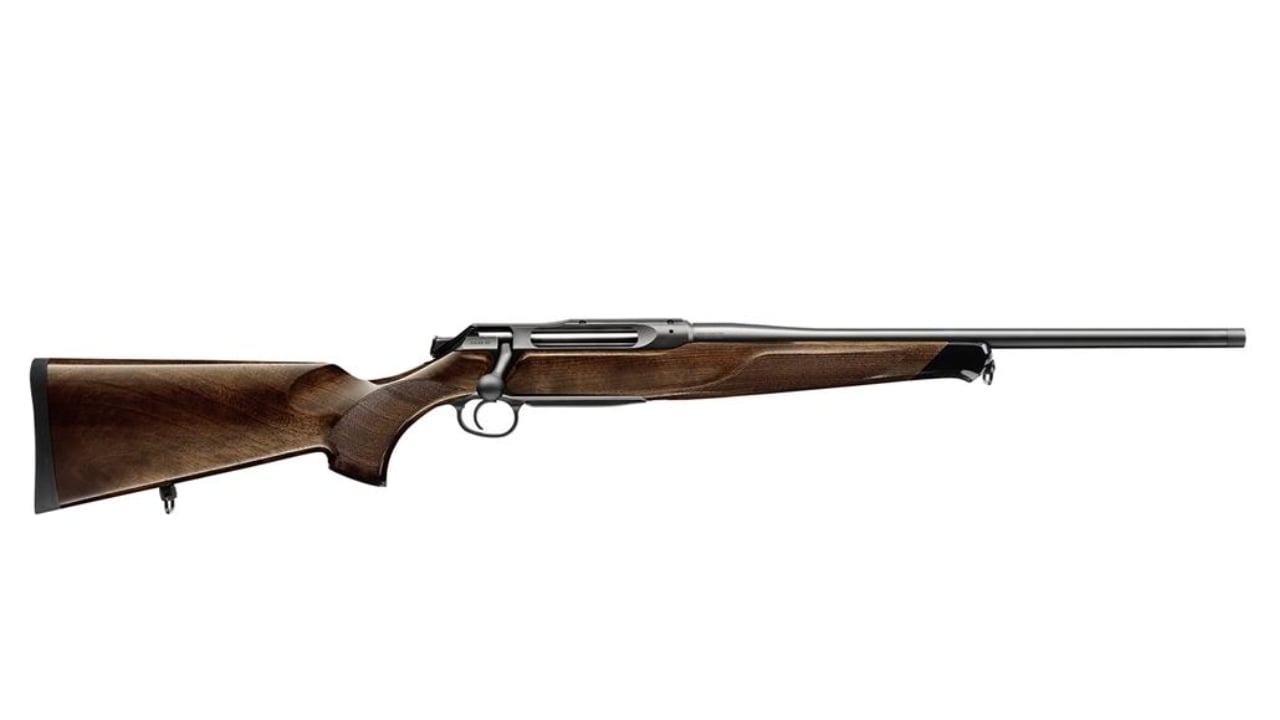
The Sauer 505 is the kind of rifle that appeals to someone who wants one premium platform capable of handling several hunting roles. The action is extremely smooth, the trigger is refined, and the modular barrel system gives the rifle more long-term flexibility than a conventional fixed-chambering gun. In .30-06, though, there is already very little a deer hunter could reasonably ask it to do that it cannot handle.
If I wanted a rifle that could stay with me for years and adapt as hunting changed, this would be worth serious consideration. It is not cheap, but it is built around longevity rather than disposability.
Mossberg Patriot Walnut .270 Winchester

The Patriot Walnut is one of those rifles that reminds you a deer gun does not have to be expensive to feel traditional. The walnut stock gives it a warmer, more classic feel than a budget synthetic rifle, while the .270 chambering remains one of the best all-around choices for whitetails. The rifle is light enough to carry and accurate enough for the ranges most hunters actually use.
I would choose it for somebody who wants a straightforward deer rifle without paying for features that do not matter to them. Put a decent scope on it, find the ammunition it likes, and it is ready for season.
CVA Cascade LRH .7mm Remington Magnum
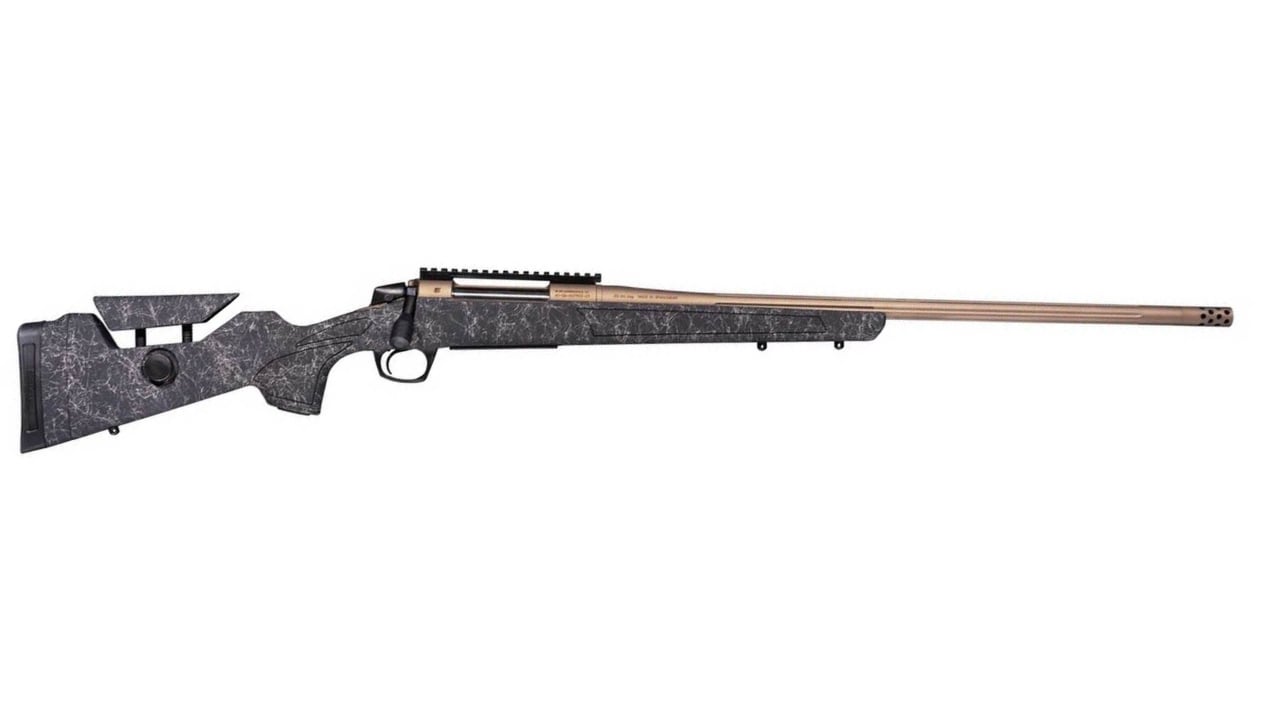
The Cascade LRH is built more toward hunters who expect distance to matter. The heavier profile, adjustable stock, and longer-range emphasis make it better suited to open terrain and stands overlooking large fields than to crawling through thick timber. In 7mm Remington Magnum, it gives you plenty of reach and a cartridge with decades of hunting history behind it.
This is not the rifle I would hand to a recoil-sensitive beginner. For someone who already shoots magnums comfortably and hunts places where longer shots are realistic, it makes a lot of sense.
Ruger Hawkeye African .275 Rigby
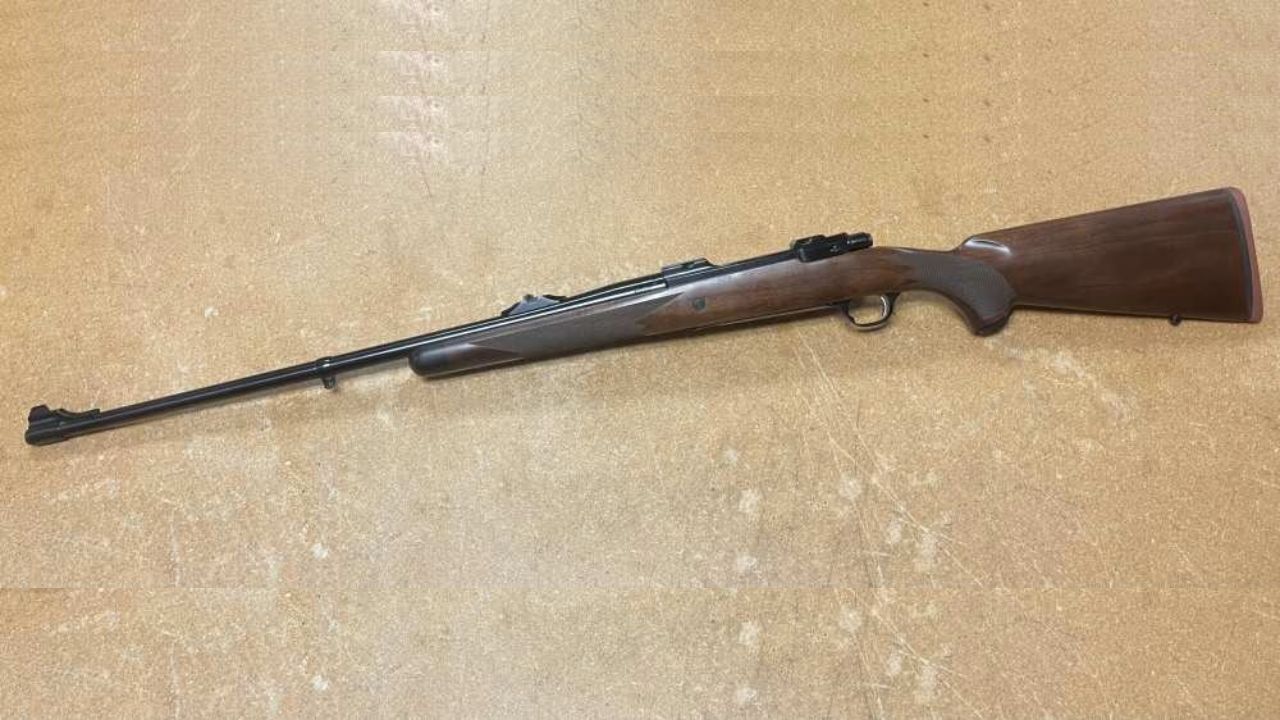
The Hawkeye African in .275 Rigby is not the obvious whitetail rifle, which is exactly why I like it. The cartridge is essentially the classic 7×57 lineage in a beautifully traditional platform, giving you mild recoil, excellent penetration with suitable bullets, and more than enough performance for deer. The rifle itself has controlled-round feed, strong extraction, and the substantial feel of an old-school sporting rifle.
This is the kind of deer rifle I would own because I wanted something with character that still works extremely well. It does not need modern marketing to justify itself.
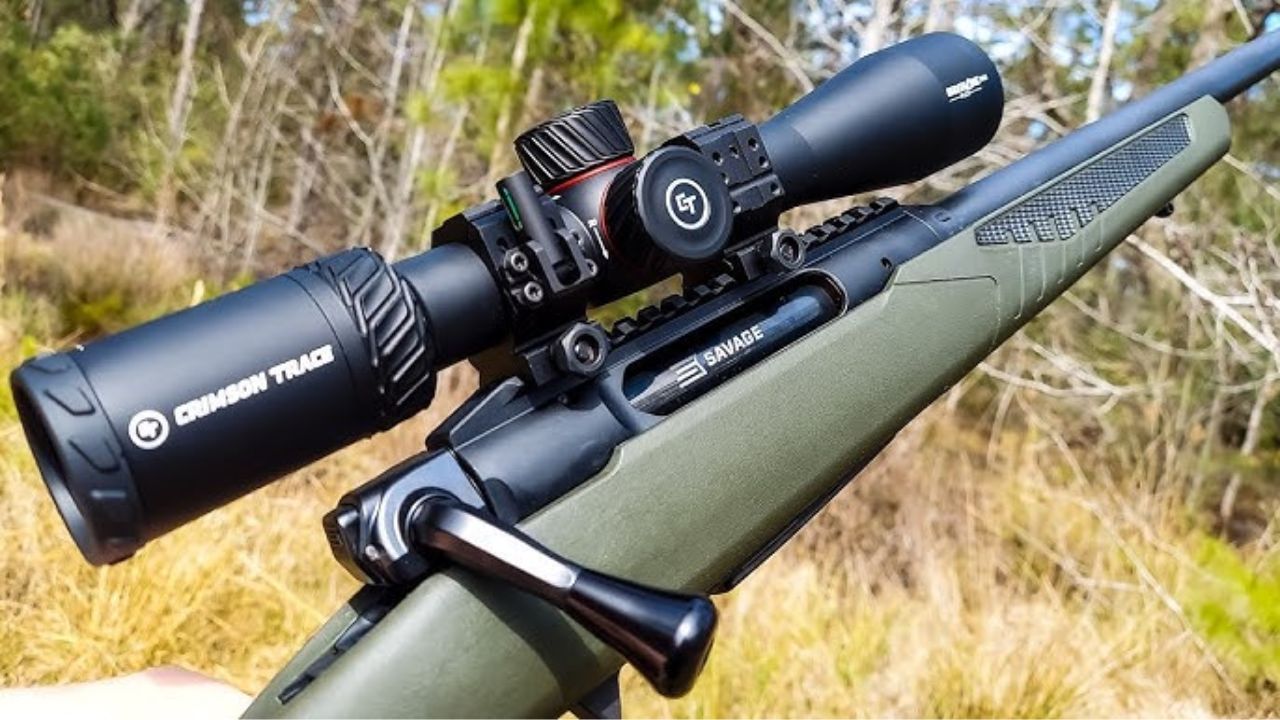
Savage Impulse Big Game .308 Winchester

The Impulse gives you a straight-pull action that makes follow-up shots extremely fast without moving into a semiautomatic platform. The bolt motion is direct, the rifle can be cycled quickly from the shoulder, and the overall configuration is still very much a hunting rifle. In .308, it keeps recoil reasonable and gives you plenty of capability for deer.
I would especially like this rifle in places where multiple deer may step out together or where a quick second shot might matter. It is different enough to be interesting without being different purely for novelty.
Browning X-Bolt Mountain Pro .6.5 Creedmoor

The Mountain Pro version of the X-Bolt is built for hunters who want to shed weight while keeping the familiar Browning action and trigger system. The lighter stock and barrel setup make it much easier to carry through hills and rough country, while 6.5 Creedmoor keeps recoil mild enough to take advantage of the rifle’s lighter weight.
This is the kind of setup that makes sense when your deer hunt involves miles instead of yards. A heavy rifle may be steadier from a bench, but you do not carry a bench up the mountain.
Weatherby Mark V Hunter .257 Weatherby Magnum
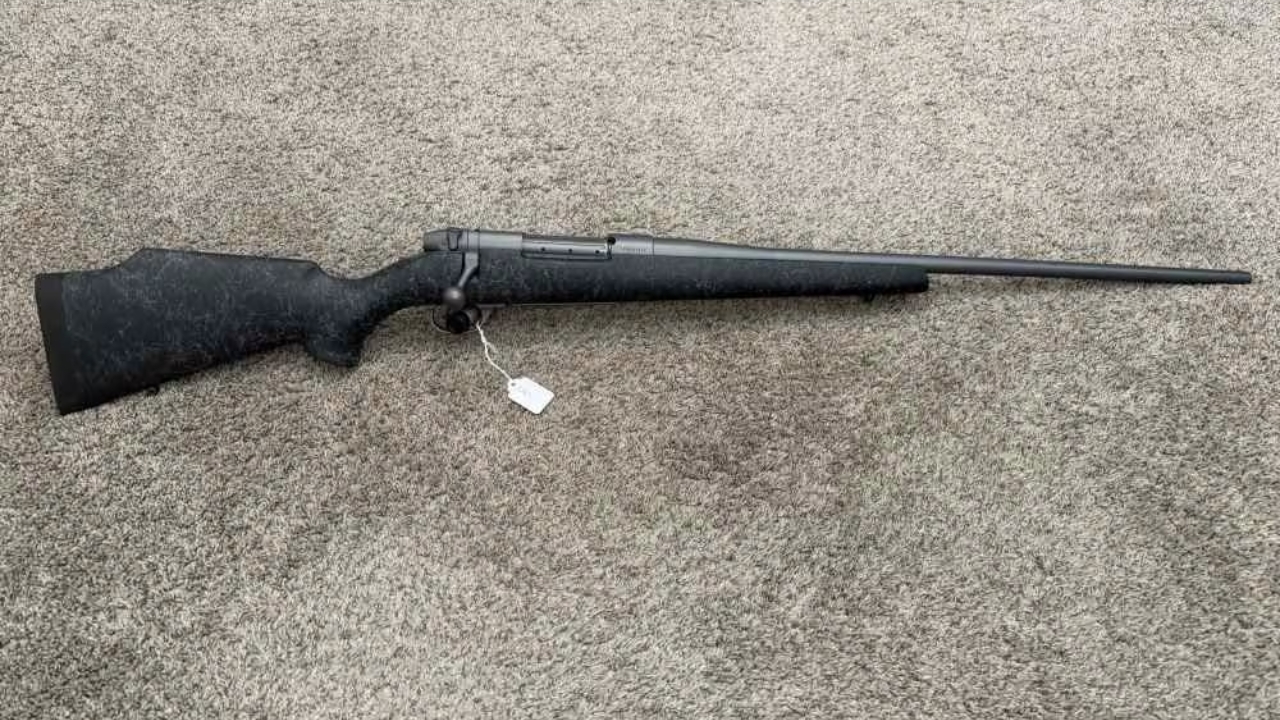
The Mark V Hunter brings Weatherby’s strong multi-lug action into a more practical hunting configuration than the heavily polished rifles people often associate with the brand. In .257 Weatherby Magnum, it becomes a fast, flat-shooting deer rifle that really shines across open country and long fields. Recoil is manageable compared with larger magnums, but the trajectory gives you real confidence when distance stretches.
I would choose this rifle for a hunter who already knows they want speed and reach. It is not necessary for 75-yard timber shots, but it is outstanding when the country opens up.
Howa Super Lite .6.5 Creedmoor
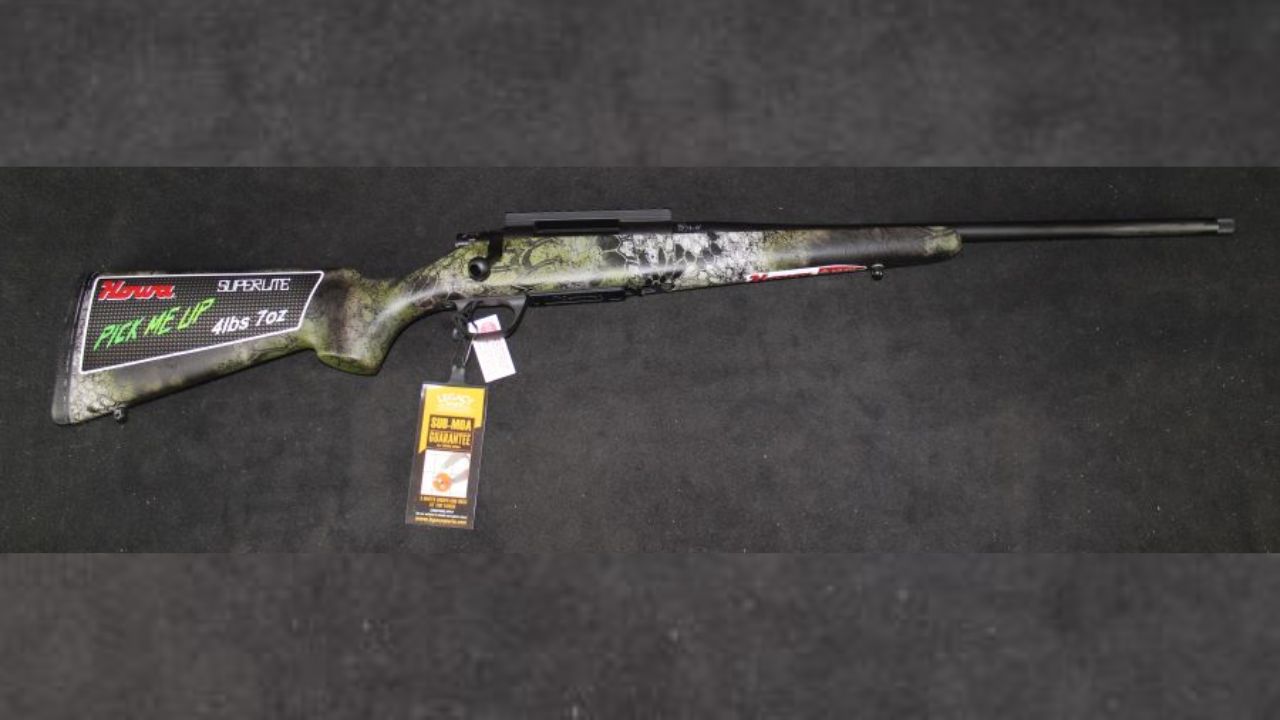
The Super Lite is one of the rifles I would want if carrying weight was the main concern but I still wanted a conventional bolt action. The rifle trims enough weight to be noticeable on long walks, and 6.5 Creedmoor keeps recoil from becoming harsh in such a light platform. The Howa action is proven, and the overall package is compact enough to handle well in tight cover.
This would make a very good deer rifle for hunters who walk a lot of public land or hunt steep country where every pound starts to matter by the end of the day.
CZ 600 American .30-06
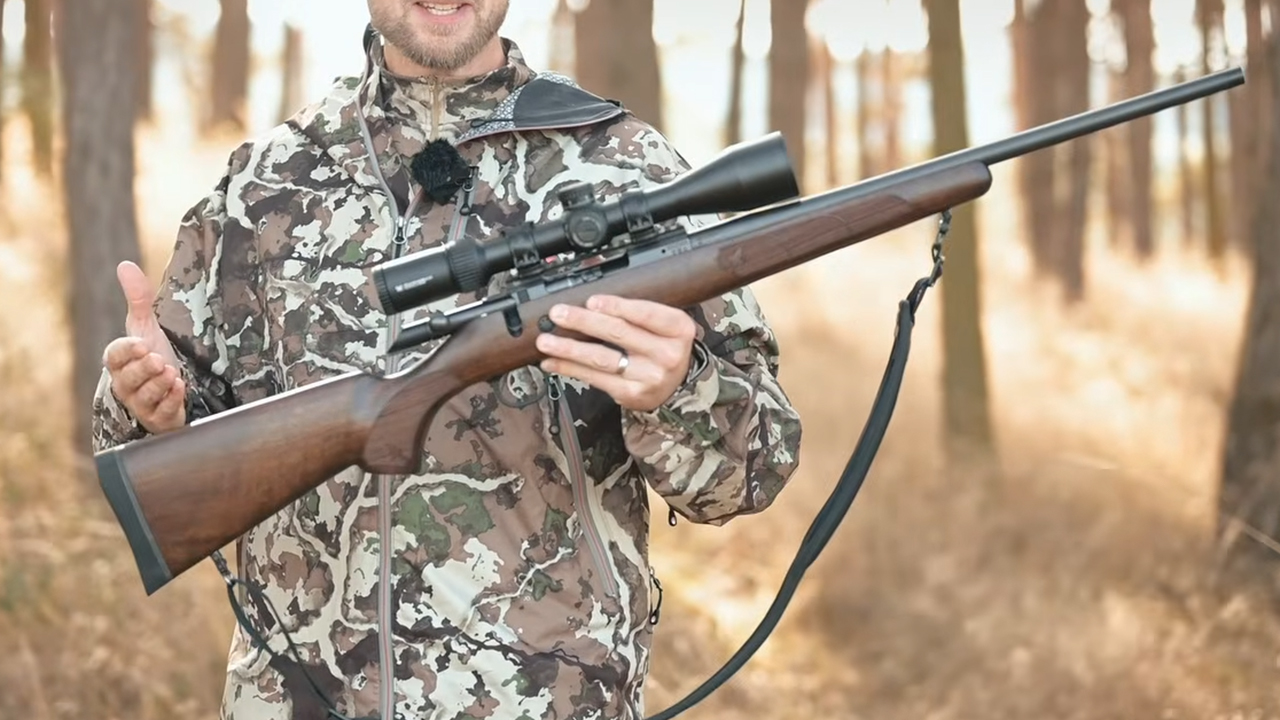
The 600 American gives you a modern CZ action while keeping the traditional walnut-stocked appearance that many hunters still prefer. It balances old-school looks with a current-production action and trigger system, which makes it appealing to someone who wants a classic-feeling deer rifle without shopping the used market.
In .30-06, it is as versatile as a deer rifle needs to be. You can hunt thick woods, open agricultural country, and much larger game later without wondering whether the cartridge is enough.
Bergara Wilderness Sierra .308 Winchester
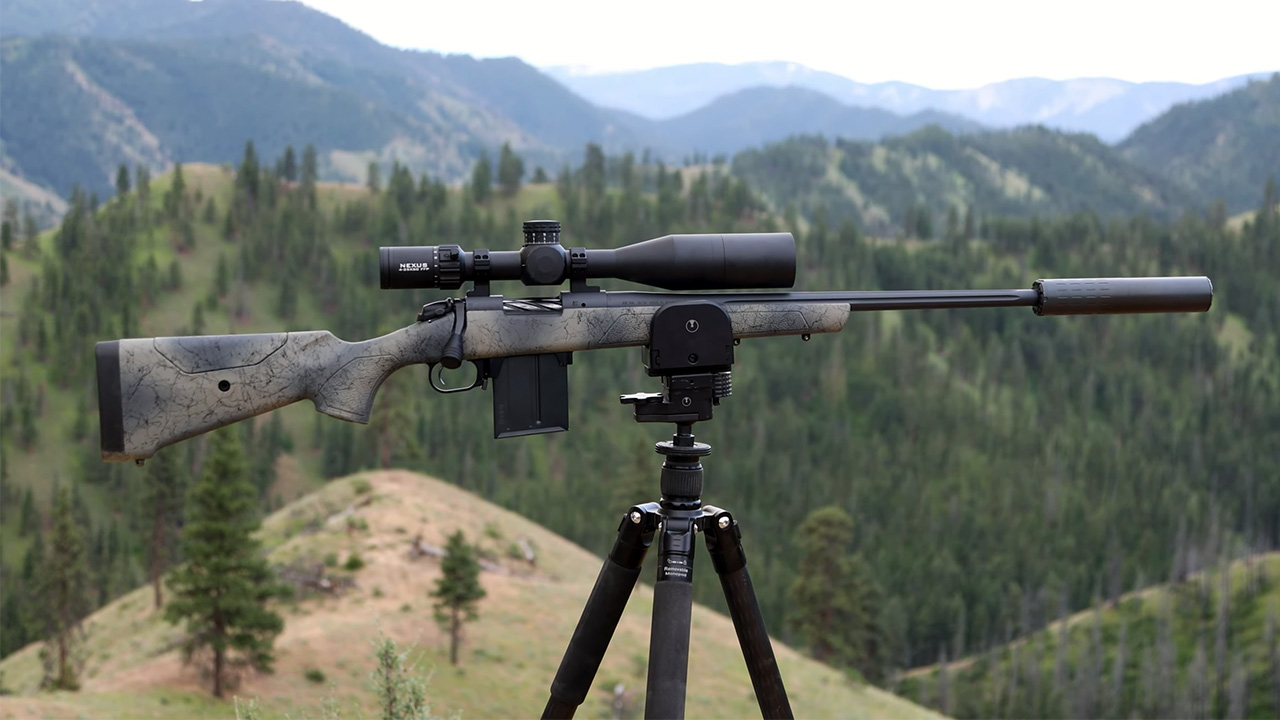
The Wilderness Sierra is built around a practical stock and barrel setup that works well for hunters who want more stability than an ultralight rifle without stepping into full precision-rifle weight. The adjustable comb helps with scope alignment, and the B-14 action gives you the accuracy potential Bergara is known for.
In .308, it becomes a very sensible stand and field rifle. It is not trying to be the lightest option. It is trying to be easy to shoot well, and that can matter more when the buck finally shows up.
Henry Steel Lever Action .360 Buckhammer

The .360 Buckhammer gives traditional lever-gun hunters a newer straight-wall option with more reach than many older straight-wall cartridges. Put it in Henry’s steel lever platform and you get a compact, fast-handling rifle that makes a lot of sense in states with straight-wall hunting regulations or in thick woods where shots remain moderate.
I like this combination because it gives the lever rifle a clear modern purpose. It is not trying to compete with a long-range bolt gun. It is built for practical deer distances and fast handling.
Winchester 1895 .30-06

The Model 1895 gives you a completely different kind of lever-action deer rifle. The box magazine allows pointed bullets and full-power cartridges like .30-06, while the long action and traditional styling give the rifle a feel unlike the more common tube-fed lever guns. It is heavier than a Model 94, but it also offers much more cartridge capability.
I would own one for deer hunting because it combines history with real usefulness. It is not just an old design that happens to fire. It can still be a very capable hunting rifle.
Marlin 1895 Guide Gun .45-70
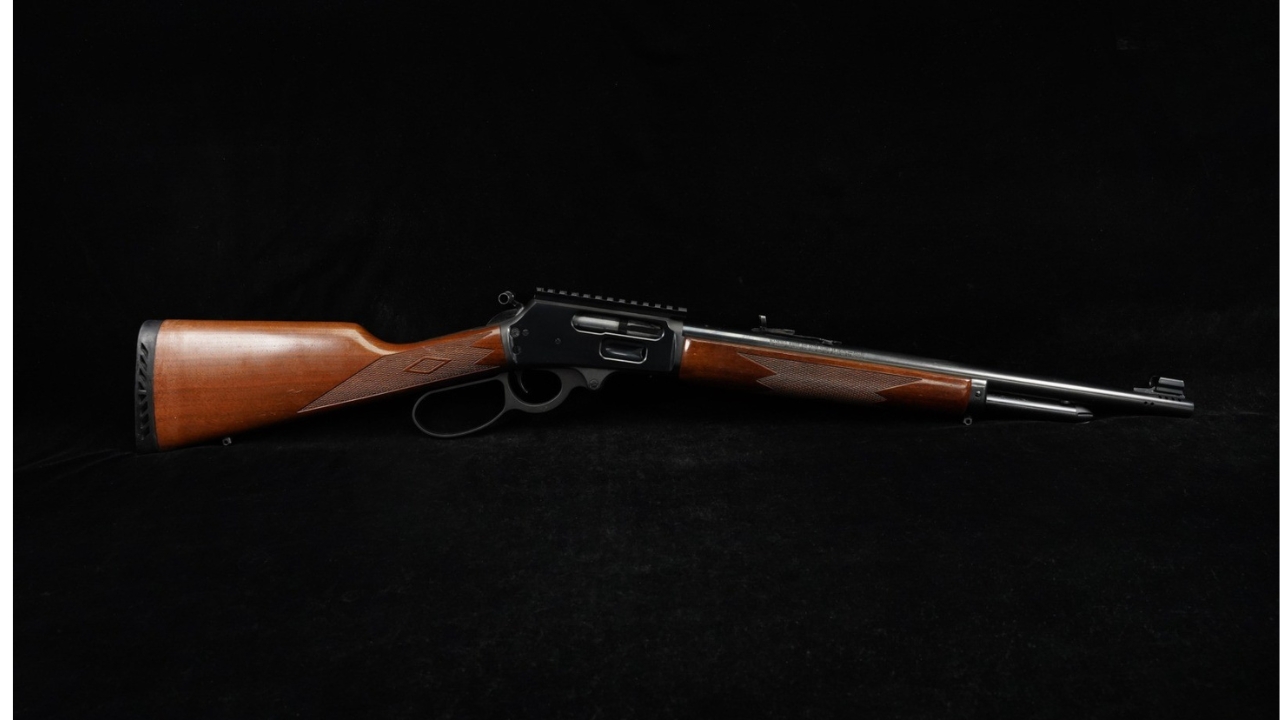
The Guide Gun remains one of the better choices for somebody hunting dense timber where shots are close and carrying ease matters more than trajectory. The shorter barrel keeps the rifle quick in brush, while .45-70 provides far more power than a whitetail actually requires. The key is using ammunition appropriate for the game and managing the recoil honestly.
I would not choose it for open fields or long-range hunting. In thick timber, creek bottoms, and short-shot country, though, it is exactly the kind of rifle that makes opening morning feel right.
Like The Avid Outdoorsman’s content? Be sure to follow us.
Here’s more from us: