Photo credit: Lauren Bilboe/Shutterstock.com
Most wild animals would rather avoid a person than fight one. Trouble starts when the animal decides escape is no longer an option. A narrow trail, fence line, cave entrance, creek bank, vehicle, or badly chosen approach can turn an animal that was trying to leave into one that suddenly feels forced to defend itself.
That matters because size is not the only thing that makes an animal dangerous. Hooves, horns, teeth, claws, speed, and sheer panic can all become serious problems at close range. The smartest move around wildlife is usually to give the animal an obvious way out and never make it choose between you and escape. These 20 animals are especially bad ones to trap in that situation.
Moose
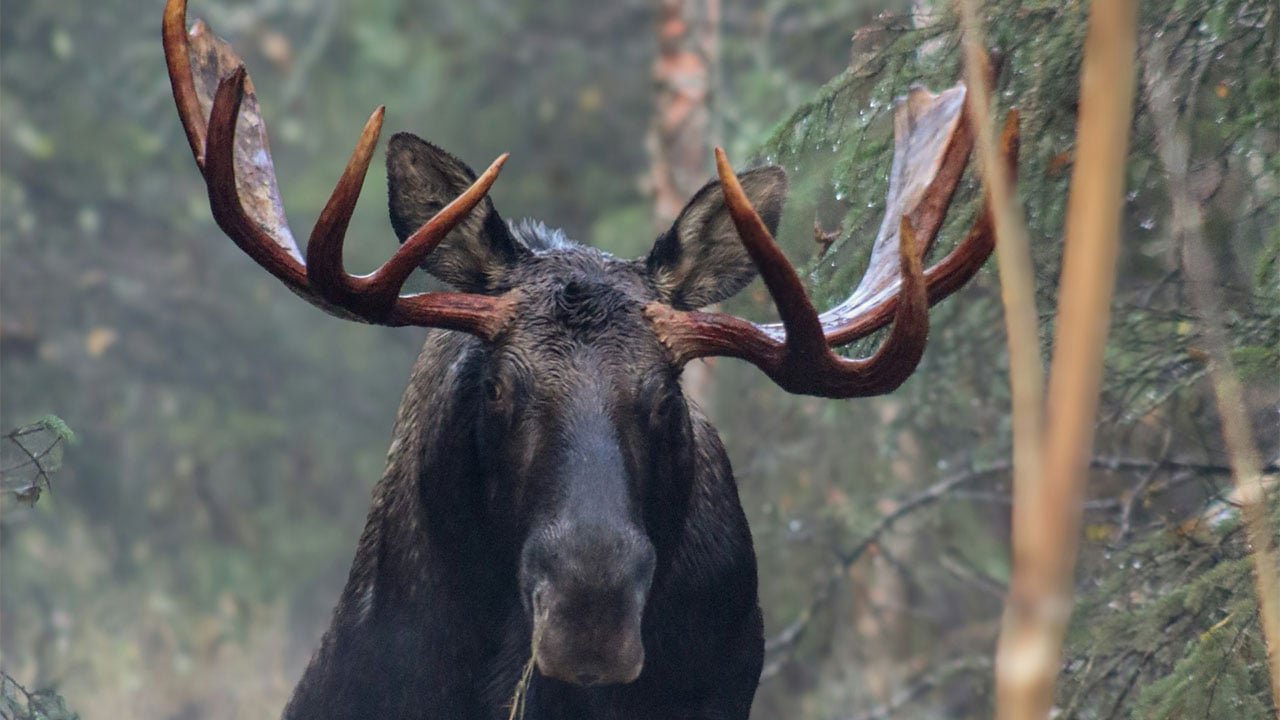
A moose already has enough size to make a close encounter dangerous, and cornering one removes the distance that normally keeps things manageable. An adult can weigh well over half a ton, accelerate much faster than its appearance suggests, and strike with its front hooves with tremendous force. Cows protecting calves and bulls during the rut can be particularly defensive, but even an animal that simply feels trapped may charge.
The mistake is assuming a moose will always turn and leave because it is not a predator. If brush, snowbanks, fencing, or people block the route it wants, backing away is far safer than trying to force it past you.
American Bison

Bison look slow until they decide to move. Their massive heads, powerful shoulders, and surprising speed make them dangerous even when they are not being aggressive. Most bad encounters begin when people get too close, block an animal’s movement, or stand between it and the rest of the herd.
Cornering one makes all of that worse. A bison does not need much room to knock a person down, and there is no realistic way to physically stop one once it commits. Give it open space and let it choose the direction of travel.
Wild Boar

A cornered wild boar can become a completely different animal from one moving away through cover. Adult boars carry sharp tusks, have tremendous strength through the shoulders, and can cover short distances quickly. Thick brush, creek banks, fences, and dogs can all create situations where the hog decides the quickest route out runs directly through the person nearby.
This is especially important when dealing with a wounded hog. An animal that has already been injured and then loses its escape route is far more likely to defend itself. Distance and a clear exit are much better than trying to close in.
Black Bear

Black bears usually prefer escape, but taking that option away is exactly how an avoidable encounter can become serious. A bear surprised in a shed, tight ravine, campsite, or between people and dense cover may feel unable to retreat. Females with cubs create an additional complication because a person can unknowingly stand between the sow and the route she wants to use.
The answer is not to crowd the bear while trying to make it leave. Increase distance and give it a direction that does not require coming toward you. Most bears will use that opportunity if they can.
Brown Bear

Cornering a brown bear is an even worse proposition because of the animal’s size and defensive capability. Grizzlies and other brown bears can react violently when surprised at close range, particularly around cubs, food, or carcasses. Terrain can make the problem worse because dense brush and narrow trails give both the bear and the person very little time to react.
You never want the bear to decide it has to get through you to escape. Backing away calmly and preserving distance is far safer than advancing to get a better look, photograph, or route around the animal.
Mountain Lion
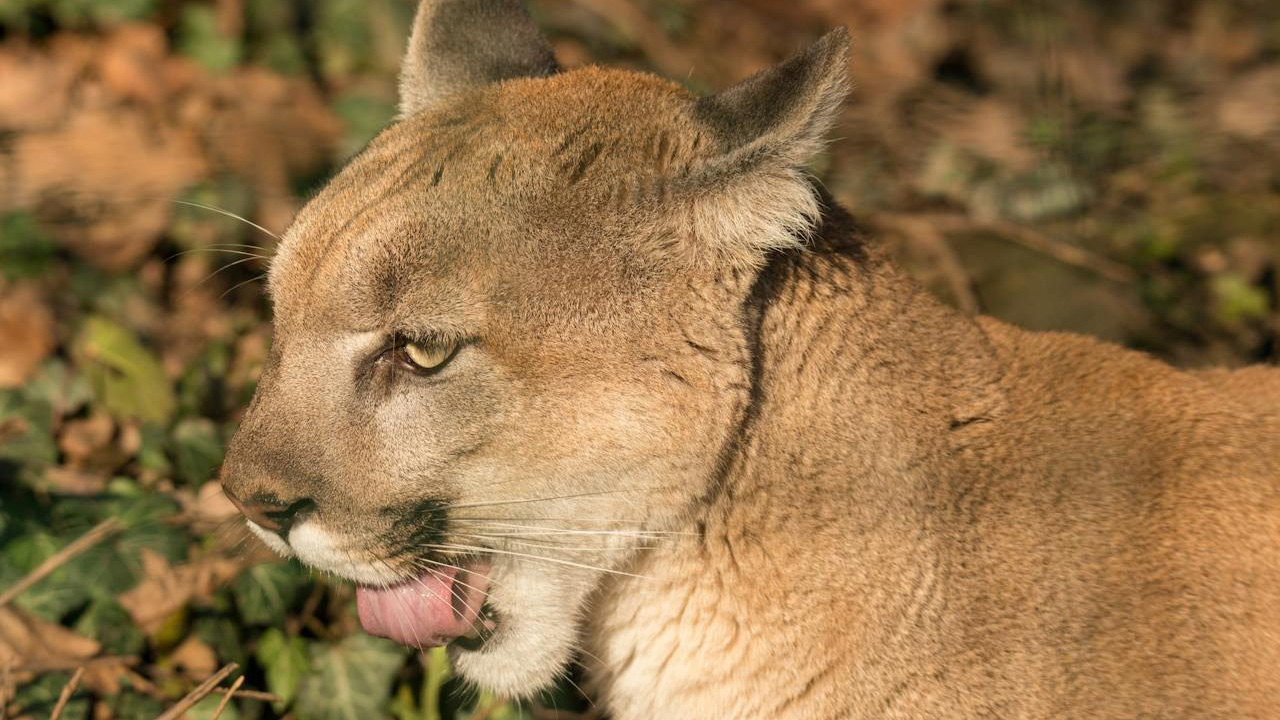
Mountain lions usually avoid people, and many encounters end before the person even knows a cat was nearby. A cornered cat is different. Cliffs, buildings, fences, dogs, or several people approaching from different directions can remove the exit routes it would normally use.
A mountain lion is built for explosive close-range movement. Even a defensive strike can cause serious injuries. Giving the cat room to retreat is far safer than surrounding it or attempting to force it from cover.
Elk

Elk are often treated as less threatening than moose, but an adult bull is a very large animal with antlers, speed, and powerful hooves. During the rut, bulls can become much less tolerant of people, while cows protecting calves may also defend themselves if pressed.
A cornered elk may charge simply because the route behind you looks like the only way out. This is particularly important in parks and developed areas where elk become accustomed to people and humans stop respecting their space. Familiarity does not make the animal tame.
Feral Cattle
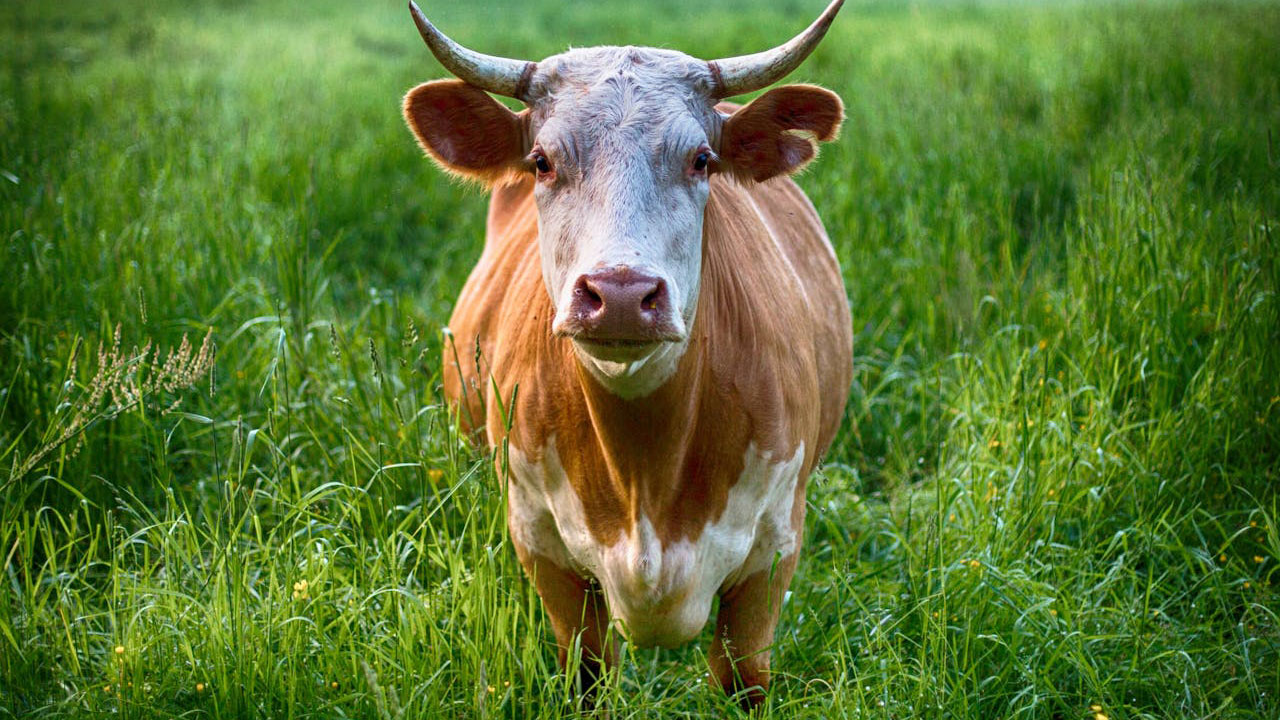
Cattle living loose or semi-feral can be much harder to read than livestock accustomed to routine handling. Bulls are the obvious concern, but cows with calves and frightened adult cattle can also become dangerous. A large bovine in a confined lane, fence corner, or brushy area has enough size to cause catastrophic injuries without needing horns.
Never assume you can simply intimidate a frightened cow or bull into moving where you want. Give the animal an open route and avoid putting yourself between it and the place it wants to go.
Cape Buffalo

Few large animals have a worse reputation for close-range encounters than Cape buffalo. They are massively built, heavily horned, and capable of becoming extremely dangerous when wounded or pressured. Dense vegetation can make encounters particularly risky because visibility and reaction time shrink quickly.
A buffalo with no obvious escape route is not something to approach for a photograph or closer look. The same applies even more strongly to a wounded animal. Distance, experienced local guidance, and avoiding confinement are critical.
Hippopotamus
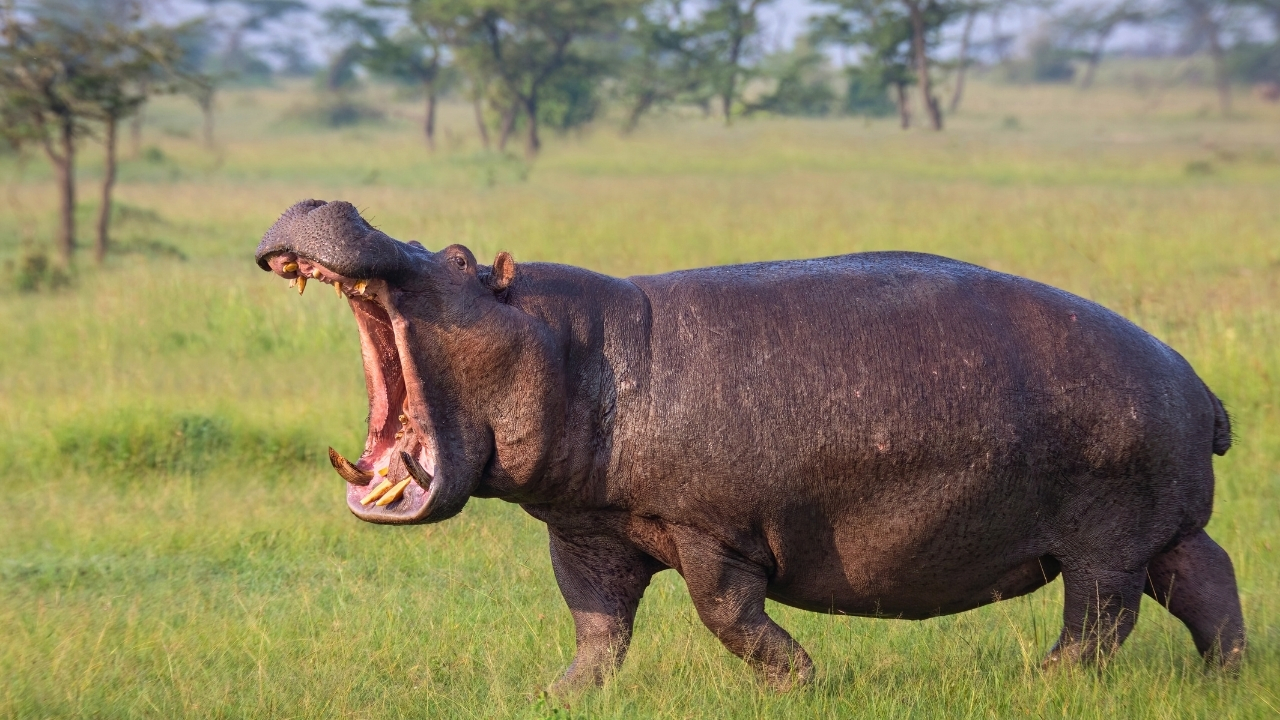
Hippos are enormously dangerous around water because they are territorial, fast, and much more mobile on land than many people expect. A person can accidentally block a hippo’s route between feeding areas and water, essentially cornering it without realizing what has happened.
That is one of the worst positions to create. The animal may charge because it wants access to water rather than because it is trying to hunt anything. Never stand between a hippo and the route it appears to be using.
African Elephant

Elephants usually provide plenty of warning when they are uncomfortable, but crowding them can reduce the room available for those warnings to matter. Herds with calves are especially sensitive, and a person or vehicle positioned between animals can create a dangerous situation quickly.
An adult elephant has enough mass that even a short defensive charge can be devastating. The goal should always be to leave the animal room to move away and avoid placing yourself where it feels boxed in by terrain, vehicles, or people.
Rhinoceros

Rhinos have poor eyesight compared with some other large mammals, which can make a confined encounter especially unpredictable. A startled rhino may react aggressively if it cannot determine where the threat is or where the safest escape route lies. Thick brush can make that problem worse.
Their size, horn, and acceleration mean this is not an animal you want making decisions at close distance. Give it space, avoid standing in its line of travel, and never try to herd one out of a confined area yourself.
Musk Ox
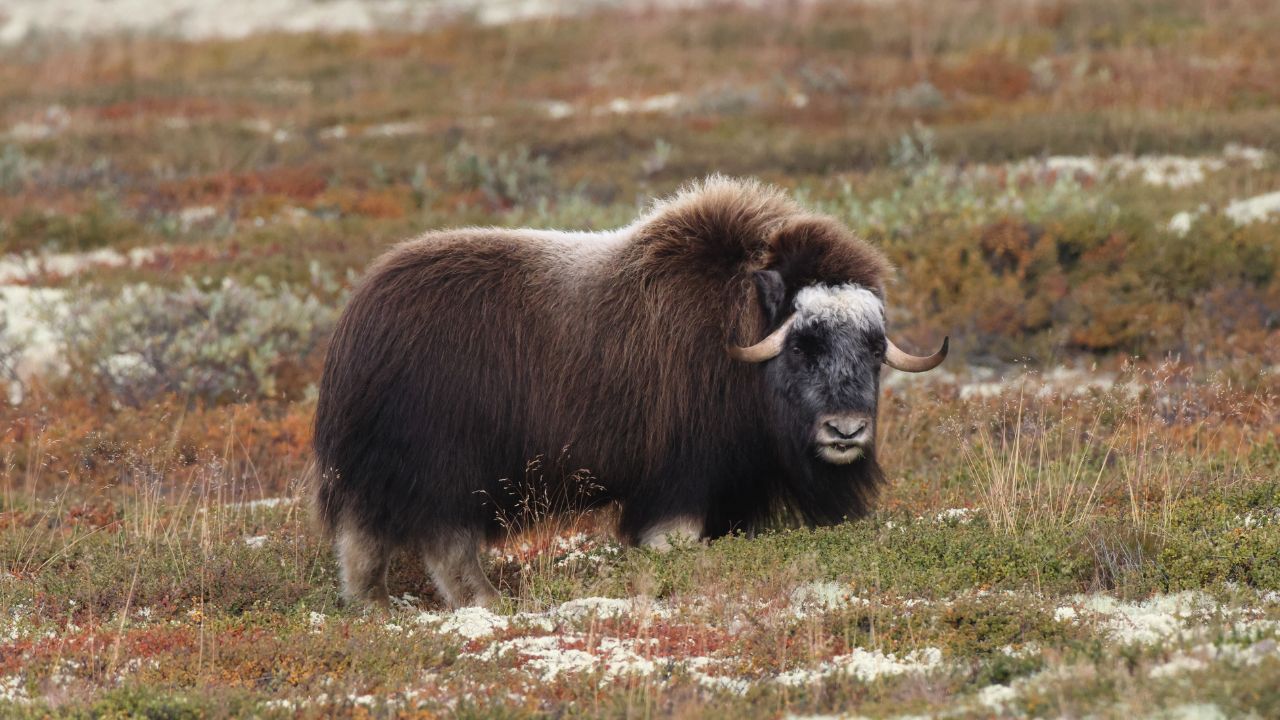
Musk oxen are often associated with cold, open country, but their defensive behavior makes close approaches risky. When threatened, they may group defensively rather than simply scatter. A bull or protective adult can charge if a person moves too close or blocks the herd’s preferred path.
Dogs can make encounters especially tense because musk oxen may interpret them as predators. Trying to corner or separate an animal from the herd increases the chance that it will defend itself rather than retreat.
Wild Yak
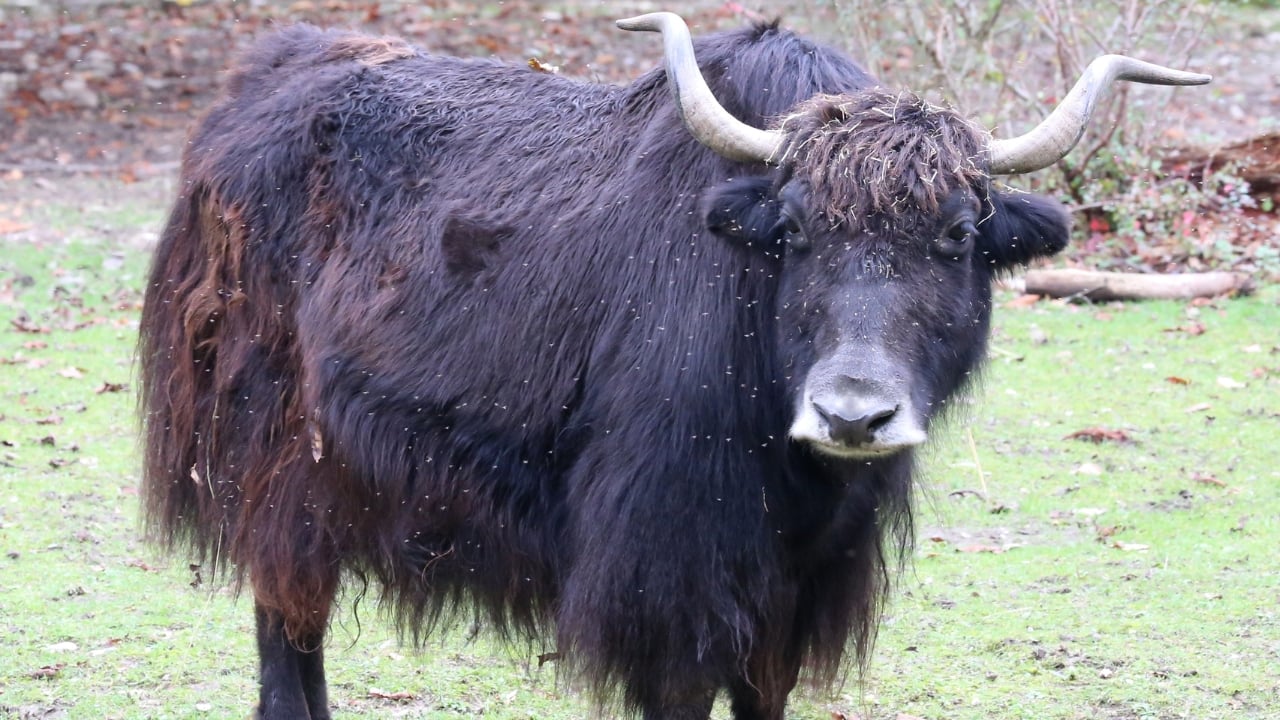
Wild yaks are huge bovines adapted to harsh mountain environments. Their size, horns, and physical strength make them dangerous if approached closely, especially where rocky terrain leaves limited escape routes. Even domestic yaks deserve respect, and genuinely wild animals are far less accustomed to human presence.
A narrow valley or mountain trail can create an accidental corner very quickly. The safest decision is to create distance and let the animal move through rather than trying to squeeze past it.
Warthog

Warthogs usually run when threatened, often heading directly toward a burrow or familiar escape route. Blocking that route can change the encounter dramatically. Their tusks are capable of causing severe wounds, and they can move very quickly over short distances.
A warthog entering a burrow may even back in so the tusks remain facing outward toward danger. That alone should tell you how seriously the animal takes confined defensive situations. Never crowd one near a den or narrow escape path.
Wolverine

Wolverines are much smaller than bears or moose, but they have a reputation for toughness for a reason. They possess powerful jaws, strong claws, and a willingness to defend themselves when escape becomes difficult. Encounters with people are uncommon, which makes deliberately closing distance even less sensible.
If a wolverine is trapped against rocks, a building, or another obstacle, give it time and room to leave. Trying to chase one out can create far more danger than simply waiting for it to move on.
Badger

Badgers are another example of an animal whose small size can cause people to underestimate it. They are extremely strong for their weight, equipped with large digging claws and powerful jaws, and accustomed to confronting threats in tight underground spaces.
A badger that reaches open ground will often try to escape. A badger trapped against a fence, inside a shed, or cut off from its burrow may defend itself aggressively. There is very little to gain by approaching closely when simply giving it room solves the problem.
Raccoon
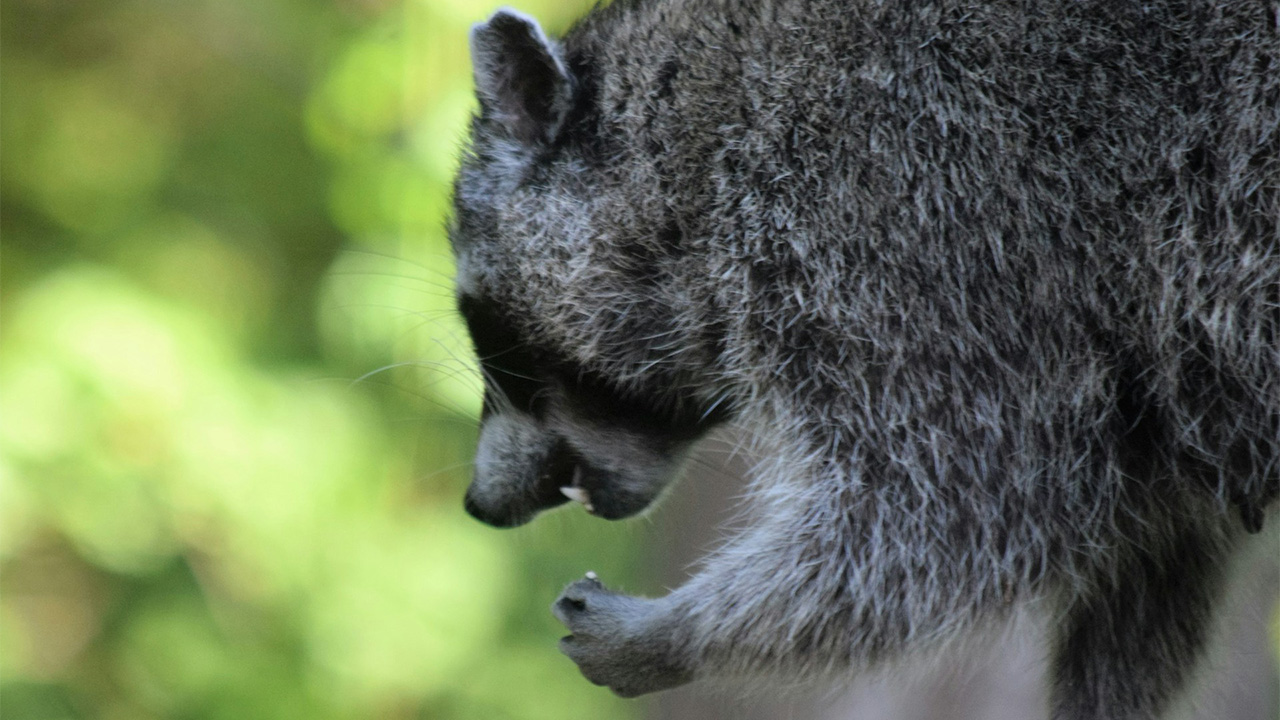
A raccoon cornered inside a garage, barn, dumpster enclosure, or attic can be surprisingly dangerous. They are agile, have sharp teeth and claws, and can fight aggressively when they believe there is nowhere to retreat. Disease concerns also make any bite or scratch more serious than the wound itself might initially appear.
Trying to grab, kick, or manually force a raccoon out is unnecessary risk. Open a safe exit if possible, remove people and pets from the area, and let the animal leave on its own.
White-Tailed Deer

Deer look harmless because most encounters involve the animal running away. Remove that option and the situation can change. A frightened buck can use its antlers defensively, while both sexes can strike forcefully with their hooves. Injured deer are especially unpredictable because normal escape behavior may no longer be possible.
This frequently matters around fences, garages, yards, and wounded animals after vehicle collisions. Approaching because the deer appears exhausted or trapped can put you well inside kicking distance before you realize how quickly it can still move.
Kangaroo

Large male kangaroos are powerful animals with strong hind legs and large claws. Most will avoid conflict if they can, but dogs, fences, water, and people can create situations where a kangaroo feels trapped. Once escape disappears, defensive kicking and grappling become much more likely.
Their upright posture can make people underestimate how much force the animal can generate. A kangaroo should always have room to retreat. Getting closer for a photograph because it appears calm can quickly remove that option and turn a harmless sighting into a dangerous encounter.
Like The Avid Outdoorsman’s content? Be sure to follow us.
Here’s more from us: