Photo credit: JW's BulletsNBlades/YouTube
A lot of modern firearms are designed around ranges, competitions, tactical trends, or highly specialized hunting. Rural America still has plenty of places where guns are expected to do much more ordinary work. A rifle may ride in a truck during fence checks. A shotgun may be used on rabbits in the morning and pests around the barn later. A revolver may spend more time on a belt during chores than it ever spends inside a gun case.
That world never really disappeared. Farms still have varmints. Creek bottoms still hold deer. Coyotes still show up behind livestock. Squirrels still end up in hardwoods every fall, and sometimes the best firearm is the one that can live a hard life without needing a pile of accessories. These 20 guns were built around that kind of practicality, and most of them still make just as much sense today.
Marlin Model 25N
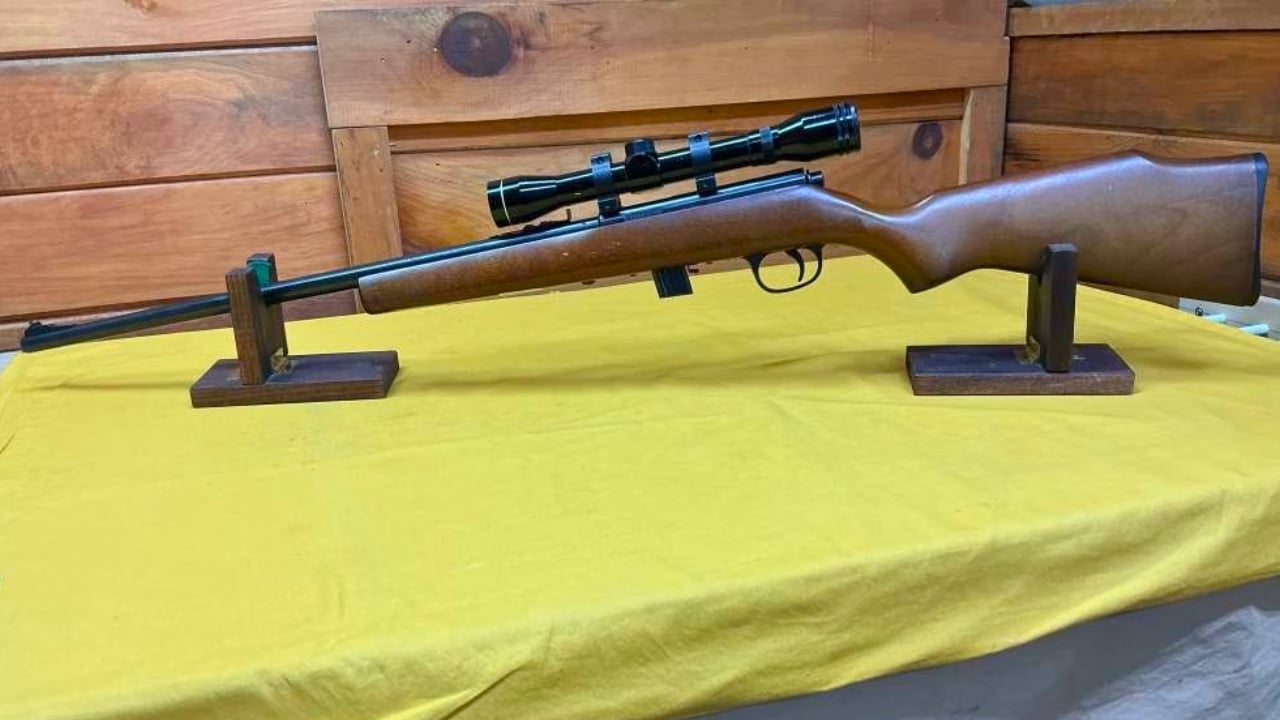
The Model 25N is exactly the kind of bolt-action .22 that rural households used to keep around without thinking much about it. It is light, straightforward, inexpensive to feed, and accurate enough for squirrels, rabbits, pests, and informal target shooting. There is no tactical chassis, no complicated magazine system, and no reason to treat it delicately. A basic scope turns it into a very capable little property rifle, while iron sights keep it useful if you want to leave things even more basic. Rifles like this earned their keep because they were always ready and cheap enough to shoot regularly.
That still matters. A rural property creates dozens of jobs that do not require a centerfire rifle. A dependable bolt .22 solves many of them without noise, recoil, or unnecessary expense.
Winchester Model 67
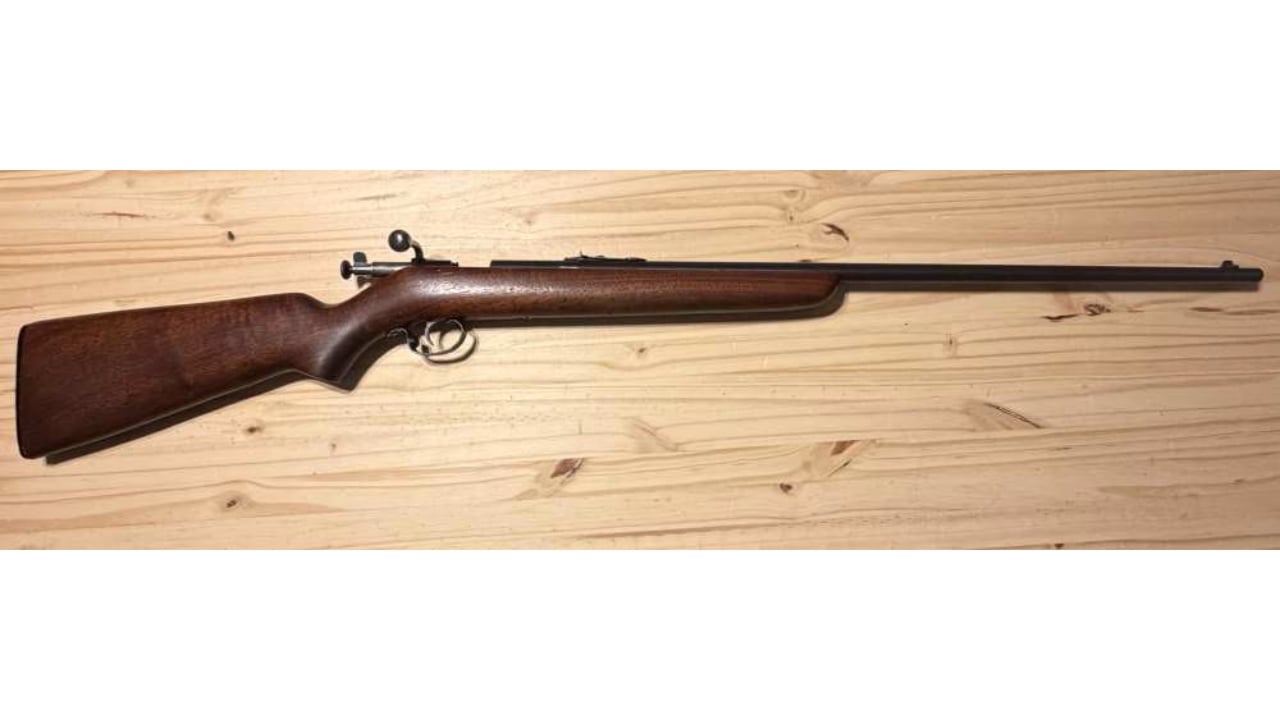
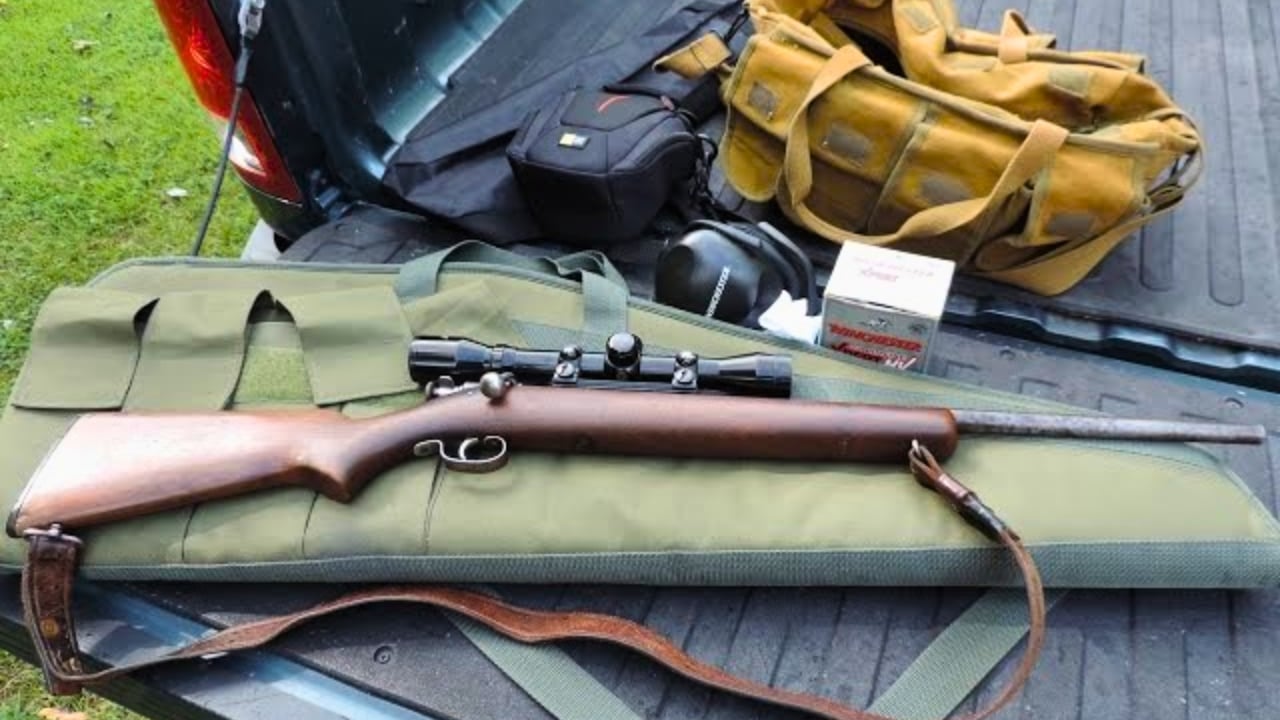
The Model 67 is about as stripped down as a rifle can get, and that is exactly why it still makes sense. It is a single-shot bolt-action .22 with almost nothing to complicate ownership. There is no magazine to lose, no semiautomatic action to foul, and no temptation to burn through ammunition without thinking about each shot. For generations, rifles like this taught kids how to shoot because every round required deliberate loading and a separate decision to fire.
On a rural property, that same simplicity remains useful. It can handle small game, pests, and practice without asking much from the owner. A rifle does not always need to be fast. Sometimes it just needs to be accurate, dependable, and light enough to grab without thinking.
Remington Model 34
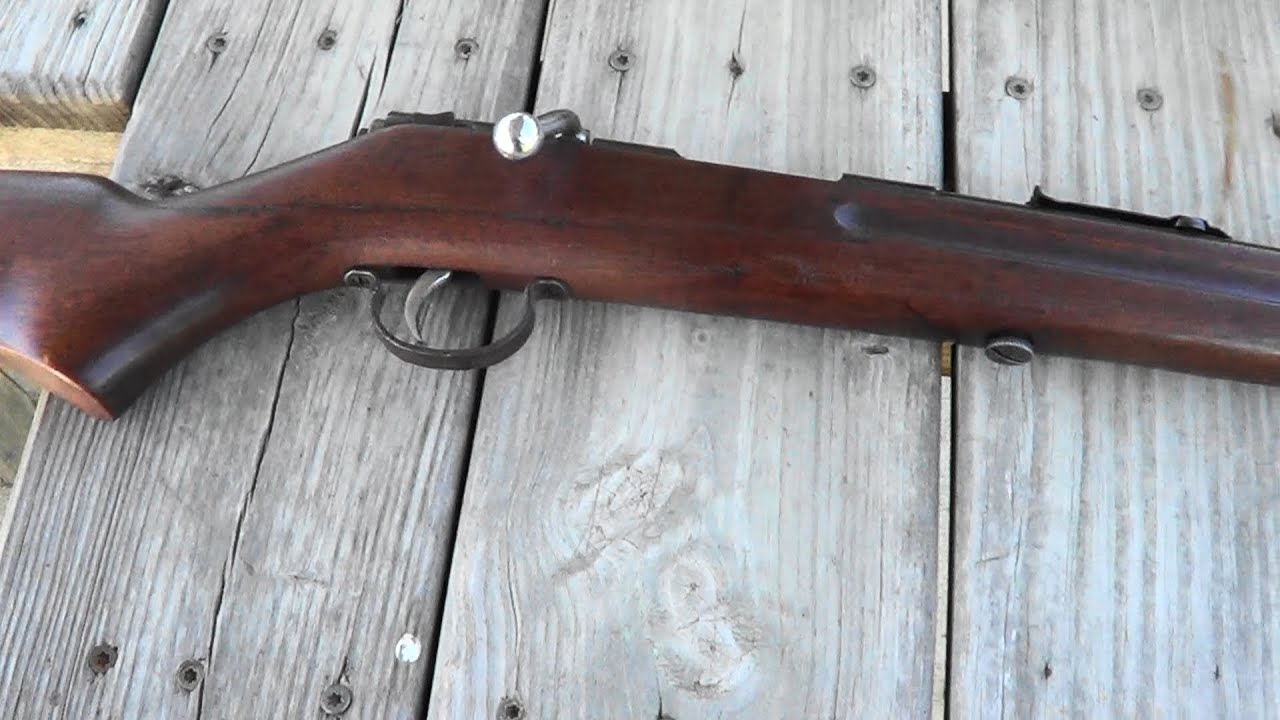
The Model 34 is another old rimfire that fits rural life surprisingly well because it was built during an era when a .22 rifle was expected to be a working tool. The bolt action is sturdy, the tubular magazine keeps the rifle slim, and the traditional stock carries easily through woods and fence rows. It is the kind of gun that can sit behind the seat for years, collect a few scratches, and still come out when squirrels start working a pecan tree or a pest appears near the barn.
Modern rimfires may be lighter or easier to accessorize, but that does not make them more useful for ordinary property work. A clean Model 34 still does exactly what it was built to do.
Stevens Model 15
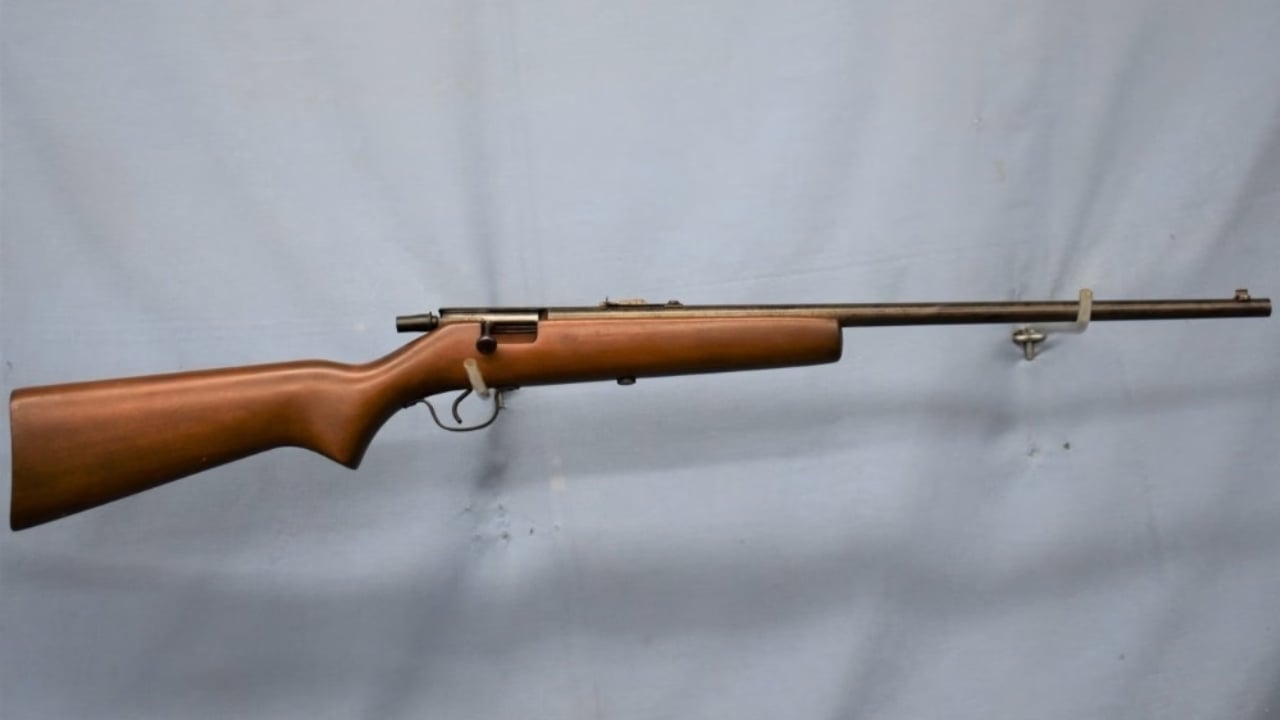
The Stevens Model 15 represents the kind of inexpensive single-shot rifle that used to be almost universal in rural homes. These guns were not meant to impress anyone. They were meant to put one .22 round exactly where the shooter wanted it. That made them perfect for new shooters, small game, and farm work where ammunition was something you used deliberately rather than dumped through magazines for entertainment.
That philosophy still has value. A rifle like this is easy to understand, easy to store, and easy to hand to a responsible new shooter under supervision. Rural life has not changed enough to make a basic single-shot .22 irrelevant.
H&R Model 922

The Model 922 is the sort of revolver that once made perfect sense as a tool-box or tackle-box handgun. Chambered in .22 LR, it gives you multiple shots without the weight, noise, or cost of a centerfire revolver. The fixed sights and plain construction tell you exactly what the gun was built for. It was not designed around concealed-carry fashion. It was designed to be inexpensive, durable, and useful.
That still translates well to farms and rural properties. A small .22 revolver can be useful for pests, trapping, and casual field carry when carrying a larger handgun would be unnecessary. It is not glamorous, but rural tools rarely need to be.
Harrington & Richardson Model 999 Sportsman
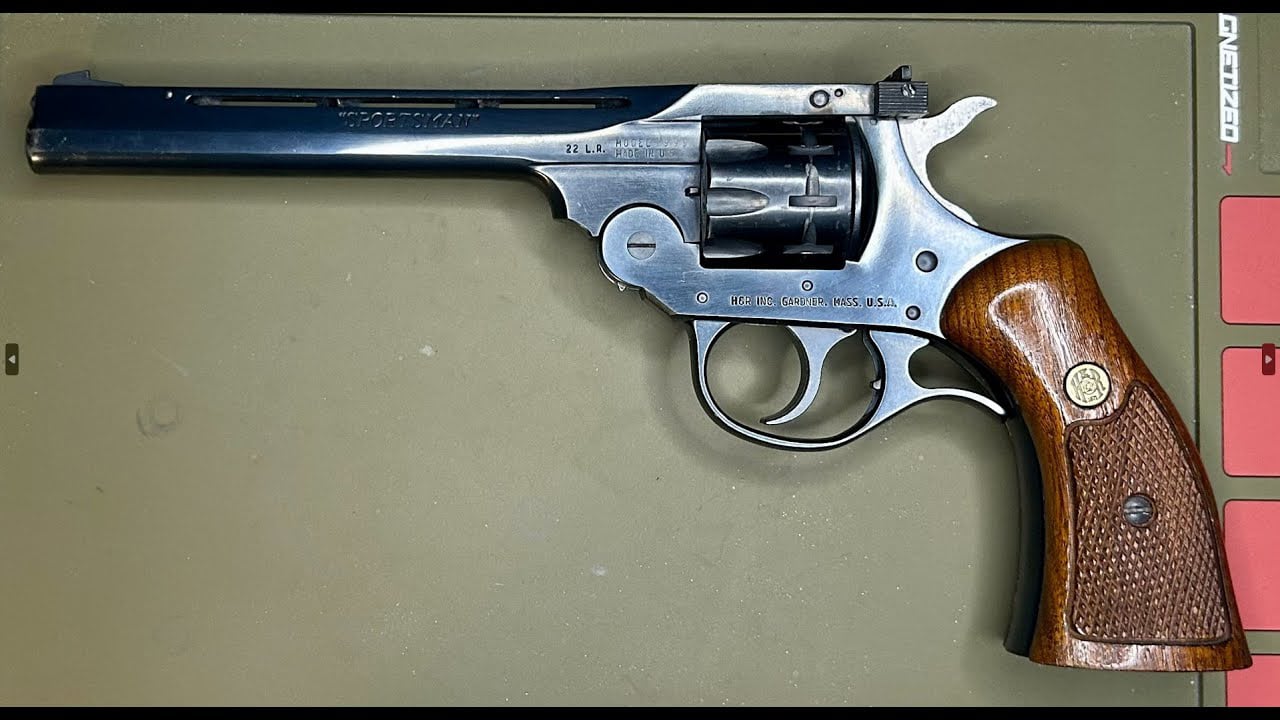
The Model 999 Sportsman gives you a more refined version of the old working .22 revolver. The top-break action ejects fired cases quickly, the nine-shot cylinder gives you useful capacity, and the adjustable sights make the gun capable of more precise shooting than its simple appearance suggests. It is the sort of revolver someone could carry during chores and still enjoy shooting at cans or small targets afterward.
That combination is still valuable. A rural handgun does not have to be built around defensive carry first. Sometimes a rimfire revolver that is cheap to shoot, easy to load, and accurate enough for field use makes far more sense.
New England Firearms Pardner 12 Gauge
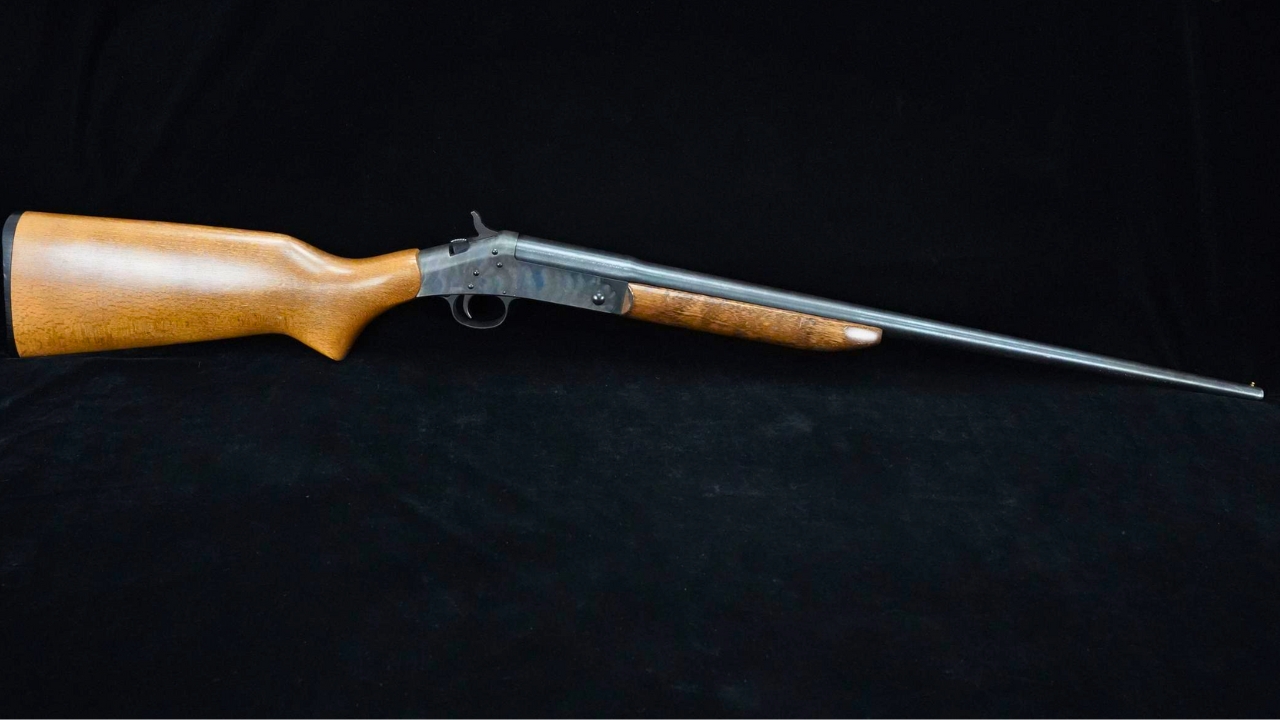
The Pardner single-shot shotgun represents rural utility about as clearly as any firearm ever made. It is inexpensive, rugged, and mechanically basic. Open the action, load a shell, close it, and you have a functional hunting or property shotgun. Depending on barrel and choke, it can handle rabbits, squirrels, birds, and plenty of other jobs around a farm or homestead.
Its biggest limitation is also part of the appeal: you get one shot. That forces deliberate shooting and keeps the gun light. A rural household does not always need a high-capacity shotgun. Sometimes a single 12-gauge shell and a straightforward action are enough.
H&R Topper 20 Gauge
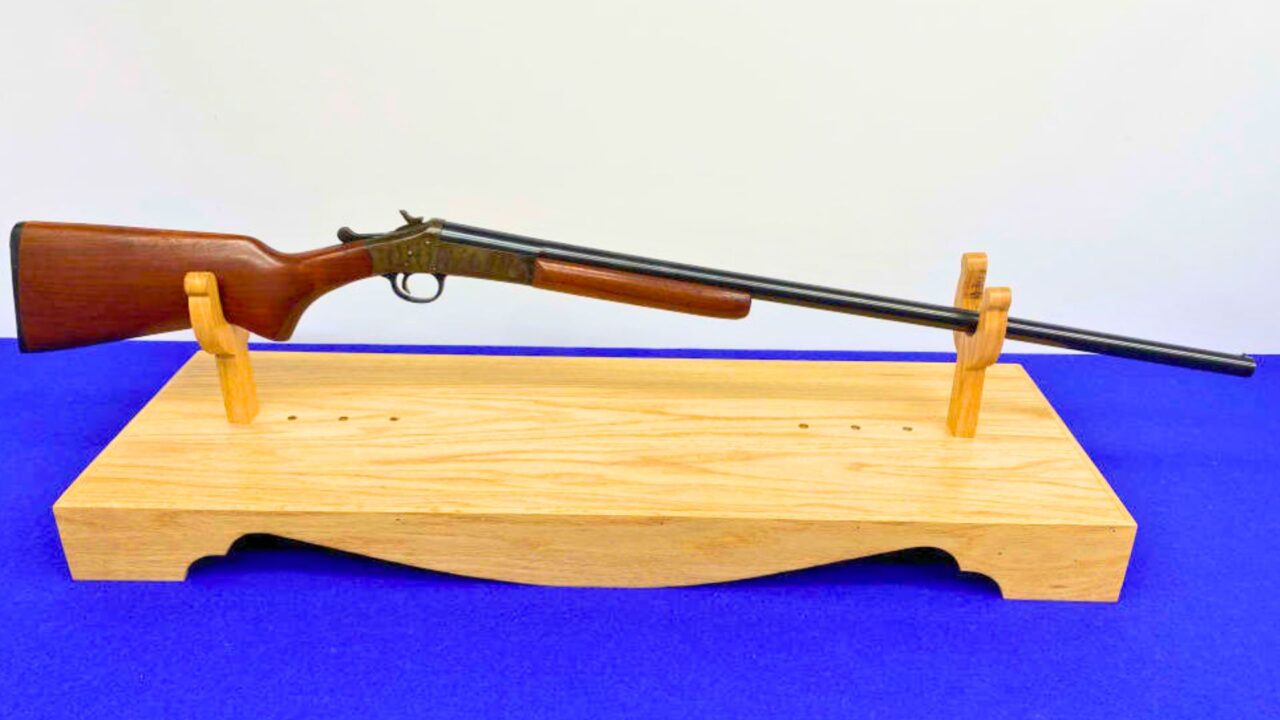
The Topper in 20 gauge may be one of the best examples of a shotgun that makes more sense in the real world than it does on paper. It is extremely light, easy to carry, and mild enough that it works well for younger or recoil-sensitive shooters when paired with appropriate loads. Farmers and small-game hunters used guns like this because they could spend an entire day in the field without dragging around unnecessary weight.
That same advantage still exists. If the job is rabbits along a fence row, squirrels near timber, or keeping a shotgun handy around property, there is nothing wrong with a light single-shot that does not pretend to be more complicated than the job requires.
Savage Model 24 .22 LR/.410
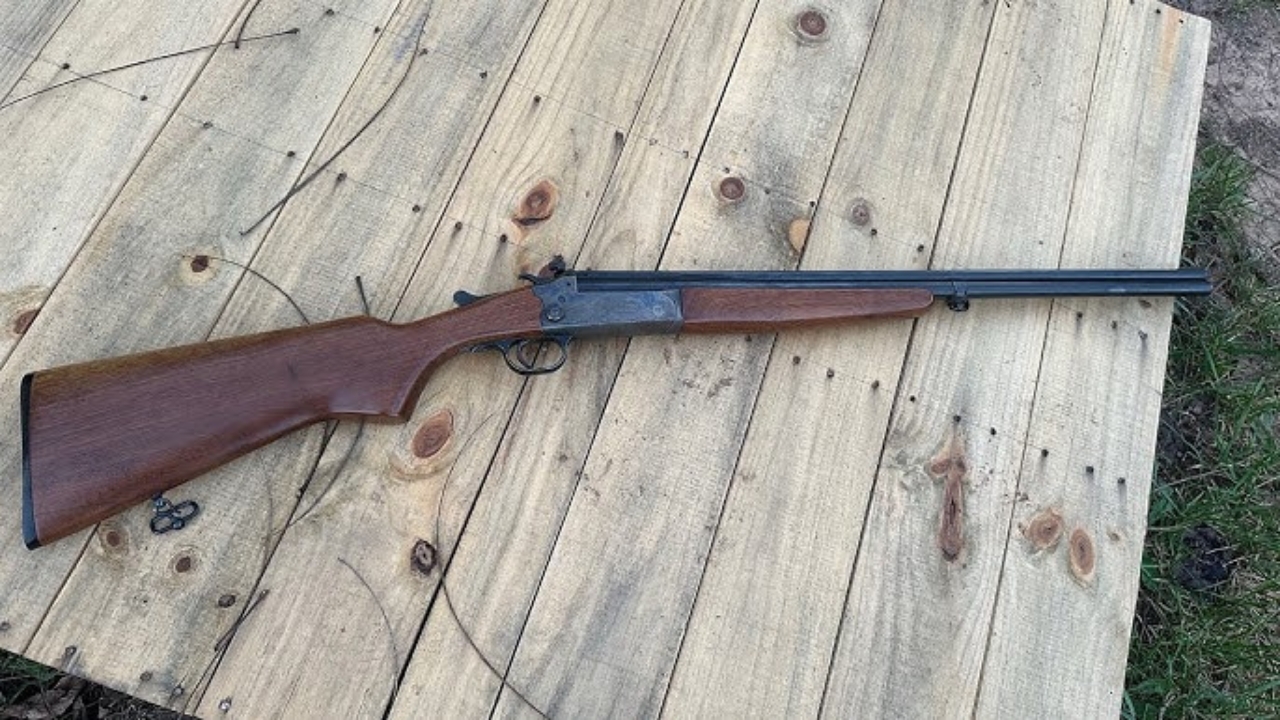
The Model 24 combination gun may be one of the most rural firearms ever designed. A rifle barrel and shotgun barrel in the same firearm gives you two completely different kinds of capability without carrying two guns. In .22 LR over .410, the combination is particularly useful for small game because you can choose a precise rimfire shot or a shotgun shell depending on what appears and at what distance.
That flexibility matters when you are walking woods, checking traps, or moving around property without knowing exactly what you may run into. Modern shooters often solve that problem by carrying multiple guns. The Model 24 solved it decades ago with one.
Savage Model 24 .22 Magnum/20 Gauge
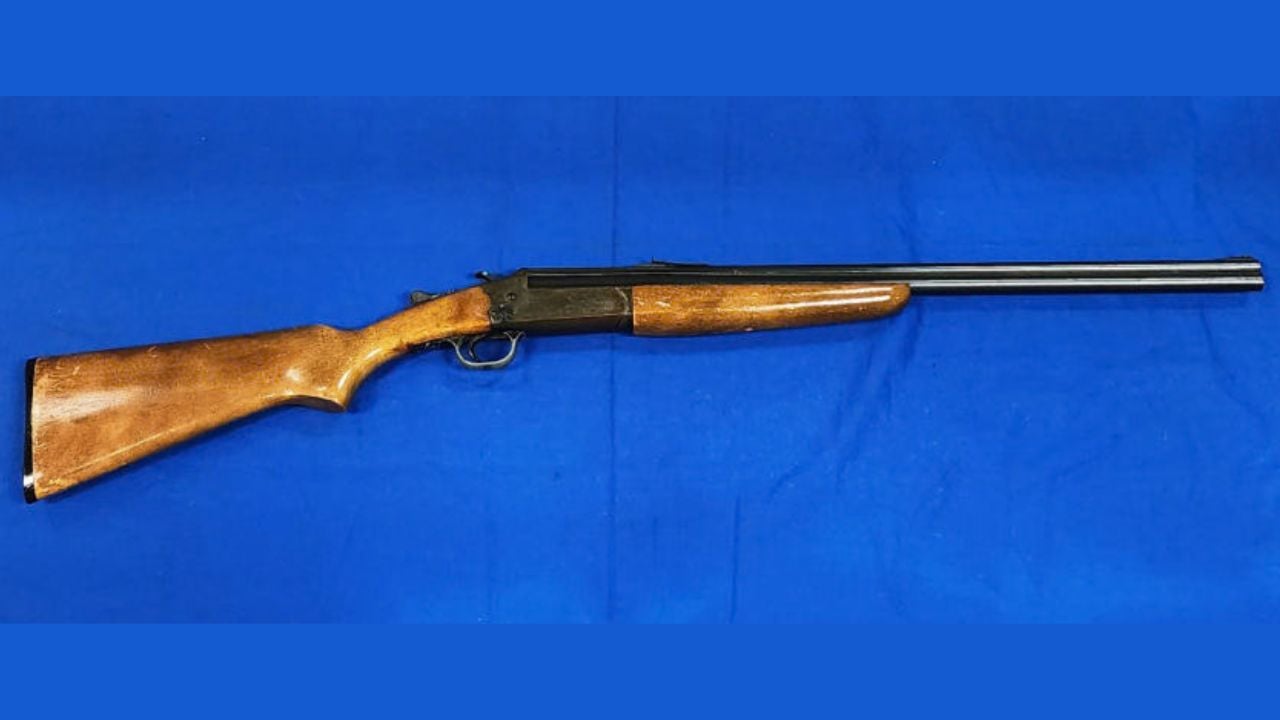
The .22 Magnum and 20-gauge version of the Model 24 takes the same idea and gives it considerably more reach and power. The rimfire barrel becomes more useful for varmints at distance, while the 20 gauge can handle birds and small game without the recoil of a 12. It is one of those guns that can cover a surprising number of situations while remaining relatively compact.
For rural property use, this kind of firearm still makes enormous sense. You may leave the house planning to check a fence and end up seeing a coyote, rabbit, or other animal along the way. A combination gun lets you prepare for several possibilities without carrying a second long gun.
Winchester Model 37
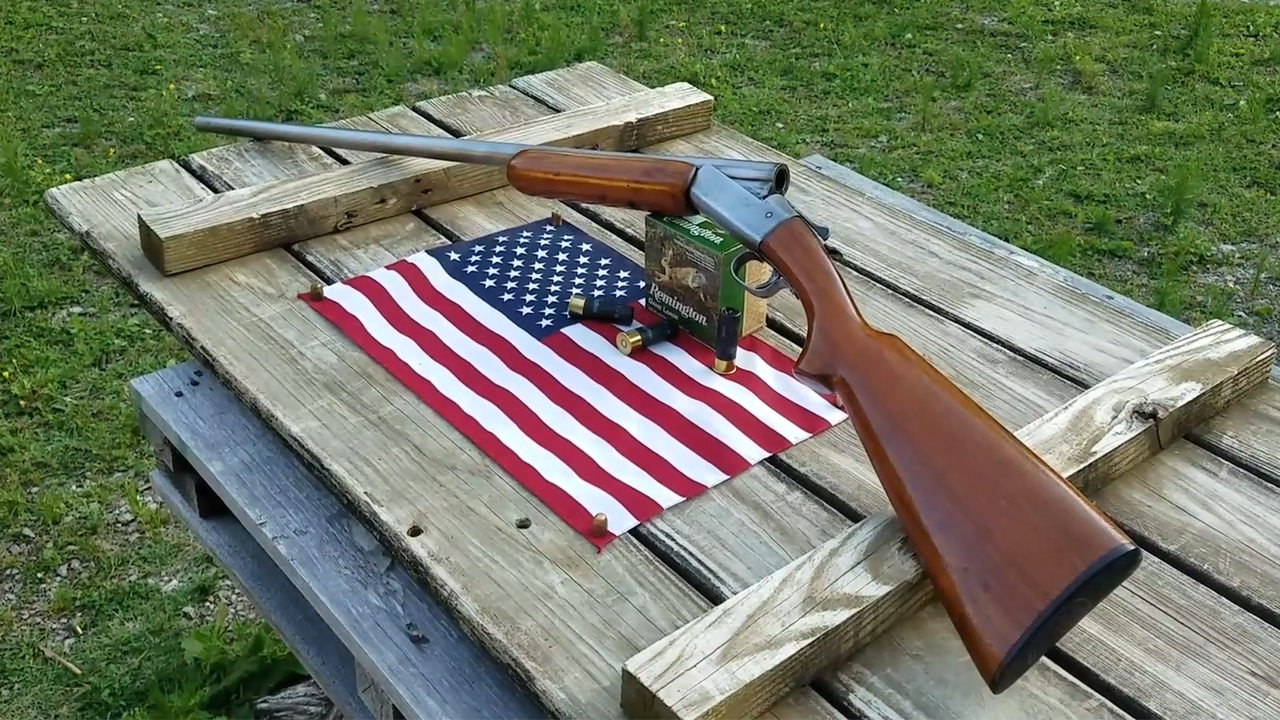
The Model 37 single-shot shotgun was built when a basic shotgun was expected to be affordable, sturdy, and useful enough to stay in the family for decades. There is very little to break, the action is easy to understand, and the gun remains light enough to carry all day. These were the kinds of shotguns that took rabbits, squirrels, birds, and plenty of farm pests without ever becoming collectible showpieces.
That kind of gun still belongs in rural America. Not every shotgun needs extended magazines or interchangeable stocks. A well-worn Model 37 sitting by the mudroom door probably fits rural life better than a much more expensive gun someone is afraid to scratch.
Ithaca Model 66 SuperSingle
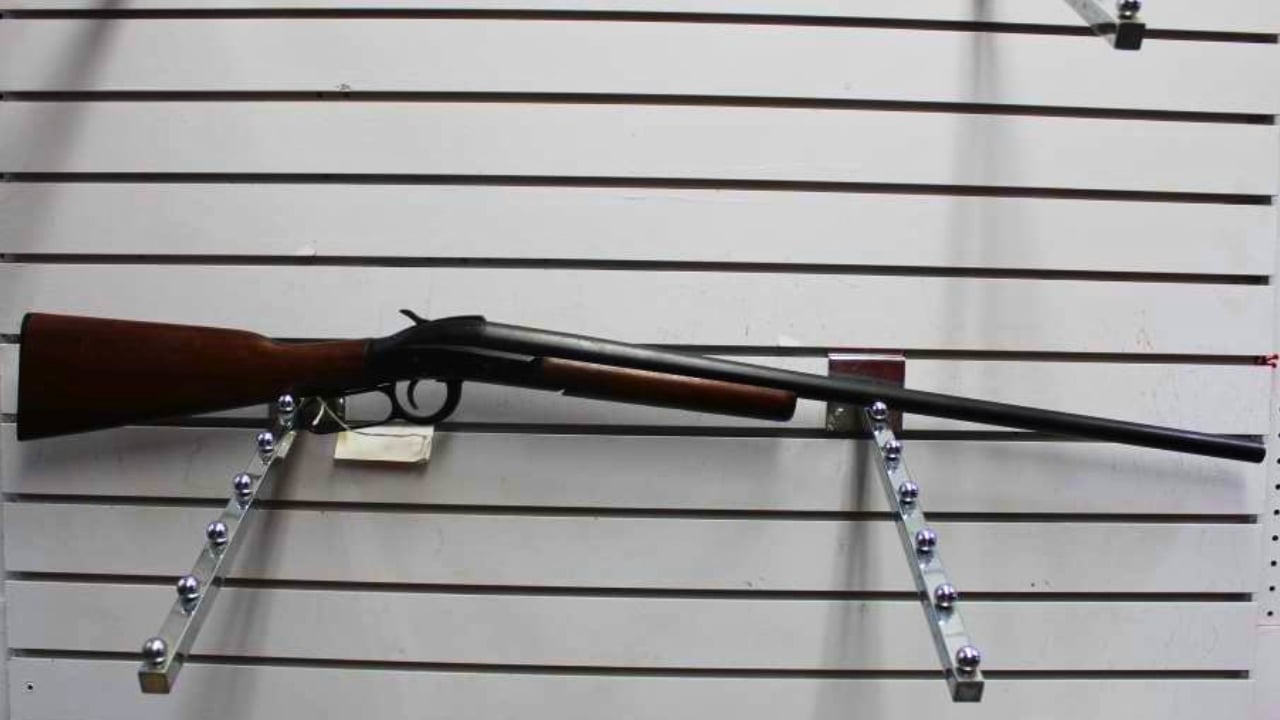
The Model 66 SuperSingle looks like a lever gun but functions as a single-shot shotgun, which gives it a character entirely its own. The lever opens the action, allowing the shooter to load one shell before closing it again. The design keeps the gun slim and easy to carry while giving younger shooters something more interesting than a basic break-action.
It was built around ordinary hunting and property use rather than high-volume shooting. That is still a very real part of rural life. One shot at a rabbit or pest may be all that is needed, and carrying a light shotgun all afternoon is a lot easier than carrying a heavier repeater.
Sears Model 200
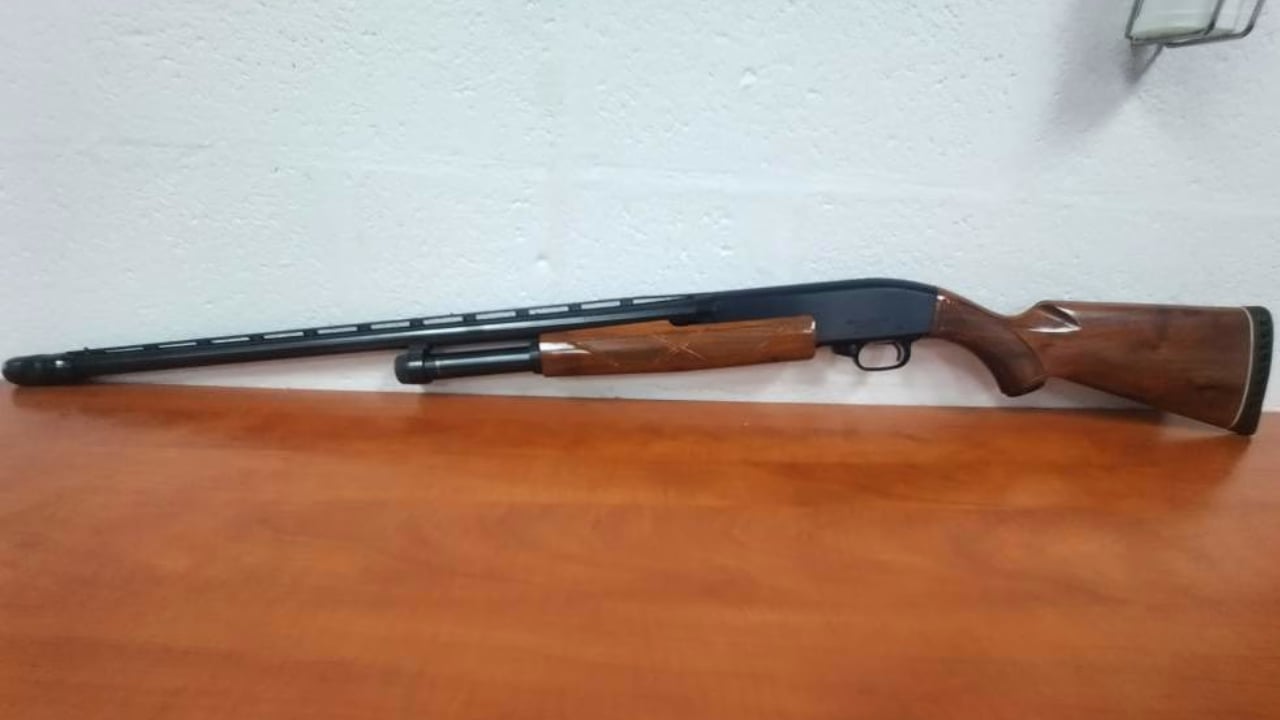
Store-brand shotguns like the Sears Model 200 were common because rural buyers once cared far more about whether a gun worked than whose name appeared on the receiver. Many of these shotguns were based on proven designs produced by established manufacturers and sold at prices ordinary families could justify. They hunted ducks, rabbits, pheasants, and deer without needing prestige.
That mentality still makes sense. A reliable old pump that has already seen decades of field use can be a better rural tool than a prettier shotgun that rarely leaves the safe. Function matters more than the rollmark when the gun is supposed to work.
High Standard Flite King
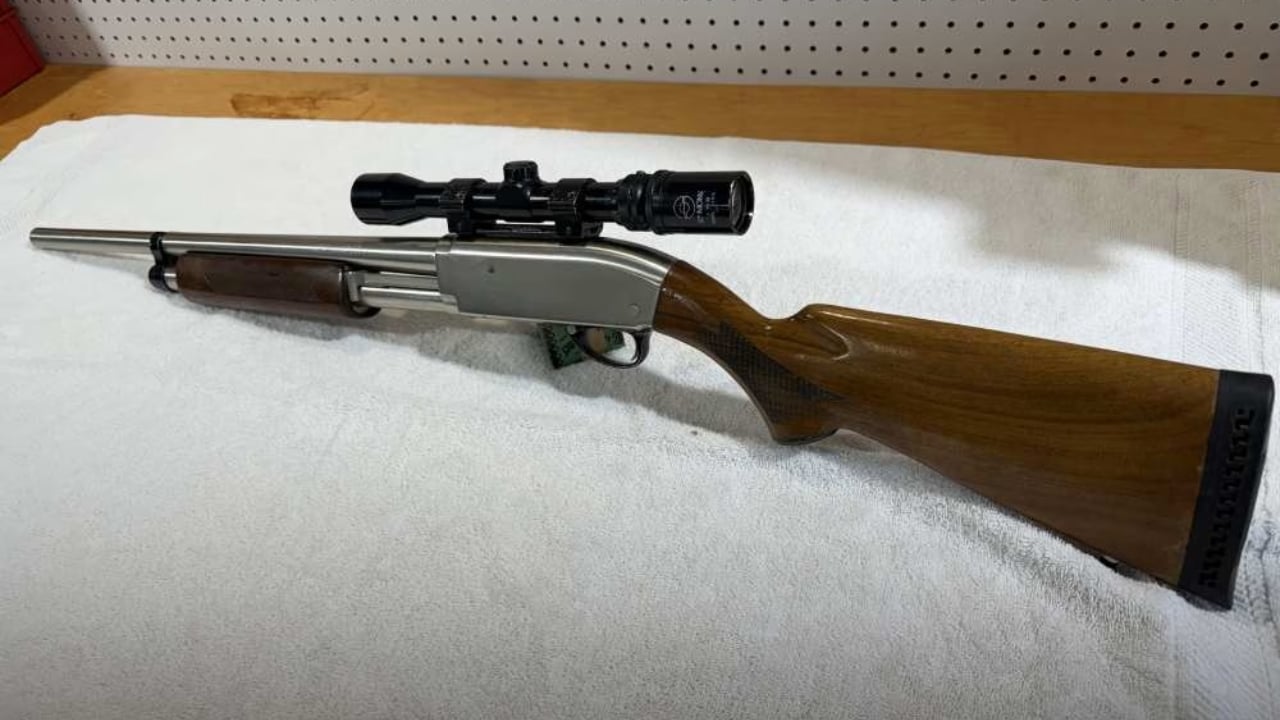
The Flite King is another pump shotgun that once filled the same working role now dominated by a few much better-known models. It is straightforward, solidly constructed, and built for hunters who needed a dependable repeater without buying something extravagant. Older examples have a mechanical feel that comes from an era when even inexpensive shotguns often contained a lot of machined steel.
A rural shotgun does not need to dominate online discussions to remain useful. If the action is sound and the gun fits the shooter, an old Flite King can still take game and handle ordinary property work as well as it ever did.
Marlin Model 55 Goose Gun
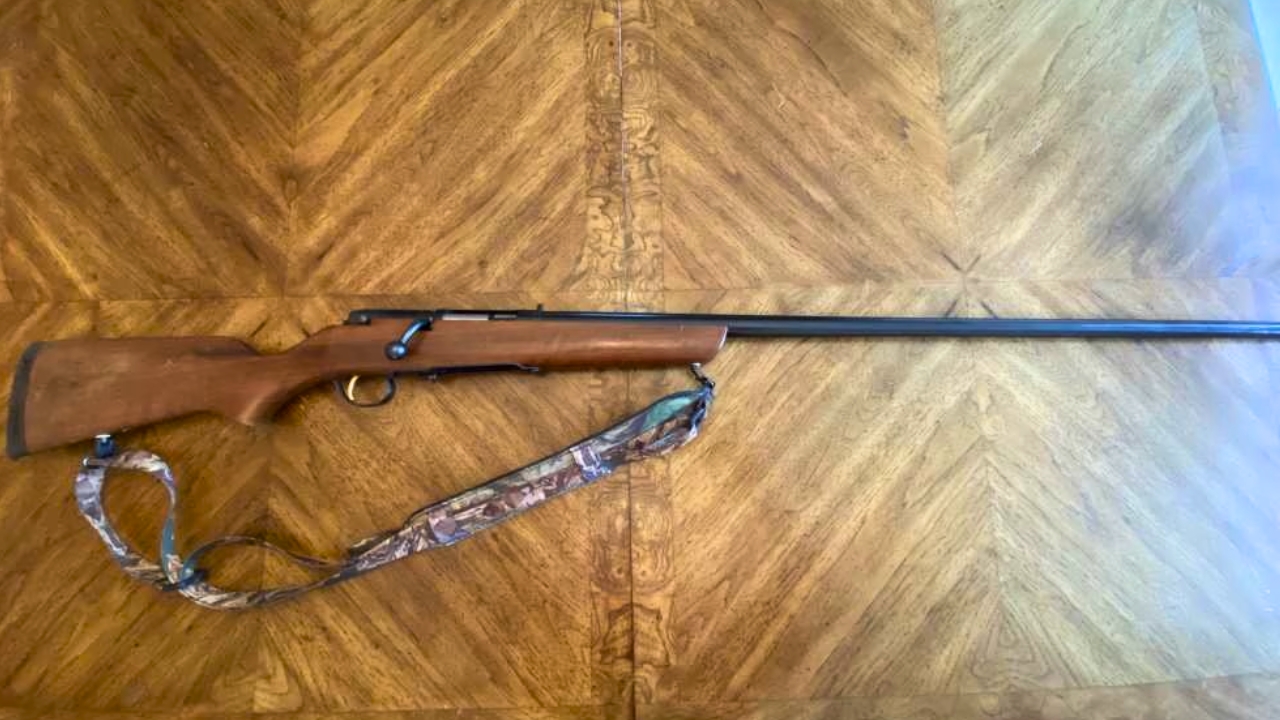
The Model 55 Goose Gun looks almost ridiculous today because of its extremely long barrel, but it came from a world where hunters often sat over open fields and water and wanted every perceived advantage they could get. The bolt-action shotgun also offered a straightforward repeating system that was inexpensive to manufacture and easy to maintain.
I would not call it the ideal modern all-around shotgun, but it represents the rural practicality of its era perfectly. Specialized jobs still exist in rural America, and an unusual gun built around one specific hunting role can still make sense when that role has not disappeared.
Remington Model 81 Woodsmaster

The Model 81 is an old semiautomatic rifle, but its purpose feels remarkably familiar. Hunters wanted a fast second shot, serious deer cartridges, and a rifle that still handled like a traditional sporting gun. The long-recoil action is dated by modern standards, yet the underlying idea is exactly what plenty of rural hunters still want today.
For woods hunting, especially where shots are moderate and deer can move quickly through openings, that concept remains useful. The rifle may be old, but the environment it was designed for still exists across huge parts of rural America.
Winchester Model 64 .30-30

The Model 64 took the classic lever-action formula and shaped it into an excellent woods and field rifle. It is slim, quick in the hands, and chambered in cartridges that make sense for deer at practical distances. The longer barrel and traditional stock give it a smoother, more deliberate feel than many short carbines, while the lever action remains fast when a follow-up shot is needed.
Rural deer hunting has not suddenly turned into a 700-yard exercise everywhere. In thick woods, creek bottoms, and farm edges, a rifle like this still covers the distances that actually matter.
Remington 141 Gamemaster
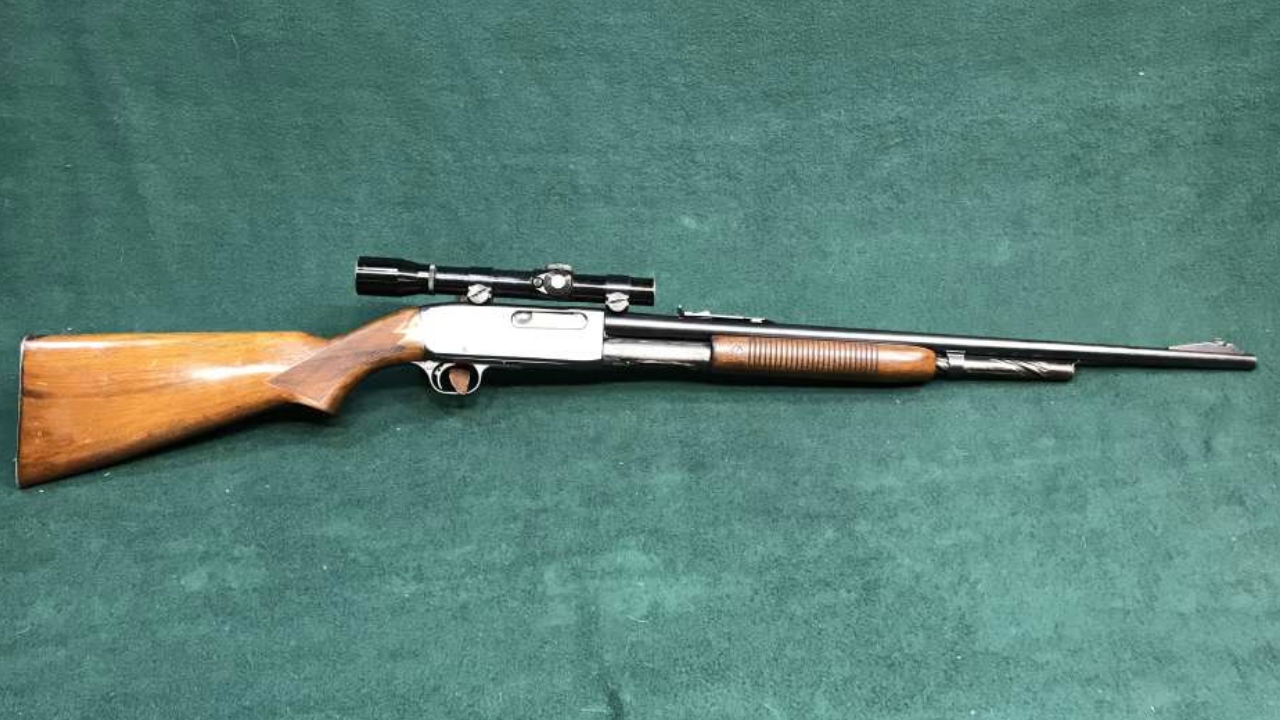
The Model 141 is a pump-action rifle from an era when hunters who already knew pump shotguns wanted the same fast, familiar motion in their deer rifles. Chamberings like .35 Remington gave it plenty of capability for whitetails and black bear at traditional woods distances. The tubular magazine and sleek receiver keep the rifle slim and easy to carry.
That remains a very practical combination for rural hunters who spend more time in timber than on open western slopes. The world that produced the Gamemaster still exists every November in hardwood forests across America.
Marlin Model 36
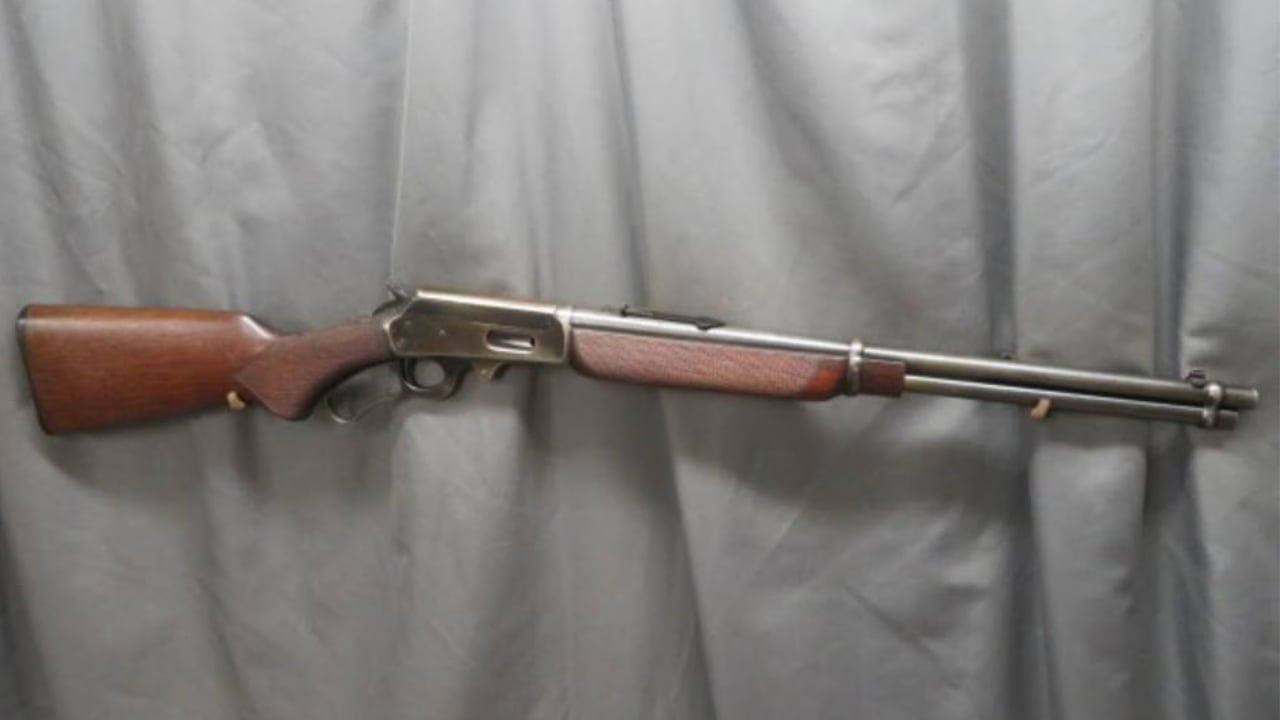
The Model 36 predates the famous 336, but the basic idea is familiar: a handy lever-action hunting rifle built around cartridges that work extremely well in the woods. It has the narrow receiver, quick handling, and traditional balance that make lever guns so easy to carry through brush. The design came from a period when deer rifles were expected to spend far more time in the field than on a shooting bench.
That is still how many rural hunters use a rifle. They need something that carries easily, comes to the shoulder quickly, and hits hard enough at ordinary woods distances. The Model 36 was built exactly around that job.
Ruger M77/22
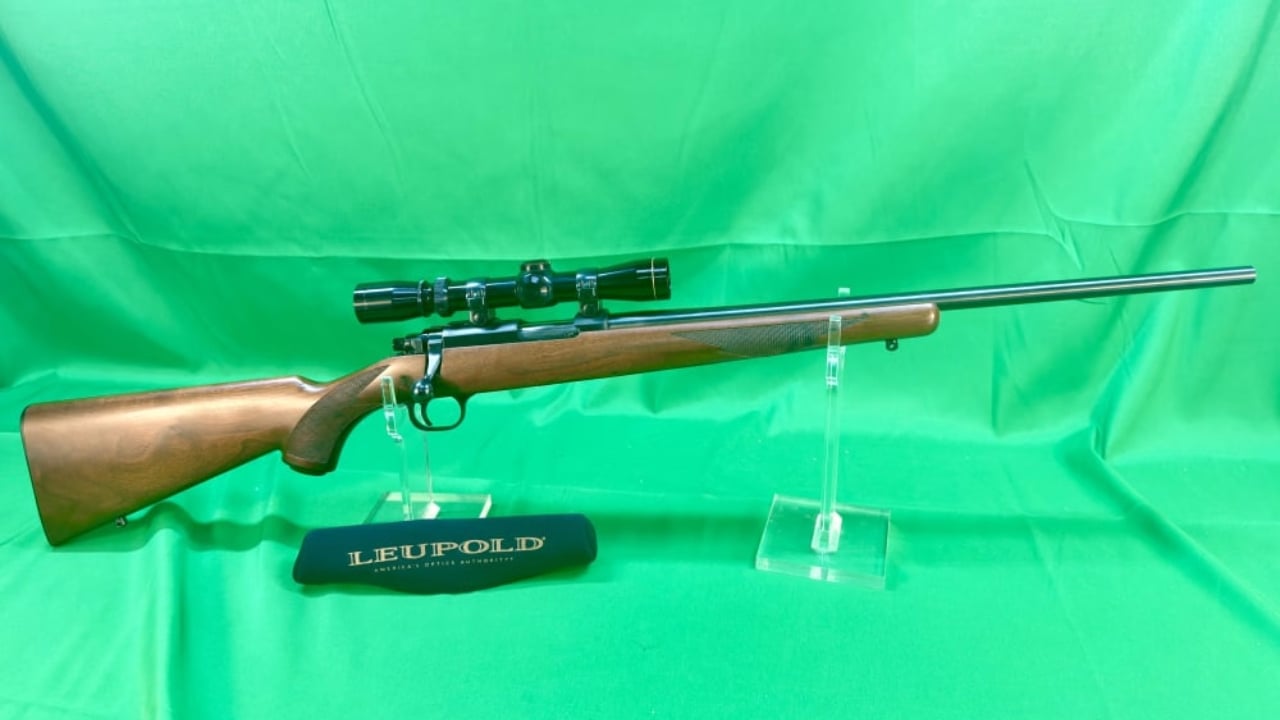
The M77/22 is one of the rifles that makes sense when you want a rimfire to feel like a serious centerfire hunting rifle. The bolt action, stock proportions, and rotary magazine give it a more substantial feel than a lightweight plinker, while .22 LR keeps ammunition cheap and recoil nonexistent. That makes it excellent for squirrels, property pests, training, and simply keeping around when a centerfire would be excessive.
Rural America still has endless uses for a good .22. A rifle like the M77/22 fits because it is accurate enough for deliberate small-game hunting and durable enough to stay useful for generations.
Like The Avid Outdoorsman’s content? Be sure to follow us.
Here’s more from us: