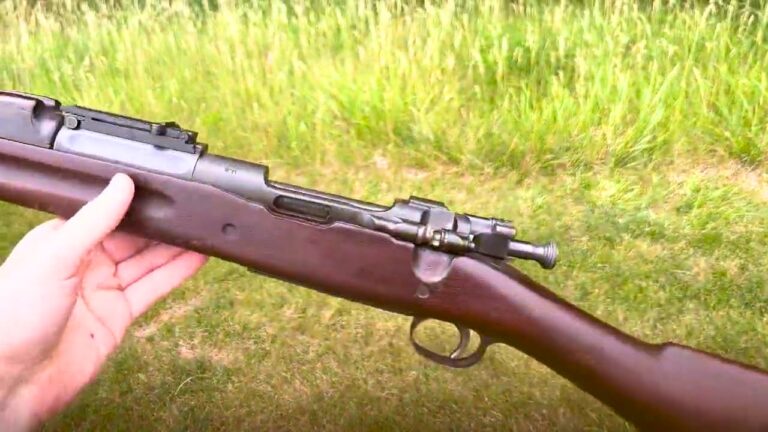
Photo credit: TFB TV/Youtube
Every fall I see the same thing at the range and at the trailhead: guys with a tag in their pocket and a rifle that makes sense on the internet, but not where they’re actually hunting. Elk are tough, sure. But most “elk rifle” mistakes aren’t about caliber wars. They’re about weight, handling, optics, and how the rifle fits the terrain you drew—timber so thick you can smell the herd, or open basins where the wind never quits.
So here are 20 real rifles that can absolutely kill an elk, but are a bad match for the country most of us really end up in. This isn’t a knock on the brands. It’s a reality check on picking a tool for the job instead of a vibe for a photo.
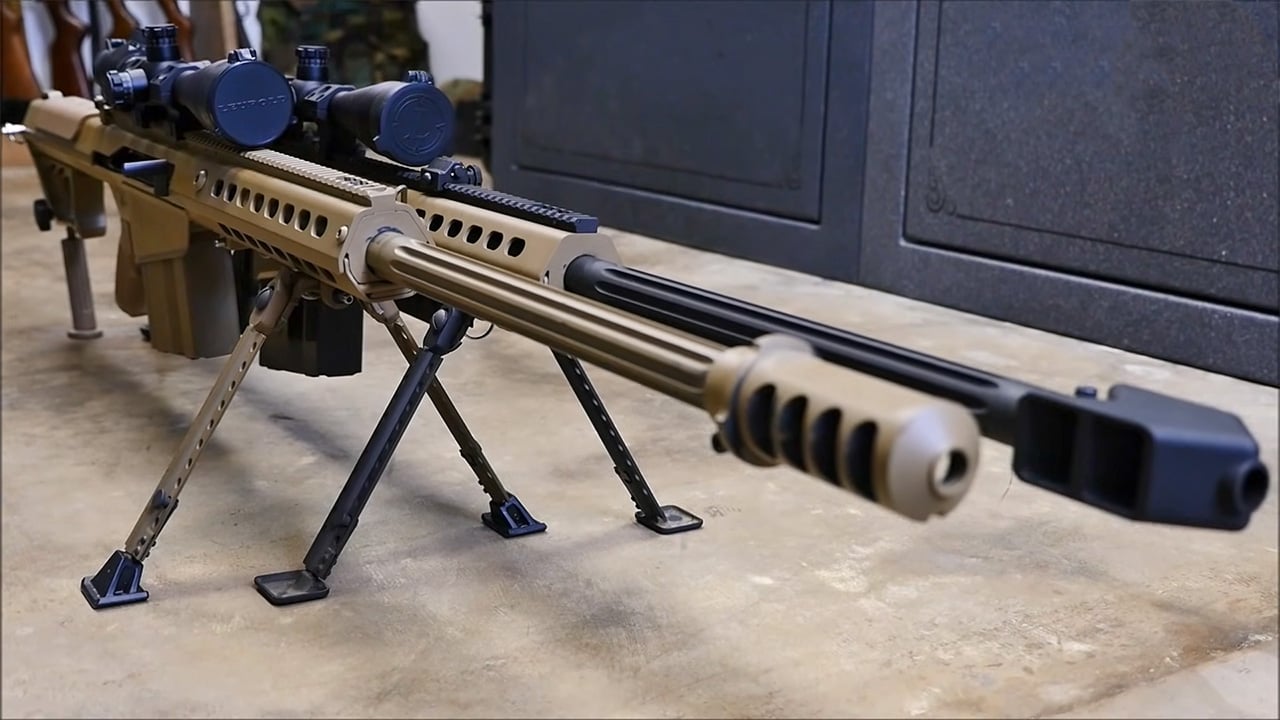
1. Barrett M82A1
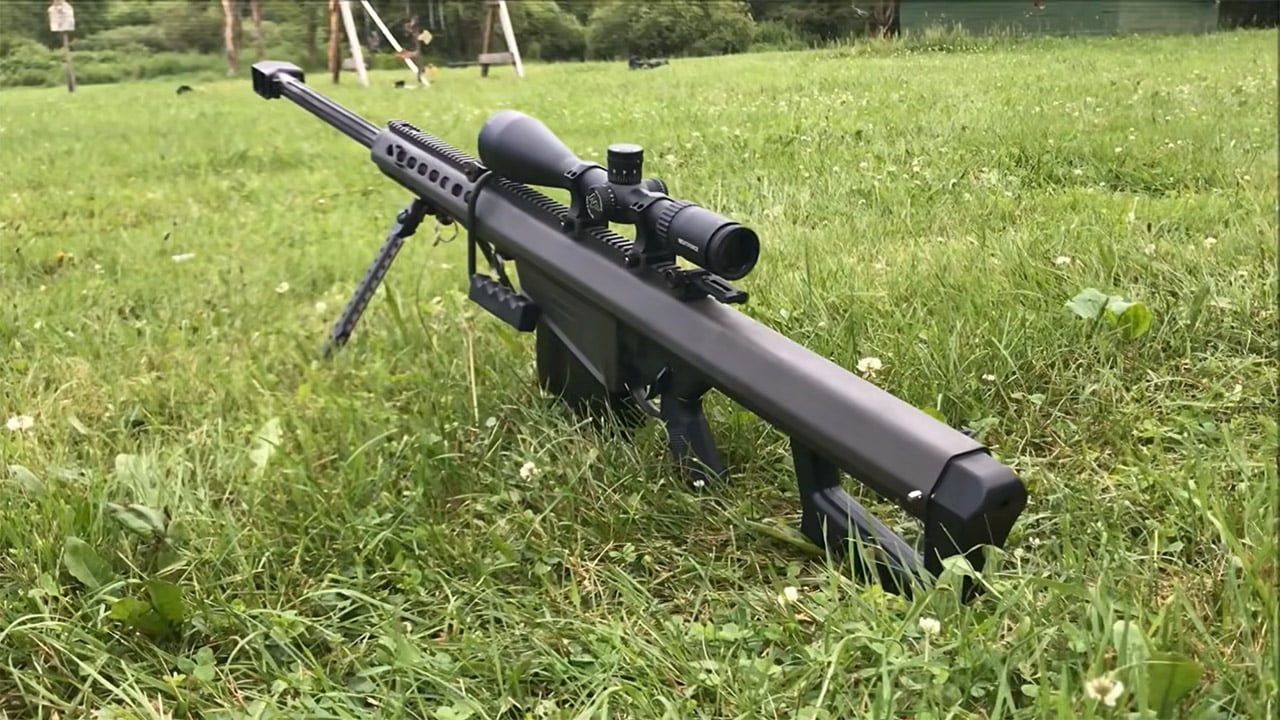
I get it. A .50 BMG is the definition of “enough gun.” It’s also the definition of “why did I do this to myself” once you’re two miles in and the trail turns into deadfall and shale. Carrying an M82A1 in elk country is like hauling a boat anchor because you might see water.
It’s long, heavy, and awkward to sling. On top of that, it basically demands a shooting setup that doesn’t exist when you’re side-hilling through timber and trying to get steady for a 90-yard lane that’s closing fast.
2. Ruger Precision Rifle (6.5 Creedmoor)
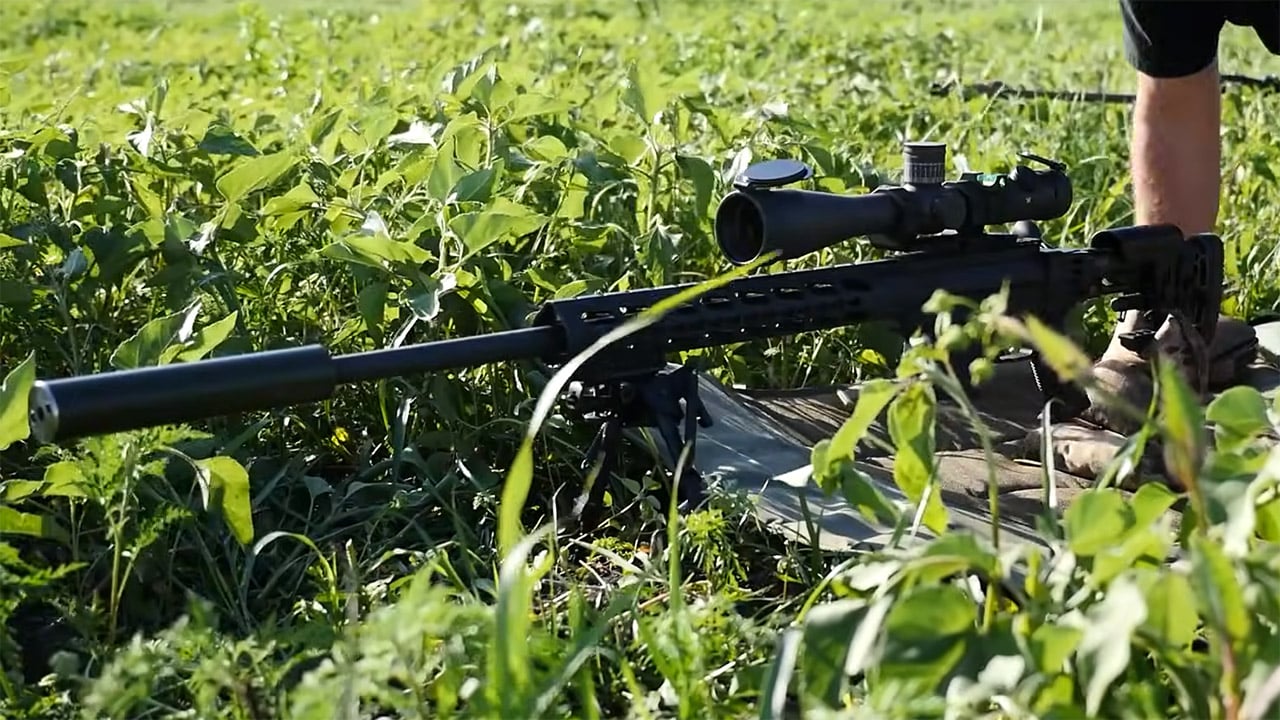
Great rifle for dialing and sending from a prone position. Terrible rifle for still-hunting dark timber where shots happen offhand or from a knee with your heart hammering. That chassis, the long barrel, the whole “range rifle” balance—none of it is friendly when you’re weaving through brush.
By the time you add a big scope and bipod, you’ve built something you’ll hate carrying. Ask me how I know. If your hunt is mostly hiking and glassing, there are better ways to spend that weight.
3. Savage 110 BA Stealth
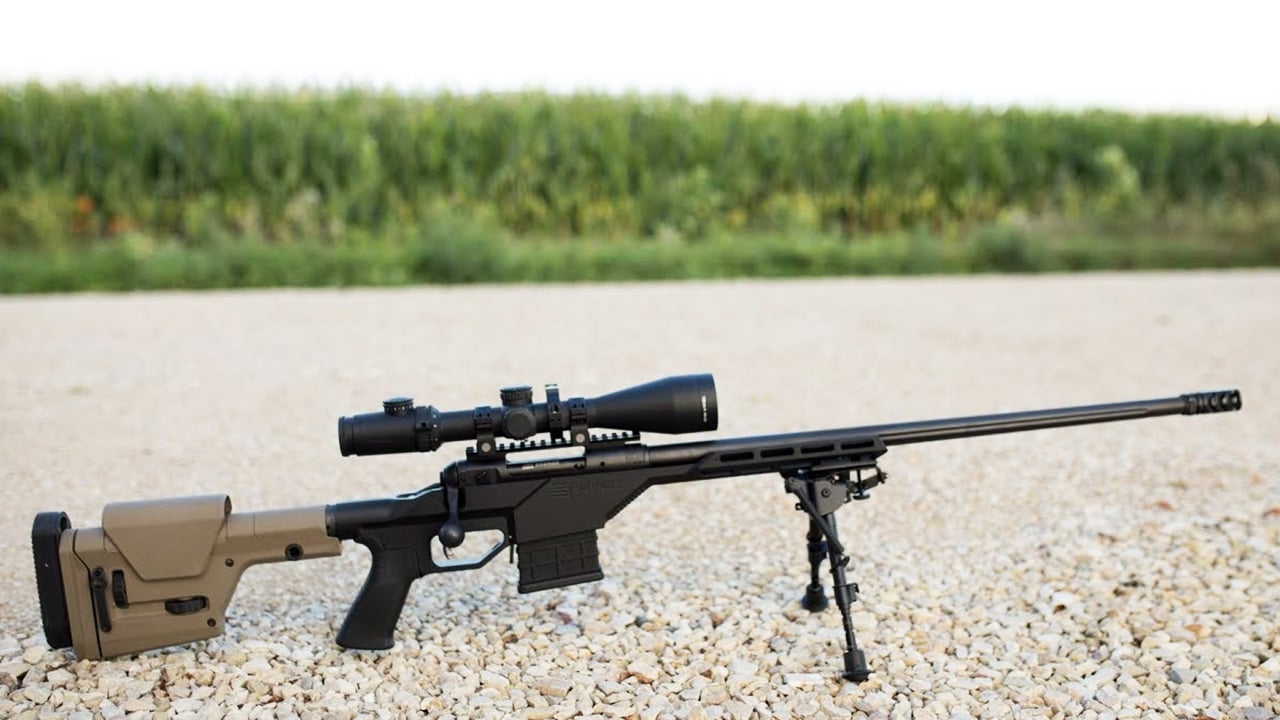
This one shows up when somebody wants a “sniper” setup for elk season, then realizes they’re hunting ridges and pockets, not a square range. It shoots fine. It also carries like a section of fence post.
In steep country, a rifle like this constantly hangs up. If you’re honest, most of your shot opportunities won’t let you unfold a whole system. They’ll let you mount the rifle and shoot clean, or they won’t.
4. Remington 700 Police (PSS)

The old PSS has put plenty of meat in freezers, but it’s a duty rifle that wandered into the hunting world. Heavy barrel, heavy stock, and a balance that’s great on bags and not so great when you’re climbing switchbacks at daylight.
If you hunt from a fixed overlook and don’t move much, you can make it work. In real elk country where you’re constantly changing elevation, it becomes a chore fast.
5. H&K MR762A1

.308 in a quality semi-auto sounds like a perfect “do-it-all” elk rig until you carry it with a full magazine, optic, and mount. The MR762 is built like a tank, and it feels like one on your shoulder after a few hours.
The other issue is simplicity in the field. Semi-autos can run great, but they add complexity and bulk where a simple bolt gun shines—especially when you’re tired, cold, and working around pack straps and layers.
6. Springfield Armory M1A Loaded
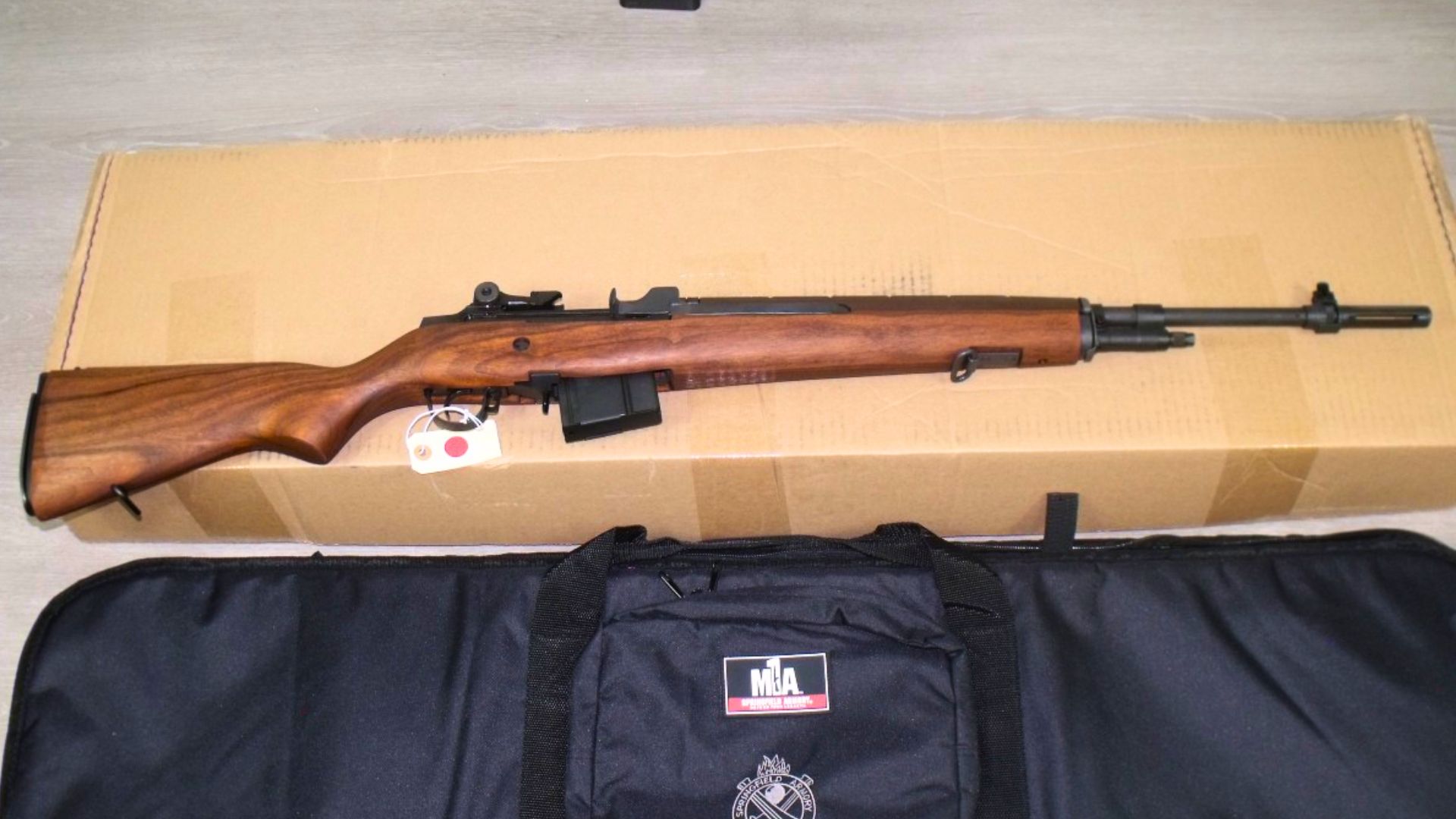
I love the look and feel of an M1A. I also know what it’s like to try to baby one through wet snow and pine needles while you’re busting brush. It’s not that they can’t run—it’s that the whole setup is long, not especially light, and not especially handy.
Throw a scope on it and you get into mounts, cheek weld issues, and a rifle that wants to be shot a certain way. Elk hunting rarely lets you shoot “a certain way.”
7. Browning BAR Mark 3 (300 Win Mag)
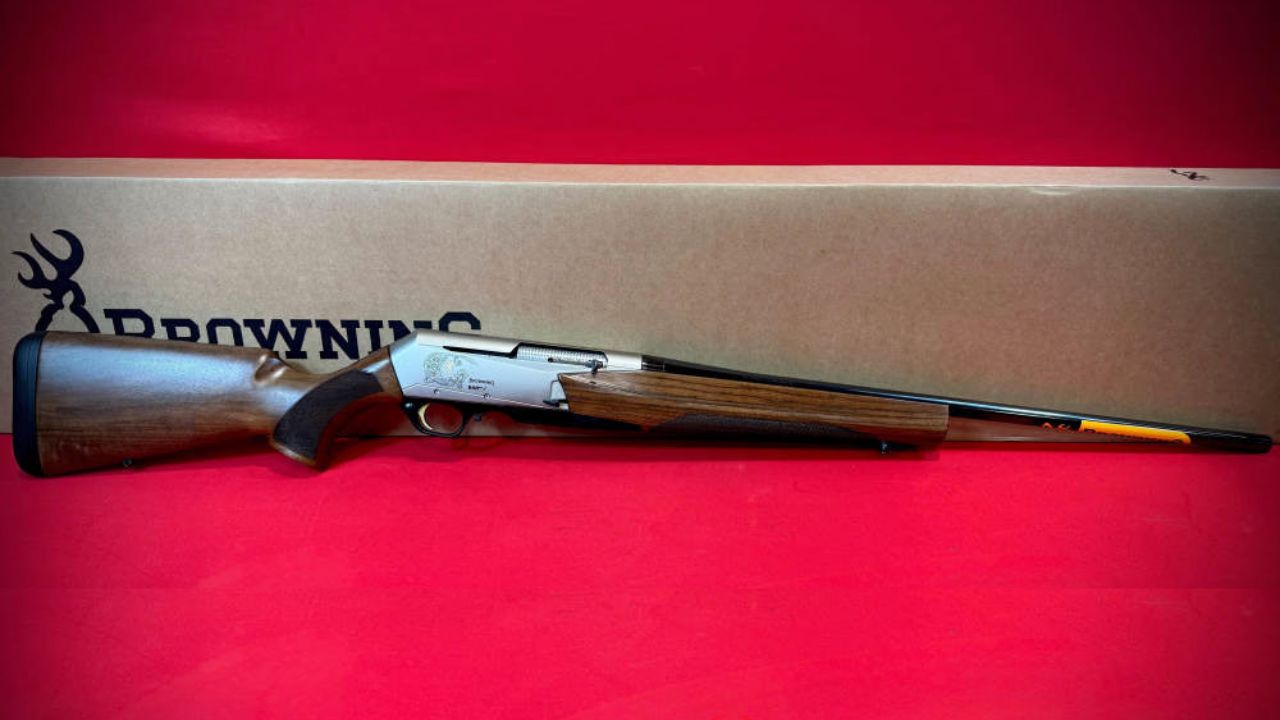
A semi-auto .300 magnum can be a sweet shooter, and the BAR points well. The problem is weight and bulk once you’re actually moving. BARs tend to end up as “truck-to-stand” rifles, and that’s not most elk hunts.
Also, if you’re in thick timber, you don’t need a belted magnum with a heavy semi-auto platform. You need fast handling and confidence, not horsepower you can’t leverage.
8. Christensen Arms MPR

This is one of those rifles that looks like it was born on a ridgeline with a tripod. In the wide-open West, that can make sense. In the broken, brushy, close-range reality a lot of elk hunters face, it’s too much rifle in the wrong direction.
Chassis guns tend to snag, feel cold and hard in the hands, and don’t ride well on a sling. They’re built for shooting positions you may never get.
9. Bergara B-14 HMR

The HMR is a good rifle, and I’m not pretending otherwise. But it’s a “hunting match” rifle that can quietly become a weight problem. Add a solid scope, rings, and a full magazine, and it stops feeling like a hunting rifle on mile four.
If your hunt is more driving and glassing than hiking, you’ll be fine. If it’s pack-in, the HMR starts to feel like you brought your range hobby to a mountain fight.
10. Tikka T3x TAC A1

Tikkas have a deserved reputation for smooth actions and accuracy. The TAC A1 is built for precision and adjustability, and it does that well. It also turns into a heavy, angular rifle that doesn’t carry like a normal hunting gun.
In steep timber, that extra weight and the way it rides on your shoulder matters more than tiny groups. Most elk aren’t lost because your rifle shot 1.2 MOA instead of 0.7 MOA.
11. Ruger American Ranch (5.56 NATO)

Here’s the one that gets guys in trouble, not legally in this article, but practically. A handy little 5.56 bolt gun is fun. It’s also a poor choice when your “normal” shot turns into an angling shot through hair and bone at 160 yards in a crosswind.
Yes, shot placement matters. It always does. But building in a bunch of limitations on purpose, then calling it “lightweight,” is a rough way to learn lessons with a big animal.
12. Mossberg MVP Patrol (5.56 NATO)
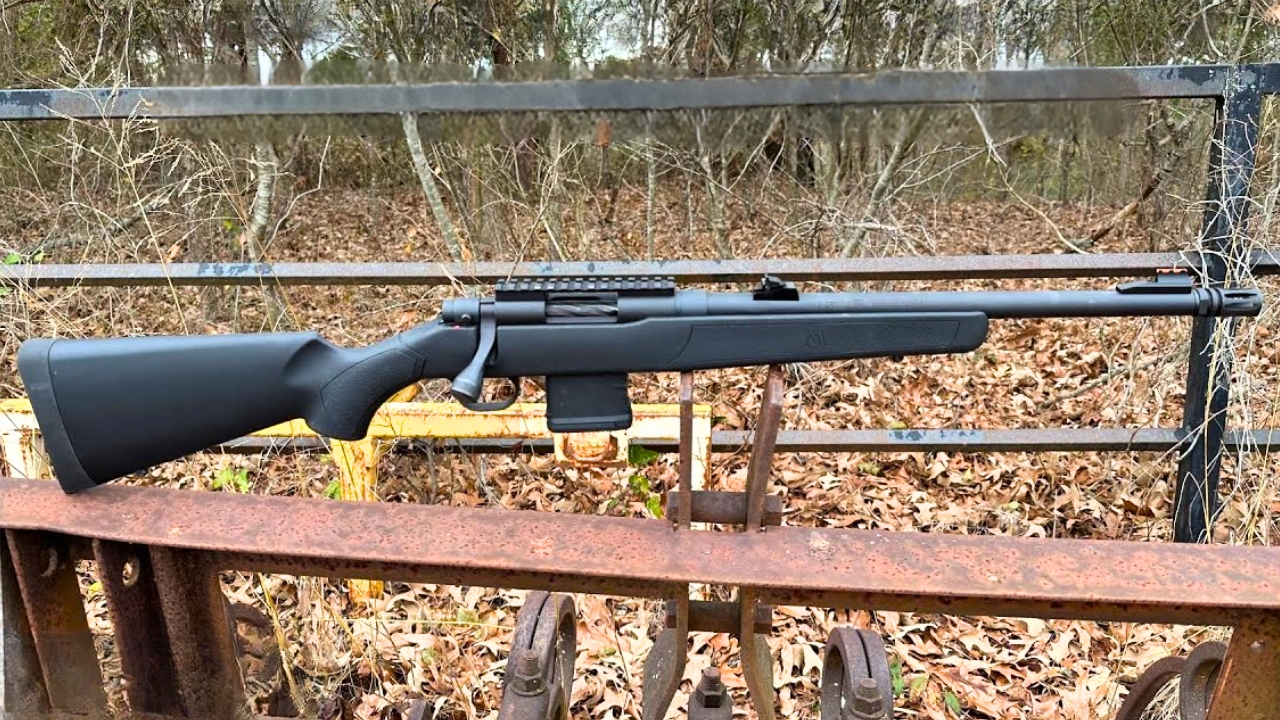
The MVP Patrol is another “neat idea” that becomes a questionable elk tool as soon as you get off the bench. The rifle itself is fine for what it is. The problem is trying to make a patrol-style, AR-mag bolt gun into an elk setup because it’s convenient.
In close timber, you want a rifle that mounts fast and hits hard with forgiving terminal performance. In open country, you want wind-bucking and consistency. The MVP in 5.56 is a compromise aimed at a different job.
13. Henry Long Ranger (6.5 Creedmoor)
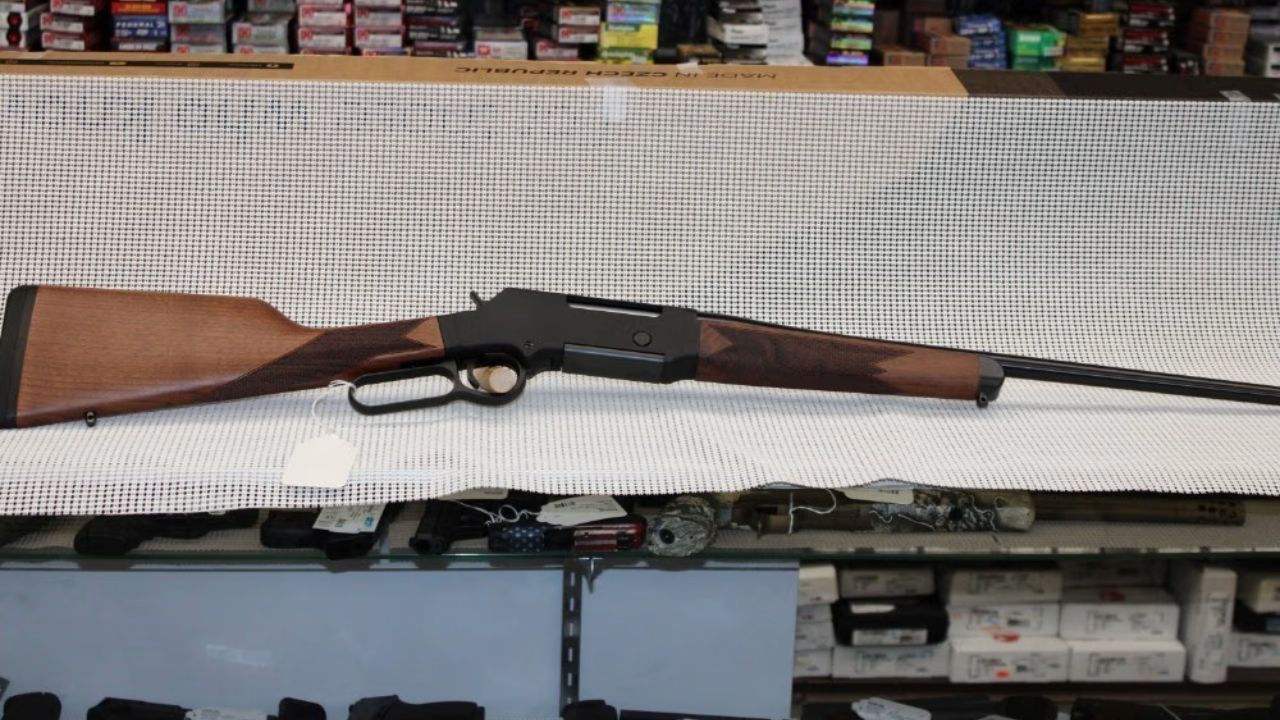
I like lever guns. I like them even more when they’re quick and compact in the woods. The Long Ranger is a slick modern lever, but pairing a lever action with a scope-heavy, dial-happy mindset is where things go sideways.
If you’re in thick timber and keeping shots sensible, it can work. If you’re in open basins trying to play the long-range game, a lever gun setup is a hard road, especially when you’re rushed and the wind is doing what it does.
14. Marlin 1895 Guide Gun (45-70 Government)

This one hurts because the 1895 Guide Gun feels like it should be perfect for elk. In the right place, it is. In big, open country, it becomes a short-range hammer that leaves you wishing you had more reach and a cleaner hold when the only bull you see is across a canyon.
Also, recoil with hot loads is real, and it can make practice sessions shorter than they should be. If you don’t practice, that “thumper” doesn’t thump where it needs to.
15. Winchester Model 94 (30-30 Winchester)
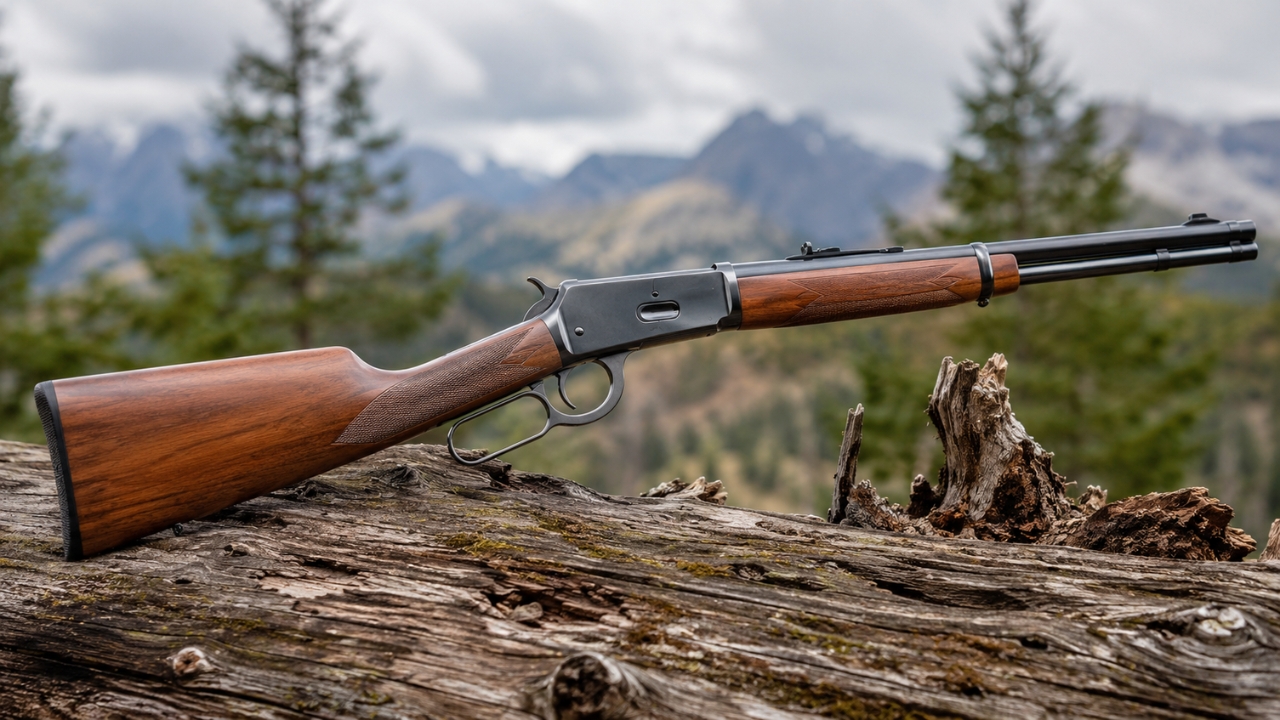
A Model 94 is pure deer camp history. In elk timber at close range, with the right bullets and the right discipline, it can do the job. The issue is most elk hunters aren’t actually hunting 40-yard lanes all day long.
When the shot stretches or angles, or you have to thread a bullet through brush without guessing, the old 30-30 setup starts to feel like nostalgia you brought into a modern problem.
16. Ruger No. 1 (Any magnum chambering)

The Ruger No. 1 is classy, strong, and accurate enough to make you grin. But a single-shot in elk country is a choice, and it’s usually the wrong one if you’re honest about how fast things happen. Bulls move. Cows get in the way. Lanes close.
Even with perfect shot placement, a quick follow-up can matter. Carry what you want, but don’t confuse romance with practicality when you’ve waited years to draw a tag.
17. Weatherby Mark V Accumark (338-378 Weatherby Magnum)

This is the “my buddy said elk are tough” rifle, turned up to eleven. It’s a serious cartridge and a serious rifle, and the recoil and muzzle blast are serious too. Most hunters don’t shoot it enough to be truly comfortable, and that’s where misses and bad hits are born.
In open country, you’d be better served by a milder setup you can shoot well from weird positions. If your rifle makes you flinch, it doesn’t matter what the ballistics chart says.
18. Remington 700 CDL (7mm Rem Mag) with a big 56mm scope

The CDL is a classic. The mistake is what guys do to it. They hang a huge objective scope in tall rings because they want more light, more zoom, more everything. Then they can’t get a consistent cheek weld in a bulky jacket, and their eye box disappears when a bull steps out.
This is one of the most common “wrong for the country” setups because it’s not the rifle’s fault. It’s a good rifle turned into an awkward handling package that doesn’t mount naturally when you’re shooting fast in timber or from an uphill lean.
19. Ruger Gunsite Scout (308 Winchester)

I respect the Scout concept. Short, handy, rugged. But in real elk hunting, the forward-mounted optic idea can be limiting, and the scout scopes folks choose can be a weird compromise—especially at dawn and dusk when you’re trying to pick a shoulder through branches.
It shines as a general-purpose rifle, ranch rifle, and “carry a lot, shoot a little” gun. Elk hunting is often “carry a lot, and when you shoot, you need it to be very clean.” The Scout can do it, but it’s not the easiest path.
20. Springfield Armory M1 Garand (30-06 Springfield)
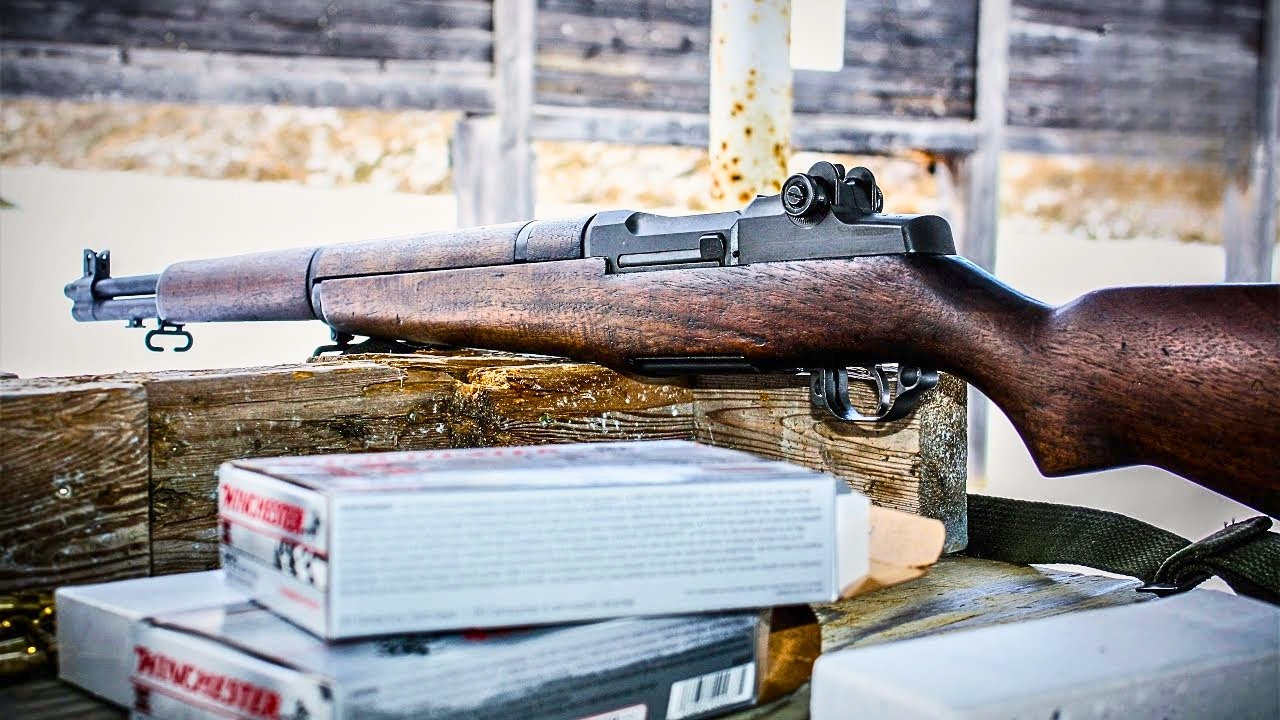
A Garand in the elk woods is cool, no doubt. It’s also long, not light, and it handles like a battle rifle because that’s what it is. In thick country, that length is constantly catching on brush, and in steep country you’ll notice every ounce.
The other part is keeping things simple. Clips, loading, keeping it running clean enough in wet weather—none of it is impossible. It’s just extra friction compared to a basic bolt gun you can forget about until it’s time to shoot.
None of these rifles are “bad” across the board. They’re just mismatched to the way most elk hunts actually unfold: lots of walking, fast shots in bad positions, and just enough weather and fatigue to make small annoyances feel big. Pick the rifle that carries easy, mounts fast, and lets you practice a lot without getting punished. Elk deserve that much, and so do you.
Like The Avid Outdoorsman’s content? Subscribe to our newsletter so you never miss an article.
Here’s more from us: