Photo credit: Smith & Wesson/Youtube
Every year about this time, I see the same pattern at the range and the gun counter. A guy wants a carry gun that “shoots like a duty pistol” but “disappears like a pocket gun.” Then he ends up with something that drags his belt down all day and still leaves him wondering if it’ll run when it’s dusty, sweaty, and fired one-handed from a bad position.
There’s a weird middle ground in concealed carry where a handgun can feel like a compromise in both directions. Too much bulk to actually carry consistently, but not enough track record, shootability, or durability to make you confident when it counts. Here are 20 models that often land in that zone, for different reasons. Some are good guns in the right role. They just tend to disappoint when the job is everyday carry.
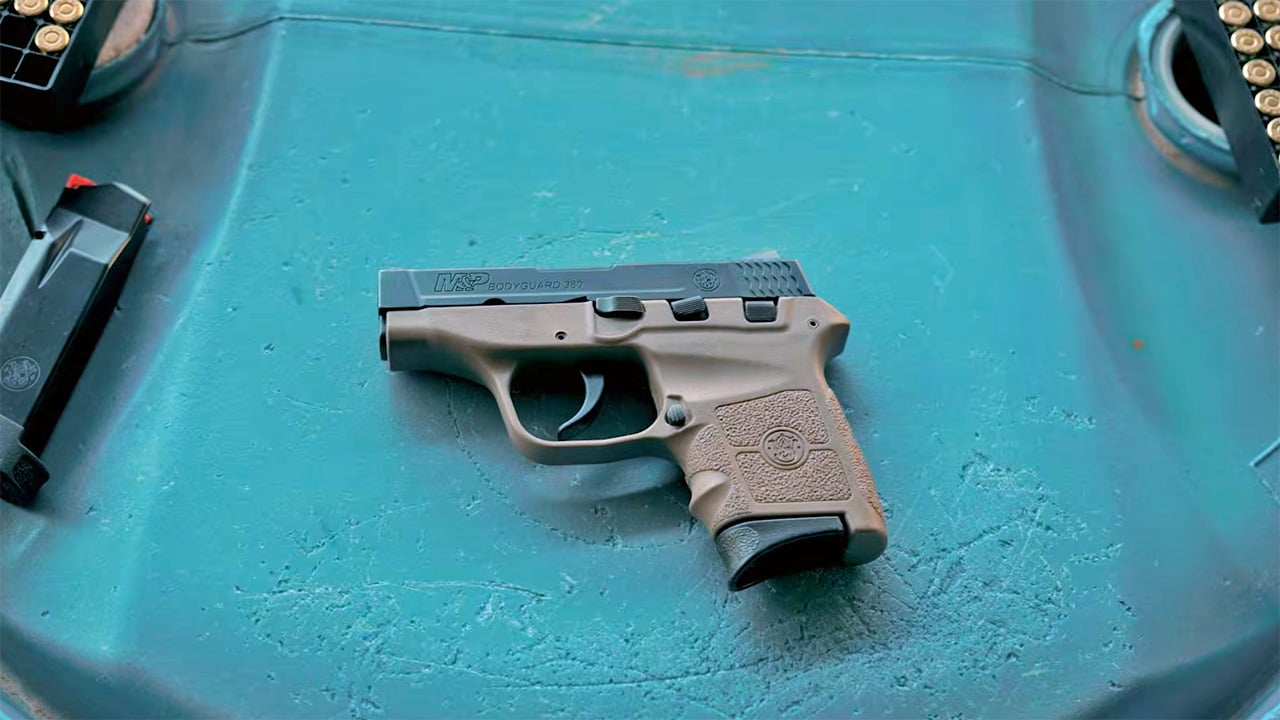
1. Smith & Wesson M&P Bodyguard .380
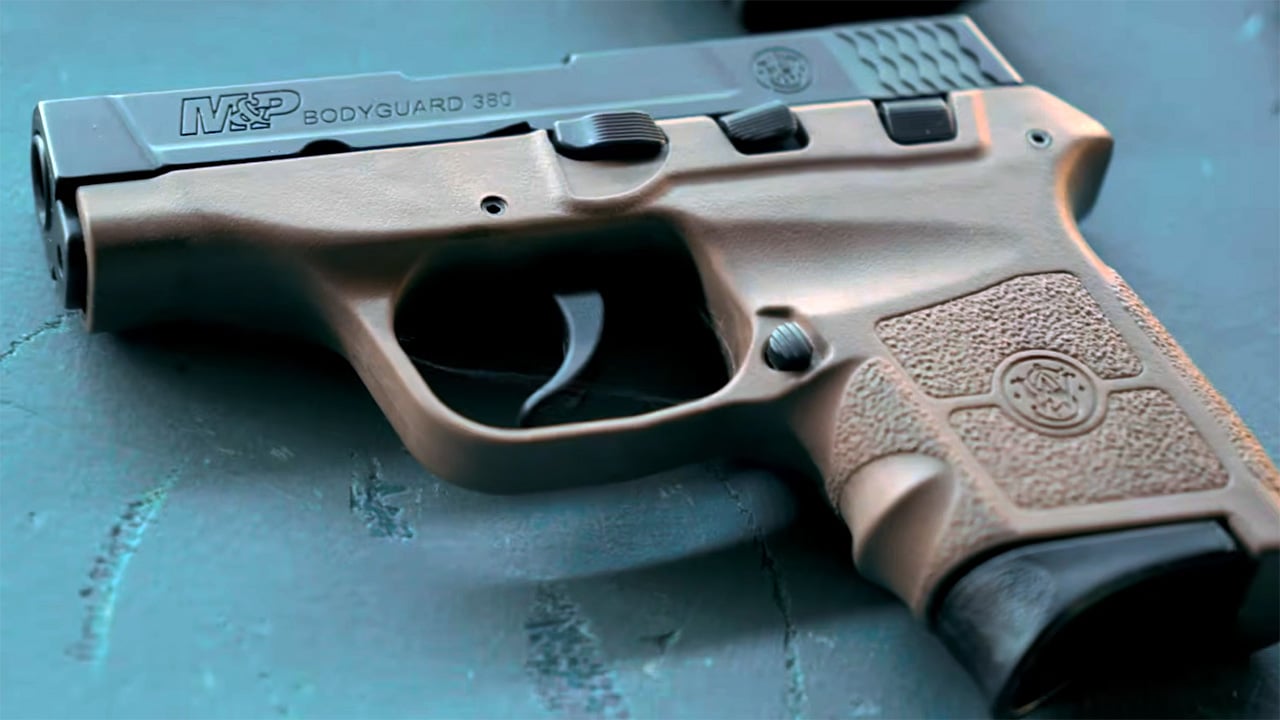
I get why folks buy it: small, light, and it seems like an easy “always gun.” The trouble is it’s not as pleasant to shoot as people think, and the long trigger can feel like you’re dragging a staple gun through gravel.
When the gun is hard to shoot well, you don’t practice. When you don’t practice, your “always gun” turns into a “maybe gun.” And if you do practice, the tiny sights and snappy feel can make you question whether you picked the right tool.
2. Remington R51

On paper, it was a clever design with a slick profile. In the real world, a lot of these developed a reputation for being finicky enough that you spent more time diagnosing than shooting.
A carry gun needs boring reliability. If you’re reading forums about extraction issues and whether your serial range is “one of the good ones,” you’re already behind.
3. Kimber Solo
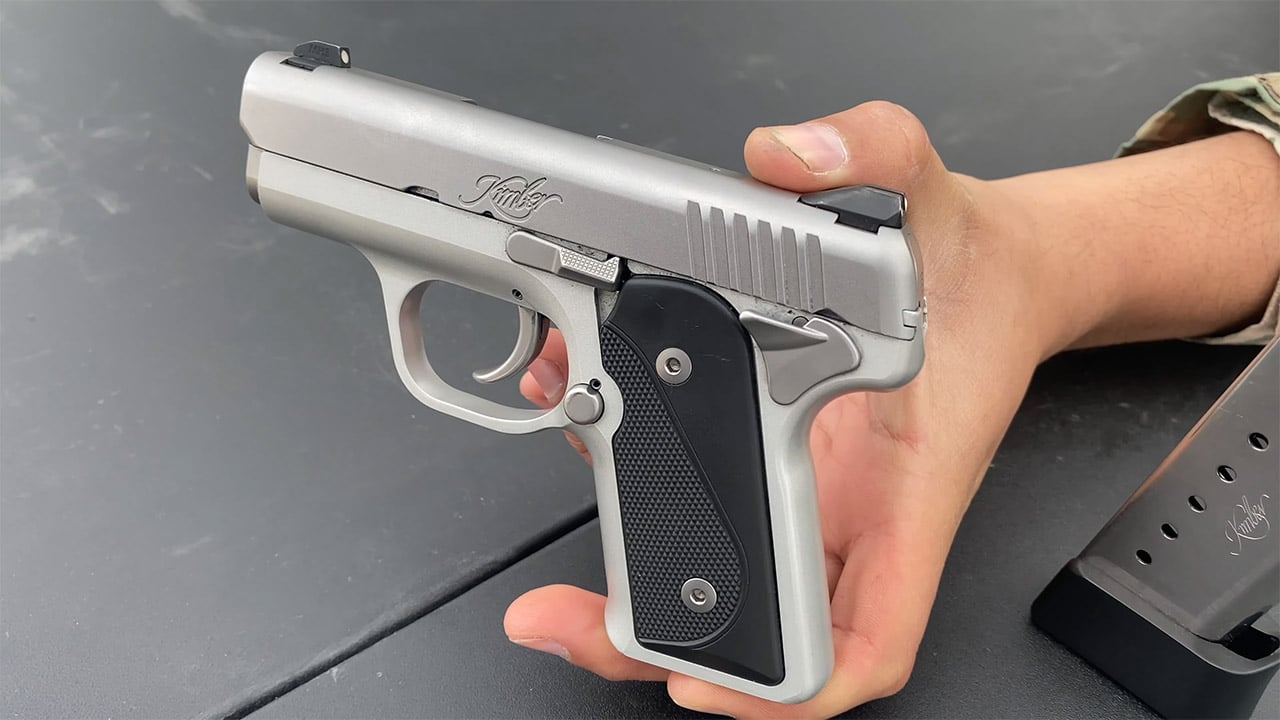
The Solo looks sharp, points nicely, and feels like it should be the answer for folks who want a premium micro 9. The problem is it can be picky with ammo, and that’s not a small problem.
If a pistol is happiest on one specific load, it’s hard to trust as a daily companion. You wind up carrying boutique ammo you can’t always find, or you’re constantly “testing” instead of settling in and training.
4. Springfield Armory XD-S Mod.2 (9mm)

These carry flatter than you’d expect and they’re easy to find used. Still, they sit in an awkward spot: slim, but not tiny; shootable, but not forgiving; and the grip safety is either a non-issue or an annoyance depending on your hands.
A lot of folks end up with an XD-S because it felt good for five minutes at the counter. After a month of real carry and real practice, they realize they would’ve been better served by a slightly larger compact or a modern micro with better capacity.
5. Ruger EC9s

Ruger did a lot right here: it’s affordable, light, and simple. But it’s also a “just enough” gun, and that’s where the trust issue comes in.
Triggers can be hit-or-miss, sights are basic, and the whole package tends to feel more like a budget solution than a gun you build confidence with. It can work. It just doesn’t always inspire.
6. Taurus PT111 G2 / G2C

I’ve seen these run fine, and I’ve seen them act up. That’s the problem—your experience might be good, but you won’t know until you’ve put enough rounds through it to matter.
The other issue is support over time. Magazines, small parts, and consistent QC matter with a carry gun. If you have to baby it or wonder if you got a “Tuesday gun,” it’s hard to relax.
7. SCCY CPX-2
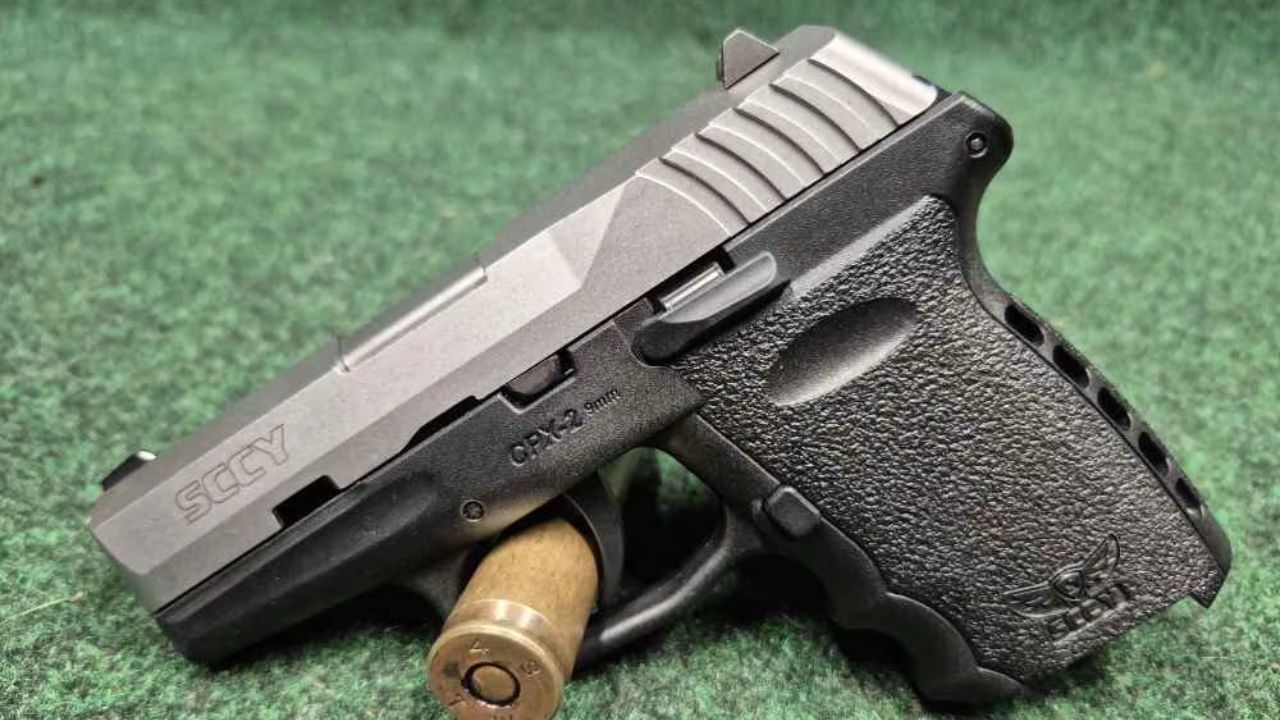
The SCCY usually enters the picture when money is tight and the buyer wants something now. I understand that. But the long, heavy trigger and chunky feel don’t match the capacity advantage the gun is trying to sell you.
It’s also thick for what it is. So you get a carry gun that prints more than you’d like, and you still don’t shoot it like you should.
8. Kahr CW9
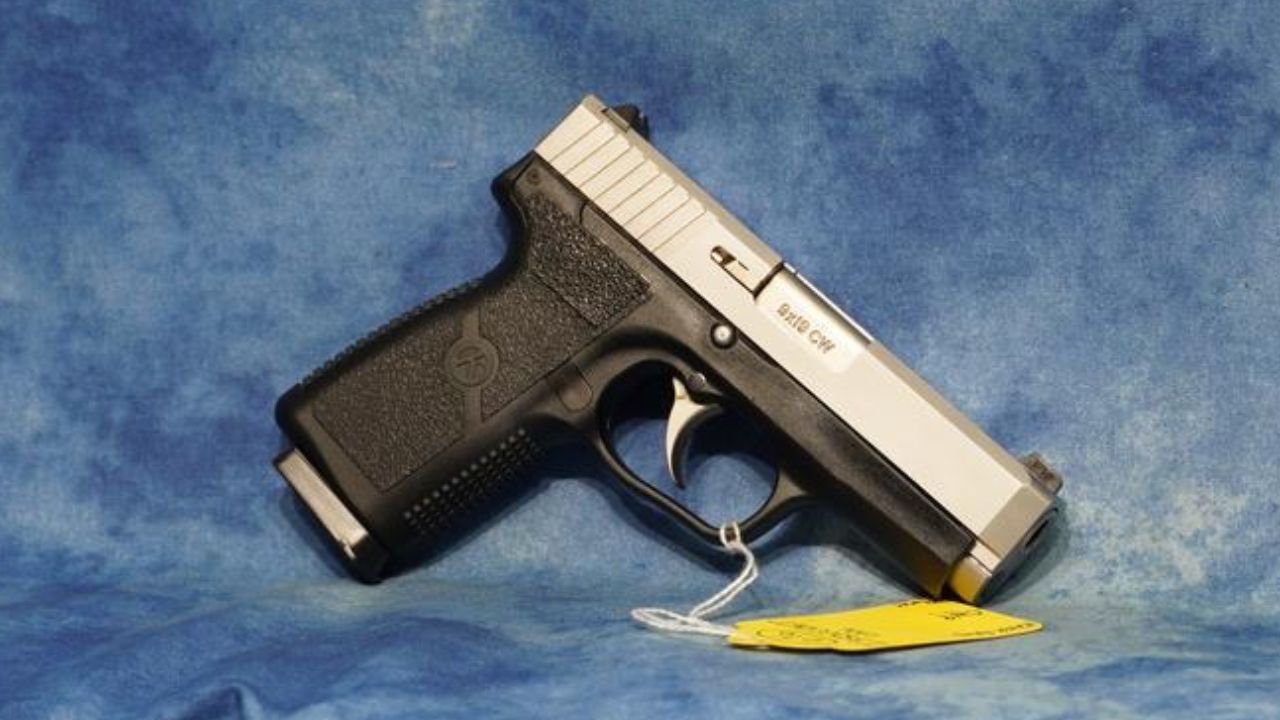
Kahr makes slim pistols that carry well, and the CW9 has put in work for a lot of folks. The rub is that the long trigger and break-in quirks aren’t for everyone, and some examples can be magazine-sensitive.
It can be a solid carry gun once you’ve vetted it. But if you’re the type who wants absolute confidence right out of the box with a wide range of ammo, it may feel like too much effort.
9. Walther PPS (original)

The PPS is a good shooter and a good design, but it’s one of those guns that’s “slim” without being “small.” In a proper holster it’s fine. In real daily life, plenty of folks find it just bulky enough to get left behind.
Capacity also looks dated next to newer options. If you carry it because you shoot it well, I respect that. If you bought it chasing thinness, you might end up annoyed.
10. Glock 43
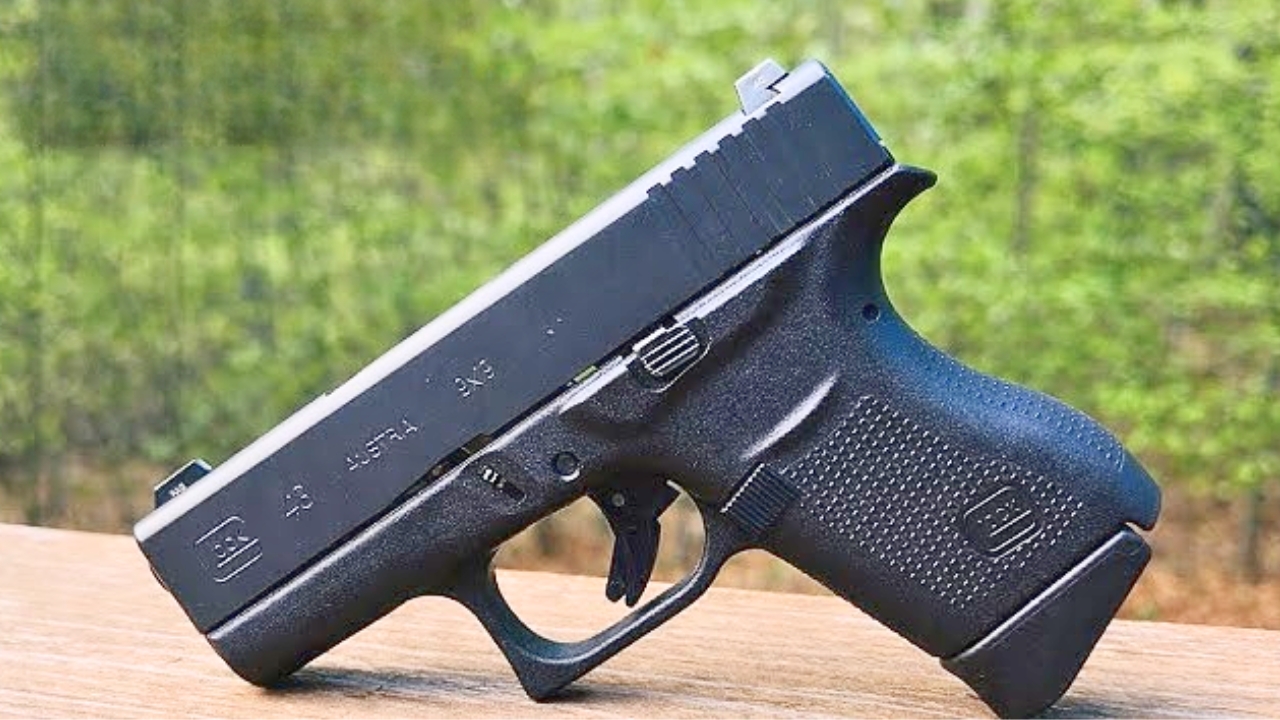
The Glock 43 is reliable and simple, and that’s worth a lot. But it’s also a classic example of a gun that can be a little too slim and a little too small for comfortable practice, especially with hot defensive loads.
Six rounds in the magazine is fine if you’re consistent and you train, but a lot of owners end up adding extensions and gadgets to “fix” it. Once you do that, you’re carrying a bigger gun anyway.
11. SIG Sauer P365 SAS

The SAS variant tried to solve a problem that most carriers didn’t really have. That flush “bullseye” sight can be fast up close, but it’s not everybody’s idea of confidence when you want a precise hit.
Add in the slicked-down controls and it can feel like you gave up too much shootability for snag-free carry. Neat concept. I’d rather have a standard sight picture and a normal drawstroke.
12. Springfield Armory Hellcat (early production reputation)

The Hellcat is popular for a reason: it’s compact and carries easy. But a lot of folks found out the hard way that “tiny high capacity” often means “tiny and jumpy,” and it takes more work to shoot well than the marketing suggests.
If you don’t put the time in, it becomes a gun you carry and rarely shoot. That’s a bad recipe, even if the pistol itself is capable.
13. Mossberg MC2sc

Mossberg surprised people with a carry pistol that has good capacity and a decent trigger. Still, it’s not as common as the big players, and that shows up in holster availability and the general comfort level buyers have with it.
When your carry gun has limited aftermarket support, you end up settling for a “good enough” holster or spare mag setup. Little inconveniences are what make guns stay home.
14. Beretta Nano

The Nano carries smooth, with rounded edges that don’t fight you. The downside is it can feel dead in the hand—heavy for its size, not especially pleasant to run fast, and the controls are minimal in a way that isn’t always helpful.
It’s one of those pistols you can respect but not love. And for a carry gun, “don’t love it” often turns into “don’t carry it.”
15. Ruger LCR (.357 Magnum)

Here’s a revolver that’s light enough to actually pocket carry, but in .357 it can be a real handful. The recoil isn’t just sharp; it’s the kind of recoil that makes you start rationalizing why you don’t need to practice today.
Loaded with .38 +P it makes a lot more sense. In full-power .357, it’s a great way to own a magnum that you don’t enjoy shooting.
16. Smith & Wesson Airweight 642 / 442
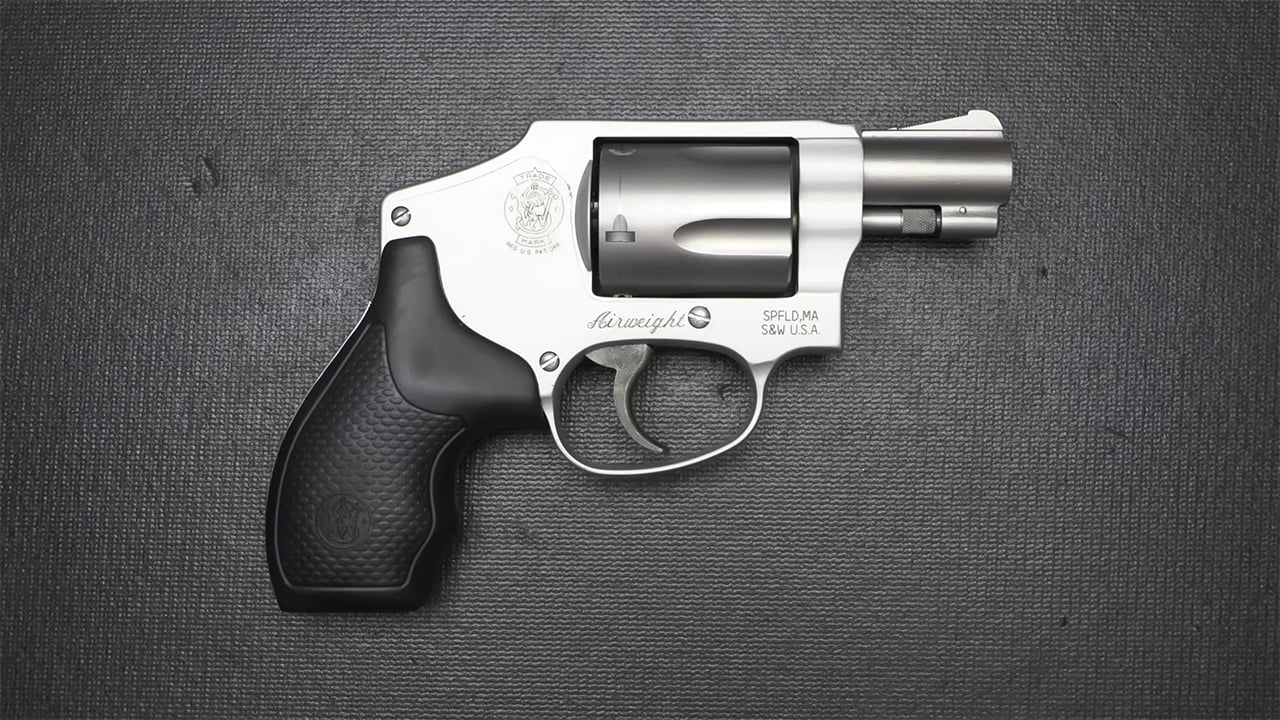
These are classics, and they do carry easy. The issue is they’re often carried far more than they’re shot, because a lightweight snub with small sights and a heavy trigger demands real work.
If you won’t put in the work, confidence fades. Snubs can be extremely dependable, but they’re not magic. They’re a skill gun.
17. Colt Defender (3-inch 1911)
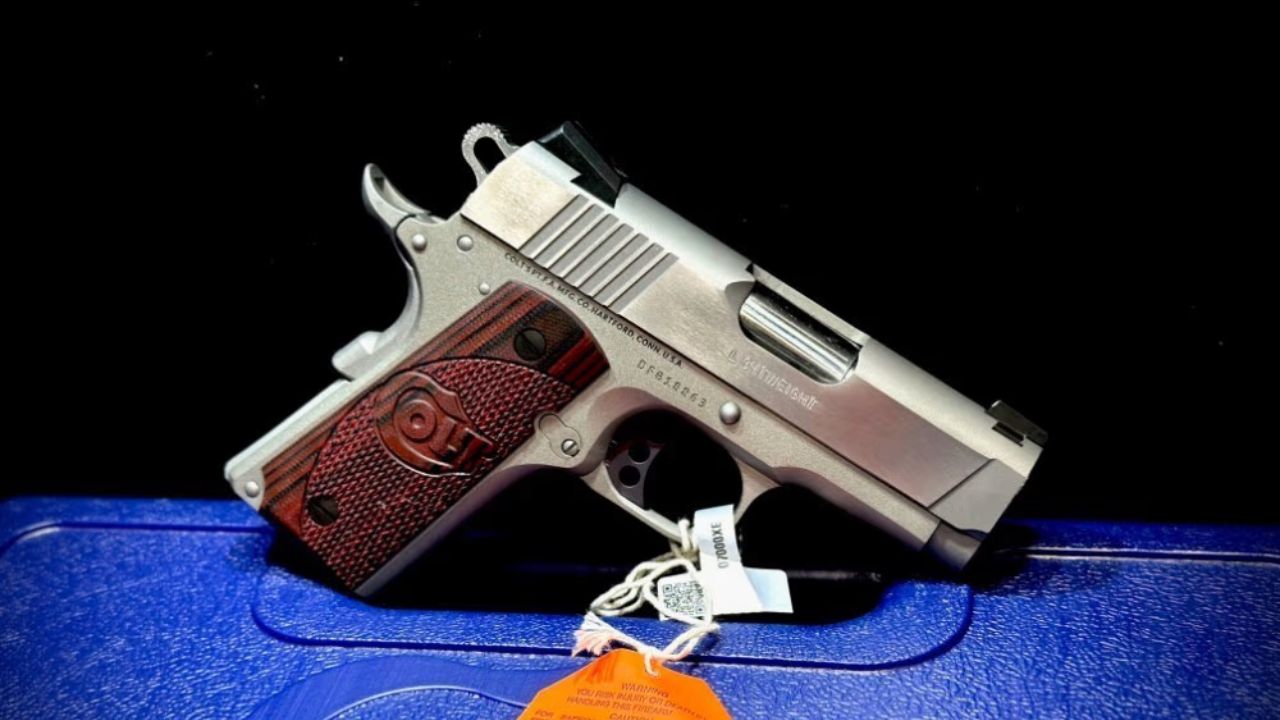
A short 1911 is attractive because it’s thin and familiar, especially if you grew up around 1911s. The problem is that chopped-down 1911s can be pickier about magazines, recoil springs, and ammo than a full-size gun.
It’s also heavier than people remember once you load it and carry it all day. If you’re committed to the platform and you maintain it, it can serve you well. If you want low-maintenance carry, there are easier routes.
18. Kimber Ultra Carry II
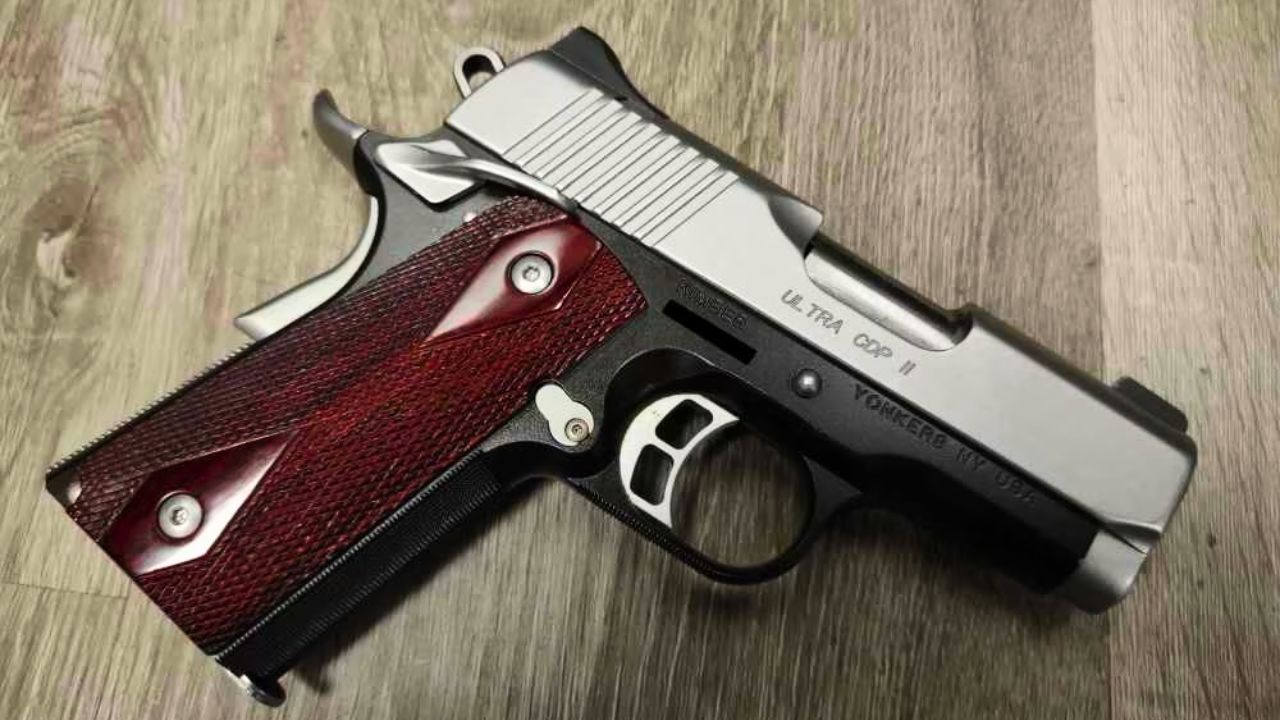
This is another compact 1911 that sells on looks and feel. When they run, they’re nice pistols. When they don’t, the troubleshooting can get old fast.
Between recoil spring schedules, sensitivity to limp-wristing, and magazine preferences, some owners start treating the gun like a project instead of a tool. A carry gun shouldn’t feel like a hobby you have to manage.
19. CZ 2075 RAMI
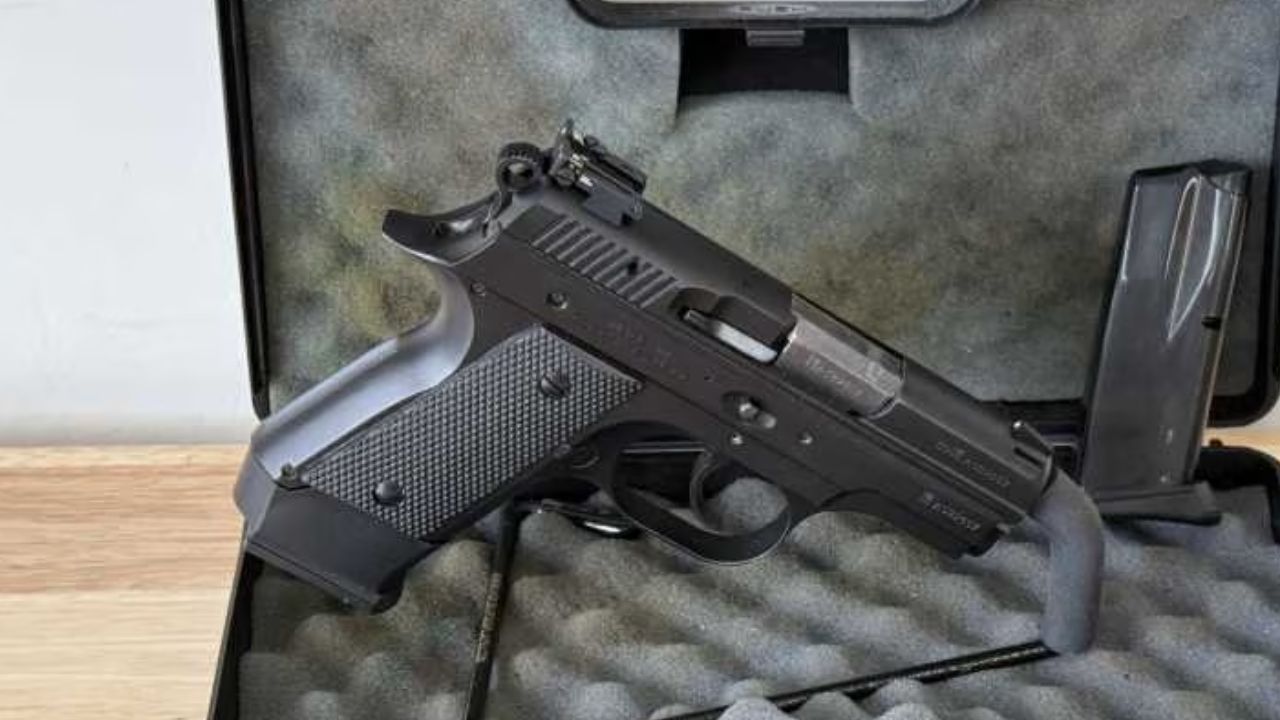
I like CZs, and the RAMI has a loyal following. But it’s also a chunky little brick for the capacity you get, and it’s easy to underestimate how much that thickness affects concealment.
It shoots well for its size, but it’s not light. Many owners end up moving to a slightly bigger compact that carries about the same, or a modern micro that carries better.
20. SIG Sauer P938

The P938 is a good-looking micro 9 with 1911-style controls, and it can be very accurate. It’s also small enough that a lot of shooters struggle to run it fast under stress, especially if they don’t train regularly with the safety and the short grip.
It’s not “untrustworthy” because it’s a bad gun. It’s untrustworthy if you treat it like a set-it-and-forget-it pocket pistol. Ask me how I know: little guns demand big attention.
The best carry gun isn’t the one that impresses your buddies or wins the spec-sheet war. It’s the one you’ll actually wear, actually shoot, and actually maintain without resentment. If your current setup feels like a compromise that bugs you every day, that’s your gut telling you something. Listen to it, and pick a gun that makes you want to practice instead of making excuses.
Like The Avid Outdoorsman’s content? Subscribe to our newsletter so you never miss an article.
Here’s more from us: