Photo credit: spectral_gambit/GunBroker
A lot of gun owners never intended to become collectors. They bought something because it was inexpensive, useful, or simply sitting in the right rack at the right time. Years later, they realized the same gun had become desirable for reasons nobody saw coming. Imports dried up, production ended, collector interest grew, and ordinary working guns suddenly started bringing prices that would have seemed ridiculous when they were new.
That does not mean firearms should be treated like guaranteed investments. Markets change, condition matters enormously, and plenty of once-cheap guns remain cheap. Still, some owners got incredibly lucky by simply hanging onto the right firearm. These 20 are good examples of guns that were once affordable enough to overlook but eventually became far more desirable than the original buyers probably expected.
Egyptian Maadi AK
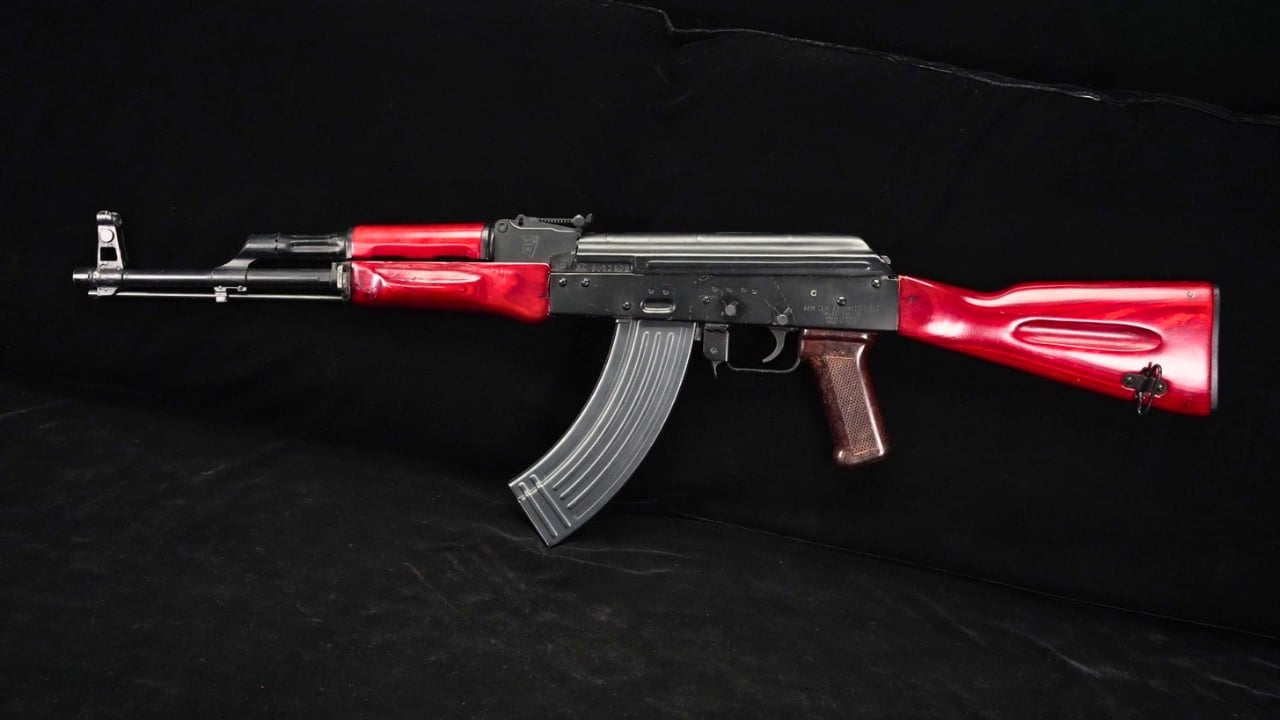
Egyptian Maadi rifles were once treated as just another imported AK option. They did not have the exotic reputation of some European rifles, and plenty of shooters bought them simply because they wanted an AK-pattern rifle without spending much money. Cosmetic finish could be rough, furniture was not always glamorous, and nobody was talking about them like future collectibles.
Years later, shooters began paying much more attention to the rifles’ lineage and construction. Maadis were built on machinery with direct ties to Soviet AK production, and that authenticity suddenly mattered once import availability changed. Clean pre-ban and early-import examples became especially interesting. Owners who bought one as an inexpensive range rifle accidentally ended up with something many AK collectors now specifically seek out rather than merely tolerate.
HK91

There was a period when the HK91 was simply an expensive-looking but obtainable semiautomatic rifle in a market that had not yet turned military-pattern imports into collector pieces. Owners bought them to shoot, not to protect in climate-controlled safes. Magazines were cheap, surplus ammunition was plentiful, and few people imagined original German rifles would someday feel scarce.
As import restrictions and collector demand changed the market, the HK91’s reputation grew dramatically. The roller-delayed action, stamped receiver, and unmistakable Cold War appearance gave it appeal far beyond simple utility. Owners who kept original rifles with matching furniture and minimal modification often did exceptionally well. The same gun that once looked like a rugged European battle-rifle derivative became a serious collectible almost by accident.
Colt AR-15 Sporter II
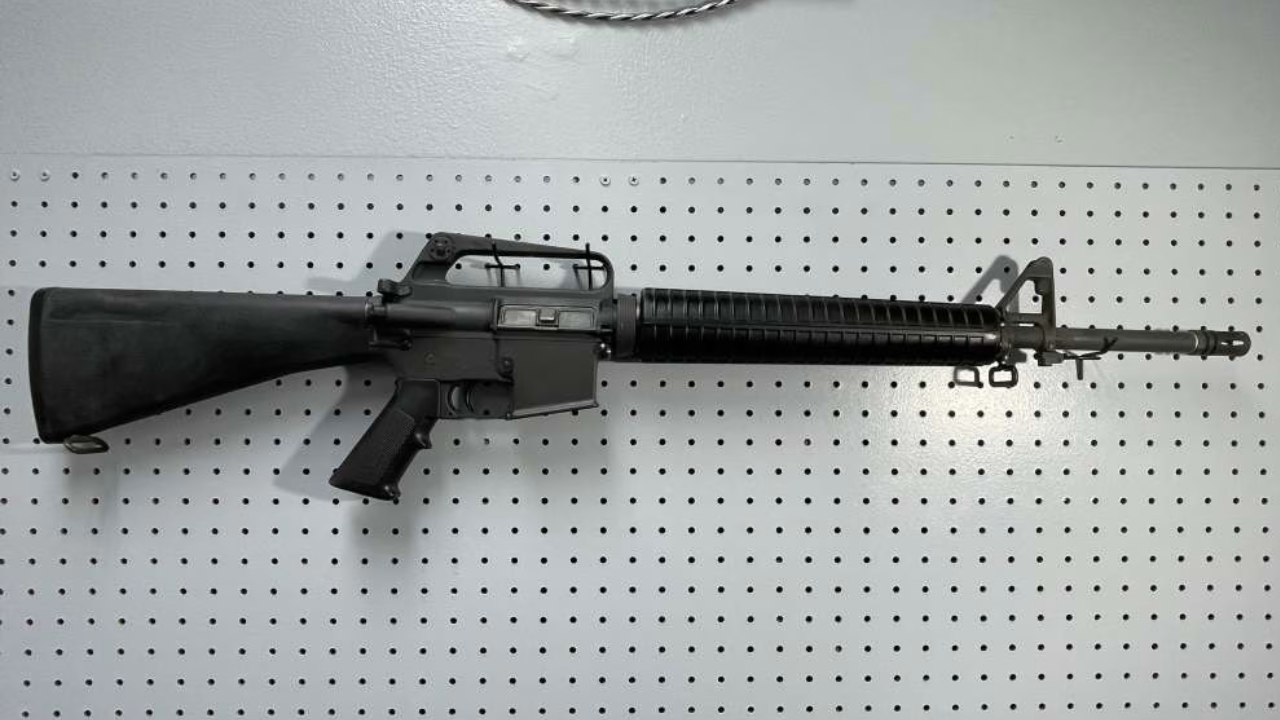
Older Colt AR-15s were not always treated as anything special because newer AR configurations seemed more practical. Shooters wanted flat-top receivers, collapsible stocks, rails, and modern accessories, so fixed-carry-handle rifles frequently looked dated. Many were modified, reconfigured, or sold off to fund newer carbines.
Time flipped that perception. Original Colt rifles increasingly became snapshots of earlier AR-15 development, and collectors started caring about exact roll marks, barrel profiles, stocks, and factory configuration. A clean Sporter II that escaped years of parts swapping can be far more interesting today than it was when everyone wanted something more modern. Owners who simply left theirs alone may have done better than the people constantly chasing upgrades.
Finnish M39

The Finnish M39 was once one of the great surplus bargains. It was built around the Mosin-Nagant action, but the Finns improved the sights, barrels, stocks, and overall shootability enough that knowledgeable shooters recognized it as something special. Even so, low surplus prices caused many buyers to treat them as cheap military rifles rather than collectible pieces.
That changed once people started understanding how different individual M39s could be. Arsenal markings, stock variations, barrel makers, dates, and condition all began to matter. The rifles also developed a reputation for accuracy that separated them from ordinary surplus Mosins. Someone who bought a clean M39 merely because it was inexpensive may now own one of the more desirable rifles from the entire surplus era.
Swedish Mauser M96

Swedish Mausers were once widely available for prices that made them seem almost too ordinary. Their long barrels and old military configuration looked outdated beside modern hunting rifles, and the 6.5×55 cartridge was less familiar to many American shooters than .30-06 or .308. That kept them affordable for years.
Shooters eventually discovered what they had been overlooking. The rifles were often beautifully machined, accurate, and built around an excellent cartridge. Original examples with matching numbers and sharp bores started attracting more attention as surplus supplies thinned. Many were unfortunately sporterized when they were cheap, which made intact rifles even more desirable. Owners who left a good M96 alone often ended up with far more value than they ever expected.
M1 Carbine

For decades, surplus M1 Carbines were ordinary American military rifles that could be bought for prices that now seem almost absurd. Returning veterans recognized them, gun shops had them, and owners frequently treated them as handy plinkers rather than historically significant collectibles.
As original military rifles became harder to find, details that once seemed trivial suddenly mattered. Manufacturer, stock markings, correct parts, finish, and configuration all began affecting value. Carbines assembled from mixed parts remained useful shooters, but correct examples moved into another category entirely. Plenty of owners who bought one cheaply simply because it was light and fun to shoot accidentally ended up holding onto a rifle that became increasingly desirable to collectors.
Walther P38

The P38 spent years living in the strange middle ground between military collectible and inexpensive surplus pistol. Postwar guns, police pistols, and wartime examples all circulated at prices that made them accessible to ordinary shooters. Many owners simply wanted an interesting 9mm and did not think much about collector value.
Today, buyers pay much closer attention to wartime codes, manufacturer, finish, frame type, and matching parts. Even later examples can attract attention depending on condition and history. The P38’s importance as one of the first widely issued double-action military pistols also became more appreciated over time. A shooter who bought one because it was cheap and unusual may now own something far more historically important than he realized.
Israeli Browning Hi-Power Surplus
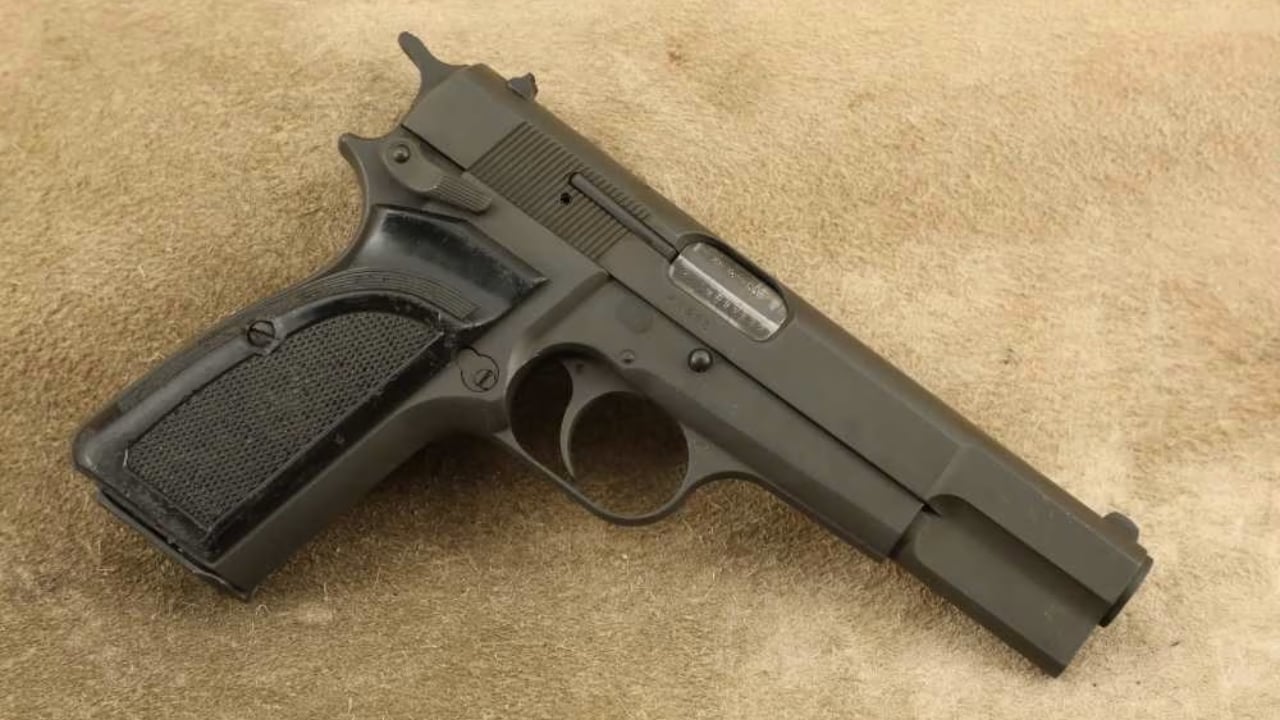
Israeli surplus Hi-Powers once offered one of the cheapest ways into a genuine military or police-used Hi-Power. Finish wear was often heavy, grips could be beat up, and some examples looked rough enough that buyers treated them strictly as shooters.
Then the market began rediscovering traditional steel-framed service pistols, and original Browning Hi-Powers stopped being current-production guns. Suddenly, even worn surplus examples had appeal. Certain markings, production periods, and original features became more interesting, while clean examples grew harder to find. Owners who bought one cheaply as a range pistol often ended up with a gun that became much more desirable simply because the supply was never going to replenish itself.
Springfield Armory SAR-48

The SAR-48 gave American shooters a semiautomatic FAL-pattern rifle at a time when imported military-style rifles were much easier to buy. It was built by IMBEL in Brazil and sold under the Springfield Armory name, but for years it lived in the shadow of more glamorous European FAL variants.
That changed as original FAL-pattern rifles became harder to find and buyers started appreciating the quality of IMBEL production. Clean SAR-48s began looking much more attractive, especially when owners resisted modifying them heavily. What had once been a practical battle-rifle clone gradually became an important collectible in its own right. Anyone who bought one at normal rifle prices and simply kept it original may have stumbled into one of the better long-term buys of the era.
Ruger AC-556
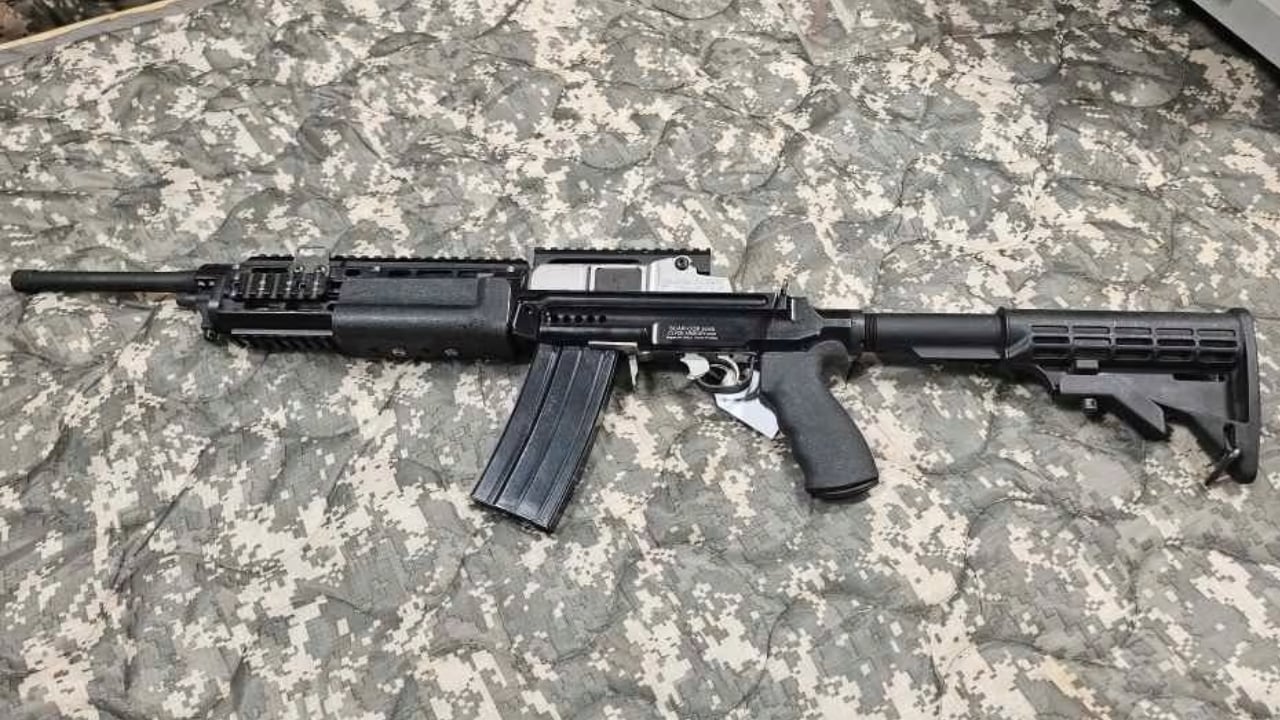
The Ruger AC-556 was once simply Ruger’s select-fire version of the Mini-14, and before transferable machine guns became astronomically expensive, some owners bought them for prices that now sound impossible. The rifle’s appearance was familiar, and the Ruger name made it feel less exotic than foreign military-pattern machine guns.
The 1986 machine-gun registry closure changed everything. Transferable examples became a fixed supply, and the AC-556 gradually moved from interesting Ruger oddity to a highly valuable transferable firearm. Owners who bought one before values exploded may have seen one of the most dramatic increases on this entire list. It is a perfect example of how legal changes can transform an ordinary purchase into an accidental investment.
Norinco 84S

The Norinco 84S was chambered in 5.56 rather than the more familiar 7.62×39, which made it an unusual AK variant when it was imported. At the time, many shooters simply wanted a standard AK and viewed the 5.56 version as an oddball.
Now that oddball factor works in its favor. Original Chinese AKs are no longer imported, and uncommon factory variants attract dedicated collectors. Magazines and original accessories matter, and unmodified rifles stand out strongly. Buyers who picked up an 84S simply because it was cheap or different may now own one of the more desirable Chinese AK configurations. The lesson is familiar: the weird model nobody wants while it is available often becomes the one everyone chases later.
Steyr AUG A1

Early imported AUGs were once futuristic rifles that seemed expensive but not necessarily collectible. Their bullpup layout, integrated optic, and distinctive Austrian styling attracted attention, but many owners regarded them as interesting shooters rather than historically significant imports.
As import rules changed and early configurations disappeared, original AUG A1 rifles gained a much stronger collector following. Pre-ban examples, original optics, factory magazines, and correct accessories became especially important. The same rifle that once looked like a space-age novelty increasingly became an artifact of a very specific period in the American firearms market. Owners who resisted the urge to modify them often did particularly well.
Colt Delta Elite
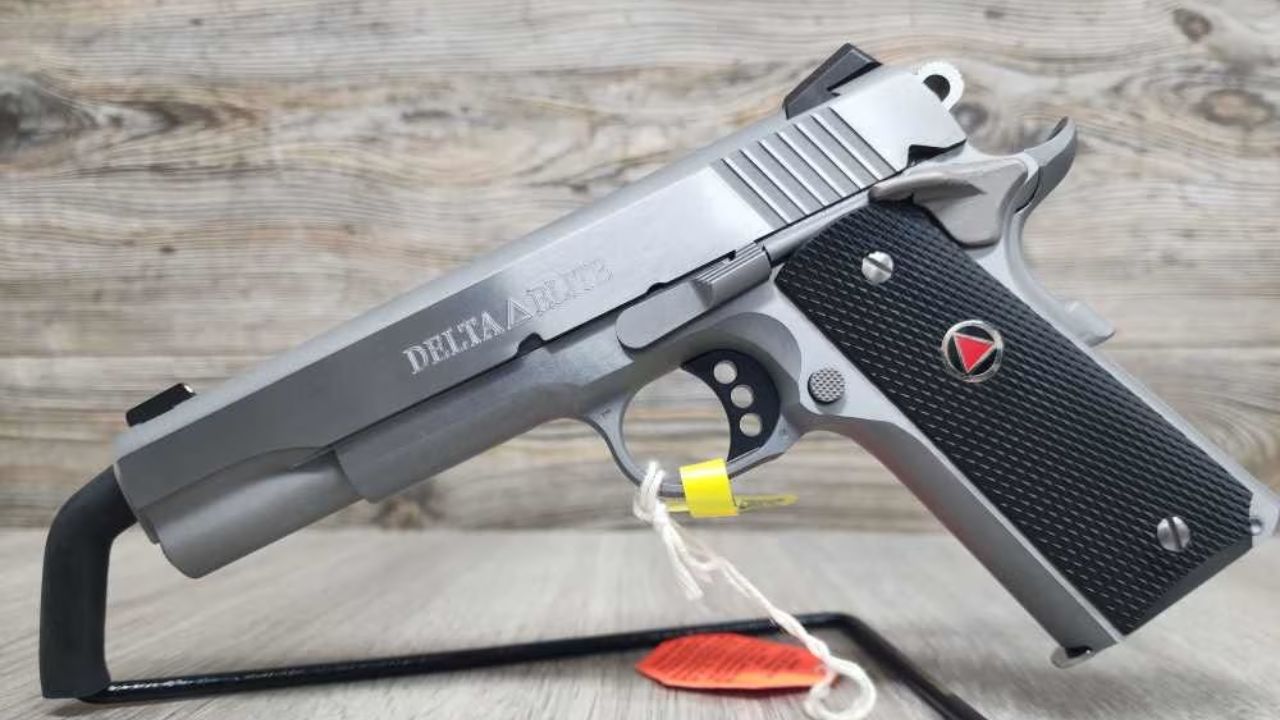
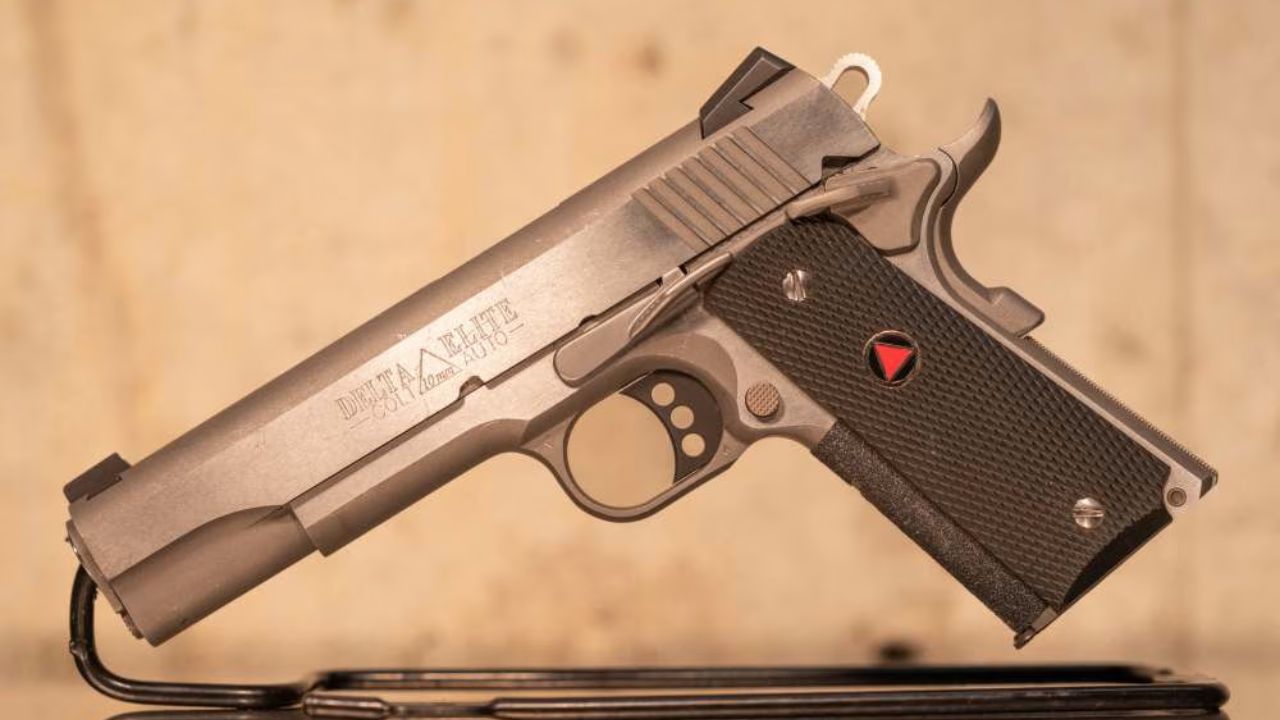
The Delta Elite spent years being viewed as an interesting 1911 variant rather than a must-have collectible. The 10mm cartridge had a loyal following, but it was far from mainstream, and many shooters saw the pistol as unnecessarily powerful compared with .45 ACP versions.
Then 10mm came roaring back in popularity. Suddenly, the Delta Elite’s historical role as one of the first major-production 10mm pistols mattered much more. Early examples with original parts and strong finish became increasingly desirable, especially as shooters connected them with the cartridge’s early commercial history. Someone who bought one cheaply when 10mm looked like a niche experiment may have made a surprisingly good long-term purchase without planning to.
AMT AutoMag III
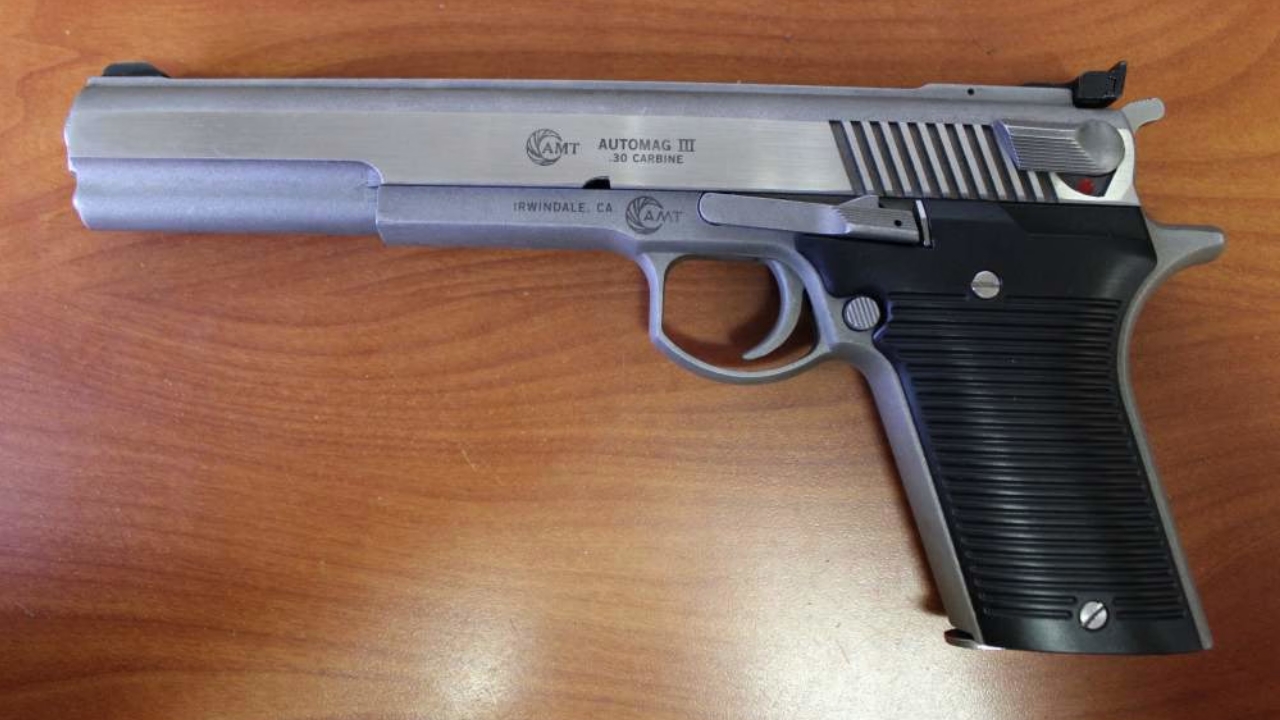
AMT pistols were often treated as strange, oversized range toys rather than serious collectibles. The AutoMag III, chambered in .30 Carbine, looked almost absurdly large compared with normal service pistols, and that oddity kept it firmly in niche territory for years.
Today, the exact weirdness that once made people laugh is what gives these pistols appeal. They came from a period when manufacturers were willing to experiment aggressively with unconventional chamberings and enormous semiautomatics. Production ended, the company disappeared, and the surviving guns developed a cult following. Owners who bought one cheaply because it was funny or unusual may now find that collectors are much more interested than anyone expected.
Daewoo K2

The Daewoo K2 was one of those imported rifles many American shooters did not fully appreciate when it was available. It combined design elements from the AR-15, AK, and FAL in a distinctly South Korean package, but the brand lacked the recognition of Colt or HK.
Once imports stopped, the K2 became much more interesting. Shooters started recognizing how well engineered the rifle was and how few comparable examples existed in the country. Original folding stocks, magazines, and factory configuration became increasingly important. A rifle that once seemed like an obscure import gradually turned into a desirable collectible. Owners who bought one simply because it was priced reasonably ended up with something that became difficult to replace at almost any price.
IMI Uzi Model A
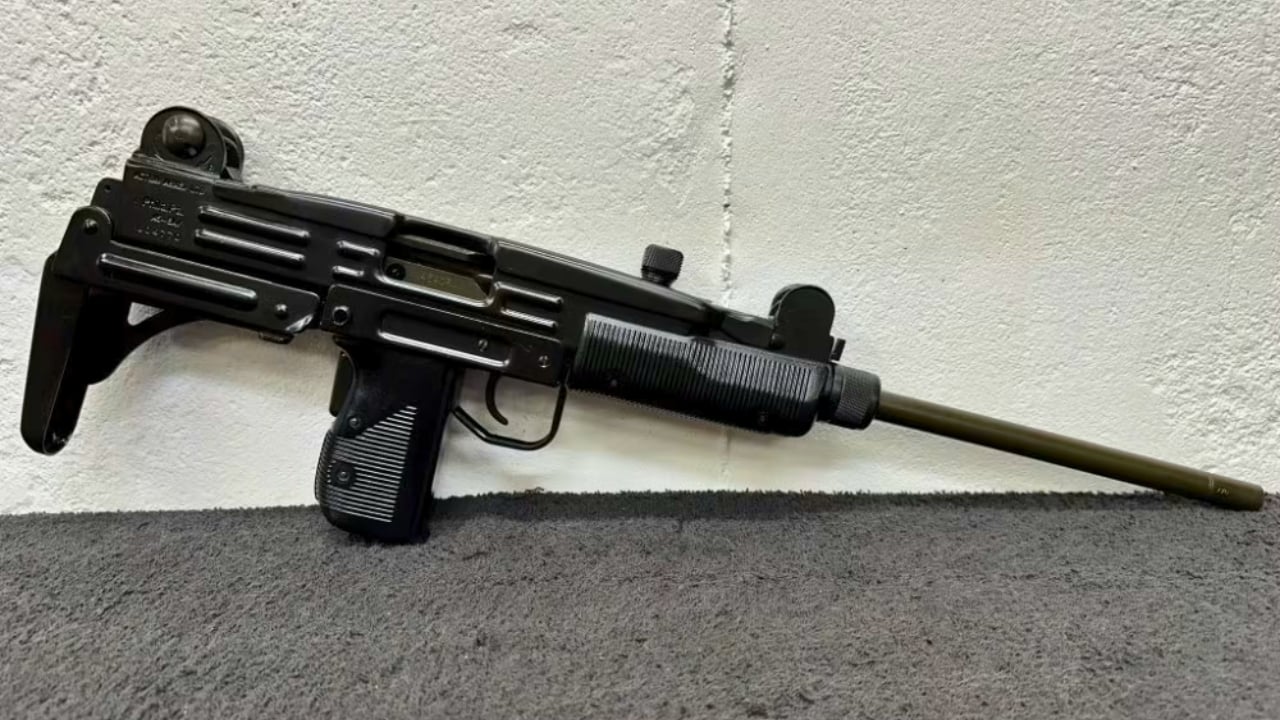
Semiautomatic Uzi carbines once enjoyed strong popularity but were still treated primarily as fun range guns. The design was familiar from movies and television, but buyers could still find genuine IMI-produced examples without assuming they were buying a future collectible.
As original Israeli imports became scarcer, factory configuration started mattering much more. Model A and Model B differences, accessories, stocks, magazines, and condition all gained attention. The design’s enormous cultural recognition also ensured continued interest. Someone who bought a semiautomatic Uzi because it looked cool in the 1980s or 1990s may have done far better than he ever expected simply by keeping it original.
Colt Mustang

The Colt Mustang was once simply a small .380 pistol in a market filled with compact carry guns. It was useful, but few shooters regarded it as something that would someday command special attention. Plenty were carried, scratched, modified, or sold when newer pocket pistols came along.
Then the market started looking backward. Traditional metal-framed pocket pistols regained appeal, and older Colt markings carried their own weight. Clean early Mustangs became noticeably more interesting than worn carry examples. Owners who bought one cheaply and left it in the safe may now have a pistol that collectors value far more than its original price suggested.
HK P9S
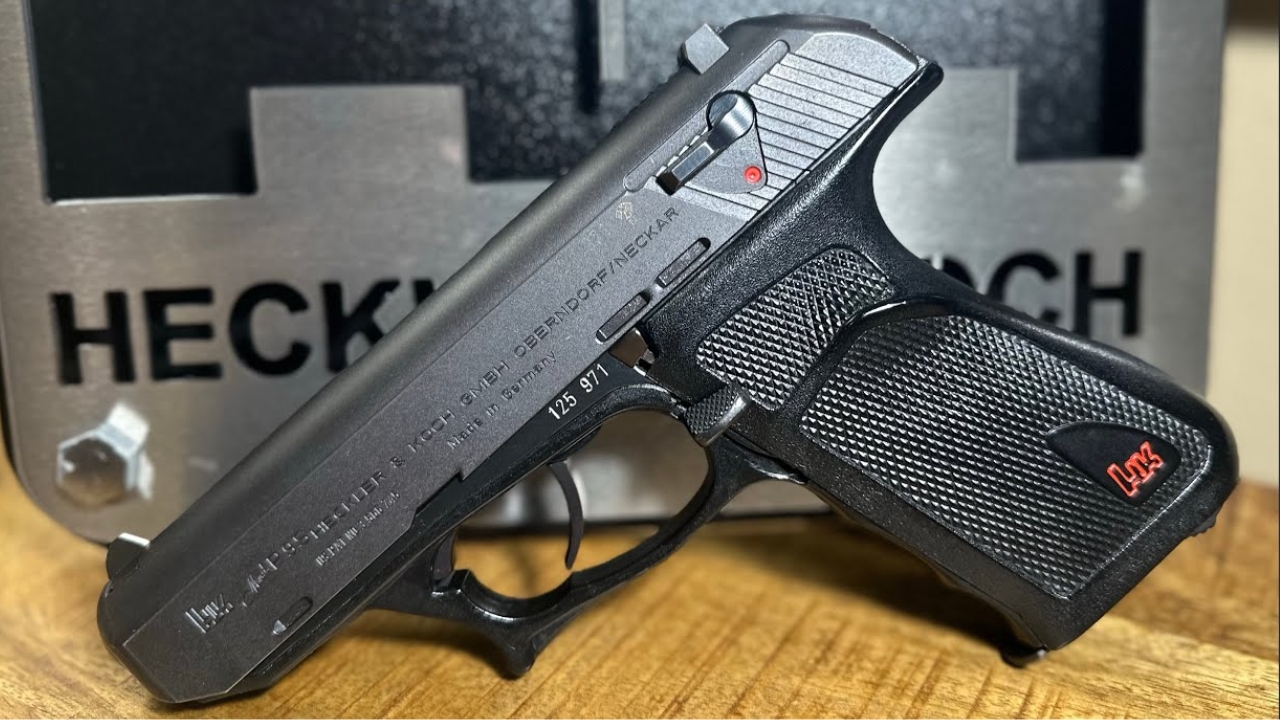
The P9S was always technically interesting, but for years that did not translate into widespread demand. Its roller-delayed action and unusual styling made it different from most service pistols, and some buyers passed simply because it looked strange.
Time was kind to the design. Collectors began appreciating the engineering, German manufacture, and distinctiveness of the platform. Target versions and less-common chamberings became especially desirable. A pistol that once seemed overly complicated or unfashionable eventually benefited from the very features that hurt its popularity when new. Owners who bought one because it was inexpensive and curious may now be glad everyone else ignored it.
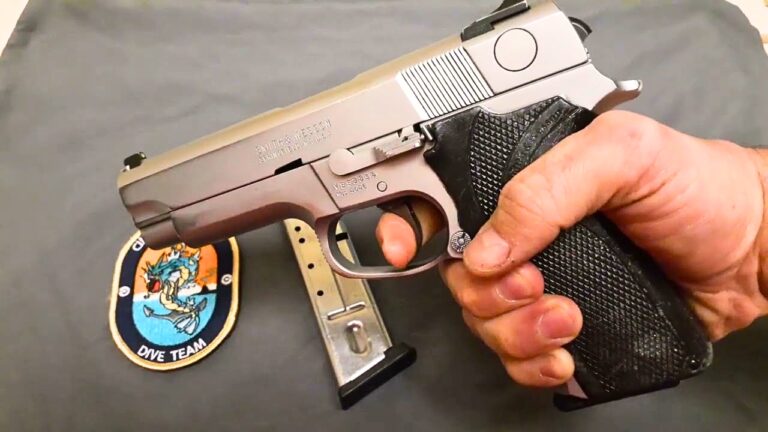
Smith & Wesson Model 52
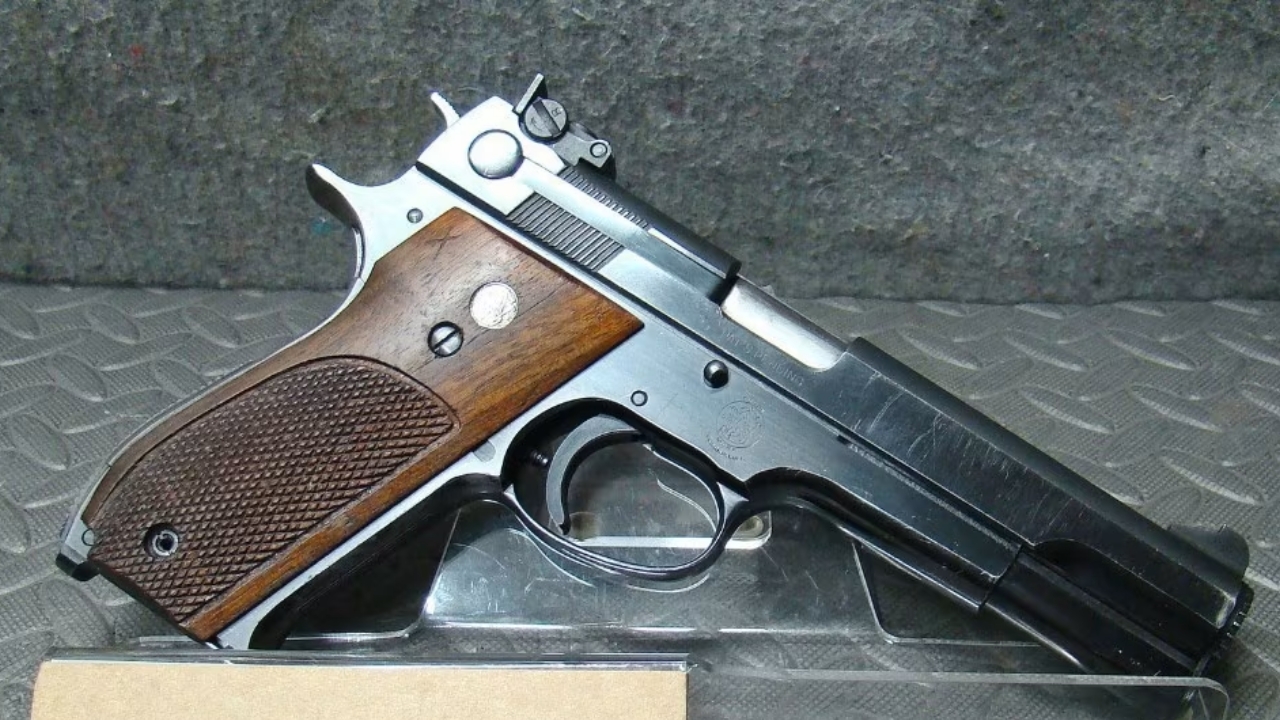
The Model 52 was built around one highly specialized purpose: firing .38 Special wadcutter ammunition with extreme accuracy in bullseye competition. That narrow role limited mainstream appeal, and for years these pistols were primarily known among dedicated target shooters.
As production ended and traditional bullseye pistols became less common, the Model 52’s quality became much more apparent. Its precision, trigger, and unusual cartridge setup gave it a character few later pistols duplicated. Clean examples with original magazines became increasingly desirable. Someone who bought one cheaply after a competition shooter retired may have accidentally picked up one of Smith & Wesson’s most distinctive semiautomatic pistols.
FAMAE SAF
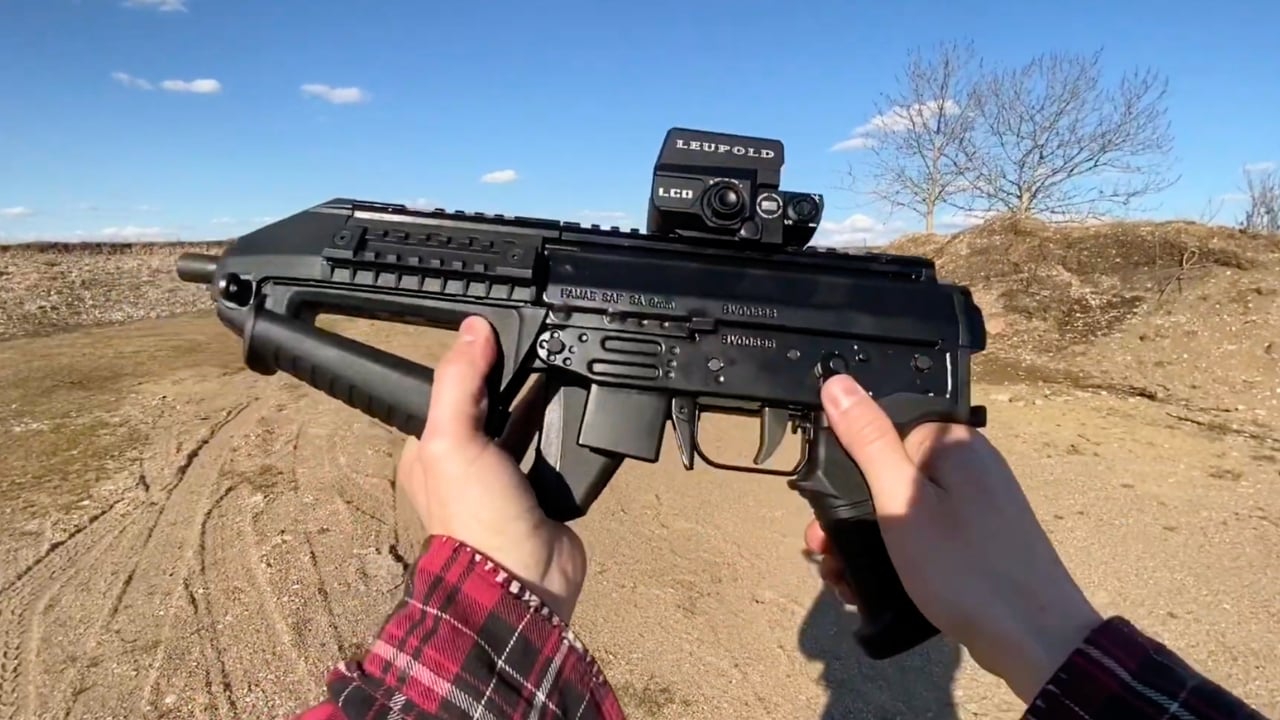
The Chilean FAMAE SAF was never common in the United States, which made early buyers look more like enthusiasts than investors. The compact 9mm design had an unusual appearance and lacked the recognition of MP5-style platforms.
That obscurity eventually became part of the attraction. Limited import numbers, unusual construction, and distinctive military lineage made surviving examples interesting to collectors who had already bought the obvious guns. Owners who got in while prices were still low benefited from the fact that supply was always going to remain limited. Sometimes the best accidental investments are not the famous firearms everyone knew would become collectible, but the strange imports almost nobody noticed until they were gone.
Like The Avid Outdoorsman’s content? Be sure to follow us.
Here’s more from us: