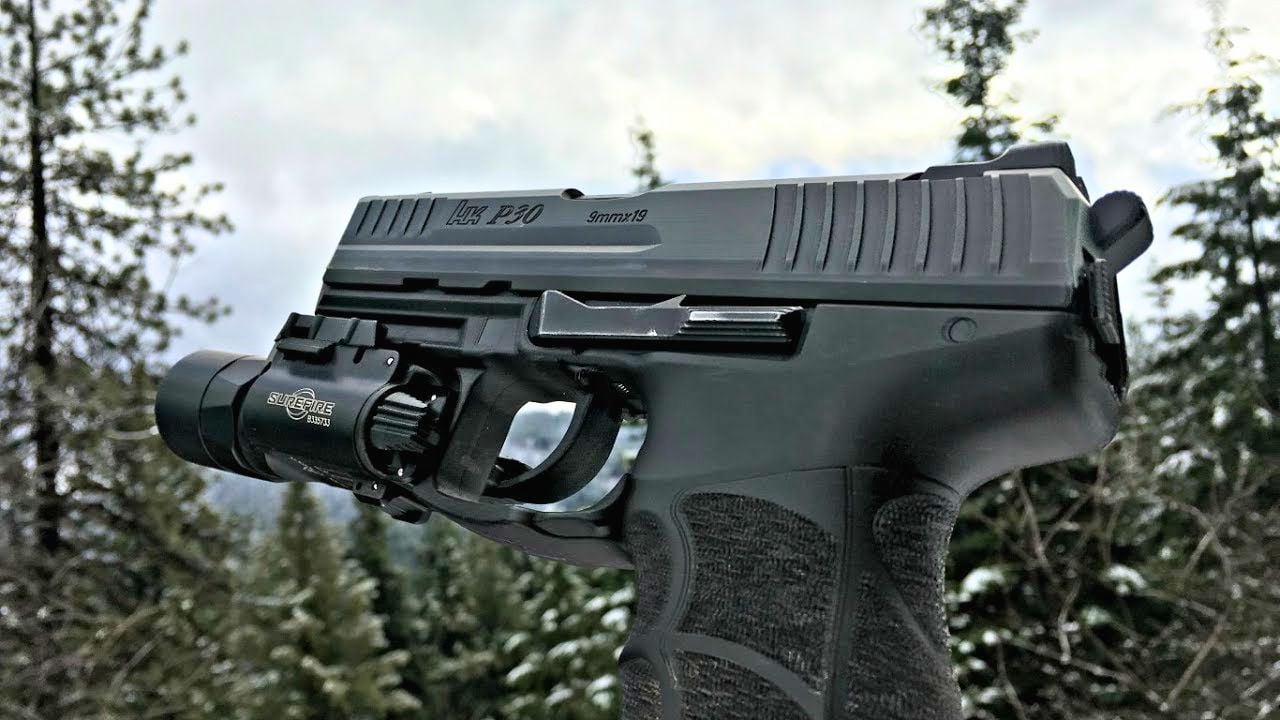
Photo credit: Kit Badger/YouTube
Some pistols impress me because they have great triggers, excellent optics systems, or the newest features. Others earn my trust for a much less glamorous reason: they have a reputation for continuing to work after years of ordinary ownership. Those are the handguns I think about when the gun may spend more time stored than fired, whether that means secured beside the bed, packed with emergency gear, or carried around a rural property.
Long-term storage still requires some responsibility. Any handgun I depend on gets secured properly, inspected periodically, kept reasonably lubricated, and shot often enough that I know the magazines, ammunition, and sights are still doing what they should. No pistol becomes maintenance-free simply because it has a good reputation. With that understood, these are 20 pistols I would feel comfortable trusting after years of real-world ownership.
Glock 17
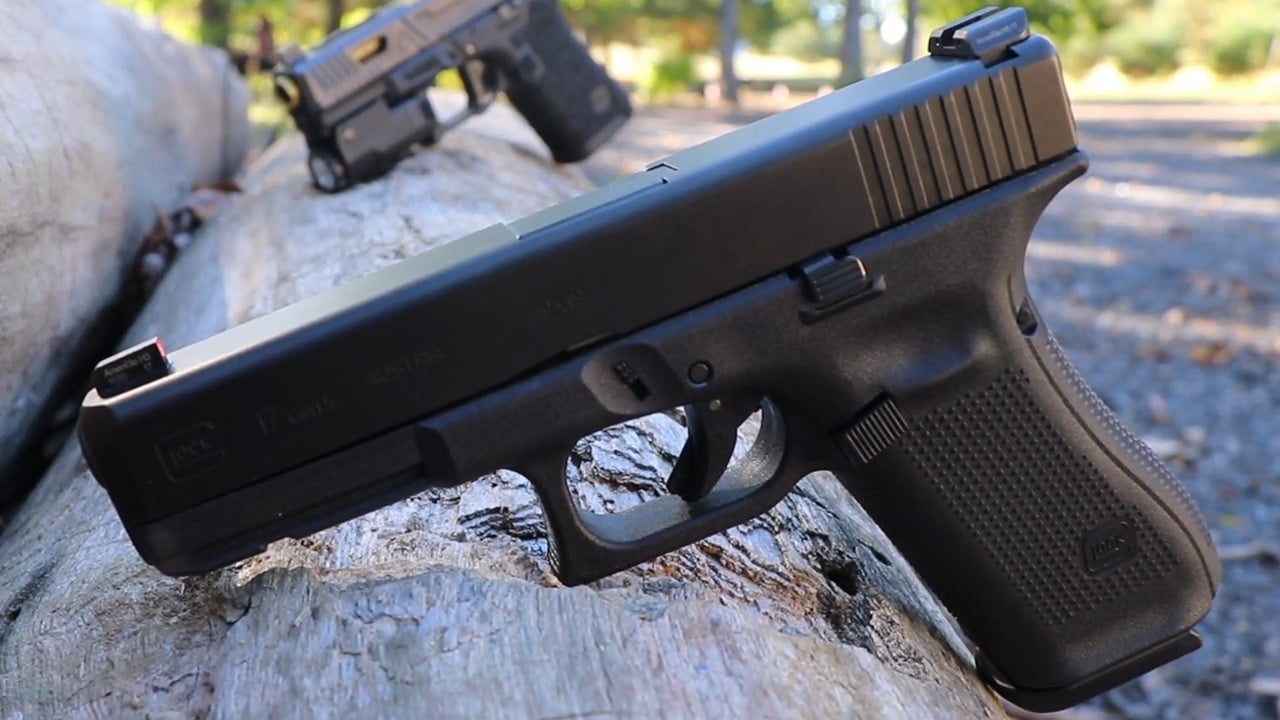
The Glock 17 would be one of my easiest choices because it has spent decades proving that uncomplicated can be a major advantage. There are fewer external controls to worry about, the polymer frame shrugs off ordinary cosmetic wear, and the pistol has enough size that it remains easy to shoot even if I have not handled it for several weeks. The full-size grip also gives me plenty of control without needing extensions or special magazines to make the gun comfortable.
What really matters to me is how common everything surrounding the Glock 17 has become. Magazines, sights, holsters, and replacement components are easy to find, and almost any experienced handgun shooter understands the platform immediately. I would still inspect and lubricate one that had been stored for a long period, but the basic pistol gives me very little to overthink.
Smith & Wesson M&P9 M2.0

The M&P9 M2.0 feels like one of those pistols designed to spend years being treated like equipment rather than something delicate. The aggressive grip texture stays secure when hands are sweaty or wet, the polymer frame keeps maintenance straightforward, and the controls are familiar enough that I do not need to relearn anything after the pistol has spent time stored.
I also like the fact that the M&P has been around long enough to have a genuine service history behind it. I am not trusting a brand-new design merely because it performed well in a few early reviews. A full-size or compact M&P gives me common 9mm ammunition, useful capacity, and a platform I can practice with extensively without feeling like I am wearing the gun out.
HK USP Compact
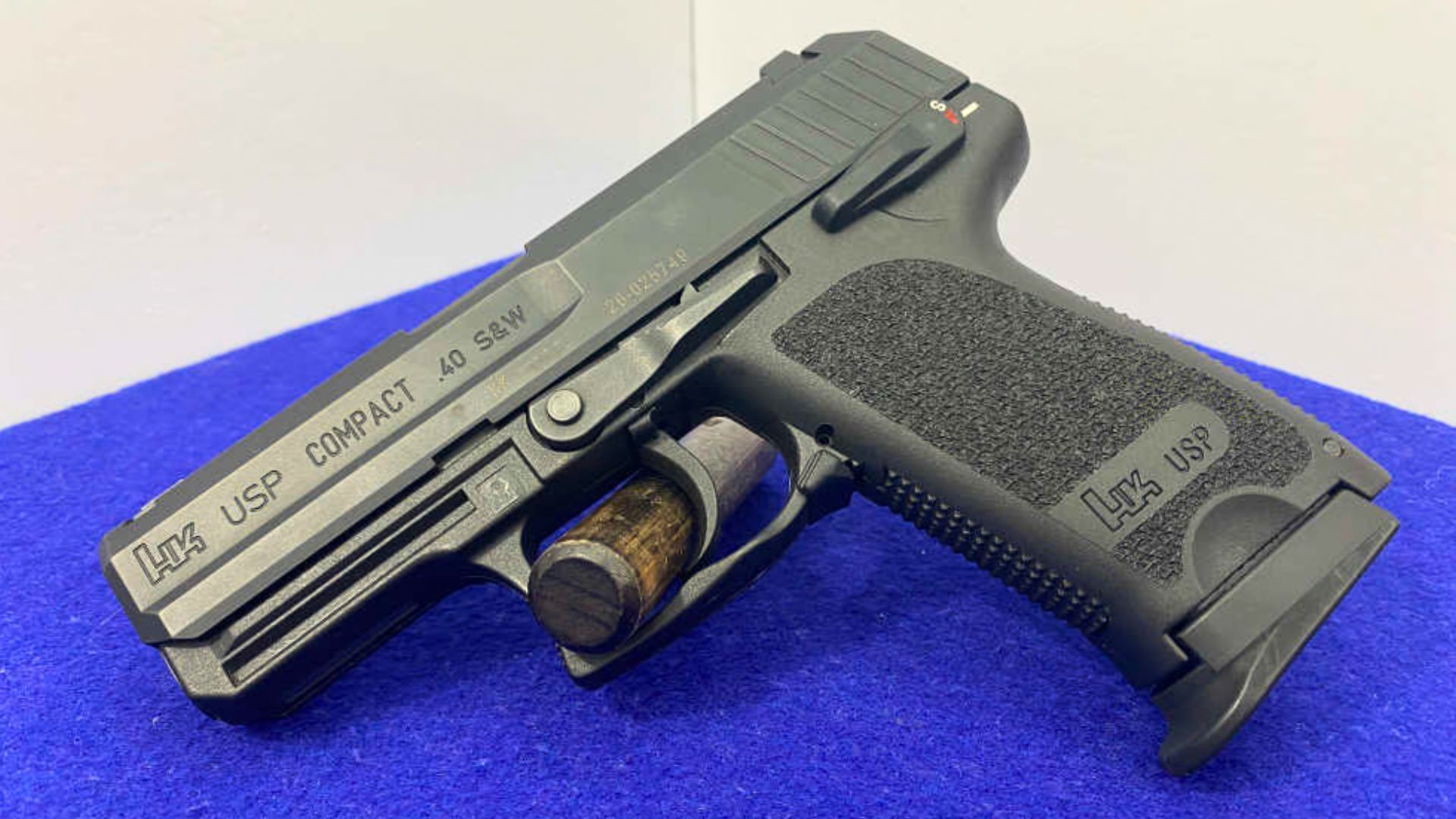
The USP Compact is not the newest pistol here, and that is part of why I would trust it. HK built the USP family during an era when duty pistols were expected to tolerate abuse, and the Compact retains much of that overbuilt character in a size that remains practical for regular carry. The controls are substantial, the frame feels extremely solid, and the hammer-fired action gives the gun a different personality from modern striker pistols.
The USP Compact is also the sort of handgun I would be comfortable keeping for decades instead of constantly replacing with the latest version. It may be thicker than newer compacts and its capacity no longer looks revolutionary, but durability matters more to me in this role. A pistol that has already earned a long reputation for hard use gives me confidence newer designs still have to prove.
Beretta 92FS
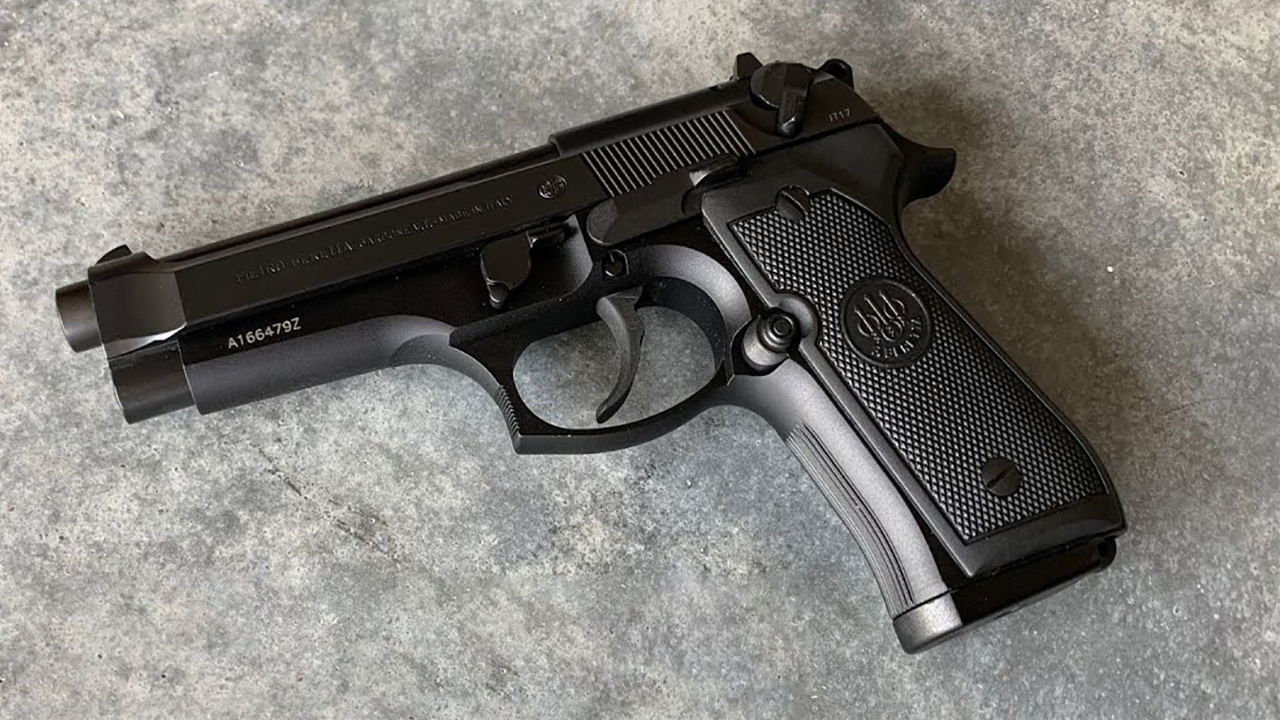
The Beretta 92FS is larger than I need for everyday concealed carry, but that size becomes an advantage for a pistol kept primarily for the home or packed with emergency gear. The long grip, mild recoil, and substantial metal frame make the 92 extremely easy to shoot well, even when I have not practiced with it recently.
Its service history also matters. The 92 design has spent decades in military, police, and civilian hands, so the strengths and weaknesses are well understood. I would make sure the magazines were proven and springs were replaced when necessary, but I would not worry about the pistol suddenly becoming obsolete because something newer appeared. A dependable 92FS with good magazines remains exactly what it always was: a big, smooth-shooting 9mm built for serious use.
SIG Sauer P226
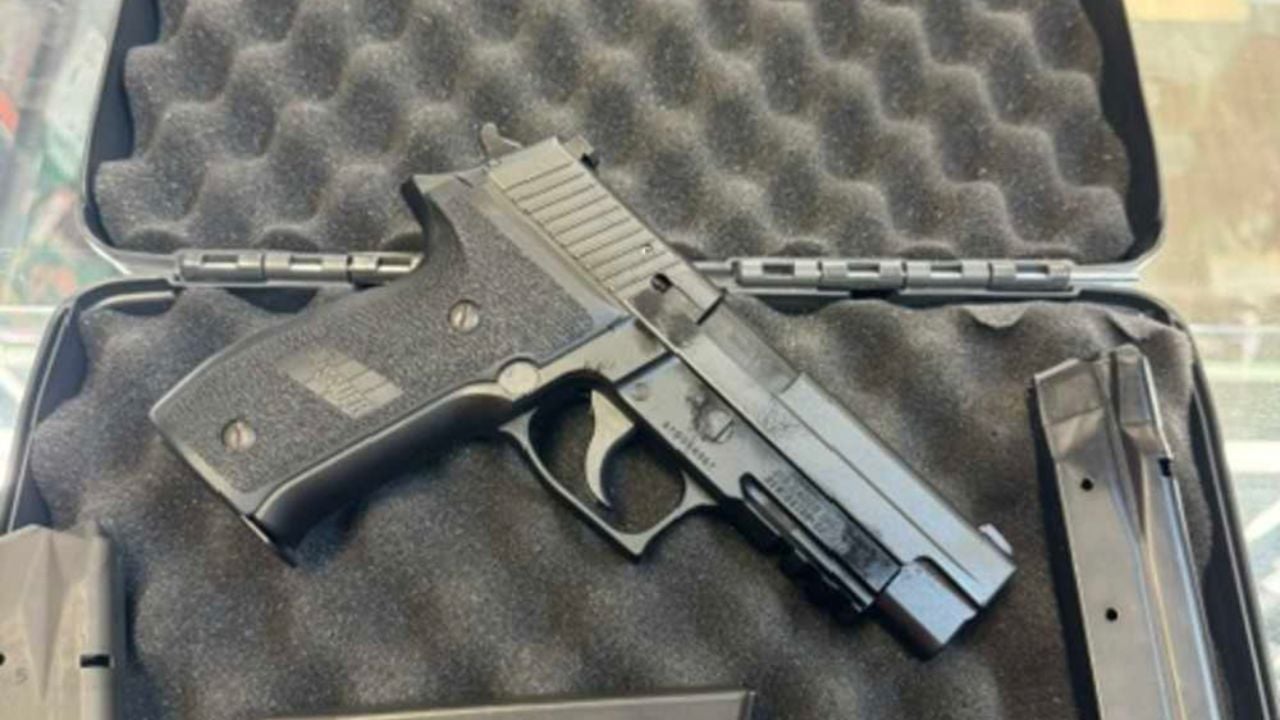
The P226 is one of the pistols I would trust even after years of ownership because it was built around the idea of being a full-size service handgun. The aluminum frame and steel slide give it a solid feel without becoming unbearably heavy, while the traditional double-action trigger and decocker keep the operating system straightforward once someone learns it.
What I especially appreciate is that the P226 shoots like a much newer pistol despite its age. The grip gives me excellent control, recoil is mild in 9mm, and the gun feels stable during rapid shooting. If mine had already demonstrated that it worked reliably with the magazines and ammunition I kept for it, I would see very little reason to replace it simply because another model became fashionable.
Glock 19
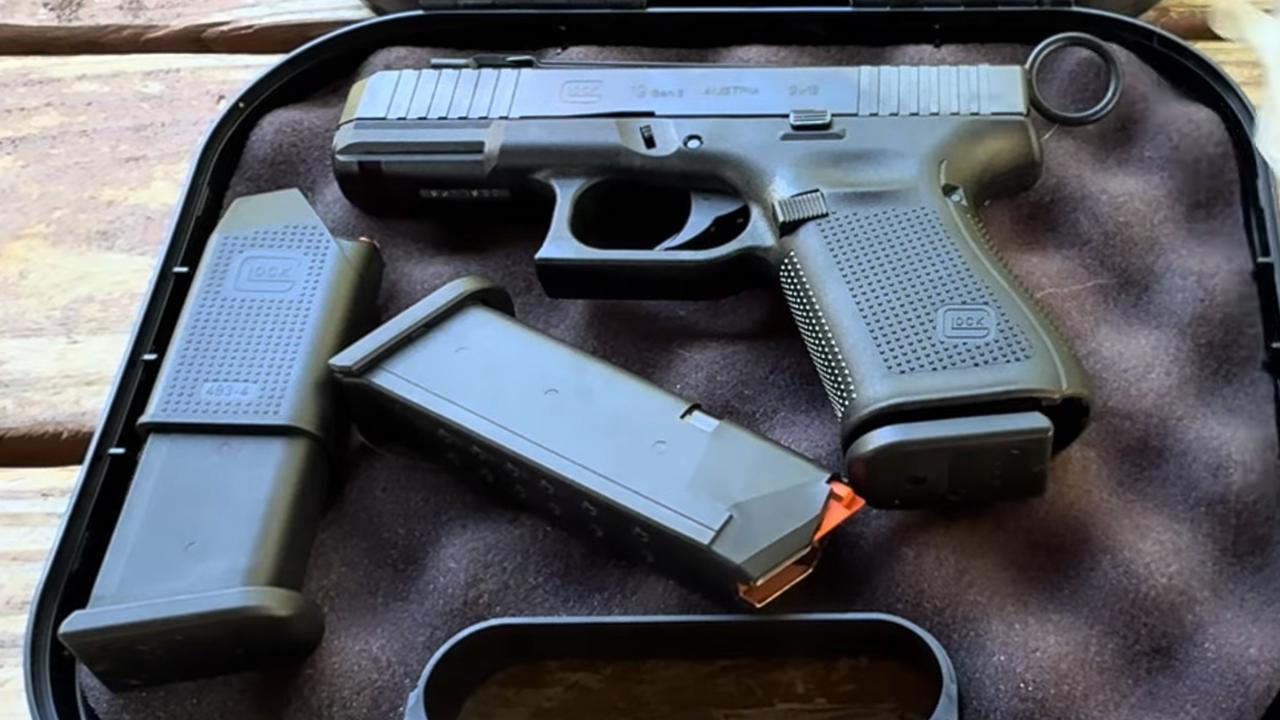
The Glock 19 earns a place because it can fill almost any role without being the absolute best at only one. It is compact enough to carry, large enough to shoot comfortably, and common enough that replacement magazines or parts rarely become a scavenger hunt. If I needed one handgun that might move between a nightstand, travel bag, and ordinary carry use, the 19 makes tremendous sense.
Its simplicity also becomes more valuable over years of ownership. I am not keeping track of decockers, unusual safeties, or a highly specialized operating system. After basic maintenance, the pistol works exactly the way I remember it. That familiarity is important when a handgun spends months stored between range trips. I would rather trust something boring and familiar than something exciting that requires me to stop and remember how it works.
CZ P-01

The CZ P-01 would be one of my hammer-fired choices because it combines compact dimensions with a sturdy aluminum frame and a design intended for duty use. The low slide profile and excellent grip shape make it easy for me to shoot well, while the decocker configuration gives me a straightforward way to carry the pistol with the hammer safely lowered.
A P-01 also feels like the kind of handgun that becomes more appealing after years of ownership. The trigger generally smooths with use, the metal frame develops honest wear rather than feeling fragile, and the pistol remains compact enough to move between several roles. I would want good magazines stored with it and would inspect the recoil spring periodically, but a proven P-01 is not something I would worry about merely because it had spent time sitting.
Glock 26
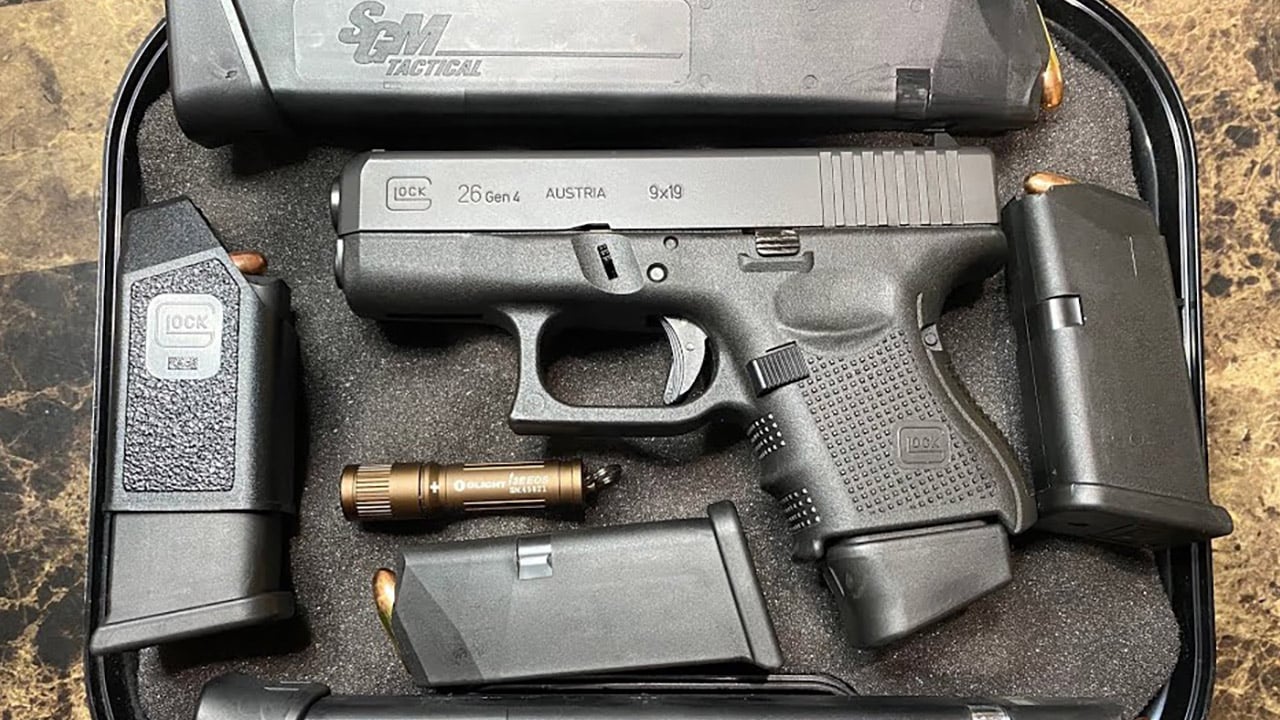
The Glock 26 is one of the compact pistols I trust precisely because it does not try to reinvent the larger Glock platform. It uses the same basic operating system in a shorter package, which means anyone already familiar with a Glock 17 or 19 does not have to learn a completely different gun.
That matters for something that might live in a bag or secured compartment for extended periods. When I pick it up again, the controls and trigger are immediately familiar. The smaller grip is less comfortable than a full-size pistol, but it keeps the gun highly portable, and compatibility with larger Glock magazines adds flexibility. I would still practice with the shorter grip regularly, but the underlying platform gives me a lot of confidence.
SIG Sauer P229

The P229 is heavier than the polymer compacts that replaced many metal service pistols, but I actually like that for a handgun that may spend most of its life stored and occasionally carried. The metal frame makes the pistol feel substantial, recoil is easy to control, and the traditional double-action system has already proven itself through decades of use.
A 9mm P229 would be my preferred version for this role because ammunition is common and recoil stays manageable. It also strikes a good balance between the large P226 and smaller carry pistols. I can shoot it almost as comfortably as a full-size handgun while still packing it easily. If I already trusted my particular P229, I would have little desire to swap it for something lighter simply because the specification sheet looked newer.
Ruger P95

The Ruger P95 is exactly the kind of pistol people mocked for being bulky until they realized how difficult it was to wear one out. Ruger designed the P-series around durability and affordability rather than elegance, and the P95 carried that philosophy into a polymer-framed pistol that could tolerate tremendous amounts of ordinary abuse.
I would not choose one because it had the best trigger or easiest optics mounting system. I would choose it because I already know what kind of gun it is. A clean P95 with dependable magazines is a rugged 9mm that asks very little from its owner. If I had one stored around a rural property or kept as an emergency backup, I would worry much less about cosmetic scratches than whether the gun remained properly maintained and functional.
HK P30
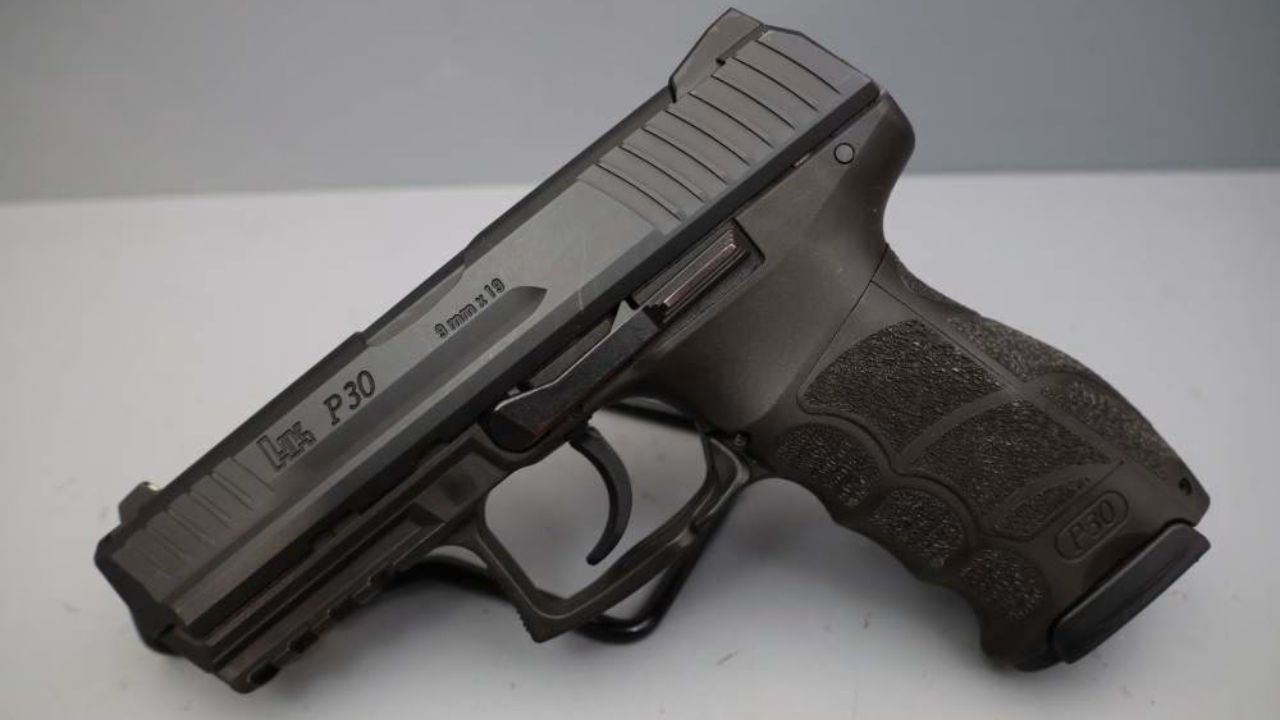
The HK P30 fits this list because it feels built around long service life rather than chasing minimum size. The grip can be configured to different hands, the controls are substantial, and the pistol has enough mass to make high-volume range practice comfortable. Whether I chose a traditional hammer system or HK’s LEM setup, I would want enough practice that the trigger became completely familiar.
Once that familiarity was established, I would trust the pistol heavily. HK’s reputation for durable service handguns is part of the appeal, but the P30 also has practical advantages. It is large enough to shoot confidently yet small enough that packing it with emergency equipment is not unreasonable. I would rather have a slightly larger pistol I know well than an ultra-compact I struggle to shoot.
Walther PDP Compact

The PDP Compact gives me modern ergonomics and optics capability without feeling like an untested novelty. The grip texture is excellent, the trigger is one of the better factory striker triggers in its class, and the pistol remains large enough for serious practice instead of being optimized purely for concealment.
If I planned to leave one stored with a red-dot sight, the optic and battery would become part of my inspection routine rather than something I ignored for years. That is true of any optics-equipped handgun. With the pistol itself, however, I have few concerns about the basic platform. A PDP Compact that had proven reliable with my magazines and ammunition would be a very easy gun to trust again after pulling it out of storage.
Springfield XD-M Elite
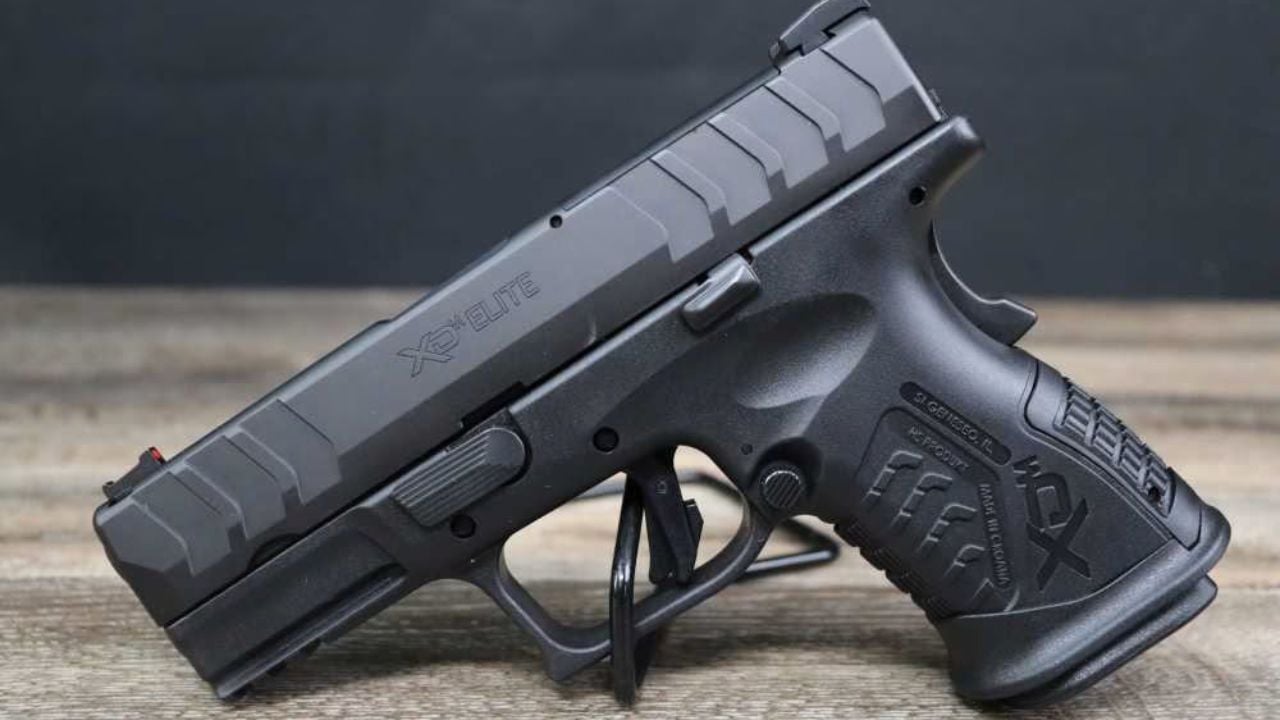
The XD-M Elite may not dominate handgun conversations the way some newer pistols do, but it has several qualities I like for long-term ownership. The full-size versions are easy to shoot, capacity is generous, and the grip safety provides an additional passive layer without requiring a separate manual safety manipulation.
I also appreciate pistols that have already spent years in civilian hands rather than designs that debuted last month. The XD family has been around long enough that there are no major mysteries about how the platform behaves. I would inspect magazines and springs like I would with anything else, but I would have no concern trusting a proven XD-M Elite simply because it spent a long time secured between range trips.
FN 509
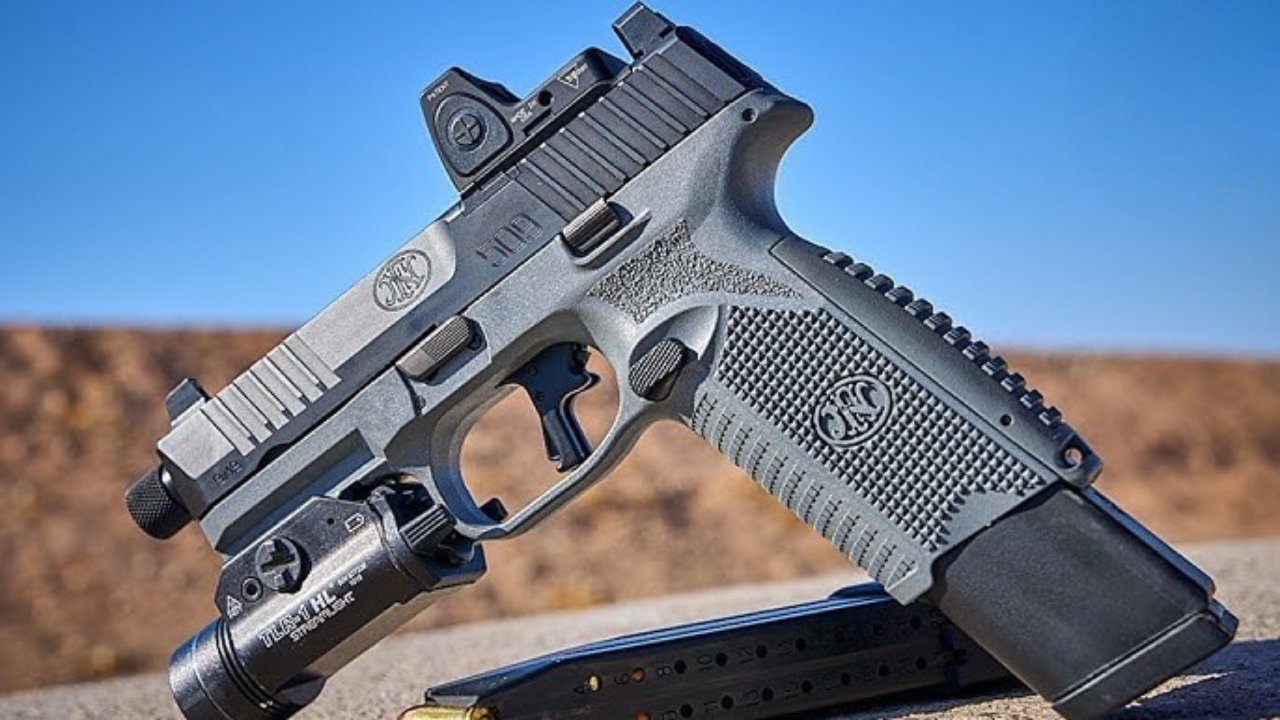
The FN 509 was designed around service-pistol expectations, and that immediately makes it interesting for this kind of list. It has a substantial feel, useful grip texture, and enough size to handle confidently. FN also offers multiple configurations, so the same basic platform can work as a full-size pistol or something more compact.
I would choose the simplest configuration that fit my needs and avoid turning a long-term emergency pistol into a collection of unnecessary accessories. Reliability is easier to track when fewer things are added to the equation. With proven magazines, fresh ammunition, and periodic maintenance, a 509 is exactly the sort of modern polymer pistol I would expect to remain useful after years of ownership.
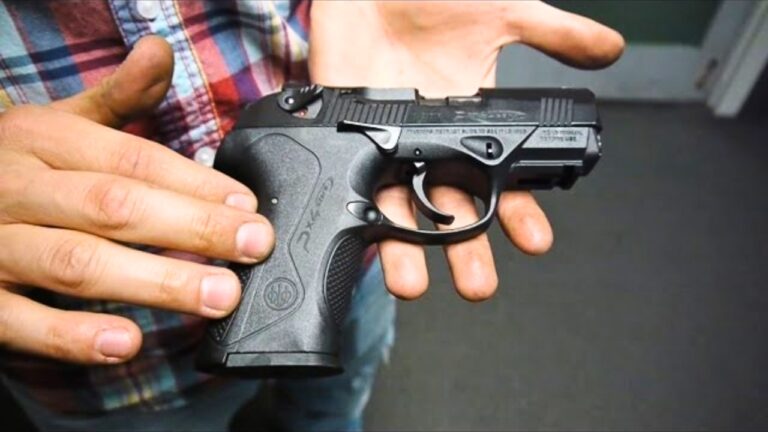
Beretta PX4 Storm
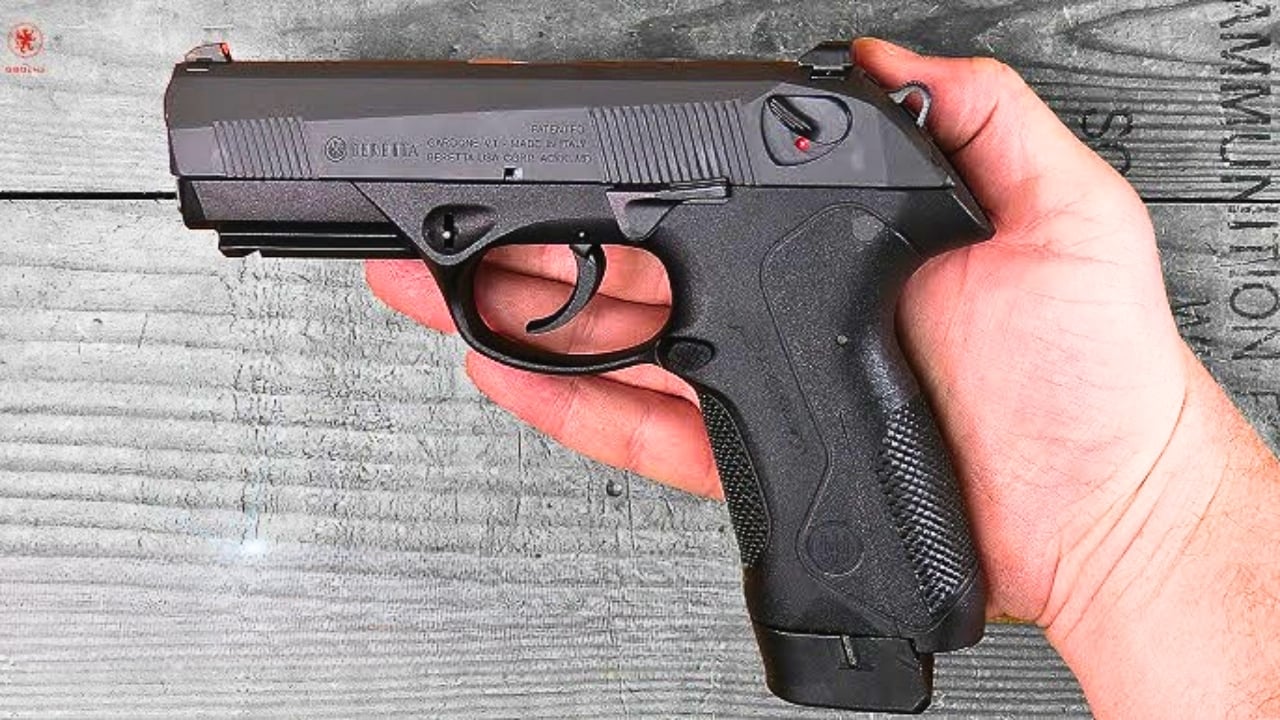
The PX4 Storm has never been the trendiest pistol on the market, but it has quietly developed an excellent reputation among shooters who put significant numbers of rounds through their guns. The rotating-barrel action helps make the pistol surprisingly soft shooting, while the hammer-fired operating system gives it a traditional service-pistol feel.
That combination makes the PX4 appealing for long-term ownership. I can pick it up after months away and still shoot it comfortably because the gun is not excessively small or punishing. The design is also mature enough that I am not wondering whether some newly discovered problem is about to surface. For a pistol that may spend more time waiting than being admired, that kind of proven maturity is valuable.
Smith & Wesson 5906
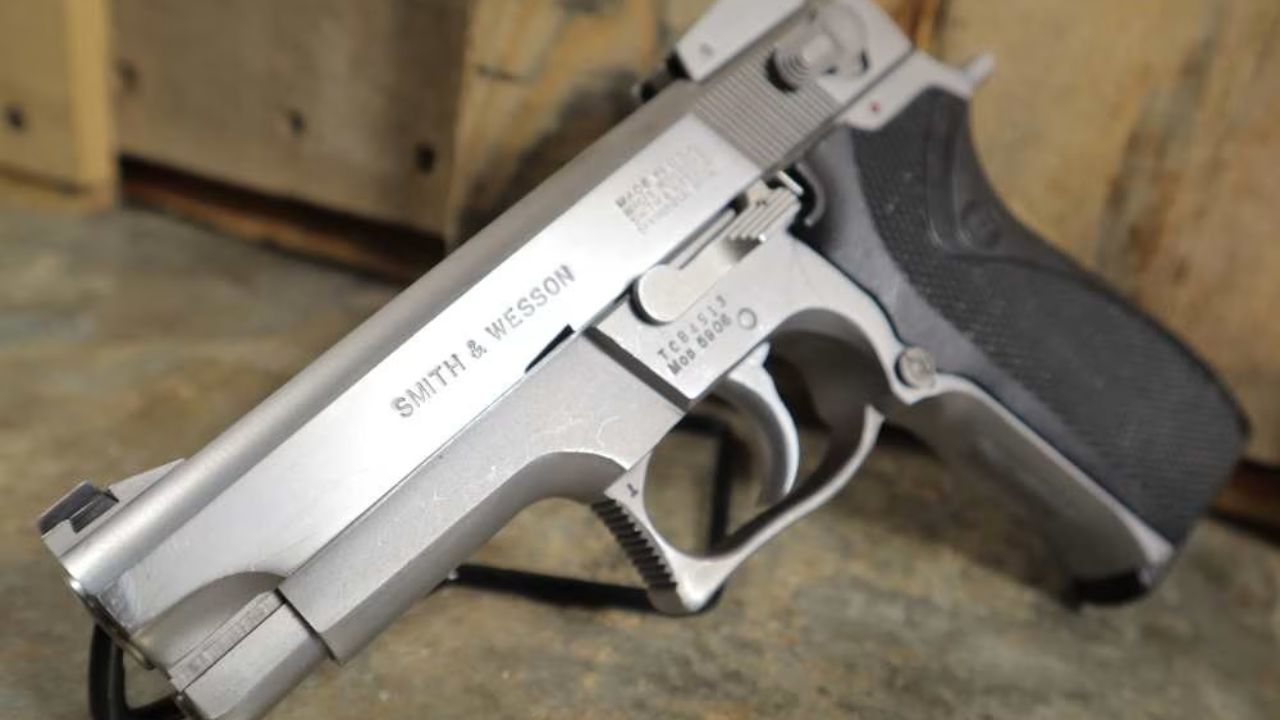
The 5906 represents an older philosophy of handgun construction: make the pistol out of stainless steel and accept that it is going to be heavy. That extra weight is one reason I would not choose it for every carry situation, but it also makes the pistol extremely pleasant to shoot and resistant to ordinary environmental exposure.
Many 5906 pistols spent years in law-enforcement service, which tells you something about the role they were designed to fill. A mechanically sound example with good magazines remains a very capable 9mm even if it lacks an optics cut or accessory rail. If I already owned one, I would see little reason to dismiss it simply because the market moved toward polymer. Old does not automatically mean unreliable.
CZ 75 SP-01

The SP-01 is heavier than I need for a bag gun, but if the pistol were spending most of its time secured beside the bed, that weight becomes almost entirely beneficial. The full steel frame makes recoil extremely manageable, the grip is excellent, and the long dust cover gives the pistol a steady feel that makes accurate shooting easier.
I would consider it particularly for someone who already trains with the CZ 75 operating system. Familiarity matters more than shaving a few ounces when the pistol is not being carried on the belt every day. A well-maintained SP-01 is also the kind of handgun that seems capable of absorbing huge amounts of range use. I would trust a pistol I had shot extensively far more than something purchased and immediately stored without proving it first.
Glock 21

The Glock 21 would make my list if I specifically wanted a .45 ACP pistol rather than another 9mm. It takes the familiar Glock operating system and scales it up around a larger cartridge, giving me substantial capacity for a .45 without introducing a complicated platform.
The grip is big, which means it will not fit every shooter equally well. If it fit my hands, though, I would trust it. The pistol’s polymer frame handles ordinary storage and carry well, and .45 ACP remains common enough that ammunition availability is not an unusual concern. I would still choose 9mm for most general roles, but someone who already shoots a Glock 21 well has little reason to abandon a proven gun.
SIG Sauer P320 Carry

The P320 Carry fits the role because it combines a service-size grip with a slightly shorter slide, giving me a pistol that remains easy to shoot while packing more conveniently than a full-size model. The modular fire-control system also means the platform can be configured in different ways without buying an entirely separate handgun.
For long-term trust, however, I would care less about modularity than about knowing exactly which configuration I had tested. I would not constantly change grip modules, slides, and magazines on a pistol I intended to depend on. Once set up and proven, I would leave it alone. Familiarity and consistency are far more valuable than endlessly rebuilding a handgun just because the platform allows it.
Heckler & Koch USP
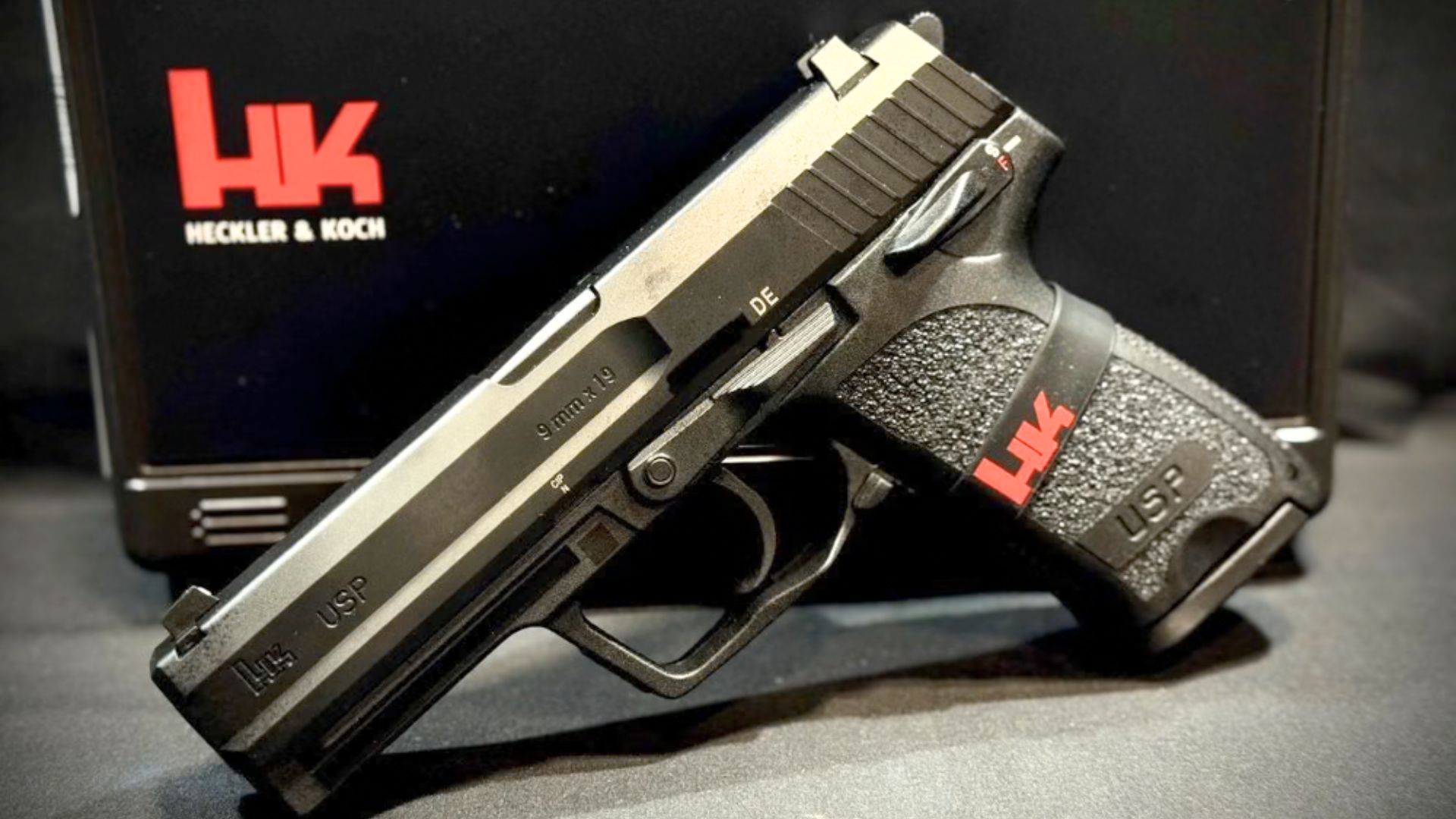
The full-size USP is the pistol I would close with because it represents almost everything I want from an old-school durable service handgun. It is chunky, overbuilt, and not particularly interested in being fashionable. The frame and controls feel substantial, and the pistol was designed during a period when HK was pursuing extreme durability rather than making the smallest possible carry gun.
That makes the USP particularly appealing as something I intend to own for decades. Whether chambered in 9mm or .45 ACP, I would trust a proven example that had been properly maintained and periodically function-tested. There are lighter pistols, better triggers, and more modern optics systems. Very few of those things matter as much to me as knowing the gun has already earned my confidence.
Like The Avid Outdoorsman’s content? Be sure to follow us.
Here’s more from us: