Photo credit: WorldWarSupply/YouTube
There is a price where almost any gun technically makes sense to sell, but some revolvers would make me hesitate even after the offer moved comfortably above what I originally spent. Once I find a revolver with the right trigger, balance, condition, and history, replacing it can be much harder than simply finding another gun with the same model number stamped on the frame.
That matters even more with revolvers because individual examples can develop their own personality. Older finishes vary, actions wear in differently, and discontinued barrel lengths or configurations may take years to stumble across again. I would rather keep a revolver I already know than make a few dollars and immediately start wishing I had it back. These are the ones I would have the hardest time letting go.
Smith & Wesson Model 586
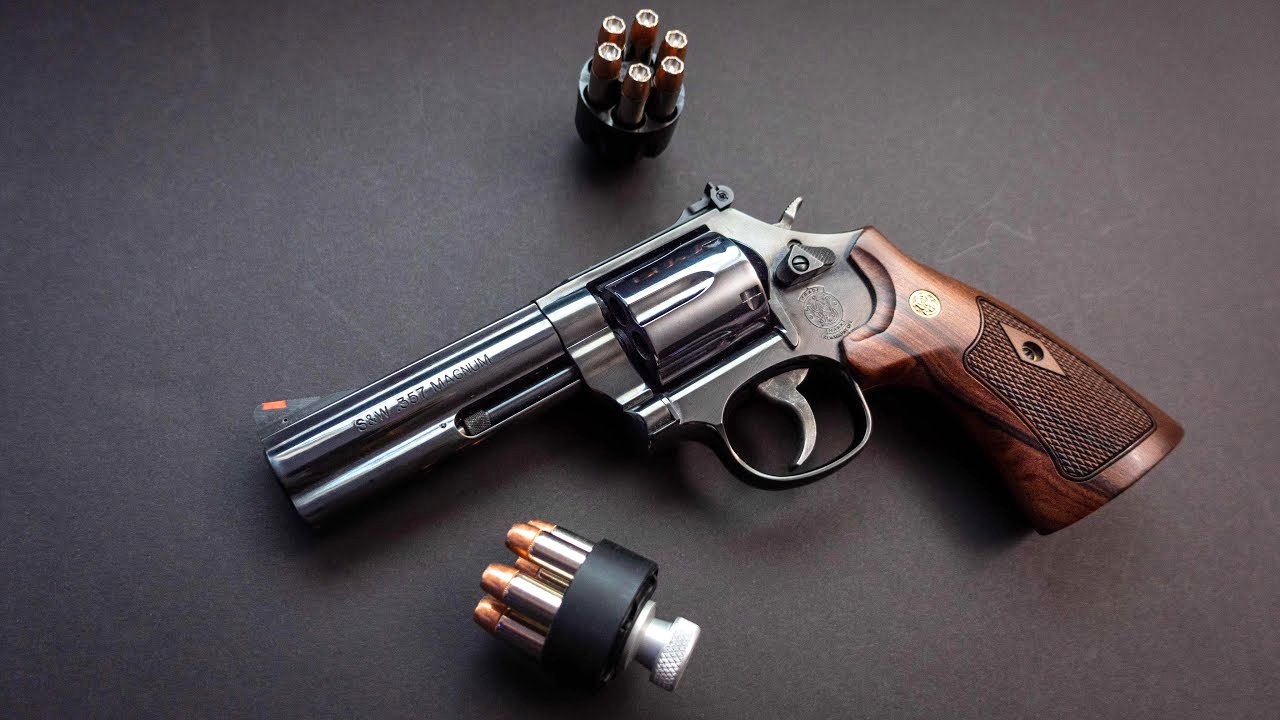
The Model 586 gives me nearly everything I like about the 686 but with the deep blued finish that makes a traditional revolver feel a little more special. The L-frame has enough weight to handle .357 Magnum comfortably, yet the revolver still carries and points like a working handgun rather than an oversized hunting gun. A four-inch example with sharp original blueing and the right stocks would be particularly difficult for me to replace once it left my possession.
Someone could offer more than I paid and I would still have to think hard. Money can buy another 586, but it cannot guarantee the next one will have the same action, condition, timing, and overall feel. Once I had a particularly good example, I would rather keep shooting it than restart the search.
Ruger Security-Six
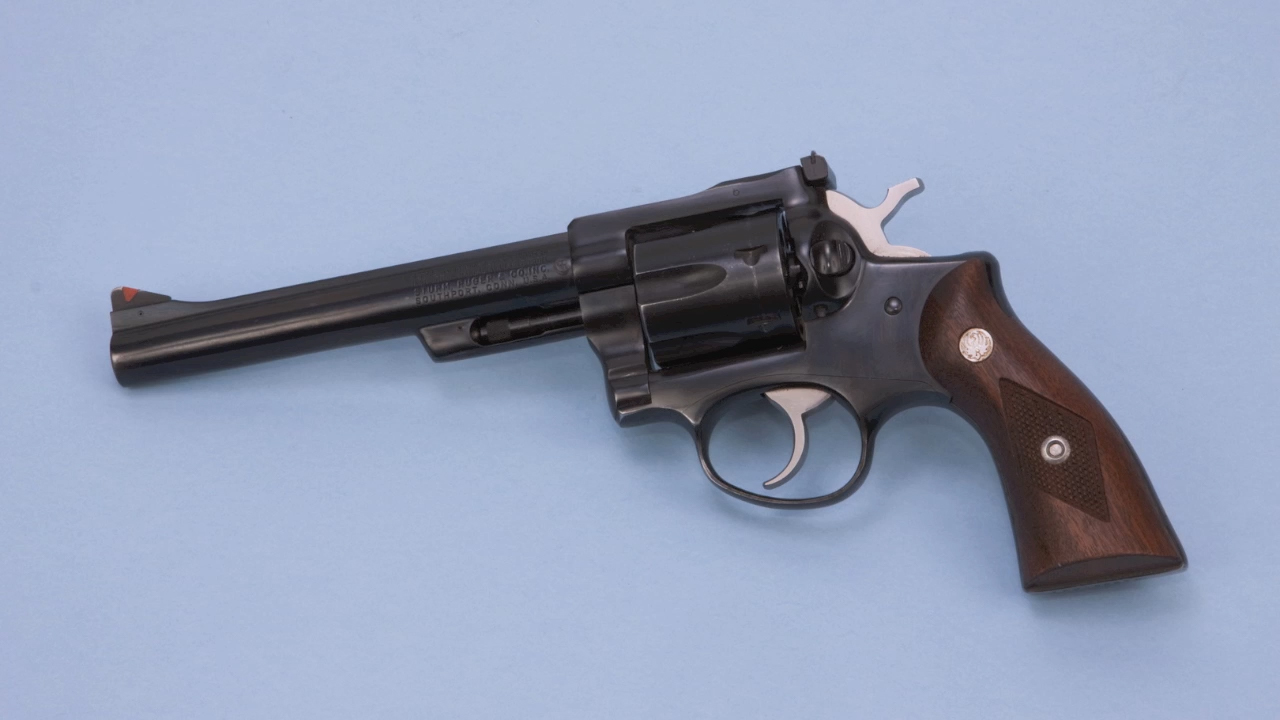
The Security-Six is exactly the sort of revolver I would regret selling because it represents something Ruger no longer makes in quite the same way. It is strong without being as bulky as a GP100, carries well with a four-inch barrel, and has the plain working-gun character I appreciate in a .357. These revolvers were used hard for decades, so finding one with good finish, tight lockup, and original grips makes me want to hold onto it.
I would especially keep one that had already proven accurate with the ammunition I liked. A newer revolver might technically replace its role, but it would not replace the gun itself. Once a discontinued revolver fits me perfectly, a modest profit is not enough reason to let somebody else have it.
Smith & Wesson Model 15
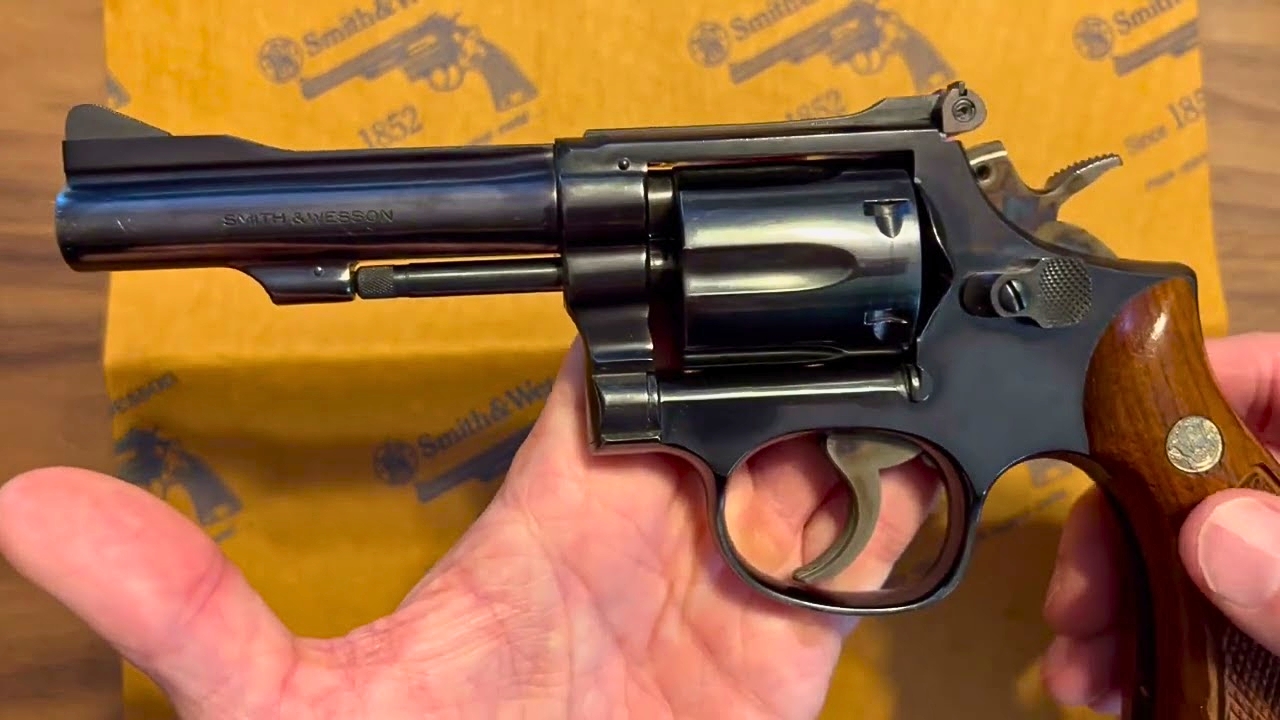
The Model 15 does not need magnum chambering to earn a permanent spot. A good K-frame .38 Special with adjustable sights is one of the most pleasant revolvers I can spend an afternoon shooting. The proportions are right, recoil is mild, and older examples often have the kind of trigger that reminds me why generations of shooters became attached to Smith & Wesson revolvers in the first place.
That kind of gun becomes more valuable the more I use it. I would rather have a Model 15 I know shoots exactly to the sights than pocket a little money and start hunting for another equally good one. Plenty of modern revolvers are more powerful, but very few make ordinary double-action practice as enjoyable.
Colt Official Police
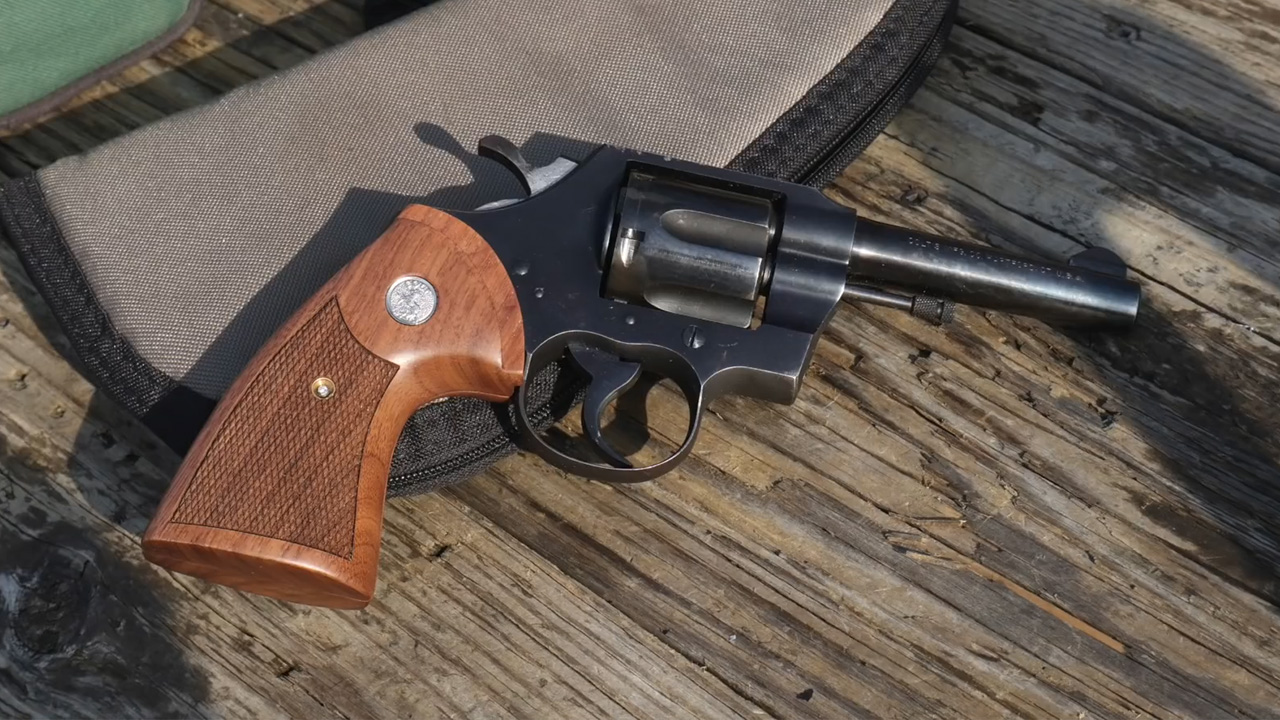
A clean Colt Official Police would be difficult for me to sell because so many surviving examples spent their lives doing actual work. These revolvers served police departments, security officers, and private owners for decades. That means finish wear, replaced grips, and other evidence of use are extremely common. Finding one with strong original blueing and a smooth action feels much more meaningful once you understand what most of them went through.
I would not keep it because it was the most practical revolver I owned. I would keep it because another example in the same condition could take a long time to find. There is a difference between owning an old Colt and owning the exact old Colt you already know you like.
Ruger Bisley Blackhawk
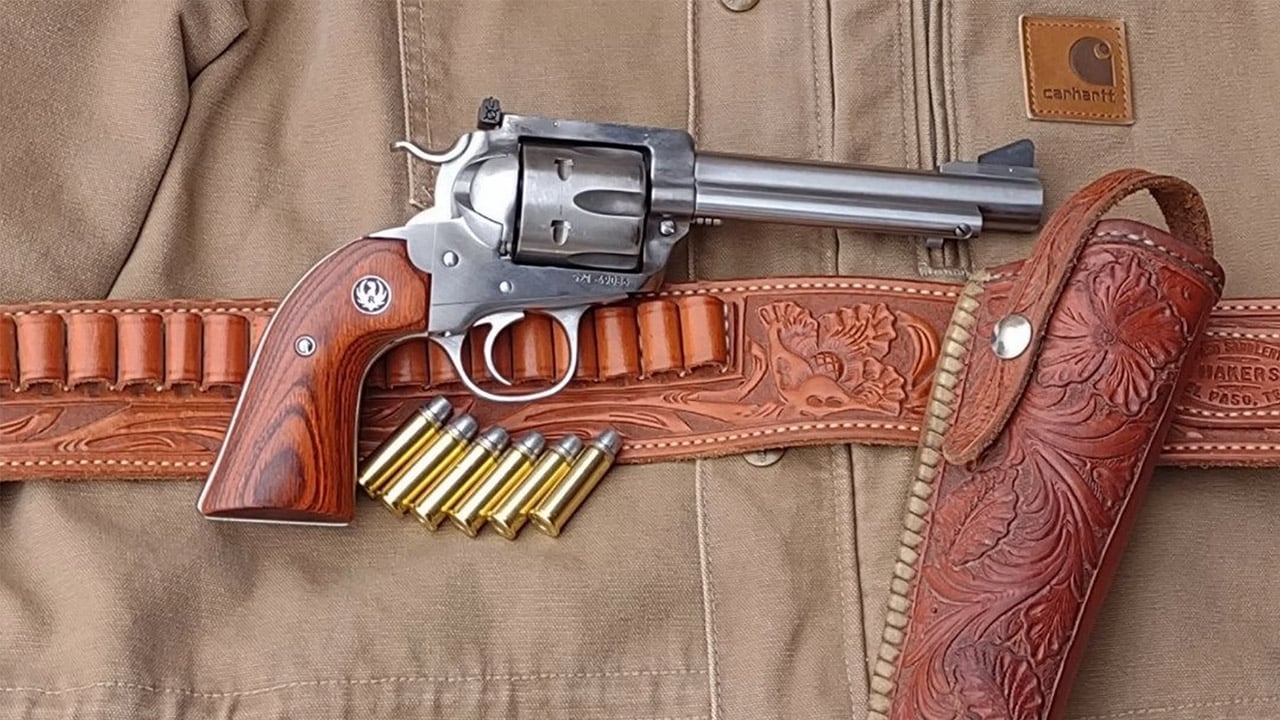
The Bisley Blackhawk is one of those revolvers that begins making more sense as ammunition gets more powerful. The grip shape distributes recoil differently than Ruger’s traditional plow-handle configuration, and shooters who prefer it often become extremely loyal to it. In something like .44 Magnum or .45 Colt, that can turn the revolver into a serious field gun that remains surprisingly comfortable to shoot well.
Once I found a Bisley that fit my hand properly and grouped the loads I wanted, I would be reluctant to start over. Selling it for a profit might look smart until I tried to replace the exact combination. Powerful single-actions can be very personal guns, and a proven one is worth considerably more to me than whatever number happens to be written on a dealer’s offer.
Smith & Wesson Model 14
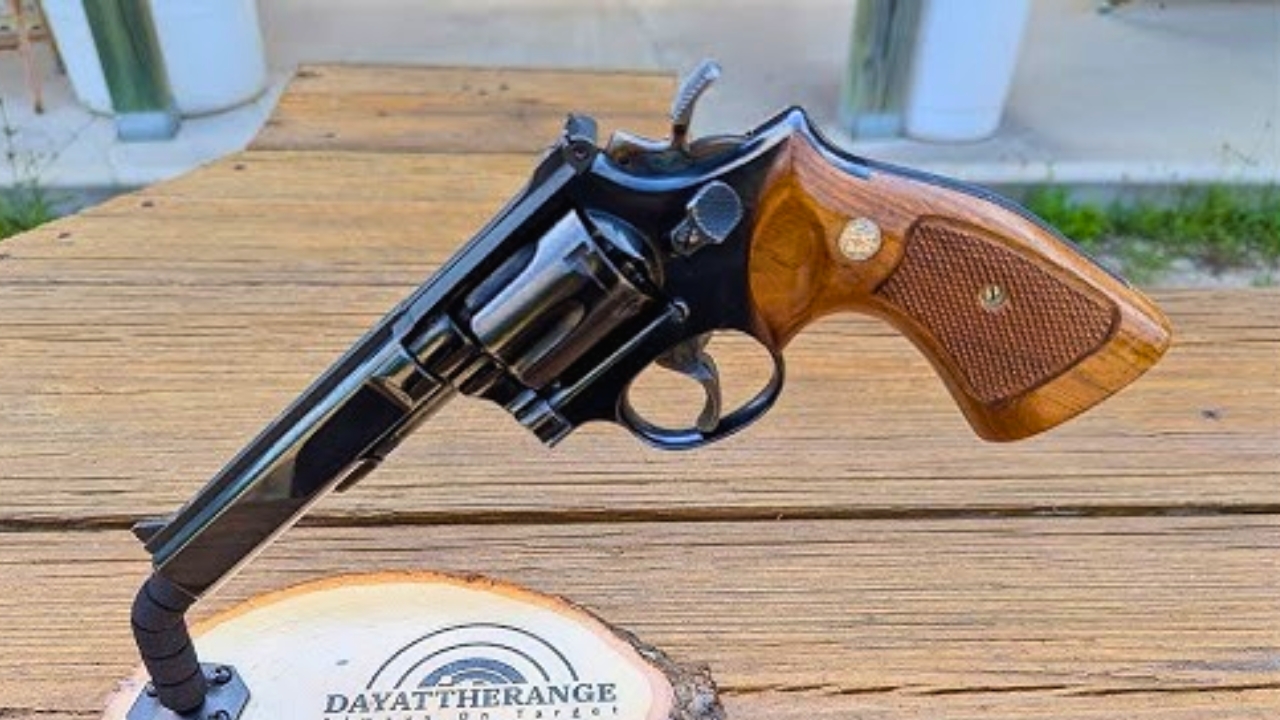
The Model 14 is another revolver I would keep because it proves there is more to handgun ownership than maximum power. Built around the K-frame and .38 Special, it became famous as an exceptionally good target revolver. The longer barrel, excellent sights, and smooth action give it a level of shootability that encourages slow, accurate shooting rather than simply burning through ammunition.
A particularly clean older Model 14 would be difficult for me to let go. These revolvers were made to be fired, and plenty have enormous round counts or cosmetic wear from decades of competition and practice. If mine still looked good and shot beautifully, I would consider that combination harder to replace than the money someone offered me.
Ruger Old Model Blackhawk
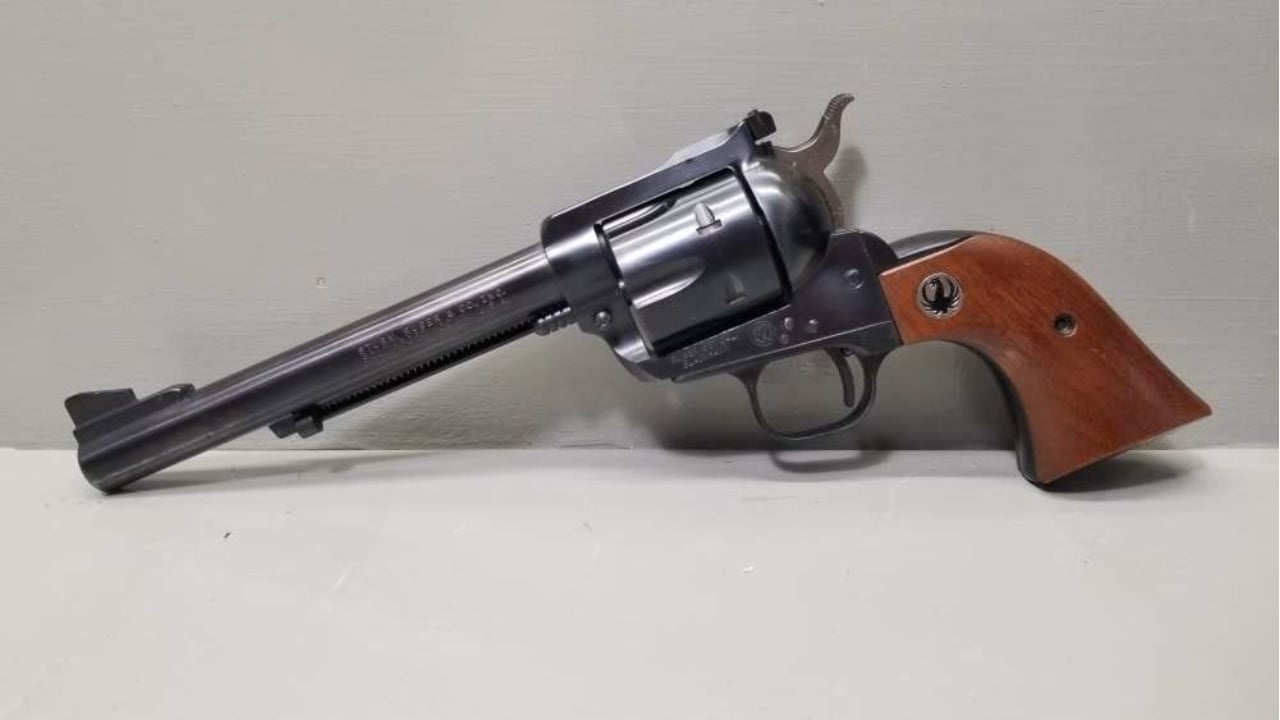
An early three-screw Blackhawk has enough personality that I would rather own the revolver than turn it into a little extra cash. The original action has a feel distinct from later transfer-bar Rugers, and collectors increasingly care about whether older examples remain in their original configuration.
That does not mean I would refuse every imaginable offer. It means an ordinary premium would not move me. Once an older Blackhawk has survived decades without being butchered, refinished, or heavily altered, I would rather become the next caretaker than the person who passed it along. Good old single-actions seem much easier to sell than they are to replace.
Smith & Wesson Model 57
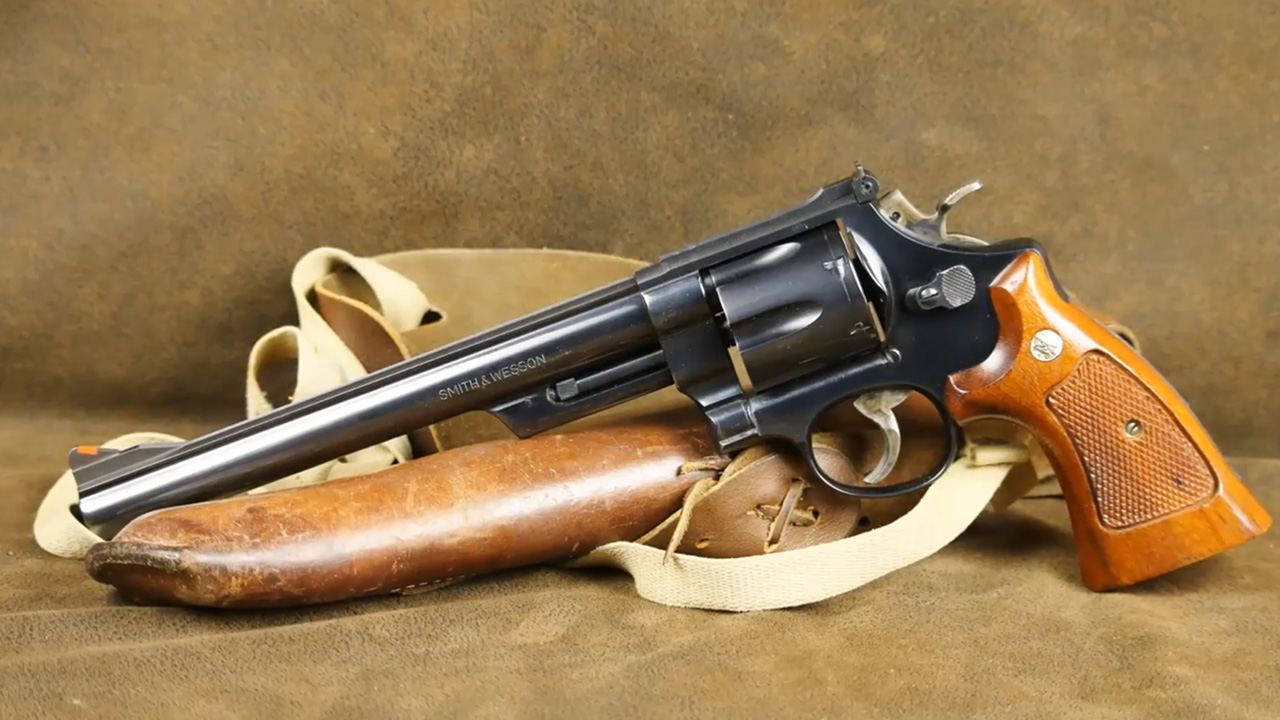
The Model 57 would stay because the .41 Magnum itself gives the revolver a personality that cannot be duplicated by simply buying another .44 or .357. Older Model 57s also tend to have the beautiful blueing, large N-frame proportions, and traditional Smith & Wesson styling that make them enjoyable before I ever pull the trigger.
The cartridge never achieved the popularity of .44 Magnum, which is another reason I would hesitate to sell. A good Model 57 represents an interesting branch of revolver history that never became completely mainstream. If I already had one with a great action and clean finish, getting more than I paid would not be enough. I would know exactly how irritating it might be to find another one later.
Colt Police Positive Special
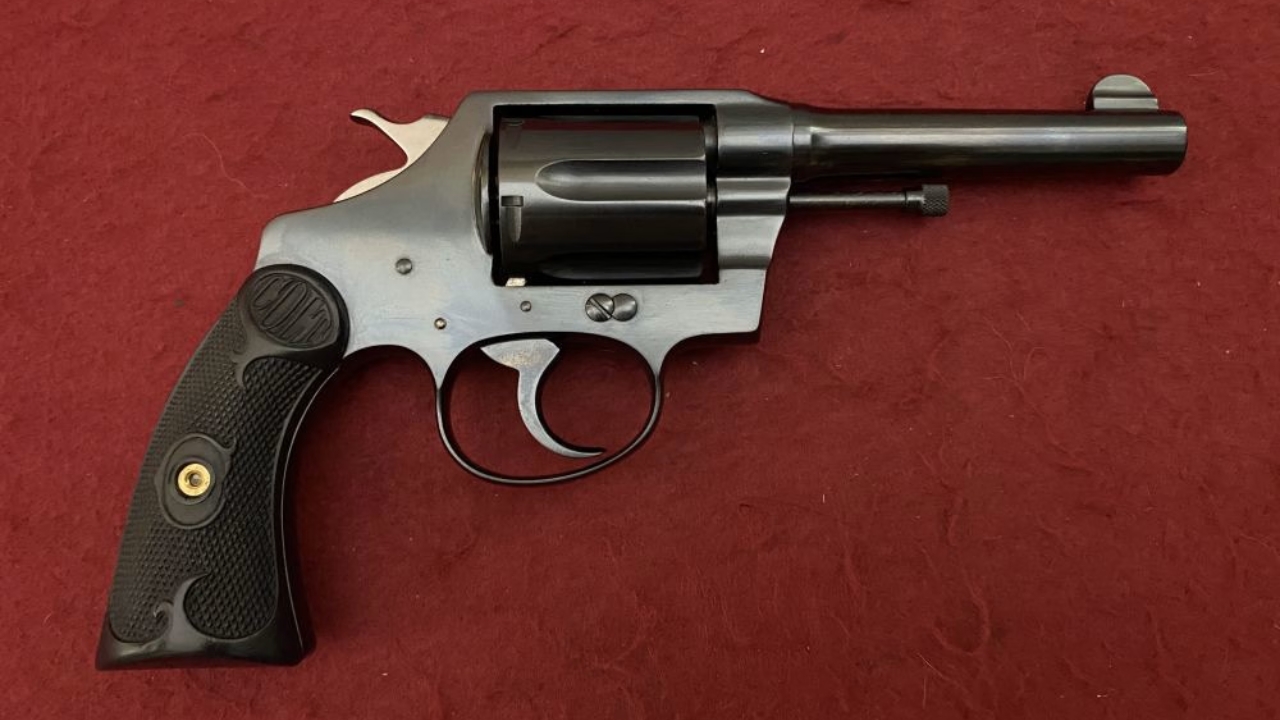
The Police Positive Special is easy to underestimate because it does not have the name recognition of a Python or Detective Special. That is part of what I like about it. These were practical Colt revolvers built in huge numbers and used by generations of officers and private citizens. A clean example can have elegant proportions and old Colt craftsmanship without carrying the same level of hype as the company’s most famous models.
If I found one with an excellent bore, strong finish, and original grips, I would keep it. The profit on selling an old working Colt would probably disappear long before I found another example I liked as much. Sometimes the revolvers worth holding onto are the ones everyone else overlooked.
Smith & Wesson Model 18
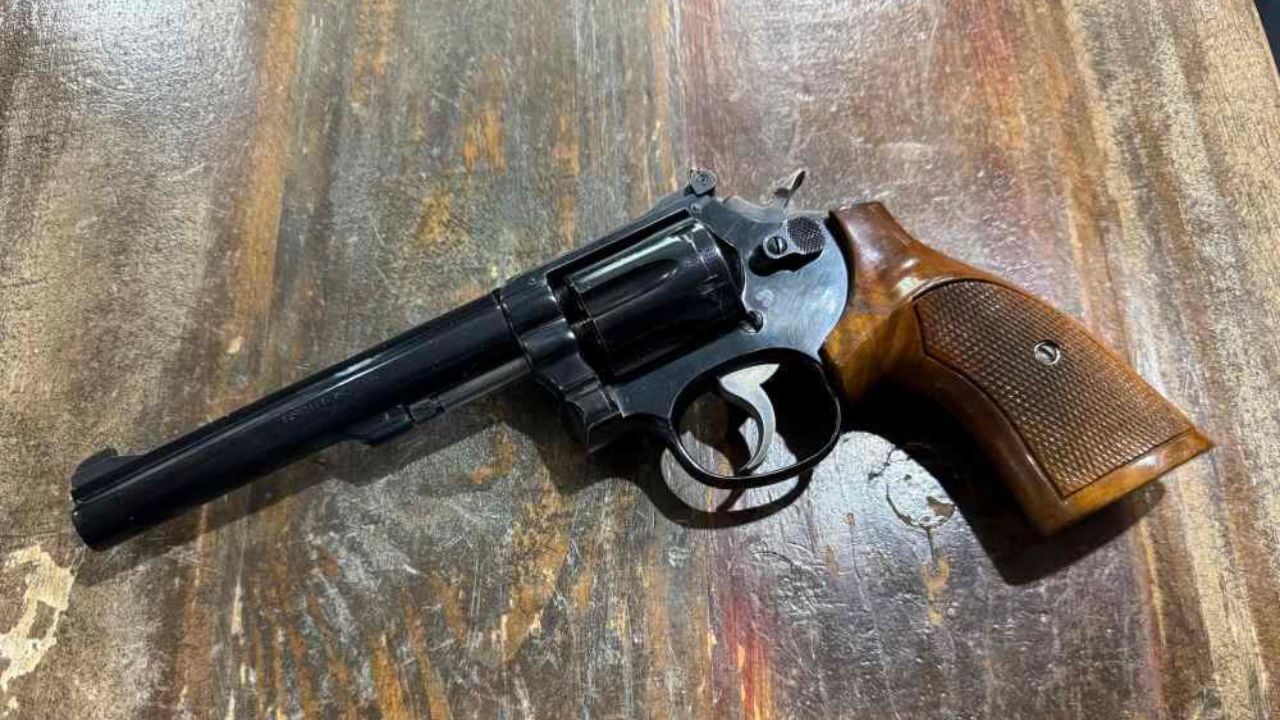
The Model 18 combines the K-frame feel I like with .22 LR, making it one of those revolvers I could shoot constantly without turning every range session into an ammunition expense. The four-inch barrel also makes it handier than some of the longer target-oriented .22 revolvers, giving it a more general-purpose feel.
That usefulness is exactly why I would be reluctant to sell. A good rimfire revolver gets used more than almost anything else I own. Once I had a Model 18 with a smooth double-action trigger and sights that were already dialed in, a little profit would not matter. I would almost certainly end up spending more money later trying to replace the gun I never should have sold.
Colt New Service
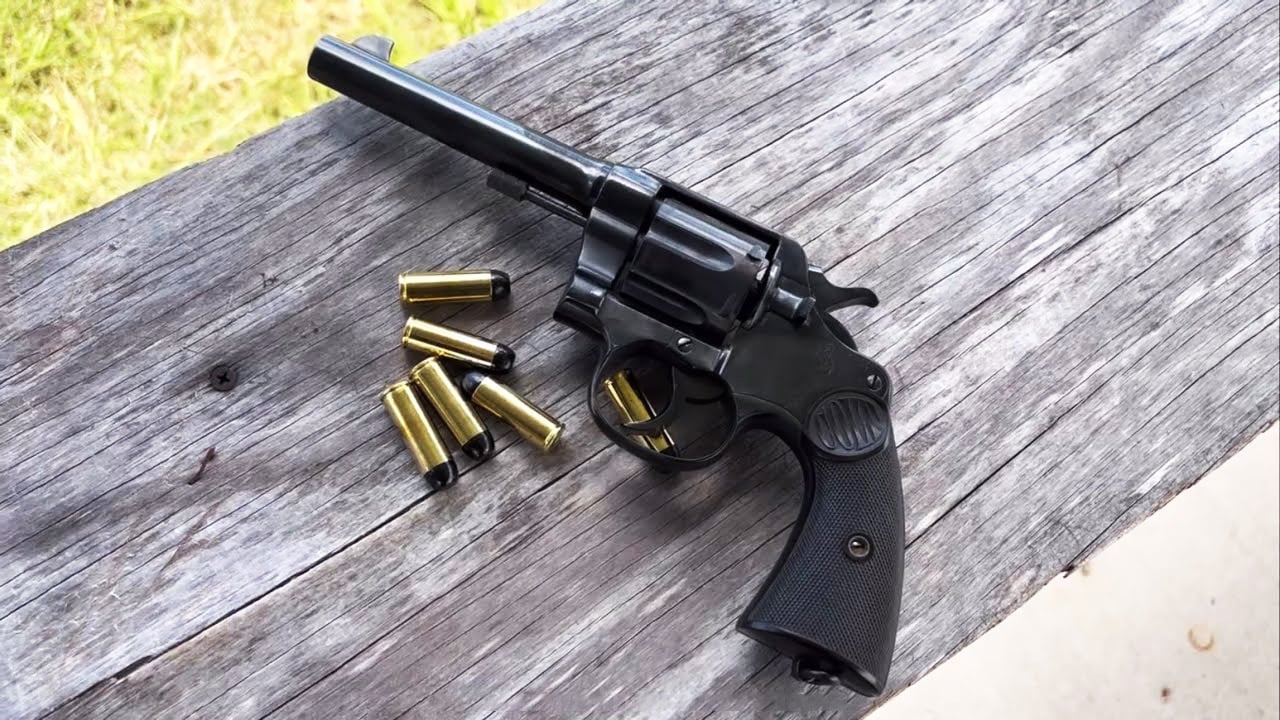
A Colt New Service is not the revolver I would carry every day, but that is not why I would keep it. These large-frame Colts represent a completely different period of handgun design and manufacturing, and surviving examples can vary tremendously in condition. Many were military, police, or working guns, which means a particularly clean example is something I would appreciate more every year I owned it.
The size and old-school action give the New Service a presence modern revolvers simply do not duplicate. Selling one because somebody offered me a few hundred dollars more than I paid would feel shortsighted. I can replace money easily enough. Replacing an old Colt with the same history and condition is another matter entirely.
Ruger Bearcat
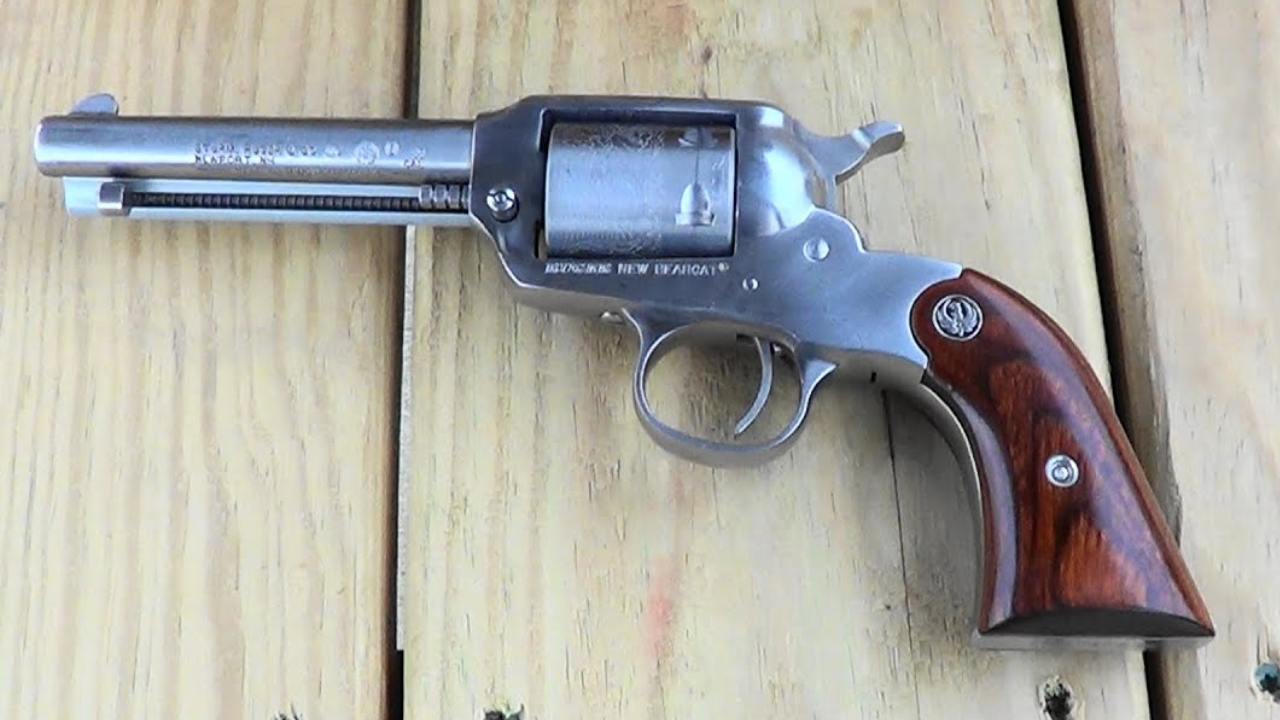
The Bearcat is one of the smallest revolvers on this list, yet it might be among the hardest for me to sell. It is light, compact, inexpensive to shoot, and just plain enjoyable to carry around rural property or take to the range. Small .22 single-actions also have a habit of becoming family guns because newer shooters can enjoy them without dealing with much recoil.
Once a Bearcat accumulates memories, resale value becomes almost irrelevant. I could buy another one, but it would not be the same revolver. That is especially true of an older example that has been with me for years. Sometimes the smallest, least expensive gun in the safe becomes the one money has the hardest time replacing.
Smith & Wesson Model 24
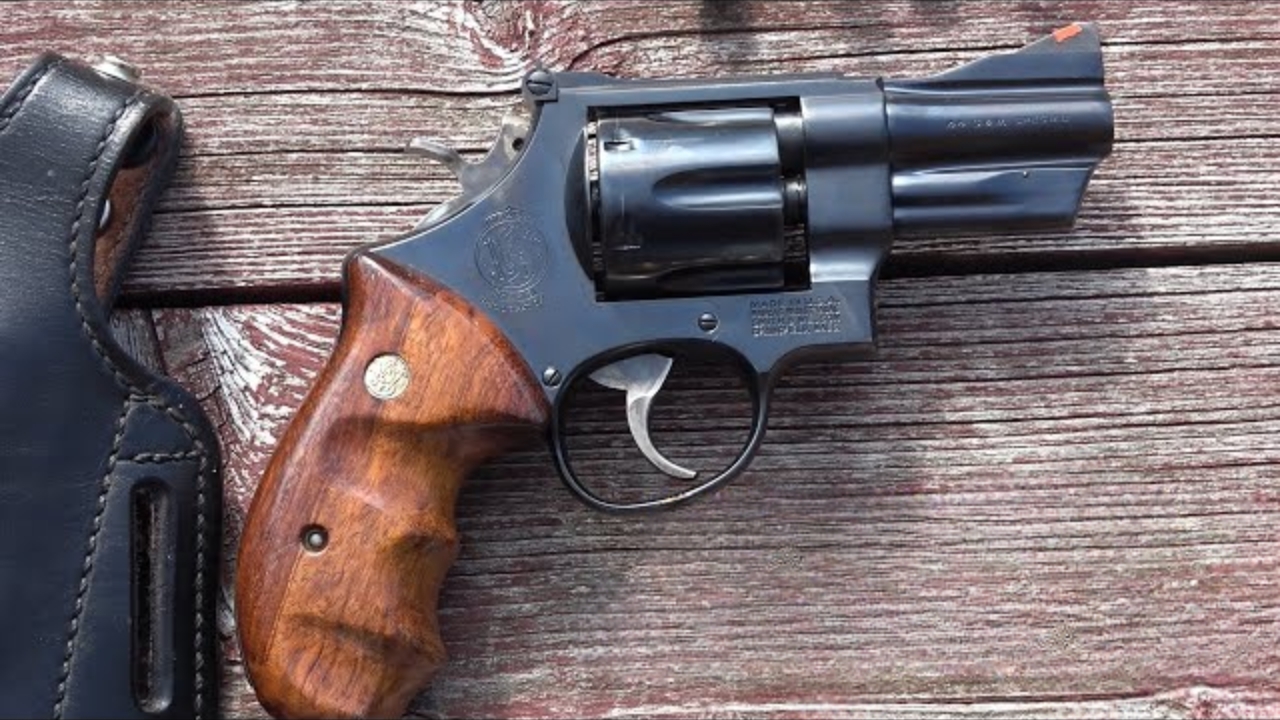
The Model 24 appeals to me because .44 Special is such a pleasant cartridge in a large Smith & Wesson revolver. It gives me a substantial N-frame without requiring .44 Magnum power every time I pull the trigger. Older examples also have the classic lines and finish that make the revolver look just as good as it shoots.
A Model 24 would be particularly hard to replace because it occupies a smaller niche than the much more common Model 29. If I found one with the barrel length I wanted and a beautiful action, I would hold onto it. I would rather keep an uncommon revolver I enjoy than sell it simply because somebody finally recognized what I had.
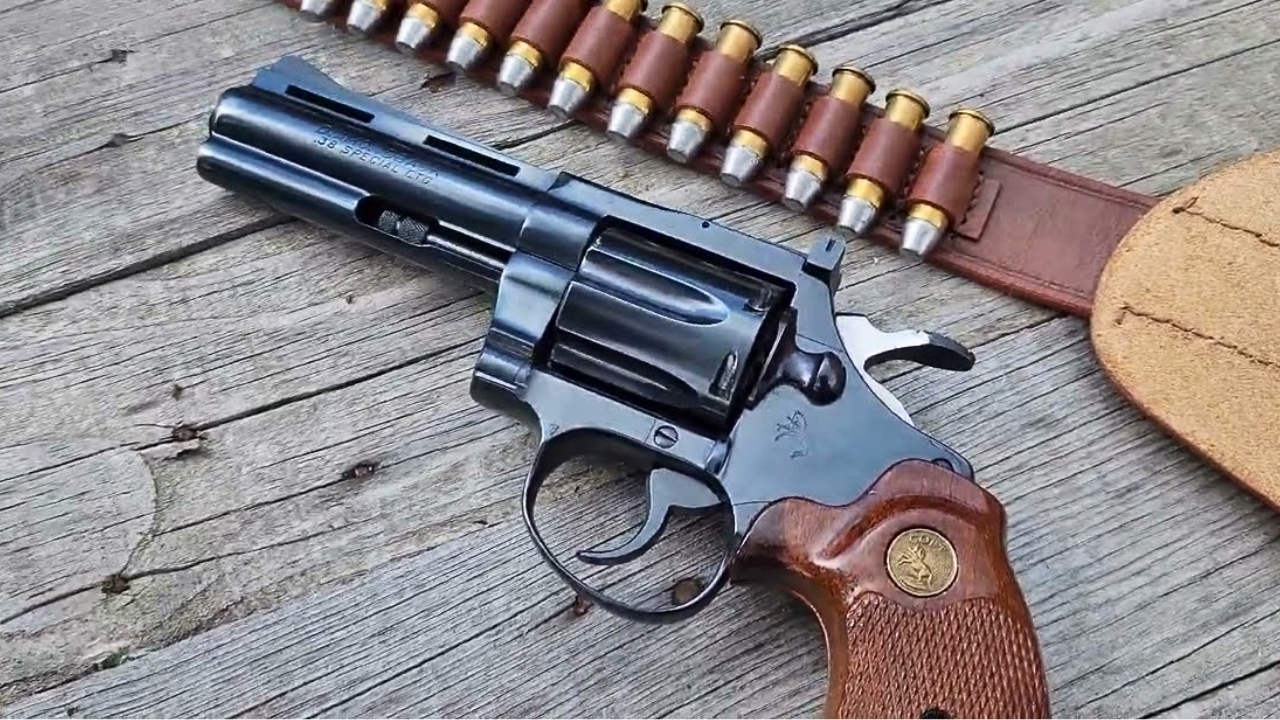
Colt Diamondback
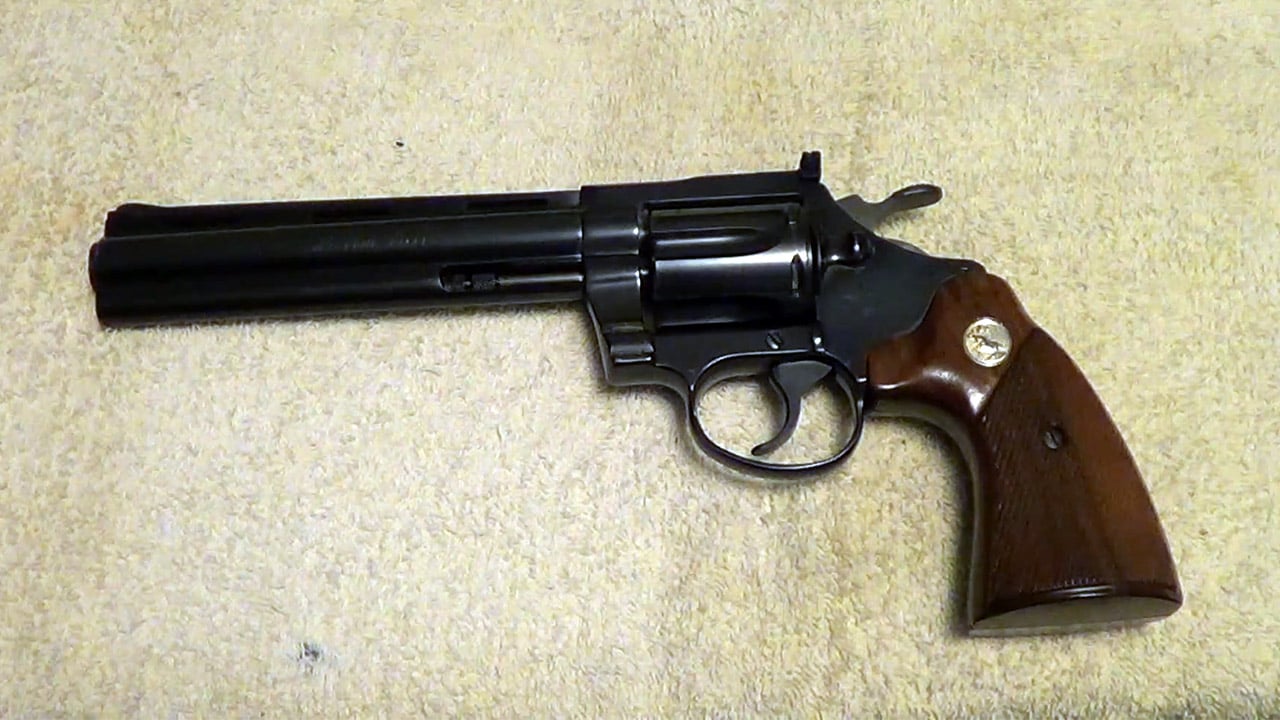
The Diamondback has the proportions that make me understand why so many owners refuse to part with one. It resembles a scaled-down Python and was offered in .22 LR and .38 Special, giving shooters the classic Colt appearance in a lighter, more manageable package. Clean examples have become especially desirable because people finally realized how distinctive the design was.
If I owned a sharp Diamondback, the fact that someone offered more than I paid would almost make me want to keep it more. Selling might produce a nice profit, but finding another with the same finish, barrel length, and mechanical condition could easily cost more than I expected. This is exactly the kind of revolver that creates seller’s remorse.
Smith & Wesson Model 64

The Model 64 is not flashy, and that is one of the reasons I would keep a particularly good one. It is essentially a stainless K-frame .38 built around usefulness. Fixed sights, manageable weight, and corrosion-resistant construction make it the type of revolver that can handle years of regular use without needing much attention.
Former police guns can still be found, but condition varies enormously. If I had one with a smooth action, good timing, and only light wear, I would rather keep shooting it than cash out. The Model 64 does not need collector hype to justify its place. It earns its value every time I take it to the range and remember how well a basic K-frame works.
Ruger .357 Maximum Blackhawk
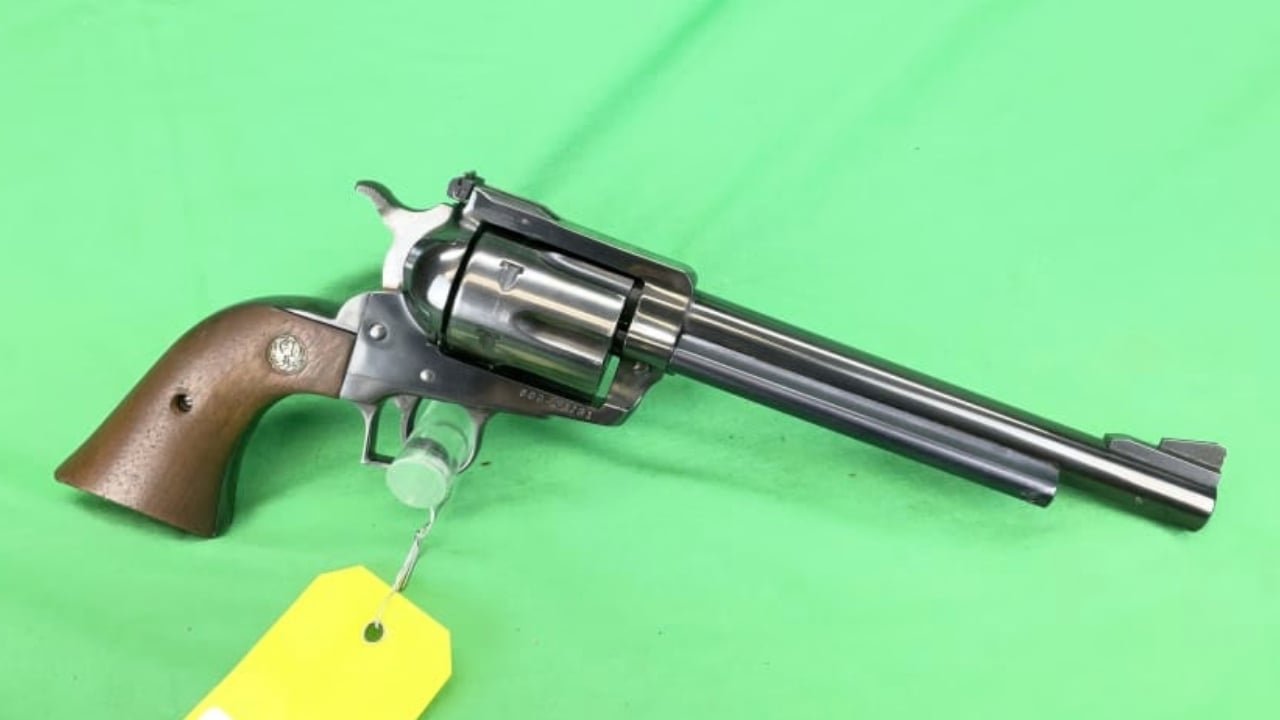
The .357 Maximum Blackhawk is one I would be extremely hesitant to let go because it represents a very specific experiment in Ruger’s history. The longer cartridge gave handgun hunters more velocity and range than standard .357 Magnum, but the factory revolvers did not remain in production indefinitely. That alone makes a correct example harder to replace than a normal Blackhawk.
I also like guns that occupy strange dead ends in firearms development. They tell a story beyond simply being useful. If I owned a good .357 Maximum Blackhawk and had already worked out ammunition that shot well in it, somebody would have to offer considerably more than a normal premium before I even started considering a sale.
Smith & Wesson Model 25
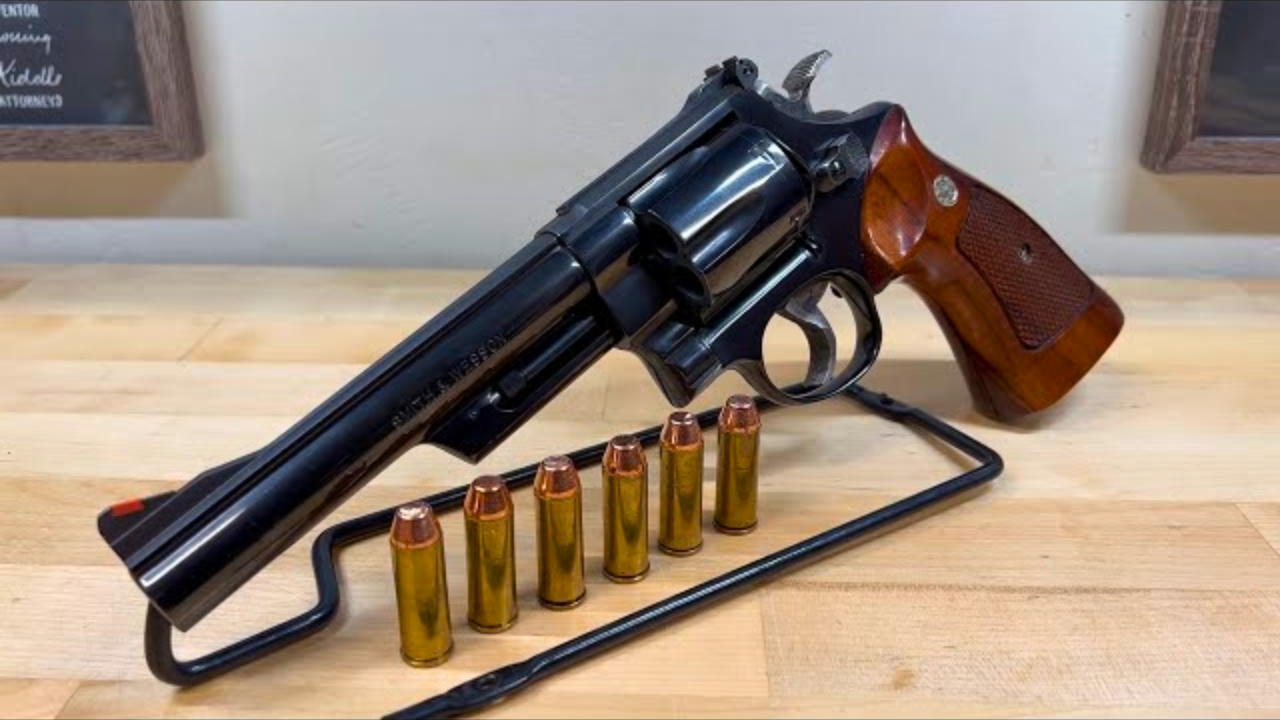
The Model 25 is another revolver I would keep because its chamberings give it a personality different from the more common magnum N-frames. Whether configured around .45 ACP or .45 Colt, it combines a large Smith frame with a big-bore cartridge that does not necessarily need punishing recoil to be enjoyable.
Older examples also tend to have excellent triggers and attractive finishes, which makes the right gun difficult to substitute. I could sell one and buy another large revolver, but that would miss the point. A Model 25 that already shoots well and fits my hand would have to be replaced by another Model 25 just as good. There is no guarantee I could make that happen easily.
Colt Army Special
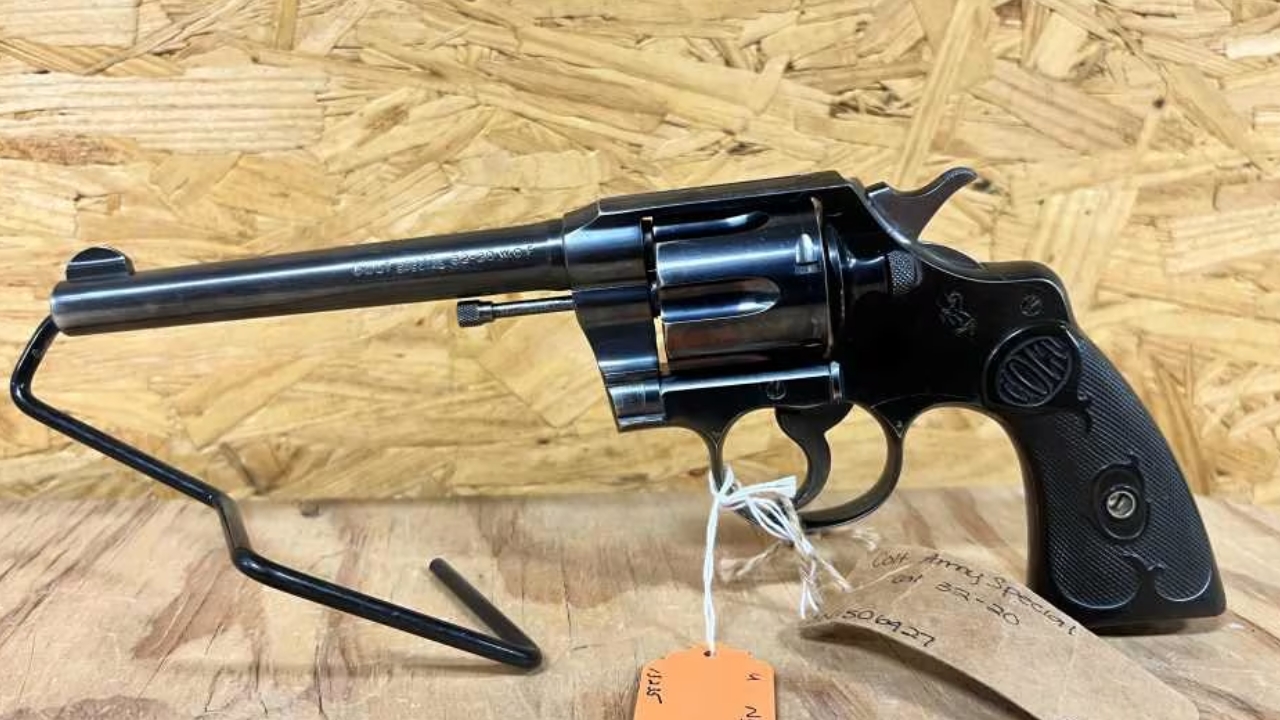
The Army Special predates many of the Colt revolvers people now recognize immediately, which is part of why I would enjoy owning one. It eventually helped lead toward later Colt service revolvers, giving it historical significance without necessarily having the mainstream recognition of newer models.
A well-preserved example would be especially difficult for me to sell because every passing decade makes untouched early revolvers harder to find. Old finishes wear, grips crack, and guns get refinished. If mine had survived in strong original condition, I would view myself less as someone trying to turn a profit and more as someone lucky enough to have found it before the next buyer did.
Smith & Wesson Model 16
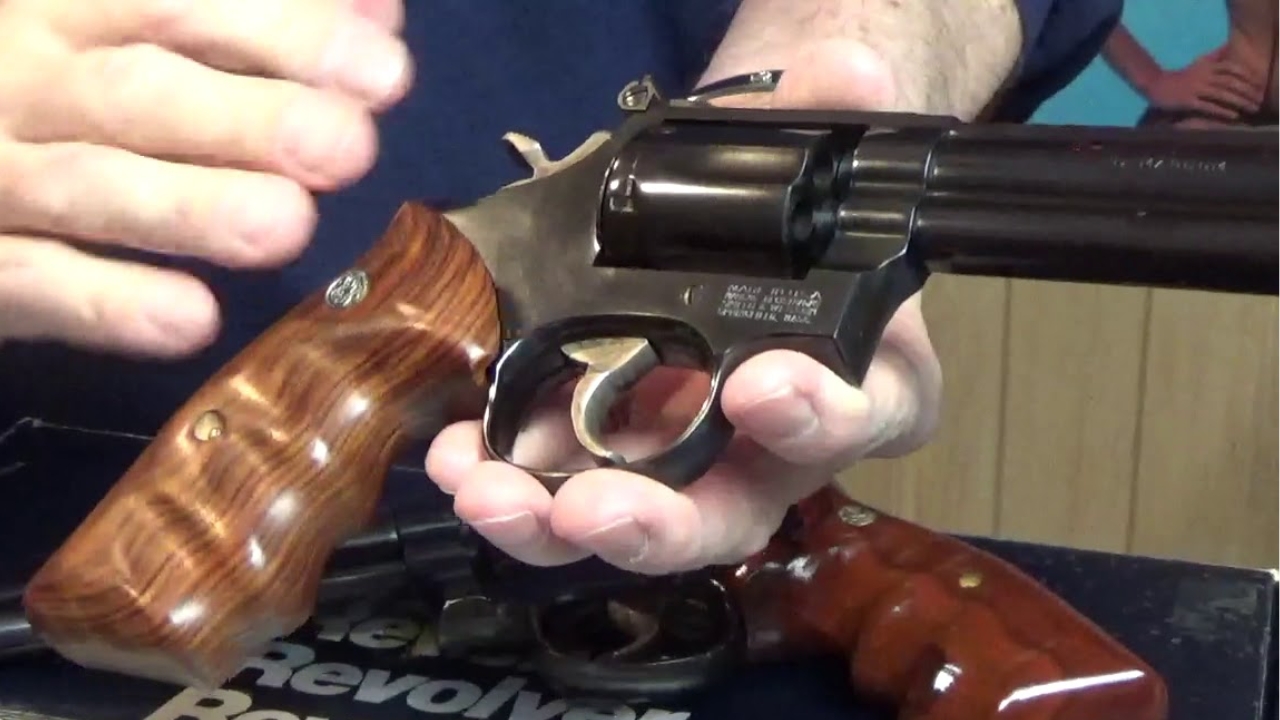
The Model 16 becomes particularly interesting when you get into the less-common chamberings associated with the platform. These are revolvers that serious Smith & Wesson collectors and shooters often know immediately, while casual buyers may walk straight past them. That is exactly the sort of gun I like keeping.
A good example would be difficult to replace because the market is thinner than it is for a 686 or Model 10. If I already had one with clean finish, proper stocks, and an excellent action, selling it for a modest profit would accomplish very little. I would probably spend the next several years searching gun shows and auction listings for the exact revolver I had voluntarily given up.
Manurhin MR73

The MR73 would be one of the easiest revolvers on this list for me to refuse an offer on. It was designed around serious duty and competition use, built with an emphasis on durability and precision, and has developed a reputation among dedicated revolver shooters that goes far beyond ordinary collector appeal. This is the kind of gun someone usually buys after already knowing why they want it.
Once I had spent enough time with an MR73 to appreciate the trigger and accuracy, I would have little interest in turning it into cash. There are cheaper .357 revolvers that fill the same broad role, but they do not make the MR73 redundant. Some guns are destination purchases. For me, this would be one of them.
Like The Avid Outdoorsman’s content? Be sure to follow us.
Here’s more from us: