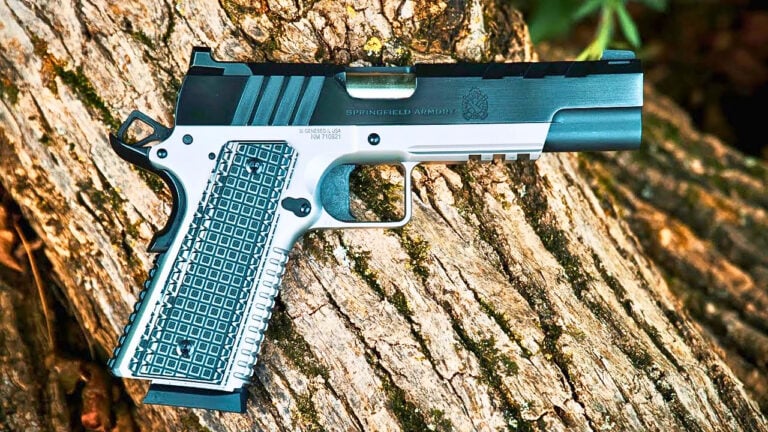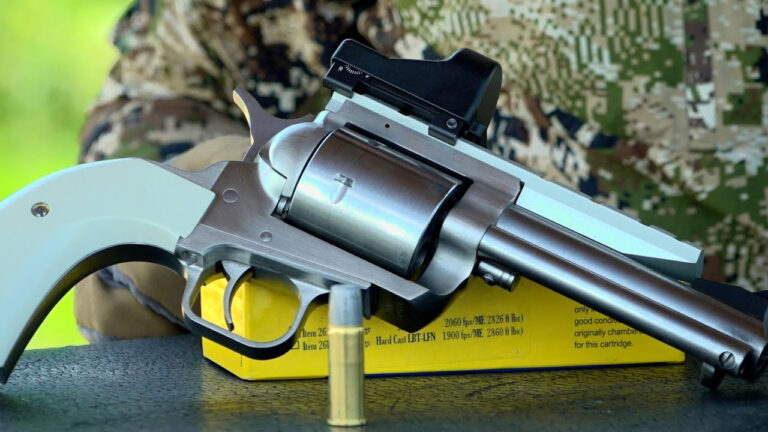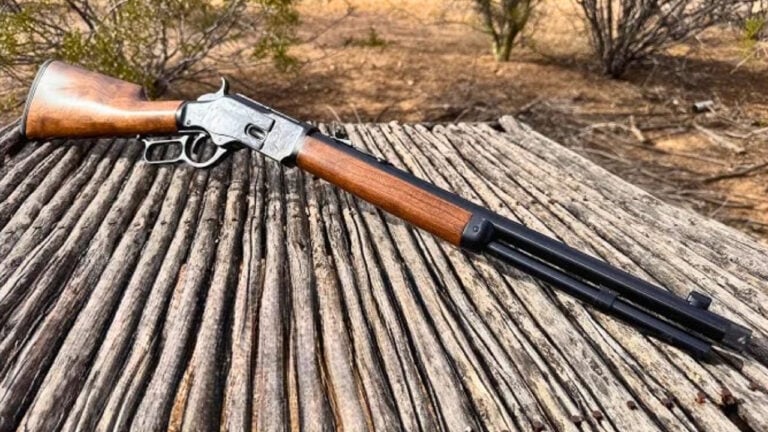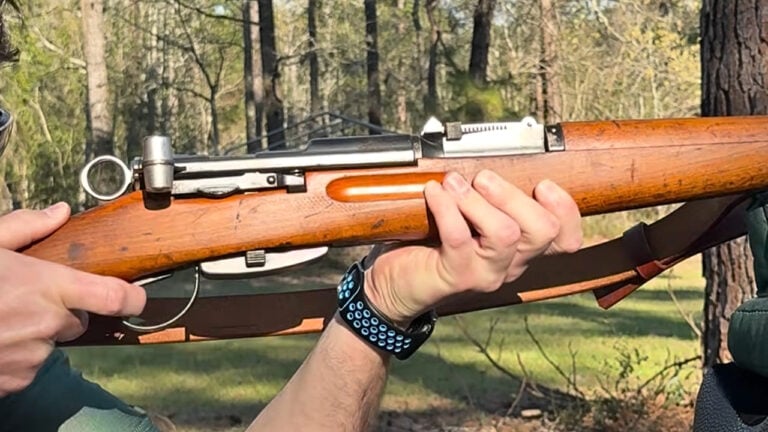
Photo credit: Addictive Ordnance/YouTube
Some guns were easy targets when they were cheap. They looked odd, came from the wrong country, used an unfashionable cartridge, or sat in the used rack long enough for buyers to assume they would never matter. People laughed, shrugged, and walked away because the gun did not fit whatever everyone wanted at the time.
Then prices started moving. The same guns that once seemed goofy, outdated, or too ordinary suddenly became hard to find and expensive to replace. The market has a way of punishing people who mistake low demand for low value. These are the guns people laughed at before prices proved them wrong.
Ruger Mini-14 GB
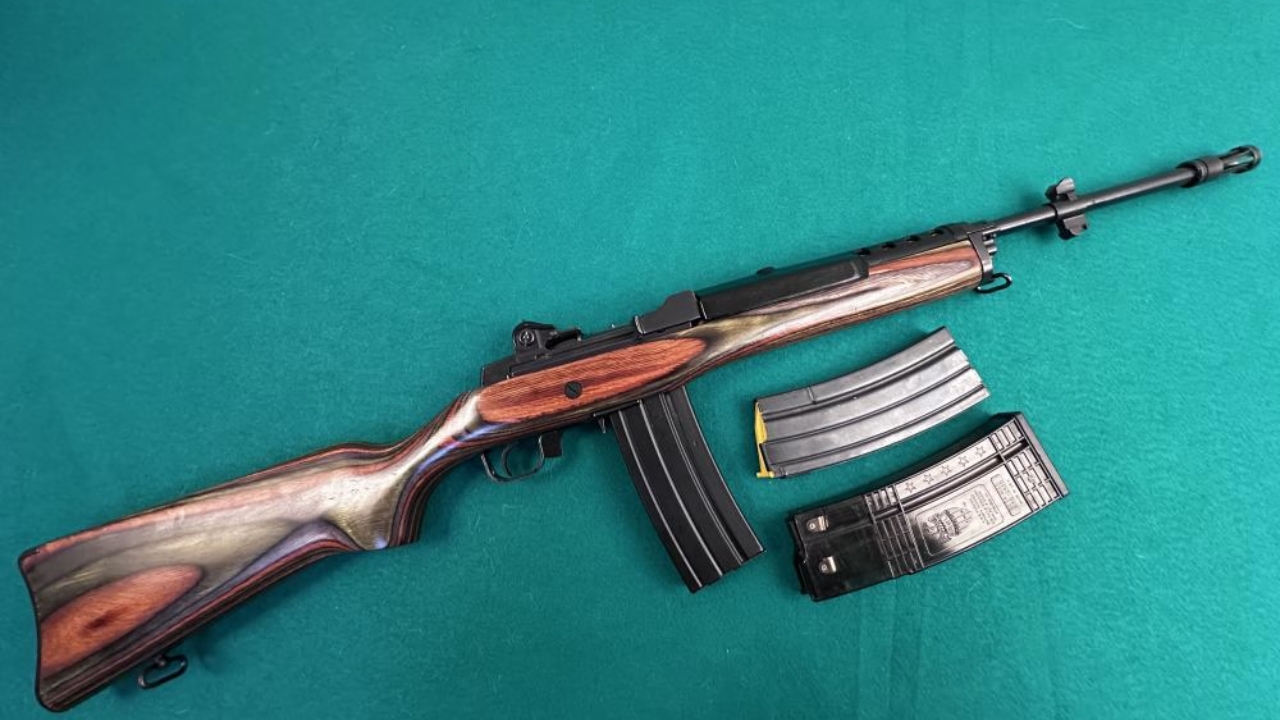
The Ruger Mini-14 GB used to get laughed at by people who compared every semi-auto rifle to an AR-15. The accuracy jokes, old-school looks, and traditional stock made it easy for internet shooters to dismiss.
Then the market started treating certain Mini-14 variants very differently. Factory folding stocks, bayonet lugs, and law-enforcement-style configurations became much more desirable than the plain Ranch Rifle versions. A clean GB is not just a quirky alternative to an AR anymore. It is a collectible Ruger with a specific look buyers still chase hard.
Daewoo K2

The Daewoo K2 was ignored and mocked by plenty of shooters who did not know what to do with a South Korean rifle that was not an AR, AK, or FAL. It looked strange, parts support was not as easy, and the name did not carry the same instant pull as bigger platforms.
That changed once people realized how well-built and interesting these rifles were. The K2 mixed familiar ideas into a rugged military-style rifle with real import scarcity behind it. Buyers who laughed because it was different now get to watch prices remind them that uncommon, quality imports do not stay cheap forever.
Winchester Model 100
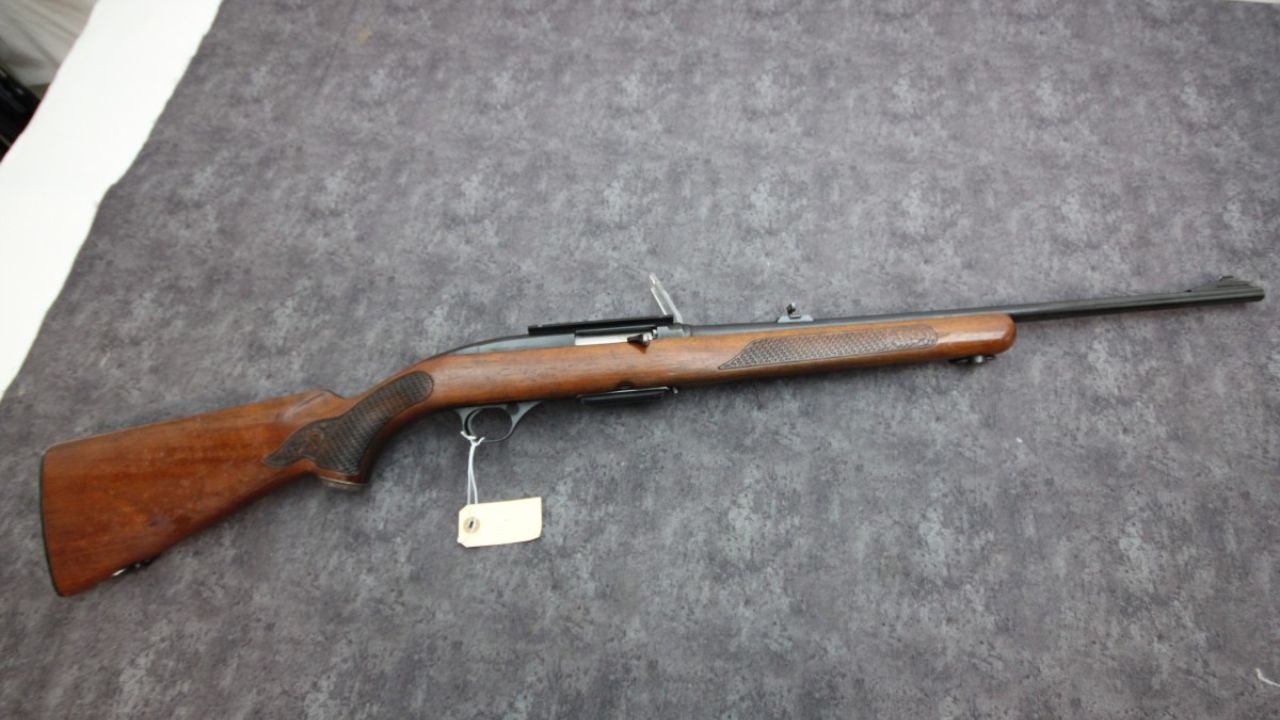
The Winchester Model 100 took plenty of criticism because semi-auto hunting rifles are easy to doubt. Some hunters made jokes about reliability, accuracy, and whether a serious deer rifle should have that kind of action at all.
Clean Model 100s now get more respect than the jokes suggested. The carbine versions especially have become desirable because they are handy, good-looking, and tied to a style of hunting rifle nobody really builds the same way anymore. The used market proved that a sleek old Winchester semi-auto was not something people should have laughed off.
Smith & Wesson 1006
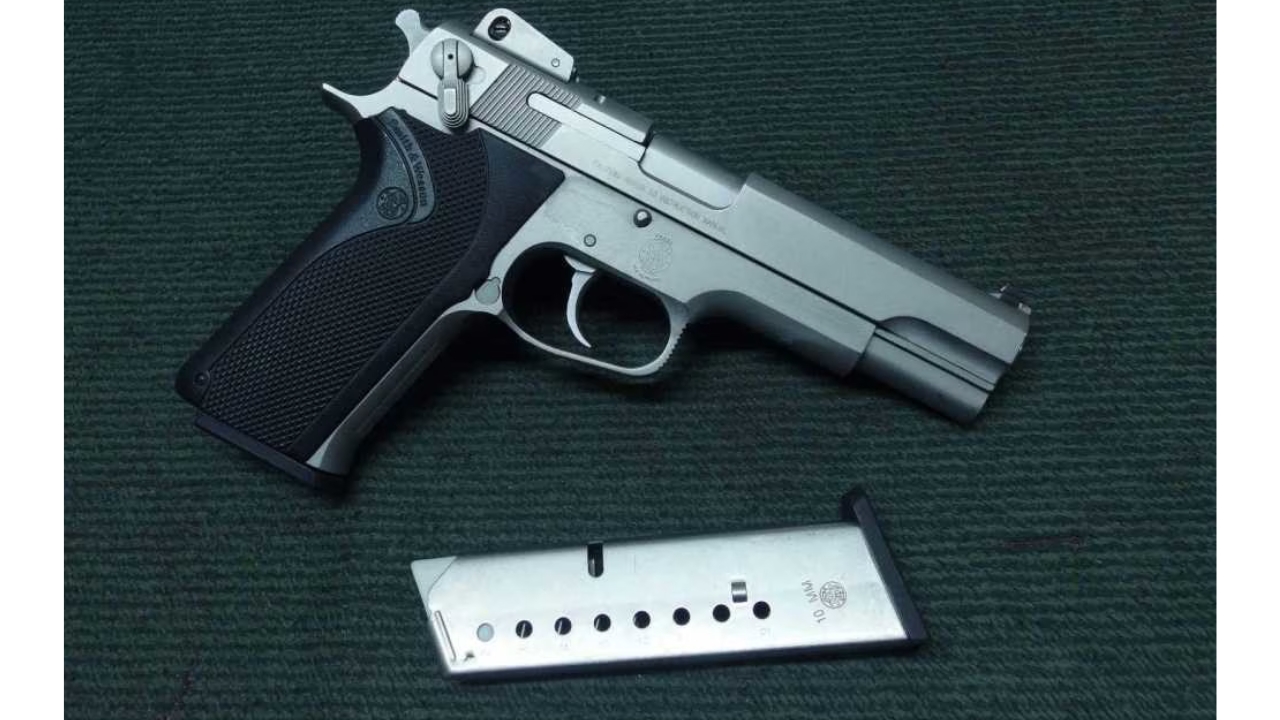
The Smith & Wesson 1006 was once a big stainless 10mm pistol that some buyers dismissed as heavy, dated, and unnecessary. When 10mm cooled off, plenty of people treated it like an oversized relic from a cartridge fad.
That looks foolish now. The 1006 has become one of the standout third-generation Smith autos, helped by renewed 10mm interest and its tough stainless build. It is heavy because it was built for a serious cartridge, and that weight now feels like a virtue. People who laughed at big metal 10mms usually stopped laughing when prices jumped.
Marlin Camp 9
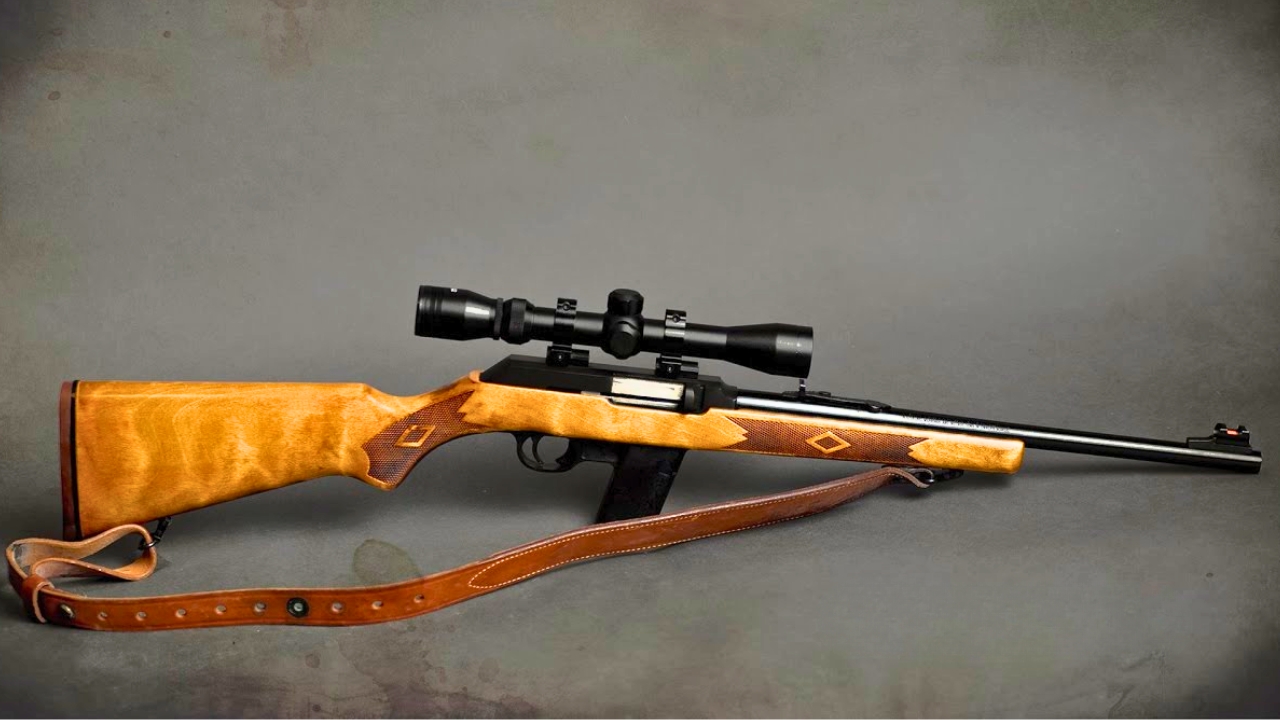
The Marlin Camp 9 looked like a plain little pistol-caliber carbine for years. Some shooters laughed because it did not look tactical, did not have much power compared with a rifle, and seemed like something from another era.
Then pistol-caliber carbines became popular again. Suddenly, the Camp 9 looked smart: wood stock, simple blowback action, common 9mm chambering, and old-school charm. It may need proper buffers and maintenance, but clean examples are no longer casual bargains. The market eventually realized Marlin had built a handy 9mm carbine before PCCs were cool again.
Beretta 81BB

The Beretta 81BB was easy to mock because it was a .32 ACP pistol in a market obsessed with 9mm carry guns. A double-stack .32 sounded like a strange answer to a question nobody was asking.
Then surplus examples hit the market and shooters started actually using them. The pistol was soft-shooting, accurate, well-made, and far more enjoyable than the caliber jokes suggested. Prices rose once people realized it was not just an underpowered oddity. It was a classic Beretta that made range days easy and fun.
Remington Model 600

The Remington Model 600 got laughed at because it looked weird. The vent rib, dogleg bolt handle, short barrel, and compact proportions made it seem like an experiment that wandered too far from normal hunting-rifle taste.
Today, that weirdness is exactly why people want them. The Model 600 is handy, collectible, and tied to a very distinct period of Remington design. In desirable chamberings, it can bring serious money. Hunters who once mocked the looks often realize the little rifle handled better than many prettier guns.
Colt 1903 Pocket Hammerless

The Colt 1903 Pocket Hammerless spent years being dismissed by modern shooters as a mild old pocket pistol. Compared with today’s compact 9mms, it looked underpowered and outdated.
Collectors knew better, and eventually prices made that obvious. The 1903 is slim, elegant, beautifully machined, and historically important. It carries more craftsmanship than many modern small pistols can dream of. People who laughed because it was “just a .32” missed the point completely. It was never only about power.
Ruger Deerfield Carbine

The Ruger Deerfield Carbine looked odd to people who did not understand short-range woods hunting. A semi-auto .44 Magnum carbine with a rotary magazine seemed too niche, especially once ARs and modern lever guns got more attention.
That niche got expensive. The Deerfield is light, quick, and useful for deer or hogs inside reasonable distances. It also has Ruger durability and a discontinued status that keeps demand alive. People who laughed at it as a strange little brush gun now have to pay real money if they decide they want one.
HK SL7

The HK SL7 was easy to overlook because it did not look like the HK rifles most people pictured. It was a sporting semi-auto with wood furniture, roller-delayed operation, and an appearance that confused buyers chasing either tactical rifles or traditional hunting guns.
Now it looks much more interesting. The SL7 has HK engineering, scarcity, and a unique blend of sporting-rifle styling with serious mechanical design. It is not common, and it was never cheap to make. Buyers who laughed because it looked awkward missed one of the more unusual HK rifles to hit the civilian market.
Savage 99 in .358 Winchester
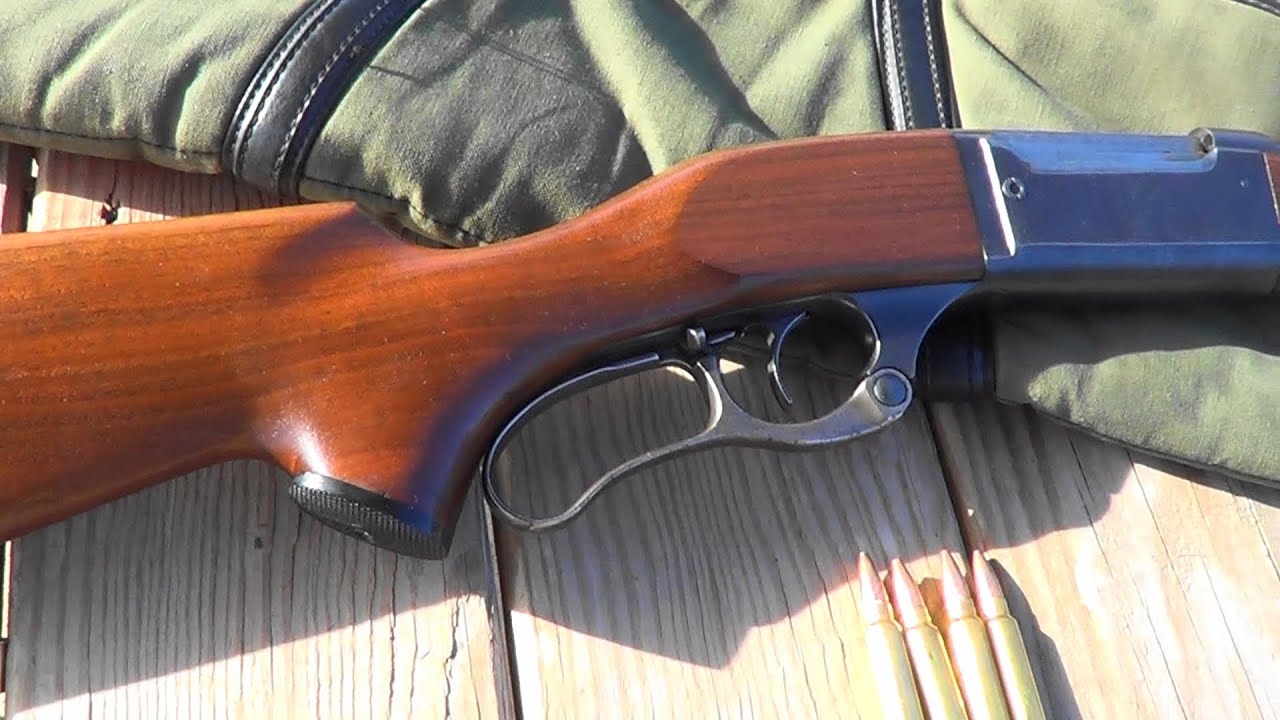
The Savage 99 already had loyal fans, but the .358 Winchester versions were easy for some buyers to laugh off when lighter recoiling, flatter shooting, and more common cartridges got all the attention. A short-range thumper in an older lever gun seemed too specialized.
Now those rifles are exactly the kind of configuration collectors and hunters notice. The .358 Winchester gives the Model 99 real woods authority, and the rotary-magazine lever design handles cartridges traditional tube-fed rifles cannot. People who mocked the chambering often forgot that uncommon, useful combinations become expensive fast.
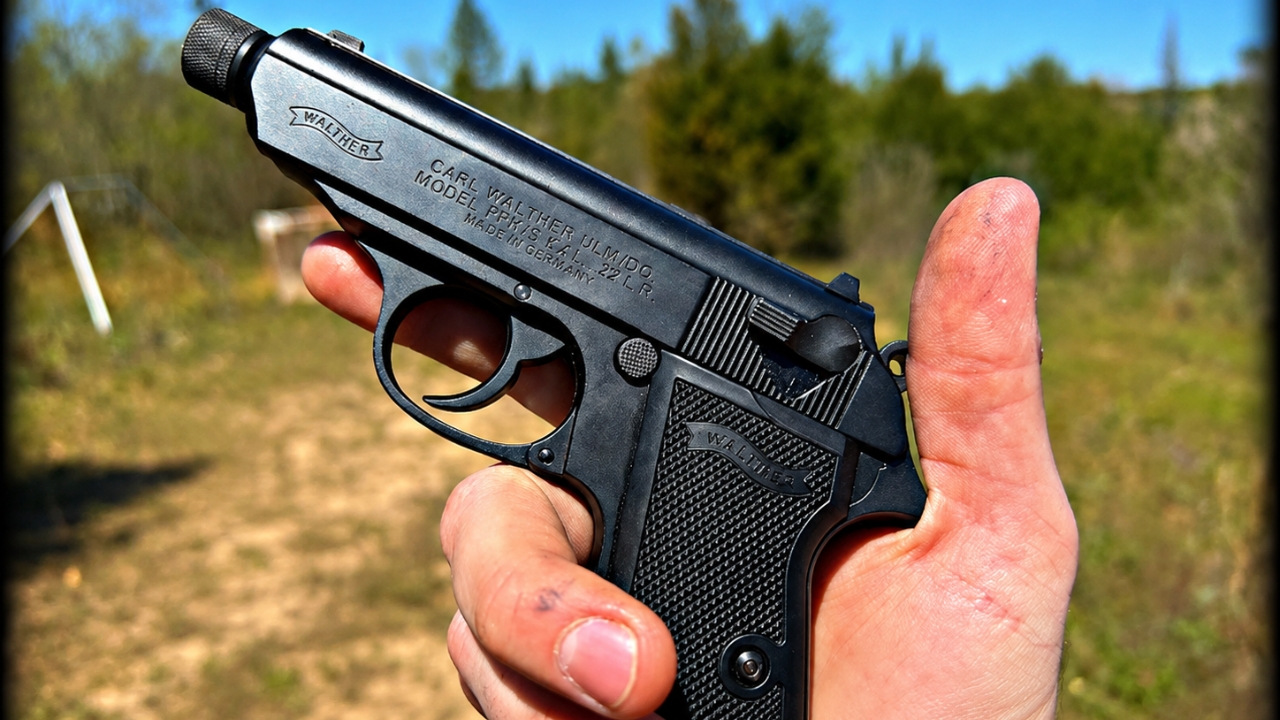
Walther PPK in .22 LR
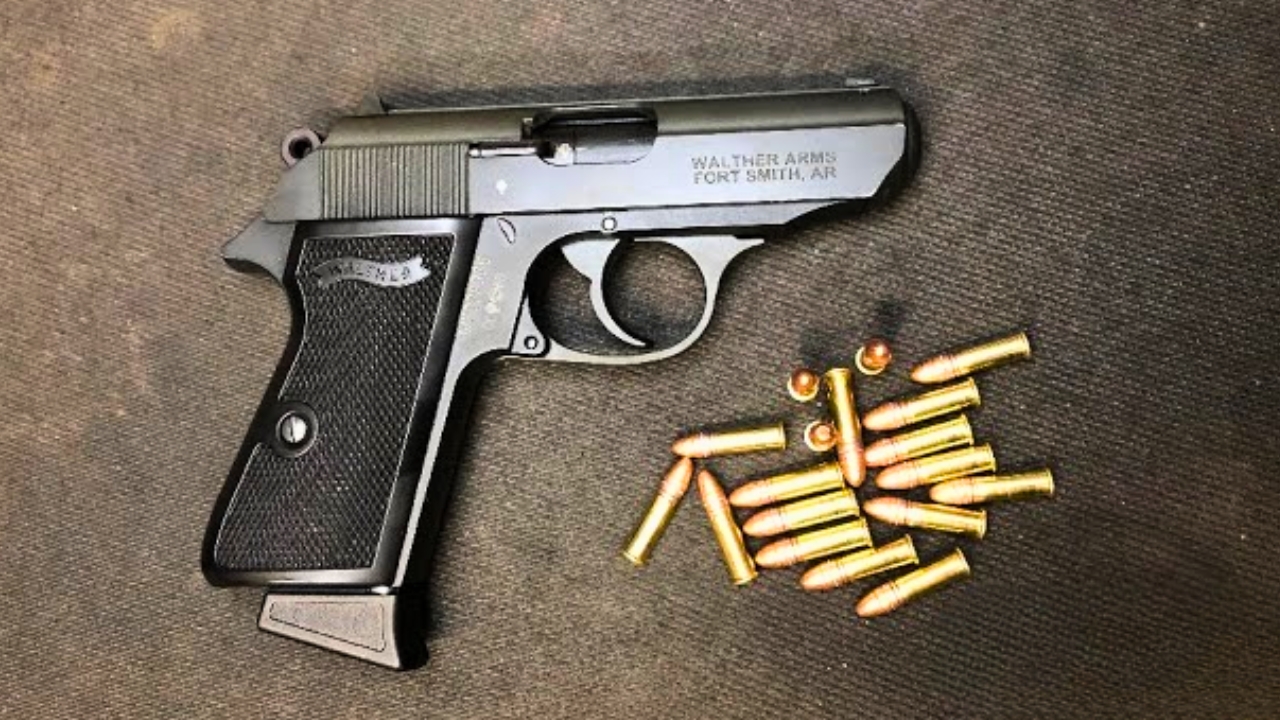
The Walther PPK in .22 LR was sometimes treated as a cute trainer or a lesser version of the more famous centerfire pistols. Some buyers laughed at the idea of paying real money for a rimfire pocket pistol with old-world styling.
That attitude did not hold. The .22 LR PPK has become desirable because it is fun, collectible, and tied to the classic Walther profile people still love. It is not a defensive powerhouse, and it does not need to be. It is a rimfire version of an iconic pistol, and the market eventually valued that more than the skeptics expected.
Browning Recoilless Trap
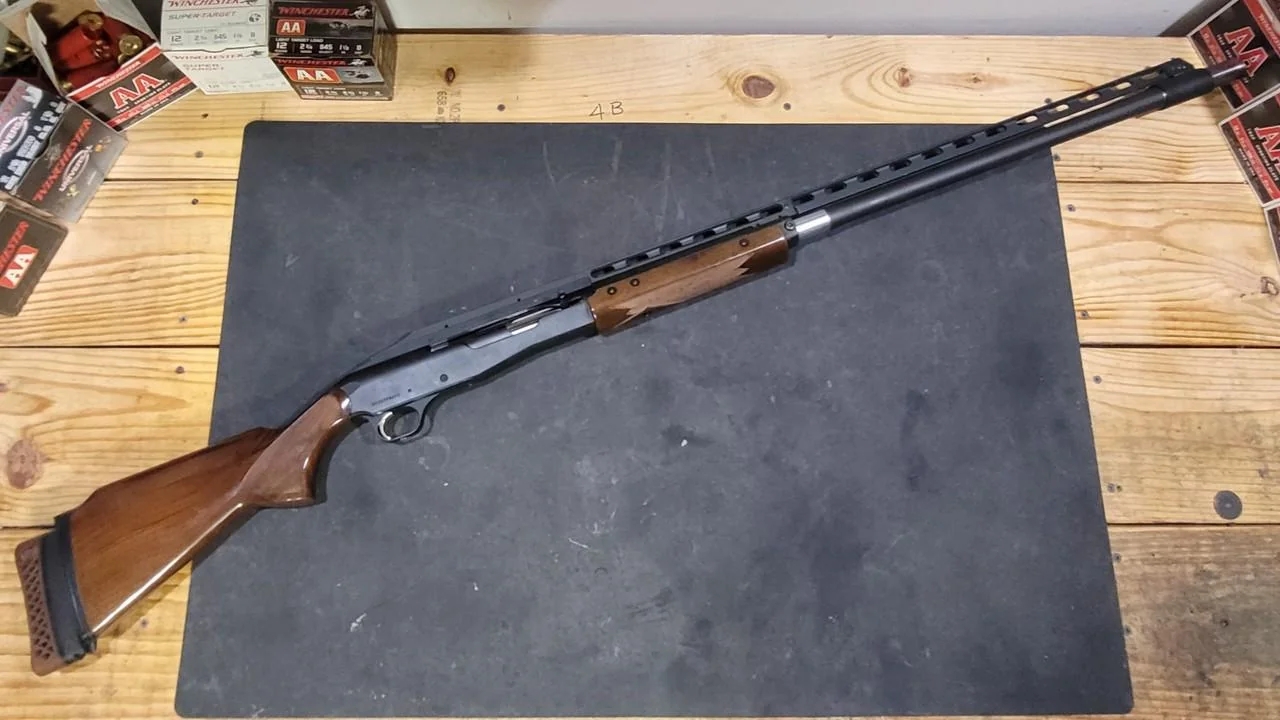
The Browning Recoilless Trap looked strange enough to invite jokes immediately. Its sliding recoil system and unusual profile made traditional shotgun shooters raise an eyebrow.
That odd design is part of why people talk about it now. It was built to reduce recoil for trap shooters, and while it never became a mainstream classic, clean examples have become more interesting to collectors and shotgun people who appreciate unusual engineering. Buyers who laughed at the look missed that weird Brownings have a way of gaining attention later.
CZ 52 Rifle
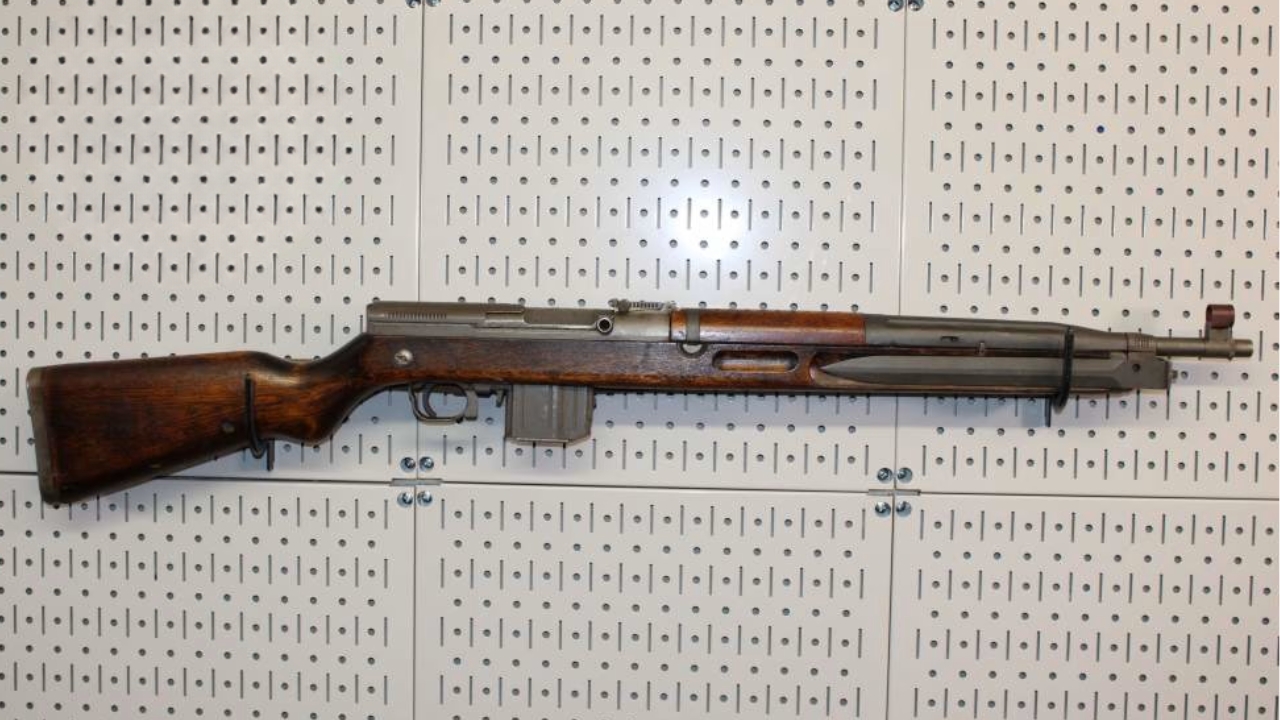
The Czech CZ 52 rifle was once just an odd surplus semi-auto in 7.62×45 that many buyers skipped because ammunition was inconvenient and the platform was unfamiliar. It did not fit the usual surplus rifle lane cleanly.
That made it easy to laugh at until collectors started caring more about unusual Cold War designs. The rifle has history, mechanical interest, and scarcity that bargain-minded shooters did not fully appreciate. It is not the easiest rifle to feed, but uncommon surplus rifles rarely get cheaper once the supply dries up.
High Standard HD Military
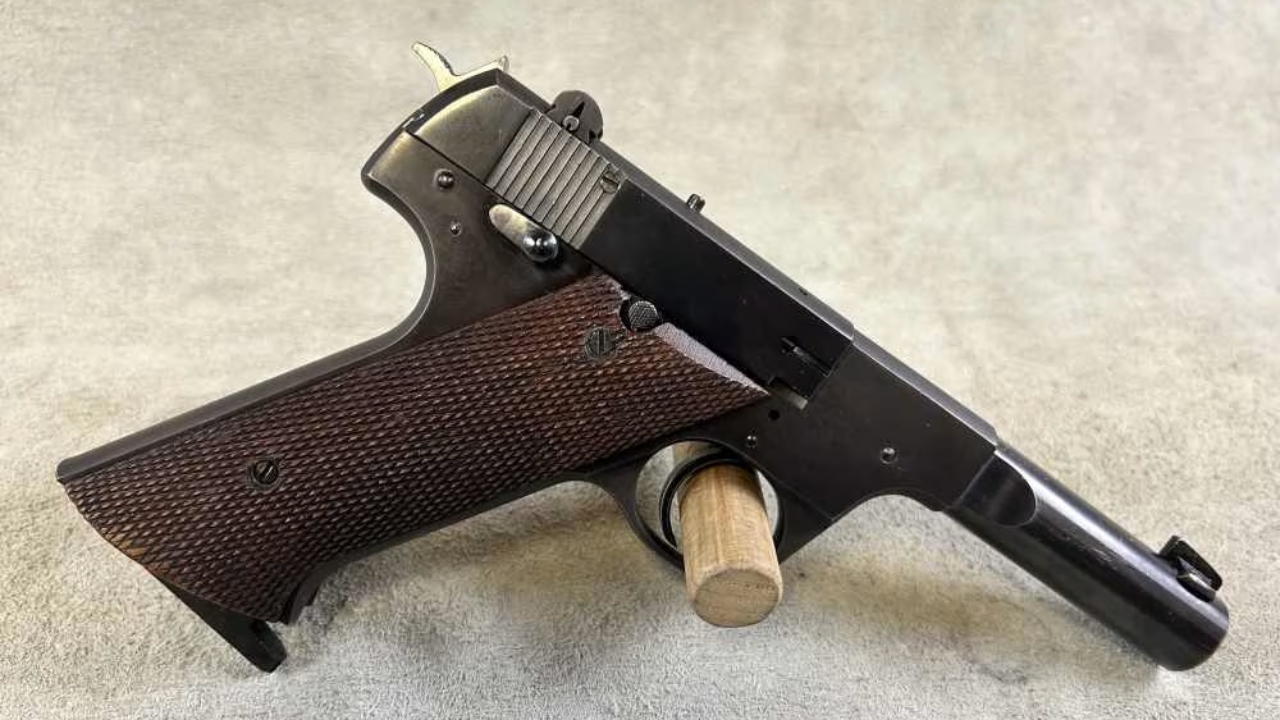
The High Standard HD Military looked like an old .22 pistol to buyers who did not understand rimfire history. It was easy to dismiss beside newer target pistols, especially when old rimfires were still affordable.
Prices eventually reminded everyone that quality .22 pistols matter. The HD Military has history, excellent balance, and the kind of trigger and accuracy that made High Standard respected. It is also tied to military training and OSS history, which only adds to the appeal. People who laughed at it as an old plinker missed a serious rimfire pistol.
Remington 870 Wingmaster 20 Gauge

The Remington 870 Wingmaster 20 Gauge used to be common enough that people took it for granted. Some buyers laughed at paying extra for a smaller-gauge pump when cheap 12-gauge Express models were everywhere.
That changed once older Wingmasters started getting more respect. A slick 20-gauge Wingmaster is light, smooth, and useful for upland birds, rabbits, clays, and smaller-framed shooters. It feels far more refined than many modern pumps. People who mocked it as just another 870 now understand that a clean small-gauge Wingmaster is not ordinary at all.
Colt AR-15A2 Sporter II
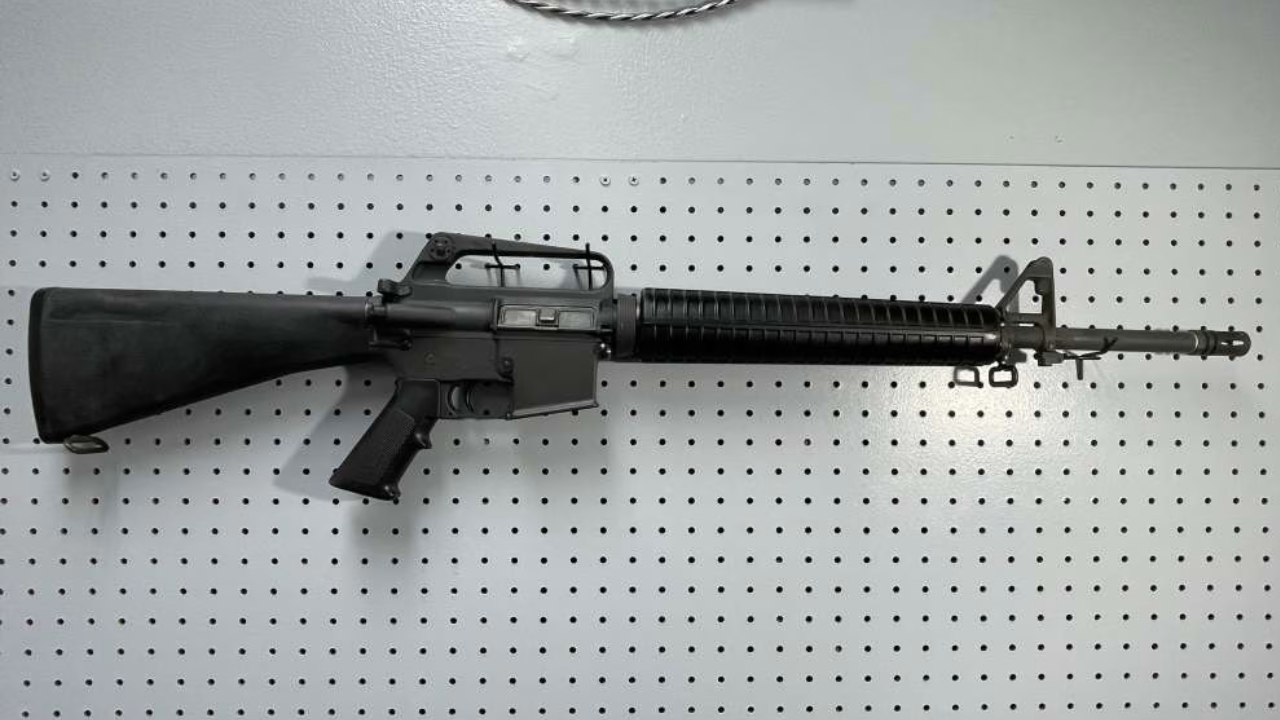
The Colt AR-15A2 Sporter II was easy to mock during the flat-top, free-float, optic-ready AR boom. Fixed carry handles, older furniture, and classic configurations looked outdated beside modern carbines.
Then nostalgia and collector interest caught up. Older Colt ARs with factory configurations, correct markings, and pre-modern styling became desirable to buyers who wanted something with history and identity. The same features people laughed at are now part of the appeal. The market proved that not every old AR needed a rail to matter.
Like The Avid Outdoorsman’s content? Subscribe to our newsletter so you never miss an article.
Here’s more from us: