
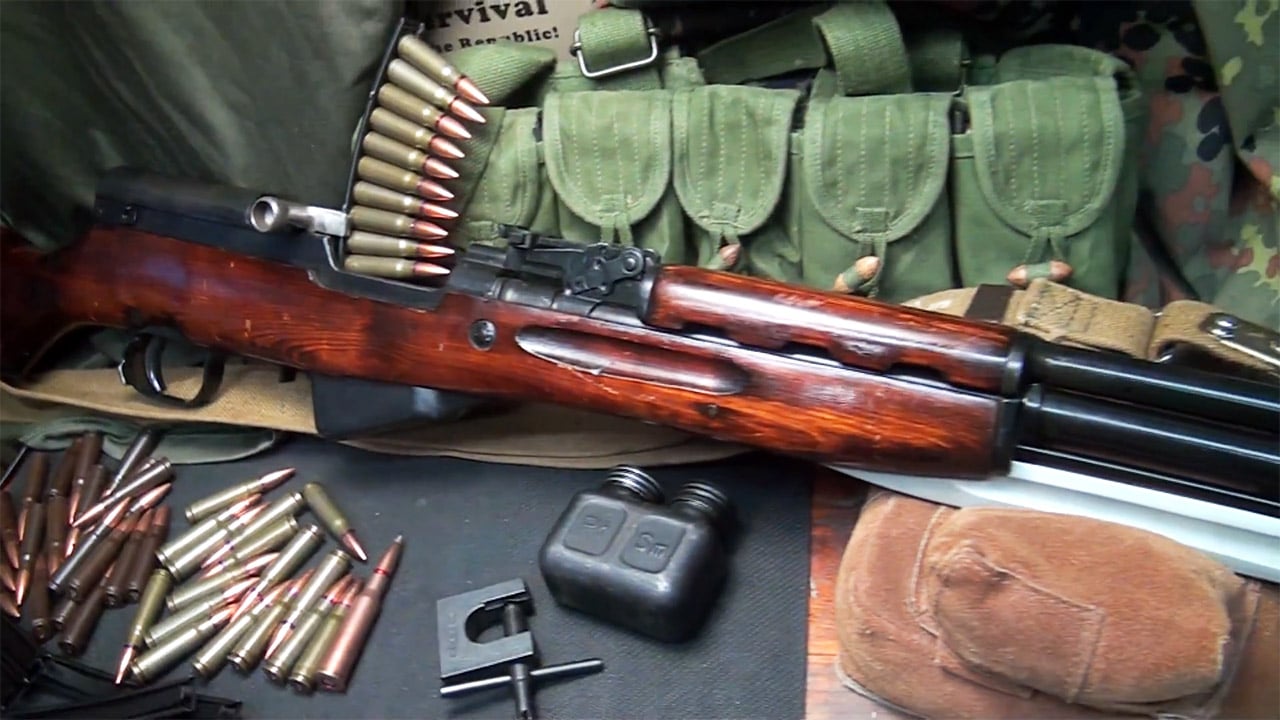
Photo credit: sootch00/Youtube
Every gun counter has a “meh” shelf. The stuff that sat there for years because it wasn’t tactical, wasn’t trendy, and didn’t have a fan club on the internet. Then something happens—panic buying, a new law, a movie cameo, a social media run on parts and mags, or just the slow grind of inflation—and suddenly those same plain-jane firearms are selling for numbers that make you blink twice.
Here are 20 that got shrugged off for a long time, right up until replacement money turned into “are you kidding me?” money. Some are genuinely good tools. Some are weird. A few are both. But they all share one thing: they were easy to ignore when they were cheap.
1. SKS (Chinese, Yugoslav, Russian)
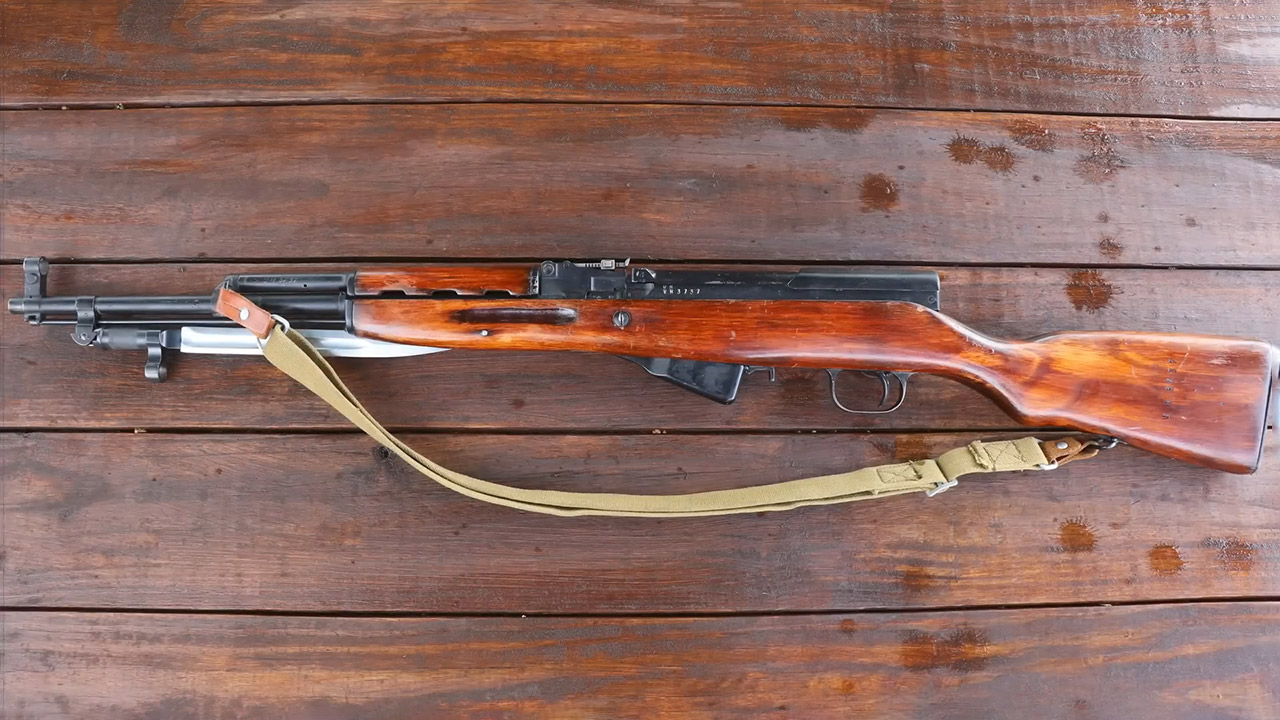
I remember when an SKS was the classic “first rifle” for a guy who didn’t want an AR and didn’t have AR money. It was a simple 7.62×39 thumper with a fixed mag, decent iron sights, and enough heft that it didn’t feel like a toy. Ugly? Sometimes. Reliable? Usually, if you kept it reasonably clean and used decent ammo.
Then the market tightened, imports got weird, and suddenly even beat-up examples with mystery stocks started wearing price tags that used to buy a mid-tier bolt gun. The SKS didn’t get twice as good; it just got harder to replace.
2. Ruger Mini-14 (older Ranch models)
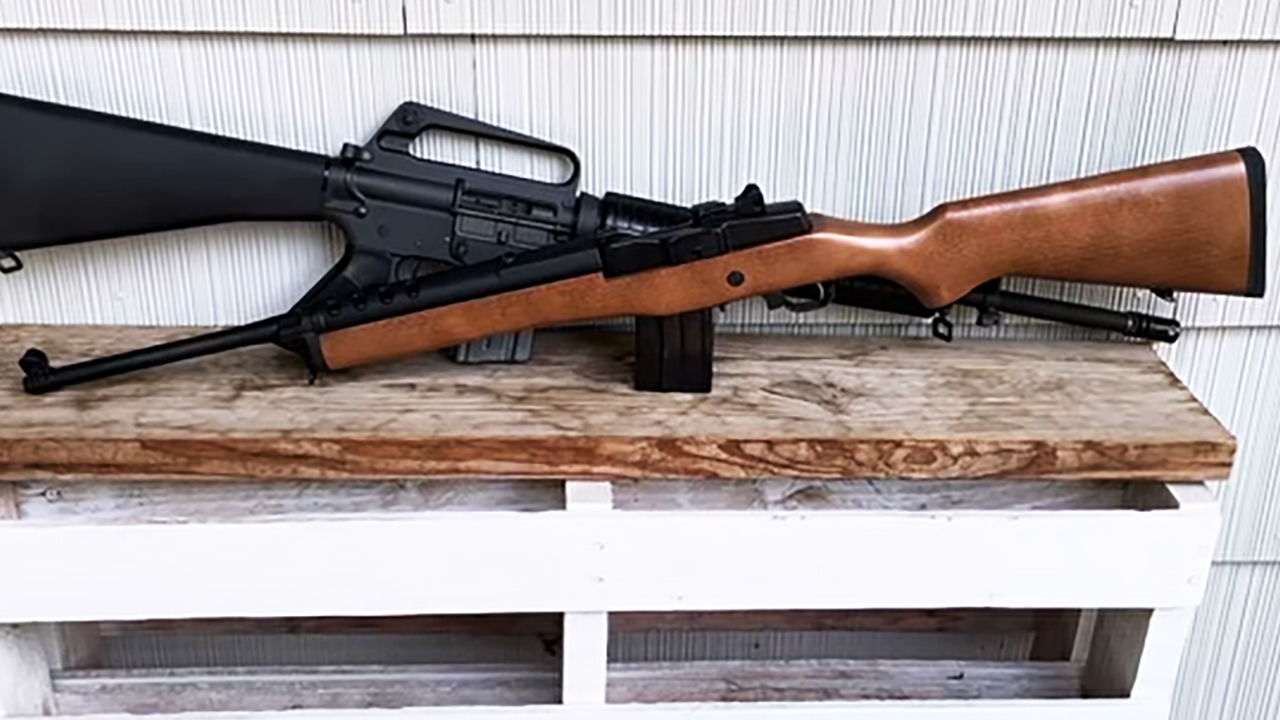
For years, the Mini-14 was the rifle that guys liked in theory and complained about at the range. The older ones especially had that reputation for “minute of barn,” and some of that was earned. Still, they carried nice, pointed fast, and rode behind truck seats without fuss.
Once people realized they wanted a semi-auto .223 that didn’t look like an AR—or once they lived somewhere ARs became a headache—the Mini stopped being a slow mover. Mags aren’t always cheap, and the rifle sure isn’t anymore.
3. Marlin 336 (JM-stamped)

If you grew up around deer camps, you’ve seen a 336 leaned in a corner with a leather sling and a box of soft points. Nothing fancy. Side-eject, easy to scope, handy in the brush. It’s the rifle that gets handed down because it just keeps killing deer.
When production changes and quality rumors start flying, the older marked guns turn into their own currency. Guys who used to pass them by for a budget bolt gun now hunt pawn shops like it’s their second job.
4. Marlin 1894 in .357 Magnum
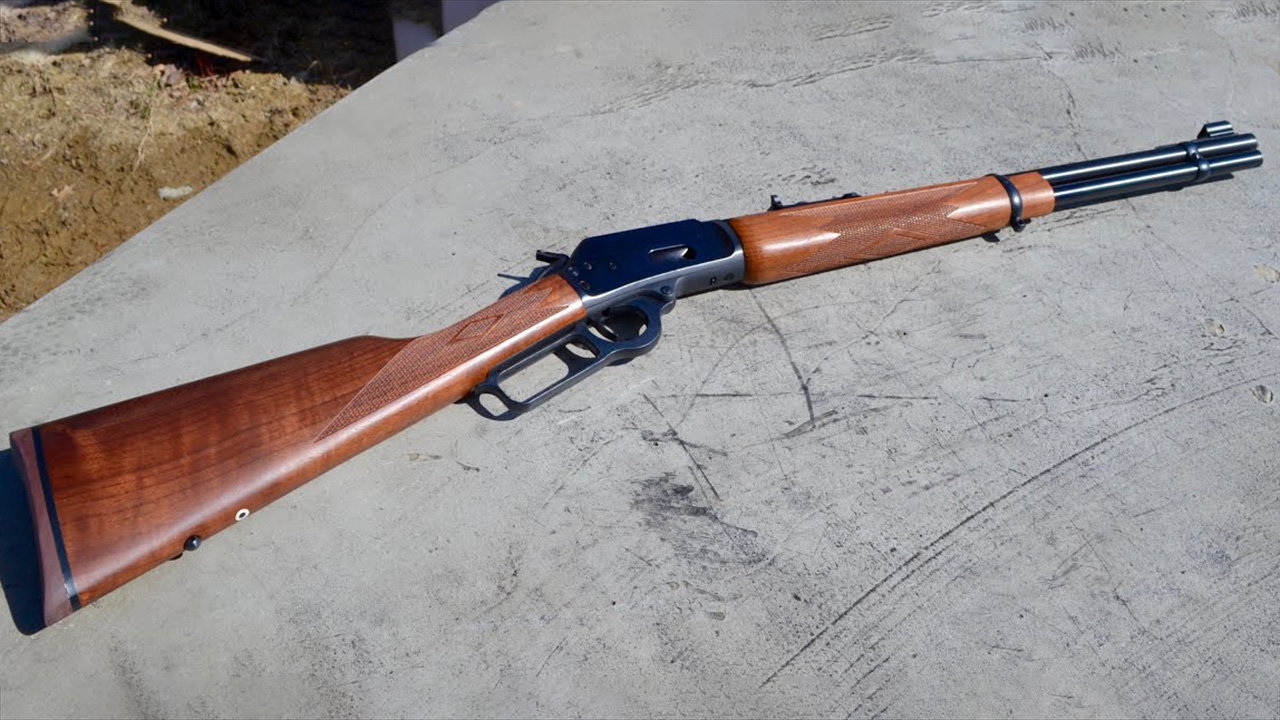
Everybody loves the idea of a .357 lever gun until they look at the price and remember they already own a rifle. Then ammo costs spiked, and folks started thinking hard about a carbine that can eat the same .38/.357 they already stock for a revolver.
These are light, fast-handling, and flat-out fun. They also went from “nice to have” to “why does this cost that?” in a hurry, especially the older ones with slick actions.
5. Winchester Model 94 (pre-safety)
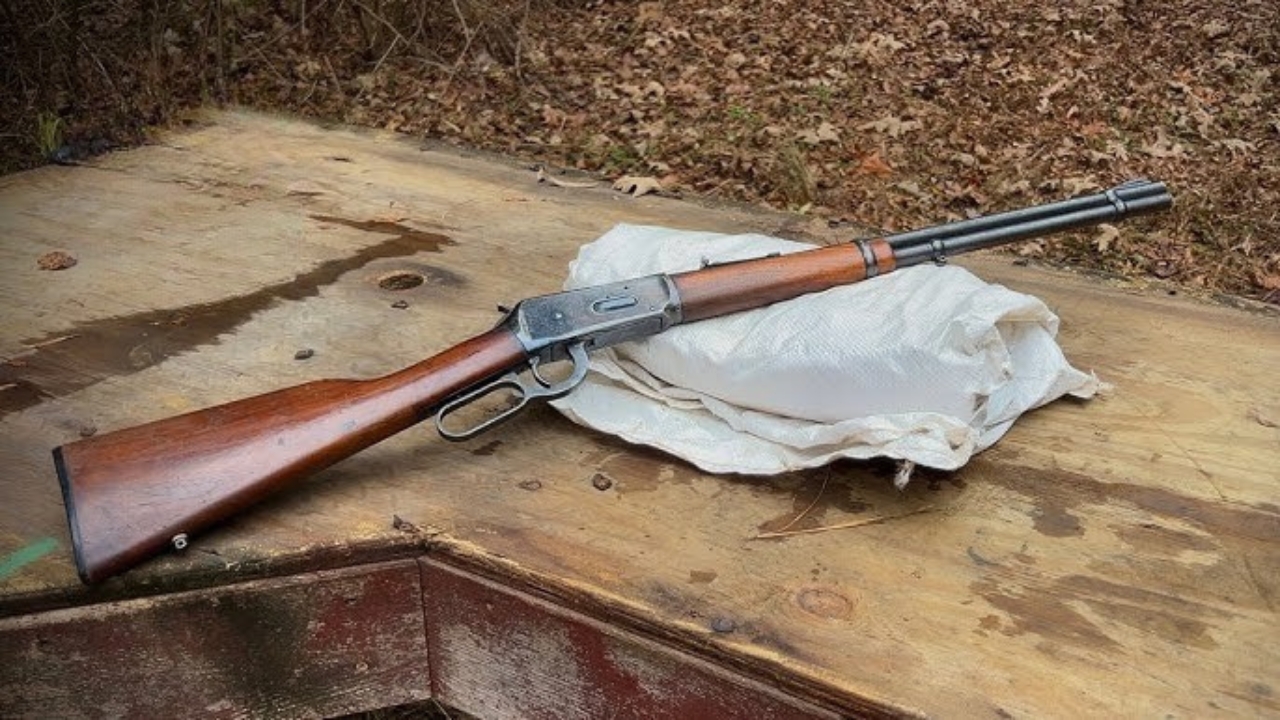
The Model 94 is one of those rifles people act like they’re tired of, right up until they can’t find one that hasn’t been rode hard. The top-eject versions aren’t everybody’s favorite for optics, but in thick woods they shine. Slim, quick, and they carry like they were made for walking.
Once prices climbed, the “I’ll buy one later” plan fell apart. There are plenty out there, but the nicer ones don’t sit long anymore.
6. Ruger GP100 (older 3-inch and 4-inch versions)
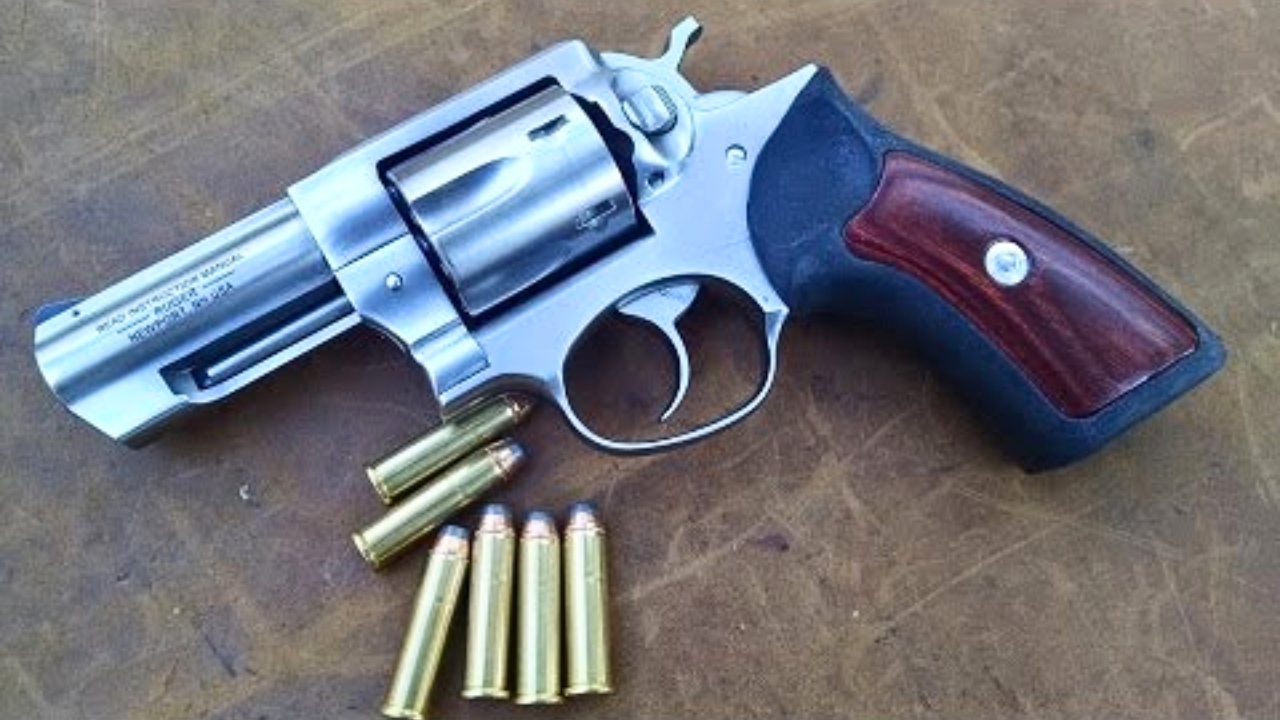
The GP100 used to be the revolver you bought when you wanted strength and didn’t care about bragging rights. It’s built like a fence post, takes hot .357 loads without complaining, and the trigger can be made very good with use and a little attention.
Shorter barrels and certain runs quietly became the ones everyone wants for a woods gun. When you see what they’re bringing now, it makes you wish you’d grabbed the clean one you handled years back.
7. Smith & Wesson K-Frame .357s (Model 19/66)
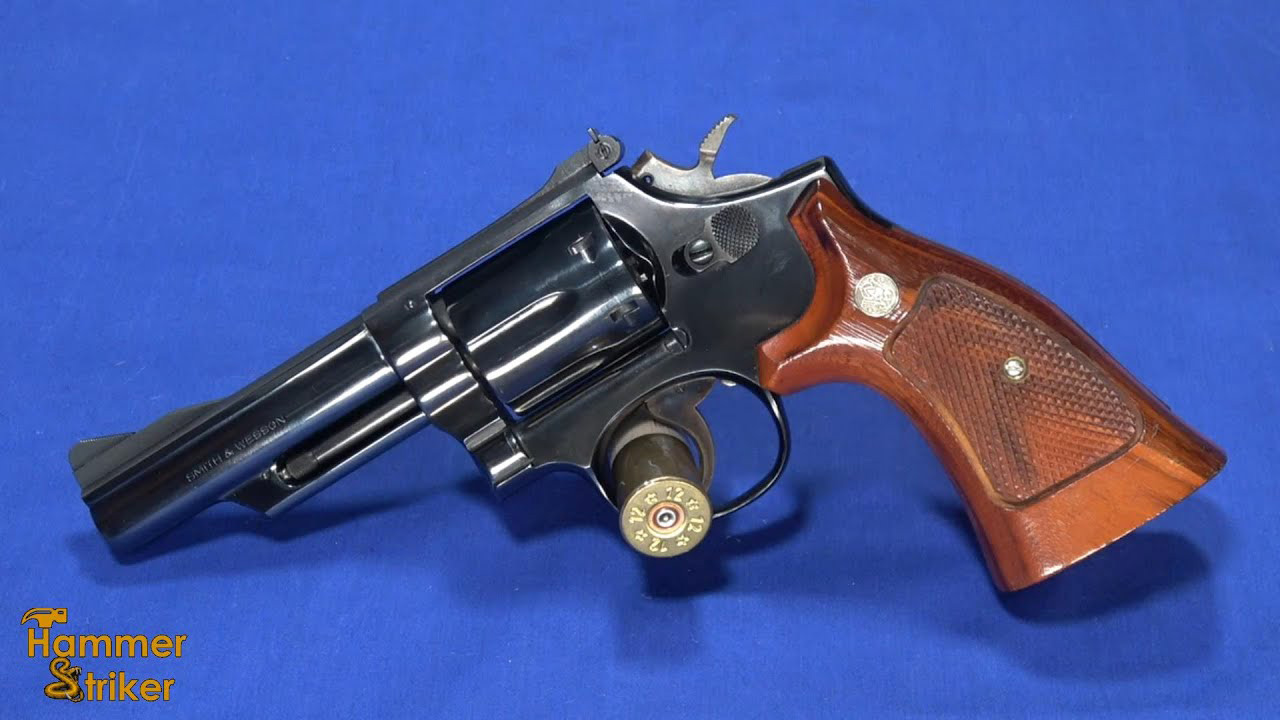
These were the “working man” .357s for a long time. They balance beautifully and carry easier than the bigger framed revolvers. They’re also not the gun you feed a steady diet of the hottest lightweight magnums unless you like accelerated wear.
Still, for a holster gun that lives in the woods and sees mostly .38s with a few magnums mixed in, they’re hard to beat. Prices climbed because everybody eventually remembers how good they feel in the hand.
8. Glock 19 (Gen 2 and Gen 3, pre-finger groove love/hate era)
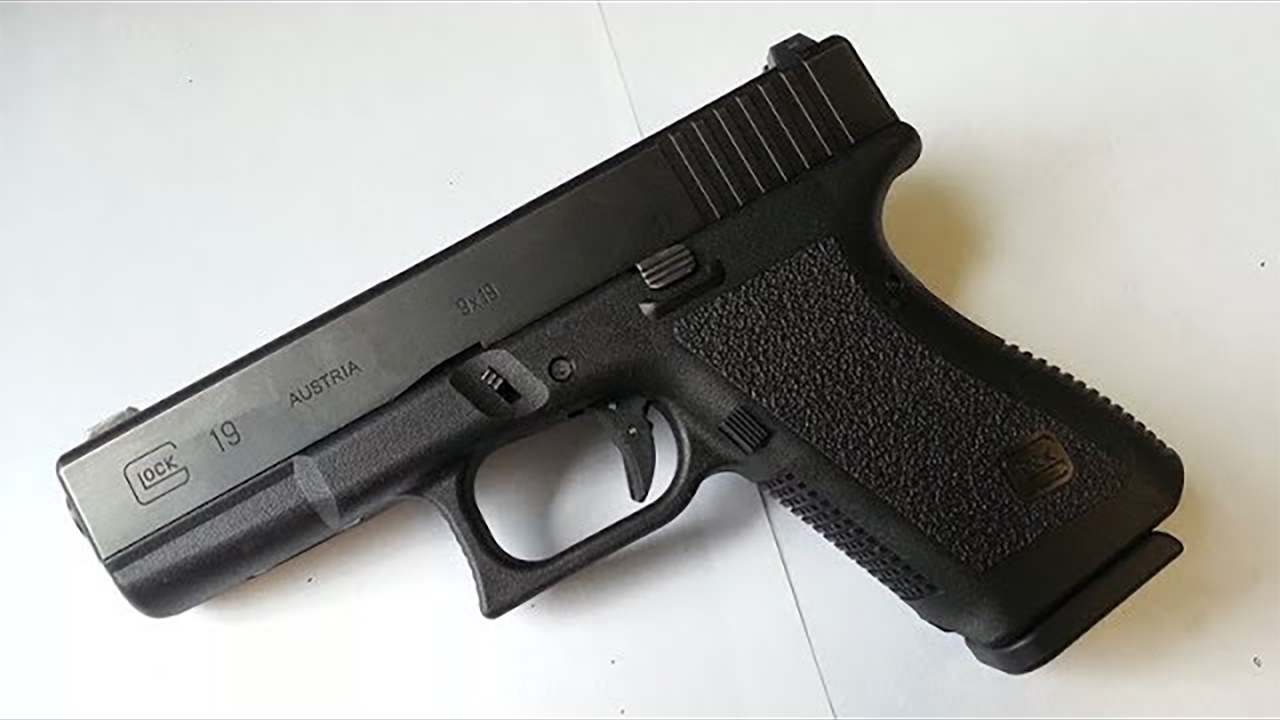
A Glock 19 is never “rare,” but certain generations became surprisingly pricey when demand surged and supply hiccuped. The funny part is how many folks treated the G19 like it would always be there, always cheap, always available.
Then you go looking for a clean older one, or a certain configuration, and it’s not the easy $450 answer anymore. Not the most exciting gun on this list, but boring is usually the stuff you end up relying on.
9. SIG Sauer P226 (West German and early U.S. production)

The P226 is the pistol you shoot and immediately understand why it earned its reputation. Heavy enough to track flat, accurate enough to embarrass you, and built in a way that feels like it was meant to last.
For years, police trade-ins kept the price sane. Once those dried up and collectors started chasing markings and older production details, the “I’ll pick one up sometime” plan got expensive fast.
10. Beretta 92FS / M9 (Italian-made, certain eras)

I get why guys dumped these for polymer striker guns. They’re big, the grip is wide, and the slide-mounted safety drives some people nuts. But they run, and they shoot soft, especially with standard pressure 9mm.
When the surplus well isn’t flowing and everyone suddenly wants a classic service pistol again, the nice ones don’t stay cheap. Also, magazines used to be a throw-in item. Not always now.
11. CZ 75 (pre-B and early imports)

There was a time when the CZ 75 was the quiet “if you know, you know” pick. Great ergonomics, low bore axis feel, and a grip that just settles into your hand. The triggers vary, but the bones of the gun are solid.
As more shooters figured out what they were missing, demand pushed prices up on older variants and certain country-of-origin markings. It’s not magic. It’s just a really good design that the market finally admitted was worth paying for.
12. Ruger 10/22 (older walnut/metal versions)
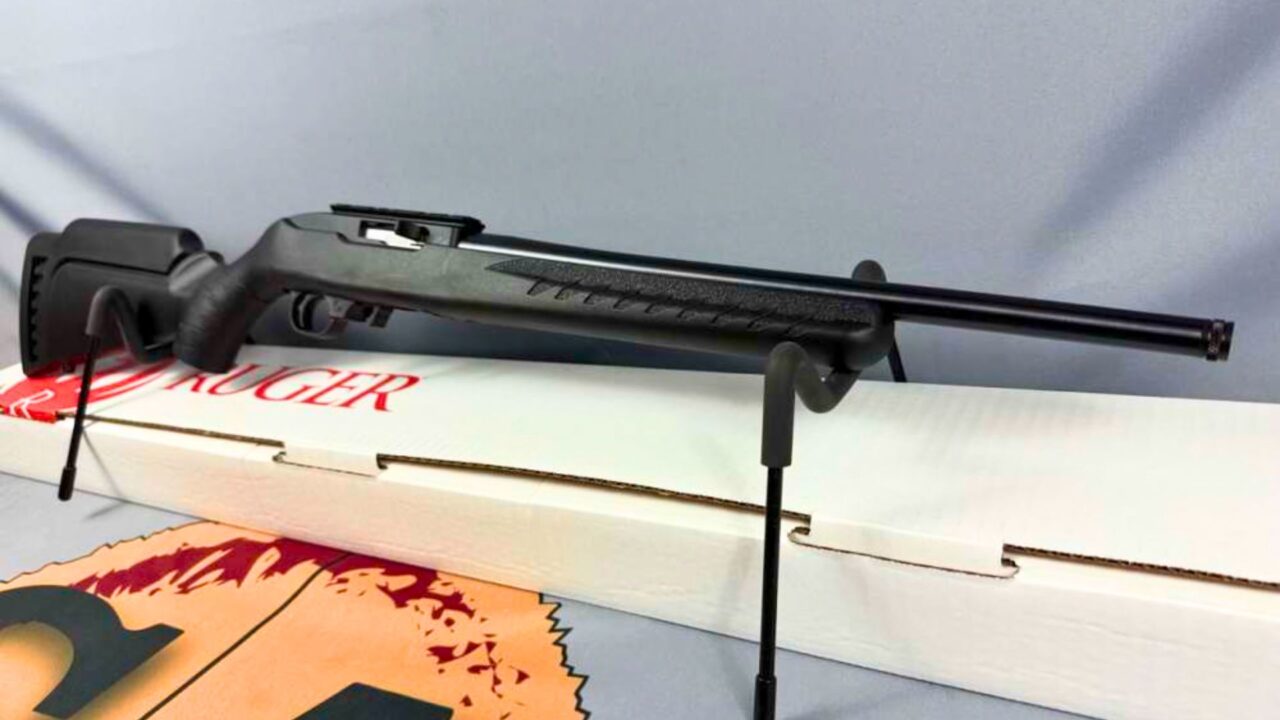
The 10/22 is so common it’s easy to forget there are “good years” and “basic years.” The older ones with nicer walnut and metal parts have a feel the newer budget builds don’t always match. They shoulder like a little rifle should.
Between rimfire popularity, customization culture, and plain old inflation, the days of a cheap 10/22 that you don’t mind banging around are fading. You can still get one, but “cheap” isn’t the same word it used to be.
13. Remington 870 Wingmaster (older, blued steel and wood)
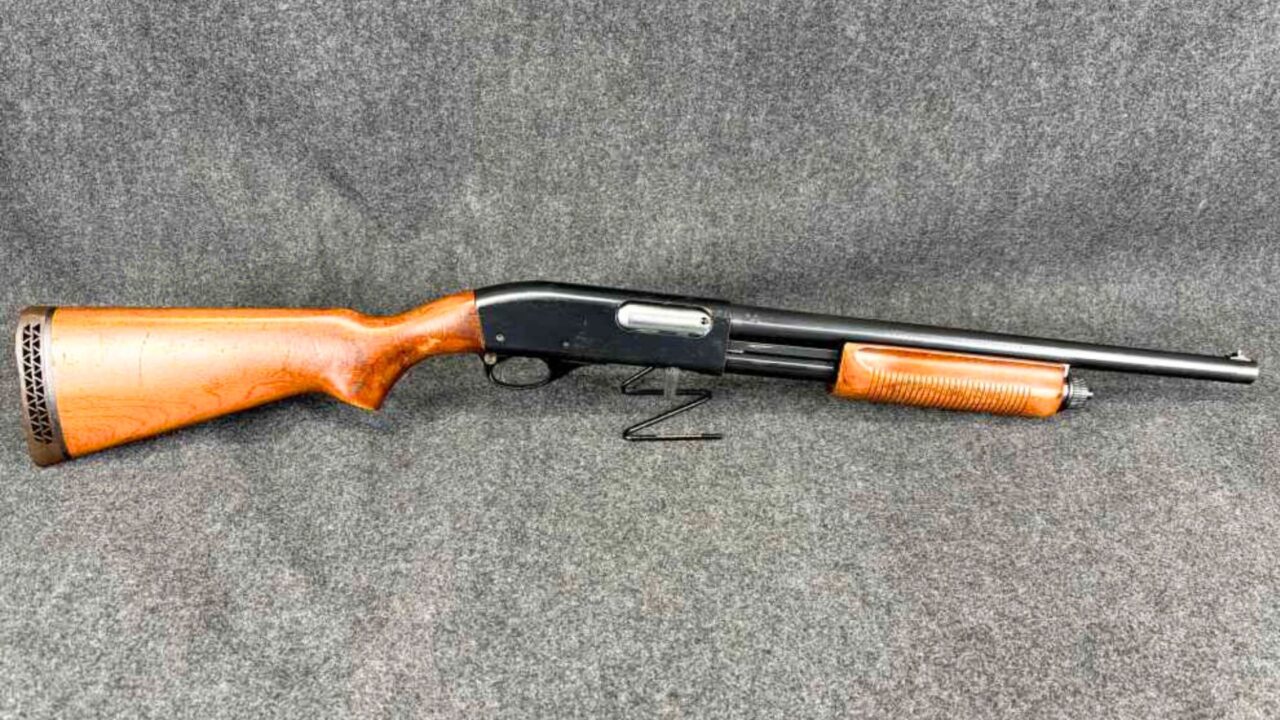
There’s a reason old Wingmasters feel like they’re on ball bearings. Smooth action, solid lockup, and they just point right. They were so common that guys treated them like farm tools, and a lot of them were.
As newer production had its ups and downs, the older ones became the ones everyone wants for a bird gun, a camp gun, or a simple home-defense shotgun. The price tags followed.
14. Mossberg 590 (older “plain” models)

The 590 used to be the no-drama defensive shotgun you bought because it worked and because parts were everywhere. It’s not refined like a Wingmaster, but it’s tough, easy to maintain, and the tang safety is friendly for a lot of shooters.
When shotguns surged in popularity, the base models quit being bargain basement. Add in certain configurations people prefer—metal trigger guard, older furniture—and you can watch the numbers climb in real time.
15. Browning Hi-Power (FN and Browning-marked)

The Hi-Power was ignored for a stretch because it didn’t fit modern “capacity and rails” expectations, and because the factory trigger can be a little gritty. But it carries slim, shoots well, and has that classic steel pistol feel that polymer just can’t copy.
Once production stopped and everyone remembered they actually like them, the market got weird. Clean examples became “treat yourself” money instead of “maybe next paycheck” money.
16. Colt Python (older production)

This one hurts. The Python was expensive even when it was “cheap,” and a lot of shooters talked themselves out of it because a GP100 or 686 would do the same job. And for working use, that’s not wrong.
But the Python isn’t a pure utility play. It’s fit, finish, and that smooth action people chase. Once prices crossed into the stratosphere, it became the poster child for “should’ve bought it when I had the chance.”
17. Ruger Blackhawk (three-screw and early models)

Single-actions get dismissed as cowboy toys until you spend time in the woods with one. They carry well on a belt, they’re durable, and they’re simple. The old three-screw guns have that extra bit of collector interest, but they’re also just nice revolvers.
When demand rises, the cool variants become harder to find, and suddenly the “old Ruger” you passed on is priced like it’s wearing a suit. Not everyone needs one, but they’re more useful than they get credit for.
18. M1 Garand (CMP-era “affordable” rifles)

For a while, you could talk yourself into an M1 because it felt like a piece of history you could actually shoot. Heavy, yes. Not cheap to feed, yes. But there’s nothing else that feels like it when that action cycles.
As supply tightened and interest stayed strong, the price climbed to the point where a lot of folks now just admire them from afar. If you already have one, take care of it. If you don’t, start saving.
19. Ruger No. 1

The No. 1 is the kind of rifle you buy because you like rifles, not because it’s the most efficient tool for the job. Single-shot, strong action, classy lines, and it carries like a dream. It also makes you slow down, which isn’t a bad thing in the deer woods.
They used to sit on racks because everyone “needed” a magazine-fed gun. Then folks started realizing Ruger isn’t cranking out every configuration all the time, and the desirable chamberings turned into collector territory.
20. Savage 99

The Savage 99 was overlooked by a lot of modern hunters because it doesn’t look like what’s popular now. But it’s a slick lever gun with a rotary magazine, often in real-deal hunting chamberings like .300 Savage and .308. When you find one that hasn’t been butchered, it’s a joy.
Good ones are not getting more common, and the guys who know what they’re looking at don’t leave them sitting. If you stumble on a clean 99 that fits you, think hard before you walk away.
None of this means every old gun is a treasure or that you should buy anything just because it went up in price. But it’s a reminder: the stuff that works, the stuff that lasts, and the stuff that fills a real role tends to get noticed eventually. Usually right after it stops being affordable.
Like The Avid Outdoorsman’s content? Subscribe to our newsletter so you never miss an article.
Here’s more from us:


