Photo credit: Projects By Eric/YouTube
Experienced gun owners tend to notice changes in the used market before everyone else does. A rifle that sat ignored on used racks for years suddenly stops appearing. A discontinued pistol that once seemed ordinary starts showing up with worn finishes, missing magazines, or altered parts. Eventually, finding a clean original example becomes considerably harder than finding someone who wishes they had bought one earlier.
That does not mean every discontinued firearm is destined to become expensive or collectible. Plenty never will. What experienced buyers understand is that certain guns are no longer being replenished. Every heavily modified example, neglected hunting rifle, or worn-out shotgun reduces the number of nice originals still circulating. These are 20 guns I would expect knowledgeable owners to pay increasingly close attention to when a clean example appears.
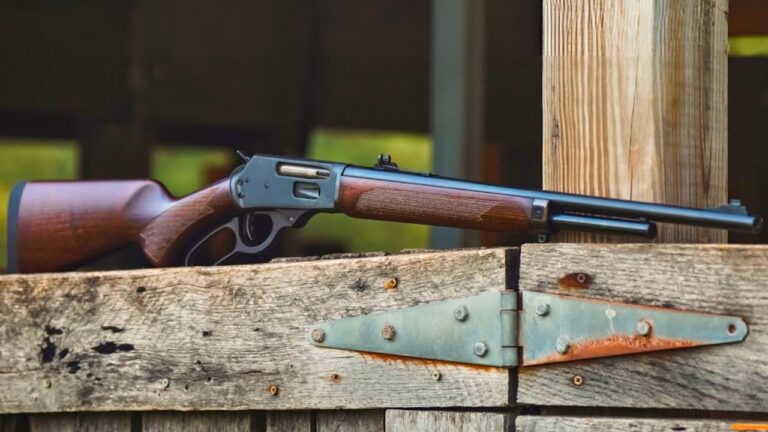
Winchester Model 9422
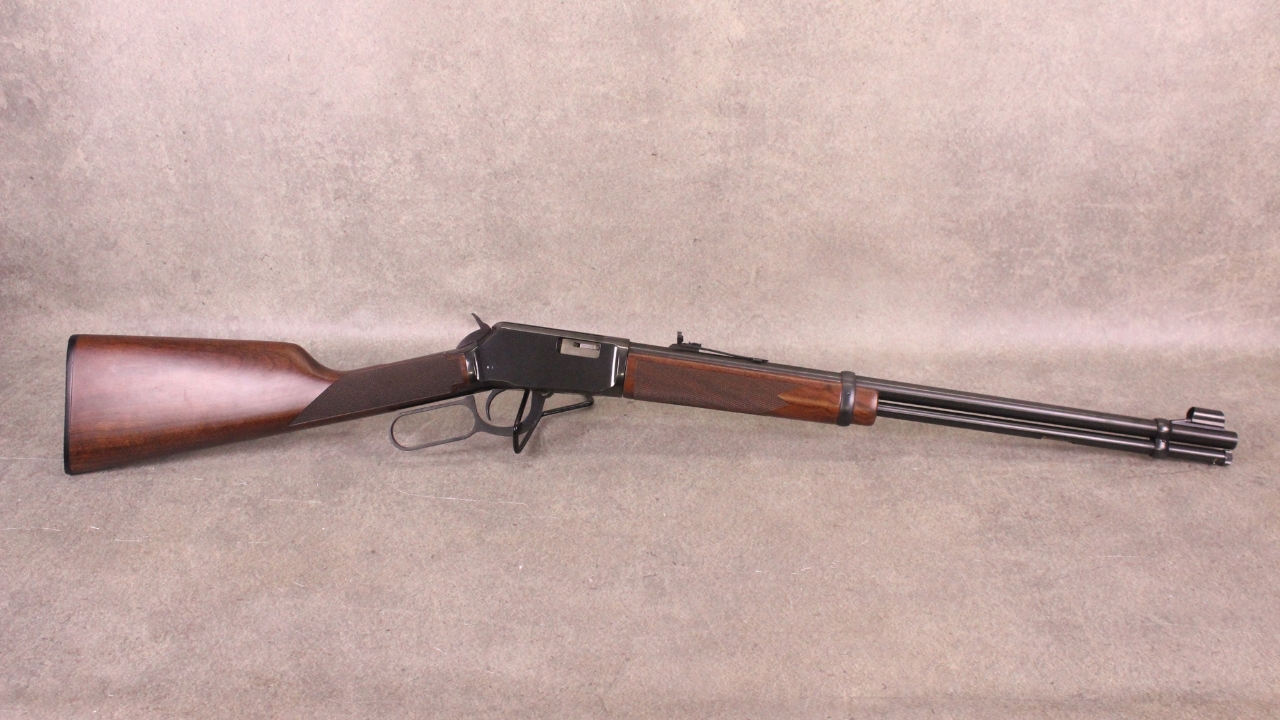
The Winchester 9422 is exactly the kind of rifle that becomes difficult to replace once people realize how well it was made. It gave shooters the appearance and handling of a traditional Winchester lever gun in .22 LR or .22 Magnum, but it was built with a level of fit and finish that separates it from many inexpensive rimfires. Winchester eventually discontinued the 9422, and the company now lists it among its previous-production firearms.
I would be especially interested in an original rifle that has not been drilled, refinished, or heavily altered. Plenty of 9422s were actually used, which is exactly what good rimfire rifles are supposed to do. That makes sharp examples increasingly noticeable when they surface. Experienced owners know Winchester is not continually adding more originals to the supply.
Remington Model 7600
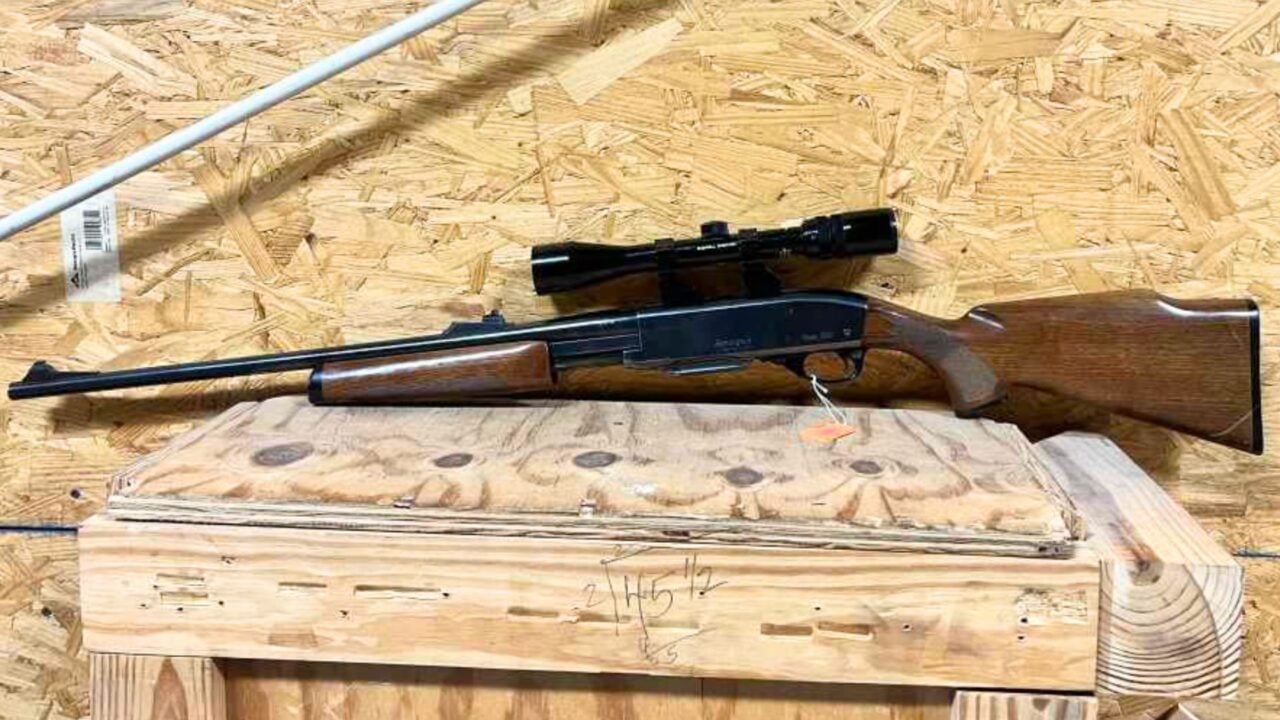
The 7600 spent decades doing something very few centerfire rifles could duplicate. It combined a fast pump action with familiar deer cartridges such as .270 Winchester, .308 Winchester, and .30-06. In parts of the Northeast, these rifles became nearly synonymous with deer hunting because they handled quickly in timber and allowed a hunter to work the action without taking the rifle completely out of position. Remington lists the Model 7600 as having been discontinued in 2020.
That matters because hunters who genuinely like pump rifles do not have many comparable new options. I would watch especially closely for clean carbines, less-common chamberings, and rifles that have escaped decades of rough deer-camp treatment. There are still 7600s around, but finding exactly the configuration you want is becoming a different proposition than simply finding any 7600.
Browning Hi-Power
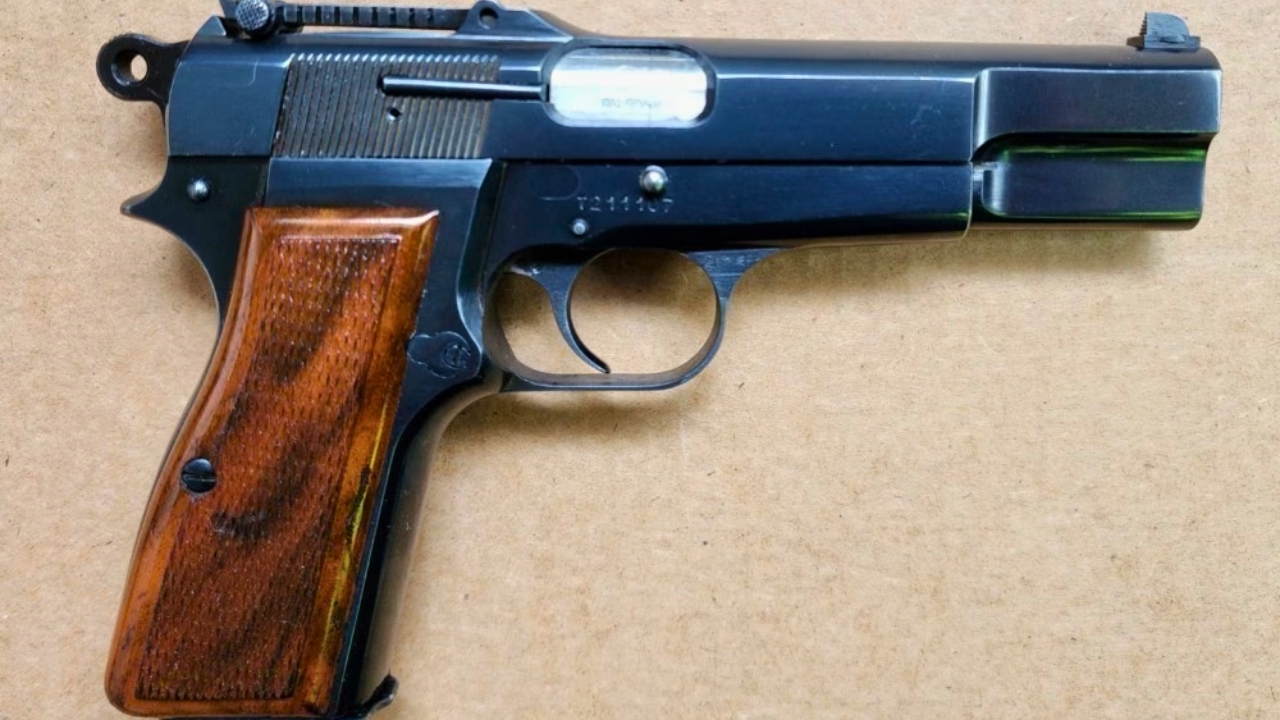
Modern double-stack pistols are everywhere, but an original Browning Hi-Power scratches a completely different itch. The slim grip, steel frame, historical significance, and unmistakable profile give it a character that newer Hi-Power-inspired pistols cannot completely reproduce. Browning officially places its traditional Hi-Power models in the discontinued category, so anyone specifically wanting the Browning-marked original is shopping a finite pool of existing pistols.
That is why experienced owners look at condition, originality, finish, sights, and production era instead of treating every Hi-Power as interchangeable. A refinished shooter can still be a great pistol, but a clean original example is a different purchase. As more pistols get modified, refinished, or simply worn from decades of use, untouched examples naturally become tougher to stumble across.
CZ 527 Carbine

The CZ 527 Carbine built a following because it was compact, light, and chambered in cartridges that made it useful well beyond the range. Versions in .223 Remington and 7.62×39 gave shooters a little bolt-action rifle with iron sights, a detachable magazine, and traditional walnut furniture. CZ ultimately discontinued the 527 Carbine in 2021, along with other members of the 527 family.
I think experienced owners particularly understand what disappeared when the 527 went away. Small centerfire actions with wood stocks and iron sights are not exactly flooding today’s market. The 7.62×39 versions attract plenty of attention, and uncommon configurations can disappear quickly when priced reasonably. It is the kind of rifle people ignored when it was readily available and suddenly appreciate much more after production has ended.
Remington Model 788
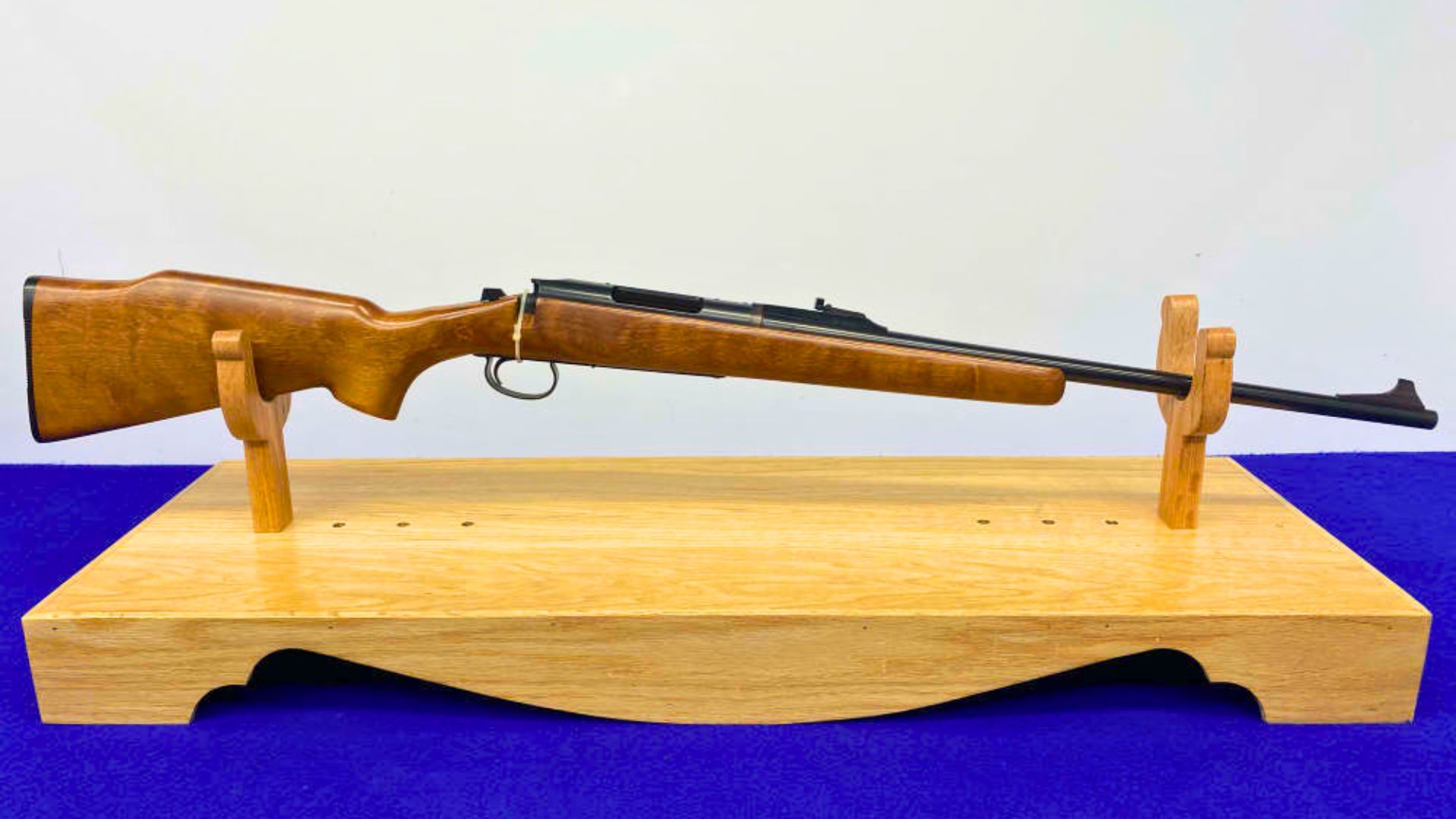
The Remington 788 spent years living in the shadow of more expensive rifles, which is part of what makes its current reputation interesting. It was introduced as an affordable bolt action, but many shooters came to appreciate how accurately these rifles could shoot. Remington produced the 788 between 1967 and 1983 in a surprisingly broad selection of chamberings, including .222 Remington, .22-250, .243 Winchester, 7mm-08, .308 Winchester, .30-30, and even .44 Magnum.
Those unusual chamberings are where knowledgeable buyers tend to pay attention. A plain .308 may still be relatively attainable, while a clean rifle in one of the shorter-production configurations can be another story. Detachable magazines are also important because losing one can turn an otherwise appealing rifle into a parts hunt. Good complete rifles are worth noticing.
Ruger Security-Six
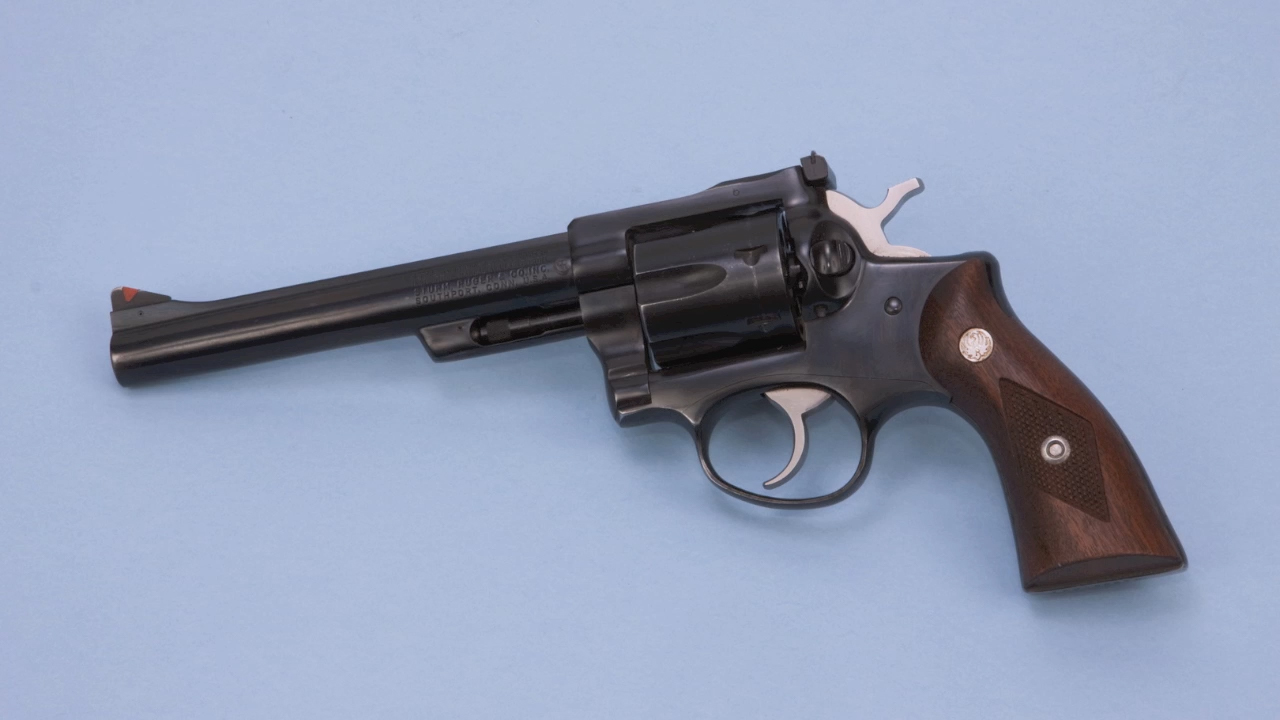
The Security-Six came from an era when Ruger was building extremely straightforward service revolvers that owners expected to shoot hard. Produced from 1972 through 1988, the Security-Six family included .357 Magnum, .38 Special, and even 9mm versions. Ruger also now lists the Security-Six among firearms for which factory parts and service are no longer available, another reminder of how far removed these revolvers are from current production.
I would not expect every scratched police trade-in to suddenly become a museum piece. What interests experienced buyers are clean examples with original stocks and minimal evidence of abuse. These revolvers were made to work, so many were carried and fired extensively. Finding one that somehow escaped decades of hard use can be much more difficult than the total production numbers suggest.
Browning BDA 380

The Browning BDA 380 is one of those pistols people sometimes pass over until they actually handle one. It is a traditional metal-framed .380 with a double-stack magazine, distinctive enclosed slide, and quality that reflects a very different period in the handgun market. Browning introduced it in 1977 and discontinued production in 1997.
That means even the newest examples are approaching three decades old. Experienced buyers tend to notice clean BDA 380s because condition varies tremendously and replacement magazines or specific original pieces may require more searching than they once did. I would pay much more attention to an unmodified pistol with nice original grips and finish than a heavily altered example. The supply may look adequate until you start searching for a particular condition or variation.
Browning A-Bolt II

The A-Bolt II was once a regular sight in hunting camps, and plenty of hunters still consider it one of Browning’s best bolt-action designs. It offered good triggers, a short bolt lift, attractive wood-stocked configurations, and numerous chamberings. Browning eventually moved on to the X-Bolt platform, and the company identifies the A-Bolt line as previous production.
Experienced hunters know why certain versions deserve attention. Medallions, Micro Hunters, uncommon chamberings, and particularly clean wood-stocked rifles can be much harder to replace than an ordinary synthetic hunting rifle. Many A-Bolts were purchased specifically to hunt and accumulated the dents and scratches that come with years in the woods. A clean rifle that still has excellent wood and original metal finish is therefore worth looking over carefully.
Browning BPS
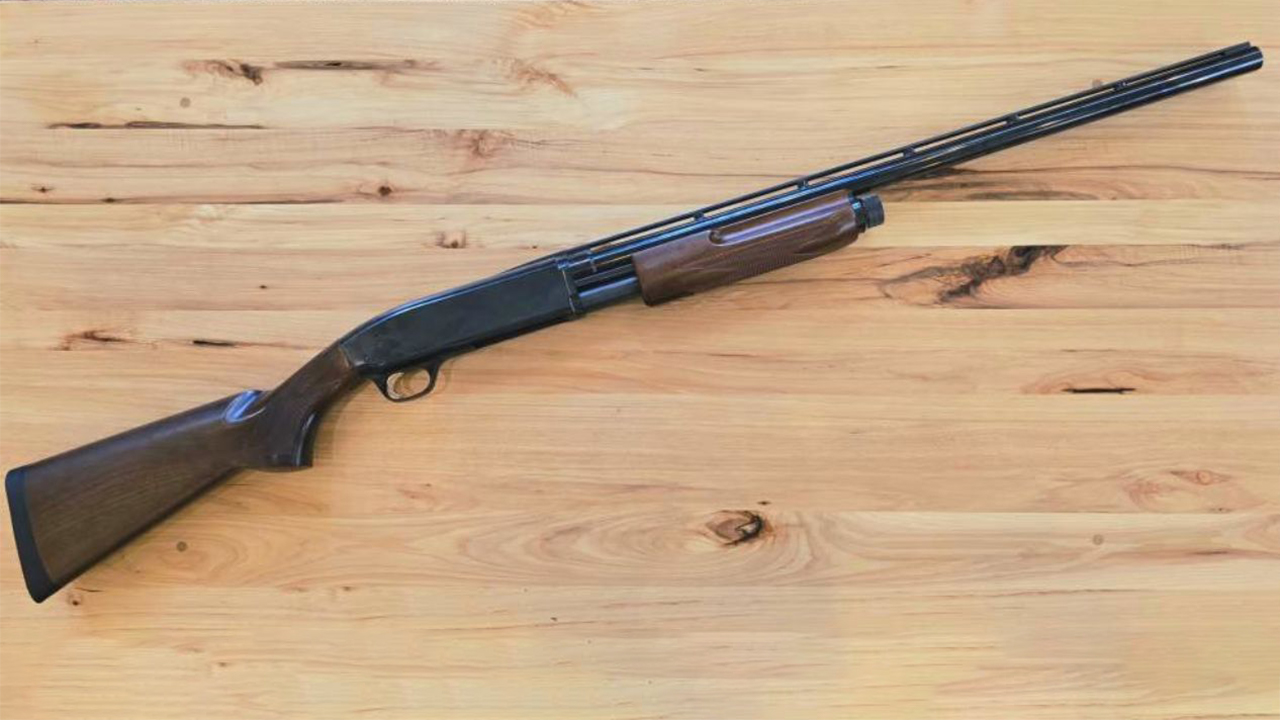
The Browning BPS once filled an interesting place in the pump-shotgun market. Bottom loading and bottom ejection made it appealing to both right- and left-handed shooters, while Browning’s construction and finish gave it a more refined feel than many utilitarian pumps. Browning now lists the BPS among its discontinued shotguns.
I think hunters will increasingly appreciate specialized BPS configurations that people once assumed would always be available. Upland guns, field models, turkey setups, and less-common gauges become much more interesting once buyers cannot simply order another one. Plenty of BPS shotguns were carried hard in duck blinds and pheasant fields, so truly clean examples stand out. It is another case where common does not necessarily mean easily replaceable forever.
Remington Model 11-87

For years, the Remington 11-87 was simply everywhere. Duck hunters used them, deer hunters bought rifled versions, turkey hunters mounted optics on them, and sporting shooters burned cases of shells through them. That enormous popularity made the shotgun seem almost permanent. Remington’s own historical records now list the 11-87 as discontinued in 2020.
Because so many were working guns, condition is becoming the important variable. A clean Premier, an unusual 20-gauge configuration, or one of the purpose-built sporting or hunting variants deserves more attention than a heavily worn field gun. Experienced owners recognize that millions of hunters using something hard for decades can make nice examples scarcer surprisingly quickly, even when the original production numbers were substantial.
Winchester Model 12
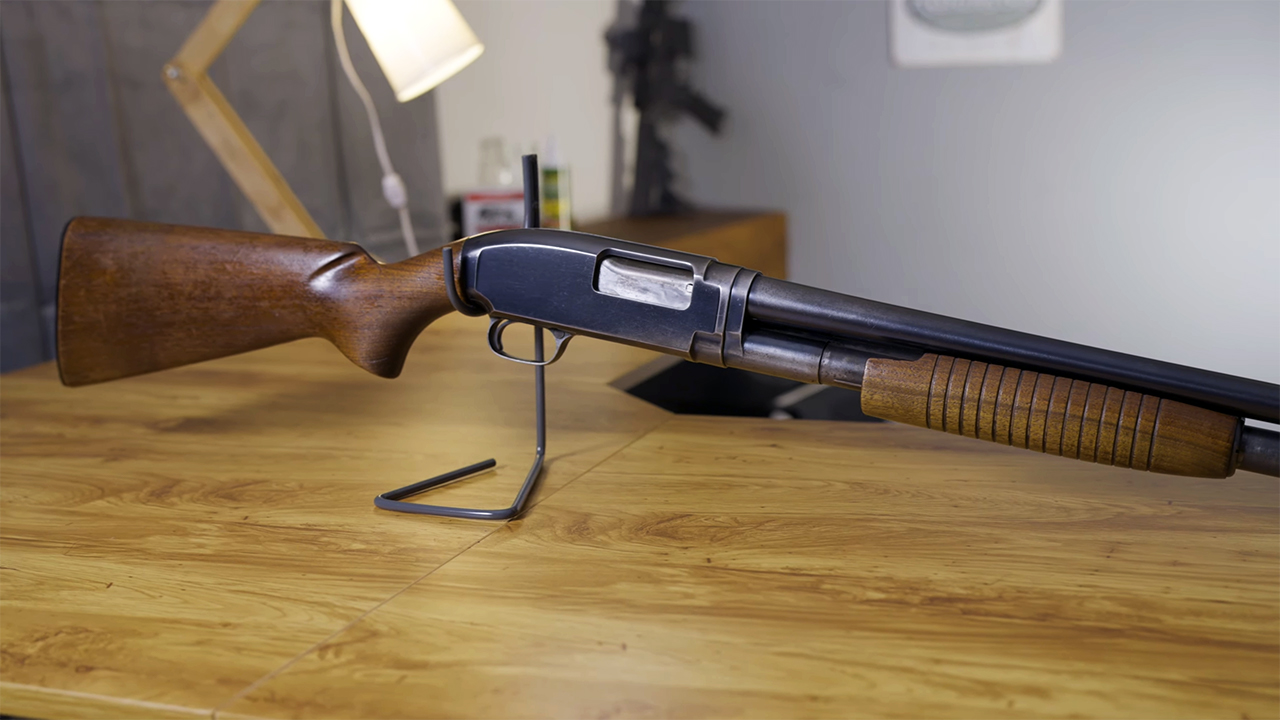
The Model 12 occupied such an important place in American shotgun history that older shooters once treated it almost like part of the furniture. These guns hunted ducks, pheasants, quail, and deer while also appearing on trap and skeet fields across the country. Winchester now treats the Model 12 as an obsolete or previous-production firearm rather than something supported like its modern shotgun line.
What interests knowledgeable buyers is not merely having any Model 12. Gauge, barrel configuration, grade, originality, and condition change the equation considerably. Many surviving guns have been refinished, cut, reconfigured, or subjected to decades of hard use. The more specific your requirements become, the smaller the pool gets. That is why experienced owners tend to inspect an unusually clean Model 12 instead of assuming another identical one will appear next month.
Browning BAR Mark II Safari

The BAR Mark II Safari represents a style of hunting rifle that feels less common every year. Walnut, polished metal, traditional lines, and a semiautomatic action gave hunters a fast-follow-up rifle that still looked perfectly at home beside classic bolt guns. Browning lists the BAR Mark II among its discontinued rifle platforms.
I would pay particular attention to examples that have not spent 20 seasons bouncing around a truck or deer stand. BARs were purchased to hunt, and plenty show it. Clean Safaris in desirable chamberings are different from the heavily scratched rifles that frequently appear on used racks. Experienced owners know that manufacturers can build another semiautomatic deer rifle, but that does not mean they will recreate every exact combination of polished steel and walnut people remember.
Ruger M77 With Tang Safety

Older tang-safety Ruger M77 rifles have become something experienced hunters immediately recognize on a used rack. The safety location alone identifies an earlier generation, but the real attraction is the combination of walnut, traditional styling, and the rugged hunting-rifle character Ruger built its reputation around. Ruger currently lists the tang-safety Model 77 among firearms for which factory parts and service are no longer available.
That does not make every M77 rare, but uncommon chamberings and unusually nice rifles are worth watching. Many were ordinary hunting tools and were treated accordingly. Stocks got scratched, barrels got worn, and some rifles were modified to suit individual owners. When a clean, original example appears in a chambering someone actually wants, experienced buyers understand there may not be an identical rifle waiting at the next shop.
Ruger No. 3
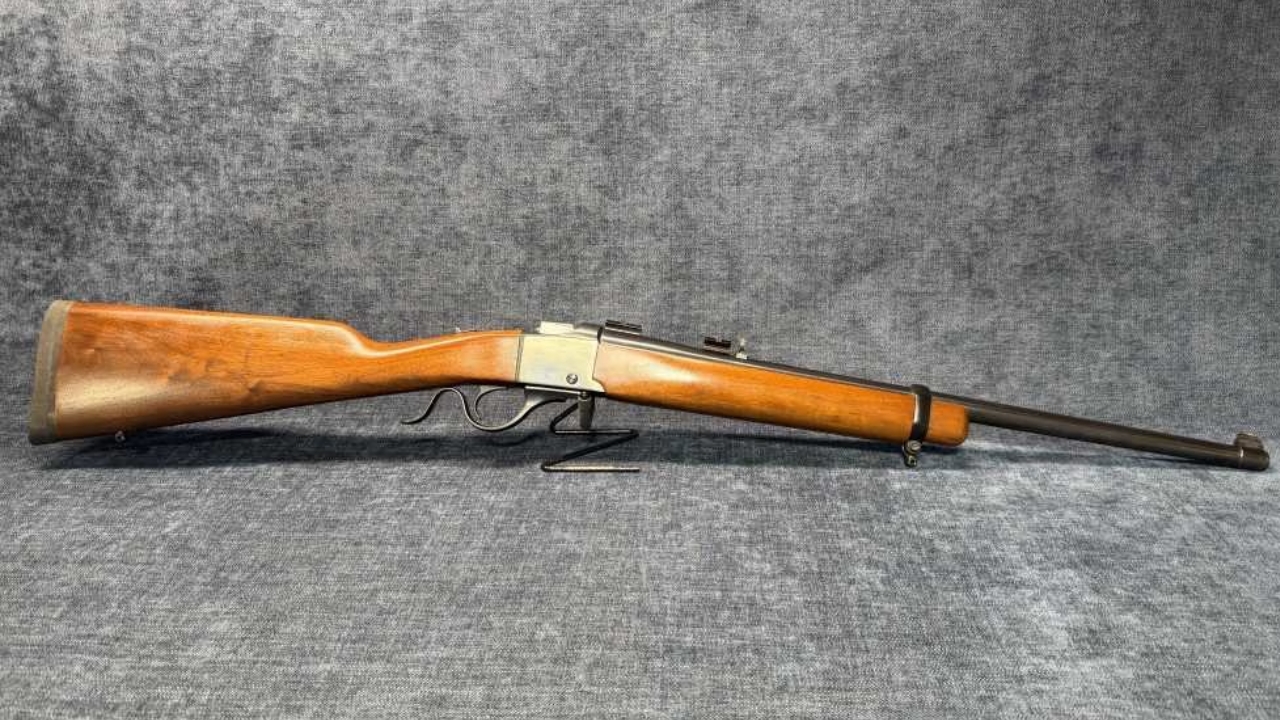
The Ruger No. 3 never achieved the same recognition as the elegant No. 1, which is exactly why I think knowledgeable owners pay attention when one appears. It used a compact falling-block action in a more utilitarian package and was chambered in several interesting cartridges during its production life. Today, Ruger includes the No. 3 among older firearms for which it no longer provides factory parts or service.
These rifles occupy an unusual niche because there is not much else quite like them. They are short, handy, mechanically interesting, and unmistakably from another period of Ruger production. Condition can vary because owners often treated them as practical rifles rather than collectibles. A clean No. 3 in an appealing chambering is exactly the sort of gun experienced buyers know could take a long time to replace once it leaves the rack.
Ruger .44 Magnum Carbine

Long before pistol-caliber carbines became one of the hottest parts of the rifle market, Ruger was selling its compact .44 Magnum semiautomatic carbine. These rifles became favorites among hunters who wanted something short and handy for thick woods, especially where shots were close. Original examples now belong firmly to Ruger’s earlier production history, and the company lists the original .44 Magnum Carbine among guns for which factory parts and service are no longer available.
That alone makes condition increasingly important. Some rifles were hunted hard, and others have been altered with aftermarket sights, swivels, or stock work. A nice original example has a character modern pistol-caliber carbines do not duplicate. Experienced owners know nostalgia alone does not make something scarce, but discontinued guns with genuinely useful designs tend to remain desirable.
Ruger 10/22 Magnum
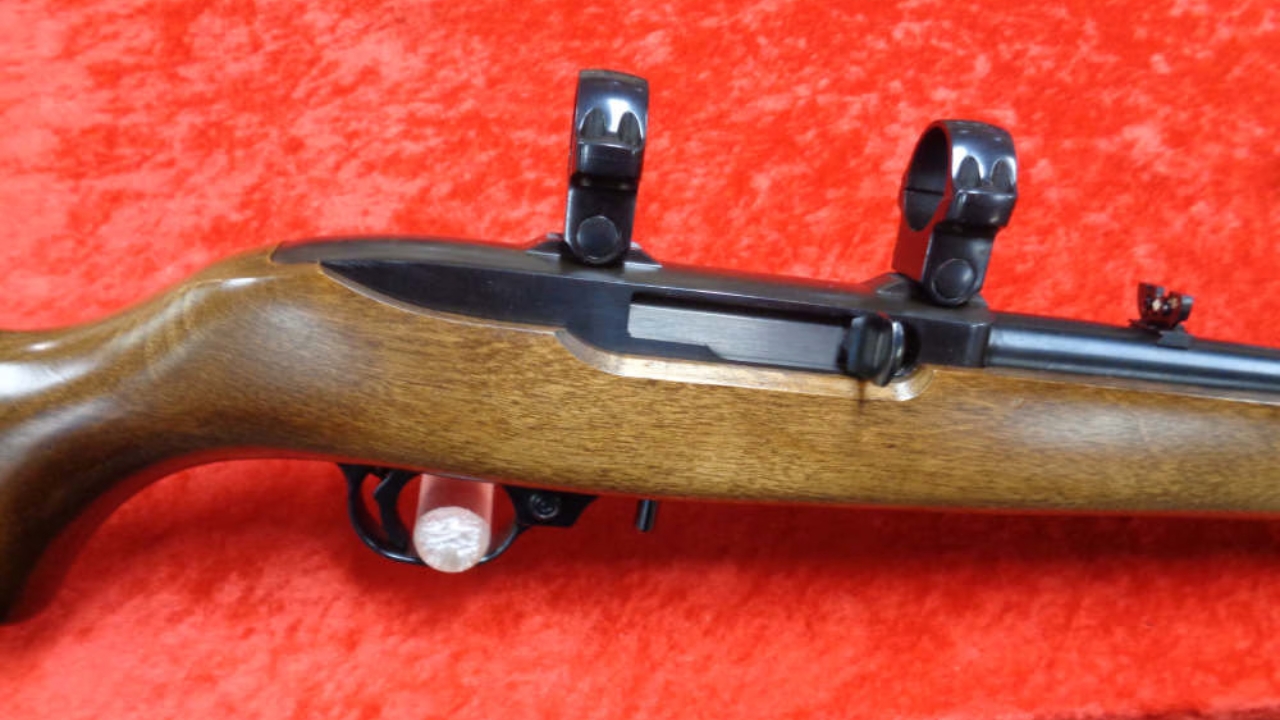
The regular 10/22 seems immortal, which makes the 10/22 Magnum particularly interesting. Ruger produced the .22 Magnum version from 1998 through 2006, giving rimfire shooters the familiar semiautomatic concept in a more powerful cartridge. It never became anything close to the permanent fixture the .22 LR model did, and Ruger now lists the 10/22 Magnum among firearms without factory parts or service.
Experienced owners immediately understand the supply problem. Eight years of production is very different from having new examples constantly entering stores. People who specifically want a factory Ruger semiautomatic .22 Magnum cannot simply substitute an ordinary 10/22 and get the same thing. Clean original rifles therefore tend to attract attention, particularly when they have avoided questionable modifications during the last two decades.
Browning BDM

The Browning BDM arrived during an era filled with metal-framed duty pistols, and its unusually slim profile still surprises shooters who pick one up today. It never achieved the cultural status of the Hi-Power, but that may actually make good examples more interesting. Browning now includes the BDM in its obsolete-firearm service information rather than its current handgun lineup.
The BDM is exactly the sort of pistol experienced owners recognize before prices or availability force everyone else to notice. Spare magazines, original accessories, and particularly clean pistols are not things I would automatically assume will become easier to find. It is not a pistol I would buy purely because I expected it to appreciate. I would buy one because replacing a good example later could require substantially more patience than finding one today.
Beretta 84FS Cheetah

The arrival of the modern Beretta 80X has actually made the older 84-series pistols more interesting to me, not less. The 84FS belongs to the previous Cheetah generation, with traditional styling, a metal frame, and the look many shooters associate with classic Beretta pistols. Beretta’s current accessory listings distinguish the new 80X from original 80-series pistols such as the 84FS, reinforcing that these are separate generations rather than the same gun continuing unchanged.
Clean older Cheetahs are the examples I would watch. Many were carried, imported, or used extensively, and condition can range from nearly pristine to thoroughly worn. The current 80X may satisfy someone wanting a new .380, but it does not replace the experience of owning an original 84FS.
Smith & Wesson 5906
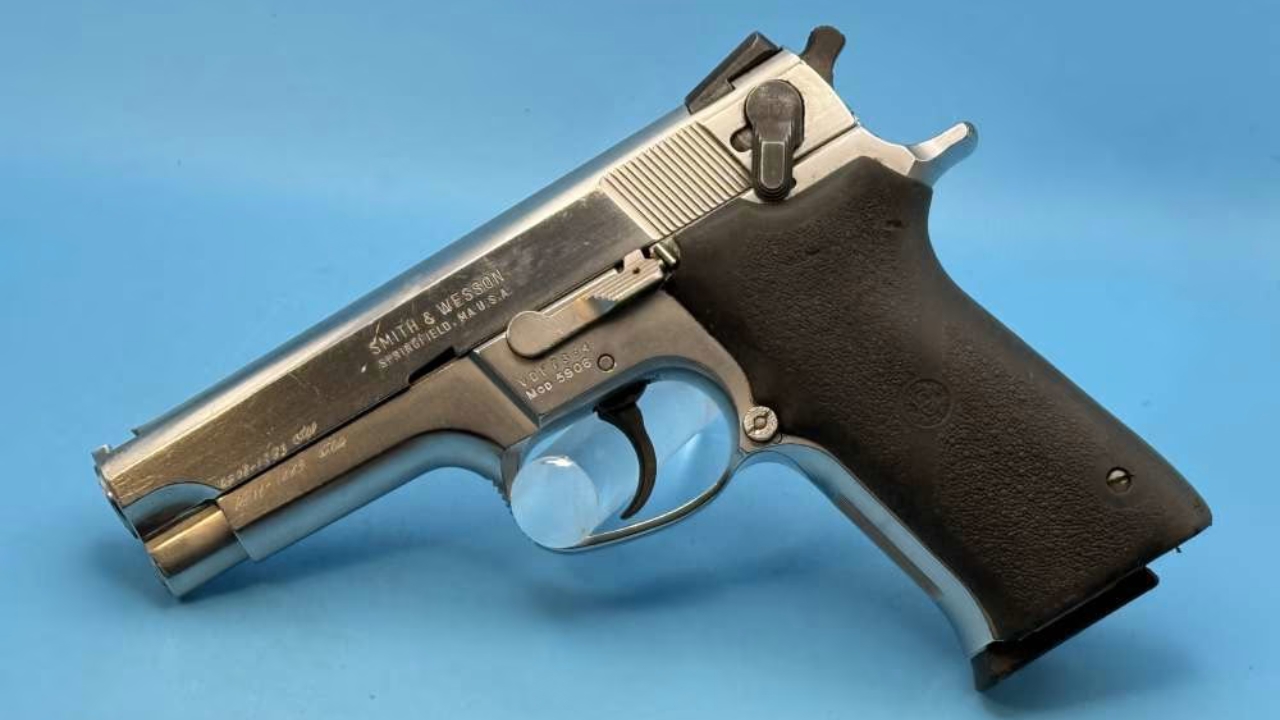
The 5906 comes from Smith & Wesson’s third-generation semiautomatic era, when heavy stainless duty pistols were common in police holsters. These guns were built around an entirely different philosophy than today’s polymer striker-fired handguns. A 5906 is substantial, traditional, and unapologetically heavy, which is precisely why shooters who appreciate older service pistols keep looking for them.
The used supply can be deceptive because ex-law-enforcement pistols circulated widely for years. That does not mean excellent examples with minimal finish wear, original grips, and the right magazines will remain easy to locate indefinitely. Experienced owners have watched other once-common police pistols slowly transition into enthusiast guns. I would not assume every 5906 is collectible, but I also would not walk past an exceptionally clean one believing thousands of identical pistols will always be sitting around.
Browning Auto-5
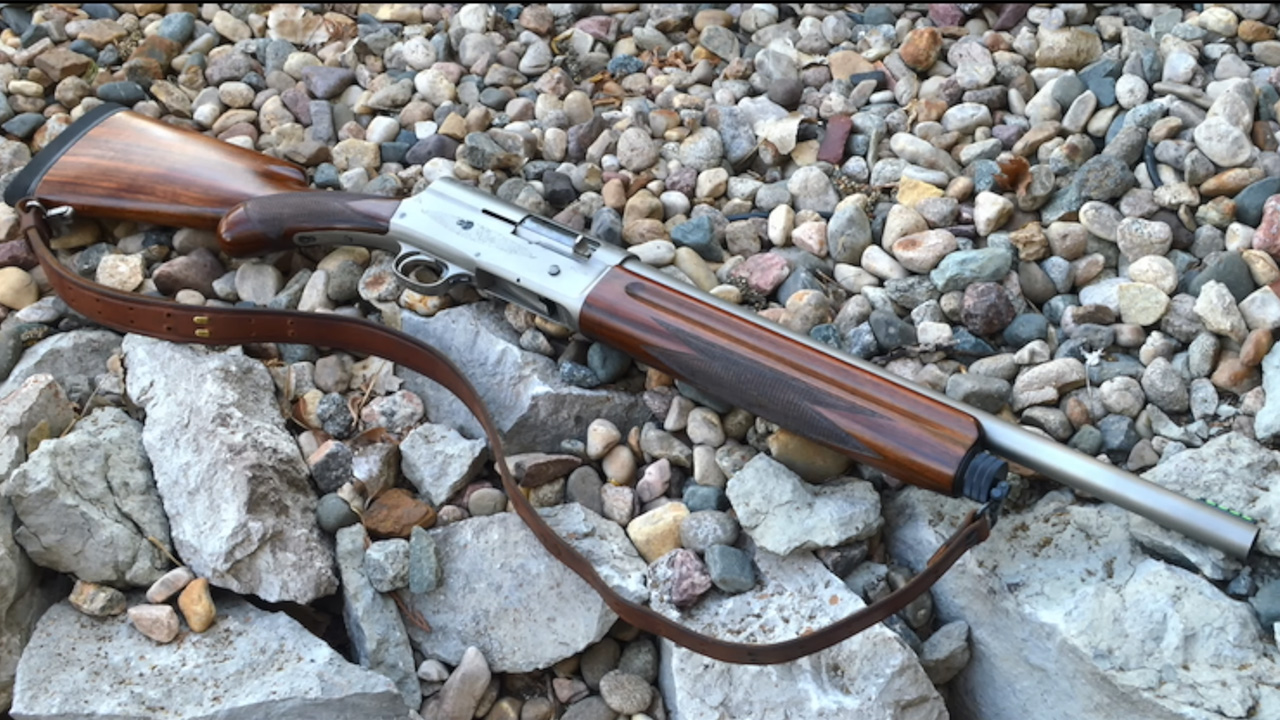
The original Browning Auto-5 survived for an incredibly long time because the design simply worked. Hunters carried these humpback semiautomatics into marshes, dove fields, pheasant cover, and deer woods for generations. Browning’s historical timeline records the original Auto-5’s discontinuation in 1998, ending the production life of one of the company’s defining shotguns.
There are still plenty of Auto-5s in circulation, but experienced owners know that statement becomes less useful once you start demanding a certain gauge, configuration, production origin, and condition. A worn field gun and a beautifully preserved Belgian example are not interchangeable. Every year creates a little more finish wear, another cracked forearm, or another altered barrel somewhere. That is why genuinely clean, original Auto-5s tend to stop knowledgeable shotgun buyers in their tracks.
Like The Avid Outdoorsman’s content? Be sure to follow us.
Here’s more from us: