Photo credit: Epic Soviet Documentaries/YouTube
Gun owners have a funny habit of appreciating certain firearms only after they disappear. When warehouses were full of military surplus rifles and gun-store racks were lined with inexpensive police trade-ins, plenty of shooters treated them like disposable range toys. Stocks got chopped, receivers got drilled, finishes got stripped, and perfectly original guns were modified because nobody imagined they would ever be difficult to replace.
Then the imports slowed down, manufacturers discontinued models, and thousands of inexpensive guns simply got used up. Suddenly, the rifle that seemed ordinary twenty years ago became the gun somebody wishes they had bought five of. Not everything that used to be cheap is valuable today, but these 20 guns prove that being inexpensive and being undesirable are definitely not the same thing.
SKS
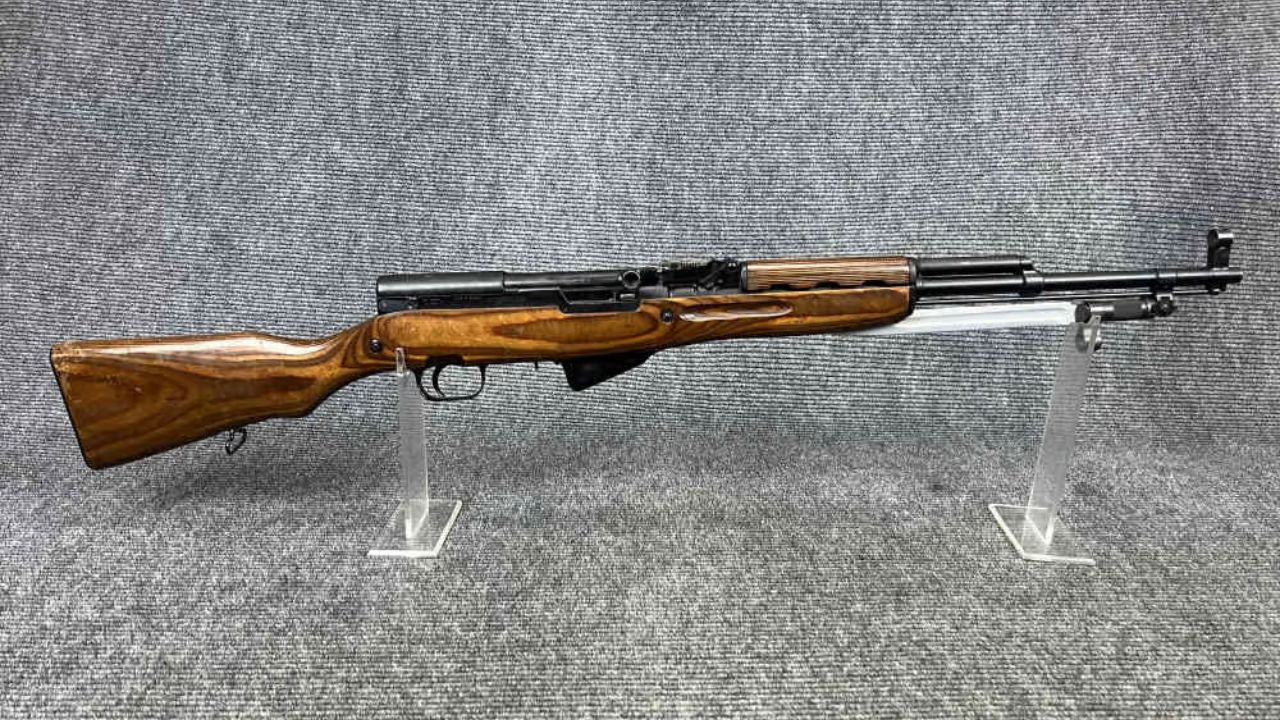
The SKS may be the poster child for guns Americans failed to appreciate while they were everywhere. Huge numbers of Chinese and other surplus examples entered the country, and shooters often regarded them as crude alternatives for people who could not afford something nicer. They were carried behind truck seats, dropped into aftermarket stocks, fitted with questionable detachable magazines, and modified without much concern for originality. When another rifle was always waiting at the next gun show, there seemed to be little reason to preserve one.
That attitude looks very different now. Original Soviet, Romanian, Chinese, and Yugoslavian examples have developed their own followings, and knowledgeable buyers increasingly care about matching numbers, original stocks, bayonets, and factory configuration. The cheap surplus rifle became a Cold War collectible while everybody was busy treating it like a disposable plinker.
Mosin-Nagant M91/30

There was a period when buying a Mosin-Nagant barely felt like buying a serious rifle. Crates of them appeared at gun shows and sporting-goods stores covered in cosmoline, and shooters joked about rough actions, giant fireballs, questionable triggers, and the rifle’s overall agricultural feel. Their low prices encouraged experimentation. Stocks were cut, barrels shortened, scopes installed, and complete rifles turned into inexpensive hunting projects without much concern about preserving history.
Now an original M91/30 with matching components and a good bore gets a completely different reception. Nobody is confusing an ordinary wartime Mosin with a rare sniper rifle, but shooters who remember the surplus era increasingly wish they had left more of them alone. The supply that once seemed endless was not endless at all, and even a basic intact rifle represents something that cannot simply be imported by the crate forever.
Chinese MAK-90
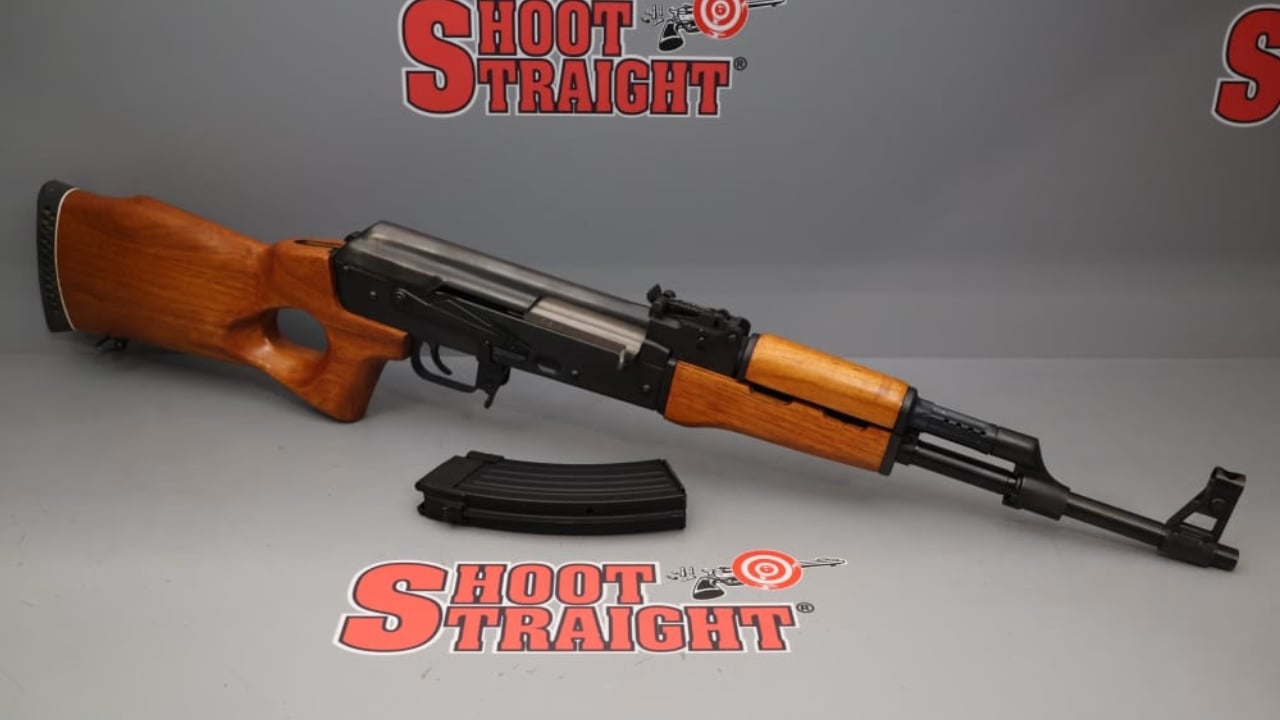
Chinese AK-pattern rifles were not always treated like premium collectibles. When MAK-90s were relatively common, many shooters disliked their thumbhole stocks and post-importation-ban appearance. They were frequently viewed as compromised versions of the military-style rifles people actually wanted. Owners swapped furniture, modified them, or simply treated them as inexpensive AKs that would never become particularly special.
Time completely changed that conversation. Shooters eventually started paying much more attention to the quality of many Chinese receivers, barrels, and internal components. Clean MAK-90s began looking much more attractive once Chinese rifles were no longer continually entering the market. Today, an unmolested example can generate the kind of interest that would have seemed ridiculous when these guns were sitting around comparatively unloved. The rifle did not suddenly become better. The market finally noticed what was no longer being replaced.
Ruger P95
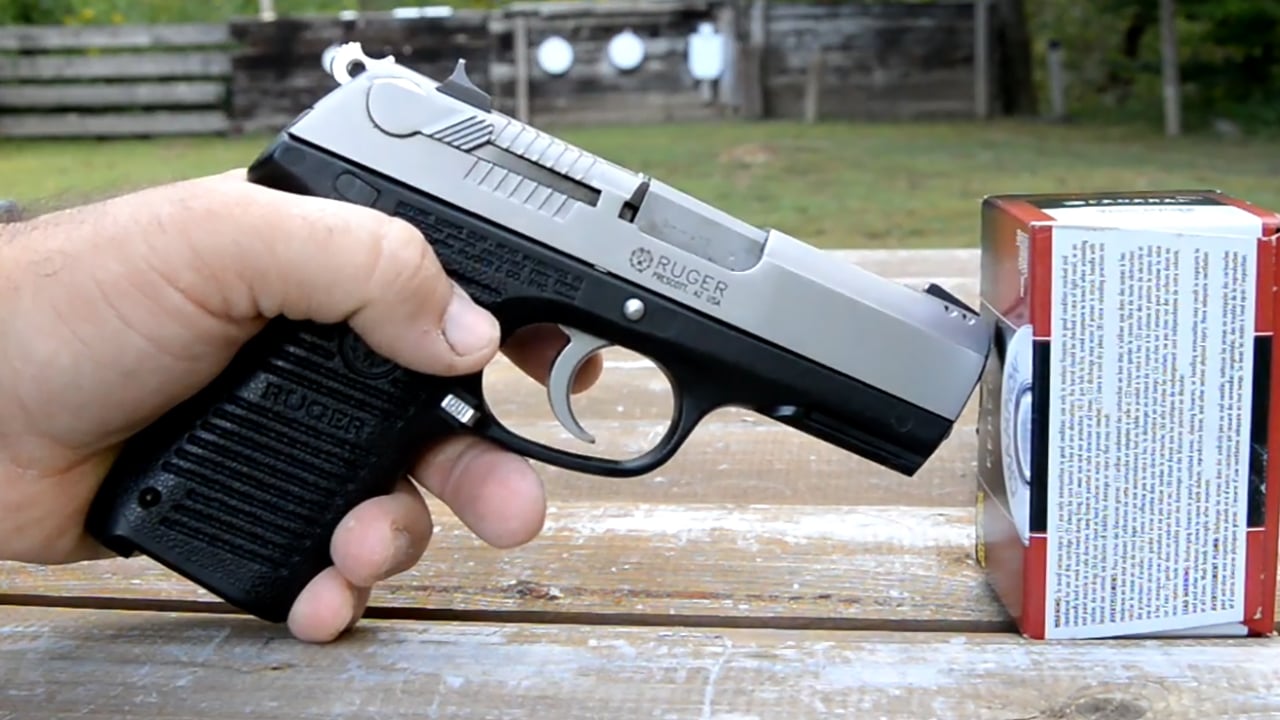
The Ruger P95 spent much of its life being compared with pistols that were thinner, prettier, lighter, or more fashionable. It was chunky, inexpensive, and unmistakably built with durability taking priority over elegance. For years, that made it easy to dismiss as the handgun somebody bought because they did not want to spend more money. Few people looked at a P95 in a dealer case and imagined future shooters feeling nostalgic about it.
That is beginning to change. The P95 represents an era of Ruger pistols that were overbuilt, straightforward, and remarkably difficult to wear out. They may never become high-dollar collector pieces, but shooters increasingly appreciate what they were. An inexpensive pistol that reliably digested ammunition and tolerated years of abuse suddenly looks appealing in a market filled with guns designed around completely different priorities.
Norinco 1911A1

When Norinco 1911 pistols appeared in the United States, the Chinese markings and relatively low prices caused plenty of shooters to look down on them. A 1911 buyer could spend considerably more on an American name, so the Norinco often became the pistol people bought as a project, range gun, or base for customization. Nobody worried much about keeping one factory original because they were not treated like prestigious pistols.
Experienced 1911 enthusiasts eventually developed considerably more respect for them. The pistols earned a reputation for tough steel and provided gunsmiths with solid foundations for custom builds. Once imports ended, the equation changed completely. A pistol that could once be dismissed as a cheap foreign 1911 became something owners could not simply replace with another new example. Clean, unmodified Norincos now have an appeal they rarely enjoyed while they were readily available.
Swiss K31
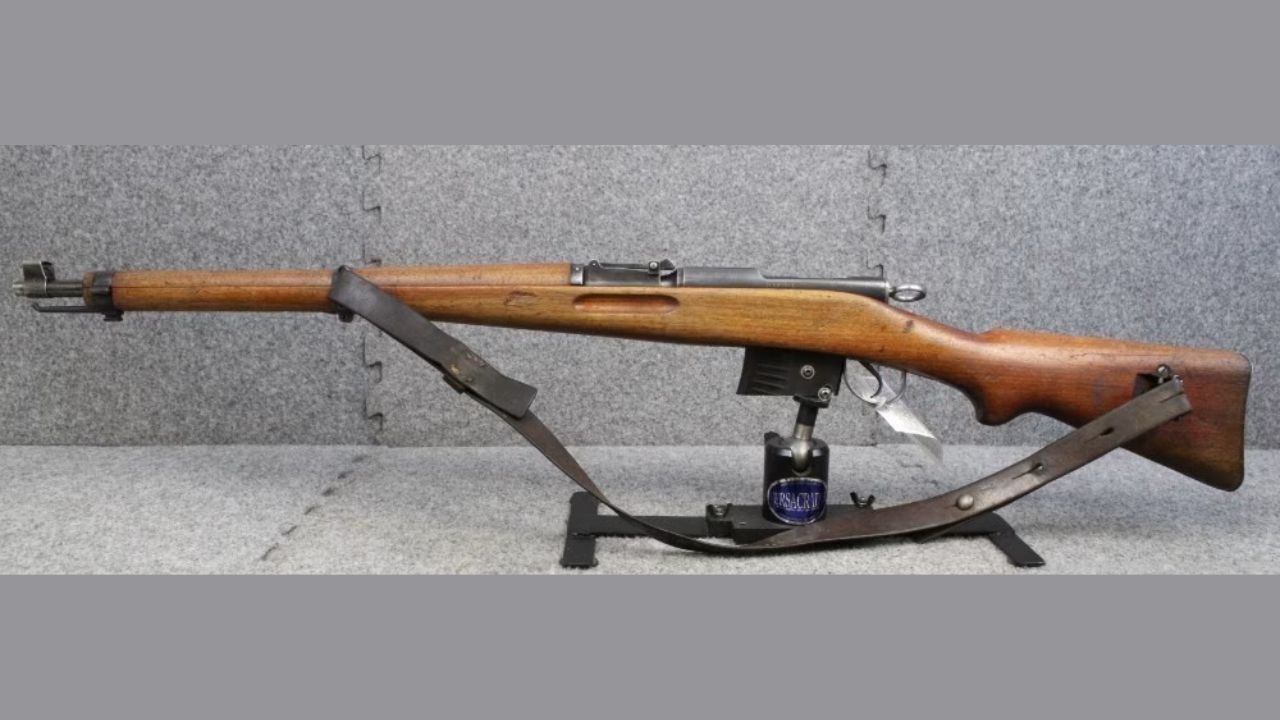
Swiss K31 rifles suffered from one of the strangest problems a surplus firearm can have: they were almost too affordable for people to understand how good they were. Shooters accustomed to rough wartime surplus rifles sometimes looked at the unfamiliar straight-pull action and odd 7.5×55 cartridge and moved on. Those who actually handled them discovered excellent machining, good triggers, quality barrels, and accuracy that could embarrass much more expensive rifles.
Once shooters figured that out, the bargain became harder to find. Many K31s also arrived with worn stocks that made them look less impressive externally than their mechanical condition suggested. Today, those dents and scratches are often viewed as part of the rifle’s military history rather than evidence that it belongs in the discount rack. Anyone who remembers passing over stacks of inexpensive K31s probably understands exactly why surplus collectors still talk about them.
Yugoslav M48 Mauser
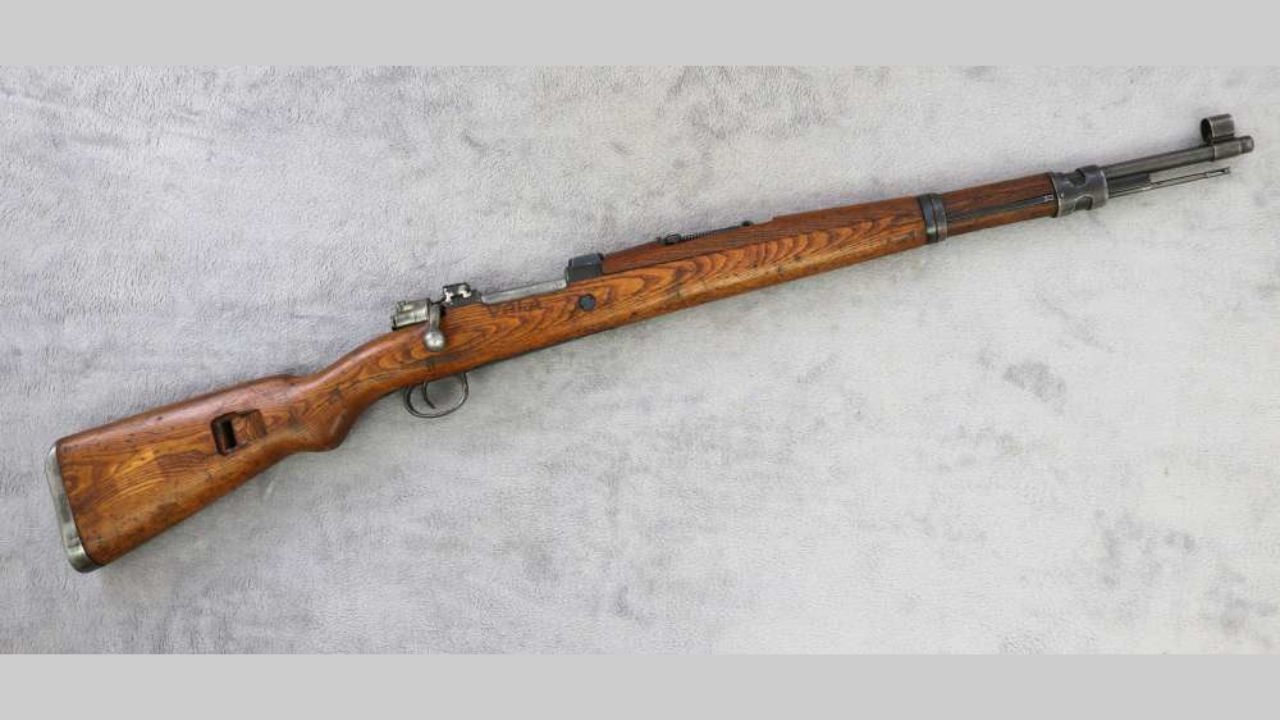
The Yugoslav M48 was once overshadowed by German Mausers carrying more recognizable wartime markings. Because M48s were produced after World War II and large numbers entered the surplus market in excellent condition, some collectors treated them as second-tier Mausers. Shooters could buy one, enjoy the 8mm Mauser cartridge, and modify it without feeling like they were destroying an important piece of history.
That logic has not aged particularly well. The M48 is a beautifully sturdy military bolt action built during an era when countries still invested heavily in machined-steel service rifles. Nice rifles retain their deep bluing, strong actions, and military character, while the supply of untouched examples can only decline. Experienced owners who once dismissed them as the Mauser you bought when you could not afford something more historically glamorous now recognize how much rifle they were getting.
Lee-Enfield No. 4 Mk I

Old Lee-Enfields once lived dangerously close to the category of inexpensive hunting-rifle donor. Surplus examples were plentiful enough that cutting down military wood, drilling receivers, and converting rifles into basic deer guns barely raised an eyebrow. Hunters wanted the fast bolt action and capable .303 British cartridge but often considered the original military furniture unnecessary weight.
Decades later, the same alterations can make collectors wince. An intact No. 4 with its original configuration provides a completely different connection to history than a shortened sporter buried in the corner of a used rack. The rifles also offer one of the smoothest and fastest military bolt actions of their era. Shooters who had access to countless inexpensive examples often did not recognize that the supply of complete rifles would eventually shrink as imports slowed and surviving guns were altered.
CZ 82

The CZ 82 arrived as surplus at exactly the wrong price to receive much respect. They were affordable, frequently showed exterior wear, and fired 9×18 Makarov rather than one of the cartridges dominating American defensive-pistol sales. A lot of shooters saw them as interesting range toys rather than pistols worth holding onto long term.
Spend a little time with one and the appeal becomes easier to understand. The CZ 82 has an excellent grip shape, polygonal rifling, ambidextrous controls, and a surprisingly good trigger for a former military sidearm. Many imported pistols looked rough because their painted finishes had suffered from years of service even when the internal condition remained strong. Once buyers realized that, the beat-up little surplus pistol earned considerably more respect. The era of assuming another batch will always arrive is what people increasingly miss.
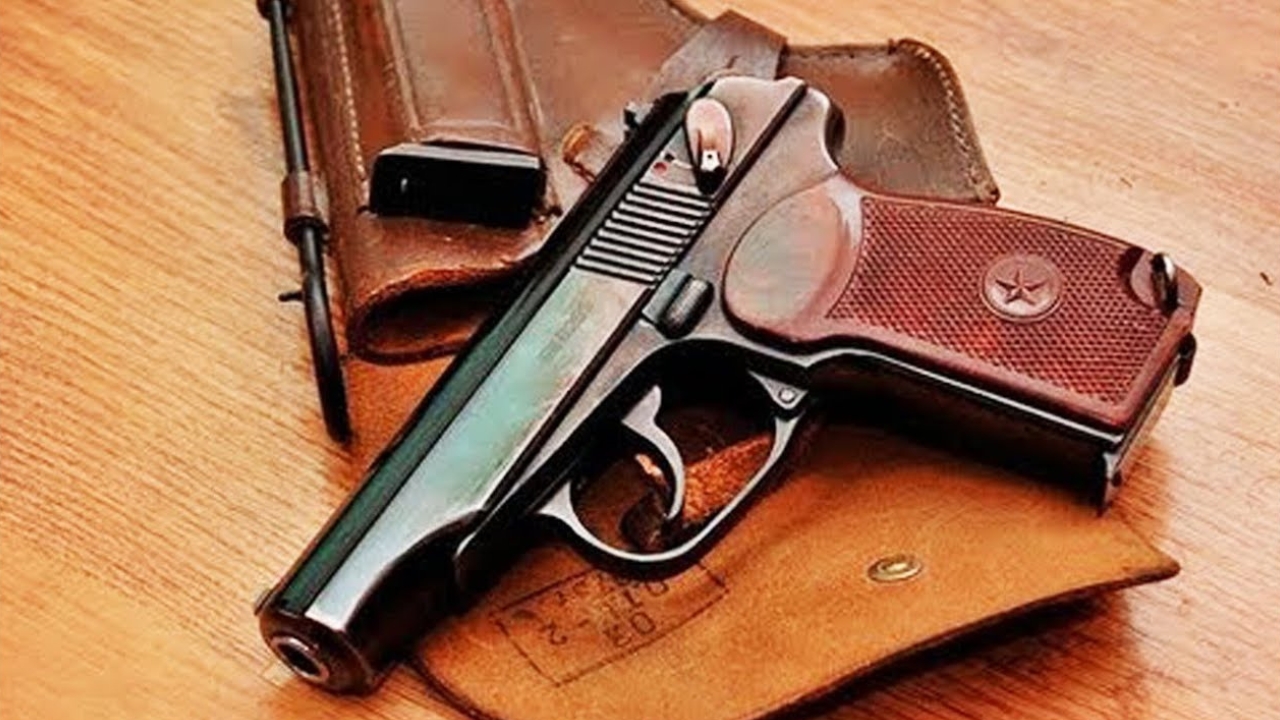
Makarov PM
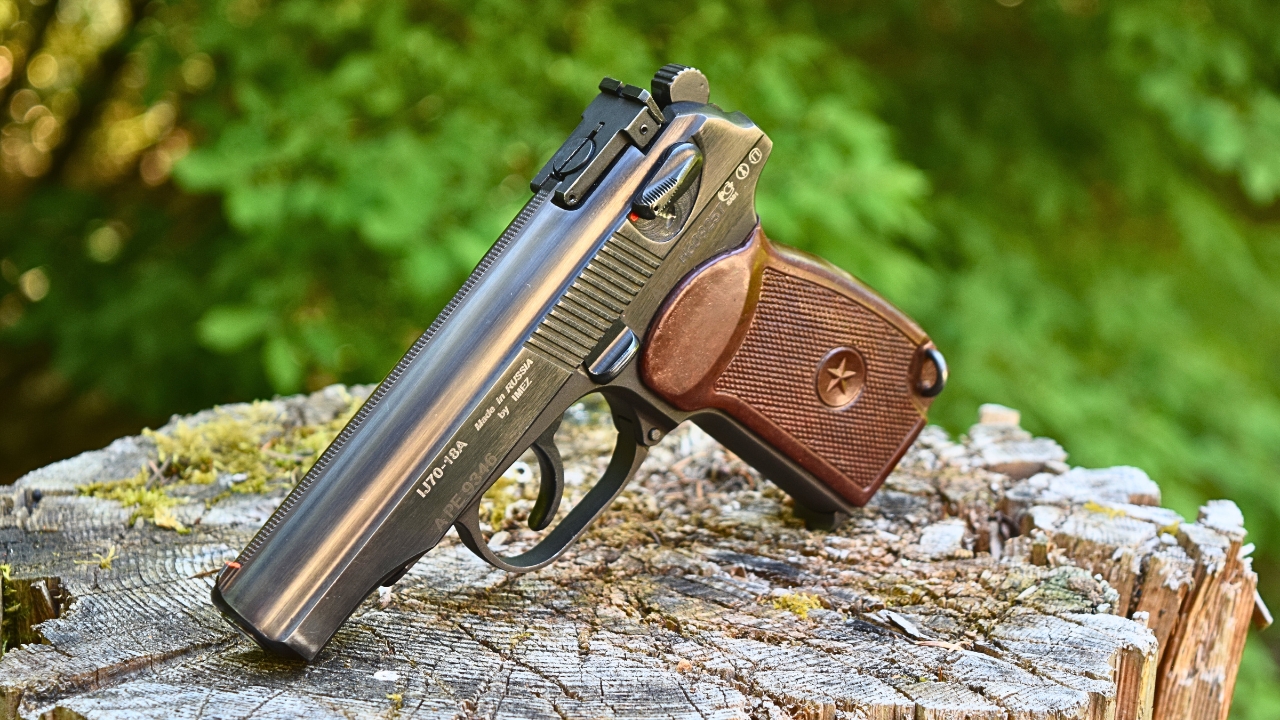
Makarovs were once so inexpensive that people carried them, stored them in vehicles, and shot them without worrying about collector value. Bulgarian and other imported pistols offered an affordable route into centerfire handgun ownership, but many American shooters saw the basic blowback design and 9×18 chambering as outdated compared with modern double-stack 9mm pistols.
That criticism was understandable, but it overlooked how well the Makarov performed its intended job. The design is compact, mechanically straightforward, and famous for reliability. Once certain variants became harder to find, enthusiasts started paying more attention to country of origin, markings, condition, and matching components. East German examples in particular developed a strong collector following. The pistol everyone once considered a cheap Communist-bloc sidearm became exactly the type of gun owners wish they had purchased while boxes of them were still inexpensive.
Marlin Model 60
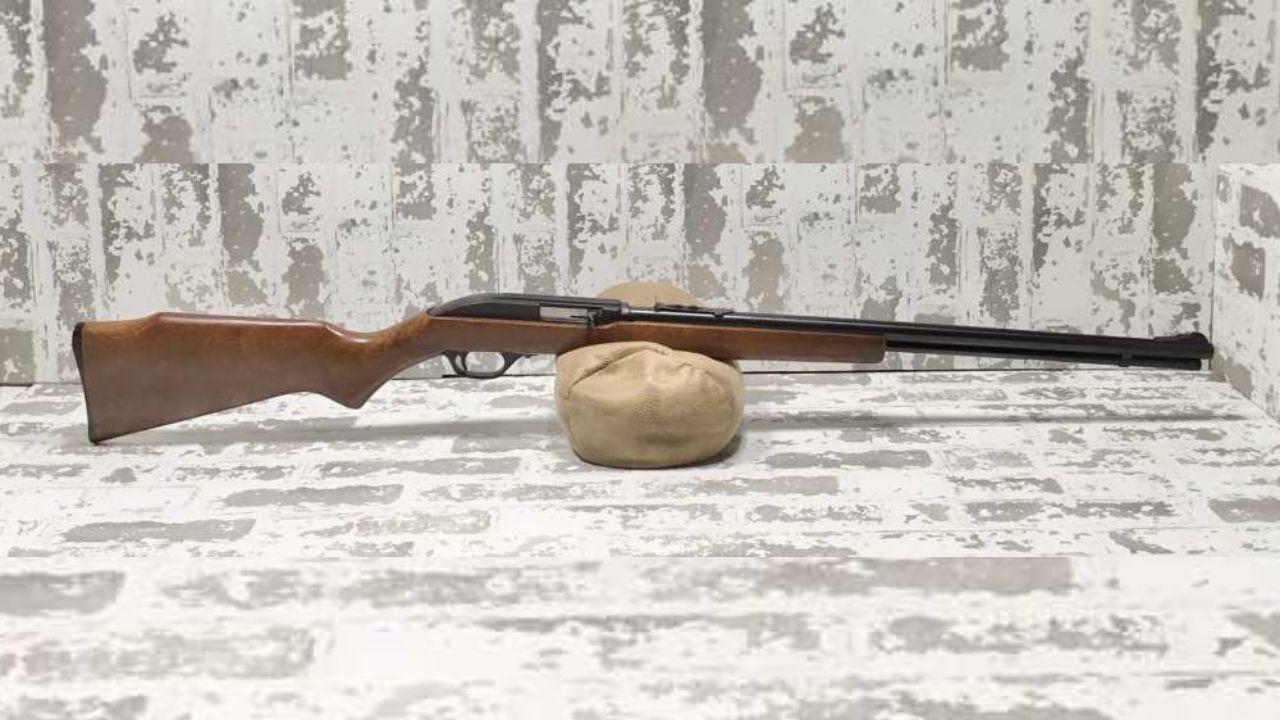
The Model 60 was so common for so long that it barely seemed possible for shooters to miss it. These rimfire rifles sat behind counters in sporting-goods stores, department stores, and local gun shops for generations. Plenty of owners received one as a first rifle, tossed it behind a truck seat, or considered it an inexpensive alternative to more customizable semiautomatic .22s.
Production eventually ended, and suddenly the humble Model 60 started receiving the appreciation it deserved. The tubular magazine, slim proportions, and traditional stock give it a completely different personality than detachable-magazine rimfires. Millions were produced, so an ordinary Model 60 is hardly rare, but nice older examples create genuine nostalgia. Sometimes shooters do not want something because it is scarce. They want it because they finally understand how good the inexpensive rifle they grew up with actually was.
H&R Handi-Rifle
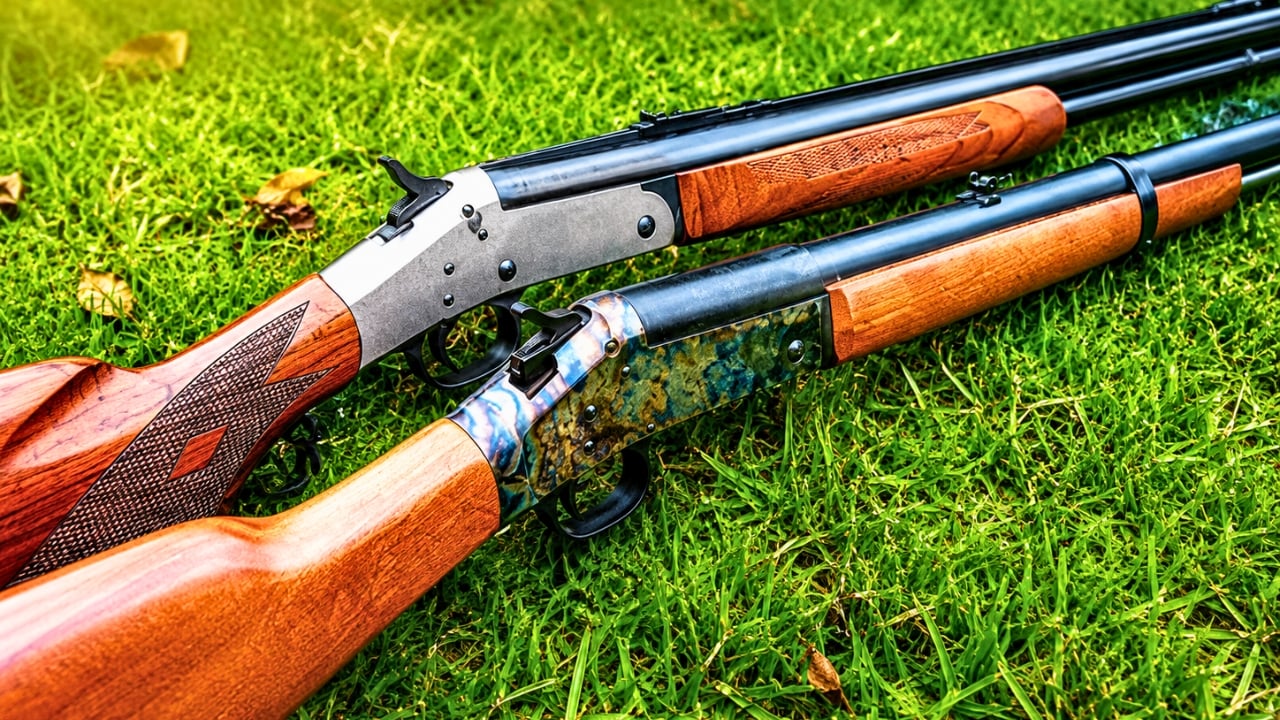
The Handi-Rifle used to be almost aggressively unglamorous. It was a break-action, single-shot rifle sold to hunters who valued affordability and utility. Nobody bought one to impress the rest of deer camp. They bought one because it worked, came in useful chamberings, and could be carried through rough conditions without worrying about scratching an expensive walnut stock.
After production ended, shooters realized there was no direct replacement for what the Handi-Rifle offered. Compact single-shot centerfires still exist, but the enormous variety of Handi-Rifle chamberings and configurations gave the platform a personality of its own. Certain barrels and uncommon versions now attract far more attention than anyone would have predicted when these rifles sat on inexpensive racks. The gun people once mocked for being basic is now missed precisely because nobody is making the same basic rifle anymore.
Remington Nylon 66
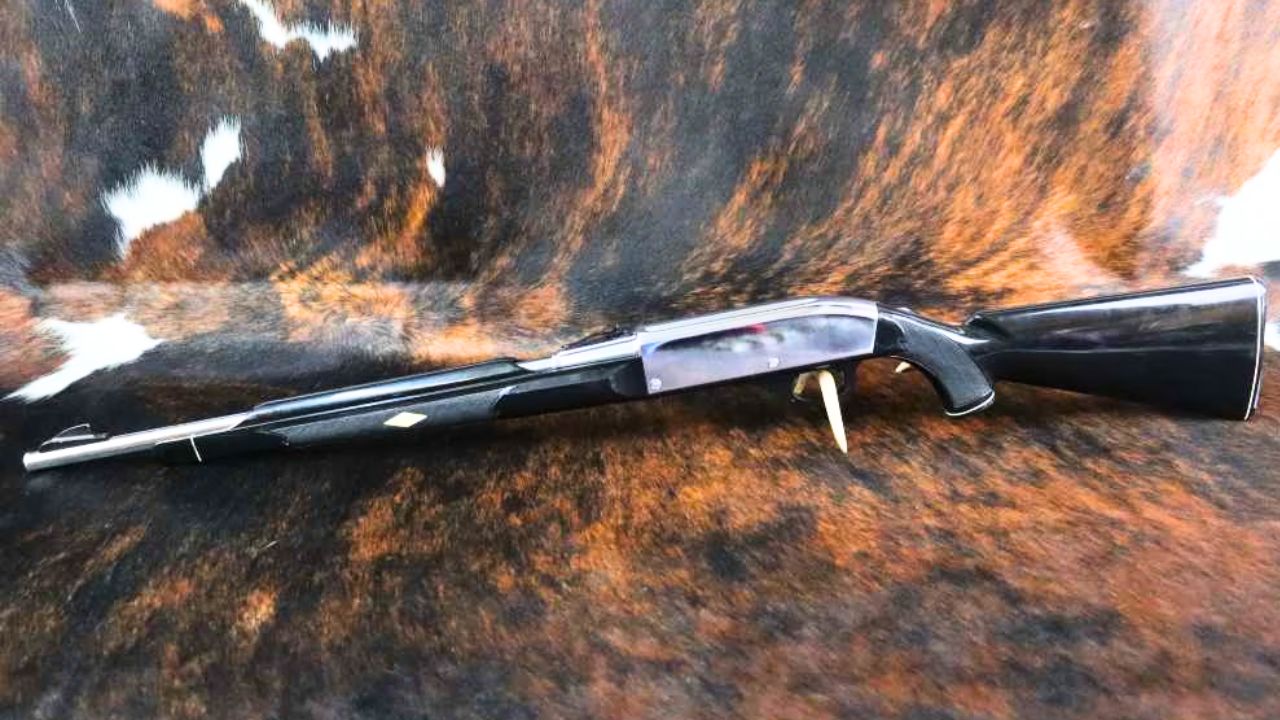
Plastic furniture was not exactly considered prestigious when the Nylon 66 appeared. Shooters accustomed to walnut and steel could look at Remington’s lightweight synthetic-stocked rimfire and assume it was a cost-cutting novelty. The rifle was inexpensive, unconventional, and radically different from what a traditional .22 was supposed to look like.
The Nylon 66 eventually proved that unconventional did not mean poorly designed. Its light weight, distinctive construction, and reliable operation developed a loyal following, while the unusual colors and variations gave collectors plenty to chase. Once production ended, the little synthetic rifle transformed from an affordable utility gun into a recognizable piece of Remington history. Owners who used to throw them behind pickup seats would probably treat a clean example very differently today. It is difficult to imagine anyone casually drilling or painting one now.
J.C. Higgins Model 50
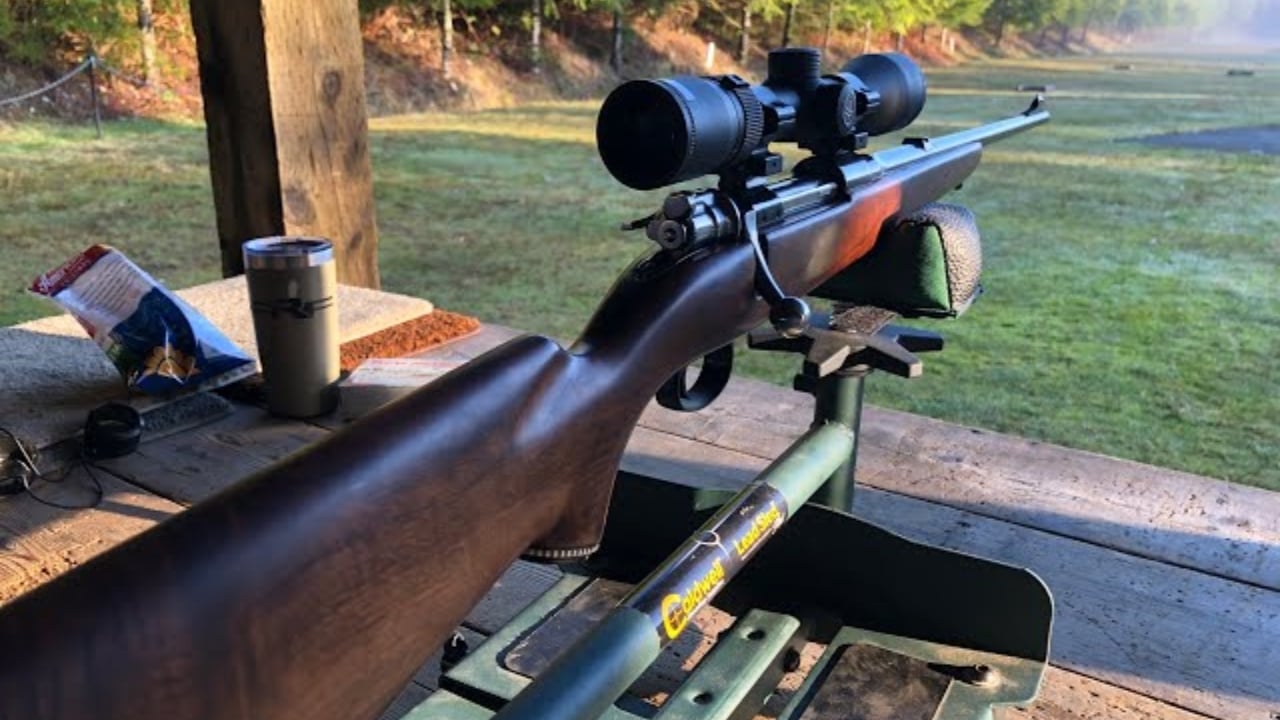
Department-store guns carried a stigma for decades. If the receiver said Sears rather than Winchester or Remington, some buyers automatically assumed the firearm was cheaper because it was worse. That mentality caused rifles such as the J.C. Higgins Model 50 to be overlooked even though the components could be surprisingly impressive.
The Model 50 is a perfect example of why experienced gun owners now pay closer attention to old house-brand firearms. Beneath the department-store name, buyers could find a rifle built around an excellent commercial Mauser-style action with quality components. Once people stopped judging the gun by the catalog name stamped on it, the value proposition became obvious. Clean examples now appeal to shooters who appreciate traditional sporting rifles and know exactly what they are looking at. Sometimes the least fashionable name on the rack hid one of the better bargains.
Stevens Model 311
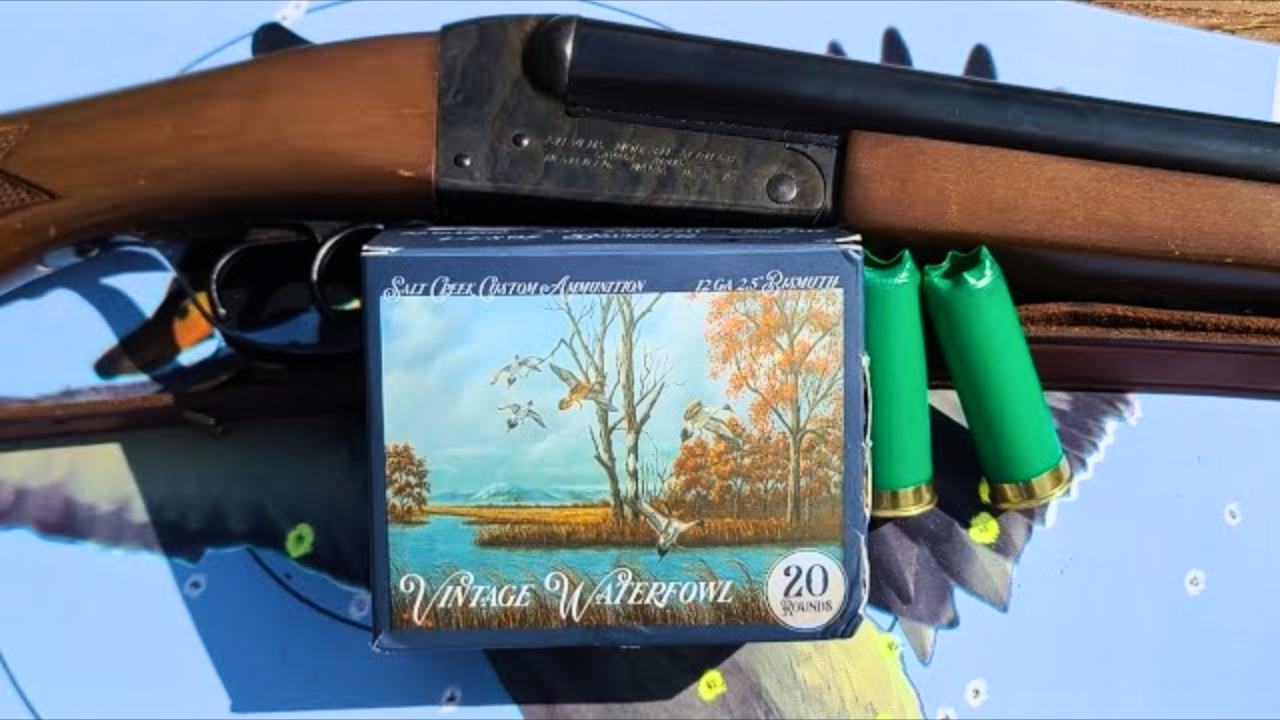
The Stevens 311 spent generations being exactly what an inexpensive double-barrel shotgun was supposed to be. Farmers kept them behind doors, hunters carried them through briars, and families handed them down without ever pretending they were fine English doubles. Their plain finishes and basic construction practically invited hard use.
That honesty is what makes them appealing now. A 311 is not suddenly a luxury shotgun, and pretending otherwise misses the point. Shooters like them because they represent a period when a durable side-by-side could be an ordinary working person’s gun rather than a specialty purchase. Many surviving examples show decades of honest wear, and plenty have been shortened or modified. Finding a clean original gun can bring back an entire style of American shotgun ownership that has become much less common.
Smith & Wesson Model 10 Police Trade-In
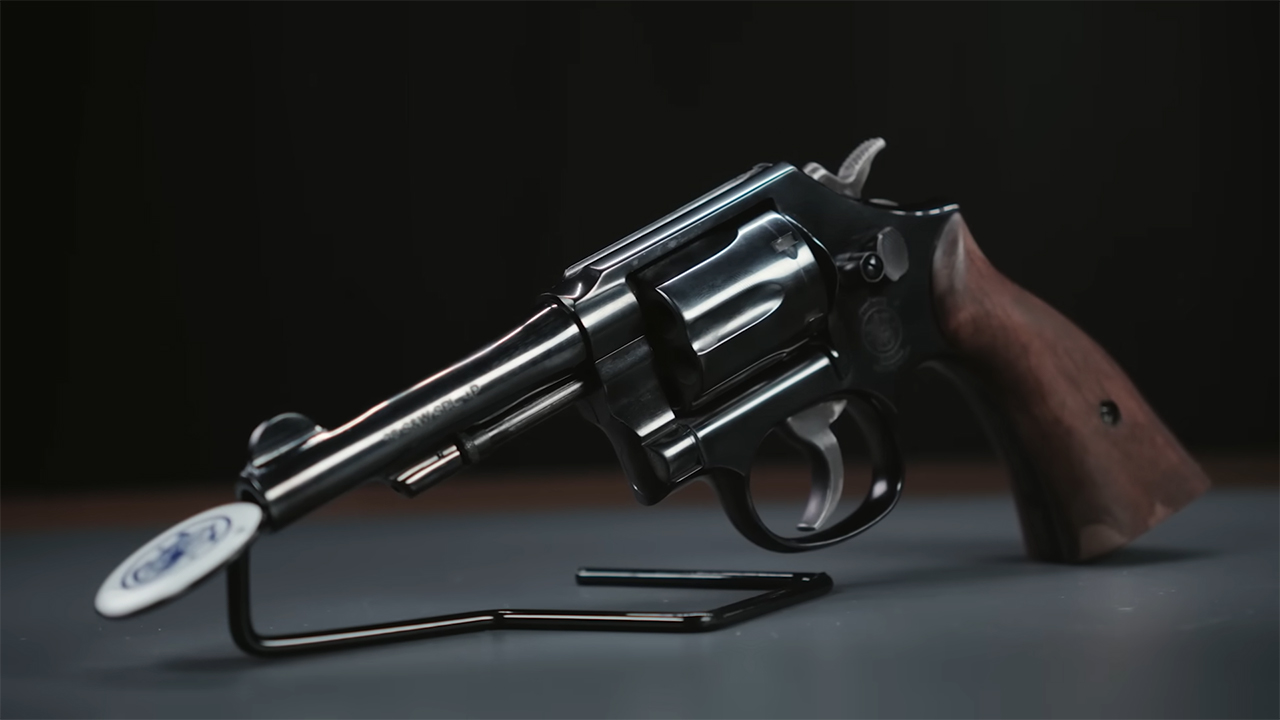
There was a time when used Smith & Wesson Model 10 revolvers could seem almost boring. Police agencies had used variations of the basic .38 Special revolver for decades, and trade-ins entered the commercial market with holster wear and plain service stocks. Shooters chasing higher capacity or magnum power sometimes ignored them because nothing about a worn fixed-sight .38 seemed exciting.
Those revolvers look considerably better through modern eyes. They are slim, balanced, mechanically straightforward, and representative of the classic American service revolver at its most developed. Buyers increasingly appreciate pinned barrels on older examples, factory stocks, unusual barrel lengths, and department markings. There are still Model 10s around, but the days when a clean old Smith revolver was automatically treated like inexpensive surplus are fading quickly.
Winchester Model 94 Post-1964

Post-1964 Winchester Model 94s spent years being compared unfavorably with the rifles made before Winchester’s famous production changes. Collectors wanted pre-64 guns, which meant later rifles often lived in an awkward middle ground. They were neither new enough to feel modern nor old enough to command the reverence attached to earlier examples.
Time has softened that attitude. A well-kept Model 94 from later production is still a slim, handy .30-30 lever rifle built around one of America’s most recognizable hunting designs. Shooters who grew up carrying those rifles are now old enough to become nostalgic about them, and Winchester’s production history has made certain periods and configurations interesting in their own right. A rifle does not have to be the most collectible version to become something people wish they had kept.
Romanian WASR-10
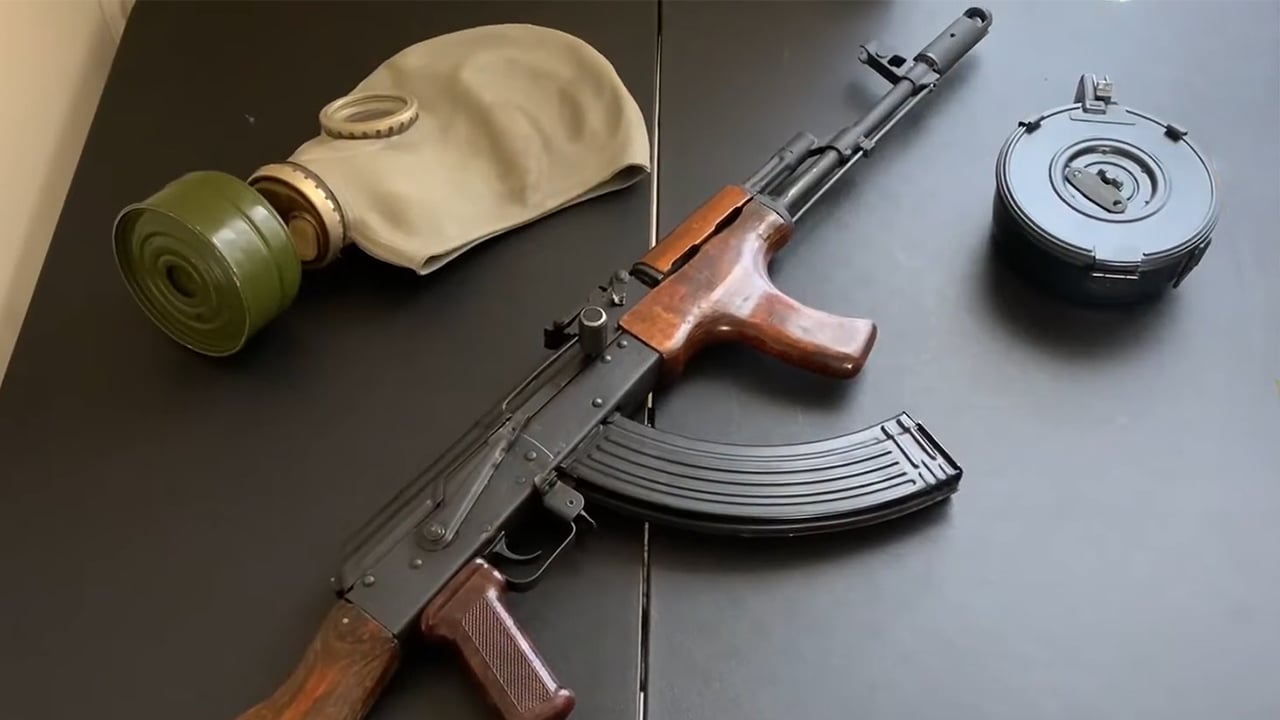
WASR rifles spent years taking abuse from shooters who considered them crude, cheap AKs. Finish quality could be rough, furniture was rarely glamorous, and early examples occasionally suffered from issues such as canted sights or magazine wobble. When inexpensive imported AK-pattern rifles were everywhere, paying extra attention to a basic Romanian WASR seemed unnecessary.
Then the American AK market changed. Prices climbed, imports shifted, and shooters started looking differently at rifles built with military-style components and chrome-lined barrels. WASRs earned a reputation for being far more durable than their cosmetics suggested. The same rifle someone mocked for rough machining could run thousands of rounds without complaint. A clean older example now represents the affordable AK era that many shooters assumed would last forever.
Tokarev TT-33 Variants

Surplus Tokarev pistols were easy to dismiss when they were inexpensive. They had thin grips, simple sights, powerful but unfamiliar ammunition, and import-added safeties that could look awkward. Compared with modern defensive pistols, they appeared outdated and inconvenient.
Collectors eventually started looking beyond those shortcomings. Soviet, Romanian, Yugoslavian, Polish, and Chinese variants tell different parts of the same military-pistol story, and original markings make particular examples much more interesting than a generic cheap handgun. The 7.62×25 cartridge also gives the platform a distinctive shooting experience few modern pistols replicate. Once inexpensive military imports dry up, people tend to stop asking what features they lack and start appreciating what survived. The Tokarev has followed that pattern almost perfectly.
Ruger P89

Nobody ever accused the Ruger P89 of being delicate. It was big, heavy for its capacity by modern standards, and styled more like industrial equipment than a sleek defensive pistol. That was exactly why shooters could make fun of it while simultaneously admitting that killing one through normal use was nearly impossible.
Today, those characteristics create nostalgia rather than criticism. Metal-framed hammer-fired service pistols are no longer the default choice filling every gun-store case, and the P89 represents Ruger’s unapologetically rugged approach during that era. It is not rare enough to become an exotic collectible, but clean examples increasingly attract owners who remember when these pistols were affordable tools. The characteristics that once made the P89 seem outdated are becoming the same characteristics that make people want one back.
Like The Avid Outdoorsman’s content? Be sure to follow us.
Here’s more from us: