Photo credit: Simon Kadula/Shutterstock.com
Deer hunters spend a lot of time worrying about wind direction, camouflage, and making too much noise in the stand. Those things matter, but plenty of deer are already alerted long before the hunter ever settles in. A careless walk through the wrong trail, a truck parked in the same place every morning, or a quick scouting trip at the wrong time can change how deer use an area without producing an obvious blow or flashing white tail.
Mature deer are especially good at noticing changes around them. They may never completely abandon a property, but they can shift movement until after dark, start using thicker cover, or avoid a particular route altogether. The frustrating part is that hunters often blame bad luck when their own routine caused the change. These are 20 common mistakes that can spook deer without hunters realizing what happened.
Walking Through Bedding Cover
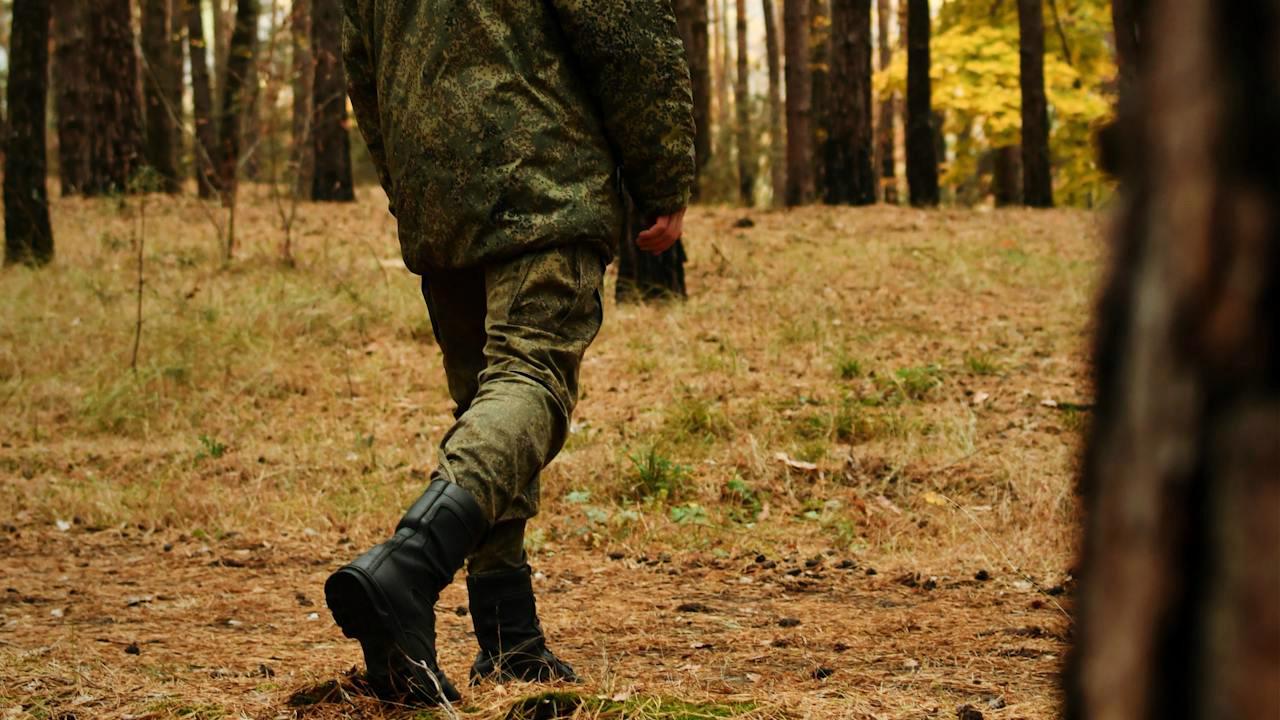
One of the quickest ways to change deer movement is walking directly through the cover where deer spend daylight hours. Hunters sometimes do this while scouting because the thickest areas usually contain the most rubs, beds, and trails. Finding that sign feels productive, but repeatedly entering the same cover can teach deer that the area is no longer secure. Mature bucks are particularly sensitive to pressure around bedding areas because those locations are supposed to be where they can avoid danger.
The problem becomes even worse when a hunter walks through bedding cover shortly before the season or immediately before an evening hunt. Deer may leave without ever being seen. I would rather identify bedding areas from the edges and stay out unless there is a very good reason to enter.
Checking Trail Cameras Too Often
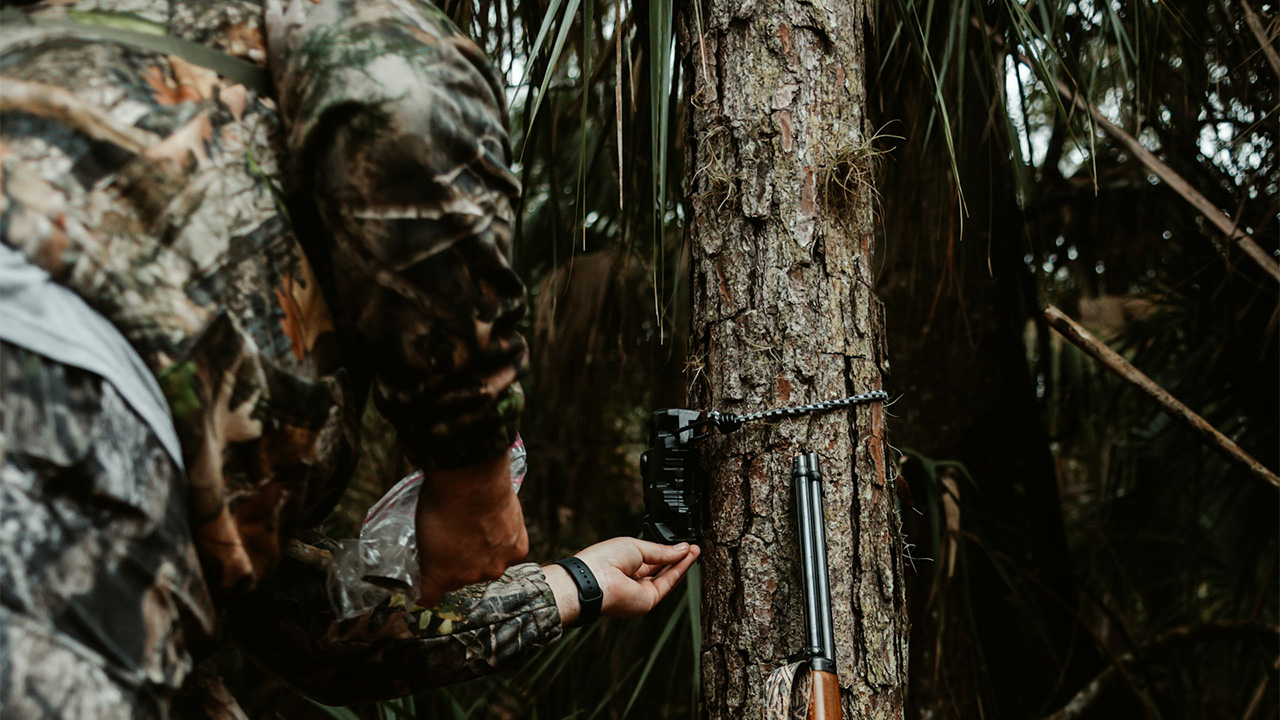
Trail cameras are supposed to help hunters understand deer movement, but constantly checking them can have the opposite effect. Every trip leaves ground scent, human odor, and fresh disturbance behind. A buck does not need to see a hunter standing beside the camera to realize something unusual happened there. If that camera sits close to a bedding area, scrape, or heavily used trail, repeated visits can make the location much less attractive during daylight.
Cellular cameras reduce this problem because hunters can receive pictures without physically entering the area. With traditional cameras, I would stretch the time between checks and combine visits with other necessary trips whenever possible. Getting another week of pictures is rarely worth educating a mature buck that someone keeps walking down the same trail.
Parking in the Same Obvious Spot
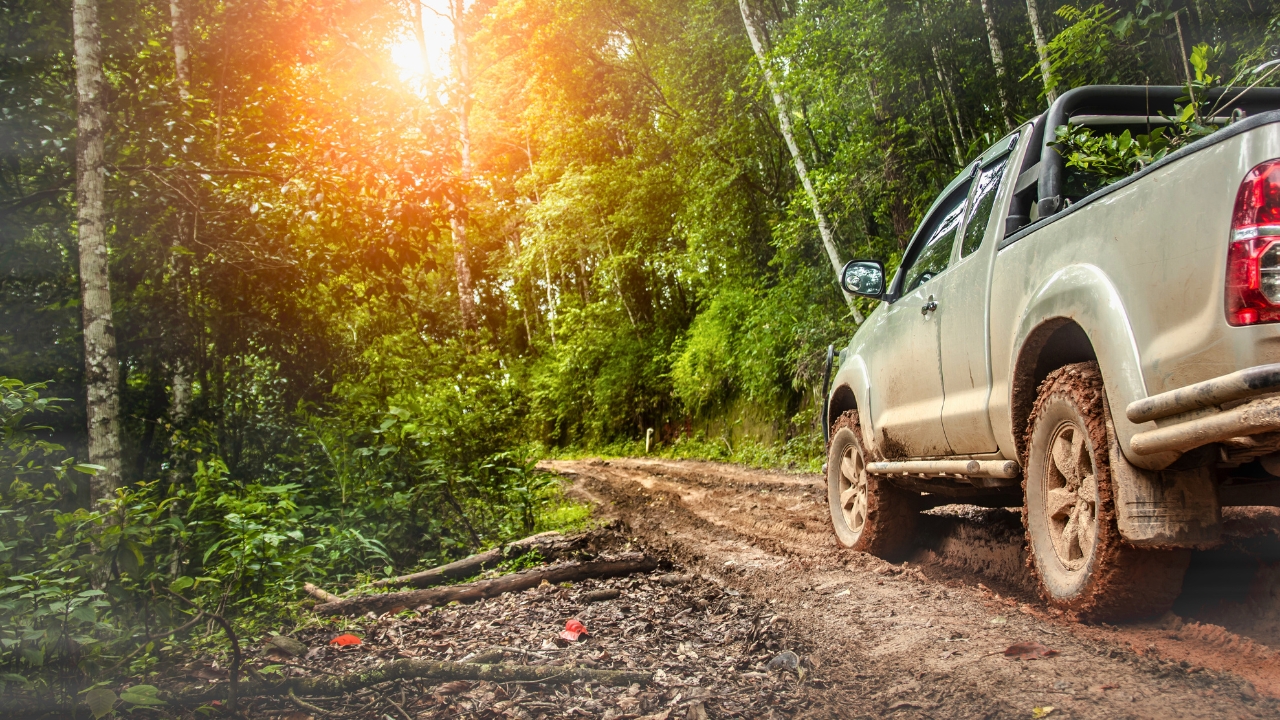
Deer living around hunting properties quickly learn what normal human activity looks and sounds like. A truck that suddenly appears beside a field every Saturday morning can become part of the warning system. Hunters often assume the vehicle itself does not matter because deer see farm trucks, tractors, and traffic all the time. The difference is that hunting pressure follows certain vehicles and certain parking locations.
If deer repeatedly hear doors close, see headlights, and then smell people moving toward the woods from the same spot, they can associate that routine with danger. Mature bucks may start avoiding the area during daylight without ever completely leaving. Whenever possible, I prefer parking farther away, approaching from an unexpected direction, and keeping the final portion of my access route as quiet as possible.
Slamming Truck Doors Before Daylight

A truck door closing sounds much louder on a calm November morning than it does during the middle of the day. Add a tailgate, gear box, and a couple conversations beside the vehicle, and hunters can announce their arrival to every deer within a surprisingly large area. Deer may tolerate ordinary road traffic, but a vehicle stopping at an unusual hour followed by repeated metallic noises is different.
The biggest problem is that hunters often make all this noise before they even start worrying about being quiet. Once they reach the woods, they suddenly whisper and move carefully even though deer may already know someone has arrived. I try to have gear organized before leaving home and close everything as quietly as possible. The hunt starts when the vehicle stops, not when I reach the stand.
Using the Same Access Trail Every Hunt

A clean trail leading directly to a stand is convenient for hunters, but deer can learn that route just as easily. Human scent builds up along the path, vegetation gets disturbed, and the timing becomes predictable. If a buck regularly crosses that trail after the hunter has passed through, it may eventually start circling the area or waiting until much later to move.
Good access routes should keep hunters away from bedding areas and major feeding locations, but even a good route can become risky when overused. I like having multiple ways to reach important stands whenever the property allows it. Switching approaches based on wind and deer movement reduces the chance of turning one trail into a permanent line of human scent running through the woods.
Hunting a Stand With the Wrong Wind
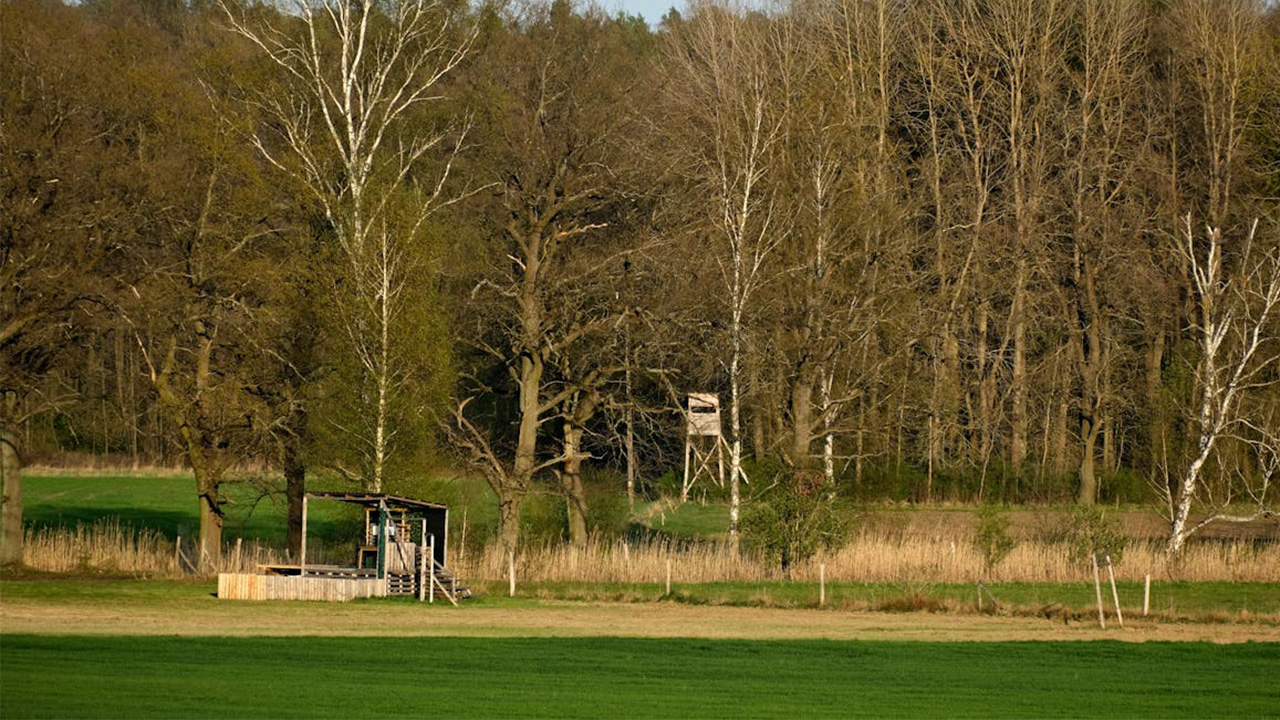
Most hunters know they should hunt the wind, yet plenty still convince themselves that a marginal wind is probably good enough. A steady breeze blowing toward an empty field may seem harmless, but thermals, swirling terrain, and subtle wind shifts can carry scent into places deer are approaching from. A deer may smell the hunter and quietly turn around without ever giving a warning snort.
That is what makes wind mistakes so deceptive. The hunter sits all evening and sees nothing, then assumes the deer simply did not move. In reality, several animals may have approached from downwind and left before becoming visible. I would rather skip a favorite stand for one hunt than educate the deer using it. Some locations only work when the wind is nearly perfect.
Cutting Across Feeding Areas in the Morning

Crossing a food plot or crop field before daylight can seem harmless because the hunter cannot see anything standing there. Unfortunately, deer often feed throughout the night and may still be in the field when the hunter arrives. Even if they leave quietly, the disturbance can teach them that the feeding area becomes dangerous near sunrise.
The same issue occurs when hunters walk across the downwind edge of a field where deer are feeding. Animals may smell the hunter before they ever hear footsteps. Morning access is often more difficult than evening access for exactly this reason. When possible, I want a route that enters the woods without crossing the places deer are likely to be using before daylight, even if that means walking considerably farther.
Climbing Into the Stand Too Late
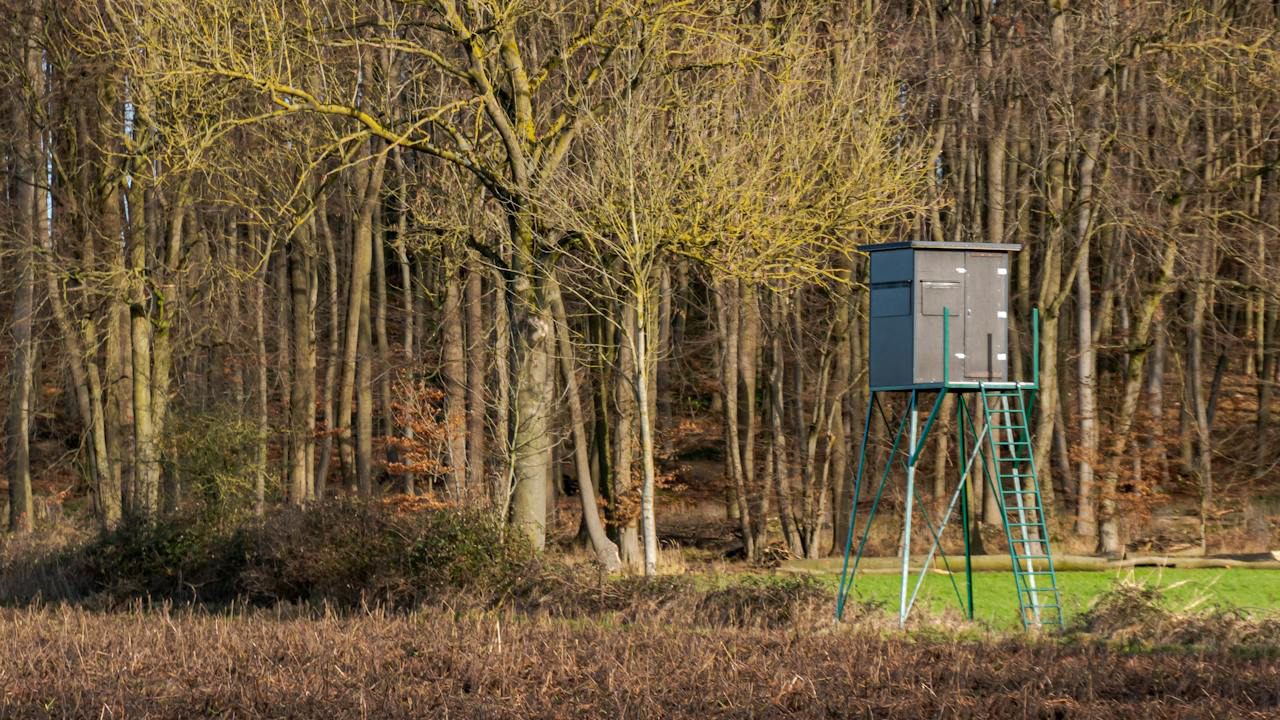
Arriving shortly before shooting light feels efficient, but it can be terrible for deer movement. Hunters who rush into the woods at the last minute tend to walk faster, make more noise, and reach the stand while deer are already moving through the area. A buck that hears climbing sticks rattling ten minutes before daylight may simply turn around.
Getting settled earlier gives the woods time to calm down before legal shooting begins. It also lets the hunter move more slowly and carefully during the approach. I would rather spend an extra half hour sitting quietly in the dark than arrive at exactly the time deer are transitioning from feeding areas toward bedding cover. The final thirty minutes before daylight can be some of the most important movement of the entire morning.
Leaving the Stand at the Worst Time
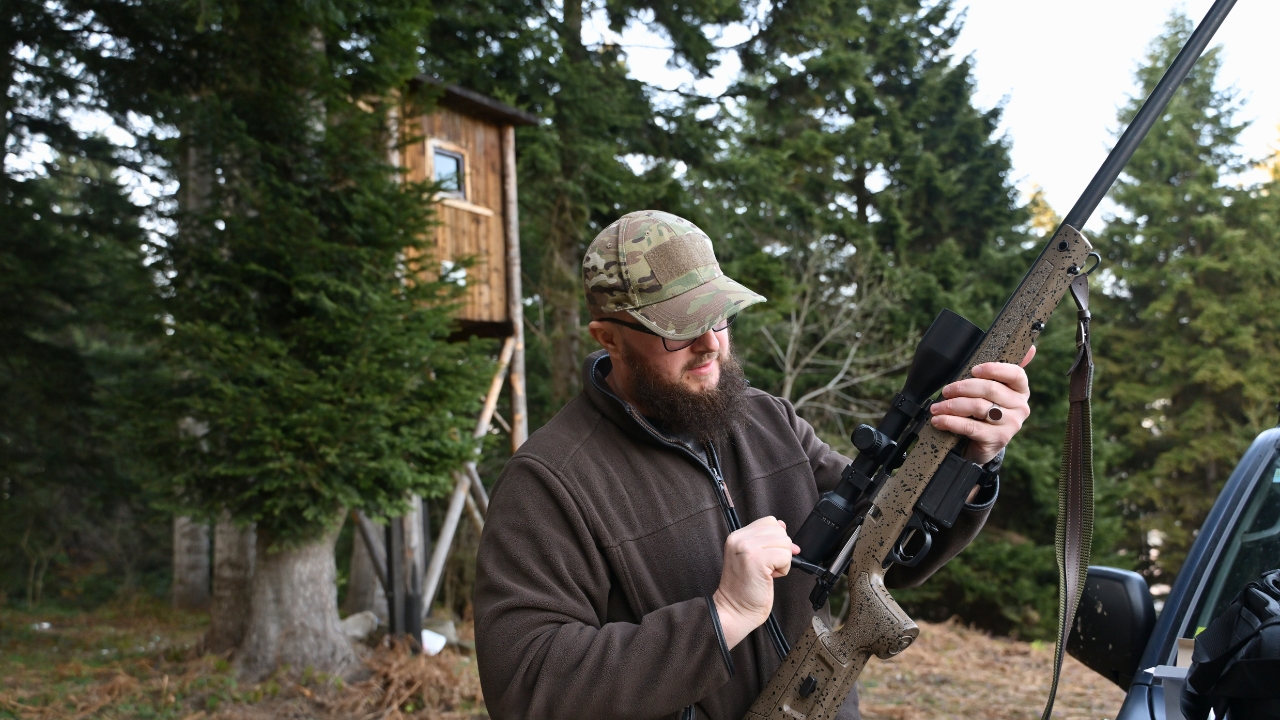
Getting into the stand carefully does not help much if the hunter blows deer out of the field while leaving. Evening hunters frequently climb down immediately after legal light ends, even when deer are feeding nearby. Flashlights turn on, gear starts rattling, and the hunter walks directly through animals that had no idea anyone was there.
Those deer may still return, but repeated encounters can make them increasingly cautious. On important fields, I sometimes prefer waiting until deer naturally move away or having someone drive closer and push them off with ordinary vehicle activity. The goal is avoiding a direct association between the stand and a person walking through the field. Exit strategy deserves just as much thought as the route used to get in.
Talking Too Much Near the Stand

Human voices carry a long distance in calm woods. Hunters sometimes whisper while climbing into position and assume deer cannot hear them because the conversation sounds quiet. A deer with excellent hearing may pick up those voices much farther away than expected, particularly before sunrise when everything else is still.
This becomes a bigger problem when two hunters meet near a stand, discuss plans, and then separate. Deer do not need to understand what is being said. They only need to recognize an unfamiliar sound associated with people. I save conversations for the truck and keep communication near hunting areas to the minimum necessary. Text messages can handle most last-minute changes without broadcasting human voices through the timber.
Letting Metal Gear Bang Together
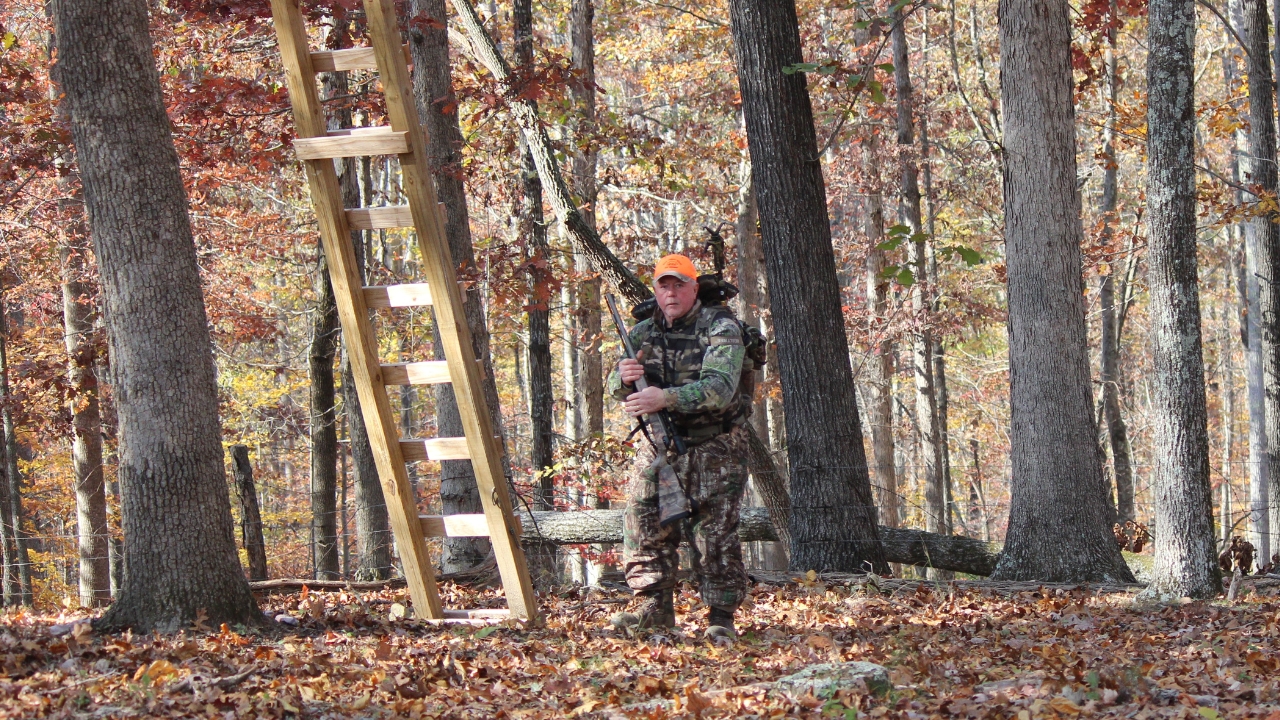
A rifle sling buckle hitting a stand, climbing sticks tapping together, or a metal zipper pull striking a railing can produce an unnatural sound that travels surprisingly far. Deer hear branches fall and acorns hit the ground constantly, but sharp metallic sounds are different from the noises they normally encounter in the woods.
Most hunters do not realize how noisy their gear is until everything becomes completely quiet. I like checking equipment before the season and covering or tightening anything that can rattle. Electrical tape, fabric, rubber, or small adjustments can eliminate a lot of unnecessary noise. None of this guarantees deer will never hear you, but reducing unnatural sounds helps keep a normal approach from turning into an obvious warning.
Overusing Scent Sprays
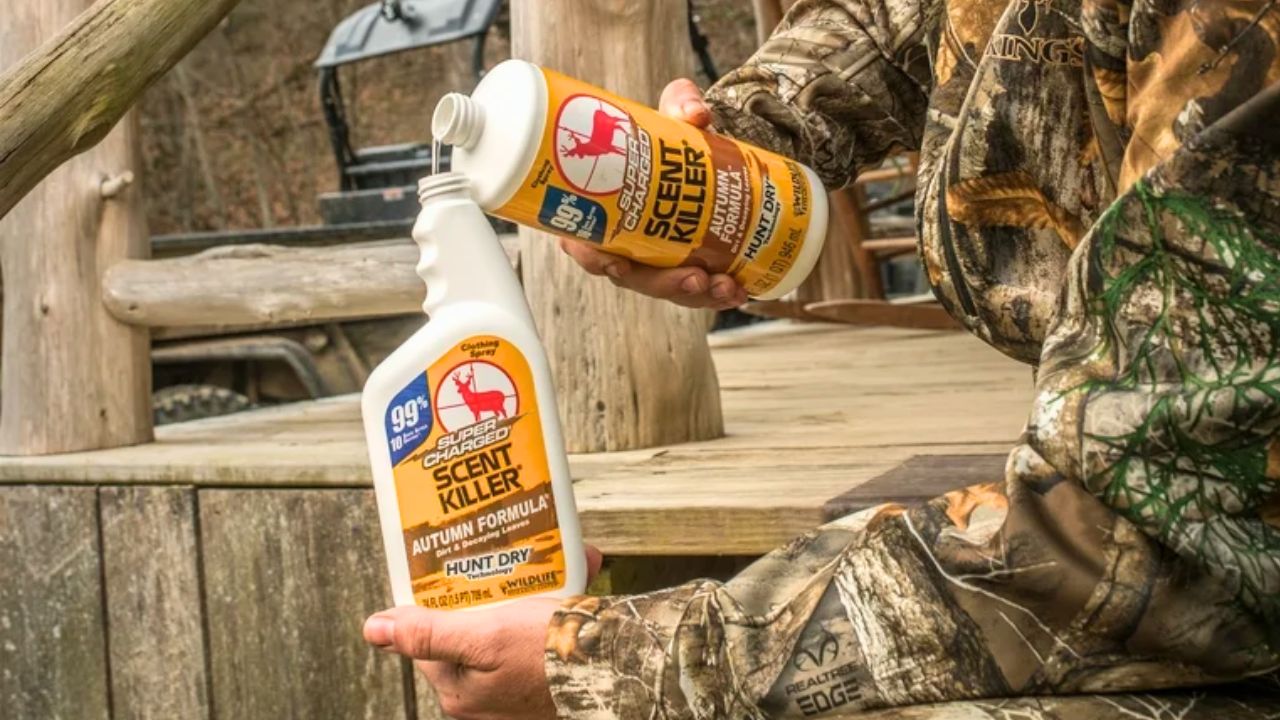
Scent-eliminating sprays can help reduce some odor on clothing and equipment, but they can also create false confidence. Hunters sometimes spray themselves heavily and then ignore wind direction because they believe the product makes them invisible to a deer’s nose. No spray can completely erase the scent produced by a human sitting in the woods for several hours.
There is also the possibility of introducing another unfamiliar odor into the environment when products are used excessively. I treat scent control as one small part of the process rather than a replacement for good access and wind discipline. Clean clothing, careful storage, and sensible scent products can help, but I still assume a mature deer directly downwind has a good chance of knowing I am there.
Touching Branches Along the Trail
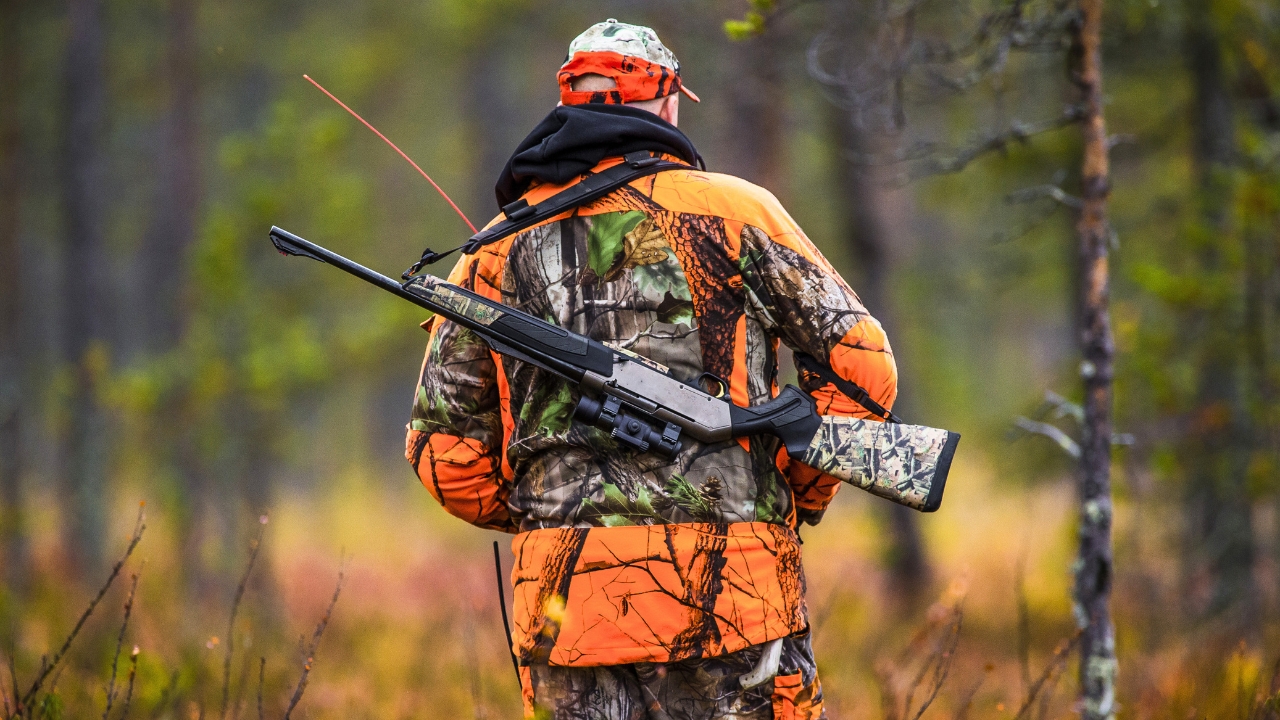
Hunters leave scent with their hands without thinking about it. Moving a branch, grabbing a sapling for balance, touching a gate, or brushing against vegetation can leave odor exactly where deer later walk. It may not matter much on a heavily used farm road, but it can become important around a secluded trail or bedding area.
I try to avoid unnecessary contact with vegetation as I approach a stand. Gloves help, but simply keeping my hands to myself is even better. Deer investigate changes in their environment more than many hunters realize, especially mature animals that have survived several seasons. A branch that suddenly smells like a person is one more clue that something unusual happened nearby.
Trimming Too Much Cover

Preparing shooting lanes can improve a stand dramatically, but hunters sometimes turn a subtle setup into an obvious construction project. Cutting dozens of branches, removing shrubs, and dragging vegetation around creates noise, scent, and a noticeable visual change. Deer that use the area every day may immediately recognize that something is different.
I prefer trimming well before the season whenever possible and taking only what is necessary for a clean shot. A few carefully chosen openings usually work better than clearing a wide lane through thick cover. Leaving natural vegetation around the stand also helps conceal movement. The goal is to make the setup huntable without making the woods look like someone just spent an afternoon landscaping it.
Scouting During Prime Movement
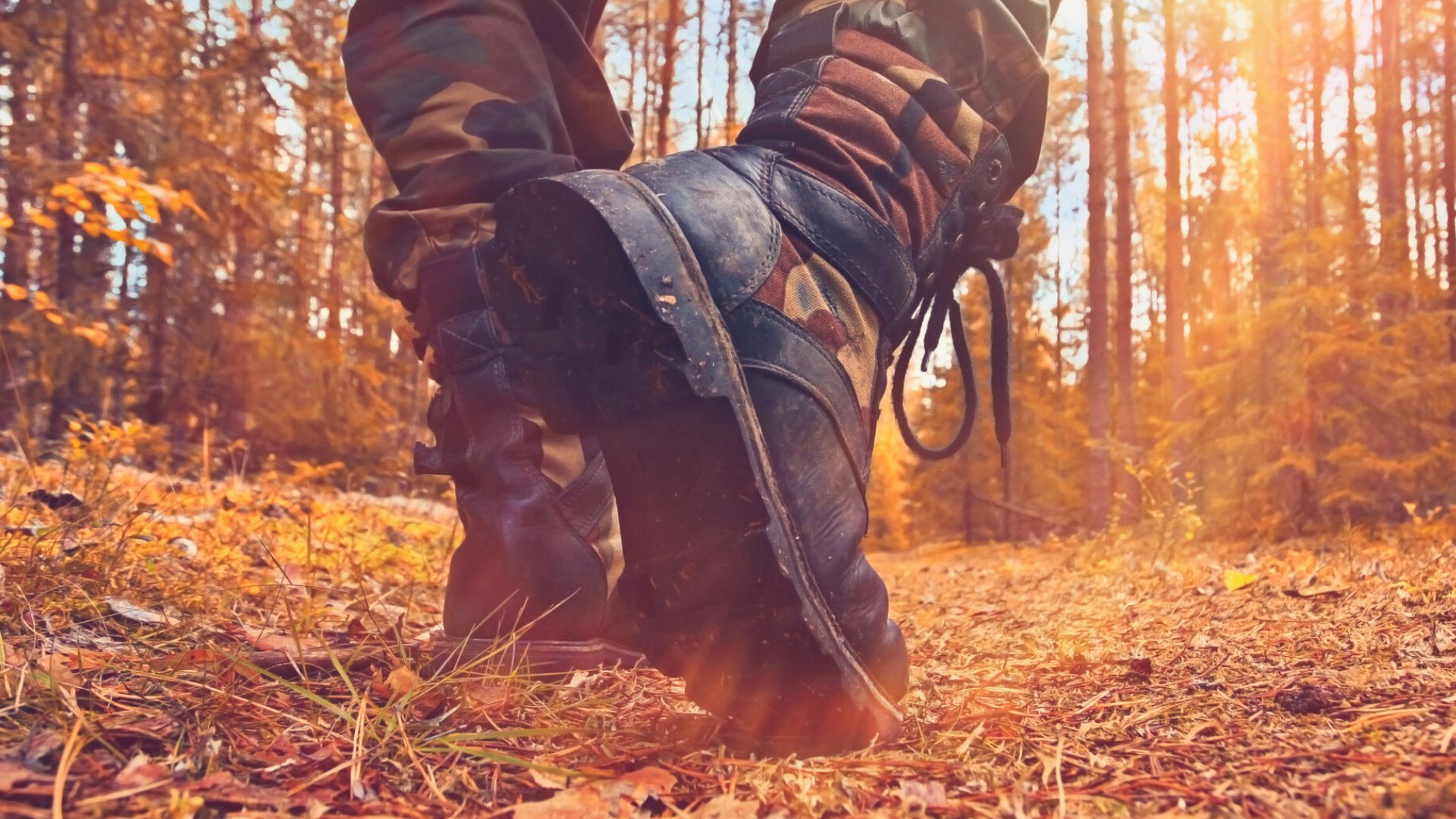
Scouting at dawn or late evening sounds logical because that is when deer are moving, but walking around during those same periods can disturb the exact animals a hunter is trying to pattern. A mature buck feeding along a field edge at sunset may learn a lot from seeing a person walk through with binoculars.
I prefer doing intrusive scouting during the middle of the day when deer are more likely to be bedded away from feeding areas. Observation from roads or distant vantage points is different because deer may already tolerate that activity. The closer I get to actual hunting locations, the more carefully I choose the timing. Gathering information is useful only if the process does not ruin the pattern being studied.
Using Bright Lights Carelessly
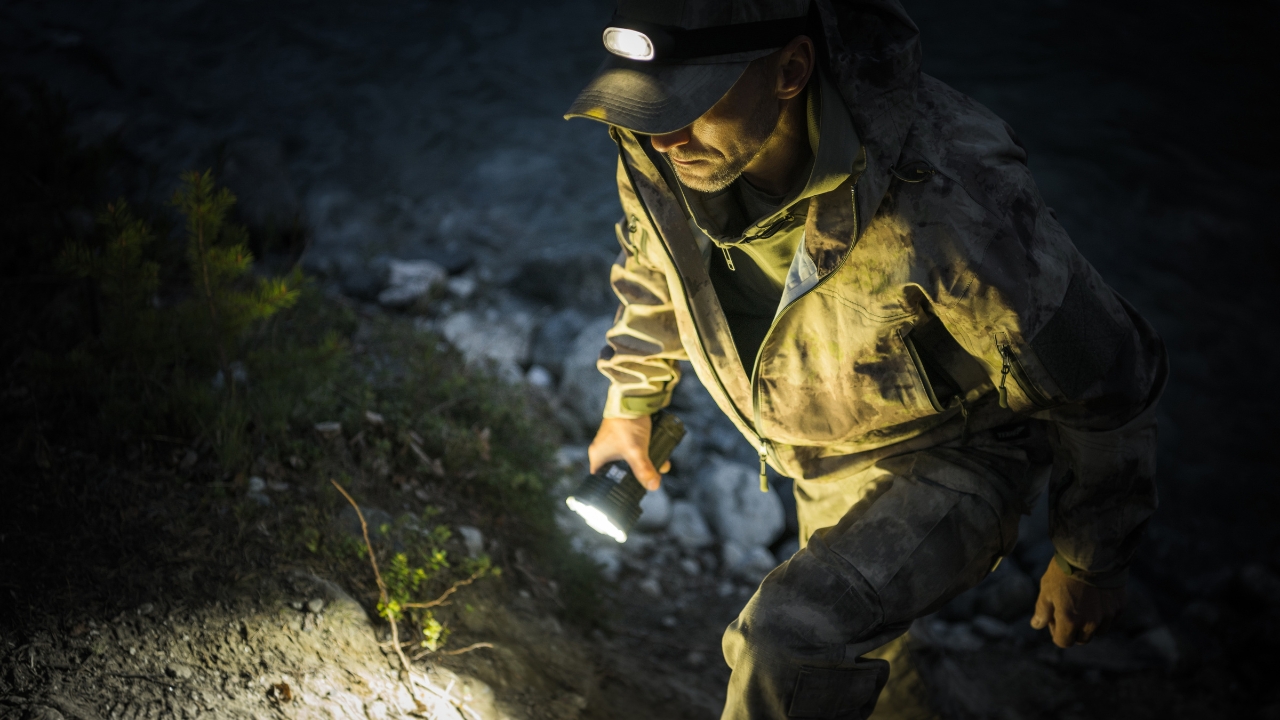
A headlamp is extremely useful for reaching a stand safely, but swinging a bright beam across an open field or bedding edge can alert deer from a long distance away. Deer may tolerate headlights on nearby roads, but a moving light deep inside the woods is not part of their normal routine.
I keep my light pointed toward the ground and use only as much brightness as I actually need. Knowing the route beforehand also prevents constantly searching for reflective markers and sweeping the beam through the trees. Safety still comes first, especially in rough terrain, but there is a big difference between using a controlled light and lighting up half the property on the way to the stand.
Hunting the Same Stand Too Many Days
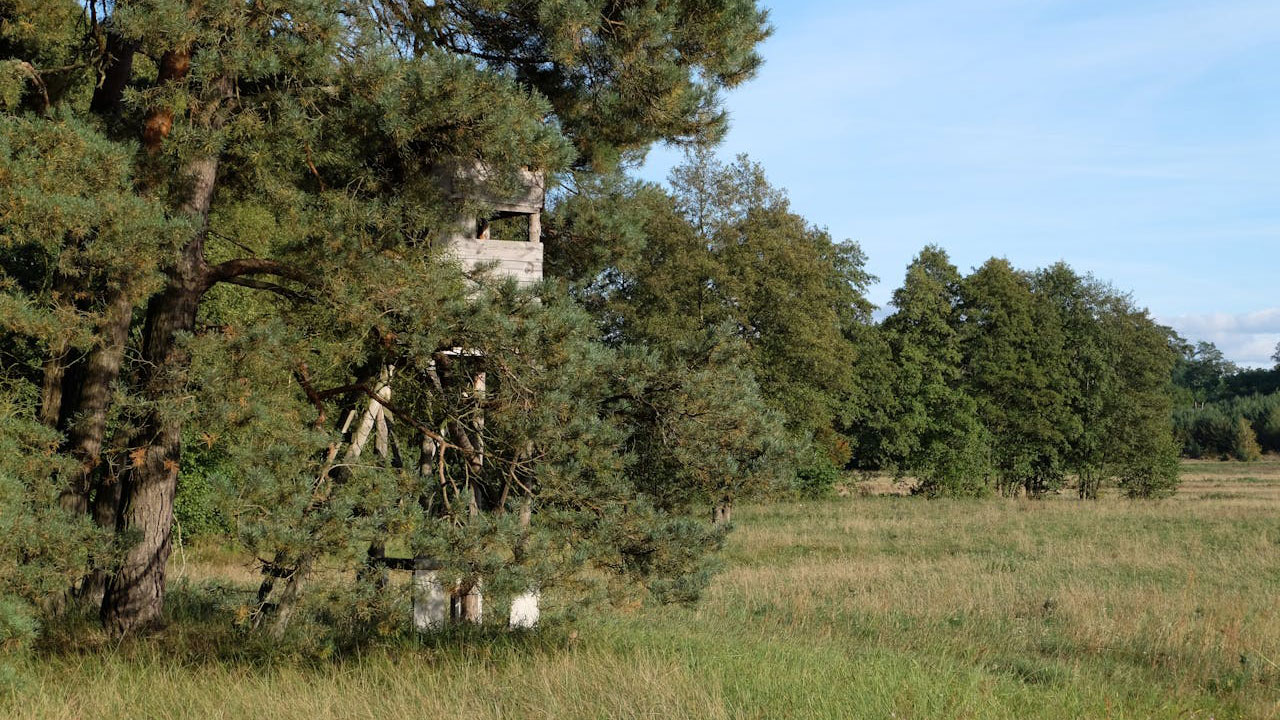
A stand can produce so much activity that hunters want to return every morning and evening until something finally walks within range. Unfortunately, repeated pressure often makes the stand worse with each hunt. Scent accumulates, access routes become more disturbed, and deer eventually recognize the pattern.
This is especially important with mature bucks. A buck may tolerate one encounter with faint human scent and continue using the area. After several days of smelling the same hunter in the same location, it may shift its route just enough to stay safe. Rotating stands keeps pressure spread across the property and lets productive areas rest. Sometimes the best thing a hunter can do for a great stand is leave it alone for several days.
Ignoring Thermals

Wind direction shown on a weather app does not tell the entire story in broken terrain. As air warms and cools, thermals move scent uphill or downhill even when the general wind appears favorable. Hunters sitting near creek bottoms, ravines, and steep ridges can get exposed when their scent starts moving in a direction they did not expect.
Morning thermals generally rise as the ground warms, while evening air often settles toward lower areas. Local terrain can complicate that pattern considerably. I pay attention to milkweed, fine powder, or other wind indicators throughout the hunt instead of checking the breeze once when I arrive. A stand that works beautifully at 4 p.m. can become terrible thirty minutes later when the air begins dropping.
Moving Too Much in the Stand

Deer often notice movement before they identify what caused it. A hunter shifting constantly, turning to check every sound, raising binoculars repeatedly, or reaching into a backpack can become surprisingly visible even while wearing excellent camouflage. Movement is especially dangerous when the hunter is silhouetted against the sky.
I try to make deliberate movements when deer are unlikely to be looking in my direction. Having important gear positioned within easy reach also reduces unnecessary motion. This matters even more in a ground blind or low stand where deer can see the hunter’s outline. Camouflage helps break up shape, but it cannot hide a person who never stops moving.
Assuming Deer Forget Quickly
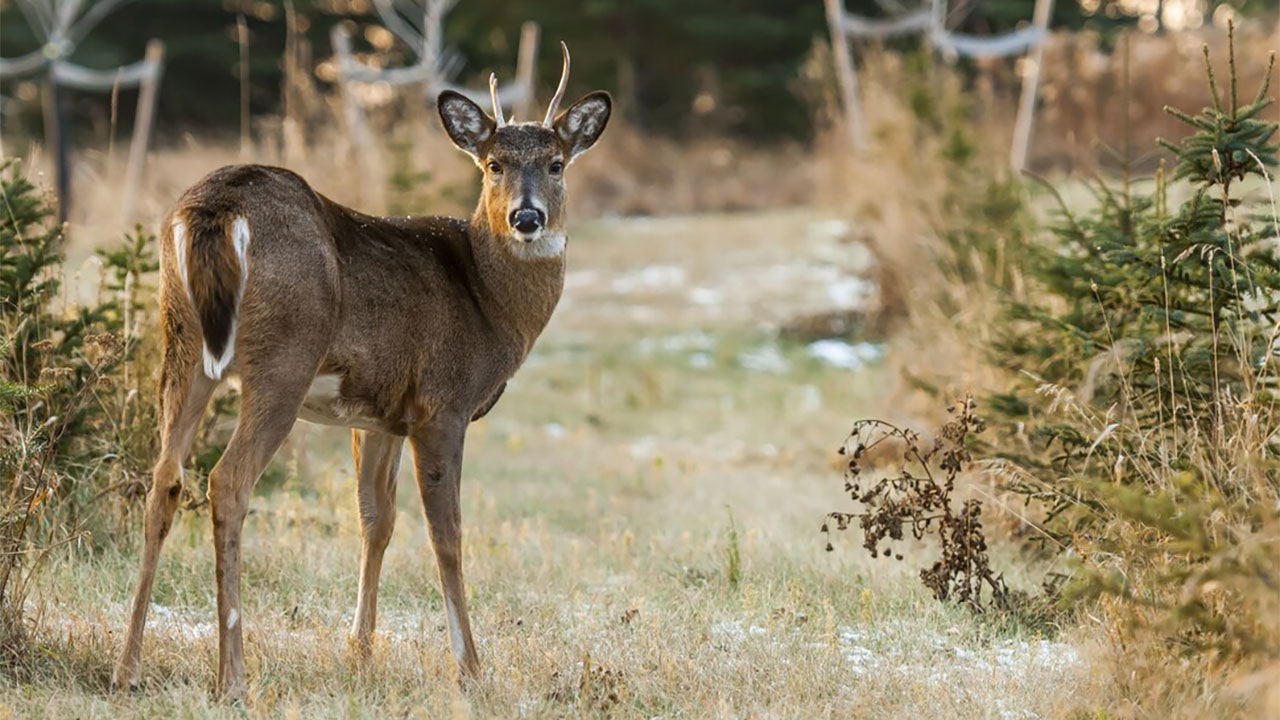
Hunters sometimes bump a deer and immediately decide the encounter did not matter because the animal did not snort or run very far. Mature deer can respond much more subtly. A buck may simply circle downwind, leave quietly, and change its daylight routine afterward.
That does not mean one mistake ruins an entire property. Deer live around people in many parts of the country and tolerate a certain amount of disturbance. The important difference is repeated hunting pressure in places where deer expect security. I try to treat every encounter as information. If I know I bumped a deer from a bedding area or contaminated an access route, I would rather adjust my plan than pretend nothing happened and repeat the same mistake the following morning.
Like The Avid Outdoorsman’s content? Be sure to follow us.
Here’s more from us: