Photo credit: Hunt Fish Shoot/Youtube
If I had to leave home and could take only one handgun, I would care a lot less about what was newest or most interesting and a lot more about what I already knew would work. I would want common ammunition, proven reliability, manageable size, durable construction, and a gun I could shoot well without needing perfect conditions. This is not the situation where I would experiment with an unusual cartridge or a handgun that only works because I keep it meticulously clean.
Most of my choices lean toward 9mm because ammunition is common, recoil is manageable, and modern pistols chambered for it give you a lot of capability without excessive weight. I would still consider a few revolvers and larger-caliber options for particular circumstances. If I had to walk out the door knowing one handgun might be all I had for a while, these are the 20 I would trust most.
Glock 19 Gen5
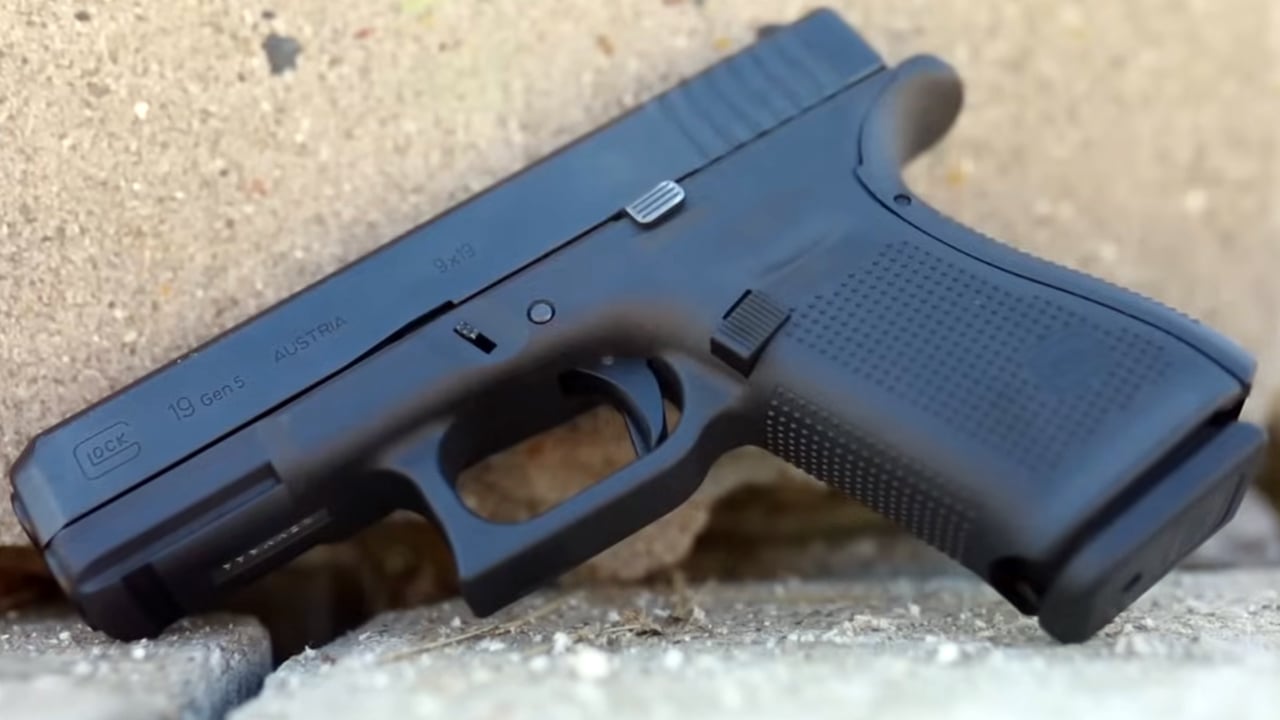
If I had no idea what the next few days looked like, the Glock 19 would be one of the easiest choices for me to make. It is large enough to shoot like a serious service pistol but compact enough that carrying it all day does not become an unnecessary headache. The Gen5 version uses a 15-round standard magazine, has a 4.02-inch barrel, and remains one of Glock’s core compact 9mm designs.
The bigger reason I would trust it is familiarity. Magazines, holsters, sights, and replacement components are common, and practically every gun owner knows what a Glock 19 is. I do not need one covered in aftermarket parts either. Give me a proven factory pistol, dependable magazines, and sights I can see clearly, and I would feel comfortable leaving with it.
Smith & Wesson M&P9 M2.0 Compact

The M&P9 M2.0 Compact competes directly with the Glock 19 for the kind of role I am talking about. It is a practical size, has excellent ergonomics for a wide range of shooters, and gives me a modern striker-fired pistol without becoming oversized. Smith & Wesson has also been building the M&P family long enough that I do not feel like I would be betting everything on an unproven design.
I especially like the grip texture and the way the pistol settles into my hand. When I am choosing one handgun rather than a collection, shootability matters. A pistol can have incredible specifications, but none of that helps if I consistently shoot another gun better. The M&P Compact is large enough to control easily, small enough to carry, and common enough that I would not worry about choosing something obscure.
HK P30

The HK P30 would be one of my first choices if I wanted a traditional hammer-fired handgun instead of another striker-fired pistol. HK built the P30 around serious service use, and that shows in everything from the substantial controls to the interchangeable grip panels. It feels like a pistol meant to survive years of being carried rather than something designed primarily to look impressive in a display case.
I also like having a hammer on a handgun that may be carried under uncertain conditions. Whether someone prefers the traditional double-action system or one of HK’s LEM configurations is personal, but either gives the P30 a different feel than the striker-fired majority. It is not the cheapest pistol here, and it is not the lightest. If reliability and durability were deciding factors, I would not care.
CZ P-10 C
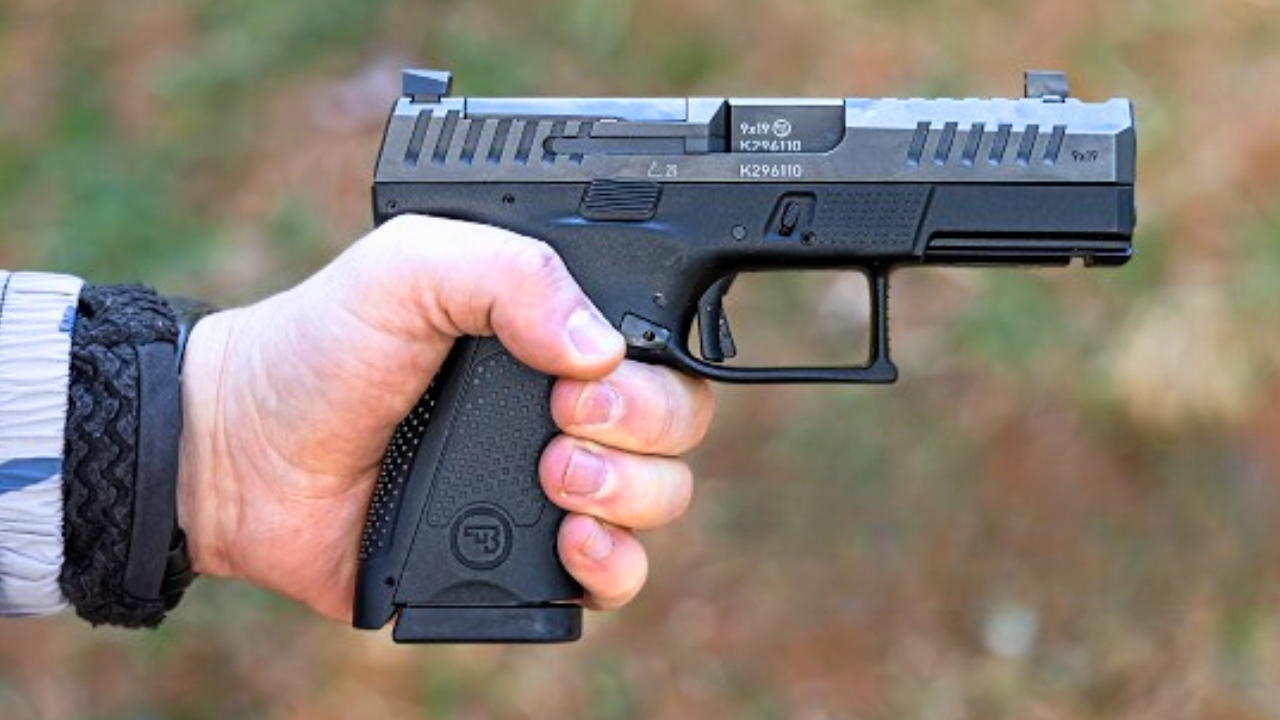
The P-10 C would make my list because it gives me nearly everything I want from a modern compact without adding much unnecessary complexity. CZ lists the current 9mm P-10 C with a four-inch barrel and 15-round magazine, putting it right in the sweet spot between easy carry and full-size shootability.
What I especially like is how naturally the grip points and how easy the trigger is to work well. I would not pick a single handgun based on trigger feel alone, but when reliability, capacity, size, and shootability all line up, it becomes a serious contender. The P-10 C also tends to give shooters a lot of pistol without requiring premium-handgun money. If mine had already proven dependable, I would have no problem walking out the door with it.
Beretta PX4 Storm Compact

The PX4 Compact is one of the handguns I think gets overlooked because it does not resemble everything else in the case. Instead of another striker-fired design, it uses a hammer-fired system and Beretta’s rotating-barrel arrangement. The 9mm Compact uses a 3.2-inch barrel and a 15-round magazine, giving it useful capacity in a relatively compact package.
What matters to me is that the PX4 has developed a loyal following among shooters who actually put rounds through their handguns. It is soft shooting for its size, comfortable to control, and different without being unnecessarily complicated. If I had already spent enough time with one to trust it, I would see no reason to leave it behind merely because something newer gets more attention.
SIG Sauer P226
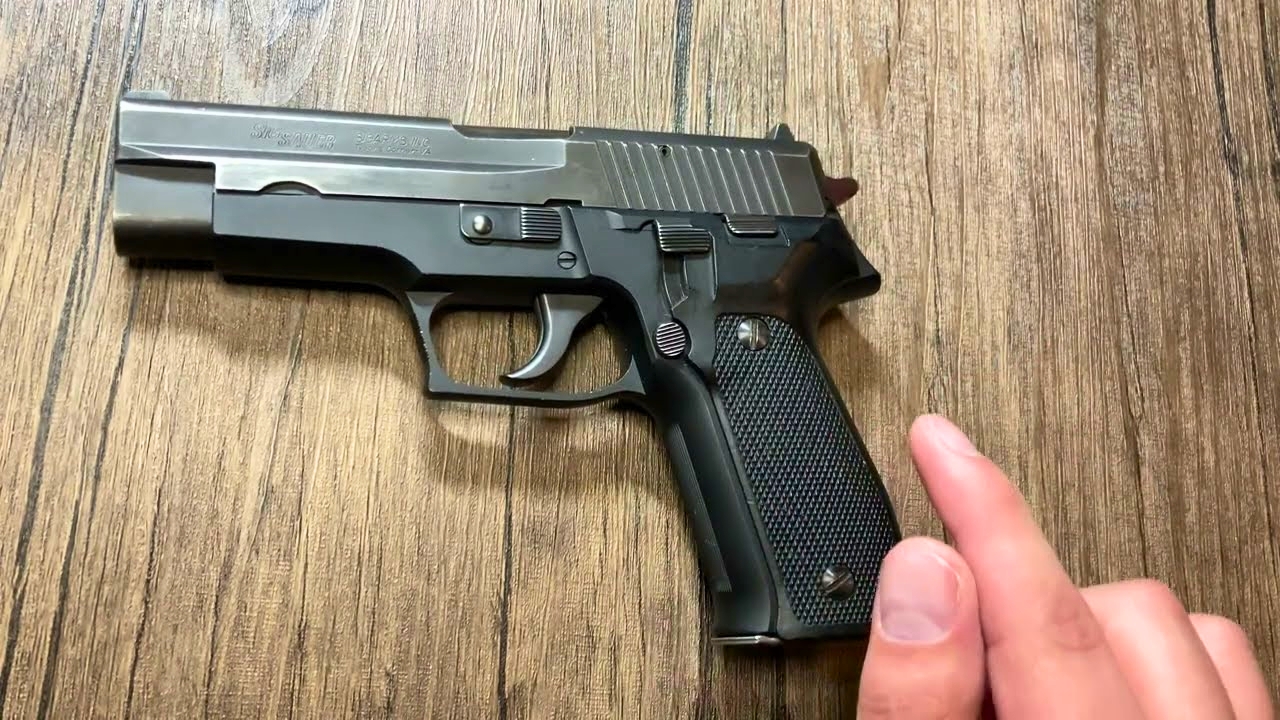
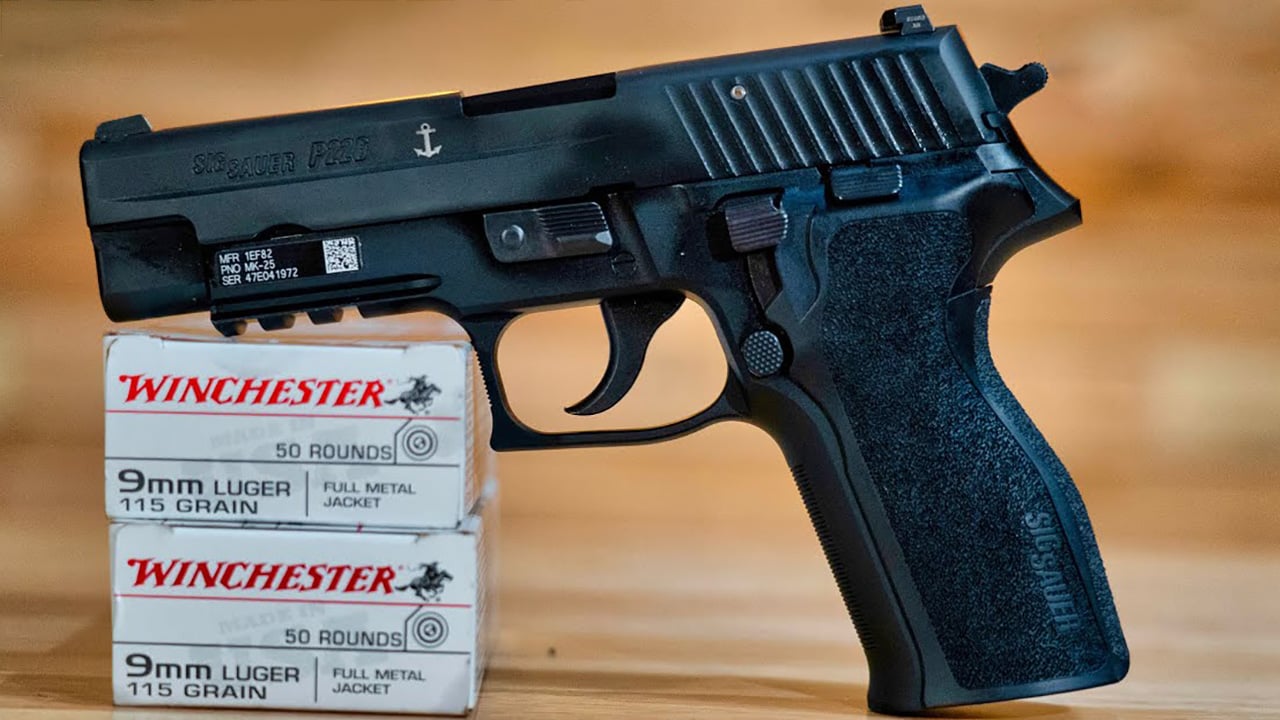
The P226 is bigger and heavier than most handguns I would choose if I expected to carry constantly, but those same characteristics make it exceptionally pleasant to shoot. It was designed during an era when duty pistols were substantial metal-framed guns, and the design has remained relevant long after polymer frames took over the market.
If I had to rely on one pistol and concealment was not my highest priority, the P226 would make a lot of sense. The 9mm chambering keeps ammunition practical, while the weight helps keep the pistol steady. I also trust a platform that has been used and refined for decades more than I trust a brand-new design purely because the marketing says it is improved. Sometimes proven and slightly heavy is exactly what I want.
Glock 17 Gen5
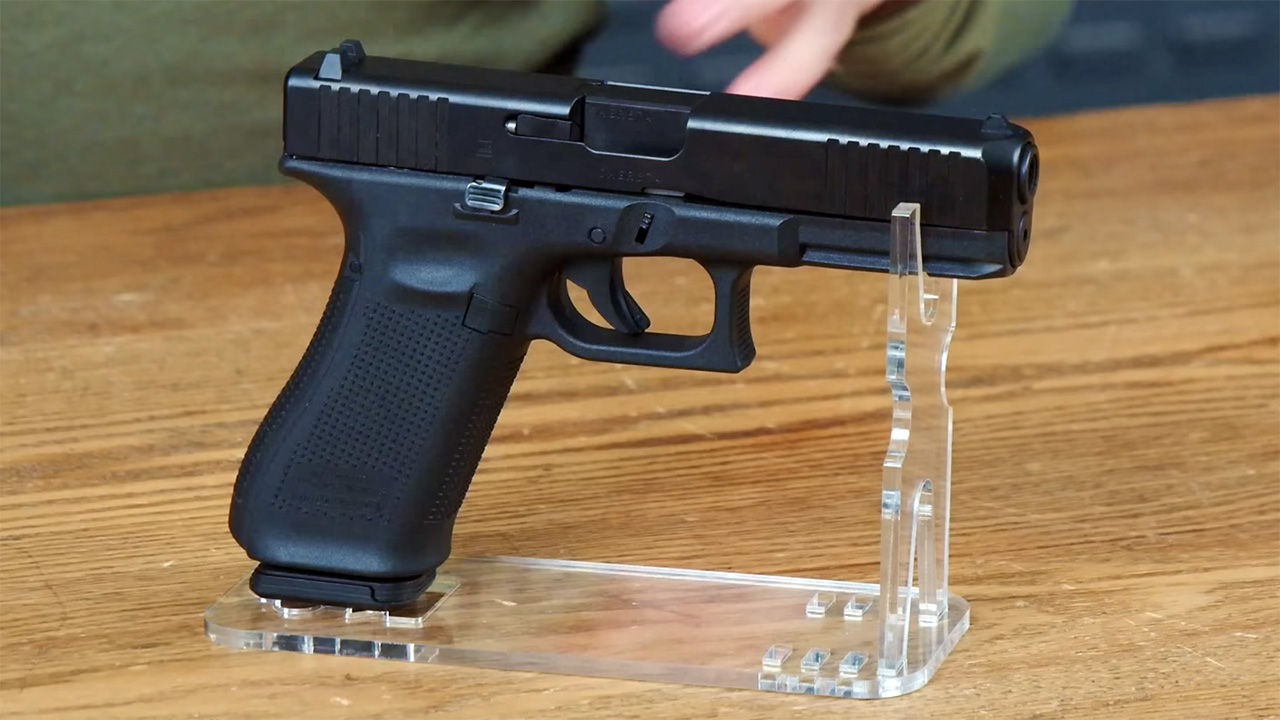
If I expected carrying comfort to matter less than maximum familiarity and easy shooting, I might choose the Glock 17 instead of the 19. The full-size grip gives me more room to work with, and the longer sight radius of an iron-sighted pistol helps me shoot it well. There is also something reassuring about choosing one of the most established service-pistol formats in the world.
The 17 is not dramatically harder to carry than the 19 with the right setup, but its longer grip is more noticeable. If I were leaving home rather than trying to optimize for daily concealed carry, I might not care. Reliability, widely available magazines, common 9mm ammunition, and an enormous support network make the Glock 17 a difficult handgun to argue against when practicality matters more than personality.
Beretta 92X Centurion
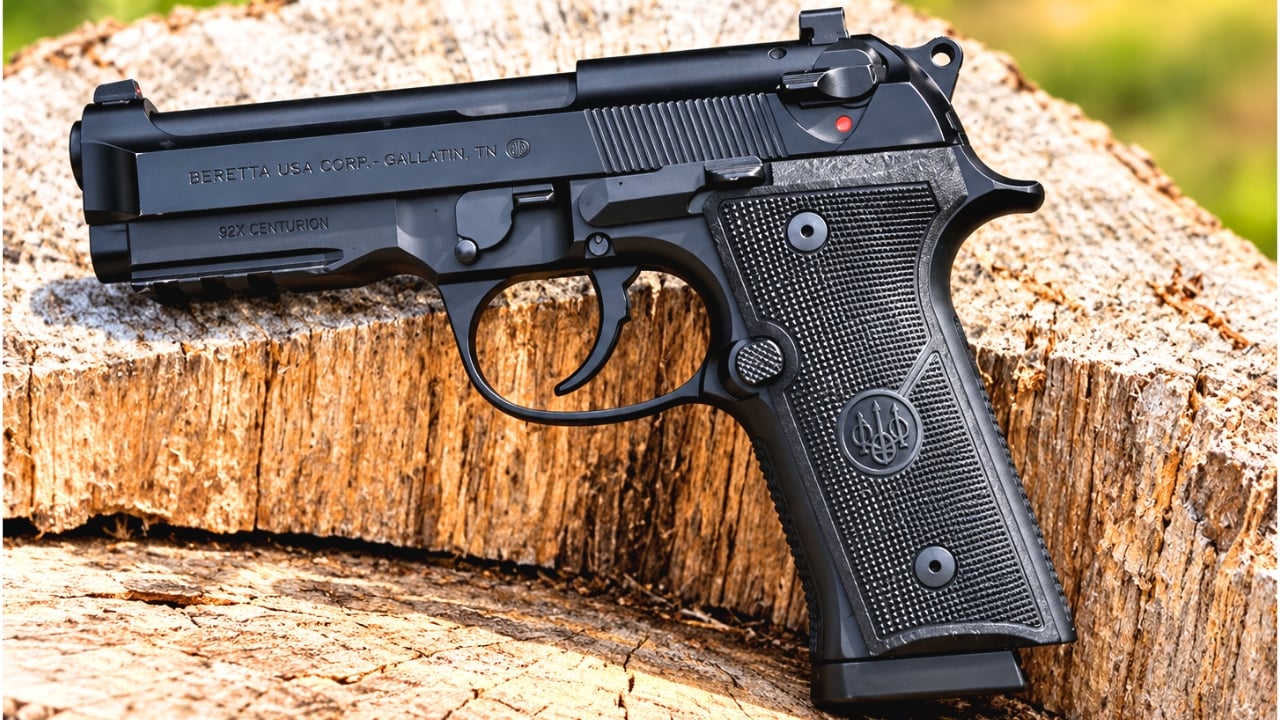
The 92X Centurion gives me much of what I like about the classic Beretta 92 in a slightly handier package. It still has the open-slide profile, traditional hammer-fired action, and substantial frame that made the 92 family famous, but the Centurion dimensions make it easier for me to imagine carrying for extended periods.
This is another pistol I would choose because it is easy to shoot well. The weight that looks like a disadvantage on a specification sheet becomes much more appealing once rounds start going downrange. Recoil is mild, controls are familiar, and 9mm remains one of the easiest centerfire handgun cartridges to find. If I were limited to one handgun and had confidence in my particular 92X, I would trust the design without feeling any need to chase something lighter.
Walther PDP Compact

The PDP Compact would make the cut because Walther managed to build a modern striker-fired pistol that is extremely easy to shoot without making it overly specialized. The grip fits my hand well, the trigger is one of the stronger factory offerings in this class, and optics-ready versions make it easy for someone who already prefers a red dot to stay with a familiar setup.
The slide is somewhat chunky compared with a few competing pistols, but that would not bother me much in a leave-home-with-one scenario. I care more about confidence in the pistol than winning a measurement contest. A PDP Compact gives me common 9mm ammunition, practical capacity, and enough size to control comfortably. If I had already verified my magazines and optic, I would trust the package.
FN 509 Midsize
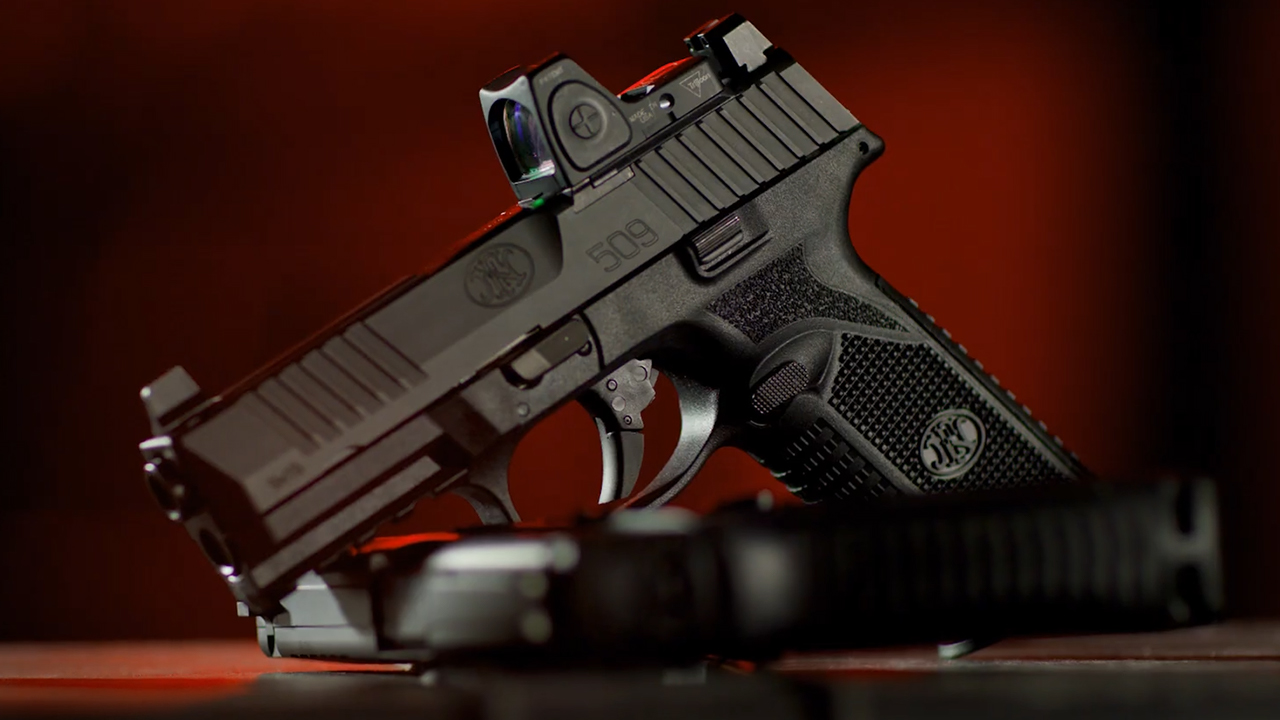
The FN 509 Midsize fits the role I am after because it was built around a serious service-pistol foundation but does not force me into a full-size handgun. It gives me enough grip to shoot confidently while remaining reasonable for extended carry. FN also offers versions with optics capability, which matters if that is how the owner normally trains.
The 509 feels particularly appropriate for someone who prioritizes durability over having the lightest or smoothest pistol available. It is a substantial polymer handgun, and that is fine with me. In a situation where I only get one handgun, I would rather carry something slightly overbuilt than something optimized so heavily for comfort that durability becomes secondary. The 509 Midsize strikes that balance well.
Springfield Echelon Compact
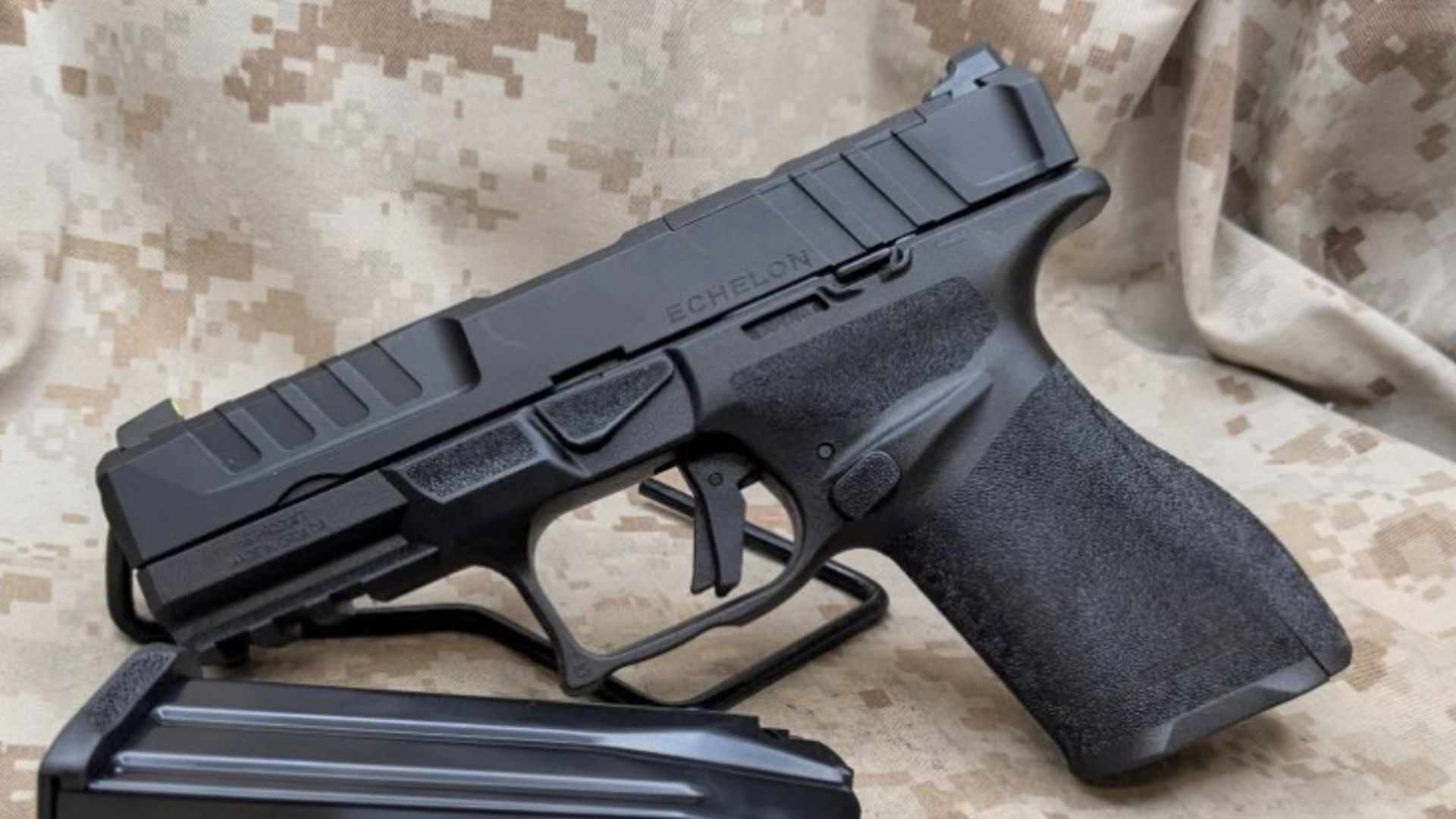
The Echelon Compact is newer than many of the pistols I would normally put on a list built around long track records, but the basic concept makes a lot of sense. Springfield took the modular approach that has become increasingly common and packaged it in a compact 9mm that can accept modern optics without forcing the owner into an awkward mounting solution.
I would still want significant range time with my individual pistol before trusting it as my only handgun. That standard applies to everything on this list, regardless of reputation. Once it had proven itself, though, the Echelon Compact would appeal to me because it combines contemporary features with a practical size. It does not require carrying a large competition-style handgun just to get good ergonomics and optics compatibility.
Smith & Wesson Shield Plus

The Shield Plus would be my choice if carrying the handgun discreetly and comfortably suddenly mattered much more than having a full-size pistol. It retains the slim feel that made the original Shield so successful while giving the owner considerably better capacity than the earliest single-stack versions.
I would not shoot it quite as effortlessly as an M&P Compact or Glock 17, but that is the tradeoff. A handgun that becomes uncomfortable enough to leave behind has failed at the most basic level. The Shield Plus is small enough to keep with me consistently while still being substantial enough that I can practice seriously with it. If I had to travel light and did not know how long I would be away, that balance would become extremely valuable.
Glock 26 Gen5
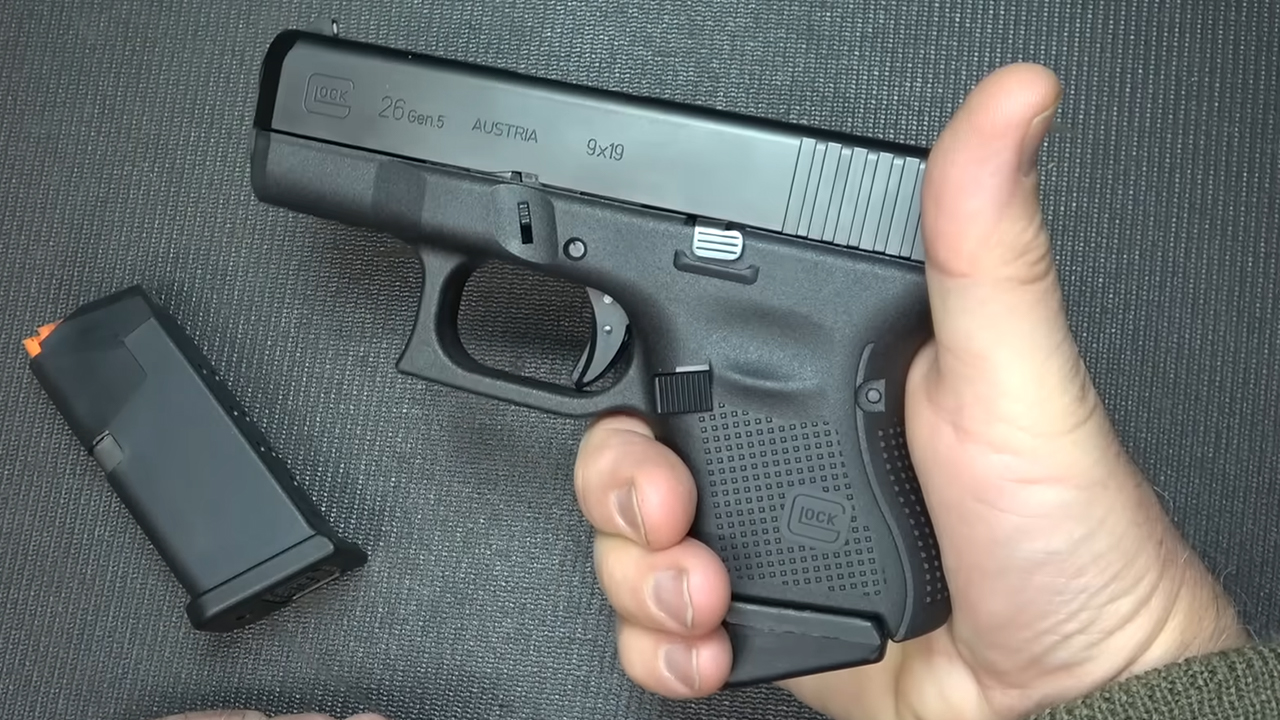
The Glock 26 remains relevant because it shrinks the familiar Glock operating system without turning into a completely different kind of handgun. Someone who already shoots larger Glocks can pick up a 26 and immediately understand the controls, trigger, sights, and basic maintenance. That familiarity counts for a lot when I am deciding what I would actually trust.
It is thicker than many newer micro-compacts, but the short grip makes it easy to carry, and compatibility within the broader Glock magazine family gives it an advantage few tiny pistols can match. I would not pretend it shoots as comfortably as a Glock 17. It does, however, give me a proven compact platform that I can conceal easily while retaining much of what makes the larger Glock pistols useful.
HK VP9
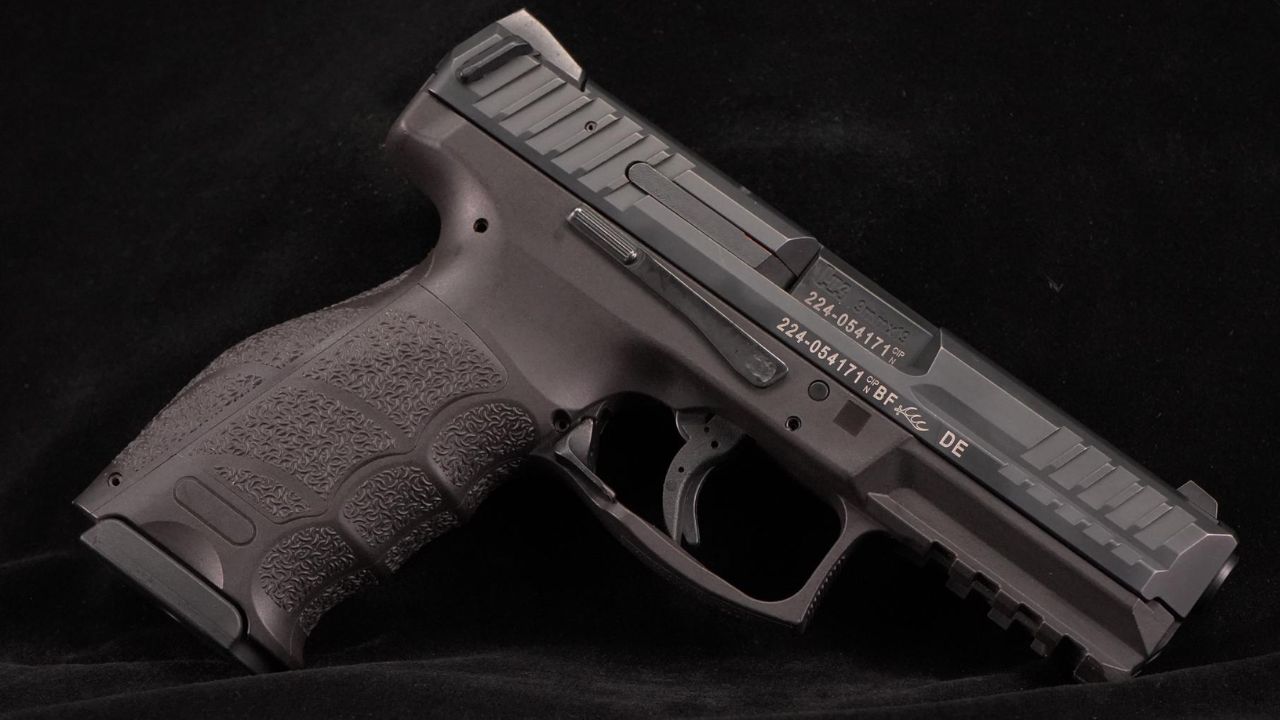
The VP9 gives me the durability I associate with HK while using the striker-fired operating system many shooters now prefer. The grip customization is one of its strongest features because both the backstrap and side panels can be configured to fit different hands. That may sound like a comfort issue, but better fit usually means better shooting when speed and consistency matter.
I also appreciate that the VP9 is a full enough pistol to shoot well without feeling enormous. It occupies roughly the service-pistol category rather than trying to become an ultralight carry gun. If I had to choose one handgun and expected to put significant rounds through it, I would rather have something this comfortable than shave every possible ounce. It is a pistol I could practice with extensively without fighting the gun.
CZ P-01
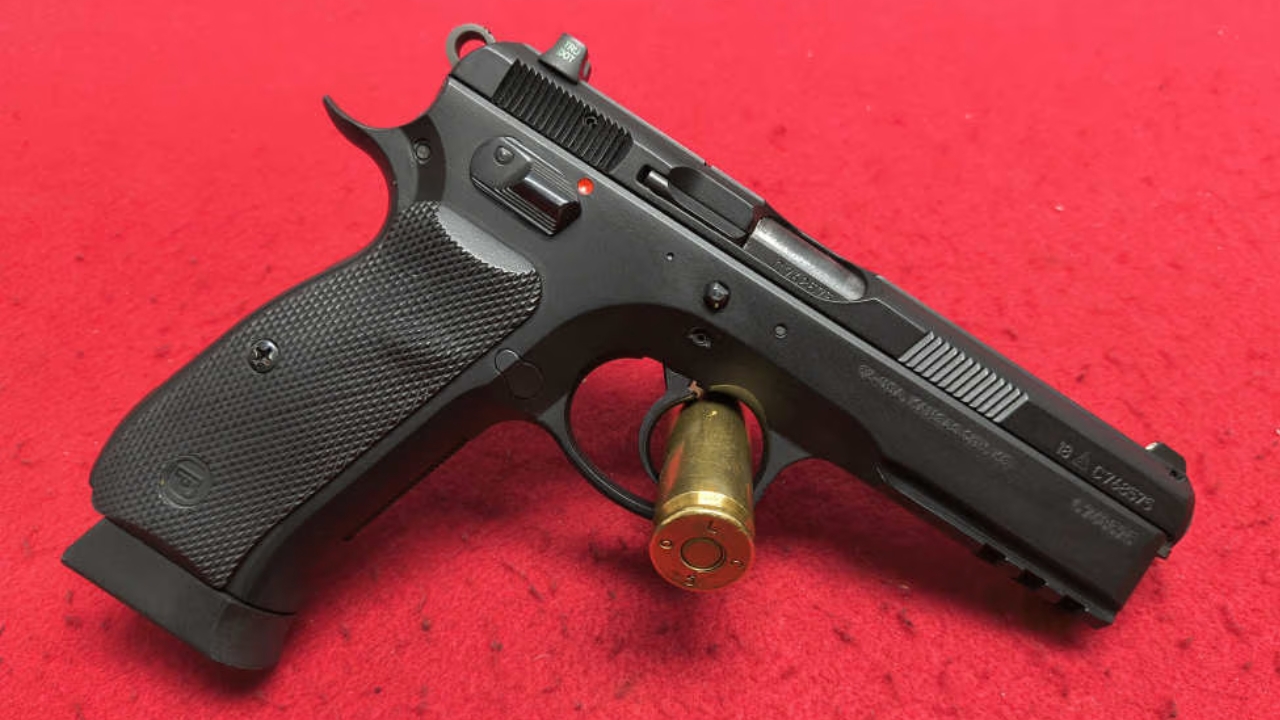
The CZ P-01 would be one of my favorite choices for someone who wants a compact metal-framed pistol. Its aluminum frame keeps the weight more manageable than a full-steel design, while the traditional double-action operating system gives it a completely different character from most modern compact pistols. The grip shape is also one of the reasons CZ handguns have such a devoted following.
I particularly like the P-01 because it feels compact without feeling tiny. There is enough pistol to hold onto, and the low bore axis makes it pleasant to shoot. It is not as universally supported as a Glock, and I would factor that into the decision. Still, if I already owned one, had dependable magazines, and knew the gun well, I would trust familiarity over switching platforms at the last minute.
SIG Sauer P229

The P229 is the compact metal-framed SIG I would consider if I wanted something easier to carry than the P226 without giving up the substantial feel of the classic SIG platform. It has spent decades filling serious service and defensive roles, and the basic design has already gone through the kind of real-world use that gives me more confidence than a brand-new platform.
A 9mm P229 would be my preference here. I gain common ammunition and manageable recoil while keeping the excellent handling characteristics that make these older-style SIGs enjoyable to shoot. It is heavier than polymer compacts, but I can live with extra ounces if the pistol inspires confidence. With only one handgun available, confidence matters more to me than having the most fashionable option.
Glock 20 Gen5

The Glock 20 would not be my universal first choice, but circumstances could move it straight toward the top. If leaving home meant spending considerable time in remote country, the 10mm chambering gives the pistol a level of versatility that ordinary 9mm service pistols cannot quite match. The large frame also makes the cartridge much more manageable than trying to squeeze serious power out of a tiny handgun.
There are tradeoffs. The ammunition is heavier, recoil is greater, and 10mm is not as ubiquitous as 9mm. That is why I would choose the Glock 20 only when the environment justified it. For somebody leaving a rural home and heading farther into the backcountry, though, a dependable full-size 10mm begins to make considerably more sense.
Ruger GP100

A revolver would not be my automatic choice if I could only have one handgun, but the GP100 is the revolver that would make me reconsider. Chambered in .357 Magnum, it can also use .38 Special, giving me access to everything from mild practice ammunition to much more substantial loads. The heavy frame makes it comfortable to shoot and gives the entire revolver the kind of rugged feel I would want if it were my only handgun.
Capacity is the obvious disadvantage compared with modern semi-autos. I am accepting that knowingly. What I gain is ammunition flexibility, mechanical simplicity, and a handgun that works equally well as a property gun, woods revolver, or general-purpose sidearm. If my situation leaned heavily rural, the GP100 would be difficult to dismiss.
Smith & Wesson 686 Plus

The 686 Plus gives me many of the same reasons to choose a GP100 while adding the familiar Smith & Wesson L-frame handling that I particularly enjoy. The seven-shot cylinder gives it a small capacity advantage over traditional six-shot revolvers, while the .357 Magnum chambering retains the ability to fire .38 Special.
A four-inch 686 Plus would probably be my preferred configuration if it had to handle everything. Shorter barrels carry more easily, and longer barrels shoot beautifully, but four inches lands in the middle. I could wear it comfortably enough while still getting a useful sight radius and good balance. It would not beat a modern 9mm on ammunition capacity, but as a durable do-everything revolver I would trust it without hesitation.
Colt King Cobra
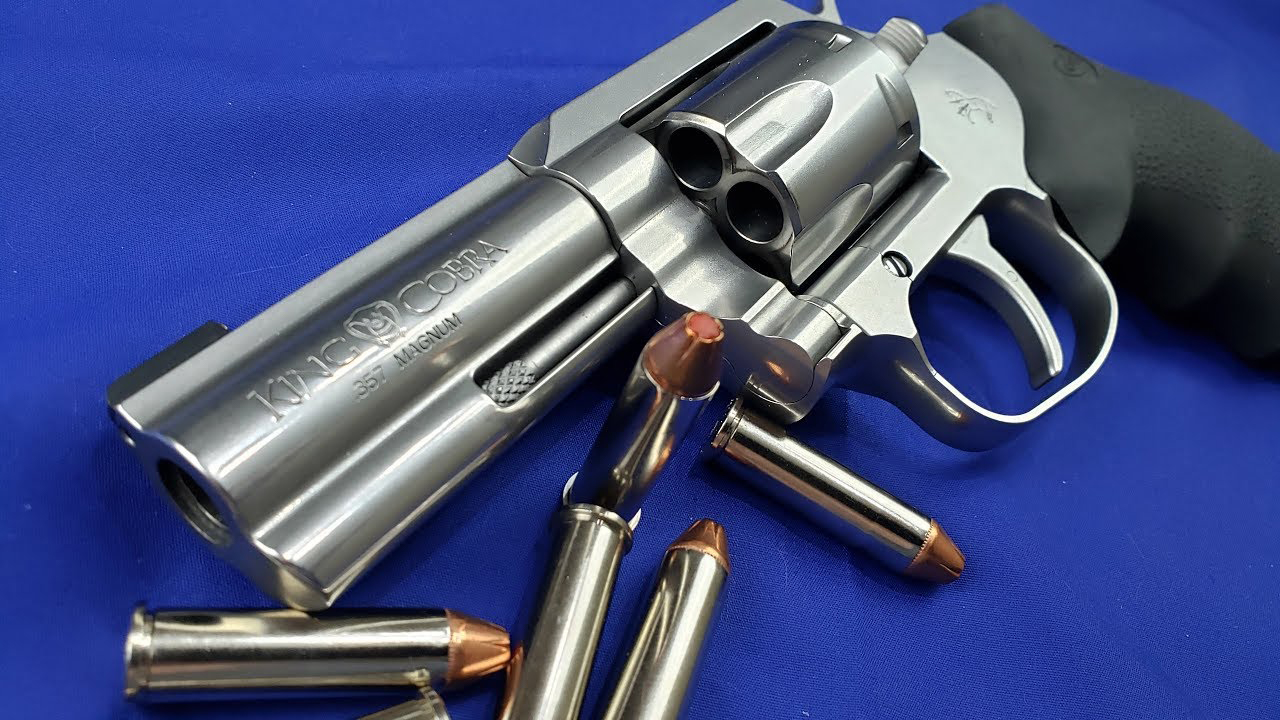
The King Cobra would be my final choice because it gives me .357 Magnum capability in a package that does not feel like I strapped a hunting revolver to my belt. The stainless construction makes sense for a handgun that might experience changing weather, sweat, or extended outdoor carry, while the overall size remains manageable enough for regular use.
I would especially like one if I expected my travels to alternate between towns and rural property. It is compact enough to carry without becoming a major burden but powerful enough to make sense as a field revolver. I still give a good 9mm semi-auto the advantage for a general one-handgun situation, but I understand why some shooters would rather walk out the door with a dependable .357 they already know inside and out.
Like The Avid Outdoorsman’s content? Be sure to follow us.
Here’s more from us: