Photo credit: BlueLightBandit/Youtube
Home defense is one of the only times I get downright boring about guns. I like cool stuff as much as the next guy, but when you’re talking about a bump in the night, “interesting” is not what you want. You want simple, proven, and easy to run when your heart is trying to climb out of your throat.
So this isn’t a list of “cheap guns.” A couple of these cost real money. Some are famous. A few are even fun. But for one reason or another—controls, reliability, ammo, maintenance, recoil, or just being a bad fit in tight hallways—these are guns I wouldn’t bet my family on.
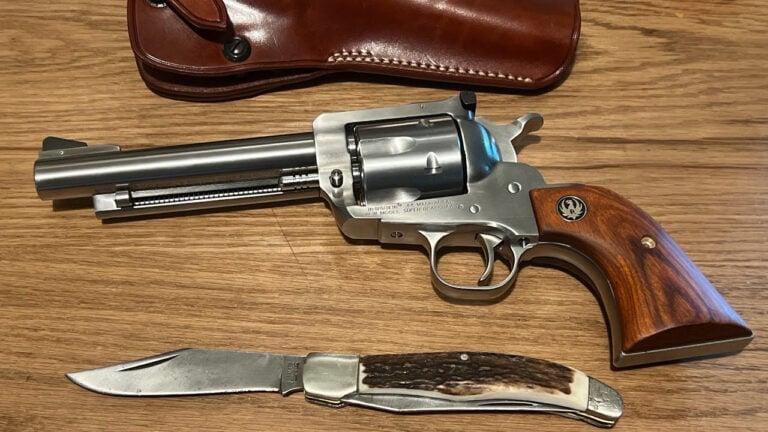
1. Taurus Judge

I get the appeal. It’s a revolver, it looks tough, and the idea of .410 shells in a handgun sells itself at the gun counter. The problem is the real-world performance is a mess compared to the hype.
With .410 defensive loads, patterns can be unpredictable and penetration is a constant question. With .45 Colt, you’ve got a big, chunky revolver that’s slower to reload than most folks are honest about. If you want a revolver for the house, buy a real fighting revolver in a real fighting caliber.
2. Taurus Curve
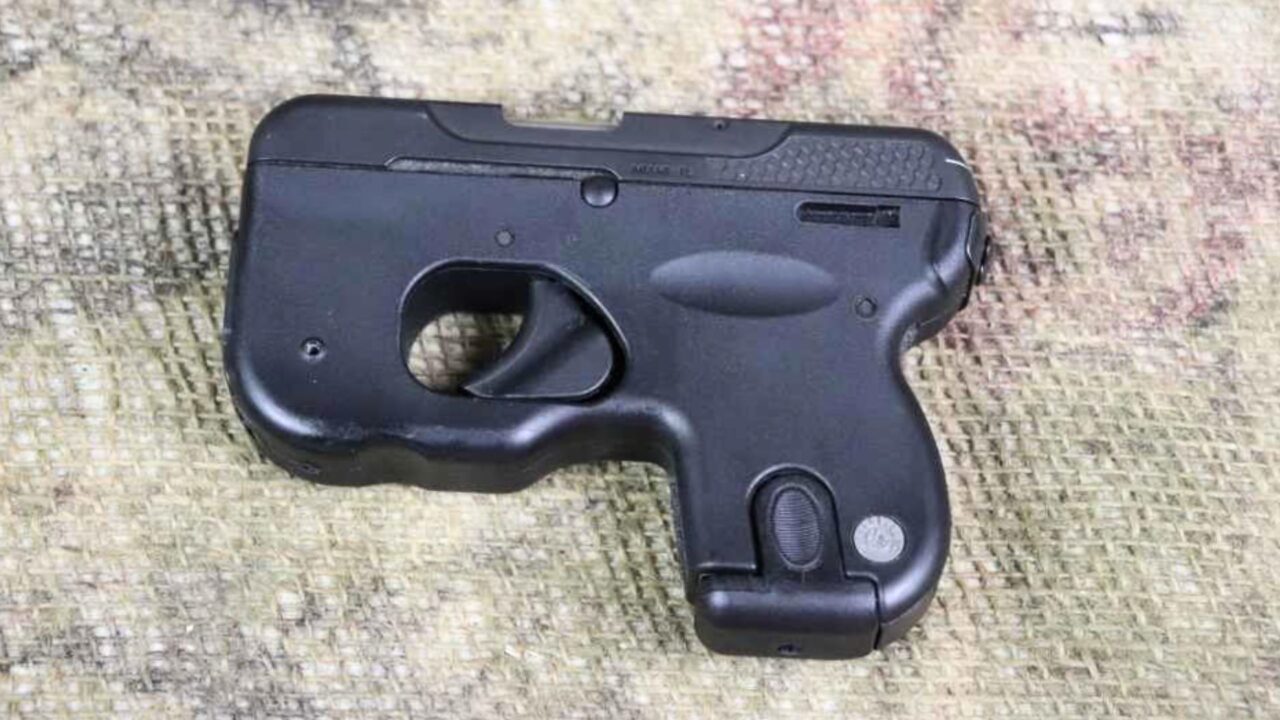
This one always felt like a “solving a problem nobody had” pistol. Curved frame, built-in light/laser options, and a shape that’s supposed to disappear on your body. For home defense, none of that matters.
What matters is a normal grip, normal sights, normal holsters if you ever do carry it, and normal support if something breaks. The Curve’s oddball ergonomics and niche parts situation are a hard pass when the stakes are high.
3. Kel-Tec P-32
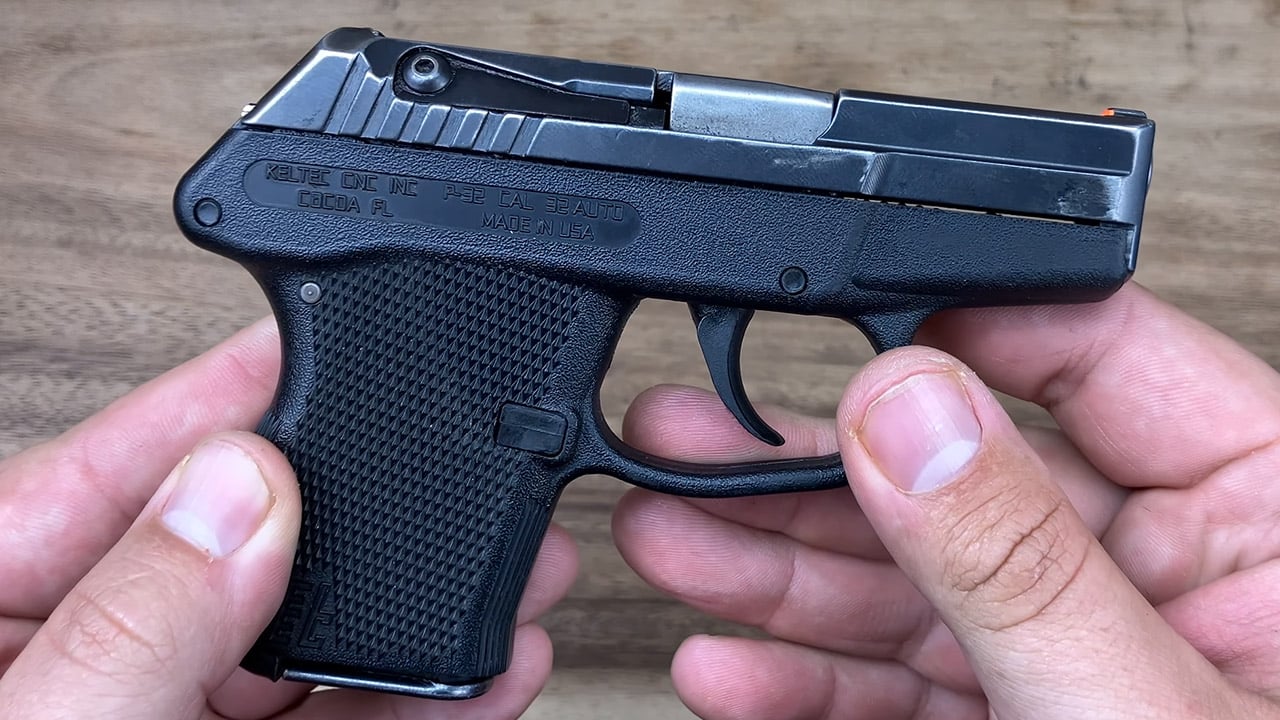
I’ve owned small Kel-Tecs and I’m not here to bully pocket guns. They can be handy. But .32 ACP in a tiny, featherweight pistol is a compromise stacked on top of a compromise.
Short sight radius, small controls, and limited terminal performance make it something I’d rather have in a pocket than on my nightstand. In a real home-defense gun, I want a platform I can shoot fast and accurately without “warming up.”
4. SCCY CPX-1
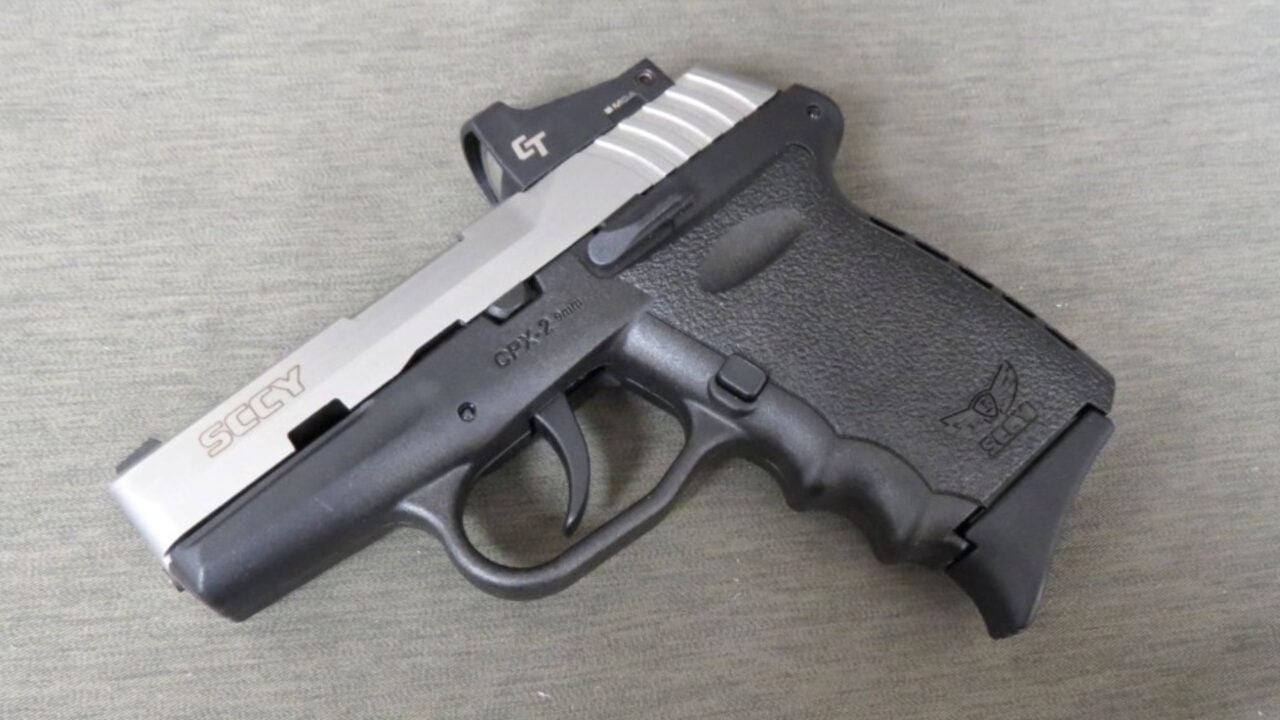
These have put a lot of 9mm in a lot of nightstands because the price is tempting. And to be fair, some run fine. The problem is that “some” isn’t good enough for me here.
The long, heavy trigger can be a safety feature for some folks, but it also makes quick, accurate shooting harder under stress. Add in spotty track records across samples and you’ve got a gun I can’t recommend as a primary.
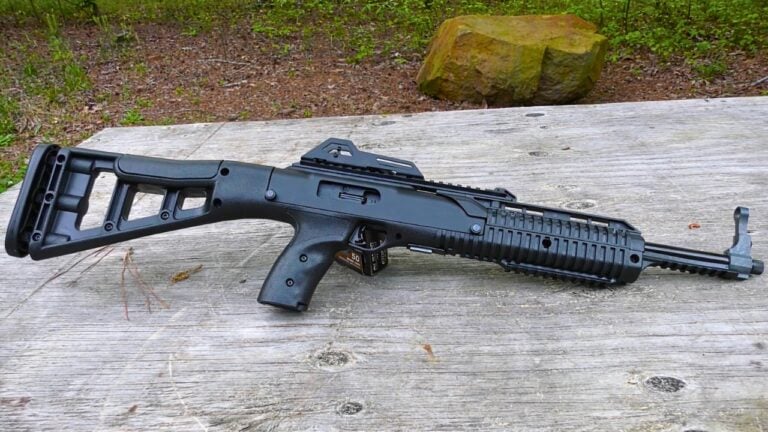
5. Hi-Point C9

I’m going to say something that will annoy both sides: plenty of Hi-Points do go bang, and they’re not the joke the internet wants them to be. Still, I wouldn’t choose one for home defense if I had any other option.
They’re bulky, the magazines aren’t exactly known for being top-tier, and the ergonomics feel like holding a cordless drill from 1997. If it’s all you have, make it work and train. But if you’re shopping, you can do better without spending a fortune.
6. Kimber Solo
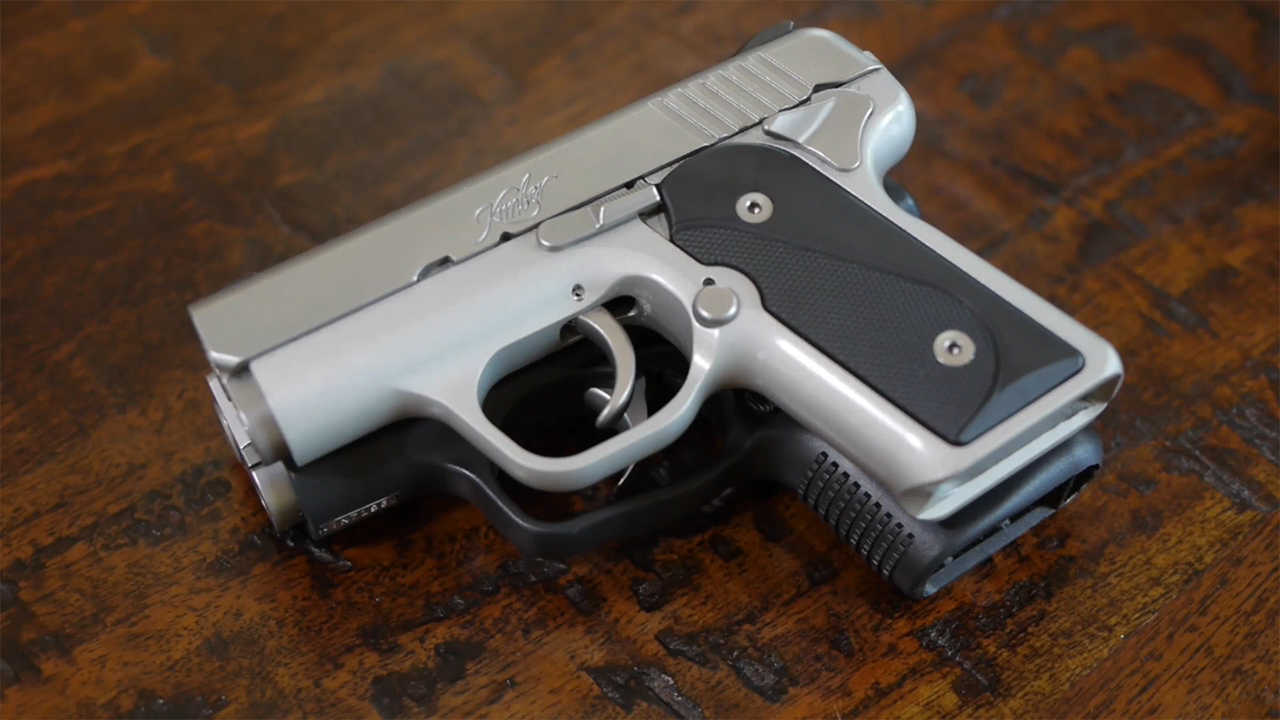
That one hurts a little because the Solo had “carry perfection” written all over it: compact 9mm, good looks, brand recognition. The issue is that it developed a reputation for being picky about ammo and finicky in general.
A home-defense gun shouldn’t be a diva. I don’t want to be sorting loads and troubleshooting when I could be loading plain, common defensive 9mm and calling it a day.
7. Remington R51 (Gen 1)
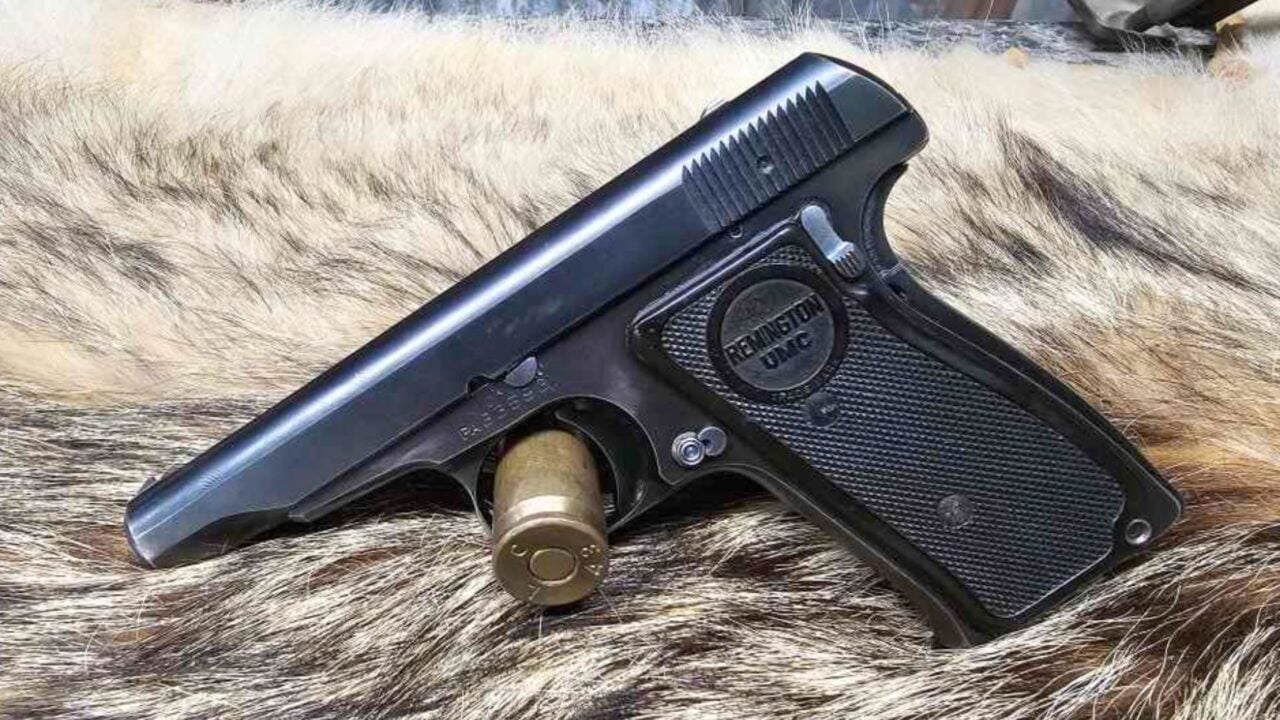
The original relaunch of the R51 was one of those industry moments that made regular gun owners shake their heads. The concept was cool, the history was cool, and the execution was rough.
Home defense demands boring reliability, and the Gen 1 R51’s issues are well-documented among folks who actually tried to run them. If you’ve got one that works, great. I’m still not trusting it when there are so many proven options.
8. AMT Backup (any caliber)

These little stainless pistols have a certain old-school charm, like something you’d find in a glovebox in a ‘90s movie. In the hand, though, they’re usually heavy for their size, sharp, and not friendly to shoot.
More importantly, many of them are long out of production, parts can be a scavenger hunt, and magazines aren’t always easy to find. A defensive gun shouldn’t depend on internet forums and luck for support.
9. Walther P22
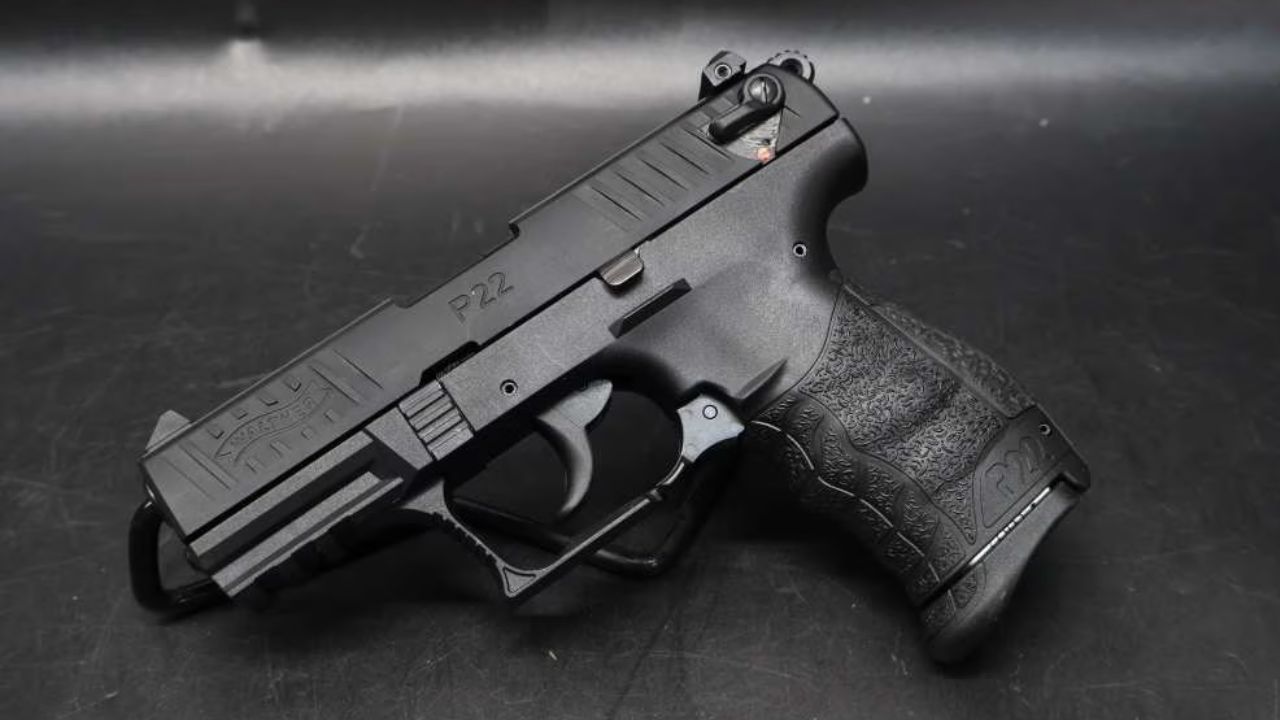
I like .22s. I own .22s. I shoot .22s constantly. But a rimfire pistol with a reputation for ammo sensitivity is not where I want to plant my flag for home defense.
The P22 can be fun, and with the right ammo and maintenance it can run fine. Still, rimfire reliability isn’t centerfire reliability, and the P22 is not the most confidence-inspiring .22 platform to begin with.
10. Ruger LCP (original)
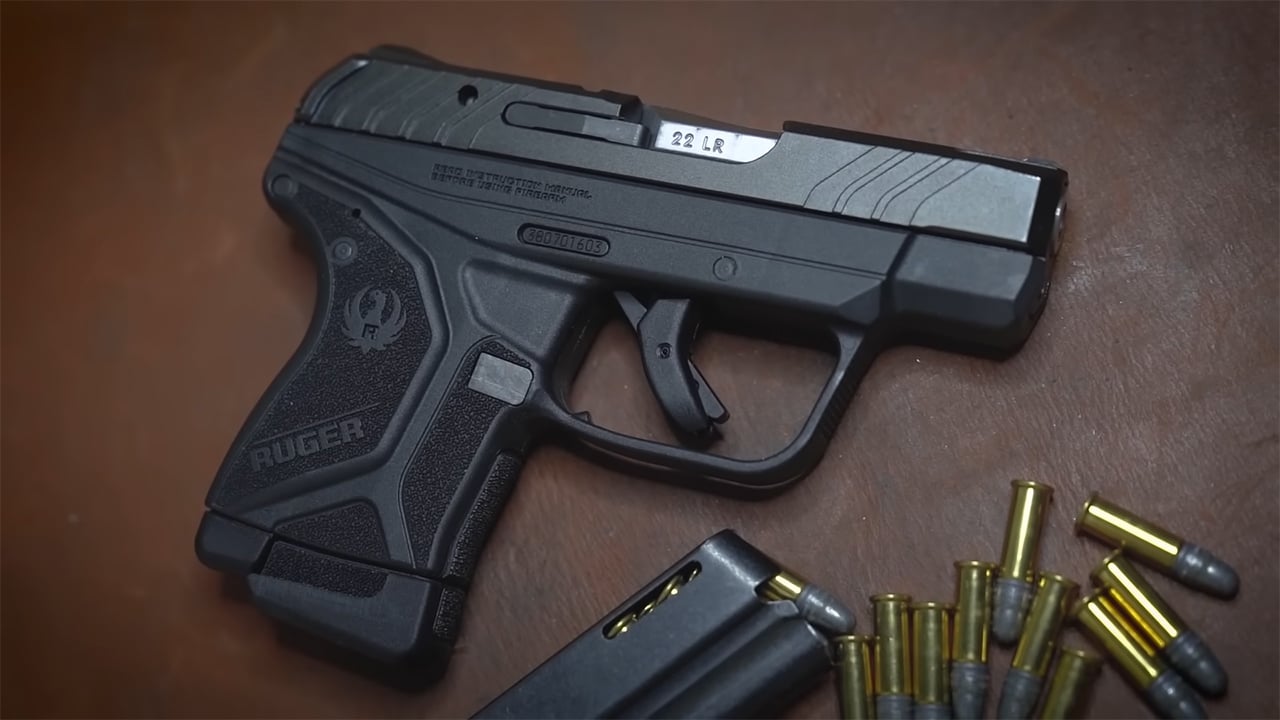
The LCP changed the pocket carry world, no doubt. For what it is, it’s brilliant. For what home defense needs, it’s the wrong tool.
Small sights, snappy recoil in a tiny grip, and a cartridge that’s already on the lower end for stopping fights—none of that helps you at 2 a.m. If you need a small pistol, at least step up to something you can actually shoot well in a hurry.
11. North American Arms .22 Magnum Mini-Revolver
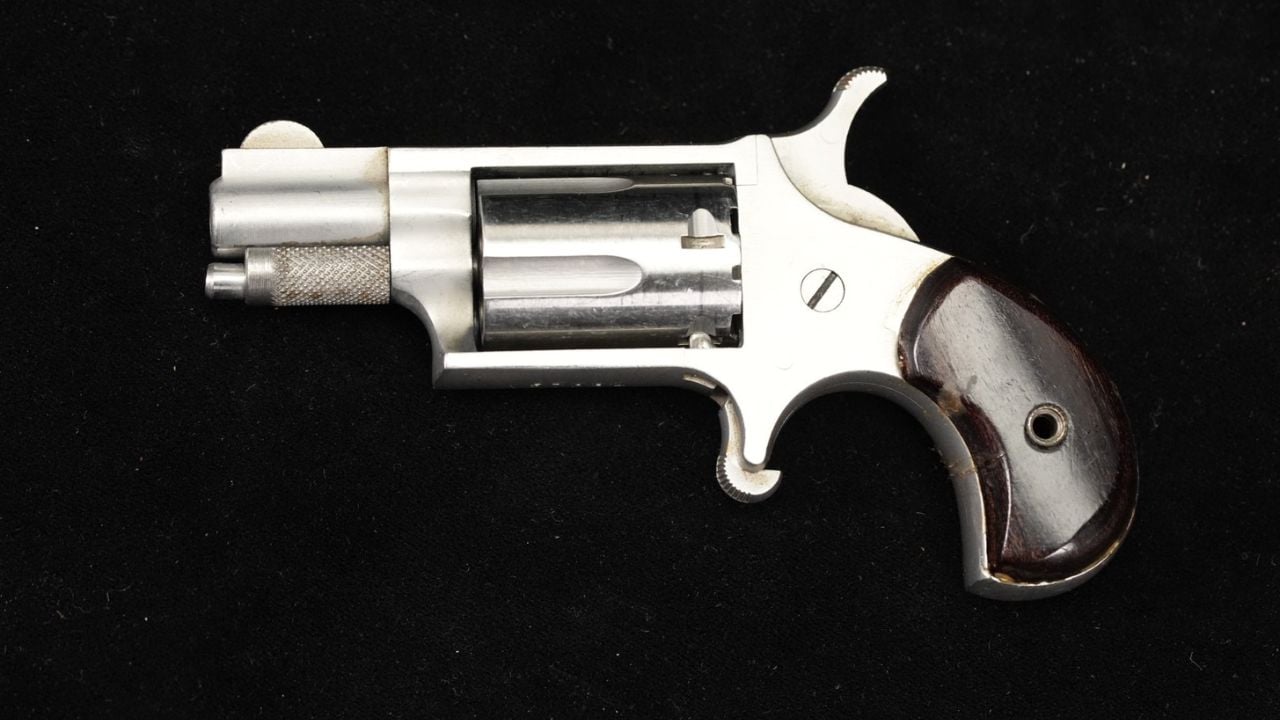
These are clever little guns. They’re also the definition of “better than nothing.” The grip is tiny, the sights are tiny, and reloads are slow.
Could it work in a worst-case scenario? Sure. Would I choose it to protect a household? Not a chance. It’s a deep-concealment novelty that too many folks try to promote into a serious role.
12. Springfield Armory XD-S (early models)
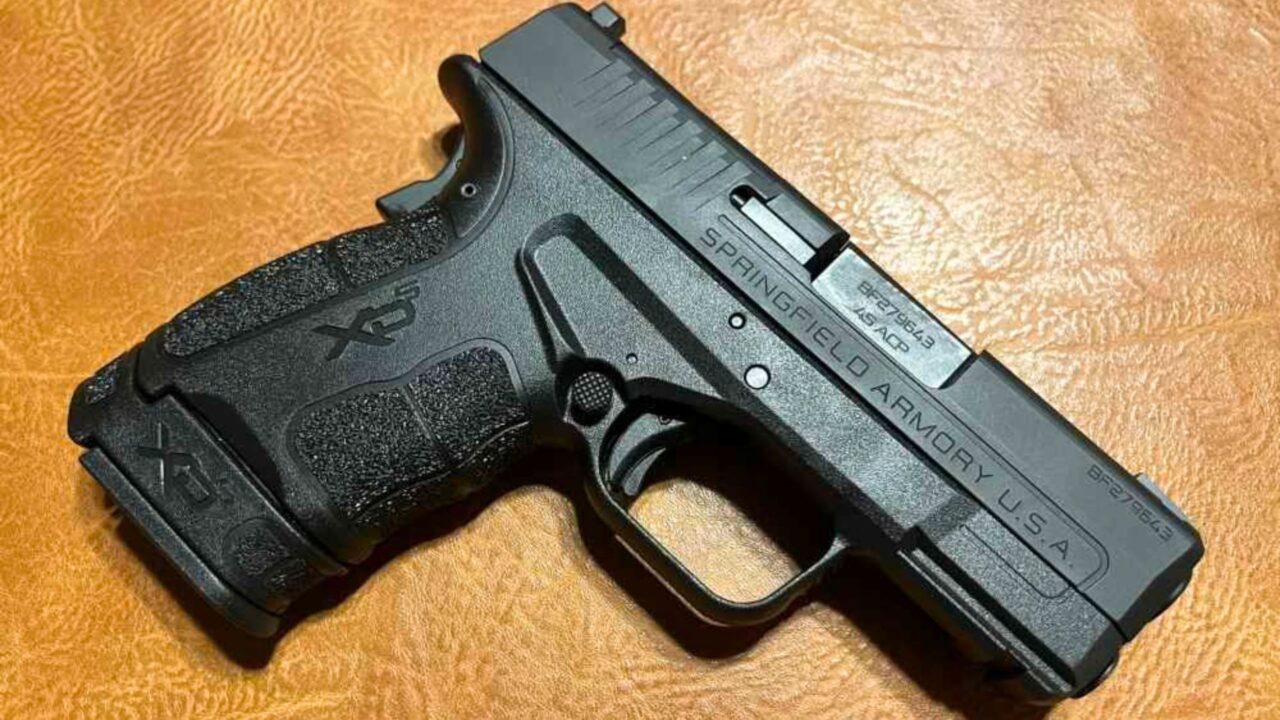
I’m not here to bash the whole XD line, but early XD-S pistols had enough chatter around recalls and confidence issues that I never fully got over it. Trust is a weird thing with defensive guns—once it’s gone, it’s hard to buy back.
The platform can shoot well, and plenty of owners have had good luck. I’d still rather park a more proven compact 9mm on the nightstand, with wider magazine support and fewer question marks.
13. Remington 597 (with high-cap mags)
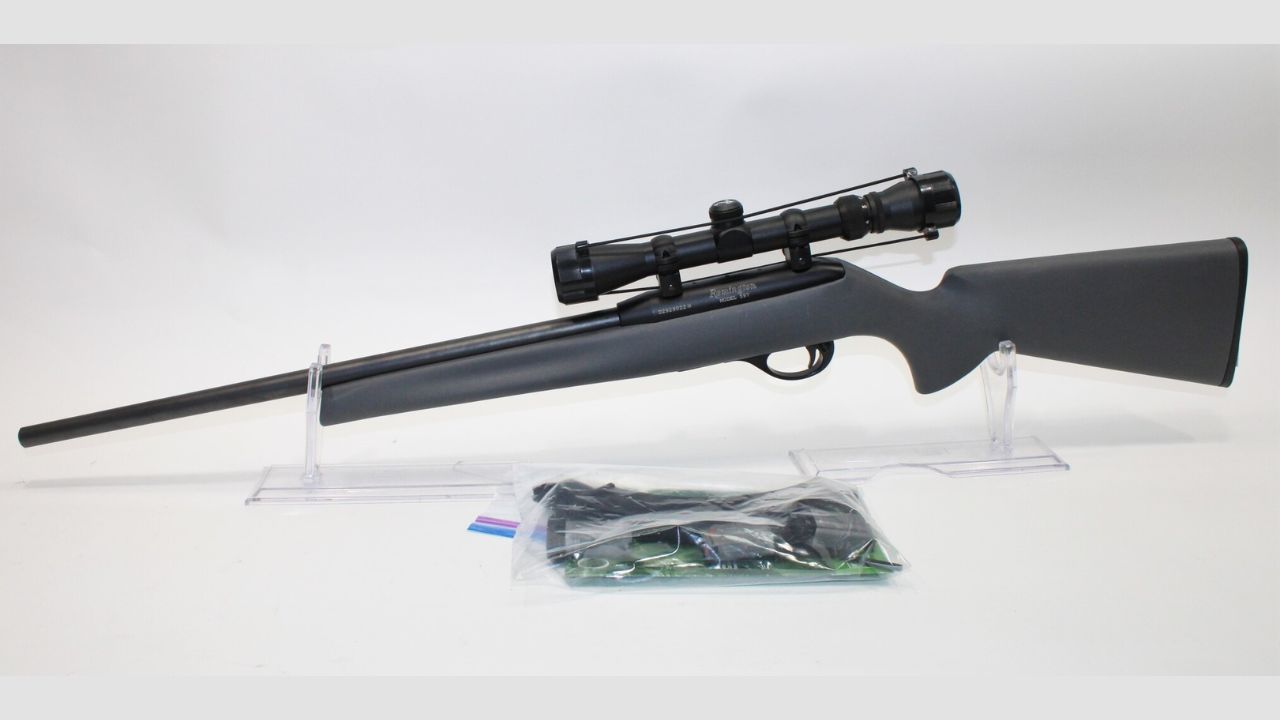
A semi-auto .22 rifle can be handy around a farm. For defense, the same rimfire limitations apply, and the 597 has another problem: magazine drama.
Factory mags can be okay, but a lot of folks tried to turn them into high-capacity “defensive” setups with aftermarket magazines that were hit-or-miss. A defensive gun that depends on luck-of-the-mag is not a plan.
14. Iver Johnson TP22

If you’ve ever seen one at a pawn shop, you know the type: small, cheap rimfire pistol with questionable sights and questionable everything else. They’re usually bought because they’re available, not because they’re good.
Between rimfire ignition, questionable durability, and limited support, it’s not something I’d stake my life on. There are better .22s if that’s truly what you need.
15. CZ Scorpion EVO 3 (pistol version, stock trigger)

This is where folks start arguing because the Scorpion is popular and generally reliable. My issue isn’t that it won’t run. It’s that in stock form, the trigger can be heavy and gritty, and the ergonomics can be clunky for some shooters in tight quarters.
It’s also loud indoors and tends to encourage “tactical tinkering,” where you end up with a science project instead of a defensive tool. If you’ve trained with it and it’s set up right, fine. I’m not grabbing a mostly-stock one as my go-to.
16. Taurus PT1911 (early production)

1911s can be great, and they can also be finicky depending on the build, the mags, and the extractor tension. The early PT1911s were all over the map from one sample to the next.
For a home-defense pistol, I don’t want a platform that might need tuning, special magazines, or a “break-in period” to become trustworthy. Ask me how I know that a 1911 that runs 200 rounds at the range can still act brand new at the worst time.
17. Charter Arms Bulldog (.44 Special)
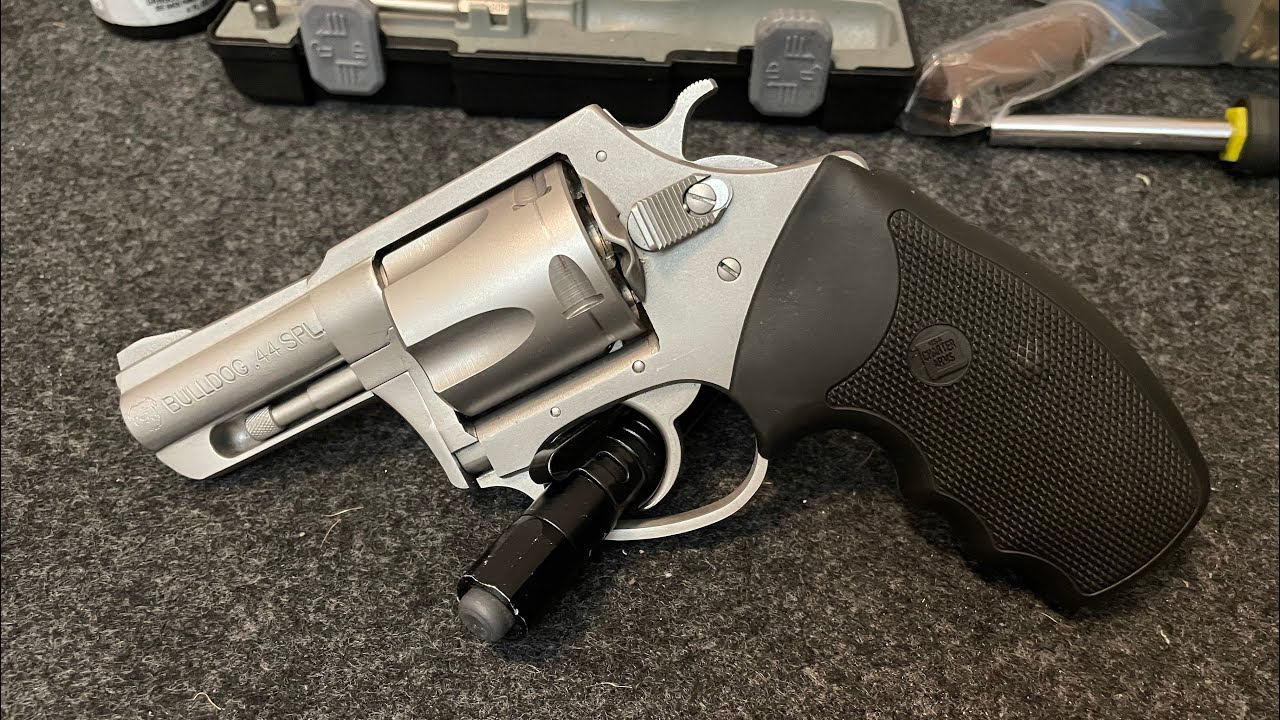
The Bulldog is light, handy, and the caliber has a loyal following. The issue is that many Bulldogs are built to a price, and quality can vary more than I’m comfortable with.
Recoil in a light .44 can also be more than some shooters bargain for, which means slower follow-up shots and less practice. If you want a defensive revolver, a solid .38 +P or .357 from a top-tier maker is a safer bet.
18. Mossberg 590 Shockwave

This one is going to be controversial because it’s marketed hard as a home-defense blaster. In real life, a short, stock-less 12 gauge is not friendly for most shooters, especially under stress.
Yes, it’s legal in many places as sold. That doesn’t mean it’s practical. Without a shoulder stock, controlling recoil and placing shots quickly is harder than folks admit, and indoors you’re dealing with massive blast and flash. A stocked shotgun or a rifle-caliber carbine is a better answer for most homes.
19. Rossi Circuit Judge
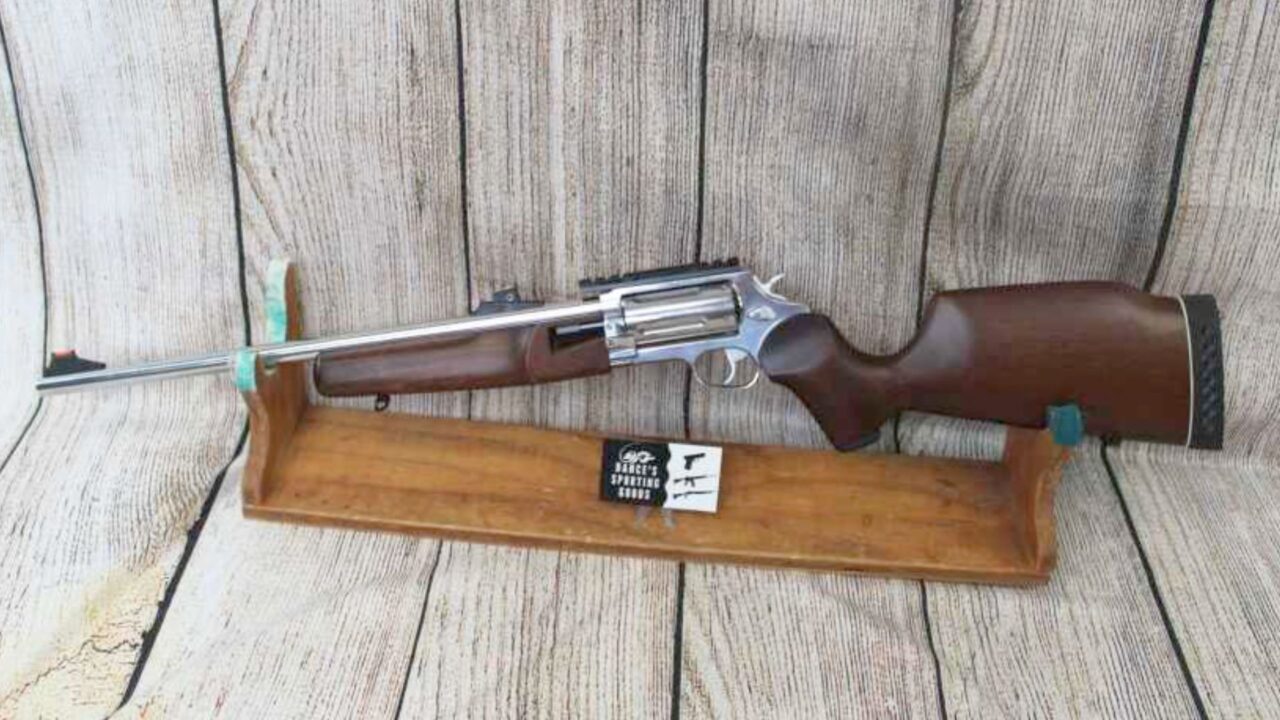
The revolving rifle looks like a neat ranch gun, and I understand why it sells. But the cylinder gap blast on a revolving long gun is real, and it’s not something I want to be thinking about if I’m half-awake and moving through a doorway.
Add in the same .410/.45 Colt performance questions as the handgun Judge and you’ve got a gun that’s more gimmick than solution. Fun at the range, sure. Serious inside the home? Not for me.
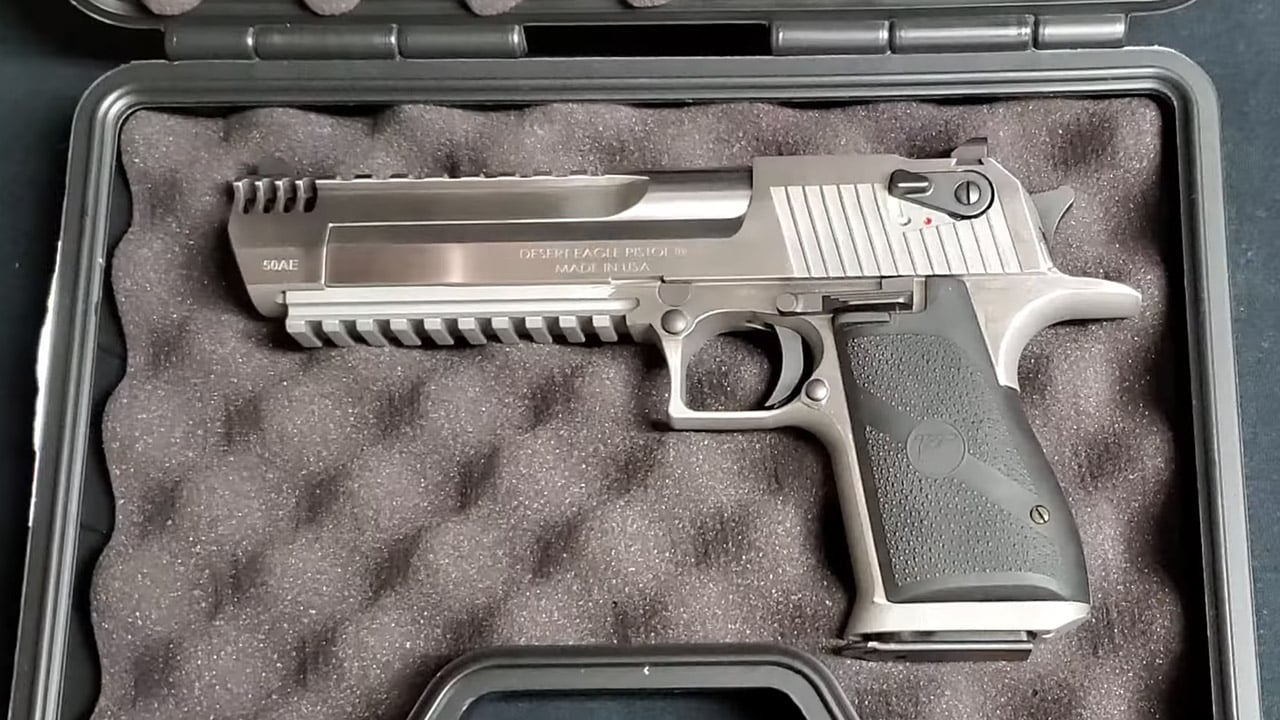
20. Desert Eagle Mark XIX
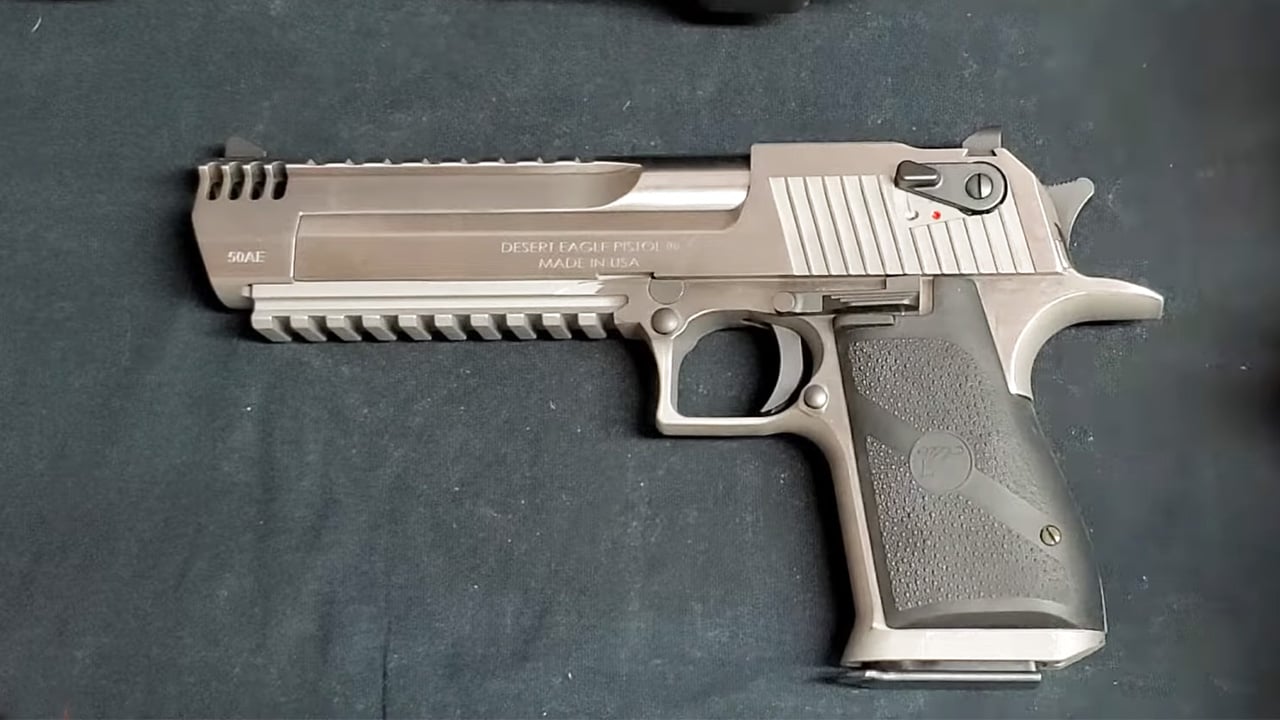
These are iconic. They’re also huge, heavy, expensive, and about as practical for home defense as a canoe in a phone booth. The recoil impulse is different than most pistols, the controls aren’t for everybody, and malfunctions can get interesting if you don’t run it exactly right.
And let’s talk about over-penetration concerns and blast indoors. You do not need a hand cannon to defend a hallway. You need hits, control, and a gun that works with common, available ammo.
If you noticed a theme, it’s this: home defense rewards normal. A reliable 9mm handgun you can shoot well, a quality AR-pattern rifle with a light and a sling, or a stocked 12-gauge with sensible buckshot—those are “boring” choices that keep winning for a reason. The right answer is the one you’ll actually practice with, keep secured from kids and thieves, and run the same way every single time.
Like The Avid Outdoorsman’s content? Subscribe to our newsletter so you never miss an article.
Here’s more from us: