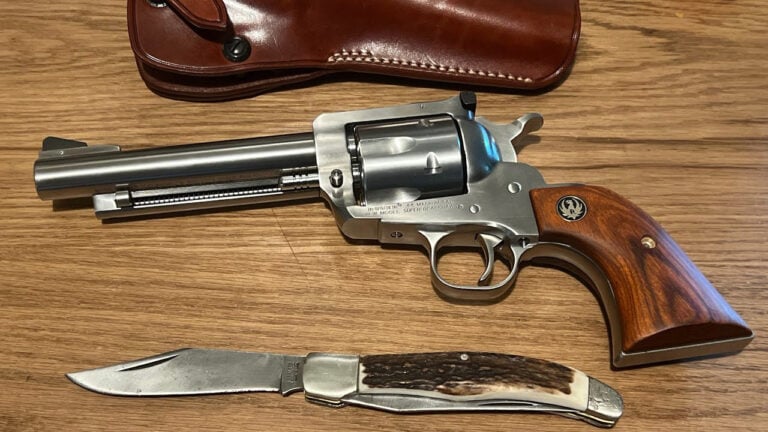
Photo credit: rangehot.com/YouTube
Pistol-caliber carbines look like they should be easy to make reliable. The ammunition is relatively mild, many use straightforward blowback actions, and some even share magazines with proven handguns. Yet PCCs can be surprisingly sensitive to magazine geometry, bolt mass, buffer weight, feed-ramp design, ammunition shape, and suppressor use. A rifle that runs perfectly with one magazine and one 124-grain load can suddenly become much less impressive when the variables change.
That does not mean every carbine below is guaranteed to malfunction. Some owners have thousands of trouble-free rounds through them. The concern is inconsistency. When enough shooters start discussing preferred magazines, break-in periods, ammunition restrictions, updated bolts, replacement feed ramps, or the exact configuration required to make a gun behave, buyers should pay attention. These 20 PCCs have enough reliability questions surrounding them that I would want to test one thoroughly before trusting it.
KelTec SUB2000 Gen3 9mm
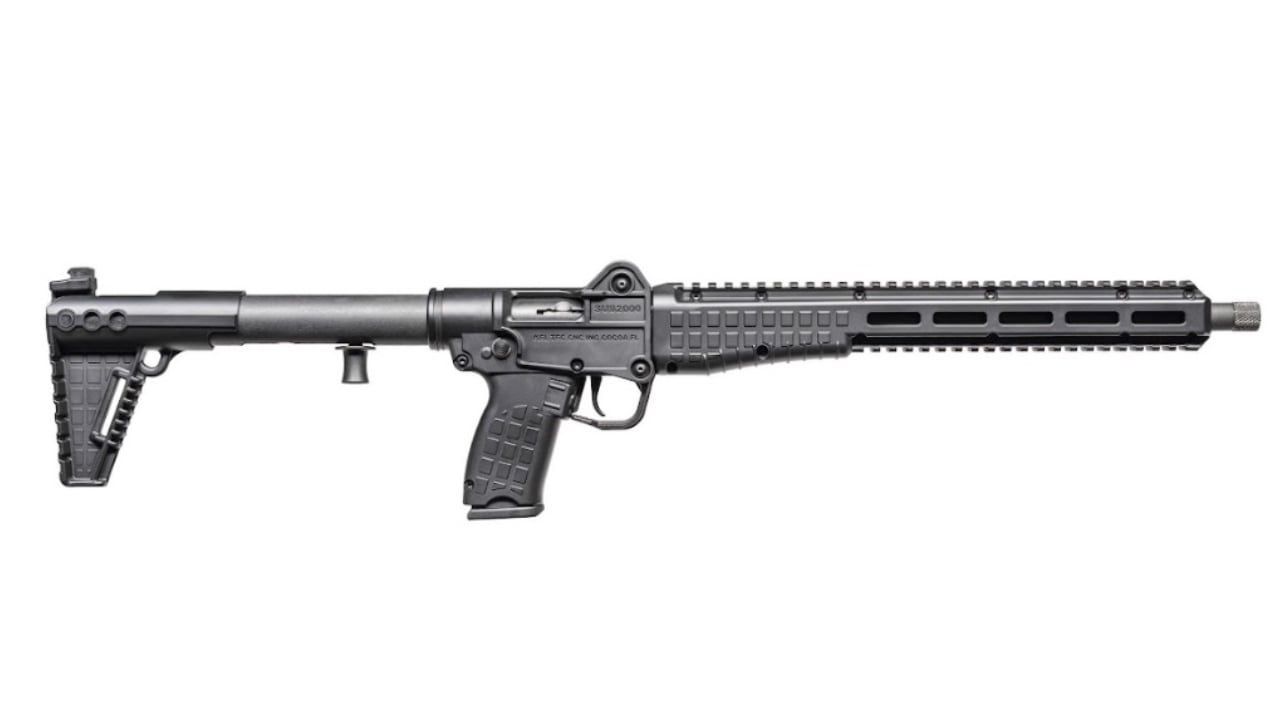
The Gen3 SUB2000 fixed one of the biggest complaints about the older folding design by allowing the handguard to rotate before folding, meaning an optic no longer has to block the rifle’s signature feature. It remains lightweight, inexpensive, and extremely convenient to stash in a compact case.
Reliability can require more experimentation than buyers expect, though. Different combinations of Glock-pattern magazines and ammunition do not always behave identically, and even formal testing has encountered stoppages depending on the combination being used. That is not necessarily enough to condemn the rifle, but it means I would not grab one, load whichever aftermarket magazine happened to be cheapest, and assume the job was finished. The SUB2000 rewards owners who actually test their magazines and defensive ammunition before relying on it.
Grand Power Stribog SP9A1
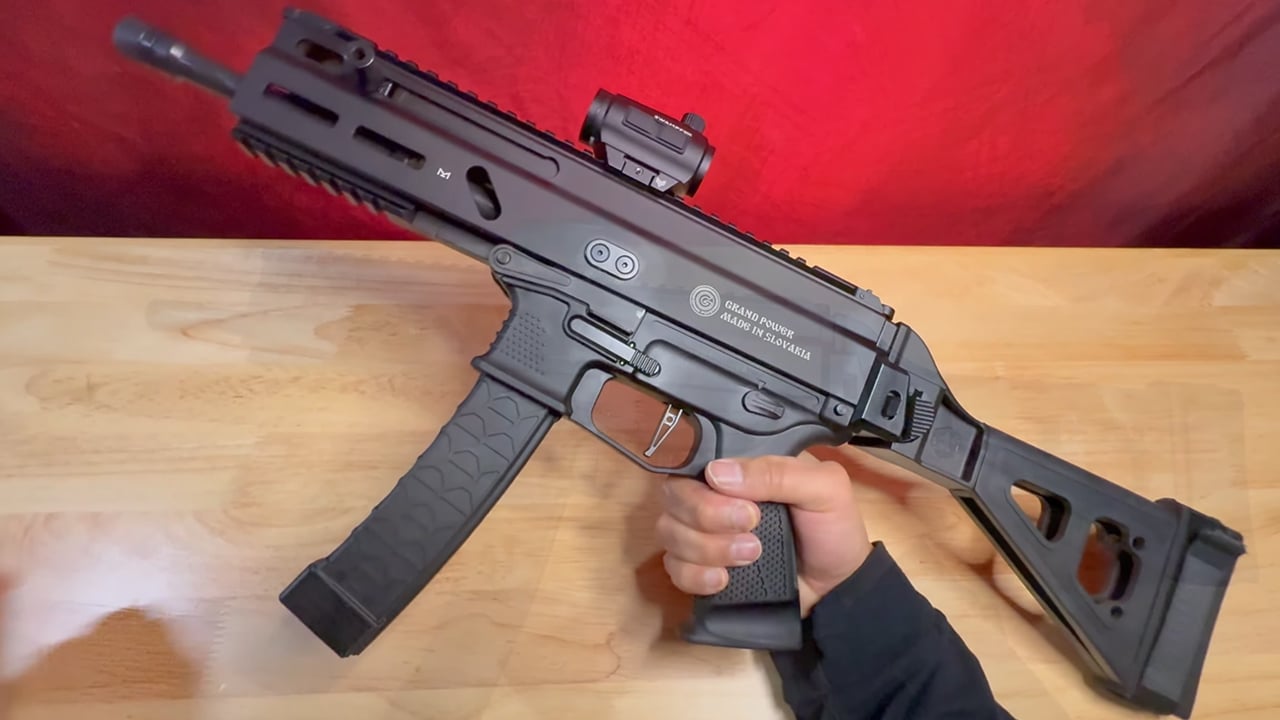
The original blowback SP9A1 brought European styling and excellent ergonomics into the American PCC market for a very attractive price. It was compact, easy to control, and looked far more expensive than it was.
The magazine system became the source of much of the discussion. Earlier magazines developed a reputation for being a weak point, particularly once shooters started experimenting with different ammunition profiles and keeping magazines heavily loaded. Grand Power revised components over time, but that history still matters when buying an older used example. An SP9A1 that has already demonstrated reliability with its magazines can be a great range carbine. One with unknown magazines and no history is something I would test aggressively before trusting.
Grand Power Stribog SP9A3 Early Production

The A3 introduced roller-delayed operation, which promised a softer recoil impulse than the straightforward blowback A1. On paper, that should have made an already interesting platform even better.
Early guns complicated the story. Changes to locking components and magazines created enough discussion that buyers quickly learned to ask exactly which version they were looking at. Later revisions improved the platform considerably, but the early-production history means a used A3 deserves more homework than a basic direct-blowback carbine. When a rifle has gone through significant running changes, the serial range and component generation become part of the buying decision. That alone is a reliability question worth taking seriously.
TNW Aero Survival Rifle 9mm
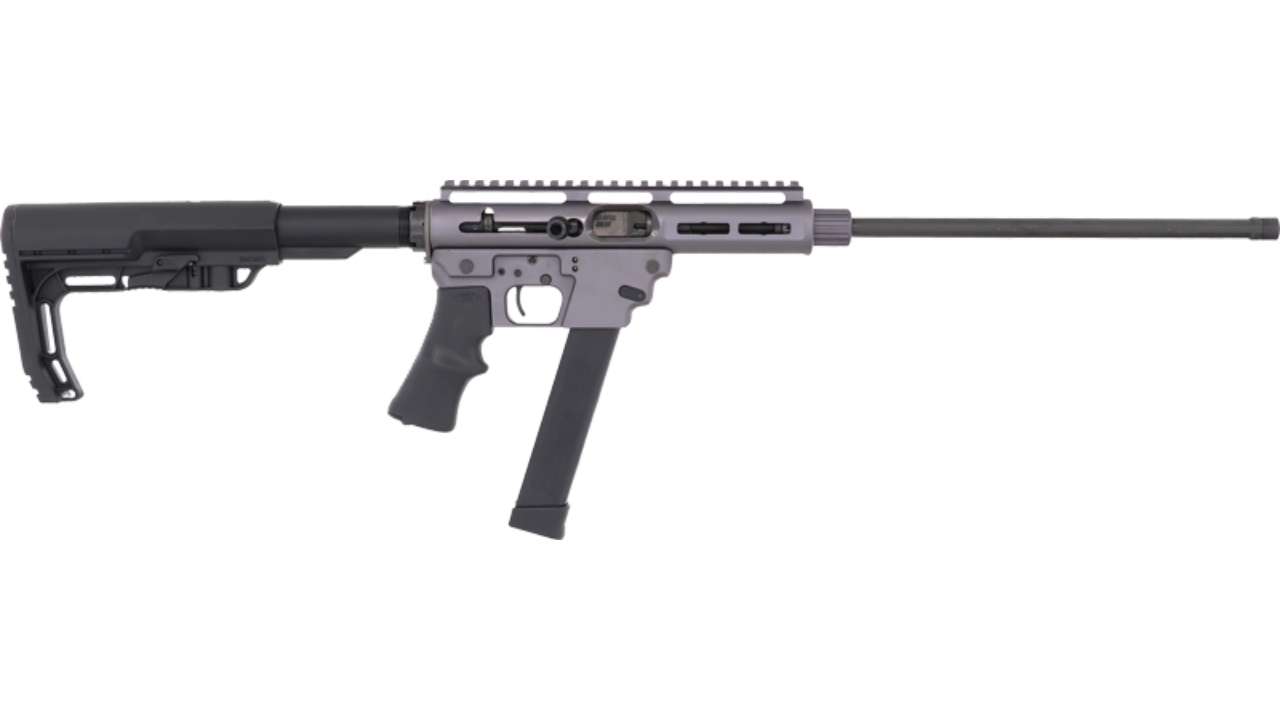
The Aero Survival Rifle has a clever premise. It is lightweight, breaks down easily, uses commonly available pistol magazines in several configurations, and can be converted among multiple pistol calibers with the appropriate components.
That modularity is also where ownership can become less straightforward. Barrel positioning, magazine alignment, ammunition choice, and caliber-specific components all give the system more variables than a fixed-caliber PCC. Some owners have excellent experiences, while others have reported feeding or extraction frustration that required troubleshooting. I like the concept, especially as a packable recreational rifle, but I would want several hundred clean rounds through a specific configuration before treating the modularity as an advantage rather than another source of variables.
Just Right Carbine Gen 2
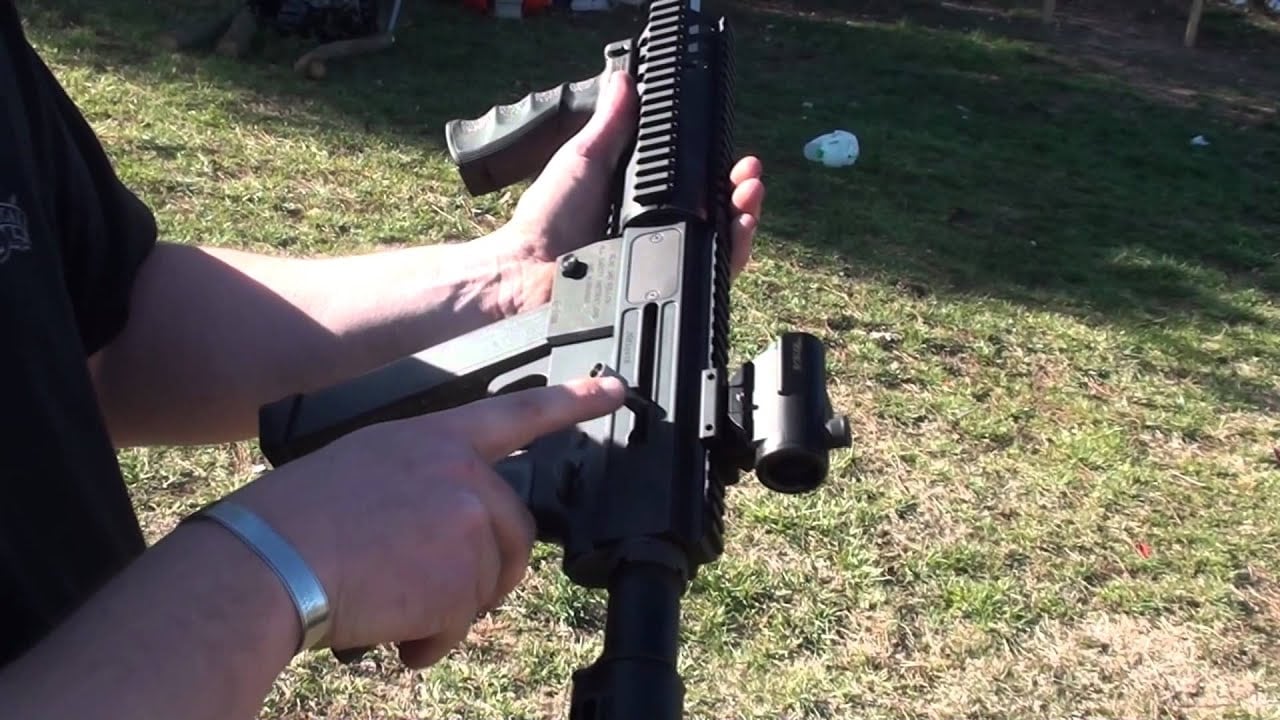
Iraqveteran8888/YouTube
The Just Right Carbine has been around long enough to develop a following among shooters who want an AR-like pistol-caliber rifle without buying a traditional AR-9. Magazine compatibility and caliber options make the concept appealing.
The problem is that blowback PCC reliability depends heavily on seemingly minor geometry. Magazine height, extractor tension, ammunition profile, and bolt speed all matter, and older JRC examples have generated enough mixed experiences that I would inspect and test one carefully. A rifle that has been properly set up may run extremely well. Buying someone else’s used example means you may also inherit whatever changes, magazines, or troubleshooting decisions the previous owner made.
Chiappa M1-9

The M1-9 has enormous visual appeal because it gives shooters the profile of an M1 Carbine while firing inexpensive 9mm ammunition. For casual range shooting, that sounds almost perfect.
The execution has never enjoyed the universal reputation of the actual military rifle it resembles. Magazine fit, feeding, controls, and overall refinement have generated mixed reactions, and the rifle occupies an awkward position where nostalgia does much of the selling. If I wanted one as a range toy, I would understand the attraction immediately. If I wanted a PCC specifically because I needed absolute functional consistency, there are platforms with much stronger track records.
Calico M960
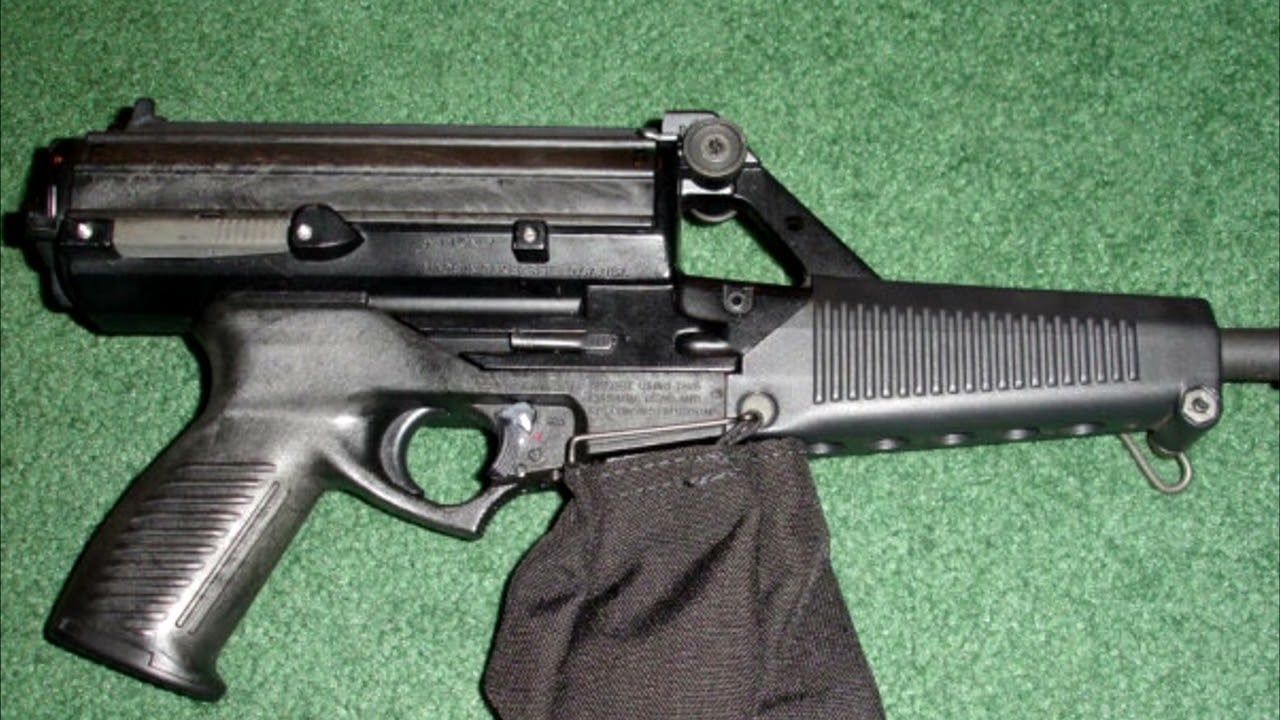
The M960 is impossible to ignore because of the enormous helical magazine mounted across the top of the rifle. Capacity is the entire personality of the design, and few PCCs look remotely similar.
The magazine is also exactly where reliability becomes complicated. Helical magazines depend on correct spring tension, proper loading, clean internal tracks, and ammunition that feeds consistently through an unusual path. When everything is right, the Calico can be tremendously entertaining. When it is not, diagnosing the issue is more complicated than swapping a conventional box magazine. A high-capacity system only feels like an advantage when those rounds actually feed.
Auto-Ordnance Thompson 1927A1
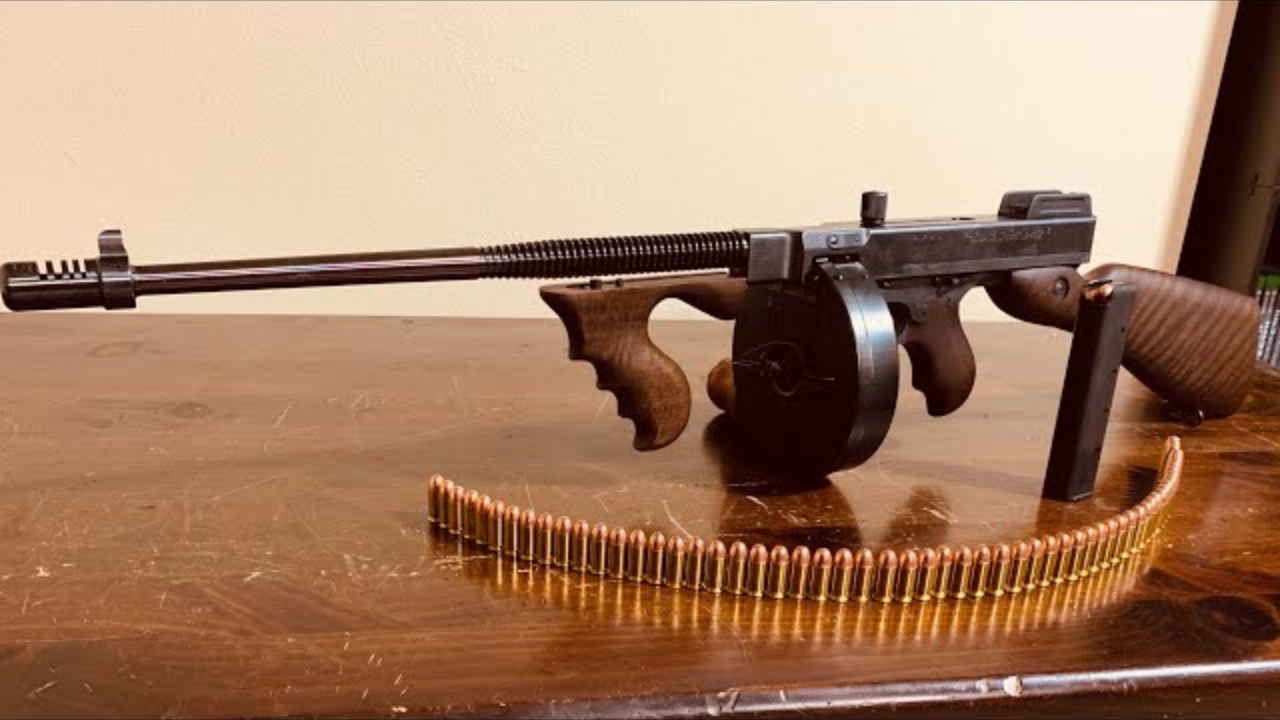
The semiautomatic Thompson has legendary looks and enormous historical appeal. Put a drum magazine underneath one and almost everyone at the range knows what it is supposed to resemble.
What you do not get is the simplicity or refinement of a modern PCC. The semiautomatic action uses extremely heavy springs, magazines can require fitting or specific versions, and drums introduce another potential variable. These rifles can run well, but they are not something I would buy expecting Glock-like indifference to ammunition and magazines. The 1927A1 is a nostalgia purchase first. Anyone expecting a modern defensive carbine merely because it fires .45 ACP may be disappointed by how much personality comes with the design.
KRISS Vector CRB 10mm
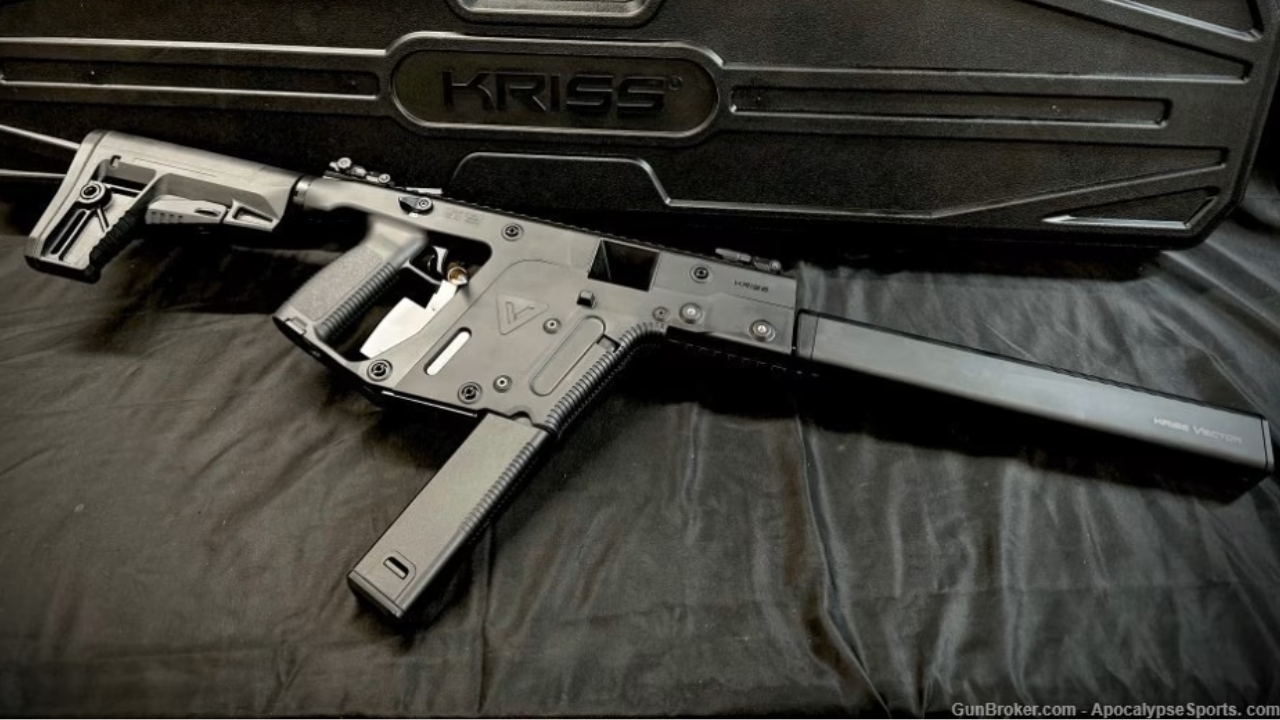
The Vector is built around one of the most unusual operating systems in the PCC world, redirecting the moving mass downward in an attempt to reduce muzzle movement. In 9mm, the concept can make for an extremely fast and entertaining carbine.
Ten-millimeter versions ask more of everything. Ammunition varies widely in pressure and overall power, magazine extensions can add their own variables, and the operating system is considerably more complicated than a basic blowback carbine. Plenty of Vectors run perfectly, but I would be especially cautious about assuming that every 10mm load and every extended magazine will behave identically. A powerful PCC with an unusual action deserves actual testing rather than blind faith.
SIG MPX Gen 1

The first MPX was one of the most advanced PCCs available when it arrived. Gas-piston operation, excellent controls, familiar AR-style ergonomics, and modularity made straight-blowback competitors look crude.
Early adoption came with the usual downside: the platform evolved. SIG changed components and magazine generations as the MPX matured, and compatibility between early and later configurations became something owners had to understand. Current MPX variants have a much more established reputation, but an original Gen 1 used gun is a different proposition. I would want to know its maintenance history, magazines, and component generation before assuming it offers the same ownership experience as a newer MPX.
Colt AR6951 With Aftermarket Magazines
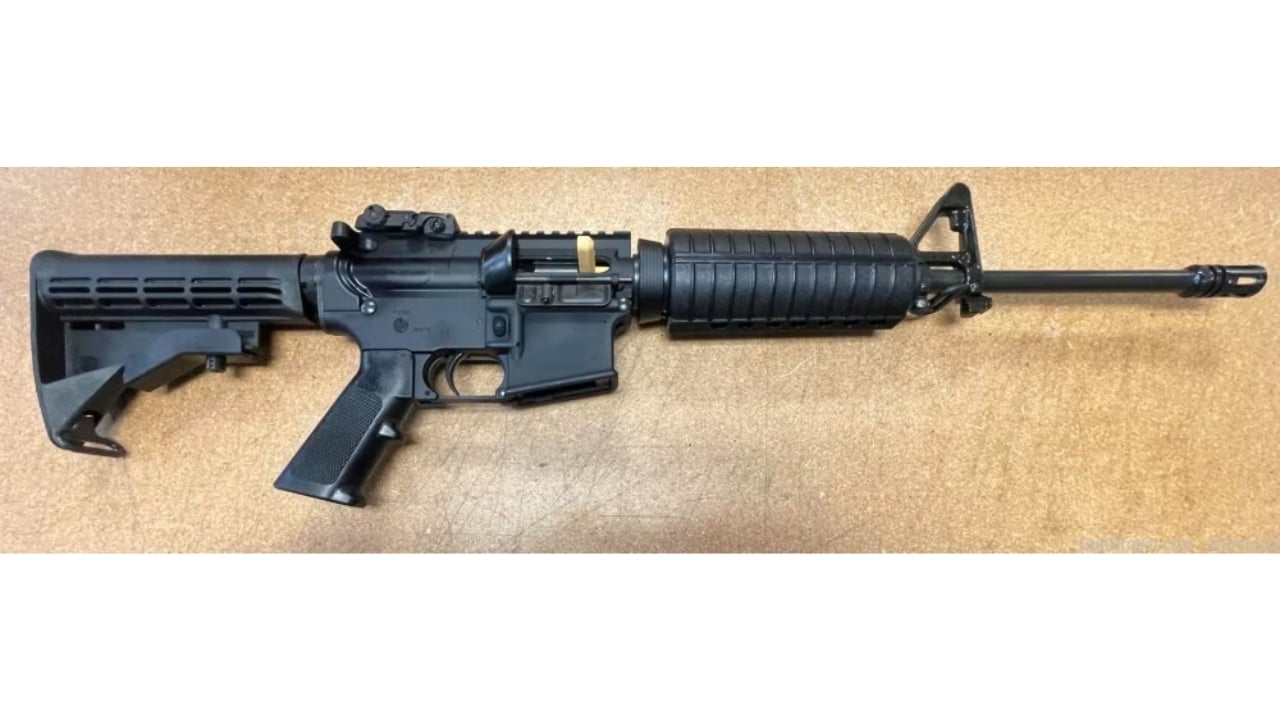
The Colt 9mm AR system is old, proven, and fundamentally capable. Problems tend to appear when owners move away from the magazines and components that the system actually likes.
Colt-pattern stick magazines can vary significantly in feed-lip geometry and construction. Add aftermarket magazine blocks, different buffers, replacement bolts, or nonstandard triggers and the supposedly straightforward PCC can suddenly become temperamental. A factory rifle with known-good magazines is one thing. A used 6951 surrounded by bargain magazines and modified internals is something else. This is a platform where owners sometimes blame the rifle for reliability issues introduced by everything attached to it.
Olympic Arms K9-GL
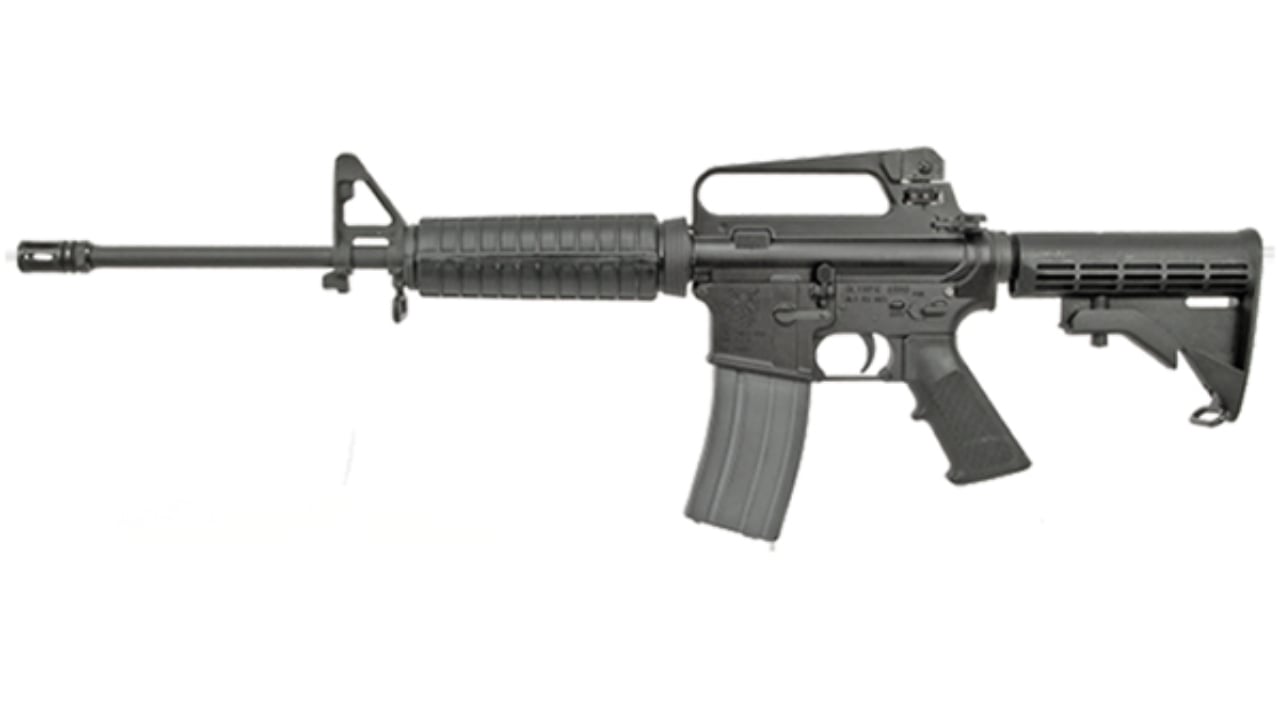
Olympic Arms was building pistol-caliber ARs long before the current PCC explosion. The company’s carbines were interesting partly because they took different approaches to magazines and operating components than the systems that eventually became dominant.
That is less appealing now that Olympic is gone. Even if a particular rifle runs flawlessly today, proprietary or unusual components become more concerning every year. A broken extractor, worn feed component, or magazine problem is much easier to tolerate when the manufacturer is still producing everything. Reliability is not only about whether a rifle fired yesterday. Long-term support matters too, and older Olympic PCCs increasingly require owners to think ahead.
Feather AT-9
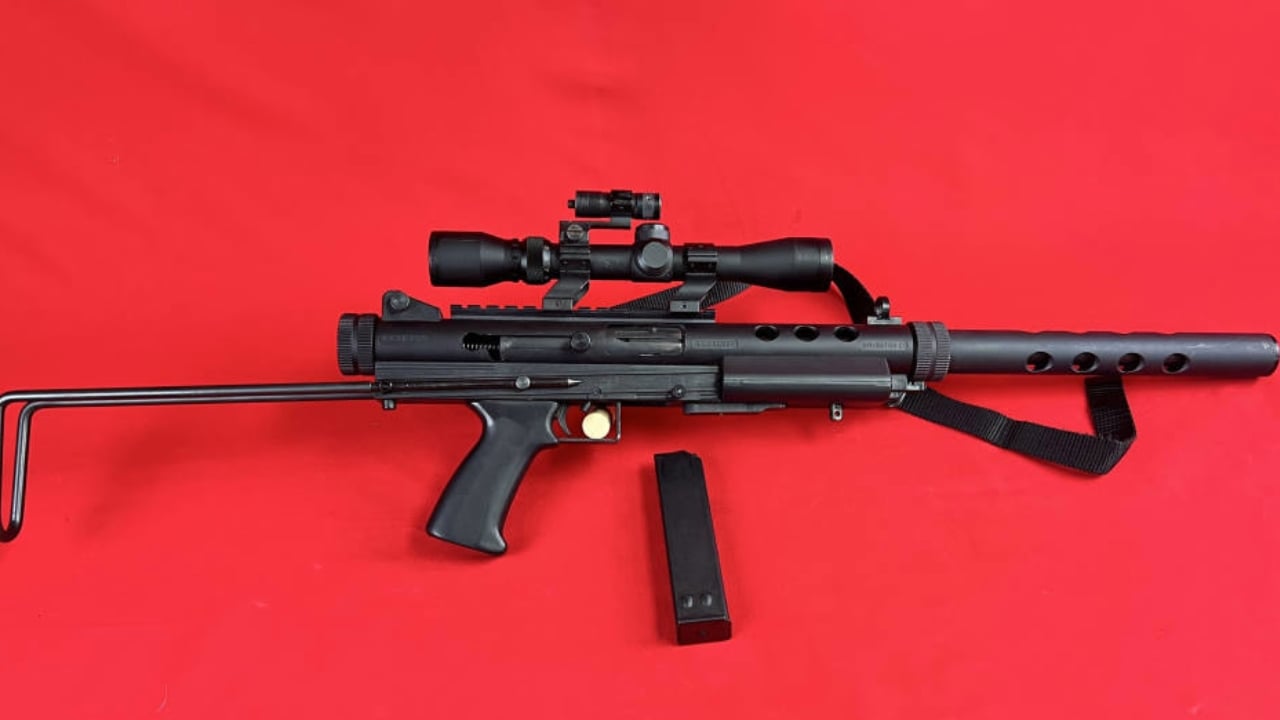
The Feather AT-9 is a fascinating old-school 9mm carbine with a tubular receiver and styling that immediately identifies it as a product of a different era. It is light, unusual, and collectible enough to attract shooters who enjoy forgotten PCC designs.
That same age creates practical concerns. Magazines are not something you can casually replace at every gun store, replacement parts require more searching, and decades of previous ownership introduce unknowns. A clean AT-9 may run beautifully. That does not make the platform a smart reliability-first recommendation today. Any old PCC that depends on increasingly uncommon magazines deserves extra scrutiny before being trusted beyond recreational shooting.
Marlin Camp 9 With an Original Buffer
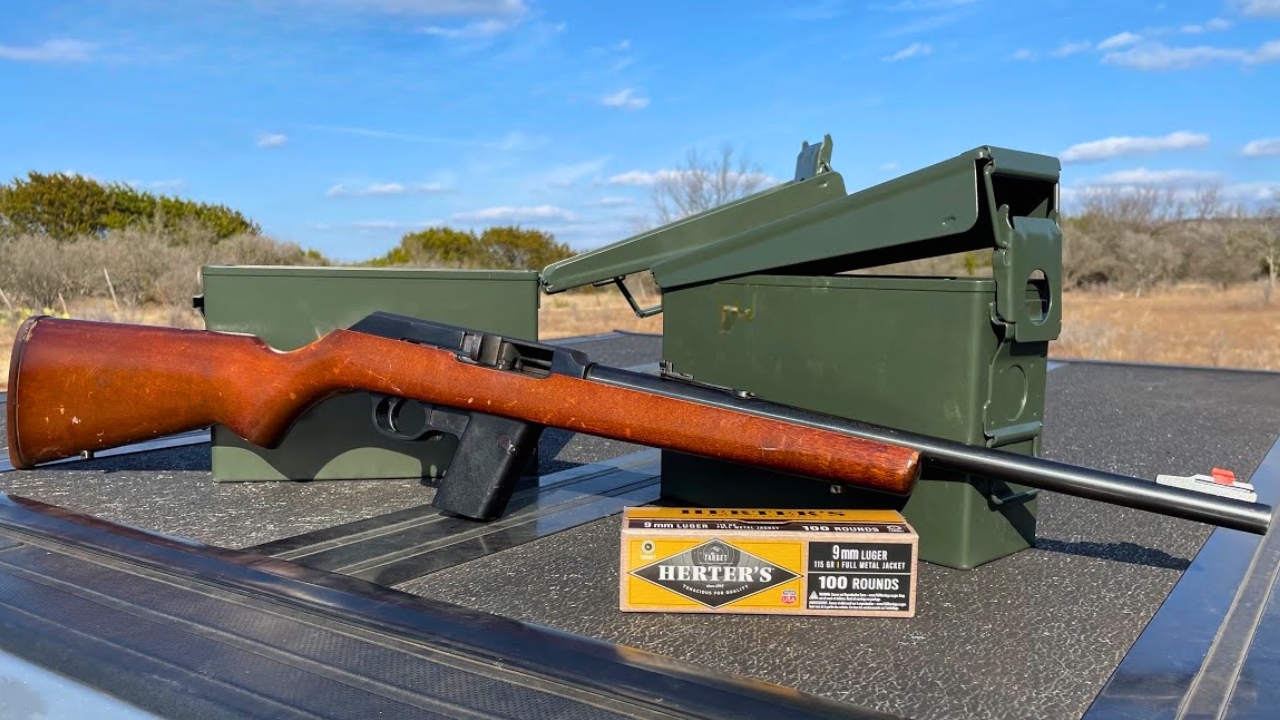
The Camp 9 is one of the most likable traditional-looking PCCs ever produced. It resembles a conventional sporting rifle, takes familiar pistol magazines, and has none of the tactical styling that dominates the modern category.
The big concern on an untouched example is age-related maintenance, particularly the recoil buffer. Original buffers can deteriorate, and continuing to fire the rifle with degraded components is not something an owner should ignore. Recoil springs also deserve attention on an old gun. None of this means the Camp 9 is fundamentally unreliable. It means a decades-old blowback rifle should not be treated like a brand-new carbine merely because it looks clean from the outside.
Beretta Cx4 Storm With Questionable Aftermarket Magazines
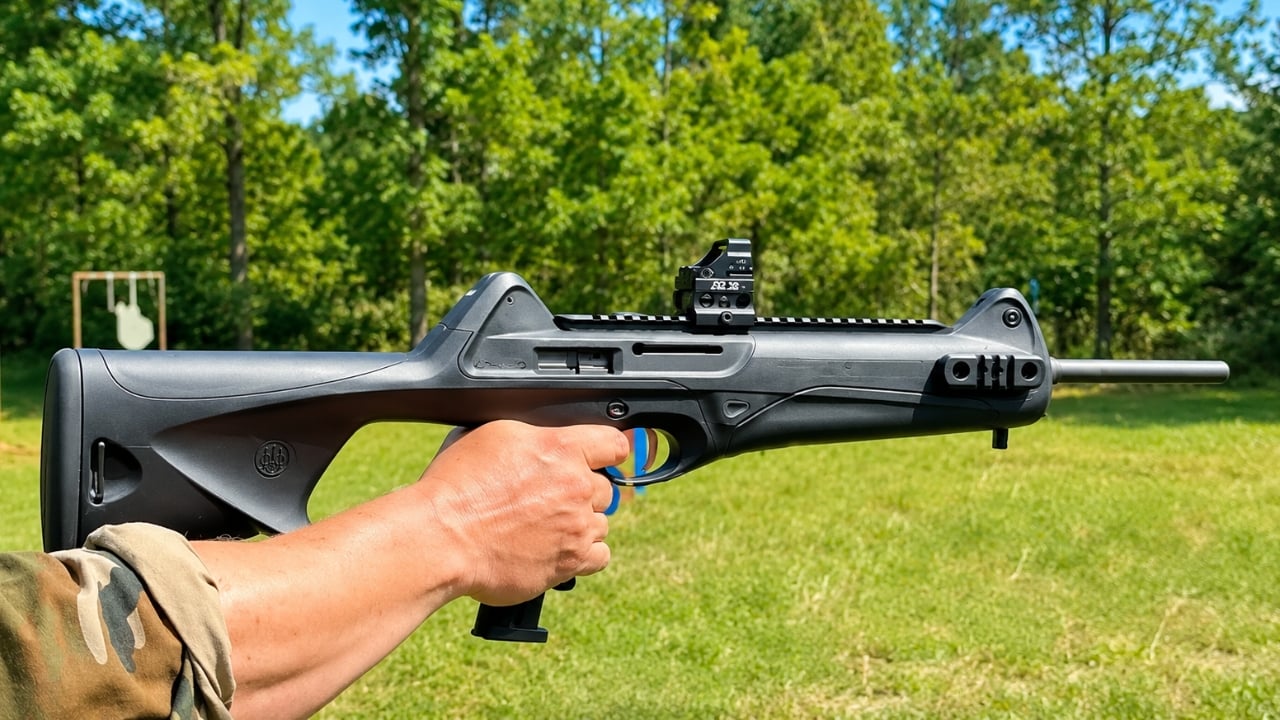
The Cx4 itself has a strong reputation and is generally one of the more dependable PCCs of its generation. Its rotating family of magazine-compatible versions also makes it appealing to Beretta pistol owners.
The trouble starts when shooters try to save money with poor magazines or adapters. PCCs depend heavily on how the cartridge is presented to the chamber, and a mediocre magazine can make a good rifle look bad quickly. I would happily trust a thoroughly tested Cx4 using quality factory magazines. I would not assume the same reliability from whichever extended aftermarket magazine happens to fit. Sometimes the serious reliability question is not the carbine but the ecosystem owners build around it.
AR-9s Using Glock Magazines and Standard AR Buffers
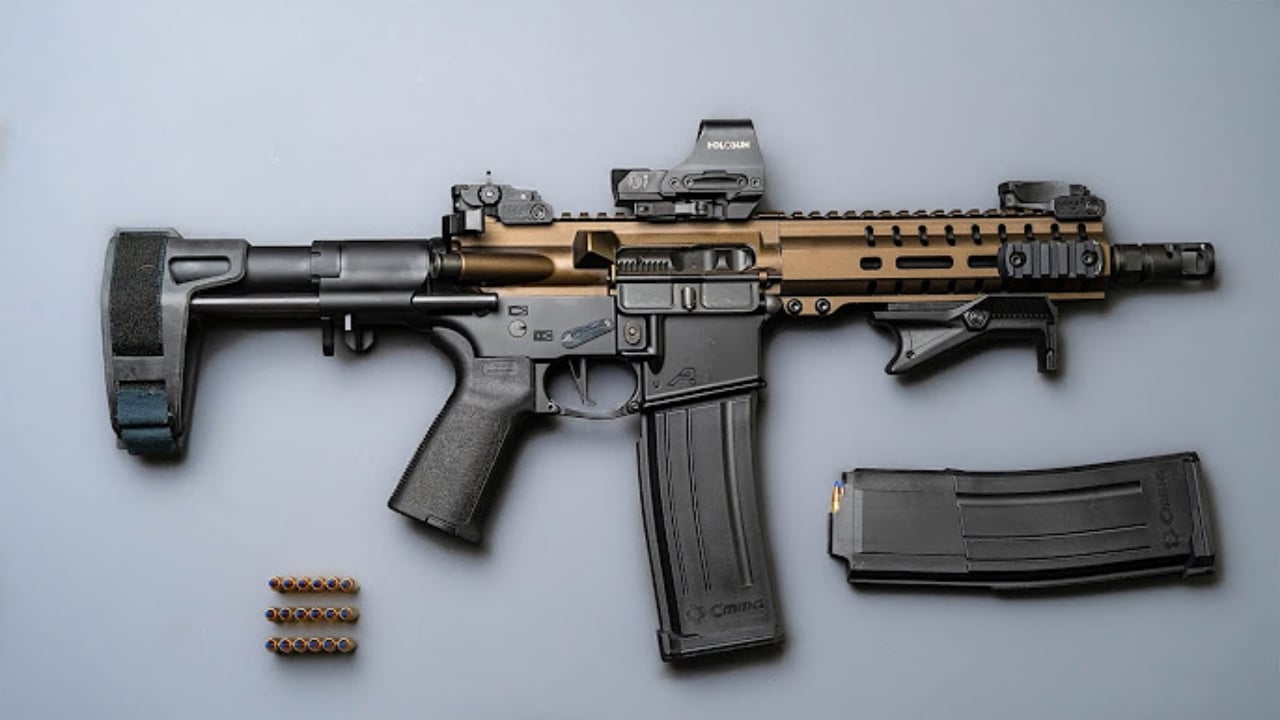
This is technically an entire category, but it deserves a place because countless inexpensive PCCs are assembled this way and sold as if all 9mm AR components are automatically compatible. They are not.
Straight-blowback AR-9s depend heavily on bolt mass, buffer weight, spring rate, magazine presentation, ejector position, and feed geometry. Mixing parts intended for different systems can produce harsh recoil, failures to eject, broken components, or unreliable feeding. A properly engineered AR-9 can be exceptionally dependable. A random parts-bin build can be exactly the opposite. The AR-15 taught shooters that nearly everything fits together. The AR-9 punishes people who assume the same rules apply.
Freedom Ordnance FX-9 Early Production Guns
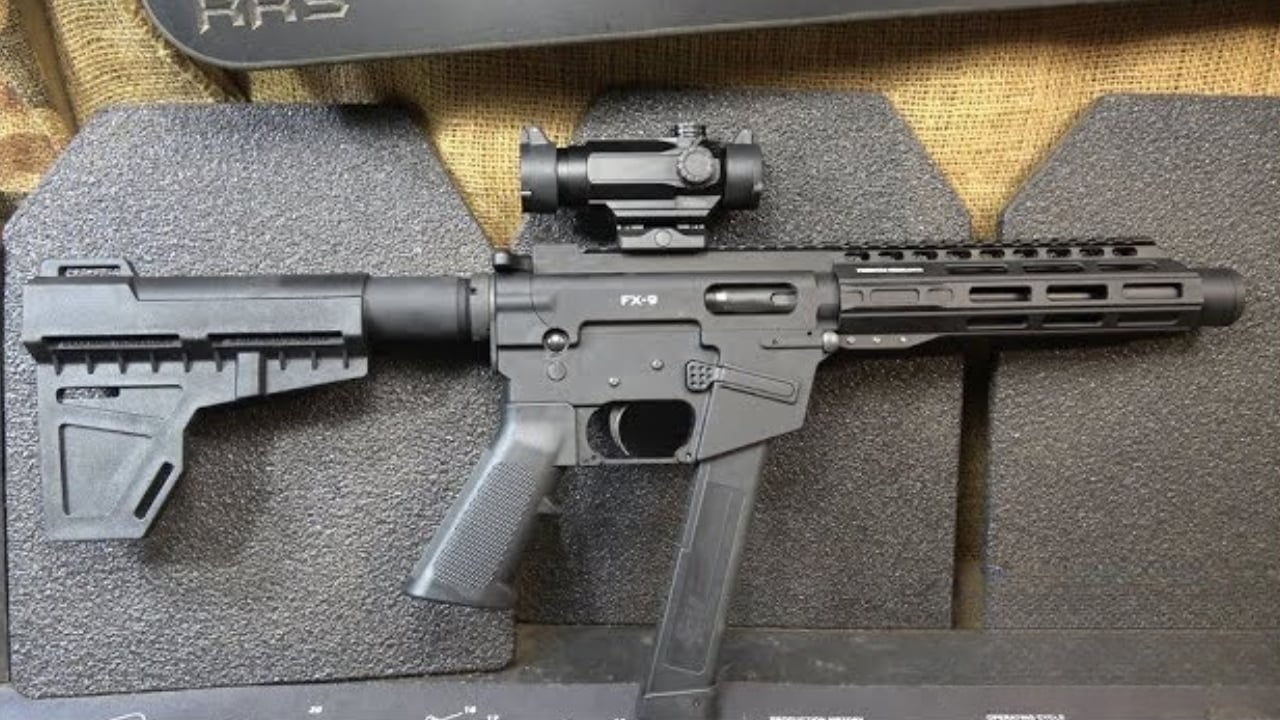
The FX-9 gained popularity because it offered AR-like ergonomics in a package specifically scaled around 9mm rather than simply using a giant AR-15 receiver set. The concept is good, and later rifles developed plenty of satisfied owners.
Early guns and heavily modified examples deserve more scrutiny. PCCs can be extremely sensitive to recoil-system changes, triggers, magazines, and ammunition, and the FX-9 uses its own design choices rather than being a generic AR-9. That means owners should resist assuming every AR component can be swapped without consequence. I would rather buy a factory-original example with a documented history than one that has been “upgraded” by three previous owners.
Hi-Point 3095 .30 Super Carry
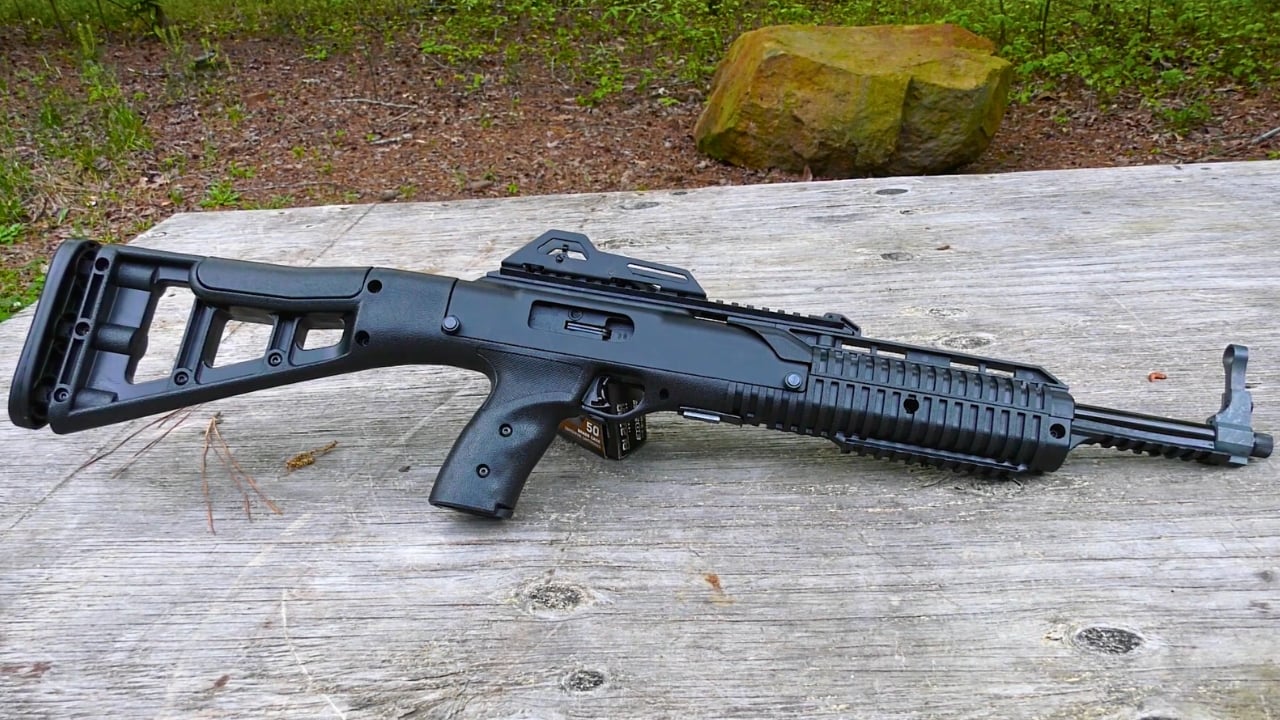
Hi-Point carbines generally have a surprisingly strong reliability reputation, which makes the 3095 interesting rather than automatically bad. The concern is that .30 Super Carry is a much less established PCC cartridge, and early testing did reveal occasional failures to eject during roughly the first 100 rounds before the gun settled in.
That experience may simply represent break-in rather than a permanent design issue. In fact, the same test reported the problems disappearing afterward. Still, anyone buying an unusual PCC cartridge should pay attention when the rifle initially shows ammunition-cycle sensitivity. A 9mm carbine has decades of load development behind it. A .30 Super Carry PCC asks the buyer to accept a far smaller ammunition and magazine ecosystem.
MasterPiece Arms MPA30DMG Carbine

The MPA30 family has a lot of attitude. The design traces its personality back to the MAC-style firearm world, and modern versions add rails, stocks, and magazine systems that make the platform far more usable than the old open-bolt-looking range toys it resembles.
It still is not the PCC I would choose if reliability were my only priority. The action, magazine presentation, charging arrangement, and overall platform are much less mainstream than something like a proven service-oriented carbine. These guns can be tremendous fun, but fun and boring reliability are not always the same thing. If I owned one, I would treat it as a rifle that needed to prove its preferred magazines and ammunition rather than assuming appearance and simplicity guaranteed flawless function.
Like The Avid Outdoorsman’s content? Subscribe to our newsletter so you never miss an article.
Here’s more from us: