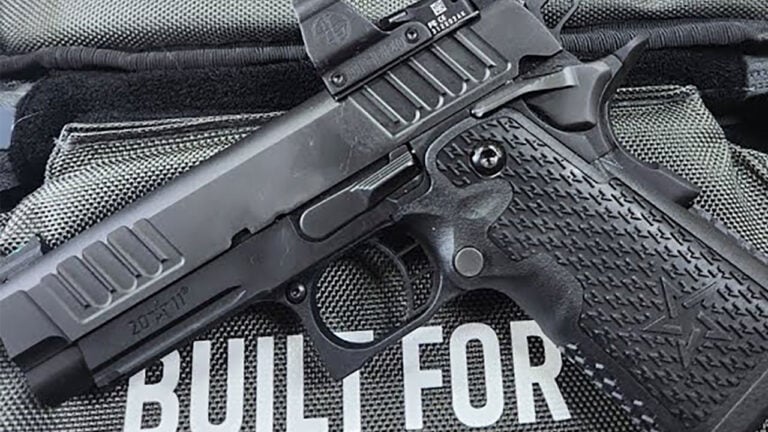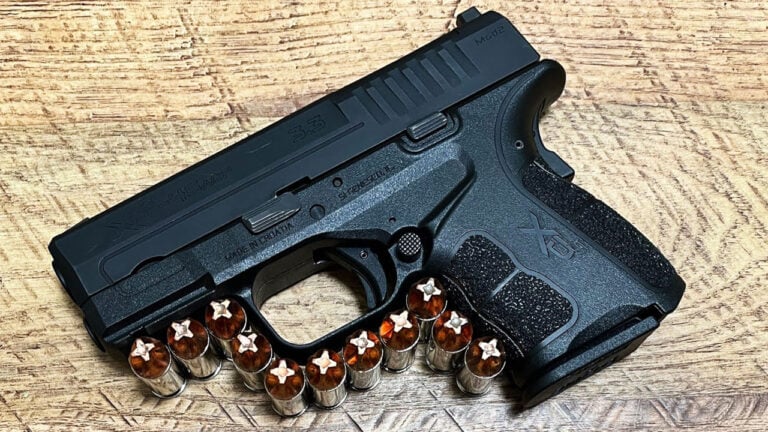
Photo credit: Tactical Hyve/Youtube
You can learn a lot about competitive shooters by watching what shows up on a camera table. It’s usually the same handful of “safe” choices everybody recognizes, with the right logo hats and the right talking points. Then you hang around after the match, when folks are wiping guns down at the tailgate or digging in a range bag for that one spare mag, and you start seeing the pistols they actually rely on.
These aren’t always the newest, prettiest, or most sponsor-friendly handguns. A bunch of them are older, plain, or flat-out unfashionable. But they run, they fit, and they solve a specific problem the “camera guns” don’t. Here are 20 that show up more than anyone wants to admit.
1. CZ 75B
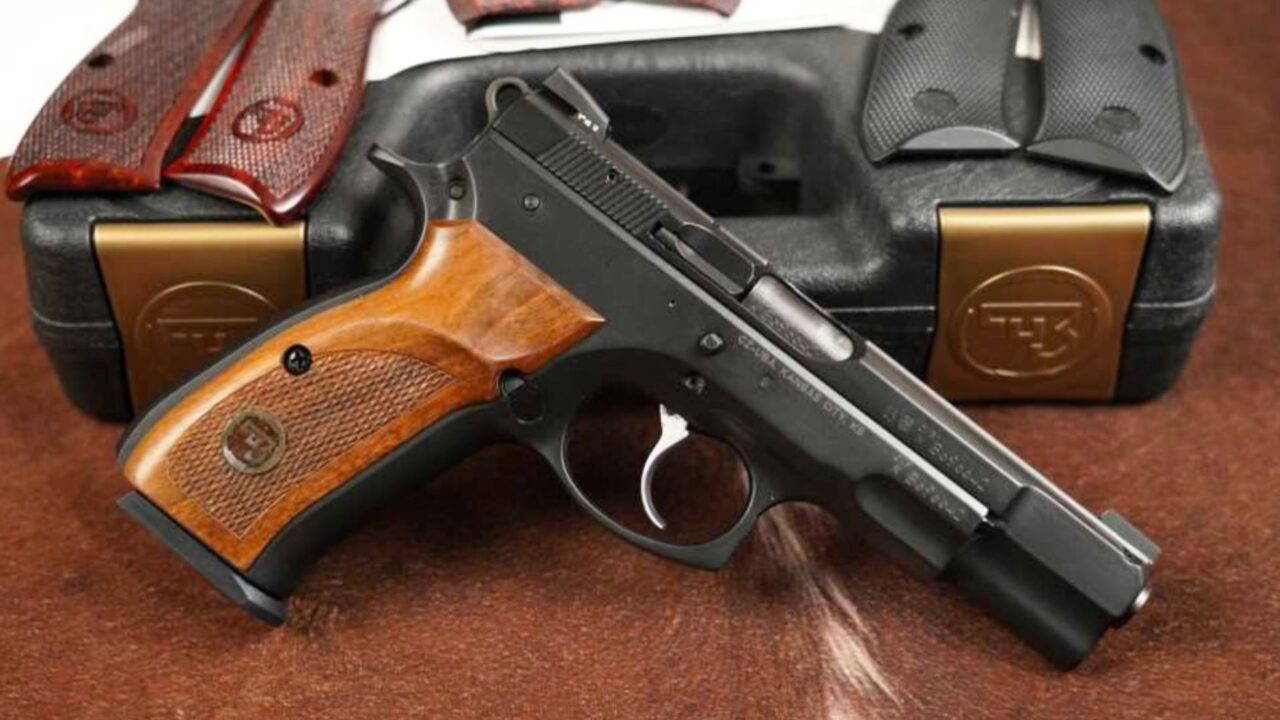
There’s a reason the CZ 75 shape keeps showing up in competition even when trends swing hard. The gun points naturally for a lot of hands, the steel frame settles recoil, and the trigger can be made very good without doing anything weird. It’s not flashy, it’s just honest.
The quiet part is weight. Carry it all day and you’ll notice it, but on a belt at a match it feels like cheating in a good way. Magazines are easy enough to find, parts aren’t exotic, and it’ll keep humming along even when it’s a little dry and dusty.
2. Tanfoglio Stock II

Some shooters treat this one like a secret handshake. It’s “CZ-ish,” but not quite, and that’s part of why you don’t see it getting talked up much on video. The Stock II tends to have a slick single-action feel and a heavy, steady frame that tracks flat.
The downside is you need to be a little more intentional about parts and mags compared to the big household names. Still, if you ever watch a guy shoot a stage way faster than his body looks like it should move, don’t be shocked if a Stock II is in his hands.
3. SIG Sauer P320 X-Five Legion
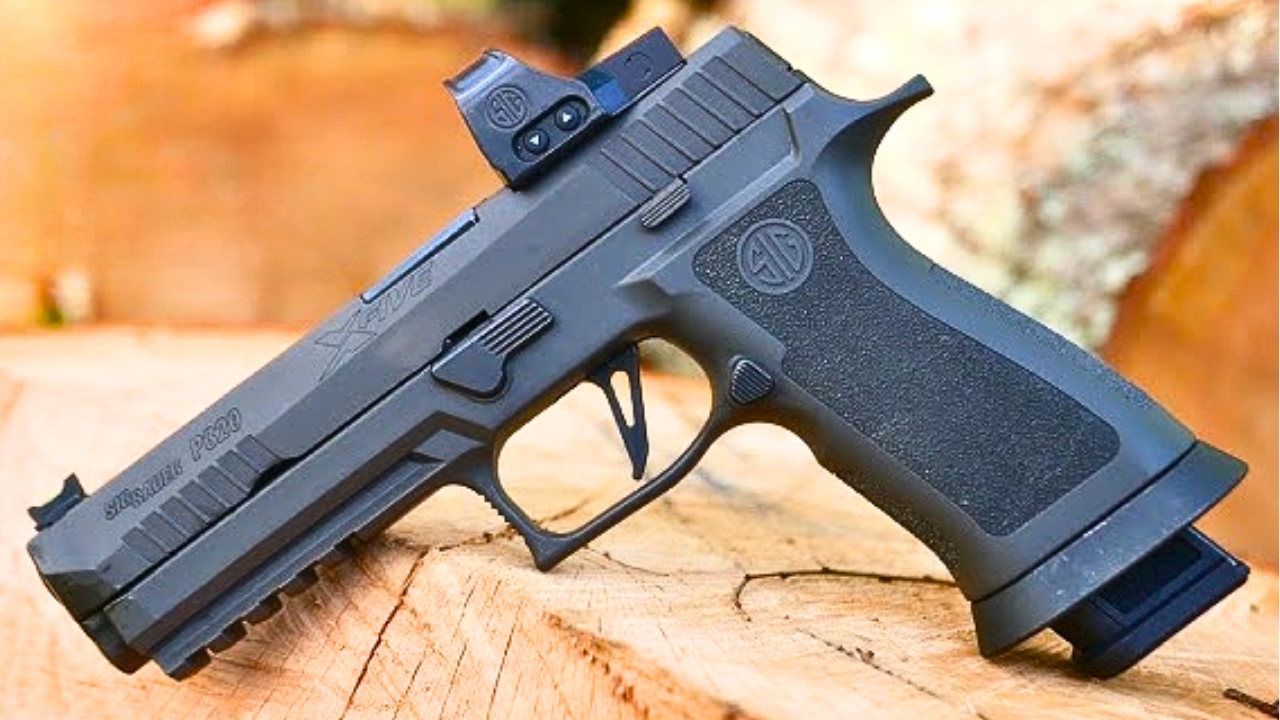
This one is hard to “not talk about,” but you’d be surprised how many competitive shooters keep it as their quiet workhorse while they pose with something else. It’s heavy for a polymer gun, it returns to target well, and it’s forgiving when your grip isn’t perfect.
It’s also one of those pistols that eats practice. High round counts, quick maintenance, easy magazine availability—those things matter more than internet arguments. The Legion isn’t delicate, and it doesn’t need to be babied to keep performing.
4. Glock 34 Gen 5 MOS

Nobody wants to sound boring on camera, so the plain long-slide Glock gets downplayed. But the G34 keeps showing up because it’s predictable. The trigger feel is consistent, the recoil impulse is familiar, and the gun just keeps running with minimal drama.
What you’re really buying is logistics. Magazines are everywhere, parts are everywhere, and if you break something on Saturday night you can usually fix it before Sunday’s match. There’s nothing romantic about it, and that is exactly why it’s still around.
5. Beretta 92X Performance

This is the “old warhorse” silhouette with a competition diet and a gym membership. Heavy frame, smooth cycling, and a recoil feel that’s more push than snap. It’s a pistol that makes you look like a better shooter than you are, at least for a while.
What keeps it off camera is it doesn’t fit the modern striker-fired story line. Also, it’s not light. But if your wrists are tired of snappy guns and you want something that tracks like it’s on rails, this Beretta makes sense.
6. Beretta PX4 Storm (full-size)
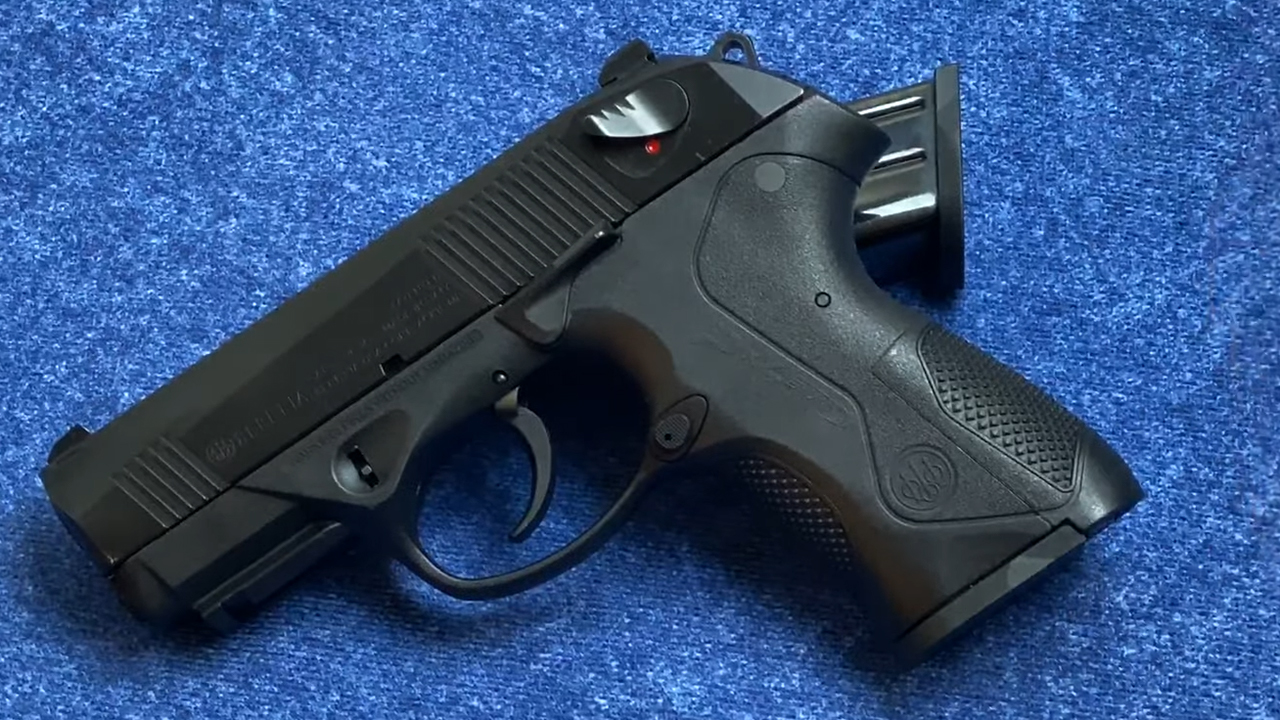
The PX4 is one of those pistols guys “try once” and then quietly keep. The rotating barrel setup changes how recoil feels, and for some shooters it’s like flipping a switch—faster follow-up shots with less effort. It’s not pretty, and it looks odd sitting next to the usual match guns.
It can be a little pickier about holsters and aftermarket doodads. Still, if you find one that fits you and you keep it maintained, it’s a sleeper that can run hard without beating you up.
7. Walther Q5 Match SF
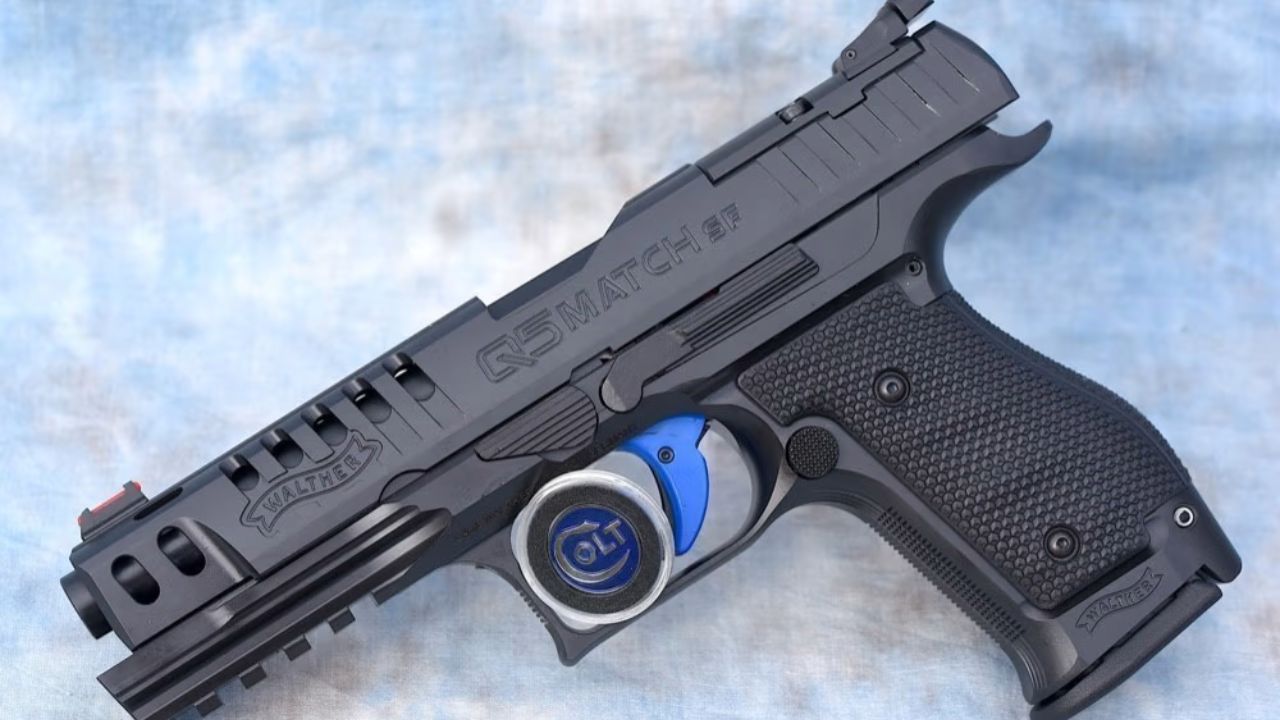
Steel-frame Walthers don’t get as much camera time as they deserve, probably because they’re not cheap and they don’t need a lot of “build content.” The Q5 SF has a balance that makes transitions feel natural. The trigger is also better than a lot of folks want to admit right out of the box.
It’s a gun that rewards discipline. If you grip it right and drive it, it stays flat. If you get lazy, it’ll still behave better than plenty of pistols, which is why it ends up in match bags even when it’s not in the social media rotation.
8. Heckler & Koch VP9 Match

HK owners don’t usually yell. They just show up with a pistol that works and a face that says they’re not interested in arguments. The VP9 Match is soft shooting, accurate enough for what most folks can actually do, and the ergonomics fit a wide range of hands.
The “don’t talk about it” part is mostly price and brand perception. HK isn’t the typical competition darling. But if you want a striker gun that feels good, runs clean, and doesn’t need a bunch of tinkering, the VP9 Match is a real answer.
9. CZ Shadow 2

Yes, it’s popular. Yes, it’s talked about. But it still fits here because a lot of shooters act like it’s just a stepping stone or a “phase,” while they quietly keep winning with it. The Shadow 2 is heavy, stable, and has a trigger feel that makes hard shots feel less hard.
It’s also the gun that exposes bad fundamentals in a helpful way. If you’re pulling shots, you’ll see it. If you’re doing it right, you’ll see that too. It’s not magic, but it’s close enough that folks get weird about it.
10. Canik Rival-S
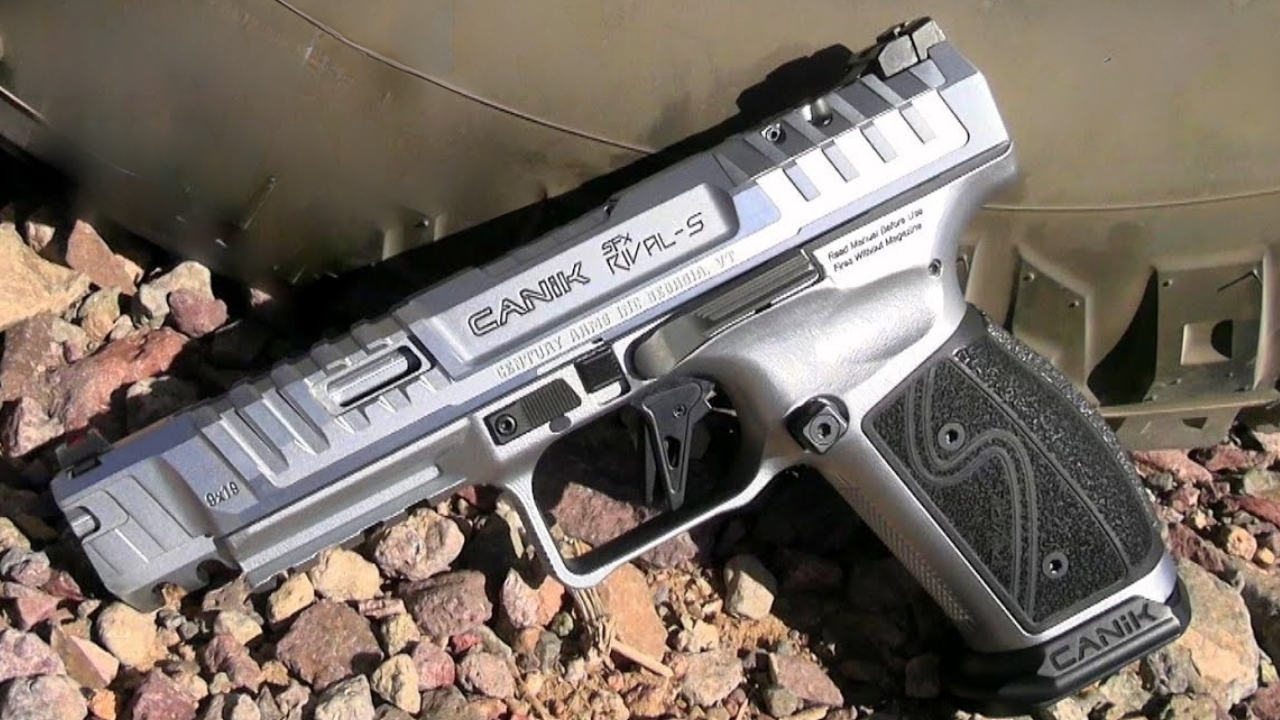
Canik has been the punchline brand in some circles for a long time, and that stigma lingers even when the guns shoot. The Rival-S is heavy, fast, and usually comes with enough useful gear that you don’t have to play the “buy it twice” game.
The part nobody wants to say out loud is this: plenty of shooters can’t outshoot it. Ask me how I know. If you get a good one and you feed it decent ammo, it’s a lot of performance for the money.
11. Ruger Mark IV 22/45

Competitive shooters love to talk about centerfire matches, but the .22 pistol that actually builds skills tends to stay off camera. The Mark IV 22/45 is a workhorse for plate racks, steel practice, and cheap reps when you’re trying to keep your trigger control honest.
It’s also one of the easiest rimfire pistols to live with now that takedown isn’t a wrestling match. The grip angle feels familiar to 1911 and polymer shooters, magazines are common, and it’ll run all day if you keep it reasonably clean.
12. Smith & Wesson Model 41
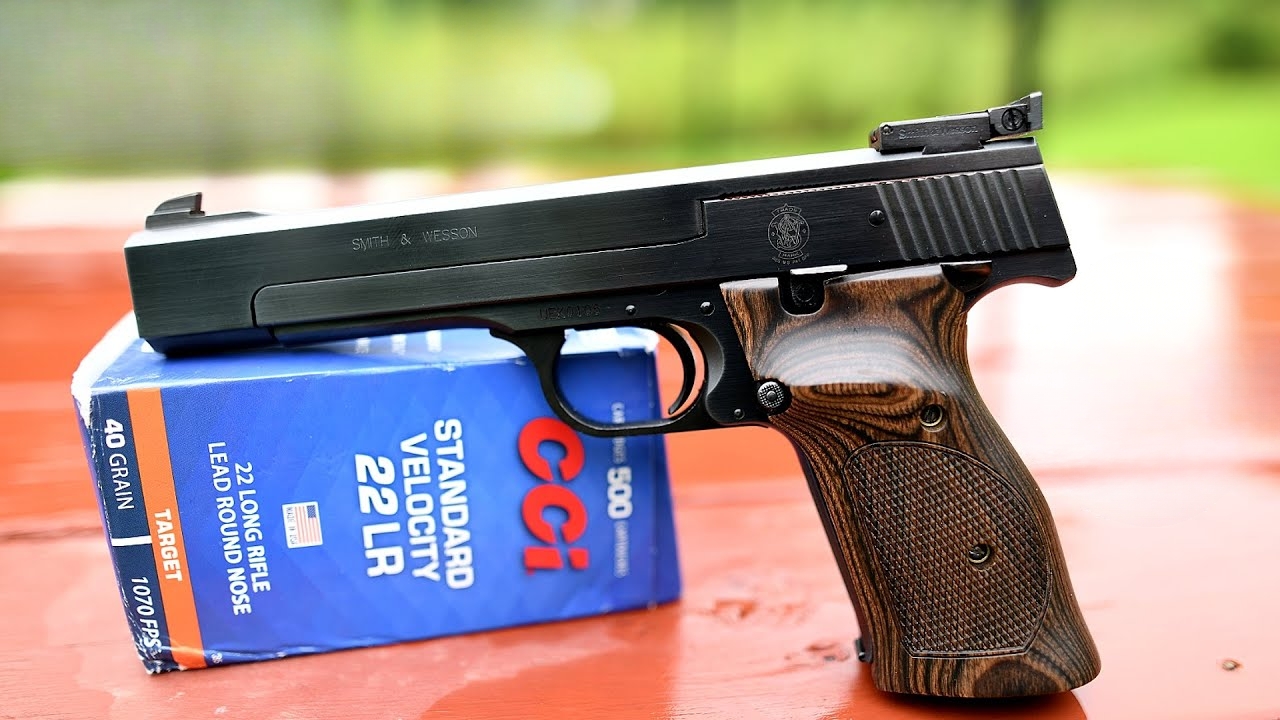
There’s a certain kind of competitor who owns a Model 41 and never posts it. It’s not tactical. It’s not trendy. It’s just a serious target pistol that makes you pay attention to what your hands are doing.
They’re not cheap, and they’re not something you toss in a range bag with loose tools and half-empty ammo boxes. But if you want to know whether your fundamentals are real, a good Model 41 will tell you the truth quick.
13. Ruger SR1911 (5-inch)
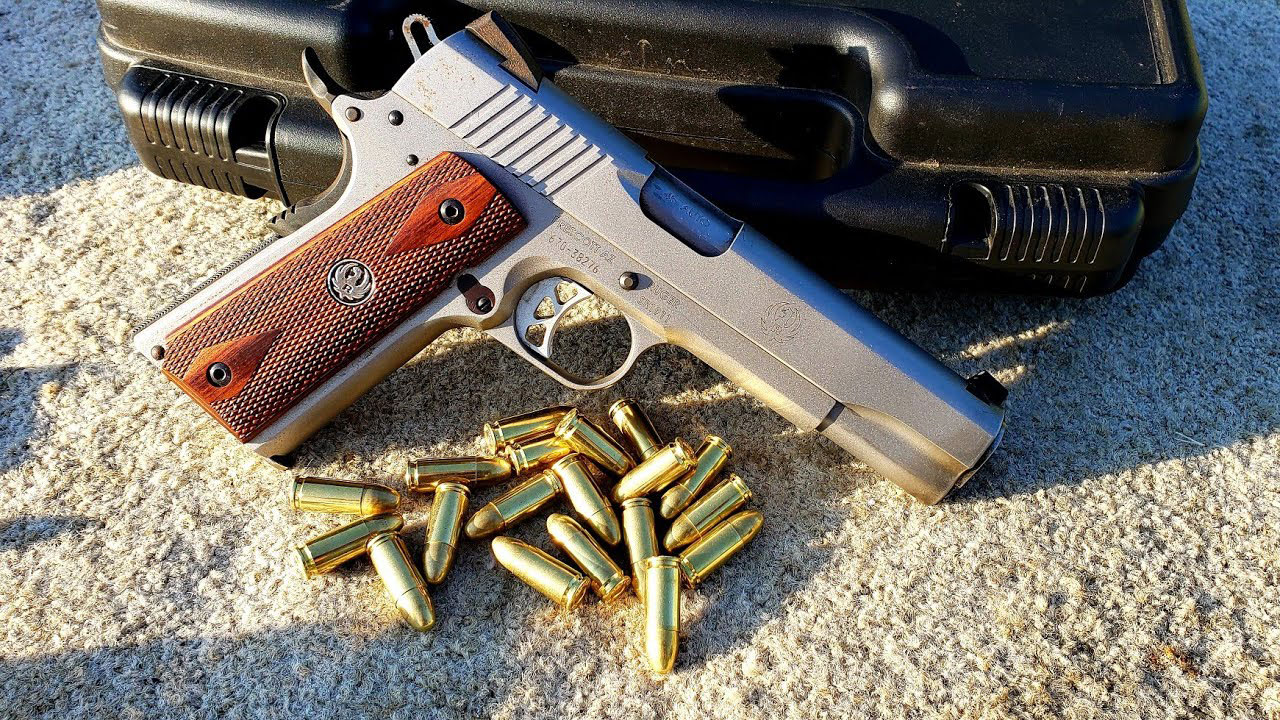
A lot of guys will talk 2011s on camera and then quietly practice with a plain 1911 that actually fits their budget. The Ruger SR1911 isn’t exotic, and it doesn’t need to be. It’s generally reliable, reasonably accurate, and it feels like a real gun in your hands.
What it does well is consistency. The manual safety, single-action trigger, and slim grip keep you honest. If you can’t shoot a decent 1911 well, all the fancy double-stack race hardware in the world won’t save you.
14. Springfield Armory Range Officer (1911)
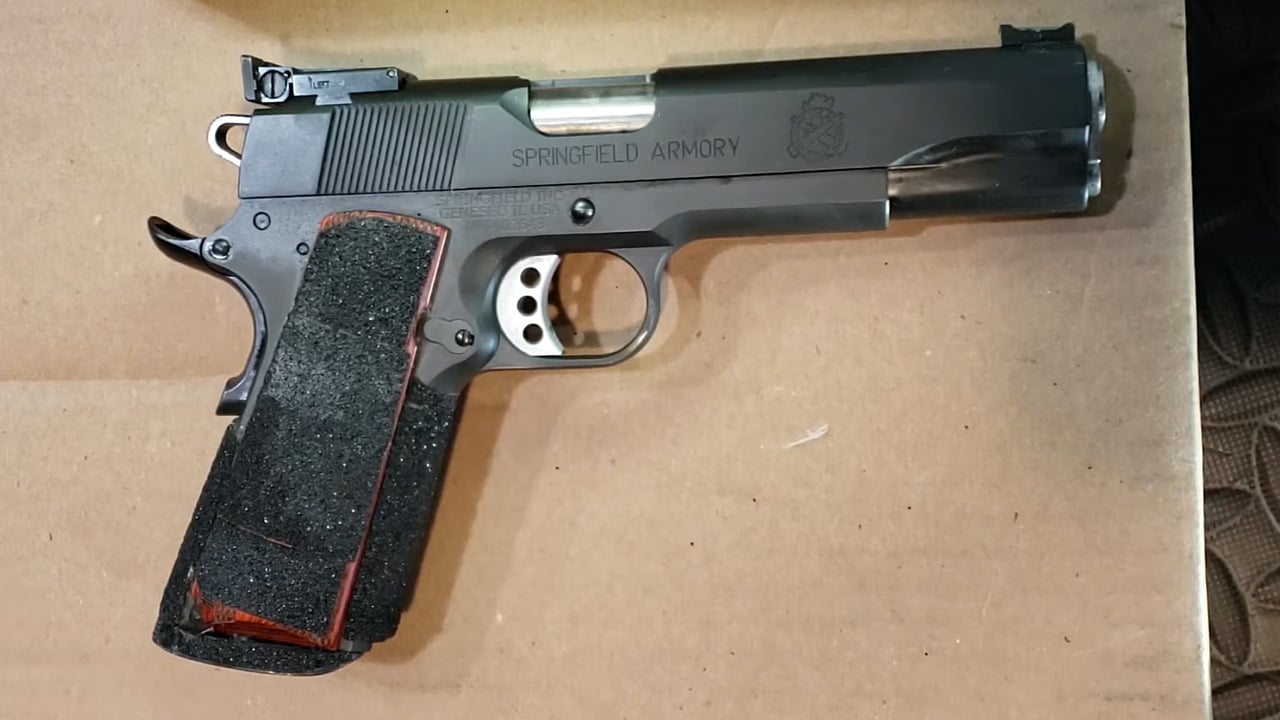
The Range Officer is one of those “I bought it to learn” pistols that turns into “I guess I’m keeping it.” The sight picture is clean, the triggers are usually decent, and they tend to shoot better than most owners do, which is a good problem.
You won’t see many folks bragging about it because it’s not the newest thing. But it’s a solid base gun for someone who wants to shoot single-stack matches, practice precision, and not cry every time a holster scuffs the finish.
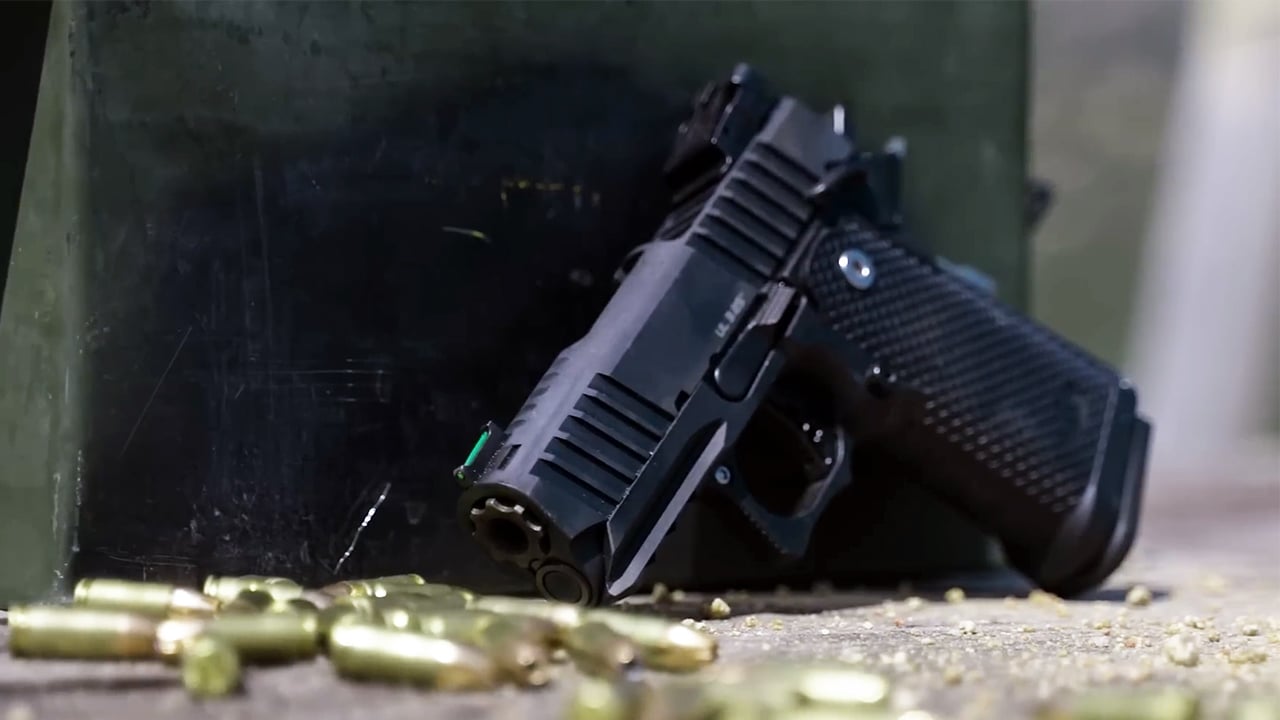
15. Bul Armory SAS II Ultralight (3.25-inch/3.5-inch class)
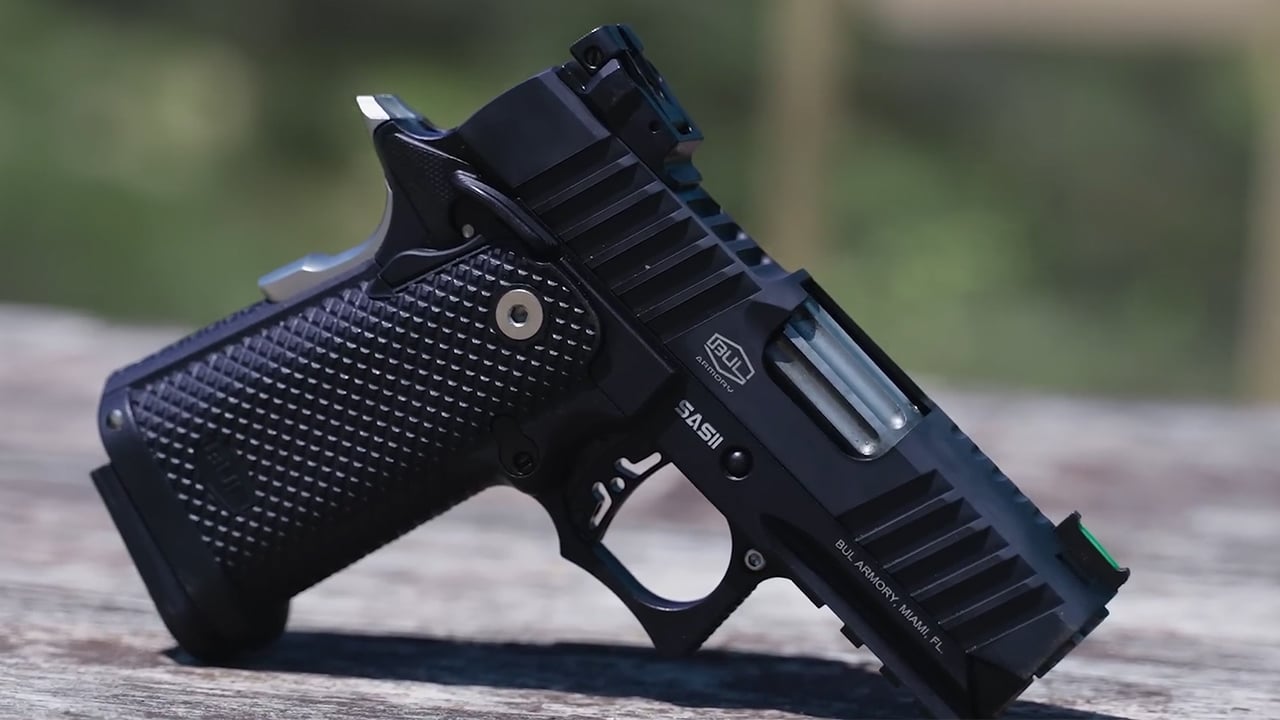
This is the kind of pistol that makes people act like they “discovered” something. It’s a compact 2011-style gun that can actually run when tuned properly, and it carries easier than the full-size race setups. A lot of serious shooters keep one around for carry optics crossover and for plain old convenience.
The reason it stays quieter is cost and availability. Not everybody wants to explain why their “carry gun” costs what a used pickup used to. But if you want a small, fast-shooting double-stack that doesn’t feel like a brick, this is one that shows up.
16. Staccato P (DUO/optic-ready variants)
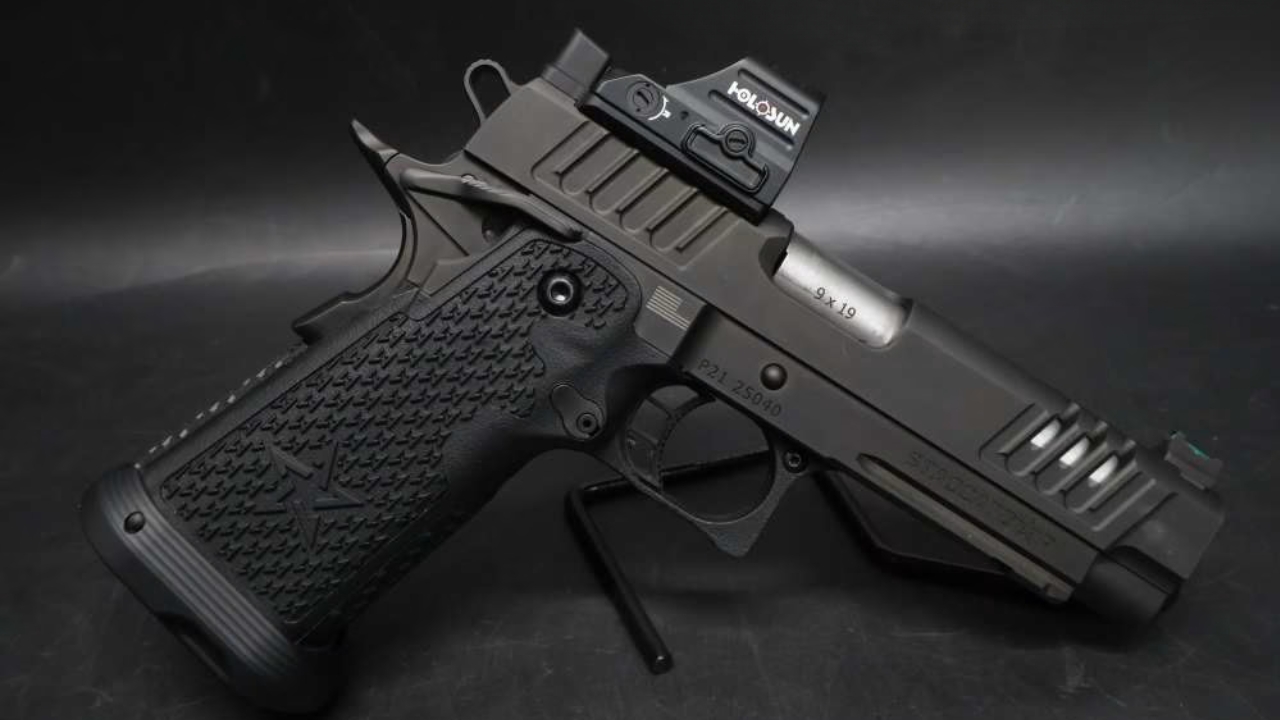
Staccatos get plenty of attention, but the competitive crowd often treats them like guilty pleasure guns—especially the guys who don’t want to be labeled as someone who bought performance instead of earning it. The truth is the Staccato P is just a very shootable pistol with good reliability when maintained.
It points naturally, the recoil impulse is easy to manage, and it’s a lot of gun without being a full-on finicky open blaster. The downside is you’ll pay for mags, and you’ll pay for the gun, and you’ll want a real holster setup. None of that is a dealbreaker if you’re serious.
17. Smith & Wesson M&P9 M2.0 5″

The M&P had a long stretch where it got overlooked at matches, and then the 2.0 guns started showing up and staying. The 5-inch model balances well, tracks nicely, and the grip texture means business. If you shoot in the heat, sweat matters, and that grip doesn’t quit.
It’s also one of those pistols that takes abuse and keeps going. Parts support is strong, magazines are easy enough to find, and you can set one up for competition without turning it into a science project.
18. FN 509 LS Edge

FN doesn’t always get the “match gun” label, but the long-slide 509 variants can shoot. The LS Edge has a usable trigger, good sights, and a feel that’s more solid than a lot of polymer guns. It’s also built like it expects to be treated rough.
Why the quiet ownership? Holsters and aftermarket support aren’t as universal as Glock/SIG, and some shooters don’t want to chase specific parts. But for the guy who wants a tough, accurate striker pistol that isn’t the same as everyone else’s, it makes sense.
19. SIG Sauer P226 Legion SAO
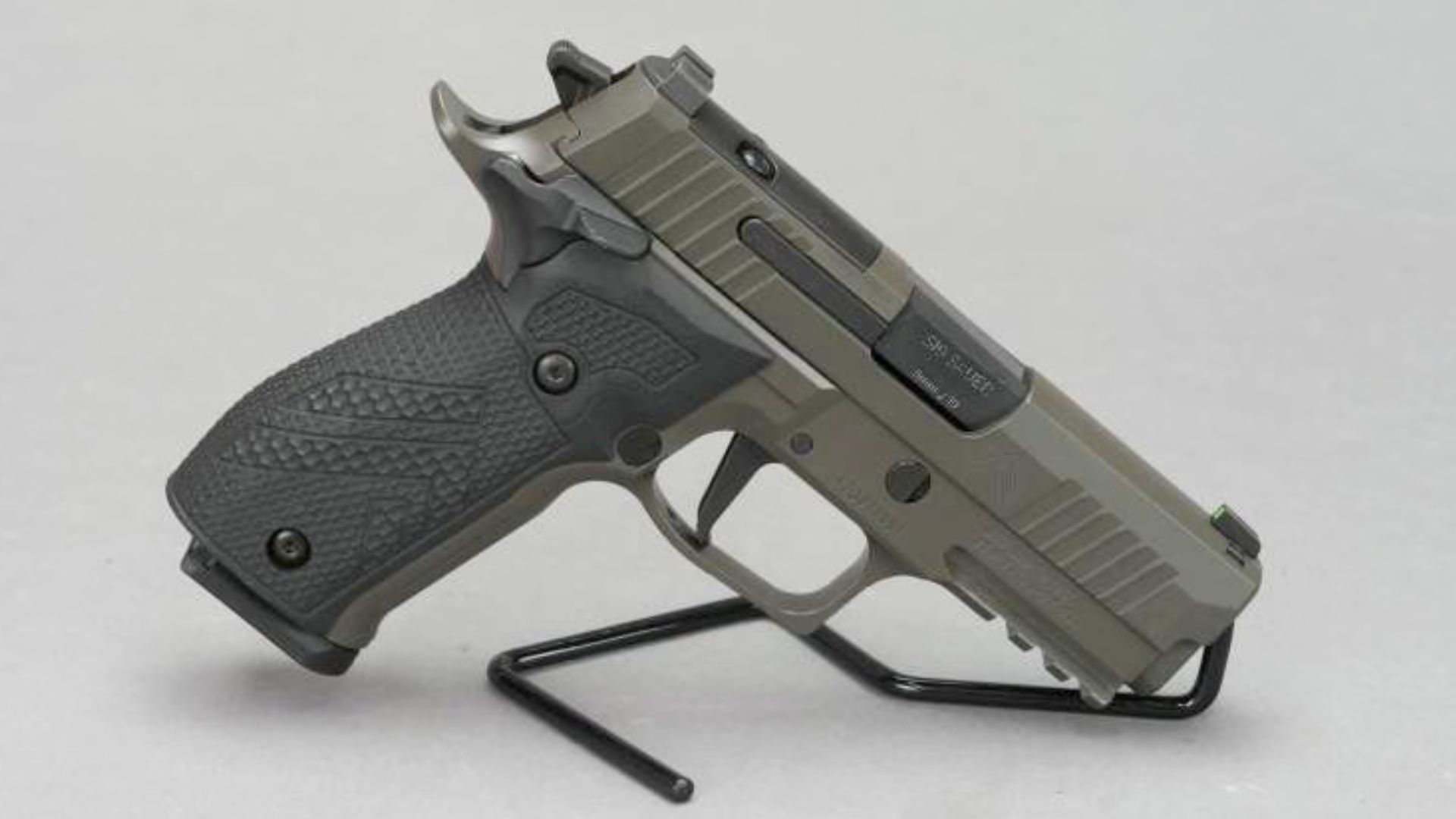
This is a “grown-up” pistol. Heavy, smooth, and extremely shootable. In single-action-only form, it gives you a clean trigger feel and a consistent manual of arms, and the extra weight helps it sit down in recoil. It also feels like it was made for hands, not for marketing.
The tradeoff is it’s big. It’s not the gun you want to conceal in a T-shirt, and it’s not cheap to feed if you’re burning ammo every weekend. Still, as a match pistol that’s also just plain enjoyable, it earns its keep.
20. Taurus TX22 Competition

Rimfire practice is where a lot of real improvement happens, and plenty of competitive shooters keep a TX22 Competition around even if they don’t want to admit they’re running a Taurus. The gun holds a pile of rounds, it’s generally reliable with the right ammo, and it’s accurate enough for speed work.
The biggest advantage is you actually use it because it’s easy and affordable to shoot. When you’re trying to stay sharp between matches, a rimfire that runs and doesn’t make you dread the next malfunction drill is a good thing to own, logo or no logo.
If there’s a theme with these pistols, it’s not mystery or hype. It’s that match performance is mostly about repetition, reliability, and a gun that fits your hands and your life. The stuff that looks good on camera isn’t always the stuff that survives a long season of hard use. The quieter pistols are usually the ones that just keep showing up, week after week, because they work.
Like The Avid Outdoorsman’s content? Subscribe to our newsletter so you never miss an article.
Here’s more from us: