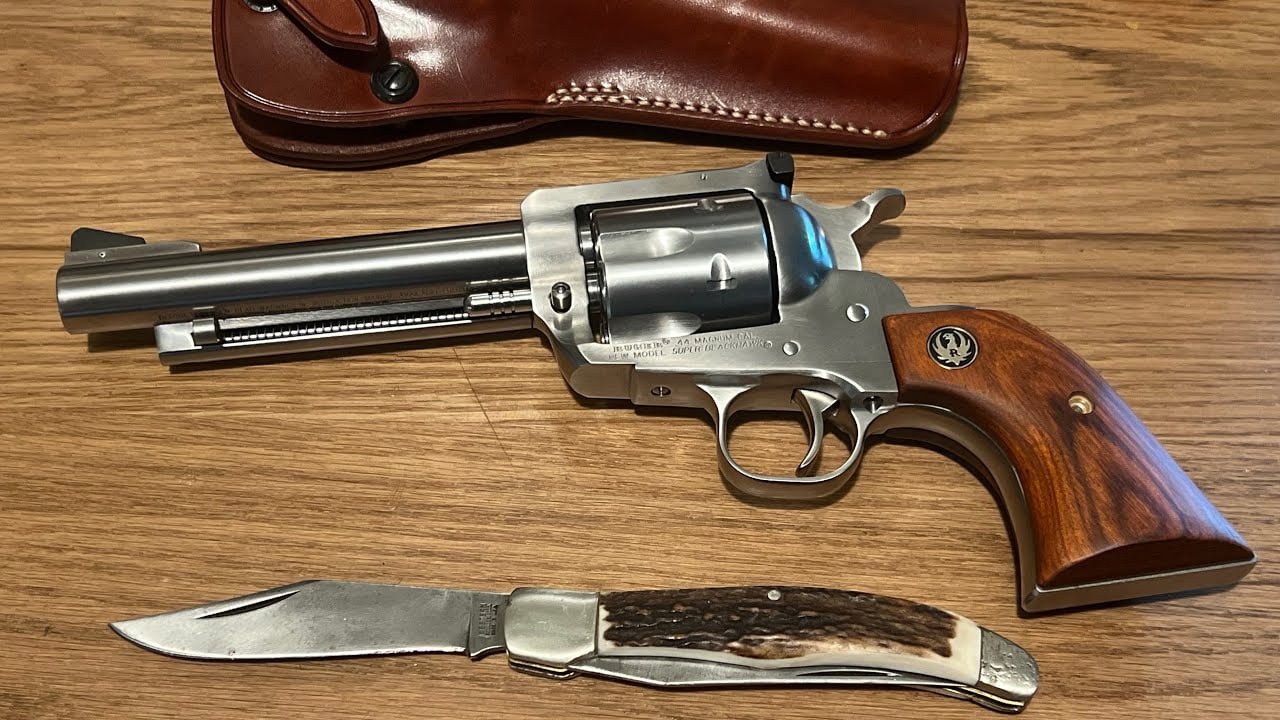
Photo credit: WalkingMan45/Youtube
Every deer camp has one. The old revolver that lives in a sock in the nightstand, or rides in a dusty flap holster in a truck door pocket, and somehow still locks up tight after decades of honest neglect. No optics. No gadget rails. Just steel, timing, and a trigger you can learn like a handshake.
I’m not saying revolvers are magic. They can go out of time, they can get shot loose, and they can be abused into scrap. But certain models were built with enough margin that normal use barely registers on them. These are the wheelguns that keep getting passed down because nobody ever manages to actually wear them out.
1. Ruger GP100
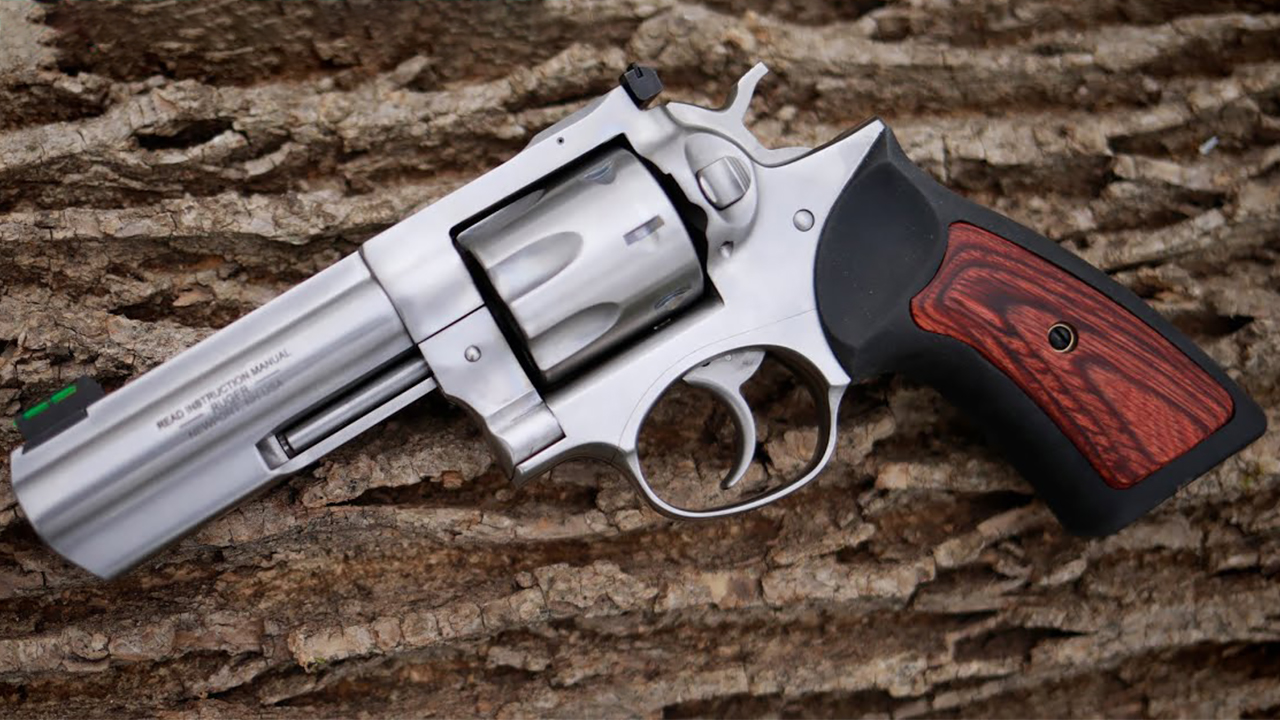
If you’ve spent time around a range that allows magnum loads, you’ve seen GP100s that look like they’ve been through three owners and two divorces, and they still run. The lockup is usually solid, and the whole gun feels like it was designed by someone who didn’t care about weight as long as it survived.
It isn’t fancy, and it isn’t light. But as a woods gun, a nightstand gun, or a “hand this to the new guy and don’t worry” gun, it’s hard to beat. Parts and holsters are everywhere, and the gun just takes shooting without developing that loose, rattly feel some revolvers get.
2. Ruger SP101
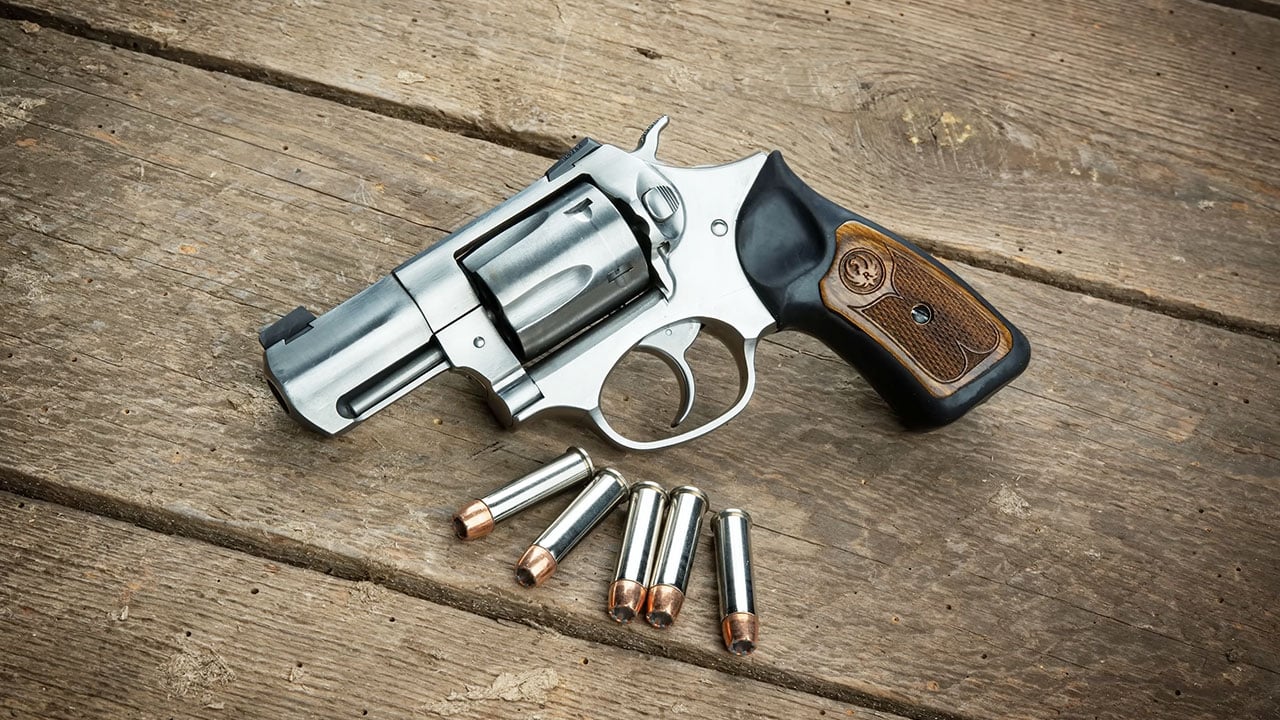
The SP101 is what happens when Ruger decides a small revolver should still be overbuilt. It’s chunky for its size, which is the main complaint, but that chunk is also why they last.
As a carry revolver, it’s not the softest-shooting option in .357 Magnum, and most folks end up running .38 +P anyway. Still, it stays tight, the cylinder doesn’t get sloppy, and you can toss it in a tackle bag or pack without babying it.
3. Ruger Redhawk
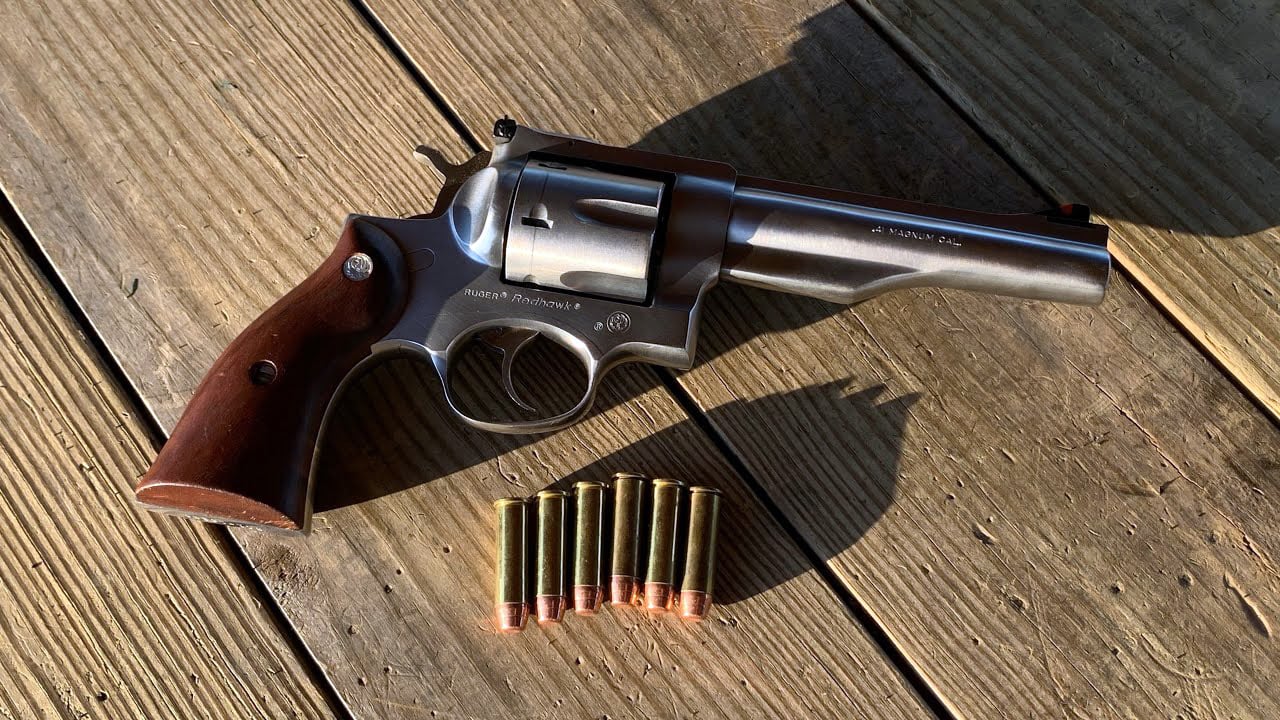
The Redhawk is a serious gun for serious cartridges, and it feels that way the first time you pick one up. The cylinder and frame are robust, and these things have a reputation for digesting heavy loads without crying uncle.
It’s not a belt-friendly revolver unless you have a real belt and a real holster. But for bear country, hog work, or just owning one “forever revolver,” it’s one of those guns that seems more likely to outlive your wrists than the other way around.
4. Ruger Super Redhawk

This is the Redhawk’s even more stubborn cousin, and yes, it looks like it’s wearing work boots to a wedding. The upside is durability and scope-mounting options that make sense for hunting.
They’re not as pretty as some classics, but they’re dependable. If you’ve got a revolver that’s going to spend time in the weather, in a chest rig, or bouncing around on an ATV, the Super Redhawk shrugs off that kind of life.
5. Smith & Wesson Model 686

The 686 is one of the revolvers that made a lot of folks fall in love with double-action shooting in the first place. The L-frame size hits a sweet spot: big enough for steady .357 use, not so big it feels like a brick on your hip.
Keep it clean, don’t run a steady diet of the hottest loads forever, and it’ll go a long time. The action can be butter when it’s broken in, and the gun just points naturally. There’s a reason you see old 686s with honest holster wear and zero drama.
6. Smith & Wesson Model 586

Think of the 586 as the blued version of the 686, and understand that bluing shows everything. These guns tend to look “old” faster, which somehow convinces people they’re fragile. They’re not.
A well-kept 586 can have a trigger that makes you want to shoot slow and do it right. It’s a range revolver that can still ride in the woods, and the bones of the gun are built to keep going long after the finish has stories.
7. Smith & Wesson Model 27
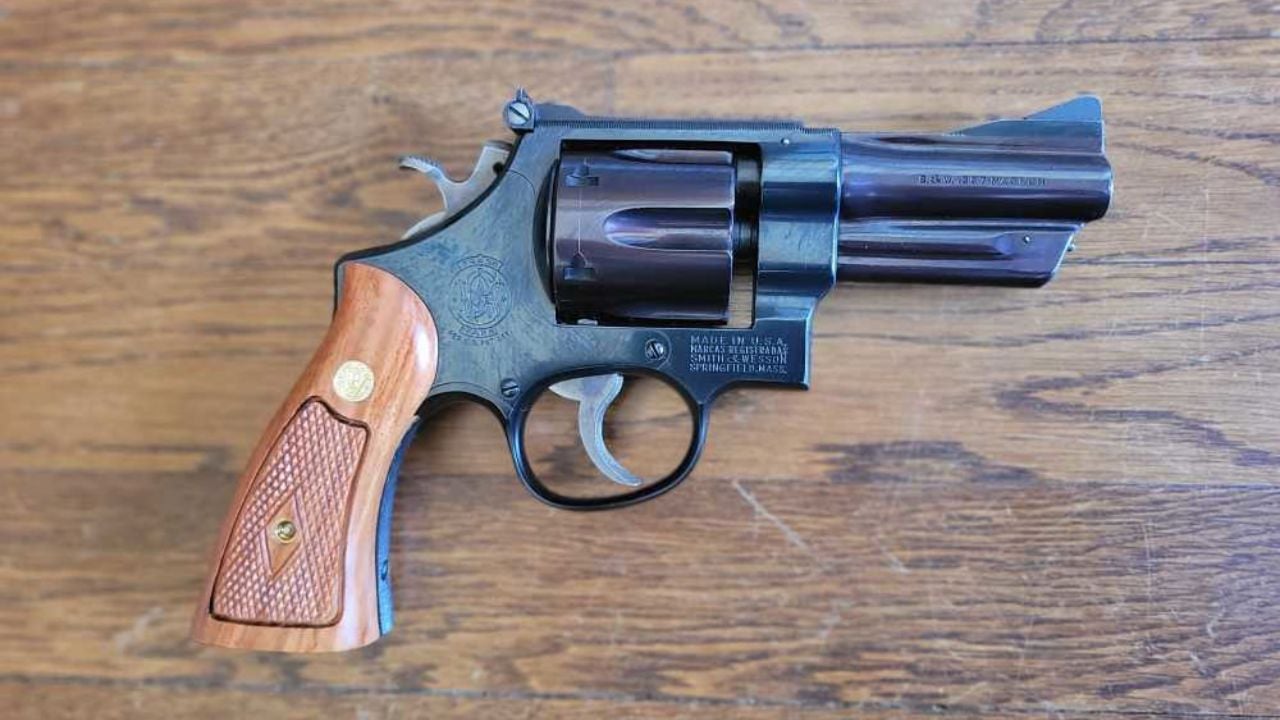
The Model 27 is old-school .357 royalty. Big N-frame, deep bluing on many examples, and a feeling of quality that’s hard to fake. They weren’t built as “budget” anything, and it shows.
They’re not what most people want to pack all day, but as a lifetime revolver they’re hard to argue with. When you find one that’s been shot but not abused, it often locks up like a bank vault.
8. Smith & Wesson Model 28 Highway Patrolman
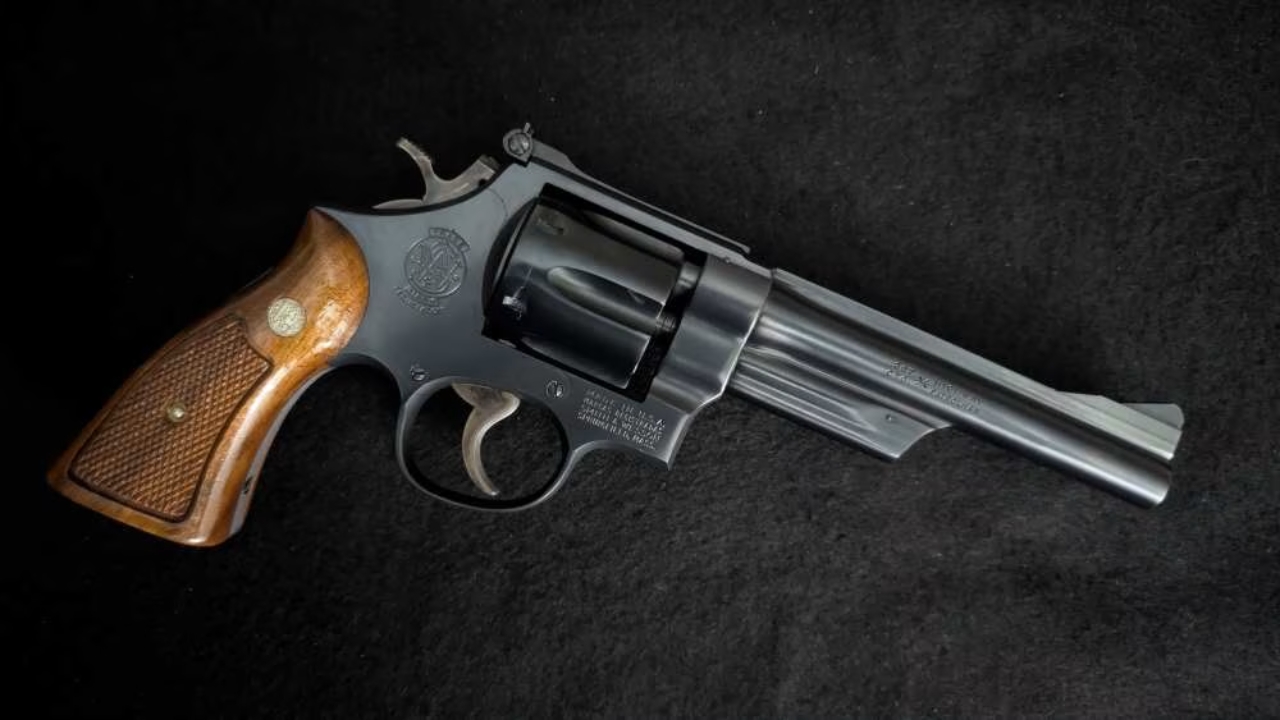
The Model 28 is the working man’s N-frame. Less polish than the 27, more attitude, and a reputation for being able to take a beating. This is the revolver you find in an old duty rig with the finish worn thin and the timing still right.
They’re big, they’re heavy, and they shoot .357 with that steady push that makes you trust the gun. If you want an heirloom that doesn’t need to be a safe queen, this one fits.
9. Smith & Wesson Model 10
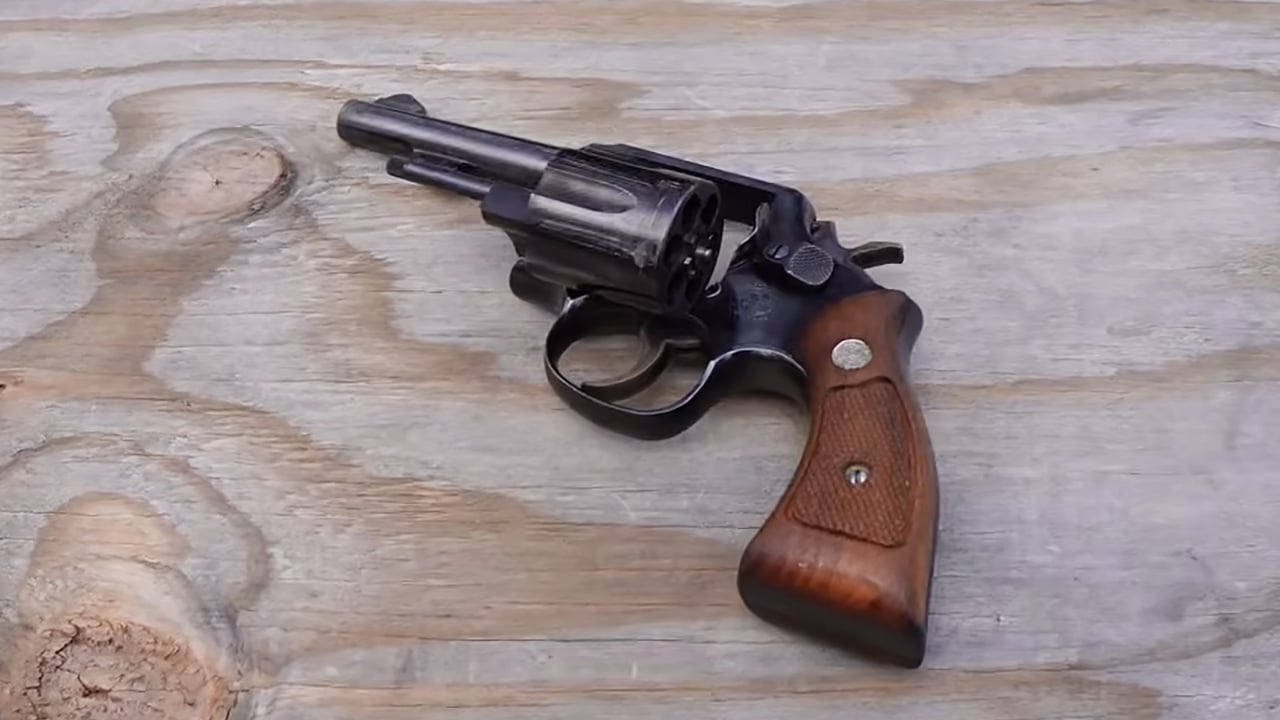
The Model 10 is about as honest as it gets: .38 Special, fixed sights, service revolver roots. It’s the kind of gun that’s been in gloveboxes, desk drawers, and duty holsters for generations.
They last because they were designed to be used, not pampered. Feed it decent .38s, keep an eye on screws and basic maintenance, and it’ll keep punching neat holes while newer stuff comes and goes.
10. Smith & Wesson Model 19
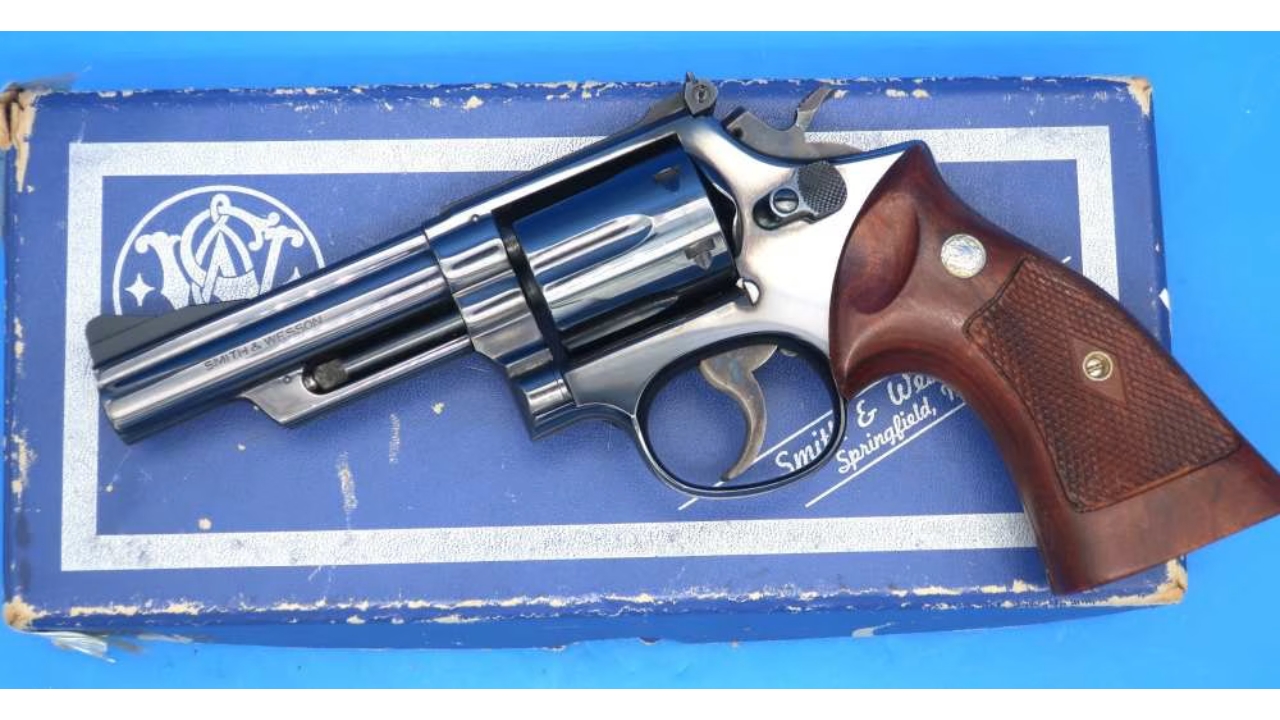
The Model 19 is beloved for a reason: it carries better than the big frames and feels lively in the hand. But it’s also the one that gets misunderstood, because it’s not meant to live on a nonstop diet of the hottest lightweight-bullet magnums.
Treat it like a smart outdoorsman treats an old truck: do the right work with it, don’t abuse it, and it’ll go a long time. With .38s and sensible .357 loads, a good Model 19 will still be around for the grandkids.
11. Smith & Wesson Model 29
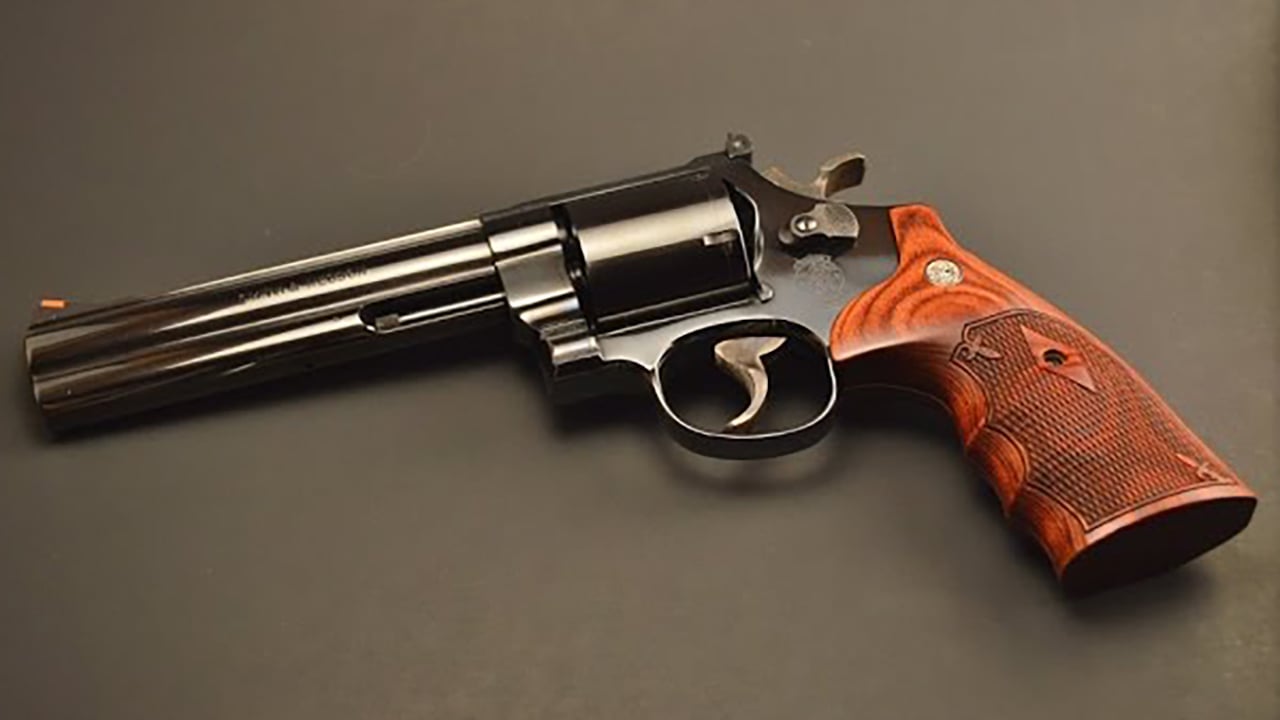
The Model 29 is famous, sure, but the real story is longevity when it’s used like a normal person uses a .44. With standard-pressure .44 Magnum and plenty of .44 Special, these revolvers can live a very long life.
They’re not immune to hard recoil and heavy load abuse, and they’re not cheap to buy or feed. Still, the ones that were carried and shot with some restraint are often still tight, still accurate, and still doing what they were made to do.
12. Colt Python (older production)

The Python is smooth, accurate, and expensive for a reason. The old ones especially have a feel in the action that makes you slow down and appreciate it. But here’s the truth: they’re durable when cared for, not when treated like a rental gun.
If you inherit one, don’t get cute with it. Keep it clean, don’t slam the cylinder around, and don’t run it like it’s a GP100 meant for endless punishment. Treated right, a Python will still be running when most of us are just stories.
13. Colt Trooper Mk III
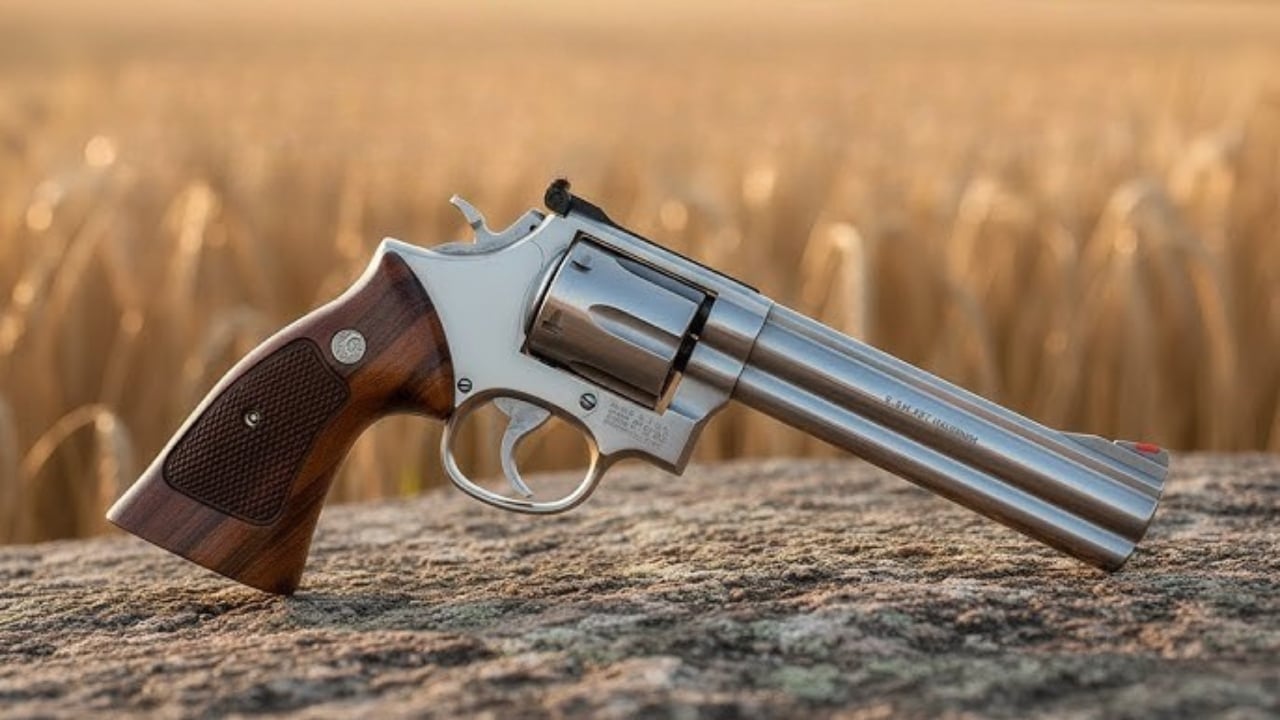
The Trooper Mk III is one of those revolvers that gets overlooked because it doesn’t have the Python glamour. That’s fine. It was built as a working revolver, and many of them lived hard lives in duty holsters.
The Mk III guns are generally tough, practical, and still shootable without feeling like you’re risking a collector’s piece. If you want an older Colt you can actually use, this is a smart place to look.
14. Colt King Cobra (original and modern)

The King Cobra has always been a “use it” Colt in my mind. It’s not as delicate-feeling as some of the classic Colts, and the current production versions are meant to be shot.
They carry well, they handle .357 like they should, and they tend to hold up if you do your part. If you’re the kind of person who wants a revolver that can see rain, sweat, and range days without drama, it’s a solid pick.
15. Dan Wesson Model 15 (.357 Magnum)
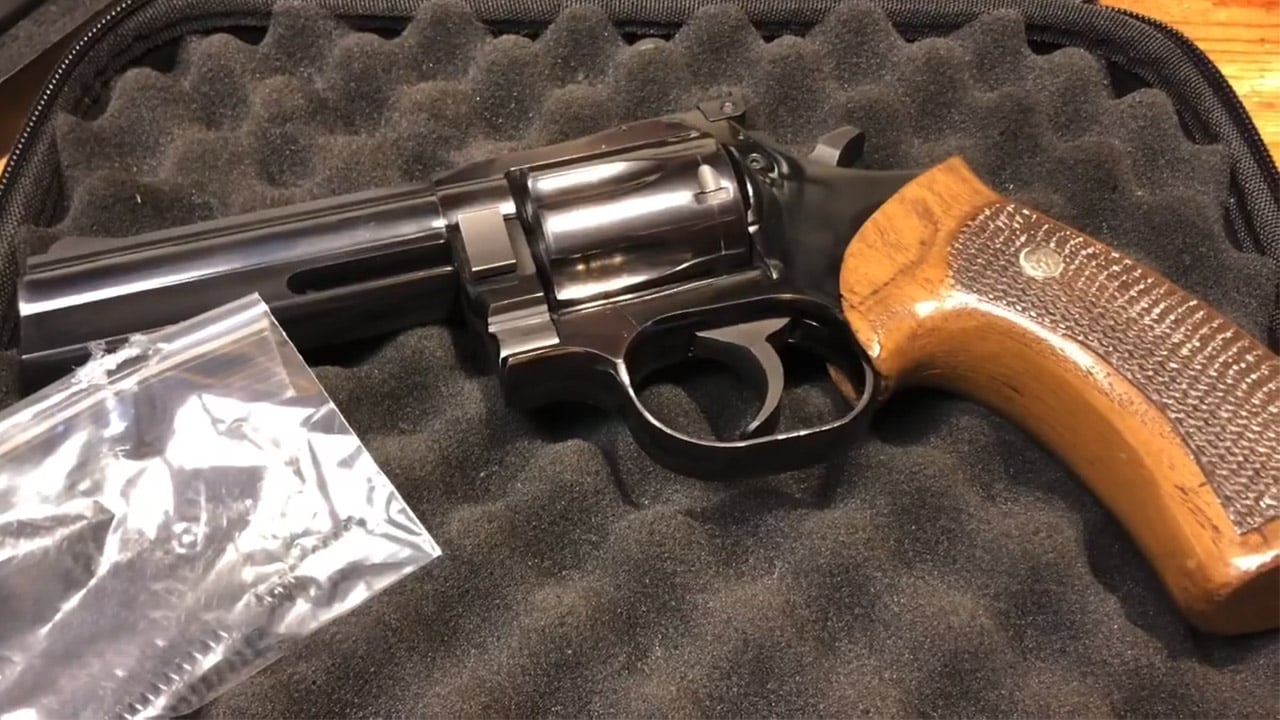
Dan Wesson revolvers have a cult following, and it isn’t because they look trendy. They’re accurate, strong, and built in a way that appeals to folks who shoot a lot and pay attention to details.
They’re not as common as Smiths or Rugers, so you might work a little harder for parts or accessories. But the guns themselves have a reputation for staying tight and shooting straight long after the new-gun shine is gone.
16. Dan Wesson Model 44 (.44 Magnum)
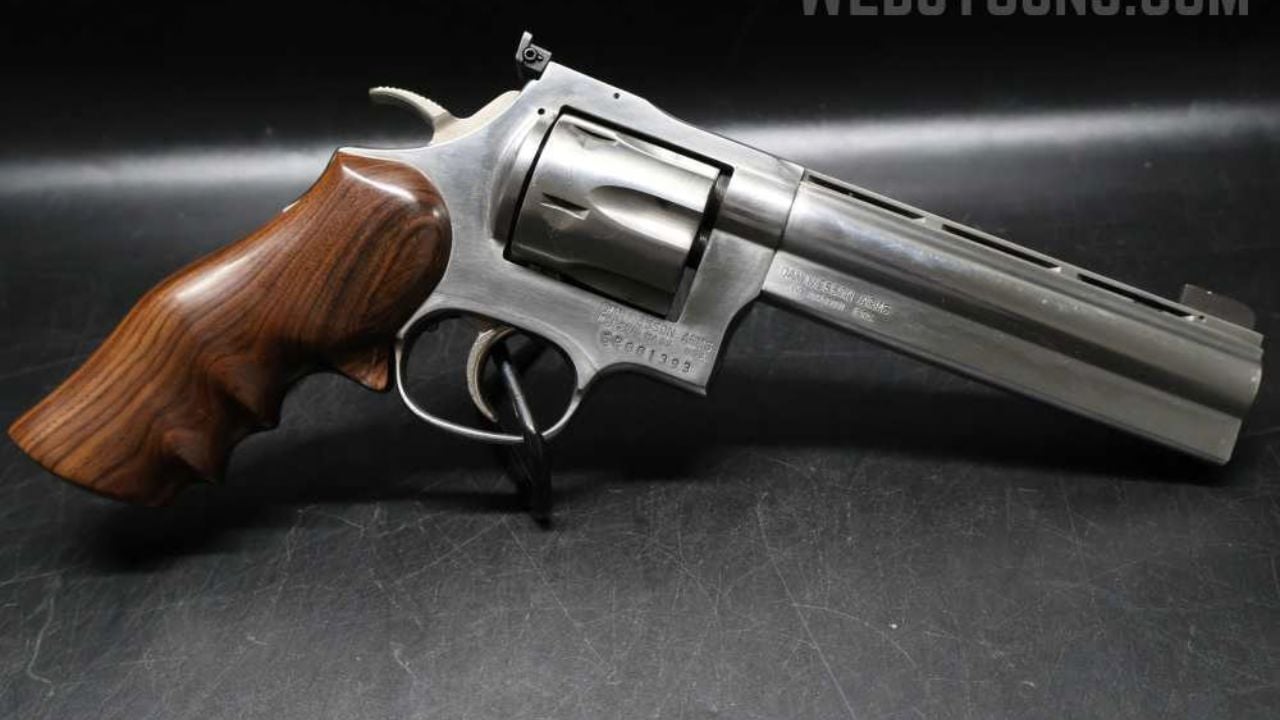
When you get into .44 Magnum revolvers, durability starts to matter fast. The Model 44 is one of those big revolvers that serious handgun hunters kept buying because it did the job and didn’t beat itself to death.
They’re hefty, and they’re not for casual carry. But if your revolver is more tool than fashion statement, and you actually shoot it, the old Dan Wessons have earned their keep.
17. Freedom Arms Model 83
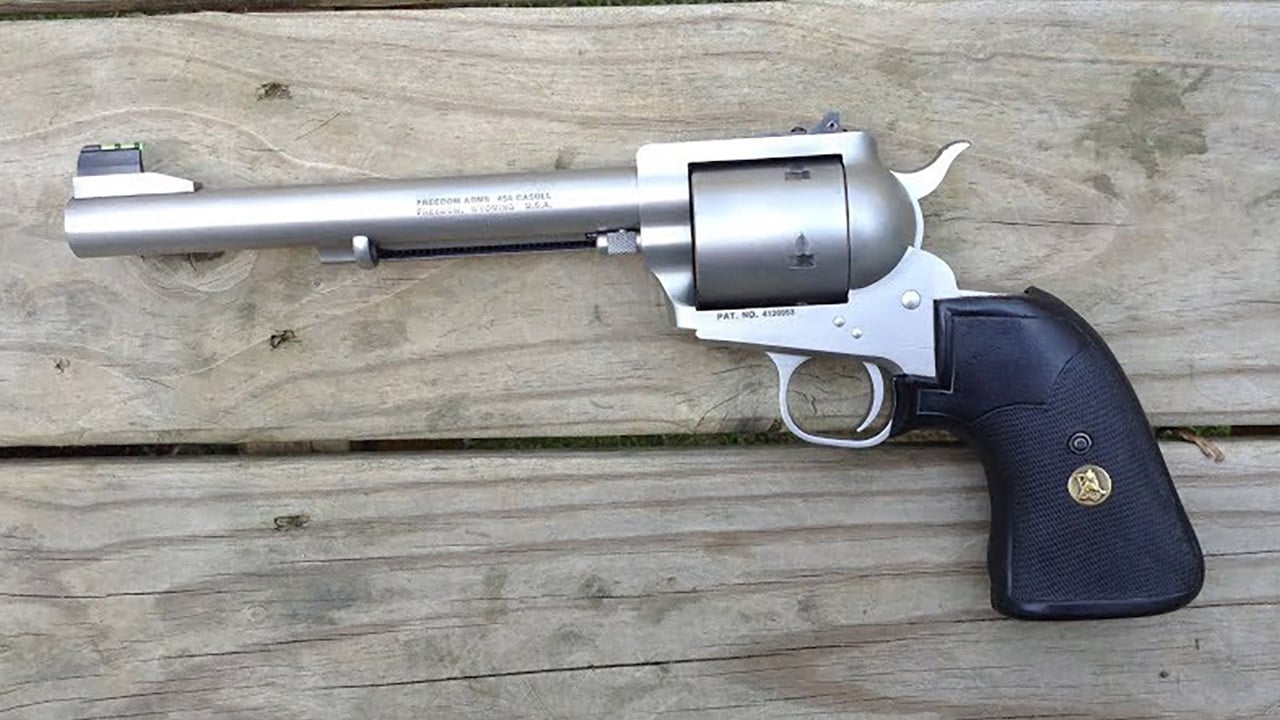
If you want “built like a tank” but with precision instead of just mass, Freedom Arms is where you end up. The Model 83 is a single-action that’s famous for strength and accuracy, and it costs like it knows it.
These are the revolvers that get bought once and kept. They’re not for everyone, and they’re not cheap to feed when you’re running big cartridges. But they’re the definition of a lifetime handgun if you’re serious about single-actions.
18. Ruger Blackhawk
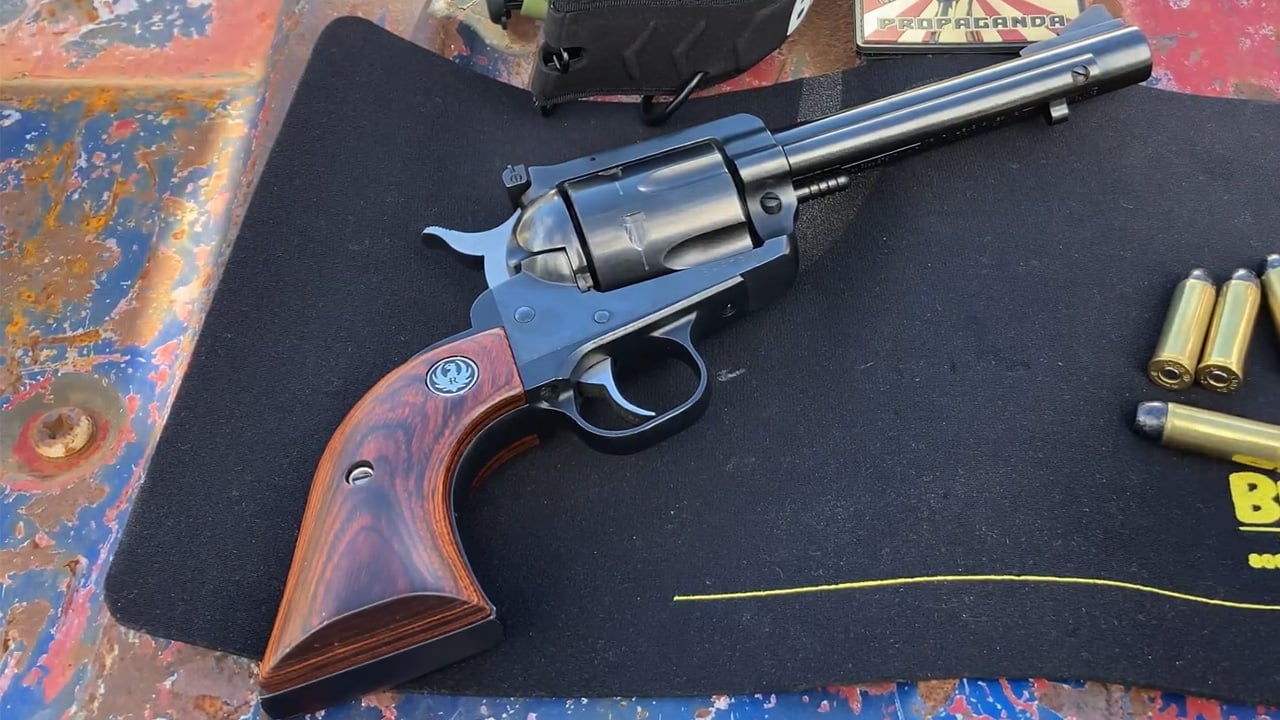
The Blackhawk is a working single-action that has ridden more ranches, traplines, and deer leases than most people realize. It’s simple, strong, and easy to live with.
It’s also one of those guns that teaches you to shoot well if you stick with it. Nothing fancy about it, and that is kind of the point. Keep it clean, don’t do anything reckless, and it’ll just keep cocking and firing.
19. Ruger Super Blackhawk
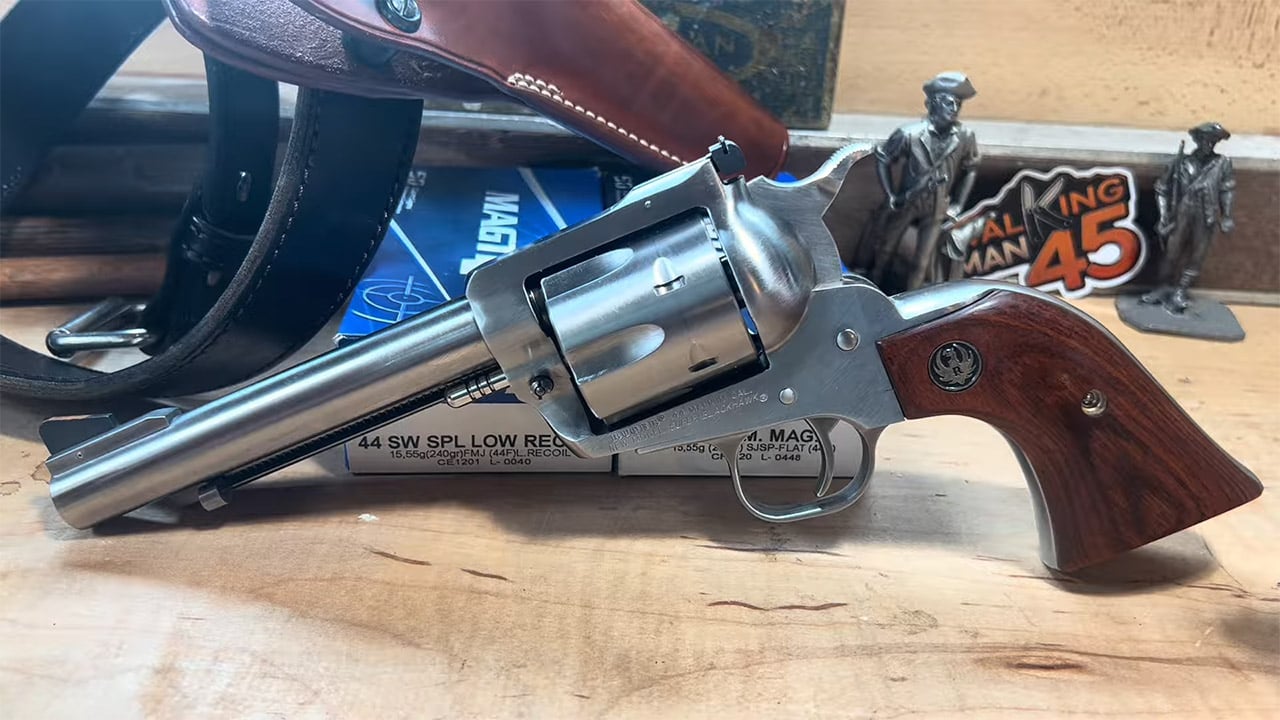
Step up to the Super Blackhawk and you’re in serious .44 Magnum territory. This is where you find out whether your grips fit your hand and whether your loads are reasonable. Ask me how I know.
As far as longevity goes, the revolver itself usually isn’t the limiting factor. It’s a tough platform that gets handed down a lot because it’s still perfectly useful decades later for hunting, farm work, and general woods roaming.
20. Smith & Wesson Model 17 (K-22 Masterpiece)
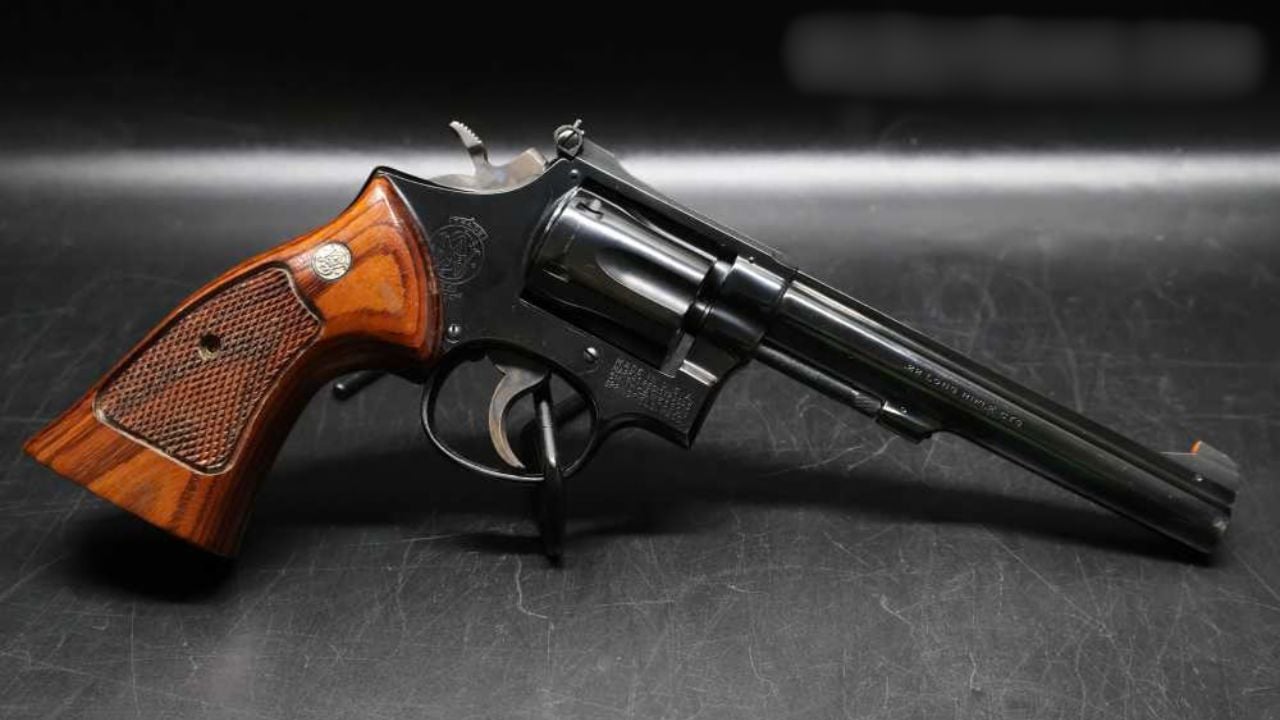
A good .22 revolver might be the most “forever” handgun there is, because it’s so easy on itself. The Model 17 is one of the best examples: accurate, balanced, and built in an era when rimfire revolvers were made to be shot for a lifetime.
It’s the kind of gun that turns into a family staple. It teaches kids, it stays relevant for small game and plinking, and it doesn’t get retired because the newest thing came out. If you want a revolver that practically guarantees it’ll still be running in 50 years, this is a strong bet.
Trends change. Prices go up. The “must-have” list on the internet rotates every week. But a truly durable revolver has a way of sticking around because it just keeps working, even when it’s ugly, worn, and boring. If you’ve got one of these already, I wouldn’t be in a hurry to let it go.
Like The Avid Outdoorsman’s content? Subscribe to our newsletter so you never miss an article.
Here’s more from us: