Photo credit: Military Arms Channel/YouTube
Trying to predict which firearms will become genuinely collectible is a good way to be wrong. Plenty of discontinued guns never become especially desirable, while others spend decades being ignored before shooters suddenly realize how interesting they were. I pay more attention to the guns that have something difficult to reproduce: unusual engineering, short production lives, historical connections, excellent construction, or configurations manufacturers simply do not build anymore.
I would not buy any of these strictly because I expected to make money. I would buy them because I already think they offer more than their current level of attention suggests. If collector interest eventually catches up, that is a bonus. These are 20 firearms I would be watching now, while a reasonably clean example can still feel like an overlooked gun rather than a trophy everyone is chasing.
Smith & Wesson Model 645
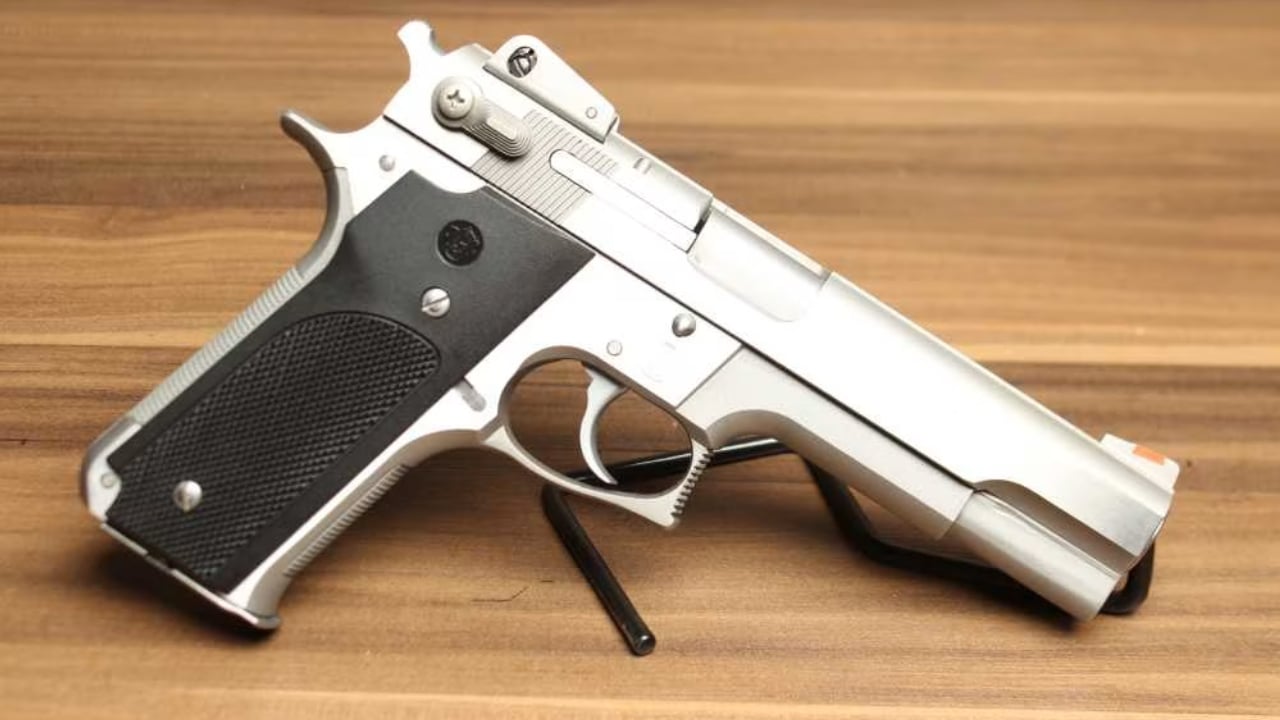
The Model 645 looks increasingly interesting every time another generation of shooters discovers Smith & Wesson’s older metal-framed semiautomatics. It was Smith’s first production .45 ACP semiauto and was only manufactured from 1985 through 1988 before the third-generation 4500-series guns replaced it. That short production window, stainless construction, traditional double-action operating system, and unmistakably 1980s appearance give it more historical personality than its current recognition suggests.
I would particularly watch for complete, unmodified guns with their original grips and magazines. These pistols were usually bought to be used rather than collected, so cosmetic wear is common. The 645 also has enough pop-culture and service-pistol-era appeal that I would not be surprised if future collectors view nice examples very differently from today’s average buyer.
Ruger P90
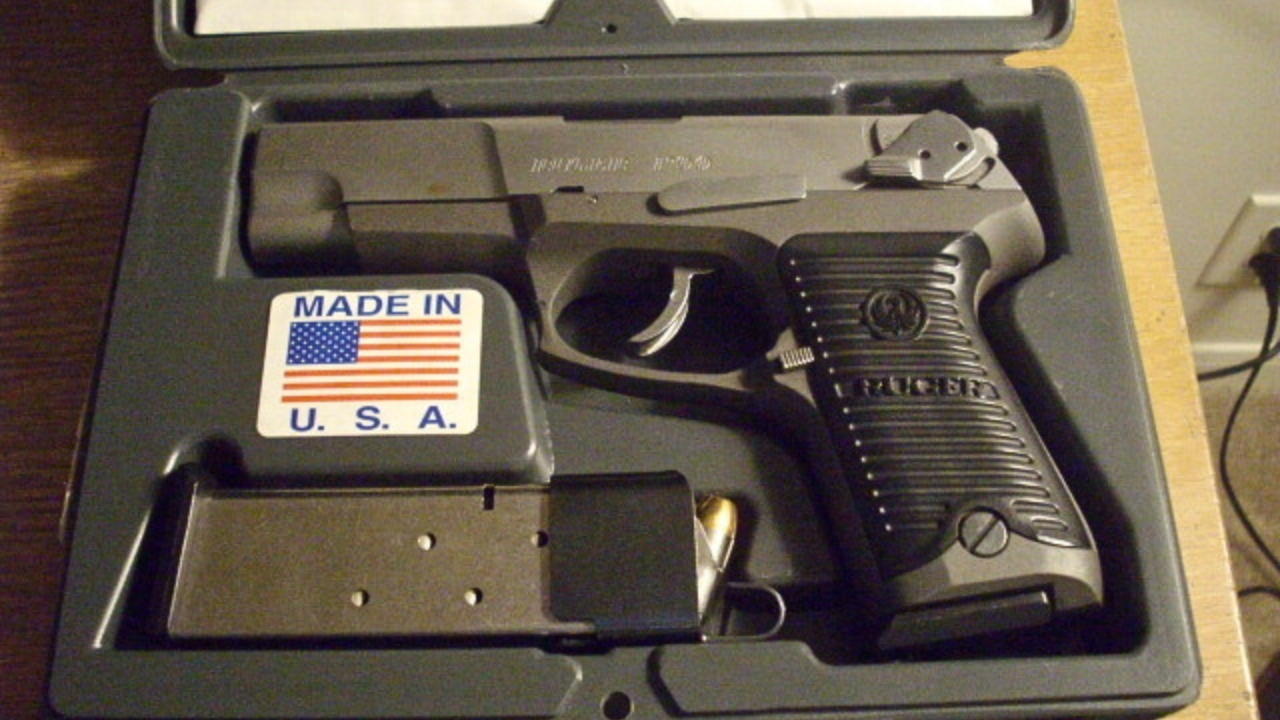
The P90 belongs to an entire generation of Ruger semiautomatics that shooters spent years calling ugly while quietly admitting they were almost impossible to kill. Ruger produced the .45 ACP P90 through the 1990s and 2000s, and the company’s serial-number records show production extending from 1991 through at least 2009. That is recent enough that many people still see them as merely old inexpensive Rugers rather than guns worth preserving.
I think that eventually changes. The P90 comes from a period when large-frame, hammer-fired service pistols were still mainstream, and Ruger no longer builds anything quite like it. I would look for a clean example with original magazines rather than a battered utility gun. Once nostalgia catches up with the P-series generation, I suspect the nicest survivors will be the ones everyone suddenly wants.
Star BM

The Star BM was almost too cheap for its own good when large batches of Spanish surplus pistols hit the American market. Shooters saw an all-steel, single-action 9mm with obvious 1911 influence and bought them as inexpensive range pistols. Star produced the BM from 1972 through 1992, and the design saw police and military service before surplus examples eventually entered the United States in significant numbers.
What makes the BM interesting to me is that there is no endless pipeline of newly manufactured Star pistols coming behind those imports. The manufacturer is gone, the surplus batches are finite, and the little pistol represents a style of compact all-steel 9mm that has largely disappeared. I would prioritize original finish, a good bore, and spare magazines. Cheap surplus has a habit of becoming respected surplus once the crates stop showing up.
Smith & Wesson Model 422

The Model 422 may be one of Smith & Wesson’s strangest overlooked rimfires. Its barrel sits unusually low in the frame, giving the pistol a very low bore axis, while the overall design looks unlike the Rugers and Brownings that dominated the recreational .22 market. Smith & Wesson produced the 422 from 1987 through 1996, with 4.5- and 6-inch versions and related variants such as the 622 and stainless 2206.
For years, these were simply inexpensive older rimfire pistols. I think the unusual engineering will eventually matter more. Collectors tend to become interested in designs manufacturers tried once and never really revisited. A clean 422 with its correct magazine and minimal wear is still approachable compared with many older Smith target pistols, and I would much rather buy one before everyone decides the strange low-barrel .22 was actually pretty clever.
Remington Model 11-48
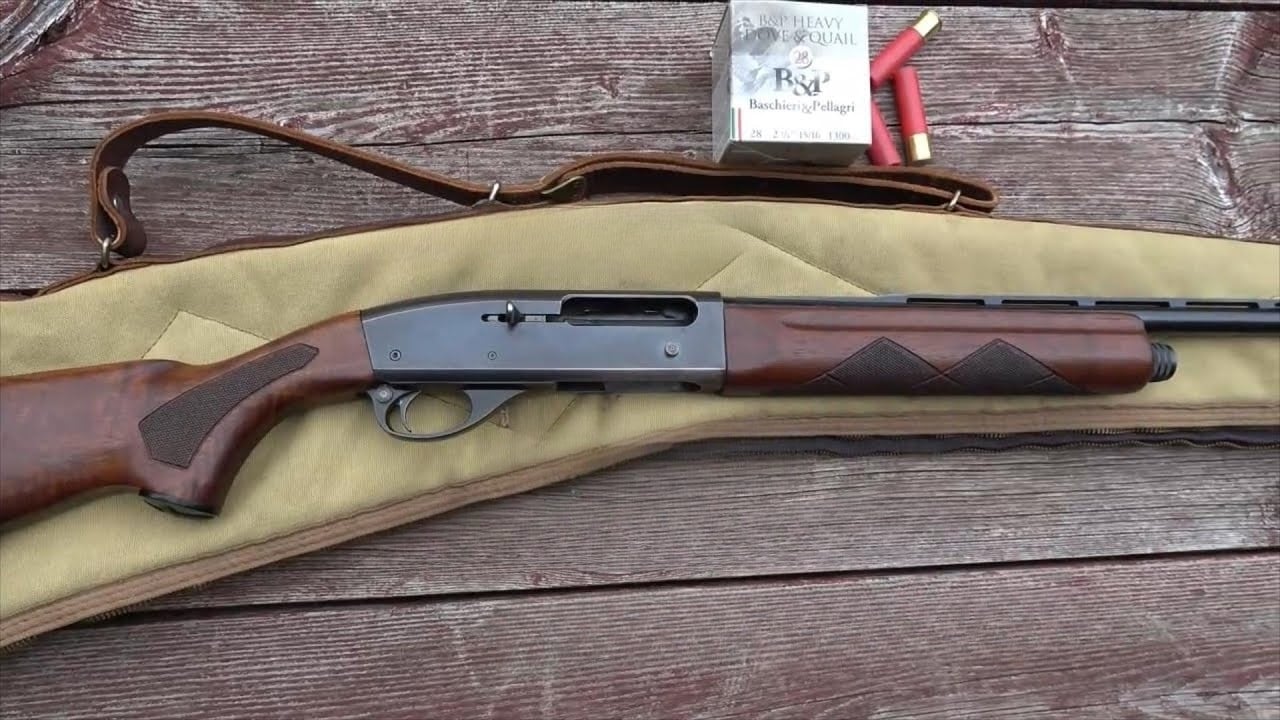
The 11-48 sits in an awkward historical position that probably contributes to it being overlooked. It followed Remington’s Model 11 and arrived before the enormously successful Model 1100, meaning it often gets treated like the shotgun between two more famous shotguns. Remington introduced it in 1949, ended production in 1969, and made roughly 455,600 across gauges ranging from 12 gauge down to .410.
That is exactly why I think clean examples deserve more attention. The 11-48 was Remington’s first new postwar semiautomatic shotgun and helped establish manufacturing ideas that influenced later designs. Hunters used them hard, so untouched examples are not getting more common. I would pay particular attention to smaller gauges, high-condition guns, and unusual grades before broader collector interest catches up with their place in Remington history.
Ruger Police Service-Six
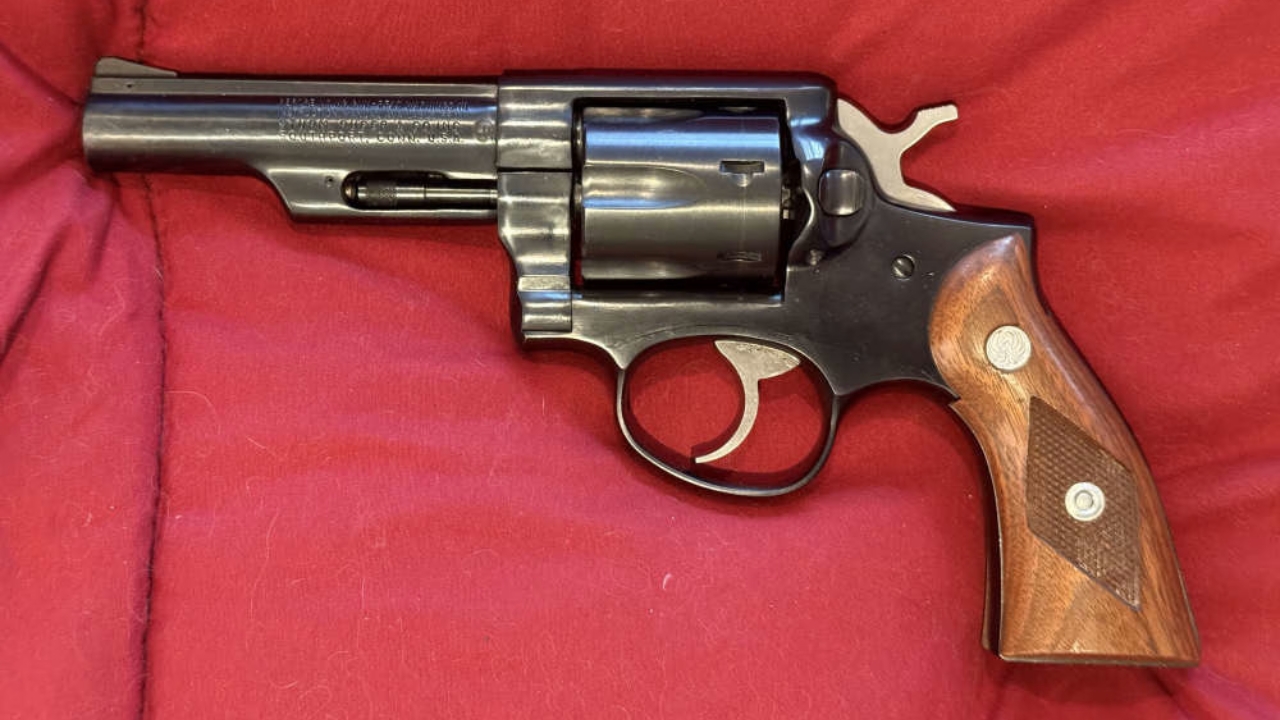
The Police Service-Six has everything I like in an undervalued revolver. It comes from Ruger’s earlier double-action era, has a rugged fixed-sight design, and lacks the fame that pushes Security-Six prices higher. Many were purchased specifically for law-enforcement, security, or working use, so owners rarely treated them as precious objects.
That gives a clean example considerable appeal to me. The revolver is sturdy without feeling as bulky as a GP100, and .357 Magnum versions retain the cartridge flexibility that keeps older service revolvers useful. I think collectors will eventually stop treating every Six-series Ruger as interchangeable and start paying more attention to specific configurations and condition. When that happens, unmodified Police Service-Six revolvers with original grips should become much more interesting than the scratched former-duty guns people have been passing around for decades.
Colt Trooper Mk V
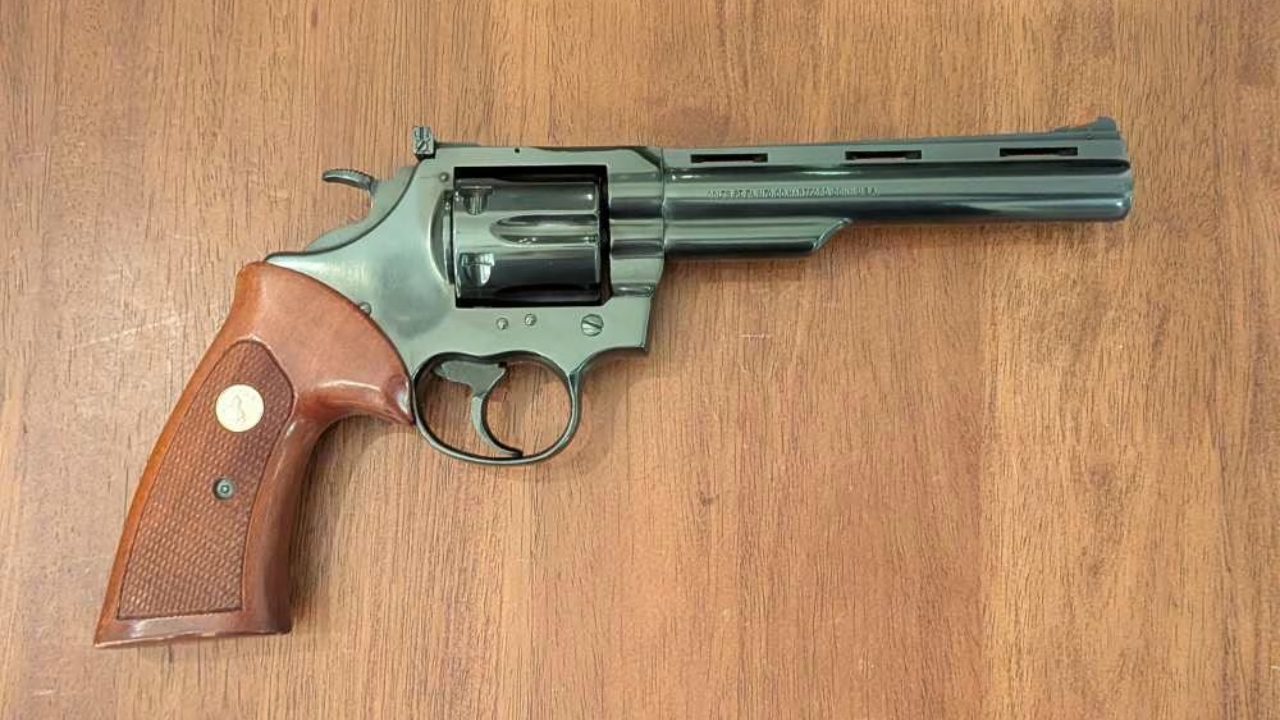
The Trooper Mk V suffers from being a Colt revolver that is not a Python. That has kept it outside the spotlight even though it comes from an important period in Colt’s double-action development. Buyers chasing snake guns can walk right past a Trooper because the name simply does not create the same excitement.
I think that makes the Mk V particularly worth watching. The supply is fixed, Colt’s older revolver history keeps attracting new collectors, and eventually people begin looking beyond the obvious models. Condition will matter enormously because these were working .357s rather than guns everyone immediately tucked away. I would want strong original finish, factory stocks, and no questionable action work. If Python prices keep directing buyers toward lesser-known Colts, the Trooper line has plenty of room to receive more attention than it gets today.
Smith & Wesson Model 4006
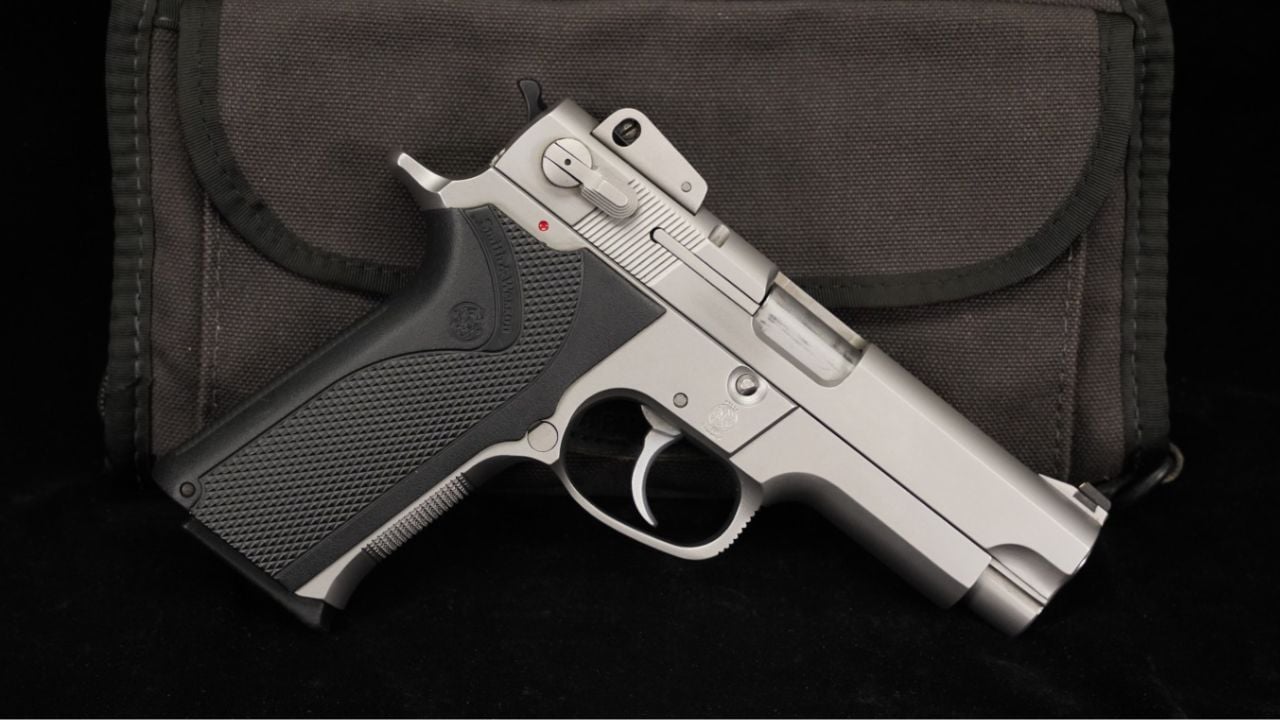
The Model 4006 represents an entire chapter of American police handguns that is already starting to feel distant. It is a stainless-steel, traditional double-action pistol chambered in .40 S&W, the cartridge that dominated law-enforcement conversations for years before agencies moved heavily back toward 9mm. Because .40-caliber police pistols became so common, used examples were often treated like inexpensive trade-ins rather than future collectibles.
That is exactly the situation I watch. An entire generation of shooters grew up seeing guns like the 4006 in police holsters, movies, and gun cases. Eventually nostalgia tends to make the best examples more desirable. I would not buy a heavily worn trade-in expecting miracles, but a clean original 4006 with factory magazines represents a very specific moment in American service-pistol history. Those moments become more interesting once enough time passes.
Browning BDA .45

The Browning BDA .45 is easy to misunderstand because the Browning name makes people expect something related to the Hi-Power. Instead, the pistol came from SIG Sauer and is closely tied to the early P220 design. That gives the BDA an interesting place in the evolution of modern European service pistols, yet it rarely generates the attention given to later SIG classics.
That historical connection is why I think the BDA deserves a closer look. It combines Browning markings with early SIG engineering in a pistol that was never destined to remain common forever. Collectors eventually notice guns that connect two major manufacturers or represent transitional designs, and the BDA does both. I would especially want an example with strong finish, correct grips, and original magazines. It feels like the sort of gun people suddenly discover after the clean examples have already become difficult to locate.
Dan Wesson Model 15-2
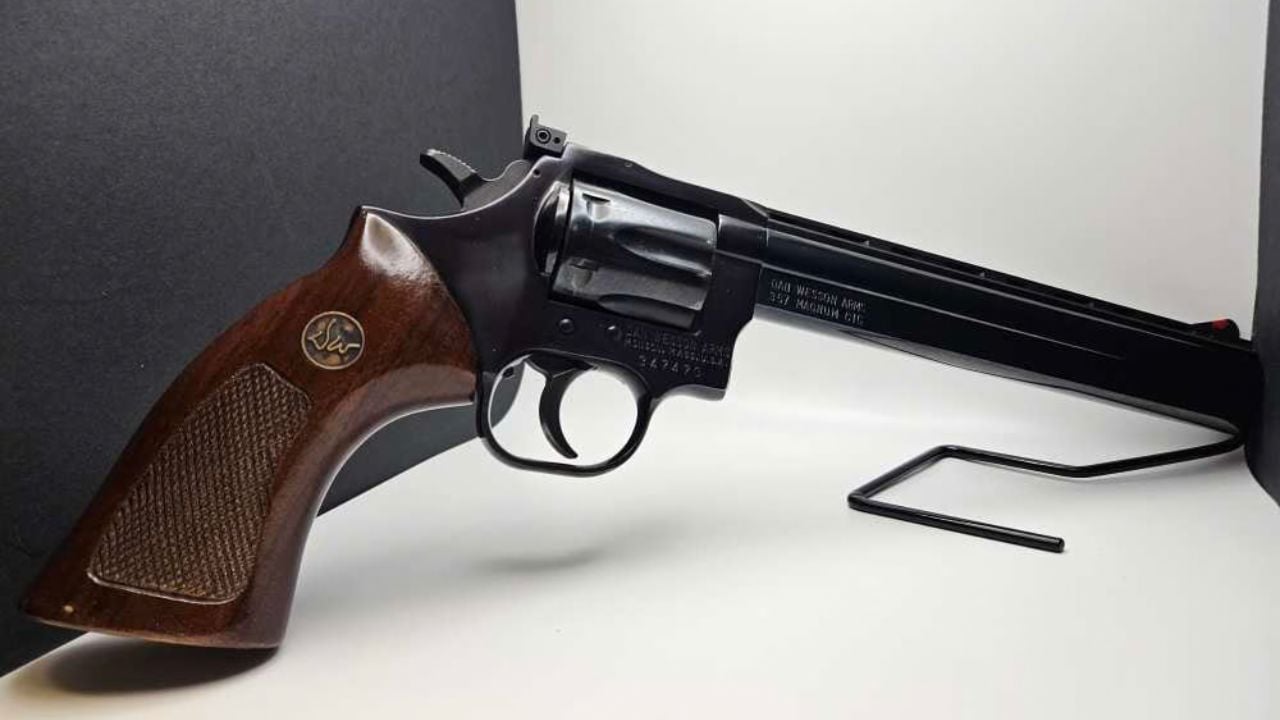
Dan Wesson revolvers have never been completely ignored, but I still think the Model 15-2 offers more mechanical interest than its position in the collector world suggests. The interchangeable barrel system allowed shooters to change barrel lengths while maintaining excellent accuracy, giving the revolver modularity decades before that word became standard firearms marketing language.
Complete pistol packs already get attention, but ordinary individual revolvers can still be overshadowed by Colt and Smith & Wesson models. That is where I would look. A clean 15-2 with the proper barrel tool and original components gives an owner a genuinely different revolver rather than another variation on the same basic formula. As shooters become more interested in unusual American designs, I think Dan Wesson’s early revolvers have a strong story to tell.
CZ 83
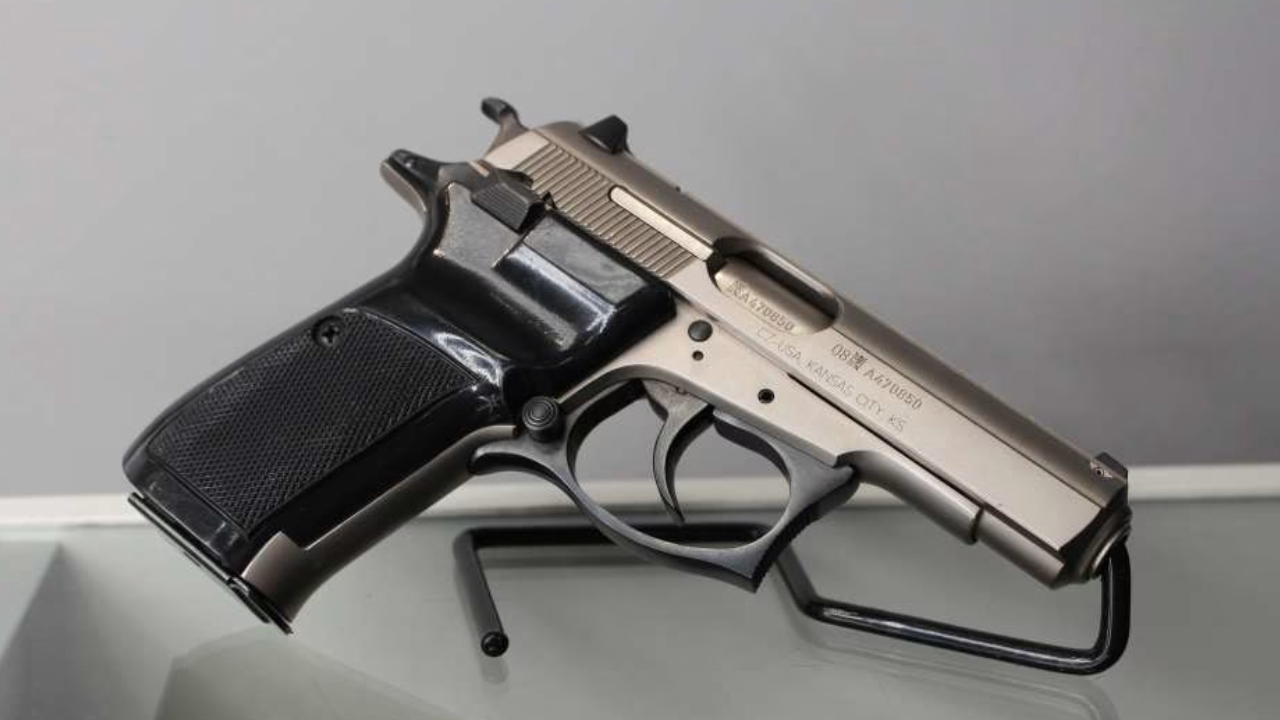
The CZ 83 is easy to overlook because compact blowback pistols chambered in .380 ACP do not seem particularly exotic. Yet the pistol comes from an era when CZ built small defensive guns almost entirely from metal, with excellent ergonomics and substantial capacity for the category. It also shares its basic family history with the military CZ 82 while offering chamberings more familiar to American shooters.
I think good examples are worth buying before they become another case of everyone suddenly wanting an old CZ after production has been gone for years. These pistols feel exceptionally solid beside many modern lightweight .380s, and their all-metal construction gives them a character newer pocket guns cannot duplicate. I would look for original magazines and avoid examples that have been abused. Older CZ pistols have already shown that collector appreciation can arrive gradually and then accelerate.
H&R Model 999 Sportsman
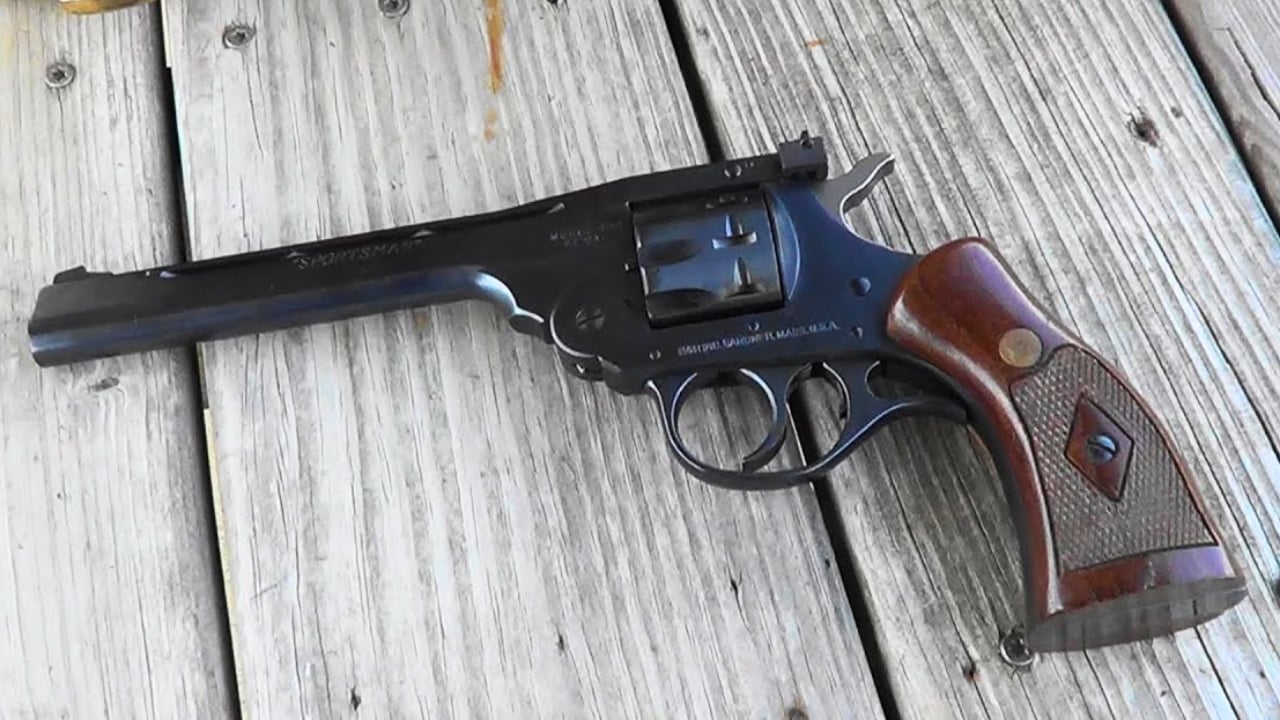
The H&R 999 Sportsman is exactly the kind of American revolver that can remain undervalued because the manufacturer’s name does not carry the prestige of Colt or Smith & Wesson. That does not make the gun uninteresting. The top-break action, nine-shot .22 LR cylinder, and traditional styling give the Sportsman a combination of features that is unusual today.
These revolvers were also frequently used hard. They served as inexpensive target guns, farm guns, and general-purpose rimfires rather than expensive collectibles. I think that makes a crisp example much more interesting than most people realize. Collectors eventually move past the premium brands and start chasing the distinctive guns ordinary Americans actually owned. The Model 999 has that kind of history. If I found one with strong finish and a tight action, I would not dismiss it simply because the H&R name remains affordable.
Remington Model 31
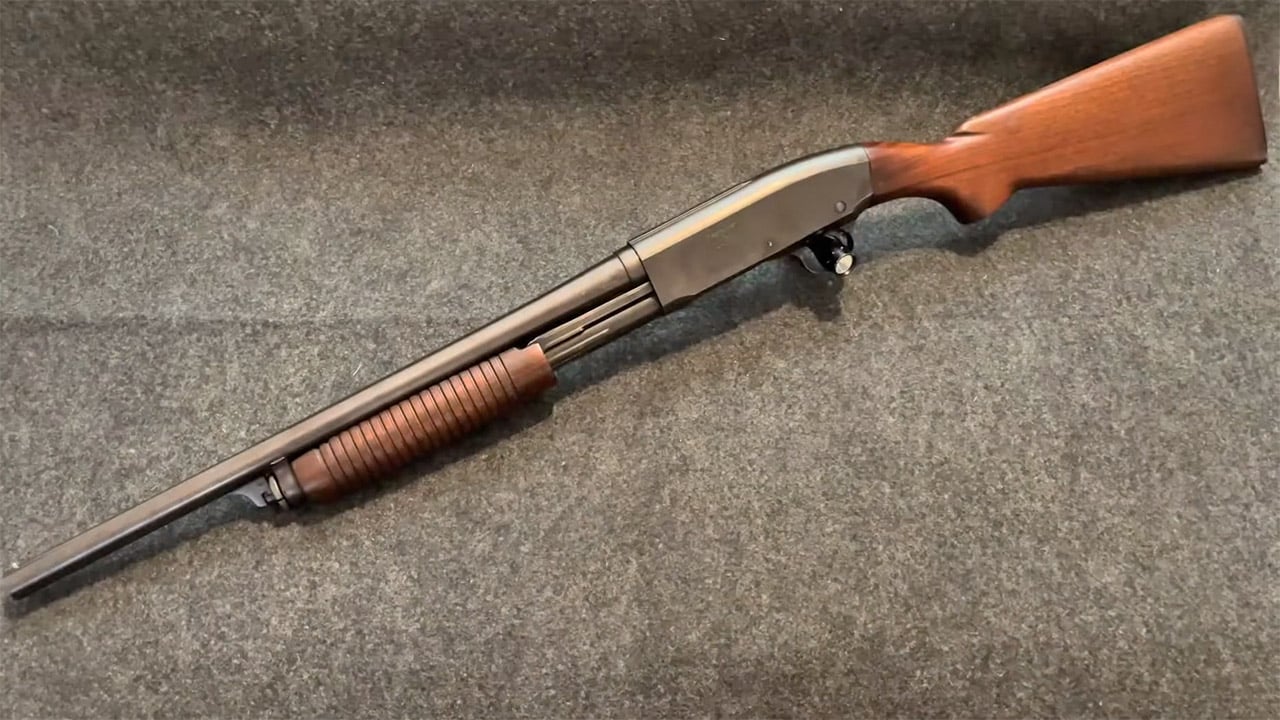
The Model 31 has spent most of its later life overshadowed by the Remington 870 and Winchester Model 12. That is unfortunate because it is one of the slickest pump shotguns Remington ever produced. Its machined construction and smooth action came from an era before manufacturers became focused on producing pump guns as economically as possible.
I think that machining eventually becomes the entire attraction. Older shooters already know how good a nice Model 31 feels, but the broader market has never treated ordinary examples with the same enthusiasm given to equivalent Model 12s. That leaves room for discovery. I would watch especially for high-condition field guns, smaller gauges, and examples that have not had stocks shortened or barrels altered. A beautifully made pre-870 Remington pump feels increasingly special as modern shotguns move in a completely different direction.
Ithaca Model 37 Featherlight
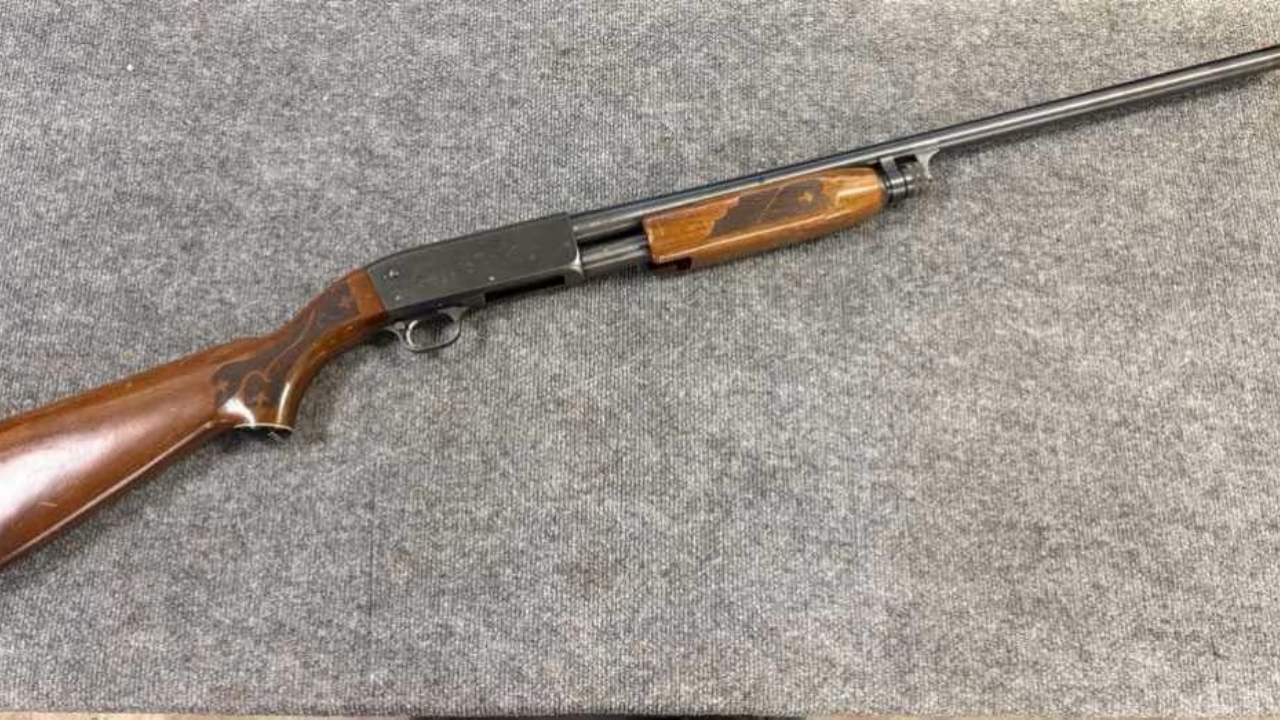
The Ithaca 37 is hardly unknown, but I still think ordinary Featherlight field guns can be overlooked compared with more famous Winchester and Browning shotguns. The bottom-loading, bottom-ejecting action gives the design a distinctive identity, while its light weight makes it a genuinely pleasant hunting shotgun instead of merely an interesting old mechanism.
Because Model 37s remained working guns for so long, condition is the key for me. Hunters carried them through grouse cover, cornfields, duck blinds, and deer woods. That means an older example with excellent blueing and uncut wood deserves more attention than the model’s long production history might suggest. I would particularly watch 16- and 20-gauge guns. As interest continues shifting toward classic American upland shotguns, lightweight pumps with real history may not stay in the background forever.
Savage Model 340
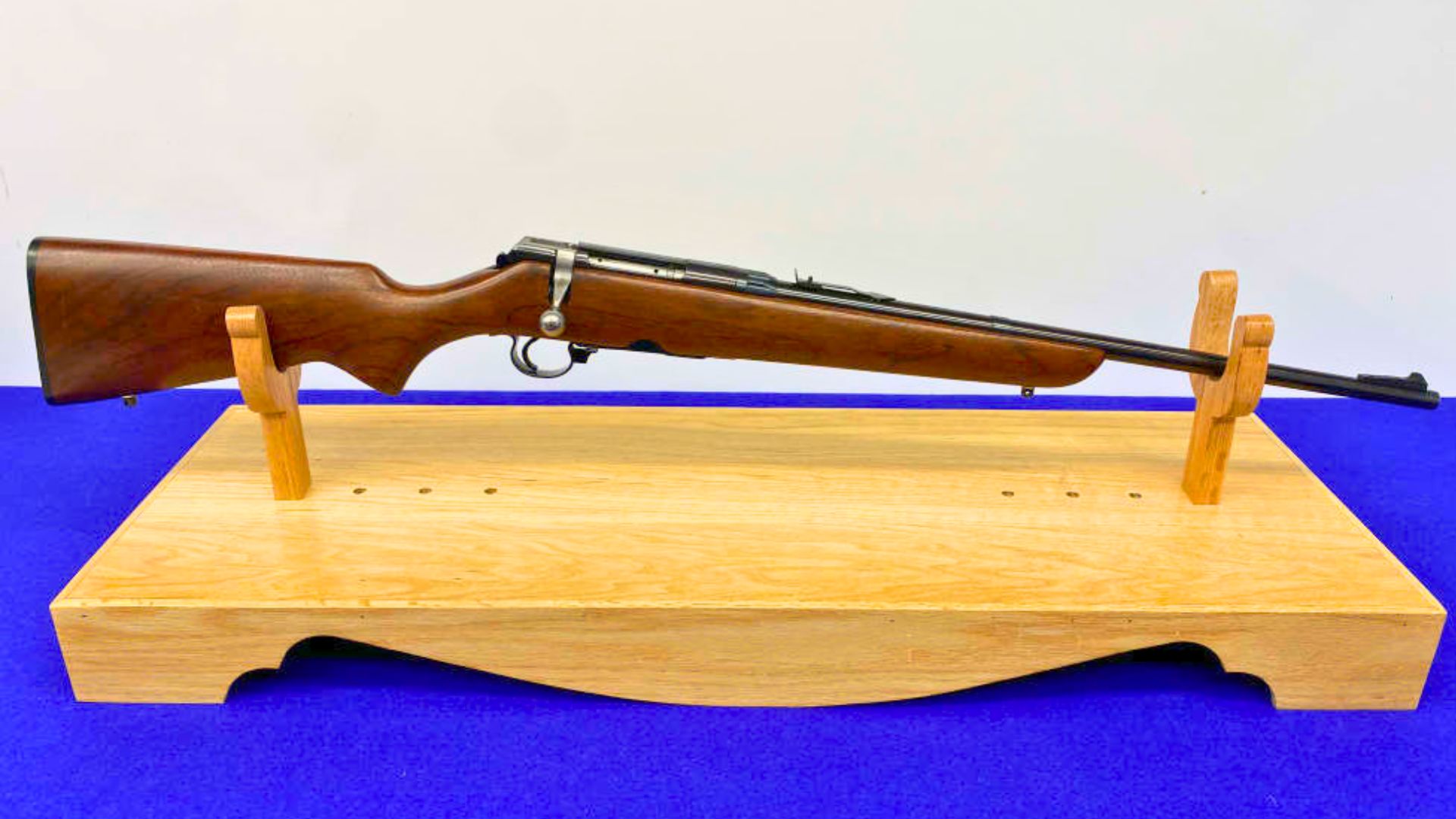
The Savage 340 has spent decades being dismissed as an inexpensive bolt-action rifle. That assessment was not entirely unfair because affordability was a big part of the rifle’s appeal. What interests me today is how different it feels compared with the modern budget bolt gun. Older 340s have traditional styling, detachable magazines, and chamberings such as .30-30 Winchester that give them a uniquely practical personality.
A bolt-action .30-30 is already unusual enough to attract attention from someone who likes oddball hunting rifles. Add the fact that countless 340s were drilled, refinished, neglected, or simply worn out, and clean original examples begin making more sense as future collectibles. I would not expect them to become premium Model 70 money. I simply think their combination of affordability, history, and unusual chamberings is more interesting than their reputation suggests.
Remington Model 581
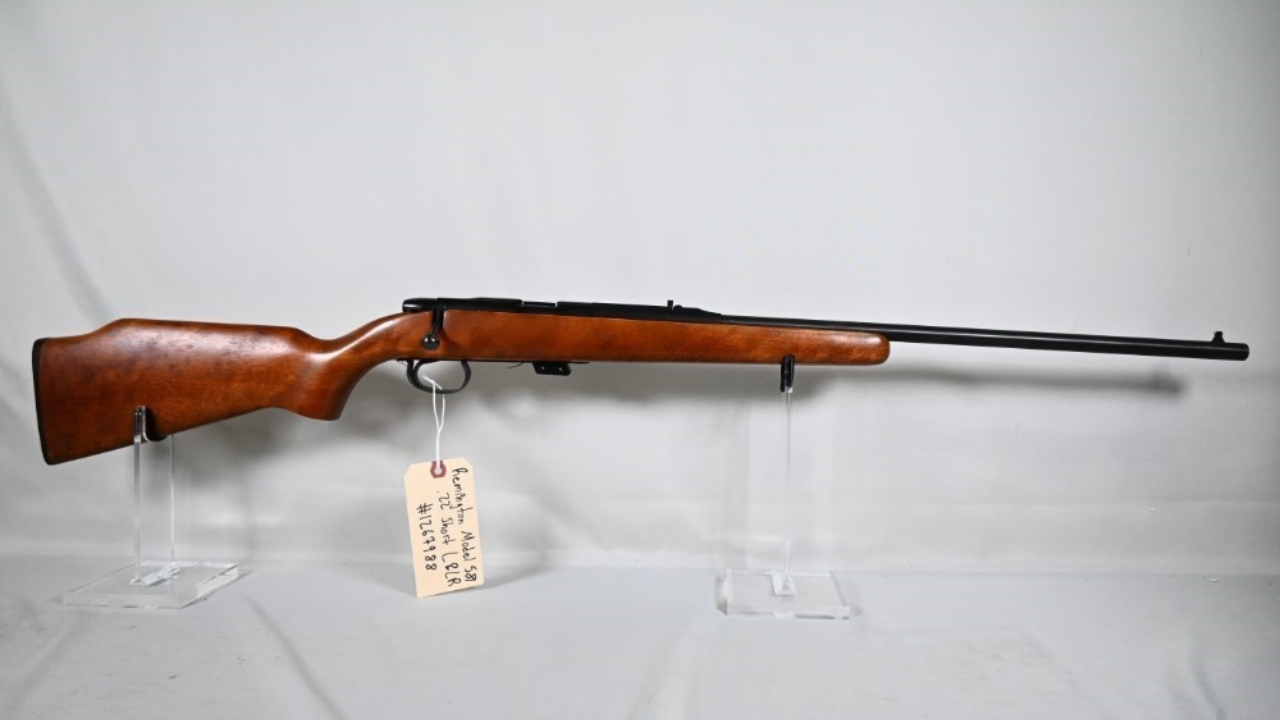
The Model 581 is the kind of rimfire people ignored because it was never supposed to be glamorous. It was an affordable bolt-action .22 built for ordinary shooters, young hunters, and families who needed a useful rifle rather than something that impressed the rest of the range. That means many spent decades being treated exactly like inexpensive .22s.
Those humble rifles become interesting once the era that produced them disappears. The 581 belongs to Remington’s older rimfire history, which the company itself now catalogues alongside its discontinued models. I like the idea of finding a clean example before nostalgia drives more attention toward plain sporting rimfires. High-end target .22s are already appreciated. The basic American bolt guns that actually taught generations to shoot may be the category collectors eventually realize they overlooked.
Winchester Model 1200
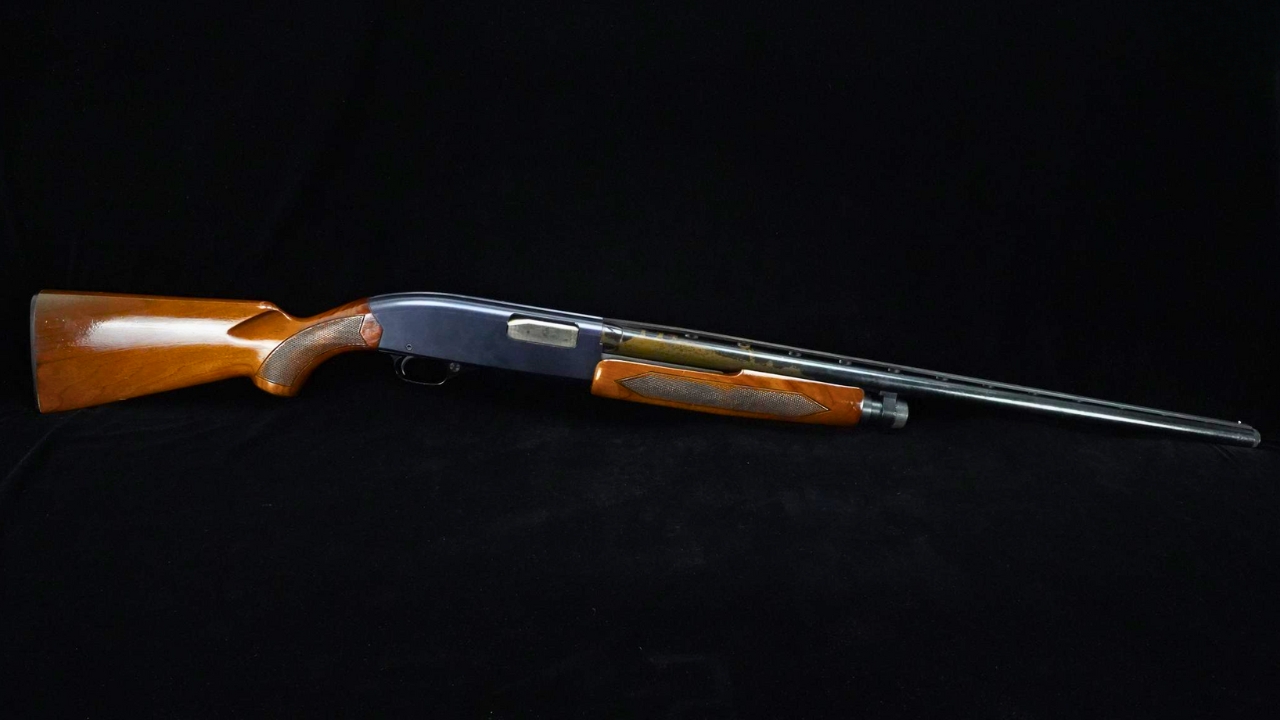
The Winchester Model 1200 has lived under the shadow of the Model 12 for practically its entire existence. When Winchester introduced a more economical, modern pump, plenty of traditionalists viewed it as evidence that the company’s glory days were over. That reputation followed the Model 1200 even though the rotating-bolt action was fast and the shotgun served hunters and law-enforcement users successfully.
That makes it an interesting sleeper. I am not claiming ordinary Model 1200s will suddenly become expensive collectibles, but certain configurations already have significantly more personality than their prices historically reflected. Short-barreled law-enforcement-style guns, exceptionally clean field models, and unusual versions would be what I watched. Eventually collectors start caring about the guns of the 1960s, 1970s, and 1980s for the same reasons earlier generations chased prewar firearms.
Marlin Model 25MN
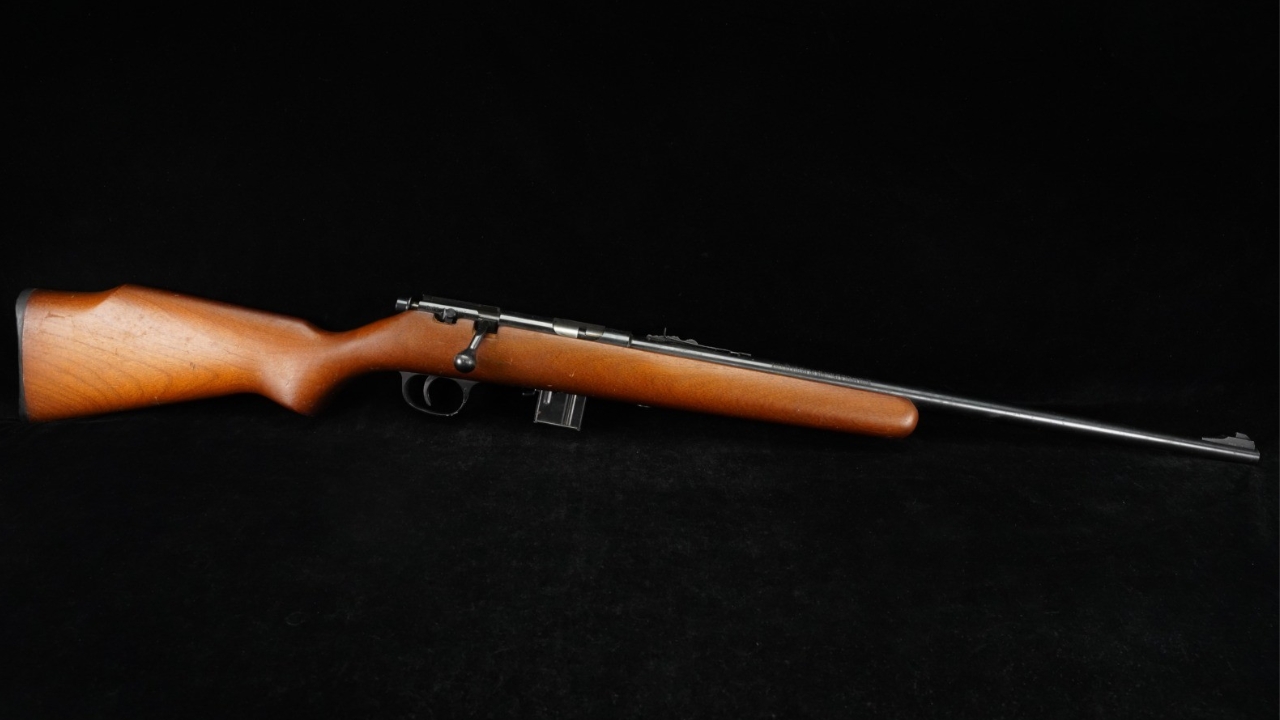
The Model 25MN is another firearm that looks almost too ordinary to become collectible, which is precisely why I think clean ones deserve attention. It is a straightforward bolt-action .22 Magnum hunting rifle from the period when Marlin’s inexpensive rimfires were everywhere. People bought them for small-game hunting, pest control, and riding around rural property rather than preservation.
The .22 Magnum chambering gives the 25MN more character than another basic .22 LR trainer, and older Marlin markings have become increasingly attractive to shooters nostalgic for the company’s earlier production. I would want an original rifle with decent wood, its factory magazine, and no amateur stock work. Cheap rimfires tend to disappear slowly because nobody notices how many are being worn out or modified until finding a really clean one becomes surprisingly difficult.
HS2000
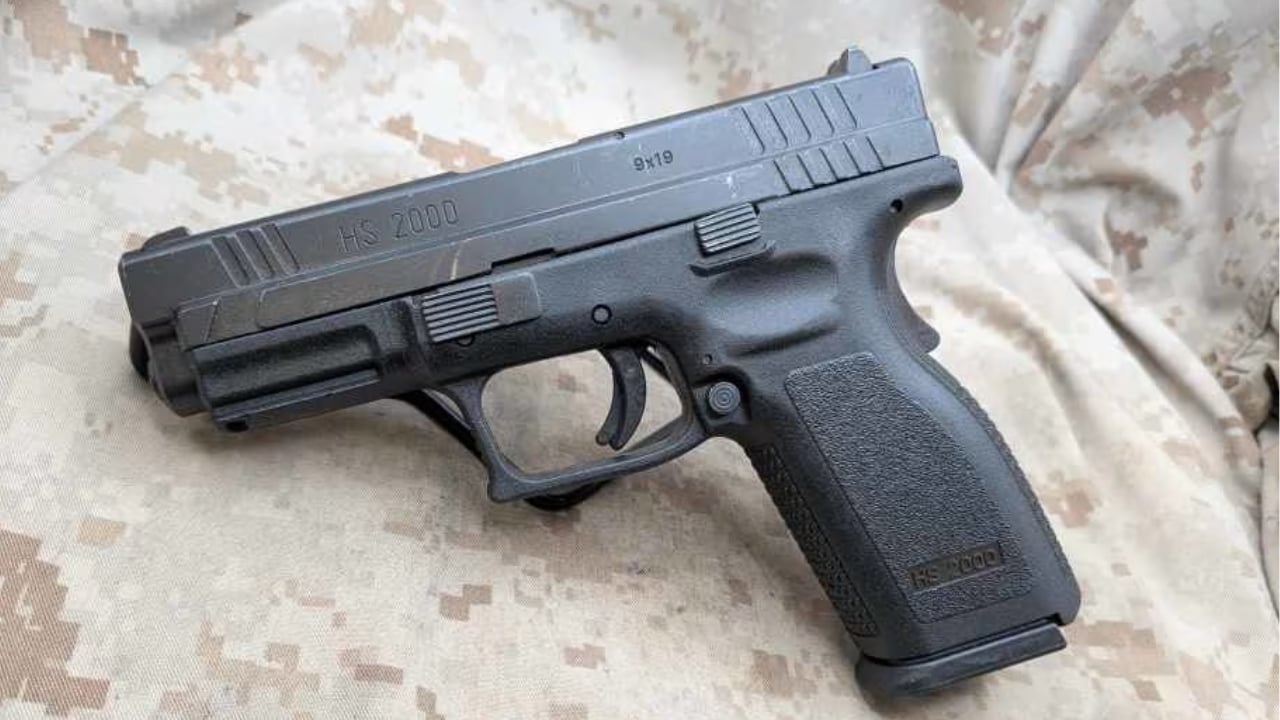
Before Springfield Armory’s XD became one of America’s recognizable polymer-pistol families, the Croatian design reached the United States as the HS2000. At the time, it was an unfamiliar imported 9mm competing in a market already dominated by Glock and other established manufacturers. Early buyers were taking a chance on a pistol most shooters had never heard of.
That makes the original HS2000-marked guns historically interesting to me. They capture the design before Springfield branding turned it into a much larger commercial success. Early versions of later-popular products have a habit of becoming collectible once enough owners become nostalgic about the platform. I would specifically want an unmodified pistol with its original markings and accessories. It may never become enormously valuable, but its place at the beginning of the XD story gives it more significance than its current reputation suggests.
Early Taurus PT92
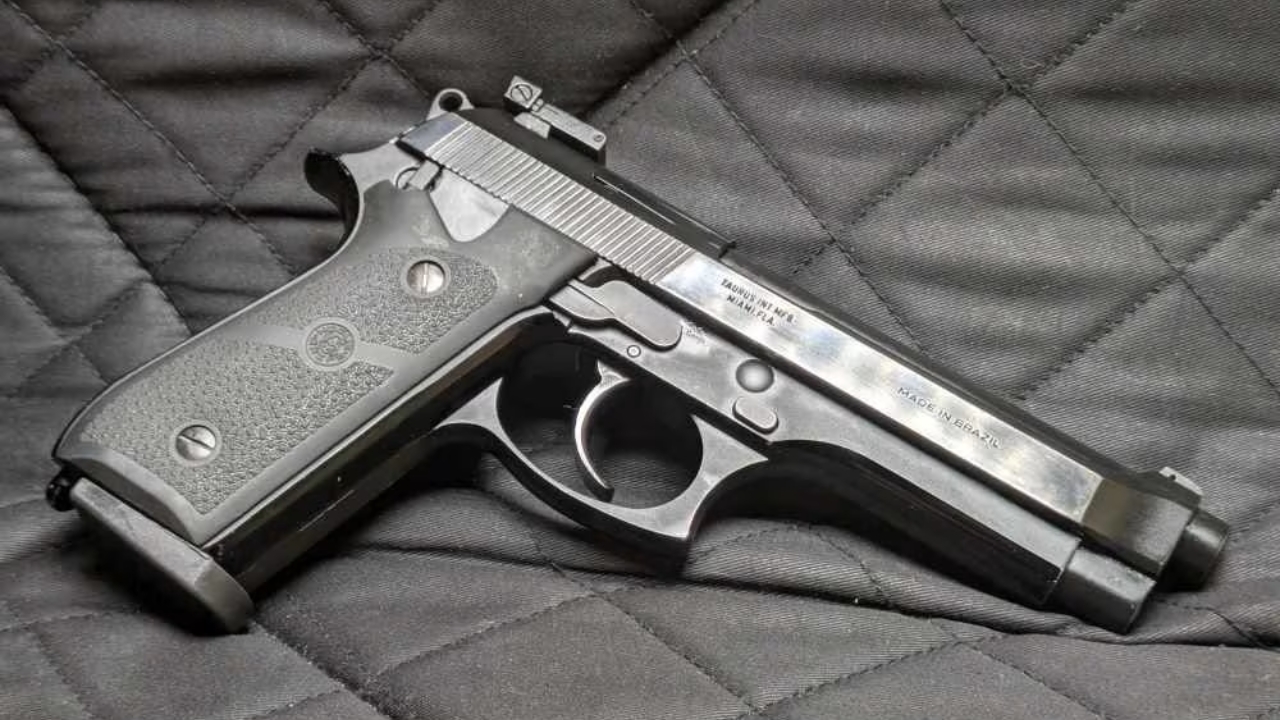
The PT92 is one of those pistols people think they already understand because Taurus has produced versions for so long. The earlier guns are more interesting. The design grew out of Beretta’s Brazilian manufacturing history, and early PT92s retained details that distinguish them from both later Taurus pistols and the Beretta 92 variants American shooters know best.
For years, the Taurus name kept many collectors from caring. I think that creates opportunity for shooters interested in firearms history rather than prestige. Early examples connect directly to the story of Brazil’s military pistol production and Taurus taking over the former Beretta facility. A clean pistol from that period, especially with original grips and magazines, is far more interesting to me than its old reputation as a cheaper Beretta alternative. Eventually, unusual history has a way of overcoming brand snobbery.
Like The Avid Outdoorsman’s content? Be sure to follow us.
Here’s more from us: