Photo credit: The Armory Life/YouTube
The firearms market is full of excellent guns that have become difficult to recommend at their current prices. That distinction matters. A gun can be reliable, accurate, beautifully made, and still cost too much once you compare it with what competing firearms offer for hundreds or even thousands of dollars less.
That comparison has become particularly important in 2026 because buyers have an enormous number of capable options. New pistols routinely include optics cuts and upgraded features, while ARs, bolt rifles, and shotguns are fighting for buyers in what has become a very competitive market. Some expensive guns remain worth every dollar to the right owner. These 20 are harder to justify unless the name, history, or specific design is exactly what you want.
HK MR556 A4
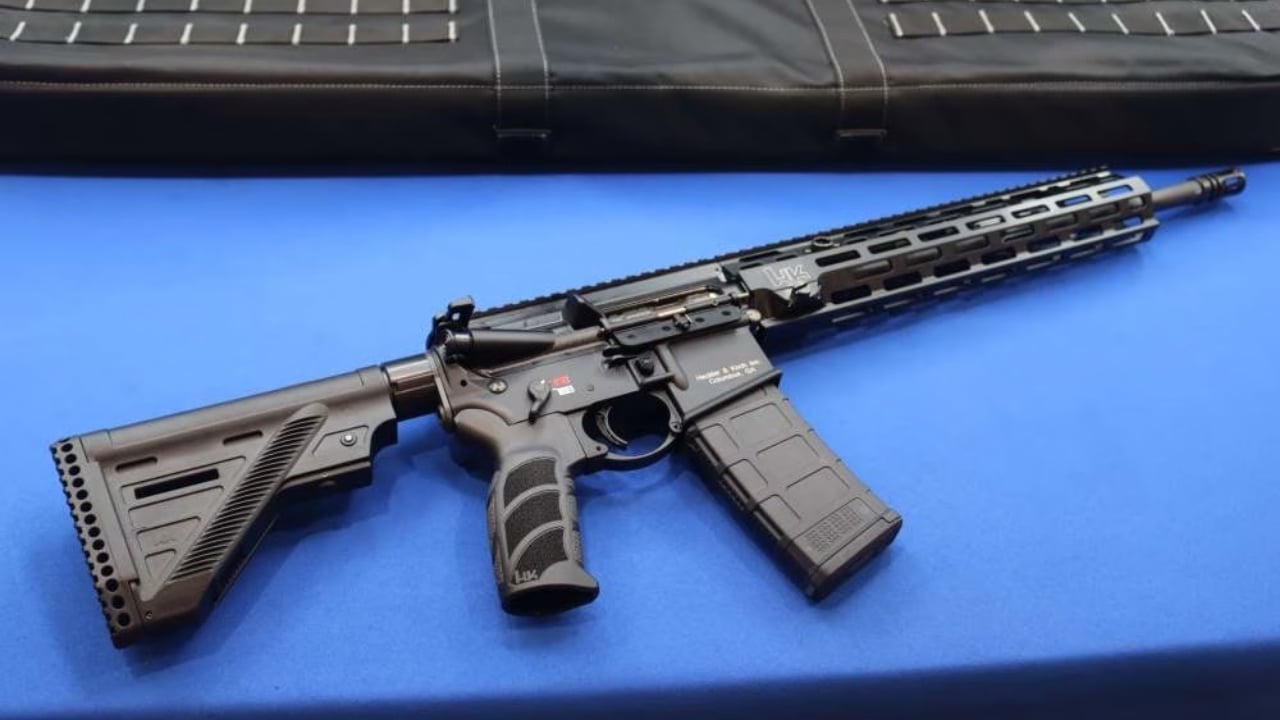
The MR556 A4 is an extremely well-built rifle. HK has updated the platform with ambidextrous controls and even backs the barrel with a lifetime bore guarantee, while company testing emphasizes exceptional barrel durability. None of that is the problem.
The problem is what you’re paying to get there. The modern AR market has become brutally competitive, and excellent piston and direct-impingement rifles are available for considerably less money. Once you move this far into premium-rifle territory, diminishing returns become impossible to ignore. The HK name, durability, and 416 lineage carry real value, but most civilian shooters will never use the rifle hard enough to discover a practical advantage proportional to the premium.
FN SCAR 15P
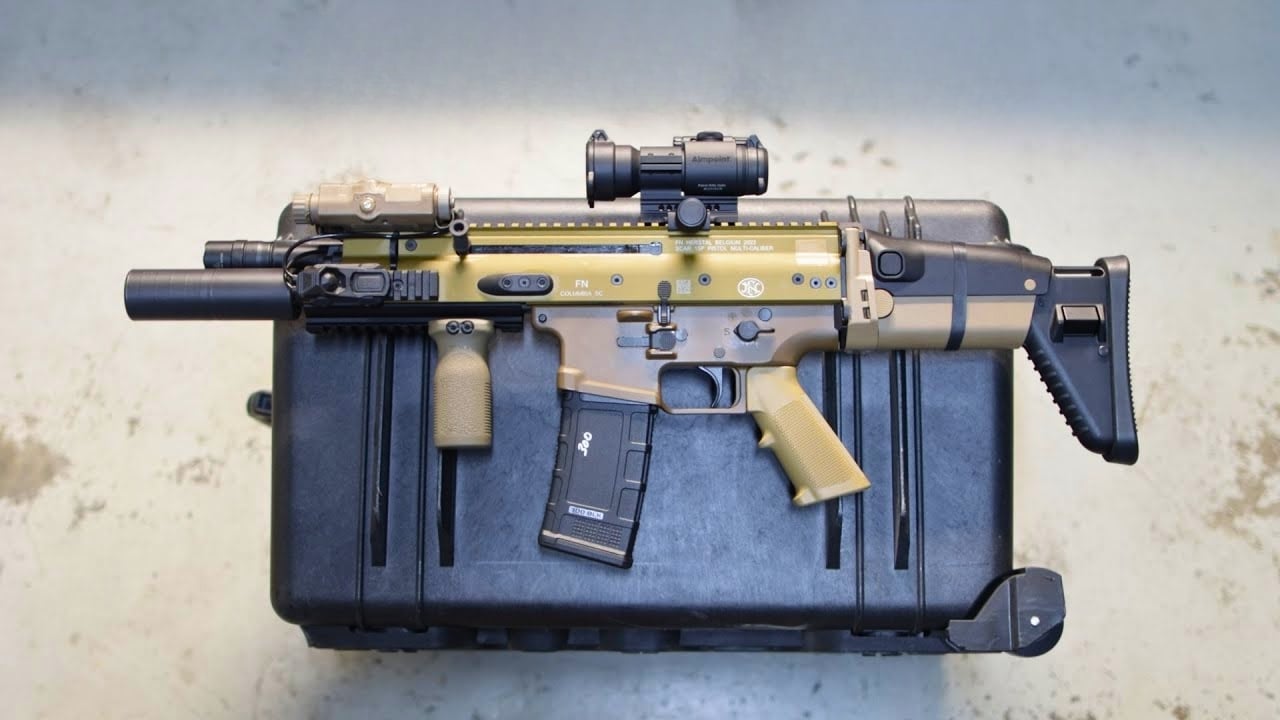
The SCAR 15P has tremendous appeal because it gives you genuine SCAR architecture in an extremely compact package. FN uses a short-stroke piston, non-reciprocating charging handle and cold-hammer-forged chrome-lined barrel, so this is not some cheap firearm wearing an expensive logo.
The price is where things get difficult. FN recently valued a SCAR 15P prize at roughly $3,699. That’s serious money for a firearm whose biggest attraction is essentially getting a very short SCAR. There are excellent compact rifle-caliber platforms costing drastically less. Unless owning a SCAR is itself the goal, the performance-per-dollar equation is rough.
Springfield Armory Hellion
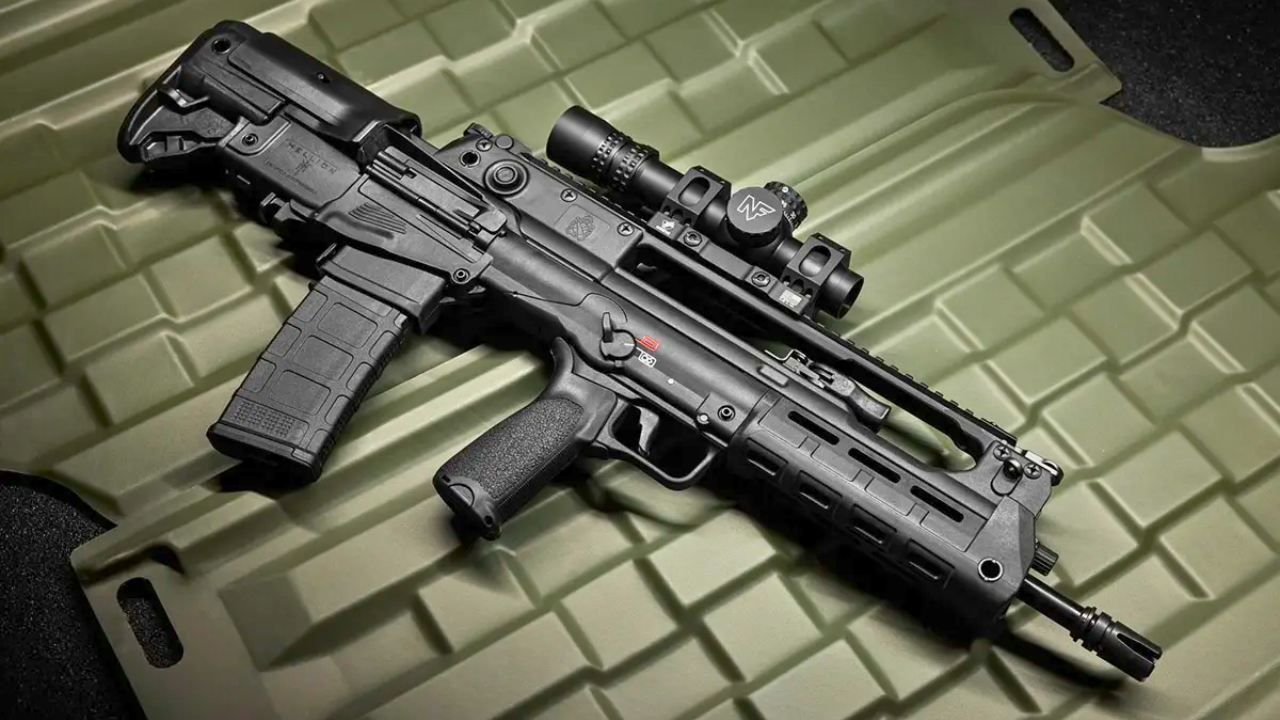
The Hellion gives buyers a legitimate bullpup with ambidextrous features, compact overall dimensions, and military lineage.
Springfield currently lists the Hellion line with MSRPs just over $2,000. That is not outrageous for an imported bullpup, but it puts the rifle against extremely polished conventional rifles that are lighter, easier to accessorize, and use controls most American shooters already understand. The compact package is genuinely useful. If you do not specifically need a bullpup, though, you can spend far less and end up with a rifle that is easier to shoot well.
Springfield Armory M1A Loaded
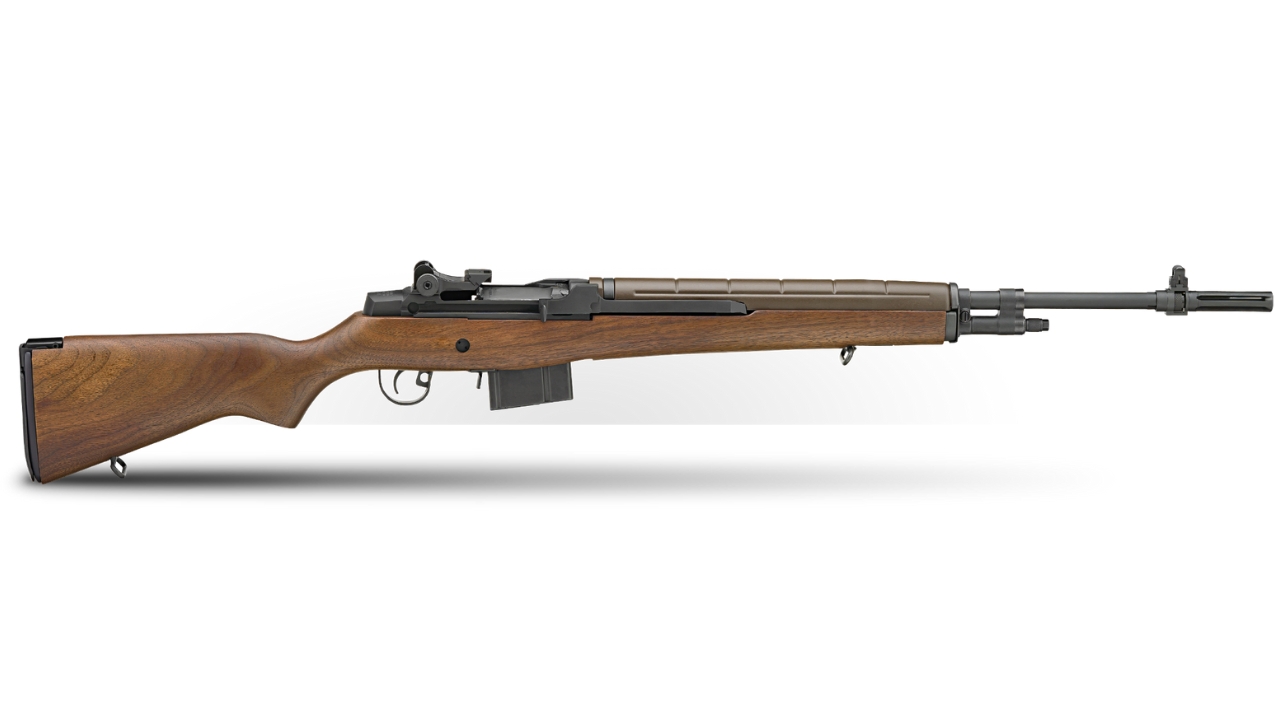
The M1A Loaded is one of those guns people want because nothing else really scratches the same itch.
Walnut or traditional styling, .308 power, and the M14-derived action give it enormous character. Springfield currently lists Loaded-series rifles around the $2,000 mark depending on configuration. At that price, practicality becomes difficult to defend. Modern .308 semiautomatics make optics mounting easier, weigh less in many configurations, and are generally simpler to configure around the individual shooter. The M1A is still desirable. You’re increasingly paying for the experience rather than superior capability.
Benelli M4 EXT Tactical
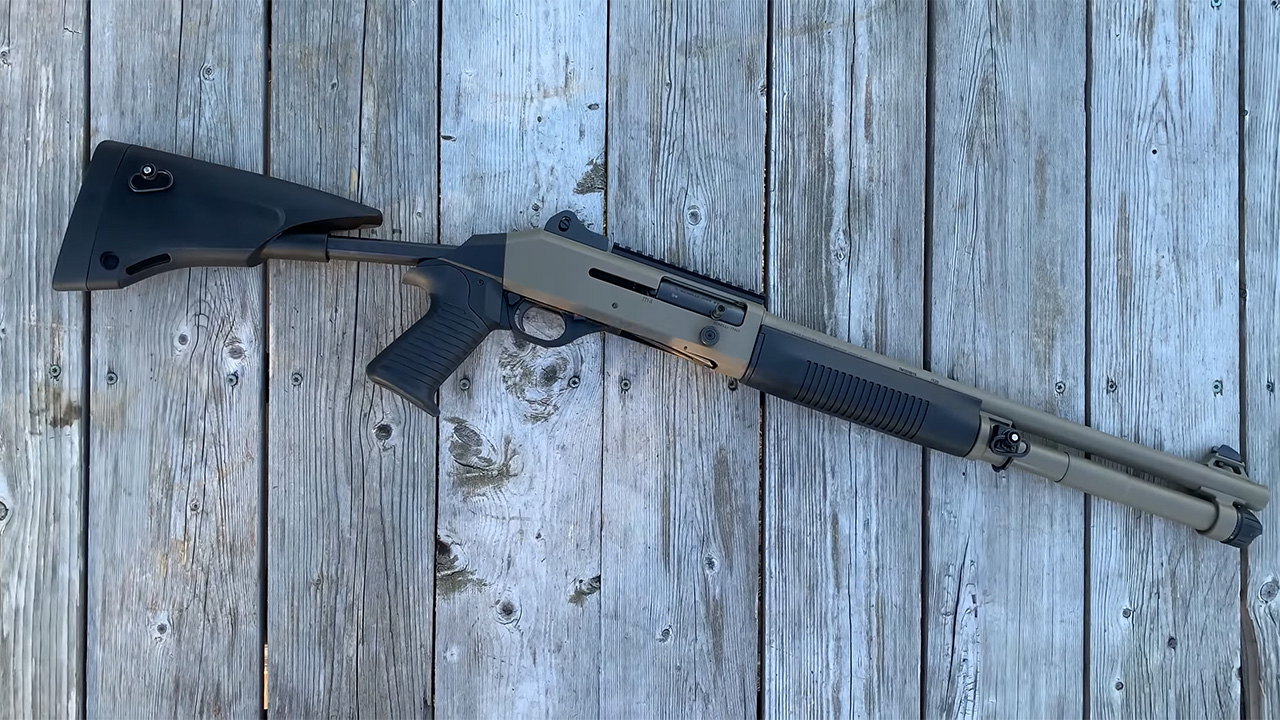
The Benelli M4 earned its reputation. This is not a shotgun that became famous solely because of marketing.
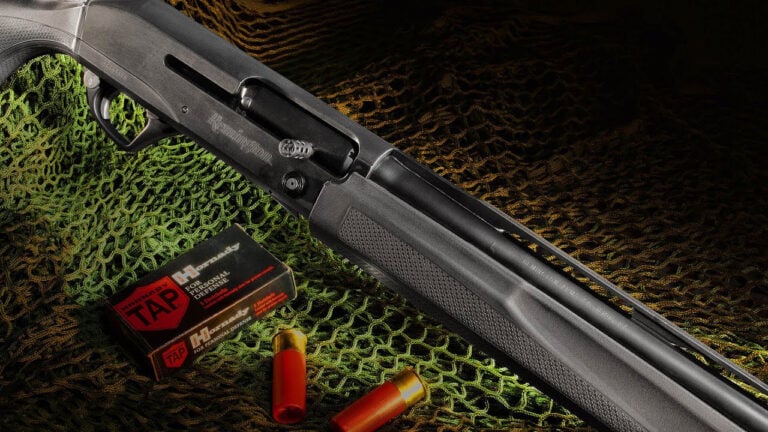
The problem is that Benelli currently starts the M4 Tactical series around $2,299, while the EXT Tactical pushes to roughly $2,599. That is a substantial premium in a market where excellent gas-operated defensive semiautomatics have become much more common. The M4 remains durable and proven, but civilian buyers can get extremely capable shotguns with modern controls and accessory support for considerably less. You’re paying heavily for the Benelli name and military pedigree.
Benelli M1014
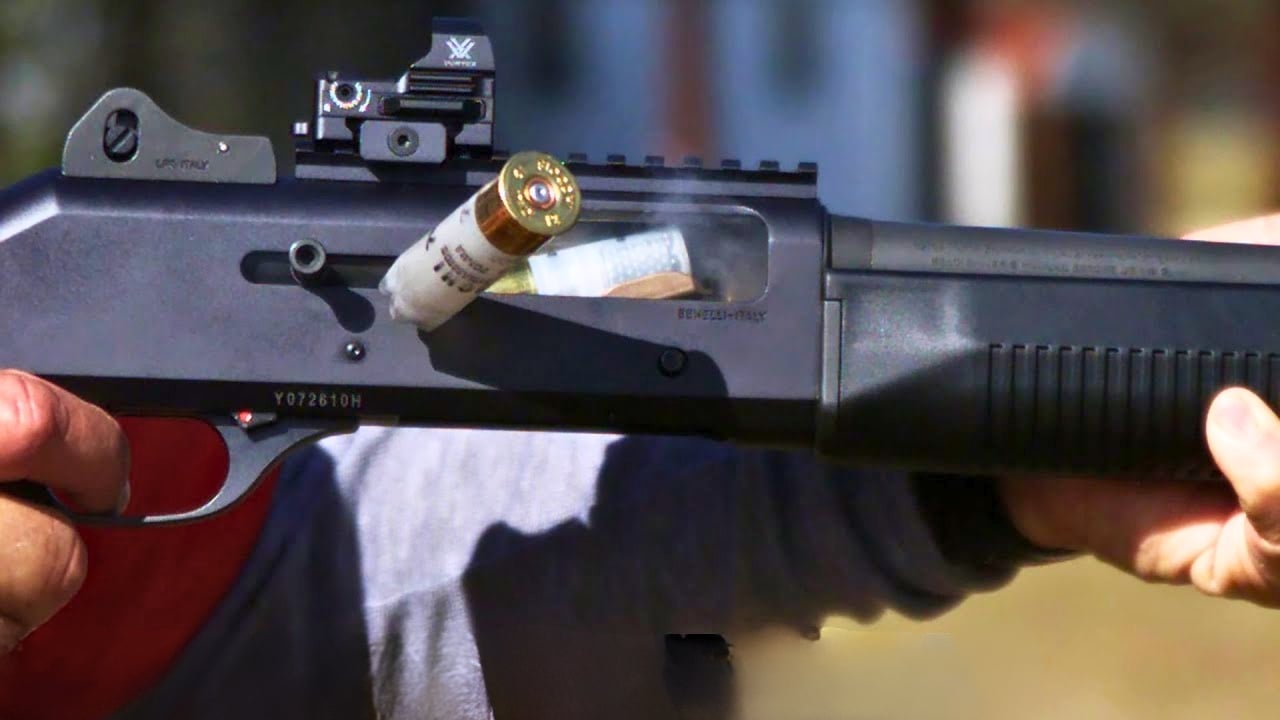
The M1014 may actually be harder to justify than the ordinary M4.
Benelli lists it starting around $2,499. Much of the appeal comes from its appearance and connection to the military version, which matters to collectors but does not necessarily improve the shooting experience. For someone who has always wanted the closest civilian approximation of the iconic military shotgun, the price may be irrelevant.
For everyone else, it is a lot of money tied up in heritage. A less expensive modern semiautomatic can give you excellent reliability, easier customization, and comparable practical performance without requiring a military-correct aesthetic.
Benelli Super Black Eagle 3 BE.S.T.
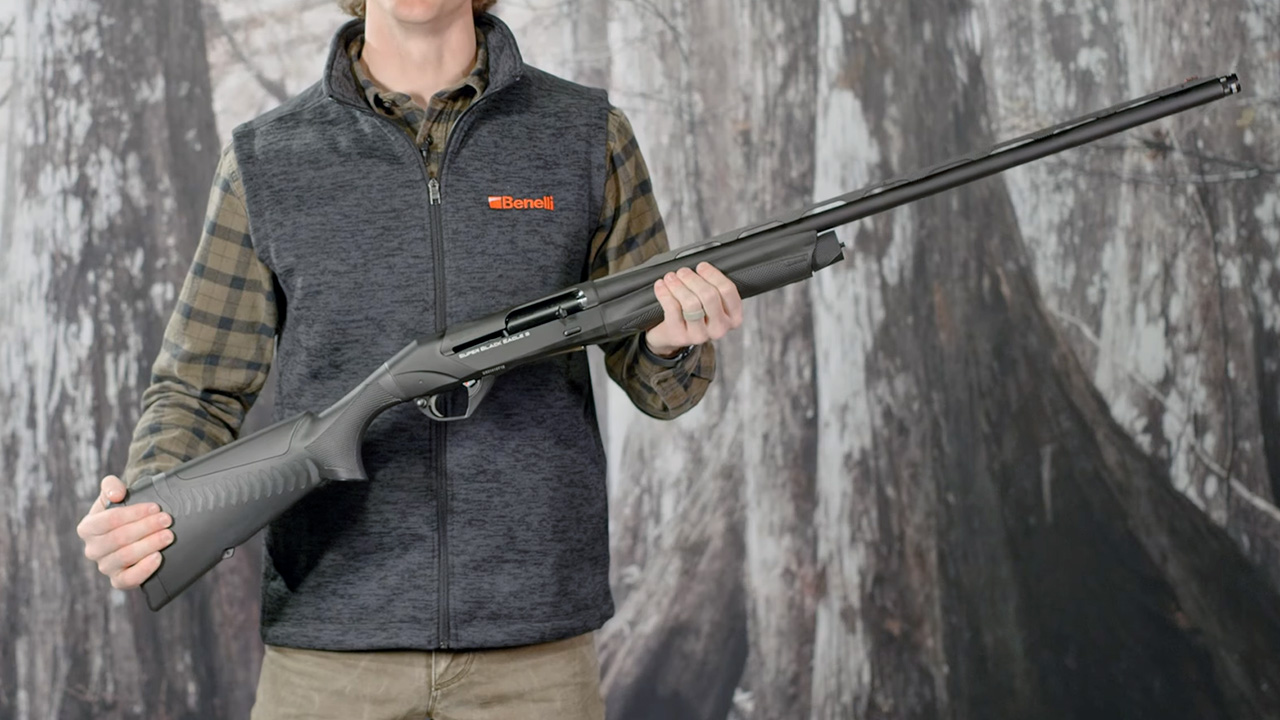
The Super Black Eagle earned its position as one of the premier waterfowl semiautomatics, and Benelli’s corrosion-resistant BE.S.T. treatment makes sense for hunters who repeatedly expose guns to water and salt.
The BE.S.T. versions start around $2,299 according to Benelli’s current lineup. That’s a difficult number for a hunting shotgun, particularly for somebody who spends most weekends shooting ordinary 2¾- or 3-inch shells. You are paying for 3½-inch capability, premium finishing and a famous inertia system. Hardcore waterfowlers may use all of it. Plenty of ordinary hunters will not.
Benelli ETHOS Cordoba A.I. BE.S.T.
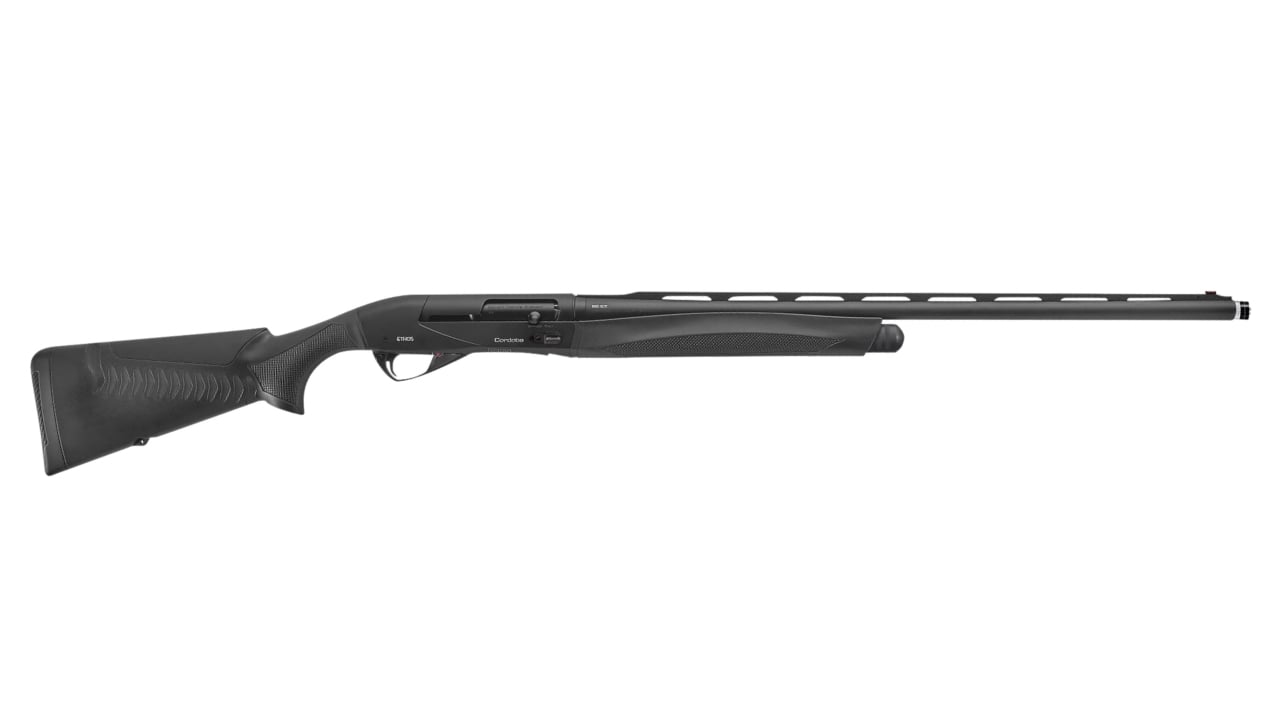
The ETHOS Cordoba A.I. BE.S.T. is loaded with premium features and built for shooters who put serious volume through a shotgun.
It also starts around $3,399. At that level, “worth” becomes almost entirely personal. There are extremely good semiautomatic shotguns available for a fraction of the price that will break the same clays and kill the same birds. The Benelli buys you refinement, advanced barrel treatment, premium finishing, and prestige. Those things are real. They just do not produce a three-times-better result when you pull the trigger.
SIG Sauer P210 Target
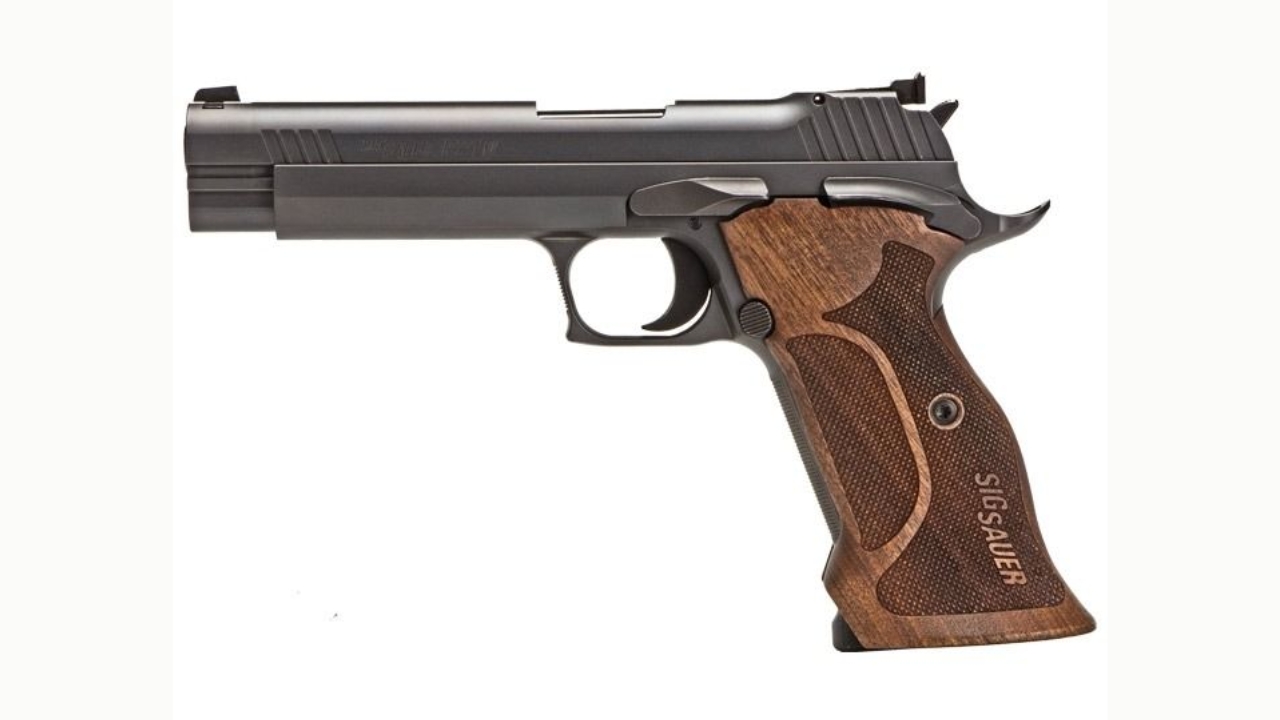
The P210 Target is one of the easiest pistols on this list to admire. The action feels refined, the trigger can be excellent, and the design comes from a genuinely prestigious handgun lineage.
That’s also what buyers are paying for. As a pure range pistol, the P210 is competing against modern steel-frame competition guns with higher capacity, optics compatibility, enormous aftermarket support, and triggers that can be just as impressive. SIG still prominently markets the P210 Target as part of its precision-pistol offering. The P210 remains special, but much of its monetary value is tied to being a P210 rather than doing something dramatically better.
Colt Gold Cup Trophy

The Gold Cup name once meant something nearly unmatched in the factory 1911 world.
The rest of the industry caught up. Colt’s Gold Cup Trophy has carried premium pricing because of its competition-oriented features, Series 70 firing system, checkering, sights and famous rollmark. Colt previously set MSRP at $1,699 when introducing the modern Trophy configuration. Today there are numerous factory 1911s around that territory with excellent triggers, optics-ready variants, better frontstrap treatments, or semi-custom levels of fitting. The Gold Cup is still good. The name simply commands more of the price than it once needed to.
Springfield Armory 1911 Emissary

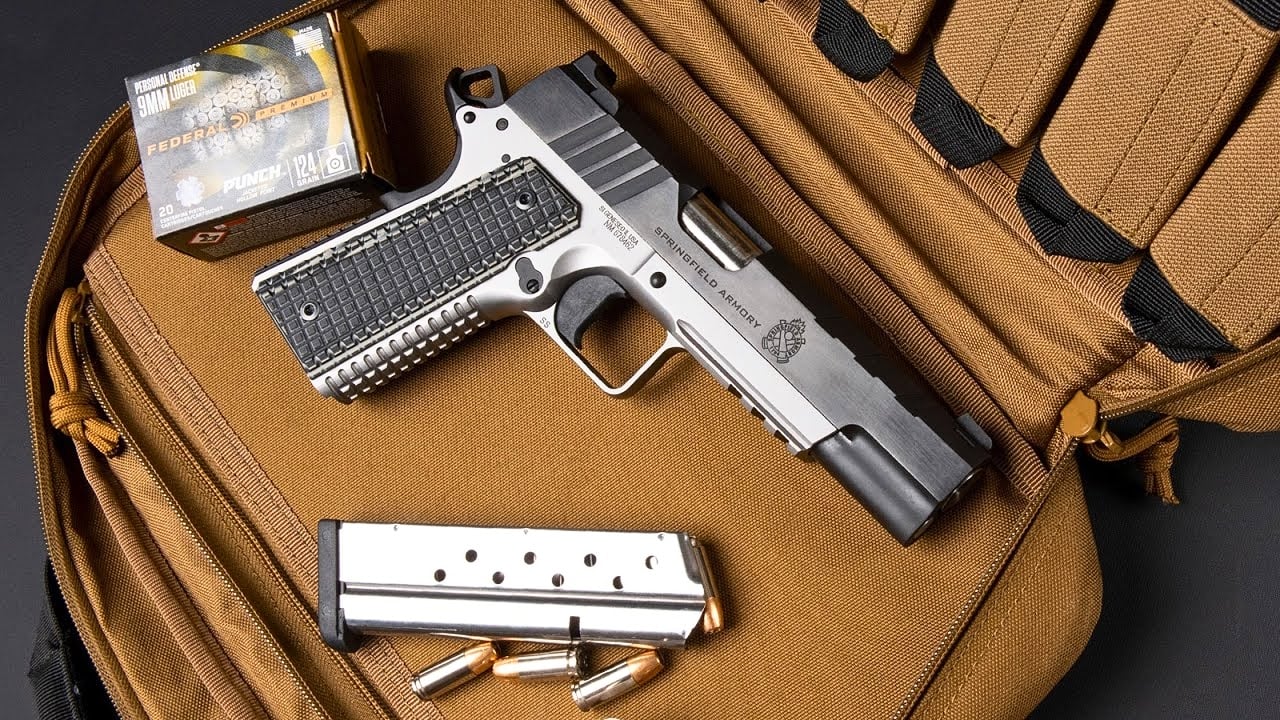
The Emissary looks expensive, and that is intentional. The squared trigger guard, distinctive slide treatment, aggressive texturing, and premium presentation separate it immediately from an ordinary Government Model.
Springfield currently puts the Emissary around $1,392 MSRP. That’s where the comparison gets uncomfortable because excellent forged-frame 1911s exist for substantially less, including within Springfield’s own lineup. The Emissary is attractive and nicely equipped, but a large percentage of the added money buys styling rather than a corresponding improvement in practical performance.
Springfield Armory SA-35
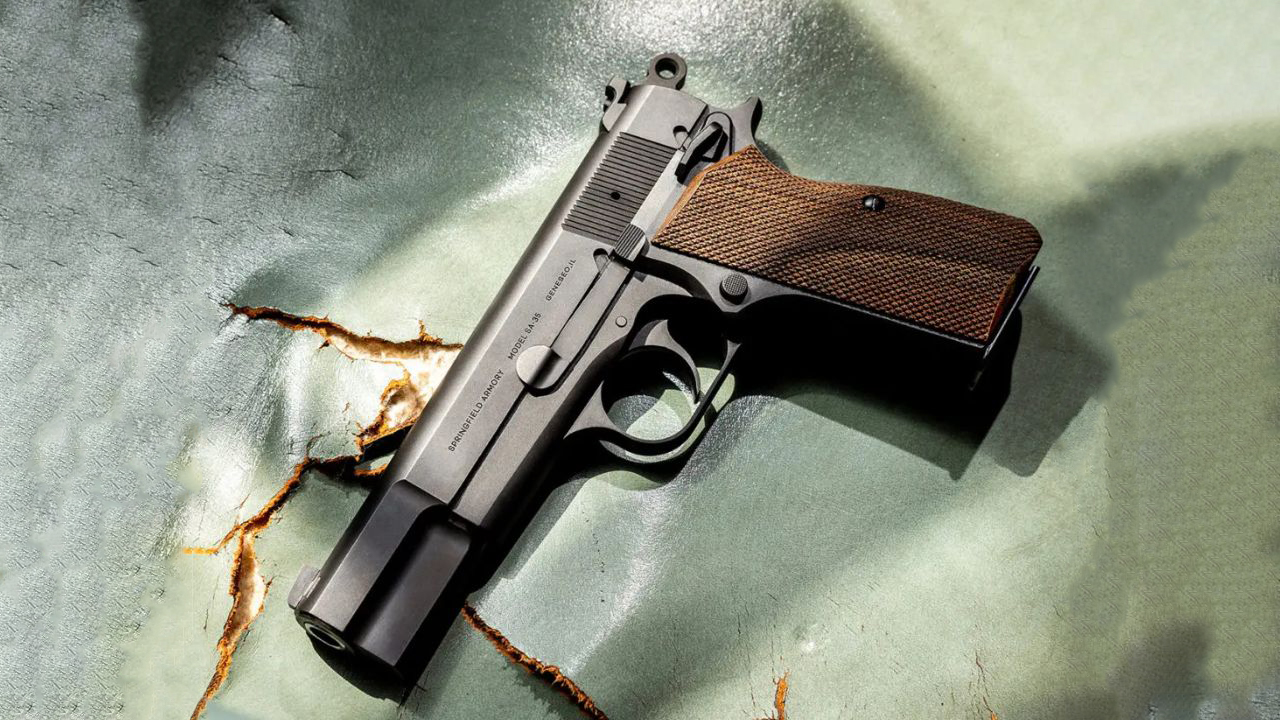
The SA-35 remains an appealing modern interpretation of the Hi-Power, particularly for someone who wants traditional steel construction without chasing an original Belgian pistol.
Springfield’s current pricing places SA-35 variants roughly between $799 and $859. That’s not outrageous, but the modern pistol market has become ruthless at that price. Buyers can get optics-ready service pistols with higher capacity, modular frames, accessory rails, and cheap magazines for similar or less money. You buy the SA-35 because you want a Hi-Power-style pistol. Judged strictly on capability per dollar, the equation is less impressive.
Springfield Armory Prodigy
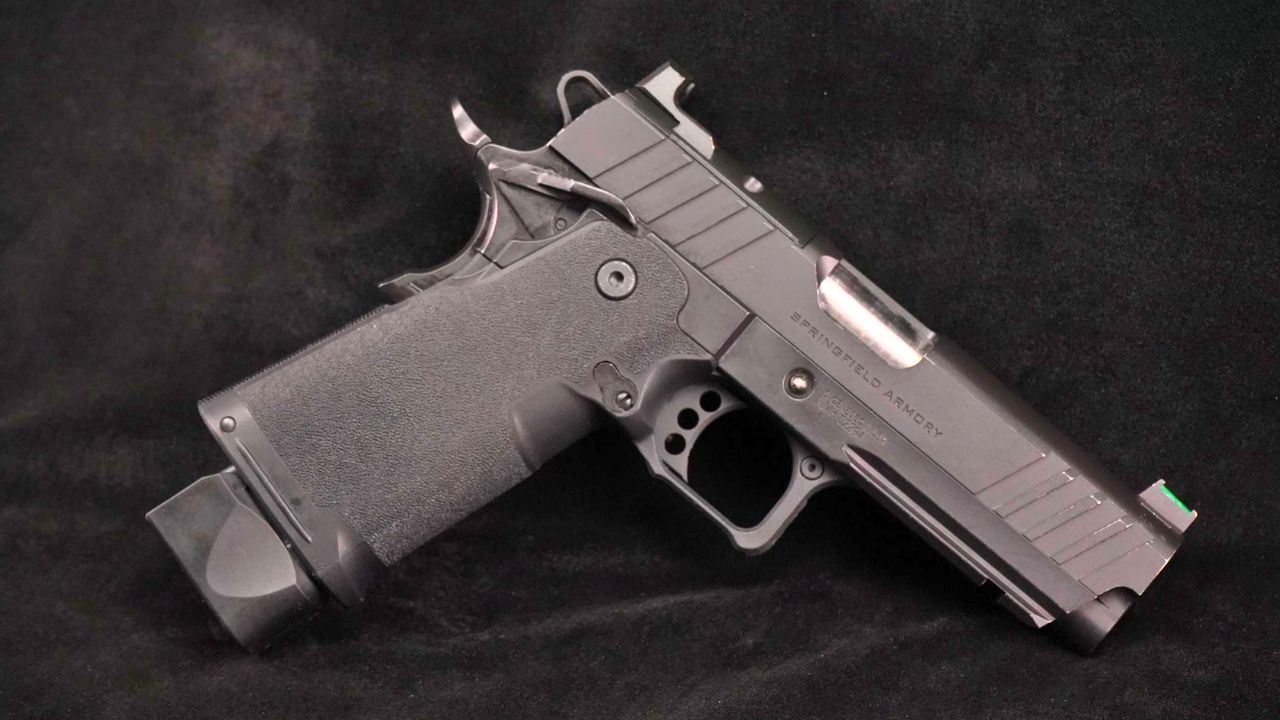
The Prodigy deserves credit for helping push double-stack 1911-style pistols toward ordinary buyers.
The current 1911 DS line sits roughly between $1,530 and $1,683 MSRP. At that level, the gun is no longer the disruptive bargain it seemed like when premium double-stacks routinely cost thousands more. Competition has exploded, including less-expensive imported double-stack 1911s and increasingly polished alternatives. The Prodigy still shoots well, but buyers have more leverage now. The price has to compete on the gun itself rather than merely being cheaper than a Staccato.
Springfield Armory Model 2020 Waypoint

The Waypoint is a serious premium hunting rifle with modern materials and strong accuracy ambitions.
Springfield currently prices Model 2020 Waypoints from roughly $1,995 to $2,355. That places it in a crowded space where buyers can choose excellent lightweight hunting rifles, semi-custom actions, carbon-barrel configurations, and proven European platforms. The Waypoint is not bad at all. It simply costs enough that “good” is no longer sufficient. At two grand or more, every preference about weight, stock fit, cartridge, and barrel becomes important.
FN Five-seveN MRD

The Five-seveN used to have one enormous advantage: there simply were not many handguns doing what it did.
That is no longer true. The 5.7x28mm pistol market has expanded dramatically, and buyers now have multiple higher-capacity or less-expensive alternatives. The FN remains lightweight, proven, and tied directly to the cartridge’s original modern ecosystem. But the historical prestige attached to the Five-seveN increasingly accounts for a noticeable portion of what buyers are paying. If your main goal is simply launching 5.7 from a reliable handgun, you no longer have to pay the FN premium.
HK Mark 23

The Mark 23 is a remarkable handgun and almost absurdly overbuilt.
It is also enormous, expensive, and designed around requirements that have virtually nothing to do with normal civilian handgun ownership. That is why value is so difficult to defend. You can buy an excellent suppressor-ready .45, optic, light, magazines, and ammunition while still spending less than many Mark 23 packages command. The HK has collectible appeal and one of the strongest durability reputations in the handgun world. As a practical pistol purchase, however, you are buying far more gun than almost anybody needs.
Walther Q5 Match Steel Frame

The steel-frame Q5 is one of those pistols that feels fantastic the moment you start shooting quickly.
The question is how much that experience is worth now that the competition-pistol market is overflowing with excellent options. Heavy steel CZs, Caniks, Tanfoglios, double-stack 1911s, and other performance-oriented handguns have given buyers far more choice. The Q5 remains accurate and refined, but premium pricing no longer guarantees it an obvious advantage. Once a pistol becomes primarily a range or competition tool, every extra dollar has to buy measurable performance.
Christensen Arms MPR

The Modern Precision Rifle looks exactly like buyers expect an expensive precision rifle to look.
Carbon fiber, a chassis-style layout, and premium materials create a very compelling package. The issue is that the precision-rifle market has become incredibly competitive. Excellent barreled actions, factory chassis rifles, and custom builds can all live in similar pricing territory. At that point, you’re no longer buying merely on claimed accuracy. You’re comparing action feel, barrel consistency, stock geometry, magazine system, warranty support, and resale value. The MPR can be excellent, but its premium materials do not automatically make it the best use of premium-rifle money.
Magnum Research Desert Eagle Mark XIX

The Desert Eagle is not overpriced because it is badly made. It is overpriced for anyone pretending the purchase is about practical handgun performance.
The enormous frame, gas-operated system, and magnum chamberings make it mechanically fascinating. They also create a handgun that is heavy, expensive to feed, and impractical for nearly every ordinary handgun role. Buyers are paying for the experience of owning a Desert Eagle, and there is nothing wrong with that. But once you judge it by what your money accomplishes rather than how much attention the gun gets at the range, the value proposition collapses quickly.
Chiappa Rhino 60DS

The Rhino genuinely solves a problem. Firing from the bottom chamber lowers the bore axis and changes how recoil drives the gun in the hand.
The question is whether that advantage justifies paying a significant premium over excellent conventional revolvers. The 60DS is mechanically complicated, visually unusual, and dependent on a design that fewer gunsmiths understand compared with traditional Smith & Wesson or Ruger actions. It is interesting and shoots differently enough to justify its existence. But unless you specifically love the Rhino concept, a conventional revolver can deliver outstanding accuracy, trigger quality, and durability while leaving substantially more money for ammunition.
Like The Avid Outdoorsman’s content? Subscribe to our newsletter so you never miss an article.
Here’s more from us: