Photo credit: Product Pro reviews/YouTube
Every gun counter has a legend. “These things run forever.” “My buddy’s got 10,000 rounds through it.” “Never had a problem.” Then you finally buy one, carry it, hunt with it, or stake a season on it… and it picks the worst possible moment to get picky.
This isn’t a hit piece on any brand, and it isn’t saying these guns are all junk. Most of them work fine most of the time. The point is simpler: some models get a reputation for being stone-reliable, and then real-world stuff shows up—cheap mags, hard primers, cold fingers, dust, bad ammo lots, bargain optics, limp-wristing, tolerance stacking, and “I cleaned it once last year.” Ask me how I know.
1. Remington 742 Woodsmaster
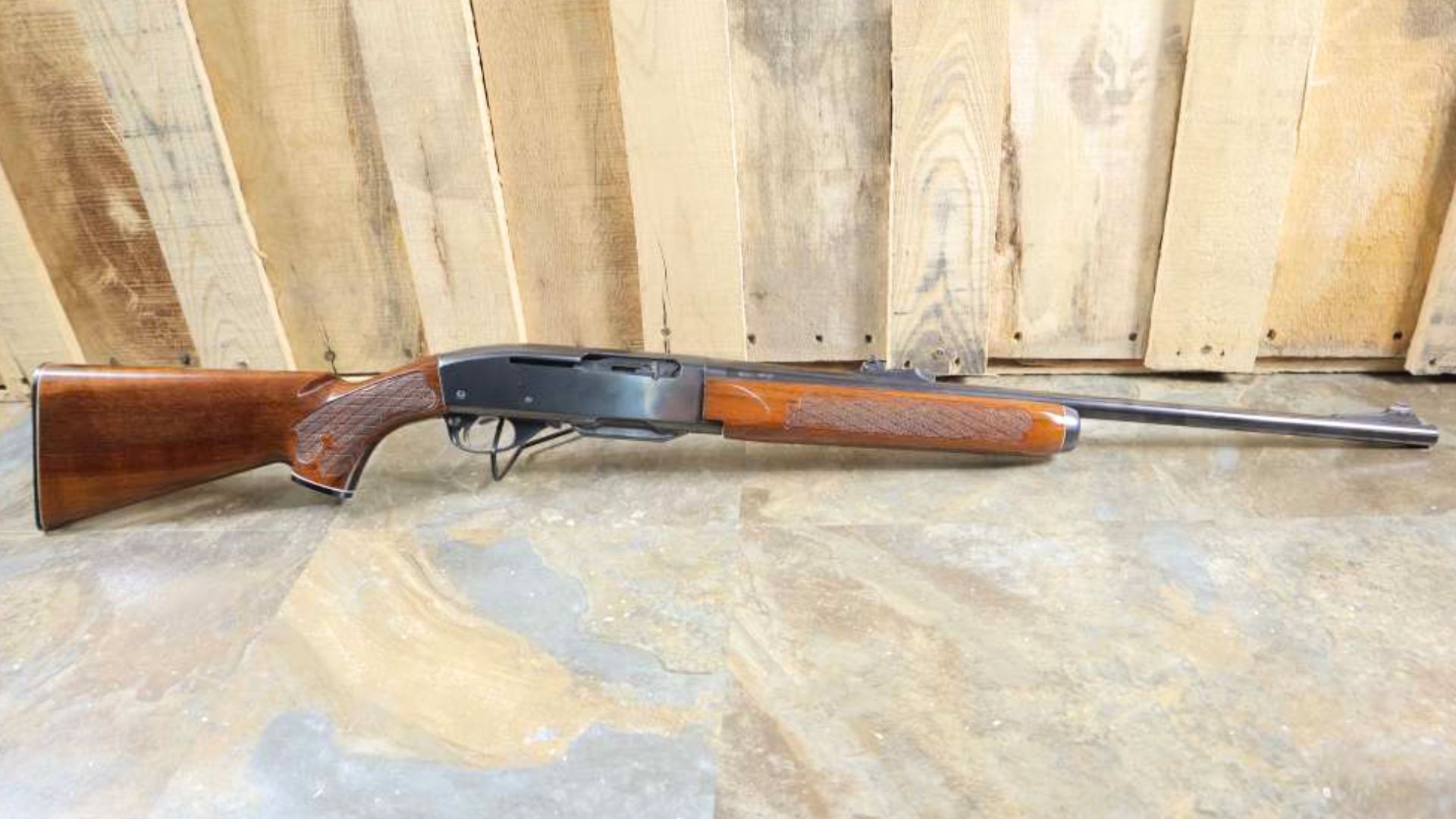
If you grew up around deer camps, you’ve seen one leaning in a corner like it’s been there since the Carter administration. When they’re running right, they’re fast and handy, and older hunters swear by them. The trouble is the 742 has a known habit of wearing its rails, and once it starts acting up, it tends to keep acting up.
Most of the heartbreak happens when a guy finally drags it out for opening morning after it sat in a soft case for 10 months. Sticky extraction and feeding issues show up when you least want to clear a jam with cold hands and a buck standing there. A clean chamber helps, but worn parts and a rough chamber don’t care how much you “always heard these are reliable.”
2. Remington 7400
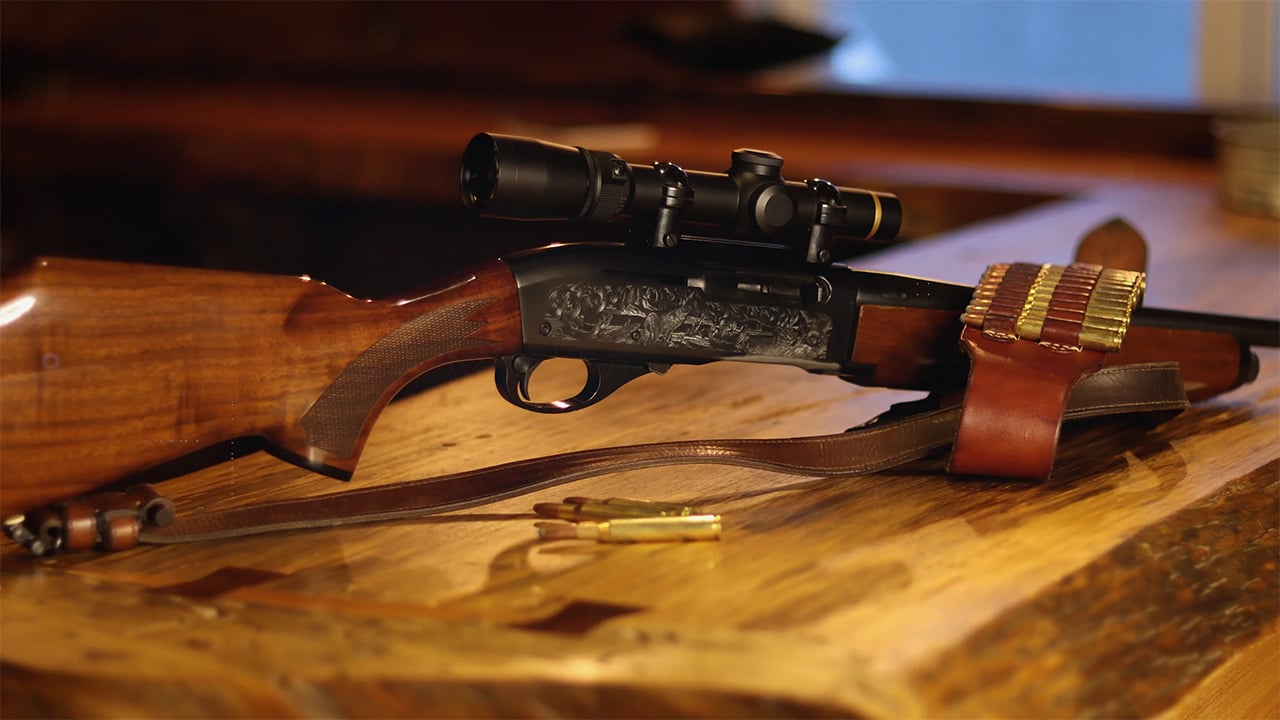
The 7400 fixed some things and still carried over the same basic idea: a soft-shooting semi-auto deer rifle that points quick. Plenty of them have filled a lot of freezers. But they can be sensitive to maintenance and ammo, and when they get dirty, they can get sluggish.
They’re also the kind of rifle that gets “cleaned” like a pump shotgun—wipe it down and call it good. Then you wonder why it’s short-stroking after three shots during sight-in. In a stand, one hiccup feels like a lifetime.
3. Remington Model 597

The 597 is one of those .22s that can be a tack driver on a good day. It’s also one of those .22s where the magazine is half the story. If you only ever shot it off a bench with one good mag, you might think it’s flawless.
But out in the squirrel woods, when you’re loading in a hurry or you grabbed the “other” magazine, reliability can get wobbly. A rimfire semi-auto is already a dance between ammo, mags, and fouling. The 597 can be a little less forgiving than its reputation suggests.
4. Ruger Mark IV (with dirty .22 ammo and a tight chamber)
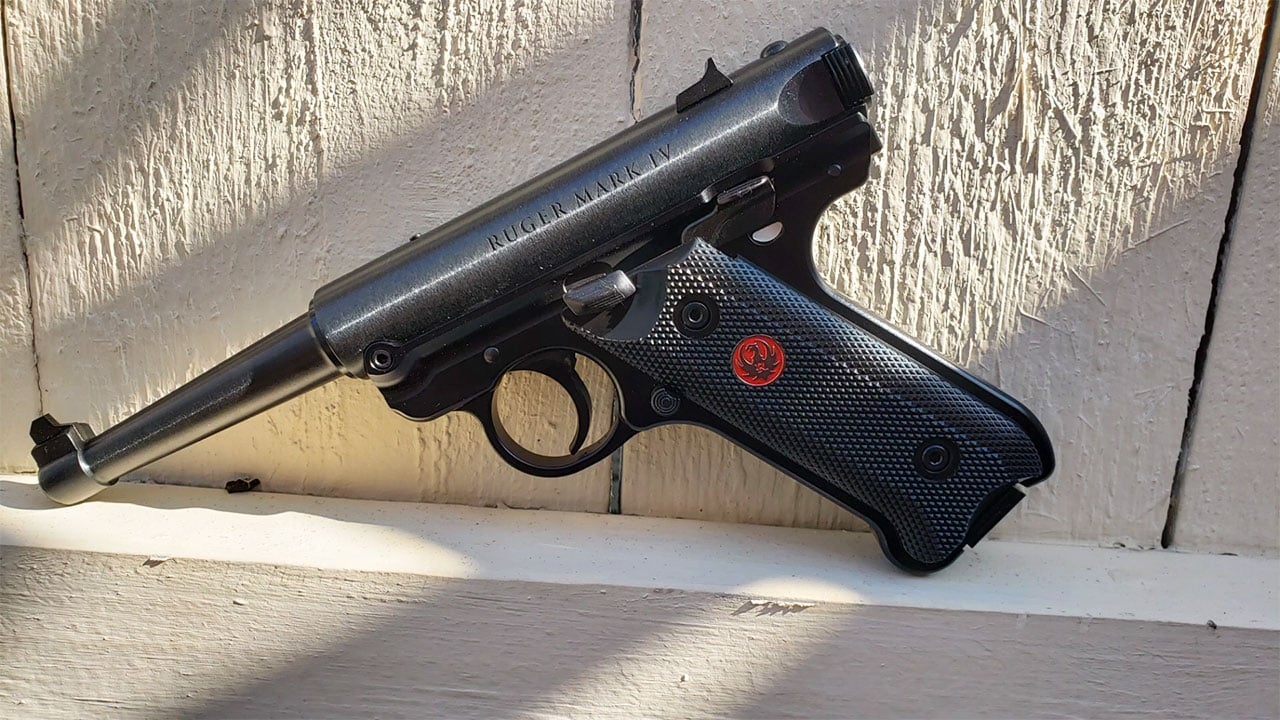
Ruger’s Mark series is usually the adult answer to rimfire problems. The Mark IV is easier to service than the earlier ones, and that’s a big deal. Still, run enough waxy bulk .22 through it and you’ll eventually hit a point where the gun tells you it’s done cooperating.
Most folks call it “ammo related,” and sure, rimfire is rimfire. But when you’ve got a pistol everyone calls unstoppable, it stings when it starts failing to fully chamber because the chamber’s gummed up. Keep it reasonably clean and it’ll likely treat you well; ignore it and it’ll remind you who’s in charge.
5. Taurus Judge

The Judge has probably prevented more snake bites in people’s imaginations than in real life, but it does have a purpose. The reliability myth comes from “it’s a revolver, it always goes bang.” The truth is that long chambers, mixed ammo, and certain loads can make it more finicky than a normal wheelgun.
Light primer strikes and binding from debris aren’t unheard of, and .410 shotshells can leave a mess. Also, plenty of folks don’t practice with it much because ammo isn’t cheap, recoil is weird, and accuracy isn’t what they hoped. Then when it’s time to actually use it, they’re surprised by how clumsy it feels under pressure.
6. Kimber Ultra Carry II

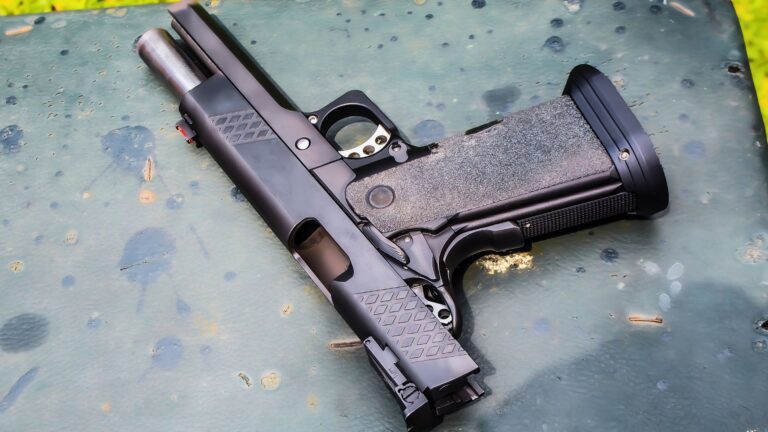
Short 1911s are like short, lightweight pickup trucks with big tires—great idea until you actually start working them hard. A lot of Kimber Ultra models run fine. A lot of them also get temperamental with certain mags, certain hollow points, and certain recoil spring intervals.
The problem is the whole selling point is carry. And carry means sweat, lint, and not cleaning it after every 100 rounds. When you need it, you need it right now. If your “carry 1911” is only reliable with two specific magazines and one specific ammo, that’s not the warm fuzzy you thought you bought.
7. Springfield Armory Ronin 1911 (magazine sensitivity)

The Ronin line looks good, feels good in the hand, and scratches the 1911 itch without going full custom. Most of the time, they run. Where guys get burned is assuming any random 1911 mag is fine because “1911 mags are 1911 mags.” They aren’t.
Feed issues can pop up with certain magazines and certain hollow points, especially if the gun is new and tight. If you’re going to depend on it, you need to vet mags and ammo together. That’s not a flaw unique to Springfield, but it’s a surprise to folks coming from striker-fired pistols.
8. Ruger LCP (original model)

The little LCP is carried a lot, shot a little, and cleaned even less. It’s light enough to disappear in a pocket, and that’s why it sells. It also has tiny sights, a long trigger pull, and a recoil impulse that makes some shooters get sloppy fast.
Reliability complaints are often tied to grip and ammo choice. Under stress, pocket guns get gripped poorly, and they’re less forgiving. When a “get off me” gun turns into a single-shot because you didn’t practice enough to run it hard, that one hurts.
9. SIG Sauer P365 (early-production reputation still lingers)

The P365 is everywhere for a reason. It’s a great size-to-capacity package and it shoots like a bigger gun. But the early days planted a seed in a lot of minds: tiny, high-capacity pistols can be touchy until they aren’t.
Most current examples run great, but the “until you need it” problem shows up when folks mix bargain magazines, weak range ammo, and no maintenance. Also, the P365 rides close to the body; sweat and lint are real. Any micro-compact needs more attention than people admit.
10. Smith & Wesson M&P Shield EZ (ammo and grip variables)

The EZ models are a blessing for shooters who struggle with stiff springs and hard-to-rack slides. That said, the easier you make a pistol to manipulate, the more you’re balancing spring weights and slide velocity. Some guns are pickier about ammo power and grip than their owners expect.
I’ve watched shooters get intermittent failures and blame the gun, then grip it like they mean it and the problem vanishes. If it’s going to be a nightstand or carry gun, it needs a real test with the load you’ll actually use, not just the cheapest ball you found.
11. Glock 43 (limp-wrist reality check)

Glocks have earned their reliability reputation the hard way. The 43 is also small enough that it exposes weaknesses in grip and follow-through. Inexperienced shooters can make it choke and then swear it’s the gun’s fault.
What catches people is they bought it because “Glocks never jam.” Then they run a light grip, ride the slide, or run underpowered ammo, and suddenly it’s not a magical talisman anymore. The fix is often the shooter, but that doesn’t matter much if the first time it happens is in a bad situation.
12. PSA PA-15 (entry ARs and tolerance stacking)
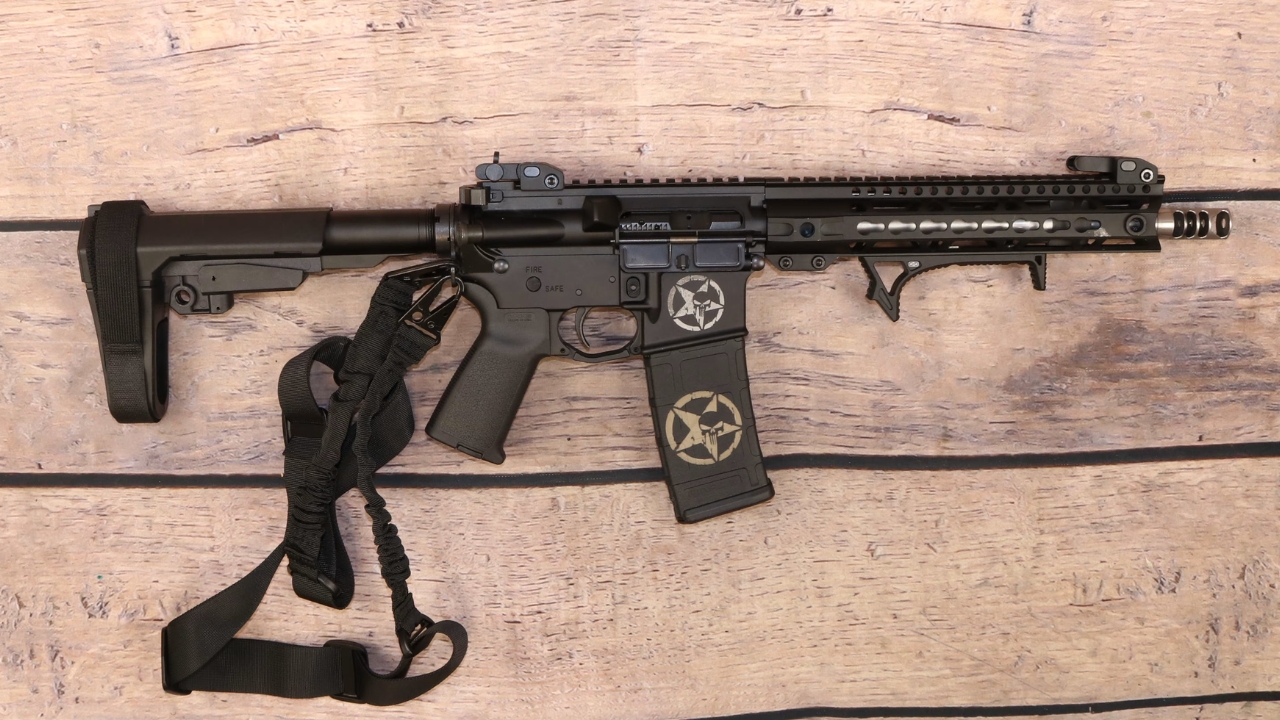
Palmetto State Armory has put a lot of ARs in a lot of hands, and plenty run just fine. The problem with budget ARs isn’t that they’re all unreliable; it’s that quality can be inconsistent across parts, batches, and user assembly choices. You can end up with a rifle that’s “good” until it’s hot, dirty, or running a questionable magazine.
Most AR stoppages I see at the range involve magazines, gas, or lubrication. New owners often run them dry because they heard it “attracts dirt.” Then they wonder why it short-strokes when it matters. A basic AR will run a long time if you feed it good mags and keep it properly lubed.
13. DPMS Oracle

The Oracle has been a first AR for a pile of shooters. It’s light enough, simple enough, and usually accurate enough. But it’s also the kind of rifle people buy and then immediately start “upgrading” with random parts, bargain optics, and mystery magazines.
When something goes wrong, it’s hard to know what you’re dealing with: the rifle, the add-ons, or the ammo. A rifle with a mid-tier reputation gets blamed for the sins of a $9 magazine. Still, if you’re trusting it, it needs a real shakedown, not one happy range trip.
14. Century Arms C39V2 (AK that doesn’t age gracefully)
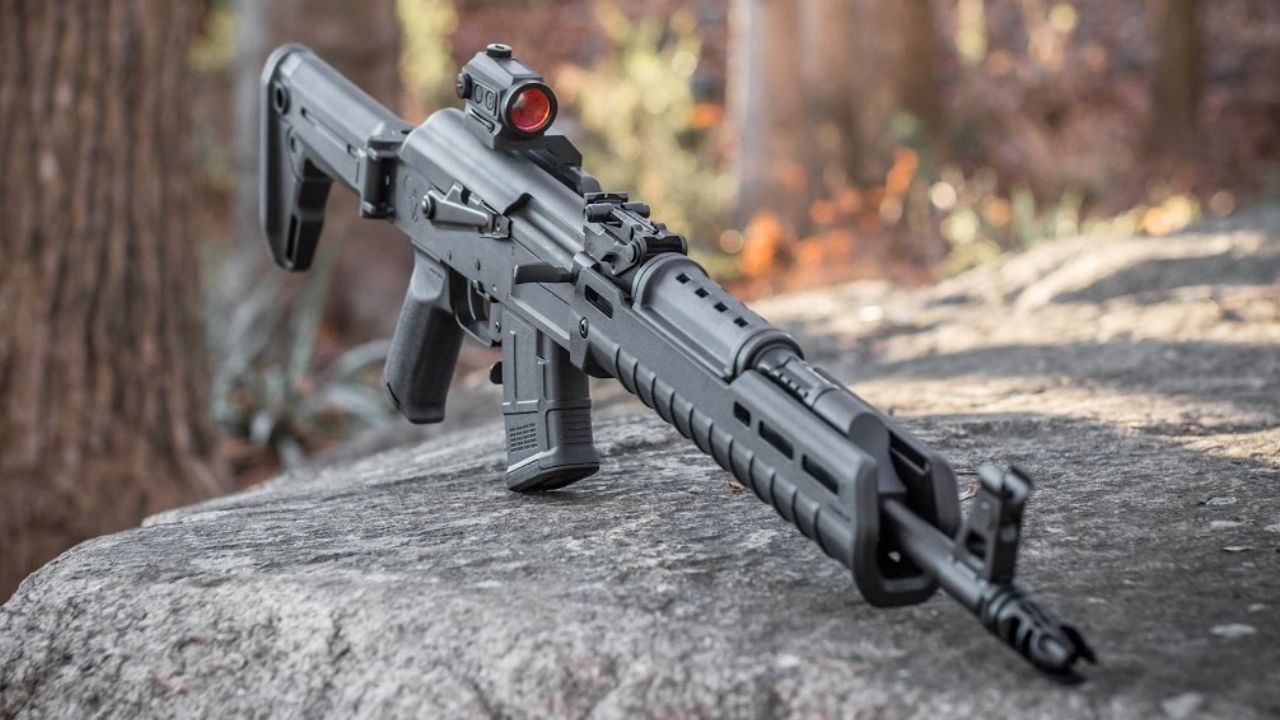
AKs have that “it’ll run in the mud” aura, and some of them truly will. The C39V2 is one of those rifles that looks like an affordable way into the AK world, but longevity and wear concerns have followed it around for years.
The “until you need it” moment isn’t always a failure to fire on day one. It’s the creeping doubt after you start seeing unusual wear and hearing enough reports to make you wonder if you should be running it hard at all. An AK should be a comfort blanket, not a question mark.
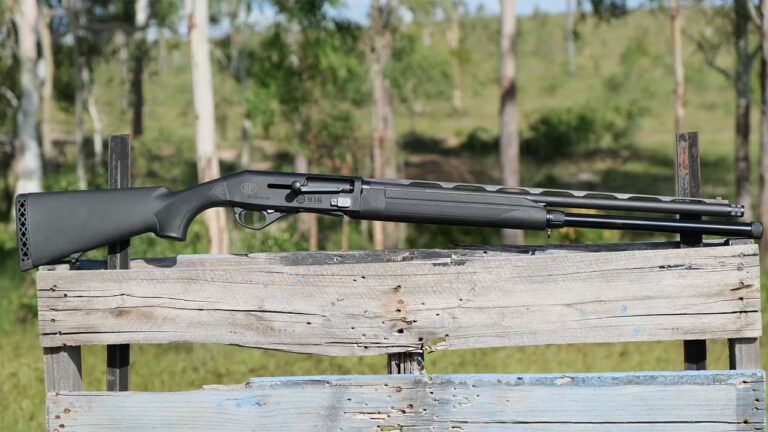
15. Remington 870 Express (newer production, rough chambers)
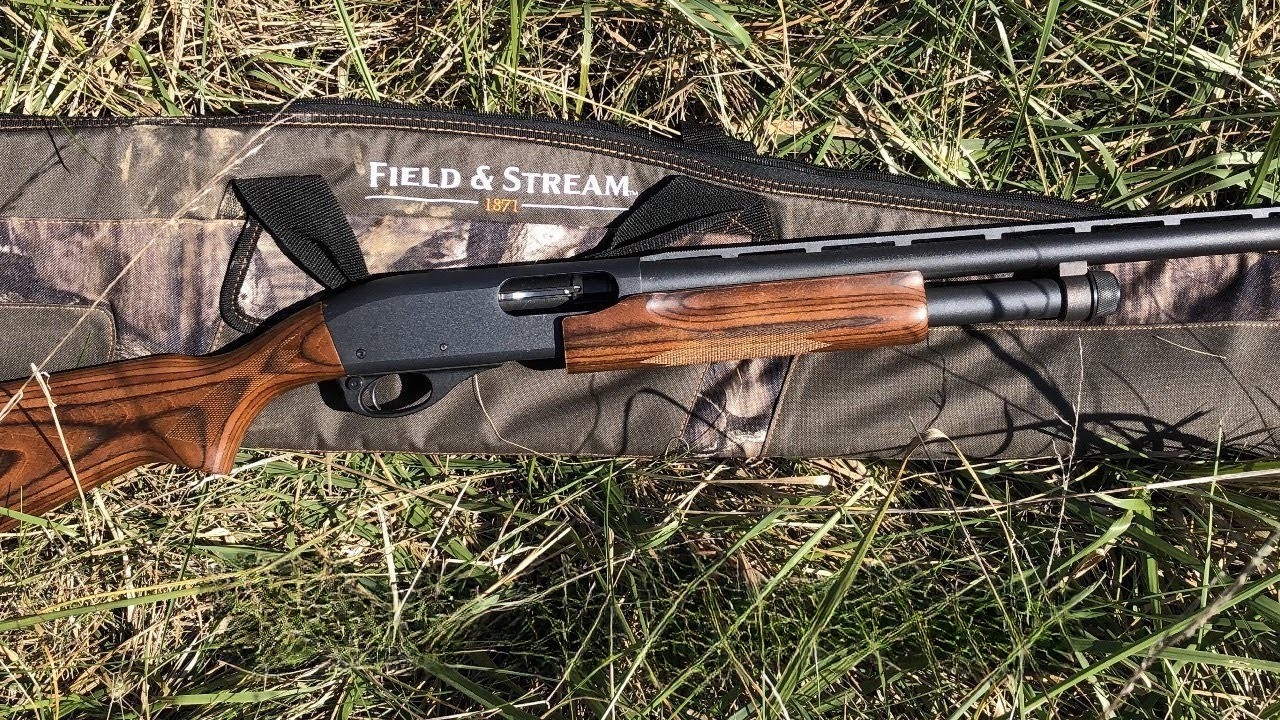
The 870 name is as American as a deer tag in your wallet. Older ones earned that reputation. Some newer Express models, especially those with rougher finishing, can get sticky extraction when they get hot or when you’re running cheaper shells.
A pump gun is supposed to be the simple answer. When you have to mortar a stuck hull out of an 870 that “never fails,” it changes your relationship with it. A good polish and proper cleaning can help, but you shouldn’t have to fight a shotgun to make it act right.
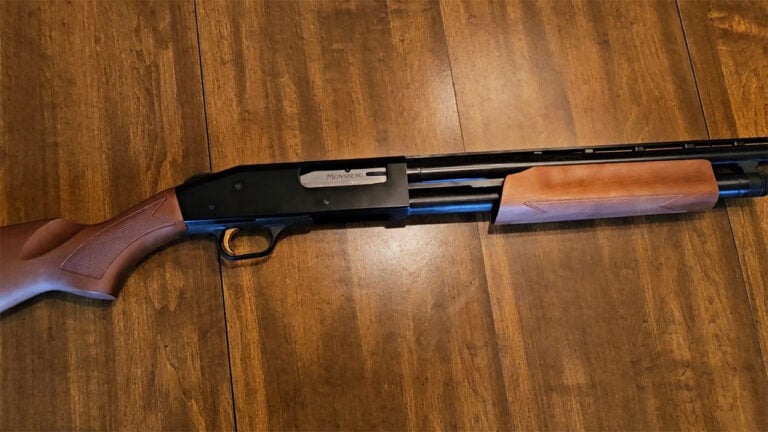
16. Mossberg 590 Shockwave (human factors)

The Shockwave gets treated like a magic hallway broom. It’s not. Mechanically, Mossbergs are generally tough. The weak link is the platform: short, awkward, and easy to short-stroke under stress if you haven’t put real reps into it.
I’ve watched capable shooters run full-size pumps flawlessly and then fumble a Shockwave when they speed up. It’s not because the gun “broke.” It’s because the gun design demands more discipline than most buyers give it.
17. Savage Axis (bolt feel and cheap scope packages)

The Axis rifles have probably put more budget hunters in the woods than any snazzy marketing campaign. They can shoot. The “reliability” complaint isn’t usually that the bolt won’t work at all—it’s that the whole setup often gets bought as a combo with a bargain optic and rings that loosen up right when you’re checking zero the night before opener.
Also, the Axis bolt can feel gritty and cheap, and that leads to half-hearted cycling. Work the bolt like you mean it, and it generally does fine. Baby it and you can induce your own problems. A rifle that’s “reliable” on a bench can still get you in trouble when adrenaline makes you rush.
18. Ruger American Rifle
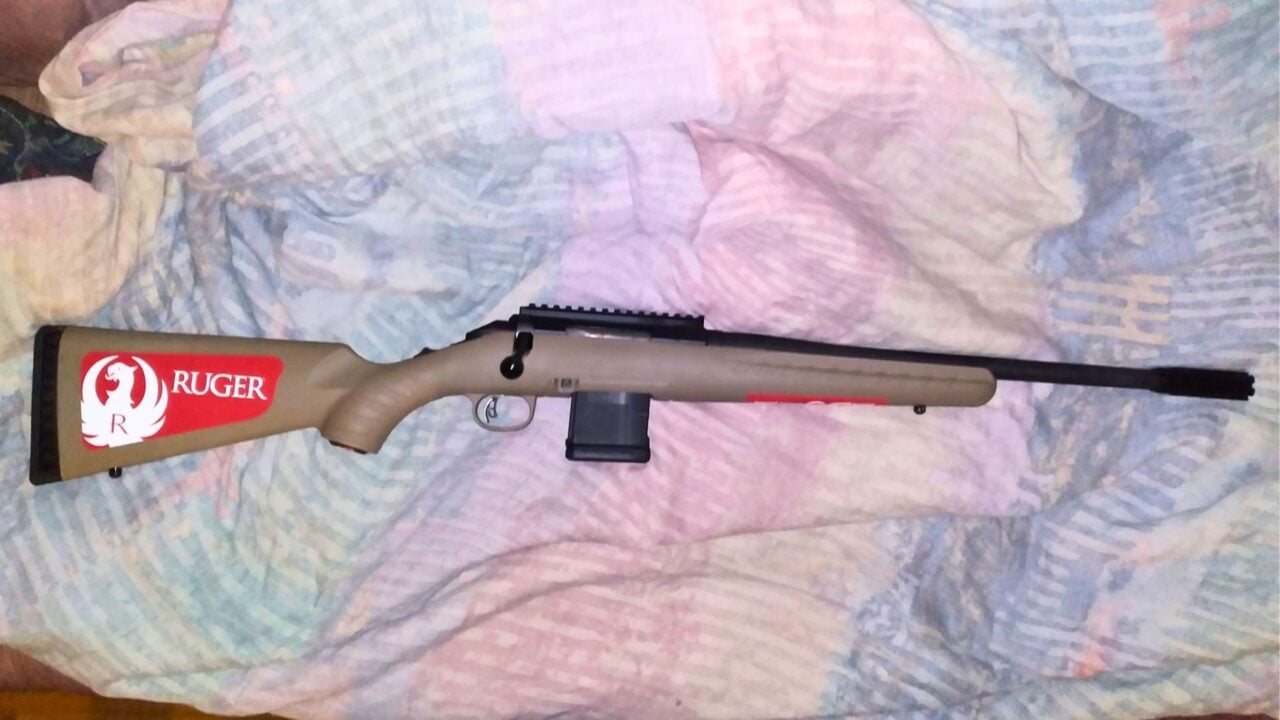
Ruger Americans are hard to hate. They’re accurate, priced right, and light enough to carry all day. But the rotary mags on some versions and the feeding geometry on others can be a little particular, especially if you’re loading/unloading a bunch from awkward positions in a blind or truck.
Most issues show up as nose-dives or odd feeding when the mag isn’t seated just right. That’s user error and design meeting in the middle. It’s a good rifle, but it’s not immune to the little annoyances that show up when you’re cold, tired, and trying to be quiet.
19. Henry Golden Boy .22
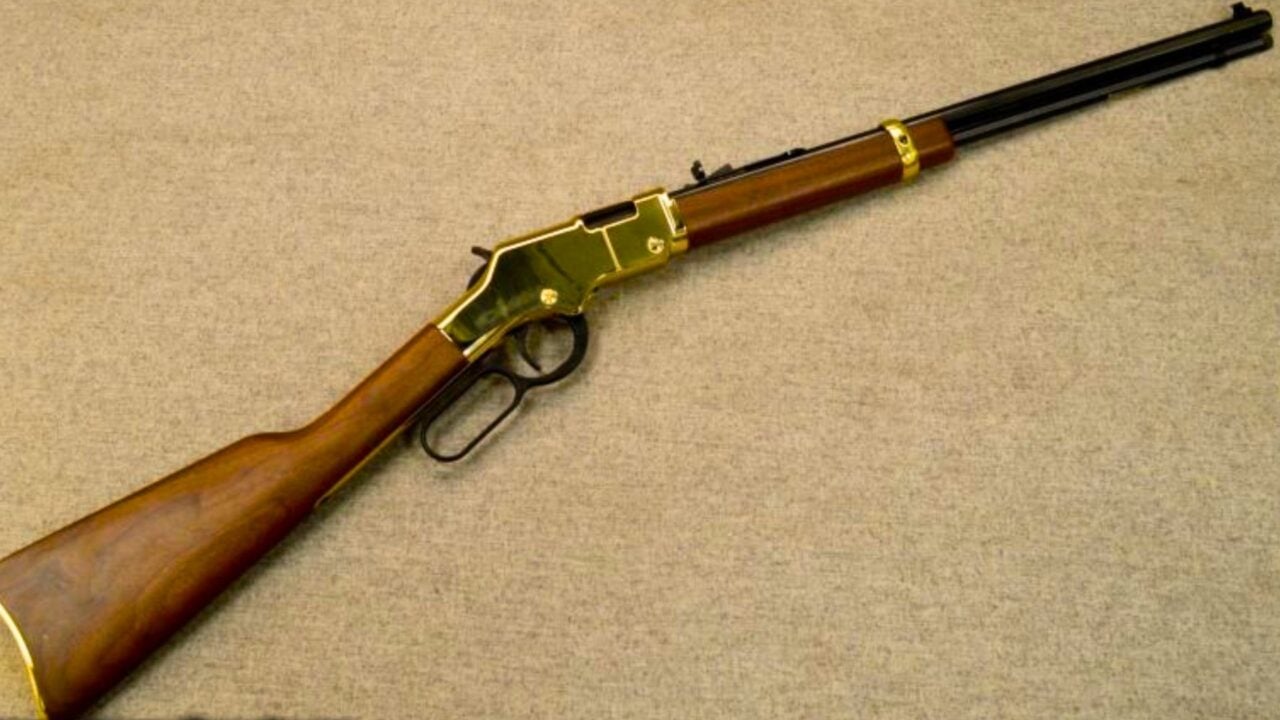
Henry lever guns feel like a throwback in the best way. Smooth action, nice finish, and they point naturally. The reliability reputation is mostly deserved, but it’s still a rimfire, and rimfire crud builds up in places you don’t think about.
If you run bulk ammo and never clean the gun, you can get failures to feed or fire that surprise you because “it’s a lever gun.” Also, tube-fed loading is great until you’re doing it with numb fingers and dropping cartridges in the snow. Not a deal-breaker, just not the unstoppable machine folks imagine.
20. Marlin Model 60

The Model 60 is an American classic and a lot of them have been shooting longer than their owners have been alive. That’s also the trap. Springs get tired, tubes get gummed up, and little wear points start to matter. A .22 that ran like a sewing machine when you were 16 can get moody when you’re 46.
The worst ones are the “truck .22s” that live behind the seat collecting dust and pine needles. Then a groundhog pops out and suddenly you’re doing immediate action drills on a rifle you haven’t serviced in years. A little preventive maintenance goes a long way, but nostalgia makes folks forget that time still works on guns.
The common thread here isn’t that these models are all bad. It’s that “reliable” gets thrown around like it’s permanent, and it isn’t. If you’re going to bet a hunt, a season, or your life on a firearm, it needs two things: a real test with the exact mags and ammo you’ll use, and enough maintenance that you’re not depending on luck. Boring? Yep. Also the difference between a good story and a sick feeling in your gut.
Like The Avid Outdoorsman’s content? Subscribe to our newsletter so you never miss an article.
Here’s more from us: