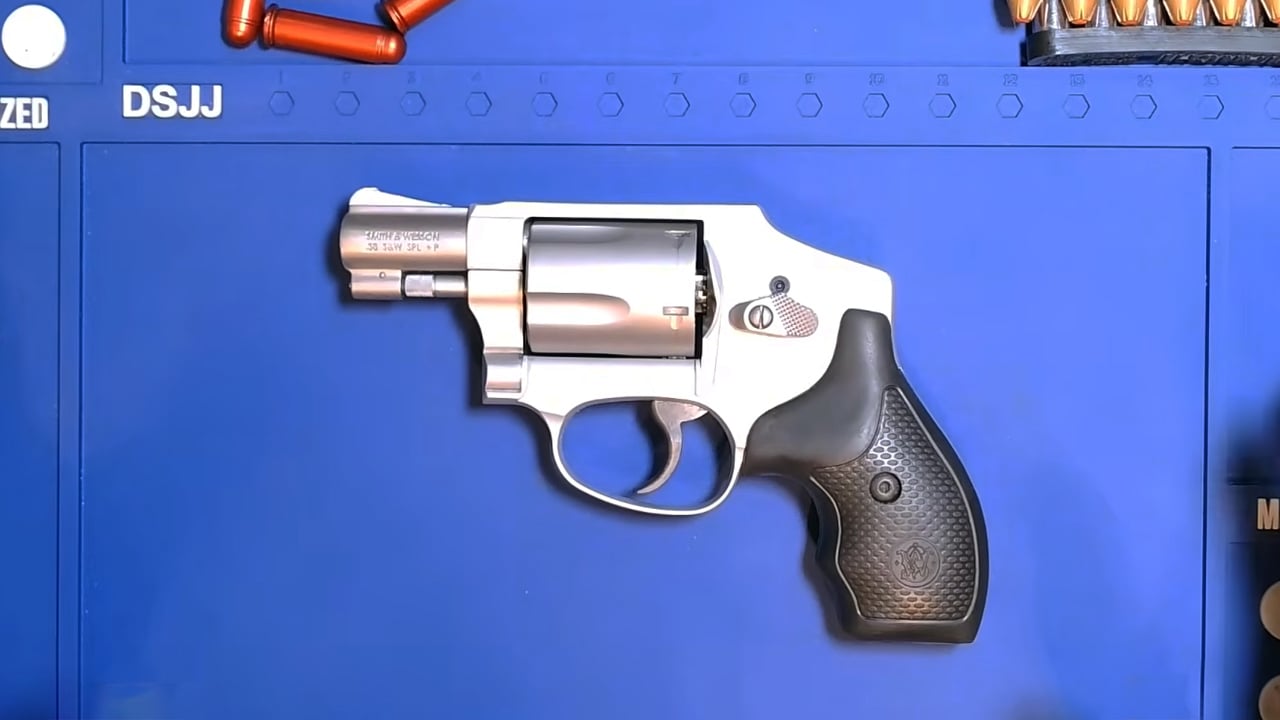
Photo credit: Old Path Traveller/Youtube
Carry guns used to be a long list of compromises you just learned to live with. Too thick, too heavy, too snappy, not enough sights, not enough capacity, not enough reliability, and magazines that were impossible to find when you actually needed them. Then a handful of pistols came along and reset the standard.
These aren’t just “popular” models. These are the handguns that made serious shooters stop excusing bad triggers, lousy sights, and questionable reliability just because a gun was small. Some are old. Some are ugly. A few are still tough to beat for the money. But all of them pushed the carry-gun world in a direction where “good enough” didn’t cut it anymore.
1. Colt Detective Special
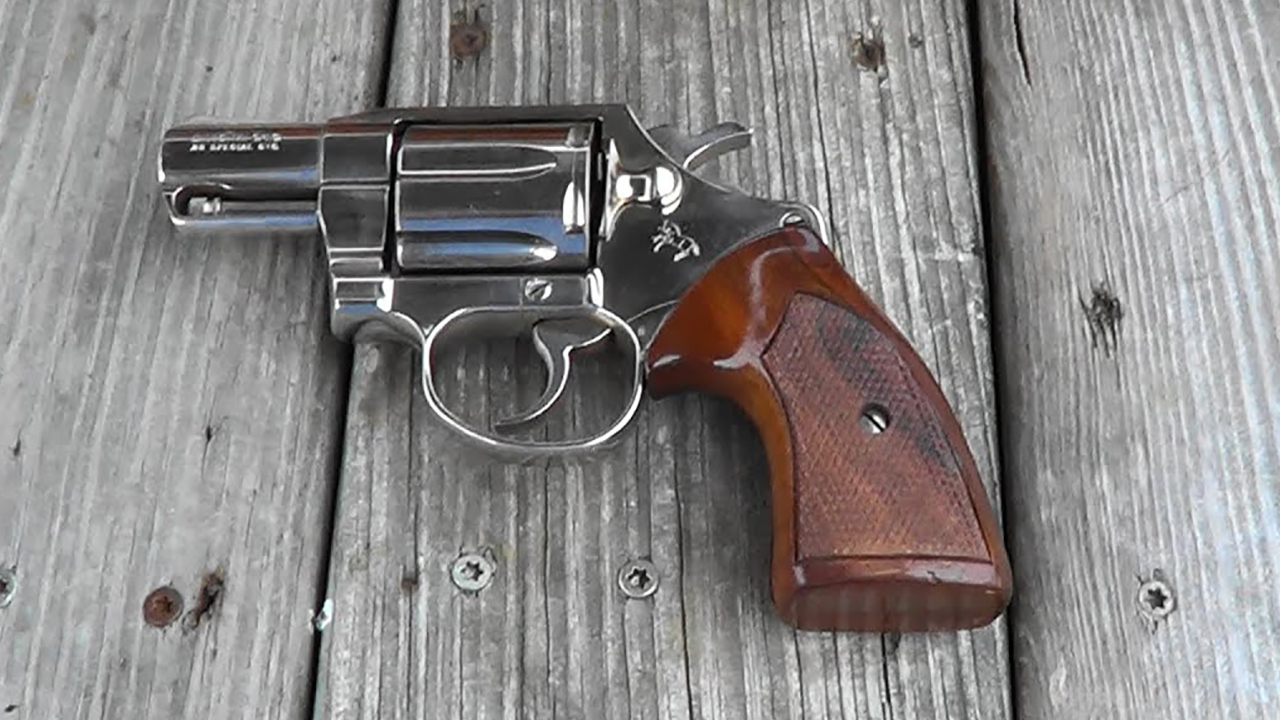
Before micro 9mms were even a thought, this was what concealed carry looked like for a lot of regular folks. A real six-shot revolver that could still disappear under a jacket and ride in a pocket if you had to. That extra round over a five-shot snub mattered to people who actually carried daily.
It also set an early expectation: a small carry gun should still point naturally and have a trigger you can run. The Detective Special isn’t light, and it’s not cheap anymore, but it proved a compact defensive gun could be shootable, not just “carriable.”
2. Smith & Wesson Model 36 Chiefs Special
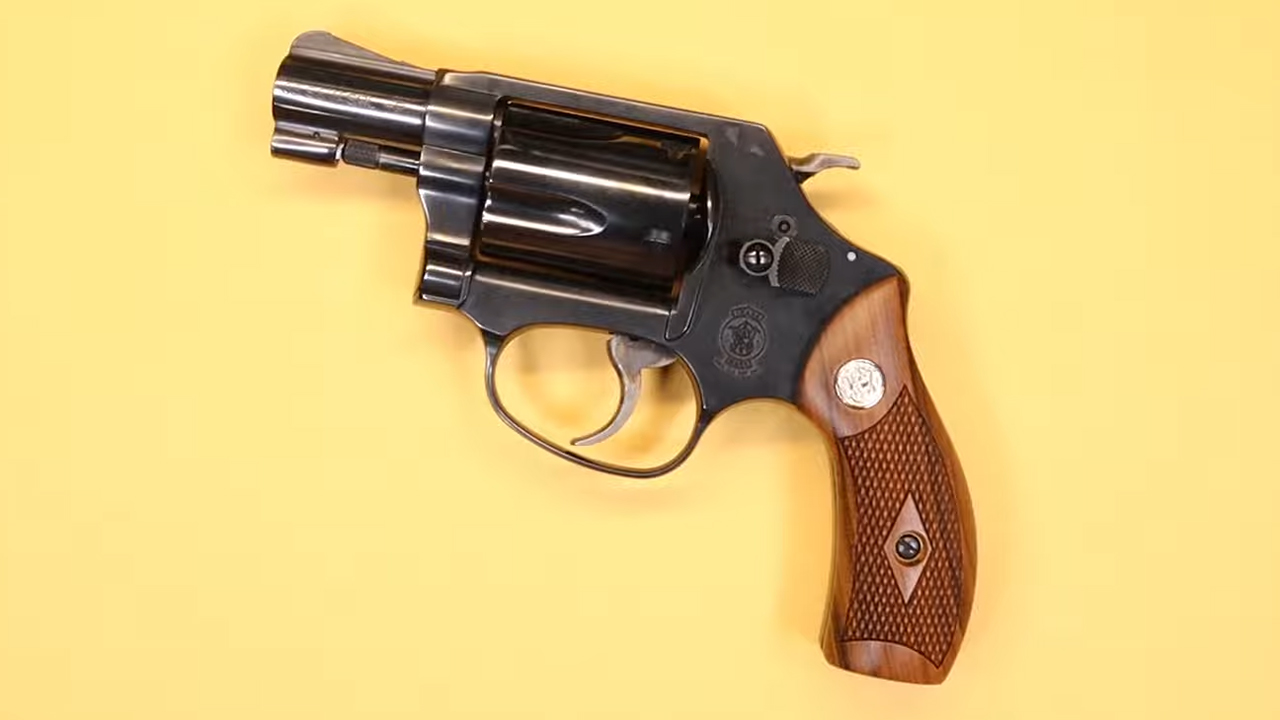
This is the snub-nose that taught generations what a “real” pocket revolver felt like. Simple, reliable, and it would take honest wear without falling apart. The Chiefs Special also made folks accept that a carry gun should be safe to carry with a long, deliberate trigger.
The downside is the same now as it was then: small revolvers take work to shoot well, especially at speed. Still, the Model 36 made the five-shot standard so common that even today’s tiny autos get judged against it.
3. Walther PPK
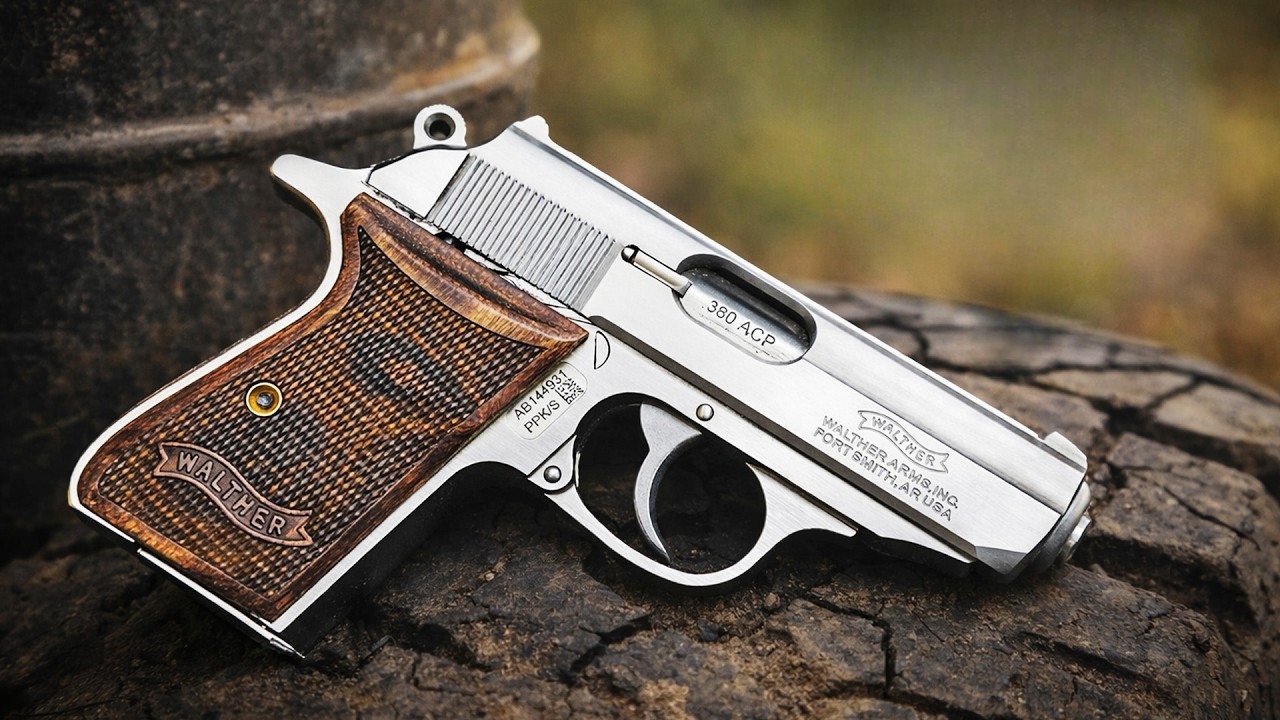
For better or worse, the PPK made people care about size and flatness in a serious way. It slid into places a lot of service pistols didn’t, and it did it with a real metal gun feel that made folks trust it. You could actually dress like a normal human and still carry a gun.
It also taught a hard lesson: carry guns don’t get a pass on ergonomics just because they look good. Slide bite is real. The sights are small. But it pushed concealed carry toward slimmer profiles and better holsters.
4. Browning Hi-Power
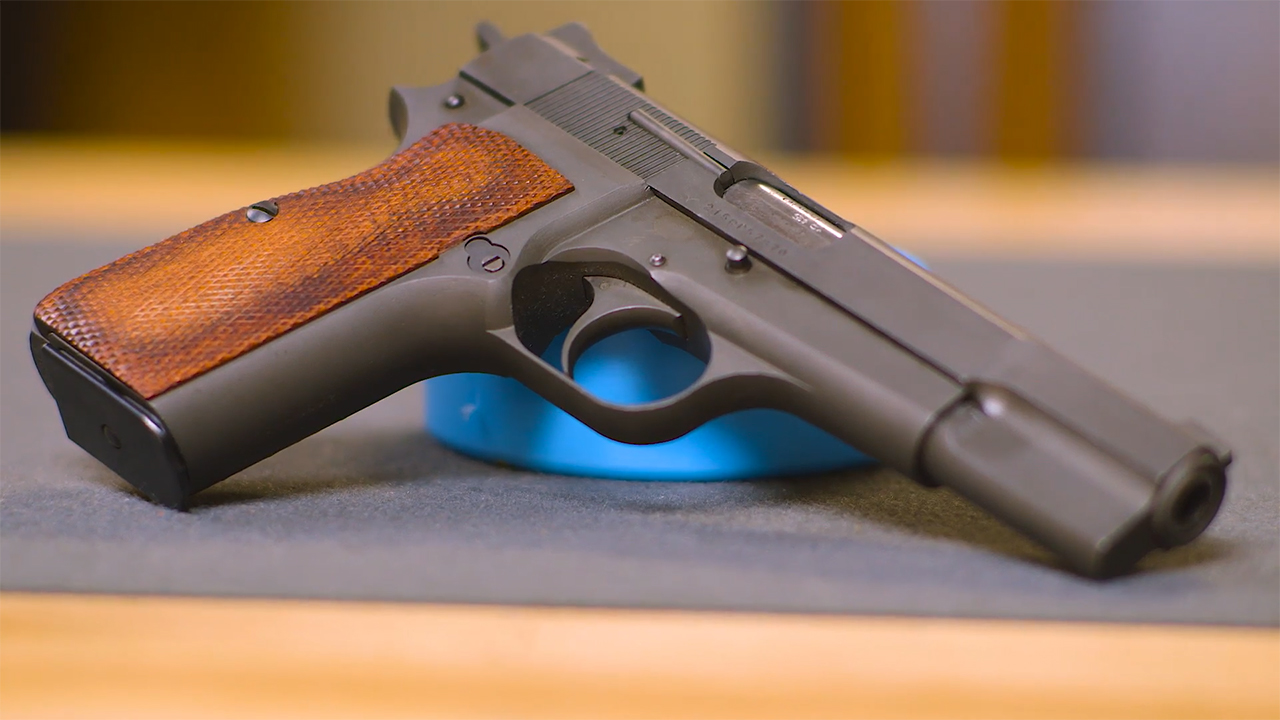
The Hi-Power made “serious” shooters look at a 9mm with respect. A 13-round magazine in a pistol that carried flatter than a lot of .45s was a big deal. It also feels good in the hand in a way that’s hard to explain until you’ve handled one.
It normalized the idea that a defensive pistol can be high-capacity without being a brick. Even if you don’t carry one now, the whole modern idea of a capable, slim fighting pistol owes it a nod.
5. Colt Government Model 1911
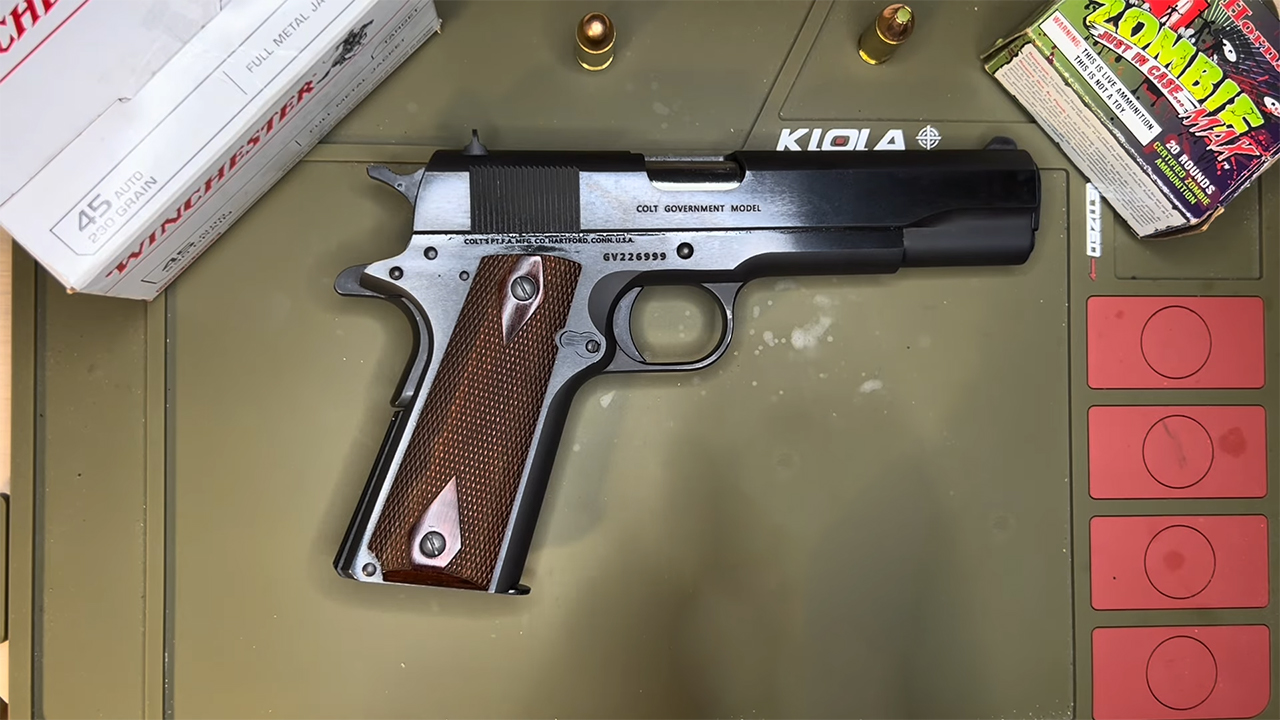
There’s a reason people keep circling back to the 1911. Thin slide, thin grip, points naturally, and that trigger can be a cheat code if you actually practice. For carry, it taught folks to demand a handgun that shoots like a “real gun,” not a last-ditch noise maker.
It also taught a different lesson: you can carry a bigger gun than you think if it’s shaped right. The tradeoffs are weight, maintenance, and the fact that not every 1911 is a good 1911. Ask me how I know.
6. Smith & Wesson Model 39
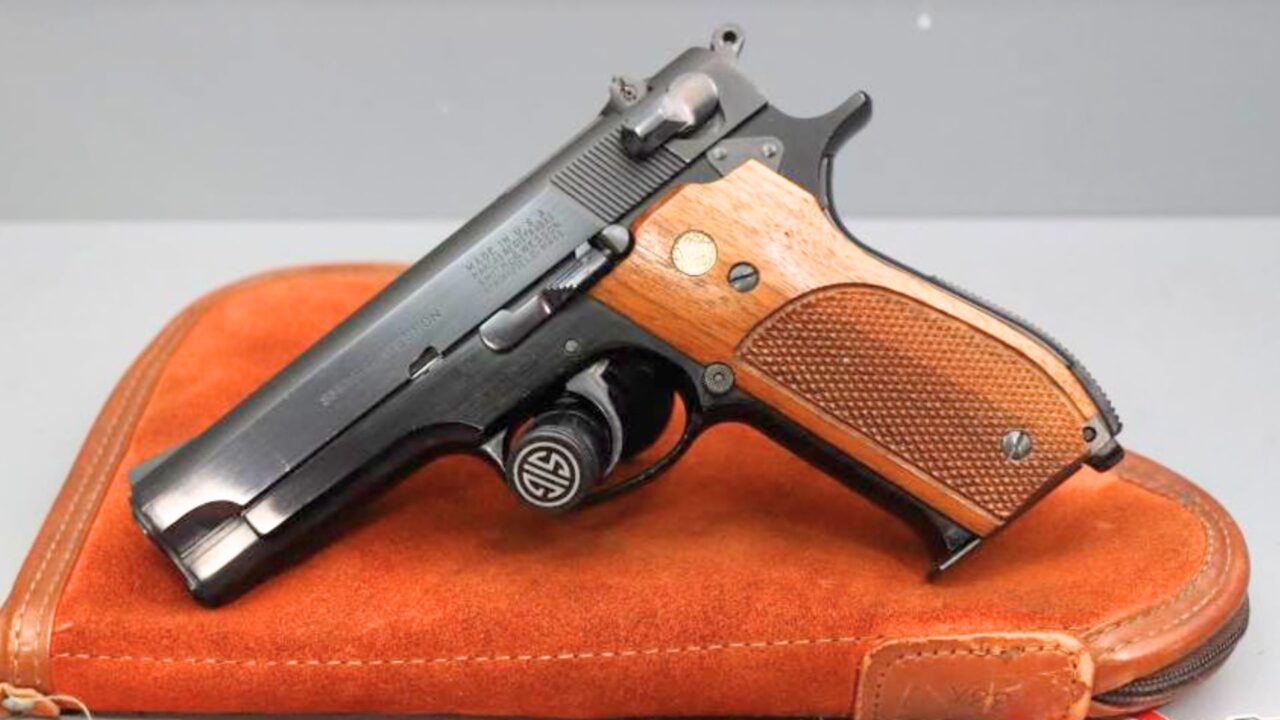
When people talk about “the first modern 9mm,” this one comes up for a reason. It pushed American shooters toward the idea of a lighter, flatter pistol with a decocker and a double-action first shot. It wasn’t perfect, but it was a step toward the carry guns we recognize today.
For concealed carry, it helped normalize the DA/SA manual of arms. It also made folks realize a 9mm didn’t have to be a cheap import or a backup gun.
7. Beretta 92FS
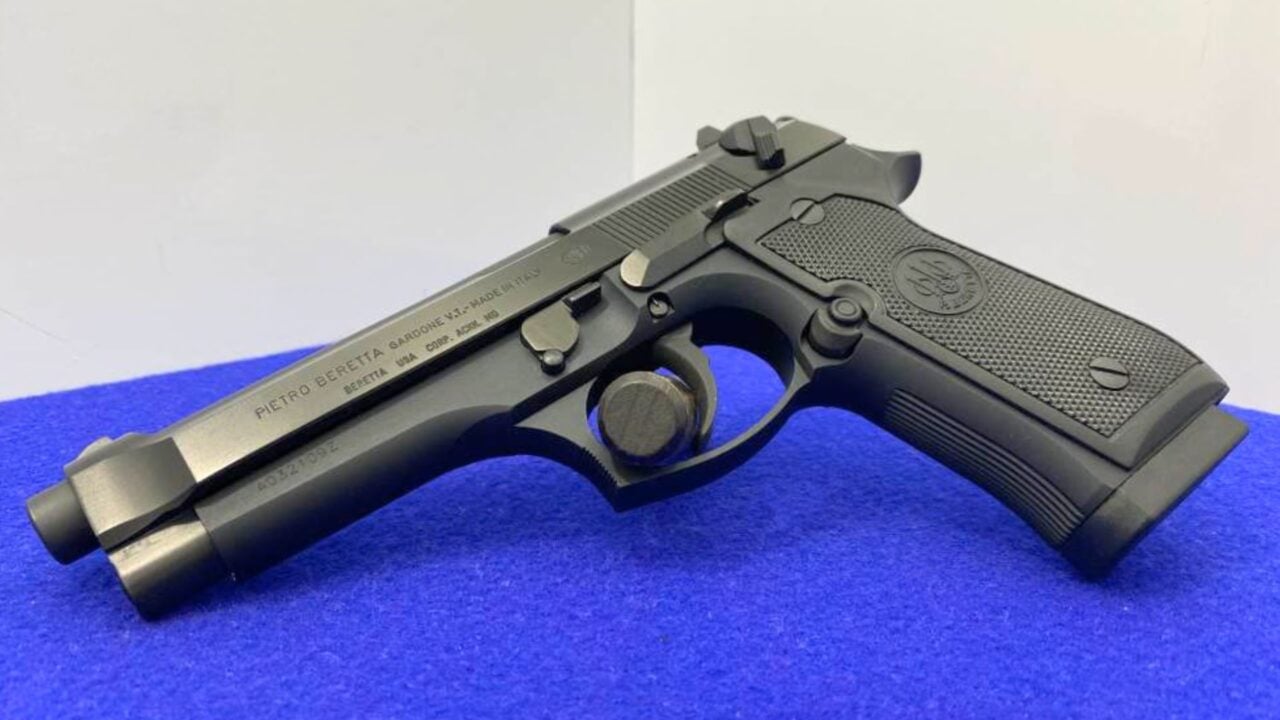
Yes, it’s big. No, it’s not a great concealment piece for most people. But it changed expectations about reliability and durability in a semi-auto handgun. The 92 has fed junk ammo, run dirty, and stayed predictable for decades.
It also raised the bar on what shooters were willing to tolerate from a trigger and sights on a “duty-type” pistol. Even if you never carry one, it influenced what people expected from the pistols that would come after it.
8. SIG Sauer P226

The P226 showed a lot of shooters what a refined fighting pistol felt like. Smooth cycling, solid lockup, good accuracy, and a reputation for running when other guns got finicky. It also made people accept that quality costs money.
For carry, it’s more of a belt gun than a hideout gun, but it changed the conversation. Once you’ve shot a good P226, it gets harder to excuse a sloppy trigger or sketchy reliability in a pistol you’re betting your life on.
9. Glock 17
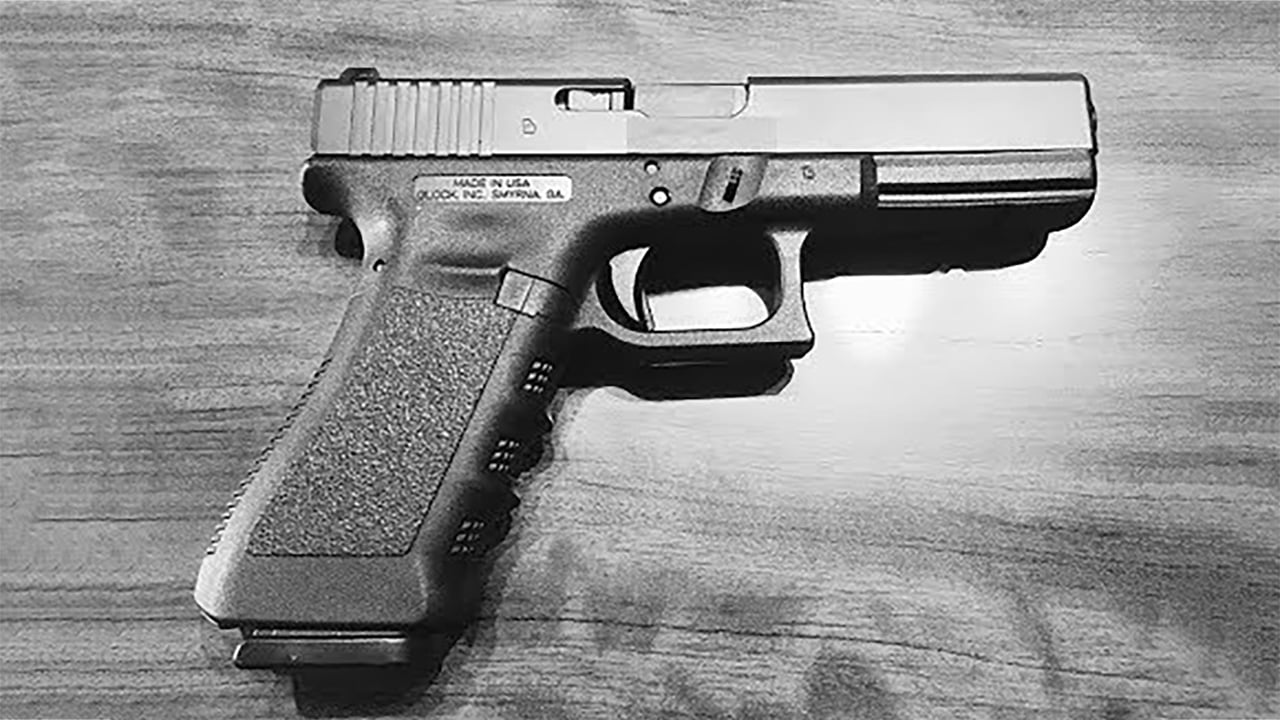
This is where “boring” became a compliment. The Glock 17 didn’t win hearts with polish or tradition. It won them by working. Consistent trigger, simple manual of arms, easy maintenance, and parts everywhere.
It also rewired expectations for what a polymer pistol could be. After the Glock 17, shooters started demanding reliability and consistency more than they demanded bluing and wood.
10. Glock 19
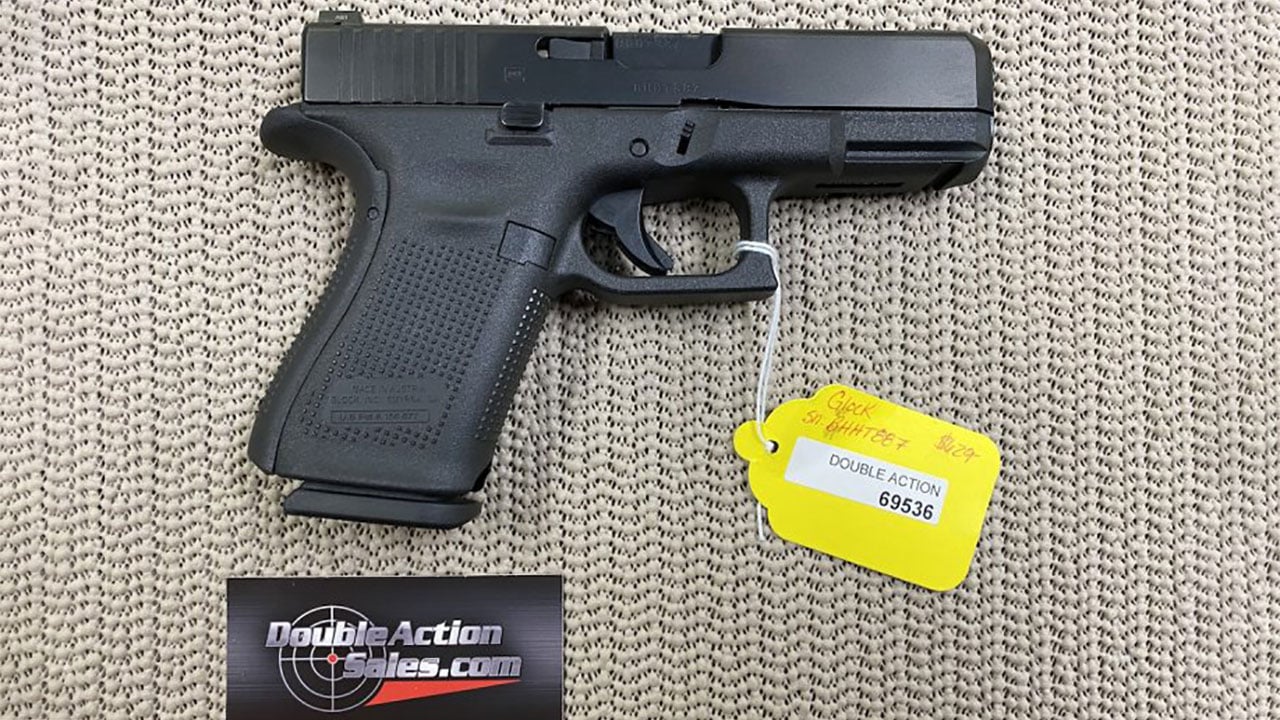
If you want one pistol that defined the do-it-all carry category, this is it. Big enough to shoot well, small enough to conceal for a lot of builds, and it eats the same magazines and parts ecosystem as its bigger brothers. It made “one gun that does most things” a real option.
It also put pressure on everybody else. Once shooters realized a compact could run like a duty gun, they stopped accepting finicky compacts that only behaved with one brand of ammo.
11. Ruger LCP

There are pocket pistols before the LCP, and then there’s the world after it. Tiny, light, and actually affordable. It got a lot of people carrying who never would’ve strapped on a bigger gun every day.
It’s not a range toy and it’s not fun, but it forced the industry to admit that deep concealment matters. It also made shooters start demanding that even the “always gun” should be reliable and easy enough to maintain.
12. Smith & Wesson M&P Shield (9mm)
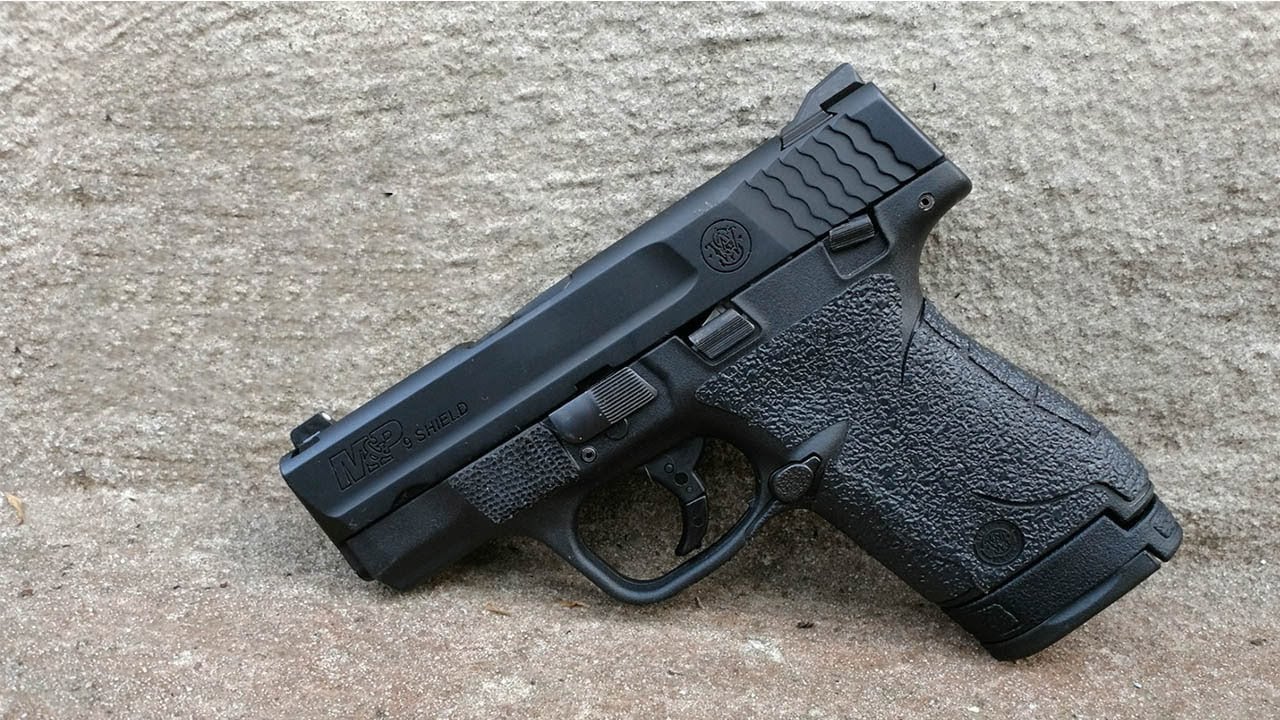
The original Shield was a turning point: slim enough to carry like a single-stack, but shootable enough that you didn’t dread practice. The trigger wasn’t match-grade, but it was workable, and the whole gun carried flatter than a lot of double-stacks.
More than anything, it reset what people expected from a thin carry gun. Real sights, real reliability, and real shootability without needing a brick of a pistol on your belt.
13. Glock 43
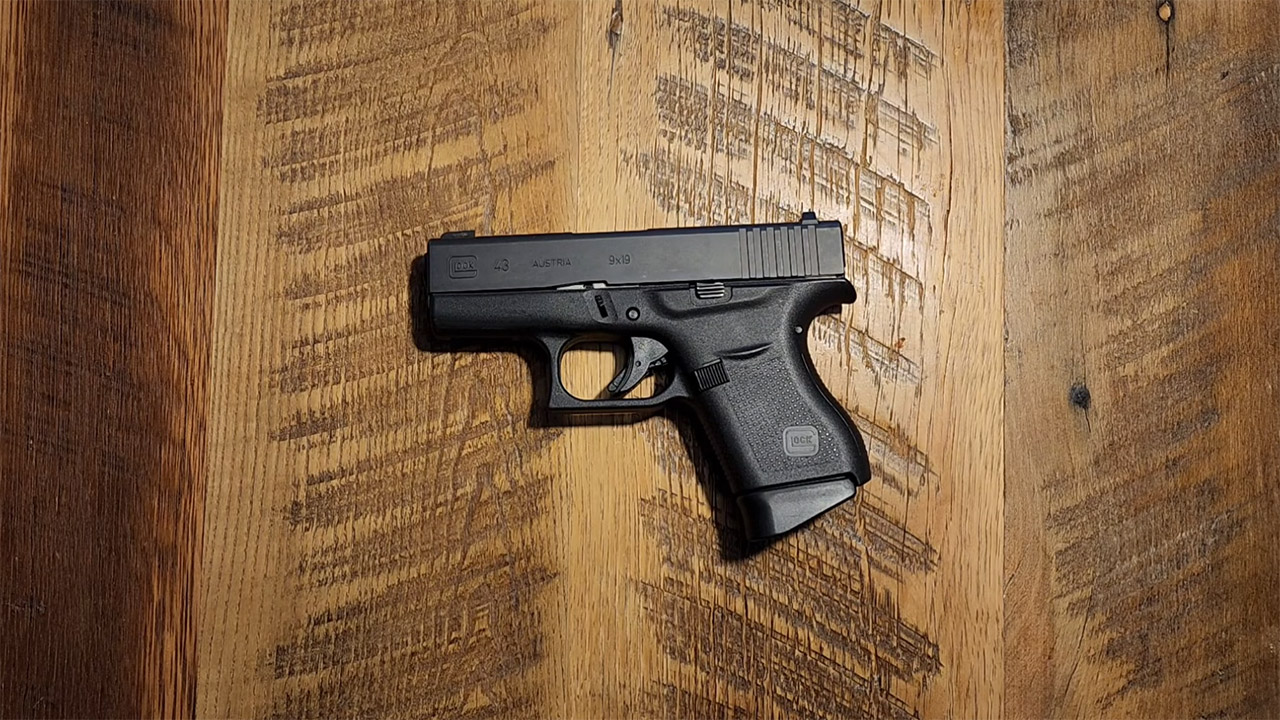
When Glock finally went truly slim, the market reacted like it had been holding its breath. The G43 wasn’t high-capacity, and it was snappy for some folks, but it carried like a dream compared to chunky compacts. A lot of “I guess I’ll carry a .380” guys went back to 9mm.
It also forced competing makers to clean up their act. If your single-stack 9mm was unreliable or had bad sights, it looked even worse sitting next to a Glock that just ran.
14. SIG Sauer P365

This is the one that made the phrase “micro-compact” mean something real. Ten rounds in a gun that small changed expectations overnight. And when it’s right, it shoots way bigger than it looks.
The P365 also made serious shooters stop accepting low capacity as the price of concealment. After this gun, the question became: why am I carrying six or seven rounds again?
15. Springfield Armory Hellcat

The Hellcat didn’t just answer the P365, it escalated the whole category. Good capacity, aggressive texture, and models that came optics-ready without needing a custom shop. That matters because carry guns get carried, banged around, and sweat on.
It also pushed the idea that a small gun should have real features. Not “cute” sights. Not a mushy trigger you apologize for. A serious tool, shrunk down.
16. Glock 43X

The 43X hit a sweet spot a lot of folks didn’t know they needed. Slim grip, better control than the G43, and a sight radius that makes practice less miserable. It’s one of those guns that turns into a daily habit fast.
What it changed was comfort expectations. Shooters started asking for slim guns that don’t feel like holding a two-by-four, and they started demanding a carry gun they could shoot for a full session without hating life.
17. SIG Sauer P320 Compact

The P320 platform made modularity more than a gimmick. Being able to change grip modules and sizes without buying a whole new serialized gun changed how a lot of shooters approached “one carry gun.” It also brought a better out-of-the-box trigger feel than many striker guns at the time.
It’s not the smallest option, but it influenced what buyers expect: adaptability, easy support, and a big aftermarket. If a carry gun is hard to set up with lights, holsters, and sights, folks move on now.
18. Heckler & Koch VP9

The VP9 made a lot of shooters realize striker-fired doesn’t have to mean “meh.” Ergonomics are excellent, the gun points naturally, and the trigger is usually better than you’d guess. It’s one of those pistols that makes you shoot better than you deserve on day one.
For carry, it’s closer to a compact duty gun than a micro, but it raised standards. When you know a striker gun can feel that good, it’s hard to tolerate sharp edges, bad textures, and junk triggers on “value” pistols.
19. Smith & Wesson J-Frame 642 Airweight
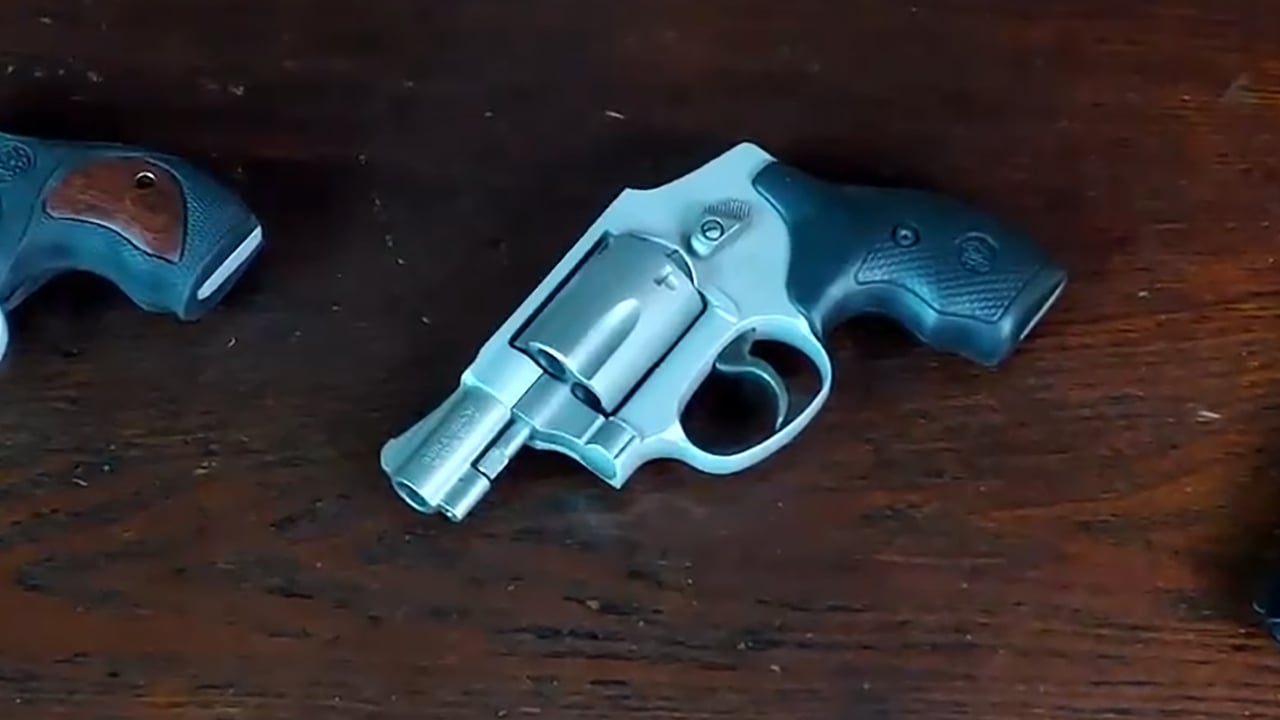
This is the revolver that made pocket carry normal for a lot of working folks. Lightweight, snag-free, and simple. It’s also the gun that taught people the difference between “easy to carry” and “easy to shoot.” The recoil is honest.
But it changed what shooters would accept because it proved a carry gun can be carried in real life, not just talked about online. It’s still a legitimate answer when you need something that’s there no matter what you’re wearing.
20. Ruger LCR (in .38 Special)
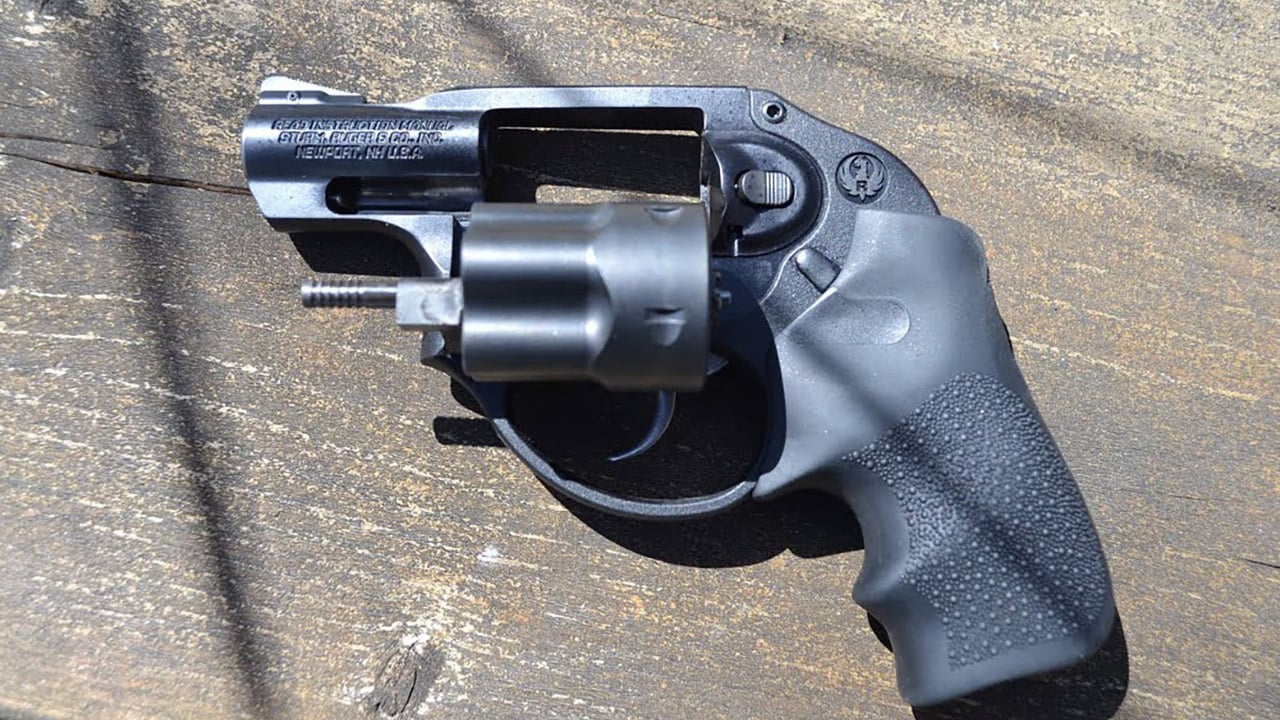
The LCR brought modern design to the snub revolver in a way that mattered: better trigger feel than most folks expect, good practical accuracy, and less of that old-school “fight the gun” sensation. It’s a revolver that feels like it was built for people who actually shoot.
It also reminded everyone that revolvers still have a place when you want simple and dependable with minimal fuss. Not trendy. Just useful. There is nothing fancy about it, and that is kind of the point.
Every one of these pistols shifted the line a little. Better triggers. Better sights. More capacity in less space. More reliability without babying the gun. The best part is this: once shooters learn what “good” feels like in a carry gun, they stop making excuses for the stuff that doesn’t measure up.
Like The Avid Outdoorsman’s content? Subscribe to our newsletter so you never miss an article.
Here’s more from us: