Photo credit: Hegshot87/YouTube
Gun owners can be fiercely loyal to a pistol once they have money, magazines, holsters, and thousands of rounds invested in it. That loyalty sometimes makes legitimate flaws surprisingly difficult to discuss.
A pistol does not have to be terrible to have real problems. Some guns are reliable but awkward. Others are accurate but expensive to maintain, picky about ammunition, poorly supported, or saddled with controls that never made much sense. These 20 pistols all have defenders, and several are genuinely good in the right hands. That does not mean the weaknesses disappear just because owners have learned to live with them.
Kimber Solo Carry
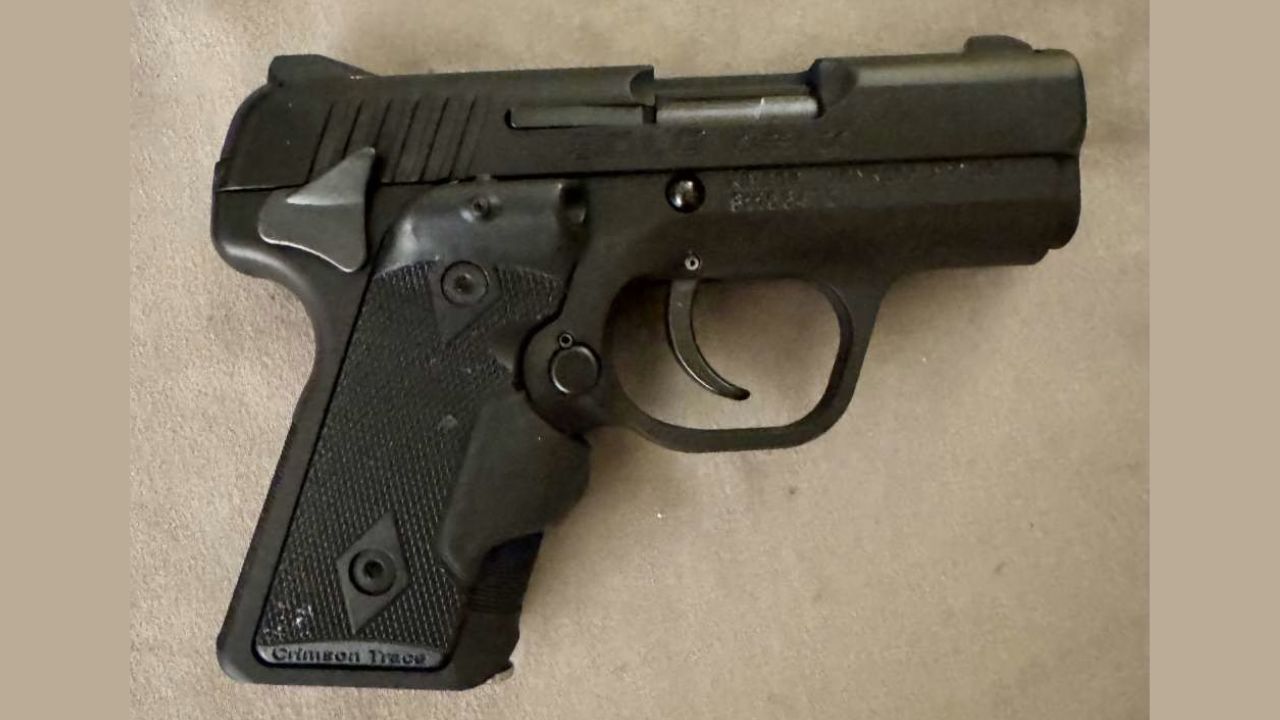
The Solo Carry looked like exactly what concealed-carry buyers wanted when it appeared: a tiny 9mm with an attractive metal frame and much more style than the average pocket pistol.
The problem was that it developed a reputation for being unusually sensitive to ammunition and maintenance. Kimber recommended specific premium loads, which already told buyers this was not a pistol meant to digest whatever happened to be available. A defensive handgun that needs a narrow diet is always going to create hesitation. Some owners had excellent examples, but others spent too much time experimenting with ammunition to make the platform easy to defend.
Remington RP9
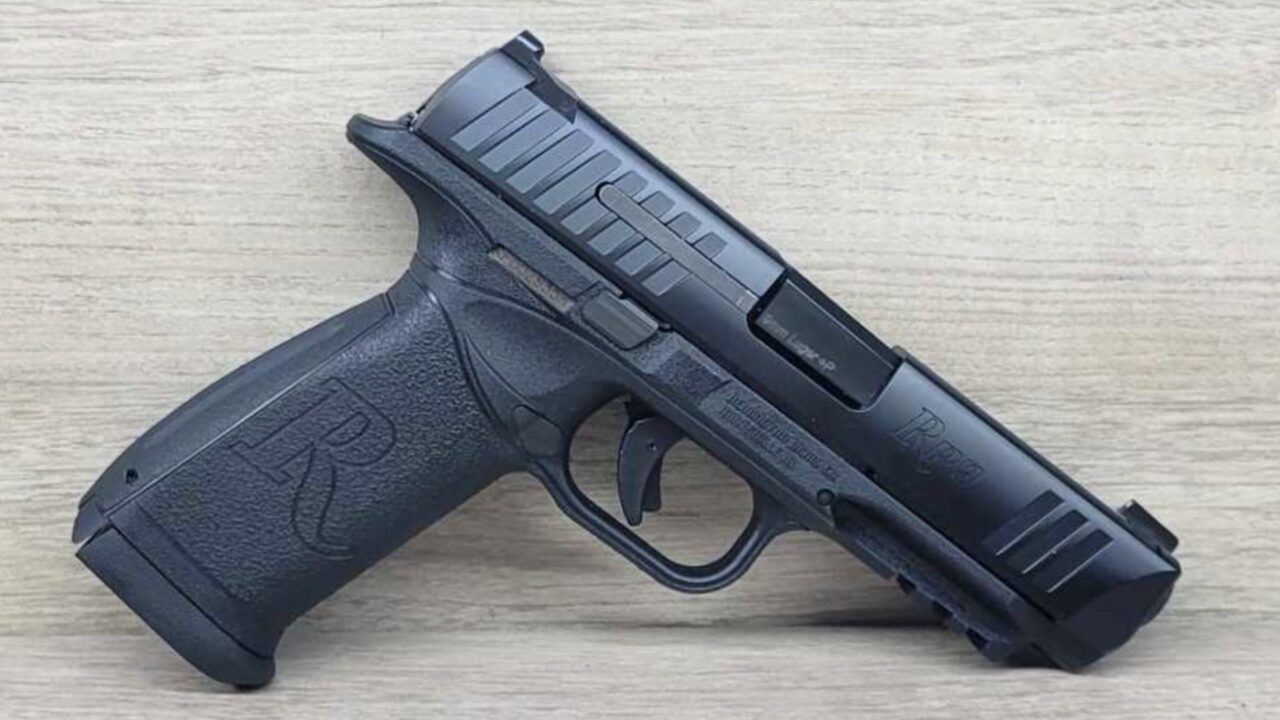
The RP9 was Remington’s attempt to enter the full-size striker-fired service-pistol market.
It offered plenty of capacity and a low price, but the gun never felt as refined as the established competition. The grip was large, the trigger was merely adequate, and aftermarket support never developed enough to give buyers much reason to stick with it. Owners who got reliable examples can reasonably defend them as inexpensive shooters, but the RP9 arrived in a category where “good enough” was never going to be enough.
Caracal F Early Production

The original Caracal F had excellent ergonomics and one of the lowest-feeling bore axes in the striker-fired market.
Early production was also overshadowed by a major recall involving potential safety concerns. Caracal eventually redesigned and relaunched the platform, but that history followed the name. Later guns deserve to be judged separately, yet owners of the early pistols had a very real issue to contend with. A good shooting experience does not erase the significance of a recall on a defensive handgun.
Walther CCP First Generation

The CCP had a clever idea behind it. Its gas-delayed system was intended to reduce recoil and make the slide easier to operate.
The first-generation gun also earned criticism for a complicated takedown procedure and enough early teething issues that Walther eventually revised the platform substantially. Heat buildup around the gas system could also become noticeable during longer range sessions. Some shooters loved the ergonomics, but the original CCP proved that an interesting mechanical solution can create new annoyances at the same time.
Beretta APX Carry
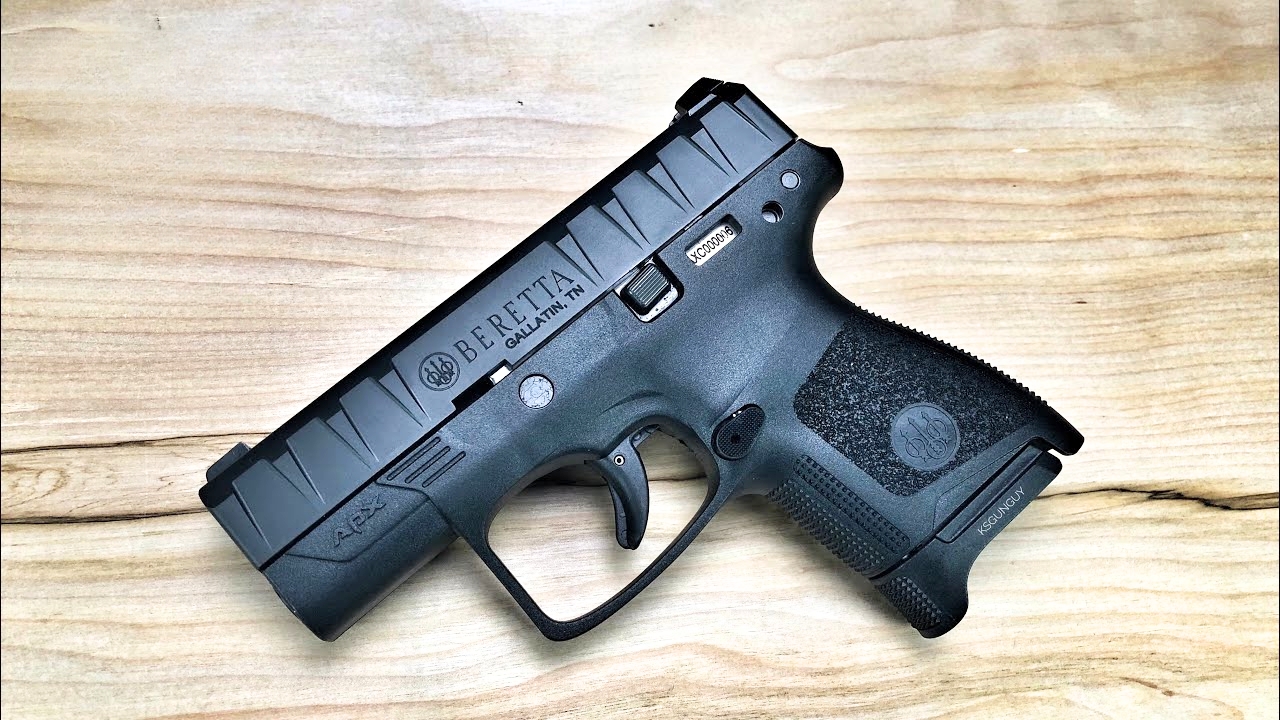
The APX Carry benefited from the Beretta name and an extremely slim profile.
The trigger was the biggest complaint. It was long, heavy, and far less refined than what buyers had come to expect from modern striker-fired carry pistols. Capacity also lagged behind newer micro-compacts that quickly took over the category. The gun could function perfectly well and still leave owners wondering why they were accepting a difficult trigger and lower capacity when better-rounded options existed.
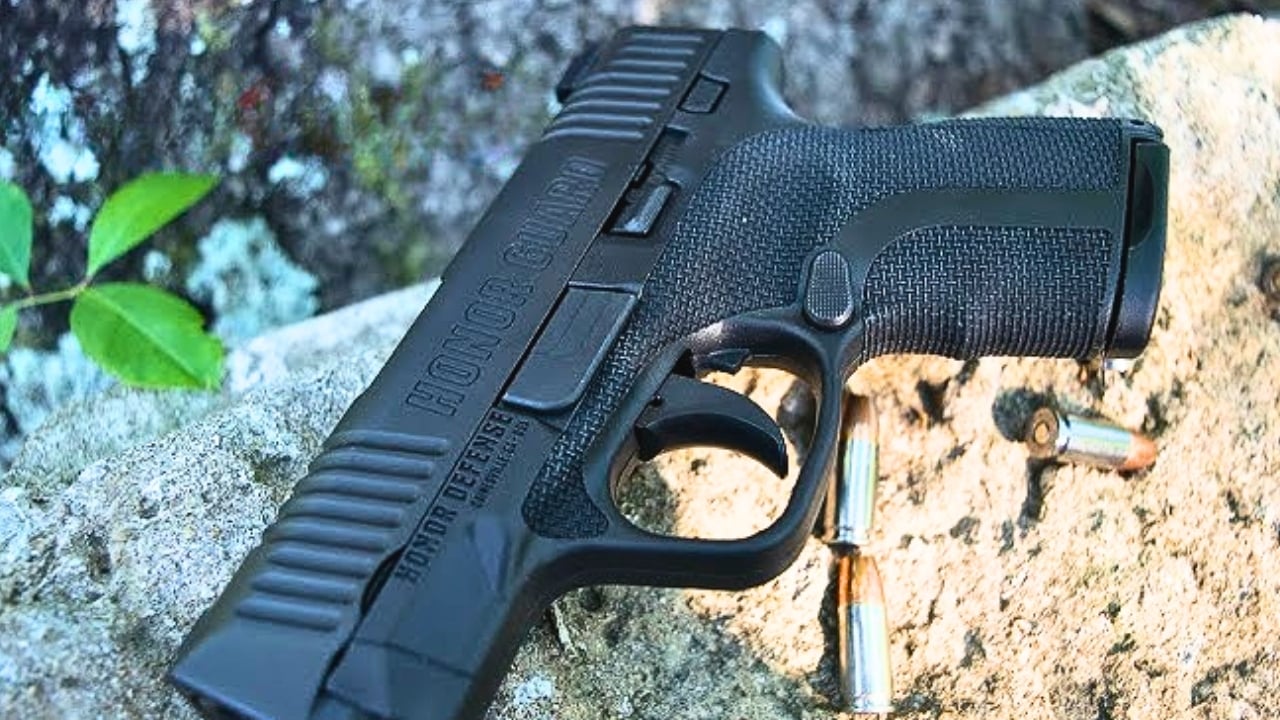
Honor Guard 9mm
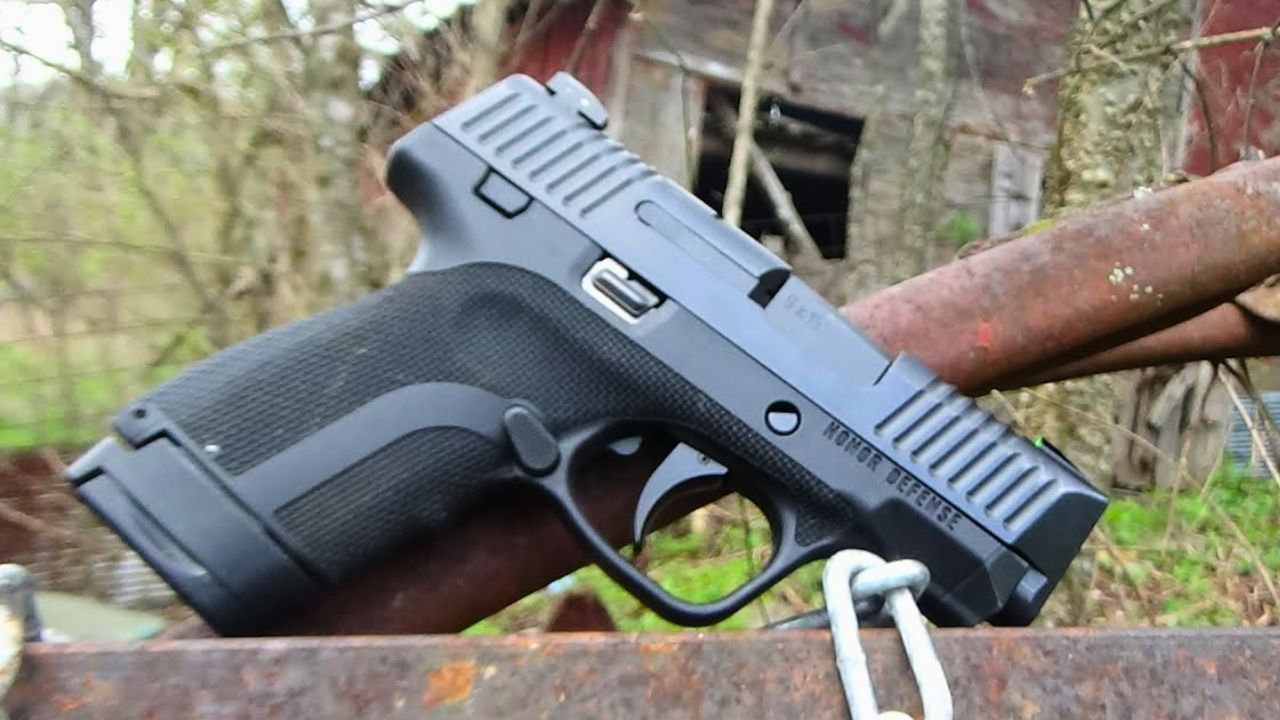
The Honor Guard arrived with an American-made pitch, modular chassis, and a lot of features that looked competitive for the time.
Then the platform became associated with serious drop-safety concerns during independent testing, and the company never recovered its momentum. Even leaving that controversy aside, the handgun lacked the aftermarket, parts supply, and institutional track record of established competitors. Owners may have had reliable guns, but the broader platform had problems that were impossible to ignore.
Taurus PT111 Millennium G2
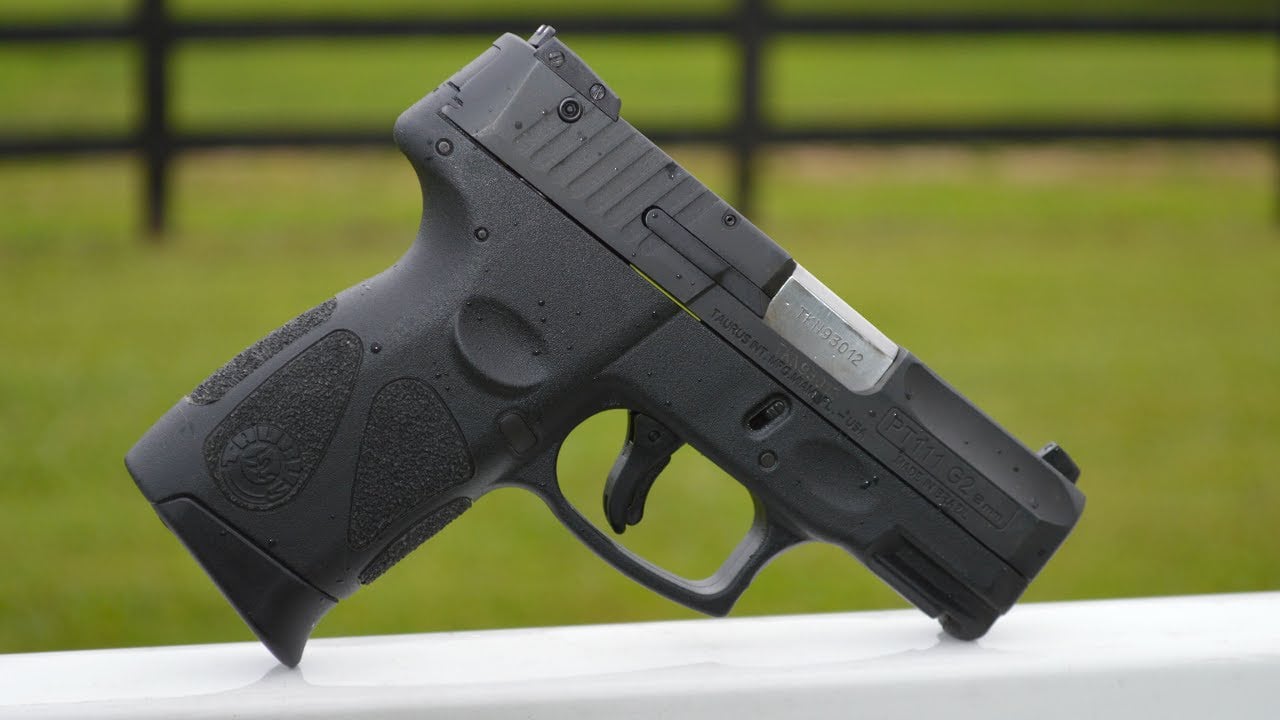
The Millennium G2 earned an enormous following because it delivered a compact 9mm at a price almost anyone could manage.
That value made owners willing to forgive rougher finishing, a long trigger system, and Taurus’s uneven history with earlier Millennium-series pistols. The later G2 pistols were generally much better regarded than their predecessors, but buyers still had to accept limited refinement and a weaker support ecosystem than the major duty-pistol brands. It was cheap and useful. That did not make every compromise disappear.
KelTec P11
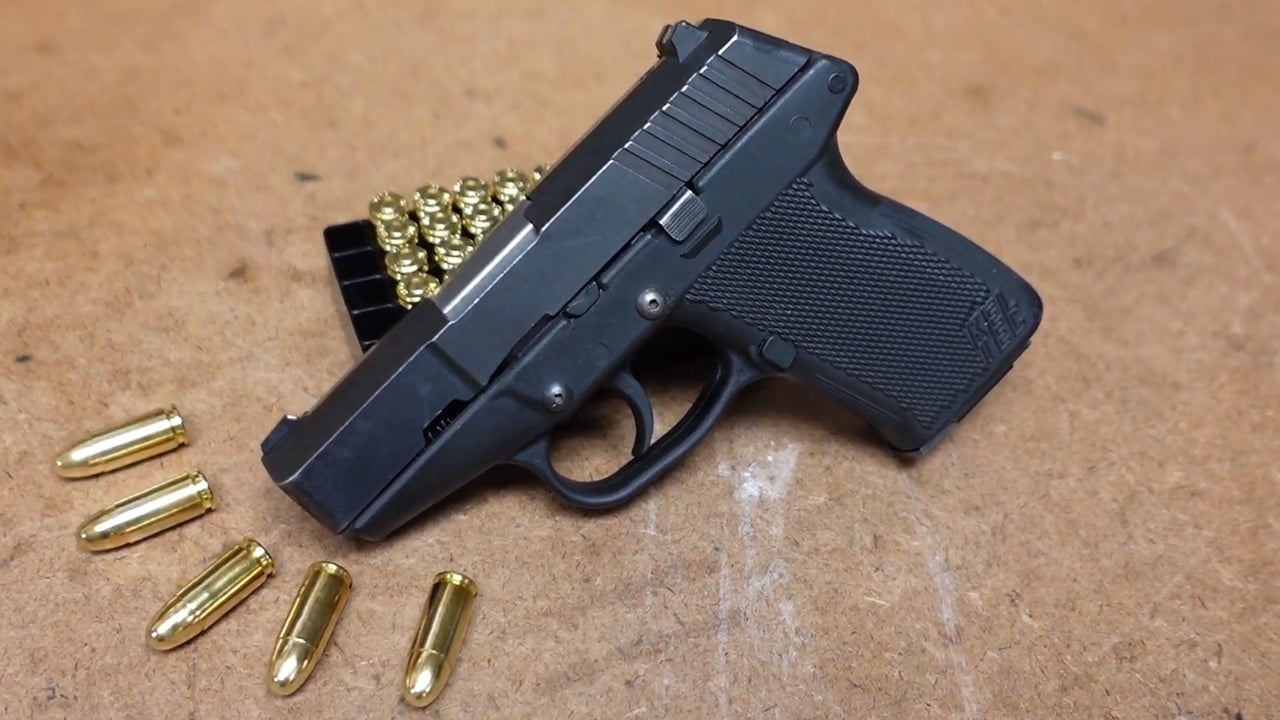
The P11 deserves credit for being a high-capacity compact 9mm before that combination became common.
Actually shooting one can make the age of the design obvious. The double-action-only trigger is long and heavy, the grip is blocky, and recoil can feel sharp in such a light pistol. Plenty of owners defend it because the gun is compact, inexpensive, and mechanically straightforward. Those are real strengths. So is the fact that many newer pistols are significantly easier to shoot well.
Diamondback DB9

The DB9 is impressively small for a 9mm, and that tiny footprint is why owners put up with a lot.
Recoil is harsh, the grip gives you very little leverage, and early versions developed a mixed reputation for reliability. Small pistols are demanding by nature, but the DB9 pushes close to the limit of how little gun most shooters want around a full-power defensive cartridge. Someone who has a good example may love the concealability. That does not make it pleasant or forgiving.
Kahr PM40

The PM40 takes Kahr’s already-small carry platform and chambers it in .40 S&W.
That produces a pistol with legitimate concealability and a very smooth trigger, but recoil can be brutal for the size. Kahr pistols also use a long trigger stroke that requires deliberate technique, and the company historically emphasized a break-in period for some models. Owners who like the system often become extremely loyal. For everyone else, the combination of recoil, price, and limited capacity can be difficult to justify.
AMT Backup .45
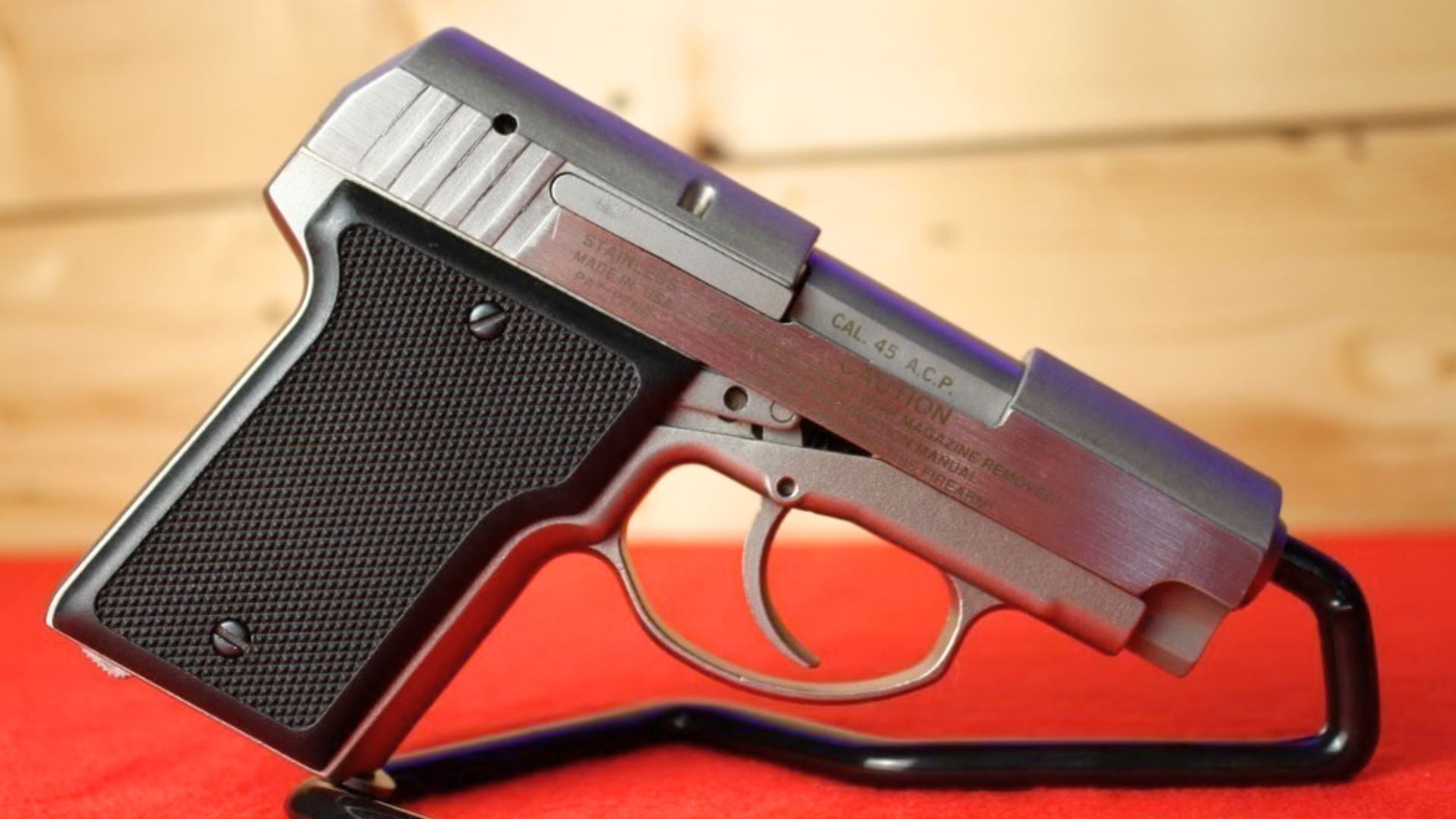
The Backup .45 looks like a brilliantly compact way to carry a serious cartridge.
Then you pull the trigger. The heavy double-action-only trigger and substantial recoil make the gun considerably harder to shoot than its all-stainless construction suggests. AMT’s quality control also varied over the years, so reliability could depend heavily on the individual pistol. It has undeniable collector appeal now, but as a practical defensive handgun, the compromises were always significant.
Colt Double Eagle
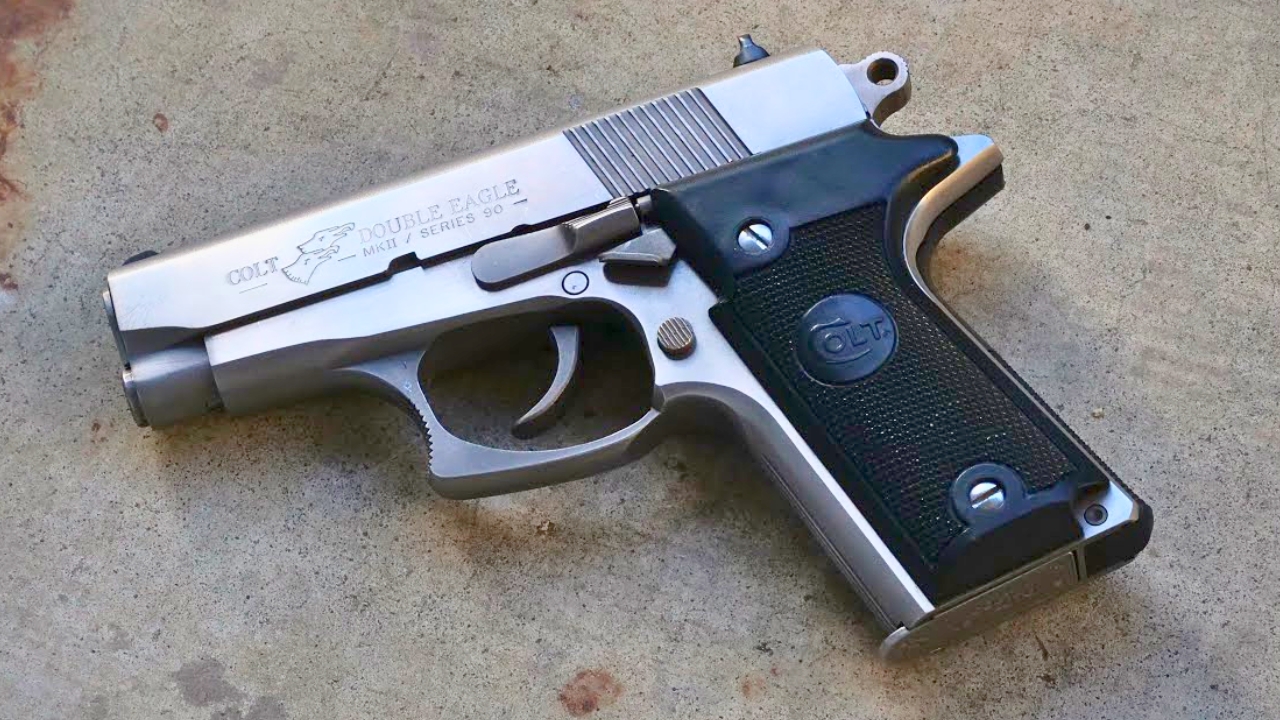
The Double Eagle tried to give Colt buyers a double-action .45 built around familiar 1911 styling.
What they got was a mechanically more complicated handgun with controls and internals that never achieved the elegance of the pistol it was borrowing from. The trigger system could feel less refined, and parts availability became increasingly problematic after production ended. Some owners appreciate it precisely because it is unusual. That does not make it one of Colt’s better solutions.
Para-Ordnance LDA
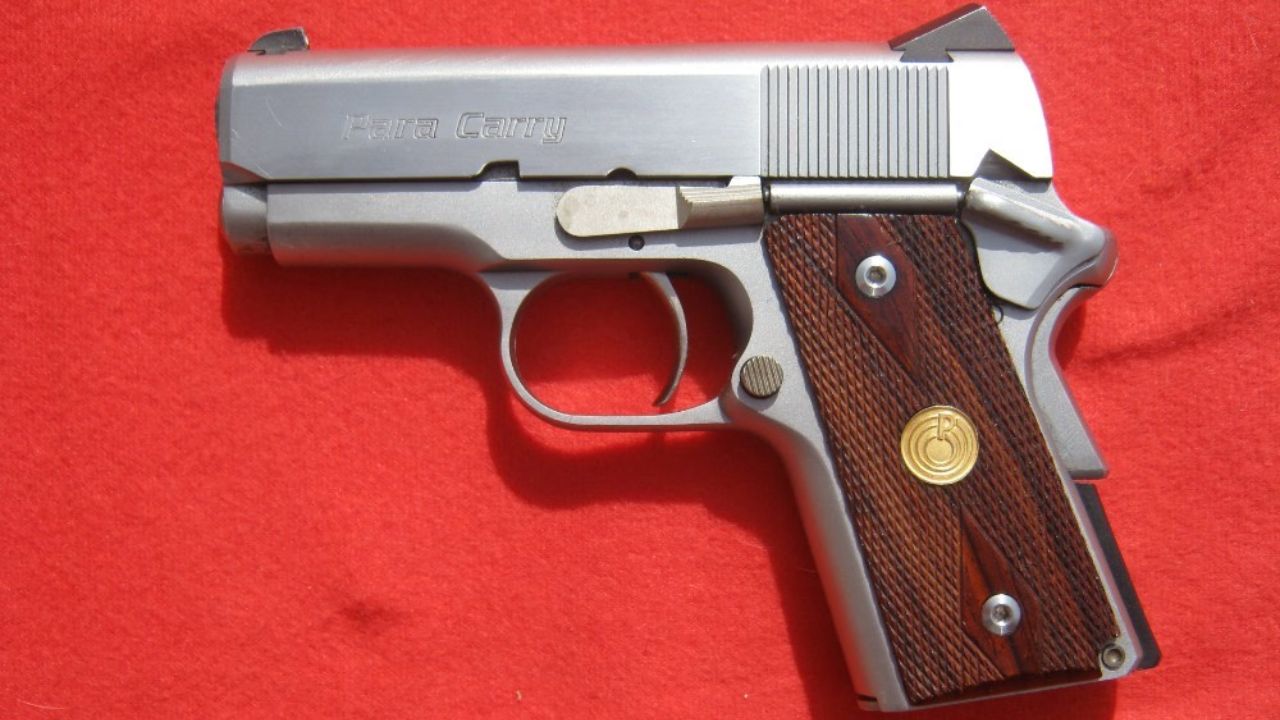
The LDA trigger system was genuinely clever. It gave shooters a light double-action-style pull while retaining much of the 1911 format.
The complexity was the price. More specialized internal parts meant more things that could be difficult to source or service once Para-Ordnance disappeared. The system also never developed the universal familiarity of a traditional single-action 1911. A good LDA can shoot wonderfully, but long-term ownership is much easier when the gun is not dependent on discontinued proprietary pieces.
Browning BDM

The BDM was thin, high-capacity, and impressively compact for a metal-framed service pistol.
Its unusual operating and selector system was also unnecessarily confusing. The pistol could be configured around two different trigger modes, which sounded versatile but created a manual of arms almost nobody else used. That makes training and familiarity harder than they need to be. The BDM remains an interesting design, but cleverness did not automatically translate into practical superiority.
Steyr GB
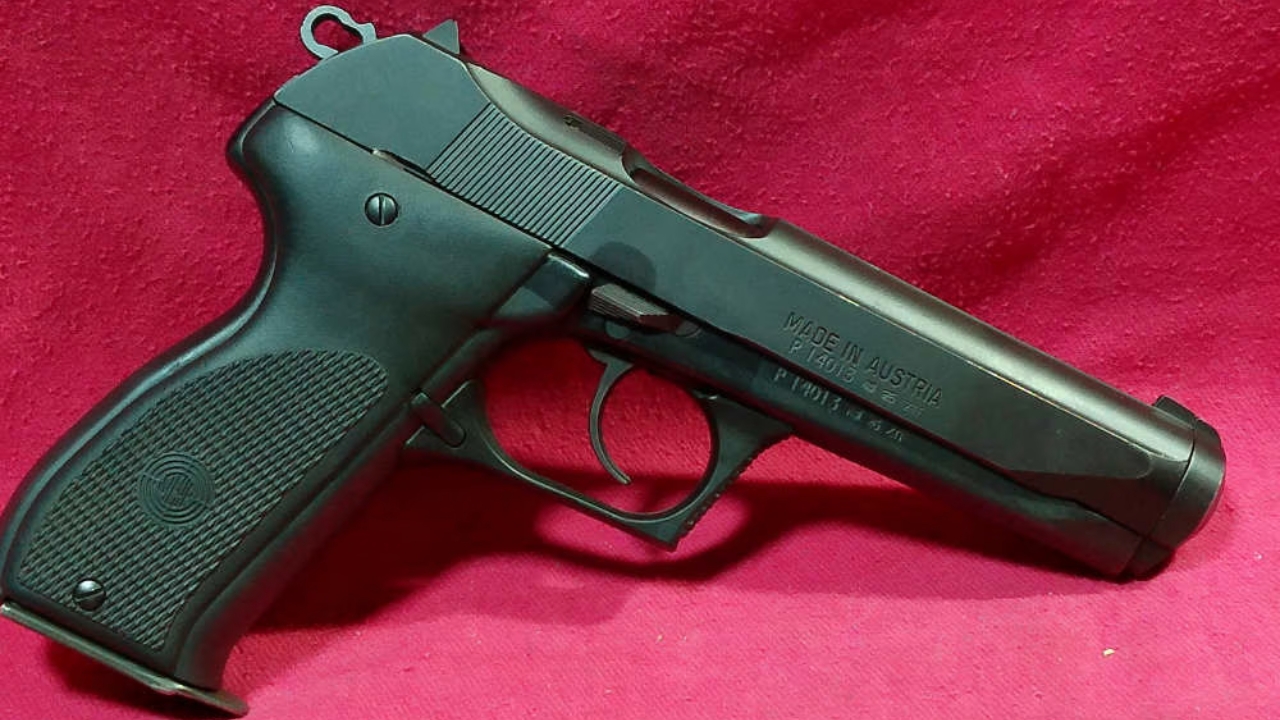
The GB was technologically ambitious, using a gas-delayed system and offering unusually high capacity for its era.
It was also enormous. The grip is large, the slide is bulky, and the pistol arrived in a market where competitors offered easier handling and stronger institutional support. Its gas system could also get dirty enough to demand attention. Collectors rightly appreciate the engineering today, but defending it as the perfect service pistol requires overlooking why it never conquered that market.
HK VP70Z

The VP70 was astonishingly forward-thinking in some areas. It used a polymer frame years before polymer pistols became normal.
The trigger, however, is notoriously heavy. That single characteristic makes accurate shooting far harder than the futuristic construction suggests. The civilian VP70Z also loses the most interesting capability associated with the original military concept, leaving owners with a large, heavy-triggered semiautomatic that is historically important but difficult to love purely as a shooter.
Grendel P10
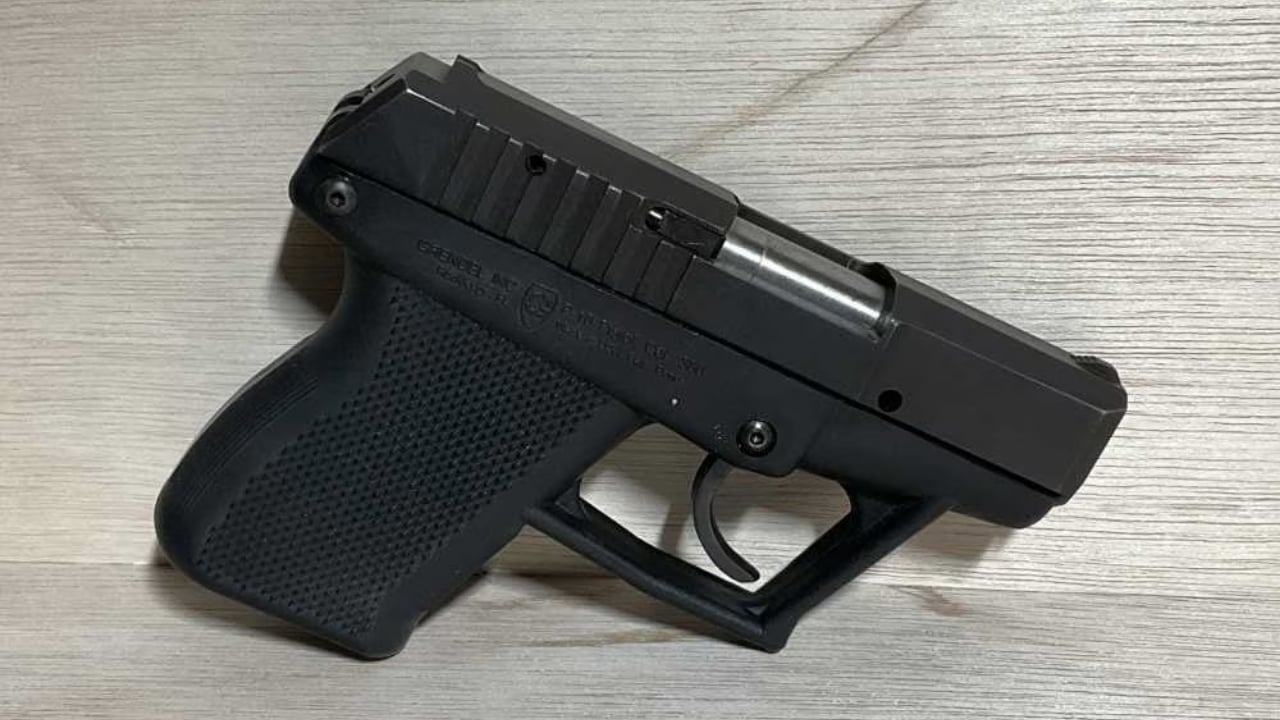
The P10 was tiny, lightweight, and chambered in .380 ACP at a time when pocket pistols were much more limited than they are now.
Its fixed internal magazine was the problem. Loading required opening the action and feeding cartridges directly rather than simply inserting another magazine. That made reloads painfully slow and turned a defensive handgun into something closer to a specialized emergency pistol. Owners can defend the size all day. The loading system remains a genuine drawback.
S&W Sigma SW9F
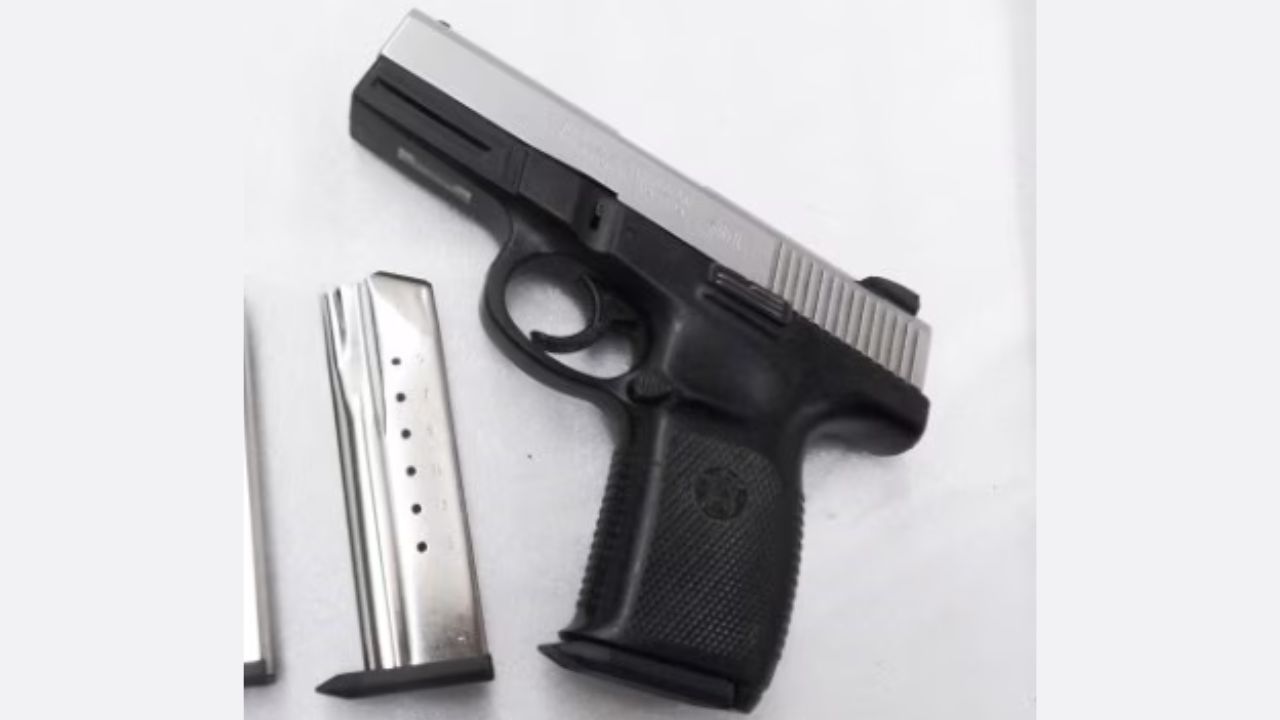
The Sigma deserves some credit for helping Smith & Wesson move aggressively into the polymer striker-fired market.
The original trigger became the part almost everyone remembers. It was heavy enough that accurate shooting required more effort than competing pistols demanded. Later Sigma and SD-family guns improved substantially, but the early SW9F never escaped that reputation. Owners who trained around the trigger could shoot it well. They simply had to work harder than they should have.
Intratec Protec-25
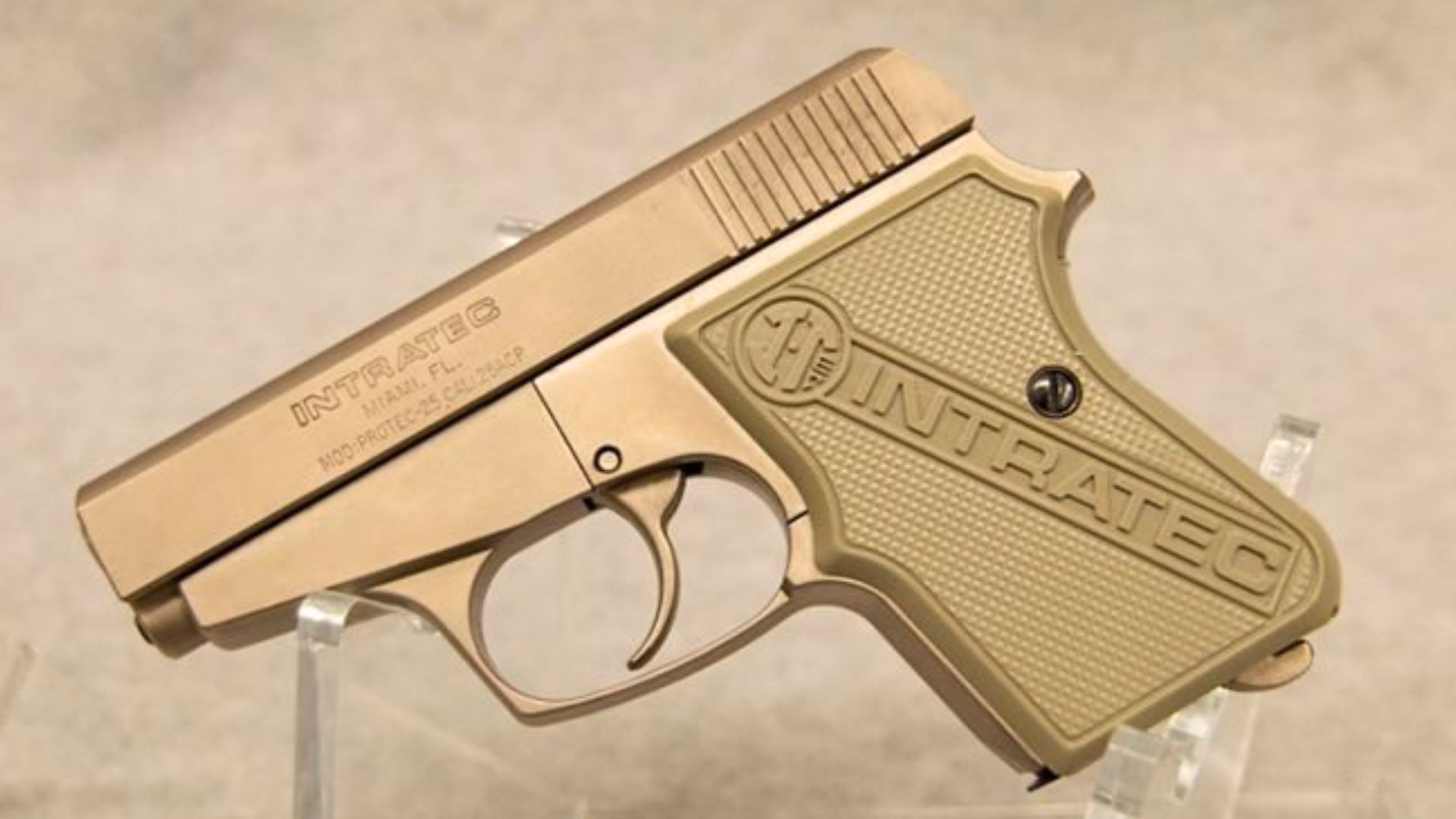
The Protec-25 was built around extreme affordability and compact dimensions.
That low price came with crude construction, limited sights, and an overall level of refinement that left little margin for serious use. It could serve as a tiny last-resort pistol, but reliability and shootability were not strong enough to justify romanticizing it. Some inexpensive pistols become cult favorites because they are unusual. That does not rewrite what they were originally.
Wilkinson Sherry
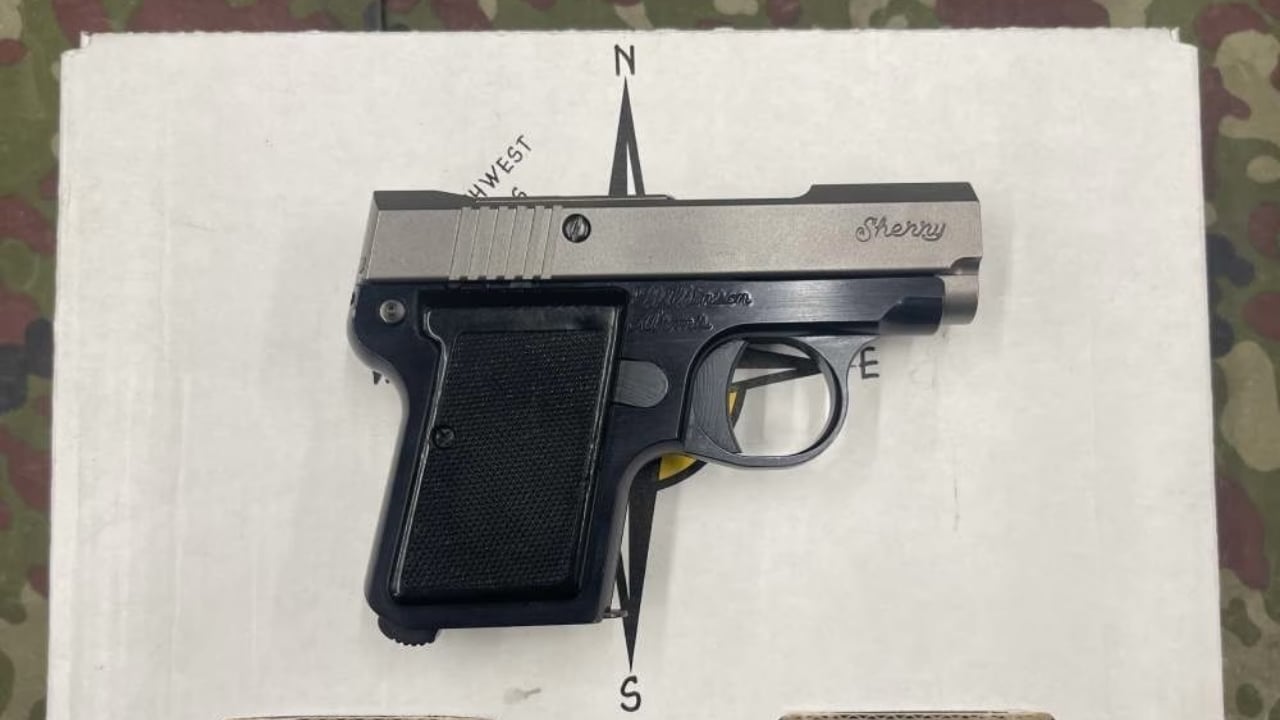
The Wilkinson Sherry is one of those forgotten compact pistols that develops defenders because very few people have actually handled one.
It is mechanically interesting and unusually compact for its period, but limited production means magazines, spare parts, and knowledgeable gunsmith support can be difficult to find. That alone is a real ownership problem. A pistol can function beautifully today and still be a poor long-term defensive platform if one broken proprietary part turns it into a paperweight.
Like The Avid Outdoorsman’s content? Subscribe to our newsletter so you never miss an article.
Here’s more from us: