Photo credit: Weatherby
Every hunter knows the type—the rifle that turns heads at camp, shines under the safe light, and makes you proud to pull it out for show-and-tell. But when the wind’s cutting across your stand, your gloves are stiff, and that buck finally steps out, those same rifles suddenly feel clumsy, fragile, or plain unreliable. The truth is, not every “beautiful” gun belongs in the woods. Some are built for display, not duty. And while they might group fine from a bench, they tend to let you down when the conditions are rough and the stakes are high. Here are the guns that look impressive until you actually have to depend on them.
Browning X-Bolt Hells Canyon Long Range
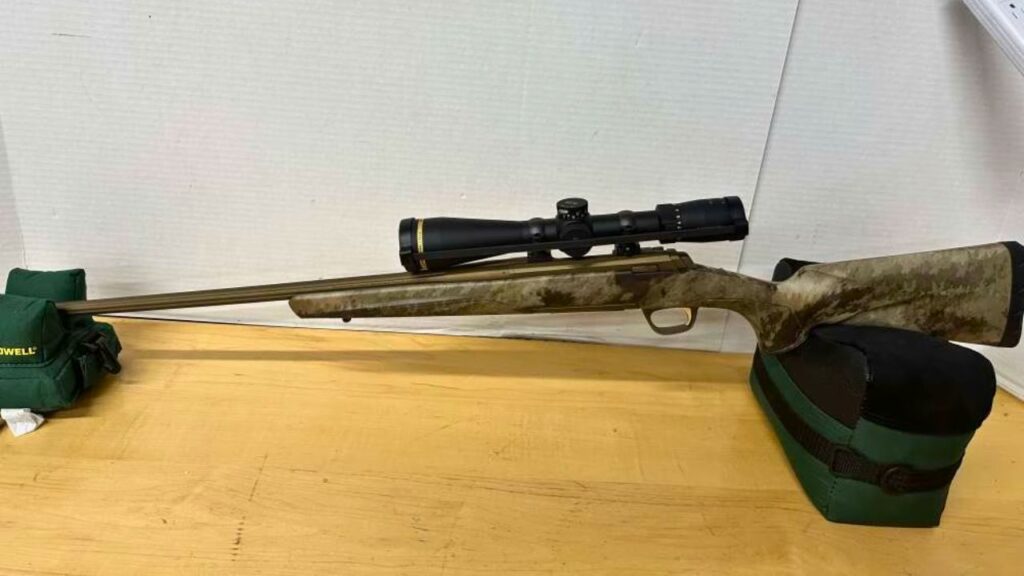
The Browning X-Bolt Hells Canyon looks like the ultimate modern hunting rifle—bronze Cerakote, fluted barrel, carbon fiber stock, the works. But once you’re up in a stand, you realize it’s heavier than it needs to be, especially with a big scope up top. That long barrel swings awkwardly in tight quarters, and if you’re sitting down, it’s tough to maneuver quietly.
Its accuracy is excellent, but it’s built more like a range rifle than a true field gun. In a blind or on a tripod, it shines. In a tree stand or dense woods, it feels like too much gun for too little space. The looks sell it. The performance, while solid, doesn’t match how practical it should be. You’ll love owning it—but you’ll hate carrying it every morning.
Weatherby Mark V Deluxe
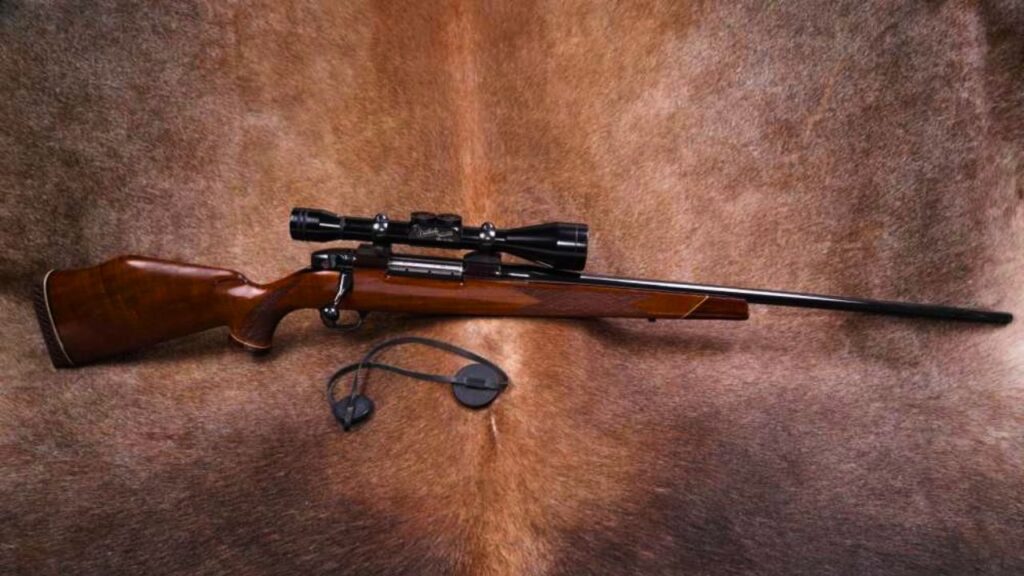
The Mark V Deluxe is a showpiece—high-gloss walnut, deep bluing, and that unmistakable Weatherby profile. It looks like something meant to hang in a glass case. But that same finish turns into a liability in the field. The slick stock offers little grip in the rain, and every branch threatens a scratch that’ll make you wince.
On top of that, the rifle’s light weight and heavy recoil combo make it a handful when you’re trying to shoot offhand or from a cramped seat. The Weatherby action is smooth, but the overall feel is more “collector’s heirloom” than “working rifle.” It’ll always look incredible in your safe, but once you’ve dragged it through one wet hunt, you’ll probably retire it from real duty.
Remington Model 700 CDL SF
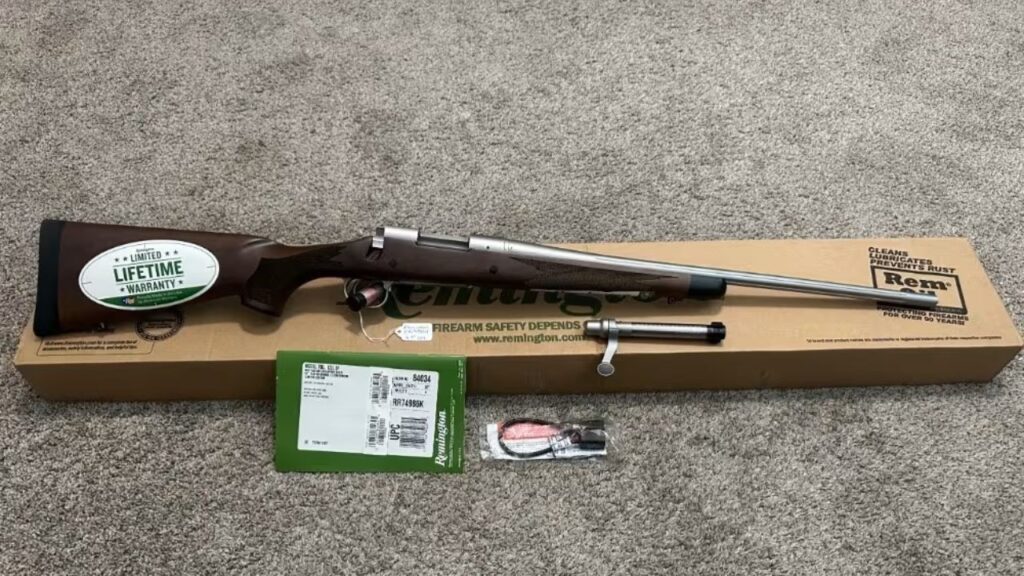
Few rifles look as sharp as the Model 700 CDL SF with its stainless steel and satin-finished walnut. But that beauty comes at a cost. In cold weather, that metal gets slippery fast, and condensation can make cycling the bolt noisy. It’s not a good mix when you’re trying to stay quiet in the stand.
The rifle shoots well, no question. But in damp conditions, you’ll find yourself wiping it down constantly to prevent moisture stains on the stock or rust near the barrel crown. It’s the definition of a “range beauty, field liability.” You’ll love showing it off before the hunt—but after the third trip through wet grass, you’ll wish you’d brought something synthetic.
Winchester Model 94 Deluxe
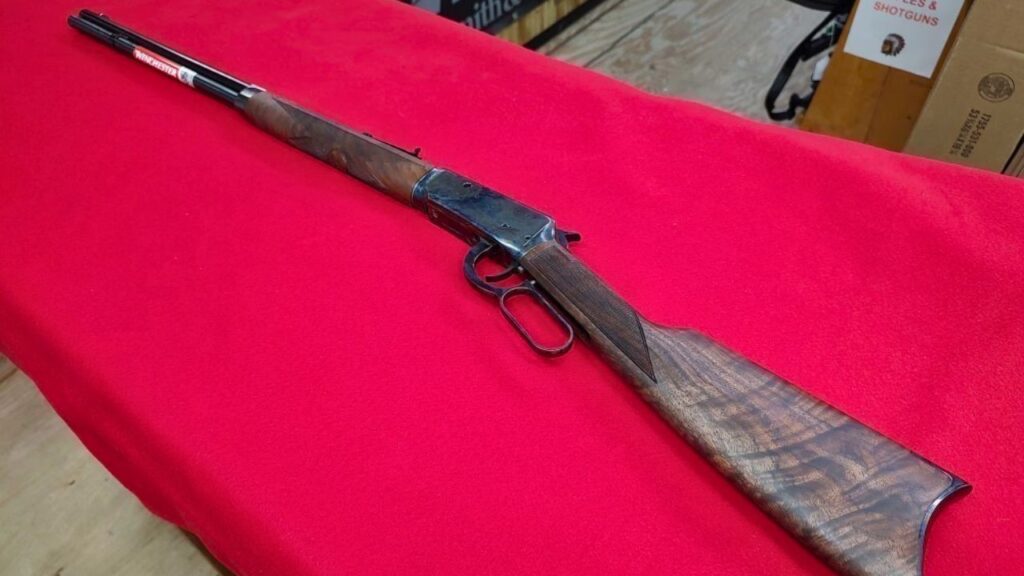
The Model 94 Deluxe edition is as handsome as lever guns get—checkered walnut, rich bluing, and that nostalgic feel that makes you want to baby it. But in the field, it’s not nearly as forgiving as its utilitarian cousins. That glossy finish gets slick when wet, and the action, though smooth, doesn’t like cold mud or dust.
Many hunters take one out for “tradition’s sake” and end up regretting it. The 94’s compact size helps in a stand, but the combination of iron sights, light barrel, and reflective surfaces can make your shot window harder to manage in dim light. It’s a rifle that looks perfect for deer season—until deer season actually happens.
Kimber Mountain Ascent

At first glance, the Kimber Mountain Ascent looks like the ultimate hunting rifle: lightweight, stainless, and sleek. But that featherweight build comes with trade-offs. The recoil on magnum calibers is punishing, and the ultra-light stock can make it hard to stay steady for an accurate shot in a stand.
You might find yourself flinching more than you’d like after a few rounds. And while the Cerakote finish is great for weather resistance, the rifle’s tight tolerances can get finicky with dust or moisture. It’s a mountain rifle through and through—but in the tree stand, where steady comfort matters more than pack weight, it feels out of place. You’ll brag about owning it, but you’ll grab something heavier and steadier when it’s time to hunt.
Ruger No. 1

The Ruger No. 1 is one of the prettiest rifles ever built. It’s elegant, compact, and built like fine furniture. But that single-shot design isn’t forgiving when your adrenaline’s pumping. Miss your first shot, and you’re fumbling to reload while your target vanishes.
In the stand, where awkward angles and quick reactions matter, the No. 1’s manual reload system works against you. You need precision and patience—two things hard to maintain when your hands are cold and your heart’s racing. It’s an incredible rifle for deliberate shots, but in hunting conditions, it’s more romantic than practical. You’ll keep it spotless, admire it often, and probably leave it home for the next hunt.
Tikka T3x Hunter
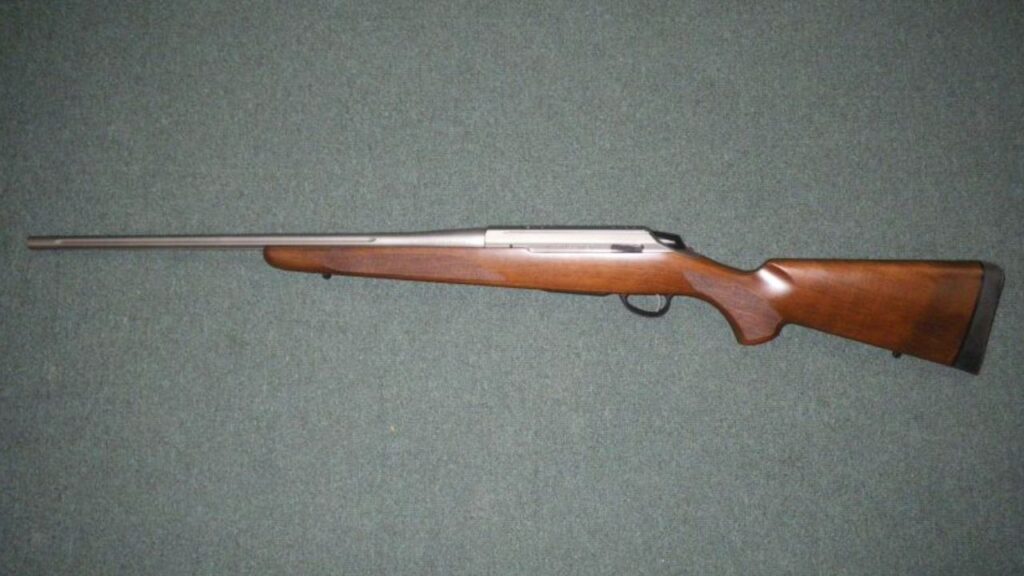
The Tikka T3x Hunter balances modern performance with classic looks—but that shiny walnut and metal finish aren’t built for punishment. The rifle performs beautifully at the range, but drag it through a wet November sit and you’ll start to regret not choosing a synthetic model.
The stock finish scratches easily, and the polished surfaces reflect more light than you want when the sun cuts through the trees. It’s accurate, smooth, and deadly in fair weather—but you’ll find yourself babying it more than shooting it when conditions get rough. The T3x Hunter is what happens when elegance wins over practicality.
Henry Long Ranger Deluxe

Henry’s Long Ranger Deluxe is gorgeous, no question. The brass accents, checkering, and slick action make it a rifle you’ll love showing off. But those same features don’t translate well to wet weather or muddy blinds. Brass tarnishes quickly, and the shiny surfaces pick up glare like a mirror.
The lever action is smooth but not sealed—moisture or grit can sneak in easily, and when it does, the cycling feels gritty fast. It’s a wonderful rifle for fair-weather deer or range use, but the more you drag it through the woods, the more you’ll realize it’s better suited for admiration than abuse. It’s a showpiece that reminds you what “too nice to hunt with” really means.
CZ 550 Safari Classic
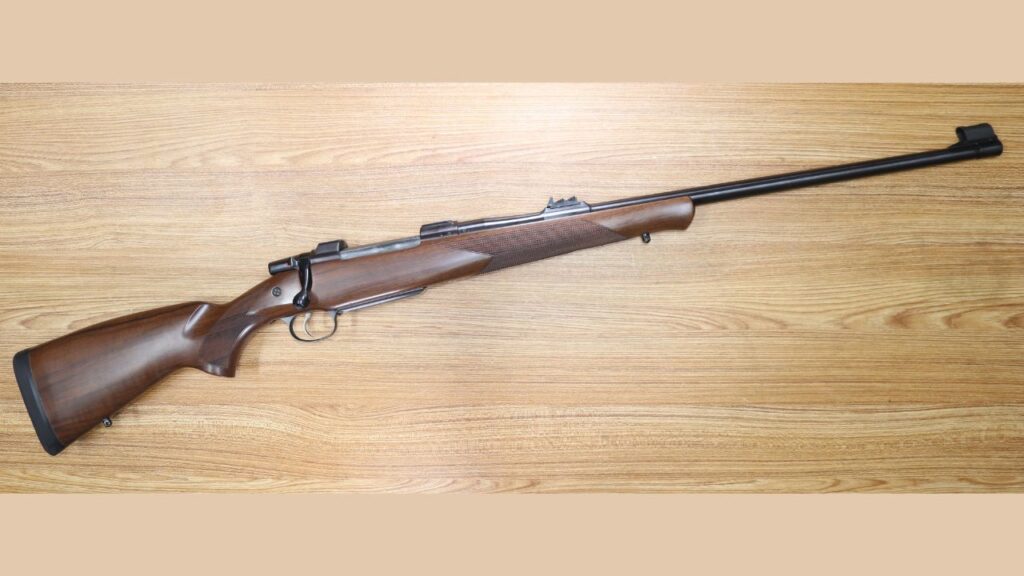
The CZ 550 Safari Classic is made to impress. Oversized bolt handle, rich wood, heavy barrel—everything screams craftsmanship. But in a deer stand, it’s overkill. It’s long, heavy, and chambered in calibers that punish your shoulder more than necessary.
It’s built for Africa, not a Midwest morning. You’ll admire it for its precision machining and balance, but when it’s wedged against a shooting rail in tight quarters, that admiration fades. It’s not a bad rifle—it’s just too much of one for stand hunting. The 550 deserves open country and dangerous game, not a cramped tree seat.
Savage 110 High Country
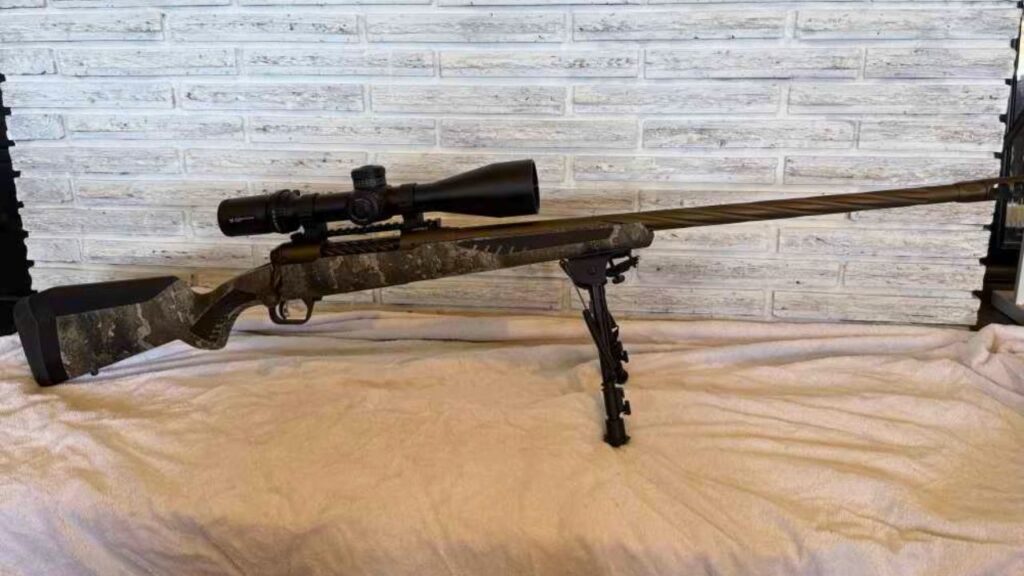
The Savage 110 High Country looks purpose-built for serious hunters, but it suffers from one big problem—weight. It’s solid and stable, yes, but in a stand, that bulk makes maneuvering awkward. When you’re twisting to get a shot through narrow shooting lanes, that extra pound and a half suddenly feels like ten.
The spiral-fluted barrel and bronze finish look fantastic, but once you’ve carried it for half a mile in the dark, it starts to feel like a chore. It’s an excellent rifle for prone or blind hunting where you can rest it steady, but it’s far less friendly for quick, offhand work. It’s the kind of rifle that shoots better than most people can handle in the field—but that doesn’t make it enjoyable to hunt with.
Marlin 1895 Trapper (New Production)
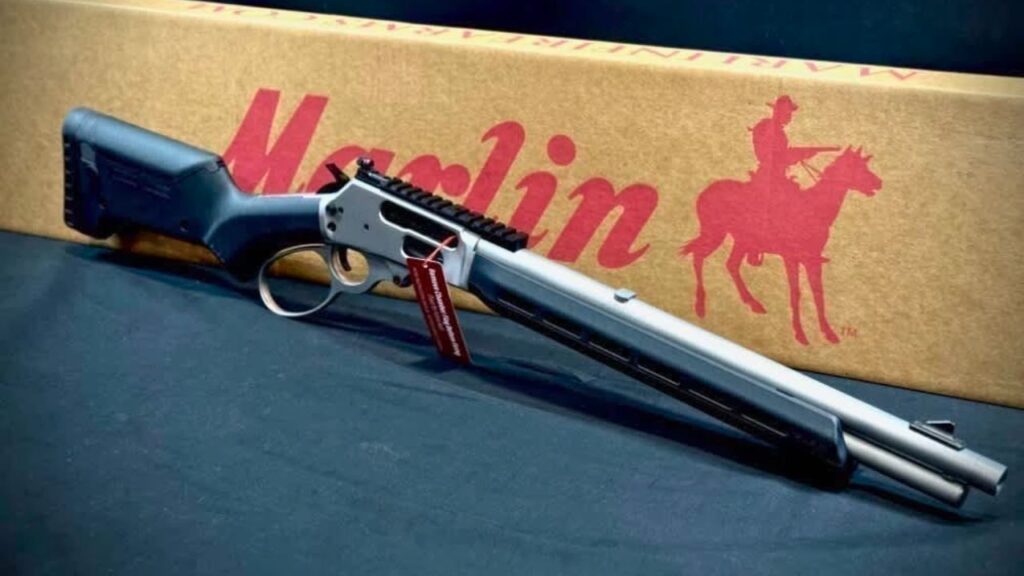
The new Marlin 1895 Trapper looks incredible—short, stainless, rugged—but its compact barrel and punchy recoil make it tough to shoot well from a confined stand. The lever action’s throw is stiff until broken in, and the muzzle blast indoors or in blinds can be punishing.
In tight quarters, it’s loud, jumpy, and disorienting. Many shooters find they flinch more after a few shots with it, especially in magnum loads like .45-70. It’s a great brush gun on foot, but in a fixed position, it’s too much bark for the bite. You’ll keep it cleaned, oiled, and ready to show off—but probably pick something calmer when the real hunt starts.
*This article was developed with AI-powered tools and has been carefully reviewed by our editors.