Photo credit: 1957Shep/Youtube
New calibers usually arrive with big promises. Better ballistics, better efficiency, better bullets, better range, better everything. Sometimes the promises are real. The cartridge world does improve, and plenty of newer rounds genuinely solve old problems.
But old-school calibers have a funny way of refusing to disappear. They may not look modern, and they may not dominate current marketing, but they still keep filling tags, winning trust, and making newer favorites look a little overhyped. These old-school calibers still embarrass newer rounds because they work far better than their age suggests.
.30-30 Winchester
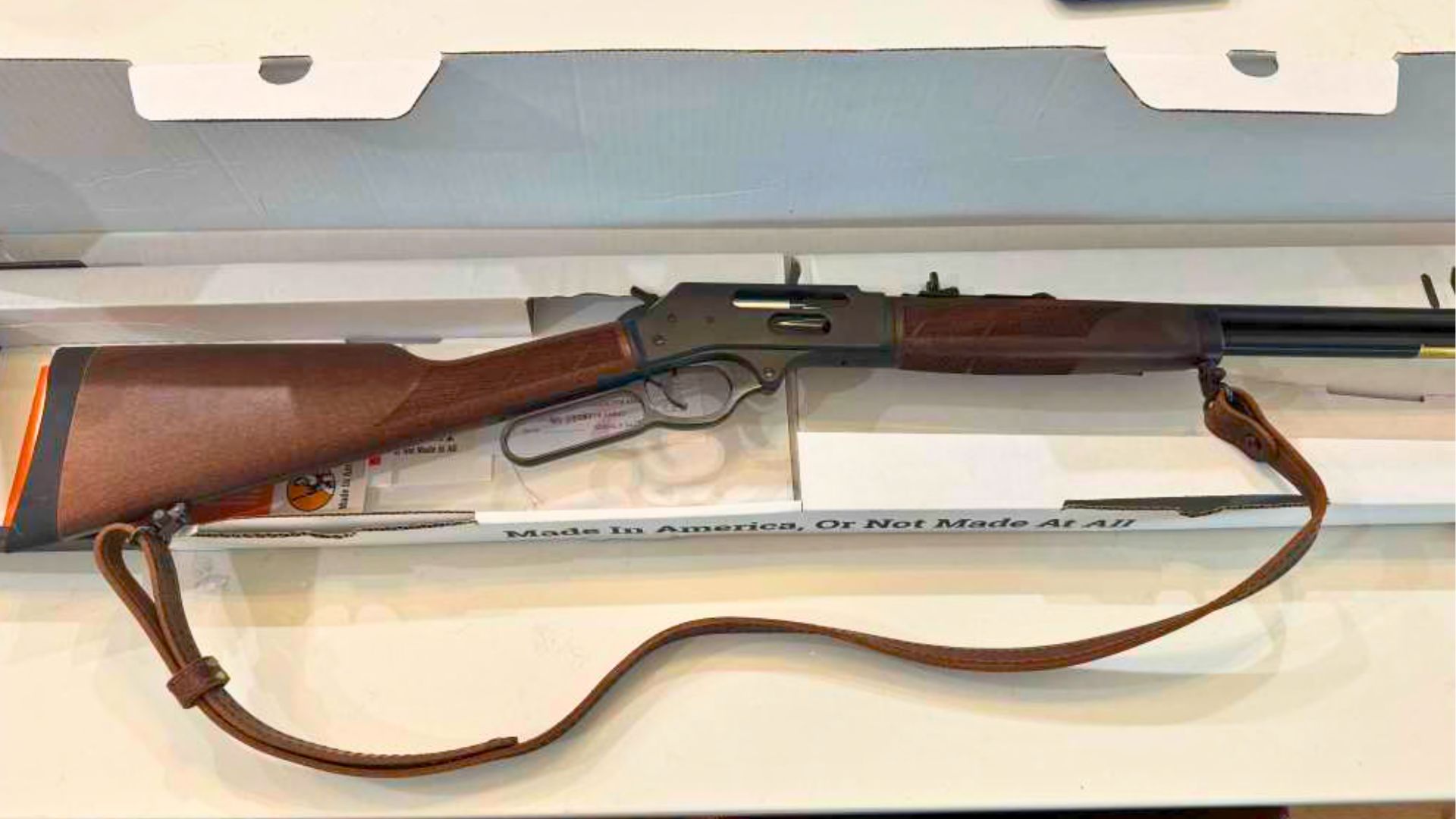
The .30-30 Winchester has been called outdated so many times it probably quit listening. On paper, newer cartridges shoot flatter, carry more energy, and look far better in long-range comparisons. That’s all true, and none of it changes what the .30-30 does well.
Inside real deer-woods distances, the .30-30 still works beautifully. It carries in handy lever-action rifles, recoils mildly, and hits with enough authority for deer, hogs, and black bear where legal and appropriate. It embarrasses newer favorites by reminding hunters that not every shot happens across a canyon. In timber, creek bottoms, and brushy lanes, the old .30-30 still feels right at home.
.270 Winchester
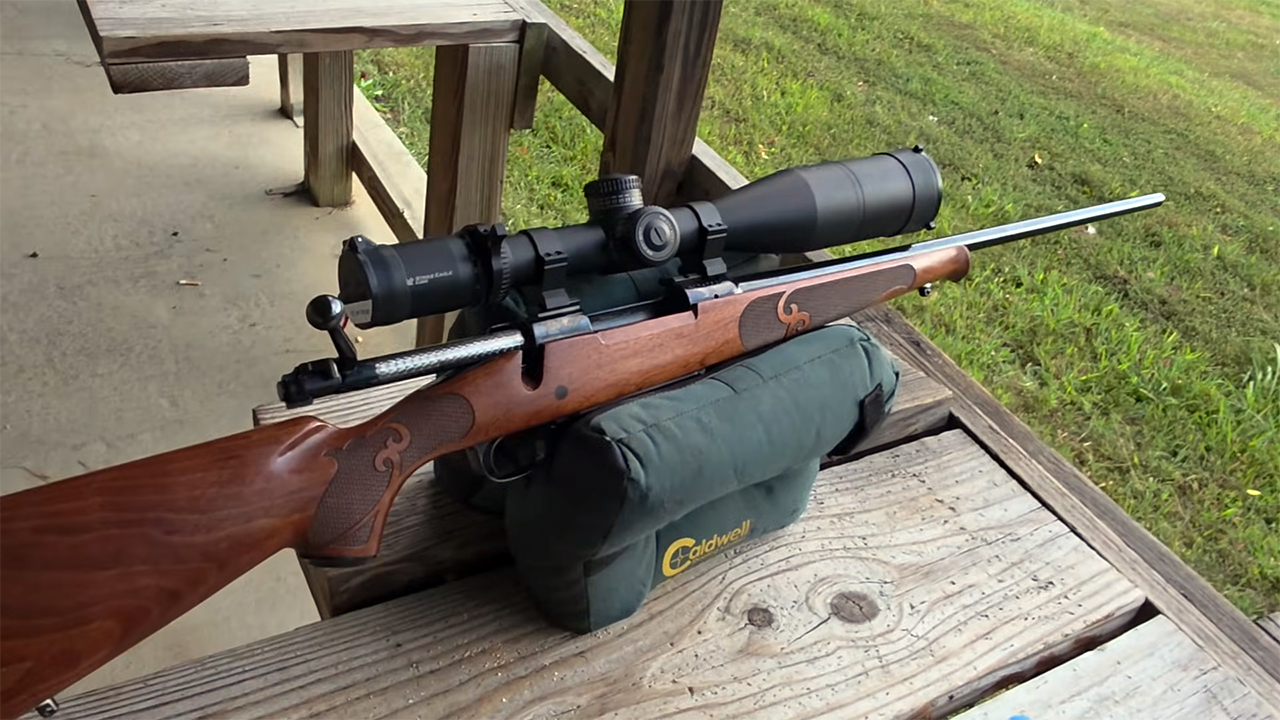
The .270 Winchester may be old-school now, but it still makes a lot of newer hunting cartridges look like answers to questions most hunters never asked. It shoots flat, hits hard, and recoils less than many bigger rounds people buy just to feel more prepared.
For deer, antelope, sheep, hogs, and elk with the right bullet, the .270 has a long record of clean performance. It doesn’t need a magnum label or trendy marketing language to prove itself. Newer cartridges may offer better long-range bullet options in some setups, but the .270 remains brutally practical for actual hunting. It embarrasses modern favorites by being boring, available, and still excellent.
.30-06 Springfield
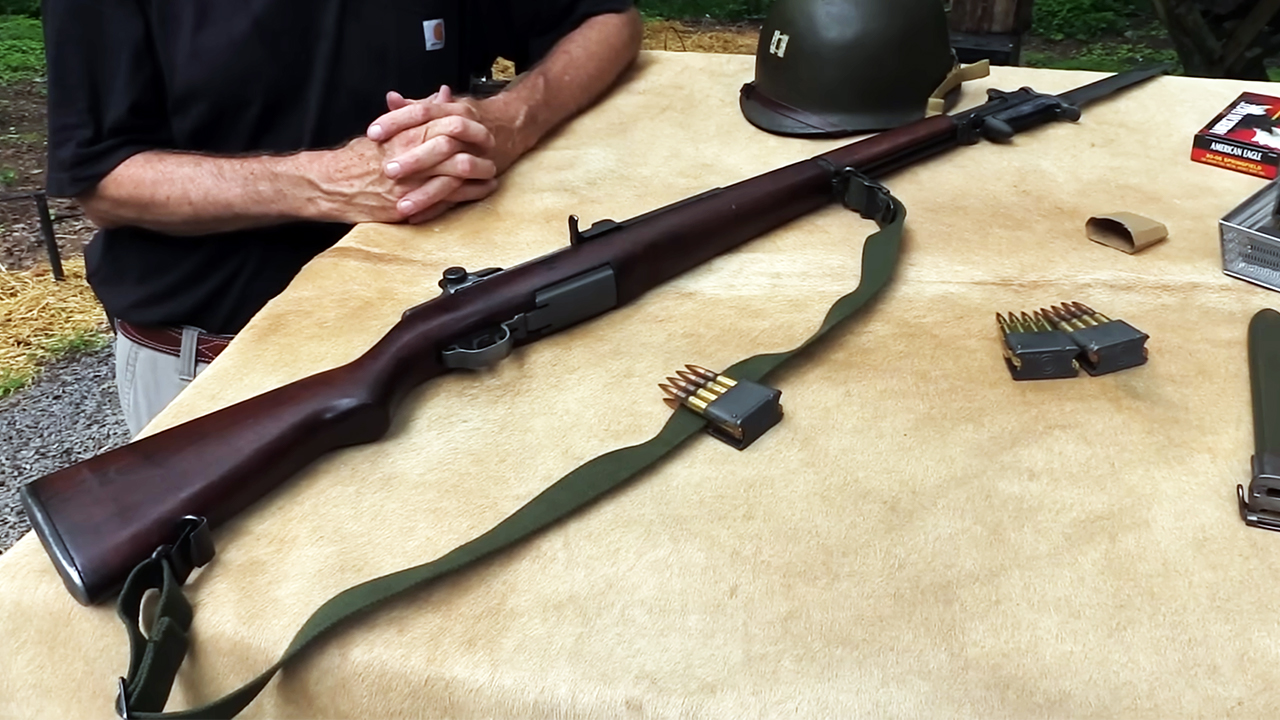
The .30-06 Springfield is so established that people sometimes forget how capable it really is. It has been around forever, which makes it feel old compared with newer short-action and long-range cartridges. But age is not a weakness when the cartridge still handles almost everything a hunter needs.
The .30-06 offers broad bullet weights, strong factory load support, and enough power for deer, hogs, black bear, elk, moose, and similar big game with appropriate bullets and shot placement. It may not be the trendiest cartridge in camp, but it remains one of the most flexible rifle rounds ever made. Newer favorites often beat it in narrow categories. The .30-06 embarrasses them by being good at nearly everything.
.45 Colt
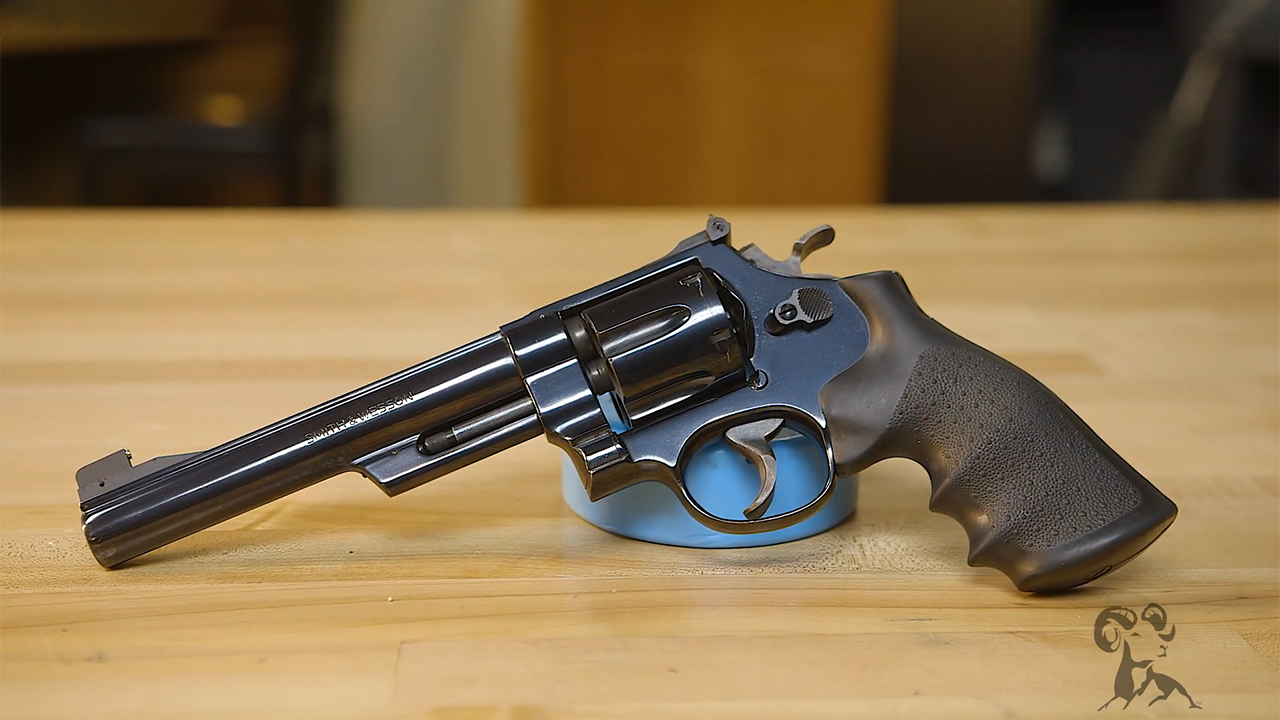
The .45 Colt has been underestimated for generations because people either think of it as soft cowboy-action ammunition or misunderstand how powerful it can become in strong modern revolvers. That confusion keeps a lot of shooters from respecting its full range.
Standard-pressure .45 Colt can be accurate, pleasant, and deeply enjoyable in traditional revolvers. In firearms specifically built for heavier loads, it can become a serious hunting and field cartridge. The key is knowing the gun and never mixing load expectations between old, replica, and strong modern platforms. Used correctly, the .45 Colt embarrasses newer big-bore rounds by proving flexibility never gets old.
.35 Remington
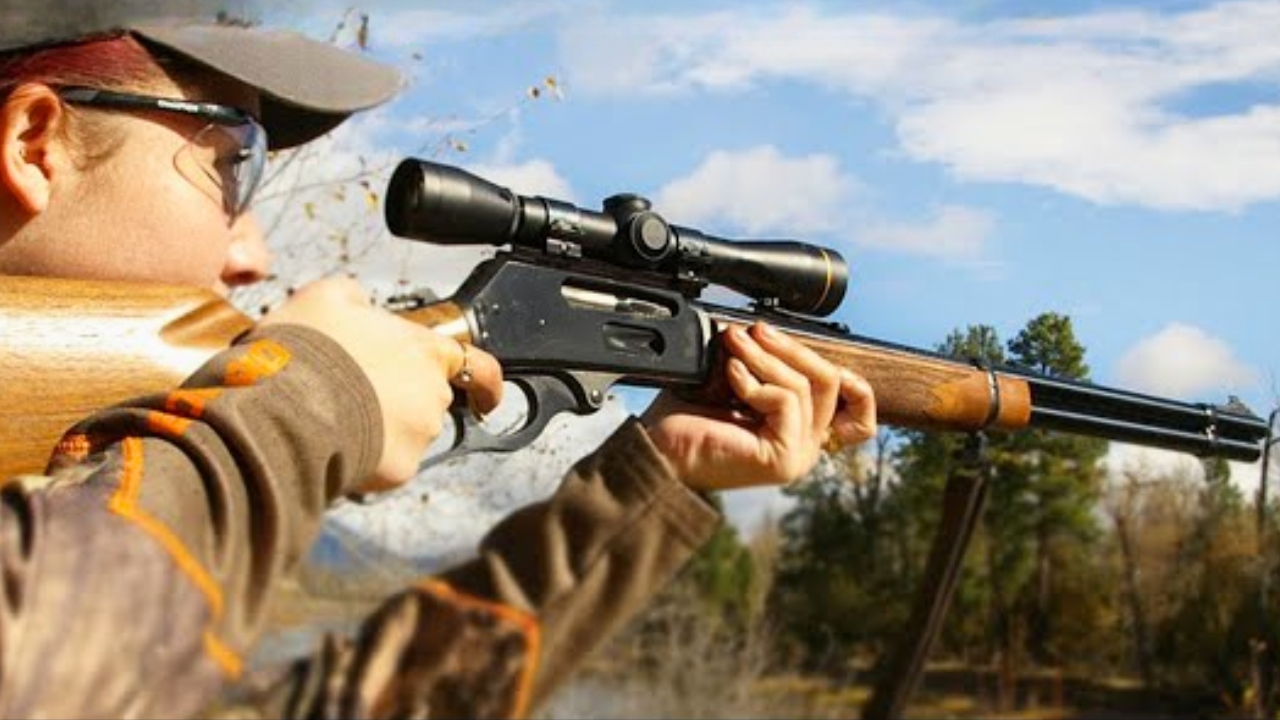
The .35 Remington is old-school in the best woods-hunting way. It doesn’t shoot flat, doesn’t win velocity contests, and doesn’t look impressive to people obsessed with long-range numbers. But in thick timber, it has always made sense.
The cartridge hits with a heavy, convincing thump on deer, hogs, and black bear at practical ranges. It works well in handy rifles and rewards hunters who understand their distances. Ammo availability is not what it once was, and that is a real drawback. But performance was never the problem. The .35 Remington embarrasses newer favorites by proving that a slow, sensible woods cartridge can still hit very hard where it matters.
.257 Roberts
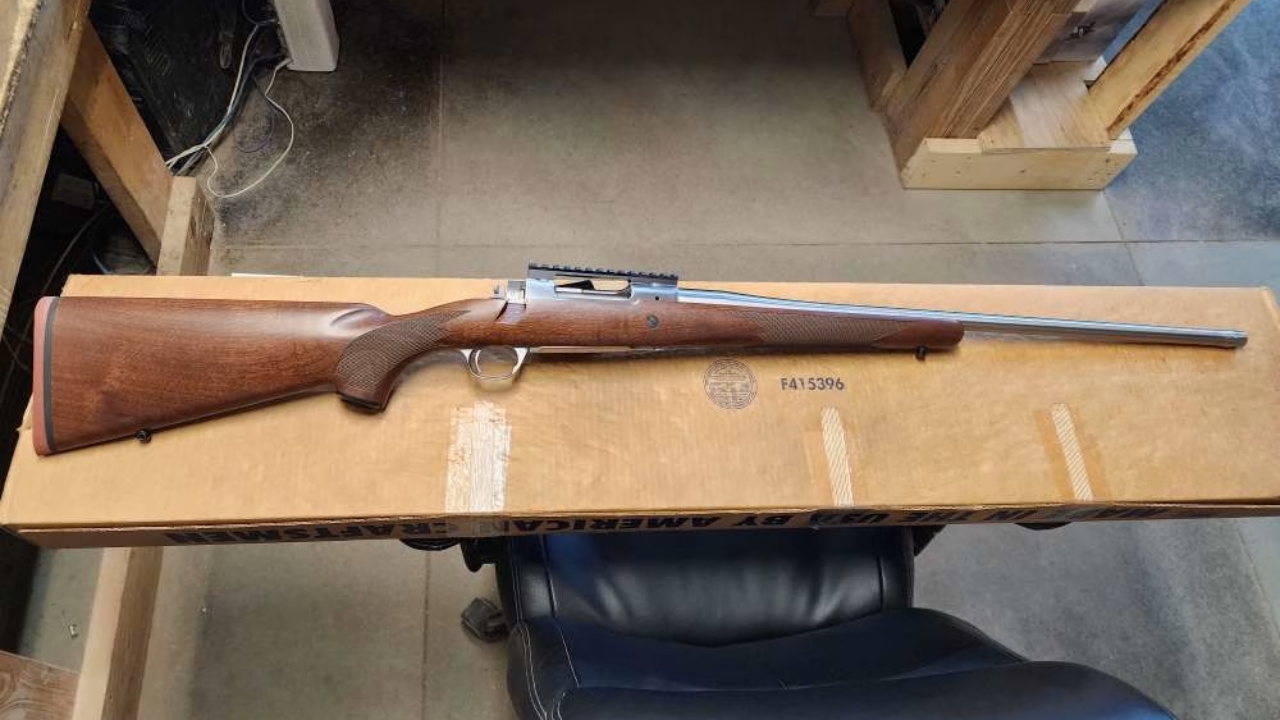
The .257 Roberts feels old-fashioned partly because even its nickname, “the Bob,” sounds like something from another era. It never got the modern buzz of 6.5mm cartridges or the broad shelf presence of more common deer rounds. That makes some hunters treat it like a relic.
Then they see it work. The .257 Roberts offers mild recoil, good speed, and excellent deer-sized game performance with the right bullets. It is especially appealing for hunters who value accuracy, manners, and clean shot placement over recoil and noise. It embarrasses newer favorites by doing the job gracefully. Not every capable cartridge needs to announce itself with blast and hype.
.44 Special
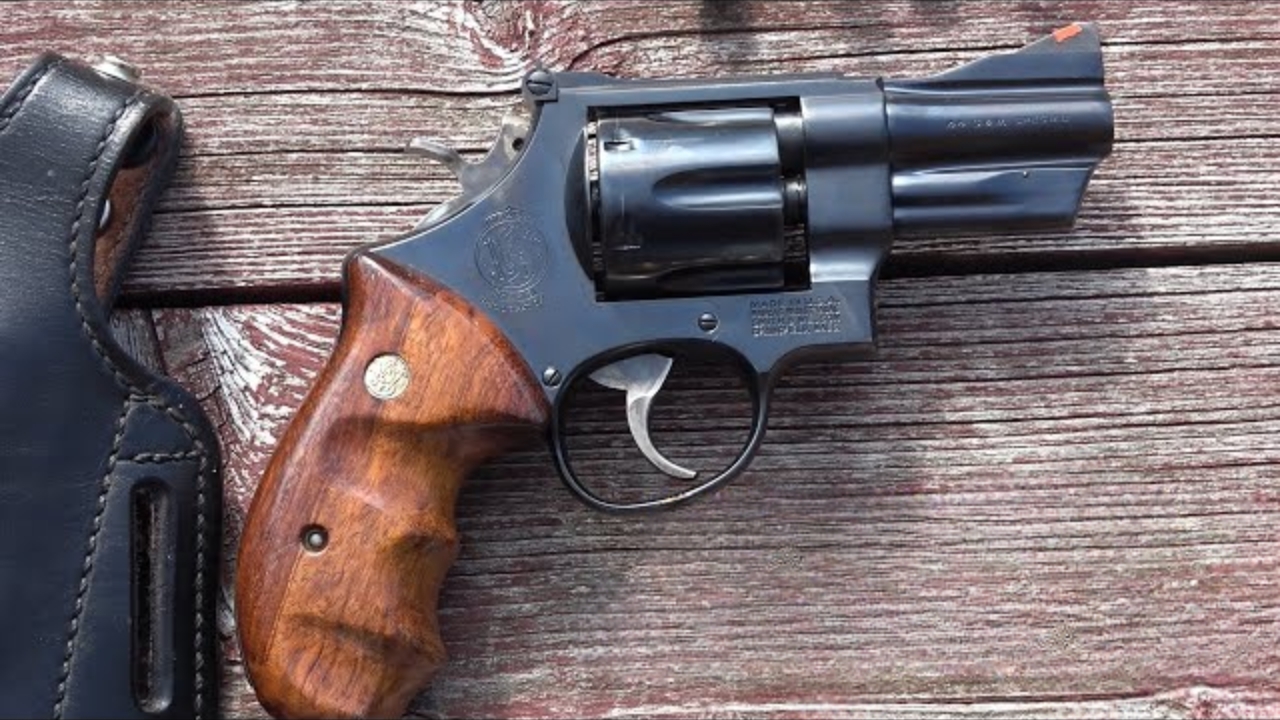
The .44 Special has spent its life being overshadowed by .44 Magnum, but that does not mean it lacks value. In fact, its quieter nature is exactly why experienced revolver shooters still appreciate it. It gives big-bore performance without forcing magnum recoil.
In the right revolver, .44 Special is accurate, controllable, and useful for field carry, range work, and defensive use. It is especially loved by handloaders who understand how much balance the cartridge offers. Newer defensive rounds may get more attention, and .44 Magnum gets the power reputation. But .44 Special embarrasses both by being pleasant enough to shoot well and capable enough to take seriously.
.300 Savage
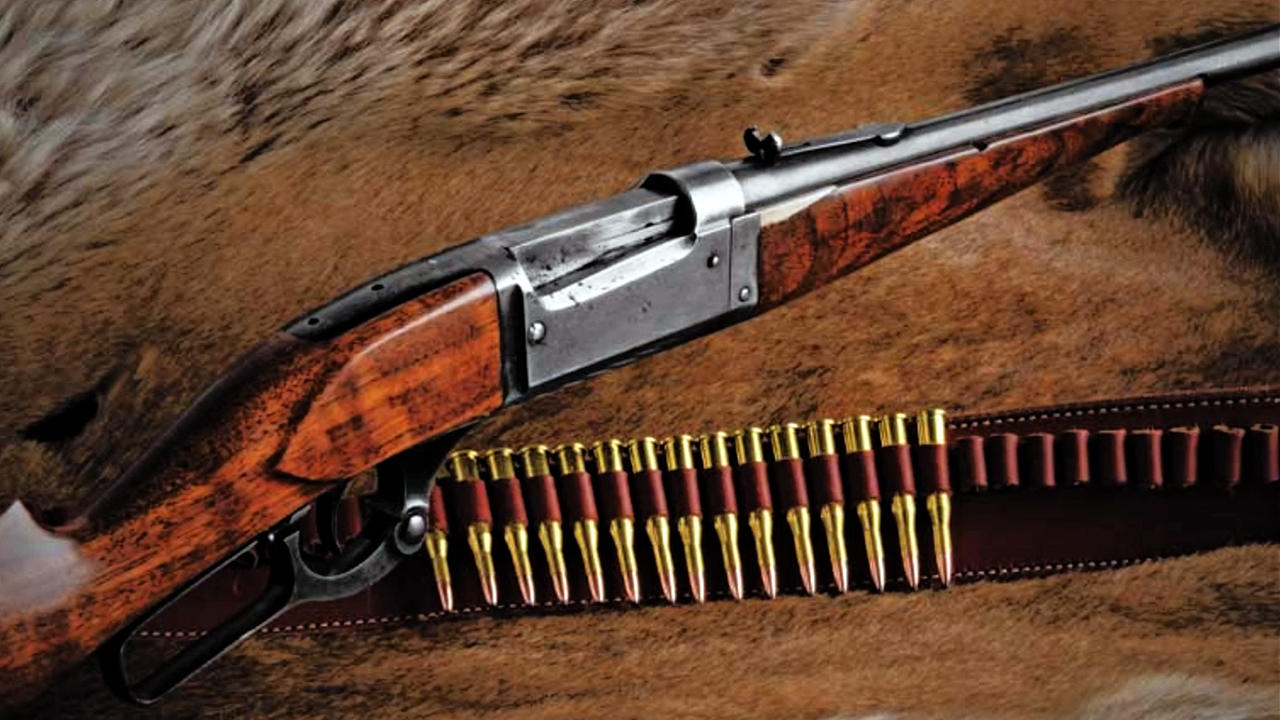
The .300 Savage is often remembered mainly as the cartridge that helped lead toward the .308 Winchester. That makes it sound like a stepping-stone instead of a serious hunting round. Hunters who have used it know better.
In rifles like the Savage 99, the .300 Savage has taken piles of deer and similar game. It offers enough performance for normal hunting distances with recoil that most shooters can manage. It does not have the broad modern support of .308, and that matters. But the cartridge itself still works. It embarrasses newer favorites by proving that practical field performance matters more than being the latest name on the ammo box.
.38 Special
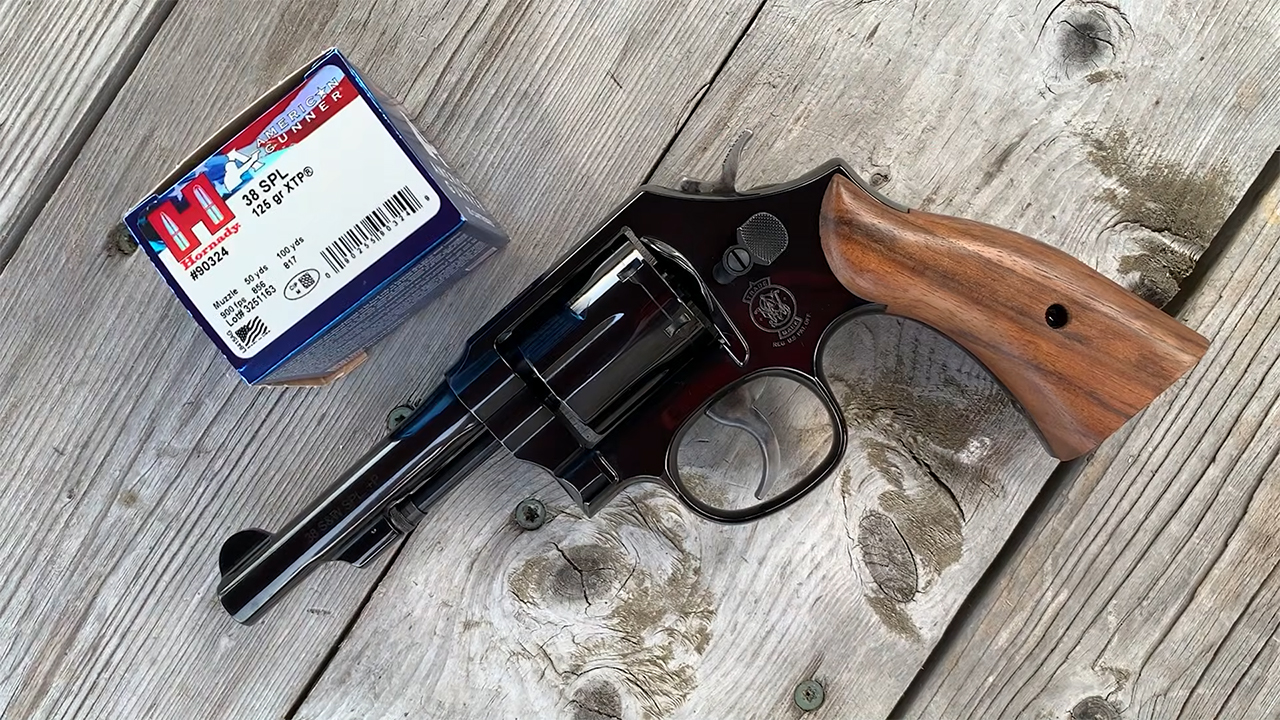
The .38 Special looks ancient beside modern defensive pistol cartridges. It has low capacity when used in revolvers, modest velocity, and none of the tactical shine of newer carry rounds. That makes some shooters dismiss it too quickly.
The .38 Special still earns respect because it is so shootable. In medium-frame revolvers, it is accurate, comfortable, and excellent for learning double-action trigger control. In small revolvers, it is often far more realistic than .357 Magnum for regular practice. Good wadcutters and quality defensive loads keep it relevant. It embarrasses newer favorites by reminding shooters that control and accuracy are not outdated ideas.
.250-3000 Savage

The .250-3000 Savage sounds like a cartridge from a dusty gun cabinet, and in some ways, it is. It was once famous for its speed, but modern shooters often overlook it because newer .25-caliber and 6mm rounds get more attention. That doesn’t mean the little Savage lost its usefulness.
With proper bullets and realistic expectations, the .250-3000 remains a mild, efficient deer and varmint cartridge. It is easy on the shoulder, pleasant in older rifles, and capable in the hands of hunters who understand shot placement. Ammo availability is limited, so it’s not the easiest modern recommendation. But as an old-school field cartridge, it still proves that moderate recoil and good placement can outperform noisy overkill.
.45-70 Government

The .45-70 Government is old enough to make some modern cartridges look like toddlers, yet it still refuses to become irrelevant. Some people dismiss it as a black-powder relic, while others treat it like a novelty thumper. Both views miss why hunters still carry it.
In modern rifles with appropriate loads, the .45-70 delivers serious close- to medium-range authority. It throws heavy bullets with confidence and works especially well in thick cover on deer, hogs, black bear, and larger game where legal and appropriate. Recoil can be substantial, and loads must be matched carefully to the firearm. But when used properly, the .45-70 embarrasses newer rounds by proving that heavy bullets still solve problems.
.32 H&R Magnum
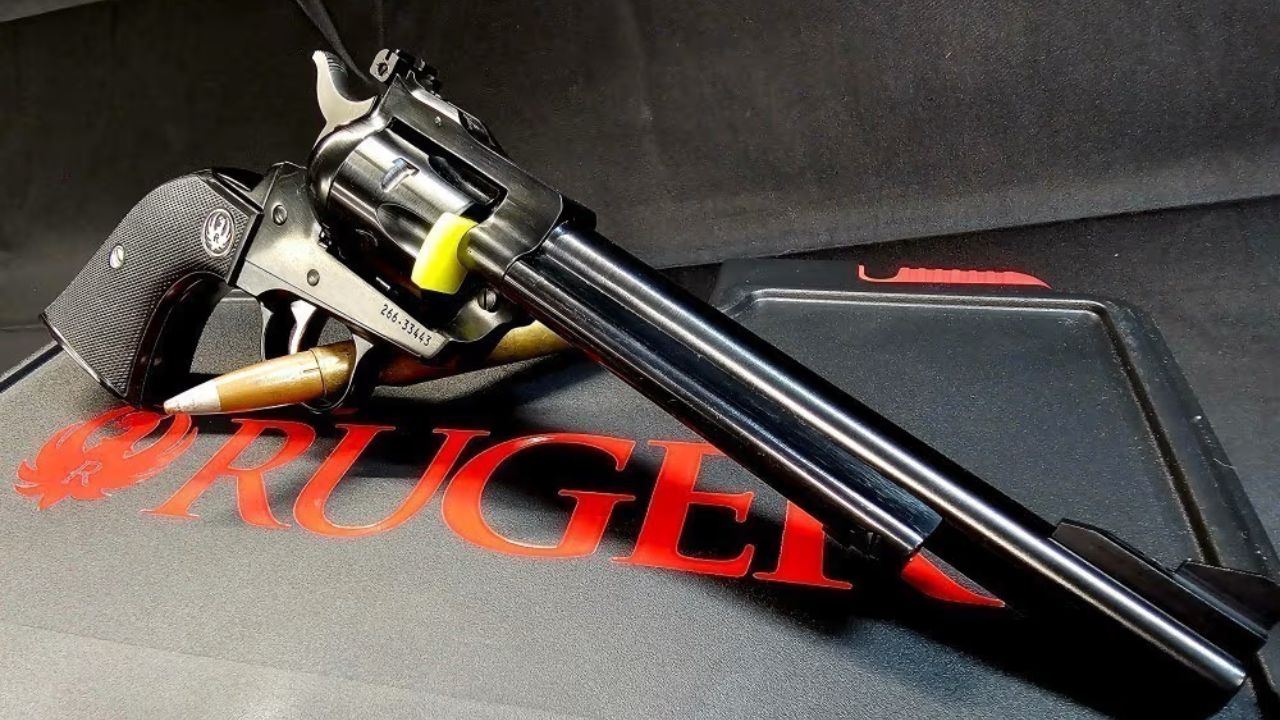
The .32 H&R Magnum does not sound intimidating, and that is part of why people underestimate it. It is milder than .327 Federal Magnum and far less famous than .38 Special or .357 Magnum. But for small revolvers, mild can be exactly what makes it useful.
The .32 H&R Magnum offers low recoil, good accuracy, and practical performance in guns that may carry an extra round compared with larger calibers. It can be a strong choice for recoil-sensitive shooters, older hands, or anyone who values quick, accurate follow-up shots. It embarrasses newer favorites by proving that shootability can matter more than raw power, especially in small defensive revolvers.
7x57mm Mauser
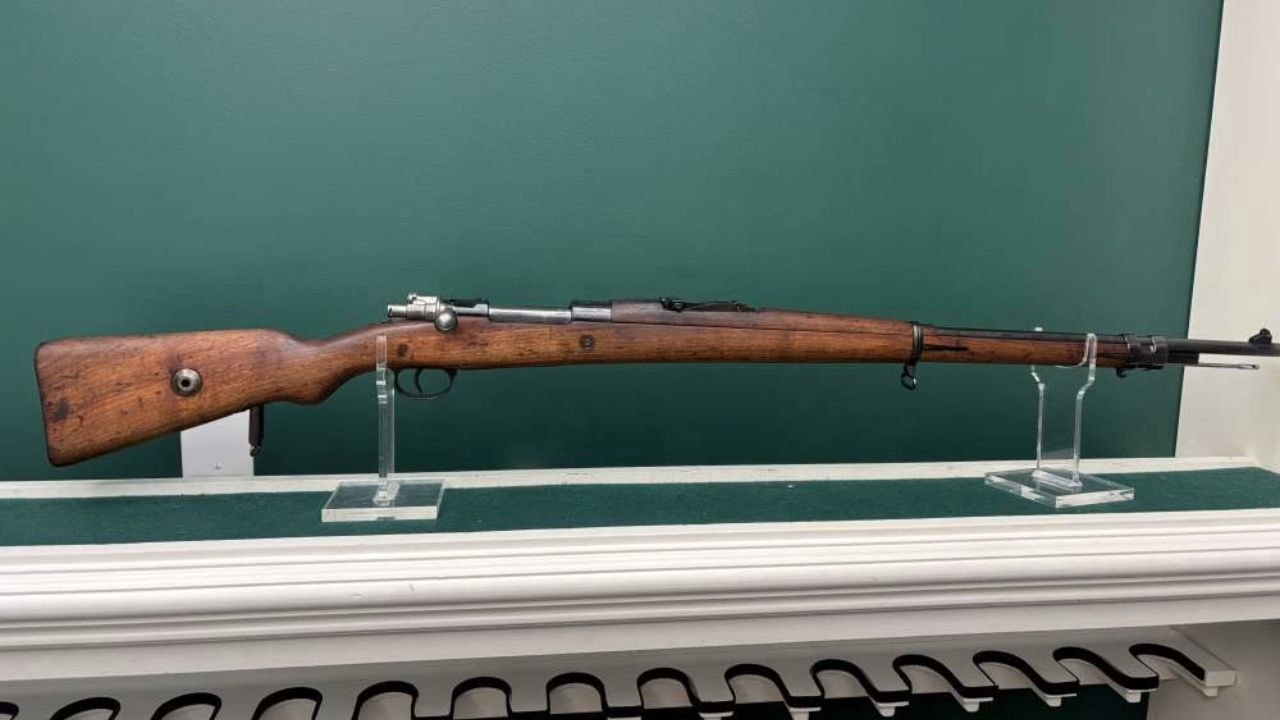
The 7x57mm Mauser is one of those old rifle cartridges that keeps making modern hunters look twice. It doesn’t have a flashy name, and it doesn’t get the marketing love of newer 7mm cartridges. But its field history is deep, and its manners are excellent.
With proper loads in suitable rifles, the 7×57 offers mild recoil, good penetration, and very practical performance on deer, antelope, and larger game with appropriate bullets. It has an old-world reputation for a reason. Modern cartridges may beat it in speed or availability, but the 7×57 embarrasses many of them by being smooth, effective, and easy to shoot well. That combination still matters.
.41 Magnum
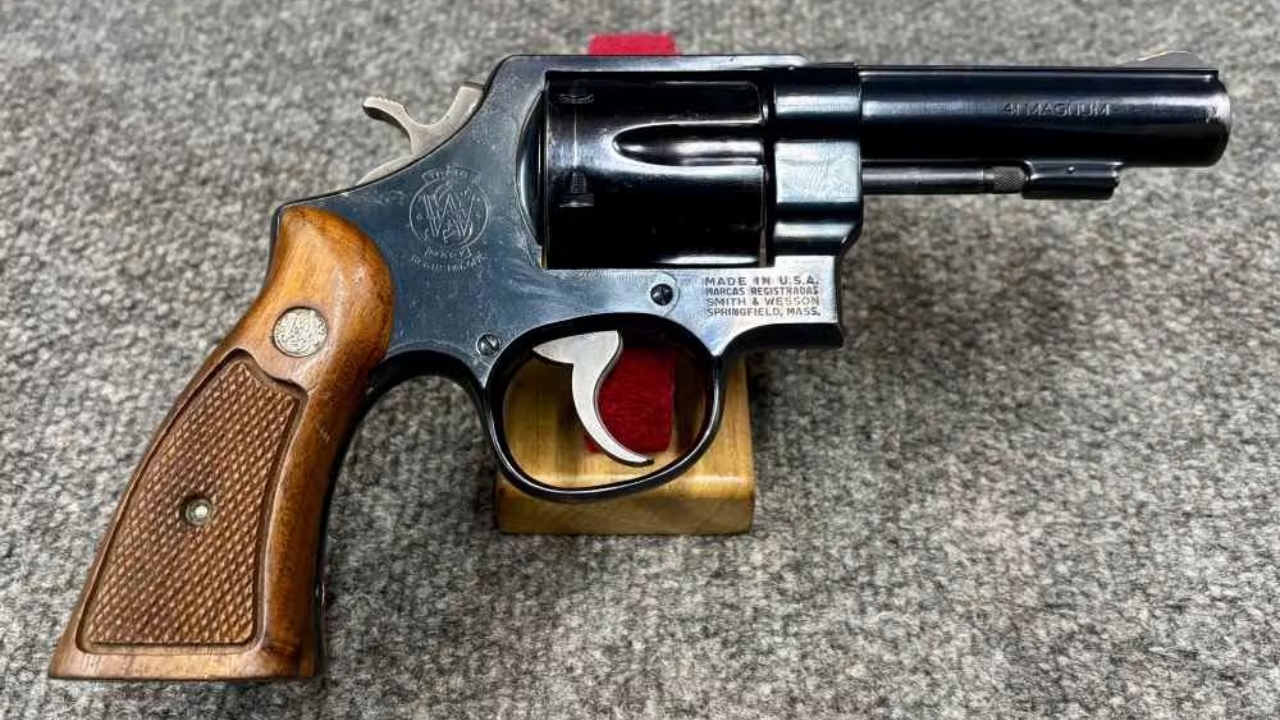
The .41 Magnum is old-school enough to have missed mainstream fame and powerful enough to make that seem unfair. It sits between .357 Magnum and .44 Magnum, which made a lot of shooters ignore it. That middle position was treated like a problem when it was really the point.
For handgun hunting and outdoors carry, the .41 Magnum offers strong penetration, useful trajectory, and serious field performance without quite the recoil level of heavy .44 Magnum loads. Gun and ammo availability are the drawbacks, not capability. It embarrasses newer favorites by showing that a cartridge does not need mass popularity to be genuinely excellent.
.22 Hornet
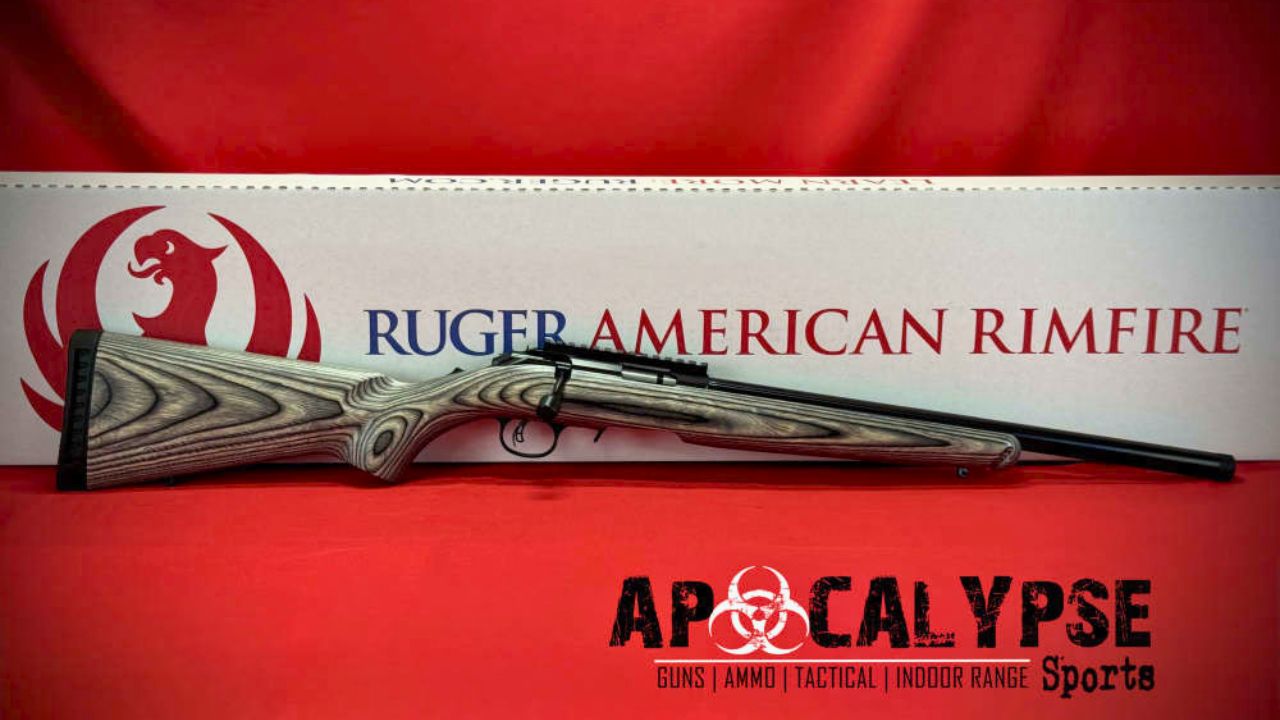
The .22 Hornet is an old-school small-game and varmint cartridge that looks mild next to modern .22 centerfires. Compared with .223 Remington or .22-250 Remington, it is slower and less dramatic. That makes some shooters assume it has been fully replaced.
Not quite. The .22 Hornet is quiet by centerfire standards, low-recoil, and very useful for small game, pests, and varmints at modest ranges. It can be wonderfully pleasant in light rifles and offers more authority than rimfire options without the blast of larger centerfires. It embarrasses newer favorites by proving there is still room for a gentle, accurate, low-noise centerfire that doesn’t try to be more than it is.
Like The Avid Outdoorsman’s content? Be sure to follow us.
Here’s more from us: