Photo credit: ZoranOrcik/Shutterstock.com
Feral hogs don’t read ballistics charts, and they don’t die from good intentions. They’ve got heavy shields, thick bone up front, and a bad habit of soaking up marginal hits—especially when the angle is wrong or the range is longer than you planned. If you hunt pigs long enough, you end up respecting cartridges that penetrate, keep driving, and still hit with enough authority to shut the lights off.
You’ll also learn that “best” depends on how you hunt. Over feeders at night, running dogs in the brush, stalking river bottoms, or shooting out of a truck window on a ranch road—each style asks for a slightly different balance of recoil, magazine capacity, and bullet performance. These are the cartridges hog hunters keep circling back to because they work in the real world, not because they look good on a box.
.308 Winchester
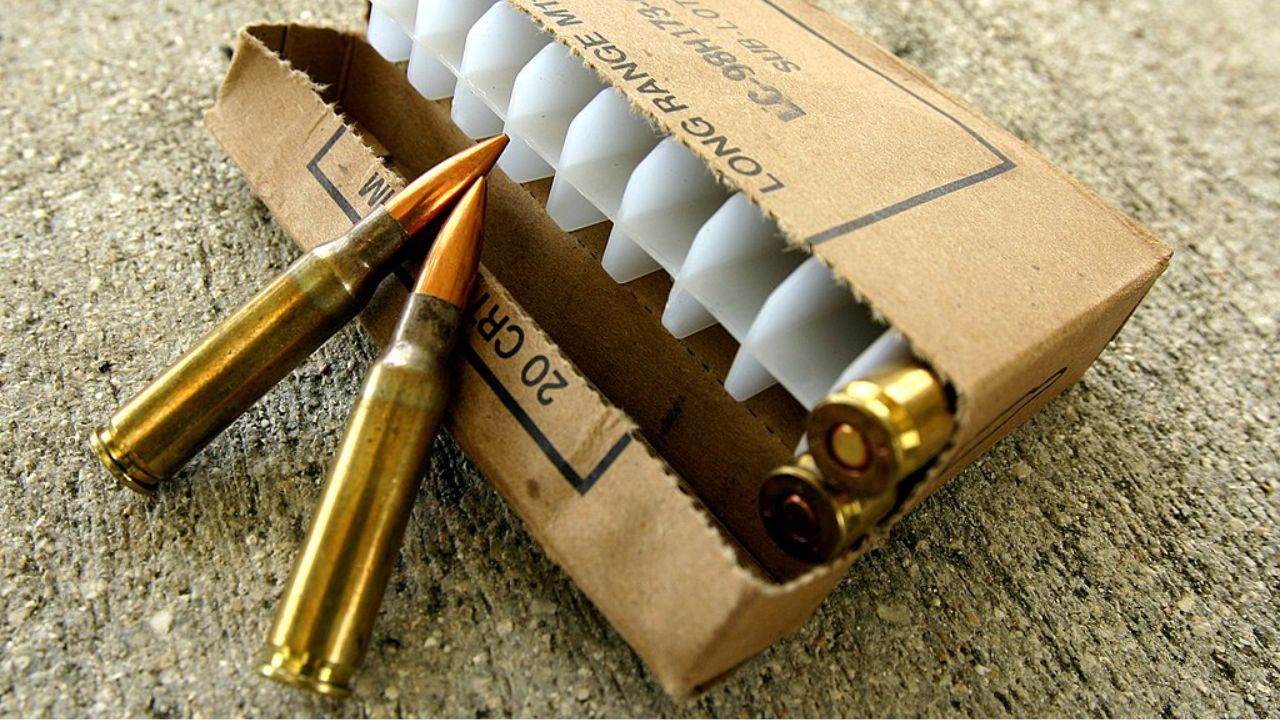
If you want one cartridge that rarely leaves you wishing you brought more gun, .308 is it. It hits hard, penetrates well with the right bullet, and it doesn’t care if the hog is quartering, facing you, or slipping through brush at last light. On big boars, that matters more than raw velocity.
What makes .308 so dependable is bullet selection. Use sturdy controlled-expansion bullets or bonded soft points, and you get deep penetration through shoulder and shield without the bullet coming apart. It’s also widely available, and most rifles in .308 feed and shoot well without drama. You can run it in bolt guns, AR-10s, and compact hunting rifles, and it keeps putting pigs down year after year.
.30-06 Springfield

The old .30-06 has been flattening tough animals for more than a century, and hogs are no exception. It gives you a little more case capacity than .308, which can help when you’re running heavier bullets or want a bit more speed without stepping into magnum recoil.
Where .30-06 shines on pigs is versatility. You can load it with 150s for lighter recoil and quick follow-ups, or step up to 165–180 grain bullets when you’re targeting big boars and want extra penetration. With a good bullet, it’s a shoulder-breaking cartridge that still shoots flat enough for open fields. It isn’t trendy, but it’s hard to argue with a cartridge that keeps working when angles are bad and hogs don’t cooperate.
.270 Winchester

A .270 doesn’t get talked about as a “hog” round as often as it should, but it’s plenty of cartridge if you use it correctly. It shoots flat, hits with authority, and it’s common enough that you can find ammo anywhere when a hunt comes together last-minute.
The key is bullet choice and shot placement. Run a tough 130–150 grain bullet designed to hold together, and you get the penetration you need on boars without blowing up on the shield. The .270’s speed helps on longer shots across senderos, bean fields, or powerline cuts, where pigs like to appear and disappear fast. If you already own a .270 deer rifle, you don’t need to “upgrade” to hunt hogs—just feed it the right bullet and do your part.
6.5 Creedmoor
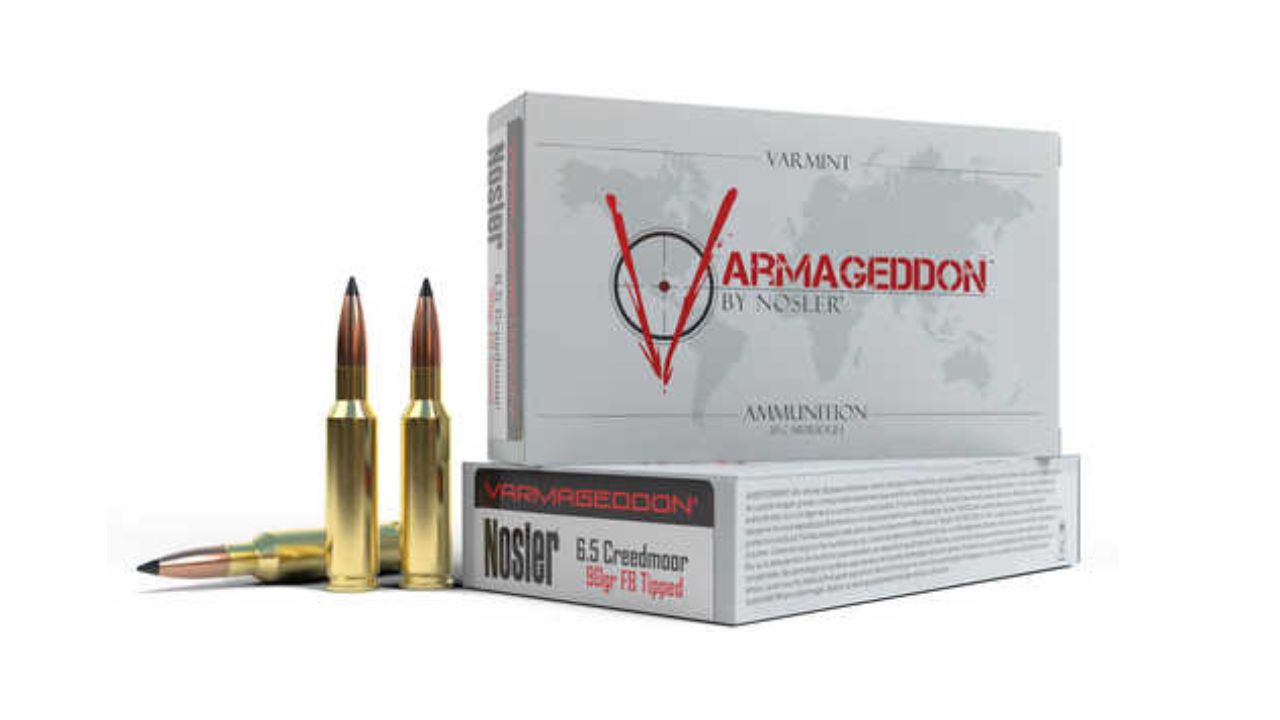
The 6.5 Creedmoor has proven it can kill hogs cleanly, even though some folks still act like it’s only for paper. With a solid hunting bullet, it penetrates well for its caliber, and it’s easy to shoot well under stress—which matters when pigs are moving and you’re trying to thread a shot through a gap.
What keeps it in the hog-hunter rotation is controllability. Recoil is mild, you can spot impacts, and follow-up shots are quick. That’s useful when sounders show up and you’re trying to anchor more than one pig before they hit the brush. Don’t handicap it with thin-jacketed match bullets. Use bonded, monolithic, or controlled-expansion hunting bullets, and you’ll get reliable penetration through shoulder and enough damage to put pigs down without turning the shot into a tracking project.
7mm-08 Remington

7mm-08 is one of those cartridges that feels like it was designed for real hunting. It shoots flat enough, hits harder than the recoil suggests, and it’s extremely forgiving in lightweight rifles—exactly the kind of setup a lot of hog hunters carry when they’re walking and stalking.
On pigs, the 7mm-08 gives you a strong blend of penetration and expansion when you pick the right bullet. A good 140–150 grain controlled-expansion bullet will drive through shoulder and into the vitals without getting weird. It’s also a cartridge many hunters already trust for deer, so the transition to hogs is easy. When you’re dealing with pigs that can spin, run, and disappear in seconds, a cartridge you shoot confidently is worth more than one that looks tougher on paper.
.300 Blackout

Inside typical hog-hunting distances—especially at night over bait or in thick cover—.300 Blackout is a practical hammer. It’s easy to suppress, it runs well in short barrels, and it hits harder than 5.56 without making the gun heavy or hard to control.
The trick is respecting what it is. Supersonic hunting loads with good bullets can give you dependable penetration and expansion at close range. Subsonics can work too, but they demand the right bullets and discipline on shot placement and distance. Where .300 Blackout shines is fast handling and quiet shooting, which keeps pigs calmer and gives you chances at follow-up shots. If you hunt from blinds, feeders, or tight brush where shots are close and quick, .300 Blackout is one of the most useful tools you can carry.
7.62x39mm

7.62×39 has been putting meat on the ground for a long time, and it does fine work on hogs in the ranges where it belongs. It’s common, affordable, and available in platforms that are fast for follow-up shots—useful when pigs show up in a group and start scattering.
With good hunting ammo, it penetrates better than people expect. The cartridge carries enough weight and momentum to get through shoulder and into the vitals on average-sized hogs, especially inside 150 yards. It’s not a long-range solution, and it’s not the best choice for huge boars at bad angles, but it’s consistent when you play to its strengths. If your hog hunting is close, quick, and aggressive, 7.62×39 is still a legitimate pig round.
.30-30 Winchester

If you hunt hogs in the woods, in palmettos, or anywhere shots are close and animals appear fast, the .30-30 is still in the conversation. It hits with authority at practical ranges, and it has a reputation for straight-line penetration that shows up when the angle isn’t perfect.
A good .30-30 load with a modern bullet can make it even better, but the classic soft points work too when you keep the distance reasonable. The cartridge shines when you’re moving, shooting off-hand, and trying to put a pig down before it makes the brush. The recoil is manageable, and lever guns are quick to run. Plenty of hog hunters have learned that a handy rifle you can shoot well beats a harder-kicking rifle you flinch with—especially when pigs give you seconds, not minutes.
.35 Remington

.35 Remington doesn’t get enough respect anymore, but on hogs it’s the kind of cartridge that makes sense the moment you see what it does on impact. It throws a larger-diameter bullet that tends to hit with a heavy shove, and it’s a classic brush-friendly round when pigs are close and moving.
What you get is strong penetration and a larger wound channel without magnum recoil. On shoulder shots, it’s often more decisive than smaller, faster cartridges that rely on speed to do the work. It’s also the kind of round that keeps tracking jobs short when the bullet is doing what it should. Ammo availability isn’t what it used to be, but if you already own a rifle in .35 Remington, it’s absolutely worth keeping in the hog rotation—especially for thick cover hunts where range is measured in steps.
.44 Magnum (carbine)

A .44 Magnum out of a carbine is a different animal than a .44 out of a revolver. You get more velocity, better energy, and a trajectory that’s usable for typical hog ranges. In tight cover, it’s a thumper that tends to put pigs down with authority when you’re shooting at 50 yards and in.
The big advantage is how it handles bone and shield with the right bullet. A tough .44 hunting load will drive deep, and that’s what you want when a boar is angled or you have to break a shoulder to stop him now. Carbines are also handy in trucks, blinds, and brush, and recoil is usually manageable. It’s not a 200-yard solution, but for short-range hog hunting where things happen fast, a .44 carbine has a way of ending arguments quickly.
.450 Bushmaster

If your hog hunting involves thick cover, short shots, and big boars, .450 Bushmaster is a serious tool. It’s built for heavy bullets at moderate speed, which tends to produce deep penetration and immediate authority without relying on fragile expansion.
The appeal is straightforward: big holes and strong impact at the ranges where hogs are usually killed. It works well in AR-platform rifles, which gives you fast follow-ups and easy handling—useful when pigs don’t give you a clean second chance. Recoil is real, but it’s not unmanageable in a properly set up rifle. With the right bullets, .450 Bushmaster is also a good answer for hogs that live in nasty brush where tracking is miserable. When you want a cartridge that tends to anchor pigs hard, this one keeps showing up for a reason.
.458 SOCOM
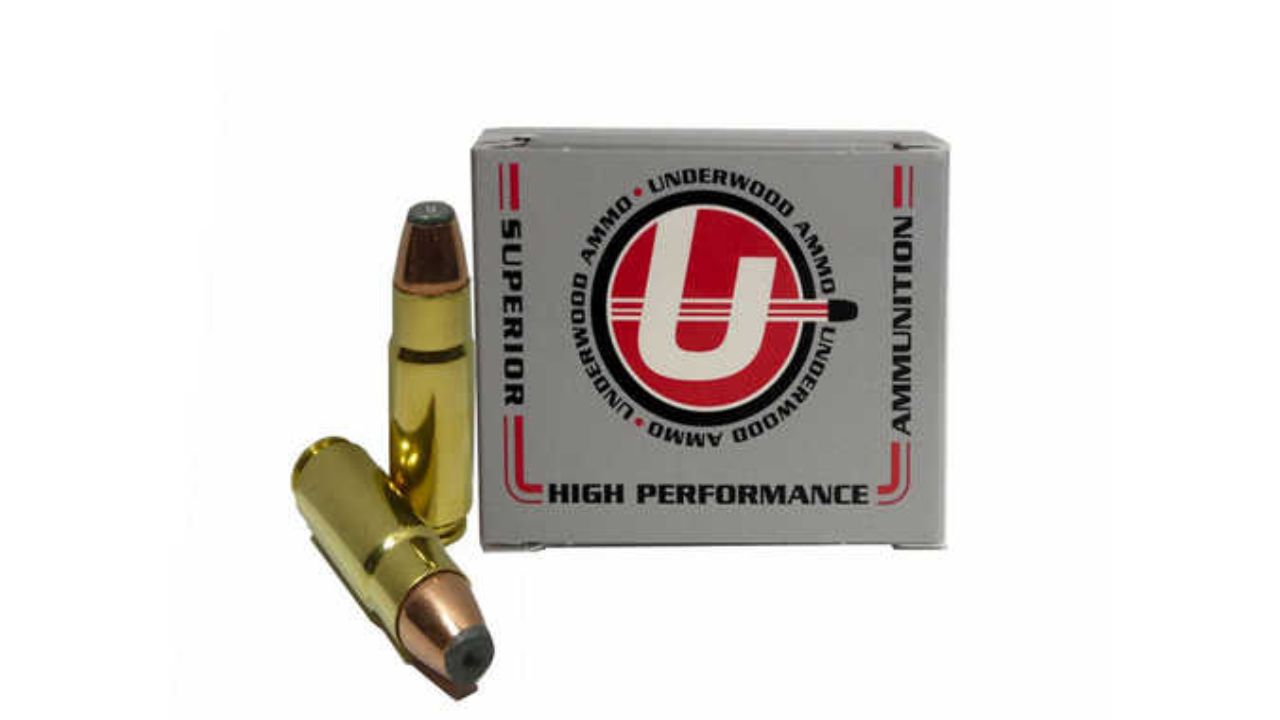
.458 SOCOM is one of those cartridges that feels purpose-built for pigs up close. It throws heavy bullets, it hits hard, and it’s often used in suppressed AR setups that are made for night hunting and fast shooting. When a sounder shows up at close range, that combination matters.
The cartridge isn’t about distance; it’s about decisive hits inside typical hog ranges. With quality bullets, you get deep penetration and the kind of impact that can break pigs down even when they’re moving or quartering. It’s also a cartridge that tends to be easier on hearing when suppressed, which can keep a hunt organized when multiple hogs are in front of you. Ammo can be more specialized and expensive, but for hog hunters who live in the night-hunting world, .458 SOCOM has earned its place.
5.56 NATO / .223 Remington

5.56 can absolutely kill hogs, and plenty of hog hunters use it because the rifles are light, controllable, and fast. When pigs show up in numbers, the ability to put accurate rounds on target quickly is a real advantage—especially if you’re managing recoil and trying to make follow-up shots without losing the sight picture.
But you have to be honest about limits. Bullet choice matters more here than with bigger cartridges. You want a proper hunting bullet that penetrates and holds together, not a varmint bullet that blows up early. Shot placement matters too—put it in the ear, the neck, or through the vitals with a good angle, and it works. Try to punch through heavy shield at bad angles with cheap ammo, and you’ll end up chasing pigs. Used correctly, though, 5.56 is a practical hog cartridge.
6.8 SPC

6.8 SPC sits in a sweet spot for hog hunters who like the AR platform but want more authority than 5.56. It throws a heavier bullet, hits harder, and generally gives you more reliable performance on bigger pigs without turning your rifle into a heavy, hard-kicking beast.
On hogs, that extra bullet weight and diameter can make a difference when the shot isn’t perfect or the pig is tougher than average. You can still get fast follow-up shots, and you get a bit more confidence on shoulder hits. It’s especially appealing for hunters who live in that 50–200 yard world—fields, senderos, and edges where pigs move fast and you might have to shoot quickly. It’s not as common as .308 or .223, but among hog hunters who’ve used it, 6.8 SPC keeps coming up as a “quietly effective” option.
.243 Winchester

A .243 is a classic “shoot it well” cartridge, and that matters with hogs. It’s flat-shooting, mild in recoil, and accurate in most rifles. When you’re trying to place a bullet precisely on a pig that won’t hold still, that combination can be more valuable than raw horsepower.
The key is using the right bullet. A tough .243 hunting bullet can penetrate far better than people assume, and it can absolutely put pigs down cleanly with good shot placement. It’s also a cartridge that lets you practice more without getting beat up, which pays off when the shot happens fast. Where .243 gets people in trouble is treating it like a big-bore and taking poor angles on heavy boars. If you keep it honest and place the shot, .243 remains a dependable hog cartridge.
.357 Magnum (carbine)

A .357 Magnum lever gun or carbine is one of the most underrated hog tools for close-range work. Out of a longer barrel, .357 gains meaningful velocity, and with the right load it can penetrate well and hit harder than most people expect. In brush or around feeders, it’s a handy setup that’s quick to point and easy to shoot.
Its real strength is controllability. You can run it fast, stay on target, and make follow-up shots without wrestling recoil. With heavy, properly constructed bullets, it can do solid work on pigs inside practical distances. It’s not a long-range cartridge and it’s not the best choice for the biggest boars at bad angles, but as a close-range hog rifle you can carry all day, it earns its keep. When you want a light, quick gun that still hits with authority up close, .357 in a carbine keeps surprising people.
Like The Avid Outdoorsman’s content? Be sure to follow us.
Here’s more from us: