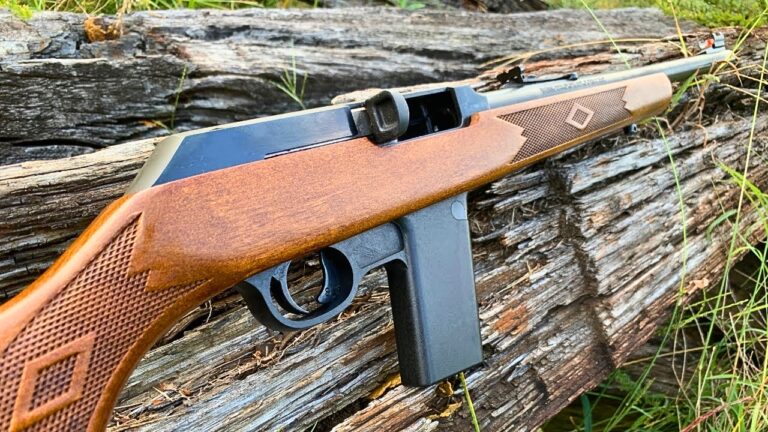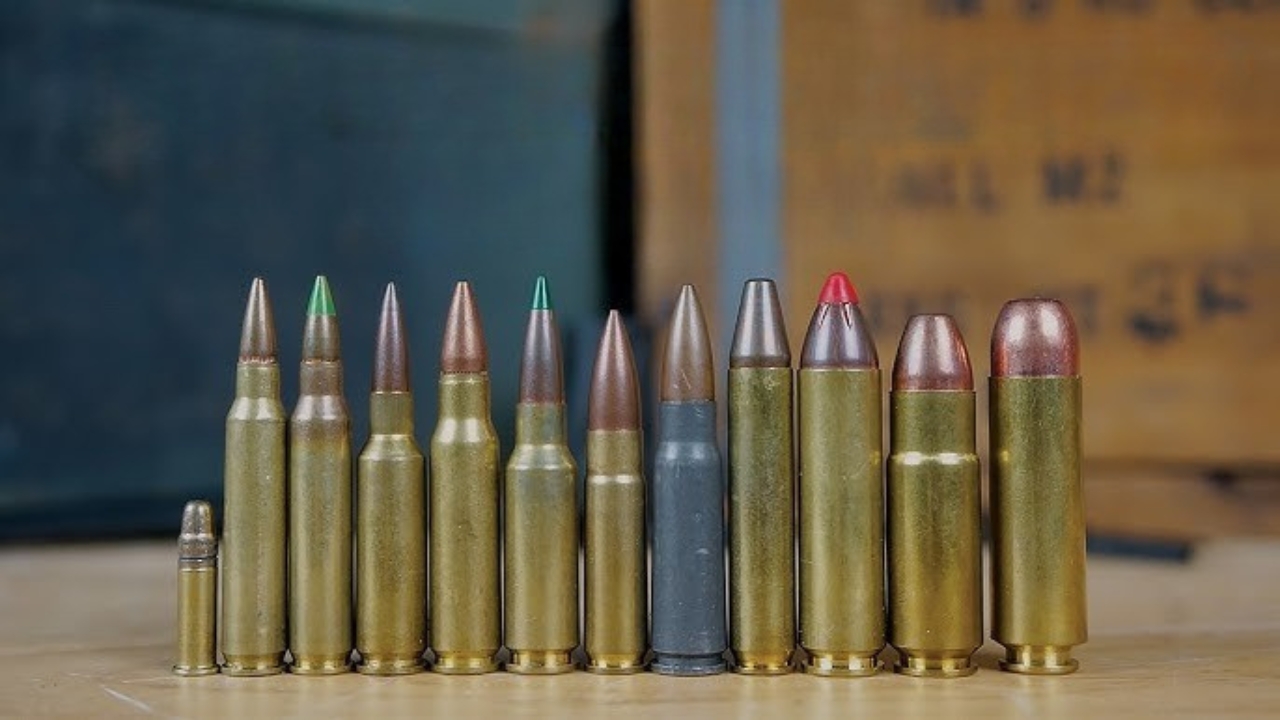
Photo credit: Bear Creek Arsenal/YouTube
Hunting calibers have a funny way of sticking to you. You’ll swear one off after a bruising range session, a loud muzzle blast in a tight blind, or a blood-trail lesson you learned the hard way. Then a season or two later, you’re back at the counter buying the same box again, because deep down you know what that round does when the shot is right and the rifle fits you.
A lot of these cartridges hang around because they’re available everywhere, they’ve been killing game for decades, and they match how most people really hunt. They’re not always pleasant. They’re not always trendy. But they keep putting meat in the freezer, and that’s why they keep finding their way back into your rotation.
.30-06 Springfield

You tell yourself you’re moving on because it kicks more than you want, and it can tear up close-range deer if you get careless with bullet choice. Then you remember why it never dies. With the right load, it handles deer, elk, and moose in the real world without needing a long barrel or a heavy rifle.
A Remington 700 in .30-06 is the kind of setup that keeps working year after year. Ammo is easy to find, bullets are everywhere, and it’s forgiving when conditions aren’t perfect. You may flirt with newer rounds, but when you want familiar performance and broad capability, the old ’06 drags you back like it owns a piece of your hunting brain.
.270 Winchester
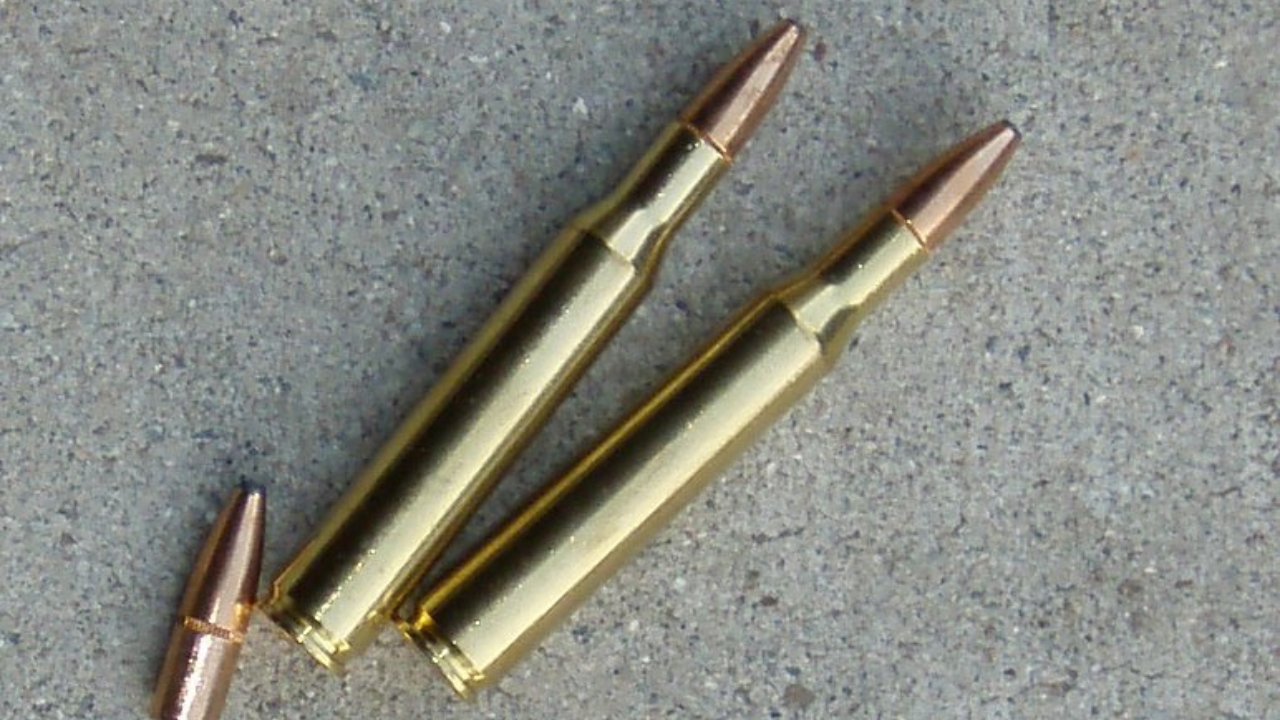
You swear you’re done with it because it feels “boring,” and the debates never end. Then you watch what it does to deer-sized game with a good bullet and a steady shot. It shoots flat enough for normal hunting distances, recoil stays manageable, and it doesn’t ask for special treatment.
A Winchester Model 70 in .270 has probably killed more cleanly taken deer than most internet favorites combined. The cartridge carries well in a light rifle and still hits with authority out where many shots actually happen, across a draw or down a logging road. You can roll your eyes at the nostalgia, but when it’s time to hunt and you want confidence without surprises, the .270 has a way of reappearing in your safe.
.308 Winchester

You try to replace it because it isn’t glamorous, and people love talking you into faster or flatter. Then you realize the .308 does almost everything you need with less drama than most magnums. It’s efficient, accurate in a wide range of rifles, and easy to find in nearly any store.
A Ruger American in .308 is the kind of working setup that makes sense for deer and elk inside sane distances. Recoil is enough to respect, not enough to dread, and it’s easy to practice with compared to bigger belted rounds. The .308 keeps coming back because it’s practical. When you want a round that behaves predictably and still hits hard, it’s tough to walk away for long.
7mm Remington Magnum

You say you’re done because it’s loud, it’s sharp on the shoulder in lighter rifles, and it can feel like overkill on deer up close. Then you get into open country, the wind starts playing games, and you remember why so many serious hunters still rely on it.
A Savage 110 in 7mm Rem Mag gives you reach and speed without needing a specialized rifle. With the right bullet, it’s a legitimate elk cartridge, and it carries energy well when shots stretch out across big terrain. You might grumble about recoil and muzzle blast, but when the season gets real and the country gets wide, the 7mm mag has a way of earning its spot again.
.300 Winchester Magnum

You swear it off after a long bench session because it can make you flinch if you don’t stay disciplined. It’s also loud enough to rattle your teeth in a blind. Then elk season rolls around and you remember why it’s still one of the most common “serious” mountain cartridges in camp.
A Browning X-Bolt in .300 Win Mag gives you a lot of room for error in terms of energy and distance, especially on bigger-bodied game. The cartridge is not gentle, but it’s effective, and ammo is widely available compared to many niche long-range rounds. You might not love shooting it all afternoon, but you end up carrying it because you trust what it does when the shot window is tight and the stakes are high.
.243 Winchester

The .243 is the round people love to argue about. You may wish you could forget the internet noise, the “too small” comments, and the occasional bad story from someone using the wrong bullet. Then you watch a disciplined hunter put a good projectile through the ribs, and you’re reminded how cleanly it can work on deer.
A Tikka T3x in .243 is easy to shoot well, and that matters more than caliber bravado. Light recoil means more practice and better shot placement, especially for smaller-framed hunters or anyone who wants to stay sharp without getting beat up. The .243 keeps coming back because it’s accurate, flat enough for most deer hunting, and pleasant to live with. You might not brag about it, but you keep respecting it.
.25-06 Remington

You swear it off because it’s not as common as it used to be, and ammo can be hit-or-miss depending on where you live. Then you remember how it shoots. It’s fast, flat, and hits deer-sized game with a clean, decisive feel when you pick the right bullet for your distances.
A Weatherby Vanguard in .25-06 is a classic “western deer” pairing, but it works anywhere you need reach without punishing recoil. It’s a cartridge that rewards careful bullet selection, especially if you want controlled expansion instead of excessive meat damage. The .25-06 keeps dragging hunters back because it’s a sweet spot round that performs better than its current popularity suggests, and it still feels like cheating when you’re holding on hair across a windy cut.
6.5 Creedmoor

You may want to forget it because the hype got loud, and the talk sometimes outran real hunting experience. Then you go shoot one and realize why it caught on. It’s accurate, recoil is mild, and it carries well with modern bullets at the distances most hunters actually shoot.
A Bergara B-14 in 6.5 Creedmoor is a setup that makes practical accuracy feel easier, especially from field positions. With the right bullet, it’s a legitimate deer and elk option inside sensible ranges, and it tends to encourage more practice because it’s comfortable to shoot. You might roll your eyes at the marketing wave, but the cartridge keeps earning its place by helping you put rounds where they need to go.
7mm-08 Remington

You tell yourself it’s too “middle of the road” to matter, then you keep coming back because it works. The 7mm-08 has enough punch for deer and can handle elk with good bullets and good decisions. Recoil stays friendly, and the cartridge fits well in short-action rifles that carry nicely.
A Remington Model Seven in 7mm-08 is a classic woods-to-hills rifle, and it balances like it was built for real hunting days. The round shoots flat enough for most situations and doesn’t demand magnum blast to get the job done. Hunters keep returning to it after flirting with faster rounds because it’s easy to shoot well and hard to argue with when the freezer is getting filled.
.30-30 Winchester

You may wish you could forget the limitations, the rainbow trajectory past modest distances, and the jokes from guys who only talk in dial-ups and turret clicks. Then you hunt thick woods again and remember why the .30-30 refuses to leave. It carries light, comes up fast, and kills deer cleanly inside the ranges where most timber shots happen.
A Marlin 336 in .30-30 is one of the most practical deer rifles ever carried. It’s also forgiving in rough weather and easy to handle in a stand or still-hunting through brush. The cartridge doesn’t need to be trendy to be effective. You keep coming back because it matches real hunting more often than people admit, and it turns quick opportunities into filled tags.
.35 Remington

You swear it off because ammo can be hard to find and prices can sting when you do find it. Then you remember what it does in thick cover. The .35 Rem hits with a heavy, confident shove, and it tends to leave a more convincing trail when angles get less than perfect.
A Marlin 336 chambered in .35 Rem is a woods hunter’s kind of rifle. It’s quick, steady, and the cartridge carries authority without magnum blast. The downside is availability, but the upside is performance where it counts, especially on bigger-bodied deer or hogs in brush. Hunters keep circling back because it fills a niche that modern “flat-shooters” don’t always handle as well up close.
.45-70 Government

You want to forget it after a few full-power loads remind you that recoil is real. You also know it’s not the round for casual long-range work. Then you get into heavy cover, big hogs, or bear country and you remember why it’s still carried with quiet confidence.
A Henry All-Weather in .45-70 is built for rough days and close-range authority. With the right loads, it can be surprisingly versatile, and it hits hard in a way that’s easy to understand. The cartridge can be gentle or brutal depending on how you feed it, and that’s part of the appeal. Hunters keep coming back because few rounds settle a close-range problem with the same kind of certainty, especially when the terrain is tight and the animal is tough.
.44 Magnum

You swear it off because it’s a handgun round, and people love telling you it has no business in a rifle. Then you hunt thick woods or short-range blinds and remember how practical it can be. Out of a carbine, .44 Mag is controllable, hits hard at close range, and doesn’t punish you like big rifle cartridges.
A Ruger 77/44 is a handy pairing that carries like a light deer rifle and handles fast shots well. The limitations are real, but inside its lane it performs with a kind of honest effectiveness. It’s also a cartridge you can practice with without feeling like every range trip is an event. Hunters keep circling back because it’s efficient for close work, especially on deer and hogs where shots are measured in yards, not football fields.
.350 Legend

You may wish you could forget it because it arrived with a lot of noise, and the early chatter made it sound like a magic answer. Then you hunt in straight-wall states and realize it fills a real need. It offers mild recoil, practical energy, and better downrange performance than older straight-wall options in many setups.
A CVA Cascade in .350 Legend gives you a modern, accurate rifle option that’s easy to shoot well. The cartridge is not a long-range hammer, but it works inside realistic distances and it tends to be pleasant to practice with. That practice shows up in better shooting when the moment matters. Hunters keep coming back because it’s legal where it needs to be legal, it’s comfortable to run, and it puts deer down cleanly when you do your part.
7.62×39

You want to forget it because it’s associated with cheap steel-case ammo and endless opinions. Then you hunt thick cover or short-range spots and realize it can be a legitimate deer and hog round with the right loads. It’s mild, easy to control, and accurate enough in a good rifle.
A CZ 527 in 7.62×39 makes the cartridge feel far more refined than its reputation suggests. With quality hunting ammunition, it can hit with more authority than people expect at woods distances, and it encourages frequent practice because recoil is light. The limitation is range, and that’s fine. Hunters keep coming back because it’s efficient for close work, rifles can be compact and handy, and the round does the job when you keep it in its lane.
.22-250 Remington

You swear it off because it can be hard on hides and loud enough to make long predator sessions feel harsh. Then coyotes start showing up again, and you remember why so many hunters stick with it. The .22-250 shoots flat, hits hard for a small bore, and makes quick shots easier when the dog won’t hold still.
A Remington 700 Varmint in .22-250 is a classic predator rig that can be extremely accurate. It’s a cartridge that rewards you for knowing your wind and picking the right bullet for what you’re hunting. You may complain about barrel heat and noise, but you keep coming back because it performs in the field. When you need reach and speed for coyotes across open ground, the .22-250 keeps earning another chance.
Like The Avid Outdoorsman’s content? Subscribe to our newsletter so you never miss an article.
Here’s more from us: