Photo credit: Academy Sports
I used to walk gun shows like I was hunting for a trophy. If it wasn’t the newest polymer pistol, the hottest AR, or whatever the internet was yelling about that week, I kept moving. The older I get, the more I value stuff that actually works when the weather is bad, the light is low, and you’re tired and cold. A lot of these are “boring” guns. A few are ugly. Some are heavy. But they’re the kinds of firearms that quietly solve problems, and they’re getting harder to find in honest condition.
Here are 20 that my younger self would have ignored, and my current self would snag without thinking twice.
1. Ruger GP100 (4-inch .357 Magnum)

I used to think a big double-action revolver was something you bought after you “graduated” from real guns. Then I spent enough time outdoors to understand what simple reliability looks like. A GP100 in .357 will eat light .38s all day for practice, then take serious loads without feeling like it’s beating itself to death. The lockup is solid, the cylinder feels like a bank vault, and it points naturally if you’ve shot a few wheelguns.
It’s not a featherweight, and that’s exactly why it’s good. On a belt while checking fence or walking a creek line, the weight soaks recoil and makes follow-up shots honest. It also doesn’t care if it rides dusty in a truck console for a week, as long as you’re not neglecting it completely. Younger me wanted “capacity.” Current me wants “works.”
2. Smith & Wesson Model 10 (K-frame .38 Special)
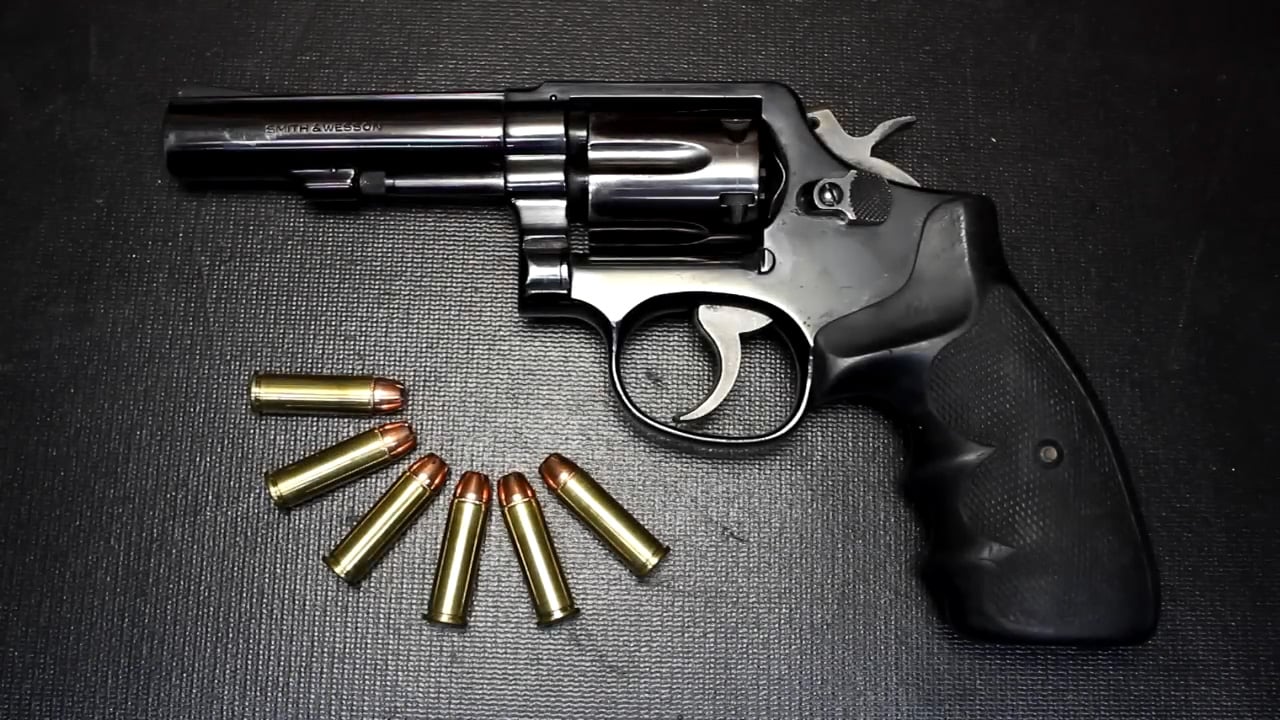
I walked past these like they were old police leftovers. Now I see them as one of the best “real life” handguns ever built. The Model 10 is the kind of revolver that teaches trigger control without punishing you, and the fixed sights are plenty for what a .38 is meant to do. There’s nothing flashy here, and that’s the appeal.
In a world of tiny carry guns that are miserable to shoot, a service-size .38 makes sense. It’s easy to run well, easy to maintain, and it has that smooth, worn-in double-action feel that new guns try to imitate with marketing. Find one that hasn’t been abused, and you’ve got a handgun that will still be working when the trendy stuff is in a drawer somewhere.
3. Mossberg 500 (12 gauge)
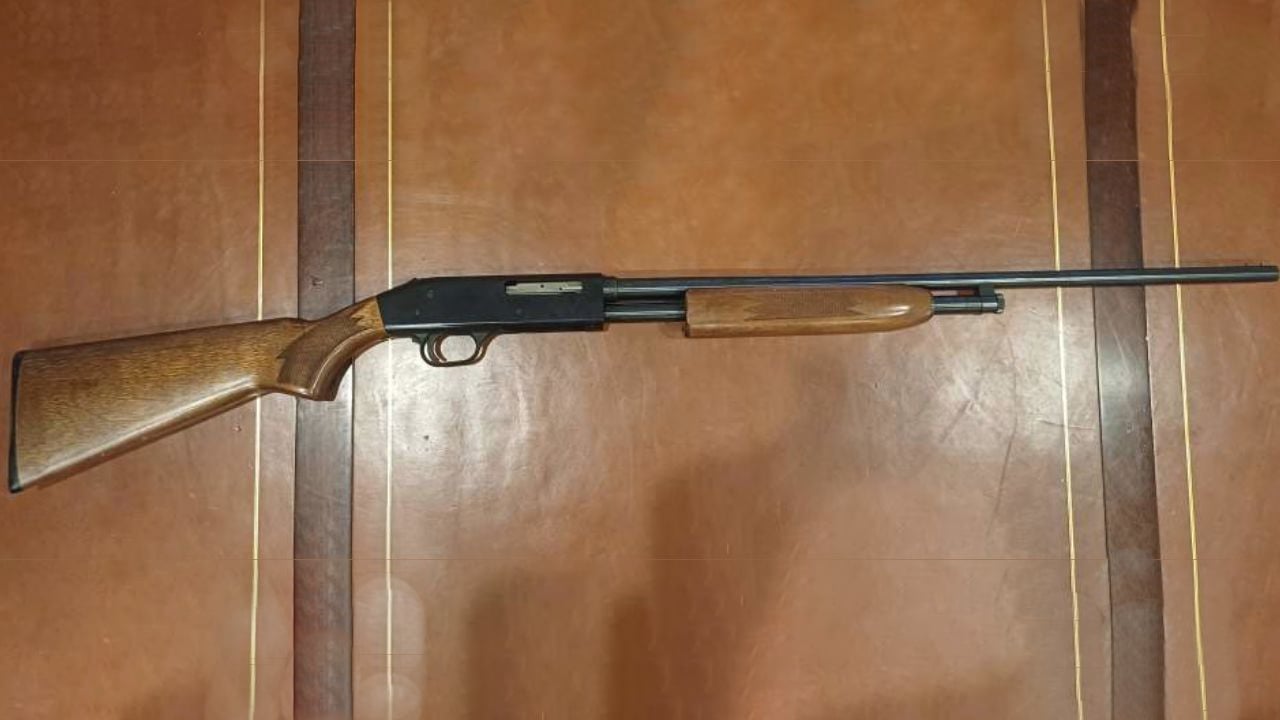
For a long time I treated the Mossberg 500 as a “starter shotgun,” like it was something you bought before you upgraded. That’s backwards. A 500 is a tool that keeps going, and it’s one of the few guns I’d trust to do everything from turkeys to home defense without acting delicate about it. The tang safety is also a big deal if you shoot left-handed or switch shoulders in the field.
The action isn’t as slick as some higher-dollar pumps, and the finish can wear if you actually use it. Good. That wear means the gun is doing its job. Barrels, chokes, and parts are everywhere, so you’re not stuck hunting unicorn pieces when something breaks. If you see an older, plain 500 that cycles clean and locks up tight, don’t overthink it.
4. Remington 870 Wingmaster (older blued models)
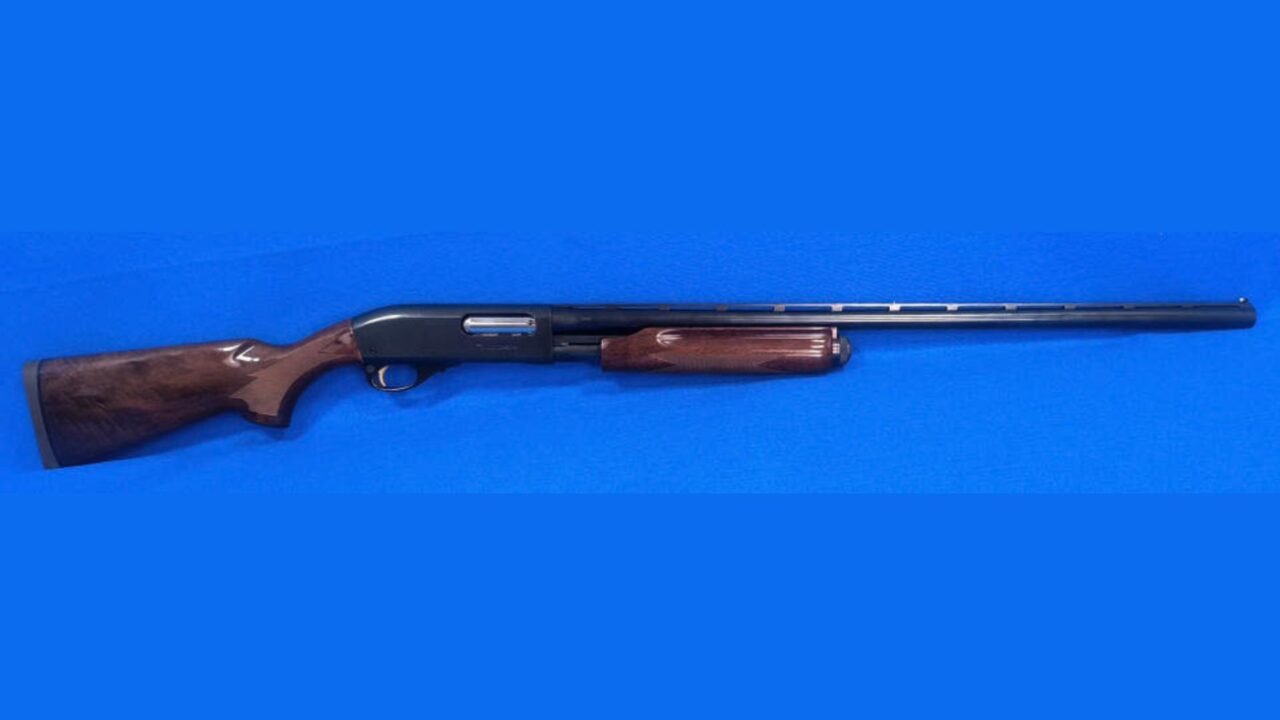
Younger me wanted whatever had the most “tactical” packaging. The older Wingmaster is the opposite: walnut, blue steel, and an action that feels like it’s on ball bearings. When you run one that’s been cared for, you understand why generations trusted them for birds, deer, and everything in between. That smooth pump stroke matters when you’re wearing gloves and your hands are cold.
You do have to pay attention to condition, because not every used 870 has had an easy life. Check the carrier, check the ejector, and make sure the action bars aren’t bent. Still, a good Wingmaster is a lifetime shotgun. It’s also a reminder that “old” doesn’t mean “worn out,” and “new” doesn’t automatically mean “better.”
5. Marlin 336 (lever-action .30-30)
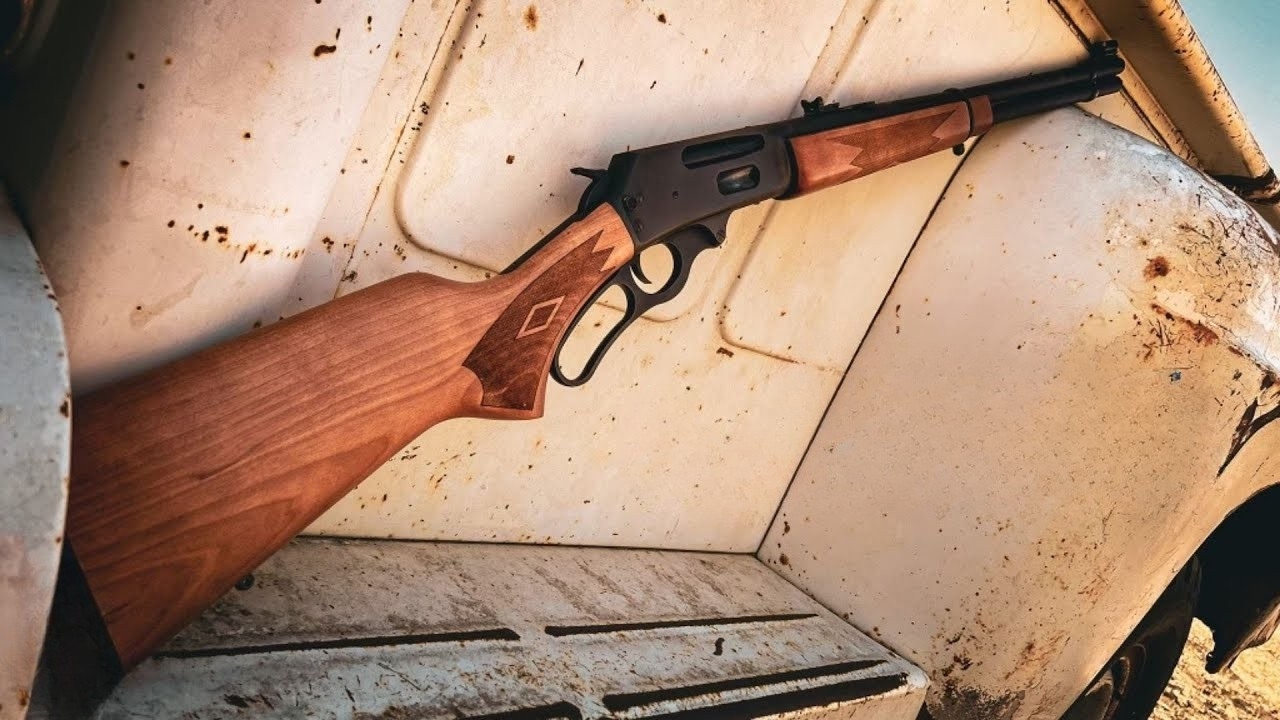
I used to think the .30-30 was for guys who didn’t know any better. Then I carried a lever gun through thick timber and realized how handy “short, slim, and quick” really is. A Marlin 336 balances in one hand, comes to the shoulder fast, and doesn’t hang up on brush like longer bolt guns can. Inside 150 yards, it’s just plain effective on deer.
Ammo isn’t exotic, recoil is manageable, and the rifle doesn’t demand a bunch of gadgetry to be useful. The side-eject design makes scoping straightforward if your eyes aren’t what they used to be, but it still works fine with irons. The real trick is finding one that hasn’t been “improved” by somebody with a file and a dream. A clean 336 is a keeper.
6. Winchester Model 94 (pre-safety .30-30)

The Model 94 is one of those rifles you don’t fully appreciate until you’ve carried it miles. It’s light, it carries flat, and it feels alive in the hands. Younger me judged it on paper ballistics. Current me judges it on how it rides against my shoulder while slipping along a cutline at first light.
Top-eject versions are a little fussier if you want a traditional scope, but plenty of folks run a receiver sight or an offset mount and do just fine. What matters is the handling and the simplicity. A good 94 has that familiar lever throw and a natural point that makes snap shots realistic. If you hunt in the woods, this rifle makes more sense than the internet wants to admit.
7. Ruger 10/22 Carbine
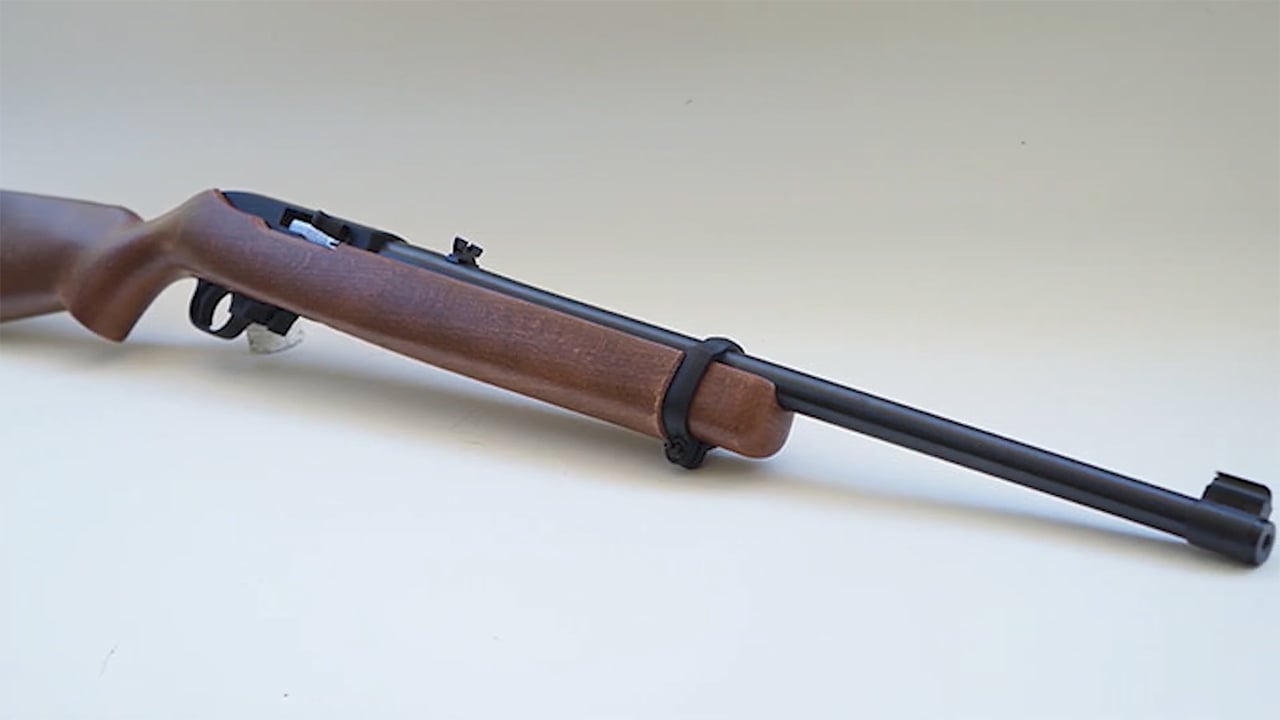
I thought .22s were for kids. That one hurts. A 10/22 is one of the most useful firearms a person can own, and it’s the gun you end up grabbing more than you expected. It’s cheap to feed, easy to suppress if you go that route legally, and perfect for everything from squirrels to knocking over steel after work. It also tells the truth about your shooting habits.
Magazines are everywhere, parts are everywhere, and you can keep it bone stock and be happy. The carbine version carries well and doesn’t need to be a benchrest project to be fun. It’s also a great “loaner” for new shooters because the controls are simple and the recoil is basically nothing. If I see a clean older one with a decent trigger, it’s hard to leave it behind.
8. Marlin Model 60 (tube-fed .22 LR)
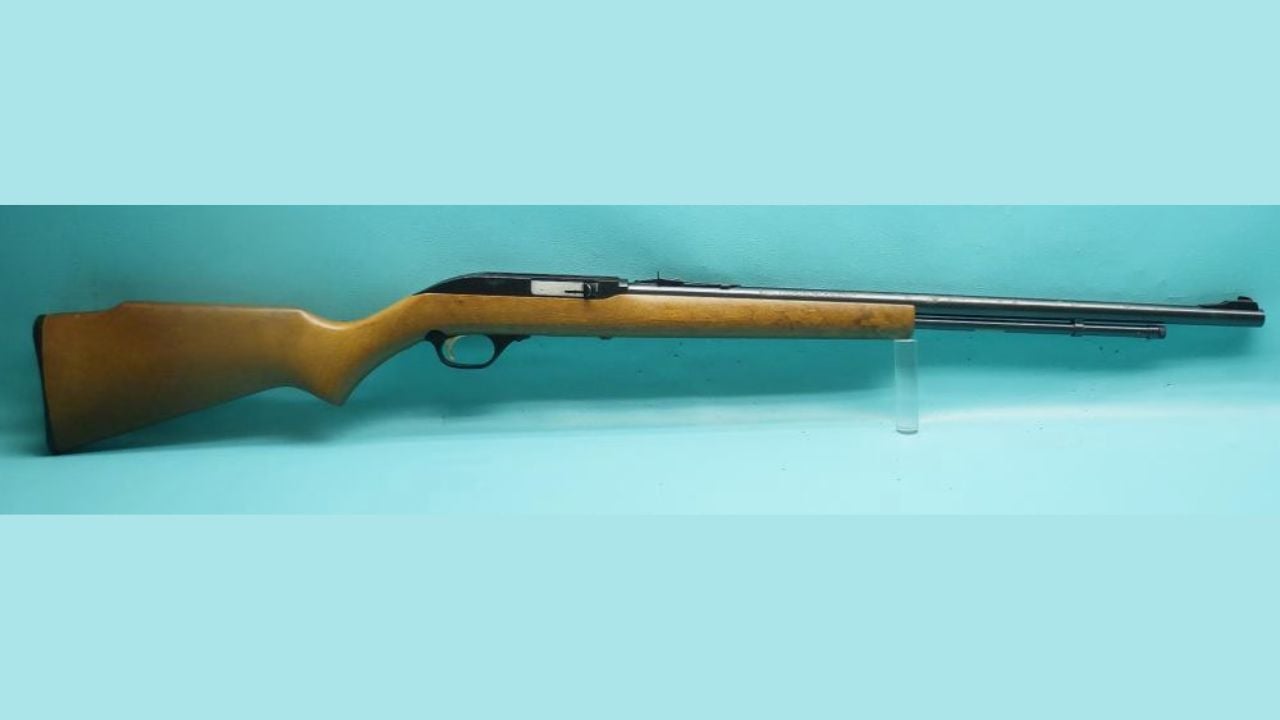
I used to overlook the Model 60 because it didn’t take detachable mags and it wasn’t “cool.” Now I see it as one of the best small-game rifles ever sold at a working-man price. A tube-fed .22 is slow to load compared to a box magazine, sure, but it’s also dead simple and it keeps the rifle sleek. No spare mags to lose in the leaves.
When they’re running right, they can be surprisingly accurate with bulk ammo, and they carry light for still-hunting squirrels. Maintenance matters more on these than on some newer designs, so I pay attention to how the action feels and whether it’s been neglected. Still, a good Model 60 is a rifle you can hand to somebody and know they’ll have a good day. There is nothing fancy about it, and that is kind of the point.
9. CZ 457 (bolt-action .22 LR)
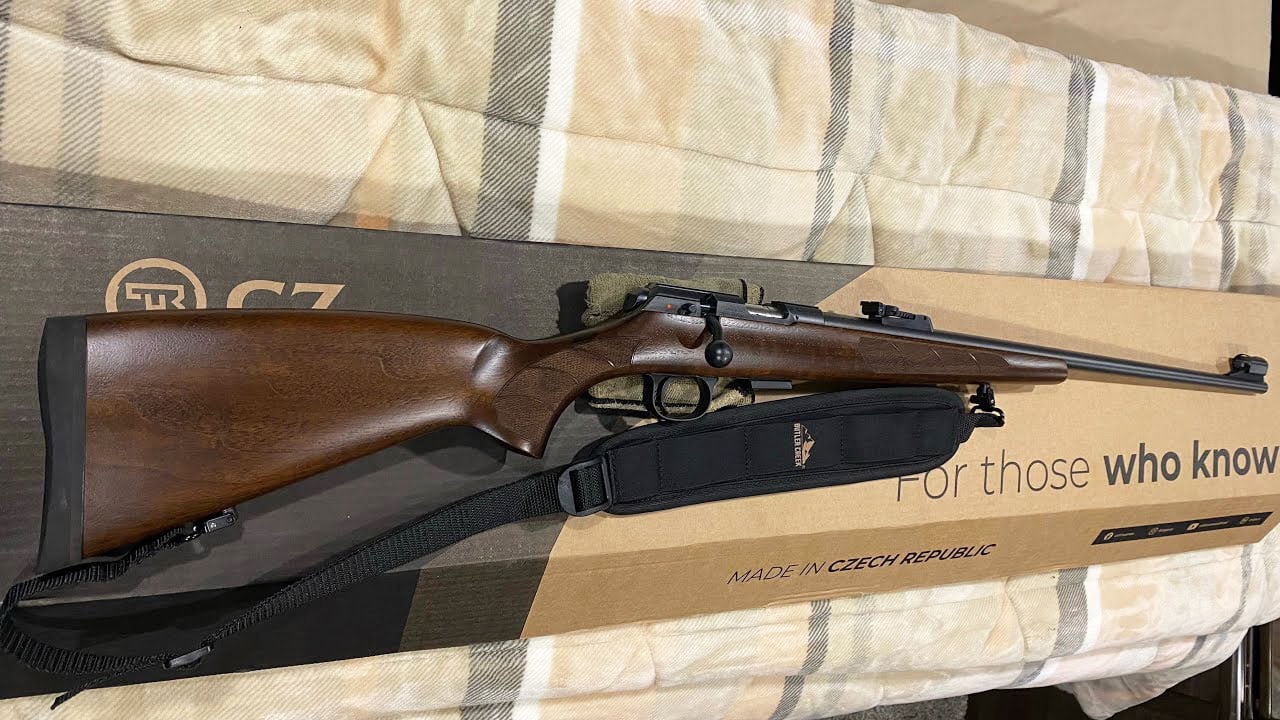
Younger me didn’t see a reason to own a bolt-action .22 when semi-autos existed. Then I started caring about first-shot hits, quiet practice, and rimfire precision that doesn’t require excuses. The CZ 457 has a smooth bolt, good barrels, and triggers that make you look better than you are if you do your part. It feels like a real rifle, not a toy.
This is the gun you take to the range when you want to improve, not just make noise. It’s also the rifle that makes cheap ammo shortages hurt less, because you can still train without burning centerfire money. The 457 is not the cheapest rimfire on the rack, but it’s one of the best values in terms of build quality. Once you own a good bolt .22, you stop laughing at them.
10. Savage 99 (lever-action .300 Savage or .308 Winchester)

I walked right past Savage 99s for years because they didn’t look like the “classic” lever guns I had in my head. Big mistake. The 99 is a serious hunting rifle with a slick lever throw and a rotary magazine that allows pointed bullets in many versions. That opens up real performance in a lever-action platform, especially in .300 Savage or .308.
They can be a little heavier than a Model 94, and they’re not as common, which means condition and parts matter. But in the deer woods, a good 99 carries and shoots like a rifle that was designed by someone who hunted. The balance is right, and the follow-up shot is fast without feeling rushed. If you find one that hasn’t been bubba’d up, it’s the kind of rifle you buy once and quit shopping for that niche.
11. Remington 700 (older ADL/BDL hunting rifles)
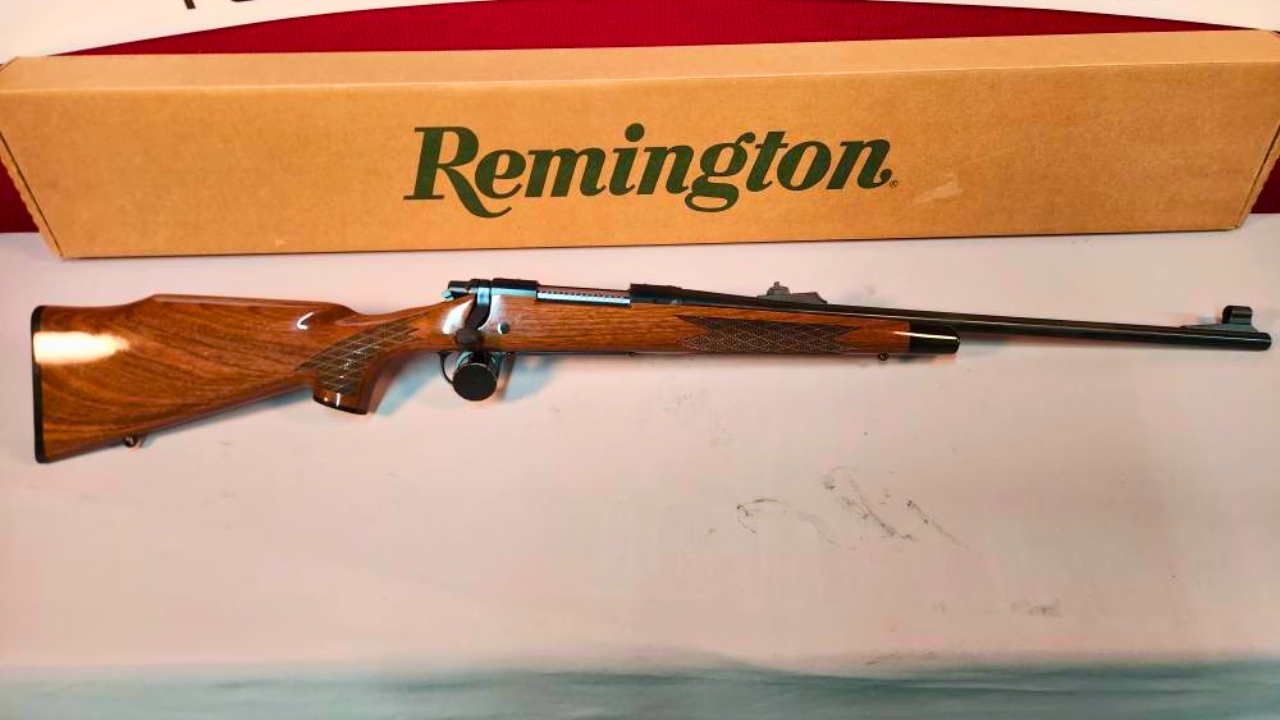
I used to treat the Remington 700 as just another bolt gun, nothing special. Then I watched how many rifles, stocks, triggers, and parts are built around that footprint. An older 700 that’s been kept clean is still a very practical hunting rifle. The action is smooth enough, the aftermarket is endless, and they tend to shoot well with basic loads.
This isn’t me ignoring the fact that you should pay attention to any used rifle’s safety function and overall condition. Check it like you mean it, and don’t buy problems. But a straightforward older 700 in .270, .308, or .30-06 is the kind of rifle that can be sighted in once and trusted season after season. It’s not glamorous. It’s just effective, and that’s what matters when the weather turns.
12. Ruger M77 (M77 Mark II / Hawkeye)
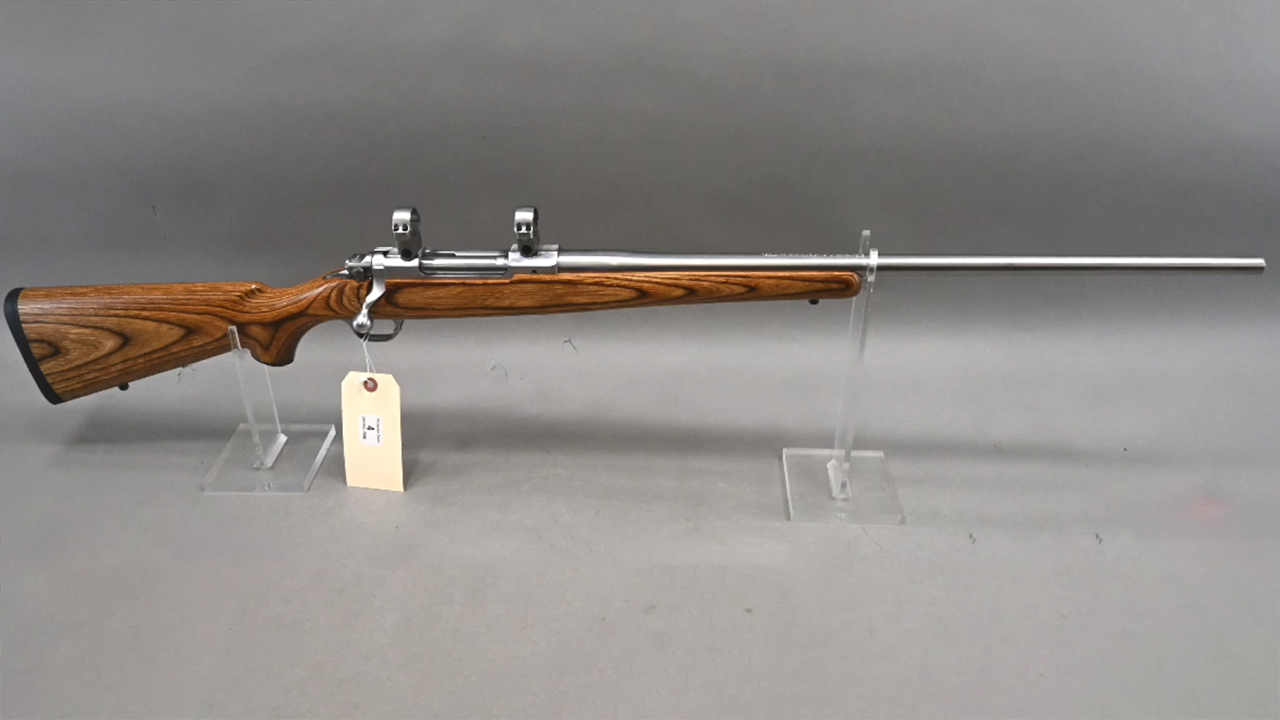
The Ruger M77 used to feel “chunky” to me compared to sleeker actions. Now I like that it feels stout. The controlled-round-feed style on many of them, the strong extractor, and the general ruggedness make sense for a hunting rifle that might get knocked around in a scabbard or bounced off an ATV rack. The three-position safety is also a big practical win in the field.
They aren’t always the lightest rifles, and some have triggers that benefit from careful attention by a competent gunsmith. But these rifles are honest. They handle bad weather well, they’re not finicky about being babied, and they shoot plenty accurate for real hunting distances. If I see a clean M77 in a common caliber with a decent bore, I’m not walking away like I used to.
13. Tikka T3x Lite

I wrote Tikkas off as “plastic European rifles” when I was younger and more stubborn. Then I carried one up and down ridges and realized light matters. The T3x Lite is easy to pack, the bolt run is slick, and they tend to shoot tight groups without drama. It’s a rifle you can actually hike with, not just pose with at the range.
The factory stock isn’t everyone’s favorite, and the magazines aren’t as cheap as some American options. Still, reliability and accuracy are the point here. For a whitetail or elk rifle that gets carried more than it gets shot, a Tikka makes a lot of sense. If you’ve ever finished a long day and felt your shoulder begging you to set the rifle down, you’ll understand why my priorities changed.
14. Browning A-Bolt (hunting models)

The Browning A-Bolt was one of those rifles I used to see on the rack and assume it was “overpriced fancy.” Then I actually spent time behind one. They tend to have a smooth action, good fit and finish, and accuracy that’s better than the average hunter really needs. They also balance well, which matters more than spec sheets admit.
What I look for now is a clean, unmolested hunting rifle that hasn’t been turned into somebody’s garage project. The A-Bolt often shows up in that category because owners either cherished them or barely used them. Scope mounting is straightforward, and recoil pads and stocks are usually comfortable enough for longer range sessions. It’s not the rifle for someone who wants to tinker nonstop. It’s for someone who wants to sight in and go hunt.
15. Glock 19 (Gen 3/Gen 4)

I was too cool for the Glock 19 at one point. I wanted something with more features, more angles, more “personality.” Then I realized boring can be beautiful when you actually carry a gun regularly. The Glock 19 is the size that works for a lot of people: big enough to shoot well, small enough to conceal with the right holster and belt. Mags and parts are everywhere, and it’s hard to truly wear one out.
It’s not a target trigger, and the grip angle isn’t everyone’s favorite. But it runs. In the real world, that’s the feature. If you take a class, shoot a few matches, or just do regular range work, you start appreciating a gun that doesn’t demand constant attention. When the latest wonder-pistol comes and goes, the 19 is still doing what it’s always done.
16. Smith & Wesson M&P Shield (9mm)
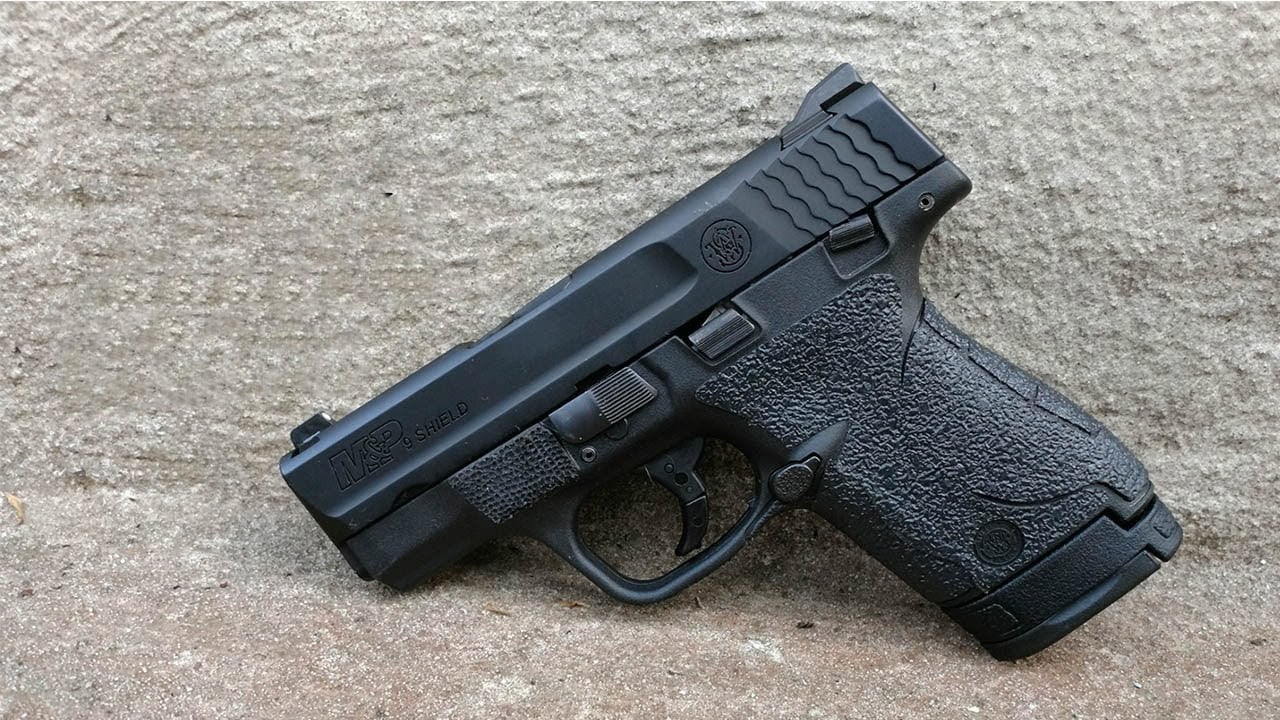
My younger self chased tiny guns that were miserable to practice with, or bigger guns that I’d “carry someday.” The Shield is the gun that taught me the value of a simple, slim pistol that you can actually live with. It disappears under normal clothes, it doesn’t weigh you down, and it still shoots like a real handgun instead of a stapler with sights.
The Shield isn’t perfect. The sight radius is short, and it can be snappy with hotter loads if you don’t grip it right. But it’s dependable, easy to maintain, and supported with holsters and magazines that don’t require a scavenger hunt. When a carry gun is comfortable, you’re more likely to have it on you when you need it. That matters more than arguing online about half-inch differences in group size.
17. Ruger LCR (in .38 Special)

I used to roll my eyes at lightweight snub-nose revolvers. Then I started paying attention to the times I truly needed a “grab it and go” gun for quick errands, checking a strange noise at night, or slipping something into a coat pocket on a cold day. The Ruger LCR is light, simple, and the trigger is better than it has any right to be for what it is.
Yes, recoil is real in a featherweight .38, especially with defensive loads. That’s the tradeoff. But the LCR isn’t meant to be fun for 300 rounds at the range. It’s meant to be carried a lot and shot enough to stay competent. It also doesn’t care about lint the way some pocket autos can. For a “always” gun, that little revolver has earned more respect from me than I expected.
18. Colt Detective Special (classic snub-nose .38)
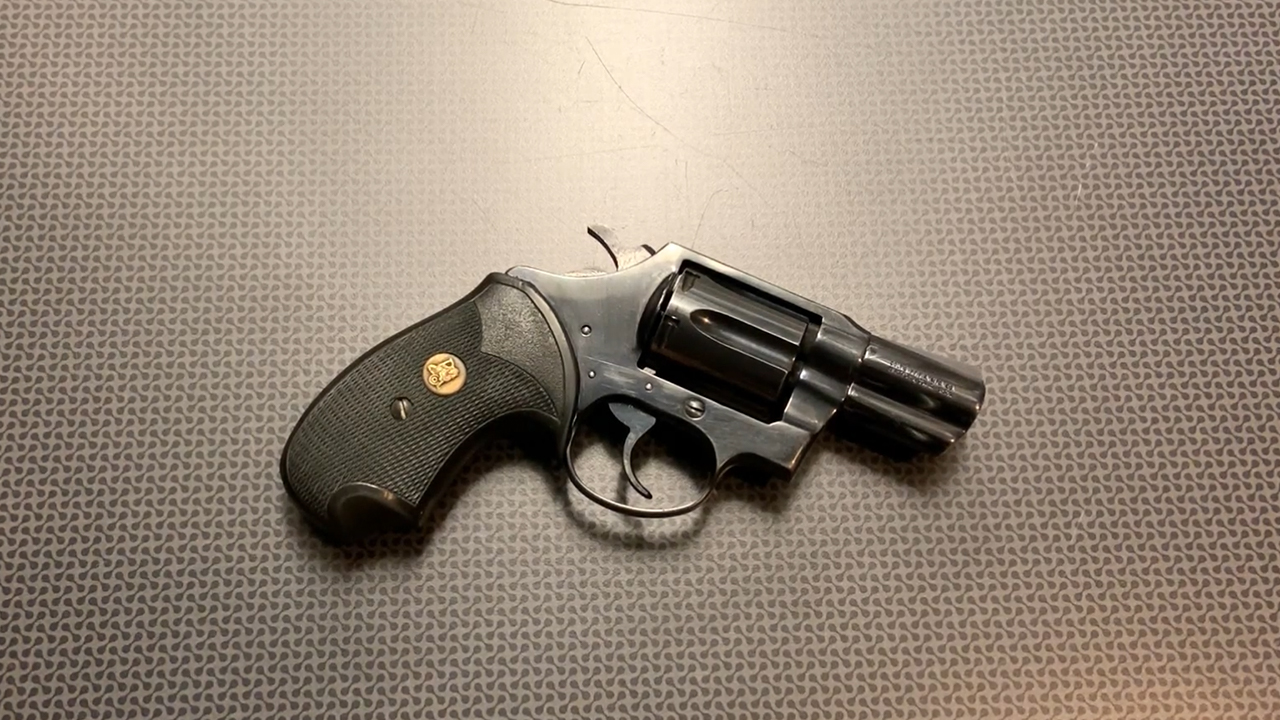
Old Colt snubs used to look like overpriced nostalgia to me. Now I see what they are: compact revolvers with real shootability, especially compared to the ultra-lightweight stuff. A Detective Special has enough weight and grip to run well, and the triggers on many of them are smooth in a way that modern production sometimes struggles to match. If you find one that hasn’t been abused, it’s a serious little gun.
This isn’t the kind of purchase you make without inspecting timing and lockup, because wear is a real thing on older revolvers. But as a practical collector piece that can still do real work, it’s hard to beat. It fits the hand, carries easily, and has that “made right” feel. I get why people sold them when polymer got hot. Still, I would not be quick to let one go.
19. Beretta 92FS

I thought the Beretta 92 was big, dated, and only interesting in movies. Then I shot one enough to appreciate how soft it runs and how easy it is to shoot well. The grip is large, sure, but the weight and design make 9mm feel almost gentle. If you’re introducing new shooters or you just want a pistol that behaves, the 92FS does that.
It’s also a great “nightstand gun” if you’re set up to store it safely. The controls are different than striker-fired guns, and that takes reps. But the gun itself is proven, magazines aren’t hard to find, and it tends to keep running with basic maintenance. It may not be the trendiest option, but it’s one of the few full-size pistols that makes long practice sessions feel easy.
20. SKS (standard fixed-magazine models)
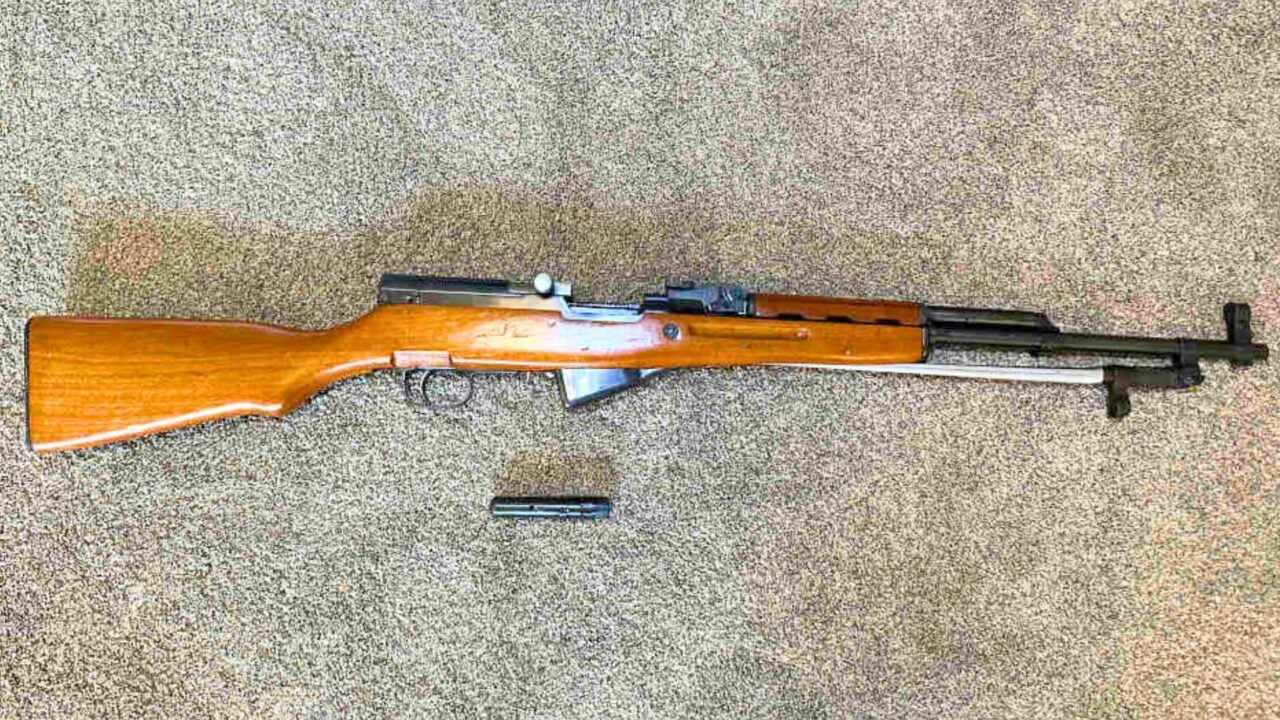
Younger me saw the SKS as a poor man’s rifle and kept walking toward whatever looked more modern. Then prices climbed, surplus dried up, and I actually paid attention to what the SKS is: a rugged, handy semi-auto that runs well with basic care and decent ammo. The fixed magazine with stripper clips isn’t sexy, but it’s simple and it works. For a woods rifle or a ranch gun, the handling is better than people expect.
The trick is avoiding the beat-to-death, “tacticooled” versions that have been messed with. A clean, original-style SKS with a good bore is the one that makes sense. It’s not as modular as an AR, and the ergonomics are old-school. But when you want a rifle that you can toss in a truck (securely, and within the law) and not worry about, it’s hard not to respect it.
If there’s a theme here, it’s that experience changes what you notice. The older I get, the more I care about a gun’s manners: how it carries, how it handles cold fingers, whether it runs when it’s dusty, and whether it’s still useful after the “new gun” excitement fades. If you’ve walked past any of these for the same reasons I did, you might want to slow down at the next shop counter. Ask me how I know.
Like The Avid Outdoorsman’s content? Subscribe to our newsletter so you never miss an article.
Here’s more from us: