Photo credit: Guns International
Some rifles do not disappear because they were bad. They disappear because the market moves on. A design gets replaced, ammunition fades, factories close, or younger shooters simply grow up with something different. Twenty or thirty years later, a rifle that once seemed ordinary can suddenly feel unusual when somebody brings one to the range.
That shift is especially noticeable with hunting rifles and rimfires. Plenty of older guns were produced in huge numbers, yet most surviving examples now live in closets, safes, or family collections instead of seeing regular use. Others became collectible enough that owners stopped treating them like everyday tools. These 20 rifles were once common enough that nobody thought twice about them. Today, seeing one in regular use feels increasingly rare.
Remington Model 788
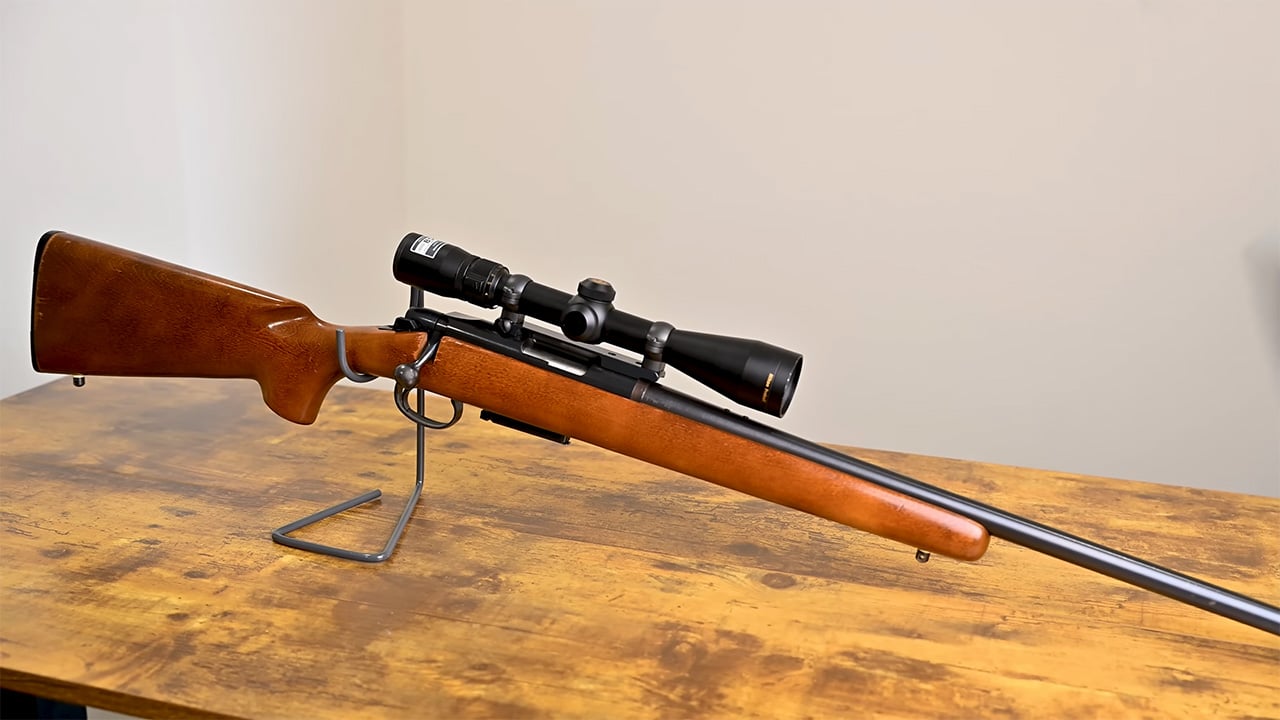
The Model 788 was everywhere for a reason. It was inexpensive, accurate, and available in useful chamberings that covered everything from varmints to deer. Plenty of hunters bought one because it was all they could afford and then discovered the rifle shot better than expected.
Today, the 788 has almost flipped roles. Clean examples are appreciated enough that owners hesitate to beat them up, while magazines and some replacement parts have become expensive or difficult to find. Younger hunters are far more likely to start with a Ruger American, Savage Axis, or similar modern rifle. The 788 still works, but it no longer feels like the ordinary bargain bolt gun it once was.
Marlin Model 60

The Model 60 was once one of the most common .22 rifles in America. It was affordable, accurate, and simple enough that generations of shooters learned on one.
Tube-fed semiautomatics have gradually lost ground to detachable-magazine rifles, especially the Ruger 10/22 and newer tactical-style rimfires. That change in preference is a major reason the Model 60 is not nearly as visible as it used to be. Plenty are still tucked away in closets and gun cabinets, but fewer new shooters are growing up with one. What was once an everyday rimfire now feels like a rifle from a different era.
Remington Nylon 66

The Nylon 66 looked futuristic when it appeared and became one of the most recognizable rimfires Remington ever made. Its synthetic stock and unusual construction were far ahead of what most shooters expected in the late 1950s.
For years, these rifles were common enough to be treated like ordinary plinkers. That changed once production ended and collectors started paying attention. Today, nice examples are far more likely to be preserved than carried around the farm. Parts are also less convenient than they once were. The Nylon 66 has gone from inexpensive utility rifle to nostalgic collectible, which is a dramatic shift for something that was once seen almost everywhere.
Winchester Model 190
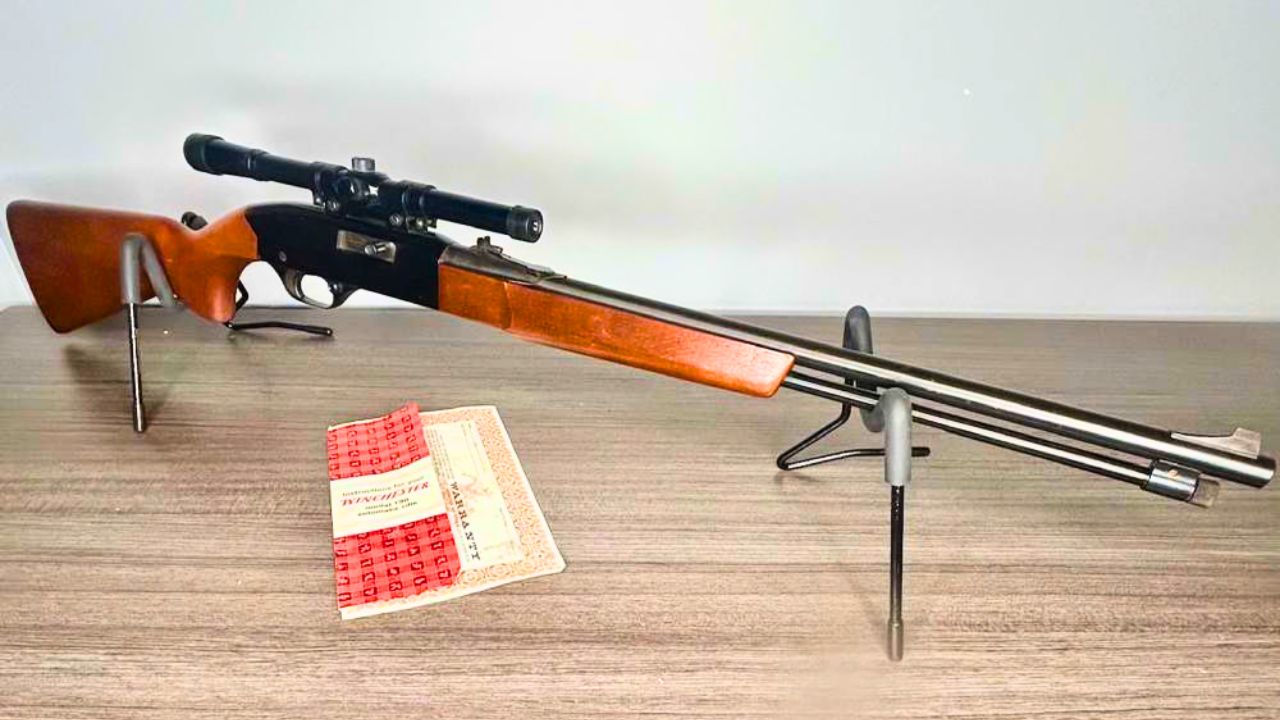
The Model 190 was a common inexpensive .22 that filled the same role as countless other department-store rimfires. It was simple, affordable, and good enough for cans, squirrels, and backyard plinking.
What pushed it out was not one catastrophic flaw. It was competition and time. The 10/22 became more adaptable, newer rimfires were easier to scope, and replacement parts became simpler to find for current-production guns. Old Model 190s still show up, but usually because someone inherited one. You rarely see somebody choosing one today as a primary .22 when so many newer options are easier to support.
Sears J.C. Higgins Model 30
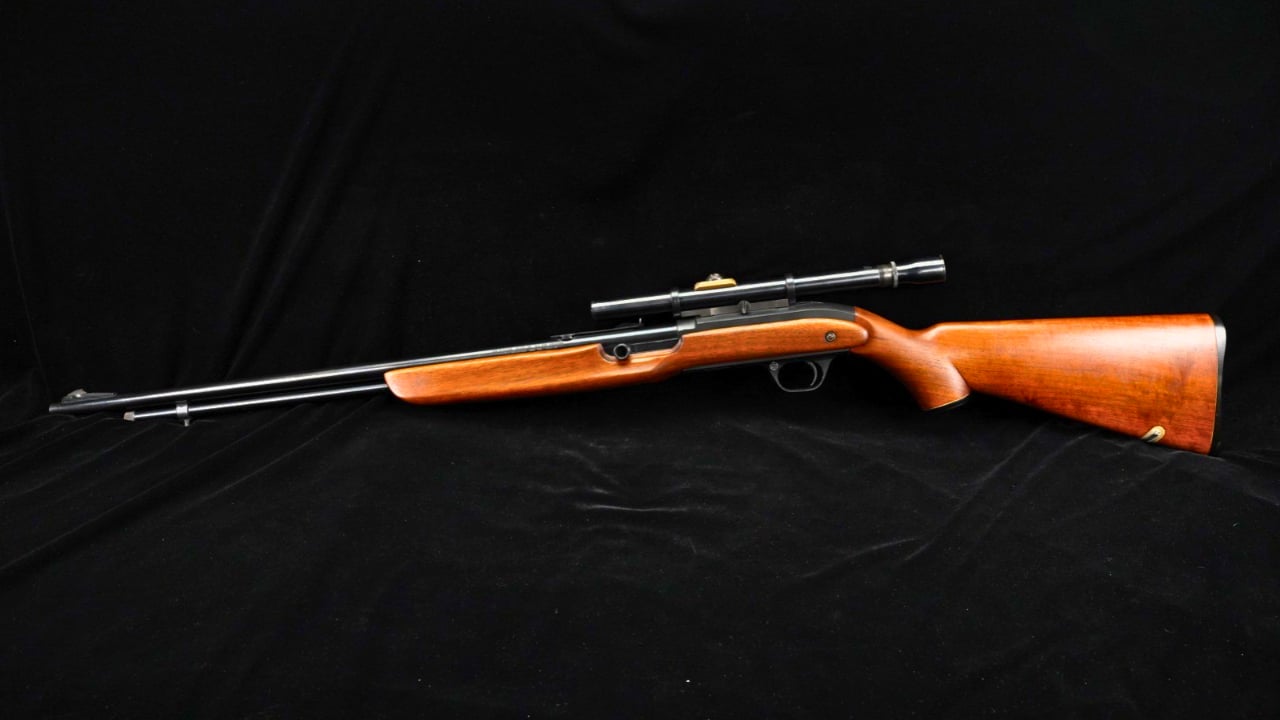
Department-store rifles once filled gun racks across the country, and the J.C. Higgins Model 30 was one of those guns many families simply bought because Sears was where they already shopped.
That entire retail world disappeared. Store-brand rifles became relics, even when the guns themselves were well made. The Model 30’s oddball branding and lack of modern support make it less appealing to younger shooters who have no connection to Sears firearms. Plenty probably still work perfectly. They just no longer have the cultural familiarity that once made them seem normal.
Glenfield Model 60
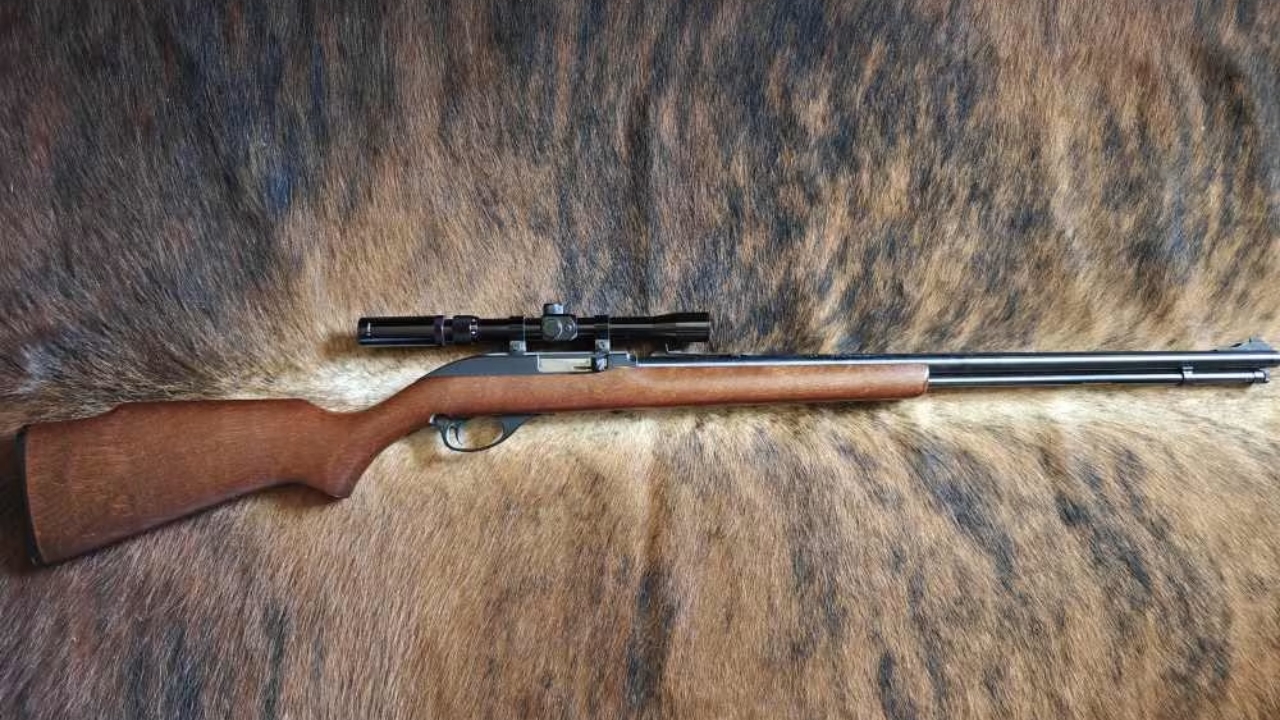
The Glenfield version of the Model 60 was another incredibly common working .22. It was sold as a more affordable variation and ended up in countless homes, trucks, and barns.
Because the rifle was inexpensive, many were used hard rather than preserved. That means surviving examples often show decades of wear, and cleaner guns have become more interesting to collectors. The Glenfield name itself also disappeared from the mainstream. Younger shooters may recognize Marlin but have no idea why an old rifle says Glenfield on the barrel. That is a big change from when the brand was common enough to feel completely ordinary.
Savage Model 340
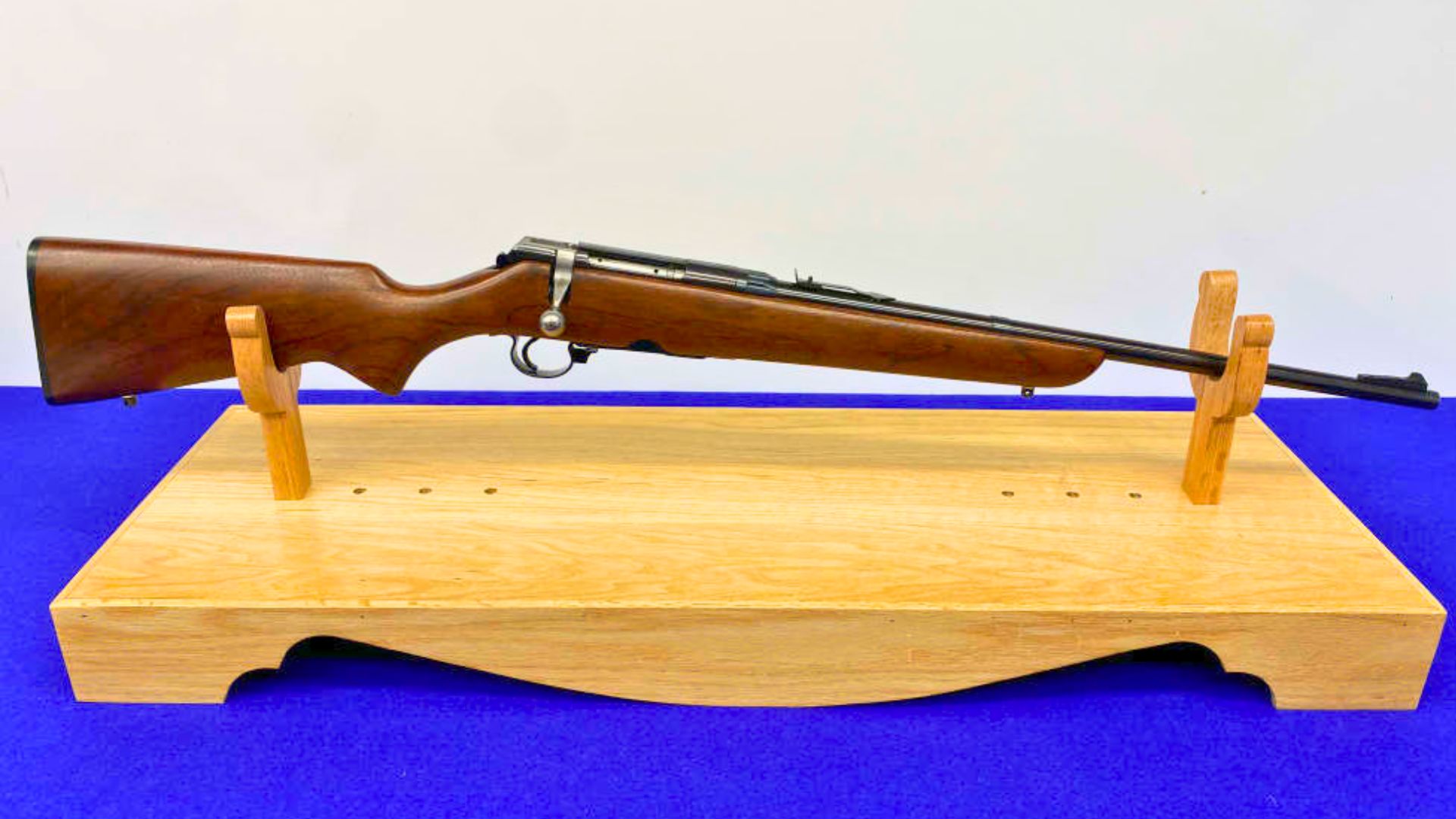
The Savage 340 was a practical budget bolt rifle that showed up in chamberings like .30-30, .222 Remington, and .223 Remington. It was never fancy, but that was part of its appeal.
Modern budget bolt rifles have simply surpassed it. Better triggers, better scope mounting, stronger magazines, and lighter synthetic stocks are now available for very little money. The 340 still works, but the reasons for buying one have largely shifted from practicality to nostalgia. That is why you see fewer of them in the woods and more of them sitting in the used rack waiting for somebody who remembers what they were.
Winchester Model 88
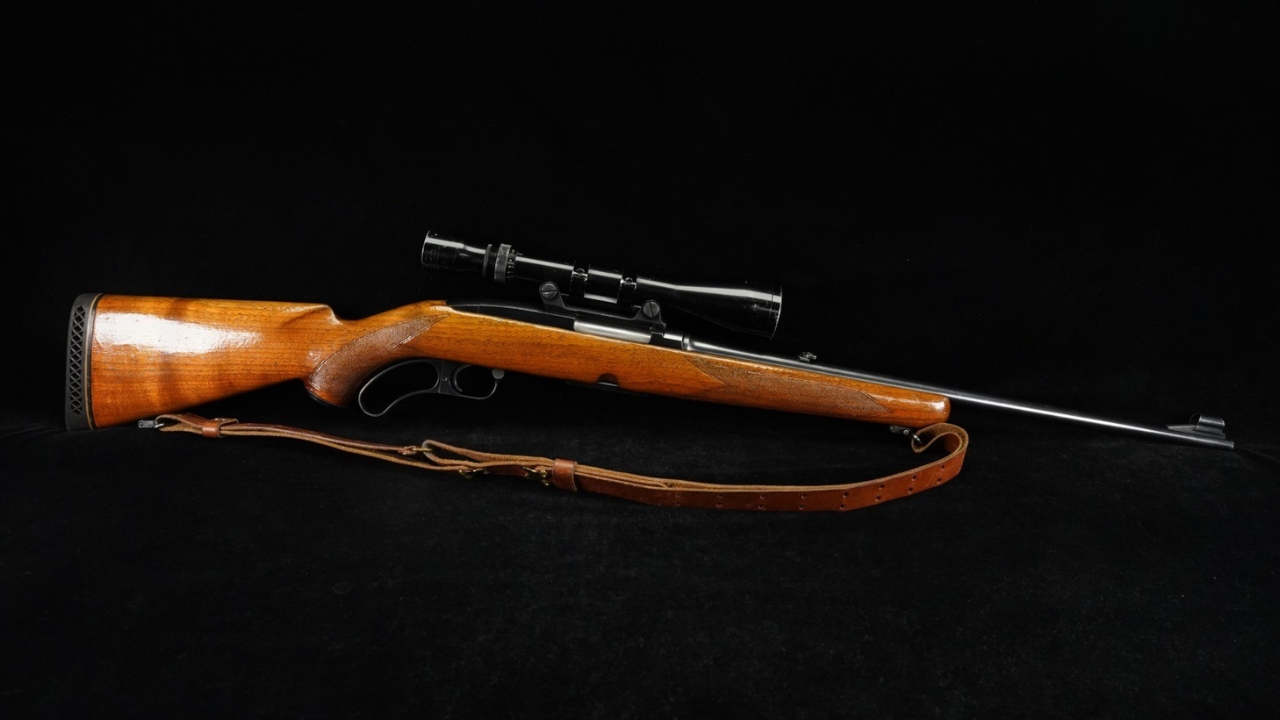
The Model 88 once offered hunters something genuinely modern: lever-action speed with a rotating bolt and chamberings better suited to pointed bullets.
It was never as common as a Model 94, but there was a period when plenty of deer hunters knew exactly what it was and treated it like a serious working rifle. Today, complicated internals, proprietary magazines, and dwindling parts support make owners more cautious. Clean rifles are also valuable enough that many have been retired from rough use. The Model 88 has become much more collectible than commonplace.
Remington Model 7400

The Model 7400 was once a staple deer rifle in parts of the East and Midwest. Hunters liked the semiautomatic action, traditional stock, and familiar Remington chamberings.
That entire category has faded. Many shooters now choose AR-platform rifles where legal, while traditional hunters have moved toward lighter bolt guns. Older 7400s also require more attention as magazines, springs, gas components, and chambers age. Plenty still kill deer every year, but you no longer see rows of them in camps and sporting-goods stores the way you once did.
Browning BLR Model 81

The BLR was once one of the more practical ways to get lever-action handling with modern high-pressure cartridges. Its detachable magazine and rotating bolt gave it capabilities traditional tubular-magazine lever guns could not match.
The rifle still exists in newer forms, but older Model 81 examples are becoming less common in the field. Browning pricing has climbed, newer hunters often choose bolt guns, and used BLRs have become desirable enough that owners hang onto them. The rifle never disappeared completely, but it has moved from familiar premium hunting rifle to something you notice when one shows up.
Ruger M77 Tang Safety

The original M77 was one of Ruger’s foundational hunting rifles and once competed directly with Remington and Winchester bolt guns in camps across the country.
Today, the tang-safety models are firmly in vintage territory. Many still shoot beautifully, but modern hunters have moved toward lighter rifles, better factory triggers, and threaded barrels. Older M77s also have enough nostalgia attached that owners are increasingly reluctant to modify them. A rifle that once looked like an ordinary hunting tool now immediately dates the owner or the gun’s history.
Remington Model 600 Mohawk

The Model 600 Mohawk was compact, lightweight, and unusual-looking enough to become memorable. It was especially useful in thick woods where a long rifle felt clumsy.
For a while, these rifles were simply practical hunting tools. Now they are cult collectibles. The dog-leg bolt handle, short barrel, and unusual styling make them interesting precisely because nothing modern looks quite the same. That collectibility has reduced the number still being carried hard. You might see one in a safe or on a gun-show table, but seeing one regularly used in the woods is much less common.
Winchester Model 94 .30-30

The Model 94 was once practically synonymous with deer hunting in much of America. It was light, handy, and chambered in a cartridge that worked perfectly at woods ranges.
It is still iconic, but it is not nearly as dominant. Bolt rifles became cheaper and more accurate, scopes became standard equipment, and many hunters moved toward cartridges with flatter trajectories. Older Model 94s have also become collectible, especially pre-64 examples. You still see them, but not in the sheer numbers that once made them seem like mandatory deer-camp equipment.
Marlin Model 336 .35 Remington

The 336 itself remains familiar, but .35 Remington versions have become much less common in regular use. There was a time when the cartridge was a normal woods-hunting choice rather than a niche round.
Ammunition availability changed that. .30-30 stayed mainstream while .35 Remington became harder and more expensive to feed. Owners of good rifles started holding onto them, and younger hunters rarely choose the chambering unless they already know what it can do. The combination is still excellent for deer and black bear, but it has moved from ordinary to specialized.
Remington Model 700 BDL
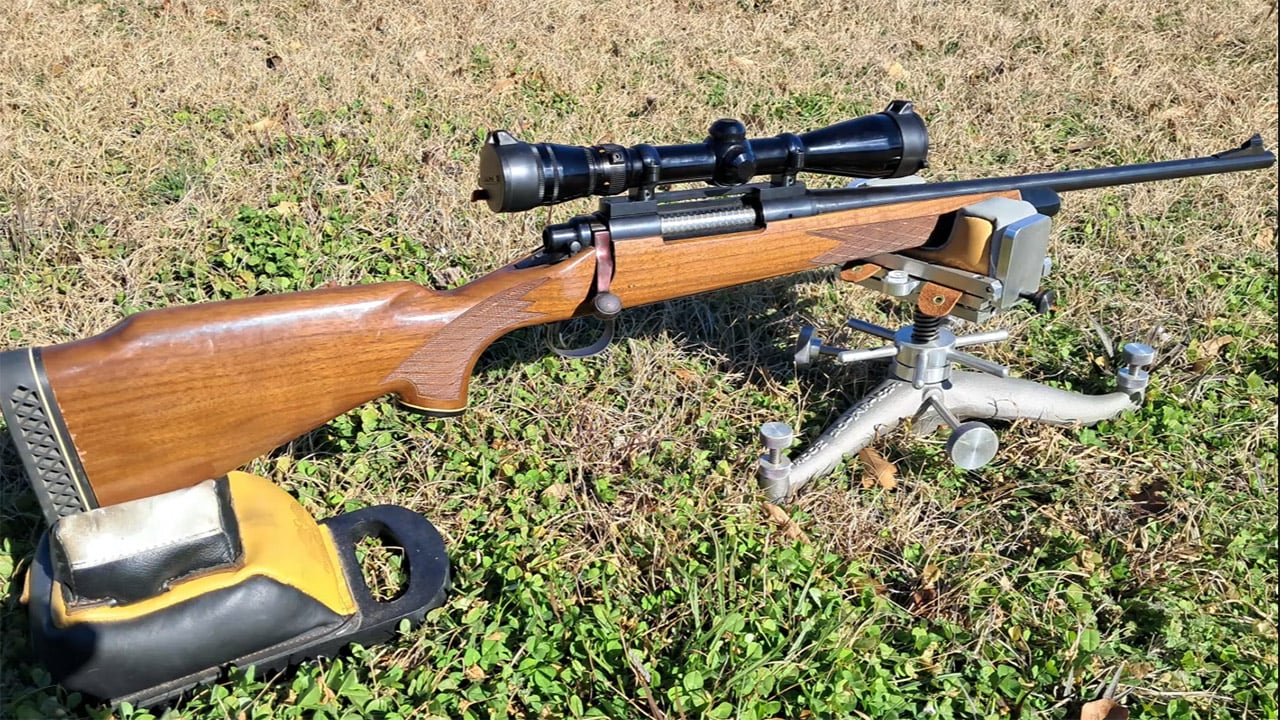
The BDL was once what a serious hunting rifle was supposed to look like. Glossy walnut, polished blue steel, and a traditional hinged floorplate gave it a status that cheaper rifles could not match.
That aesthetic has faded from everyday hunting. Synthetic stocks, matte finishes, detachable magazines, suppressor-ready muzzles, and lighter builds now dominate new purchases. BDLs are still around, but nice examples increasingly get treated too gently for rough field use. They are slowly becoming heirloom rifles instead of common working guns.
Mossberg 810
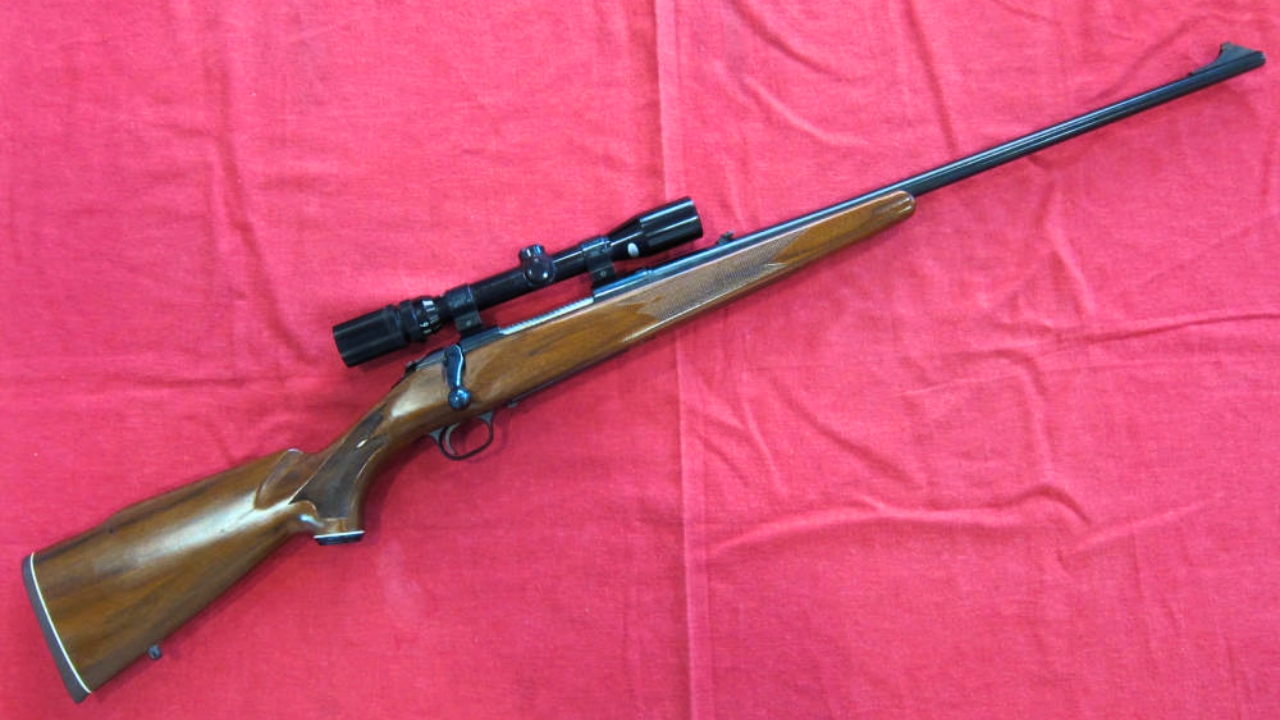
The Mossberg 810 was one of several affordable bolt rifles that gave hunters a cheap way into common centerfire cartridges. It never had the prestige of a Model 70 or Model 700, but that did not matter to the people who just needed a deer rifle.
Modern budget rifles made the old formula obsolete. Today’s entry-level guns usually have better triggers, stocks, and optics mounting while costing little in real terms. The 810 is now mostly something you encounter because somebody inherited one. It has faded because the market learned how to build a much better cheap rifle.
Parker-Hale Safari
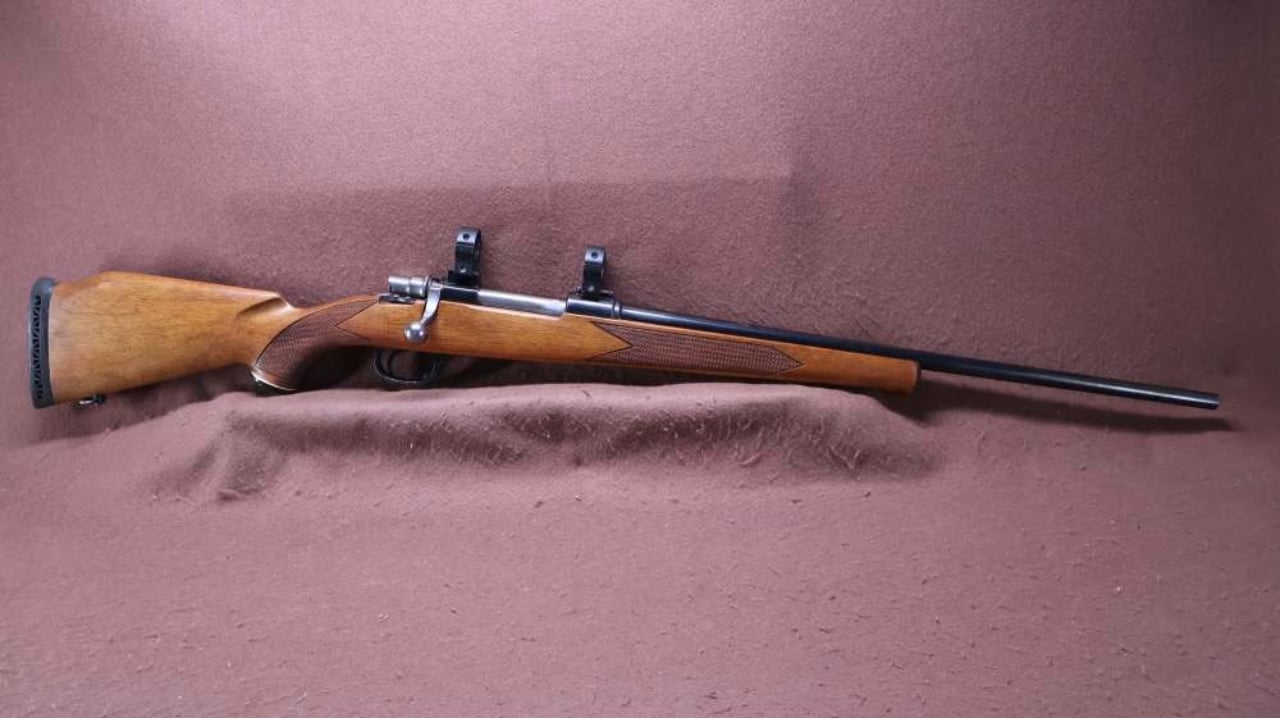
Parker-Hale hunting rifles were once common enough that plenty of shooters considered them normal imported alternatives to American bolt guns. The Safari models offered classic styling and Mauser influence at reasonable prices.
When Parker-Hale disappeared, so did the pipeline of parts and new rifles. Existing guns kept working, but they gradually aged out of mainstream use. Younger hunters often have little connection to the brand, and owners of nice examples tend to keep them rather than trade them. A rifle that once blended into camp now immediately stands out.
Husqvarna 1640

Husqvarna rifles were well regarded for being light, smooth, and practical. The 1640 in particular became a favorite among hunters who wanted European quality without paying for the most expensive imports.
The rifles are still excellent, but the brand disappeared from the American hunting conversation. Tikka, Sako, Bergara, and other modern imports took over that space. Parts support is more limited, and many surviving rifles now belong to collectors or older hunters. The 1640 did not become worse. It simply became unfamiliar.
Remington Model 760
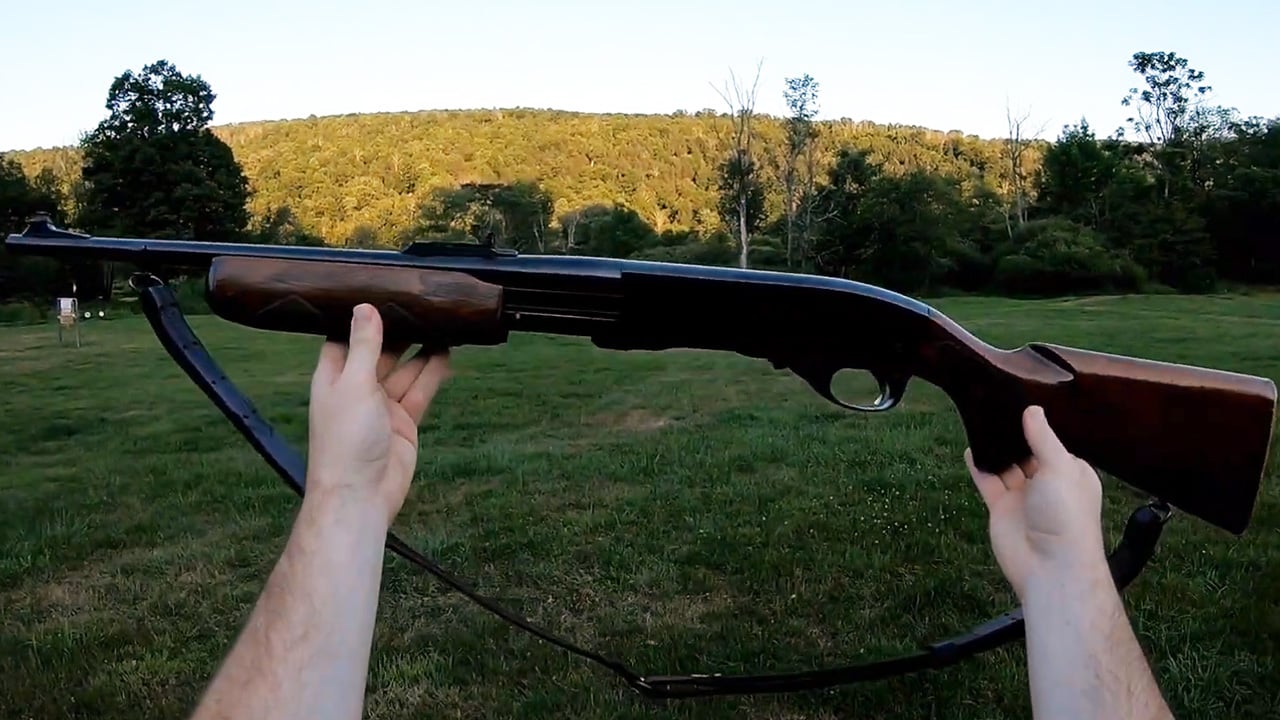
The Model 760 was one of the defining pump-action deer rifles. In regions where hunters valued fast follow-up shots, the 760 and later 7600 were once everywhere.
That regional dominance has faded. Pump rifles are less fashionable, production ended, and younger hunters often start with bolt guns or semiautomatics. Good 760s still have loyal owners, but they are increasingly family guns rather than something people buy new into. A generation ago, seeing one was completely ordinary. Today, it feels like a reminder of how much deer-rifle preferences have changed.
Sako L61R Finnbear

The Finnbear was once one of the premium hunting rifles serious shooters aspired to own. Smooth actions, excellent accuracy, and refined woodwork made it stand out without becoming an untouchable collector piece.
That is exactly what changed. Nice L61Rs have become too desirable for many owners to expose to rough weather and hard field use. Modern Sako rifles are easier to replace if damaged, while the old Finnbear carries increasing collector appeal. It still shoots just as well as ever. The difference is that far fewer hunters are willing to treat one like an ordinary rifle anymore.
Like The Avid Outdoorsman’s content? Subscribe to our newsletter so you never miss an article.
Here’s more from us: