Photo credit: Lloyd Pattison/YouTube
There are plenty of guns that cost too much simply because of the name on the slide or receiver. Then there are guns that look overpriced until you actually spend time shooting them. A better trigger, smoother action, tighter lockup, excellent balance, or unusually consistent accuracy can make a price tag feel a lot less ridiculous after the first few magazines or boxes of shells.
That does not mean everyone needs a premium firearm. A basic rifle or pistol can still do the job perfectly well. The difference is that some expensive guns deliver improvements you can actually feel instead of just prettier finishes or extra marketing. These 20 are the ones that often make skeptical buyers understand the price once they finally get behind the trigger.
Staccato C2

The Staccato C2 is expensive enough that plenty of shooters dismiss it before ever firing one. That reaction makes sense when reliable polymer pistols cost a fraction as much and already shoot extremely well.
Then you run the C2. The trigger is crisp, the slide tracks flat, and the grip gives the gun a level of control that makes fast shooting feel easier than it should. The weight helps without turning it into a boat anchor, and the 2011-style operating system gives you a combination of capacity and shootability that standard single-stack 1911s cannot match. It is still a lot of money, but the performance difference becomes obvious very quickly once the gun is actually being shot rather than compared on a spec sheet.
Wilson Combat EDC X9
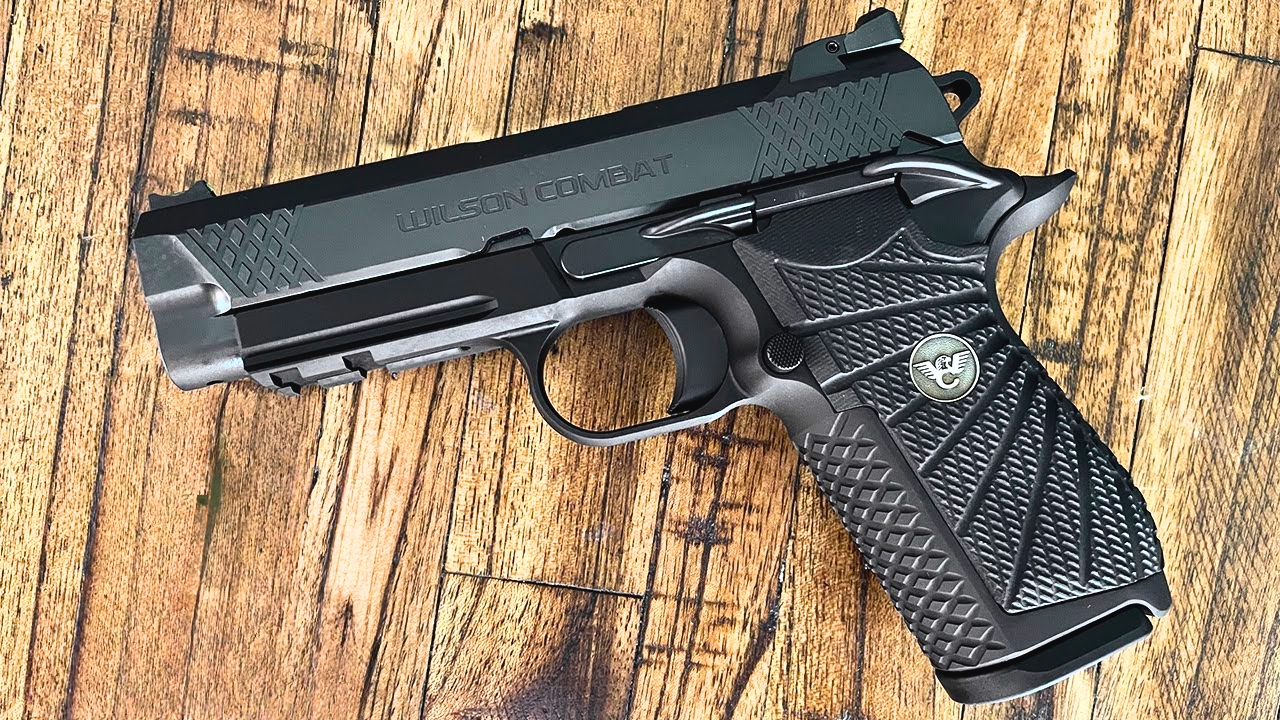
The EDC X9 can look wildly expensive beside ordinary compact pistols. On paper, it is still a 9mm handgun with a double-stack magazine and traditional controls.
The difference shows up in execution. The trigger is excellent, the frame fits the hand naturally, and the pistol has the kind of mechanical smoothness that makes rapid shooting feel controlled rather than frantic. The slide-to-frame fit and overall balance are immediately noticeable, especially if you have spent years shooting mass-produced service pistols. It is not necessary to spend this much on a carry gun, but the EDC X9 is one of those pistols where the price starts feeling less absurd once the first tight group appears.
CZ Shadow 2

The Shadow 2 has always seemed expensive to shooters comparing it with ordinary CZ 75 variants. That comparison misses what the gun was built to do.
The weight, low bore axis, excellent trigger, and long sight radius make it ridiculously easy to shoot well. Recoil barely disturbs the sights, and the pistol settles back into position quickly enough that follow-up shots feel almost automatic. It is too large for most carry roles and heavier than a general-purpose handgun needs to be, but as a range or competition pistol, the added cost buys something tangible. The Shadow 2 does not merely look refined. It makes average shooters feel more capable almost immediately.
SIG Sauer P210 Carry

The P210 Carry is one of those pistols that looks expensive for what appears to be an old-fashioned single-stack 9mm. Capacity is modest, the design is traditional, and there are cheaper guns with more modern features.
The reason it wins people over is the trigger and accuracy. The action feels unusually smooth, and the gun has the kind of precision that makes slow-fire groups almost embarrassingly easy. The grip angle and balance also give it a very natural feel in the hand. It is not the rational choice if capacity and price are the only priorities. If shooting quality matters, though, the P210 Carry is one of those guns that reminds you why some shooters are willing to pay more for refinement.
Dan Wesson Specialist

The Specialist costs considerably more than a basic production 1911, which makes it easy to assume you are paying mostly for finish and branding.
That changes once you shoot one beside a cheaper gun. The trigger is clean, the slide and frame fit tightly without feeling sluggish, and the whole pistol cycles with a level of smoothness that cheaper 1911s rarely match. The sights, checkering, and overall balance also feel like they were chosen by people who expect the pistol to be used hard. You can absolutely buy a reliable 1911 for less. The Specialist makes the premium feel more understandable because nearly every part of the shooting experience is improved.
Heckler & Koch USP Expert
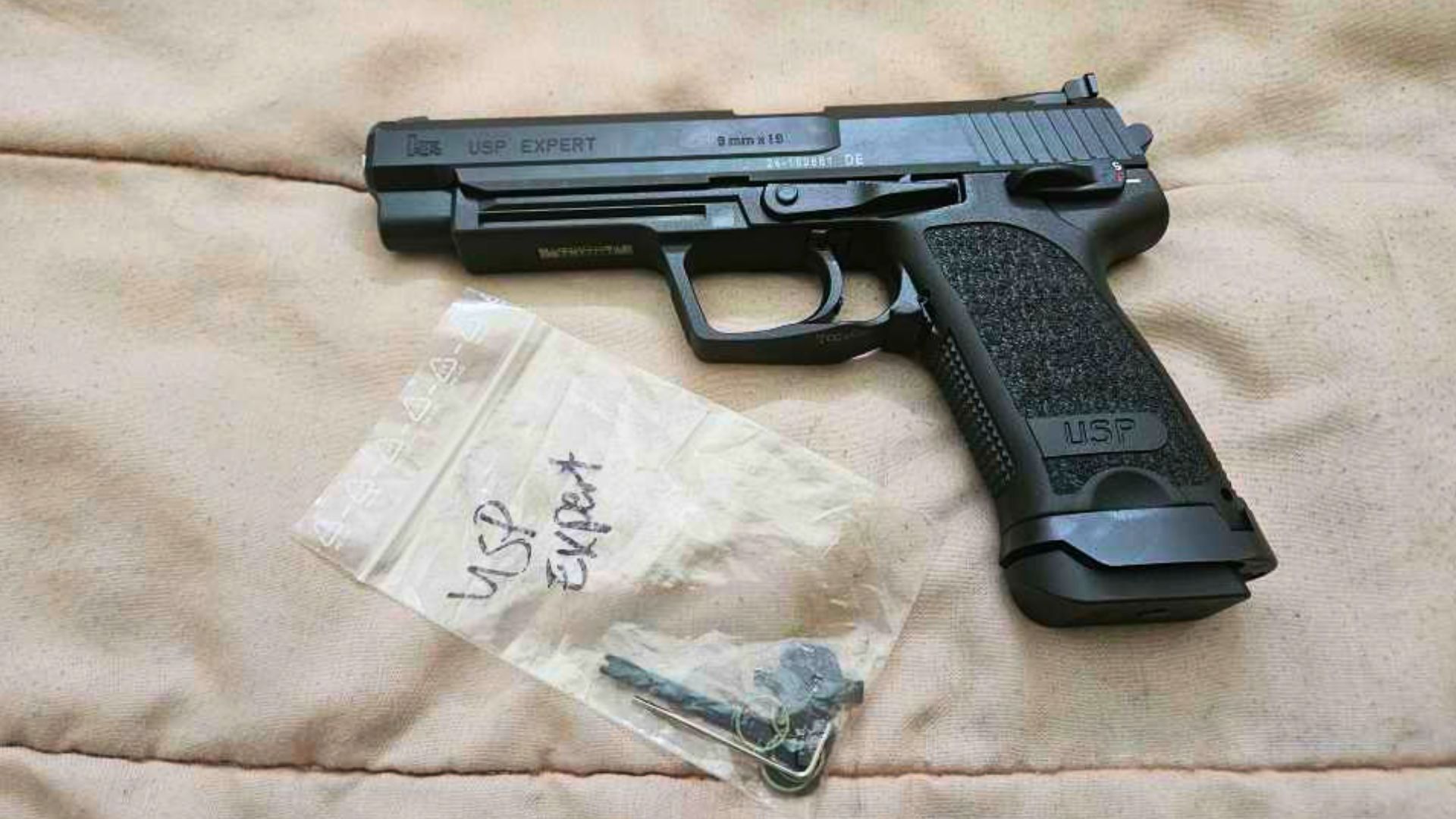
The USP Expert is bulky, expensive, and visually stuck in another era. That does not help when shoppers compare it with sleeker striker-fired pistols costing far less.
Then the gun starts shooting. The long sight radius, excellent match trigger, and substantial slide make it incredibly stable. The pistol feels almost bored by hot ammunition, and the accuracy can be outstanding. The controls are large, the grip is blocky, and the whole package looks dated, but that design was built around serious service use and durability rather than fashion. The USP Expert starts making sense when you realize how little effort it takes to shoot it well.
Colt Python 4.25-Inch
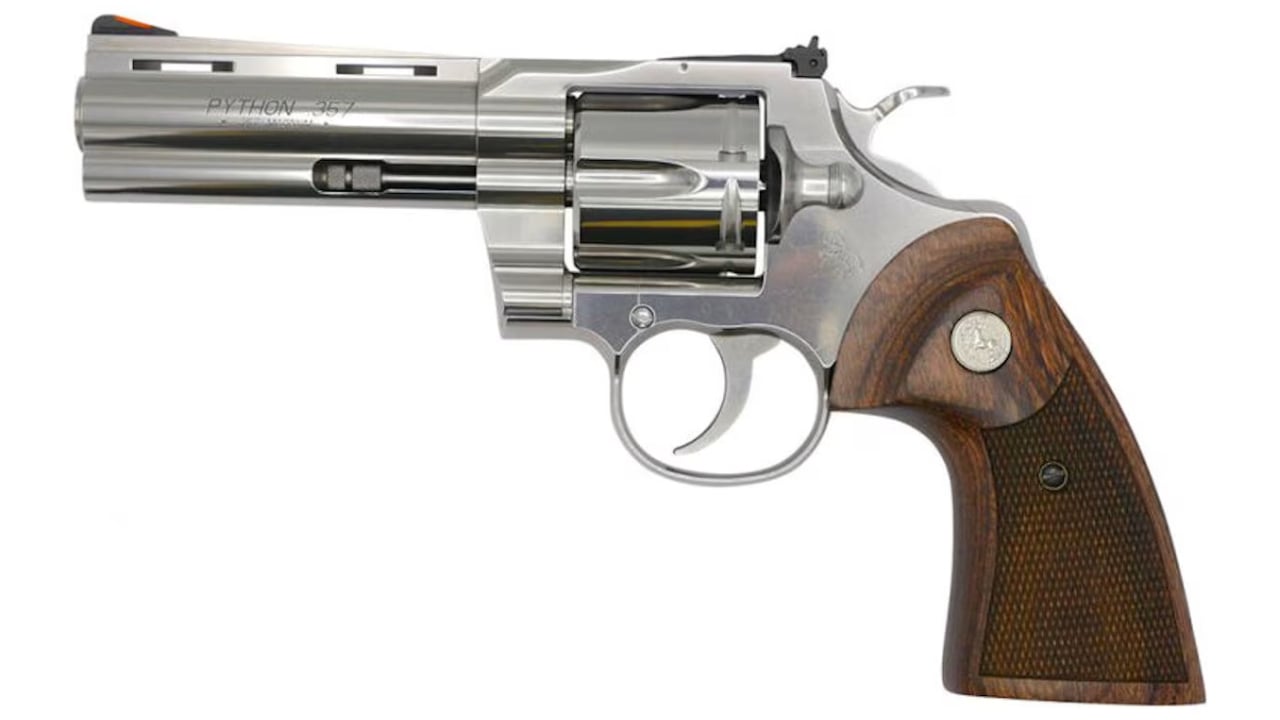
The modern Python is expensive enough that some shooters assume they are paying entirely for the Colt name. There is definitely some brand premium involved, but the revolver does more than trade on nostalgia.
The trigger is smooth, the balance is excellent, and the heavy barrel helps make .357 Magnum far easier to control than it is from smaller revolvers. The sights are useful, the action feels refined, and the gun settles naturally during deliberate double-action shooting. A Ruger can accomplish the same practical jobs for less money, but the Python delivers a noticeably more polished shooting experience. That is the kind of difference that is hard to appreciate until you actually run a few cylinders through one.
Manurhin MR73
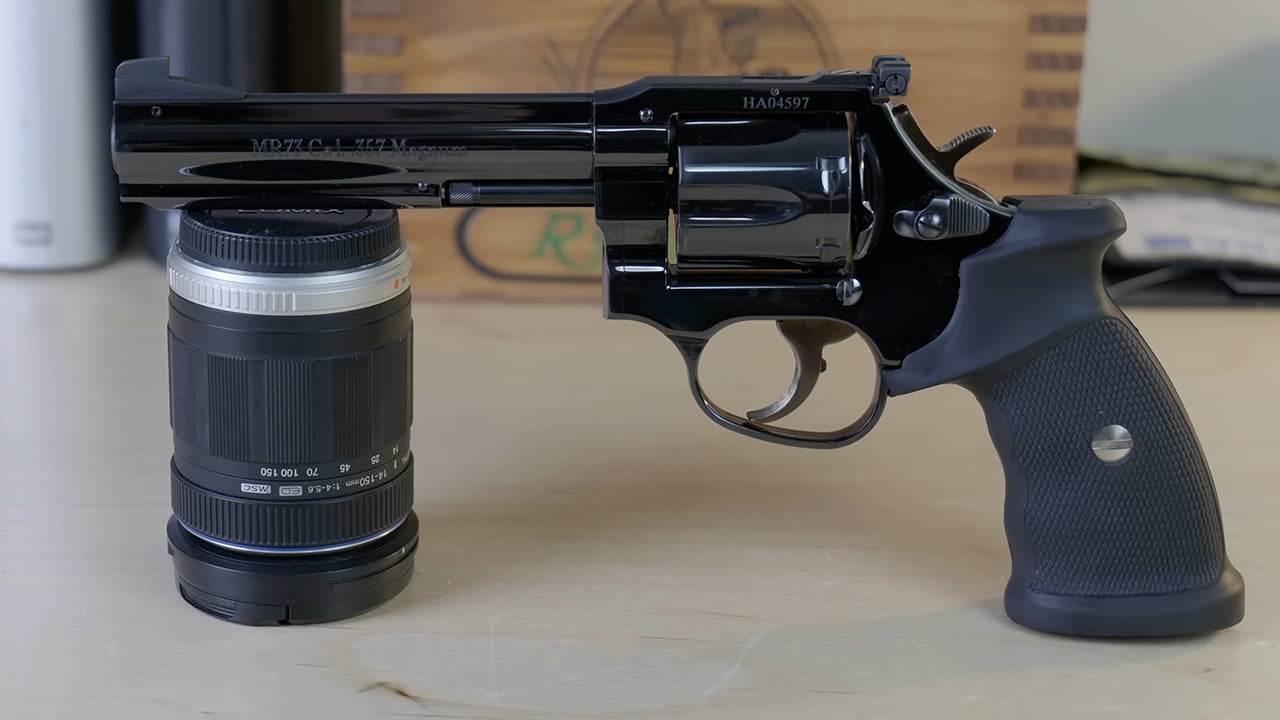
The MR73 looks absurdly expensive until you understand what it was built around. This is not a revolver designed to look pretty in a display case. It was developed for very hard professional use and built to survive enormous round counts.
The action is exceptionally smooth, the trigger can be tuned beautifully, and the revolver has a reputation for holding accuracy through abuse that would wear out lesser guns. Shooting one makes the precision obvious. Everything feels tight without feeling stiff, and the gun handles full-power .357 Magnum with authority. It is still expensive enough to be a luxury purchase for most people, but the cost reflects serious mechanical quality rather than decoration alone.
Ruger Super GP100

The Super GP100 can look overpriced beside a standard GP100 because the basic silhouette is still unmistakably Ruger. The difference becomes much clearer once the gun is used the way it was intended.
The trigger is smoother, the cylinder setup is built for speed, and the gun has the weight and balance needed for serious competition shooting. It tracks well during rapid double-action strings and feels far more refined than the ordinary workhorse GP100. For someone who shoots revolver matches or simply spends a lot of time practicing double-action work, the upgrades are easy to notice. This is not just a prettier GP100. It is a purpose-built shooting machine.
Sako 90 Hunter

The Sako 90 Hunter sits well above the price of ordinary bolt-action deer rifles, and from a distance it can look like another walnut-stocked hunting gun.
The action is where the difference becomes obvious. Bolt travel is exceptionally smooth, the trigger is excellent, and the rifle tends to deliver the kind of consistent accuracy hunters normally expect from more specialized setups. The stock geometry also feels carefully thought out rather than generic. You can absolutely kill deer with a rifle costing a third as much, but the Sako makes every part of the shooting process feel more polished. That matters to someone who spends a lot of time behind the rifle rather than just firing three rounds a year.
Sauer 505
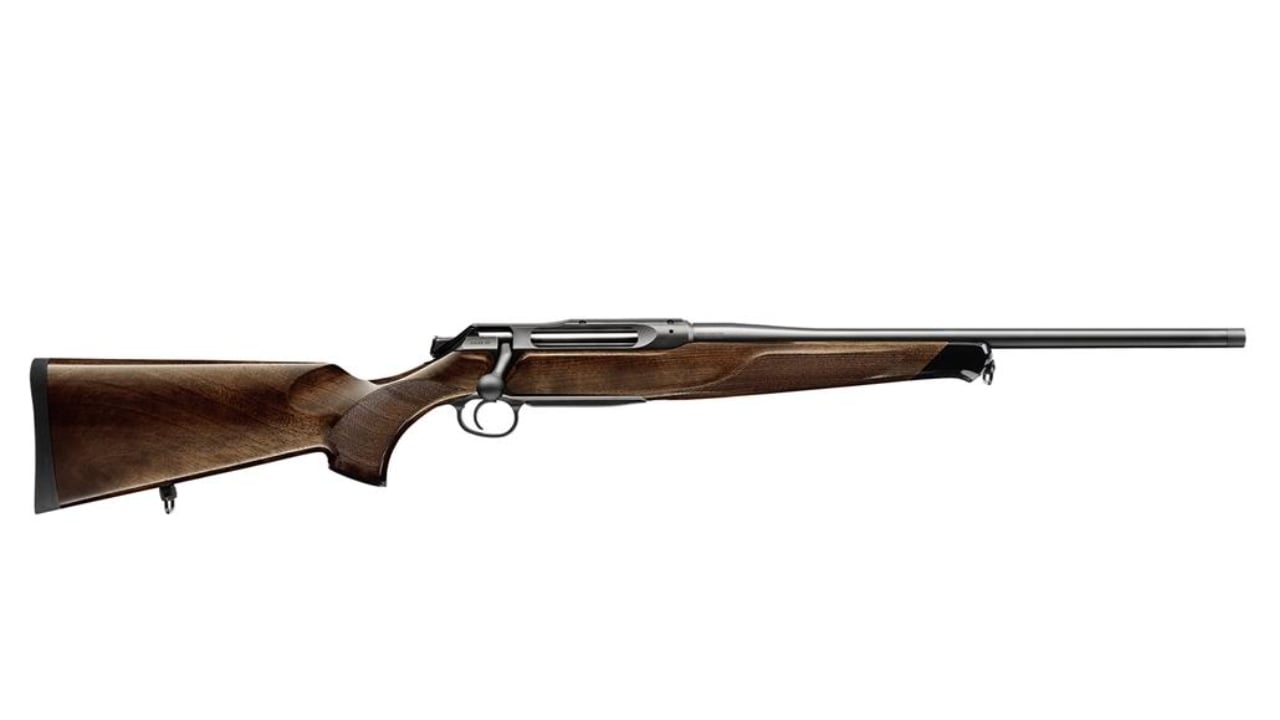
The Sauer 505 is expensive enough to make most hunters wince. It is a premium European rifle with modular features that seem unnecessary until you actually use them.
The bolt movement is extremely fast and smooth, the trigger is excellent, and the entire rifle feels engineered around quick, precise shooting rather than basic affordability. The modular barrel system also makes more sense for hunters who genuinely use multiple chamberings instead of owning several separate rifles. The 505 is not a value purchase in the conventional sense. It is a high-end tool where the expense becomes easier to understand once you feel how quickly and naturally the rifle operates.
Blaser R8 Professional

The R8 is one of the easiest rifles to dismiss as overpriced because the price can climb rapidly once barrels, mounts, and accessories are added.
The straight-pull action is what changes opinions. It is incredibly fast without requiring the shooter to lift his head or break position, and the rifle remains compact even with full-length barrels because of the unusual action layout. The trigger is excellent, and the mounting system returns optics to zero with impressive consistency. None of that is necessary for ordinary deer hunting. But once you shoot an R8 quickly from field positions, it becomes obvious why people who can afford them tend to hang onto them.
Seekins Havak Element

The Havak Element costs far more than a basic lightweight hunting rifle, and the difference is not immediately obvious if you are only looking at chambering and barrel length.
Pick it up and shoot it, though, and the package makes more sense. The rifle is extremely light without feeling flimsy, the action is smooth, and the accuracy is usually far better than hunters expect from a rifle built around low carry weight. Lightweight rifles often punish shooters with poor balance or inconsistent groups. The Element manages to stay practical while still feeling like a precision tool. That combination is hard to accomplish cheaply.
Springfield Armory Model 2020 Waypoint

The Waypoint initially looked expensive because it entered a market already full of capable bolt rifles costing much less. Carbon-fiber barrels and premium stocks can also look like marketing fluff if the rifle does not shoot.
The Waypoint usually shoots. The trigger is crisp, the stock is rigid, and the rifle has the kind of accuracy that makes load development straightforward. It is light enough for hunting but stable enough that you do not feel like every shot is fighting the rifle. For a hunter who actually practices at distance, the difference between a basic sporter and a Waypoint becomes easier to justify. You are paying for a rifle that bridges field weight and precision-rifle behavior better than many cheaper options.
Tikka T3x Arctic
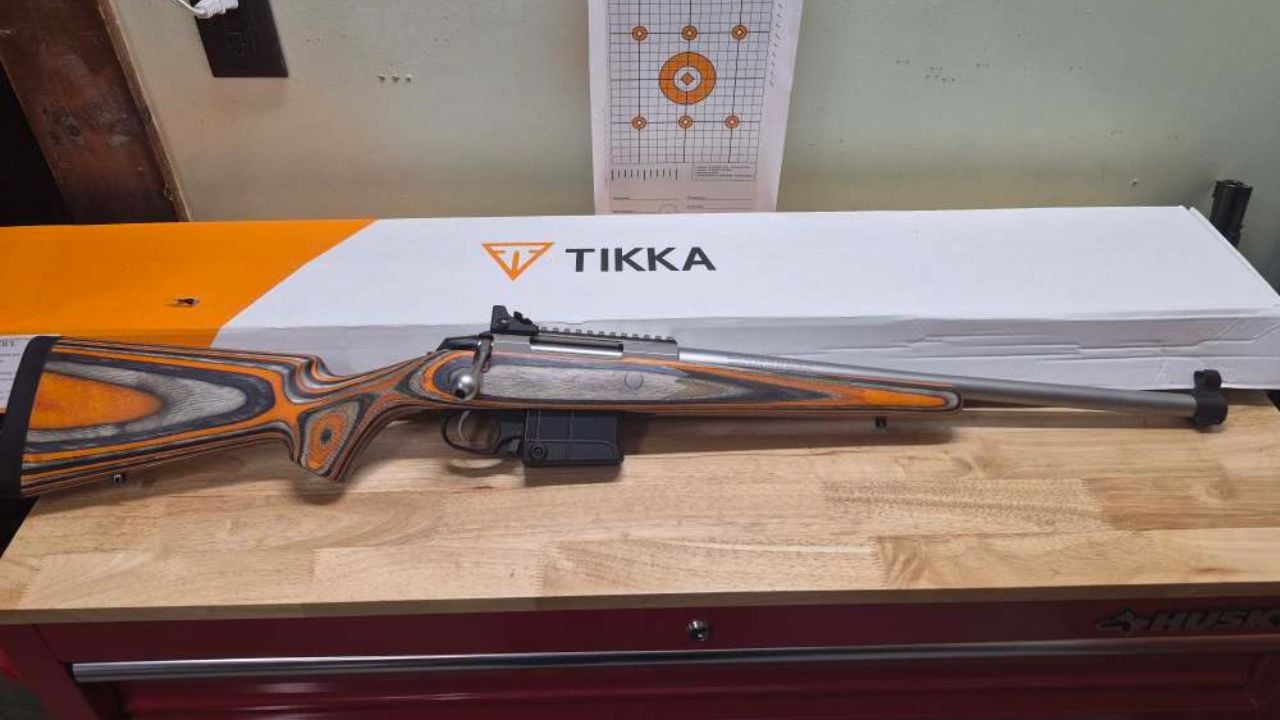
The T3x Arctic is expensive compared with a standard T3x, and at first glance the laminated stock and iron sights can make the premium seem hard to justify.
Then you spend time with it. The action is classic Tikka smooth, the cold-weather controls are practical, and the iron sights are genuinely useful rather than decorative. The heavy laminated stock also gives the rifle a planted feel that makes unsupported shooting easier than its appearance suggests. It is not the lightest hunting rifle and certainly not the cheapest. For someone who wants a durable, all-weather rifle built around hard field use rather than minimum weight, the Arctic feels much more purposeful once it is actually shot.
Steyr Scout

The Steyr Scout has always been expensive for a relatively light bolt-action rifle, and its unusual features can look unnecessary on paper.
The appeal becomes clearer once you carry and shoot it. The rifle is exceptionally handy, balances well, and was designed around practical field shooting rather than benchrest accuracy. The integrated bipod, backup magazine storage, and overall compactness give it a level of utility that conventional sporters do not offer. Some of the features are undeniably niche, but the rifle feels much more cohesive in the hands than it looks on a specification sheet. It is one of those designs where the whole package works better than the individual features suggest.
Benelli M4
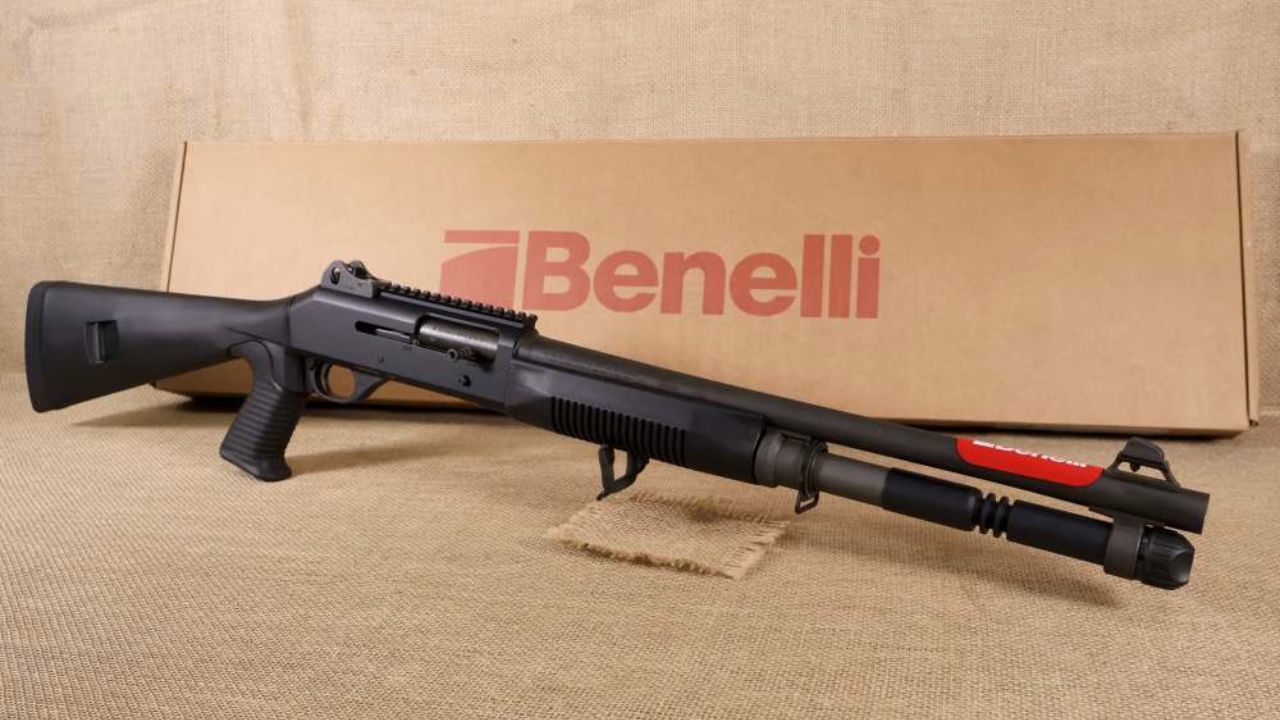
The M4 is expensive enough that plenty of shooters wonder why anyone would pay that much for a semiautomatic 12-gauge when reliable alternatives cost far less.
Run one hard and the price becomes easier to understand. The gas system handles heavy loads with remarkable consistency, recoil is manageable for a fighting shotgun, and the gun feels extremely stable under rapid fire. The controls are not the most modern, and the platform is heavier than newer competition-oriented shotguns, but the reliability reputation was earned through serious use. The M4 is expensive because it was designed around endurance and function rather than maximizing value at the counter.
Beretta 1301 Tactical Mod 2
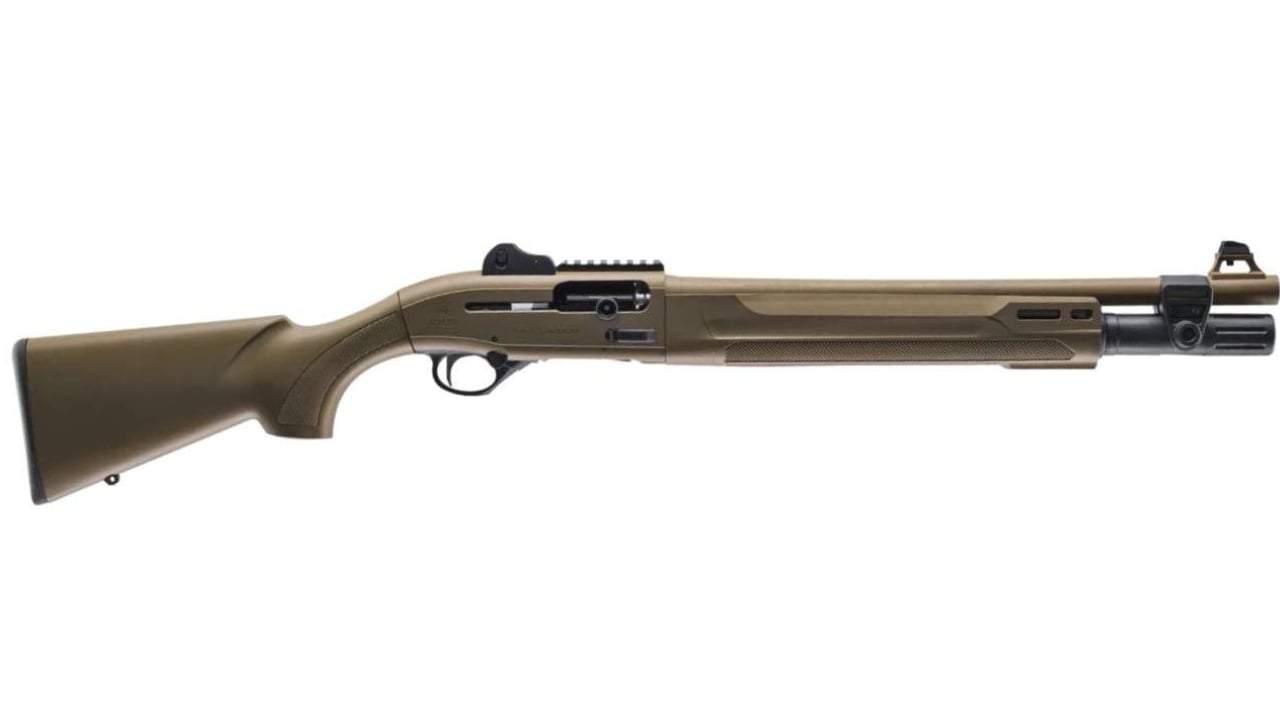
The 1301 Tactical can look overpriced beside budget semiautomatics, especially when all of them claim to cycle the same 12-gauge shells.
The difference becomes obvious in speed. The 1301’s action cycles extremely quickly, recoil is surprisingly manageable, and the gun handles far lighter than many tactical shotguns. Controls are large and easy to use, and the whole package feels built around keeping the shooter moving. A cheaper shotgun may still be dependable, but the 1301 combines reliability, speed, and handling in a way that is difficult to appreciate until you actually run drills with one.
Browning Citori 725

The Citori 725 can seem wildly expensive to someone used to pump guns or entry-level over-unders. After all, it is still launching the same shells at the same targets.
The difference is balance and consistency. The gun mounts naturally, swings smoothly, and has mechanical triggers that feel far cleaner than what you find on cheaper doubles. That matters when you shoot hundreds of shells in a weekend. The weight distribution reduces fatigue, and the lockup feels like it was designed to survive years of serious use. For someone who shoots clays regularly, the cost starts feeling less like luxury and more like buying equipment that makes the sport easier to enjoy.
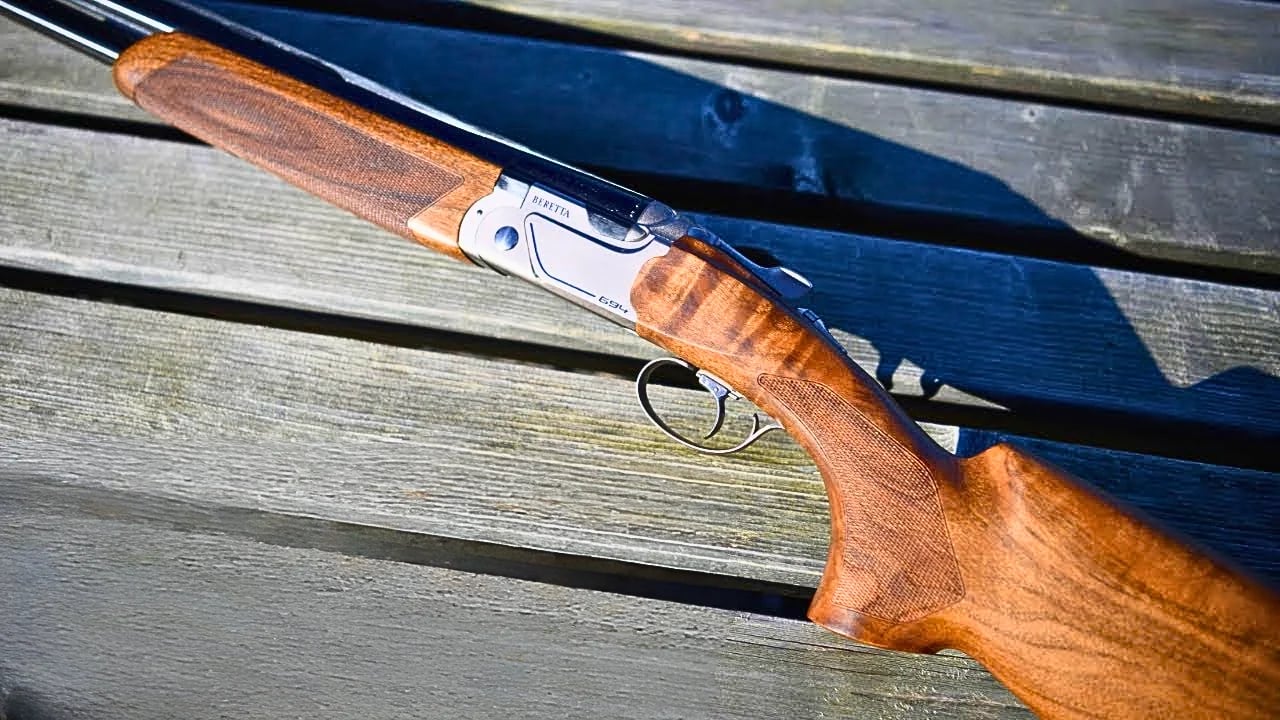
Beretta 694
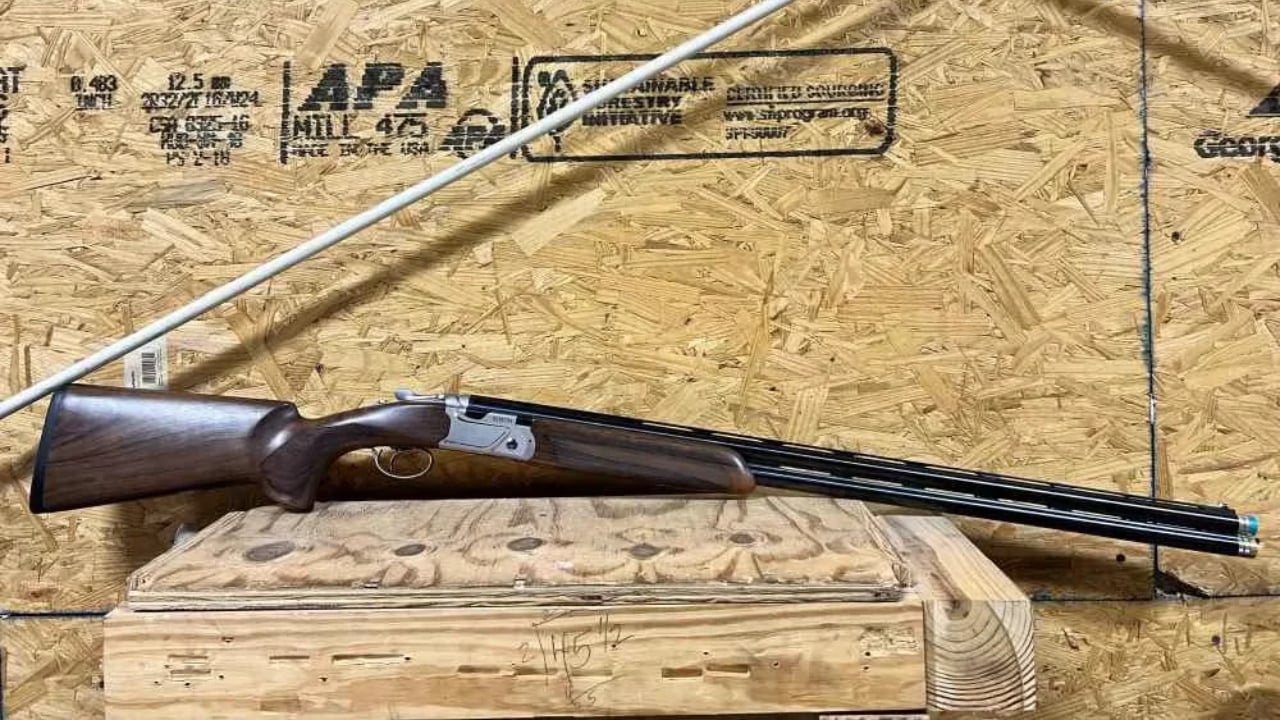
The 694 is another shotgun that looks painfully expensive until you spend time shooting clays with it. The price is not buying more power. It is buying fit, balance, trigger quality, and a gun designed to stay consistent through huge round counts.
The receiver shape, stock geometry, and weight distribution make it extremely easy to keep the gun moving smoothly through a target. Recoil is controlled, the triggers are crisp, and the shotgun feels stable without being sluggish. A casual hunter firing a few boxes a year will probably never need one. A serious clay shooter can feel the difference almost immediately, especially late in a long day when poorer balance starts becoming tiring.
Like The Avid Outdoorsman’s content? Subscribe to our newsletter so you never miss an article.
Here’s more from us: