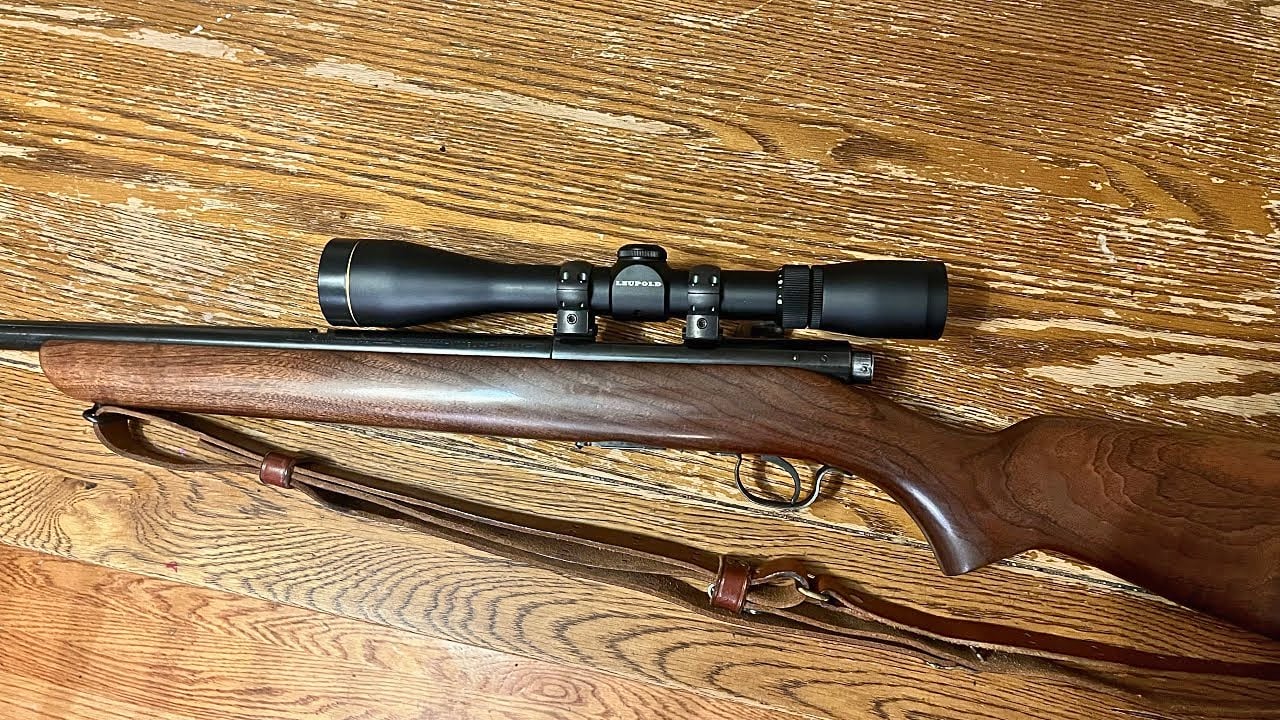
Photo credit: Tim Smith Outdoors/YouTube
A rifle does not have to be rare to become collectible. Plenty of guns spent decades being treated like ordinary hunting rifles or rimfires before shooters finally realized clean examples were disappearing. Once production stops and owners start hanging onto the good ones, prices usually begin moving in one direction.
The interesting rifles are the ones sitting in that middle ground right now. They are still available often enough that you can find one without waiting years, but the supply of unmodified examples is steadily shrinking. Some have unusual actions, others represent a manufacturing era that is unlikely to return, and a few simply developed loyal followings after they disappeared. These 20 are the rifles I would expect collectors to pay increasingly close attention to.
Winchester 9422
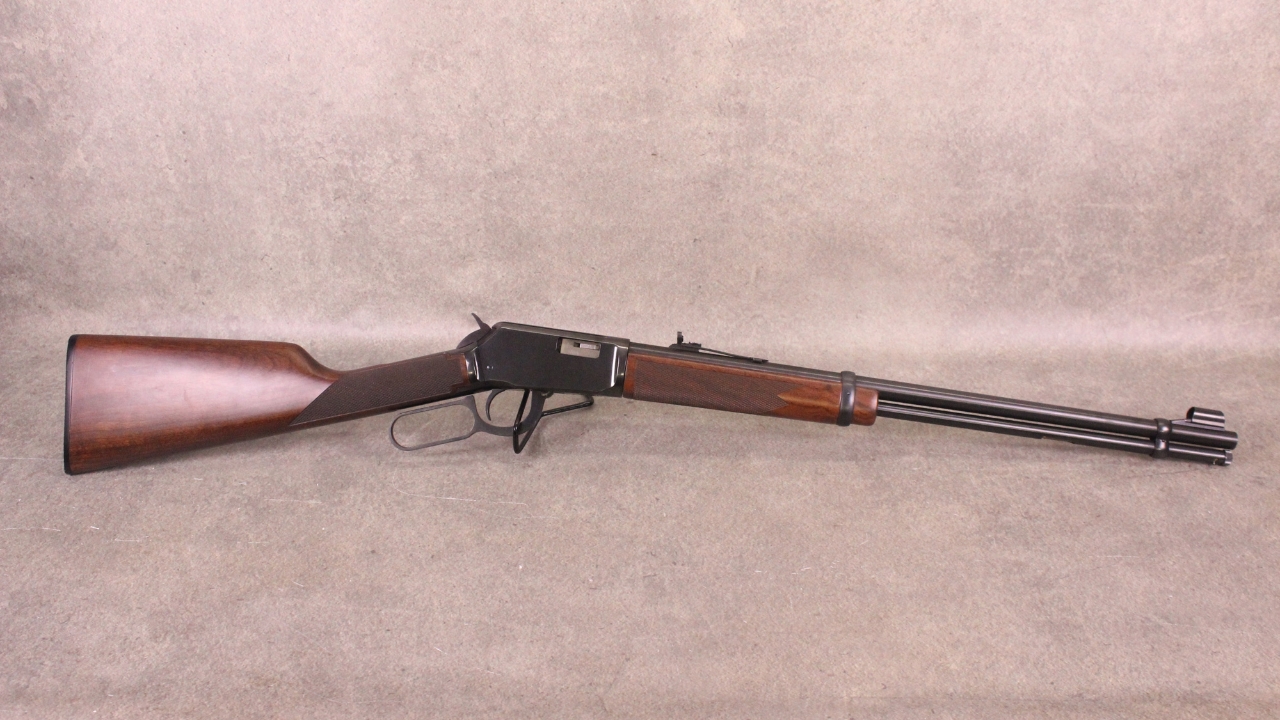
The Winchester 9422 spent years being treated like a premium plinking rifle rather than a collectible. Owners carried them around farms, shot squirrels with them, and let kids burn through bricks of .22 LR without thinking much about long-term value.
That attitude changed once production ended. The rifle has excellent fit, smooth lever operation, and a level of traditional rimfire craftsmanship that would be expensive to reproduce today. Nice examples are increasingly held onto rather than traded, especially rifles with original boxes and minimal handling marks. The 9422 is still obtainable, but the days of finding clean ones casually sitting in every used rack are fading quickly.
Marlin Model 39A
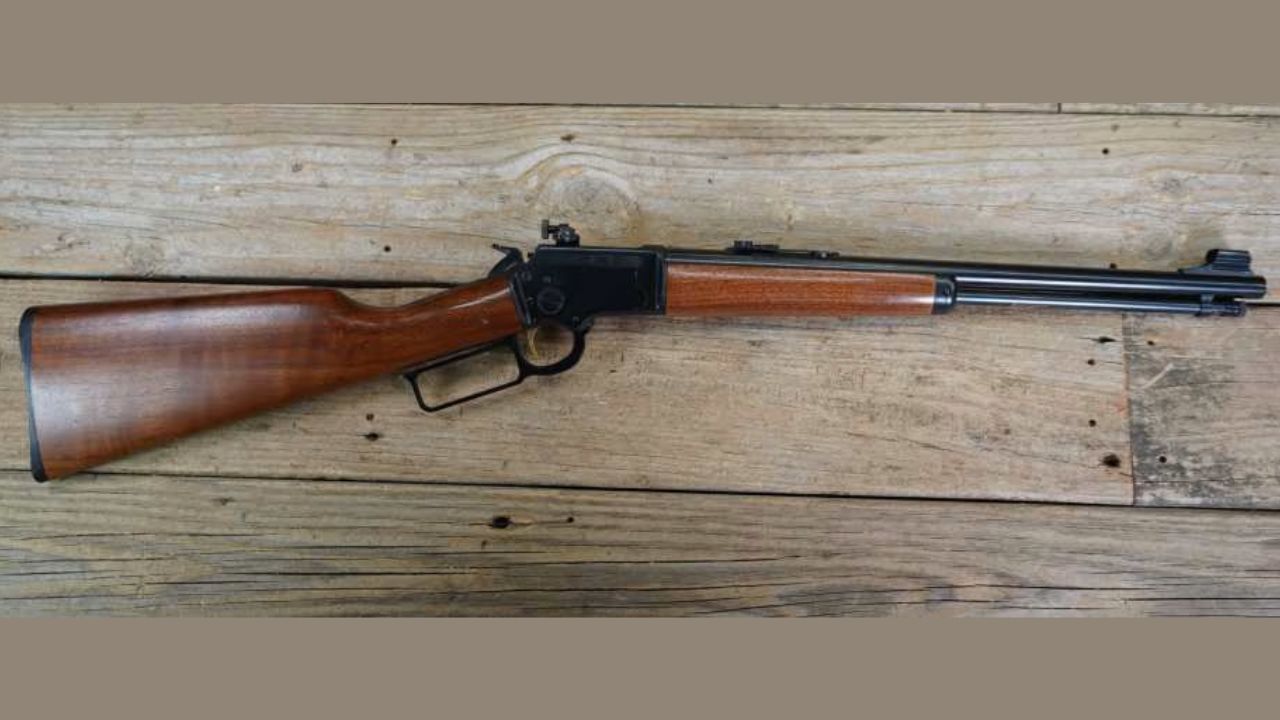
The Model 39A has one of the strongest historical pedigrees of any American rimfire. It was built for decades, which means there are plenty out there, but the best examples are becoming increasingly desirable.
The rifle’s takedown design, forged-steel construction, and traditional walnut stock give it qualities modern rimfires rarely match at comparable prices. Older rifles with strong blue finish and untouched wood are becoming especially attractive to collectors. What used to be just another working .22 is now being recognized as one of the great American lever-action rimfires. The sheer production numbers will keep the 39A from becoming truly rare, but excellent examples are already separating themselves from ordinary shooters.
Remington 541-S Custom Sporter
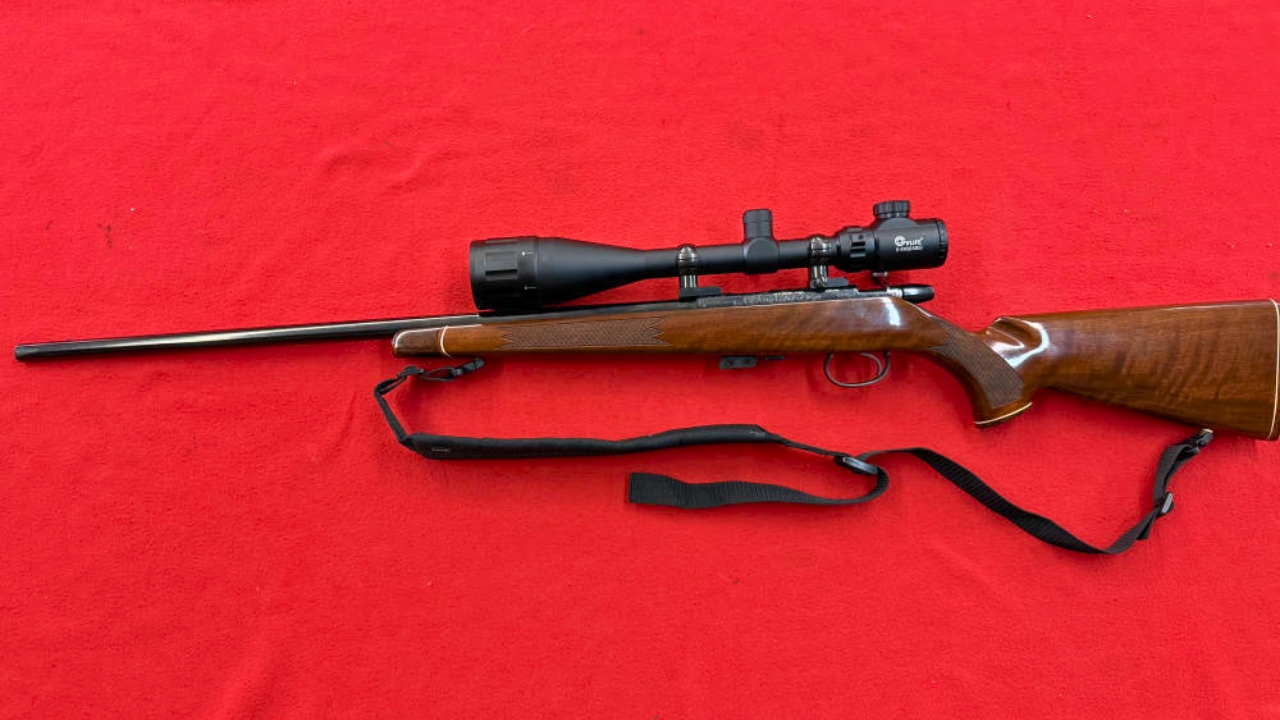
The 541-S was one of those rimfires that never needed to shout for attention. It offered attractive walnut, excellent accuracy, and the feel of a serious sporting rifle scaled down to .22 LR.
Collectors have increasingly noticed how uncommon clean examples have become. Many were shot heavily because they were excellent range and small-game rifles, which means rifles with strong original finish and crisp checkering stand out immediately. Remington is unlikely to reproduce anything quite like the 541-S in the same form, and that helps its appeal. It occupies the sweet spot between target rifle and elegant sporter, which gives it broader collector interest than many highly specialized rimfires.
Ruger No. 3
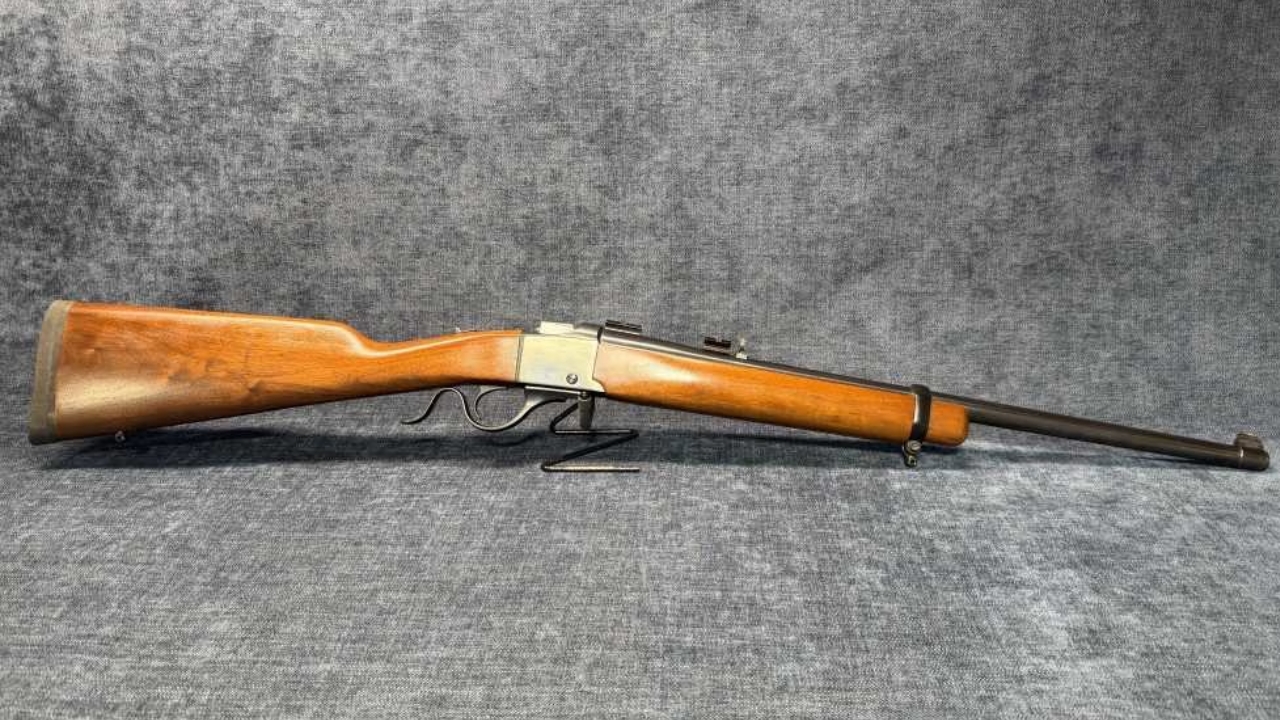
The No. 3 was essentially Ruger’s more affordable, stripped-down counterpart to the No. 1. Its plain stock, simple lever, and utilitarian styling kept it from receiving the same attention when it was new.
That is exactly what makes it interesting now. The rifle was produced in relatively limited numbers and chambered in several cartridges that appeal to collectors today. Its compact size and falling-block action also give it a personality that modern budget rifles simply do not have. Clean examples have become harder to find because many were treated as ordinary hunting rifles. The No. 3 is slowly moving from forgotten utility rifle into the category of Rugers collectors actively seek.
Browning B78
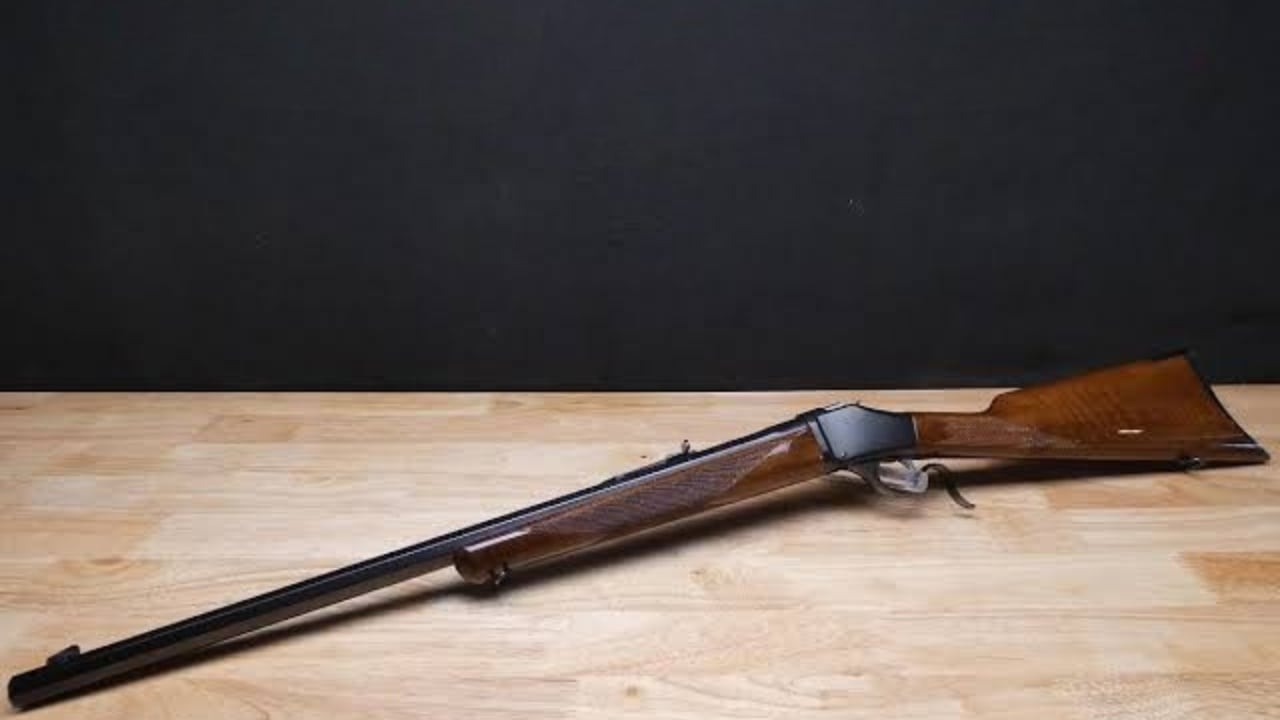
The B78 was Browning’s modern interpretation of the falling-block single-shot rifle, and it offered excellent machining, attractive wood, and strong accuracy in a design that felt more refined than most hunting rifles.
For years, shooters simply saw it as an expensive single-shot. Now the craftsmanship has become the attraction. The B78 represents a period when Browning could build a deeply polished sporting rifle without needing to justify every ounce or feature through tactical usefulness. Clean examples in desirable chamberings are becoming harder to replace. It may never reach the collector status of certain prewar rifles, but the combination of quality, discontinued production, and traditional styling gives it strong long-term appeal.
Colt Sauer Sporting Rifle
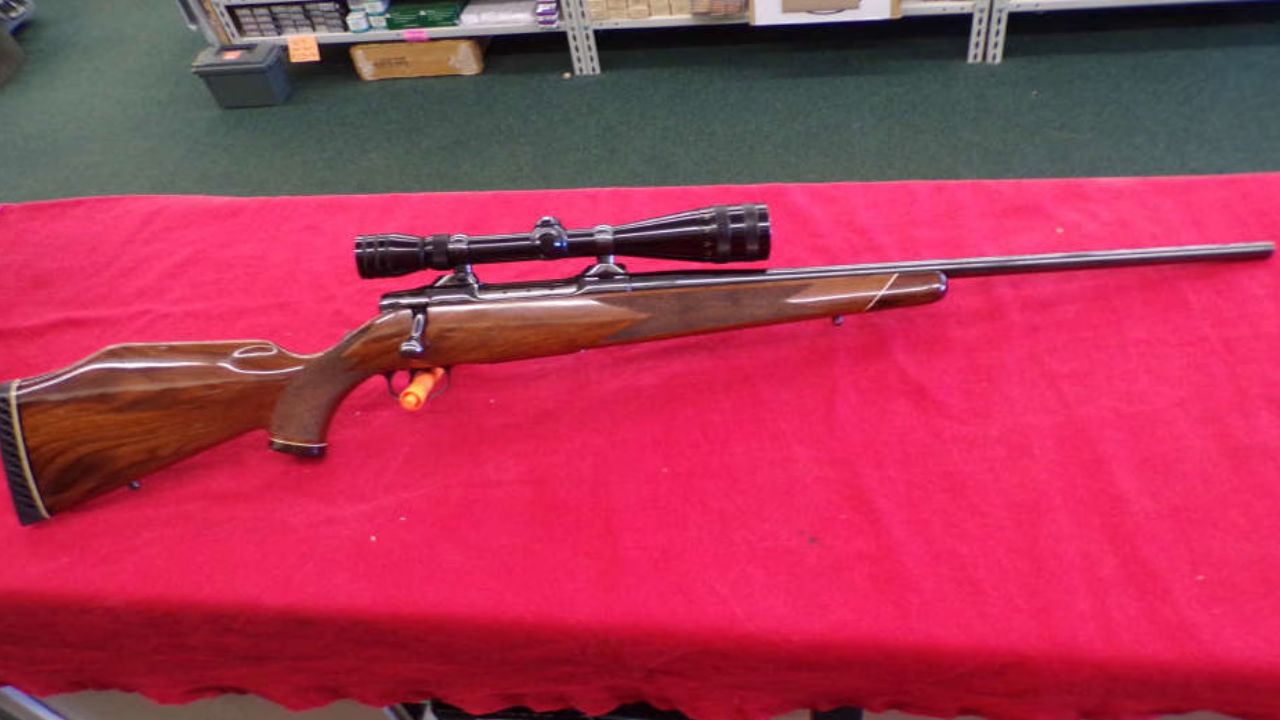
The Colt Sauer is one of those rifles people often underestimate until they handle one. The bolt action is unusually smooth, the machining is excellent, and the rifle feels like a premium European sporting gun wearing an American name.
Production ended decades ago, and the platform never became common enough for huge numbers to survive in pristine condition. That has helped push clean examples toward collector territory. The unusual action design and Colt branding give the rifle appeal beyond ordinary hunters, while Sauer’s reputation adds another layer of interest. This is exactly the type of rifle that once seemed merely expensive and now looks increasingly difficult to replace at any reasonable price.
Sako L46 Vixen
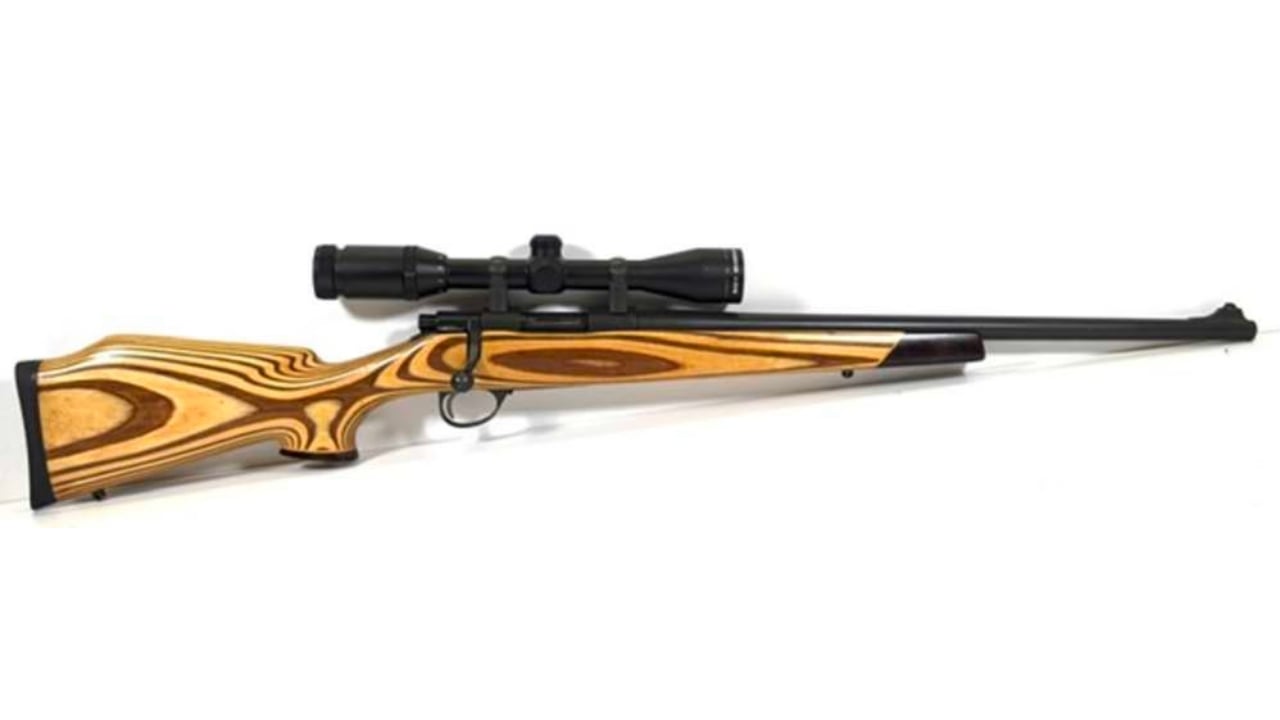
The L46 Vixen helped establish Sako’s reputation for beautifully made small-action rifles. Chamberings like .222 Remington made it especially popular with varmint and predator hunters.
Collectors increasingly appreciate how much craftsmanship is packed into such a compact rifle. The action is smooth, the proportions are excellent, and the early examples have a distinctly old-world quality that modern rifles rarely copy. Because many were working varmint guns, pristine rifles are much harder to find than production totals might suggest. The Vixen is already desirable, but clean original examples are likely to become even more sought after as the supply continues shrinking.
Kimber Model 82
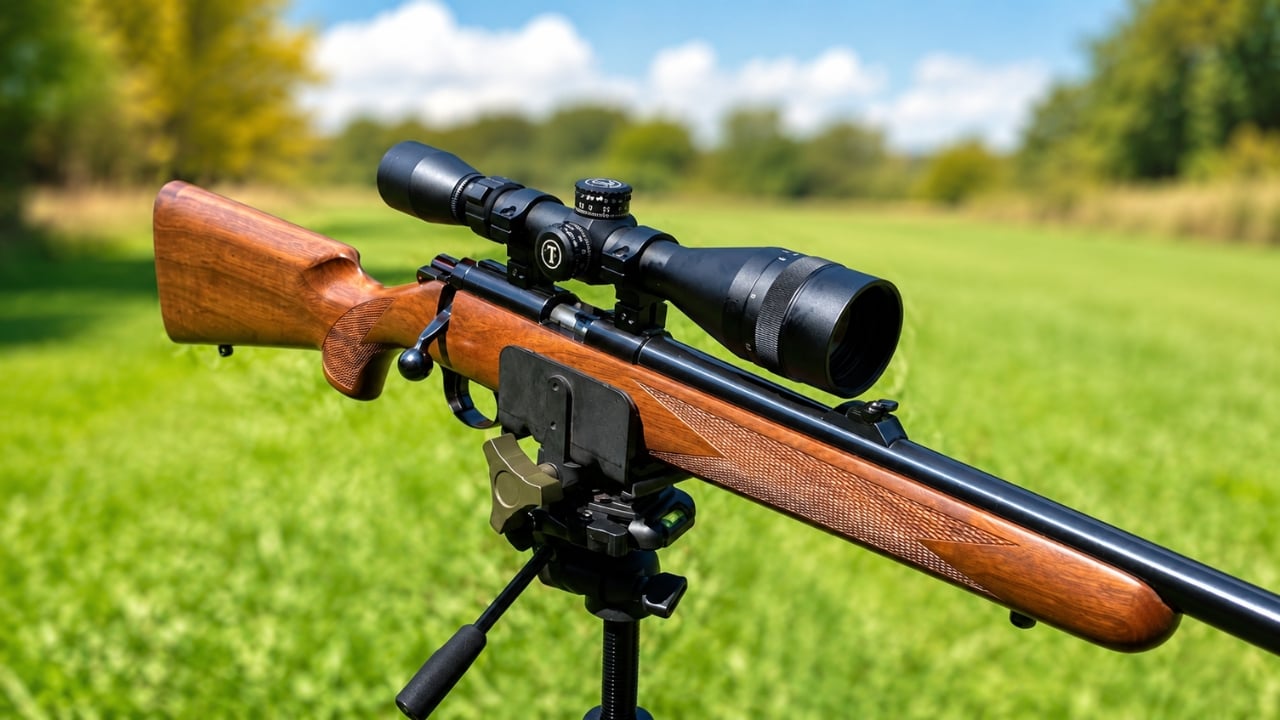
The original Kimber Model 82 has a very different reputation from later mass-production Kimber rifles. Early examples were beautifully finished rimfires that gave shooters target-level accuracy in a traditional sporting package.
That combination is exactly why collectors keep paying more attention to them. Many were used heavily because they shot so well, and the company’s complicated history means the early rifles now belong to a distinct manufacturing era that cannot really be recreated. Original-condition examples with strong wood and clean metal are increasingly valuable. The Model 82 is one of those rifles that still looks like a shooter until you see what truly clean examples are starting to bring.
Winchester Model 43
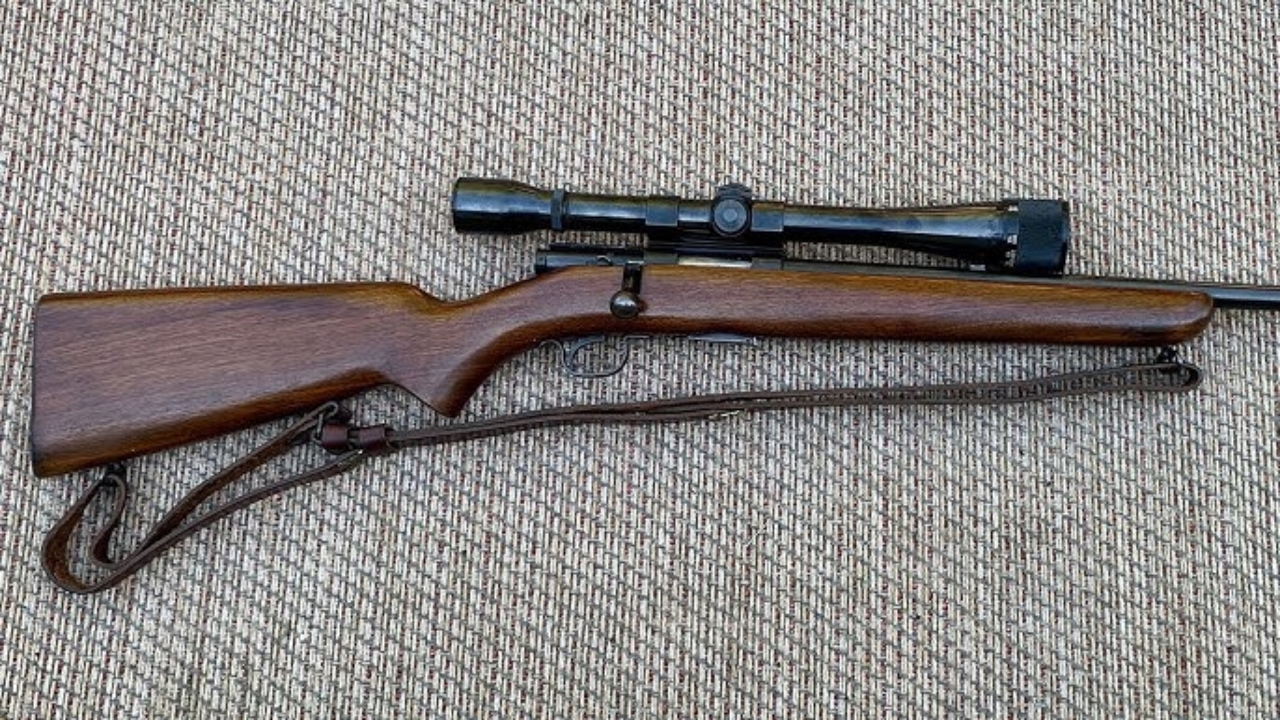
The Model 43 was Winchester’s small centerfire bolt rifle, commonly encountered in cartridges like .218 Bee and .22 Hornet. It was compact, attractive, and built during an era when even relatively modest rifles received excellent machining.
Production numbers were not enormous, and the chamberings themselves now have collector appeal. That makes original rifles increasingly desirable, particularly examples that have not been drilled, refinished, or rebarreled. A Model 43 once looked like an ordinary varmint rifle. Today, a clean one immediately attracts attention at a gun show. The combination of Winchester name, discontinued cartridges, and limited production gives it exactly the ingredients collectors tend to chase.
Ruger 77/22

The 77/22 was Ruger’s attempt to build a rimfire that felt like a serious centerfire hunting rifle. It used a rotary magazine but wrapped it in a substantial bolt-action package with traditional Ruger styling.
For years, they were simply nice .22s. Once production slowed and eventually disappeared in many configurations, owners began realizing how difficult it was to replace them. Certain versions, especially stainless, walnut, and less common chamberings, are already commanding stronger interest. The 77/22 also appeals to people who want a rimfire that does not feel lightweight or disposable. It is gradually becoming one of those rifles buyers regret selling.
CZ 452 American
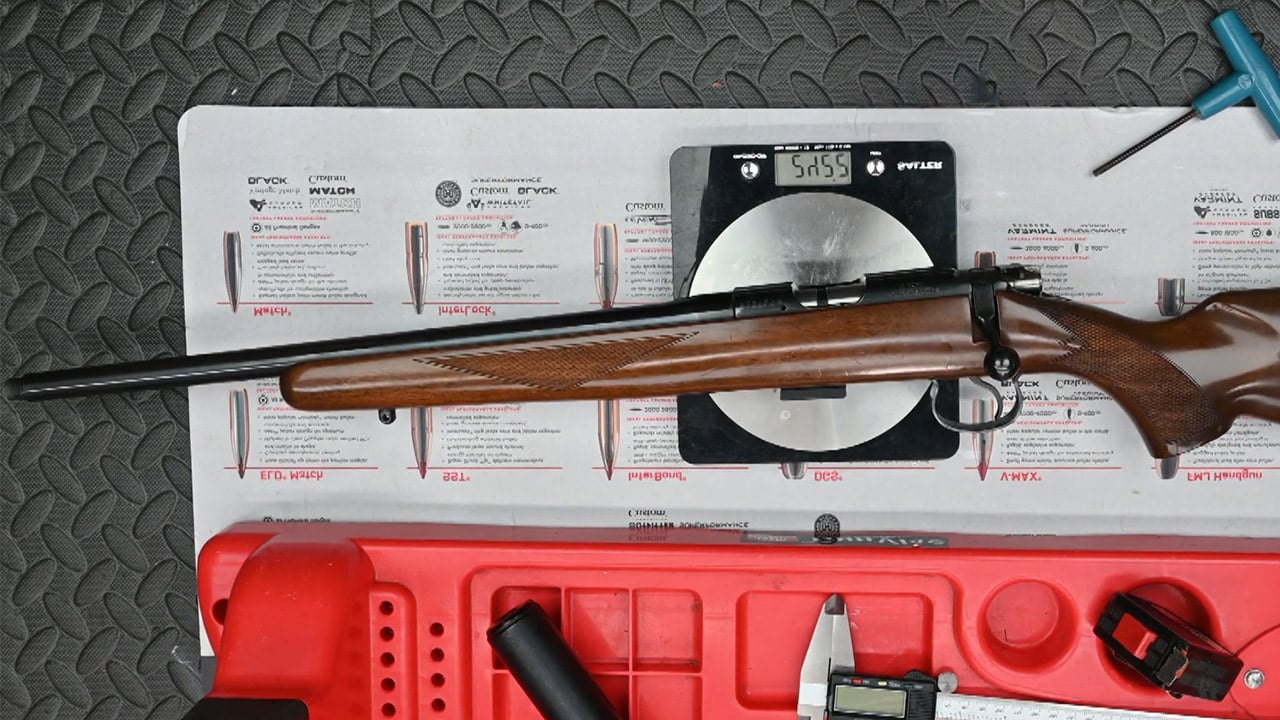
The CZ 452 earned its reputation the old-fashioned way: good barrels, solid accuracy, and a simple bolt action that felt more expensive than it really was. The American version was especially appealing to hunters who wanted traditional styling and straightforward scope mounting.
The 455 and later 457 replaced it, but that has only made the 452 more interesting to enthusiasts who prefer the older action. Clean rifles are increasingly being kept rather than traded, and certain chamberings have become harder to find. The 452 was produced in large enough numbers that it is not rare, but collector interest does not always require rarity. Sometimes it starts with a generation of shooters realizing they miss a rifle after it is gone.
Steyr SSG 69
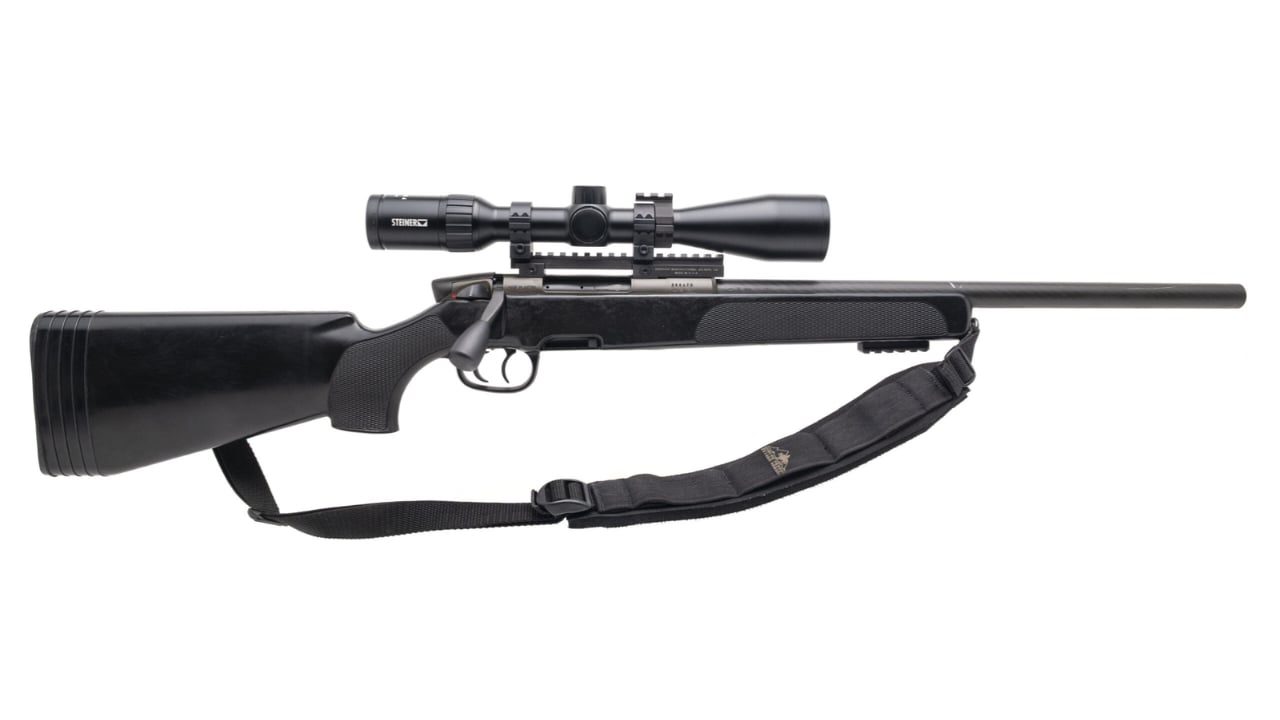
The SSG 69 was once a cutting-edge precision rifle used by military and police units around the world. Its rotary magazines, cold-hammer-forged barrel, and distinctive stock made it immediately recognizable.
Modern chassis rifles have surpassed it in modularity, but that has actually helped the Steyr become more interesting historically. Early examples now represent an important period in precision-rifle development, and collectors increasingly appreciate original rifles with factory optics, magazines, and accessories. The SSG 69 is still capable of excellent accuracy, but its growing appeal is no longer purely practical. It is becoming a piece of precision-rifle history.
Belgian Browning T-Bolt
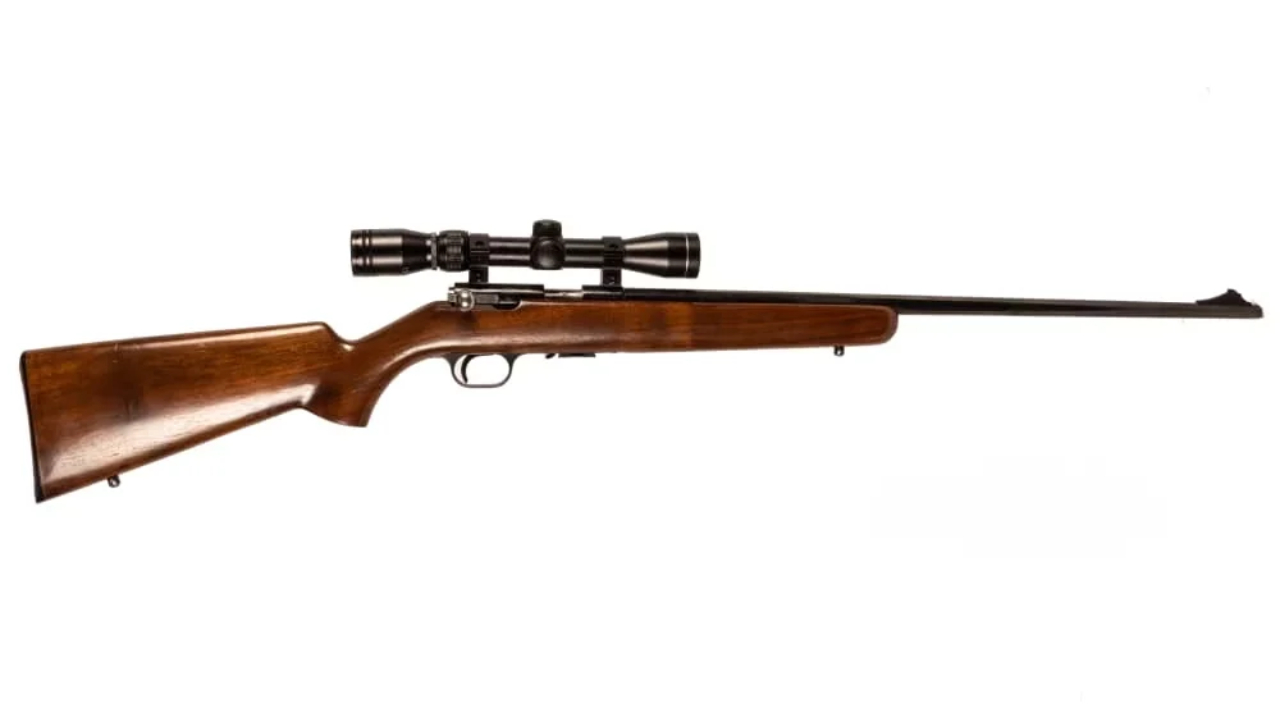
The early Belgian T-Bolt was one of Browning’s more unusual rimfire designs. Its straight-pull action made it quick to operate, while the wood and metal finishing gave it the quality expected from Browning’s Belgian production.
Later T-Bolts kept the concept alive, but the older Belgian guns have a different collector appeal. They represent an era of manufacturing that is unlikely to return at ordinary production-rifle prices. Many were used as small-game rifles, so excellent examples are much less common than worn shooters. Collectors looking for distinctive Browning rifles are beginning to pay more attention to these, and that trend is unlikely to reverse.
Winchester Model 52 Sporter
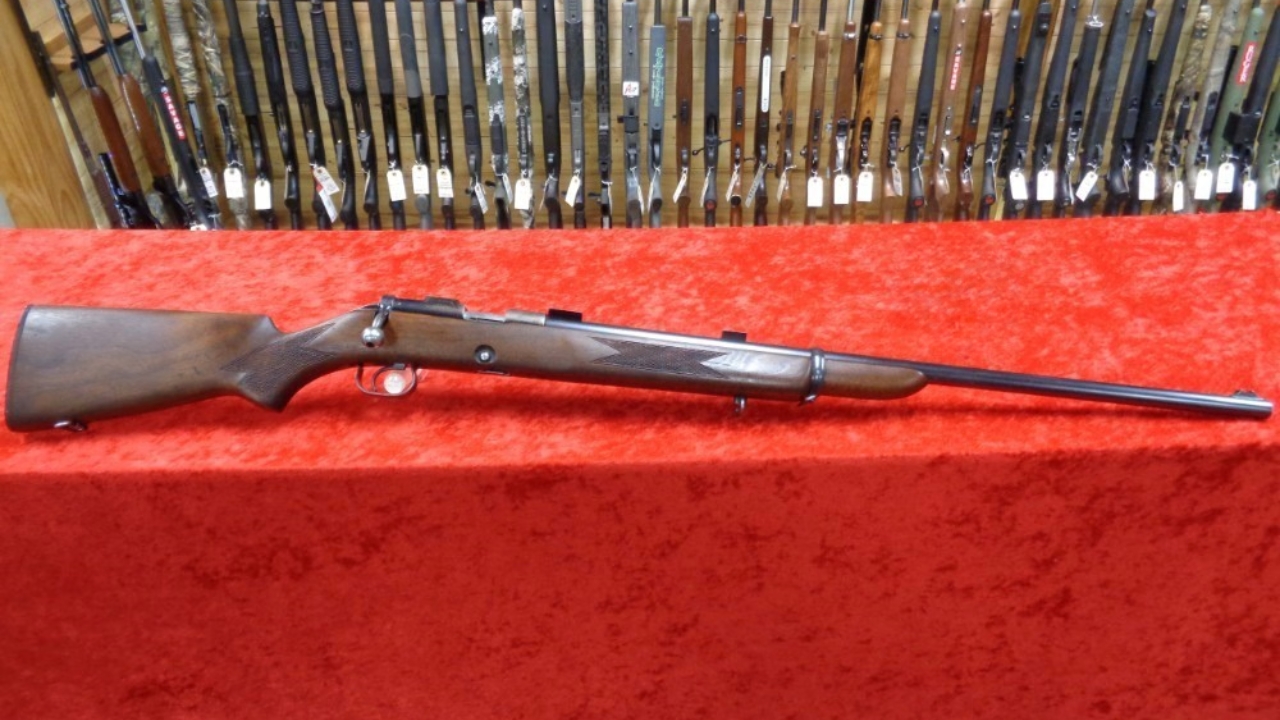
The Model 52 is legendary as a target rifle, but the Sporter versions have always occupied a particularly desirable niche. They combine exceptional rimfire accuracy with the handling and appearance of a classic hunting rifle.
That combination makes clean Sporters especially valuable. They were never ordinary budget .22s, and many variations were produced in limited enough numbers that collectors pay close attention to details. Original sights, stock configuration, and factory finish matter considerably. The Model 52 Sporter is already collectible, but appreciation continues to grow as buyers recognize how expensive it would be to reproduce this level of rimfire craftsmanship today.
German-Made Weatherby Mark V Deluxe
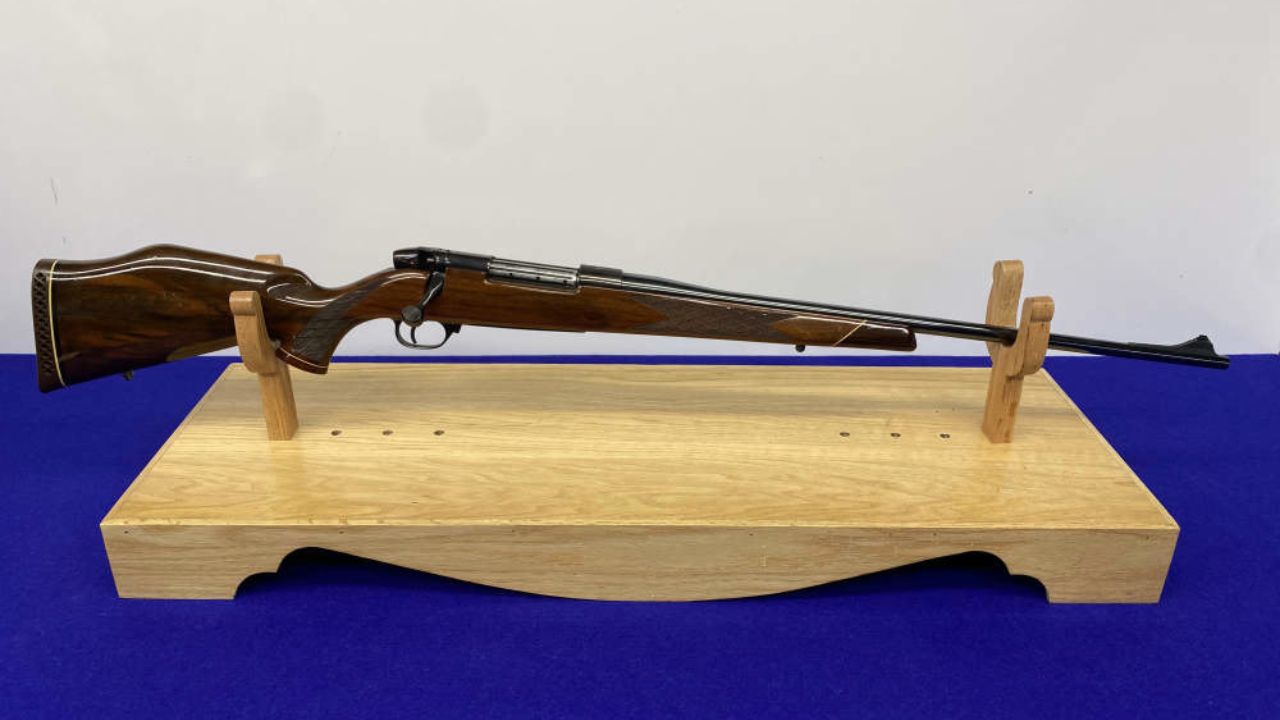
Early German-made Mark V rifles carry a different character from later production. Deep bluing, highly figured stocks, and distinctive Weatherby styling made them some of the most recognizable premium hunting rifles of their era.
For years, they were simply expensive hunting rifles. Now the German production history gives them additional collector appeal. Condition matters enormously because many were carried on real hunts and accumulated the dents and scratches that come with field use. Original rifles in desirable Weatherby chamberings are steadily becoming harder to find without modifications. The more modern hunting rifles move toward synthetic stocks and matte finishes, the more these old Deluxe models stand out.
FN Browning Safari Grade
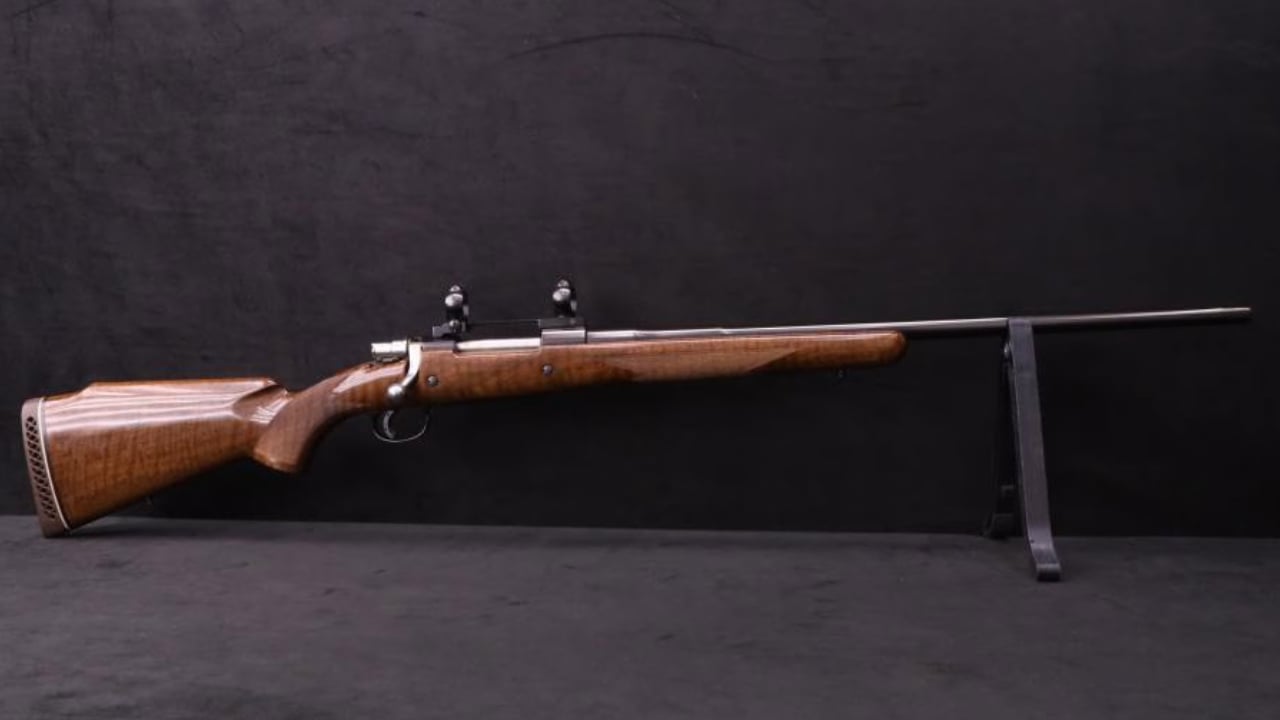
The Safari Grade rifles built on FN Mauser actions were once premium working rifles for hunters who wanted something smoother and more refined than typical American production guns.
Today, they represent a level of commercial Mauser craftsmanship that would be costly to duplicate. The controlled-round-feed action, quality barrels, and traditional stock work give them appeal to both hunters and collectors. Many were used hard, especially in larger chamberings, so clean original examples are increasingly desirable. The rifles have not disappeared, but their transition from working gun to collectible classic is already well underway.
Mannlicher-Schoenauer Model 1956
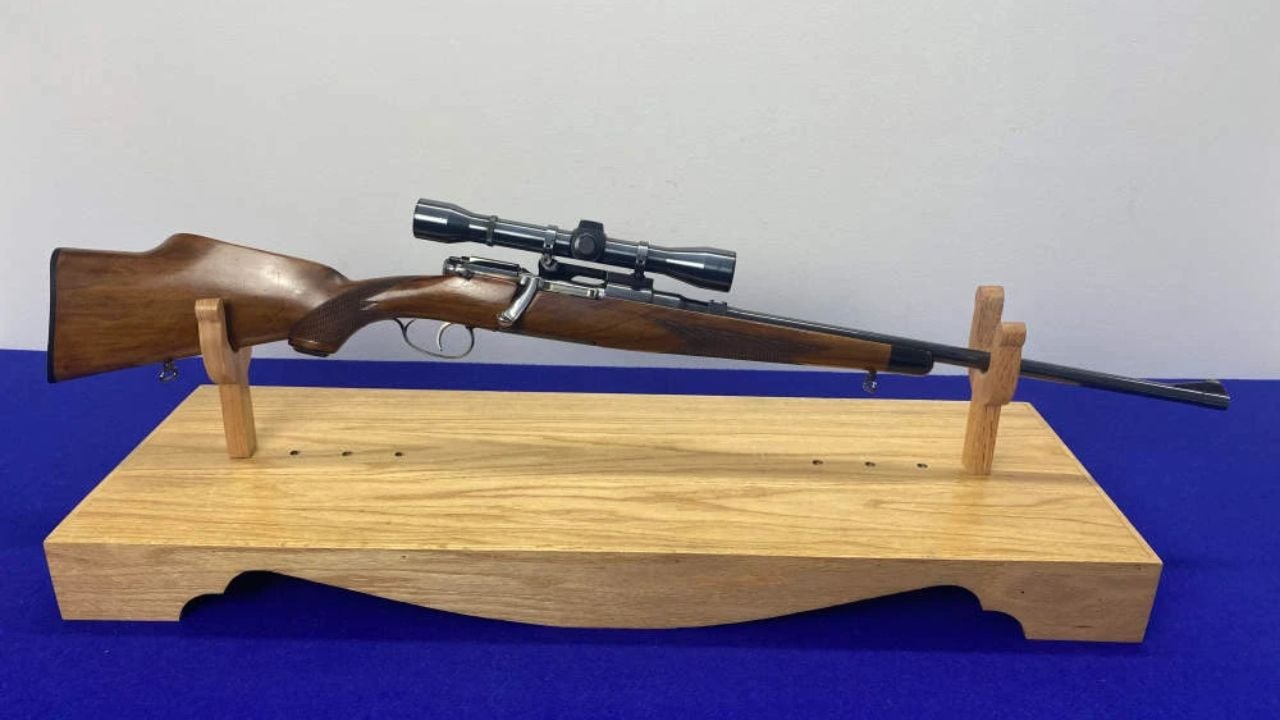
The Mannlicher-Schoenauer action has always had a reputation for remarkable smoothness, and the Model 1956 represents one of the later classic sporting versions before modern manufacturing changed the market.
These rifles are becoming increasingly appreciated for their rotary magazines, distinctive bolt feel, and European stock styling. They were never common in American deer camps, but they were once obtainable enough to be considered working rifles rather than pure collectibles. That balance has shifted. Nice examples are now difficult to replace, and owners are less willing to modify or expose them to rough use. The Model 1956 is steadily becoming something people preserve rather than hunt hard.
Savage Model 24
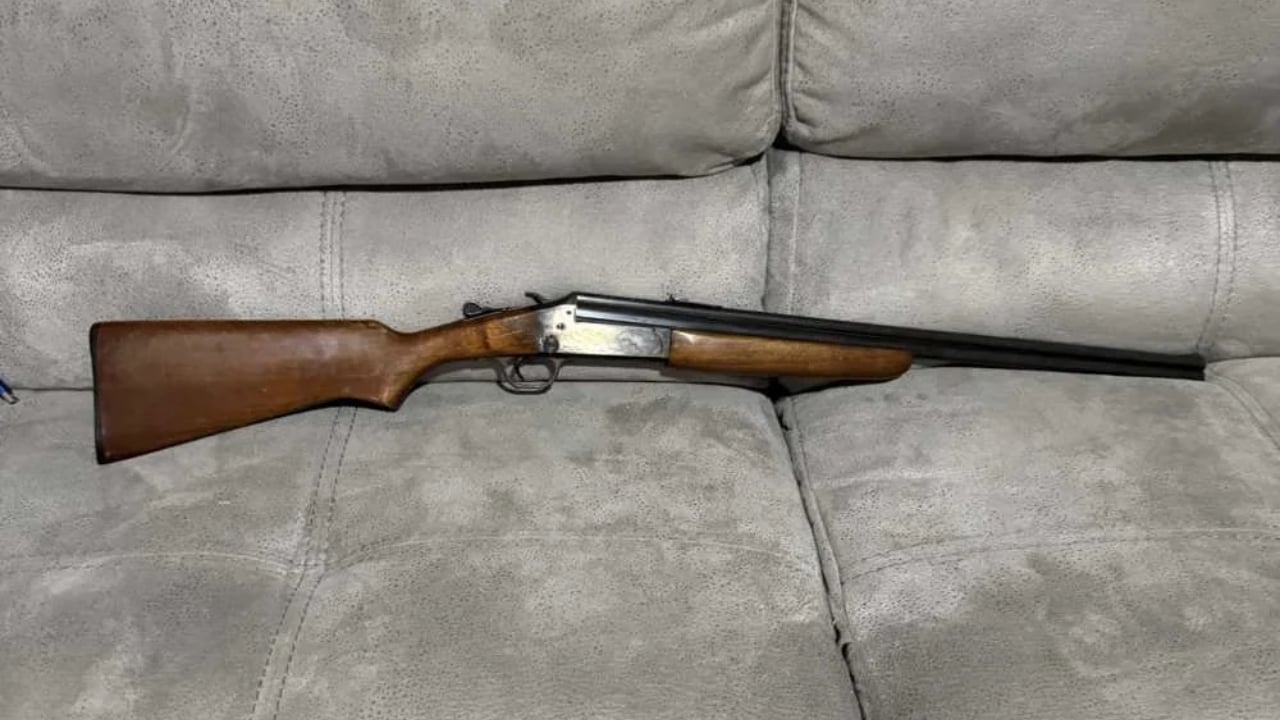
The Model 24 over-under rifle/shotgun combination was once an extremely practical farm and small-game gun. Depending on the version, you could have a rimfire or centerfire rifle barrel over a shotgun barrel in one compact package.
That practicality is part of why so many were used hard. They lived behind truck seats, in barns, and around hunting cabins rather than inside padded safes. Production ended, and no modern replacement has captured quite the same combination of simplicity and affordability. Clean examples in desirable chambering combinations are becoming increasingly interesting to collectors. What was once viewed as a plain utility gun is now turning into a nostalgic reminder of a style of firearm that largely disappeared.
Remington Model 141 Gamemaster
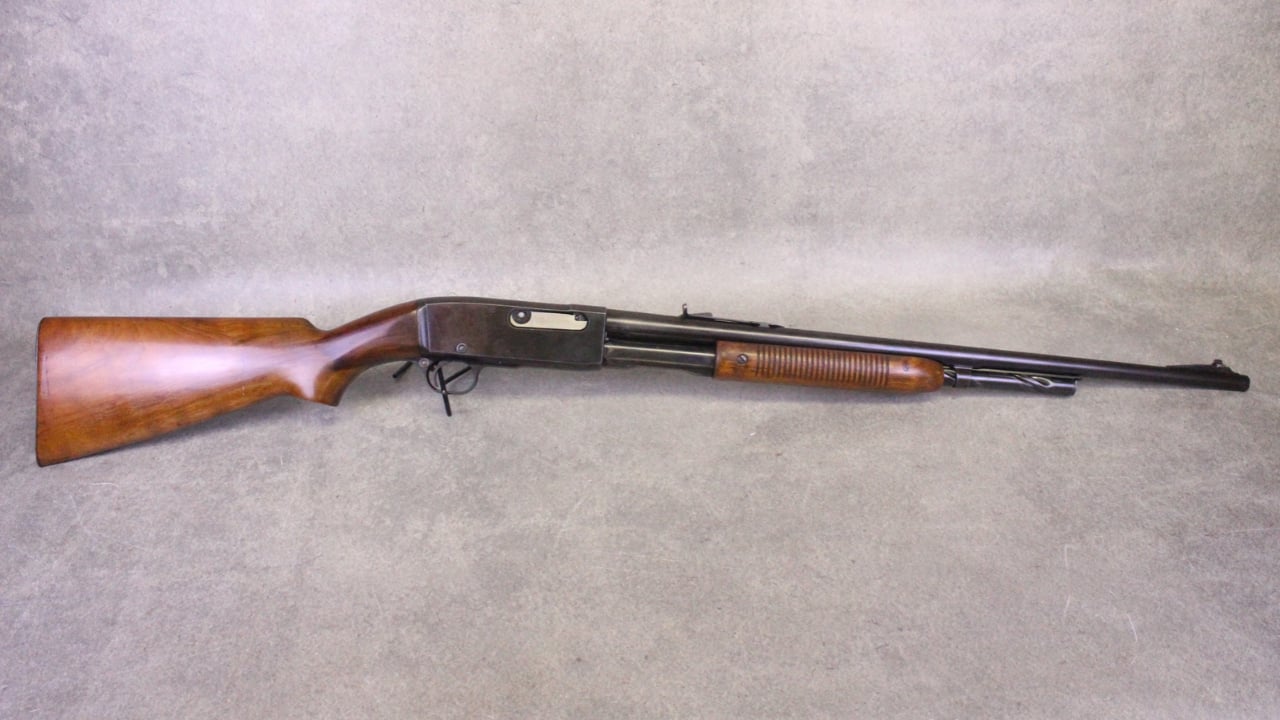
The Model 141 was a pump-action hunting rifle from an era when Remington’s slide-action centerfires looked very different from the later 760 family. Its spiral magazine tube and distinctive receiver give it immediate visual identity.
For decades, these were simply old deer rifles. Now the combination of unusual mechanics, classic Remington craftsmanship, and chamberings like .35 Remington is pushing them toward collector status. Many surviving rifles show heavy hunting wear, which makes original high-condition examples especially attractive. The Model 141 may never have the recognition of a Winchester lever gun, but that relative obscurity is part of what makes it interesting now.
HK Model 630
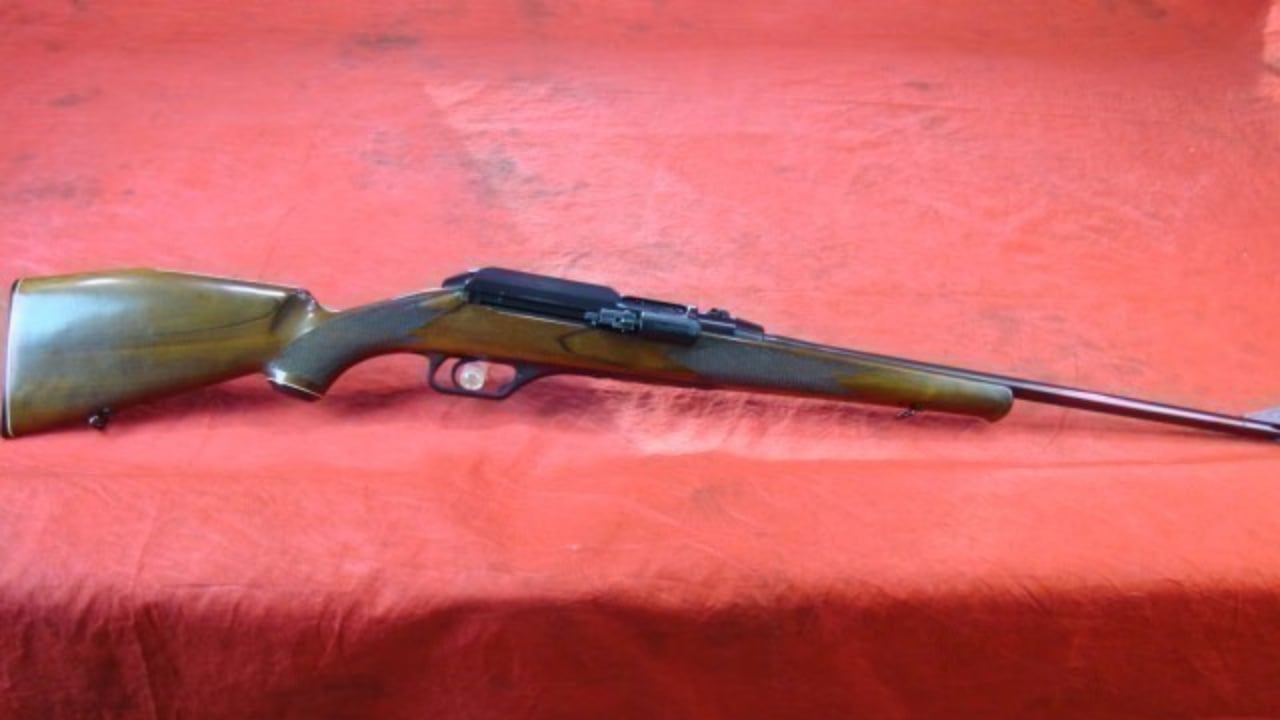
The HK 630 is one of the more unusual sporting rifles Heckler & Koch ever produced. Chambered in .223 Remington and styled as a traditional sporting semiautomatic, it looks almost nothing like the military-derived rifles most shooters associate with HK.
That unusual combination has become a major part of its appeal. Production numbers were limited, the design was expensive, and relatively few examples remain in ordinary circulation. As collectors broaden their interest beyond roller-delayed battle rifles and pistols, the sporting HKs are receiving more attention. The 630 is still usable as a varmint or target rifle, but its scarcity and odd place in HK history increasingly make shooting one feel secondary to preserving it.
Like The Avid Outdoorsman’s content? Subscribe to our newsletter so you never miss an article.
Here’s more from us: