Photo credit: Smittys Sports/GunBroker
A lot of rural gun owners own modern semi-autos, but that does not always mean those are the handguns that get carried the most. Around farms, ranches, hunting property, barns, and acreage, the handgun that actually ends up on the belt is often the one that can be neglected a little, carried around equipment, loaded with a wide range of ammunition, and trusted to work after spending half the day in dust and mud.
That is where revolvers continue to make a lot of sense. They are not always the highest-capacity option, and they are rarely the lightest, but they fit rural life in a way many semi-autos do not. Some are compact enough for daily carry, while others are serious field guns meant for wild country. These are 20 revolvers rural owners keep reaching for even when plenty of semi-autos are sitting back at the house.
Smith & Wesson Model 686

The Model 686 has become one of the default answers for anyone wanting one revolver that can handle a little bit of everything. Built around Smith & Wesson’s L-frame, it has enough weight to make .357 Magnum manageable without becoming so large that carrying it all day feels like punishment. Rural owners appreciate that balance because the gun can ride on a belt during chores, go along in the truck, and still feel substantial enough for hunting property or woods use. The ability to shoot .38 Special adds even more flexibility.
A four-inch 686 is probably the version I would choose if I wanted one general-purpose revolver. It is large enough to shoot well but still compact enough to carry comfortably. There are more powerful revolvers and smaller carry guns, but very few split the difference this well.
Ruger GP100
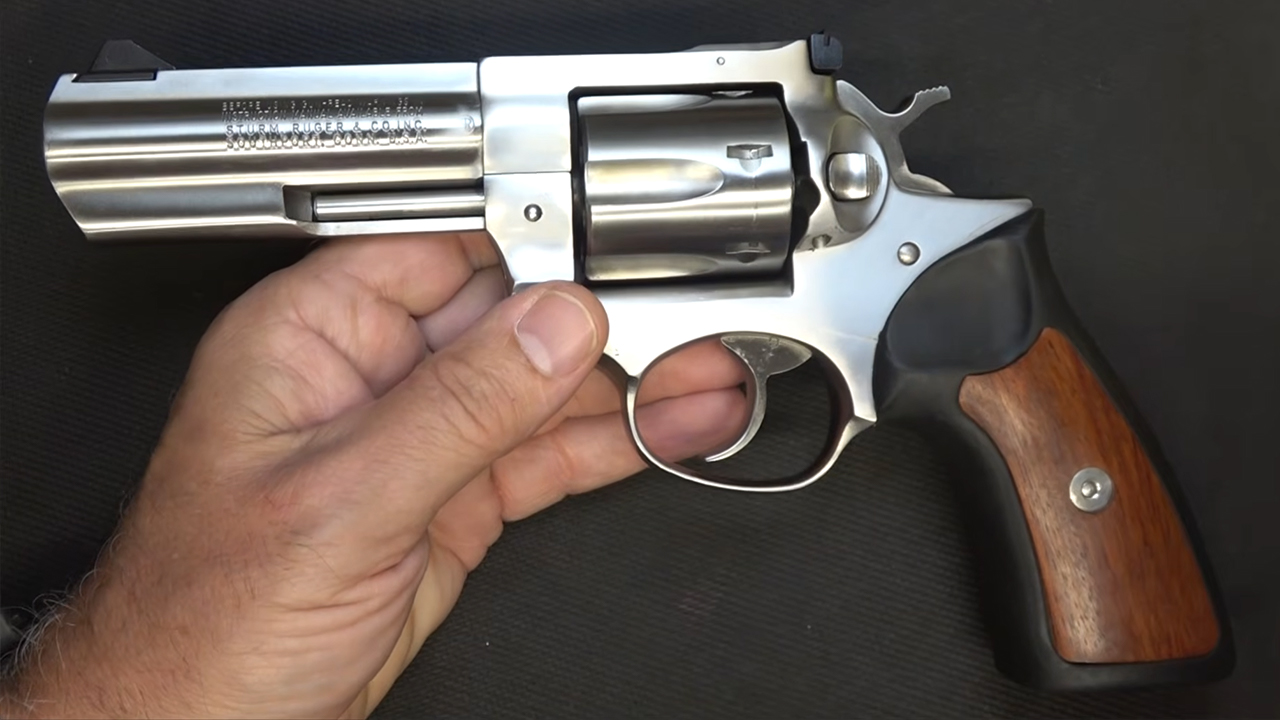
The GP100 has earned a reputation for being the kind of revolver people buy when they expect it to get used hard. Ruger’s heavy frame, thick top strap, and substantial cylinder give the gun a rugged feel that makes sense on a working property. It is not delicate, and it does not pretend to be. That makes it especially attractive for someone who wants a revolver that might spend time around tractors, fencing tools, feed, dust, and weather without needing to be treated like a collectible.
In .357 Magnum, the GP100 also gives rural owners considerable ammunition flexibility. Mild .38 Special loads are easy to shoot, while heavier .357 loads make the revolver much more capable in the field. It is heavier than some competitors, but that weight helps when shooting full-power ammunition and makes the gun feel extremely steady.
Ruger Blackhawk Convertible

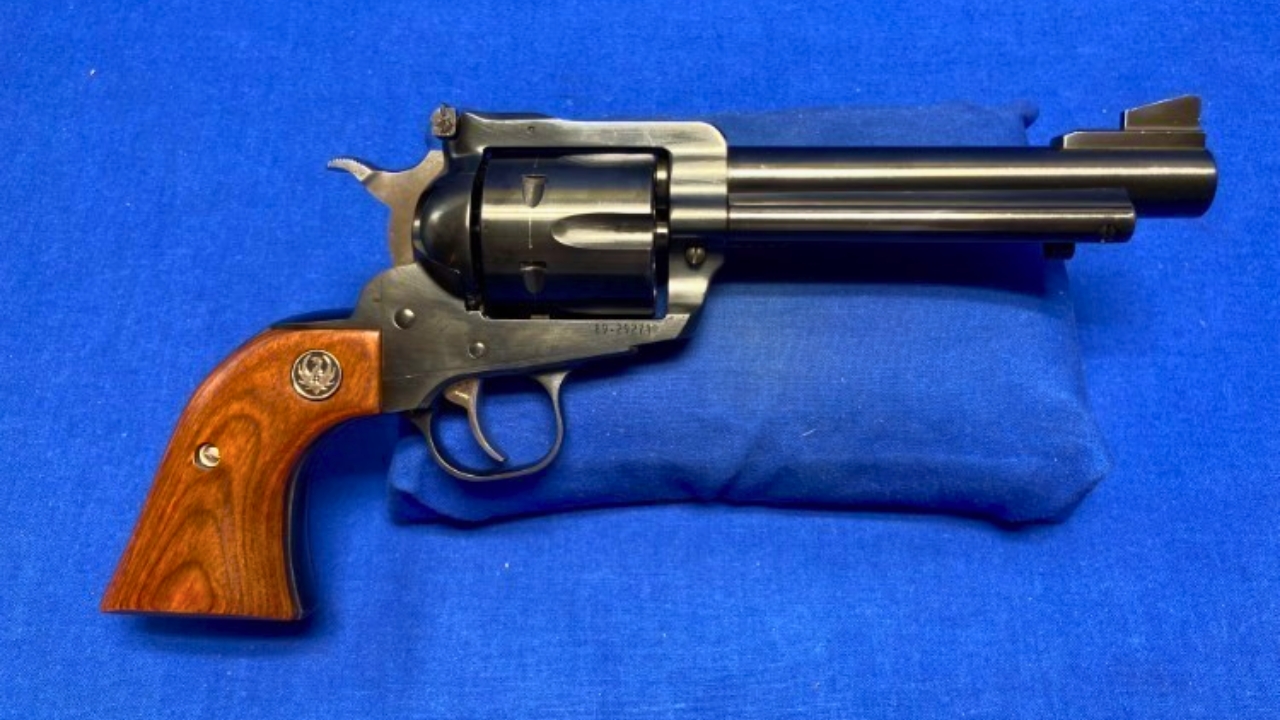
The Blackhawk Convertible is exactly the sort of revolver that makes sense to someone who lives far enough from town that versatility matters. Depending on the version, the interchangeable cylinders allow the same revolver to use different cartridges, giving owners more flexibility when ammunition availability changes. The single-action design is also mechanically straightforward, and rural shooters have trusted Blackhawks for decades because they are built around strength rather than minimum weight.
The downside is that a Blackhawk is slower to load than a modern double-action revolver, but owners who carry one around property usually are not choosing it for rapid competition shooting. They like it because it is tough, accurate, and capable. For someone who enjoys old-school revolvers but still wants a serious working handgun, the Blackhawk remains difficult to beat.
Smith & Wesson Model 19
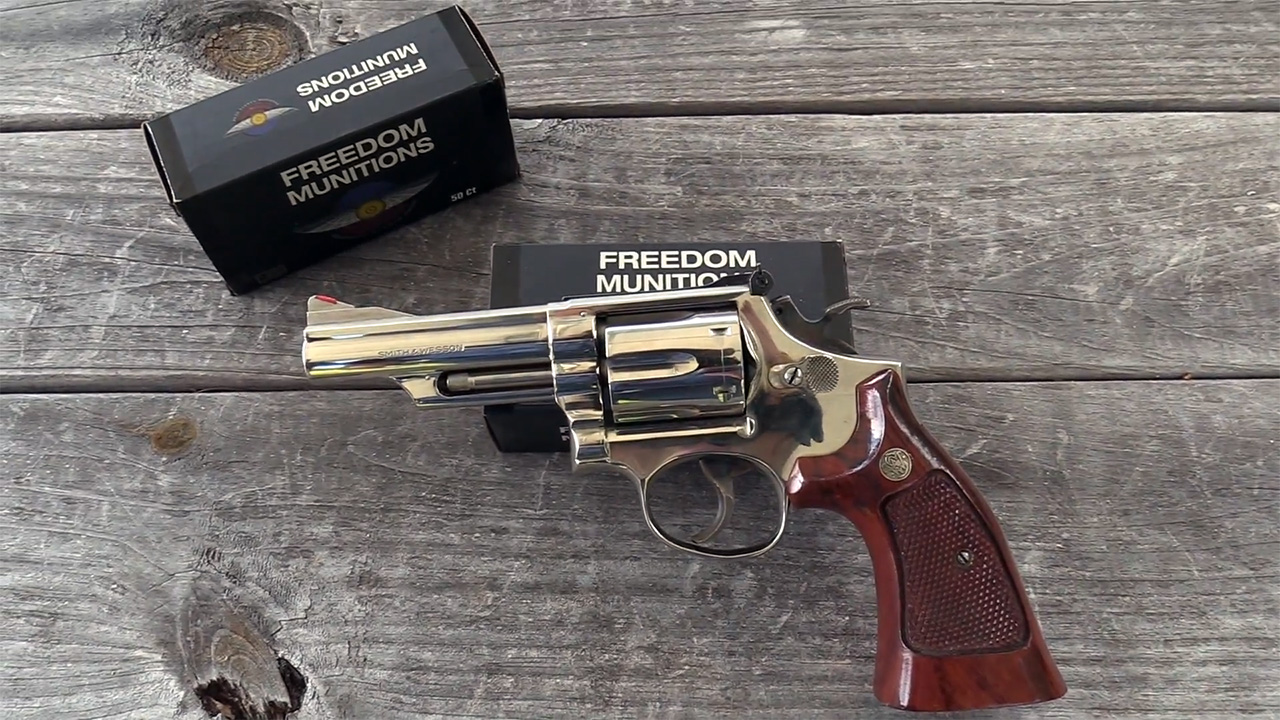
The Model 19 has one of the best balances of size and power Smith & Wesson ever produced. The idea behind it was straightforward: put .357 Magnum capability into a frame that was easier to carry than the larger revolvers of the era. That same formula still works extremely well for rural owners who want something powerful enough for field use without strapping a large hunting revolver to their hip every time they walk outside.
A four-inch Model 19 feels almost ideal for general property carry. It points naturally, handles quickly, and is noticeably easier to live with than many heavier .357s. Older examples have become desirable collectibles, but current-production versions keep the basic concept alive. If I needed one revolver for chores, woods walks, and everyday rural use, the Model 19 would be high on my list.
Ruger SP101

The SP101 works well for rural owners who want something smaller than a GP100 but still want a revolver that feels built for hard use. It is a compact stainless-steel revolver that carries easily around the property and disappears into a belt holster much better than a full-size six-shooter. Despite its size, versions chambered in .357 Magnum give it considerably more capability than its compact dimensions might suggest.
Its weight is actually an advantage in this role. Ultra-light revolvers are pleasant to carry, but they can become unpleasant quickly with heavier ammunition. The SP101 has enough steel to take some of the sting out while remaining compact. It is the sort of handgun that can live near the door, ride in a truck, or go along for chores without becoming a burden.
Smith & Wesson Model 60
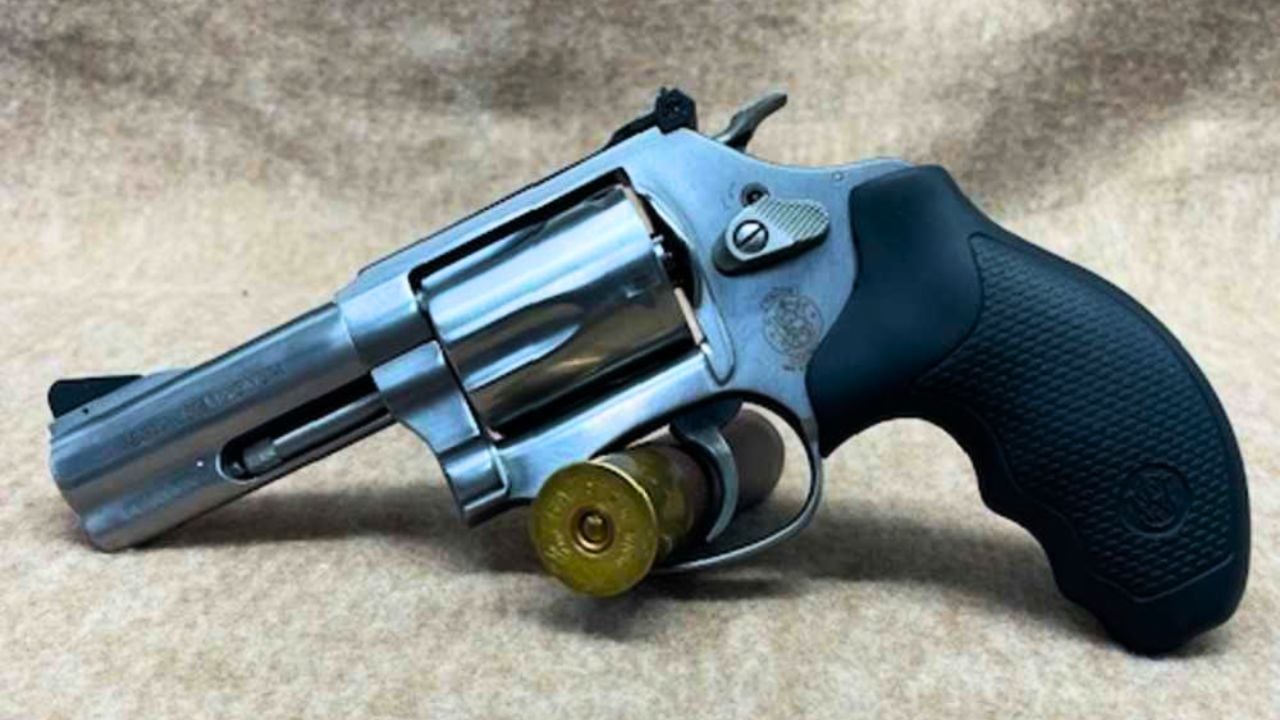
The Model 60 is one of those revolvers that does not look particularly impressive until you realize how often a compact stainless gun fits real life. It is small enough to carry easily, resistant to ordinary weather exposure, and available in versions chambered for .357 Magnum. Rural owners who do not want a large handgun hanging from their belt all day often appreciate exactly that combination.
A Model 60 also makes sense for someone who prefers a revolver that can serve both as a carry gun and a general-purpose field companion. It is not something I would choose for extended shooting with the heaviest loads, but that is not really the point. The strength of the Model 60 is that it is convenient enough to actually have with you. A powerful handgun left in the safe does less good than a compact one you genuinely carry.
Ruger Redhawk
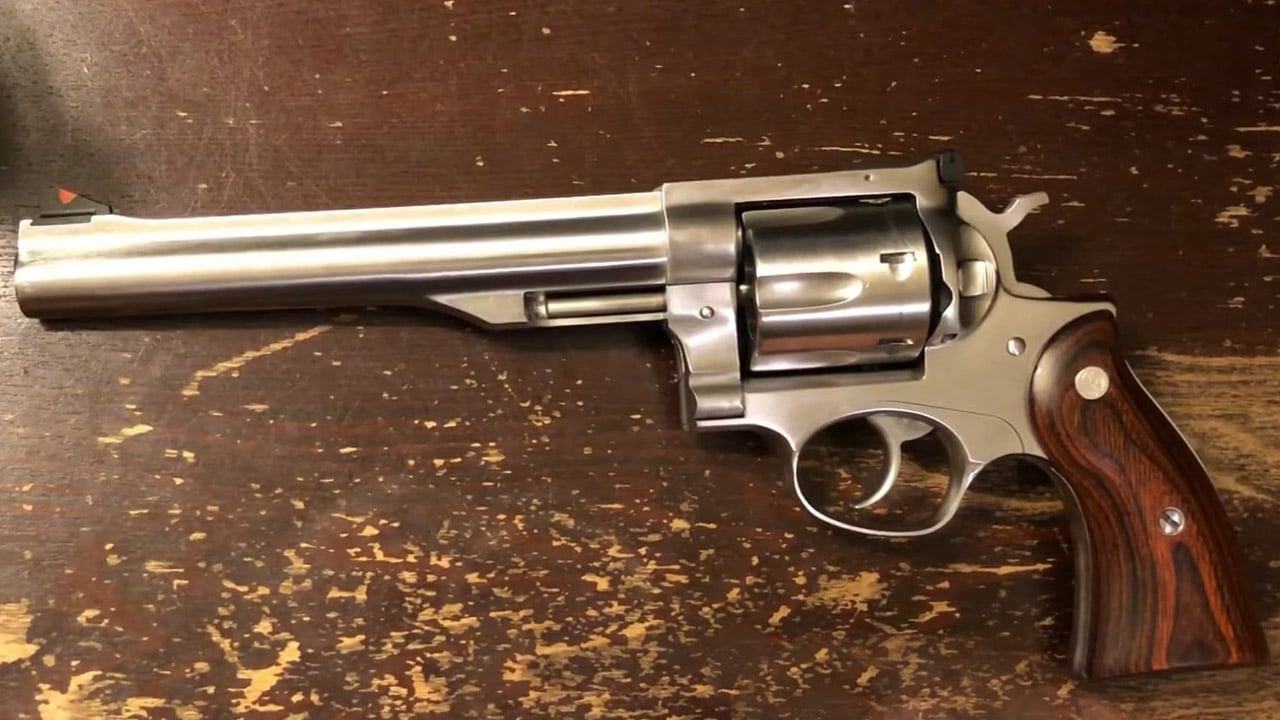
The Redhawk is where the conversation changes from general-purpose revolver to serious field gun. Chamberings such as .44 Magnum give it the power rural owners may want when dealing with larger animals, remote property, or wilderness travel. Ruger built the Redhawk around a heavy frame and strong action, so it has developed a reputation as one of the revolvers people choose when they want durability above nearly everything else.
It is not subtle and it is certainly not light. Nobody is slipping a Redhawk into a pocket and forgetting about it. The people who choose one generally know exactly why they want that much revolver. In a good holster, the weight becomes manageable, and the extra mass helps when firing powerful ammunition. For serious backcountry use, the Redhawk remains one of the most trusted names around.
Smith & Wesson Model 629

The Model 629 takes the classic Smith & Wesson .44 Magnum concept and packages it in stainless steel, which makes a lot of sense for a gun likely to see rain, sweat, dust, and outdoor use. Rural owners who spend time in rough country appreciate not having to worry as much about babying the finish. The revolver also comes in enough barrel lengths and configurations that buyers can choose between something relatively packable and something geared more heavily toward hunting.
What keeps the 629 popular is that it combines serious power with a more refined feel than some of the heaviest field revolvers. The double-action trigger is familiar, the sights are good, and the gun balances well for its size. It is more revolver than most people need around the house, but in the woods it earns its place quickly.
Ruger Single-Six
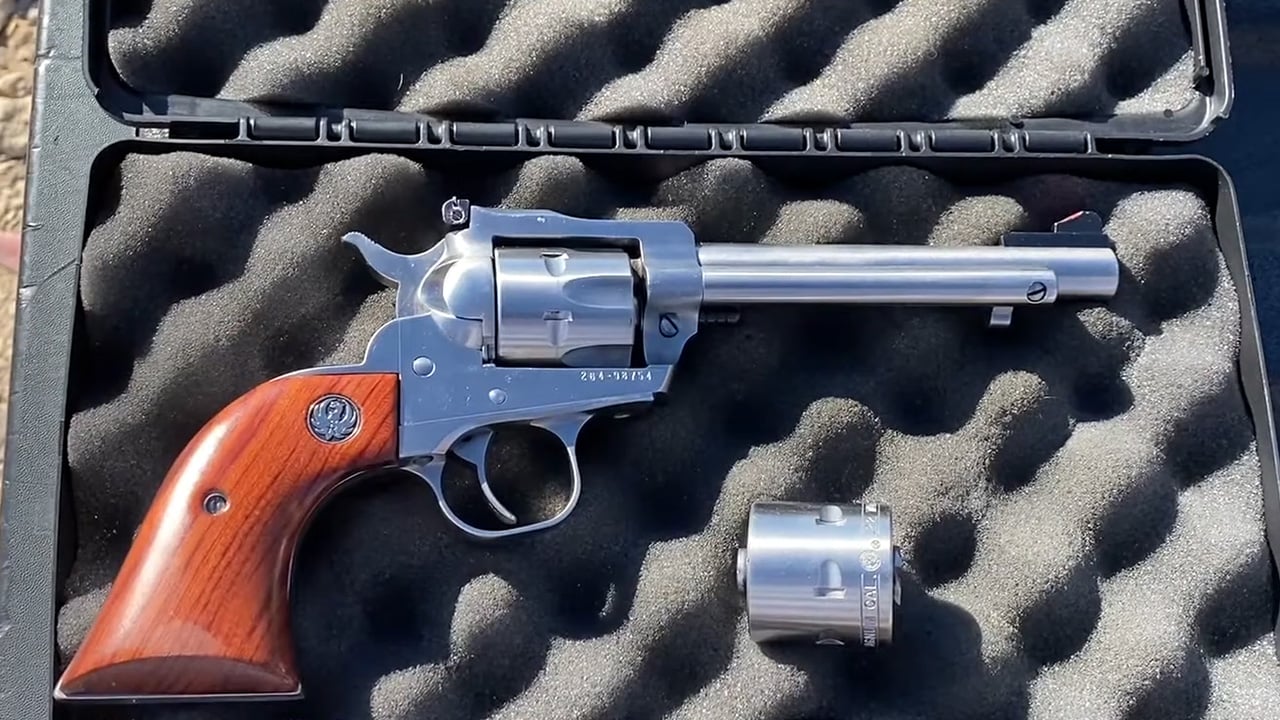
Not every rural revolver needs to be a magnum. The Single-Six has spent decades riding around farms and ranches because a good .22 revolver is useful for all kinds of everyday chores. Low recoil, inexpensive ammunition, and easy handling make it practical for casual target shooting, pest control where lawful, and introducing newer shooters to a handgun without overwhelming them.
Convertible versions that include a .22 Magnum cylinder add another layer of usefulness. That is the kind of flexibility rural owners tend to appreciate because the revolver can fill multiple roles without taking up much room. A Single-Six is also one of those guns that often stays in families for generations. It may not be the most exciting revolver in the safe, but it is frequently one of the most used.
Heritage Rough Rider

The Rough Rider has become popular for a very different reason than expensive field revolvers: it is cheap enough that owners are not afraid to actually use it. Around rural property, that matters. A revolver that costs relatively little can ride in a toolbox, go along for chores, and pick up scratches without causing emotional damage every time it bumps into a fence post.
Most Rough Riders are chambered in .22 LR, while many are sold with an additional .22 Magnum cylinder. That combination makes them inexpensive to shoot and versatile enough for basic property use. They are not built to the same standard as premium single-actions, but nobody buying one expects a museum piece. The appeal is having a simple revolver that works, shoots cheaply, and can be replaced without draining the gun budget.
Smith & Wesson Model 617
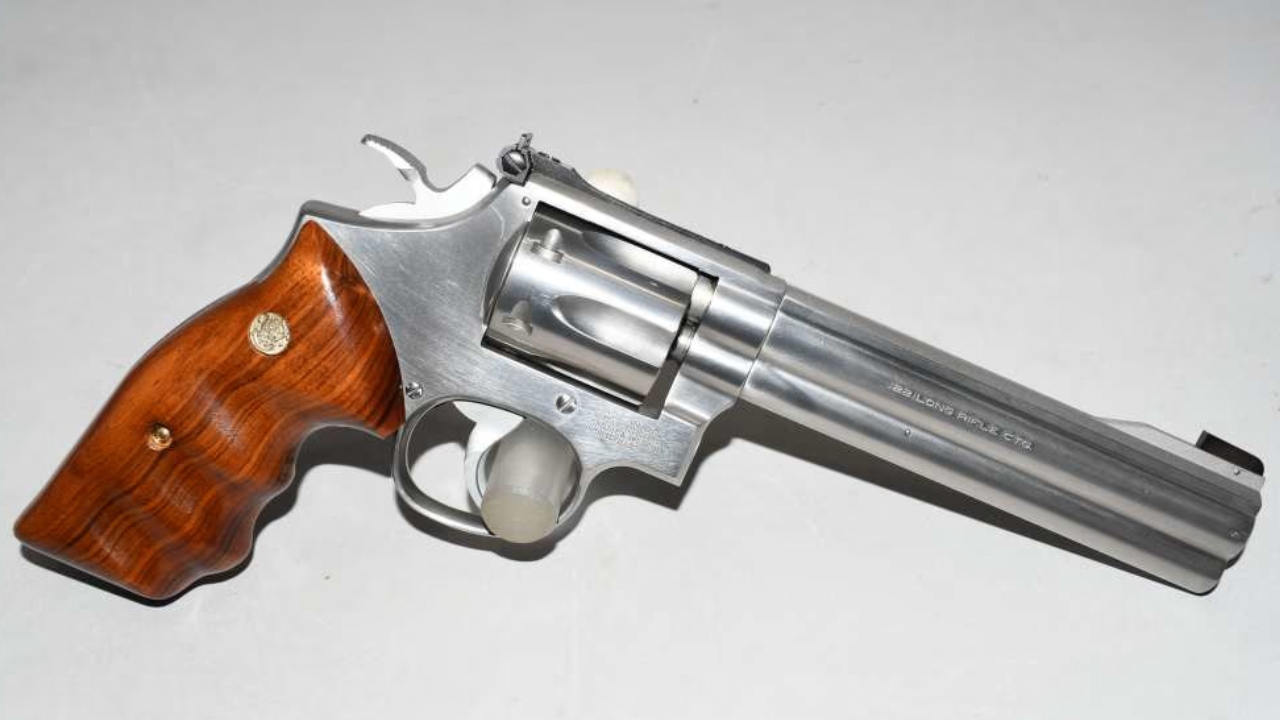
The Model 617 is what happens when someone wants a .22 revolver that feels like a serious full-size handgun rather than a lightweight plinker. Its stainless construction, substantial frame, and high-capacity cylinder make it one of the best rimfire revolvers for people who shoot a lot. Rural owners who spend plenty of time around their property can get tremendous use from one without burning through expensive centerfire ammunition.
The weight makes the Model 617 extremely easy to shoot well, and the trigger has the familiar Smith & Wesson feel many revolver owners already like. It is more expensive than basic rimfire revolvers, but it can also become one of the most frequently used guns someone owns. For practice, small-game hunting where legal, and ordinary range use, it is hard to find much fault with it.
Taurus 856

The Taurus 856 has become a practical choice for people who want a compact revolver without paying premium prices. Its six-shot cylinder gives it a little more capacity than many traditional small-frame revolvers, while the .38 Special chambering keeps recoil manageable in a gun intended primarily for carry. Around rural property, the 856 works well for someone who wants a light, uncomplicated handgun they can keep close throughout the day.
It is not trying to compete with large magnum revolvers. That is actually part of the appeal. Plenty of rural owners do not need .44 Magnum power every time they go check a gate or walk down the driveway. They want something small, reliable, and easy to carry. The 856 fills that role without turning the purchase into a major investment.
Colt King Cobra

The King Cobra gives rural revolver fans a modern Colt that still feels like a traditional working .357. It is smaller and easier to carry than a giant field revolver but has enough size and weight to make full-power ammunition much more manageable than it would be in an ultra-light snubnose. That balance is exactly why it appeals to someone who wants one handgun for both carry and general outdoor use.
Colt’s return to double-action revolvers brought plenty of attention, but the King Cobra is more than a nostalgia purchase. Its stainless construction, strong frame, and comfortable handling make it a practical woods and property revolver. It is nicer than something I would want bouncing loose in a toolbox, but in a good holster it fits the rural role extremely well.
Colt Python
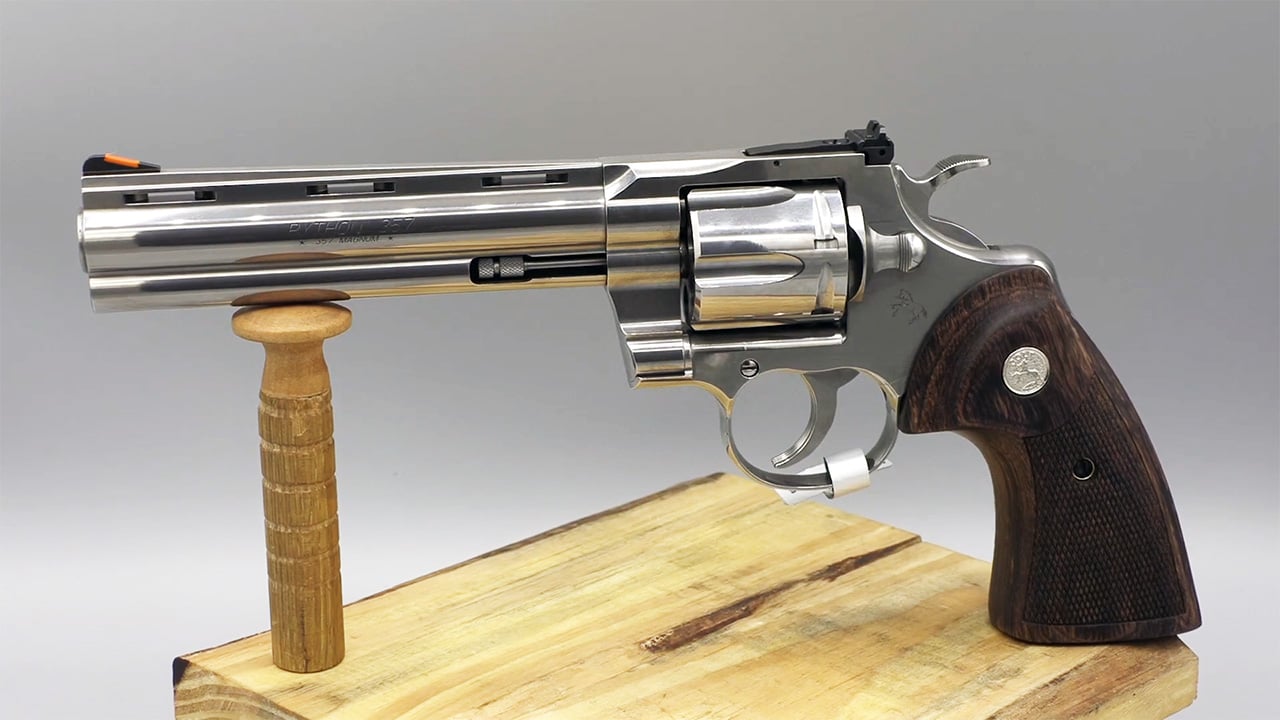
The Python gets talked about so much as a collectible and status gun that people sometimes forget it is still a very capable .357 Magnum revolver. The modern stainless versions are especially well suited to actual outdoor use because owners do not have to treat them with the same caution as a pristine vintage blued example. The action is smooth, the sights are useful, and the gun has enough weight to make it comfortable with a wide range of ammunition.
A rural owner who already has semi-autos may still reach for a Python simply because it is enjoyable to carry and shoot. That matters more than people admit. A firearm does not have to be the cheapest or lightest option to become the favorite. Sometimes the gun that feels best in the hand ends up being the one that leaves the house most often.
Smith & Wesson Model 66
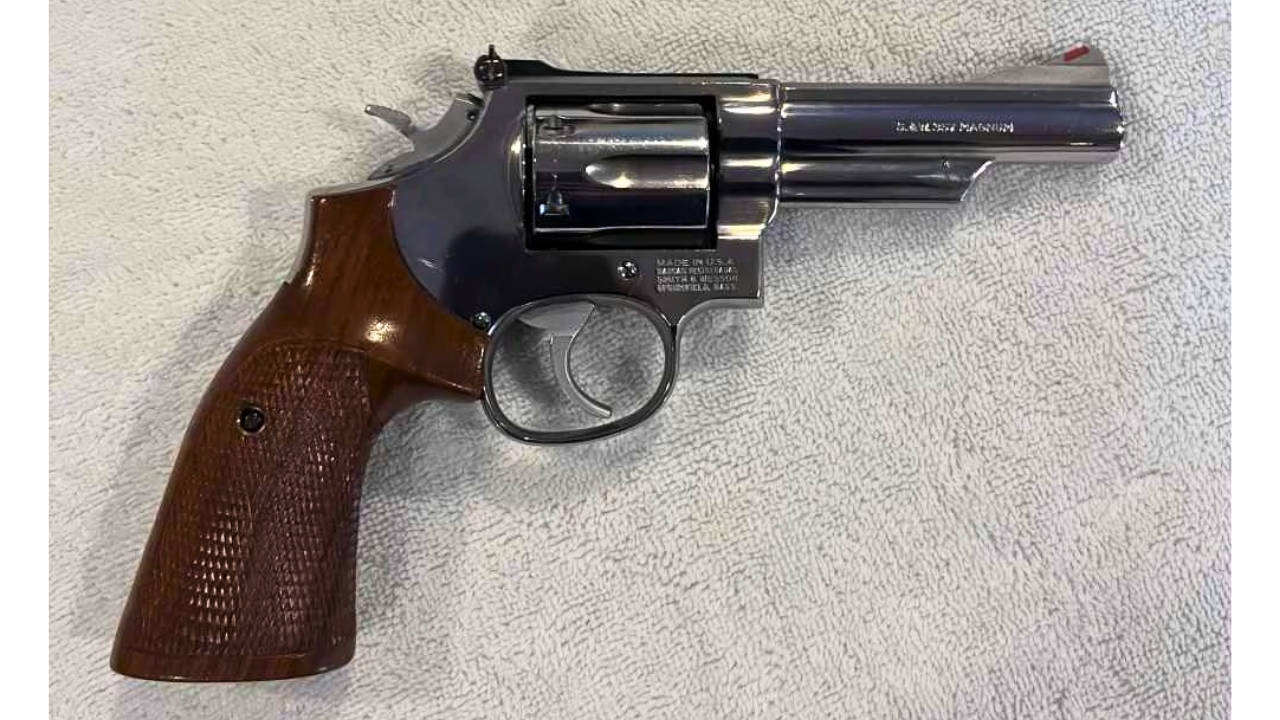
The Model 66 is another revolver that hits the sweet spot between small carry guns and large magnum revolvers. Built on the K-frame and chambered in .357 Magnum, it offers enough capability for field use while remaining compact enough for regular belt carry. Stainless steel makes it especially attractive to owners who know the gun will be exposed to humidity, rain, sweat, and dirt.
What I like most about the Model 66 is that it never feels excessive. A four-inch version works for almost anything a rural owner would reasonably ask of a general-purpose revolver. Load it mildly and it is pleasant to shoot. Move to .357 Magnum and it becomes a much more serious field handgun. That flexibility is why K-frame magnums remain so popular decades after their introduction.
Ruger LCR
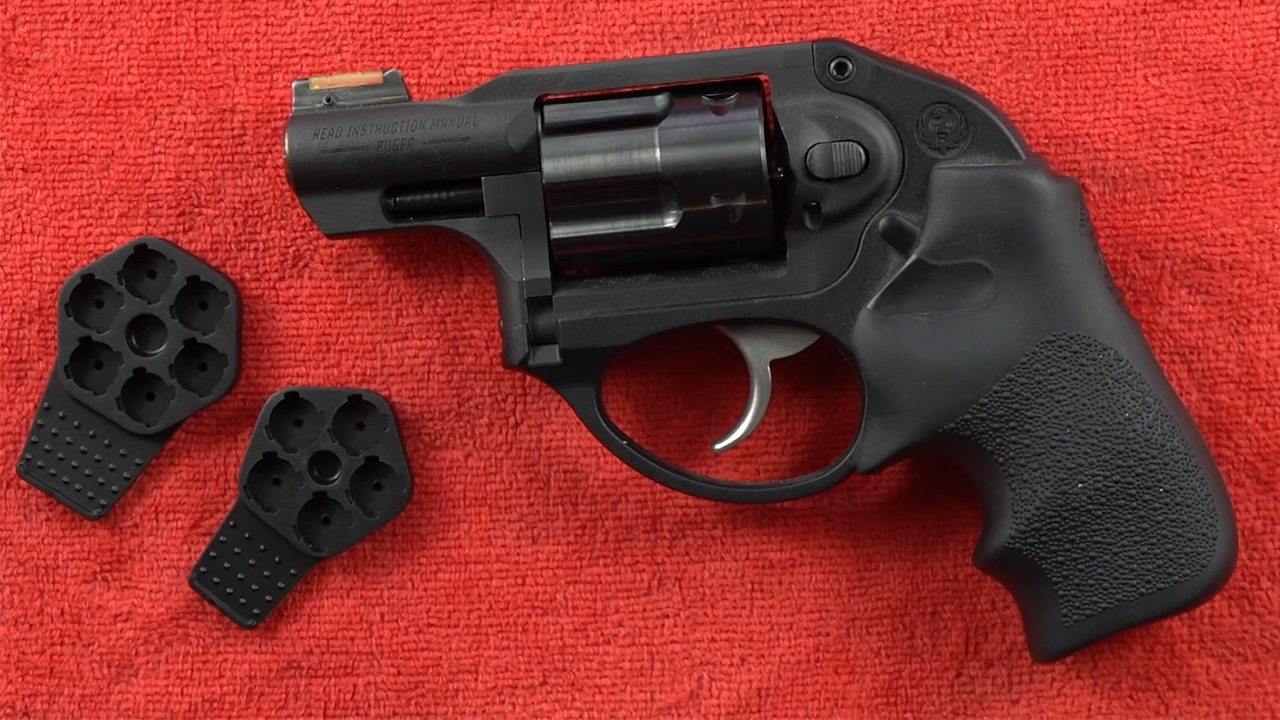
The LCR is one of the revolvers I would expect to get carried more than it gets admired. It is lightweight, compact, and built around a very good double-action trigger. For someone working outdoors who wants a handgun that practically disappears on the belt or in a pocket holster, the LCR makes far more sense than carrying a full-size service pistol everywhere.
Depending on chambering, owners can choose between mild and more powerful options, but the lightweight design means recoil becomes more noticeable as power increases. I think the real strength of the LCR is convenience. Rural owners frequently move between the house, barn, truck, tractor, and pasture. A compact revolver that never feels like a burden has a better chance of staying with them through all of it.
Smith & Wesson Model 69
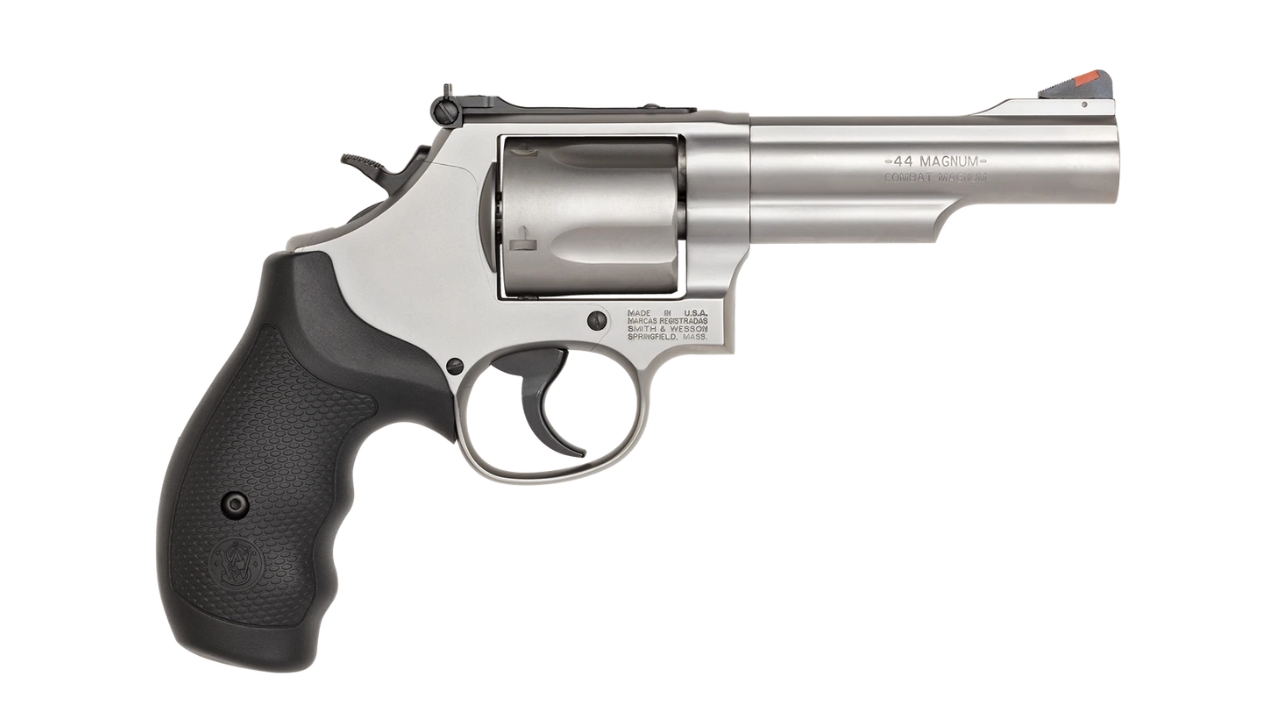
The Model 69 is one of the more interesting modern revolvers because it brings .44 Magnum capability into the smaller L-frame. That makes it significantly easier to carry than the larger N-frame revolvers traditionally associated with the cartridge. Rural owners who want serious field power but do not want the size and weight of a full 629 may find the Model 69 extremely appealing.
There is a tradeoff, of course. Less weight means heavier loads are going to make themselves known. But the ability to shoot .44 Special provides a milder option for everyday use while retaining .44 Magnum capability when more power is desired. That combination gives the Model 69 an unusually broad range, especially for someone who spends a lot of time outdoors.
Ruger Wrangler
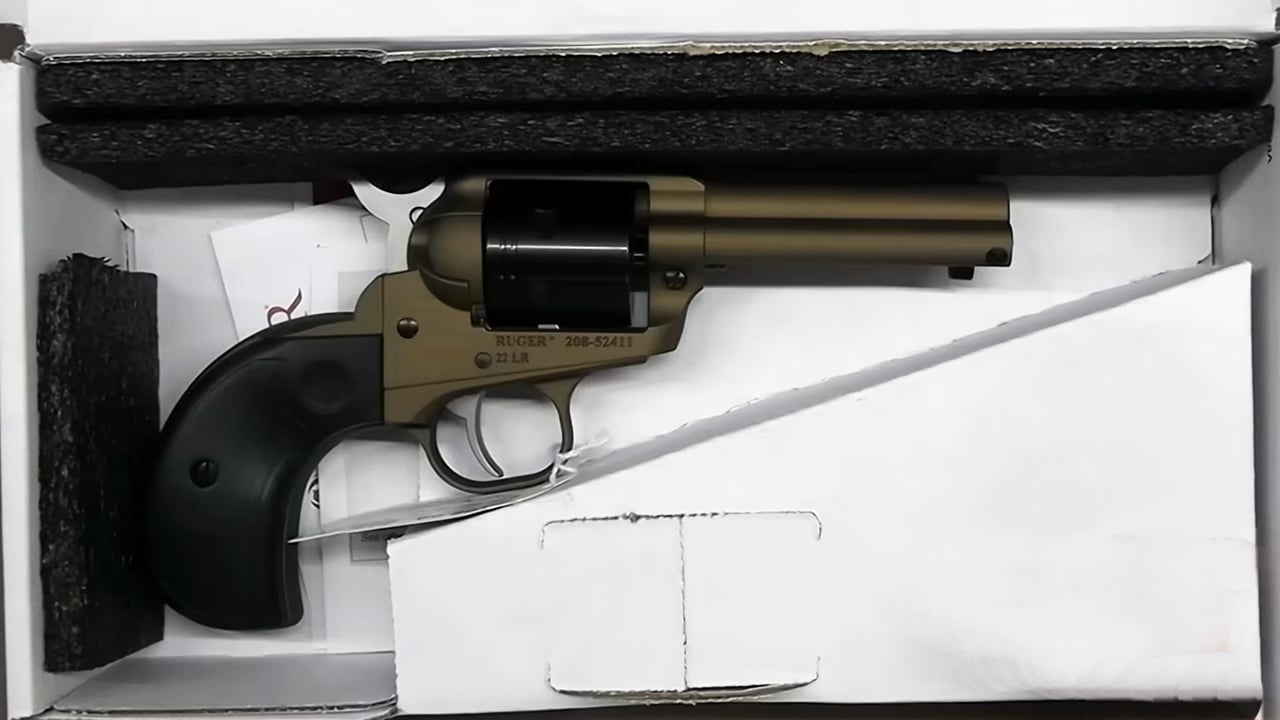
The Wrangler has quickly become one of those revolvers people buy because there is almost no reason not to. It is affordable, chambered in .22 LR, and styled like a traditional single-action. Around rural property, that makes it an easy gun to use for casual shooting and ordinary chores without worrying about scratching an expensive finish or burning through costly ammunition.
Its simplicity is part of the charm. There are no complicated controls and no attempt to turn it into something it is not. The Wrangler is simply a budget-friendly rimfire revolver that owners can shoot often. Plenty of expensive guns spend most of their lives in safes. A Wrangler is much more likely to live near the back door, travel to the range, and actually accumulate the kind of wear that comes from being used.
Freedom Arms Model 83
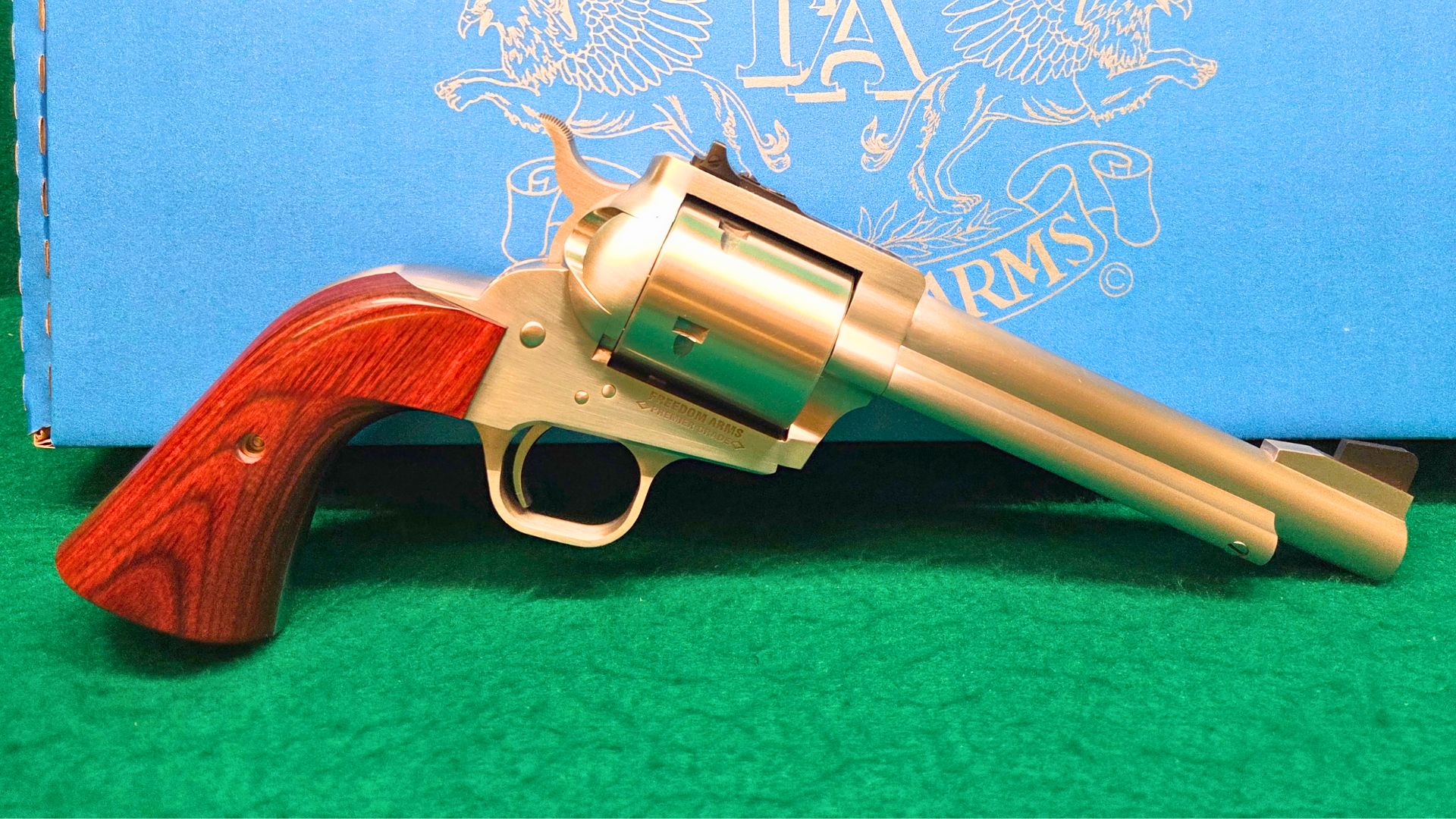
The Model 83 sits at the other end of the spectrum from inexpensive ranch revolvers. Freedom Arms builds serious single-actions for shooters who want extreme strength, excellent accuracy, and powerful chamberings. These are revolvers chosen by handgun hunters and people who spend time in country where they want considerably more capability than a typical service handgun provides.
A Model 83 is expensive, heavy, and specialized, but rural owners who need what it offers usually know exactly why. Chamberings such as .454 Casull put it in an entirely different category from ordinary carry revolvers. It is not the gun I would choose for casual trips to the mailbox, but for hunting, wilderness travel, and demanding outdoor use, it has a reputation few revolvers can match.
Ruger Super Blackhawk
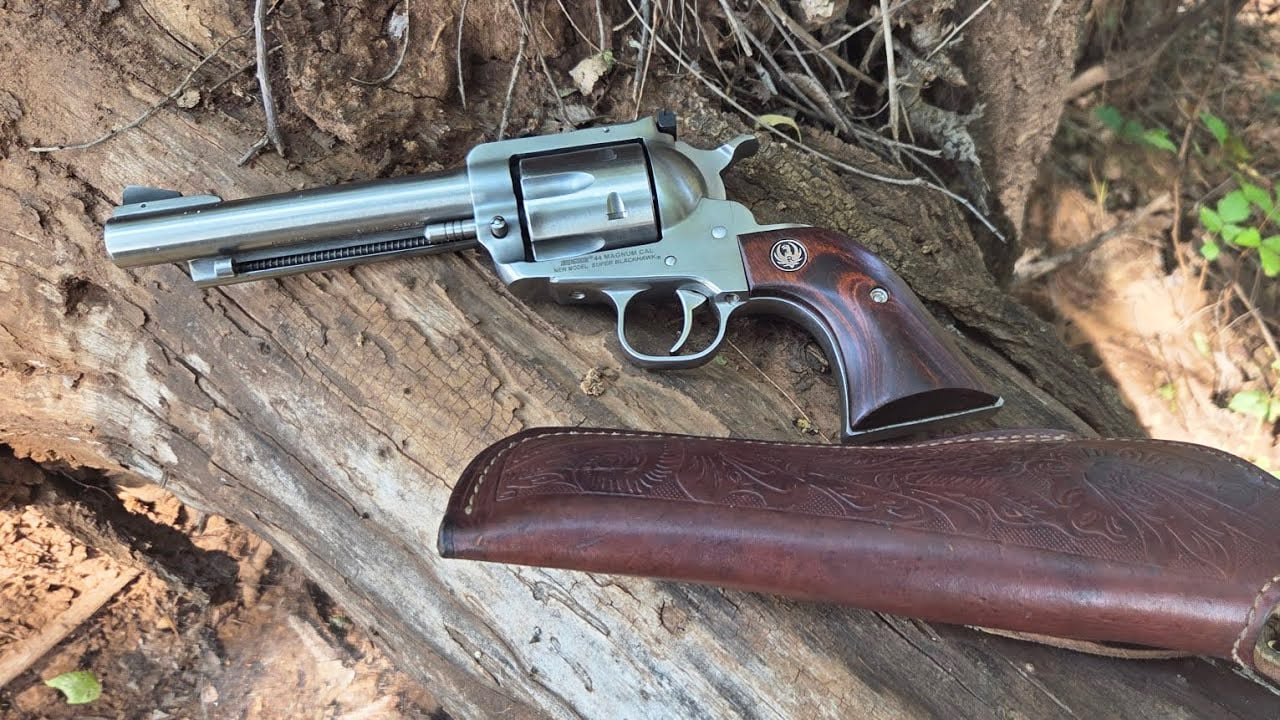
The Super Blackhawk remains one of the classic answers for someone wanting a powerful .44 Magnum revolver without moving into the highest-priced custom guns. Its single-action design is rugged, mechanically straightforward, and capable of handling serious field use. Rural owners have carried these revolvers for decades because they offer plenty of power in a platform that is easy to understand and hard to wear out.
The longer-barreled versions are especially useful for hunting, while shorter configurations make more sense for general field carry. Either way, the Super Blackhawk is unapologetically old-school. There are no high-capacity magazines or rails covered in accessories. It is a large single-action revolver built around power and durability, and for some rural owners that is still exactly what they want.
Smith & Wesson Model 327
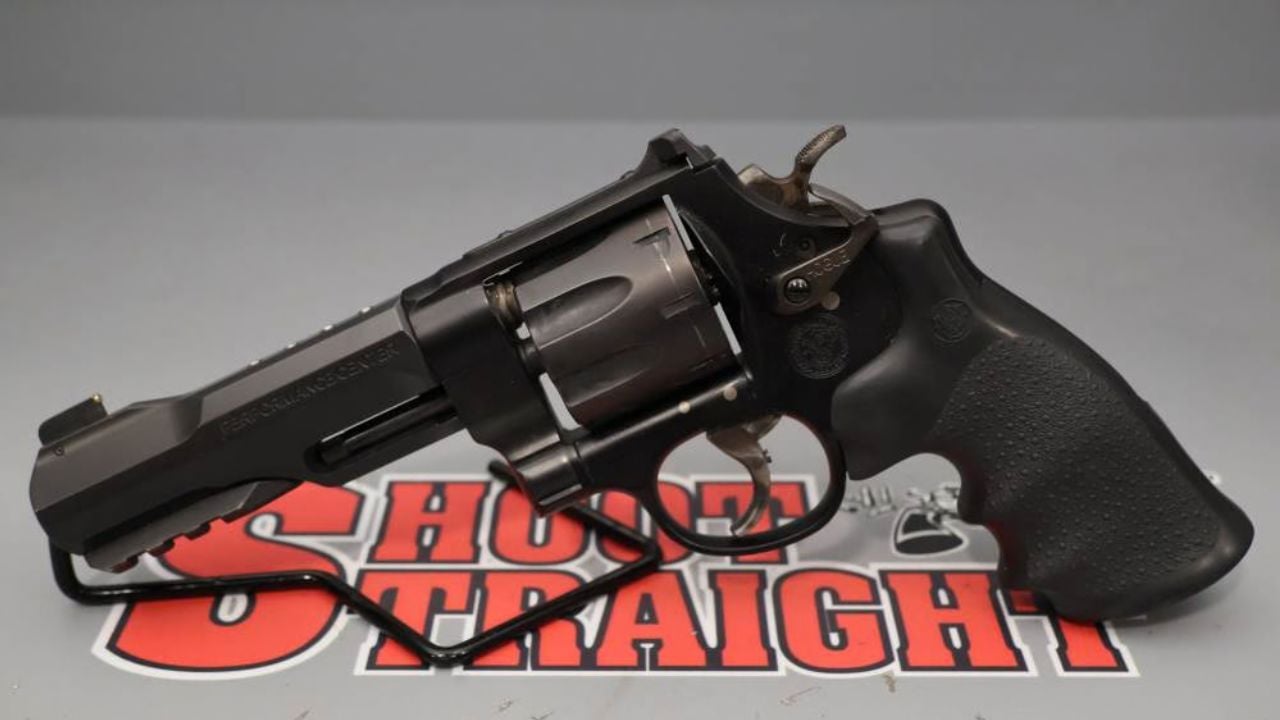
The Model 327 offers something unusual: serious .357 Magnum capability with considerably less weight than a traditional steel N-frame. Its scandium-alloy frame and eight-shot cylinder give it capacity that rivals smaller semi-autos while preserving the operating simplicity revolver owners like. That combination can be extremely appealing for someone who wants substantial capability without carrying a heavy revolver all day.
The lighter frame does mean full-power loads can feel sharper than they do in a heavy 686 or GP100. Even so, the reduction in carrying weight is significant enough that some owners will gladly accept the tradeoff. Around large rural properties where a handgun may stay on the belt for hours, ounces start to matter. The Model 327 proves a field revolver does not necessarily have to feel like a piece of farm equipment hanging from your hip.
Like The Avid Outdoorsman’s content? Be sure to follow us.
Here’s more from us: