
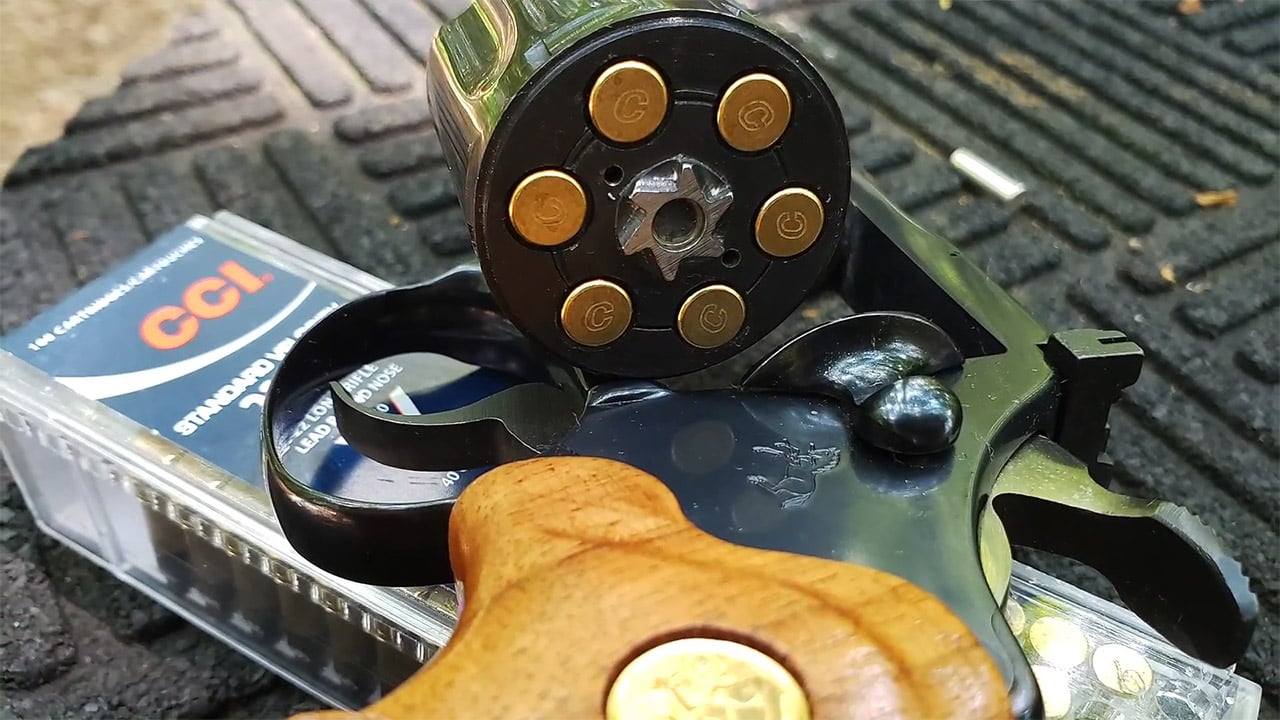
Photo credit: 22plinkster/Youtube
Back in the ’70s, gun racks in pickup windows were normal, gas was cheap, and a whole lot of rifles and handguns were treated like tools. Guys traded them off to make rent, fund a boat motor, or buy the “new and improved” model that showed up in the hardware store. Plenty of those trades made sense at the time.
But if you’ve ever stood at a gun show table and stared at a beat-up old classic with a price tag that makes your stomach tighten, you already know how this goes. Some of the guns that felt like money-losing headaches in the ’70s are now the ones folks baby, insure, and pass down. Here are 20 that fit that pattern—guns that were often dumped cheap back then, and now bring serious money when they’re correct, clean, and complete.
1. Colt Python (2.5″, 4″, and 6″)
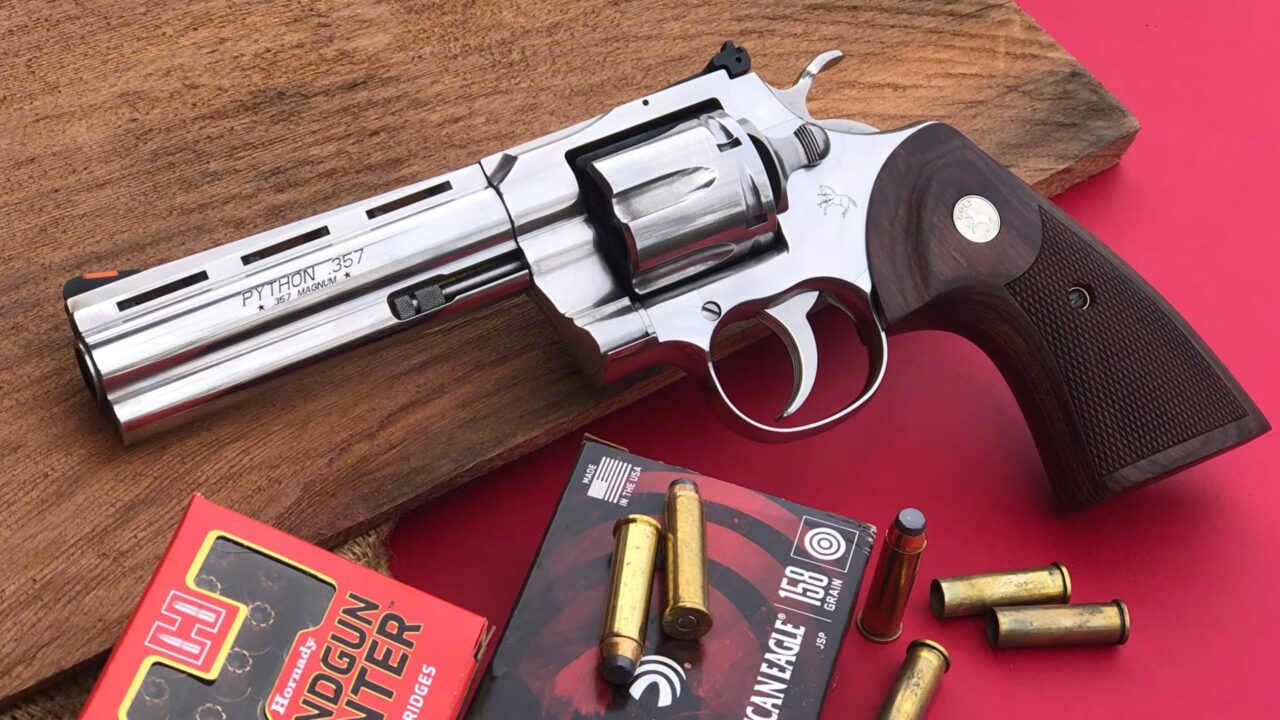
In the ’70s a Python was “just” a premium .357, and plenty of shooters didn’t want to baby a blued revolver that showed every fingerprint. They got carried, holster-worn, and traded off when the bill came due. A lot of them were shot hard too, because they were smooth and accurate and begged to be used.
Now the old Pythons—especially clean ones with the right barrel length and original finish—are treated like blue-steel art. The irony is they’re still great shooters, but many owners won’t risk turning a collector-grade gun into a “shooter” grade. That one hurts if you remember them sitting in the case like they were no big deal.
2. Colt Detective Special (early/mid-20th century production, still common in the ’70s)

These little Colts rode in coat pockets, tackle boxes, and glove compartments when folks weren’t as precious about finish wear. In the ’70s, a lot of people saw them as outdated compared to newer snubs and traded them off for the next thing.
Today, the older Detective Specials have a following that isn’t going away. The actions can be slick, the lines are classic, and the Colt name carries weight. Finding one that hasn’t been buffed, reblued, or “improved” in someone’s garage is the real trick.
3. Smith & Wesson Model 29 (pre-lock, pinned/recessed era)

Dirty Harry did the marketing, but that didn’t mean everyone loved living with a big N-frame. In the ’70s, plenty of Model 29s got bought on excitement and then sold after the first box of full-power .44 Mag reminded the owner what recoil actually feels like.
Now the early guns—especially nice 29-2s and similar vintage—bring strong money. They’re not rare in an absolute sense, but good ones get snapped up fast. And they still make a great hunting revolver if you can shoot it well and you don’t mind the weight.
4. Ruger No. 1 (early production)

The No. 1 is one of those rifles a guy either “gets” or he doesn’t. In the ’70s, some folks thought a single-shot was a step backward, especially when repeaters were everywhere and cheaper. If money was tight, a No. 1 was an easy “sell it and buy a practical rifle” decision.
These days, early No. 1s in certain chamberings bring real collector interest. They also just carry well in the woods and point nice—short overall length, good balance, and nothing rattling around. There is nothing fancy about dropping one round in and making it count, and that is kind of the point.
5. Winchester Model 94 “pre-64” (still circulating heavily in the ’70s)
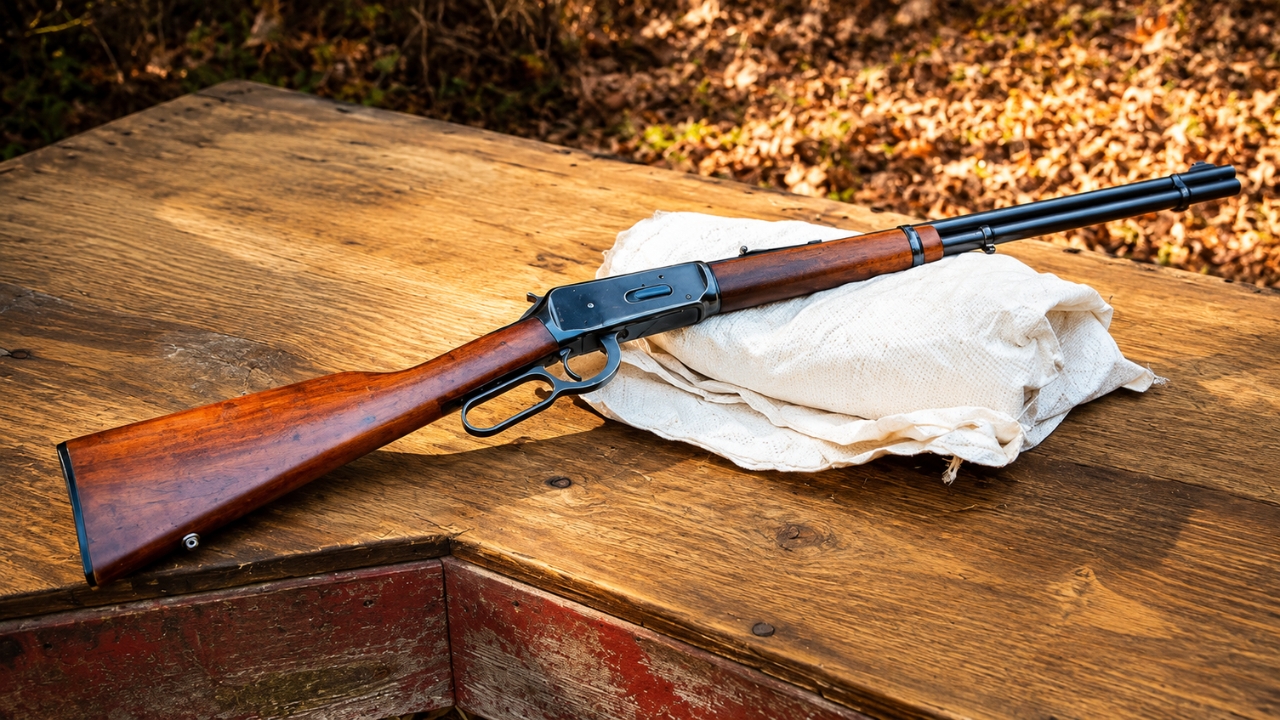
By the ’70s, pre-64 Model 94s weren’t new, they were just “the old deer rifle.” A lot of them got sold for cheap when someone wanted a scope-friendly bolt gun and didn’t want to fool with side mounts or receiver peeps.
Now, pre-64 Winchesters are a whole different animal in terms of demand. They’re light, handy, and they feel like a real rifle instead of a stamped-out product. If you’ve got one with honest wear and no weird modifications, it’s a keeper even if you never plan to hunt with it again.
6. Winchester Model 70 “pre-64”
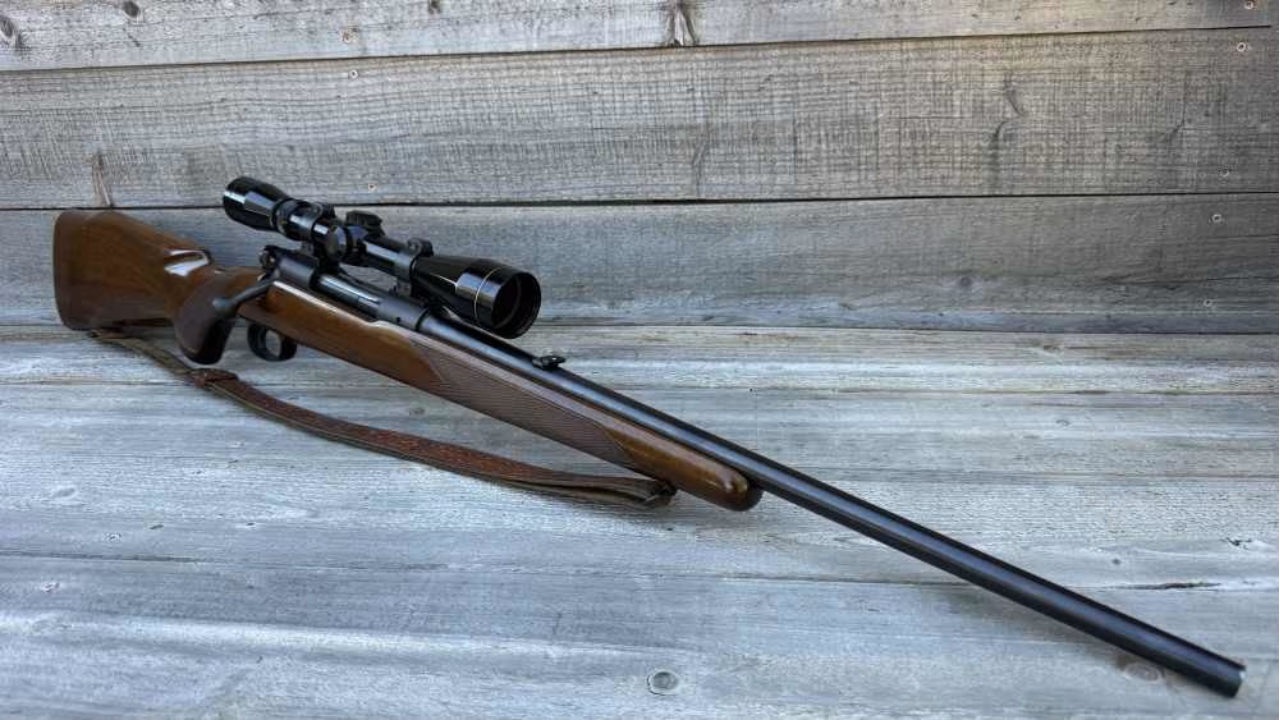
Same story, different rifle. In the ’70s, plenty of hunters didn’t care about controlled-round feed or classic machining. They cared about a rifle that shot straight and didn’t cost too much. Some pre-64 Model 70s got traded like they were just another used bolt gun.
Today, the pre-64 label alone changes the conversation. The feel of the bolt, the fit of the metal and wood, the way the whole rifle seems “tight” without being rough—those details matter more now. And the prices reflect it.
7. Remington Model 700 BDL (early production, walnut/blue)
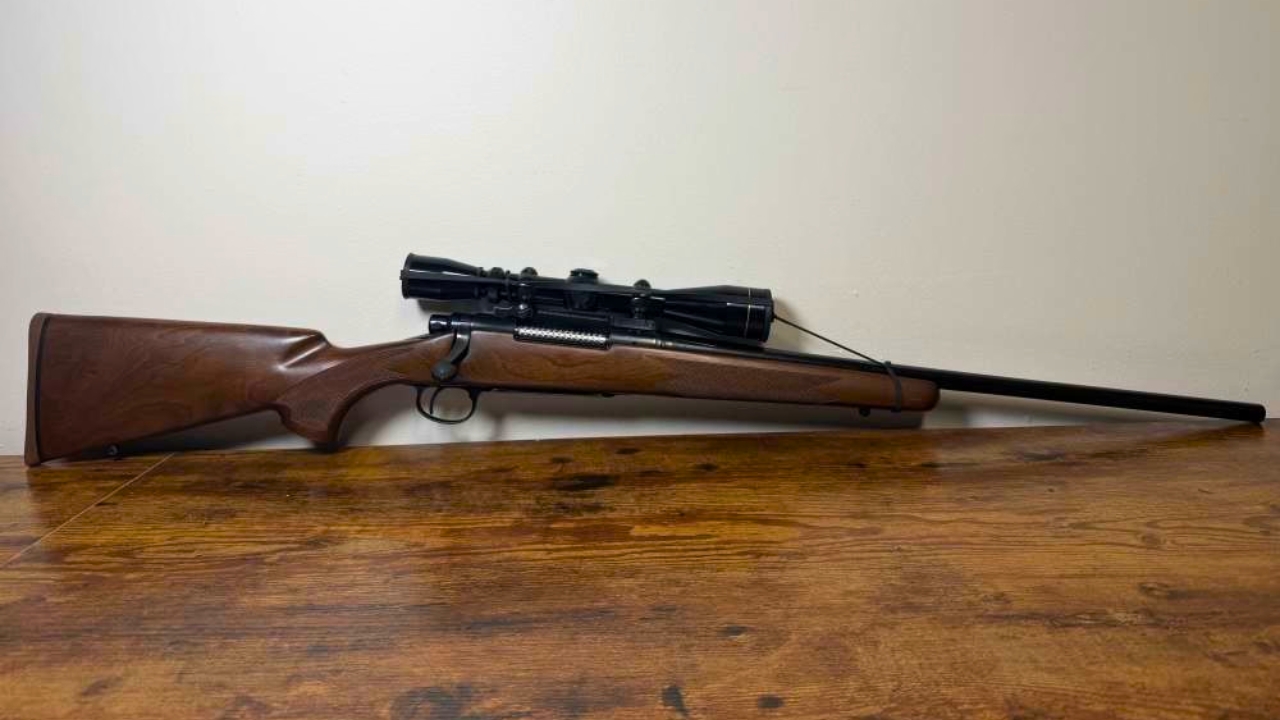
In the ’70s, a 700 BDL was common enough that guys didn’t think twice about drilling, refinishing, or swapping stocks. It was a work rifle. If the checkering got chewed up or the blue wore thin, it went behind the truck seat and kept earning its keep.
Clean early BDLs with sharp checkering and nice walnut have become their own thing. They’re not magic, but they represent an era when factory rifles had a certain look and feel. And if you’re a hunter, a classic 700 still carries and shoots like it was made for deer season.
8. Remington 1100 (early 12-gauge field guns)
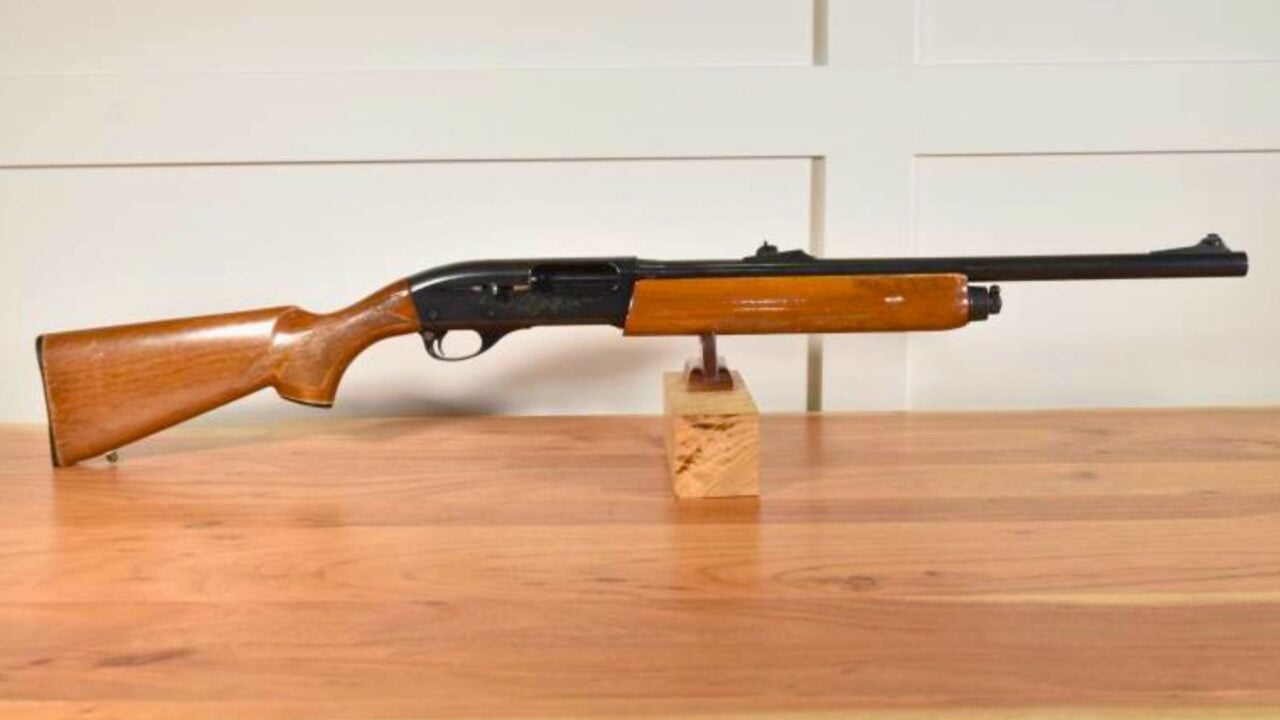
The 1100 was everywhere, and because it was everywhere it got treated rough. In the ’70s, a lot of them were sold off when they started choking from neglect, cheap shells, or worn seals. A gas gun that needs cleaning isn’t a mystery, but it frustrates folks who want “grab and go.”
Now, good early 1100s—especially in nice wood with the right barrels—are getting harder to find. When they’re maintained, they shoot soft and swing smooth. Upland hunters and clay shooters know exactly what they are, and they pay accordingly.
9. Browning Auto-5 (Belgian production)
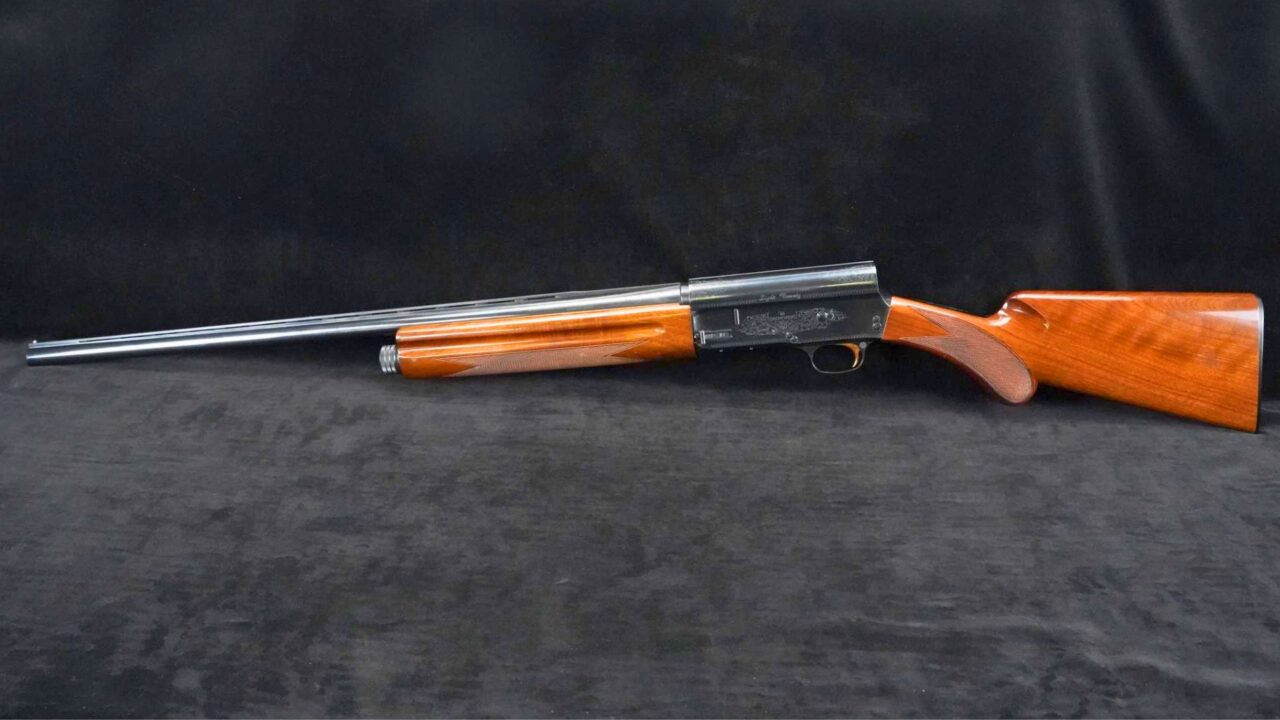
If you grew up around these, you remember the humpback profile and the “ka-chunk” feel of the action. In the ’70s, plenty of Auto-5s were considered heavy old shotguns compared to newer designs. Some got traded for whatever the local shop was pushing that season.
Belgian-made Brownings have a collector pull that keeps climbing, and not just because of nostalgia. They’re built like they expect to be used for fifty years. Getting one set up with the right friction rings for your loads is part of the deal, and once you do, they run.
10. Ithaca Model 37 (older guns, especially 16 gauge)

Bottom-ejecting pumps are great in the field—no hulls across your buddy’s face, and they carry close. But in the ’70s, many hunters didn’t care about that. They cared about what was cheap and what took a scope or a sling without fuss.
Older Model 37s, especially in gauges like 16, have become very desirable. The actions can be slick, and the guns feel trim compared to a lot of modern pumps. It’s the kind of shotgun you don’t notice until you pick it up and realize it fits you.
11. Smith & Wesson Model 19 (Combat Magnum)
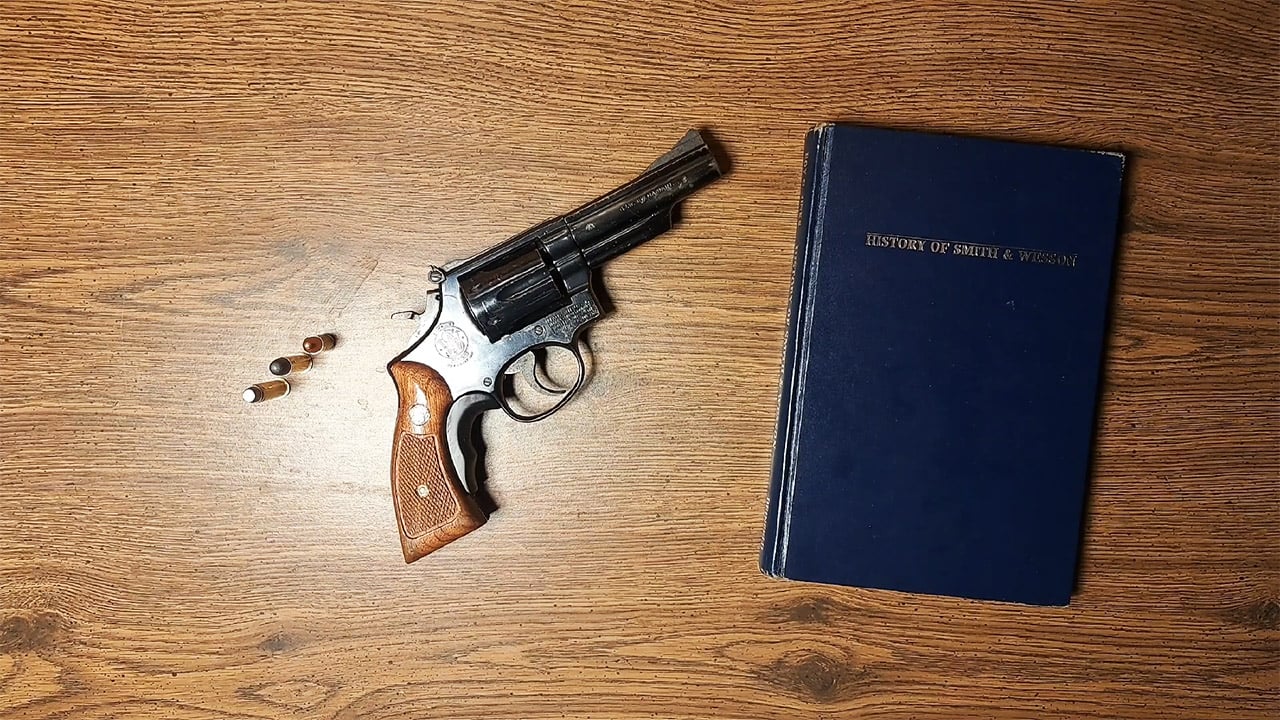
The Model 19 was a working revolver, and lots of them lived hard lives with police and outdoorsmen. In the ’70s, it wasn’t unusual to see one sold cheap after it showed timing wear from a steady diet of hot .357 loads. K-frames are sweet, but they’re not indestructible when you hammer them.
Now, clean pinned-and-recessed Model 19s bring serious money. They’re some of the best-handling .357s ever made, especially with .38s and moderate magnums. If you want one that feels “right” in the hand, this is it.
12. Smith & Wesson Model 27 (original .357 Magnum)
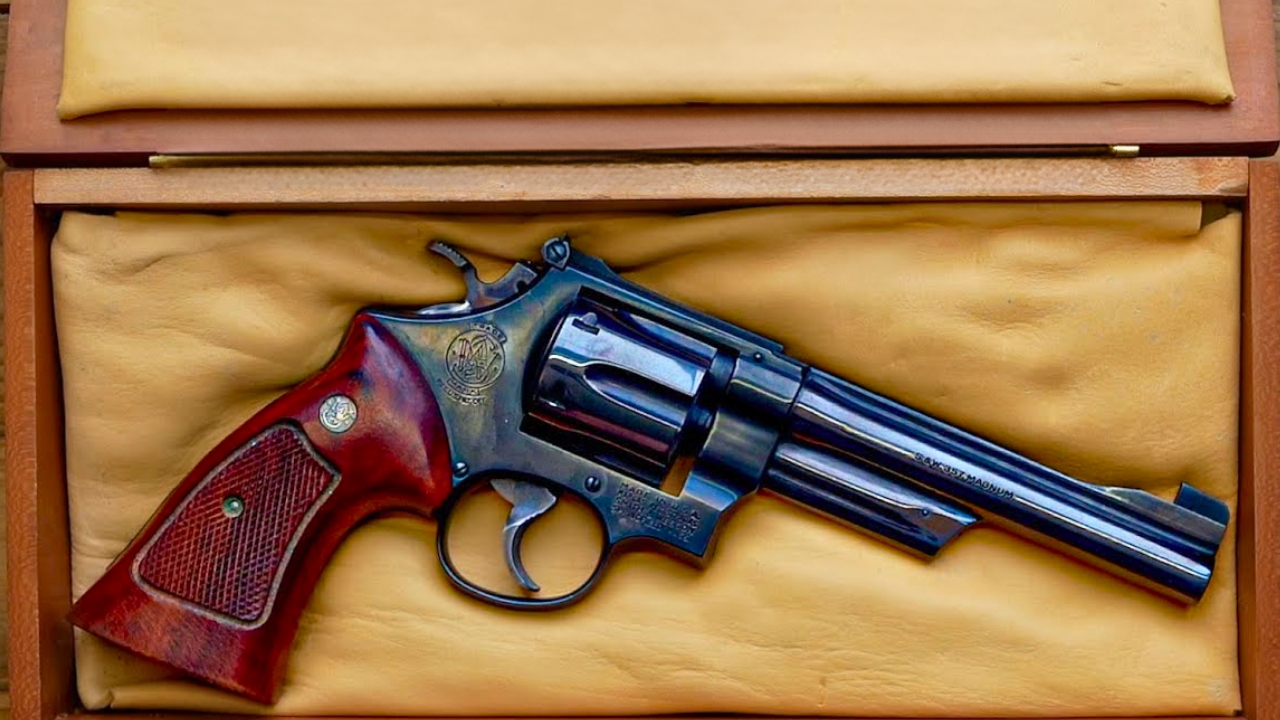
Back then, a Model 27 could be seen as overbuilt and overpriced when a Model 28 or a Ruger would do the job. Some folks didn’t want a fancy revolver for the woods. They wanted a tool, and they treated the 27 like easy trade bait.
These days, the polish and fit on a good 27 stops people at the counter. They’re not light, and they’re not subtle, but they shoot well and they last. A clean one with the right barrel length is the kind of revolver that turns into a family piece.
13. Colt Diamondback (.38 Special and .22 LR)
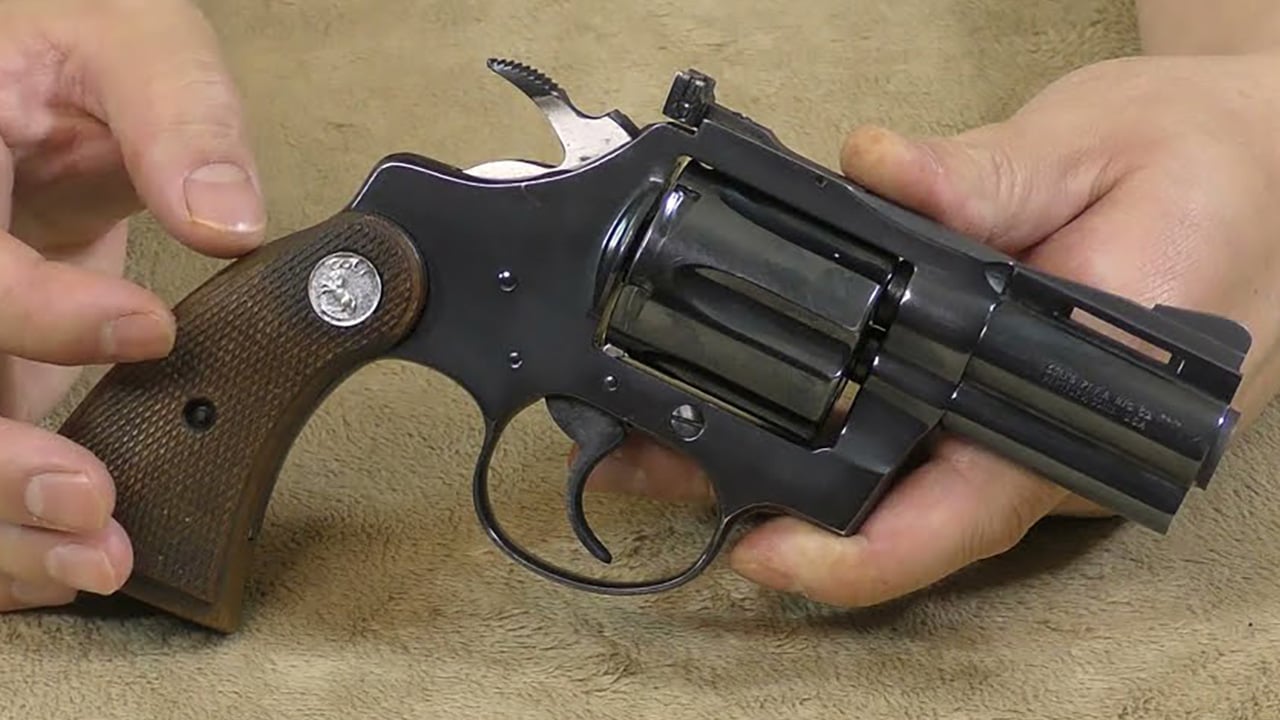
In the ’70s, a Diamondback was often seen as “a smaller Python,” which sounds like a compliment until you realize it made some buyers think it was the budget option. Some got carried, scuffed up, and sold when owners wanted a bigger frame or a different style.
Now, the Diamondback market is strong, especially for clean examples. The .22 versions in particular can bring shocking prices. If you ever passed on one because it wasn’t a Python, you’re not alone.
14. Colt Single Action Army (3rd Gen, 1976 Bicentennial era and other ’70s production)
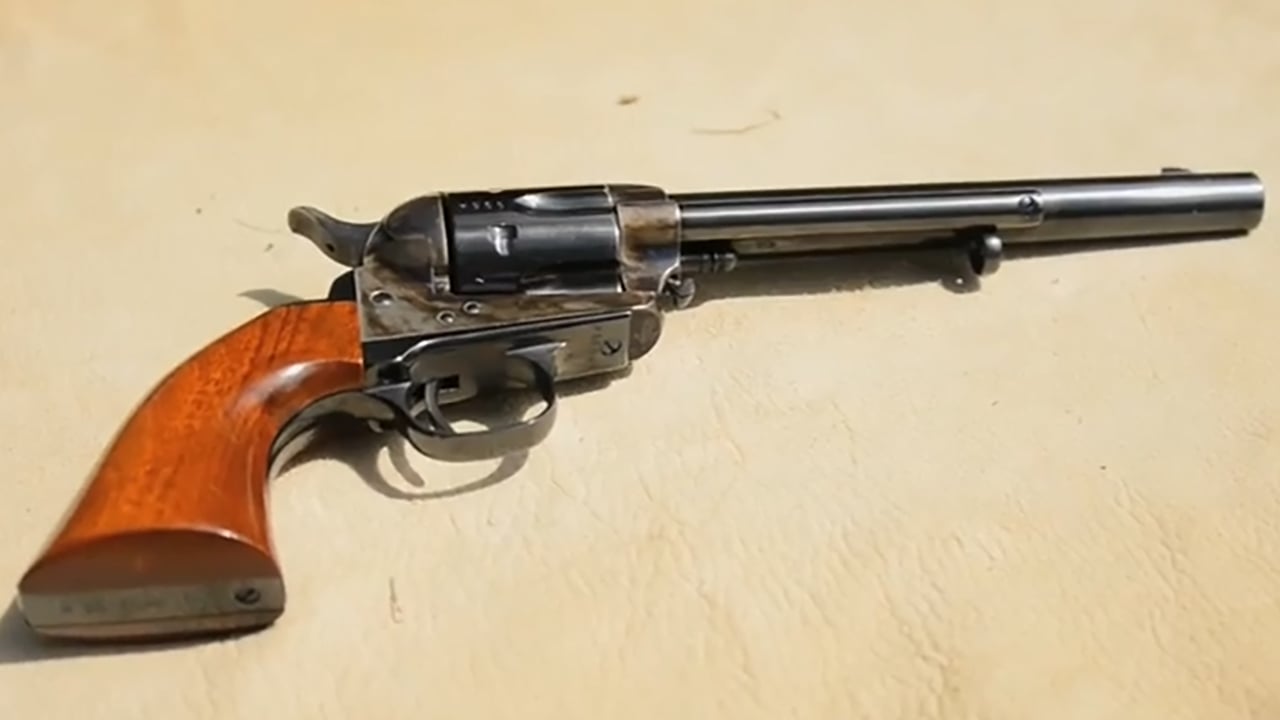
Not every SAA was treated like a museum piece in the ’70s. Some were bought as “fun guns,” taken out to the range, and then sold when the novelty wore off or when someone realized cowboy-style shooting isn’t cheap if you do it a lot.
Original Colts have a pull that replica guns just don’t match for collectors. Condition, barrel length, and correct parts matter a lot here. And if it has the box and paperwork, that’s where “nice gun” turns into “serious money” fast.
15. Heckler & Koch HK91 (civilian G3 pattern)

In the ’70s, roller-delayed .308 rifles were not everybody’s idea of a handy deer gun. They were heavy, they had a different manual of arms, and the recoil impulse feels odd if you’re used to a gas gun. Some owners dumped them when they realized they didn’t want to feed a .308 semiauto.
Now, original HK91s are a big deal. Imports, markings, and originality are everything, and the market reflects the fact that they aren’t making more of them. They’re also still tough as nails, which is why they keep showing up in collections and on range benches.
16. FN FAL (Belgian and quality imports)
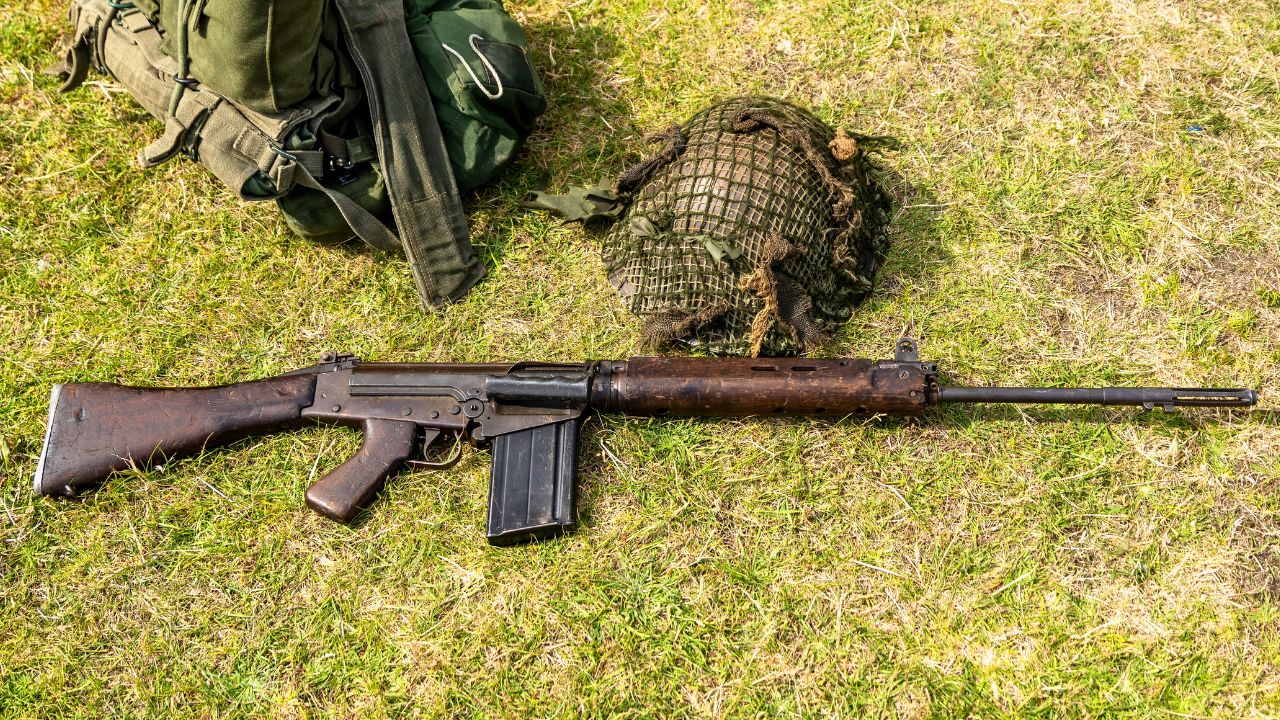
The FAL has always had fans, but in the ’70s it wasn’t hard to find someone who bought one and then decided it was too big, too military, or too expensive to shoot much. If you were a hunter, it didn’t fit the typical deer-camp vibe in a lot of places.
Today, good FALs—especially quality builds and desirable imports—bring strong money. Mags used to be cheap and everywhere; now the whole ecosystem is more collectible. It’s also a rifle that feels better the more you shoot it, which is the opposite of some modern impulse buys.
17. Springfield Armory M1A (early production)
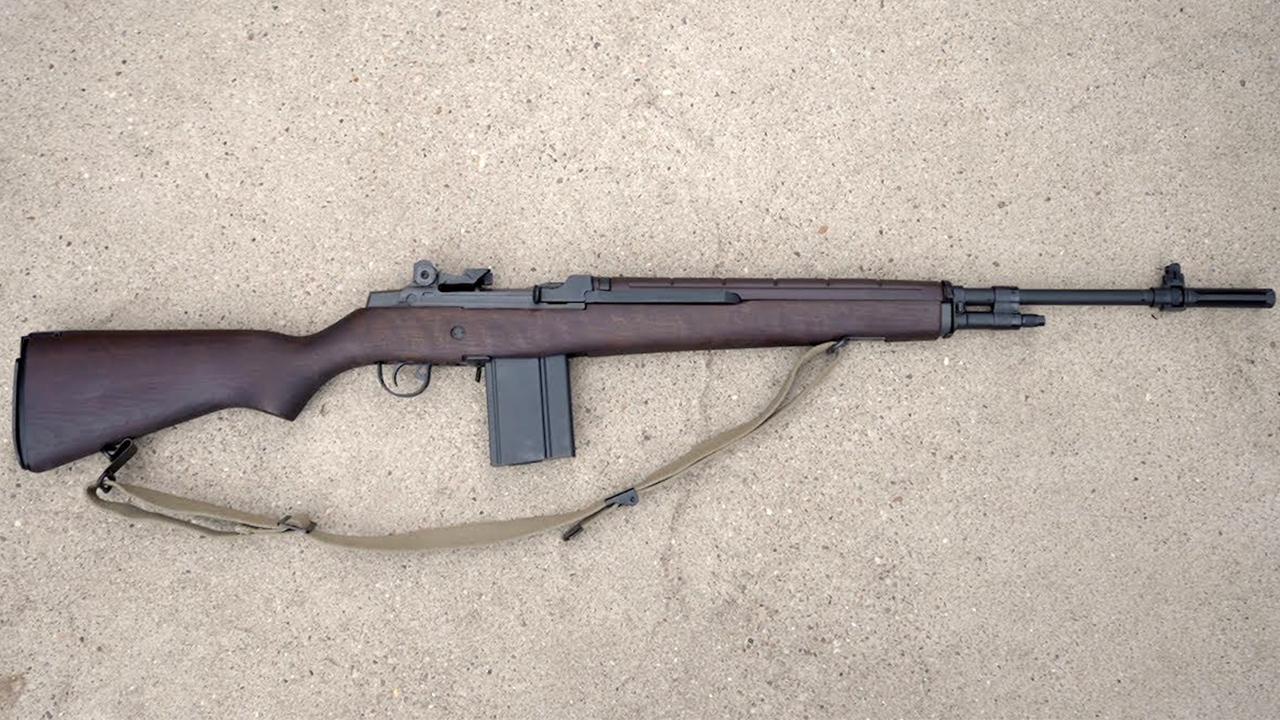
The M1A was the kind of rifle you bought because you respected the platform, not because it was light or simple. In the ’70s, some owners realized it was a lot of rifle to haul around, and they didn’t have a good place to stretch it out. So it went down the road.
Early M1As have a following, and the prices show it. They’re not perfect, and they’re not cheap to feed, but they have a feel that’s hard to replace. If you like iron sights and traditional rifles with real presence, it’s easy to understand why they climbed.
18. Ruger Old Model Blackhawk (three-screw)
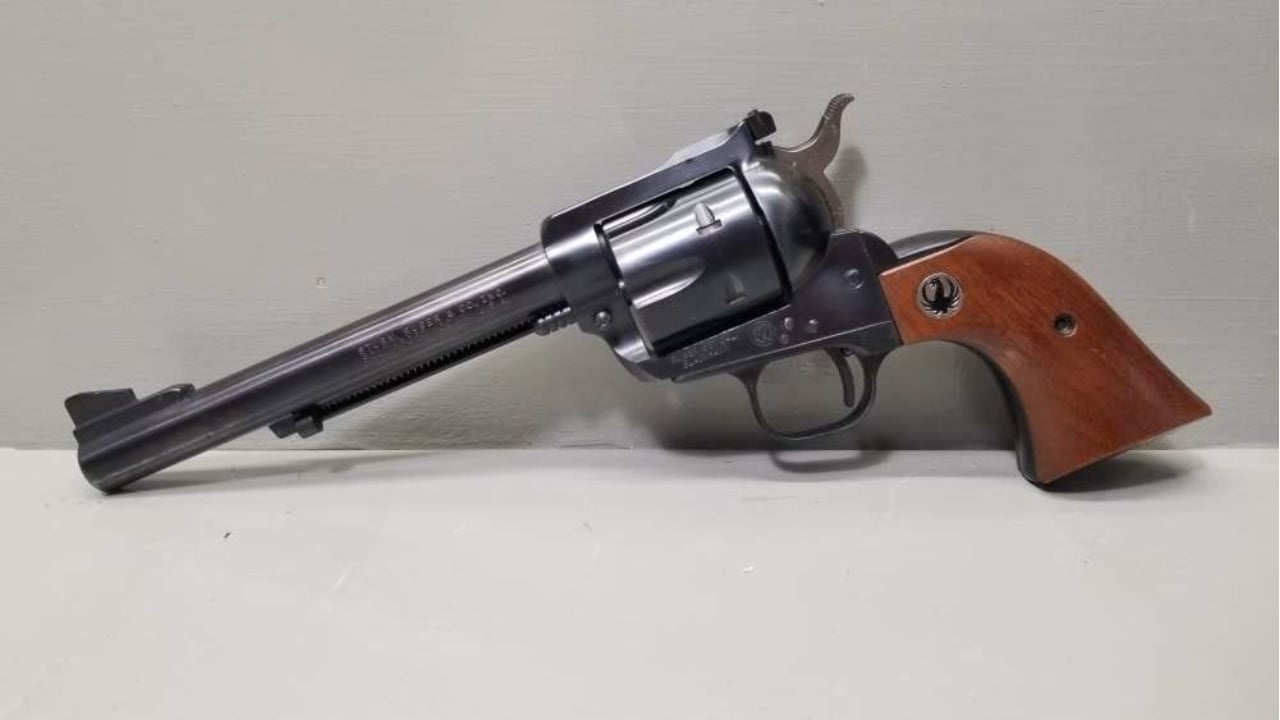
These were working revolvers, and lots of them got used hard on ranches and in the woods. In the ’70s, the old three-screw guns weren’t always “special.” They were just the earlier version, and plenty got traded when the newer models were on the shelf.
Now, unconverted three-screw Blackhawks are a hot spot for collectors. The action feel is different, the history is there, and the originality matters. Even if you don’t care about collector value, they’re good revolvers—simple, tough, and accurate enough for most practical work.
19. Marlin Model 39A (especially older, nicer wood examples)
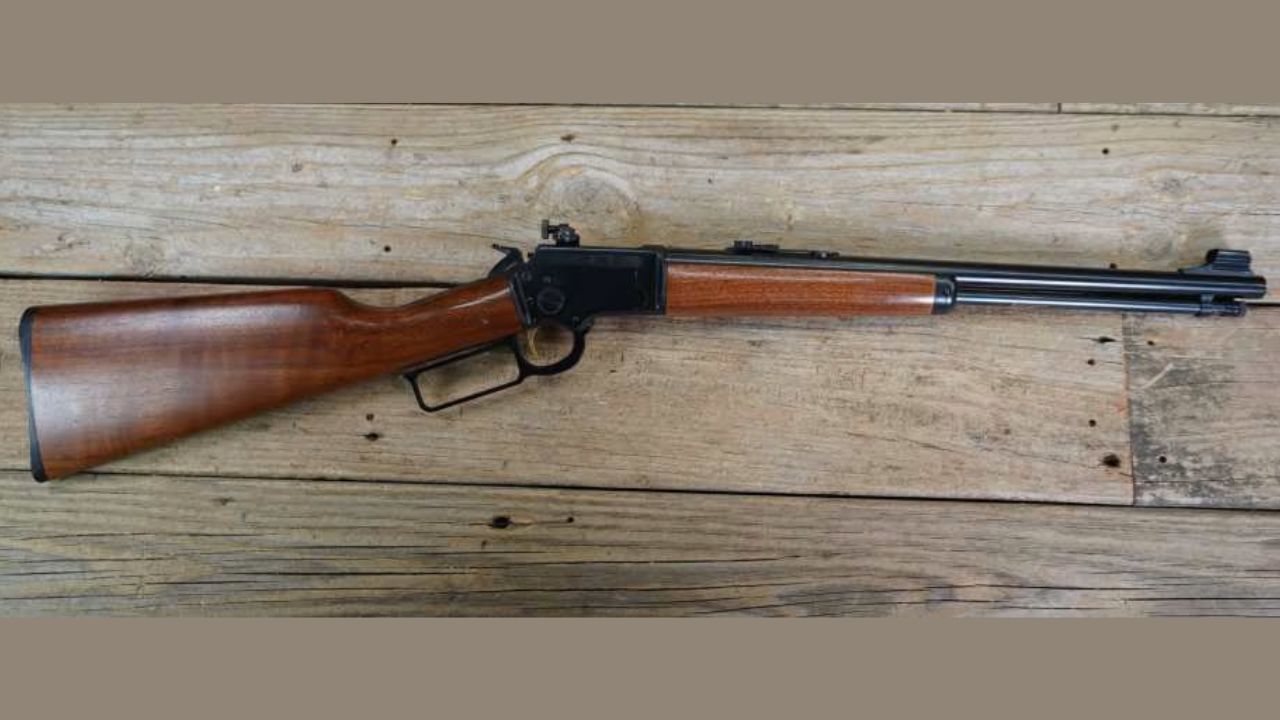
A .22 lever gun doesn’t sound like a “fortune” firearm until you try to replace one with the same fit and finish. In the ’70s, 39As were often treated like camp guns. They rode behind the seat, got loaned out, and got traded when someone wanted a semi-auto .22.
Now, older 39As bring real money, and the nicer ones bring a lot of it. They’re accurate, they last, and they’re the kind of rifle that makes new shooters smile without beating them up. If you’ve got one with clean sights and a good bore, you’re holding onto something better than most folks realize.
20. Beretta 92 (early production, pre-ban era later boosted demand)
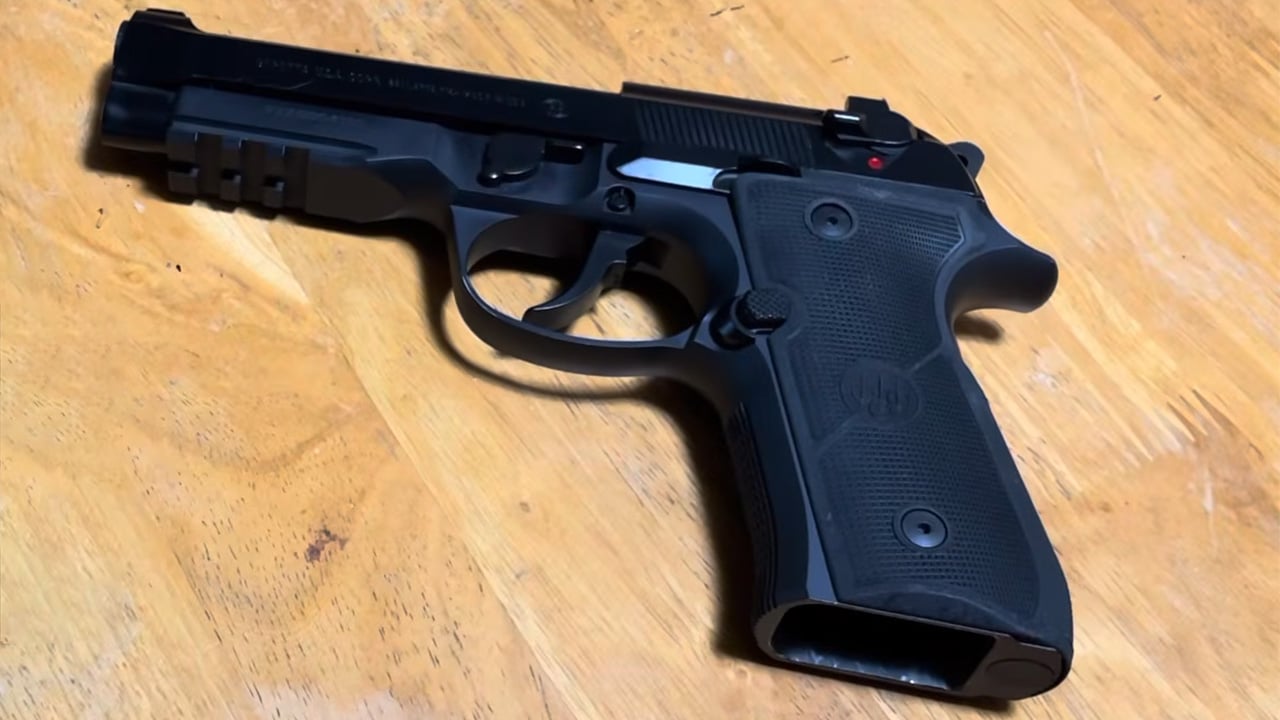
In the late ’70s, the 92 was a slick-looking European pistol that wasn’t yet the household name it became later. Some shooters didn’t trust double-action autos, didn’t want to chase magazines, or just couldn’t get comfortable with the grip. Plenty were sold off as “nice, but not for me.”
Fast forward, and early examples—especially in top condition with correct parts and packaging—have become very desirable. Not every 92 is a gold mine, but the early production and collectible variants can surprise you. And as a shooter, a good 92 still runs flat and points naturally if it fits your hand.
The painful truth is the biggest money in old guns usually isn’t in the ones that were “babied.” It’s in the ones that survived without being messed with. If you’ve got an older piece in the safe, the smartest move is simple: keep the original parts, don’t refinish it on a whim, and don’t assume today’s “just a used gun” price will look the same ten years from now.
Like The Avid Outdoorsman’s content? Subscribe to our newsletter so you never miss an article.
Here’s more from us:


