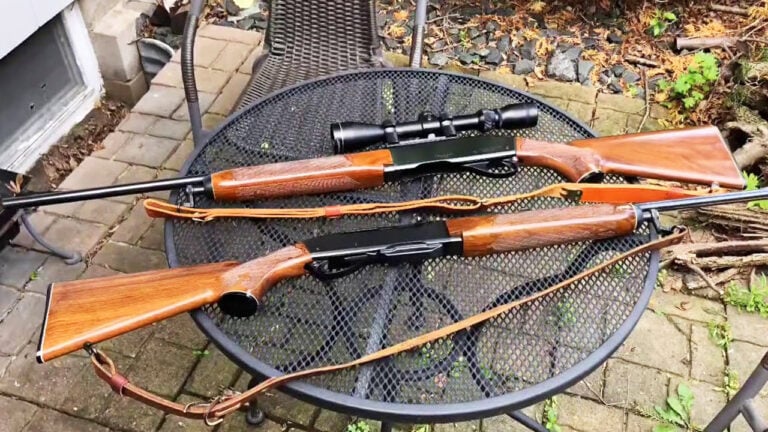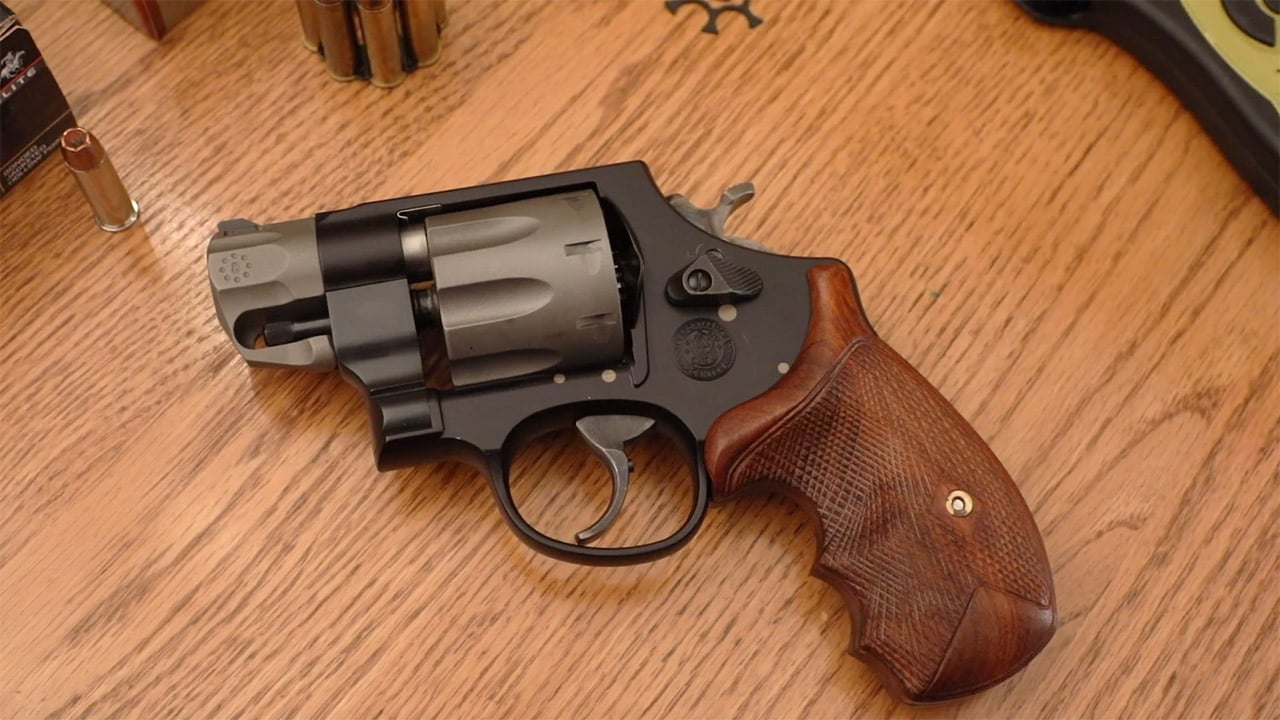
Photo credit: Fieldstrip357/Youtube
Every few years somebody declares the revolver “dead” again, like it’s a camp stove that got replaced by a microwave. Then hunting season rolls around, the power flickers out in a storm, or a guy at the range starts having magazine issues in the dirt… and that old wheelgun starts making sense all over again.
Striker-fired pistols are great. So are red dots and micro-compacts. But the things that made certain revolvers famous the first time around—simple manual of arms, reliability with oddball ammo, real carry comfort in the right holster, and the ability to sit loaded for a long time—matter more now, not less. Here are 20 revolvers that have aged into modern relevance better than anyone expected.
1. Smith & Wesson Model 10
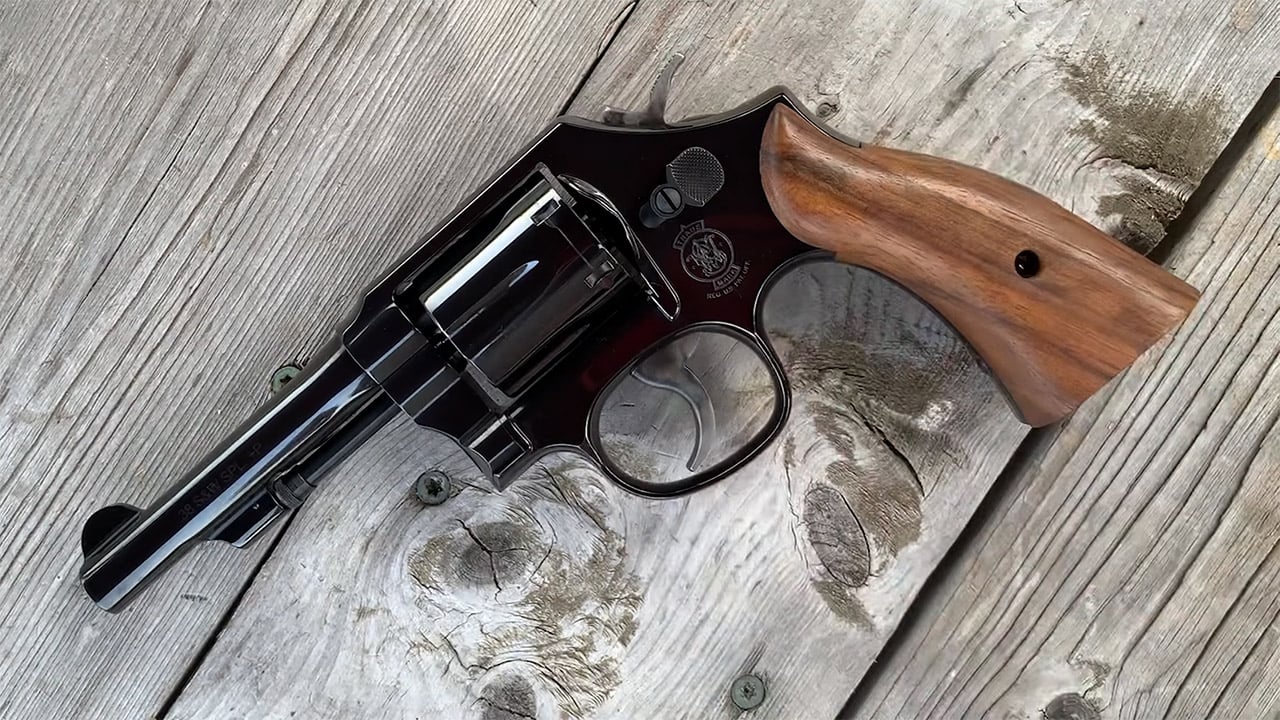
The Model 10 is about as “plain” as a revolver gets, and that’s exactly why it keeps winning. It points naturally, the sights are usable, and it will digest .38 Special all day without drama. For a lot of folks, this is the revolver they learned on, then sold to fund something “new.” That one hurts.
Today, it’s relevant because it’s a perfect training gun and a practical house gun. Soft recoil, cheap-ish practice ammo, and a trigger that teaches you what a good double-action press is supposed to feel like.
2. Ruger GP100

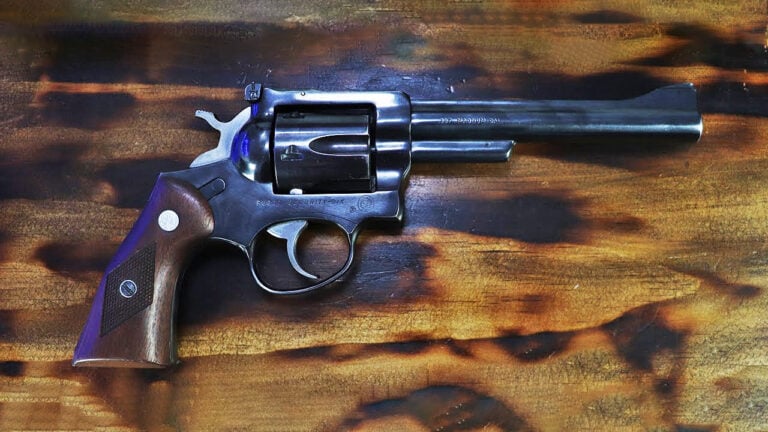
If you want a revolver that feels like it was built for fence posts and truck consoles, the GP100 is it. It’s not light, not sleek, and it won’t impress anyone who shops guns by Instagram photos. But when you shoot full-house .357 Magnum, you understand why Ruger overbuilt it.
It’s more relevant now because so many shooters are circling back to durability and simplicity. If you’re the kind of person who actually trains with magnums and not just one cylinder for fun, the GP100 holds up.
3. Smith & Wesson Model 19 (K-Frame .357)
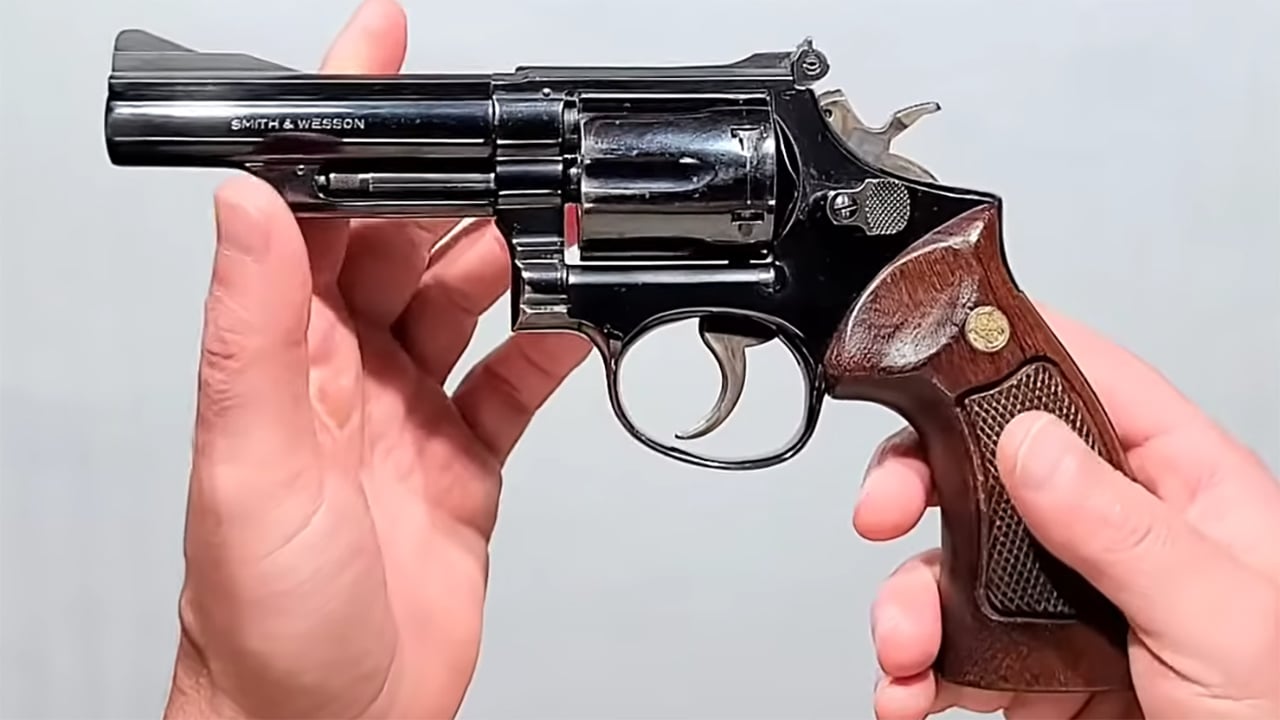
The Model 19 is the classic “carry a .357 you’ll actually carry” answer. It balances better than a lot of modern big-frame guns, and it carries closer to the body without feeling like a boat anchor. The grip and sight picture are just easy.
Modern relevance? It’s the sweet spot for .38 +P practice and sensible .357 use, especially in the woods. As a do-it-all revolver that doesn’t beat you up or weigh you down, it still makes a strong case.
4. Colt Python

The Python used to be the gun guys talked about but didn’t buy because the price felt ridiculous. Now, ridiculous prices are basically normal across the board, and the Python’s smooth action and accuracy are back in the conversation without apology.
It’s relevant today because shooters want quality again. Not “good enough,” not “it runs,” but something that feels like craftsmanship. Also, a good .357 with real sights and a real trigger is never out of style.
5. Ruger SP101

The SP101 is what you buy when you’ve tried featherweight snubs and decided you’re done getting punished. It’s small enough to carry, heavy enough to shoot, and built like it plans on outliving you.
In a world of tiny 9mms that can be picky about grip and ammo, the SP101 is refreshingly straightforward. You can load it with .38s for practice, step up to .357, and it just keeps doing its job.
6. Smith & Wesson Model 686

A 686 with a good trigger is hard to argue with. It’s accurate, easy to shoot well, and the L-frame size soaks up recoil without getting ridiculous. If you’ve ever tried to run a lightweight carry gun hard for a full range session, you know why a 686 feels like cheating.
It’s more relevant now because people are buying “do everything” guns again. One revolver for home, trail, range, and even the occasional hunt? The 686 is the adult answer.
7. Ruger Blackhawk
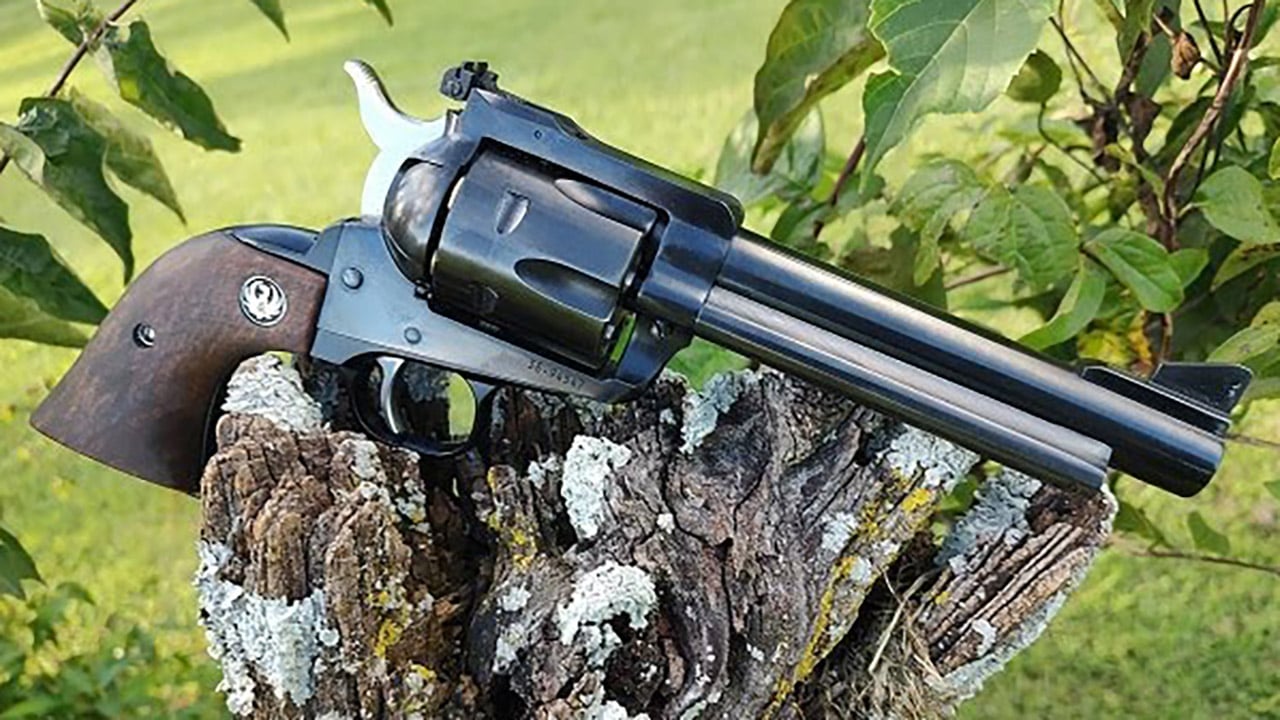
Single-actions aren’t for everybody, but the Blackhawk has stayed useful because it’s strong, simple, and accurate. It’s also a gateway into real field shooting—slow, deliberate, and honest.
With more folks carrying in the woods and thinking about predators and livestock protection, a sturdy single-action in .357, .41, .44, or .45 Colt still makes sense. There is nothing fancy about it, and that is kind of the point.
8. Smith & Wesson Model 29
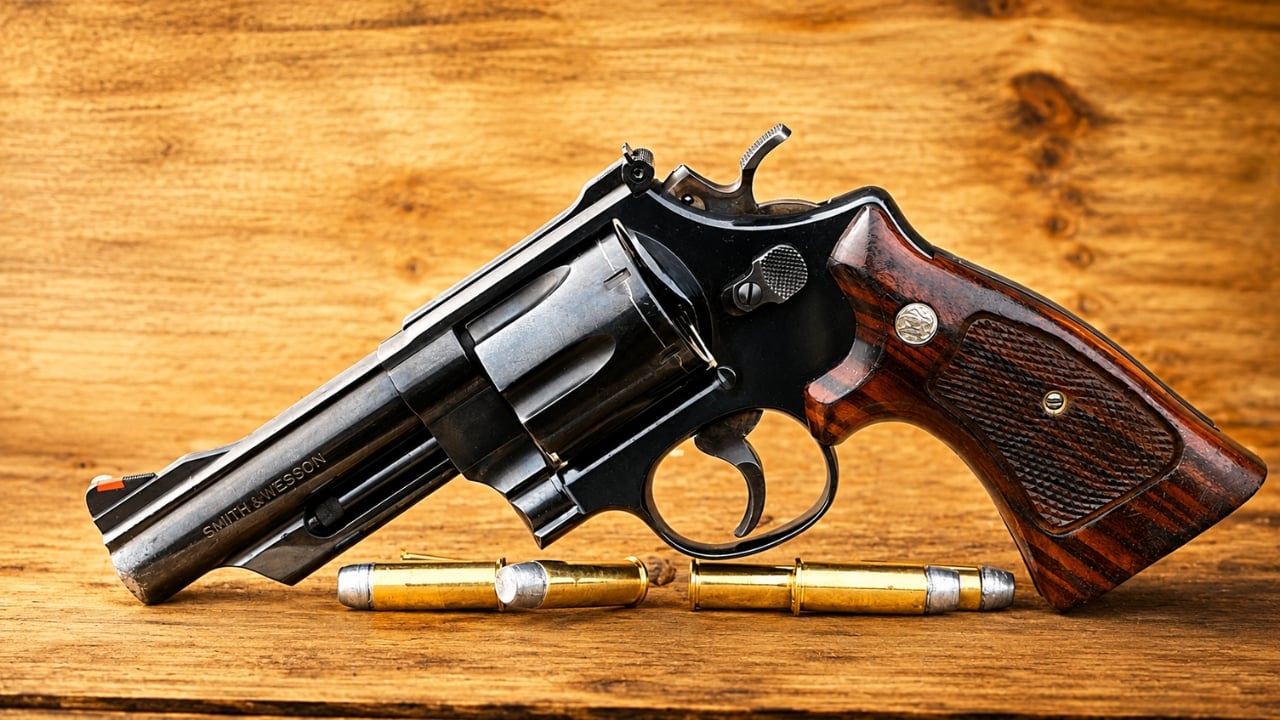
The Model 29 will always have the big-screen mystique, but the real reason it matters is more practical: it’s a .44 Magnum that can also be a very shootable .44 Special. That flexibility is gold.
In bear country, or even just “I’m a long way from help” country, a serious revolver with a serious cartridge is still a legitimate choice. It’s heavy, yes. So is peace of mind.
9. Ruger Redhawk

The Redhawk is not subtle. It’s a work revolver that can take heavy loads and keep its timing. If you’ve ever seen what hard use does to lighter guns, you start appreciating “overbuilt.”
It’s more relevant now because backcountry carry has become normal for more outdoorsmen, not just the hardcore crowd. A Redhawk in .44 Mag or .45 Colt is still one of the simplest “carry it and forget it” answers for the woods.
10. Ruger Super Redhawk (Alaskan)

The Alaskan looks like somebody chopped a revolver with a hatchet. Then you pick one up and realize it was built for a very specific problem: close-range, high-stress, bad-day situations where you need a lot of cartridge in a compact package.
It’s relevant today because more people are traveling, camping, and hunting in places where two-legged trouble isn’t the only concern. It’s not fun at the range. It’s not supposed to be.
11. Smith & Wesson 340PD
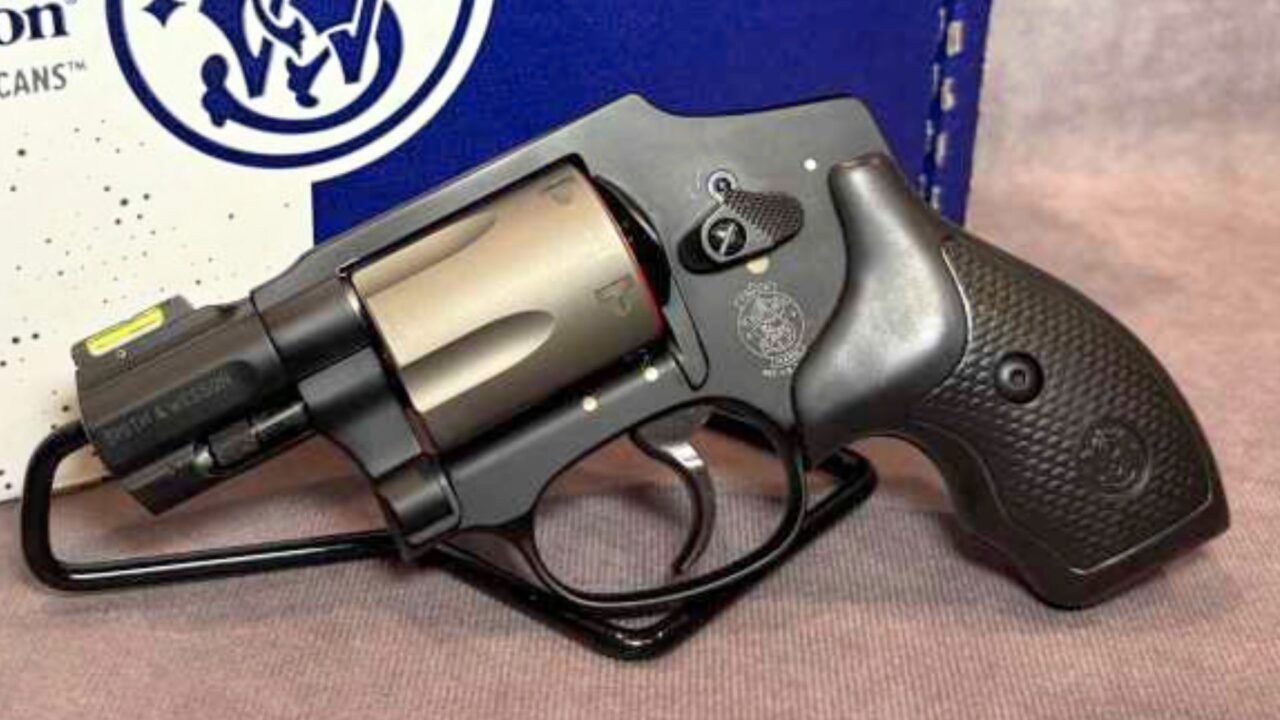
This is the “you said you wanted to carry it” revolver. The 340PD disappears in a pocket, carries like nothing, and hits like a hammer with .357. Most owners learn pretty quickly that .38 +P is the practical diet.
It matters more now because deep concealment is a real need for a lot of people, and the smallest semi-autos can be ammo-sensitive or unpleasant to rack under stress. A tiny J-frame still answers problems other guns don’t.
12. Smith & Wesson 642

The 642 is boring in the best way. It’s a snag-free, hammerless .38 that can live in a pocket holster and not complain. It’s also a revolver you can actually practice with without hating life.
In today’s carry world, not everyone wants an optic-ready micro-9 with two spare mags. Some want a simple “go with me everywhere” gun. The 642 keeps getting picked for that job.
13. Ruger LCR

The LCR didn’t try to be nostalgic. It tried to be useful, and it succeeded. The trigger is often better than folks expect, and the gun carries comfortably because it’s light and rounded where it counts.
It’s relevant now because lightweight carry is still a big deal, and the LCR has proven it can take real use. It’s a modern snubnose that doesn’t feel like a gimmick.
14. Colt Detective Special
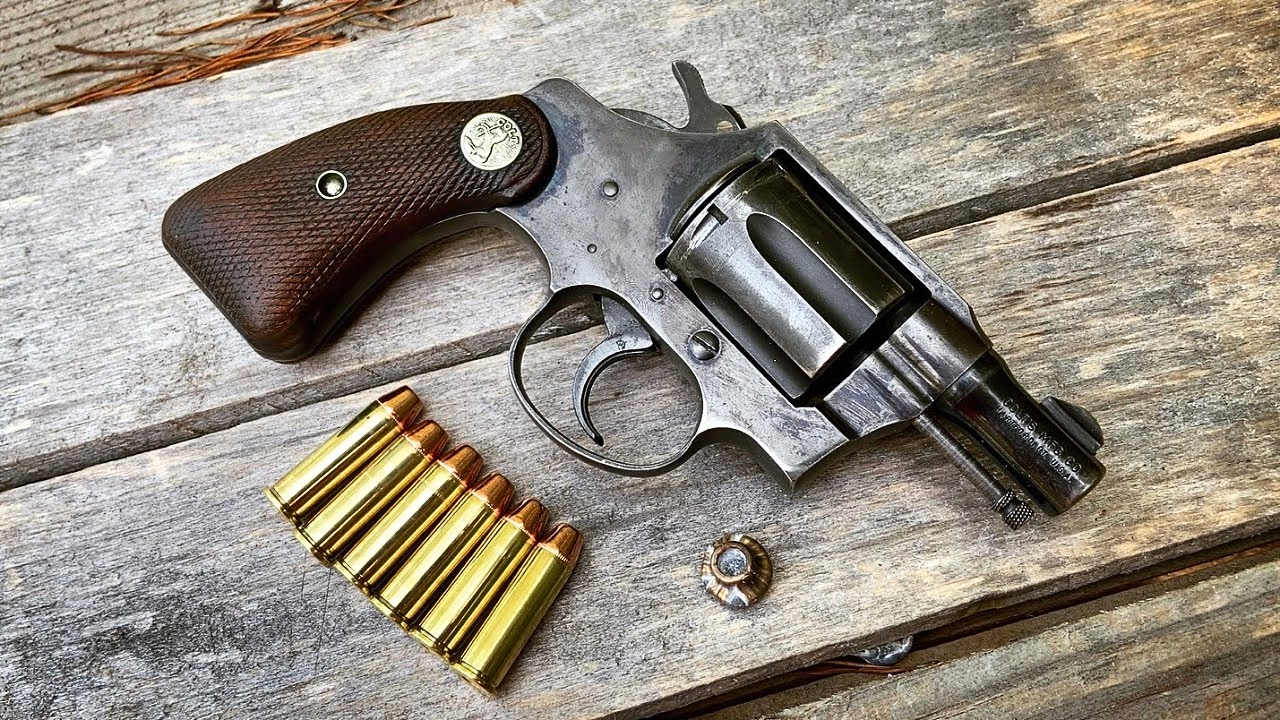
Six shots in a snubnose is still a strong argument, and that’s the Detective Special’s whole thing. It carries well, points fast, and has that classic Colt feel in the action when it’s in good shape.
These days, folks are paying attention to capacity again, even in small guns. The Detective Special was ahead of that curve decades ago.
15. Smith & Wesson Model 36 (Chief’s Special)
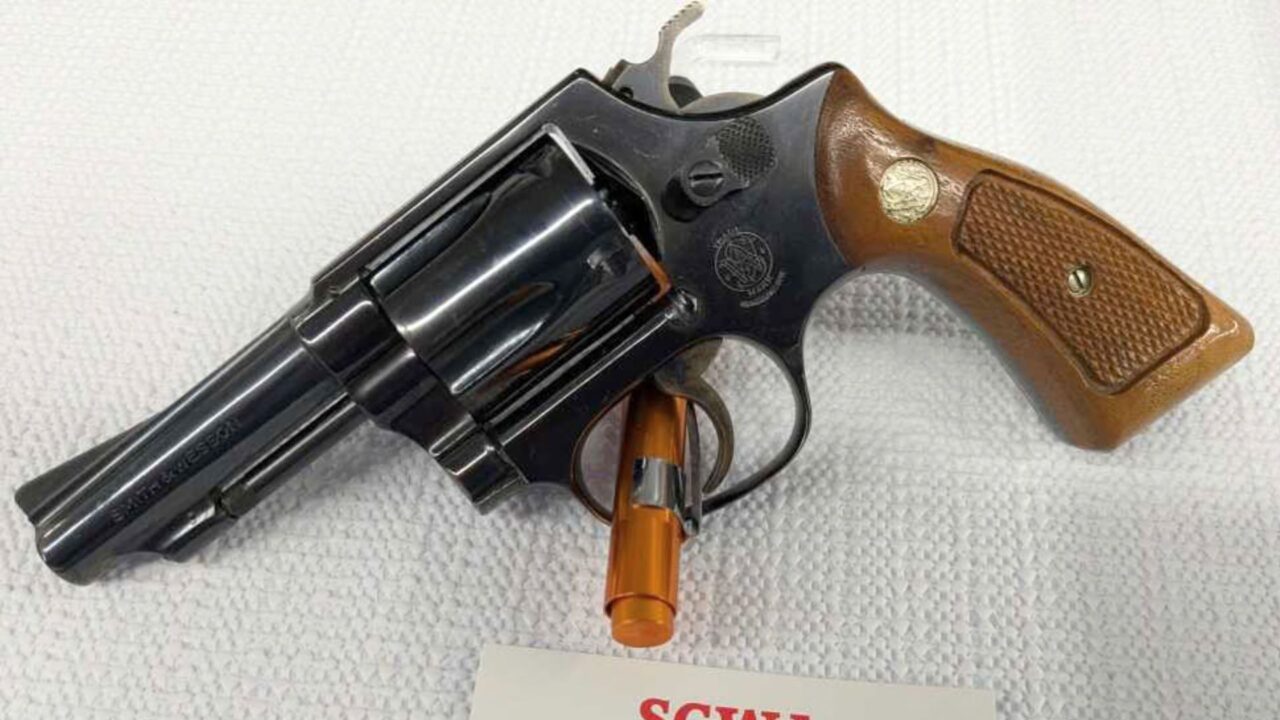
The Model 36 is the small revolver that feels like a real gun in your hand. Steel frame, good balance, and it doesn’t beat you up like the ultra-light options can. It’s also a great “teach a new shooter” revolver if you keep the loads sensible.
It’s more relevant now because plenty of shooters are learning that comfort equals consistency. A gun you can actually shoot well is better than a gun you only tolerate.
16. Smith & Wesson Model 327 (8-shot N-frame)
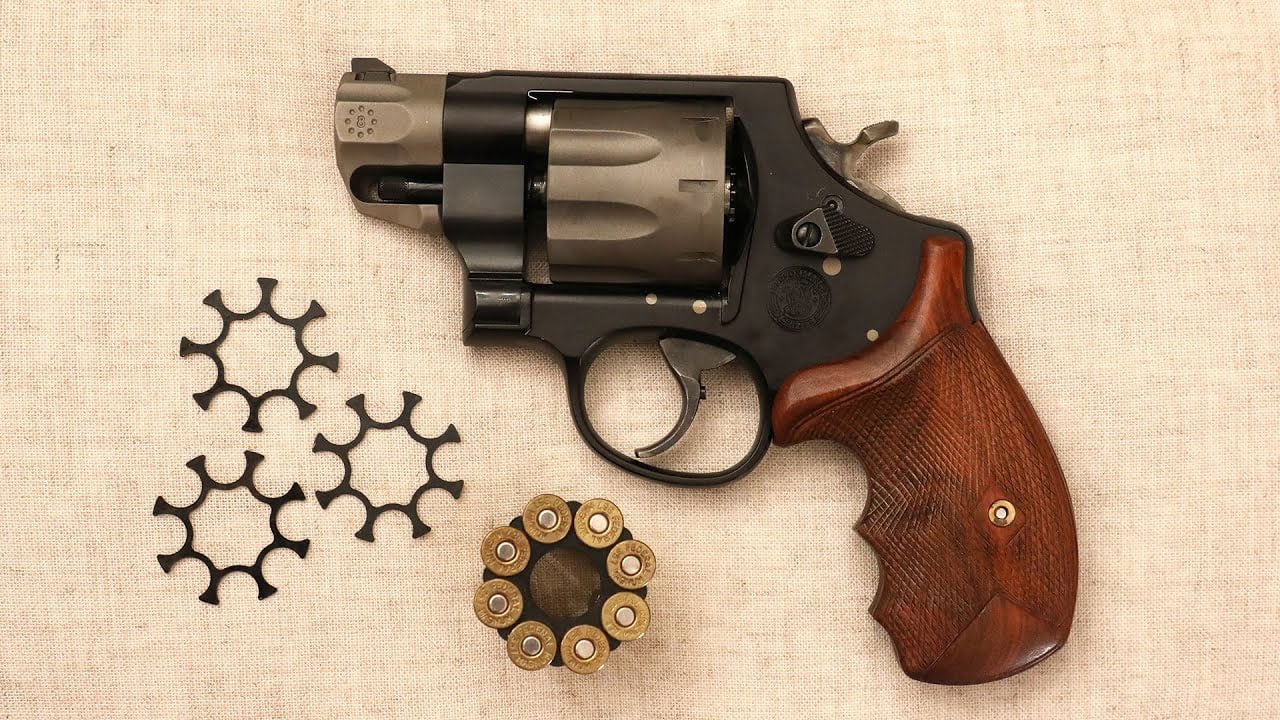
An eight-shot revolver sounds like overkill until you run one with moon clips and realize how fast and smooth it can be. The 327 is a modern take on a big revolver that tries to keep weight reasonable, depending on the exact version.
It matters today because competition influence has bled into defensive shooting. People want speed, capacity, and reload efficiency. The 327 brings that to a platform that still runs when things get grimy.
17. Smith & Wesson Model 625 (.45 ACP)
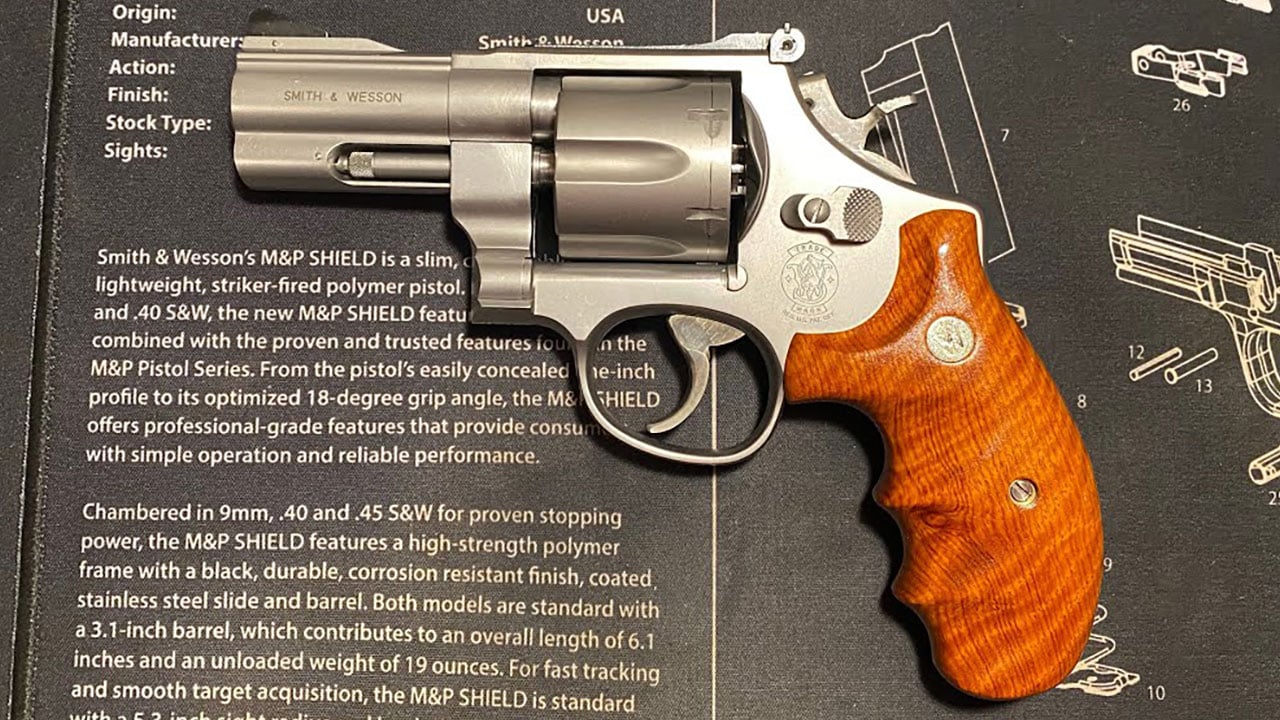
.45 ACP in a revolver is one of those ideas that sounds odd until you’ve shot it. It’s accurate, the recoil is a push instead of a snap, and moon clips make reloads surprisingly quick with practice.
It’s more relevant now because ammo commonality matters. If you already stock .45 ACP, a 625 lets you use it in a revolver that isn’t picky about feeding and won’t care if your grip is compromised.
18. Ruger Security-Six

The Security-Six is one of those revolvers that got used hard, traded often, and quietly earned a reputation. It’s trim for what it is, generally tough, and just handles well. If you’ve ever found one on a used shelf in good shape, you probably paused.
Today it’s relevant because it’s a practical mid-size .357 that carries easier than some of the newer tanks. Parts and service can be more of a consideration than a current-production gun, but as a shooter, they still deliver.
19. Colt King Cobra (3-inch)

A 3-inch .357 is about as handy as it gets for a belt gun. The King Cobra gives you a little more sight radius and a little more ejector rod travel than a 2-inch snub, which matters when you’re actually running the gun.
It’s relevant now because a lot of outdoorsmen want one gun that can ride on the hip through chores, dog walks, and checking trail cameras. The 3-inch King Cobra is in that sweet spot of “enough gun” without being bulky.
20. Charter Arms Undercover
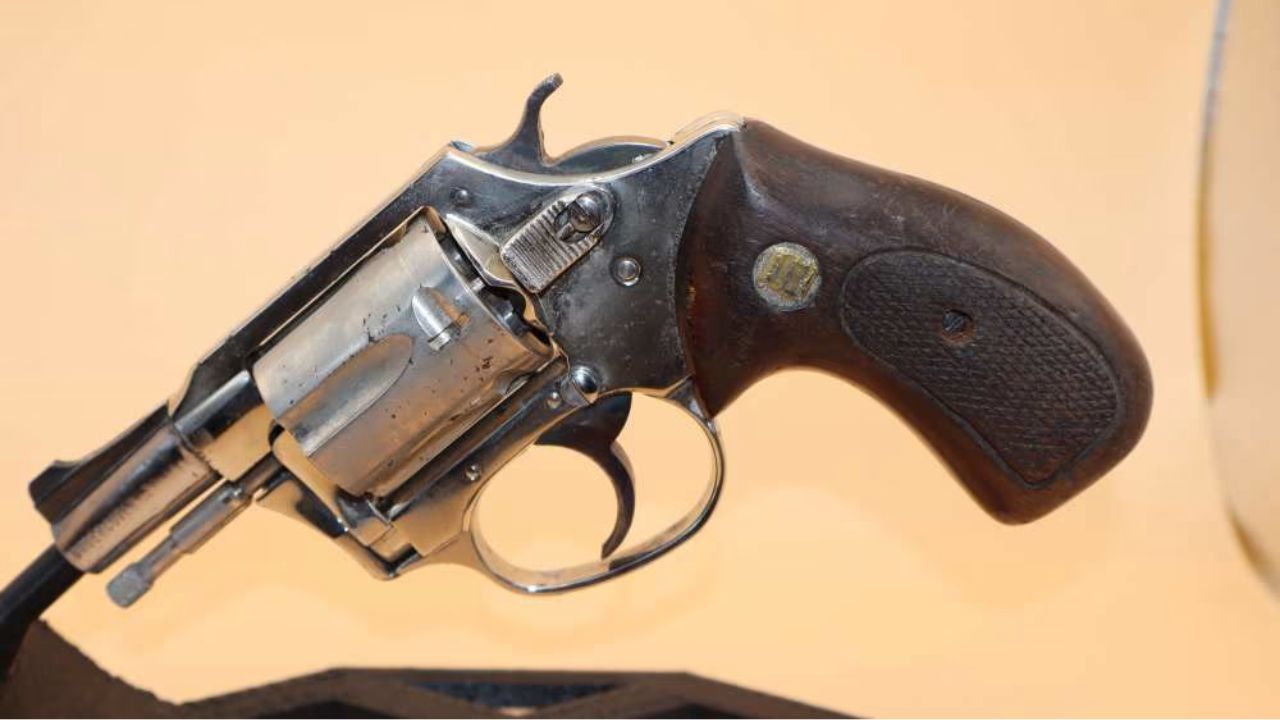
Charter Arms doesn’t get the same respect as the big names, and not every example is perfect. Still, the Undercover has stayed in the conversation because it’s simple, affordable, and sized right for real carry.
In today’s market, a revolver that a working guy can buy without taking out a loan is automatically relevant. If you find a good one, test it with your carry load, and keep it maintained, it can fill a role that pricier guns don’t fill any better.
Revolvers aren’t magic, and they’re not the answer to every problem. They’re heavier than they need to be sometimes, they’re slower to reload for most shooters, and you don’t get infinite capacity. But for the outdoorsman who wants a handgun that’s honest, dependable, and easy to live with, these old (and not-so-old) wheelguns keep proving they still belong.
Like The Avid Outdoorsman’s content? Subscribe to our newsletter so you never miss an article.
Here’s more from us: