Photo credit: Gunmann/Youtube
There are guns that age like a good pair of boots, and there are guns that were only “fine” because we didn’t have better options sitting on every shelf. The last 20 years have been brutal in a good way: better triggers, better mags, better coatings, better sights, better ergonomics, and a whole lot more quality control pressure from buyers who won’t tolerate nonsense.
So when I say some models have “gotten worse,” I don’t always mean the steel turned to pot metal. Sometimes the gun stayed the same, but the world moved on. Other times the company chased cheaper production, slapped on a famous name, and hoped nostalgia would do the heavy lifting. Here are 20 that fit that bill.
1. Remington 870 Express
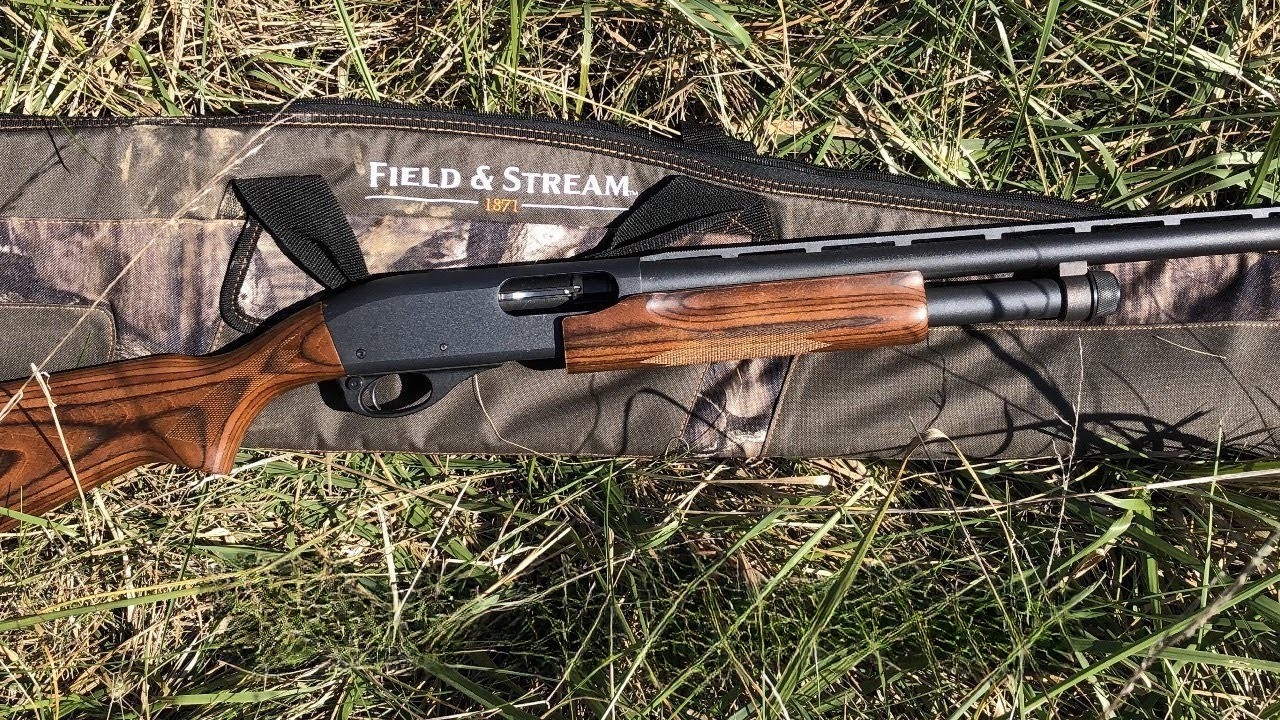
Twenty years ago, an 870 Express was the working man’s pump. It wasn’t fancy, but it ran, it patterned fine with buckshot, and it killed a mountain of birds and deer. You could leave it in a truck, wipe it down with an oily rag, and not worry about it.
The later-era Express guns got a reputation for rough chambers, spotty finish, and that “sticky extraction” problem that shows up right when you don’t have time for it. When a pump gun starts feeling like it needs a mallet, the magic is gone. There are still good ones out there, but you end up shopping by serial number era instead of just buying an 870 because it’s an 870.
2. Remington 700 ADL (late-production economy trims)

A plain 700 ADL used to be a safe bet for a deer rifle you could build on later. The action has always had potential, the aftermarket is huge, and for years you could count on decent fit and a barrel that would shoot “minute of whitetail” all day.
What got worse is the race to the bottom on the bargain packages: cheaper stocks, rougher finishing, and inconsistent out-of-the-box accuracy compared to what competing rifles deliver now. When a budget Savage, Ruger, or Tikka can show up with a better trigger and a better stock for similar money, the basic ADL doesn’t feel like a value anymore.
3. Remington 597
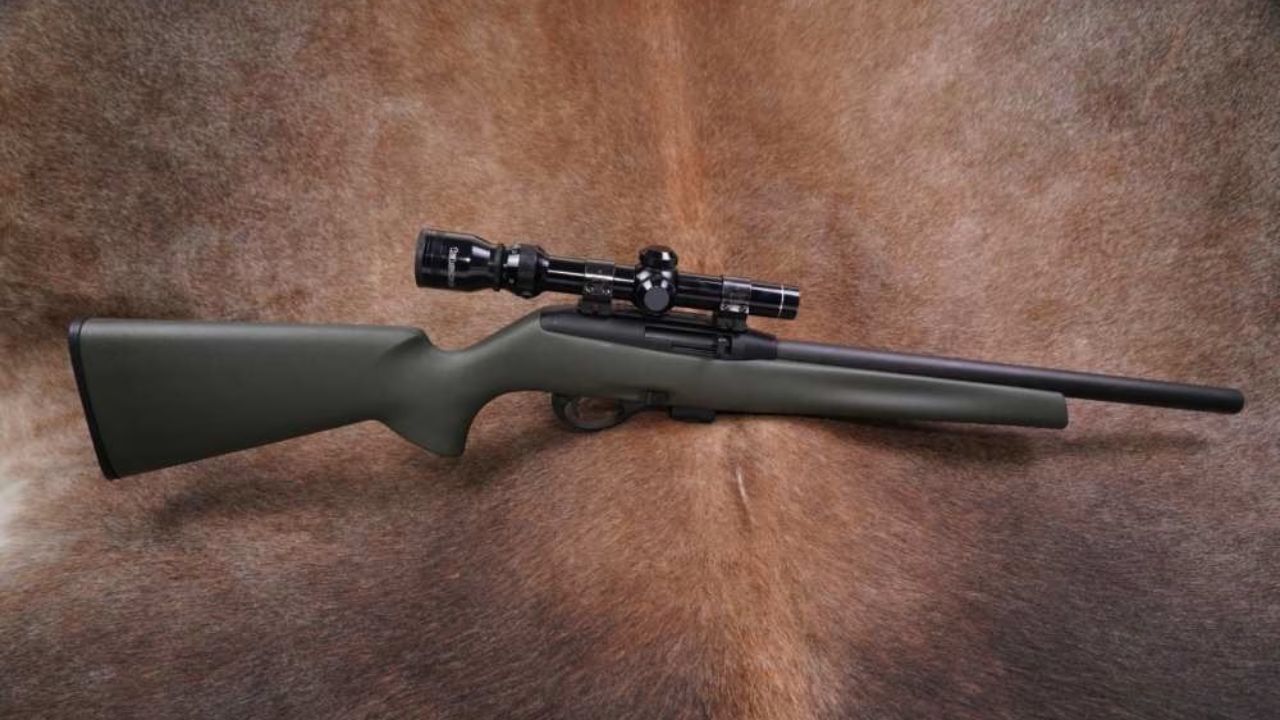
The 597 had a moment. It pointed well, had a decent feel, and in a world before today’s rimfire options exploded, it was an easy pick for plinking and squirrels. On a good day, it could be surprisingly accurate.
The problem is the “good day” part. Magazines have always been the make-or-break, and the platform never developed the same dependable ecosystem as the Ruger 10/22. Today, when you can grab a rimfire that runs clean and feeds anything, a picky .22 semi-auto is a hard sell.
4. Marlin Model 60 (later Remington-era production)

Old Model 60s are the kind of .22 that get passed down with a coffee can of mixed ammo and still somehow keep working. They’re light, handy, and plenty accurate for woods walking. I’ve carried one on trapline checks and around camps where it lived behind the truck seat.
Later production runs had more complaints about roughness, feeding issues, and fit that didn’t match the older guns. It’s not that every newer one is junk. It’s that the Model 60 used to be an easy “grab one” recommendation, and now it’s another gun where you’re better off inspecting it like you’re buying a used ATV.
5. Winchester SXP (early imports vs. later bargain builds)
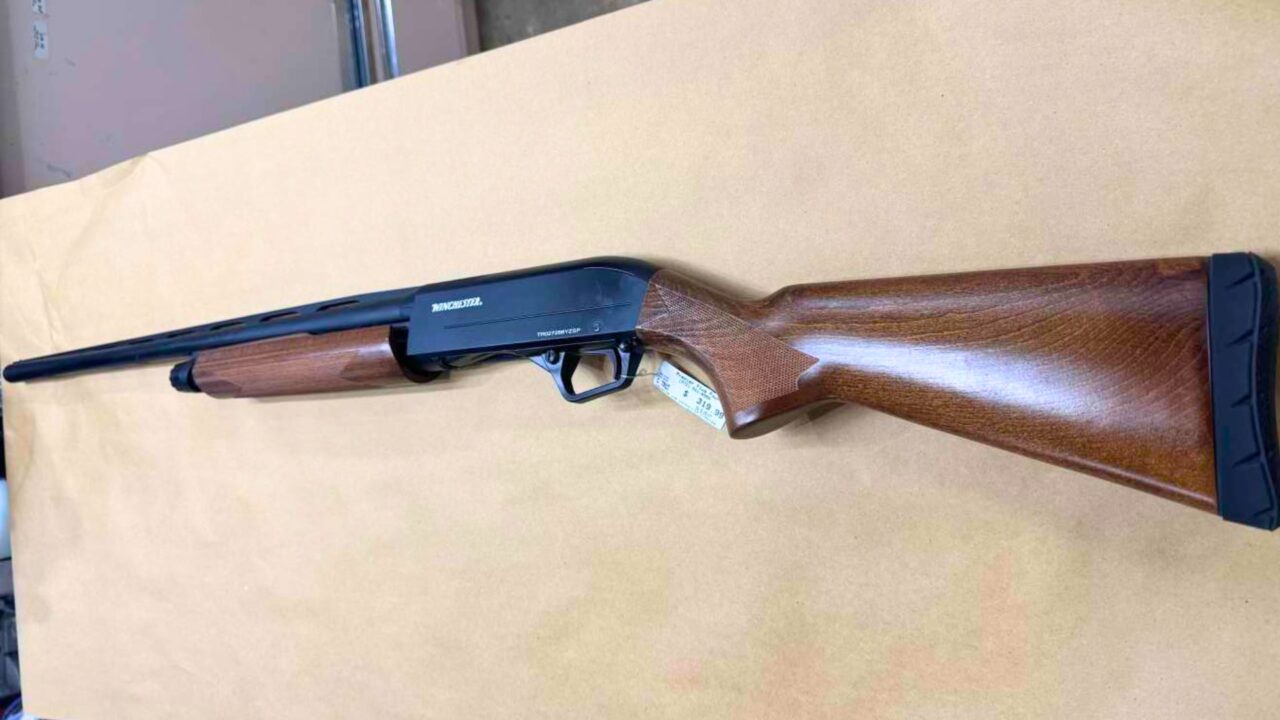
The SXP came in swinging as a fast-cycling pump that felt slick for the money. As a starter bird gun or a basic home-defense pump, it made sense and it didn’t beat you up too bad. The inertia-assisted action feel was a nice touch.
What’s happened since is the same thing that happens to a lot of price-point guns: quality can drift. When you’re counting on a pump shotgun to feed and extract every time, little assembly shortcuts show up quick. If you get a good one, great. If you don’t, you’ll spend more time chasing small problems than shooting clays.
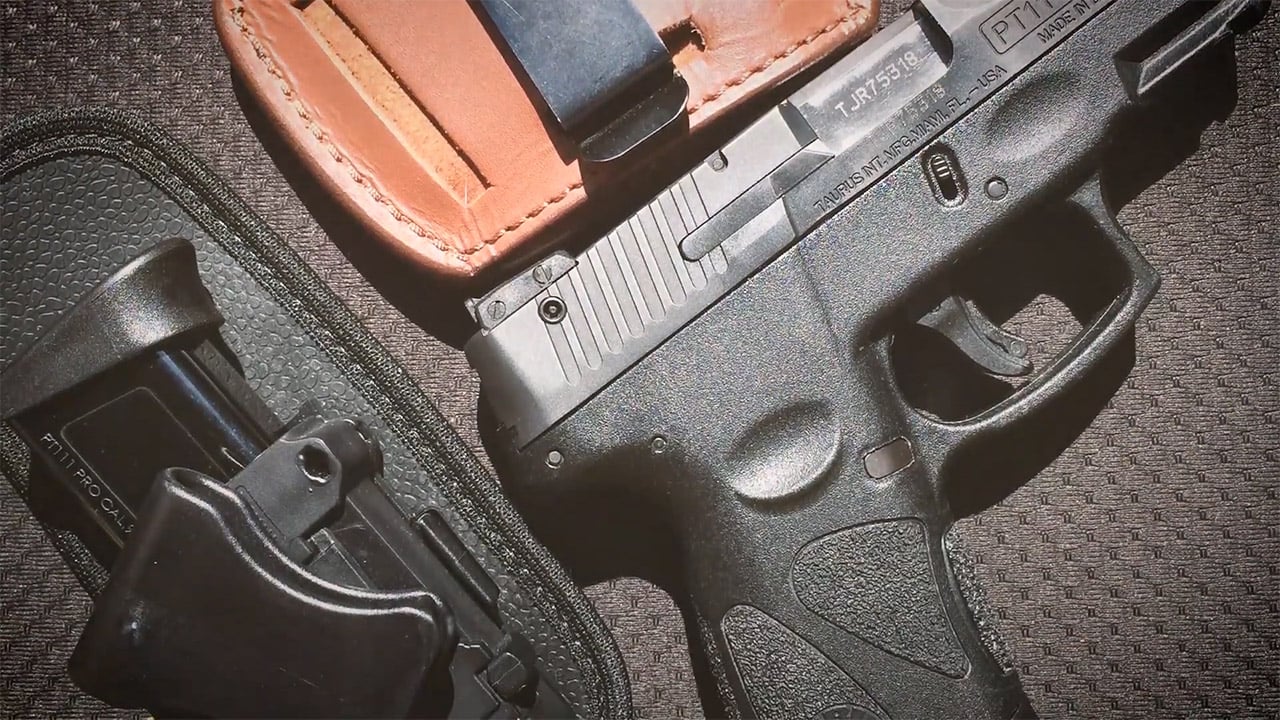
6. Taurus PT111 Millennium G2
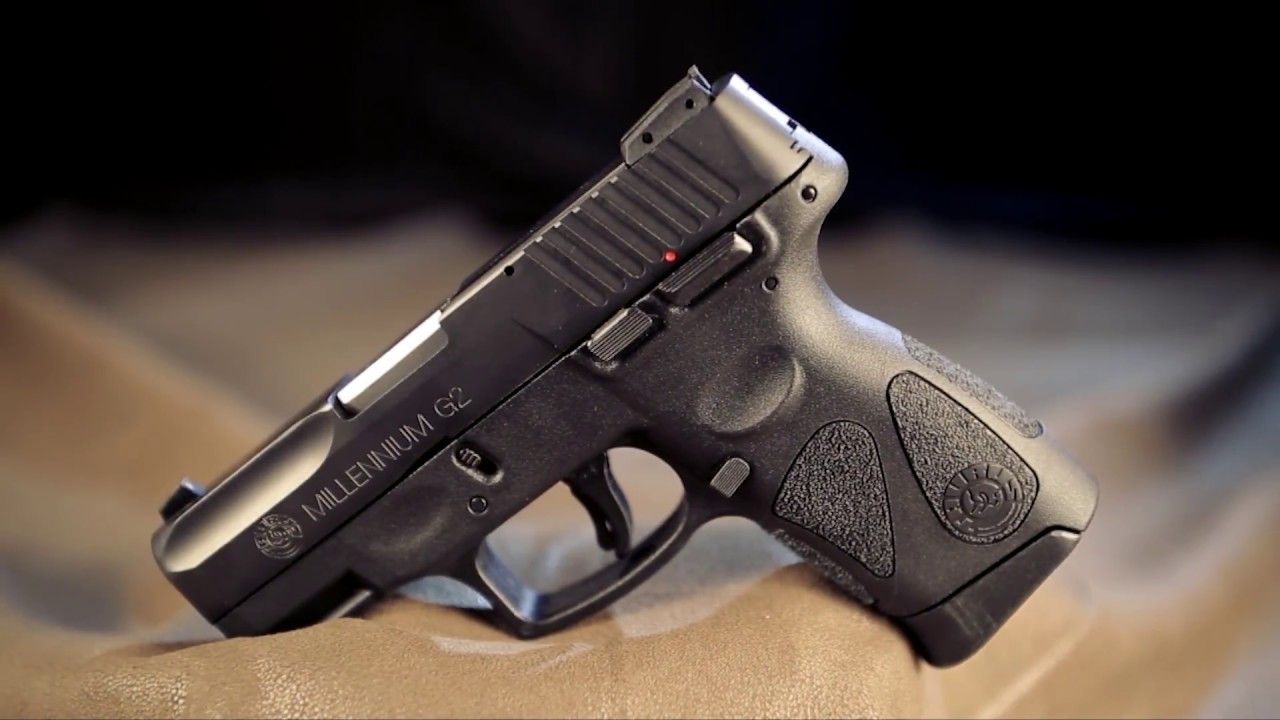
The PT111 G2 was “good enough” for a lot of folks when the budget 9mm world was thinner. It was compact, had decent capacity, and it fit hands better than some of the bricks from that era. It sold because it filled a need.
Then the market got crowded with genuinely solid budget pistols with better triggers, better sights, and better track records. The PT111 didn’t get worse in your hand, but it got worse on the shelf next to newer options. If you already own one that’s proven itself, fine. If you’re shopping today, it’s hard to justify.
7. Taurus Judge
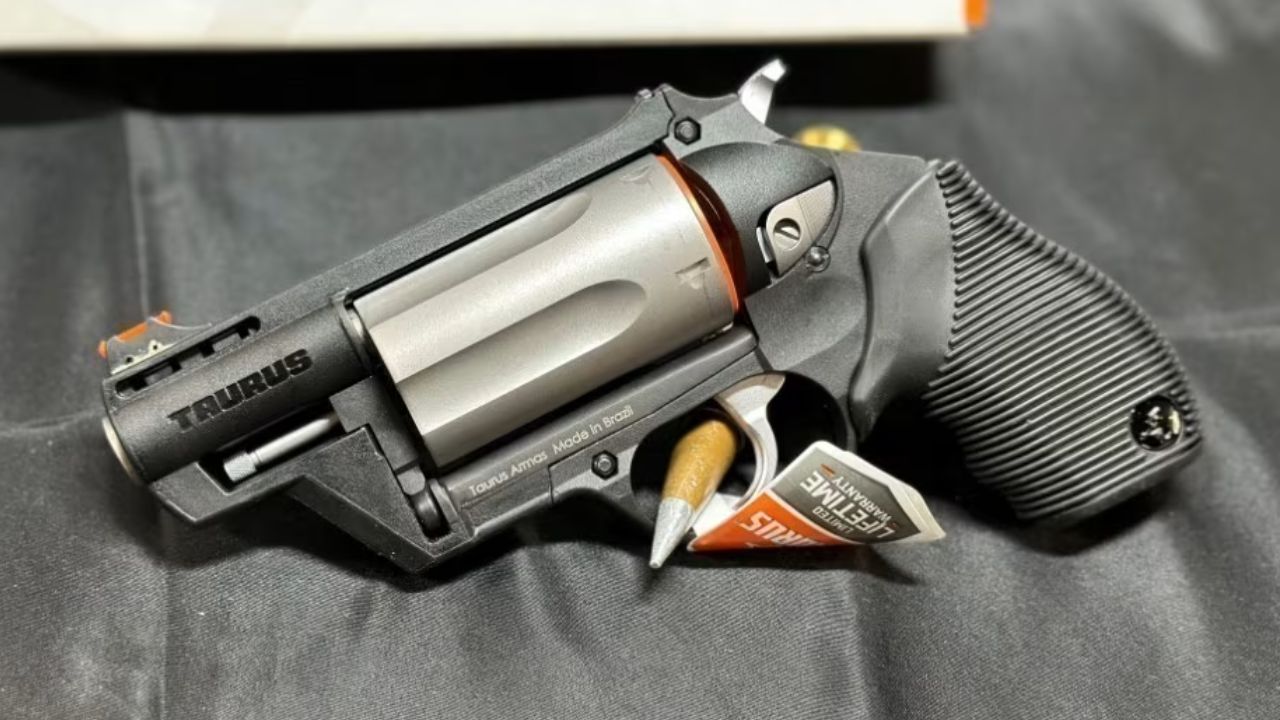
I get why it became a phenomenon. A revolver that can shoot .410 shotshells sounds like the perfect “snake gun,” and it has that grin-factor at the range. It’s one of those guns that sells itself in the first 30 seconds of conversation.
In practice, it’s big, the patterns can be disappointing, and the recoil and blast aren’t doing you favors for fast follow-up. Also, the novelty has worn off as folks realized a lightweight .38/.357 or a compact 9mm with good ammo is usually the more practical tool. It hasn’t aged into usefulness; it’s aged into a conversation piece.
8. Kel-Tec P-11
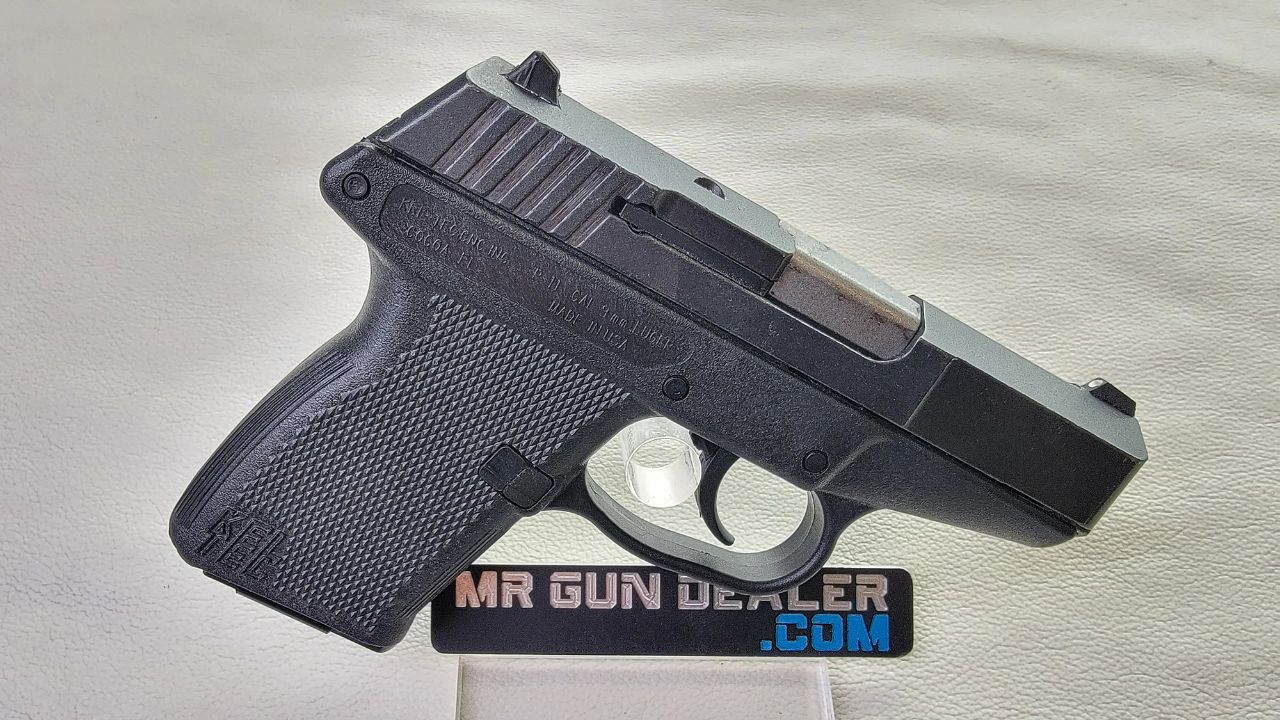
The P-11 was a pioneer in the “small, light, high-capacity” carry idea before it was normal. Back when a lot of folks were still stuffing a snubnose in a pocket, this thing offered 9mm and double-stack capacity in a compact package.
But that long, heavy trigger and the overall shootability feel rough today. Modern micro-compacts are smaller, thinner, and easier to run well, with better sights and better triggers. The P-11 used to be clever. Now it feels like a compromise you don’t have to make.
9. Kel-Tec SUB-2000 (early generations)

Folding pistol-caliber carbines are handy. A SUB-2000 in a pack or under a truck seat is a real “grab-and-go” concept, especially if it takes the same magazines as your carry pistol. For years, it was one of the only games in town.
What’s worse now is mostly the comparison. Newer PCCs are more comfortable, mount optics without goofy workarounds, and feel less like a clever prototype. The SUB-2000 still does its job, but the ergonomics, cheek weld, and sight setup feel more dated every year.
10. Bushmaster Carbon 15

The lightweight AR idea wasn’t crazy. If you’re hiking, calling coyotes, or just tired of carrying a fence post, a lighter rifle is appealing. The Carbon 15 looked like the future for a while.
The trouble is durability perceptions and parts compatibility concerns that follow you around, especially when hard use and heat enter the picture. With so many quality lightweight ARs available now, a niche polymer-heavy build that makes buyers nervous has aged poorly. It’s the kind of gun you end up babying, and that defeats the point of an AR.
11. DPMS Panther Oracle

The Oracle was a classic “first AR” for a long time. It was affordable, available, and it generally went bang. If all you wanted was a basic rifle for range days and maybe a coyote stand or two, it could make sense.
But entry-level ARs got better while the Oracle name stayed tied to the same “just enough” vibe. These days, even budget rifles often come with better rails, better staking, better QC, and better barrels than what you used to accept. The Oracle didn’t necessarily fall apart; it just got passed.
12. Olympic Arms PCR series
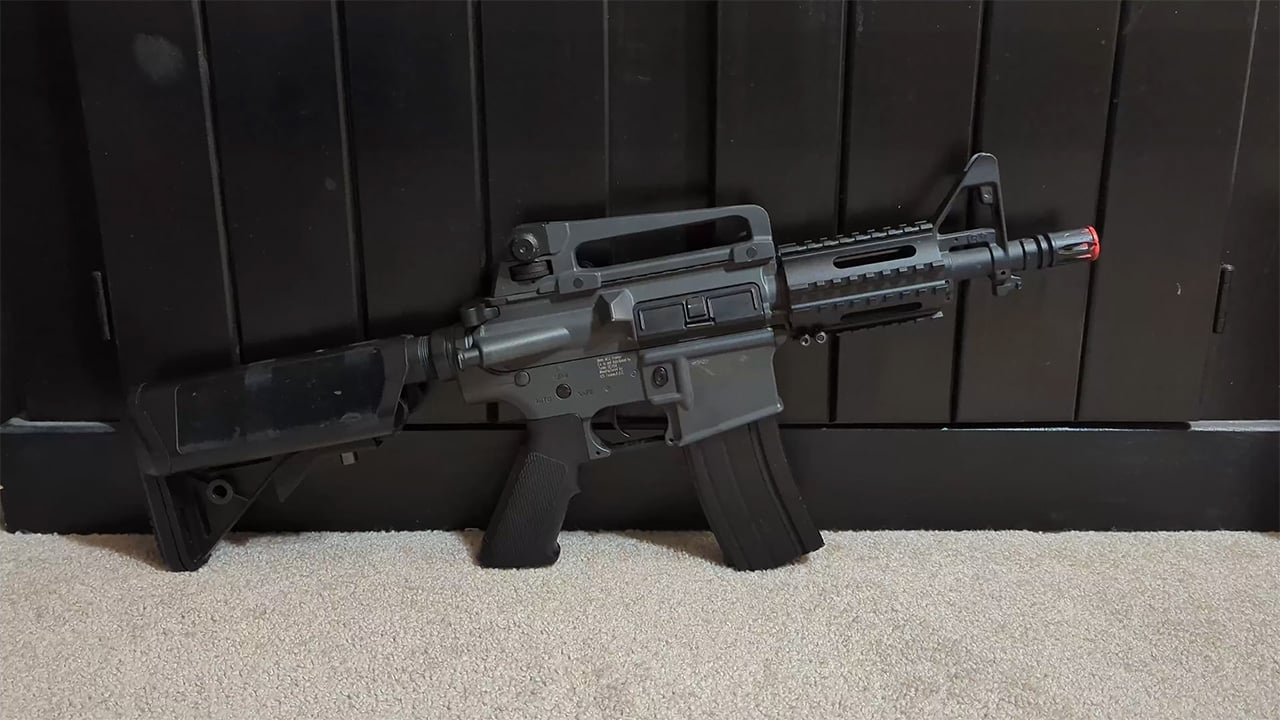
Olympic had rifles out there that ran and ran. Plenty of them served as farm rifles and range beaters, and some owners never had a complaint beyond “it’s not fancy.” They were part of that earlier AR wave when availability mattered more than refinement.
Time has not helped the brand’s inconsistency reputation, and parts support and resale confidence are nothing like the big players. When the AR world standardized and quality became expected, the older “maybe you get a good one” reputation became a bigger liability. It’s tough to recommend when you can buy boring and dependable instead.
13. Century Arms C39 V2

A milled-receiver AK made in the U.S. sounded like a strong idea when imports were fluctuating and buyers wanted something they could actually find. The C39 V2 sold hard on that “American AK” promise.
Then reports started stacking up about premature wear and durability concerns that you don’t want in a rifle built around running dirty and running forever. With import options and other AK patterns proving themselves, the C39 V2’s reputation has gotten heavier, not lighter. Ask me how I know: once you lose confidence in an AK, you stop taking it places.
14. IWI UZI Carbine (16-inch semi-auto)
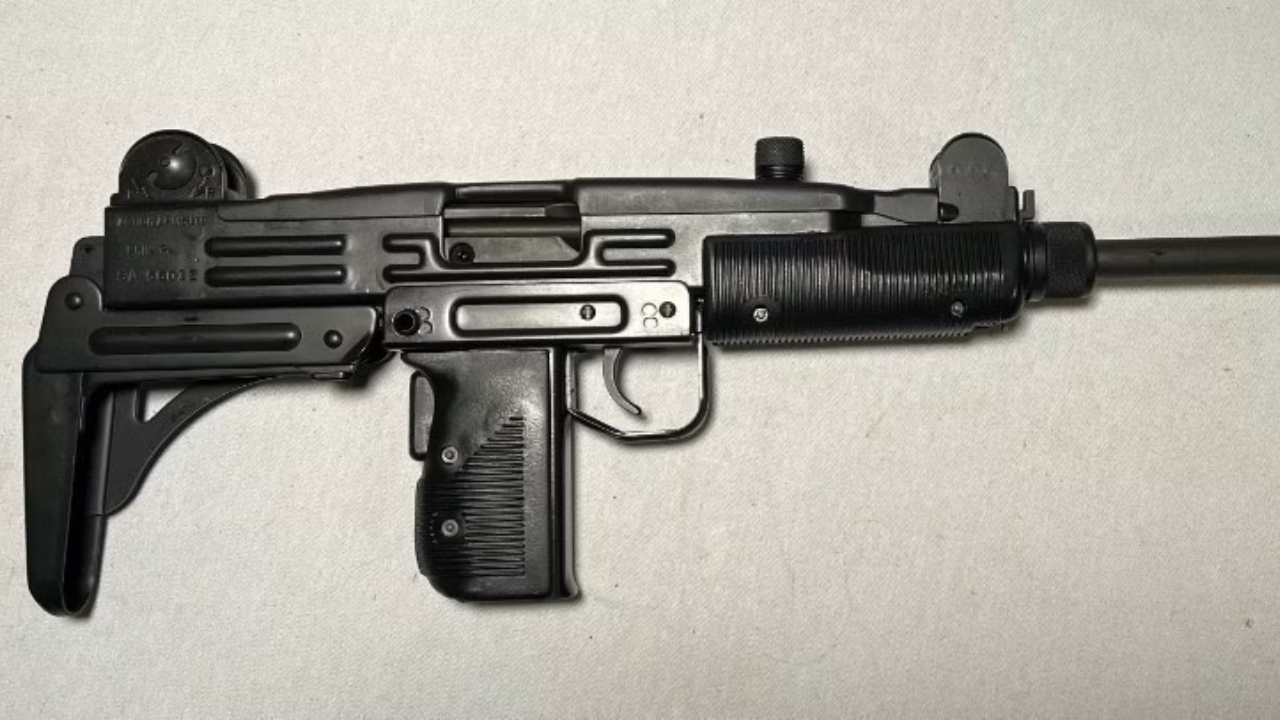
These were cool in the way only a classic can be. Heavy, simple, and unmistakable. For a long time, owning an UZI-style carbine was like owning a piece of history you could still shoot on the weekend.
But the practical side has gotten worse with age: weight, dated ergonomics, and the reality that modern PCCs shoot softer, mount optics better, and use more common parts. The UZI carbine didn’t change, but your tolerance for “cool but clunky” probably did.
15. Beretta U22 Neos

The Neos always looked like it came off a sci-fi set, and it actually shot well for a lot of owners. The grip angle works for some folks, and the top rail concept was ahead of its time for a rimfire pistol.
What hasn’t aged well is the feel compared to newer .22 pistols that are easier to strip, have better trigger options, and have a deeper parts and holster world. The Neos can still be a tack driver, but it’s more “niche fun” than “default recommendation” now.
16. Ruger P95
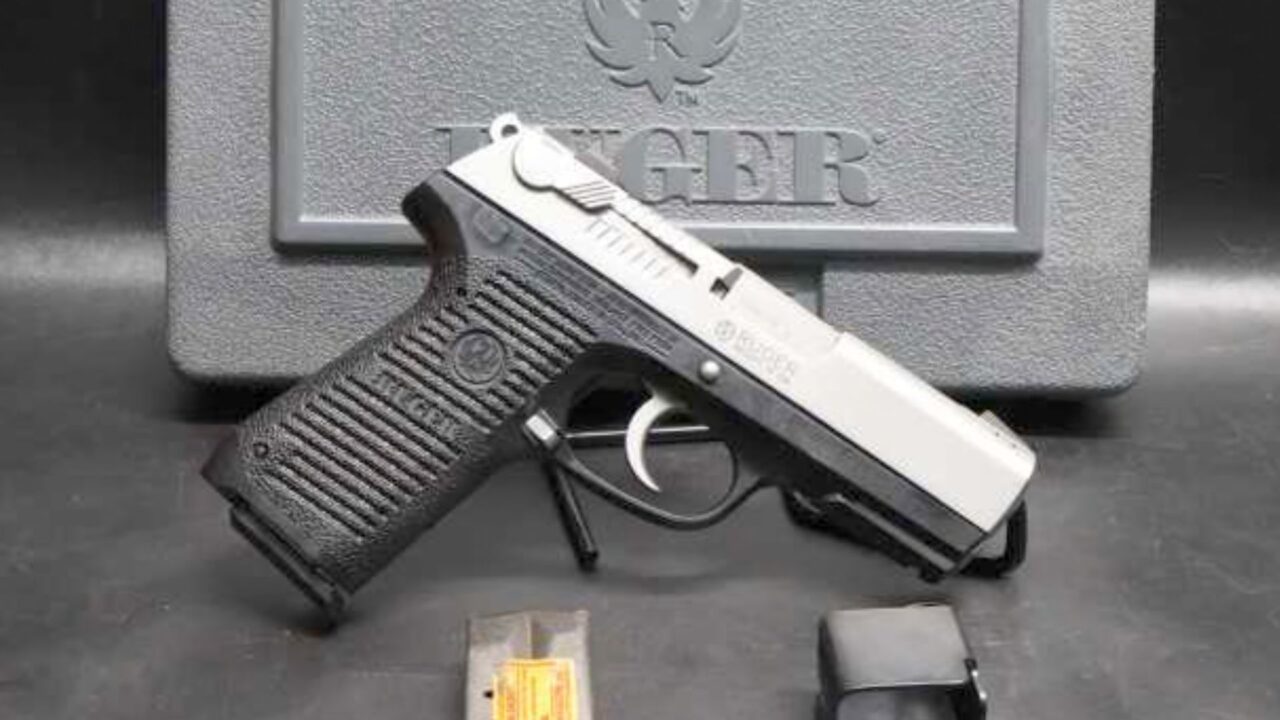
The P95 was a brick that worked. If you wanted a 9mm that didn’t care about neglect and you weren’t trying to impress anyone at the range, it was a solid choice. They fed, they fired, and they kept going.
But the grip shape, trigger feel, and bulk are hard to defend today. Modern polymer guns are lighter, thinner, and easier to mount lights on, and they come with better sights from the factory. The P95 used to be a budget hero. Now it feels like something you keep because it’s loyal, not because it’s pleasant.
17. Springfield Armory XD (early models)

Back in the day, the XD line was a real Glock alternative that didn’t feel like a 2×4 in the hand. They were reliable for a lot of shooters, and the grip safety reassured new owners. Plenty of them have high round counts without drama.
The issue is the platform didn’t stay ahead. The bore axis, the trigger characteristics, and the overall design feel dated beside newer striker guns that shoot flatter and have better aftermarket support. It’s not that your XD suddenly stopped working. It’s that the rest of the world got easier to live with.
18. Smith & Wesson Sigma SW9VE

The Sigma era was all about “affordable and simple,” and for a while that mattered more than anything. If you needed a nightstand gun on a tight budget, you could talk yourself into it. The design was straightforward and the guns were common.
That trigger, though. Heavy and gritty is a rough combo, especially for new shooters trying to learn good fundamentals. With today’s budget pistols offering decent triggers and better sights, the Sigma feels like paying money to fight your own gun. You can learn on one, sure, but you’ll probably learn to hate practice.
19. Rossi Circuit Judge
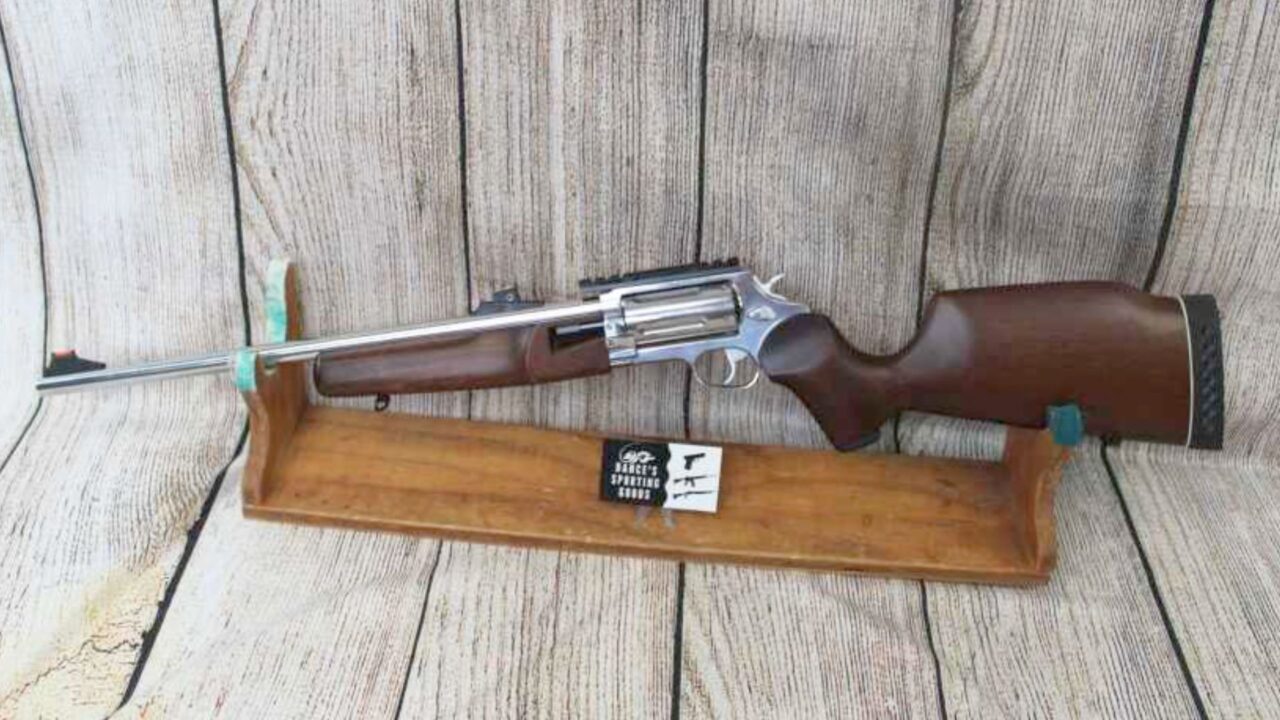
A revolving rifle that can shoot .410 and .45 Colt is one of those ideas that sounds like it belongs on a ranch. A little birdshot for pests, a little Colt for something bigger, all in one package. It’s easy to picture it leaning in a corner of the shop.
In reality, it’s awkward, heavy for what it is, and it brings revolver quirks into a rifle role where you’d rather have a normal action. Cylinder gap blast and the overall handling turn into real annoyances. It’s another “neat concept” that wears thin when you actually carry it around.
20. Mossberg 935 Magnum
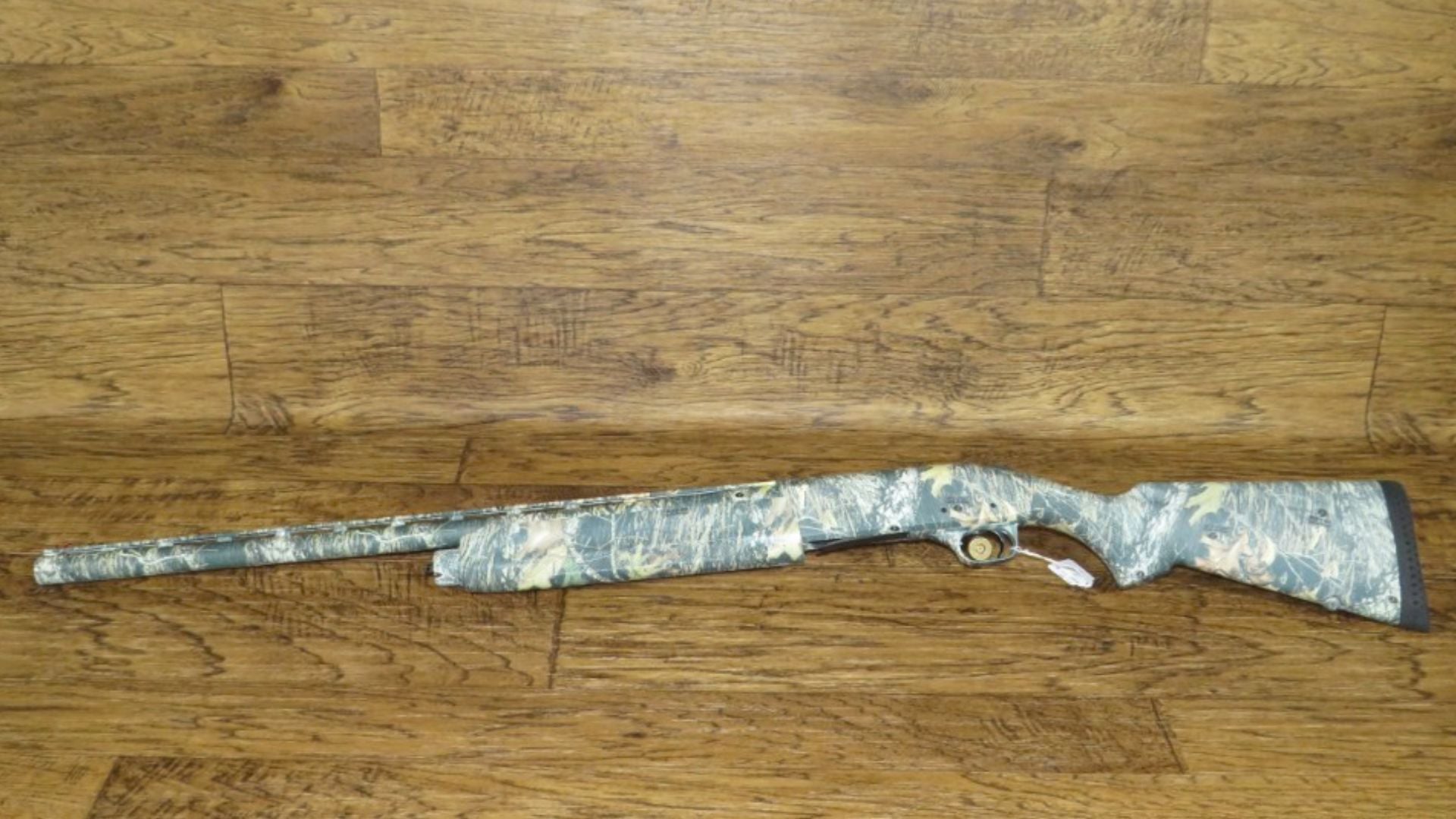
The 935 made sense when 3 1/2-inch shells were the big selling point for waterfowl, and a semi-auto that could handle them was attractive. Plenty of hunters bought one thinking it would cover everything from ducks to late-season geese with one shotgun.
The downside is that 3 1/2-inch capability often comes with tradeoffs in cycling lighter loads and overall feel. Add in the fact that modern 3-inch loads are better than they used to be and newer semi-autos are more refined, and the 935’s “magnum-first” personality feels like yesterday’s solution. If yours runs and you’ve patterned it well, keep hunting with it. Just know there are smoother roads now.
If you own any of these and they’ve been good to you, I’m not telling you to panic-sell. A proven gun in your hands is worth more than internet opinions. But if you’re shopping today, it’s smart to recognize when a once-acceptable compromise has turned into an unnecessary one. The best gun isn’t the one with the loudest reputation. It’s the one that points right, runs every time, and still makes sense when the new-gun excitement wears off.
Like The Avid Outdoorsman’s content? Subscribe to our newsletter so you never miss an article.
Here’s more from us: