Photo credit: WHO_TEE_WHO/YouTube
Some hunting calibers are not useless. That is usually where the arguments start. A cartridge can kill deer, hogs, coyotes, elk, or small game and still be a weaker choice than something else sitting right next to it on the shelf. The hard part is admitting when a favorite round is surviving more on habit, nostalgia, or old campfire stories than actual field advantage.
Once hunters use something flatter, easier to find, more forgiving, softer shooting, or better matched to modern bullets, certain calibers get harder to defend. These are the rounds that often lose their shine once someone hunts with something better.
.410 bore
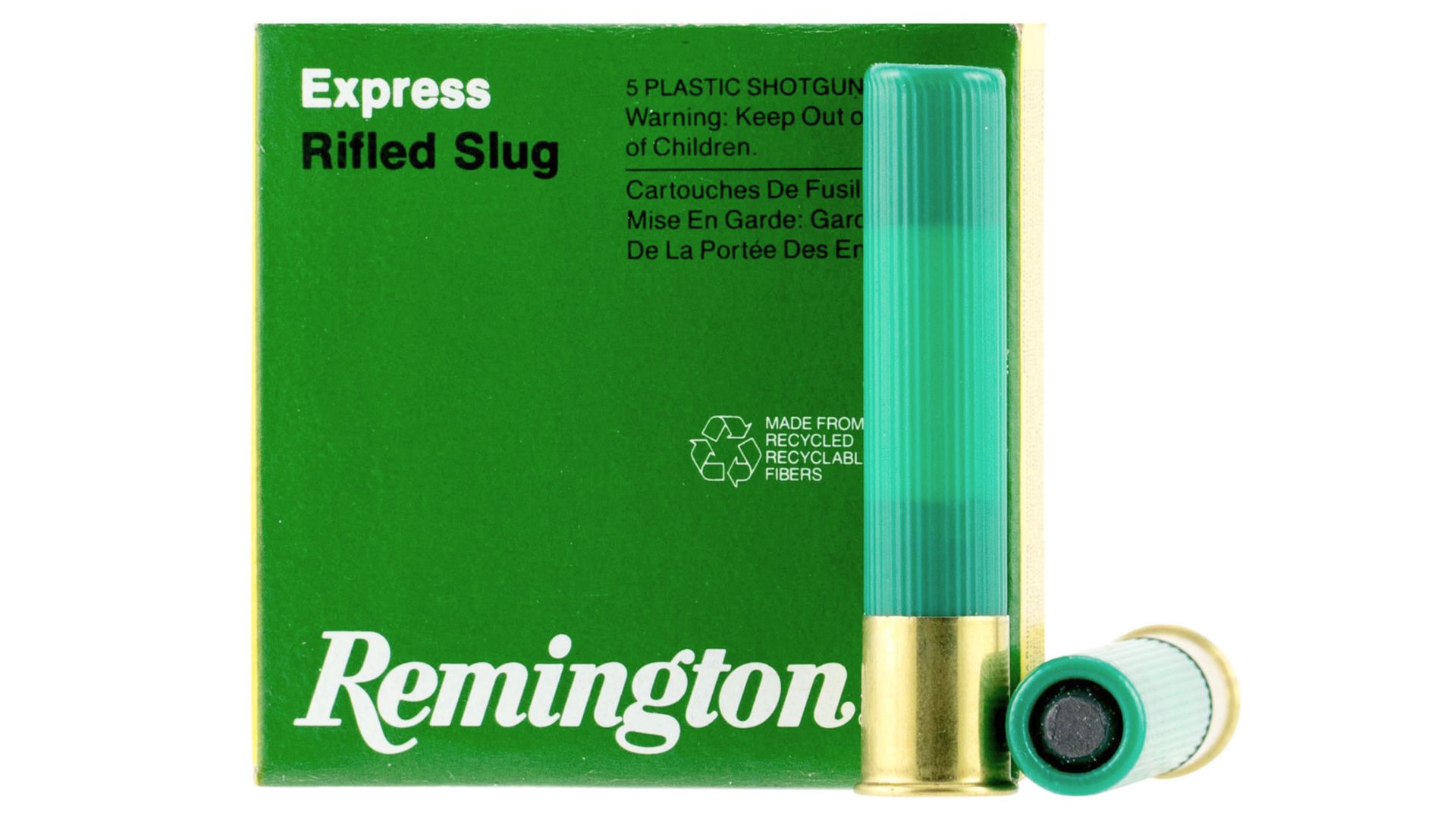
The .410 bore gets defended because it is light, handy, and easy to carry. It also gets sold as a beginner-friendly shotgun choice, which sounds good until a new hunter starts missing birds or wounding small game because the pattern is thin and unforgiving.
Once someone hunts with a 20 gauge, the .410 becomes a lot harder to defend for general use. A 20 gauge still does not punish most shooters, but it throws a much better pattern and gives the hunter more margin for error. The .410 is fun for experts and useful in narrow roles, but it is not the easy starter gun people pretend it is.
28 gauge

The 28 gauge is classy, light, and pleasant to shoot. Good upland hunters can do excellent work with it, especially over dogs and inside reasonable range. The problem is that some people talk about it like it is magic instead of a smaller-bore shotgun that rewards skill and punishes sloppy shooting.
Once most hunters spend time with a good 20 gauge, the practical case for the 28 gets thinner. The 20 gauge is easier to find, more versatile, and usually cheaper to feed. The 28 gauge is not bad at all, but it is more of a specialist’s choice than a cartridge most hunters need to defend.
.17 HMR

The .17 HMR is accurate, fast for a rimfire, and a lot of fun on small varmints. It shines on prairie dogs, ground squirrels, and other small targets where flat trajectory helps. But hunters sometimes stretch it into tougher small-game and predator roles where it starts showing limits.
Once someone uses .22 WMR for tougher small game or .223 Remington for coyotes and varmints, the .17 HMR can feel fragile. Wind pushes it around, bullet performance can be explosive, and it does not give much forgiveness on bigger animals. It is great in its lane, but that lane is narrower than some owners admit.
.22 Hornet

The .22 Hornet has a lot of charm. It is mild, quiet compared with larger centerfires, and easy to shoot. For close-range varmints and small predators, it can still work just fine. The problem is that “still works” is not the same as “still makes the most sense.”
Once a hunter uses .223 Remington, the Hornet becomes difficult to defend as a practical varmint round. The .223 gives more reach, more rifle choices, more ammunition options, and usually better availability. The Hornet is neat, but for most hunters, it is nostalgia wearing a varmint cartridge label.
.222 Remington

The .222 Remington was once a serious accuracy cartridge, and it deserves respect for that. It is mild, pleasant, and still capable on varmints and predators in the right rifle. Plenty of old-school shooters still love it because it shoots cleanly and does not beat up the shoulder.
The trouble is that .223 Remington made the argument harder. Once a hunter switches to .223, the .222 starts feeling like a cartridge that requires extra effort for no real field advantage. Ammo, brass, rifle availability, and load variety all favor the .223. The .222 is still accurate, but practicality matters.
.22-250 Remington
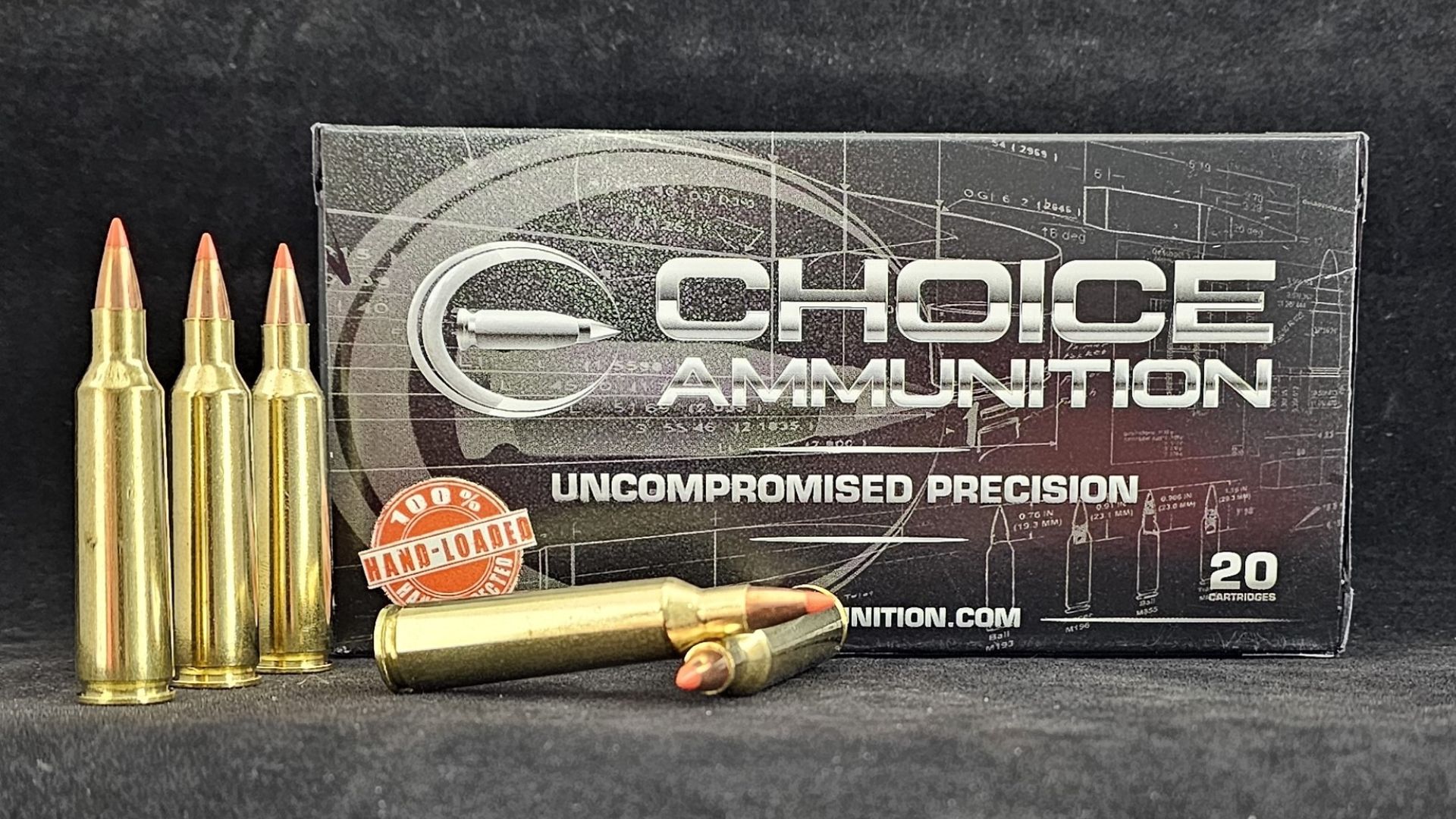
The .22-250 Remington is not weak. It is fast, flat, and nasty on varmints. It has been a favorite coyote and prairie dog cartridge for decades. But it also gets defended in places where it is not the best answer, especially when people try to make it cover everything from fur hunting to deer.
Once hunters compare it to .223 Remington for volume predator work or .243 Winchester for deer-sized game, the .22-250 can feel less balanced. It is loud, fast, harder on barrels, and very bullet-dependent when stretched beyond varmints. It still has a place, but it is not the universal problem-solver its fans sometimes claim.
.223 Remington for deer

The .223 Remington is excellent for varmints, predators, practice, and lightweight rifles. With the right bullet and careful shot placement, it can kill deer where legal. That is where the defense usually starts. The problem is that legality and possibility do not automatically make it the smartest deer cartridge.
Once someone hunts deer with .243 Winchester, 6.5 Grendel, 6.5 Creedmoor, 7mm-08 Remington, or .308 Winchester, the .223 starts feeling less forgiving. It can work, but it gives the hunter less margin on angle, distance, and imperfect hits. For deer, most hunters stop defending it once they use something with more bullet weight and authority.
.243 Winchester
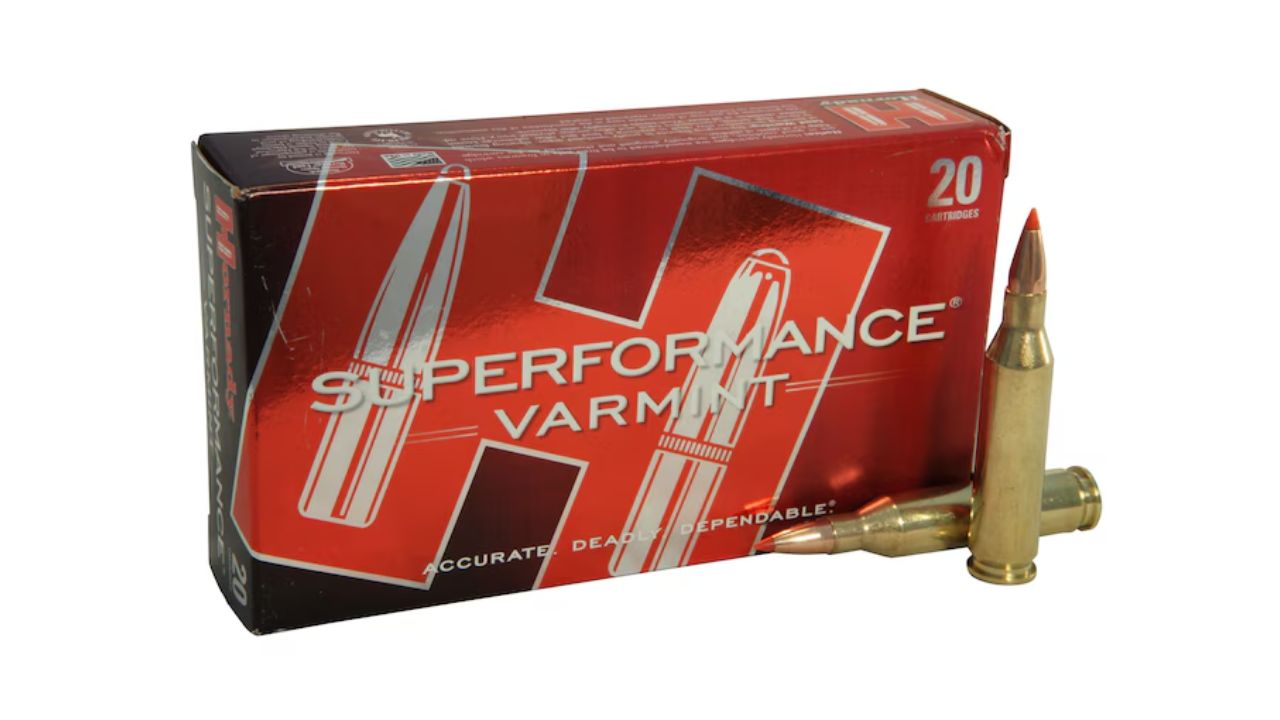
The .243 Winchester has taken a mountain of deer, and it is not a bad cartridge. It is light-recoiling, accurate, and great for coyotes and varmints. The issue is that it gets oversold as the perfect beginner deer round when it can be more bullet-sensitive than people want to admit.
Once a hunter uses 6.5 Creedmoor, 7mm-08 Remington, or .308 Winchester, the .243 can feel less forgiving on deer and hogs. Good bullets matter a lot, and marginal angles are not its strong suit. It is pleasant to shoot, but newer mild-recoiling options give hunters better bullet weight and cleaner confidence.
.257 Roberts

The .257 Roberts is a classy old deer cartridge that still works well in the right rifle. It is mild, accurate, and plenty capable on deer-sized game. If someone already owns a good one, there is no reason to act like it suddenly quit working.
But once hunters compare it to 6.5 Creedmoor, .25-06 Remington, or 7mm-08 Remington, the Roberts becomes more sentimental than practical. Factory ammo is not as common, modern rifle choices are limited, and the cartridge does not bring enough advantage to offset the hassle. It is lovable, but not easy to recommend.
.25-06 Remington

The .25-06 Remington shoots flat and hits hard enough for deer, antelope, and similar game. It can be excellent in open country, especially for hunters who like speed and light recoil. It is not a weak cartridge by any fair standard.
The problem is that it sits in an awkward modern spot. Once hunters use 6.5 Creedmoor, .270 Winchester, 7mm-08 Remington, or 6.5 PRC, the .25-06 can feel less versatile. It likes longer barrels, burns plenty of powder, and does not offer the same heavier-bullet flexibility. It still works, but the defense gets harder when better all-around choices are available.
.260 Remington

The .260 Remington deserved better than it got. It is accurate, efficient, mild, and very capable on deer-sized game. In many ways, it did a lot of what people later praised in the 6.5 Creedmoor. The issue is not that the .260 is bad. The issue is that it lost the support battle.
Once hunters use 6.5 Creedmoor, the .260 becomes harder to defend for a new rifle purchase. The Creedmoor has better factory ammo availability, better rifle support, and broader acceptance. The .260 still performs beautifully, but performance alone does not matter much if the newer option is easier to buy, feed, and set up.
6.8 SPC
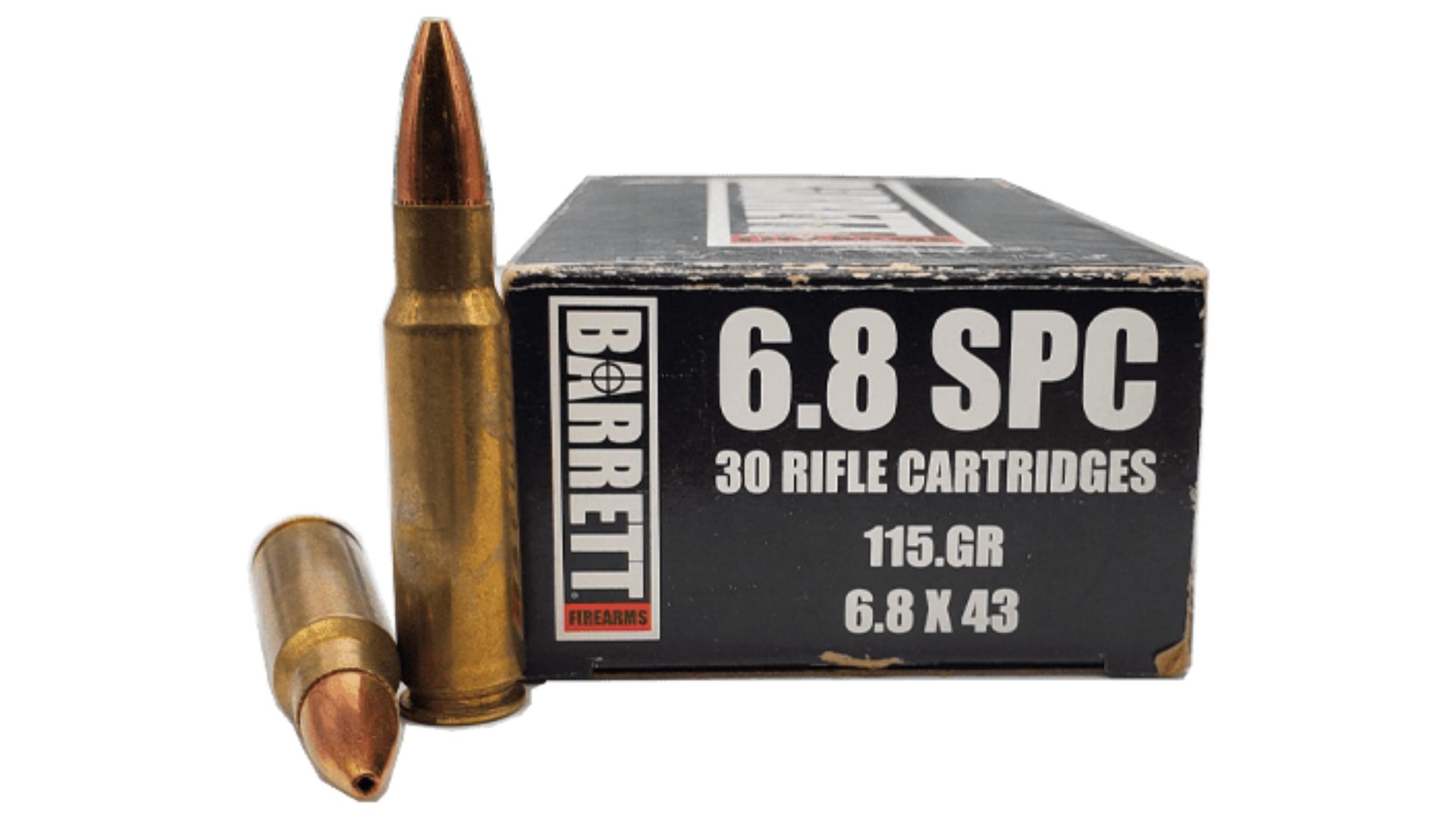
The 6.8 SPC was supposed to give AR hunters more punch than .223 Remington. In that role, it made sense for a while. It offered better bullet diameter and energy from an AR-15 platform, especially for hogs and deer at moderate distances.
The problem is that other cartridges crowded it out. Once hunters use 6.5 Grendel, .300 Blackout in its proper lane, or newer straight-wall options where required, the 6.8 SPC becomes harder to defend. It is not useless, but ammo and rifle support never became strong enough to make it the obvious AR hunting answer.
.30-30 Winchester
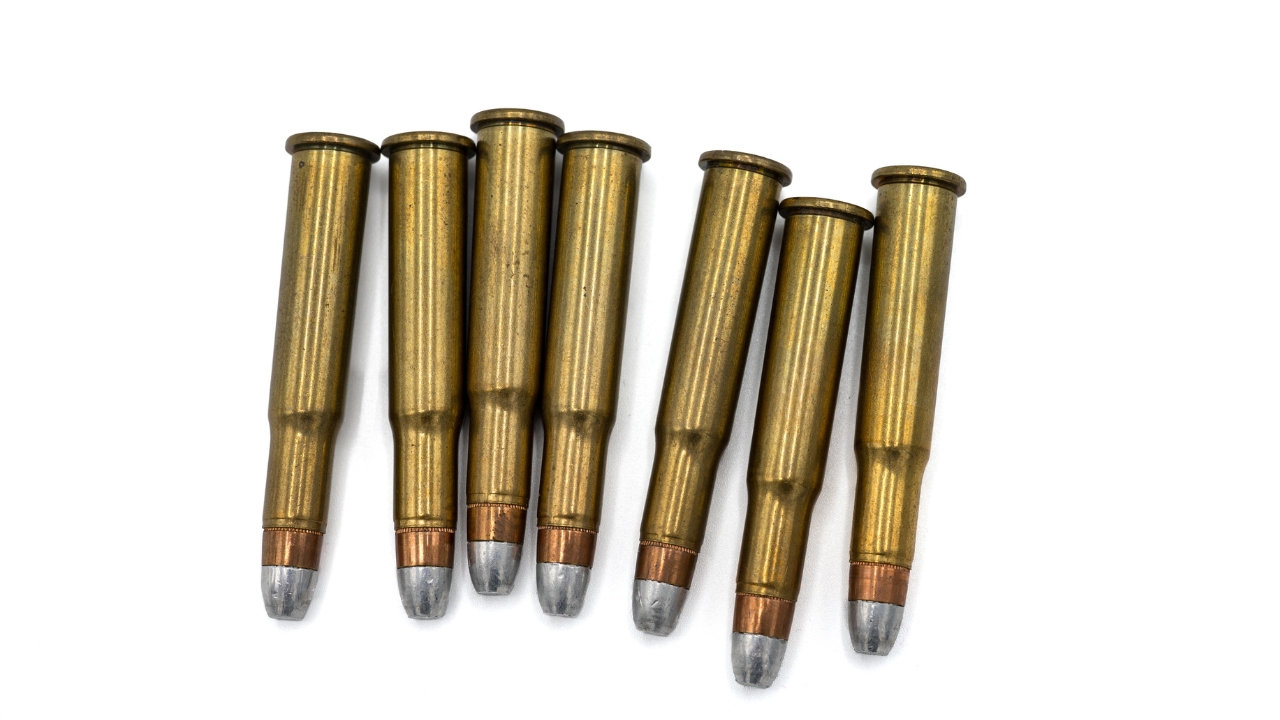
The .30-30 Winchester is one of the greatest deer cartridges ever made. It still works beautifully in the woods, especially from a handy lever action. This is not about pretending the .30-30 is bad. It is about admitting where the argument starts falling apart.
Once hunters need more reach or more flexibility, cartridges like .308 Winchester, 7mm-08 Remington, .350 Legend, and .360 Buckhammer can make the .30-30 feel limited. Inside normal woods distances, it is still fine. But when people defend it as an all-around deer cartridge, nostalgia starts doing a lot of the heavy lifting.
.300 Savage
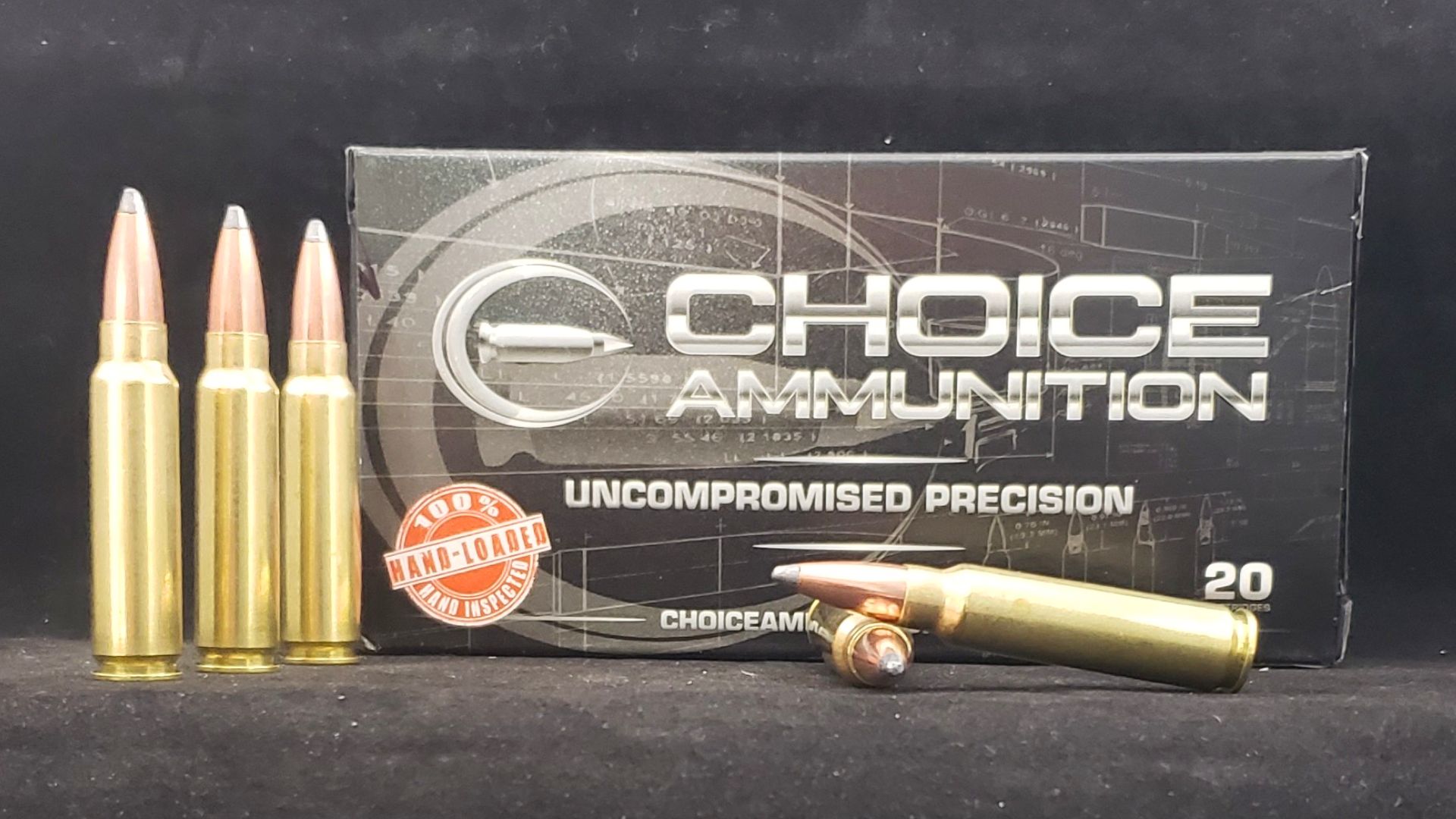
The .300 Savage was efficient, smart, and historically important. It gave hunters solid .30-caliber performance in classic rifles like the Savage 99. For deer in normal woods country, it still does the job.
But once someone hunts with .308 Winchester, the .300 Savage becomes tough to defend as a practical cartridge. The .308 gives more ammo choices, better availability, more rifle options, and more modern load development. The .300 Savage is worth keeping if you love the rifle, but it is rarely the better choice today.
.303 British

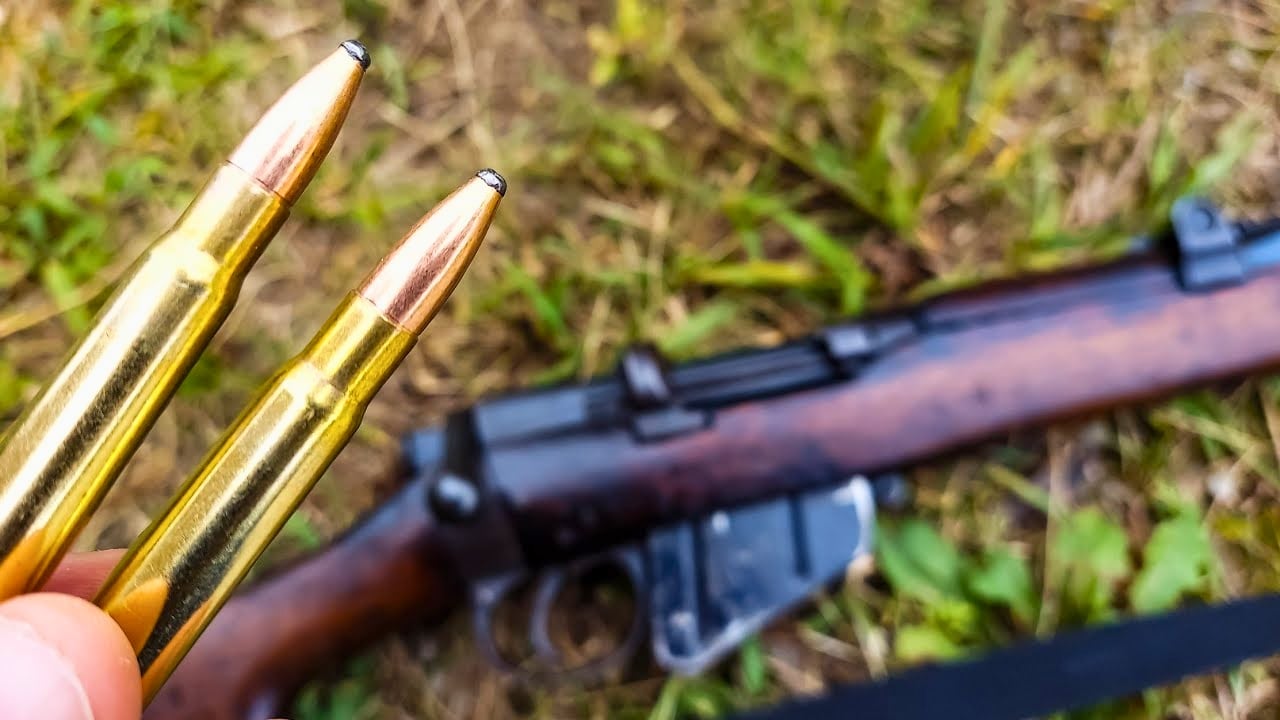
The .303 British has taken plenty of game around the world, and old Lee-Enfields still have a loyal following. It hits harder than some people expect, and in a good rifle it can still be useful for deer, hogs, and similar game.
The problem is that the cartridge is tied to older rifles and uneven ammo availability. Once hunters use .308 Winchester, .30-06 Springfield, or 7mm-08 Remington, the .303 becomes hard to defend for practical hunting. It still has history and character, but most hunters would rather carry something easier to scope, feed, and support.
.35 Remington

The .35 Remington has real woods credibility. It hits harder than its paper numbers suggest, and it has worked well on deer, black bear, and hogs for generations. In a Marlin lever action, it still feels like a serious close-range hunting setup.
But the defense gets harder every year. Once hunters compare it with .350 Legend, .360 Buckhammer, .45-70 Government, or .308 Winchester depending on local rules, the .35 Remington feels limited by ammo availability and range. It still works well, but keeping one fed is not as easy as it used to be.
.444 Marlin
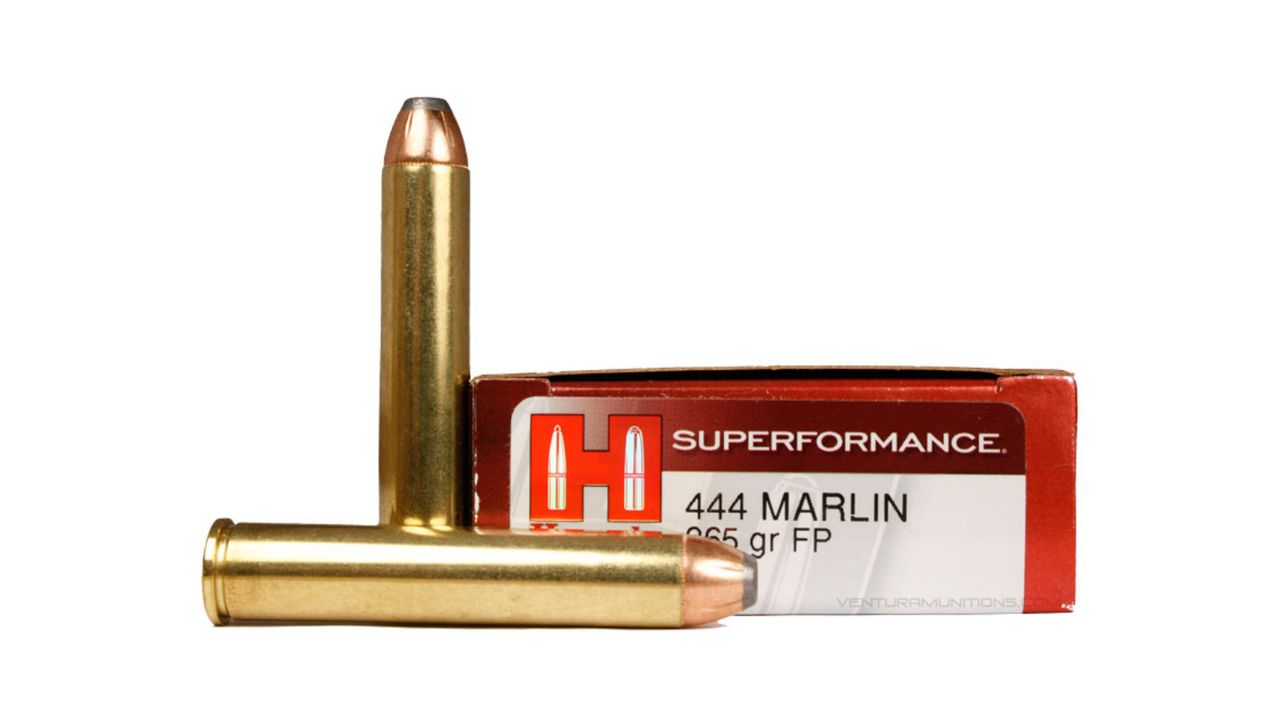
The .444 Marlin has plenty of power, and it can be a serious hammer on deer, hogs, and black bear. It was built for hunters who wanted big-bore lever-action performance without stepping into some of the older traditional rounds.
The issue is that .45-70 Government has largely won the popularity fight. Once hunters use a good .45-70 with modern loads, the .444 becomes harder to defend because ammo, rifle choices, and bullet options tend to favor the .45-70. The .444 is capable, but it lives in the shadow of a cartridge that is easier to support.
.270 WSM

The .270 WSM came in hot with speed, flat trajectory, and magnum energy. It can absolutely kill deer, sheep, antelope, and elk. The cartridge itself is not short on performance. The problem is that hunting cartridges also need staying power on store shelves.
Once hunters use .270 Winchester, 6.5 PRC, 7mm Remington Magnum, or 7mm PRC, the .270 WSM becomes harder to defend. It offers speed, but ammo availability and rifle support are not strong enough to make life easy. A cartridge can look great on paper and still become a pain to live with.
7mm WSM

The 7mm WSM had the ingredients to be excellent. It offered strong 7mm performance in a short magnum case and could have been a very useful mountain and open-country hunting cartridge. But timing, rifle support, and market interest never lined up well enough.
Once hunters use 7mm Remington Magnum, 7mm PRC, or even .280 Ackley Improved, the 7mm WSM becomes difficult to defend. It works, but it does not offer enough practical advantage to overcome limited ammo and rifle availability. For most hunters, that matters more than theoretical performance.
.300 Remington Ultra Magnum

The .300 Remington Ultra Magnum is powerful, flat-shooting, and fully capable of killing big game at long distance. Nobody should pretend it lacks horsepower. If anything, the problem is that it often brings more horsepower than most hunters need.
Once someone hunts elk, mule deer, or moose with .300 Winchester Magnum, .300 PRC, 7mm PRC, or .30-06 Springfield at normal distances, the .300 RUM starts feeling excessive. It burns a lot of powder, kicks hard, and can be rough on shooters who do not truly need that much cartridge. For most hunting, better balance beats raw power.
.338 Winchester Magnum

The .338 Winchester Magnum is a serious elk, moose, bear, and big-country cartridge. It has earned respect, and in the right hands it is very effective. The problem is that many hunters buy into it before realizing how much recoil and rifle weight they are signing up for.
Once hunters use .300 Winchester Magnum, .300 PRC, 7mm Remington Magnum, or .30-06 Springfield with good bullets, the .338 Win. Mag. can feel like more punishment than payoff. It still has a place for big animals and tough country, but for the average hunter, it is often more gun than necessary.
Like The Avid Outdoorsman’s content? Be sure to follow us.
Here’s more from us: