Photo credit: TheHumbleMarksman/Youtube
Every experienced shooter I know has at least one pistol they thought they wanted… right up until a box or two of ammo told the truth. Sometimes it’s recoil that’s sharper than you expected. Sometimes it’s a trigger that never quite settles in. And sometimes it’s the slow realization that the “perfect” carry gun isn’t perfect when it’s digging into your side for 10 hours.
Here are 20 handguns that have a habit of making capable shooters look at what’s on their belt, in their nightstand, or in the safe and wonder if they chose right. Some of these are great pistols that simply exposed bad assumptions. Others are guns I get why people dump fast.
1. Glock 19
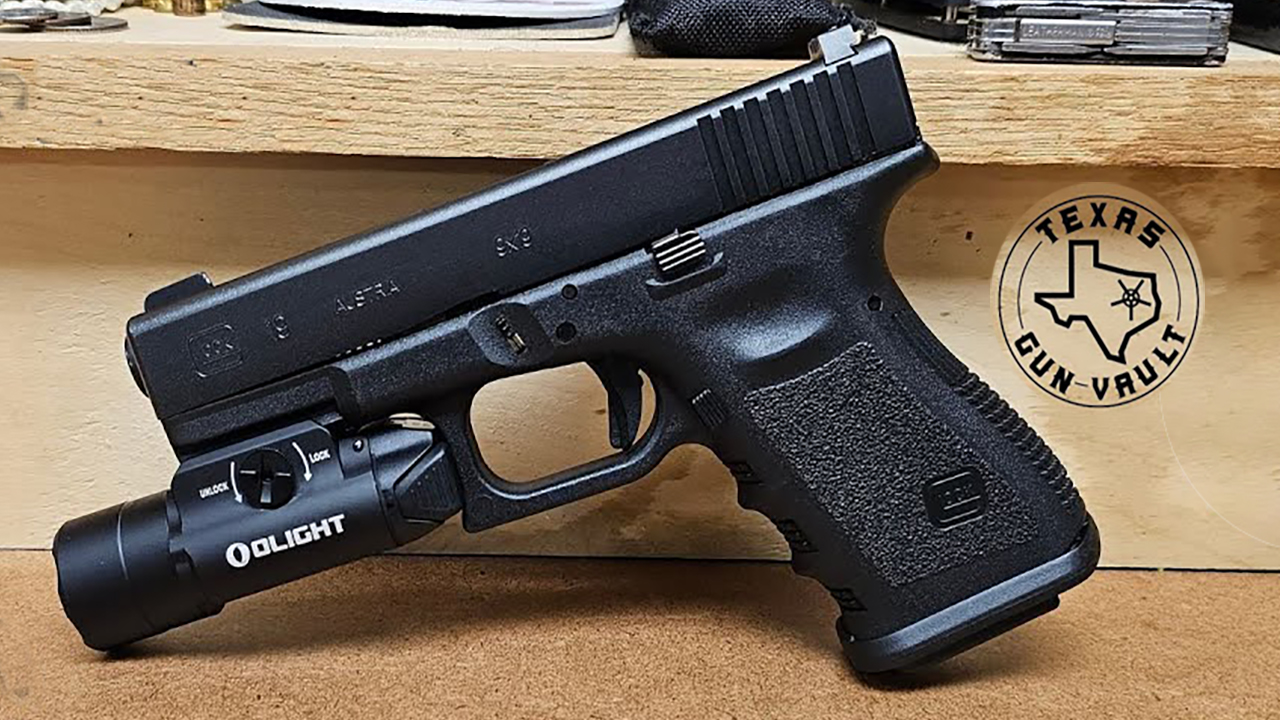
It’s almost boring to say it, but the mid-size Glock is the pistol that makes folks question everything else. You can argue triggers and ergos all day, yet it keeps running when guns with “better features” start acting picky.
The moment usually happens when a shooter shows up with a trendy compact, starts chasing malfunctions, then borrows a well-used Glock 19 and suddenly just shoots. Not magic. Just a gun that points consistently, feeds almost anything, and has magazines and parts everywhere.
2. SIG Sauer P365

The P365 is the gun that made a whole generation of “single-stack guys” feel a little foolish. It carries like a small pistol but holds like a bigger one, and that changes how people think about what they’ll actually carry daily.
It also makes shooters question their old habits at the range. If you can shoot a micro-compact well, you start wondering why you tolerated bigger, heavier guns that you left at home because they were a hassle.
3. Smith & Wesson M&P Shield (original)

Before the high-capacity micro wave hit, the Shield was the honest carry gun. Thin, dependable, simple. Still is. And when you go back and shoot one after chasing newer stuff, you remember why it sold by the truckload.
What it questions is the whole idea that you need fancy. A plain Shield with a decent holster is easy to live with. There is nothing fancy about it, and that is kind of the point.
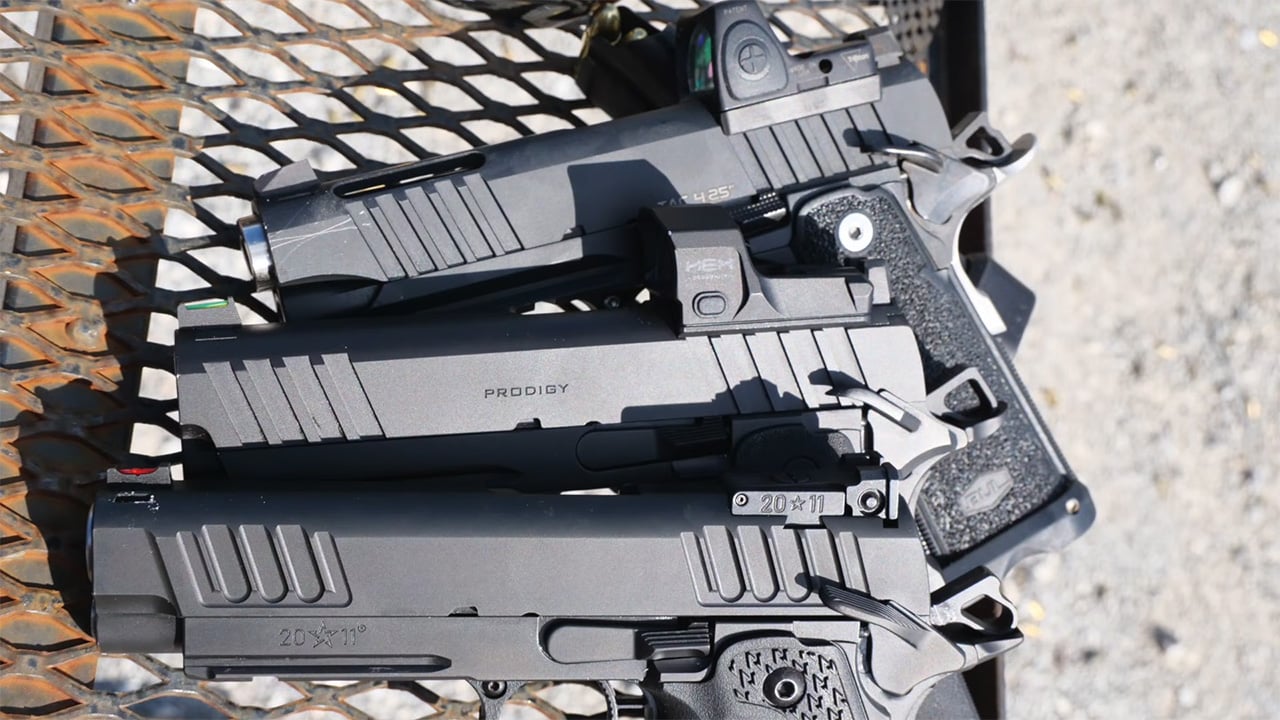
4. Staccato P
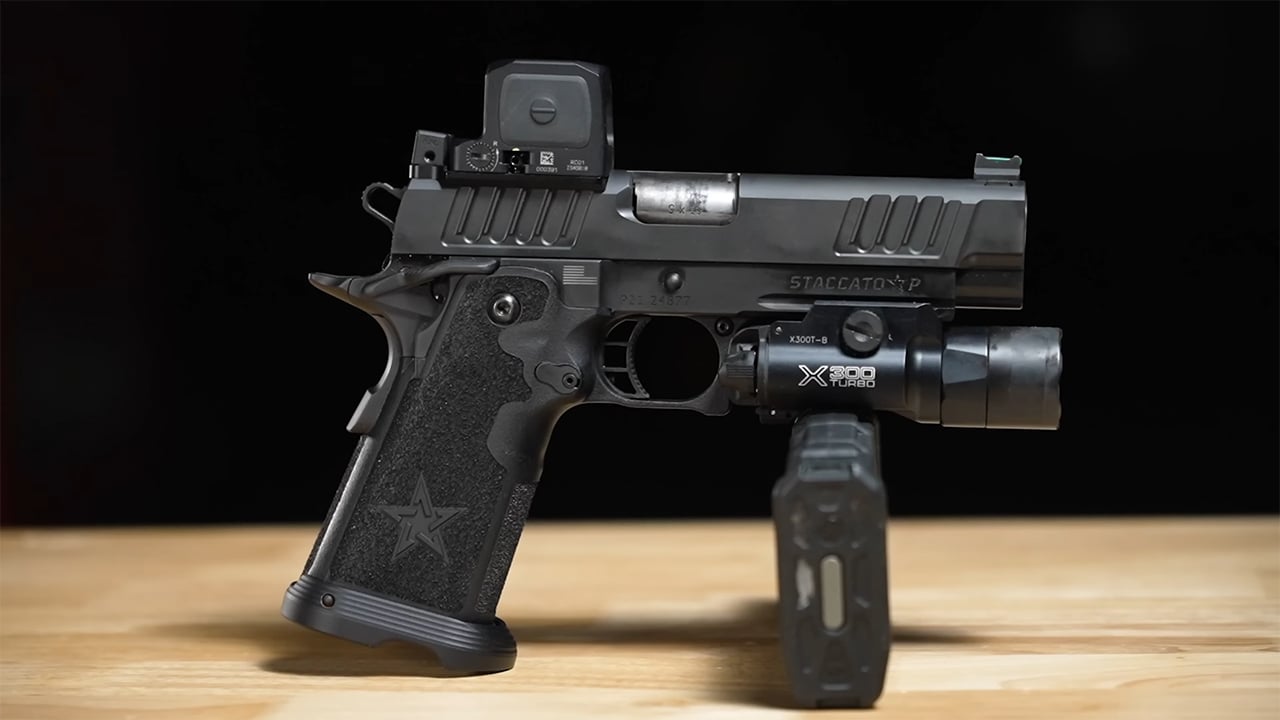
This is where the questioning gets expensive. A lot of shooters think they’re “good enough” with a polymer striker pistol until they run a quality 2011 and feel what a clean trigger and flat shooting gun does to their times and accuracy.
The downside is you start looking at your safe like it’s full of compromises. Not everyone wants 2011 cost, maintenance, and magazine prices, but it’s hard to un-feel that performance once you’ve shot it.
5. CZ 75 SP-01

The SP-01 has a way of making people ask why they ever thought a light pistol was the answer for range work. Heavy steel, low bore feel, and it tracks flat. Put it in someone’s hands and you’ll see their groups tighten up without much coaching.
It’s also a reminder that “duty proven” can mean more than one thing. This one’s proven at the range, proven on nightstands, and it tends to stay in the safe even when other guns rotate out.
6. Ruger Mark IV

A good .22 pistol will humble your opinions about triggers and accuracy, and the Mark IV does it while being easy to maintain. The first time a centerfire-only guy shoots a Mark IV and realizes he’s anticipating recoil, it stings a little.
It also questions your training budget. You can burn through bricks of .22, clean up fundamentals, and walk away a better shooter without beating up your hands or your wallet.
7. Browning Buck Mark
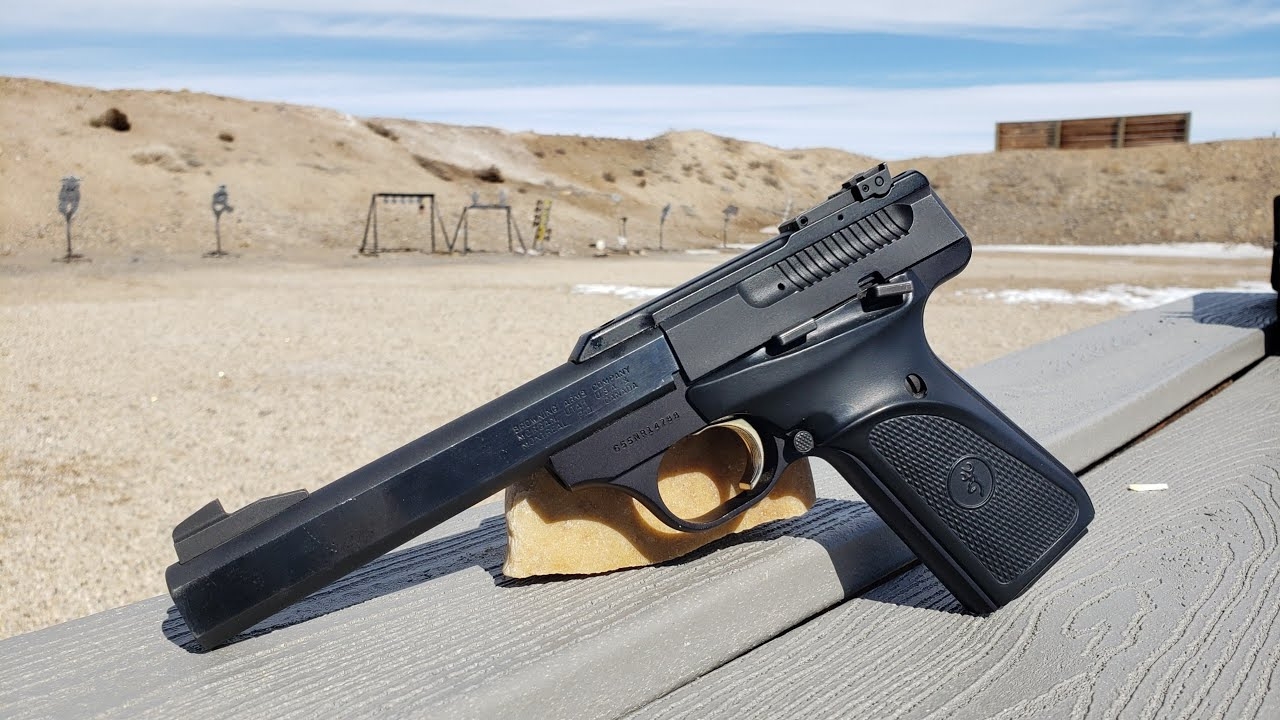
The Buck Mark is another .22 that makes experienced shooters re-think what “fun” practice looks like. It’s accurate, steady, and usually runs well with decent ammo. It points naturally for a lot of hands.
What it calls out is ego. If you can’t keep it tight with a Buck Mark, it’s not the gun. That realization carries over when you go back to your carry pistol.
8. Beretta 92FS / M9
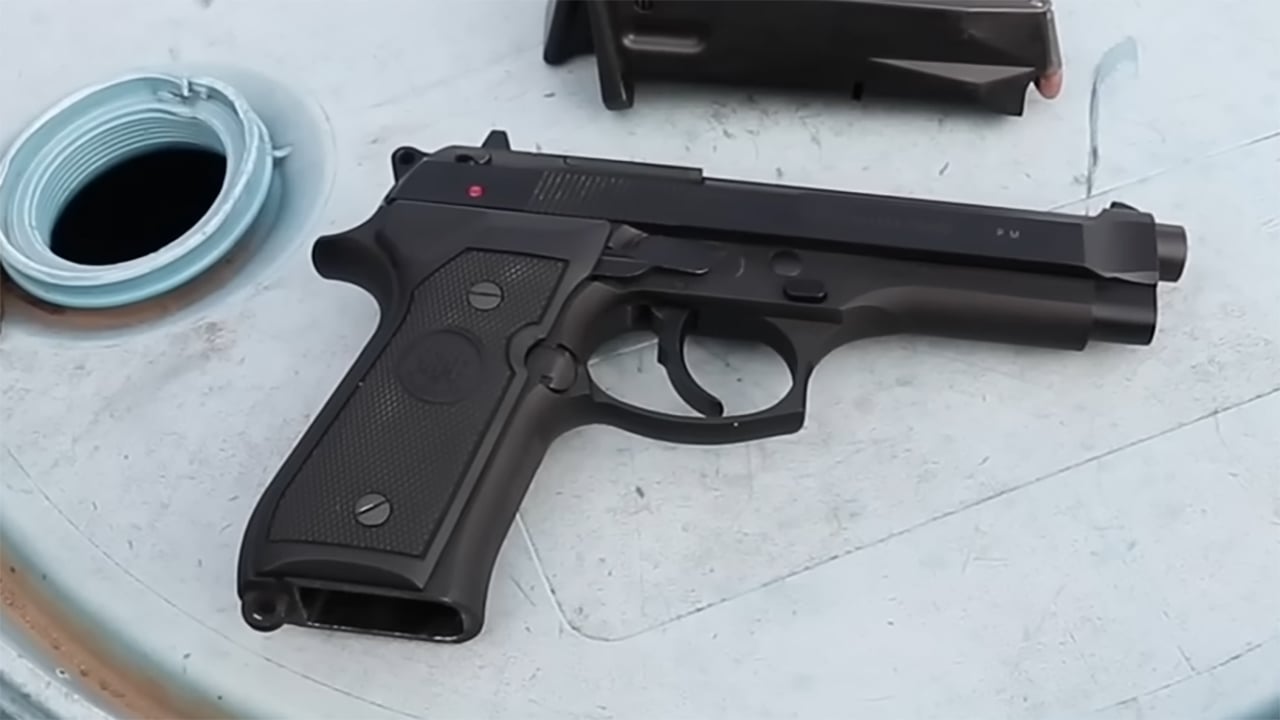
Plenty of folks complain about the grip size and the slide-mounted safety, and I get it. Then they shoot one that’s been lightly tuned or just broken in, and it’s smooth in a way a lot of modern pistols aren’t.
It makes people question the idea that “old equals outdated.” The 92 runs, it’s soft shooting, and it’s hard not to respect a pistol that stays pleasant over long range sessions.
9. Heckler & Koch VP9

The VP9 sneaks up on people. It feels good in the hand, the trigger is solid for a striker gun, and it tends to shoot better than its hype suggests. Many shooters pick it up and immediately wonder why their current pistol feels like a brick.
The downside is the usual HK gripe: cost and parts ecosystem compared to Glock. Still, if it fits your hand, it can change your whole view on what “ergonomics” should feel like.
10. Walther PDP Compact
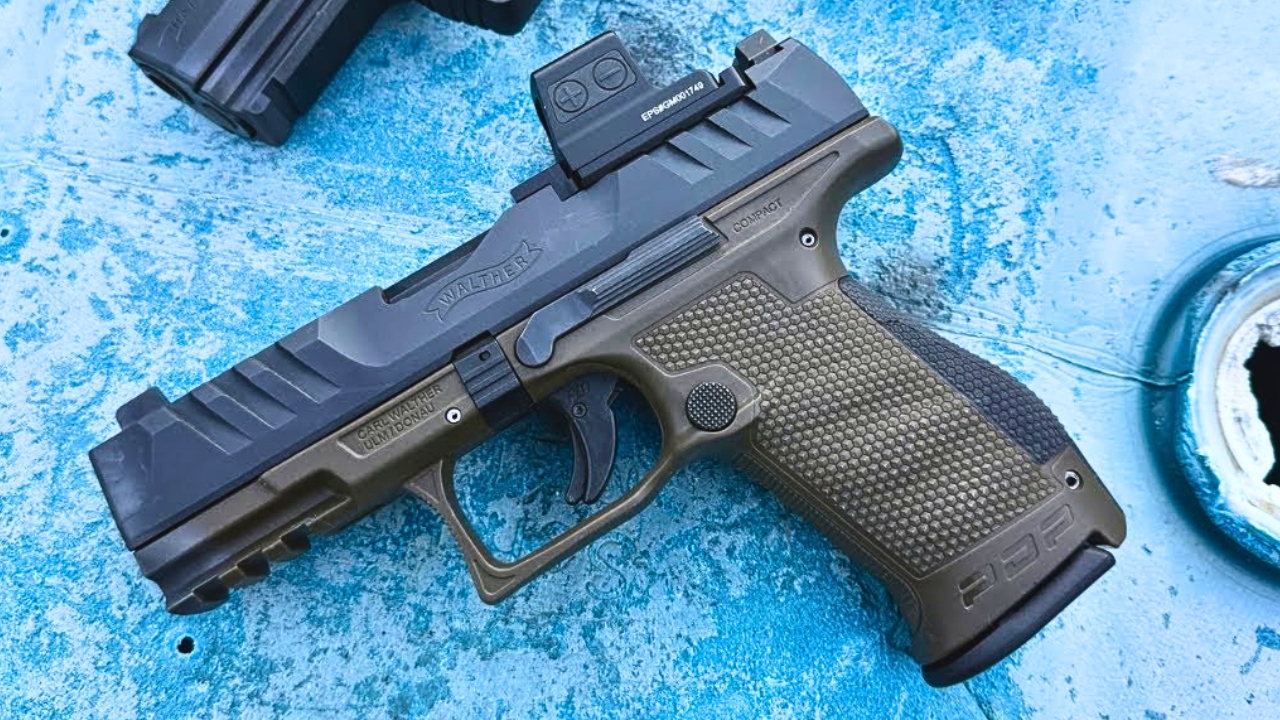
The PDP is the “oh, that’s what a striker trigger can feel like” pistol for a lot of folks. The slide is chunky, sure, but it’s easy to run hard, and the gun just wants to shoot fast.
It makes people question older striker pistols they’ve settled for. The PDP isn’t perfect for everyone to carry, but on the range it can make your usual handgun feel dull and vague.
11. Smith & Wesson Model 19 (K-frame .357)
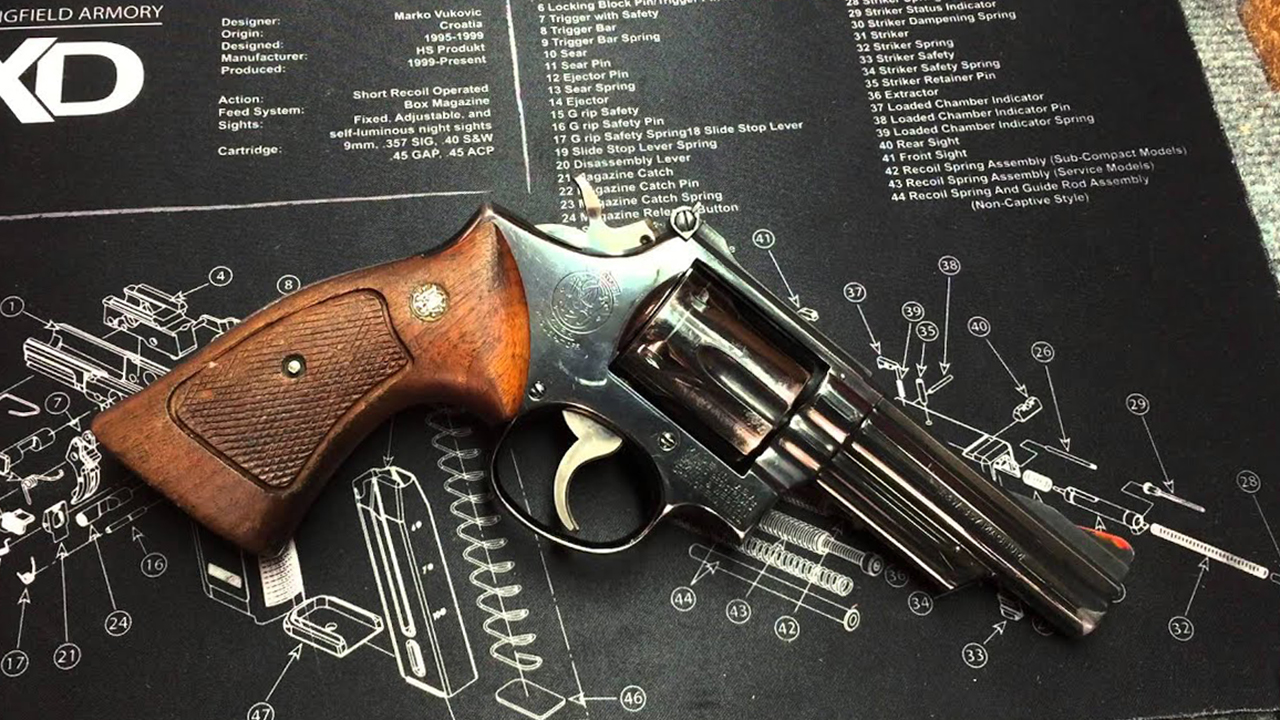
A good K-frame .357 is a lesson in balance. Not too big, not too small, and it carries in the woods better than many folks expect. Then you shoot it in .38 and remember what controllable actually feels like.
It also questions the “more power is always better” mindset. In real life, a gun you can shoot well and carry comfortably beats a cannon you dread practicing with.
12. Ruger GP100
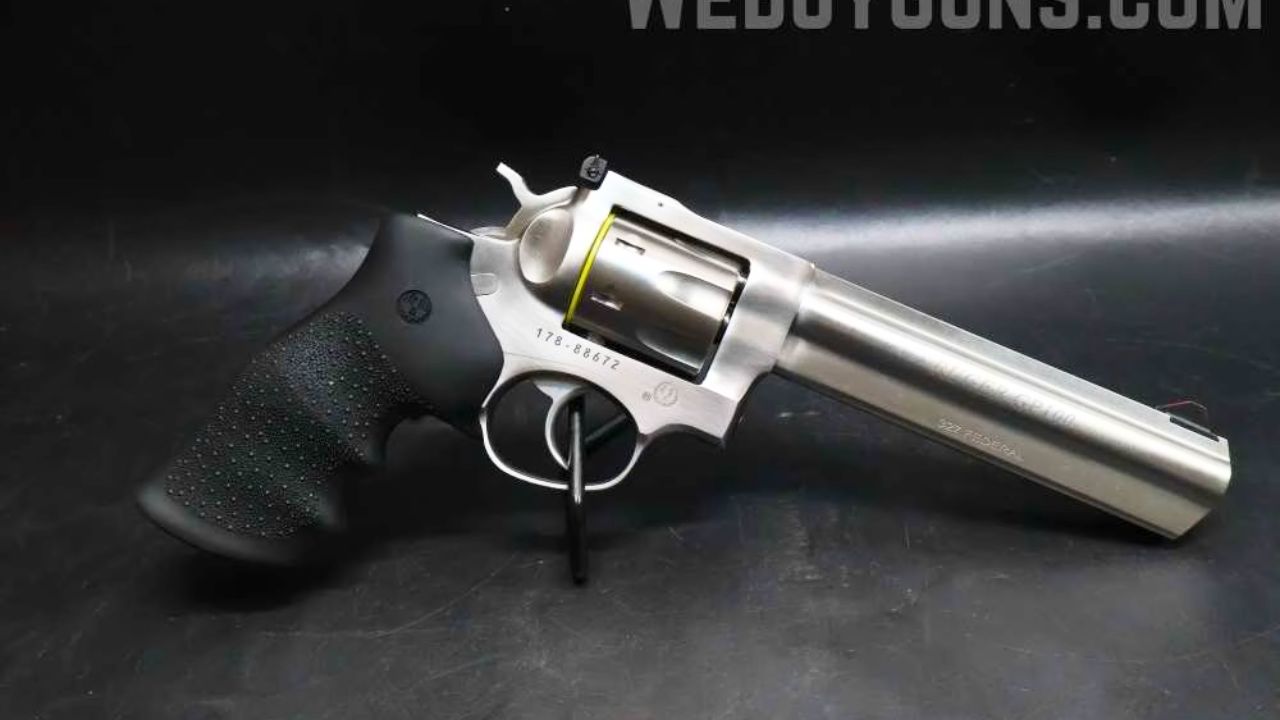
The GP100 is not a dainty revolver. It’s a working gun. When somebody is fed up with finicky semi-autos or just wants a revolver they can run hard, the GP100 tends to settle the argument.
It makes shooters question whether they really need the lightest gun possible. The extra weight soaks recoil, and the gun feels like it was built for years of steady use, not a quick photo and a flip.
13. Ruger LCR (.38 / .357)

Here’s the other side of the revolver coin. The LCR carries like almost nothing and shoots like… well, like a lightweight revolver. That trigger is better than it has any right to be, but recoil can be snappy.
It makes experienced shooters question their “tiny gun” choices because it’s honest. If you can run an LCR well, your fundamentals are solid. If you can’t, it’ll show you fast.
14. Springfield Armory Hellcat

The Hellcat is one of those pistols that made “my single-stack is enough” sound outdated overnight. It’s small, it carries easy, and it holds real capacity. For many folks, it’s the first micro they can actually shoot decently.
It also raises the question: are you carrying for comfort, or carrying for capability? A micro with capacity changes what people consider acceptable in a daily carry gun.
15. Taurus G3 / G3c

This one isn’t about being fancy. It’s about being better than it “should” be for the money. I’ve seen experienced shooters dismiss it, then run a few mags and realize it’s perfectly usable.
It makes people question brand snobbery, but it also brings up a real point: if you buy budget, test it hard. Some examples run great. Some need more attention. Either way, you don’t get to skip range time just because it was a deal.
16. Kel-Tec PF-9

This pistol has made plenty of shooters question their whole “ultra-light carry gun” phase. It’s thin and easy to stash, but it can be harsh, and the shootability isn’t friendly for long sessions.
Ask me how I know: the gun you hate practicing with becomes the gun you’re least prepared to use well. A carry gun has to be something you’ll actually train with, not just tolerate.
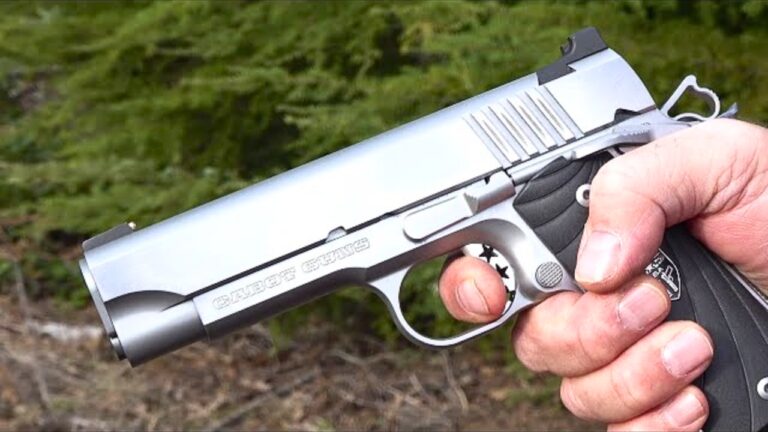
17. Kimber Ultra Carry (3-inch 1911)
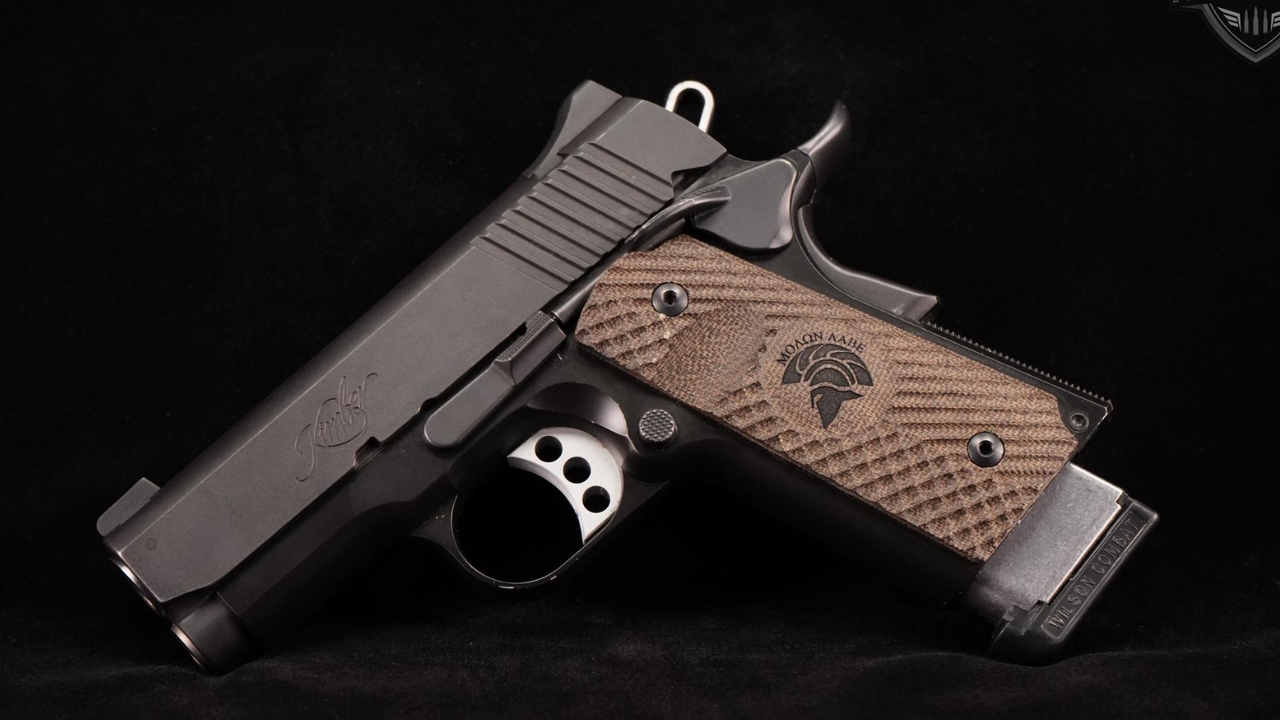
Short 1911s are the classic lesson in wanting a thing to be true. Folks love the idea of a compact 1911 that carries like a dream and shoots like a full-size. Then reality shows up in the form of timing sensitivity and ammo pickiness.
When they run, they’re sweet. When they don’t, the owner starts questioning why they demanded a design that was happiest at 5 inches get cut down and still act perfect.
18. Desert Eagle .50 AE

It’s a bucket-list pistol and it’s also the definition of “cool until you have to live with it.” Heavy, loud, expensive to feed, and not exactly practical for anything most outdoorsmen do.
The questioning usually happens after the novelty wears off. It’s fun, no doubt, but a lot of experienced shooters realize they could have bought a solid handgun, a pile of ammo, and a good holster setup for the same money.
19. FN Five-seveN

Light recoil, lots of capacity, and a very specific vibe. People buy it because it’s different, then start asking what problem it really solves for them. Ammo availability and cost can turn it into a safe queen fast.
It makes shooters question “unique” purchases in general. If it’s hard to feed and hard to justify, you’ll shoot it less. And guns you don’t shoot don’t make you better.
20. Hi-Point C9
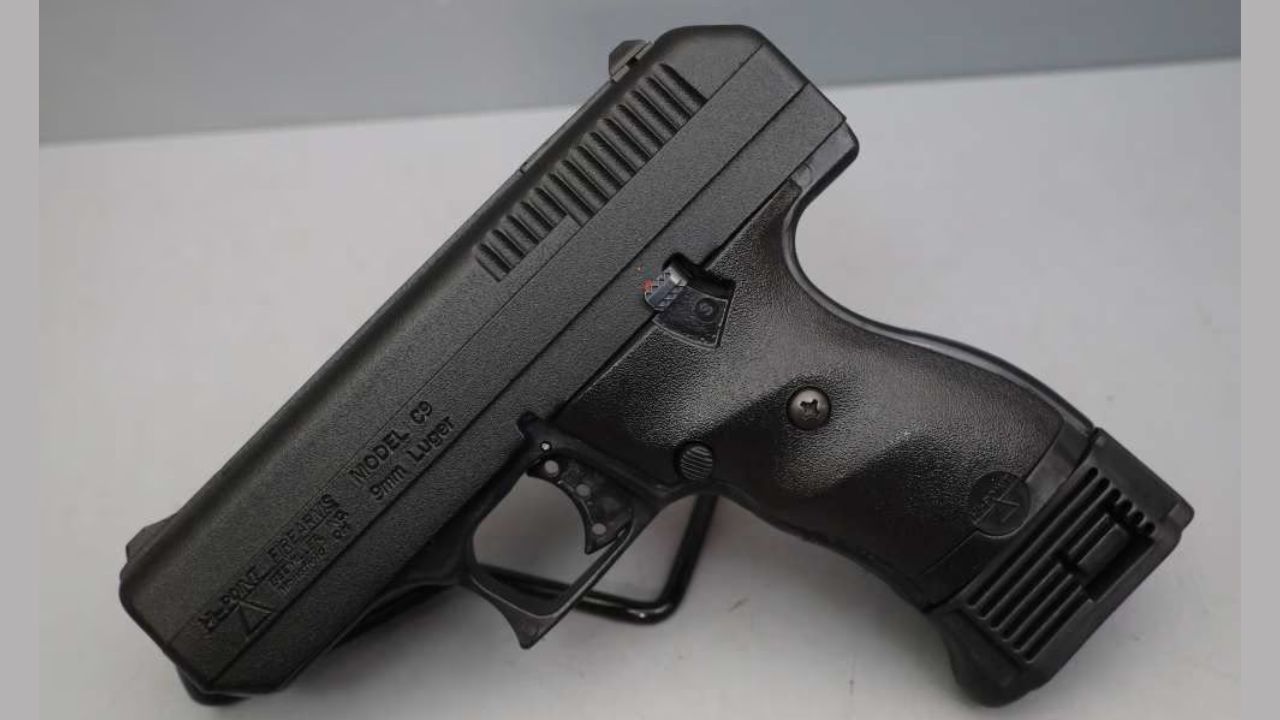
Yep, the brick. I’ve watched good shooters laugh at it, then watch it chug through ammo more reliably than a finicky “premium” pistol somebody brought that day. It’s ugly, heavy, and it’s not refined.
Still, it forces an uncomfortable question: are you paying for performance, or paying for a logo? A Hi-Point won’t win beauty contests, but when one runs all day, it makes folks re-check their assumptions.
If there’s a theme here, it’s that pistols don’t just shoot bullets, they expose priorities. Comfort versus capability. Hype versus reliability. “Feels good in the hand” versus “works when it’s dirty.” The best move isn’t chasing the perfect handgun. It’s finding the one you’ll actually carry, actually practice with, and can keep running safely for the long haul.
Like The Avid Outdoorsman’s content? Subscribe to our newsletter so you never miss an article.
Here’s more from us: