Photo credit: Rock Island Auction Company/Youtube
War has a way of forcing engineers to stop daydreaming and start solving problems. Mud, cold, sand, rough handling, and the reality that a gun has to work when it is dirty and tired will do that. What’s funny is how many of those “built for war” designs ended up being even better once the shooting stopped—better for hunting camps, patrol cars, homesteads, backwoods trucks, and plain old range time.
Not all of these are perfect. Some are heavy. Some are loud. Some are a little awkward until you learn them. But they earned their reputations the hard way, and a lot of them still make more sense in everyday life than the latest trendy thing that looks good on a screen.
1. Colt M1911A1
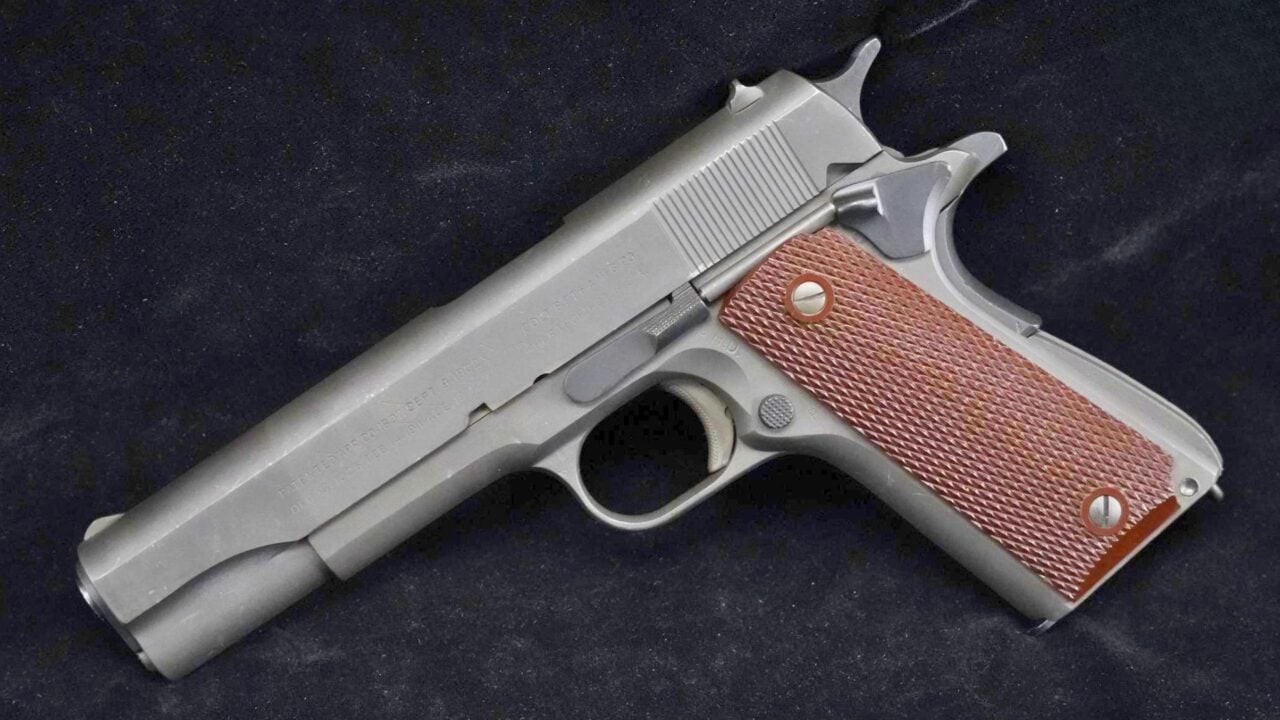
I’ve watched more than one guy swear off a 1911 after buying a finicky, tight, modern “match” version. Then he handles an old-school, loose-running service-style 1911 and suddenly it clicks. The original military idea wasn’t “Instagram pretty,” it was “runs when you’re sweaty, tired, and your holster has grit in it.”
As a practical handgun, it still does work: a clean trigger, natural pointability, and a slim profile that carries flatter than a lot of double-stacks. Downsides are real—weight and the need to commit to the manual safety—but for folks who actually practice, it’s a serious tool.
2. Browning Hi-Power (FN P-35)
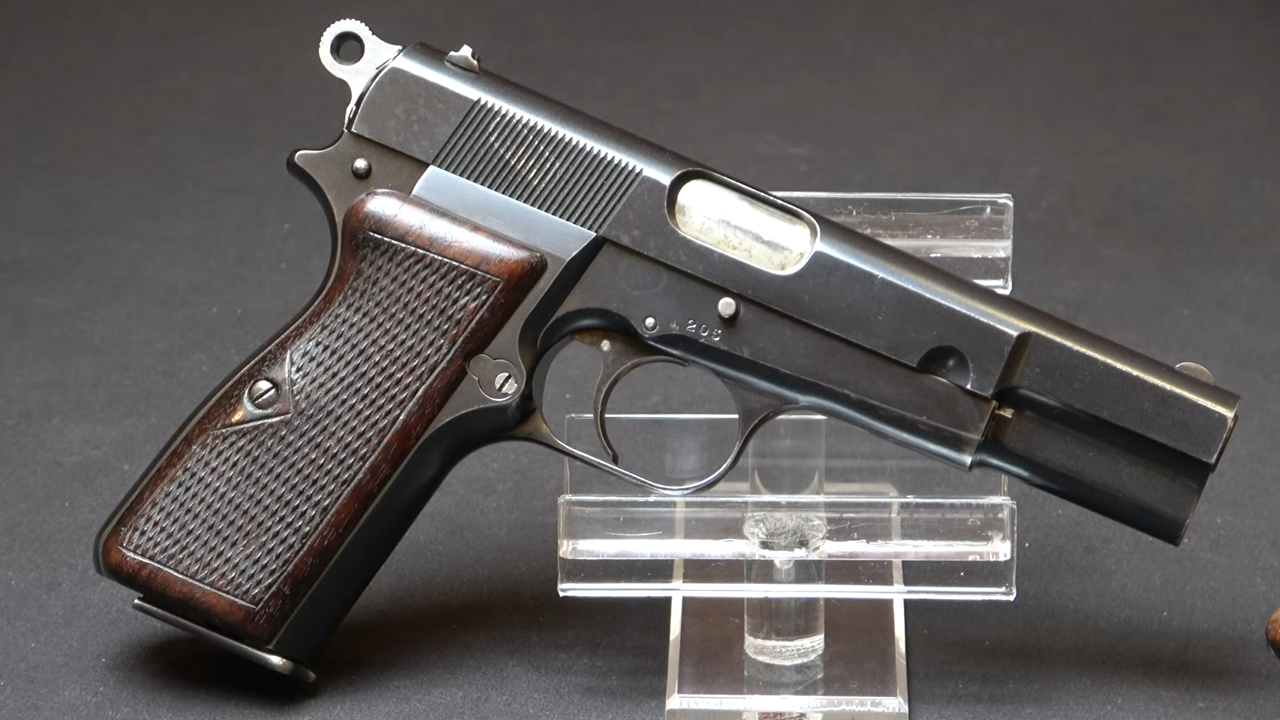
The Hi-Power is one of those pistols that feels like it was designed by someone who actually shoots. It sits low, points easy, and balances right. For a long time it was the 9mm service pistol, and it still makes sense as a range gun or a classic “kept ready” handgun.
Magazines are common, parts are out there, and the gun has a mechanical honesty to it. The big knock is that some examples have a gritty trigger from the magazine disconnect, and it’s not as drop-safe-by-design as modern duty pistols. Still, it’s hard not to like.
3. SIG Sauer P226

There’s a reason the P226 became a go-to in the duty world. It’s a serious, durable 9mm that feeds like it has something to prove. If you’ve ever shot one that’s been carried a lot and cleaned “some,” you know they tend to keep running anyway.
For everything after wartime use—home defense, range work, even nightstand duty—it’s easy to live with. The DA/SA system isn’t for everybody, but if you put in the reps it’s predictable and safe. It’s not small, but that’s also why it shoots so well.
4. Beretta 92FS (M9)

The Beretta 92 gets called big and slick, and it is. But it’s also one of the softer-shooting 9mms you can run fast without feeling like the gun is fighting you. The open-top slide and generous ejection are not marketing; they’re reliability choices.
For the “everything after” category, it’s a great training pistol and a great house gun. The safety/decocker layout divides folks, and the grip can be a handful for smaller hands. If it fits you, it’s hard to shoot poorly.
5. Glock 17

Glocks weren’t born on a battlefield the same way an old bolt gun was, but the design was shaped by military and service realities: simple, durable, easy to maintain, and hard to knock out of commission. It’s not romantic. That’s why it works.
The G17 is still one of the best “one pistol does most things” answers out there. Magazines and parts are everywhere, and you can actually find holsters for it in the real world, not just online. The trigger is what it is—learn it or pick something else.
6. Smith & Wesson Model 10 (Military & Police)
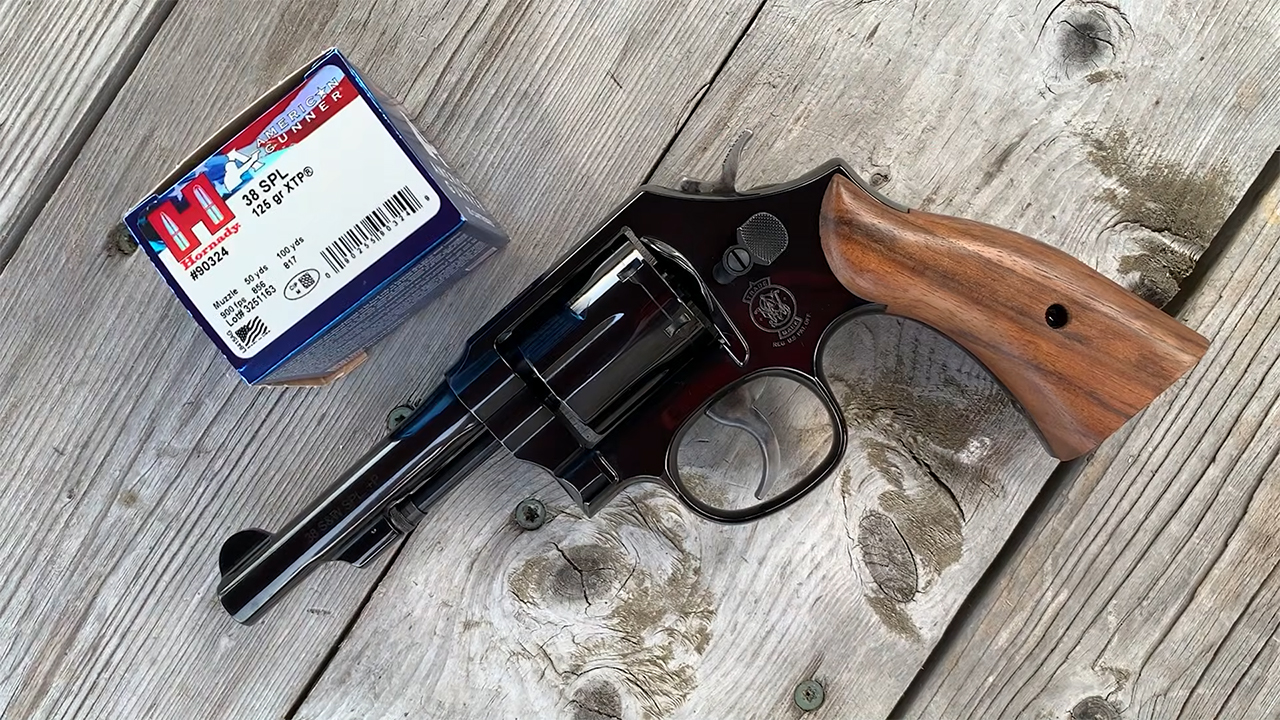
This is the revolver that rode in holsters for generations because it just kept showing up and doing the job. The Model 10 doesn’t look tactical, and nobody brags about owning one. Then you shoot it and realize it’s smooth, accurate, and steady.
As a woods and property gun, a .38 Special with a good load is still useful. It’s also one of the best handguns to teach with because it makes you slow down and do things right. Capacity is the drawback, but simplicity is the trade.
7. Mauser Gewehr 98 (and the 98 action)
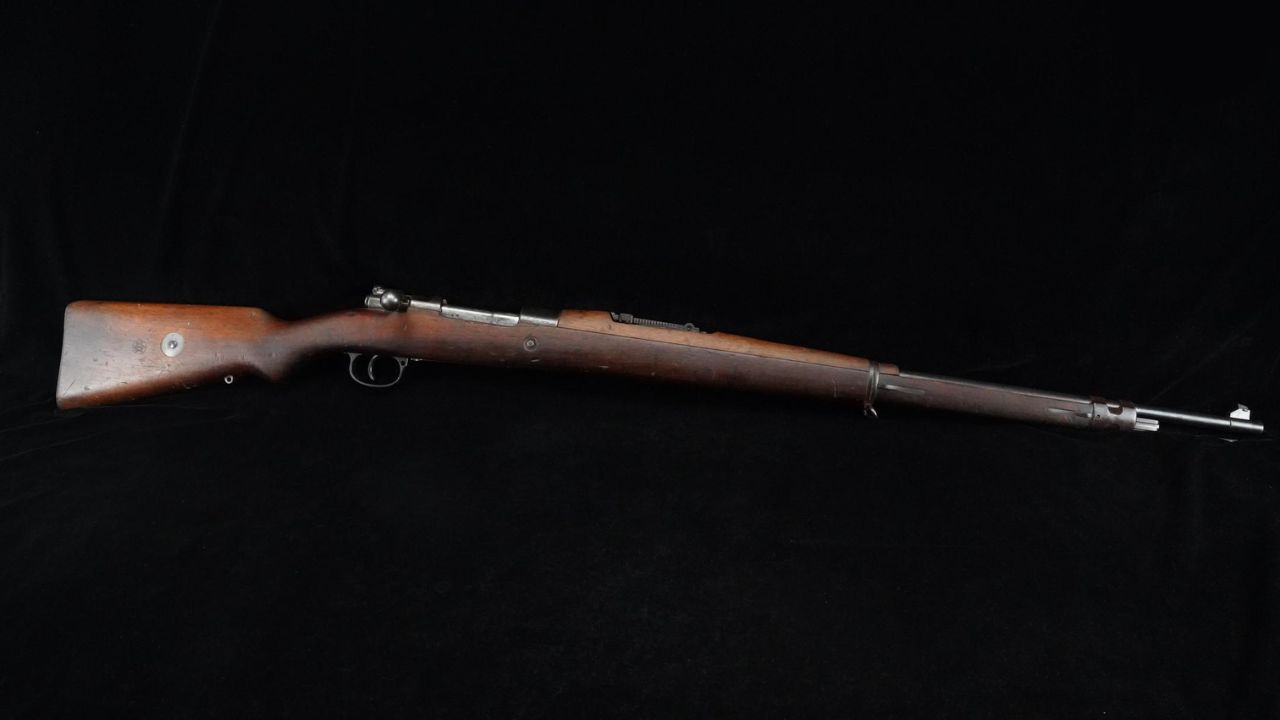
A lot of modern hunting rifles are basically a love letter to the Mauser 98. Controlled-round feed, big claw extractor, tough action—those weren’t “nice to have” features when things got ugly. They were survival features.
What came after is decades of dependable hunting rifles built around the same ideas. A good 98-based sporter carries well, feeds well, and handles mud and cold without drama. The only real complaint is weight if you end up with a full-length military configuration.
8. Springfield Armory M1903
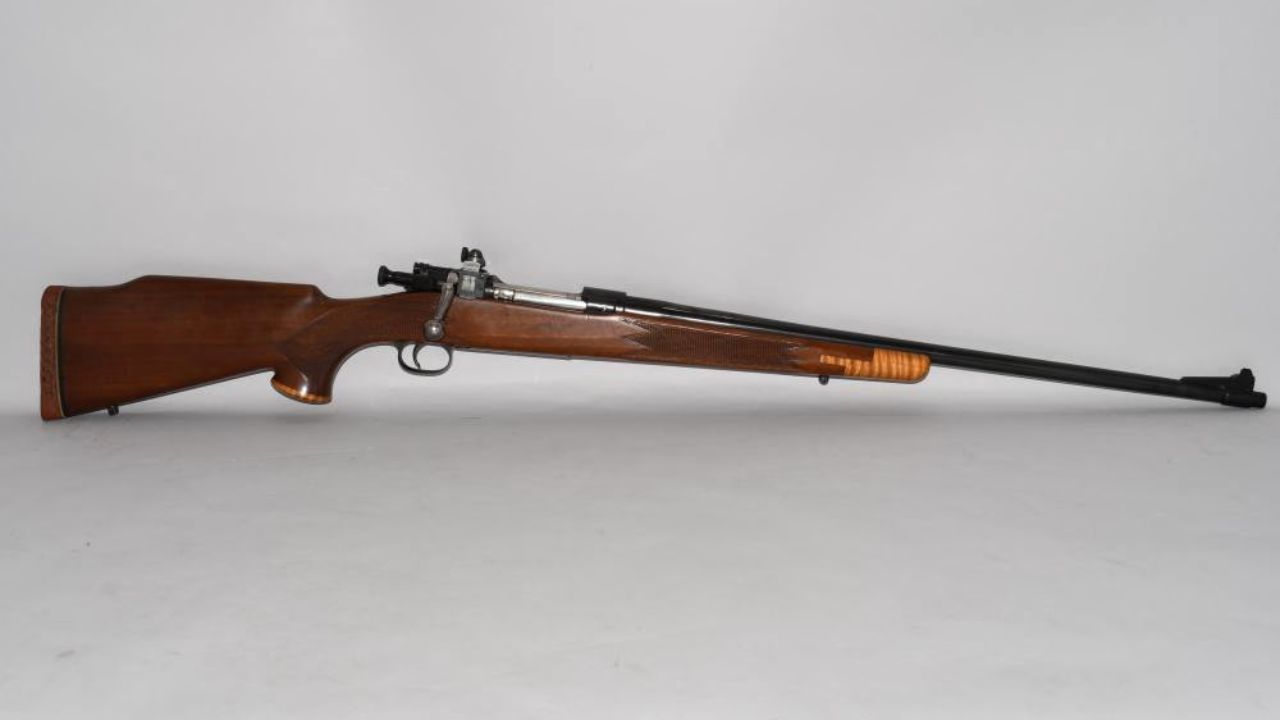
The 1903 is one of those rifles that makes you slow down in a good way. The sights are usable, the action is slick, and the whole rifle has a “built right” feel. It’s also a reminder that careful machining used to be the norm.
In the sporting world, the ‘03 became a classic donor for hunting rifles for a reason. It’s accurate enough for anything you’d reasonably do with iron sights, and with a good barrel it can be a real shooter. The collectible factor means you should think twice before drilling anything, but as-is it’s still practical.
9. Mosin–Nagant M91/30

The Mosin is not refined. The bolt can feel like you’re opening a stuck gate in January. But these rifles were built to be abused, neglected, and still send rounds downrange. They did that.
For everything after, they’re cheap-to-own history that can still fill a freezer in the right hands. The downside is recoil with full-power loads and the fact that some surplus ammo is corrosive, which means you clean it like you mean it. If you want smooth and light, this is not the one.
10. Lee–Enfield No.4 Mk I

Fast bolt. Big magazine. Easy handling. The Lee–Enfield is what you get when a military expects volume of accurate fire and a rifle that works in nasty conditions. It’s hard not to smile the first time you run one quickly and realize it’s not hype.
In the woods, the No.4 carries better than you’d think and points naturally. .303 British isn’t as common on store shelves as it used to be, but it’s still around, and reloaders keep it alive. It’s an honest rifle that rewards practice.
11. M1 Garand (Springfield Armory/H&R/IHC)

Everybody talks about the “ping,” but the real story is how steady and shootable the Garand is. For a full-power rifle, it tracks well and runs with a certain mechanical confidence. You feel like you’re operating a machine, not babysitting a toy.
After the war years, it became a match rifle, a collector piece, and a range favorite that still teaches fundamentals. It is heavy, and you need to pay attention to ammo choices and safe function, but as a practical rifle for deliberate shooting it’s still hard to beat.
12. M1 Carbine (Inland/Winchester/Underwood and others)
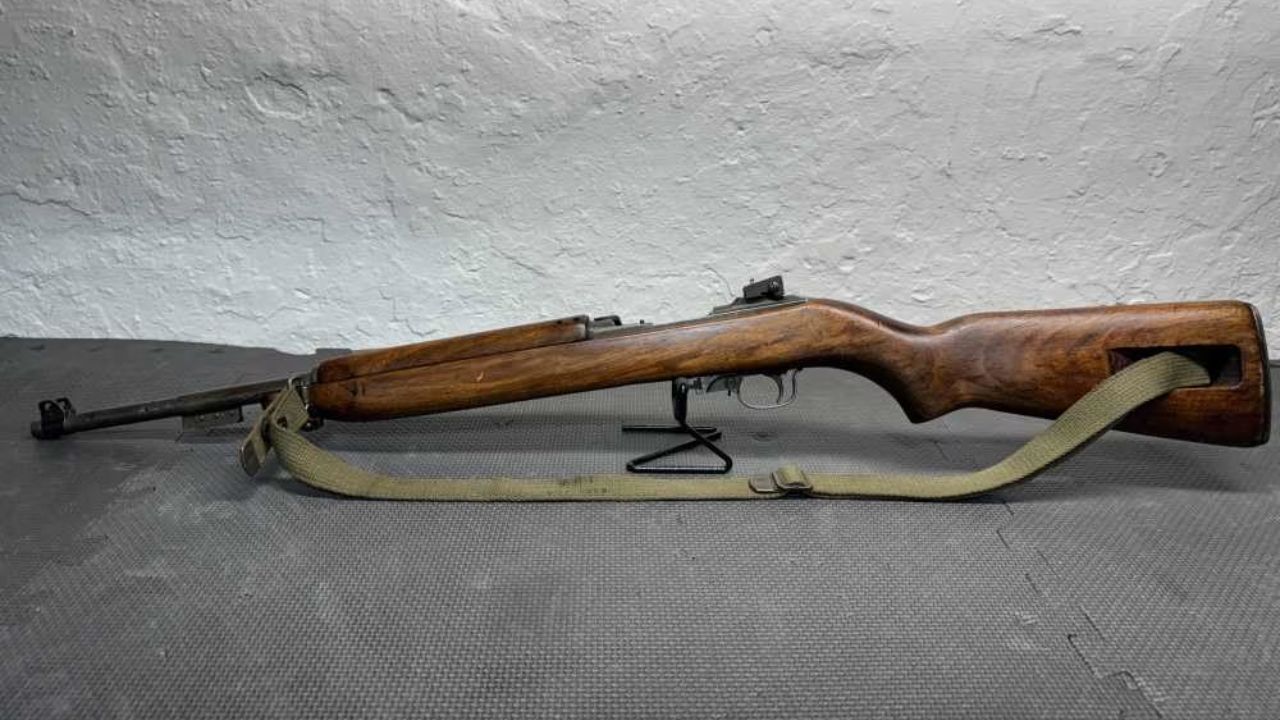
The M1 Carbine gets underestimated until you carry one all day. It’s light, handy, and quick. In thick timber, on a farm, or just as a “grab and go” rifle for chores, it has a lot going for it.
.30 Carbine ammo is not the cheapest, and the gun is only as good as its magazines, so don’t skimp there. But for a low-recoil rifle that points fast and is easy for smaller-statured shooters, it still fills a niche.
13. SKS (Simonov)
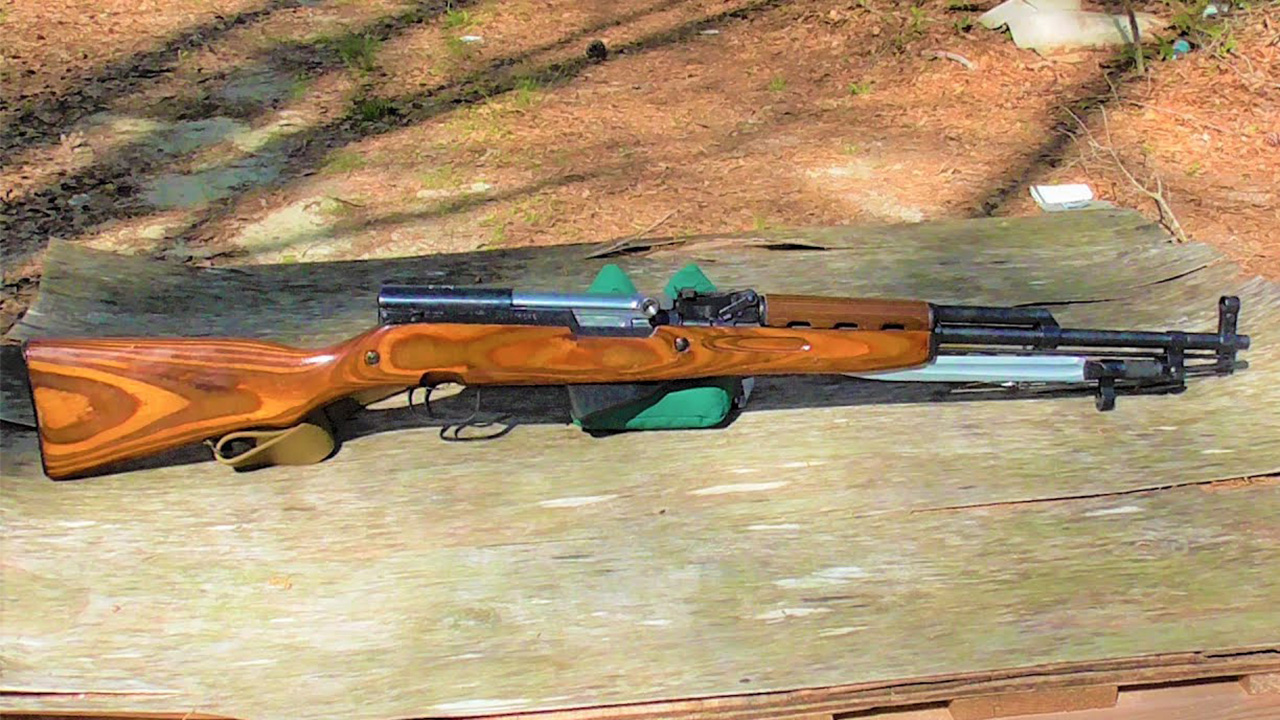
The SKS is the kind of rifle that gets dragged behind truck seats, leaned in corners, and still shows up on range day working. It was designed for mass issue and minimal fuss, and that DNA makes it a reliable “utility rifle” now.
For hunting within reasonable distances and with legal ammo and local compliance, it can do the job. It’s also a great rifle for folks who don’t want to depend on detachable magazines. The downside is weight compared to some modern carbines, and the triggers vary.
14. Izhmash AKM (AK-47 pattern)

The AK is not a precision instrument. It’s a “keeps going” instrument. War proved that a simple long-stroke piston and generous clearances will run in places you don’t want to crawl through.
For everything after, the AK shines as a rugged rifle you can actually maintain without babying. Magazines and parts are common, and 7.62×39 is still one of the more practical intermediate cartridges out there. Accuracy is “minute of practical,” not “tiny groups,” and that’s the point.
15. FN FAL (Fabrique Nationale)
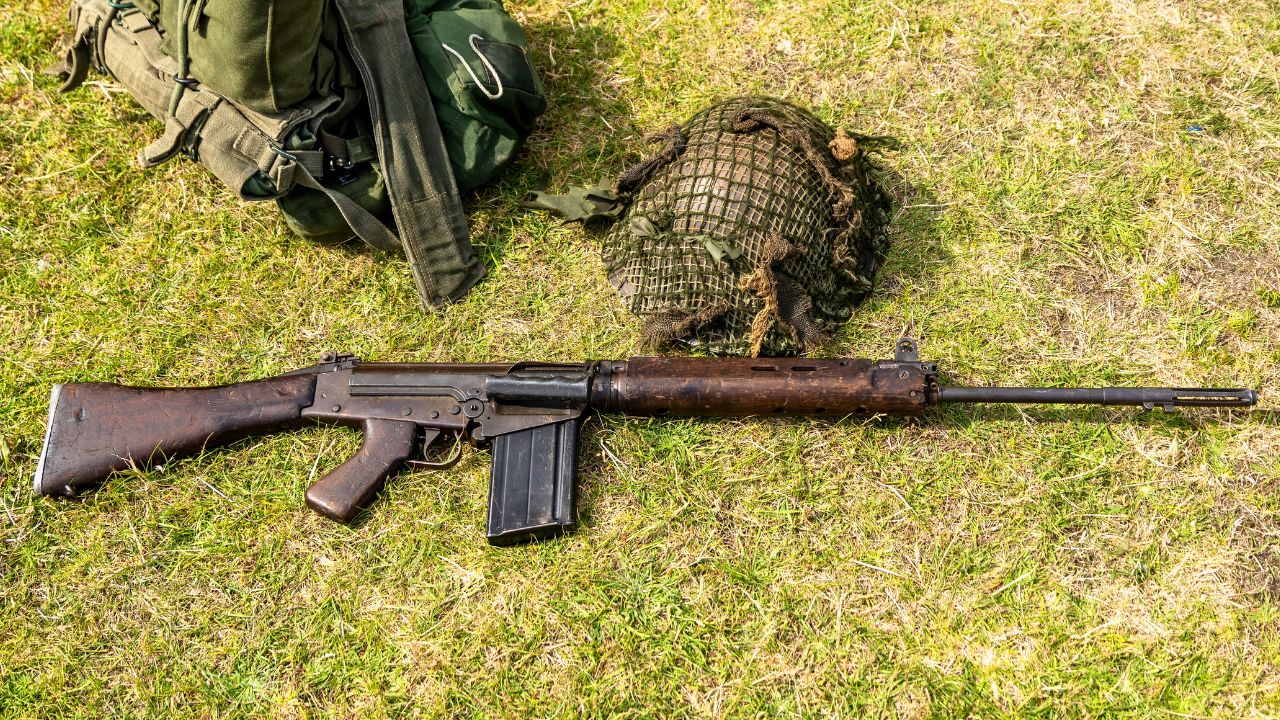
The FAL is a big, capable .308 battle rifle that feels like it was made for grown-up work. It’s also not light. Carry one a mile and you’ll know exactly what you’re holding.
As a “everything after” rifle, it’s excellent for range steel, property defense roles, and any situation where a durable semi-auto .308 makes sense. The ergonomics are solid, the controls are straightforward, and it tends to be reliable if it’s built right. Just don’t pretend it’s a mountain rifle.
16. Heckler & Koch G3 (HK91 pattern)
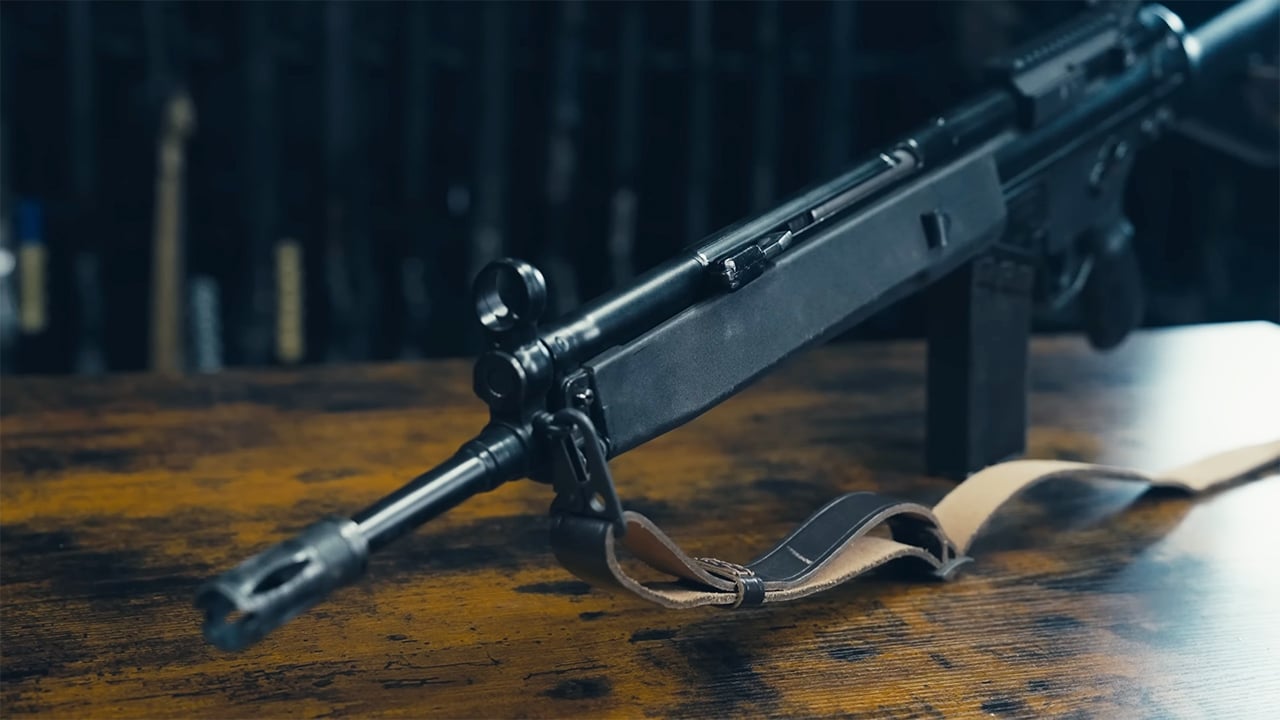
Roller-delayed rifles have a different feel, and the G3 has always been a little blunt about it. The recoil impulse is distinct, the charging handle is iconic, and brass tends to come out looking like it got into a bar fight. Still, they run.
For civilian use, the advantage is durability and a strong track record with full-power ammo. Magazines are usually easy to find, and the system is simple. The downsides are weight and a trigger that often feels more utilitarian than refined.
17. Remington 870 (military variants and the core design)
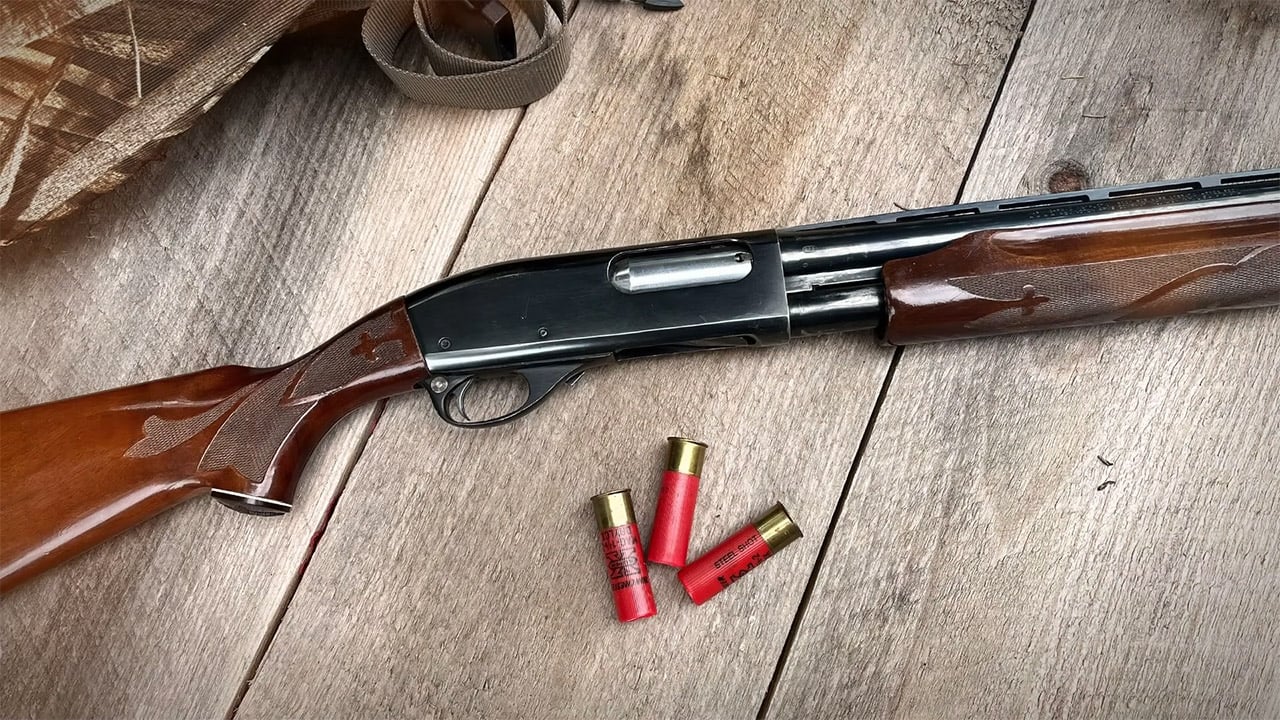
If you’ve owned an 870 for a while, you know the sound of that action. It’s the sound of “we’re not having problems today.” The military versions proved the basic design can handle hard use, and hunters have leaned on the same pump for decades.
For everything after, the 870 is the shotgun you toss in the truck during bird season, keep for home defense with appropriate setup, or run on clays to keep your swing honest. Newer production quality can be hit or miss depending on era, but good examples are everywhere.
18. Mossberg 590A1

The 590A1 is built like it expects to be dropped. Heavier barrel, tougher parts, simple controls, and that Mossberg tang safety that makes sense when you’re running a shotgun with gloves or switching shoulders.
As a working shotgun, it’s hard to argue with. It’s not fancy, and it doesn’t need to be. If you live rural and want a pump that’s comfortable with neglect as long as you’re not abusing it, this one earns its keep.
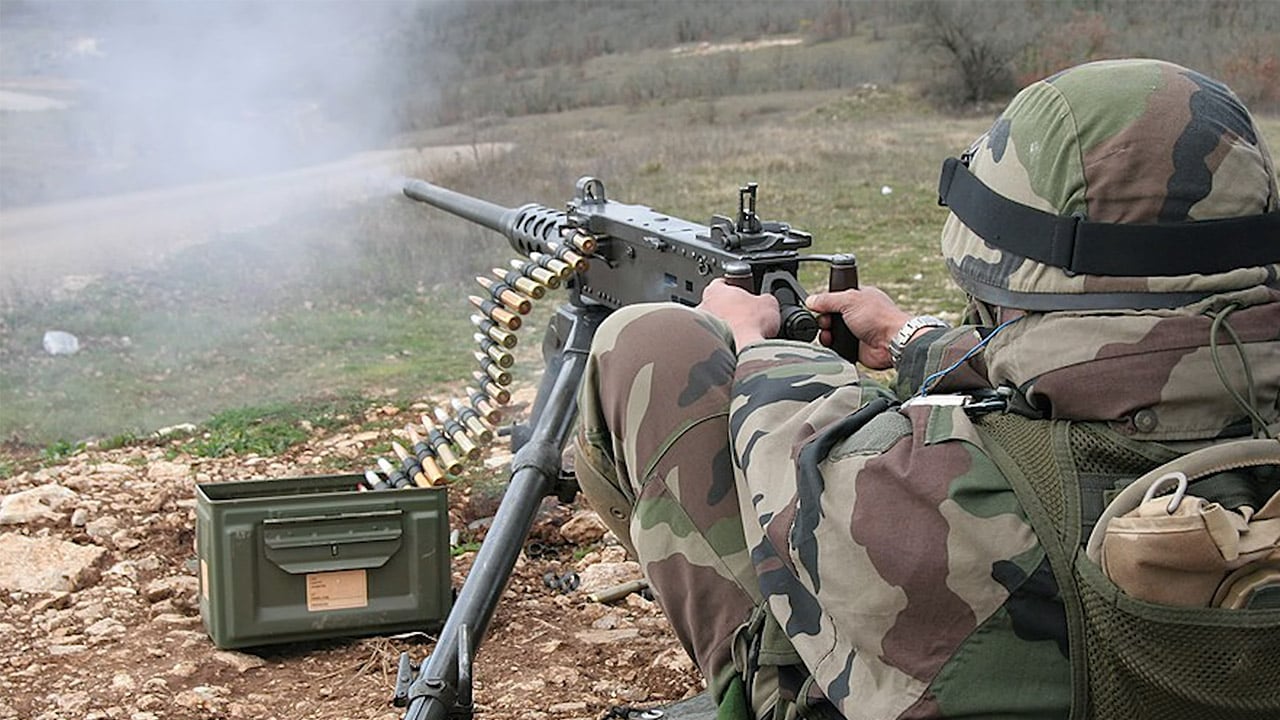
19. Browning M2 “Ma Deuce”
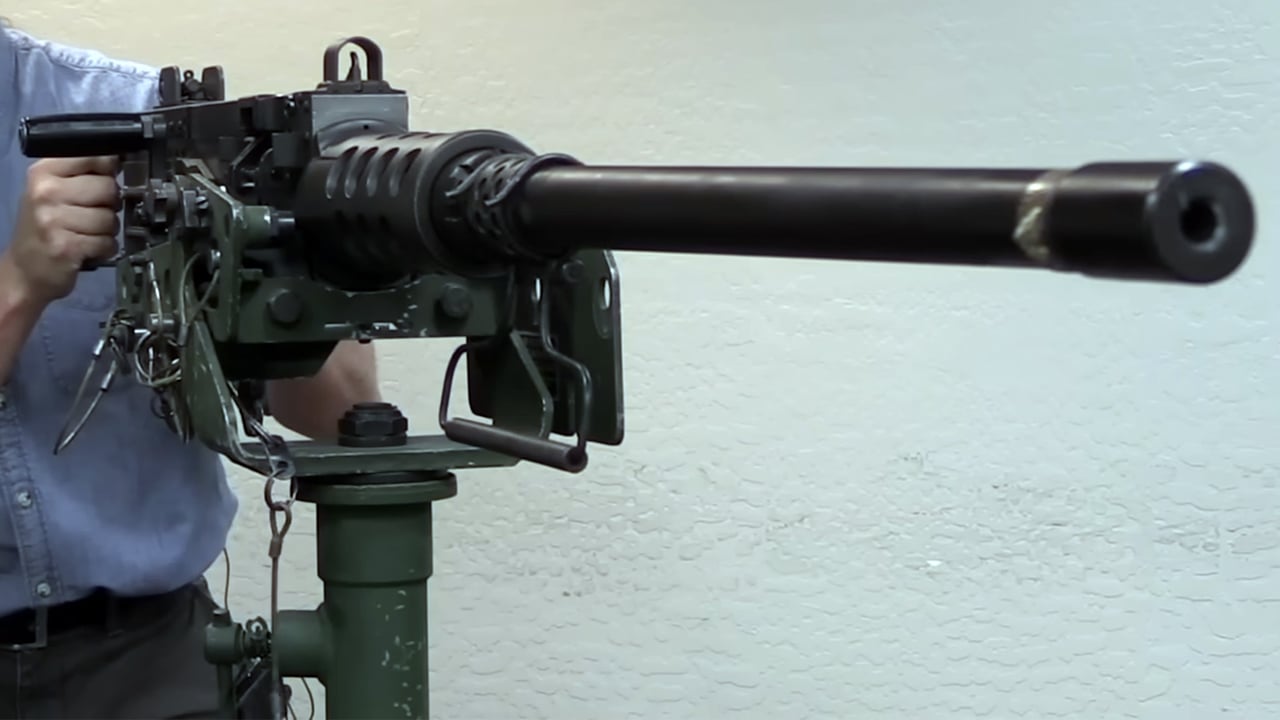
No, it’s not a “normal” gun for normal folks, but it belongs on the list because it’s the definition of a wartime design that refused to leave. The M2 has been around forever because it works and because nothing else quite replaces what it does.
In the civilian world it’s mostly a collector or range novelty where legal and available, but it also set a standard for durability and long-term service. The legacy matters: this is what happens when something is overbuilt the right way.
20. MG42 (and the MG3 lineage)
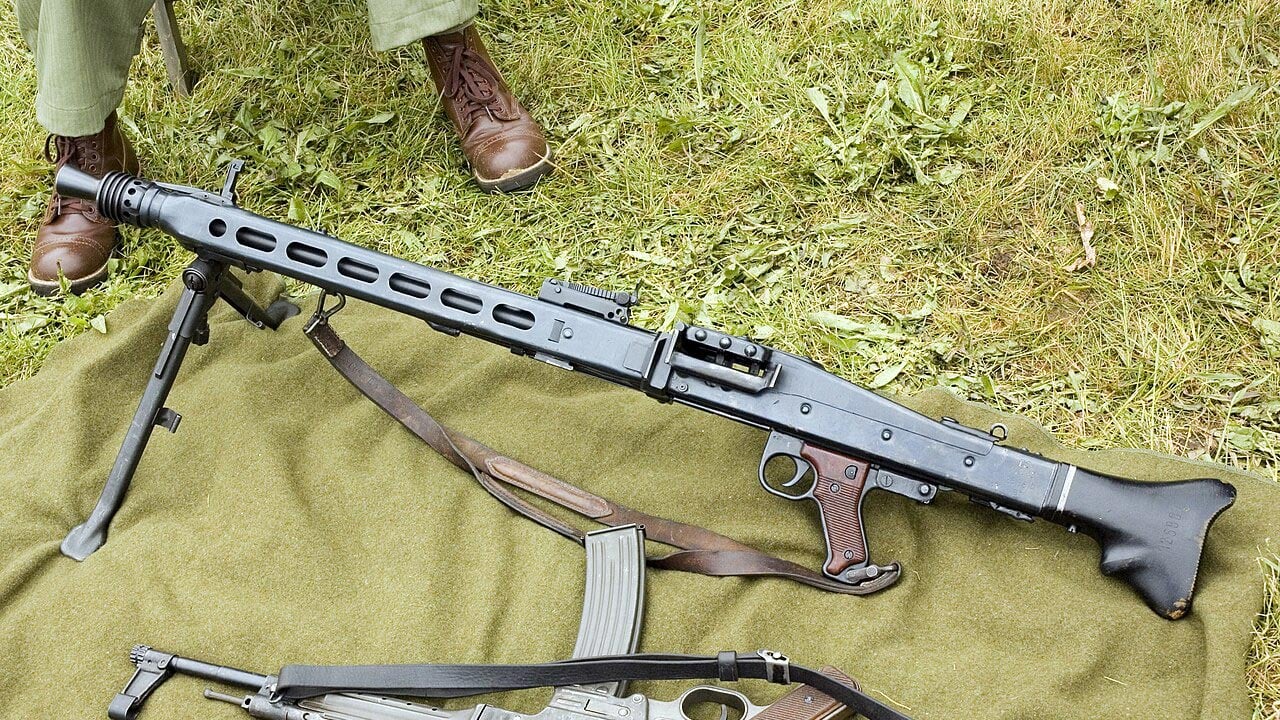
The MG42 is another one most of us won’t own, but it’s impossible to talk about war-driven engineering without bringing it up. It was designed for brutal efficiency, easy barrel changes, and high rates of fire, and the basic concept carried forward for decades.
“Better after” here means influence. The MG42 taught the world a lot about manufacturing, durability, and what a general-purpose machine gun could be. Even if you never touch one, you’ve benefited from the ideas it pushed into modern gun design.
The best part of these old war-bred guns isn’t nostalgia. It’s that they remind you what matters: reliability you can feel, controls you can run under stress, and designs that don’t fall apart the minute they get dirty or cold. If you’ve got one that fits your life now—range, farm, deer camp, or just peace of mind—don’t be too quick to trade it off for the new hot thing. Ask me how I know.
Like The Avid Outdoorsman’s content? Subscribe to our newsletter so you never miss an article.
Here’s more from us: